Ancient site · Rome
Curia Julia
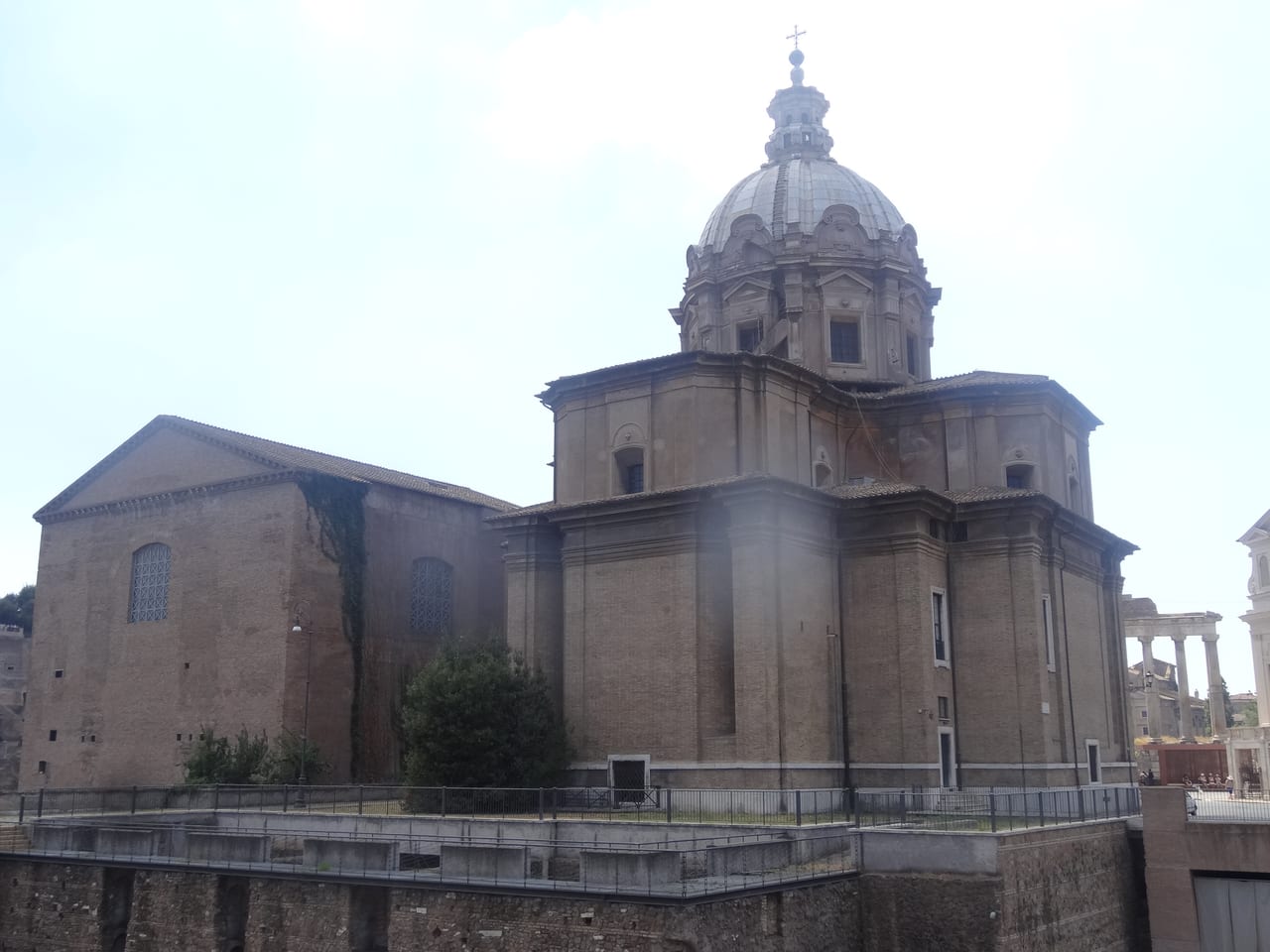
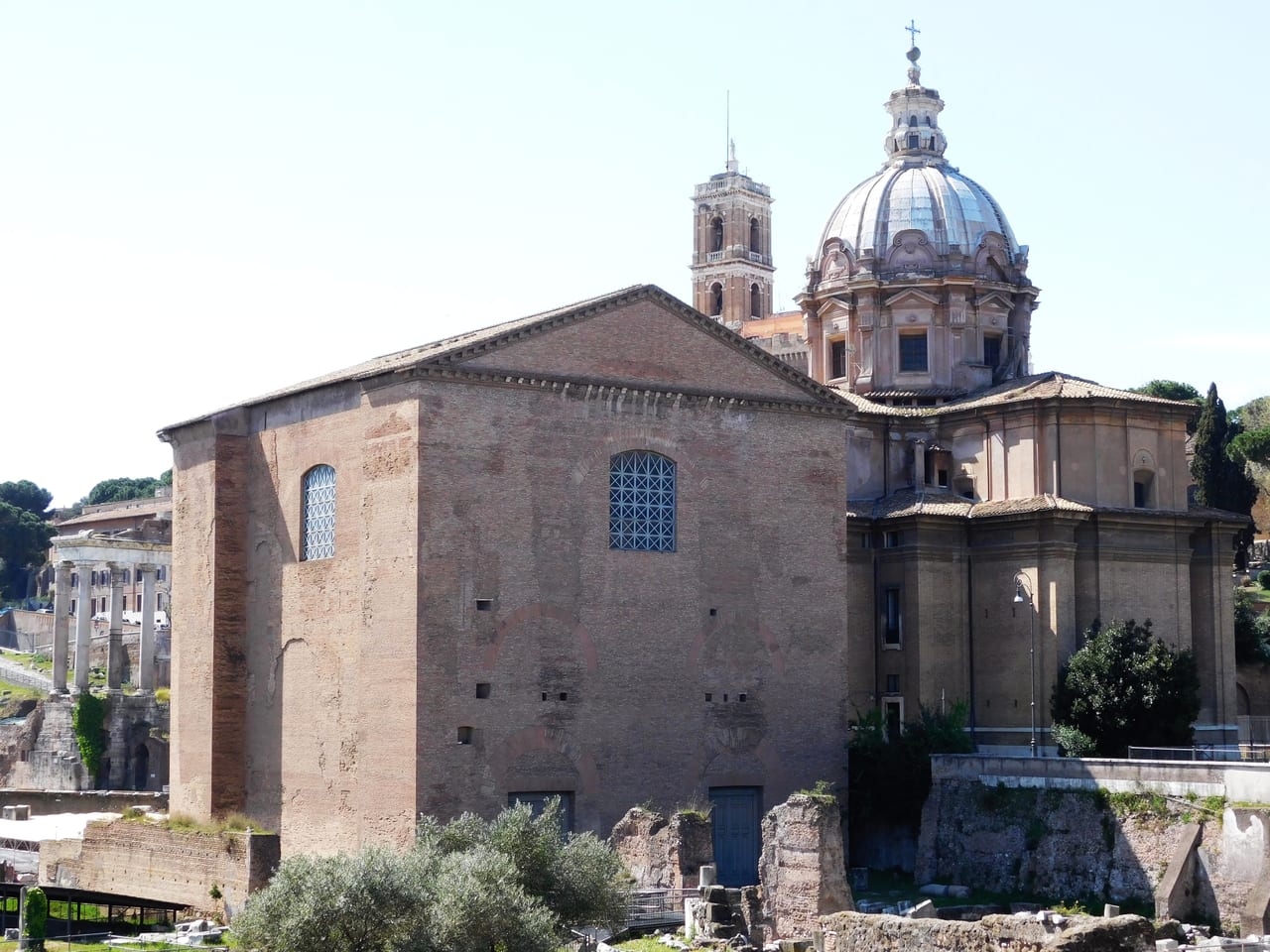
DirectionsIts near-intact survival owes much to its conversion into the basilica of Sant’Adriano in the 7th century, followed by later restorations and 1930s remodelling.
Photograph 1 of 23 of Curia Julia
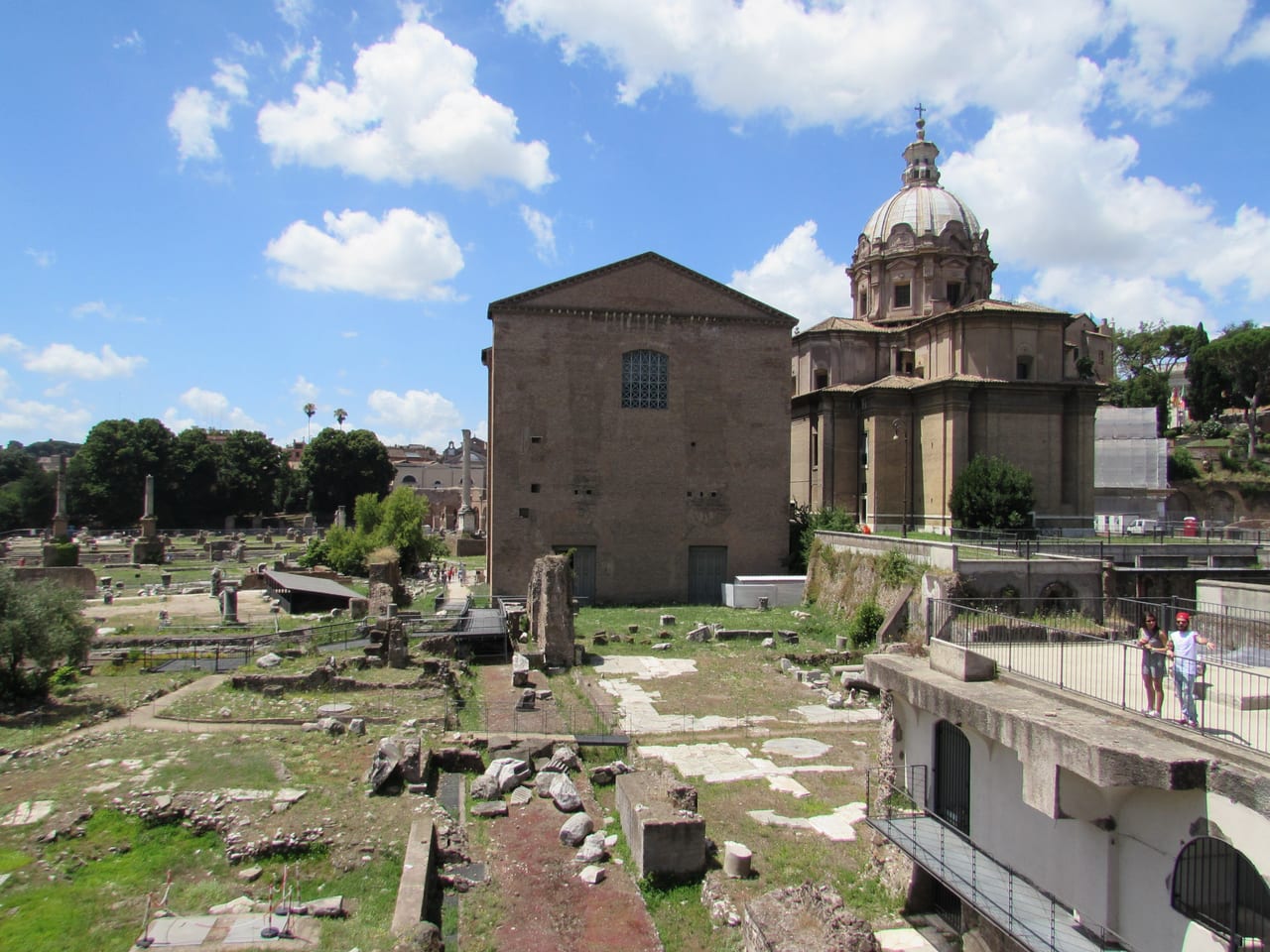
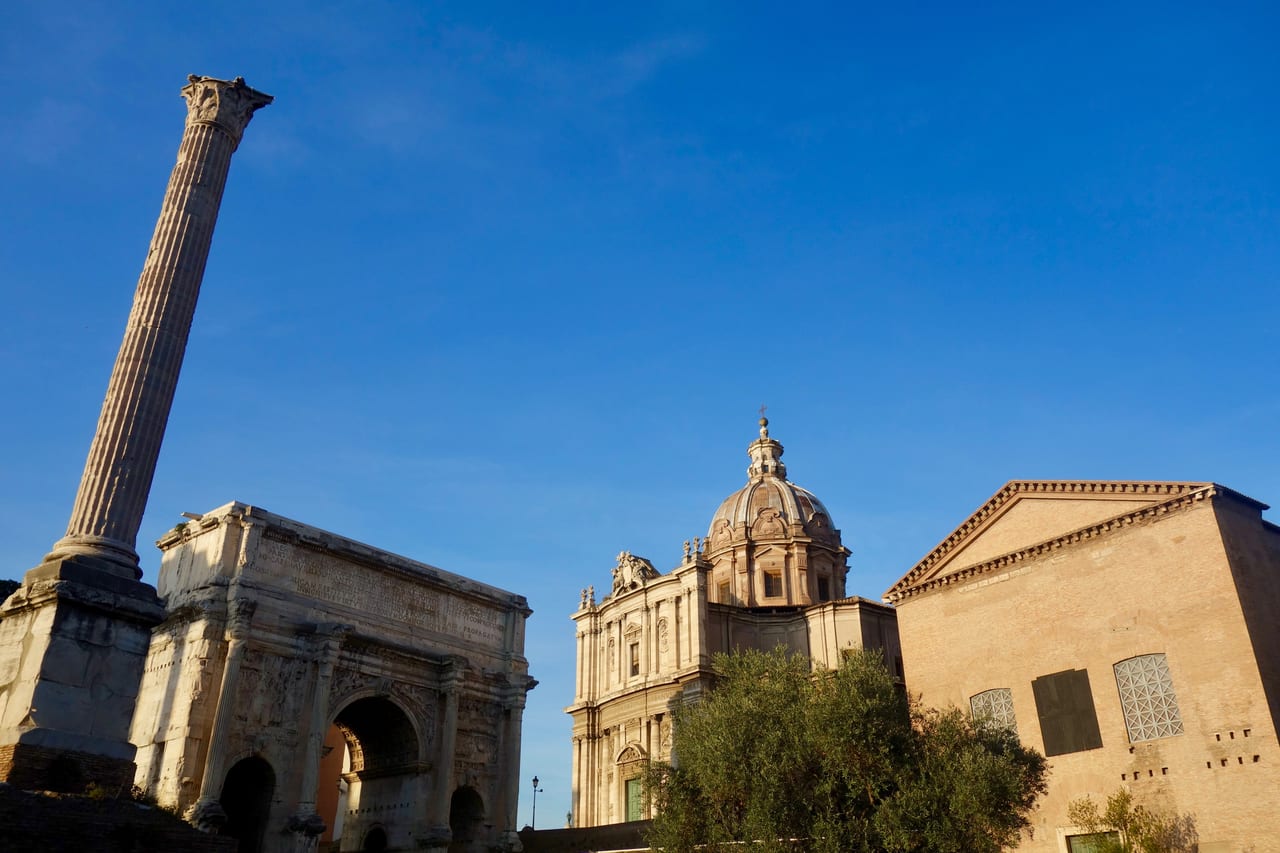
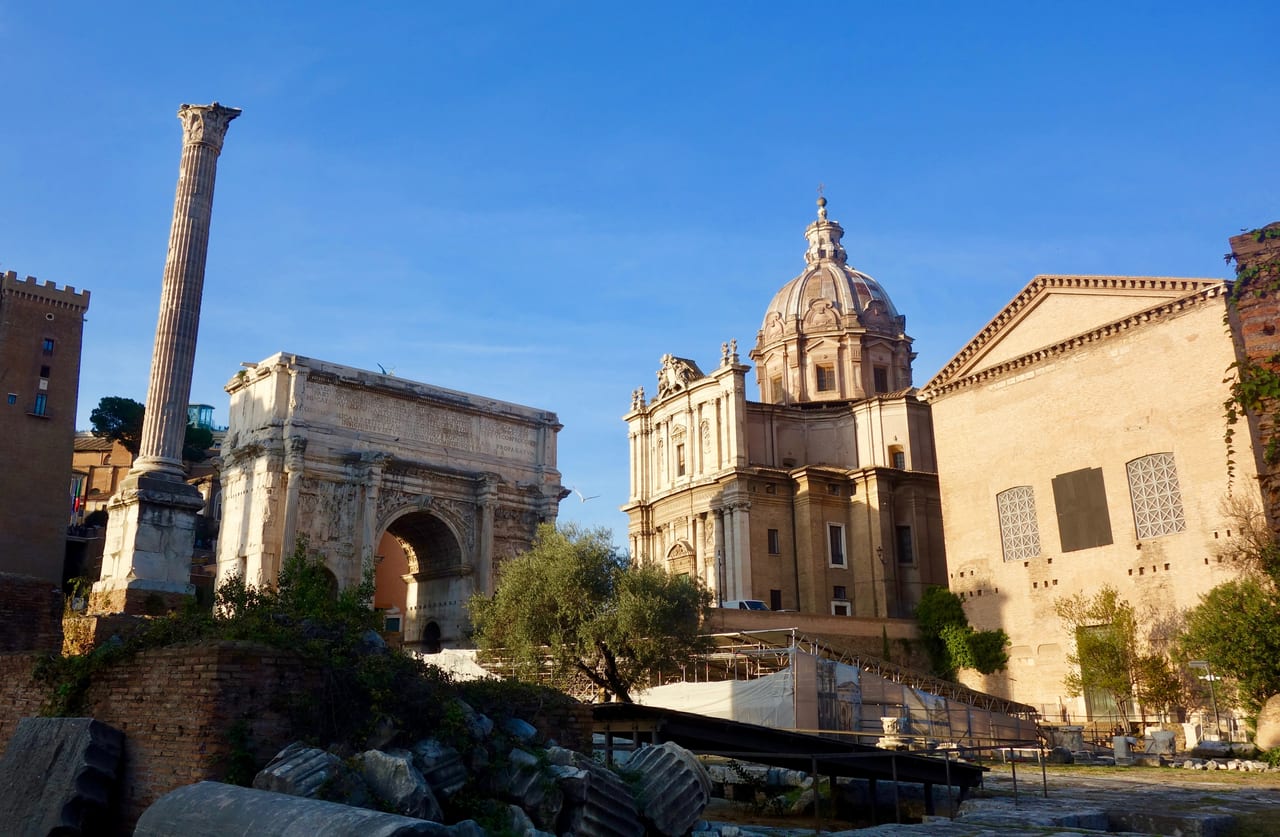
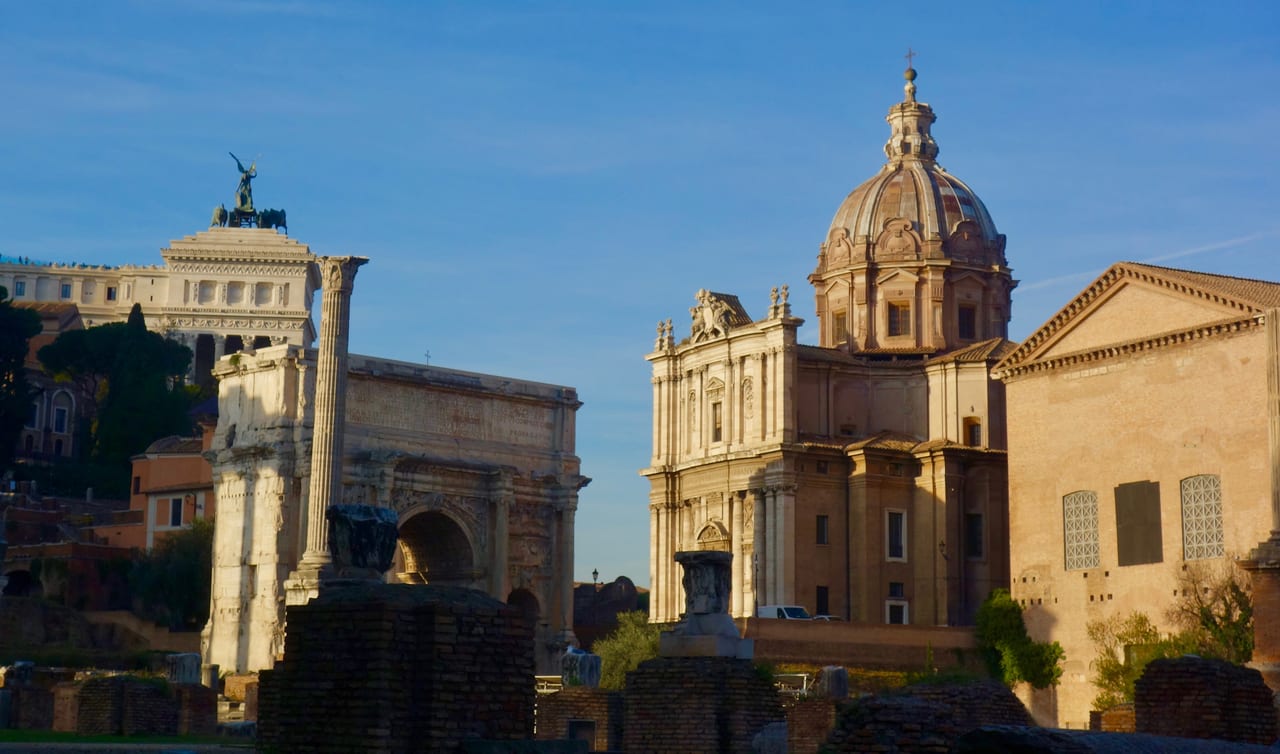
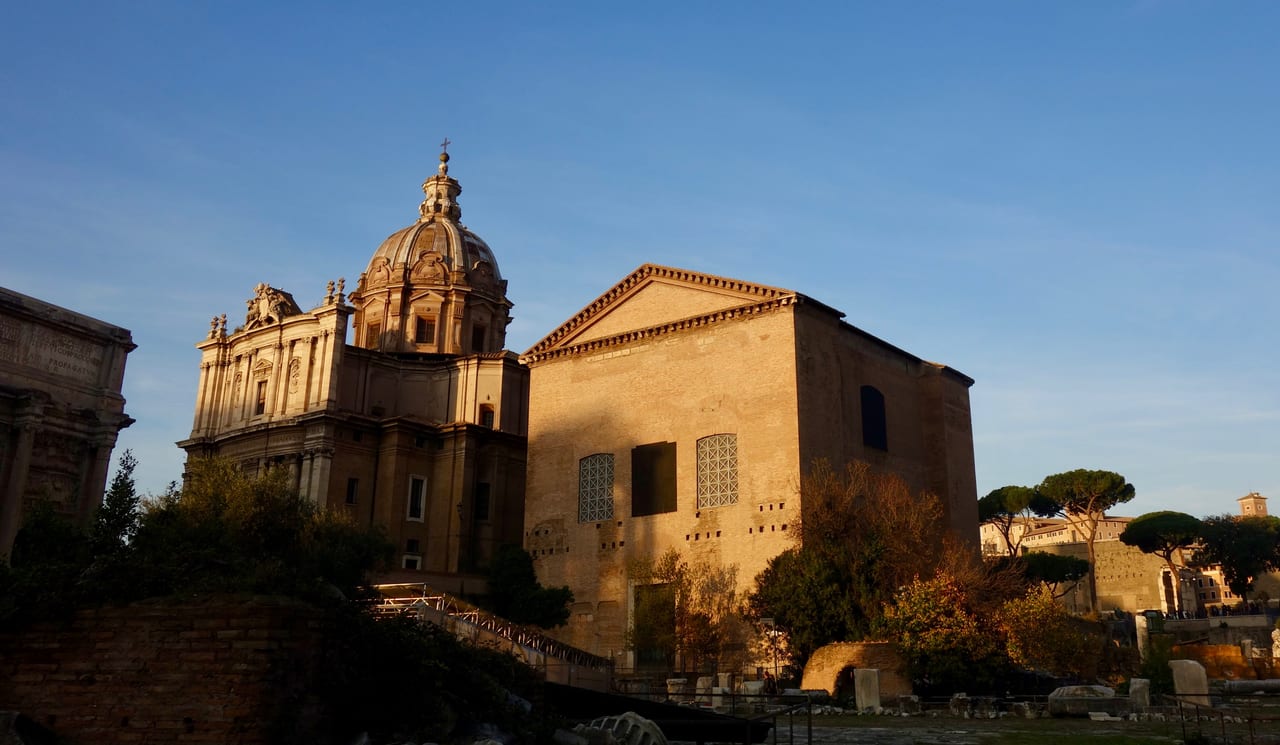
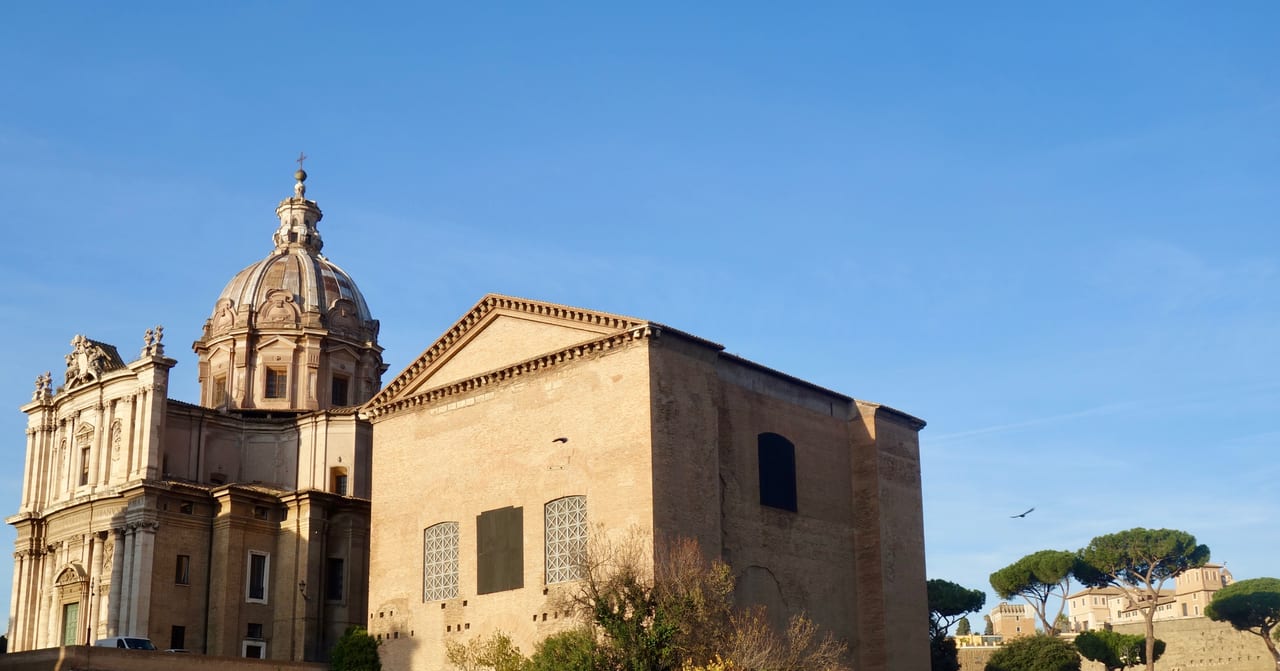
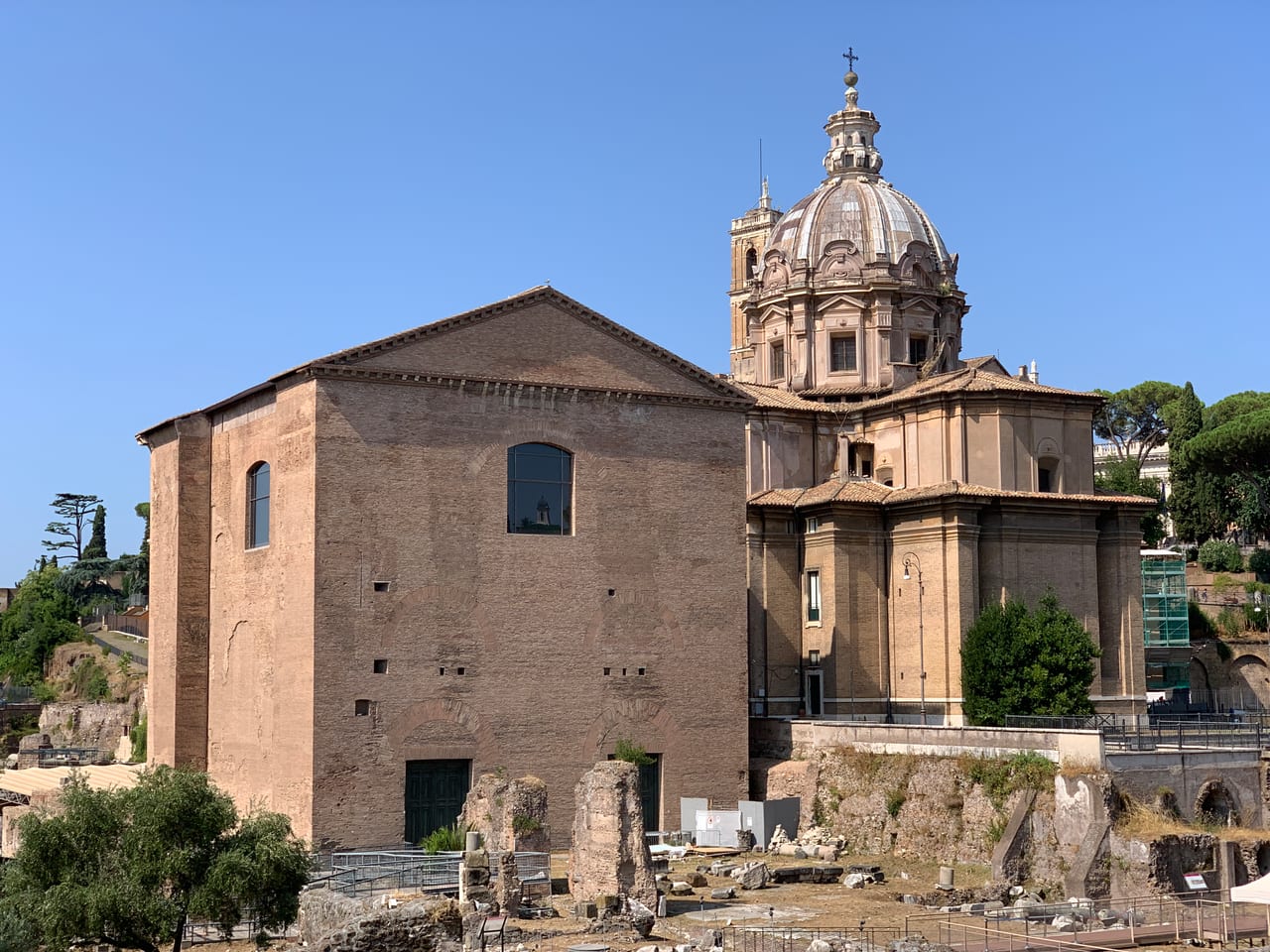
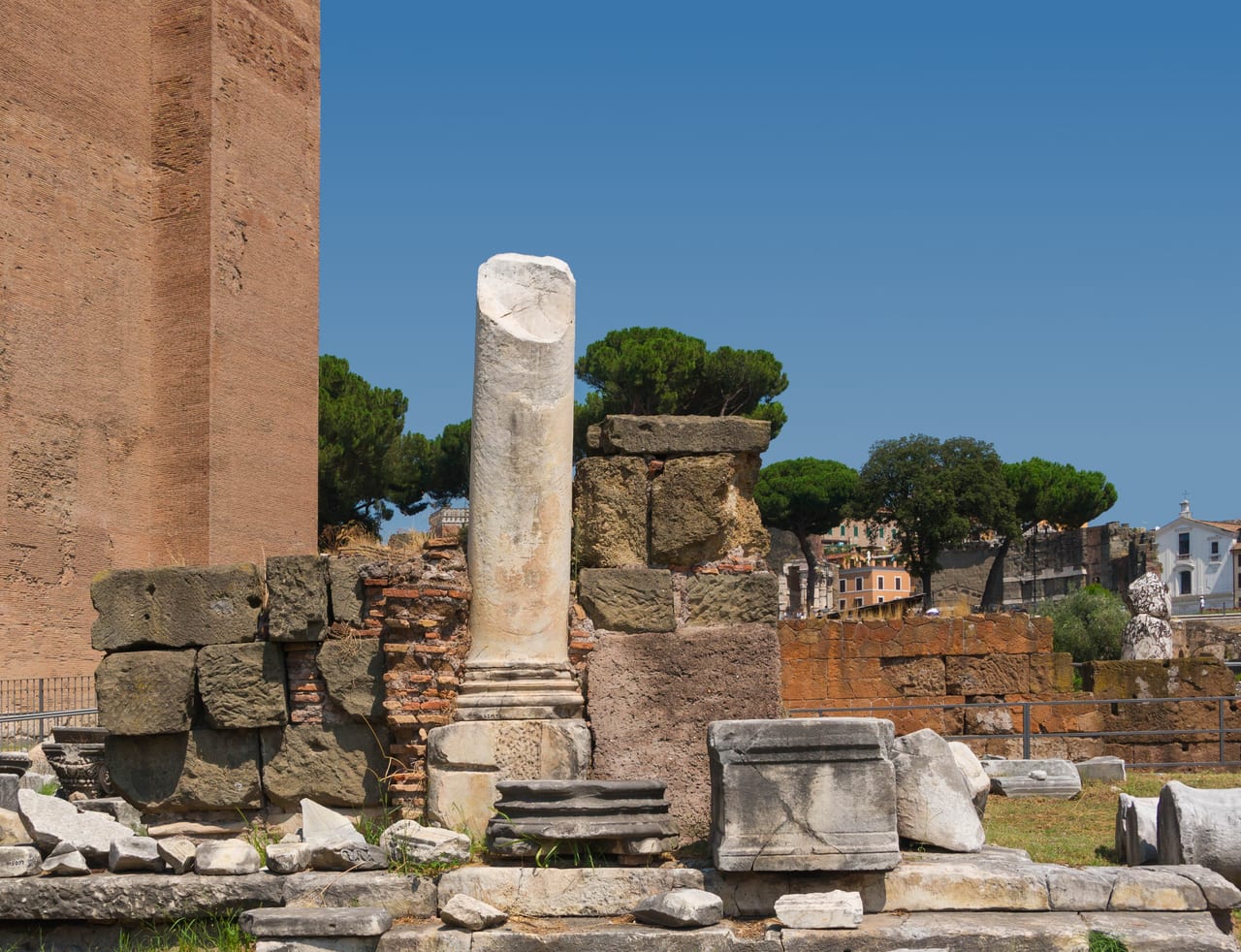
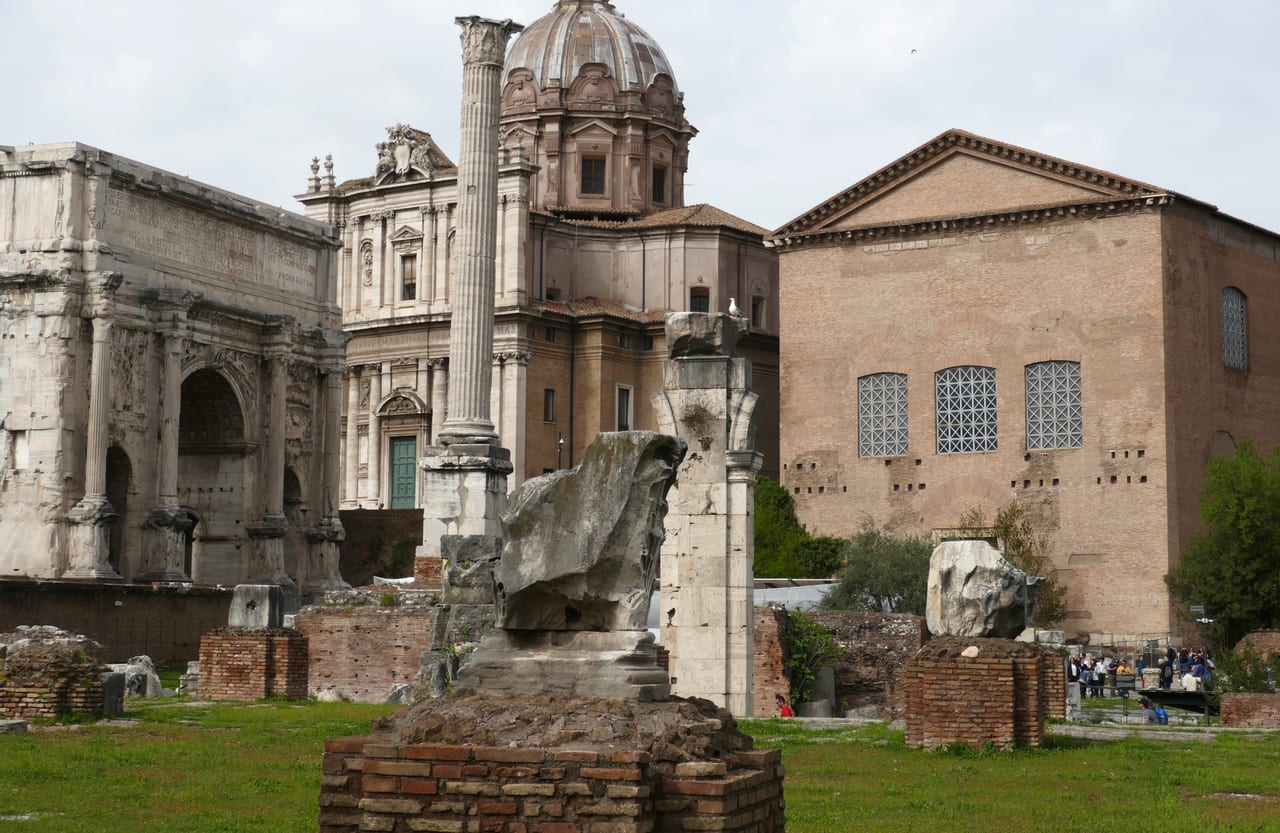
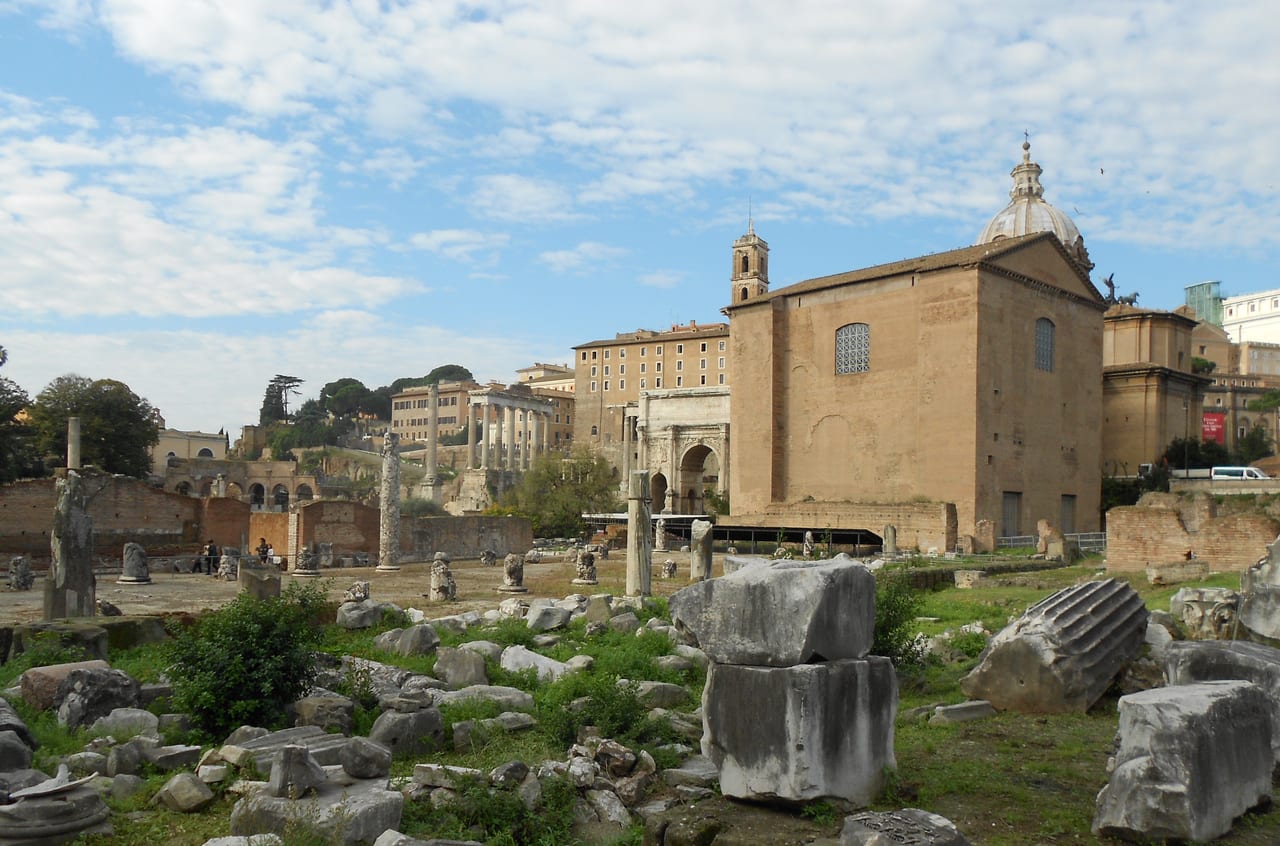
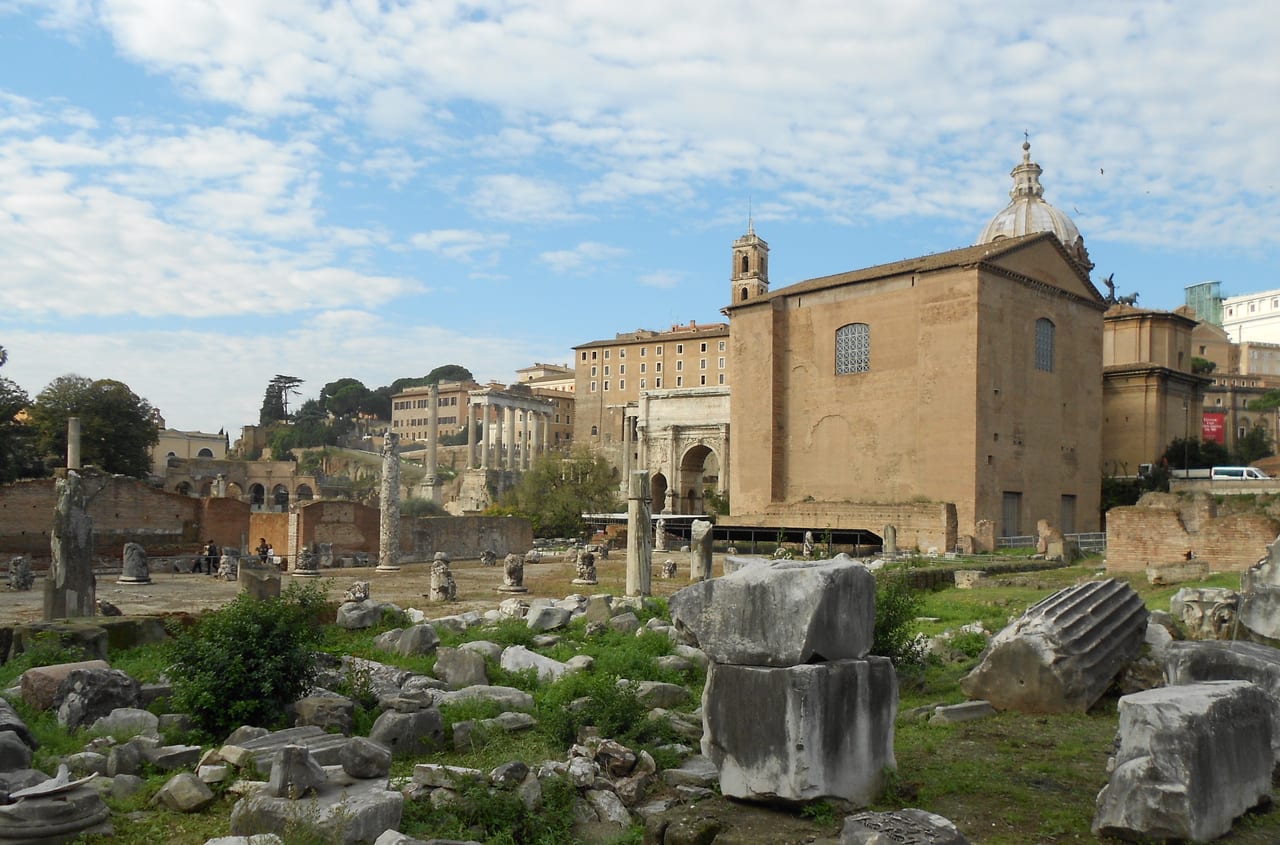
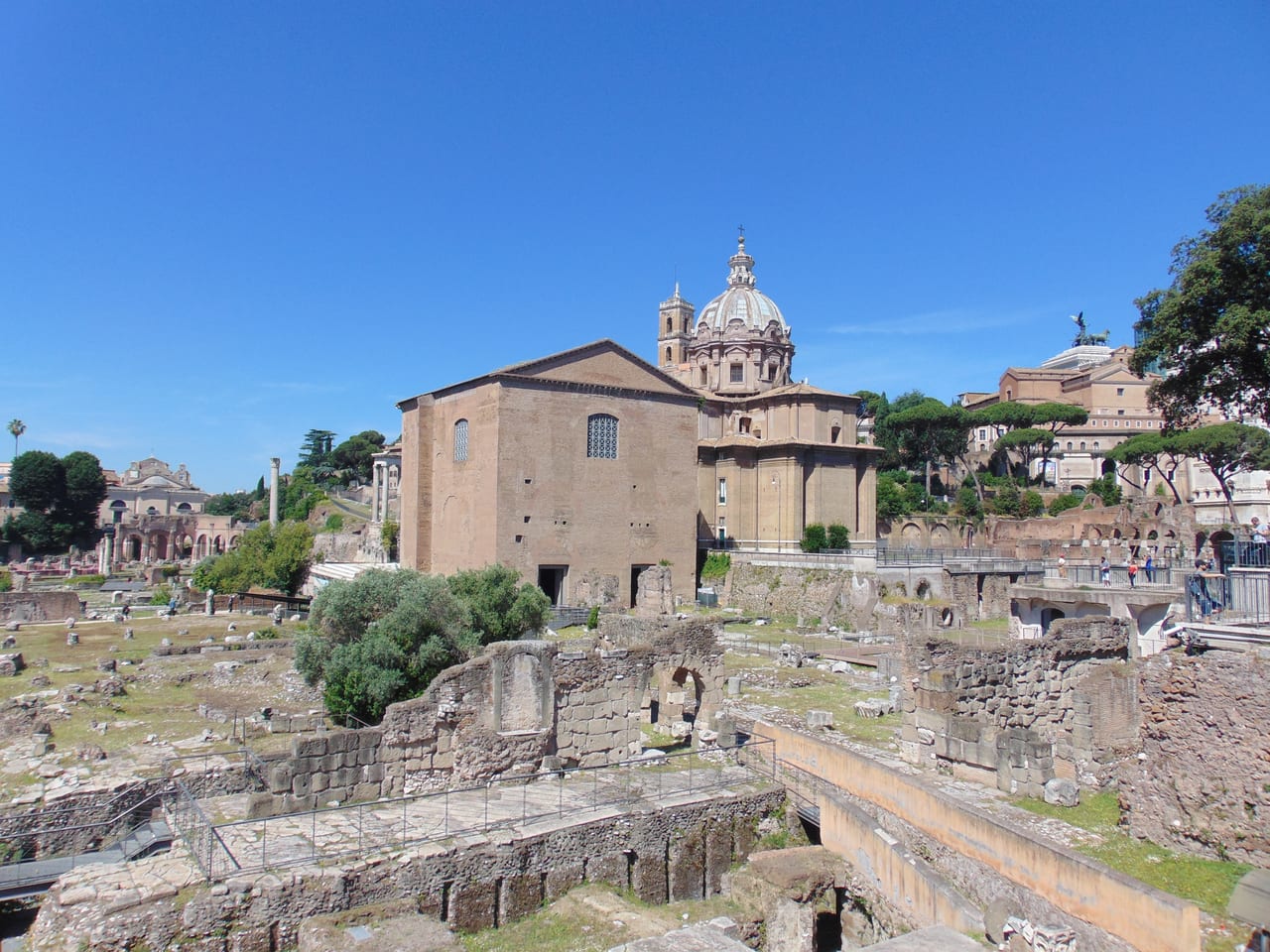
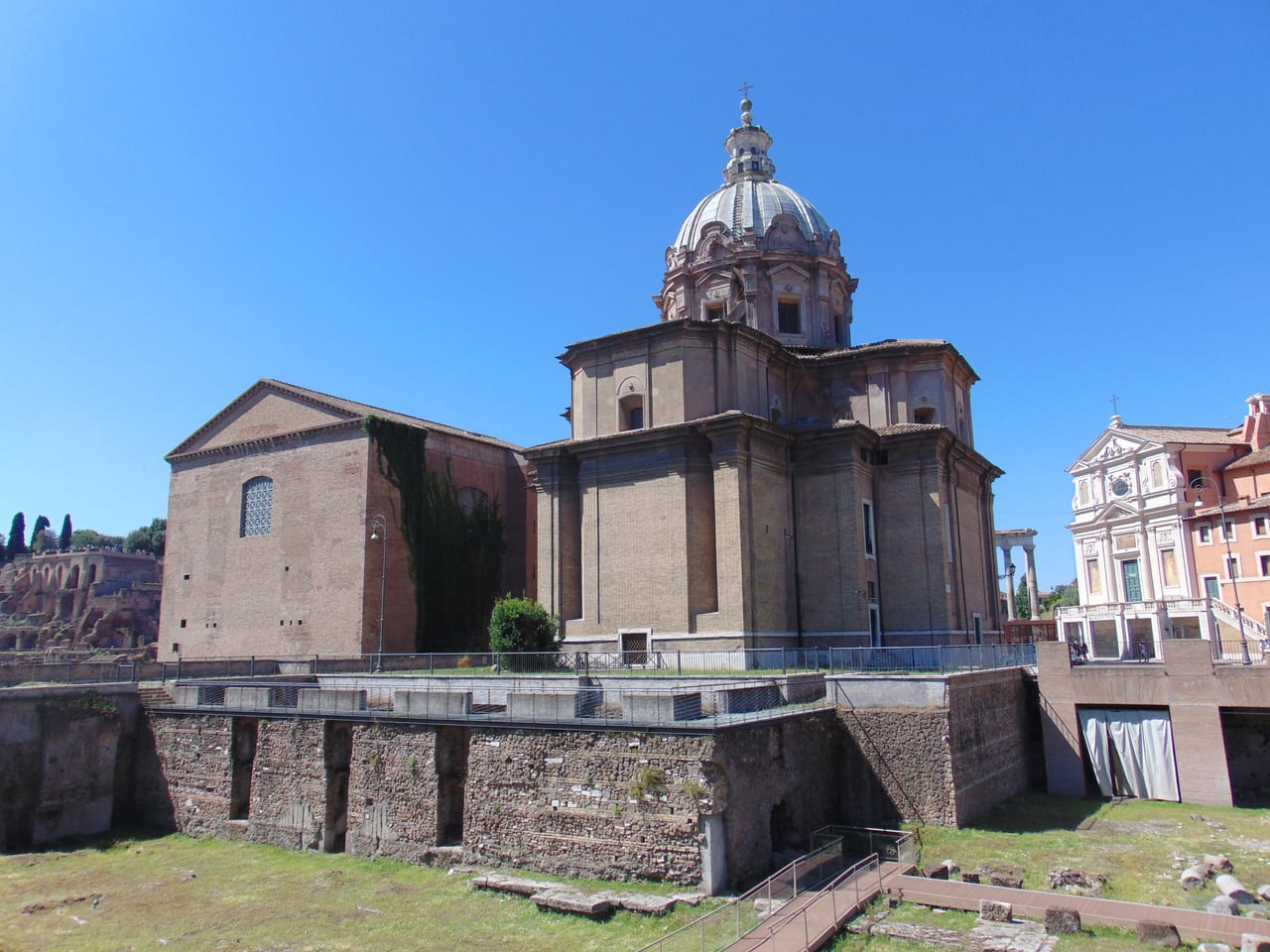
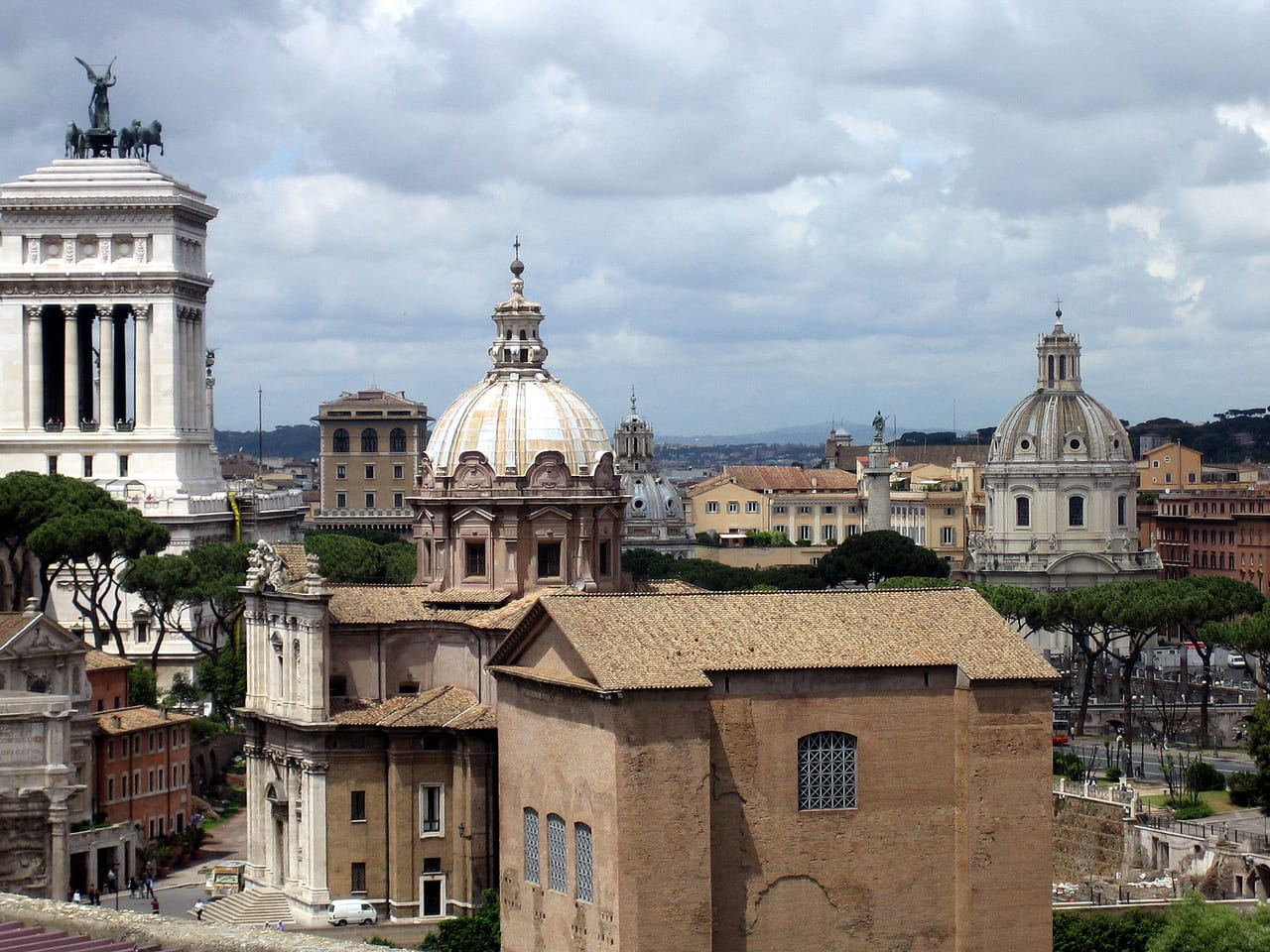
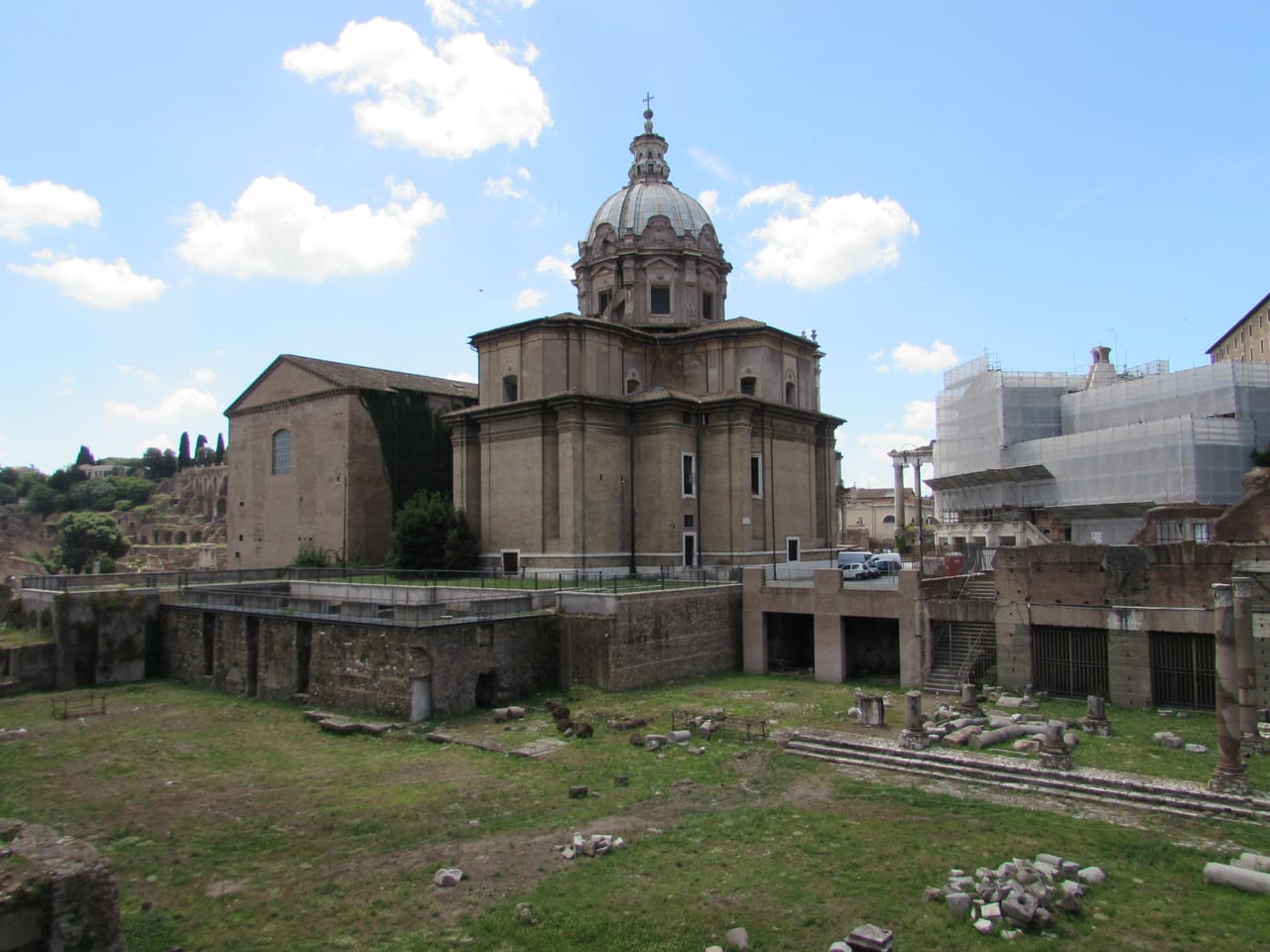
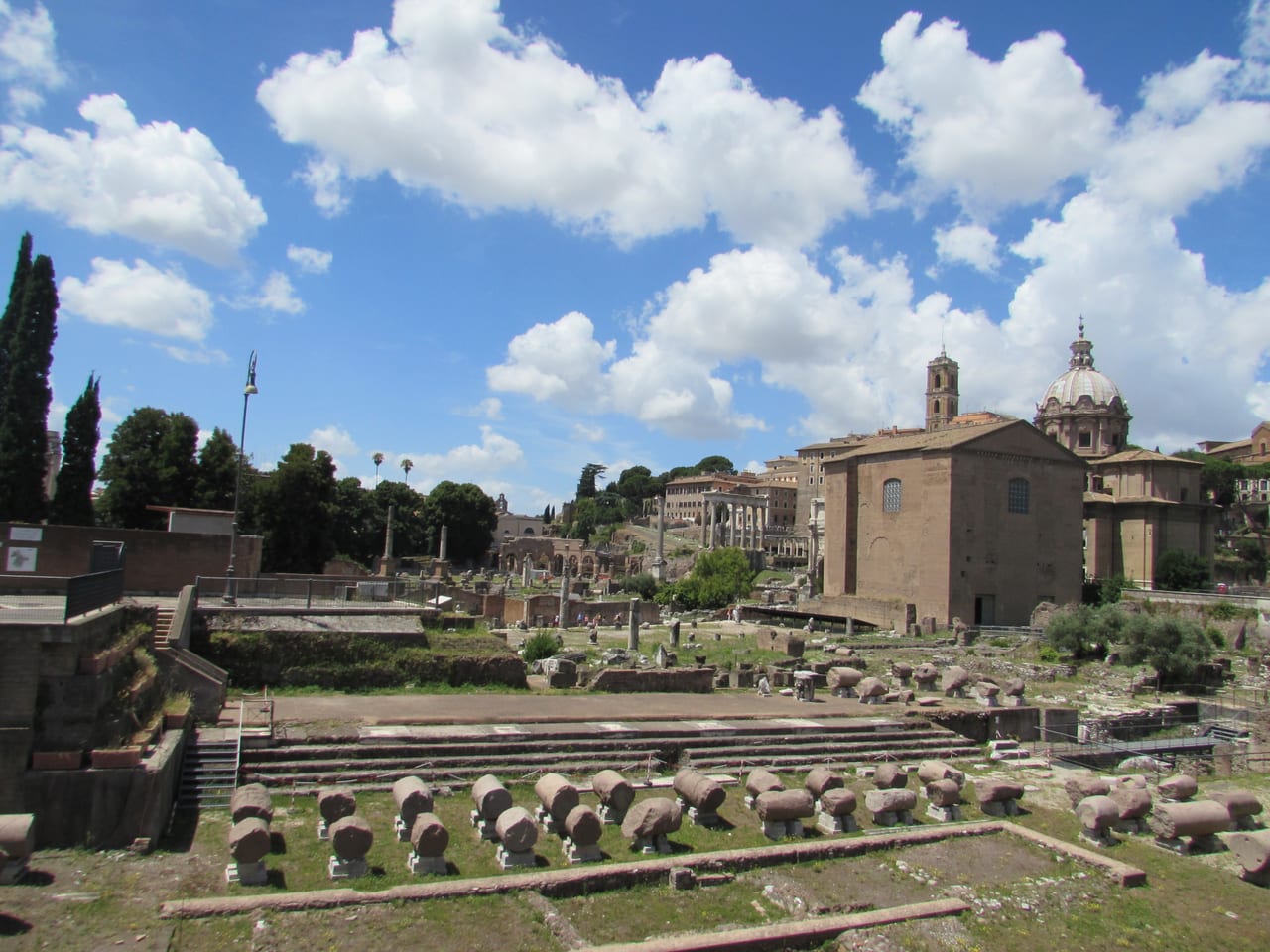
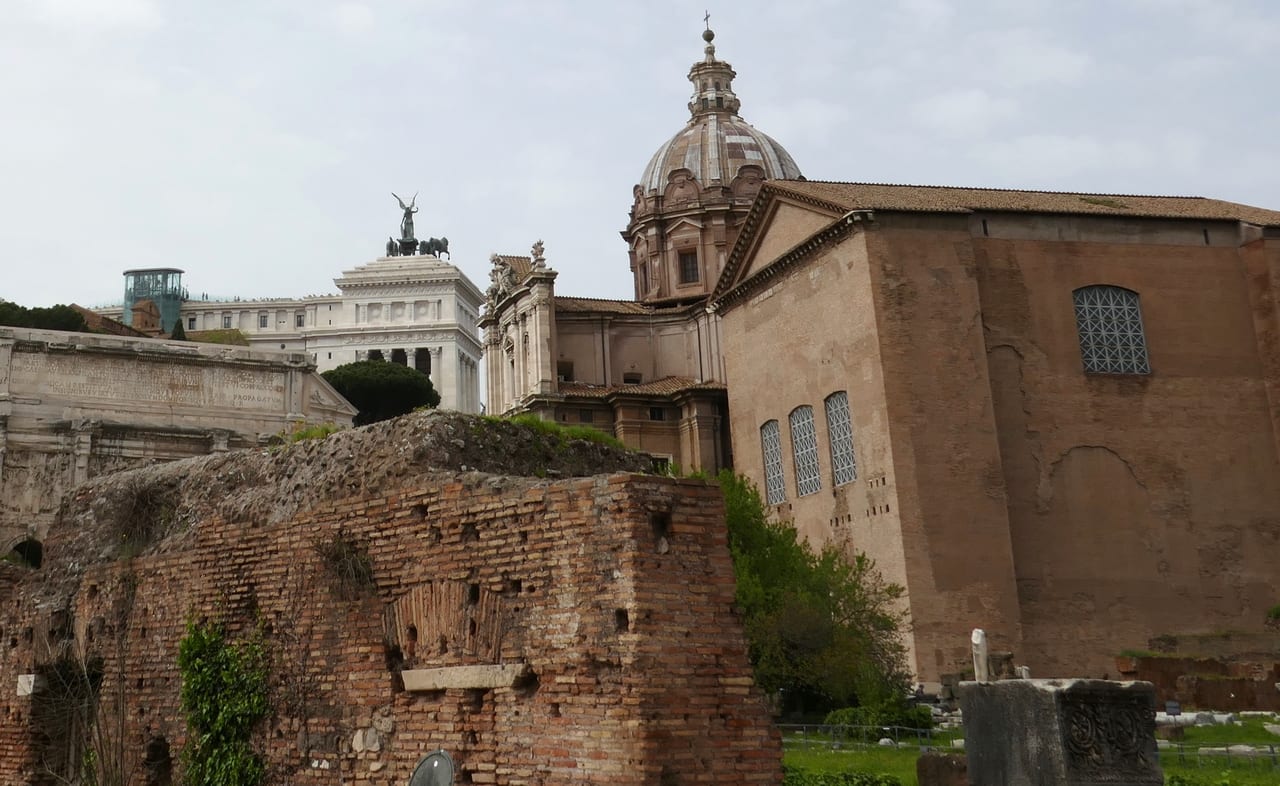
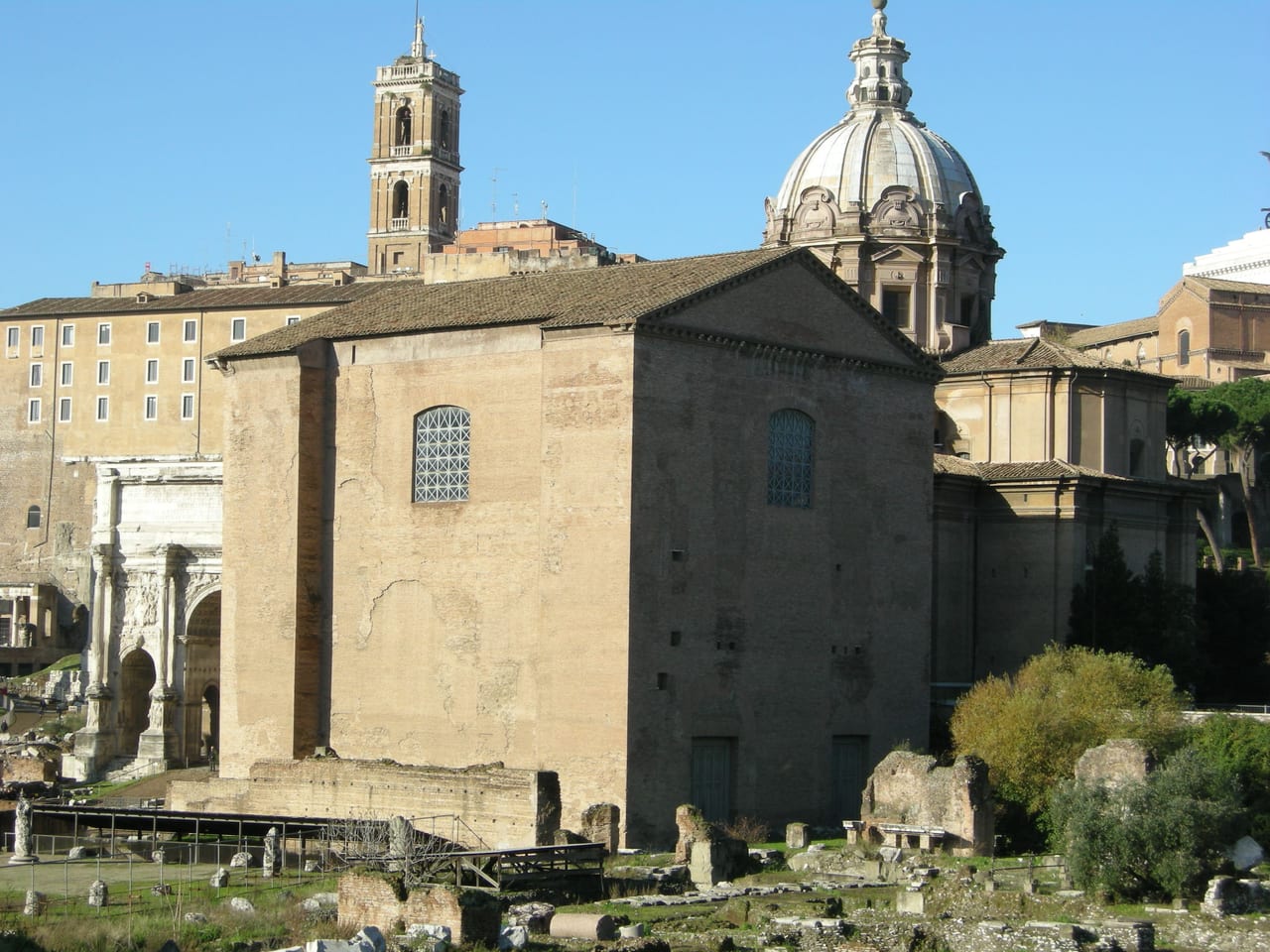
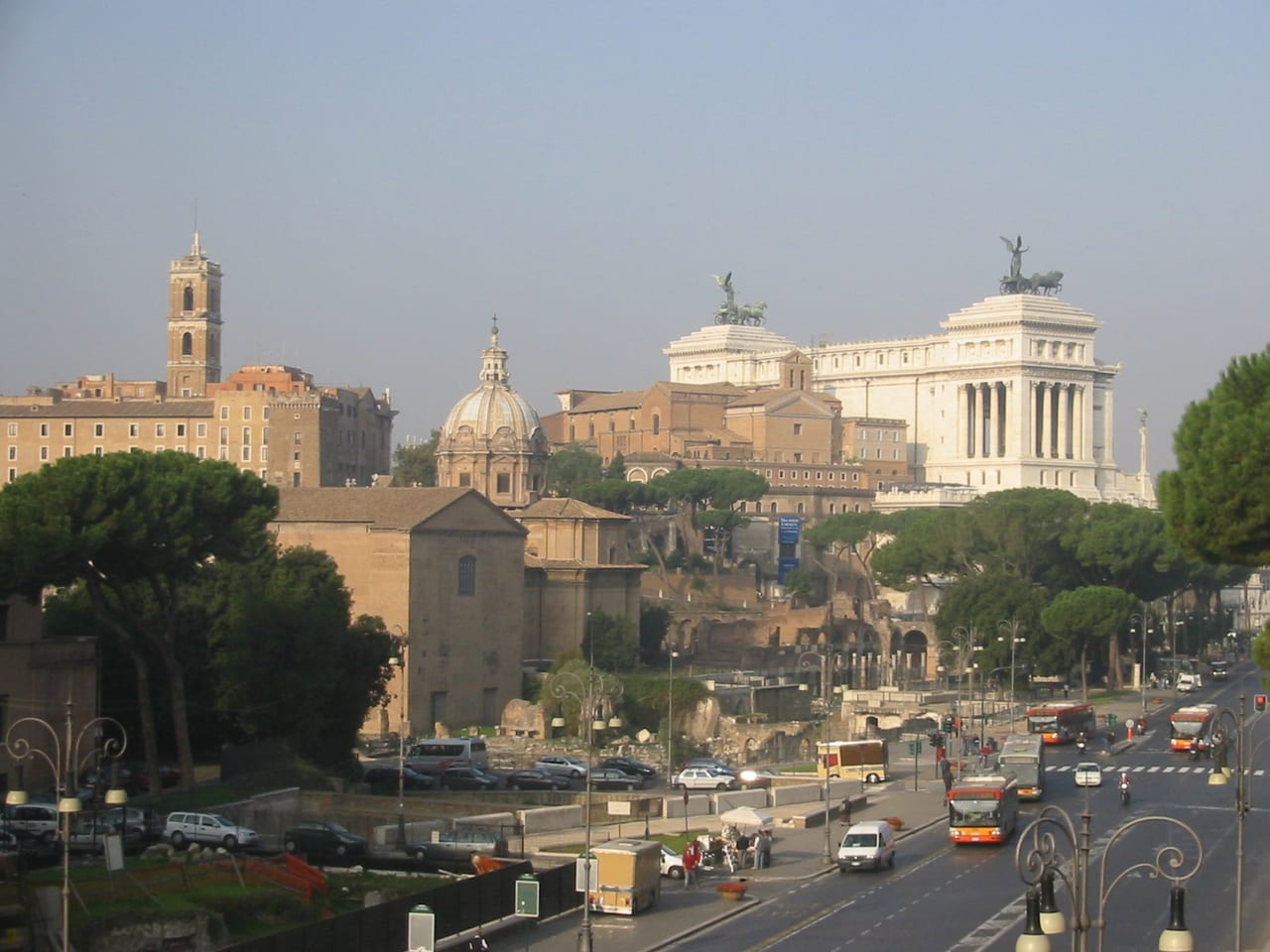
The Curia Julia was the third named senate house in Rome’s Comitium. Julius Caesar began it in 44 BC, replacing Faustus Cornelius Sulla’s Curia Cornelia and reshaping the Comitium and Roman Forum to reduce the Senate’s prominence. Caesar’s assassination interrupted the work; the Senate had been meeting at the Curia of Pompey, and Augustus completed the building in 29 BC. Its deeper lineage reached back to an Etruscan temple associated with the truce of the Sabine conflict. The building was restored under Domitian in AD 94, badly damaged by fire in 283 during the reign of Carinus, rebuilt by Diocletian between 284 and 305, and restored again in 412 by Urban Prefect Annius Eucharius Epiphanius. Diocletian’s structure forms the principal ancient remains. Caesar’s reorientation squared the senate house with the Forum and his new forum, signalling the Senate’s subordination during the Imperial period. The hall had three broad steps accommodating about 300 senators. Augustus installed an Altar of Victory after Actium in 31 BC; it was removed in 384 amid opposition to pagan traditions. The building’s military symbolism thus outlasted its republican political role.
Ways to explore Curia Julia
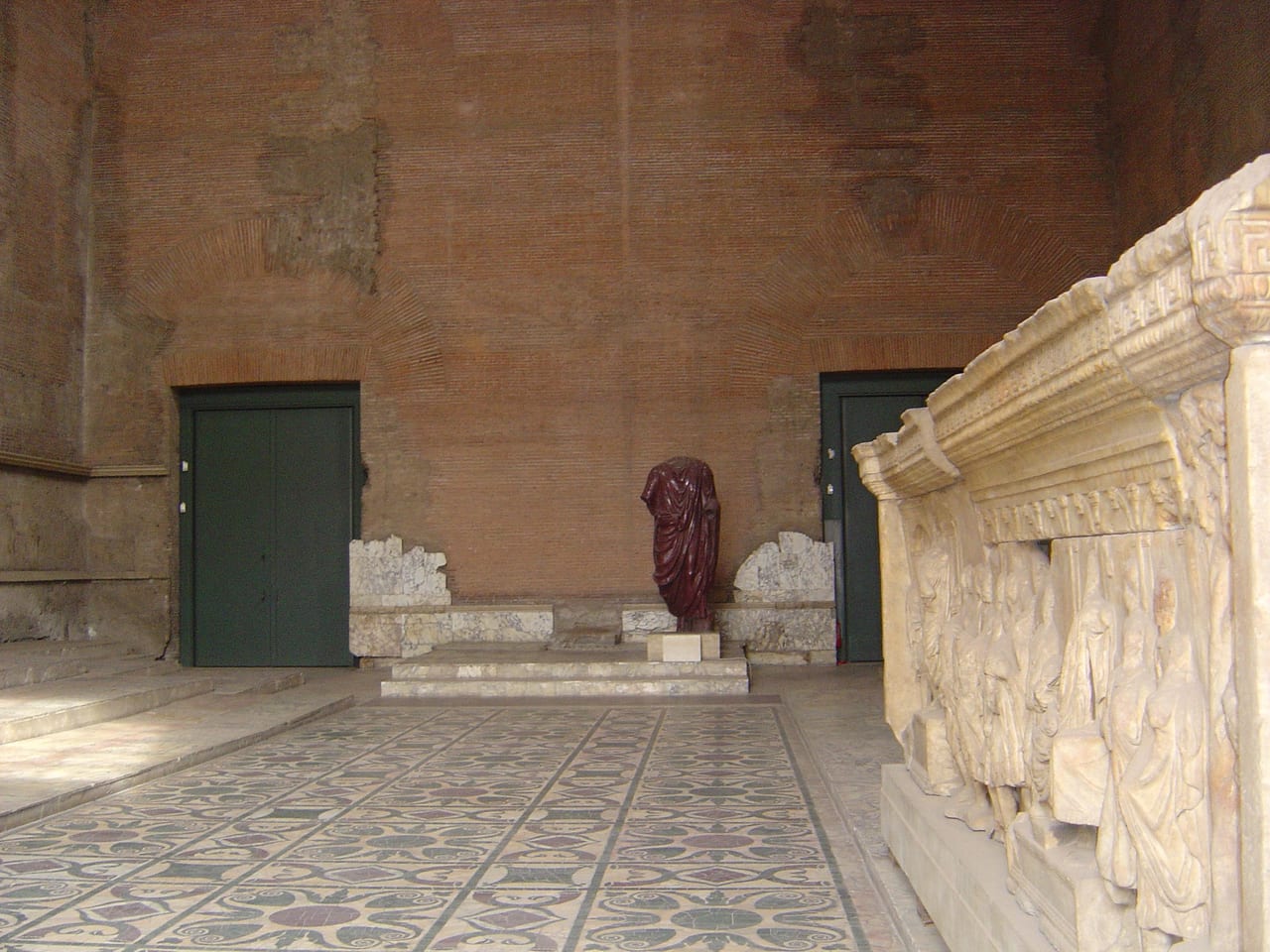
Begin with the austere brick-faced concrete exterior, noting the massive buttresses at the corners, the marble treatment on the lower façade and the stucco imitation of marble above. Study the bronze doors closely: those visible today are modern replicas. Within the hall, look down at the opus sectile pavement, where green and red porphyry, Numidian yellow and Phrygian purple form rosettes and entwined cornucopias. The three broad steps help convey the scale of the senate hall.
Places to stay near Curia Julia

Live availability and prices from Stay22's partners, refreshed periodically and subject to change. Booking through these links may earn us a commission at no extra cost to you. See our privacy policy.
Cafés near Curia Julia
Cafés near Curia Julia loads as you scroll.
Attractions nearby
Attractions near Curia Julia loads as you scroll.
Cities nearby
Cities nearby loads as you scroll.
More in Rome
See more of Rome.
Find great cafés, places to stay and other interesting places to visit in Rome.