Ancient site · Rome
Curia Hostilia
DirectionsIts western wall bore the Tabula Valeria, a painting of Rome’s victory over Hiero and the Carthaginians in 263 BC—described by Pliny as Rome’s first picture of its kind.
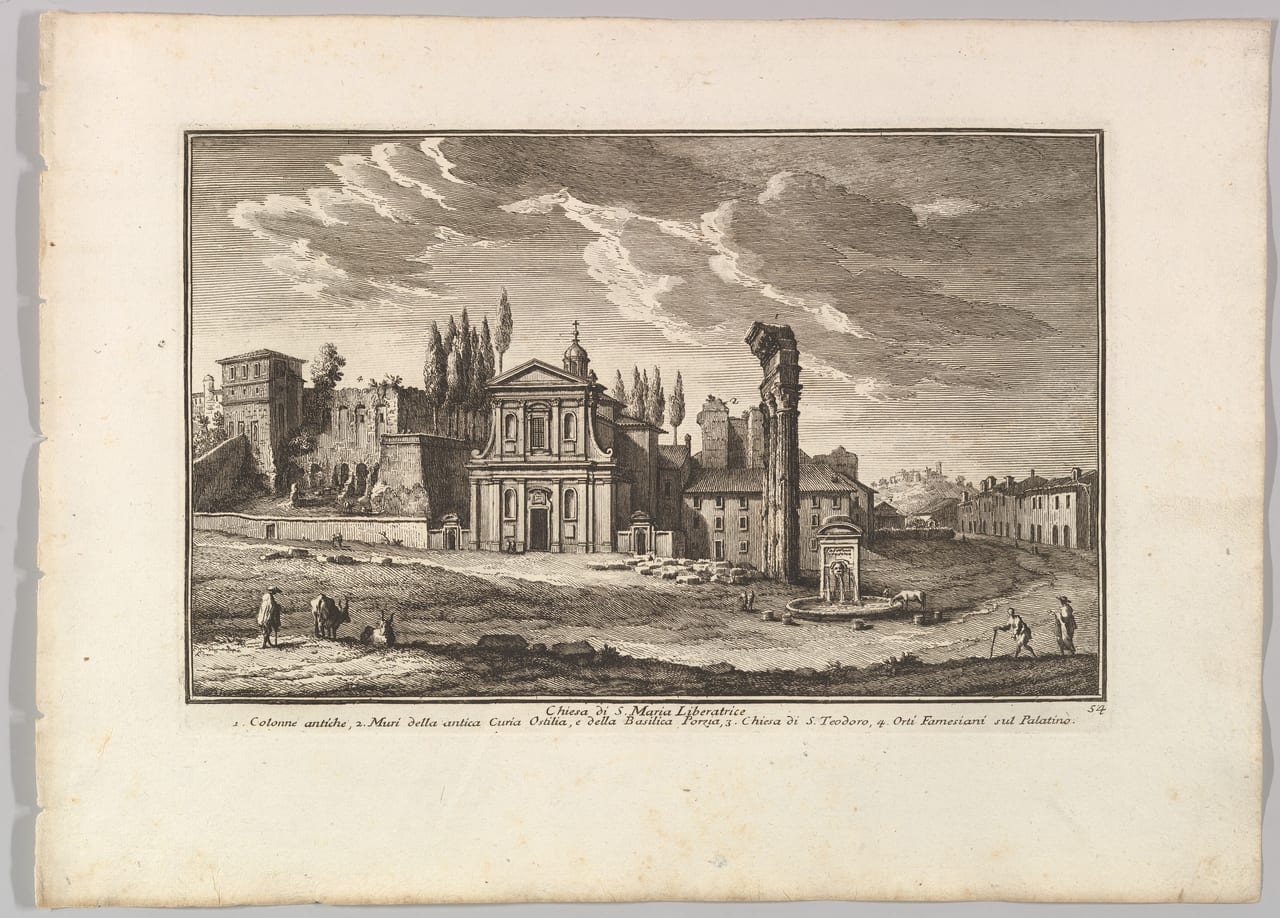
In the early monarchy, senators used it as a council chamber for the king; tradition attributes its replacement after a fire to Tullus Hostilius. The site may also preserve the memory of an Etruscan mundus and altar, linking the building to Rome’s earliest religious and political life. Its form changed repeatedly but retained the character of a simple Etruscan structure, probably with two columns and an open portico later enclosed to create an anteroom. Built on rising ground north of the Comitium, it dominated the Forum Romanum and became the setting for the Republic’s political life; the public was said to be able to enter and hear senatorial debate. Lucius Cornelius Sulla enlarged it in 80 BC during renovations of the Comitium. In 52 BC, a funeral pyre for Publius Clodius Pulcher ignited the building. The Curia Cornelia replaced it, followed by the Curia Julia, begun by Julius Caesar and completed by Augustus.
Ways to explore Curia Hostilia
Focus on the tightly arranged sacred and civic features around the site: the Lapis Niger’s black marble slabs, the Volcanal altar beneath them, the nearby monuments opposite the Rostra, and the possible shrine to Vulcan. Look for the low concrete boundary that separated this area from the Comitium. The circular Comitium steps help reconstruct how citizens reached the curia and listened to speakers at the Rostra.
Places to stay near Curia Hostilia

Live availability and prices from Stay22's partners, refreshed periodically and subject to change. Booking through these links may earn us a commission at no extra cost to you. See our privacy policy.
Cafés near Curia Hostilia
Cafés near Curia Hostilia loads as you scroll.
Attractions nearby
Attractions near Curia Hostilia loads as you scroll.
Cities nearby
Cities nearby loads as you scroll.
More in Rome
See more of Rome.
Find great cafés, places to stay and other interesting places to visit in Rome.