Ancient site · Rome
cryptoporticus
DirectionsIts name combines Greek kryptos, “hidden,” with Latin porticus, capturing the concealed passageways that let Roman forums and villas function behind public-facing spaces.
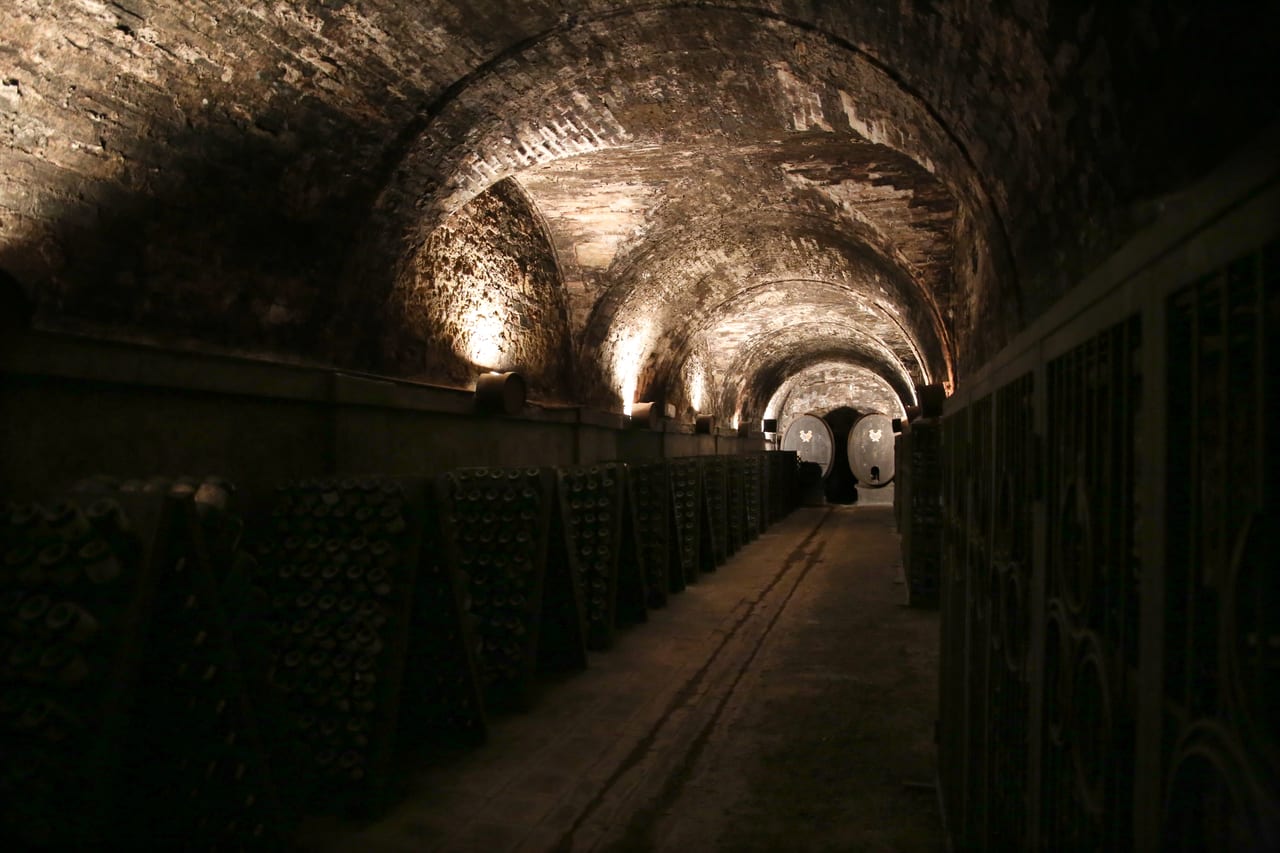
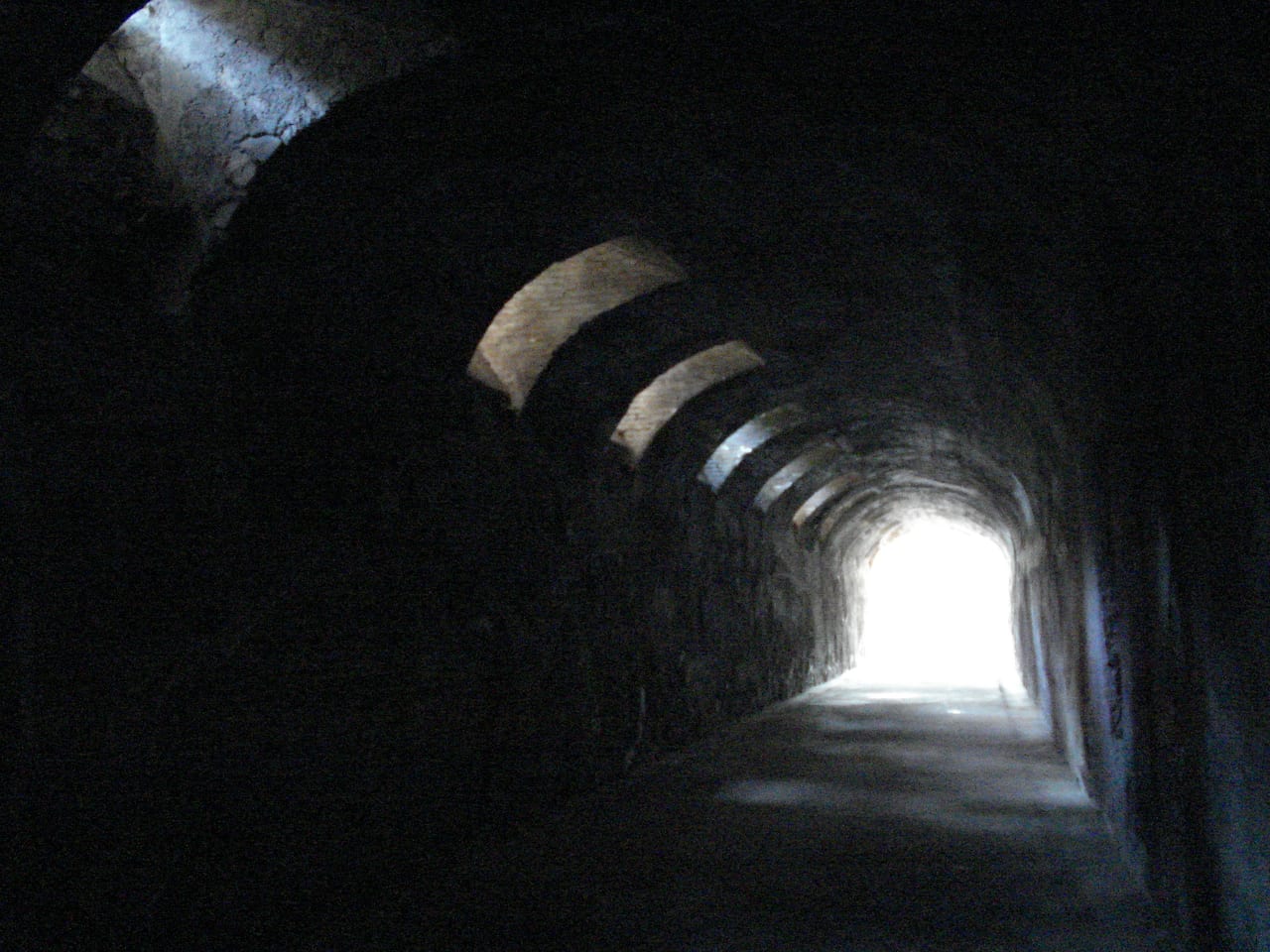
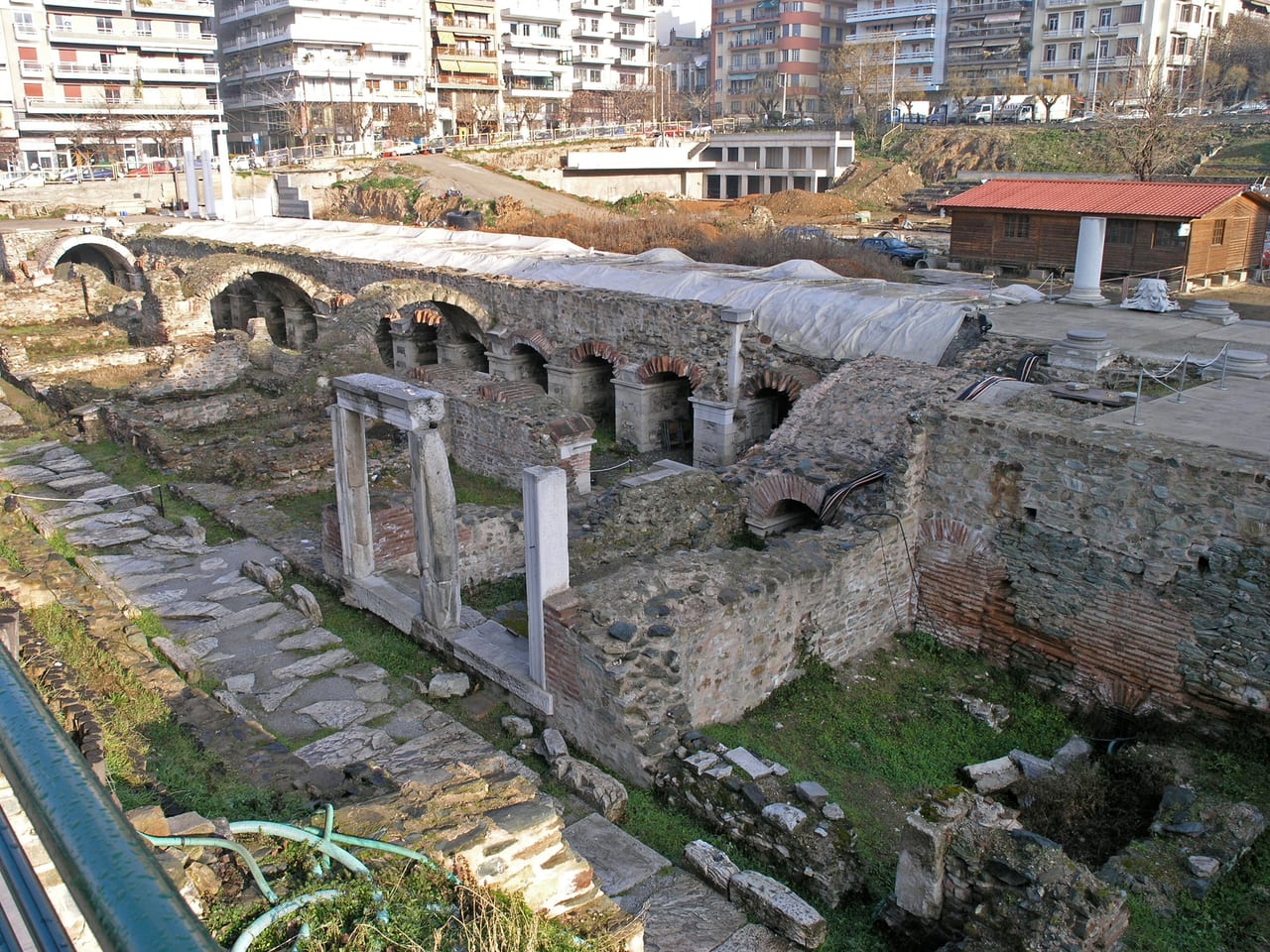
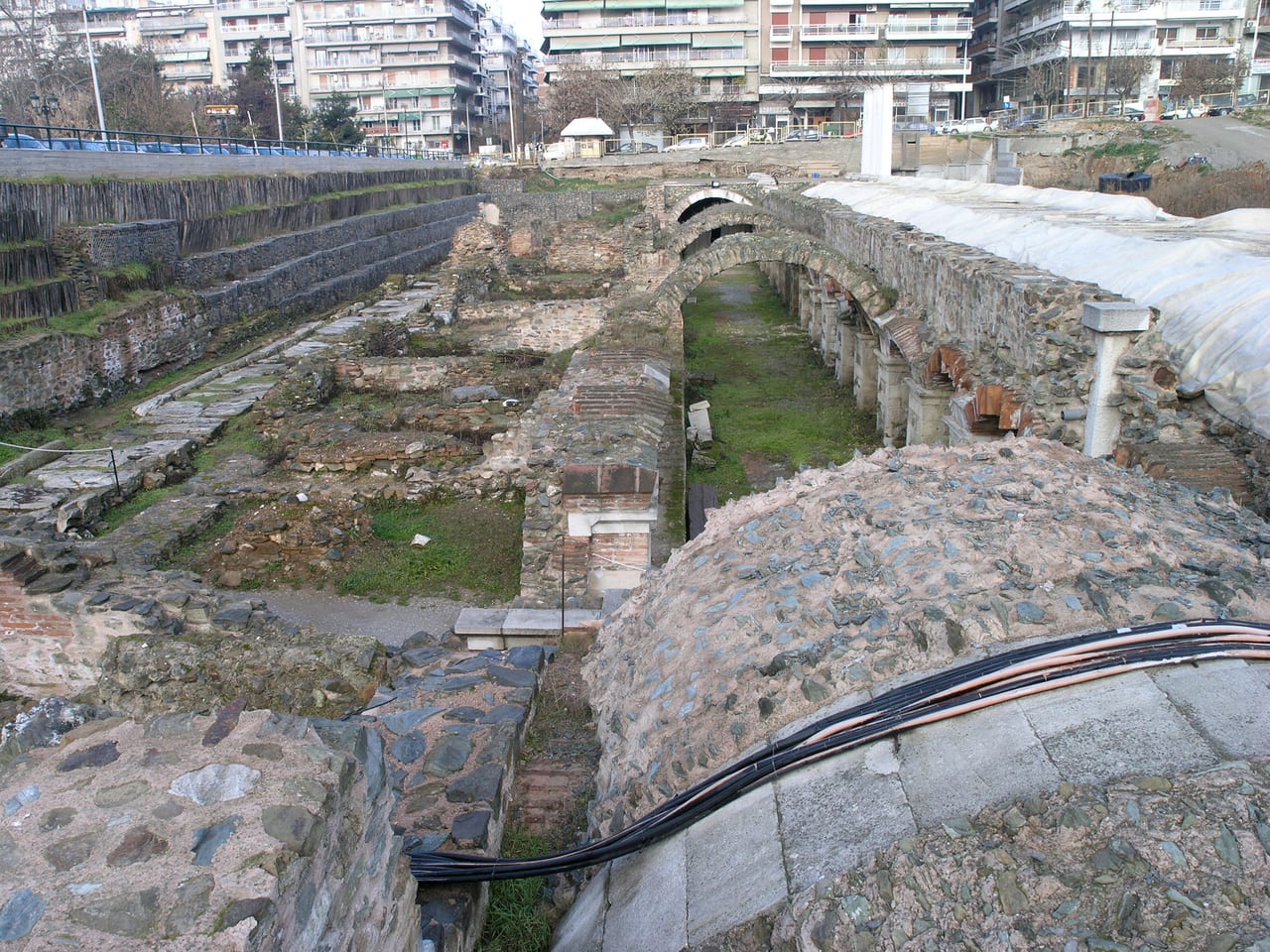
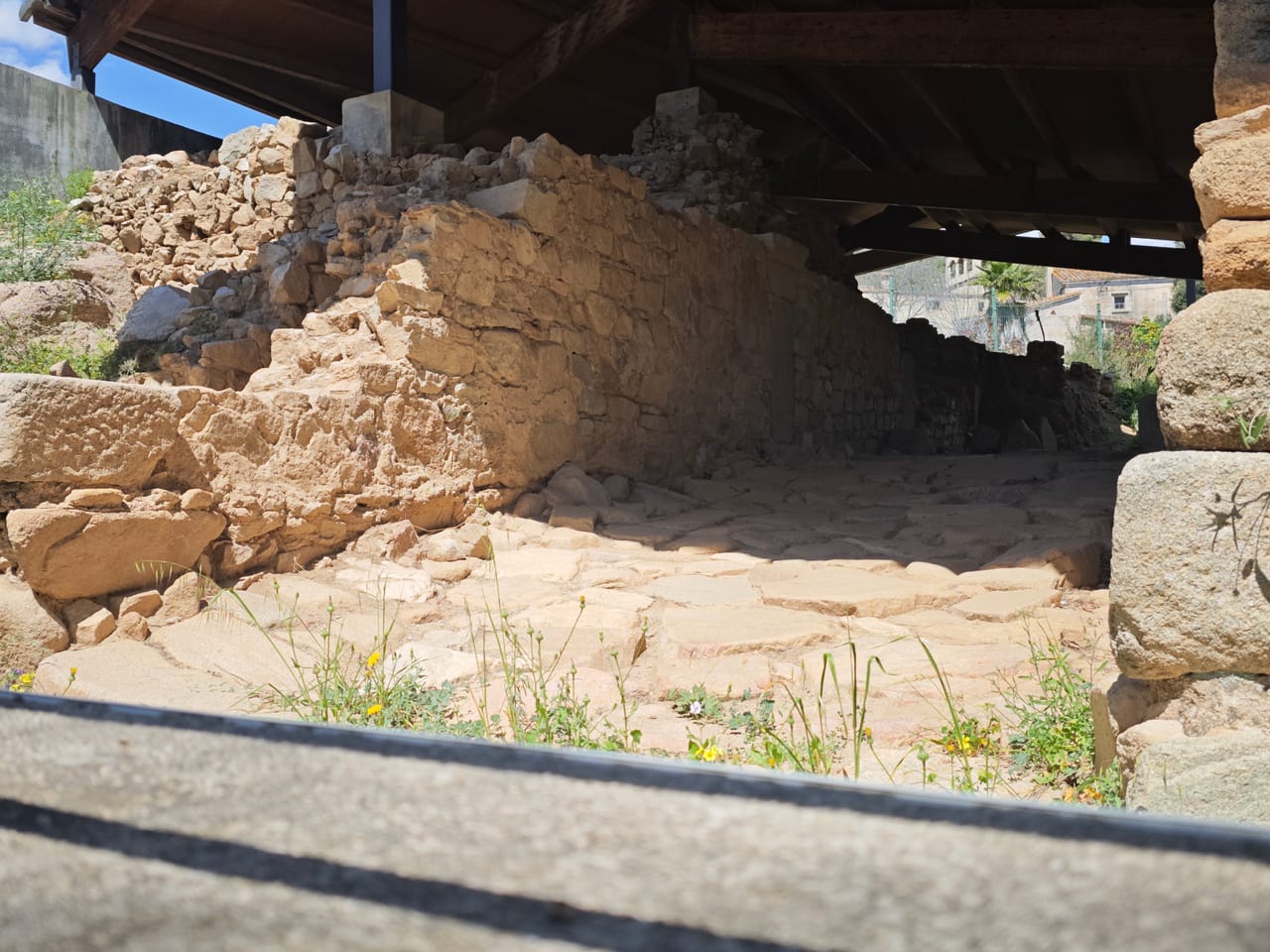
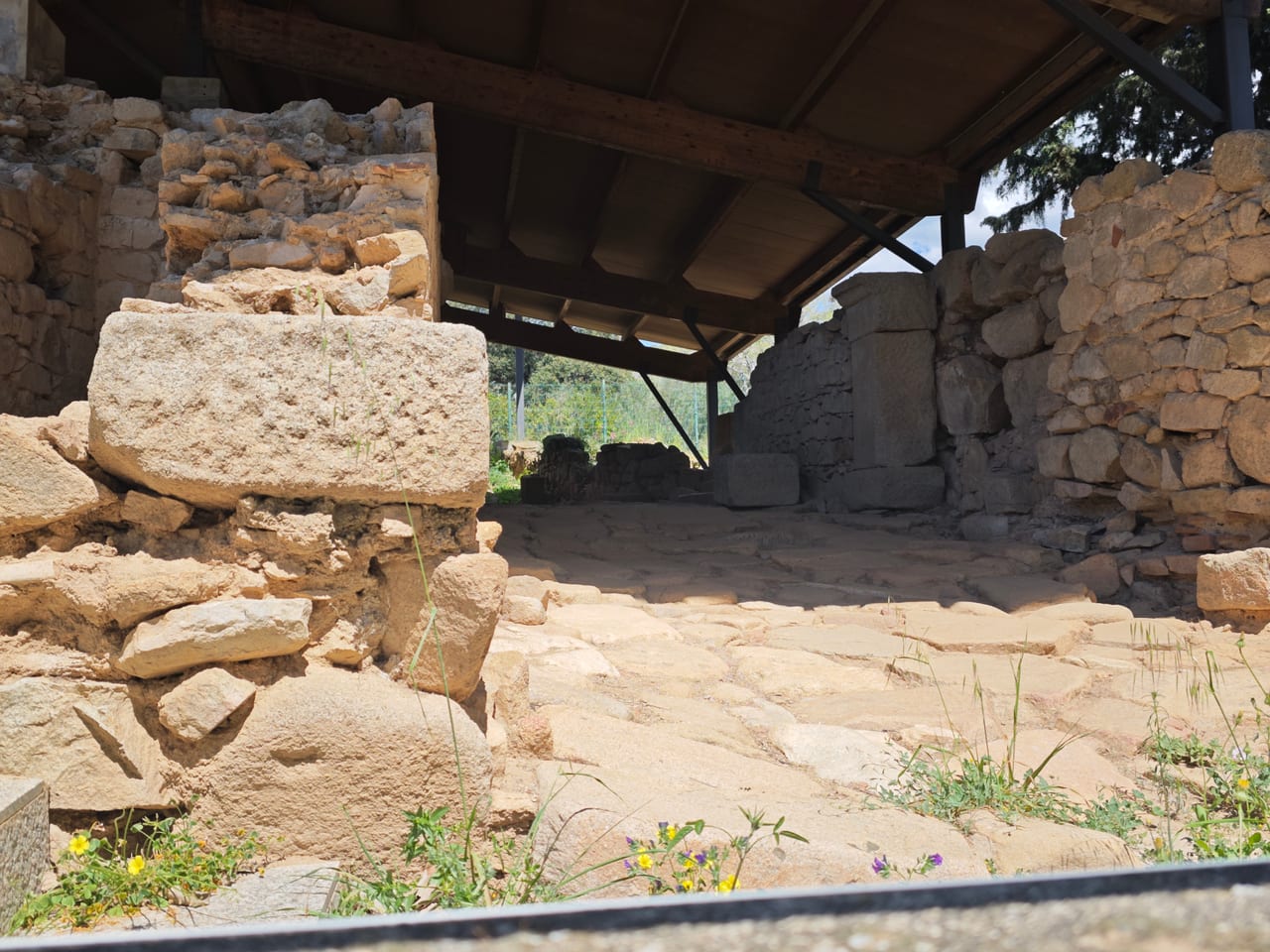
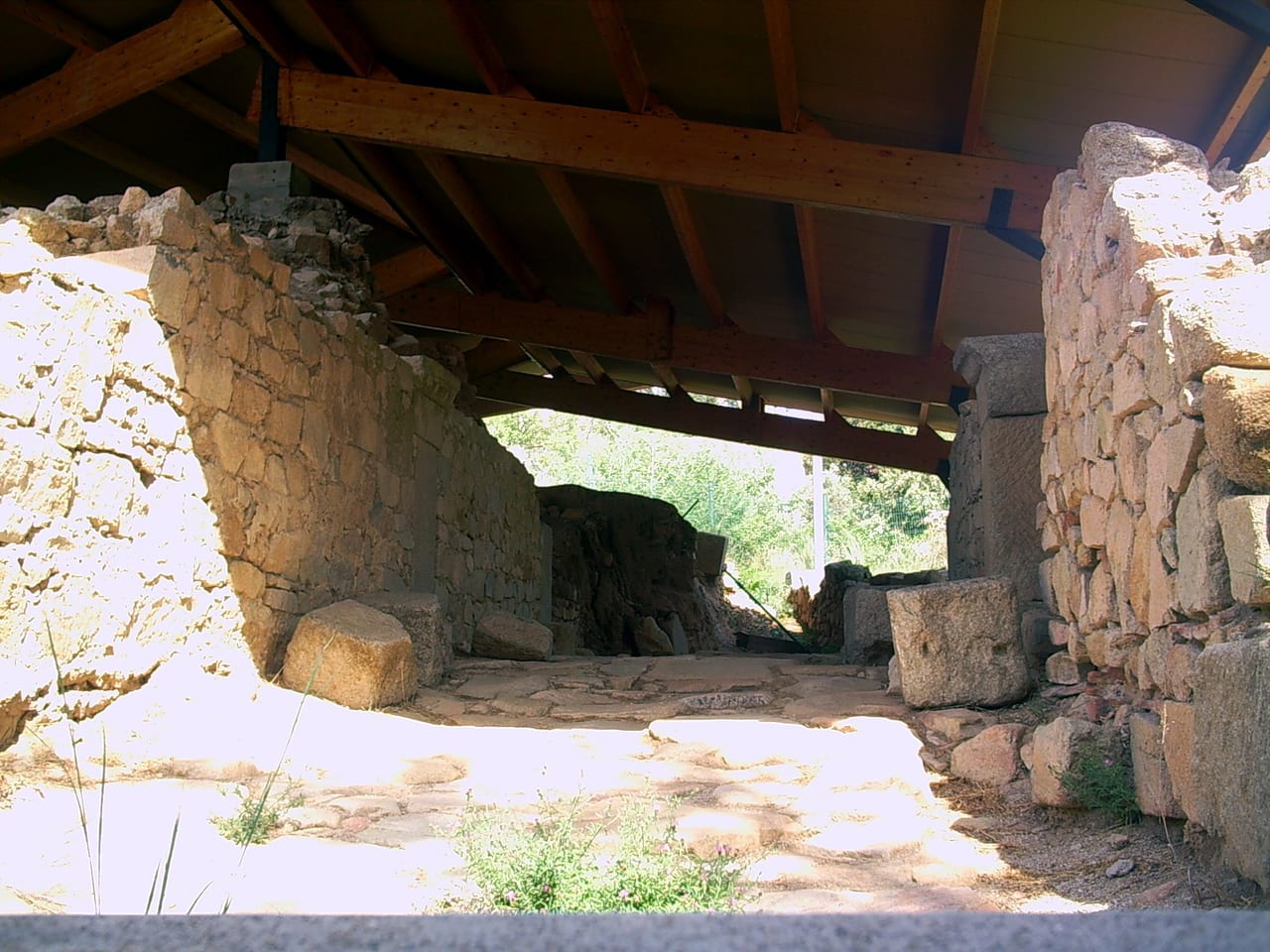
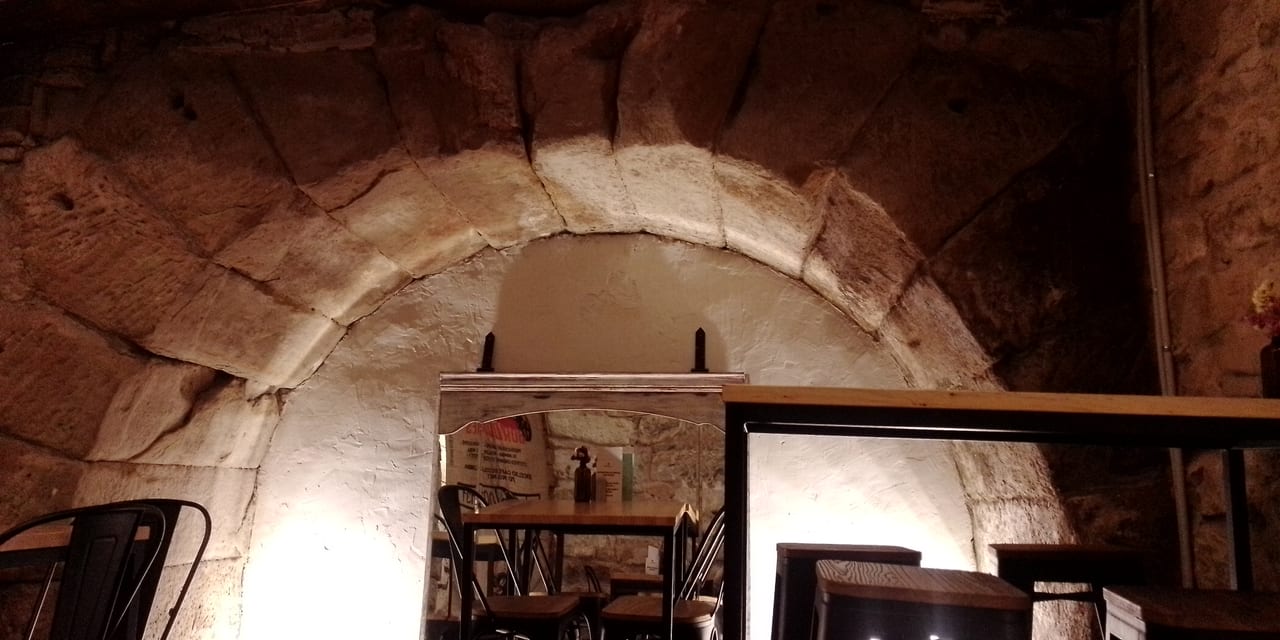
Photograph 1 of 16 of cryptoporticus
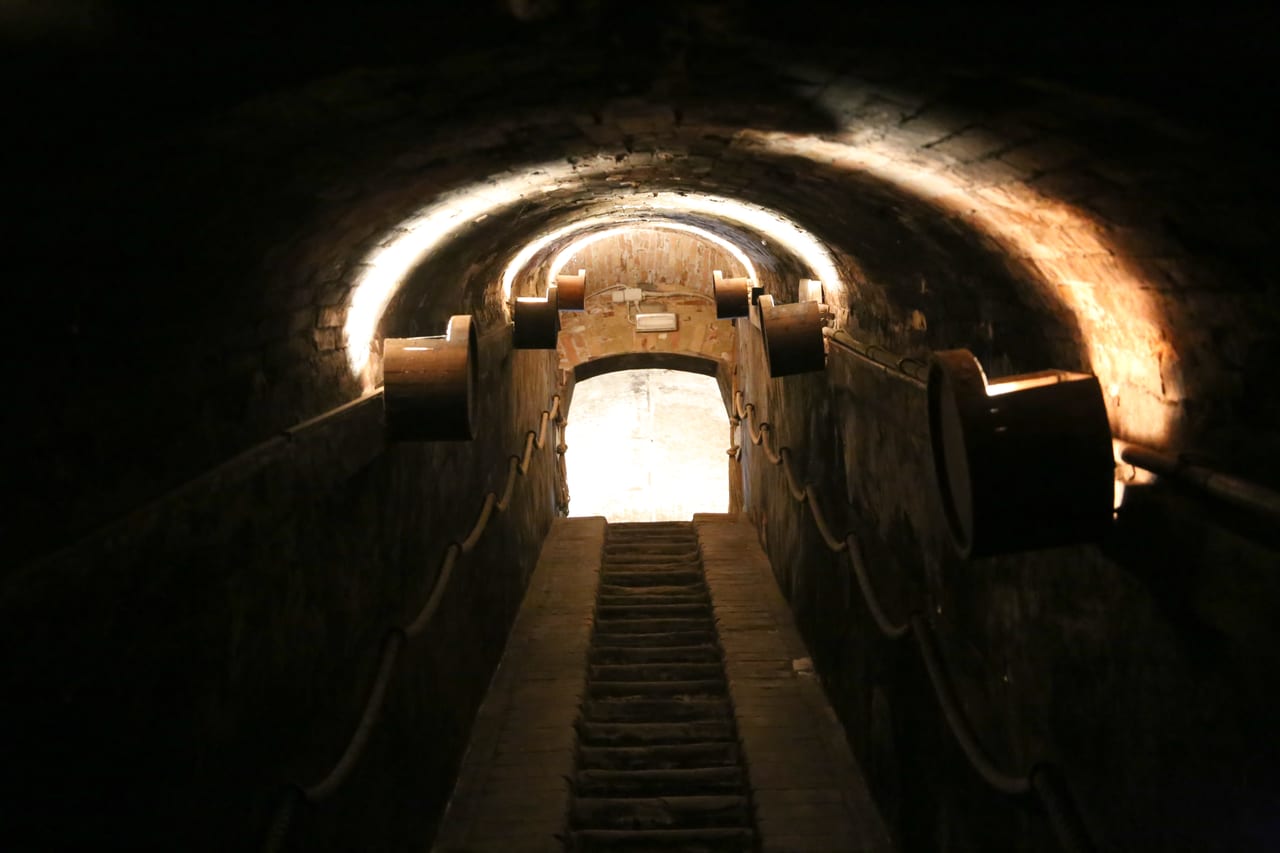
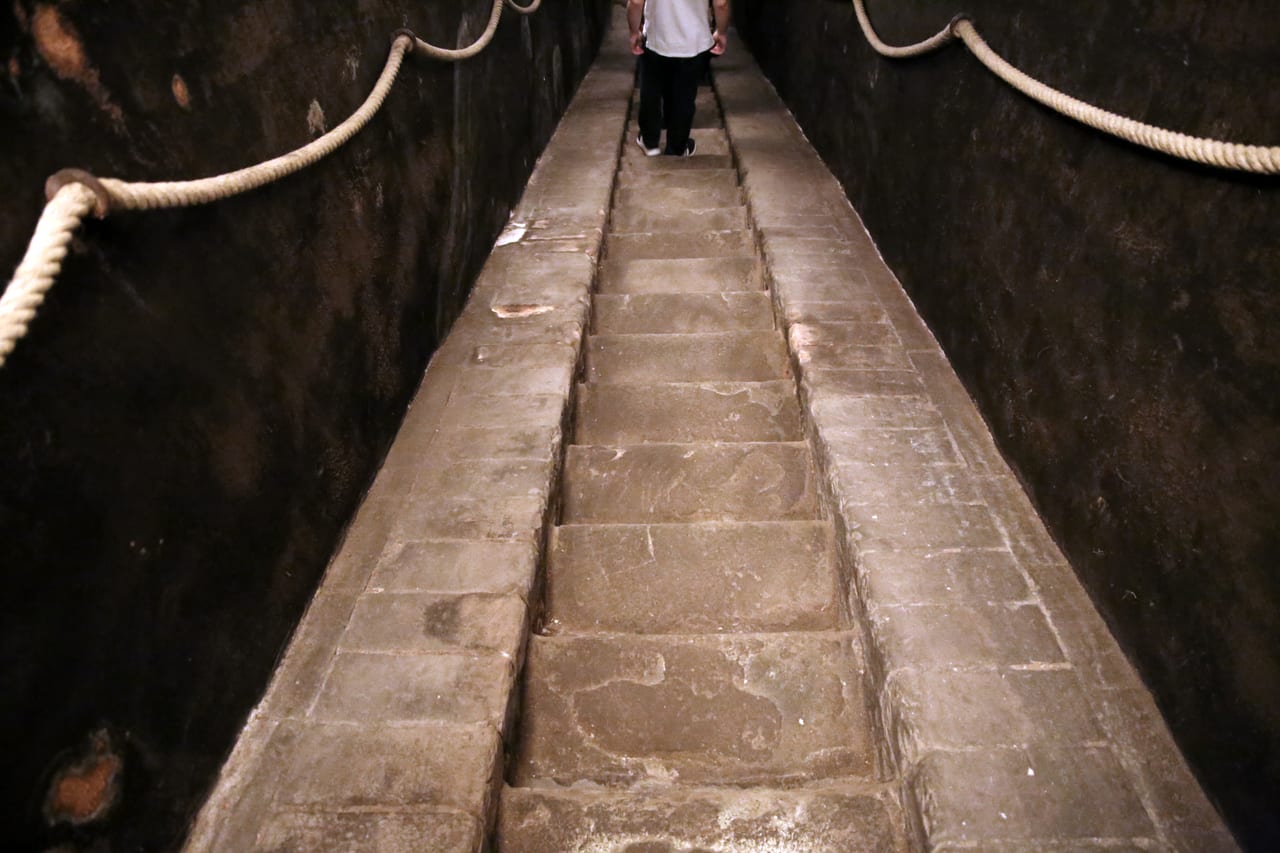
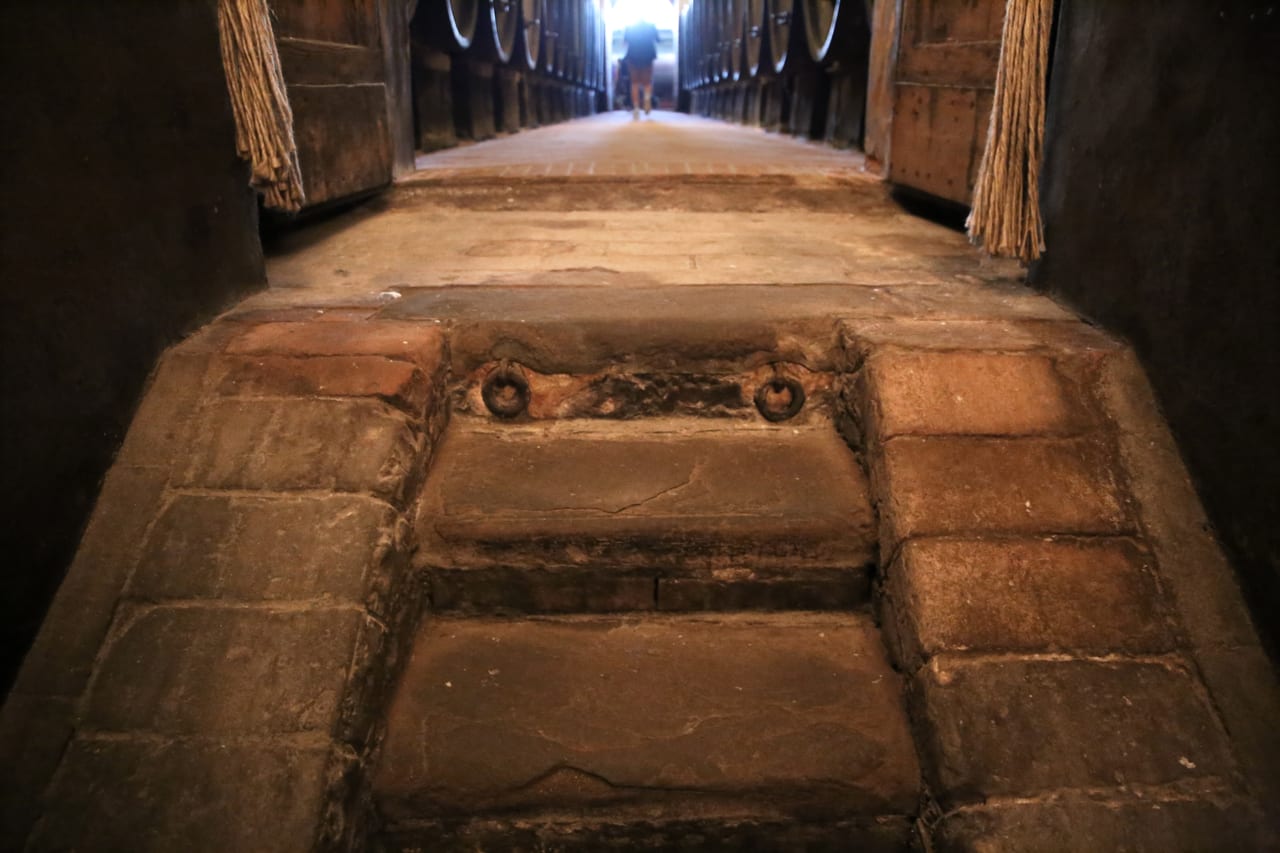
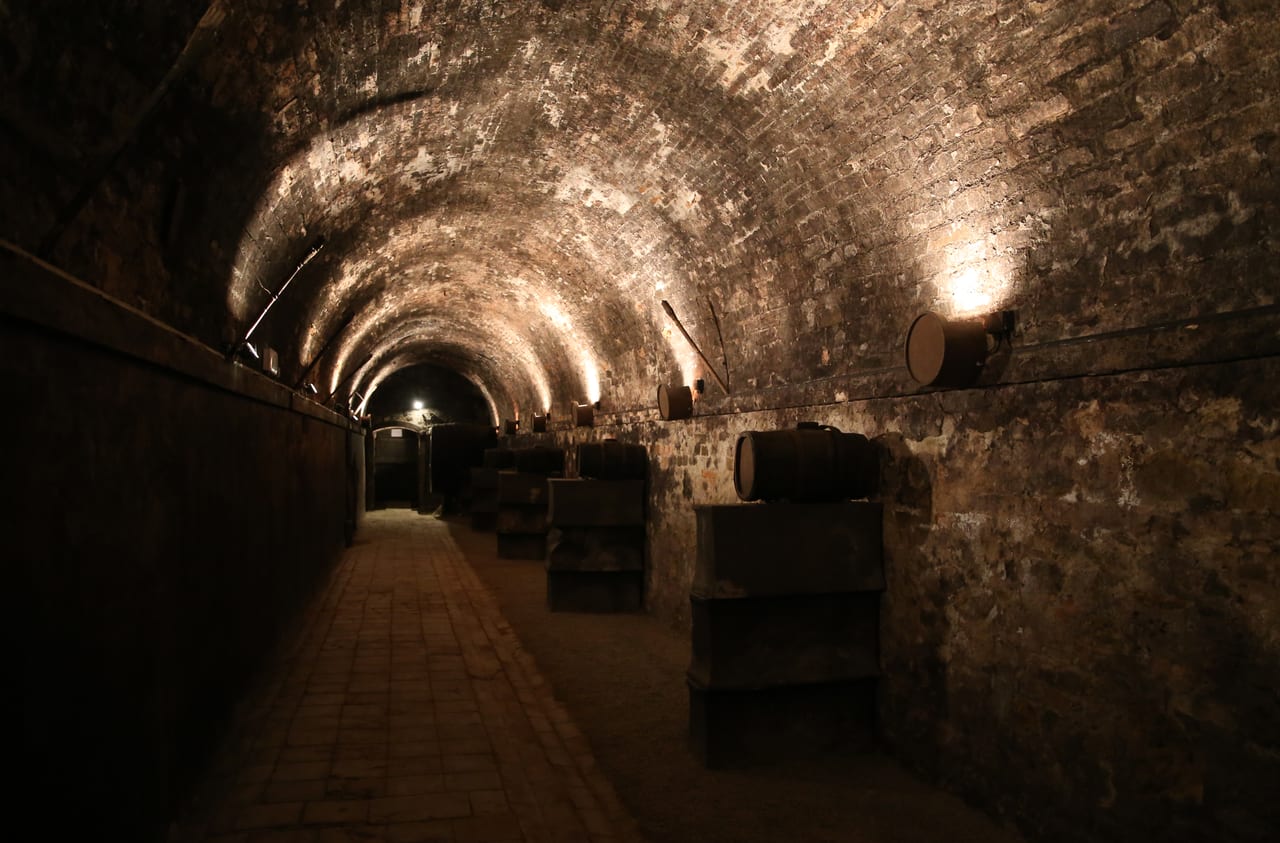
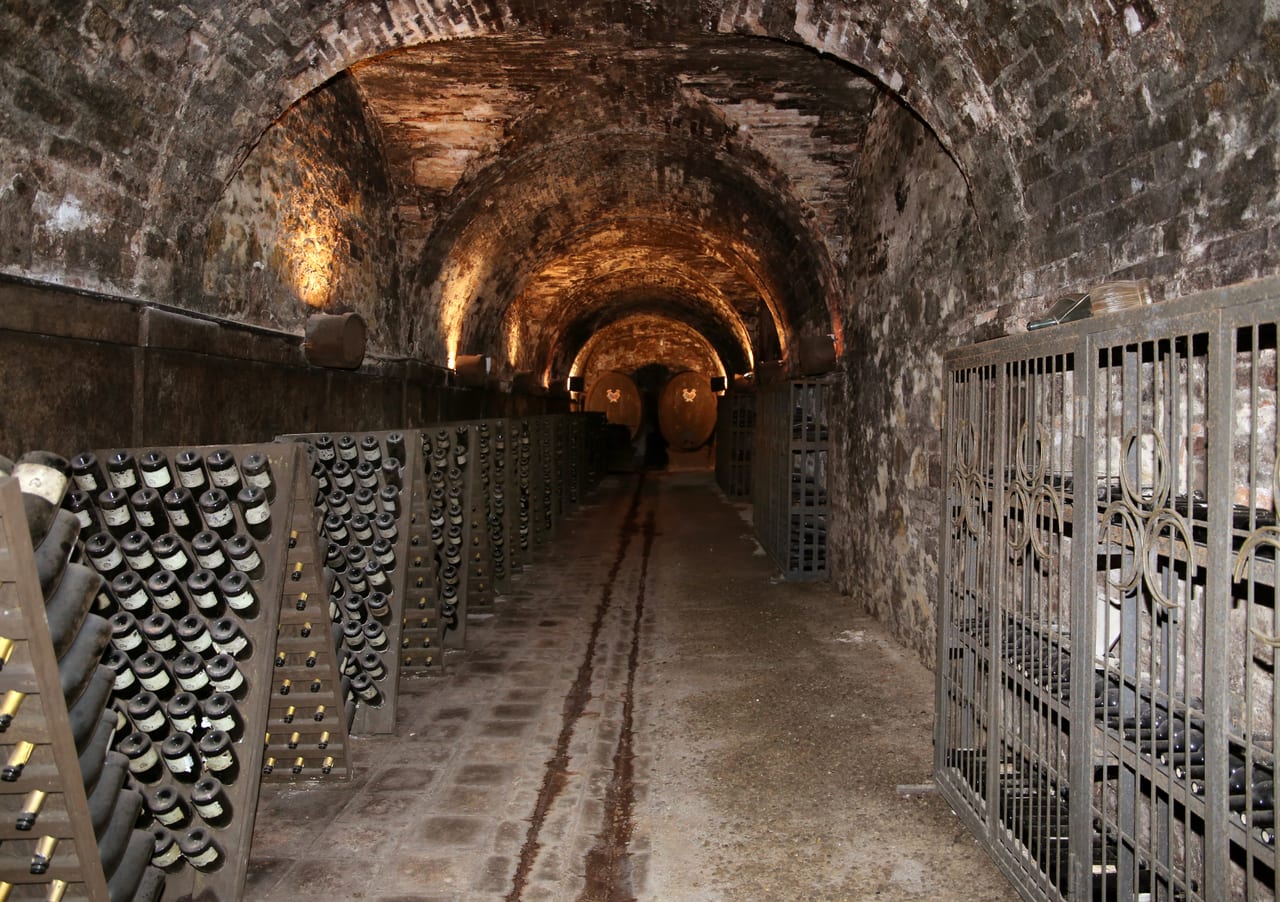
In ancient Roman architecture, a cryptoporticus was a covered passage used as a route through or beneath a larger complex. It could lie at ground level, though it was more commonly built partly underground. When associated with a Roman villa, it could function as a basis villae: a service corridor kept out of public view and supporting the villa. The form belonged to several settings. Publicly accessible forum cryptoporticoes are recorded at Aosta, Benevento, Arles, Reims and Bavay. Others served more specific architectural contexts: Vicenza’s belonged to an aristocratic domus, while the cryptoporticus at Sessa Aurunca was connected with a theatre. The Villa of Domitian at Castel Gandolfo also possessed one. Pliny the Younger used cryptoporticus as a synonym for “crypt,” indicating how closely the term was associated with enclosed or subterranean spaces. Its practical role could therefore range from discreet circulation to structural support within villas, forums and entertainment complexes.
Ways to explore cryptoporticus
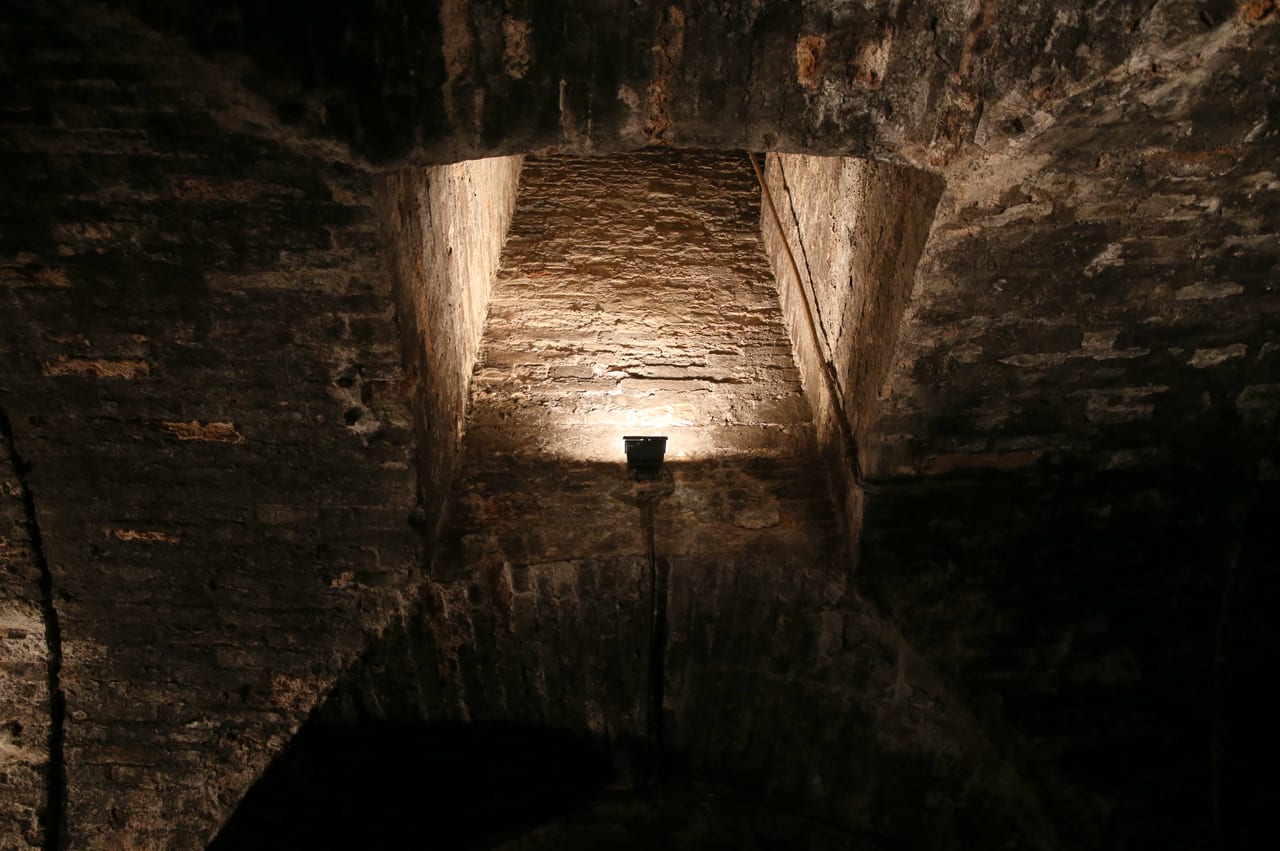
Pay close attention to the corridor’s construction: cryptoporticoes were often covered by a vault, with openings intended to bring light and air into underground spaces. Note how these architectural details balance enclosure with ventilation, and consider the difference between the concealed passage itself and the larger Roman complex it supported.
Places to stay near cryptoporticus

Live availability and prices from Stay22's partners, refreshed periodically and subject to change. Booking through these links may earn us a commission at no extra cost to you. See our privacy policy.
Cafés near cryptoporticus
Cafés near cryptoporticus loads as you scroll.
Attractions nearby
Attractions near cryptoporticus loads as you scroll.
Cities nearby
Cities nearby loads as you scroll.
More in Rome
See more of Rome.
Find great cafés, places to stay and other interesting places to visit in Rome.