Ancient site · Rome
Crypta Balbi
DirectionsLucius Cornelius Balbus commissioned the porticoed courtyard beside his theatre in 13 BC, giving today’s museum an unusually direct connection with ancient Roman urban life.
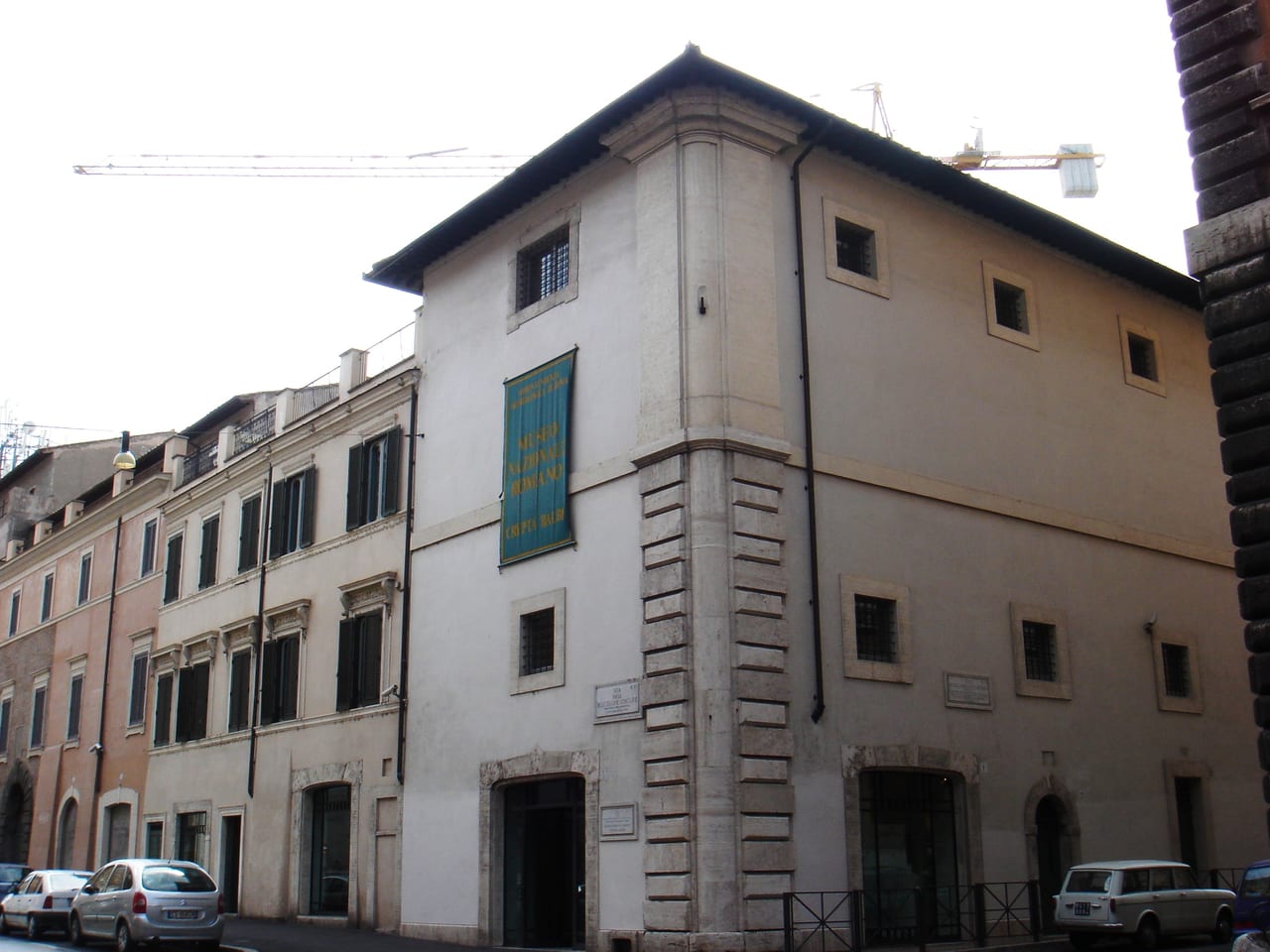
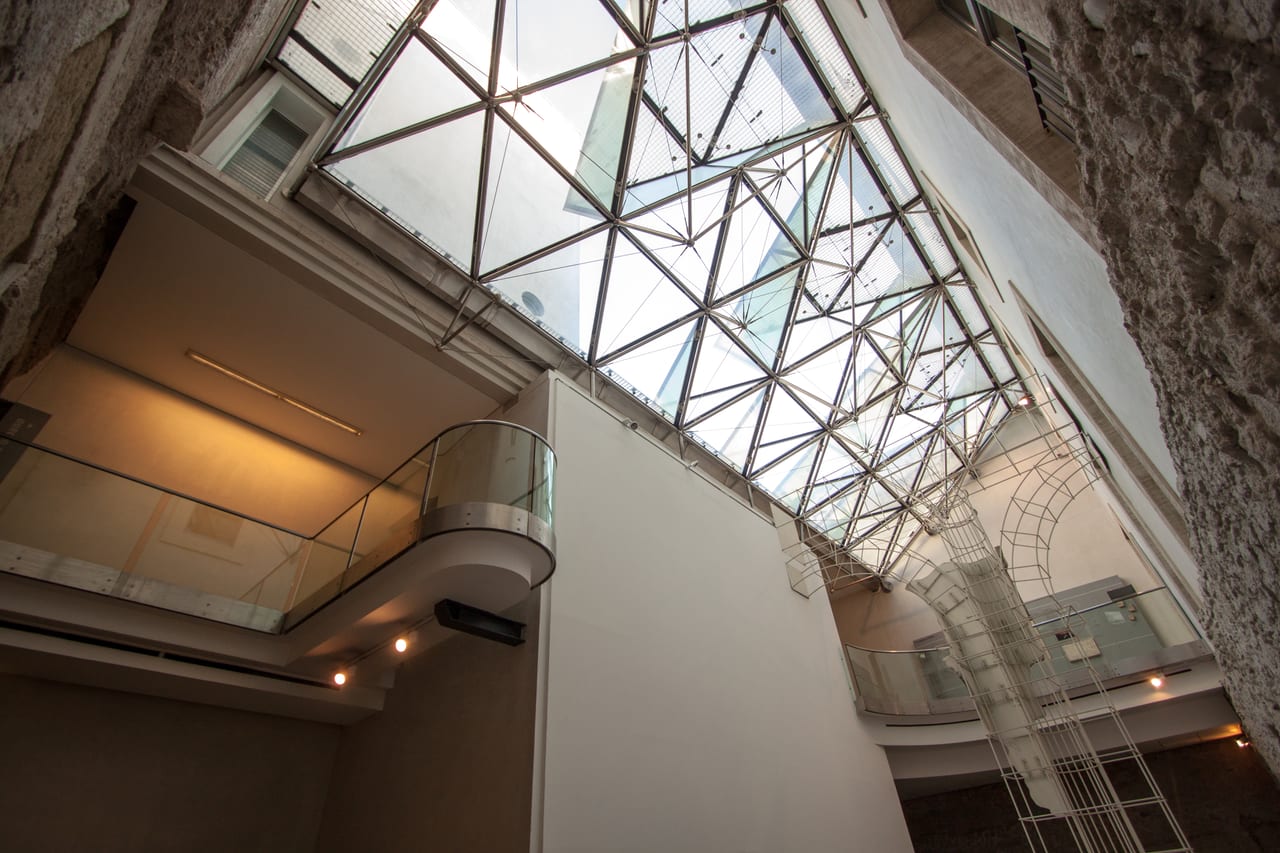
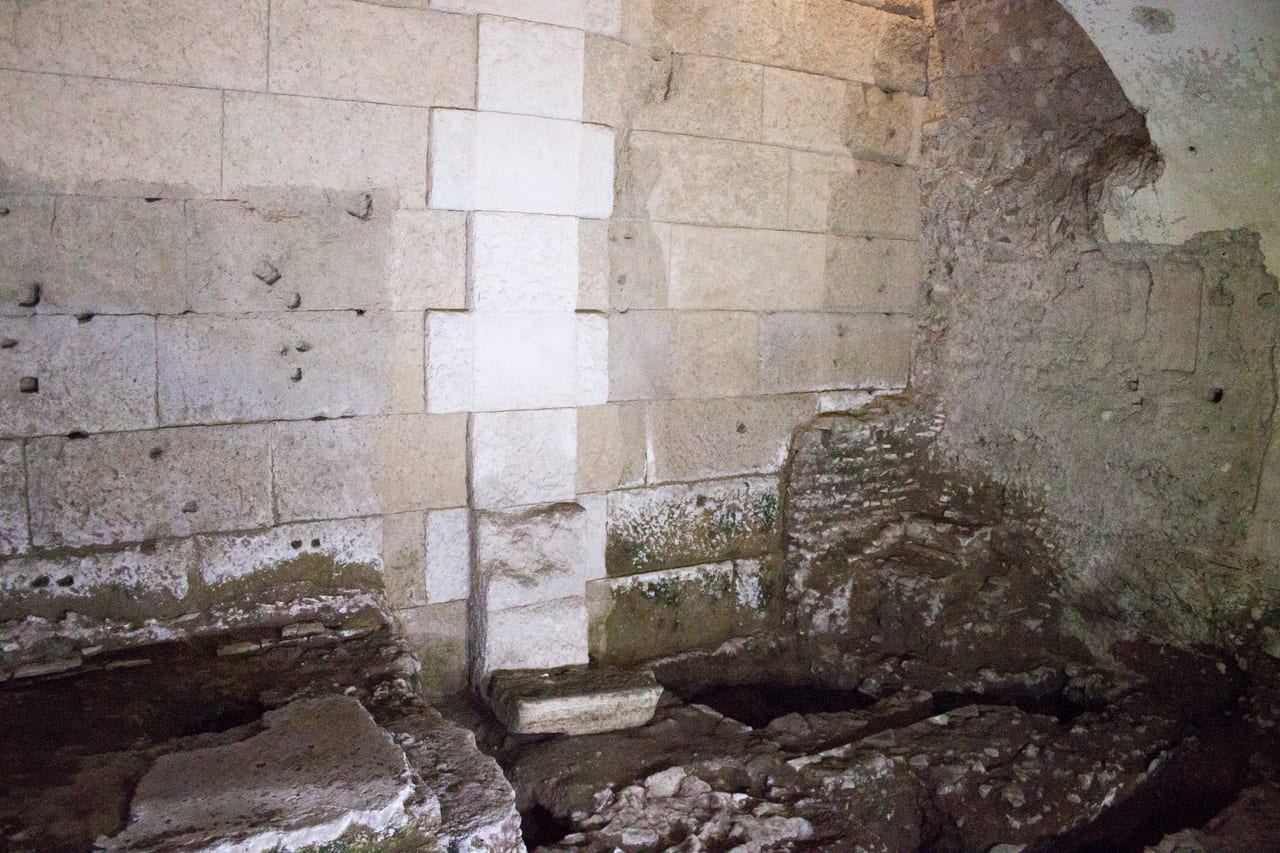
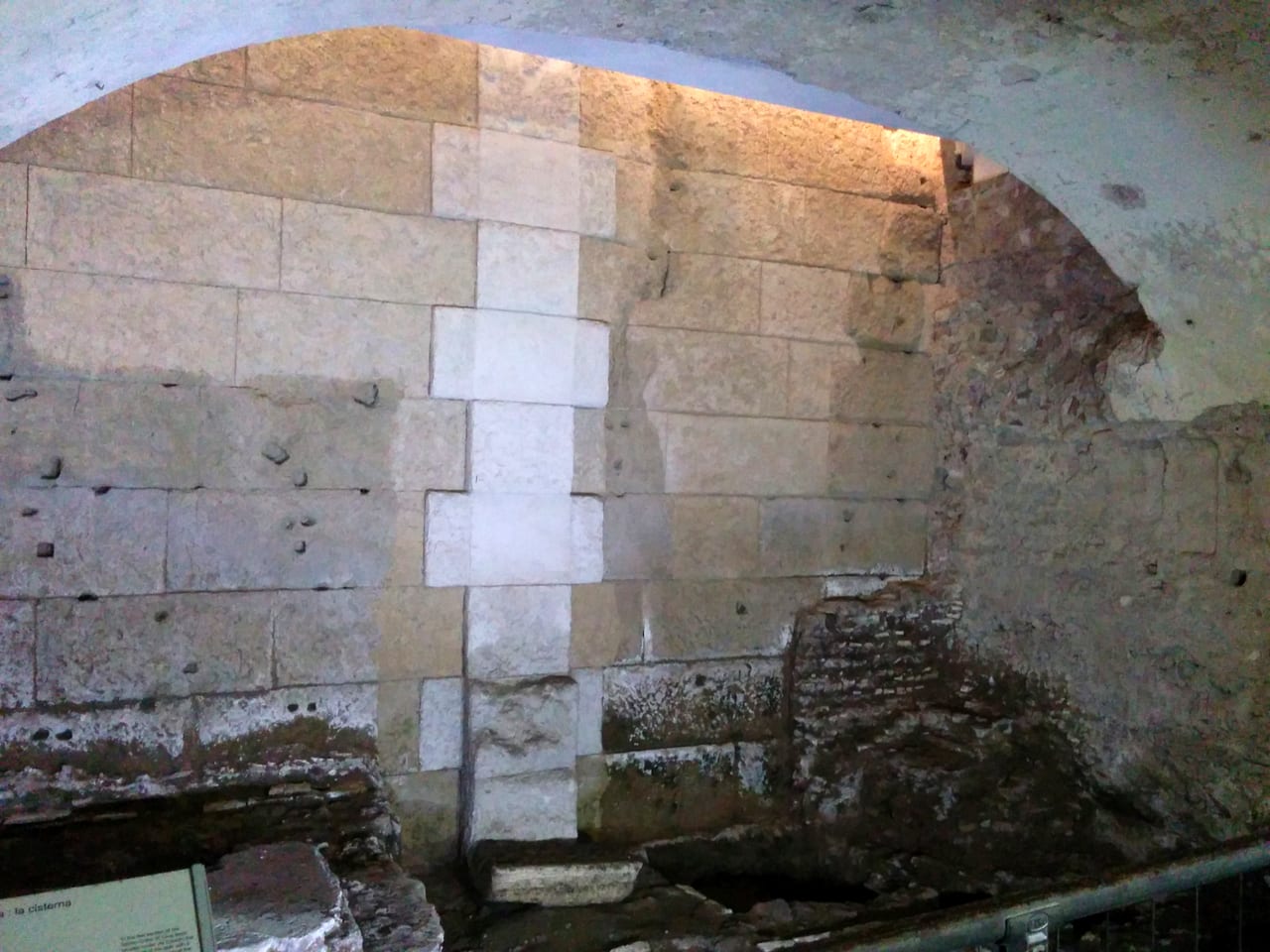
Photograph 1 of 7 of Crypta Balbi
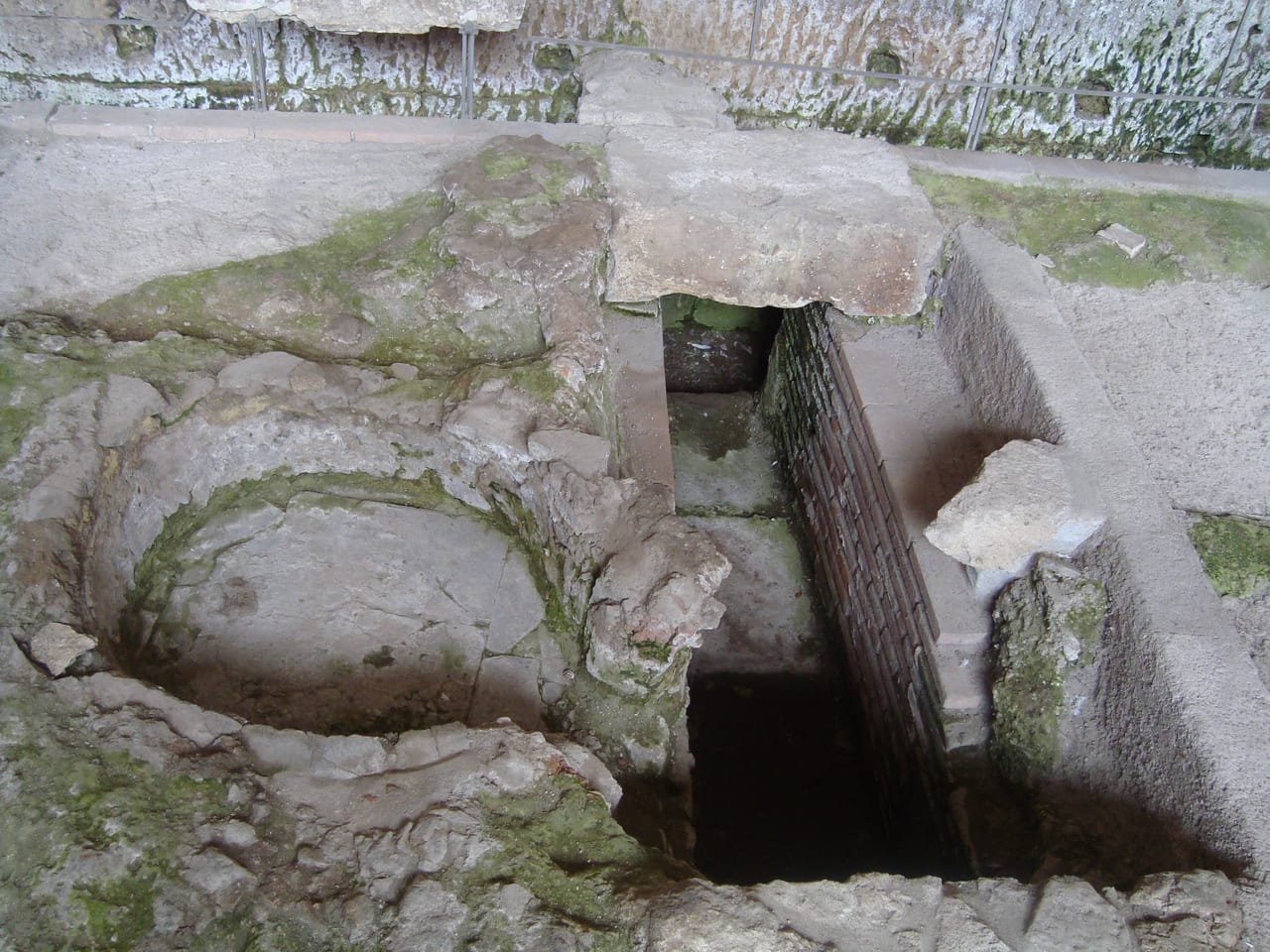
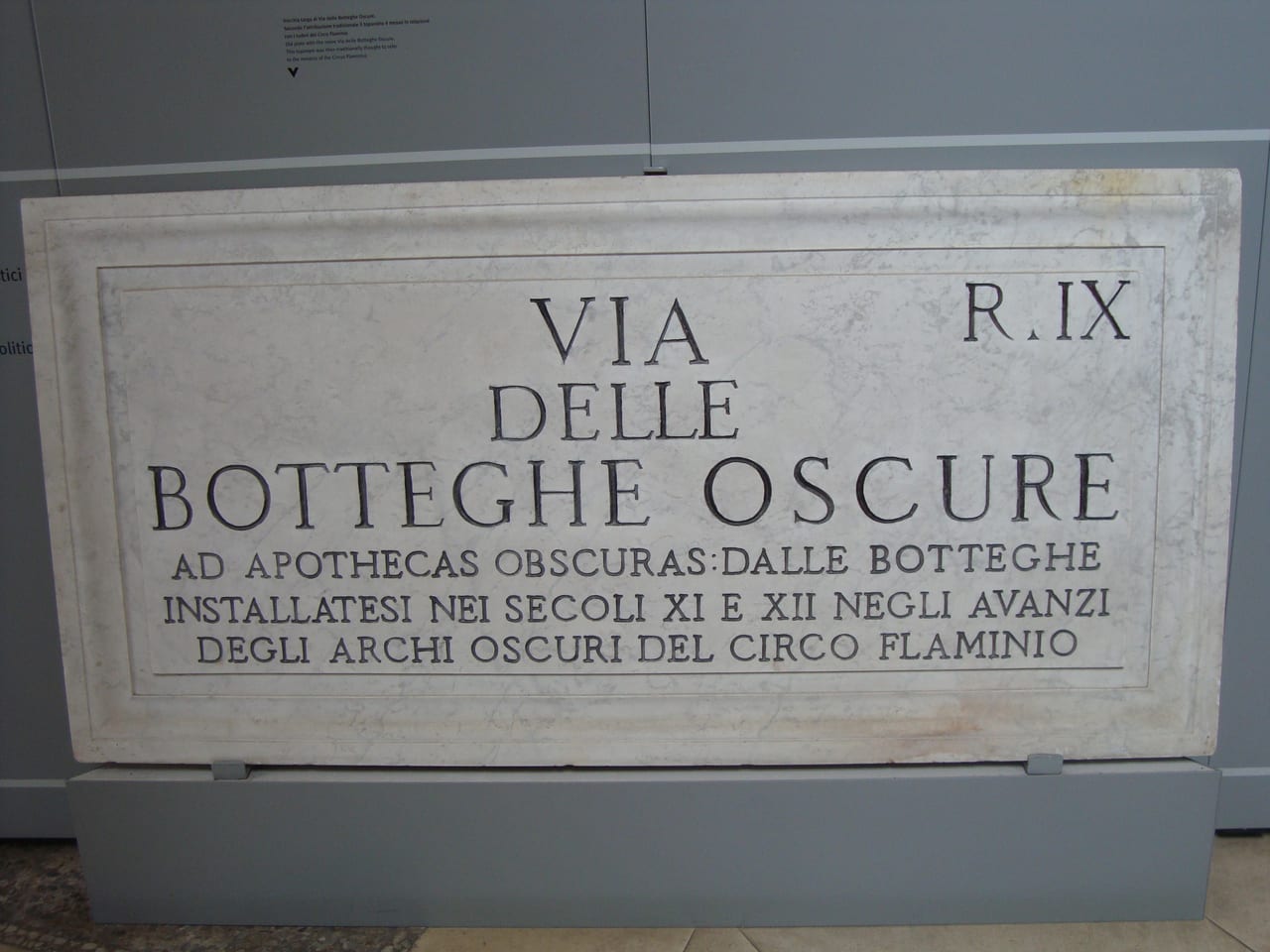
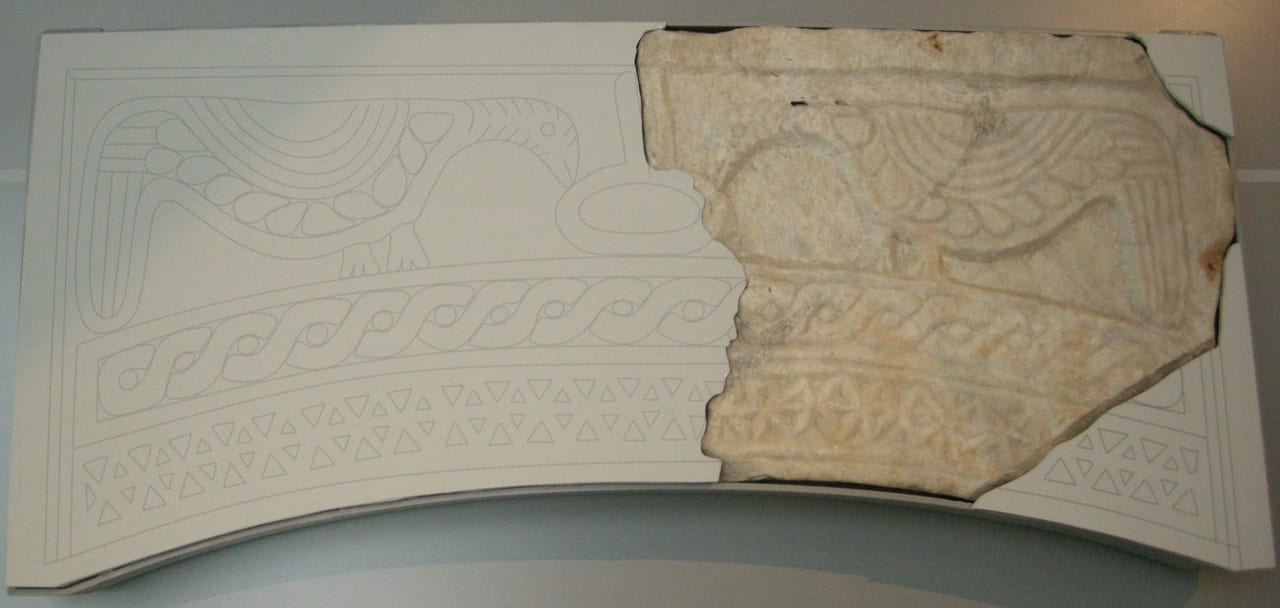
Crypta Balbi forms part of the Museo Nazionale Romano and occupies a wider complex acquired by the Italian state in 1981. Its layers record successive uses of the site. Roman houses and the southern side of the Porticus Minucia stood here; remains of the latter can be seen across Via delle Botteghe Oscure. In the early Middle Ages, Santa Maria Domine Rose occupied the area with its convent, garden and associated buildings. Medieval houses followed on Via dei Delfini, while the Renaissance brought the convent and Conservatorio of Santa Caterina. The surviving church of San Stanislao and its Polish hospice belong to the eighteenth century. The museum’s urban-archaeology programme traces these changing settlements and activities. Finds document workshops and production between the seventh and tenth centuries, challenging the idea of those centuries as merely ‘dark’. In 2013, the Museo Nazionale Romano circuit recorded 247,795 visitors.
At a glance
- Heritage
- Italian national heritage
Ways to explore Crypta Balbi
Read the displays as a sequence of changing spaces rather than as a collection of isolated objects. Give particular attention to workshop materials, tools and finished products, then compare them with the plans and explanations of the surrounding buildings. The contextual labels are especially useful for connecting each find to its setting. Outside, look toward the remains of the Porticus Minucia across Via delle Botteghe Oscure, and notice the surviving ecclesiastical buildings within the wider complex.
Places to stay near Crypta Balbi

Live availability and prices from Stay22's partners, refreshed periodically and subject to change. Booking through these links may earn us a commission at no extra cost to you. See our privacy policy.
Cafés near Crypta Balbi
Cafés near Crypta Balbi loads as you scroll.
Attractions nearby
Attractions near Crypta Balbi loads as you scroll.
Cities nearby
Cities nearby loads as you scroll.
More in Rome
See more of Rome.
Find great cafés, places to stay and other interesting places to visit in Rome.