Ancient site · Rome
Colossus of Nero
DirectionsIts colossal bronze presence may have outlived the statue itself: the nearby Flavian Amphitheatre is thought to have acquired the name Colosseum from its proximity.
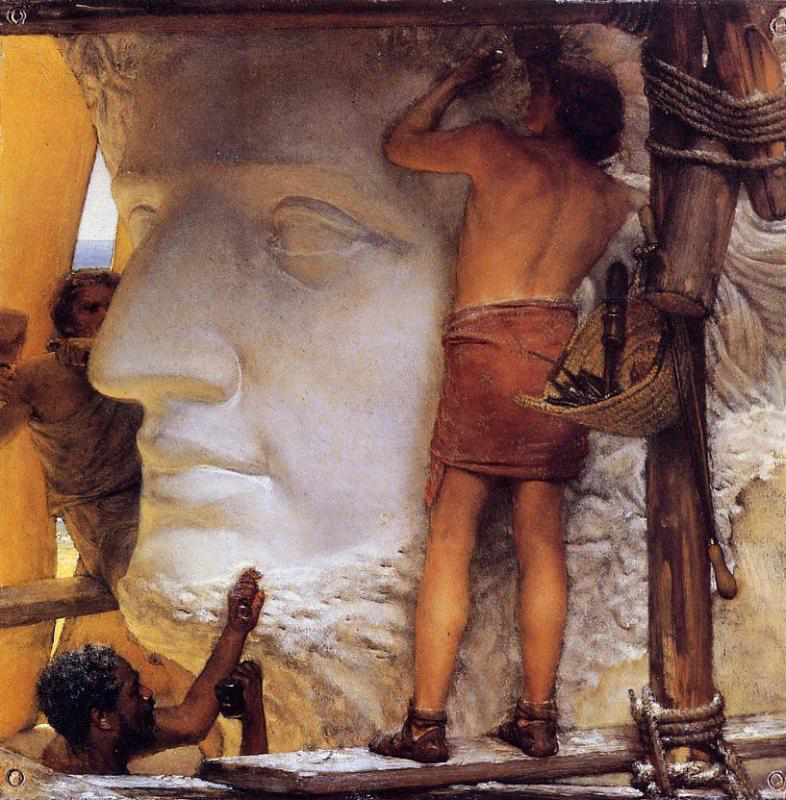
Nero commissioned the 30-metre bronze statue for the entrance to his Domus Aurea, where it stood in a vast porticoed atrium separating the private villa from the city. The Greek architect Zenodorus began work between AD 64 and 68; Pliny the Elder gave its height as 30.3 metres, though other accounts reached 37 metres. Around AD 128, Hadrian ordered its removal to make room for the Temple of Venus and Roma. Architect Decriannus directed the move with 24 elephants. Commodus later replaced its head to portray himself as Hercules, but the original form was restored after his death. The statue was last certainly recorded in the Chronography of 354; it disappeared thereafter, perhaps in the Sack of Rome in 410 or in a fifth-century earthquake, with its metal salvaged. Bede’s later epigram treated it as a symbol whose meaning was often mistakenly assigned to the amphitheatre rather than the statue.
At a glance
- Built
- 50
Ways to explore Colossus of Nero
Visit the excavated foundations at the statue’s second site near the amphitheatre. The surviving concrete blocks mark the base of the marble-clad pedestal, preserving the remains of the monument after the statue’s disappearance. The foundations were excavated in 1986 and can be viewed by the public.
Places to stay near Colossus of Nero

Live availability and prices from Stay22's partners, refreshed periodically and subject to change. Booking through these links may earn us a commission at no extra cost to you. See our privacy policy.
Cafés near Colossus of Nero
Cafés near Colossus of Nero loads as you scroll.
Attractions nearby
Attractions near Colossus of Nero loads as you scroll.
Cities nearby
Cities nearby loads as you scroll.
More in Rome
See more of Rome.
Find great cafés, places to stay and other interesting places to visit in Rome.