Ancient site · Rome
Circus Maximus
DirectionsIts twelve curved starting stalls were engineered so every chariot travelled the same distance to the point where the race became free.
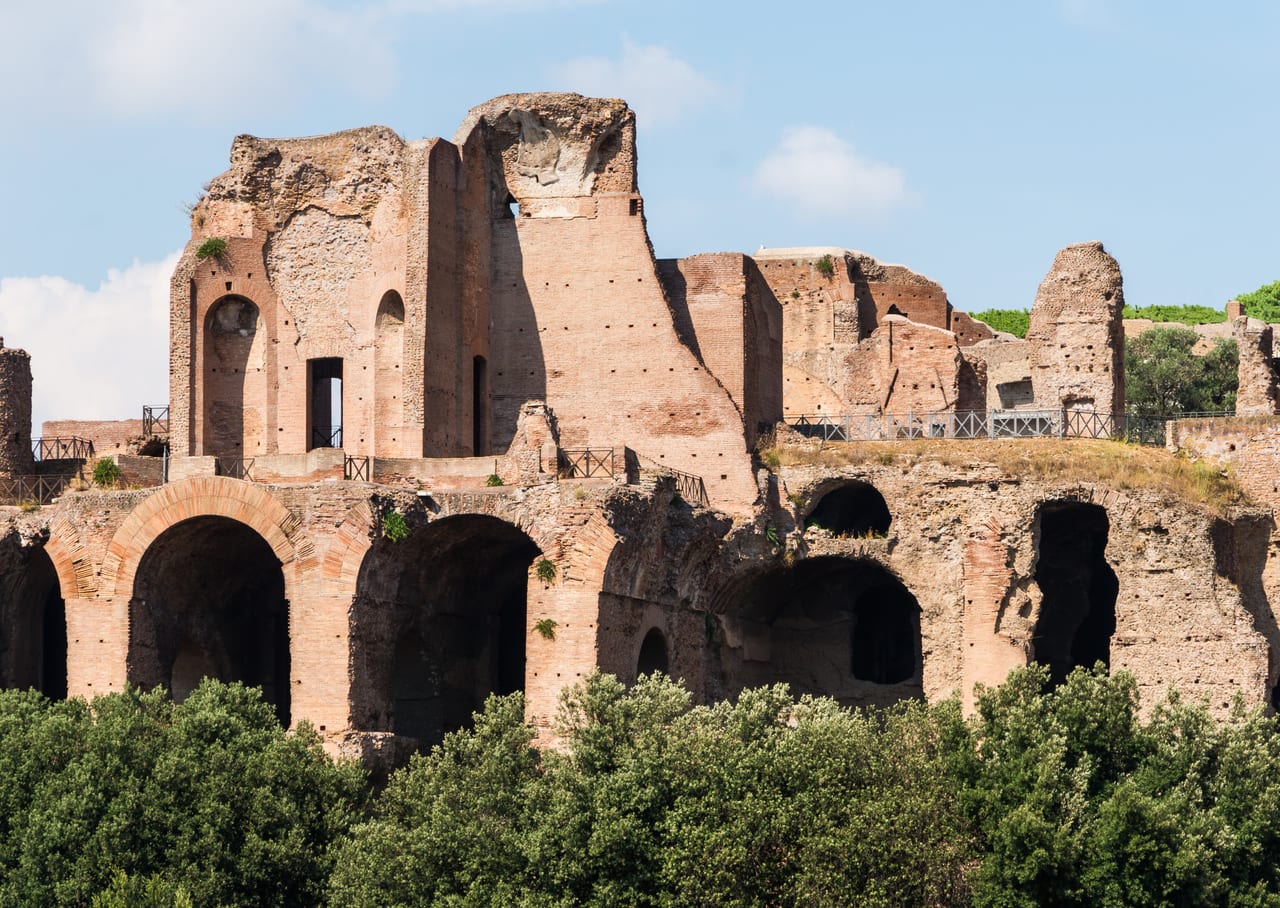
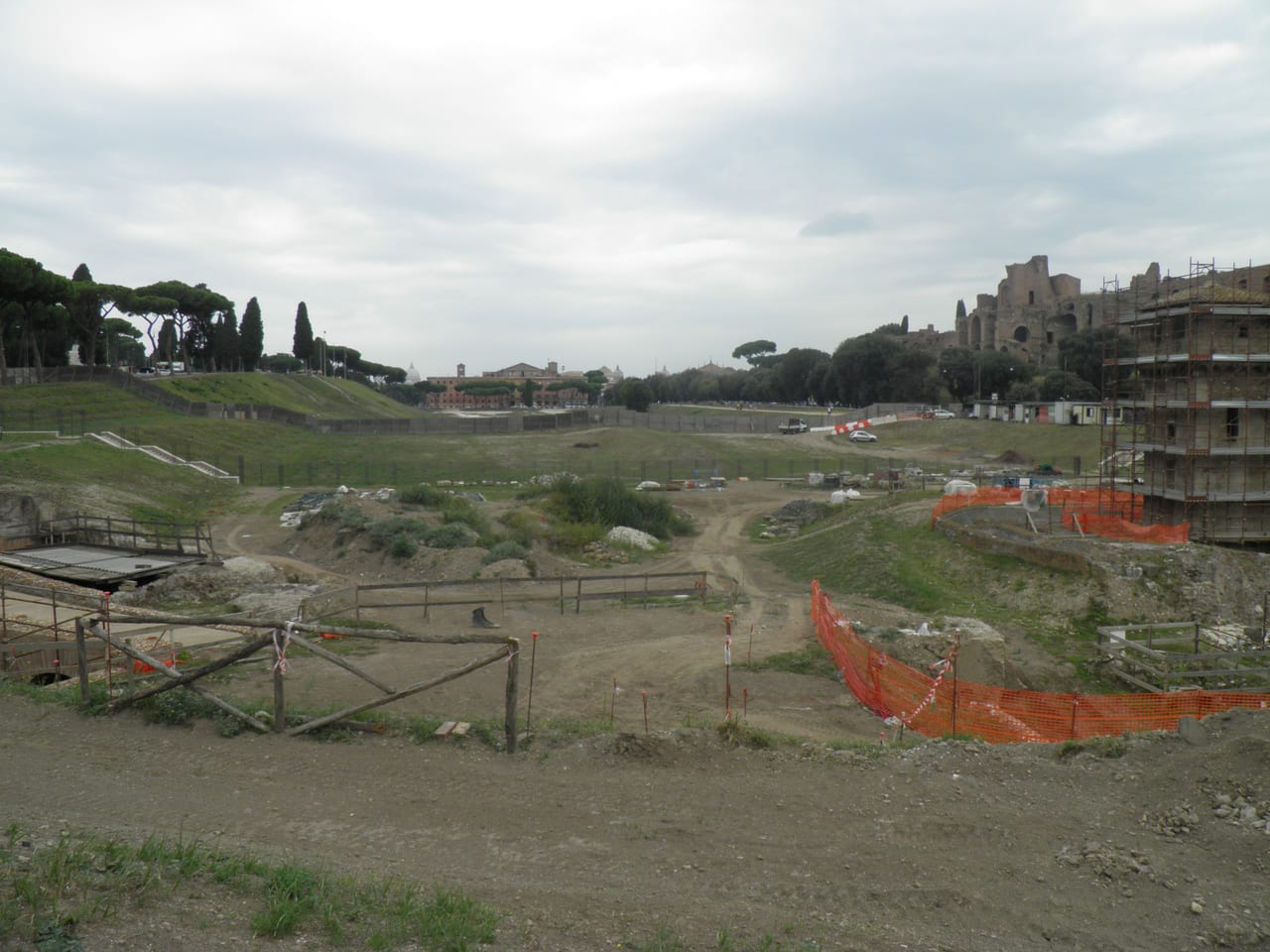
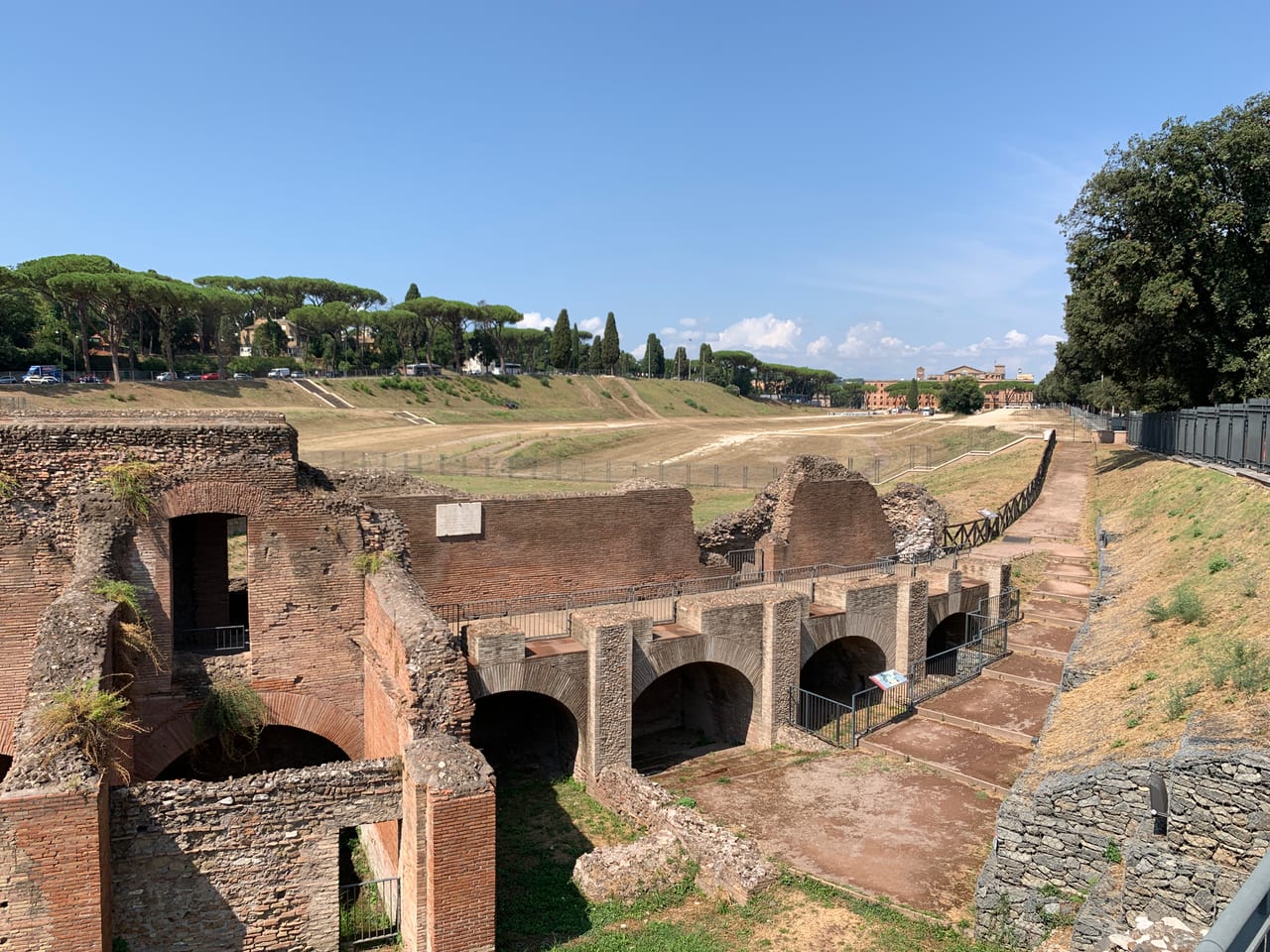
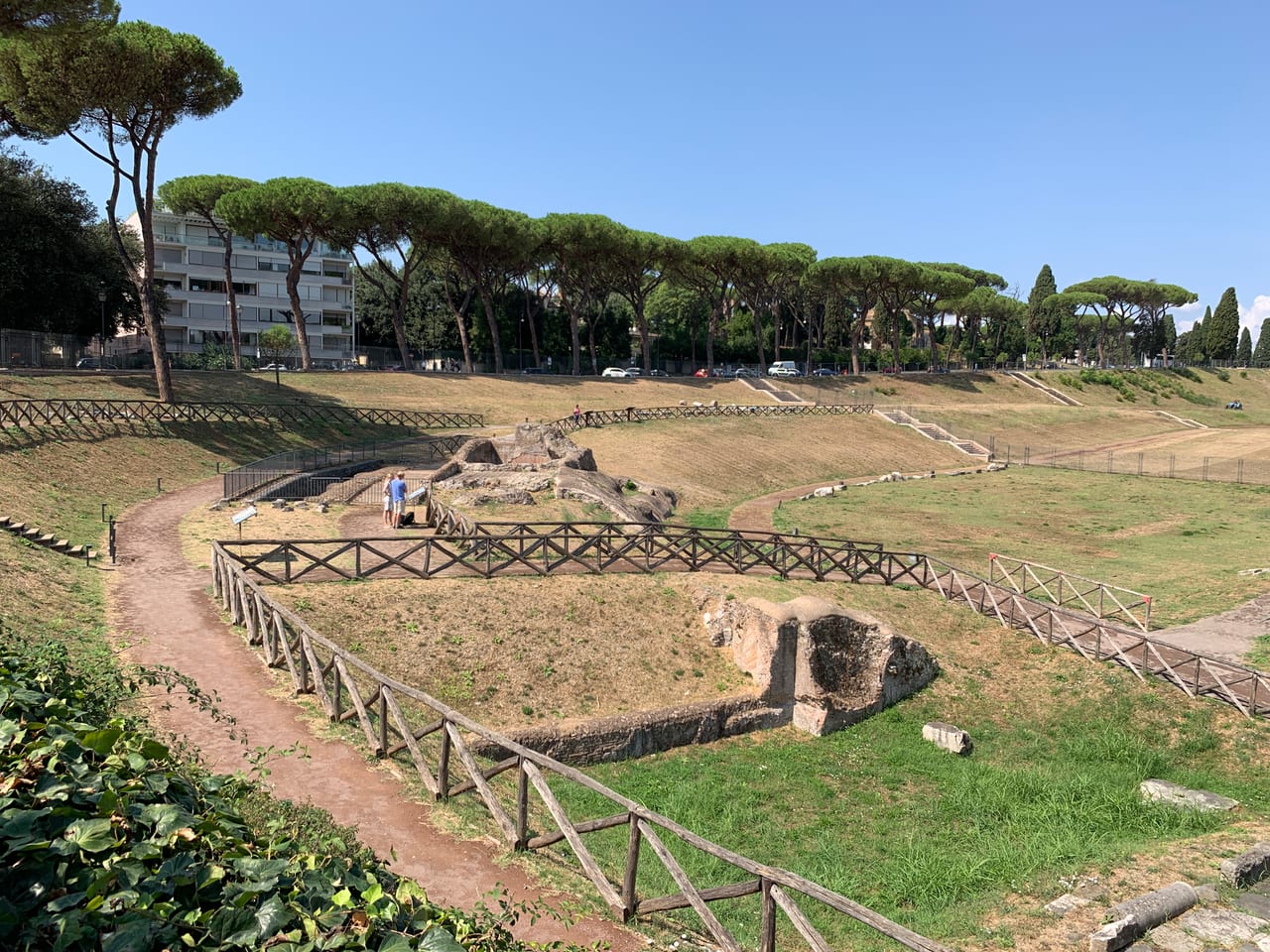
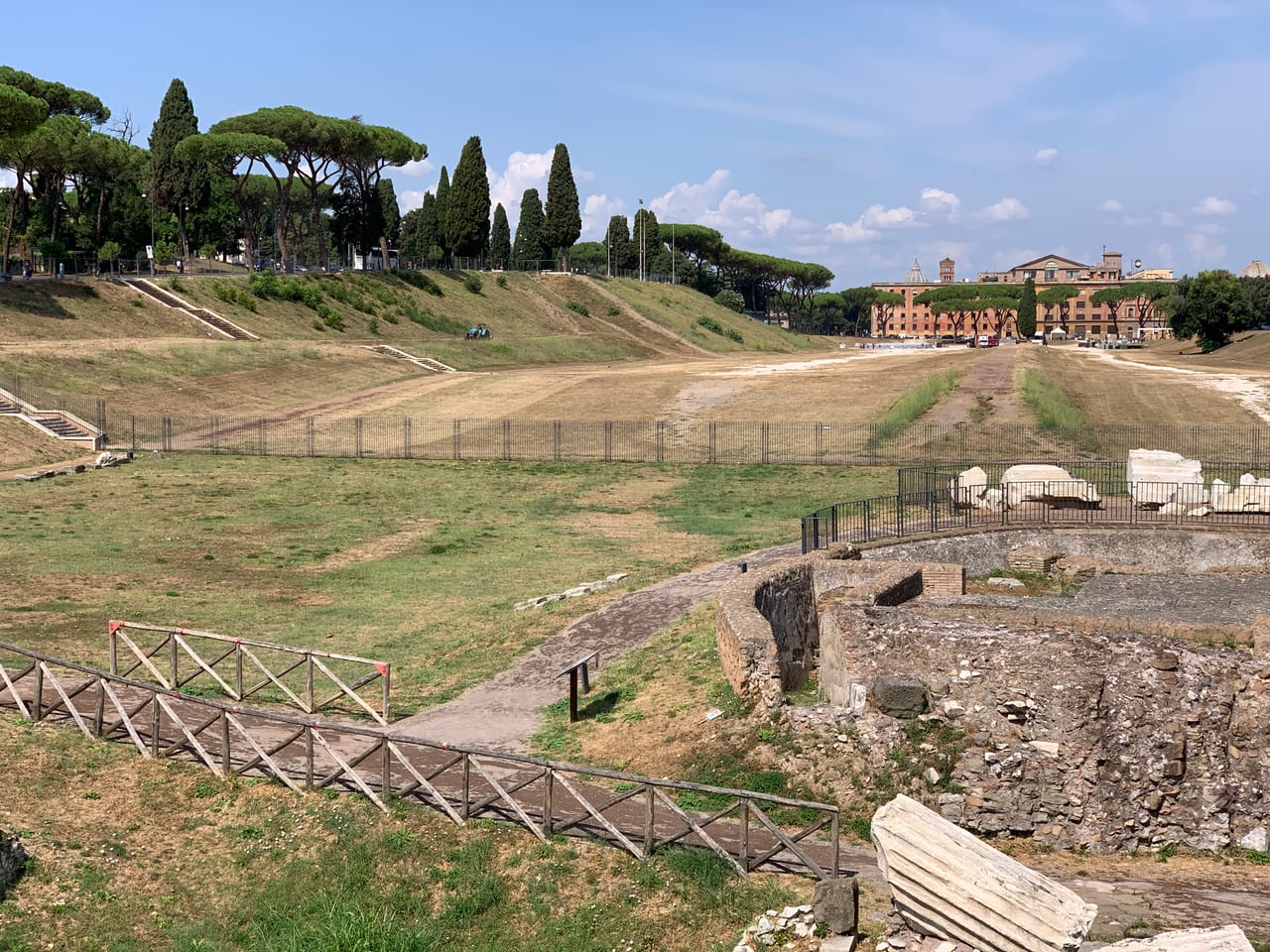
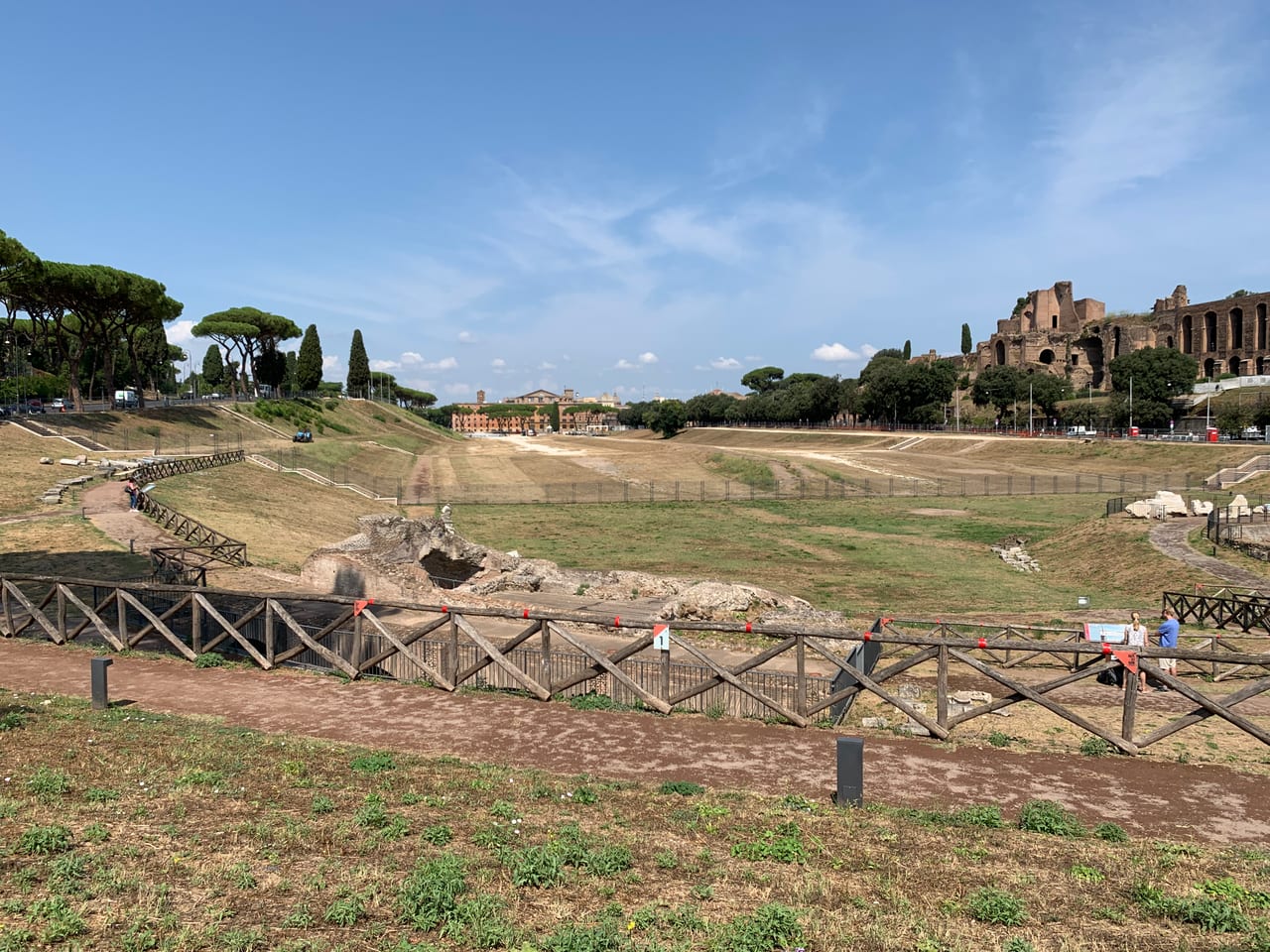
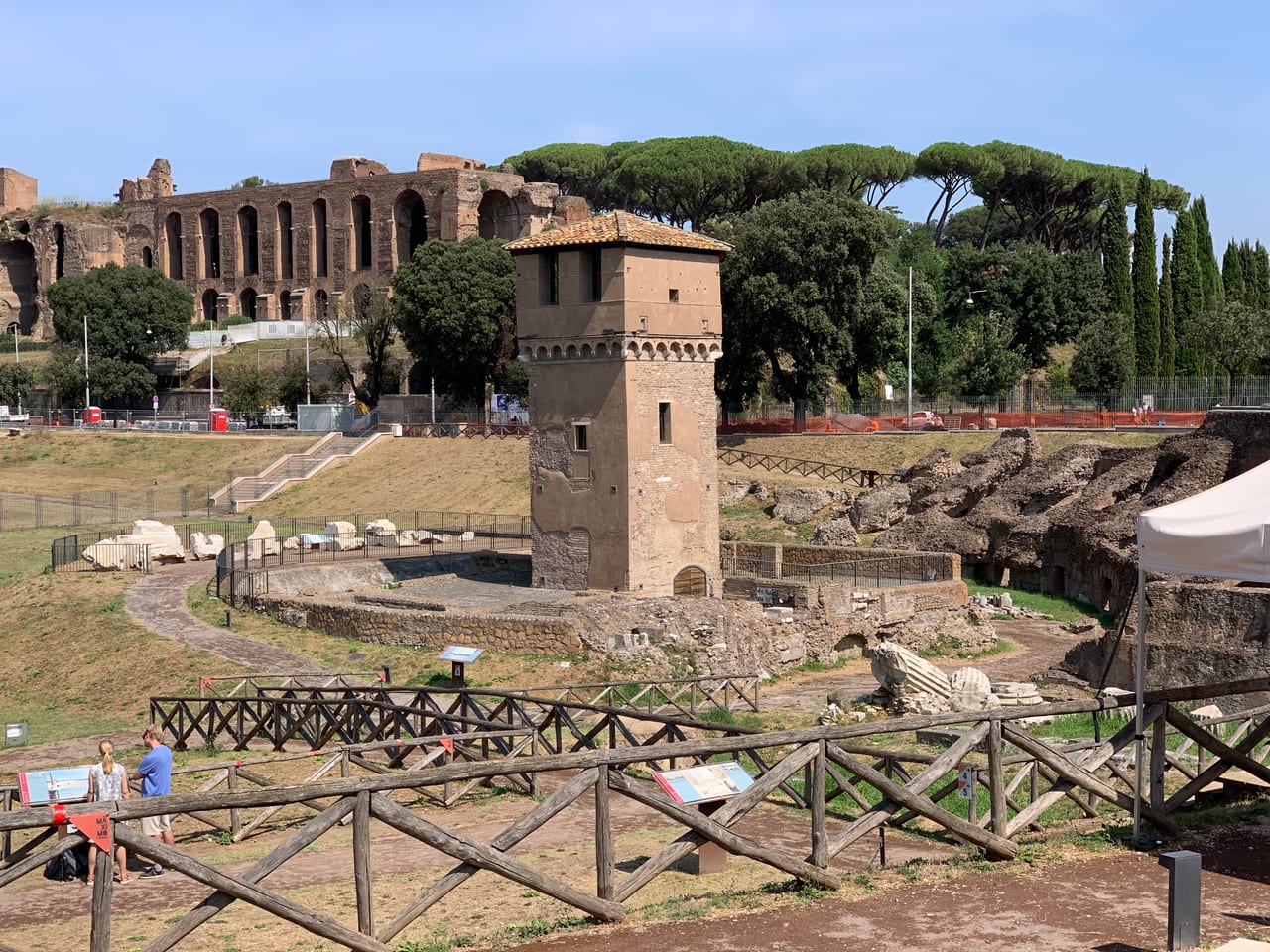
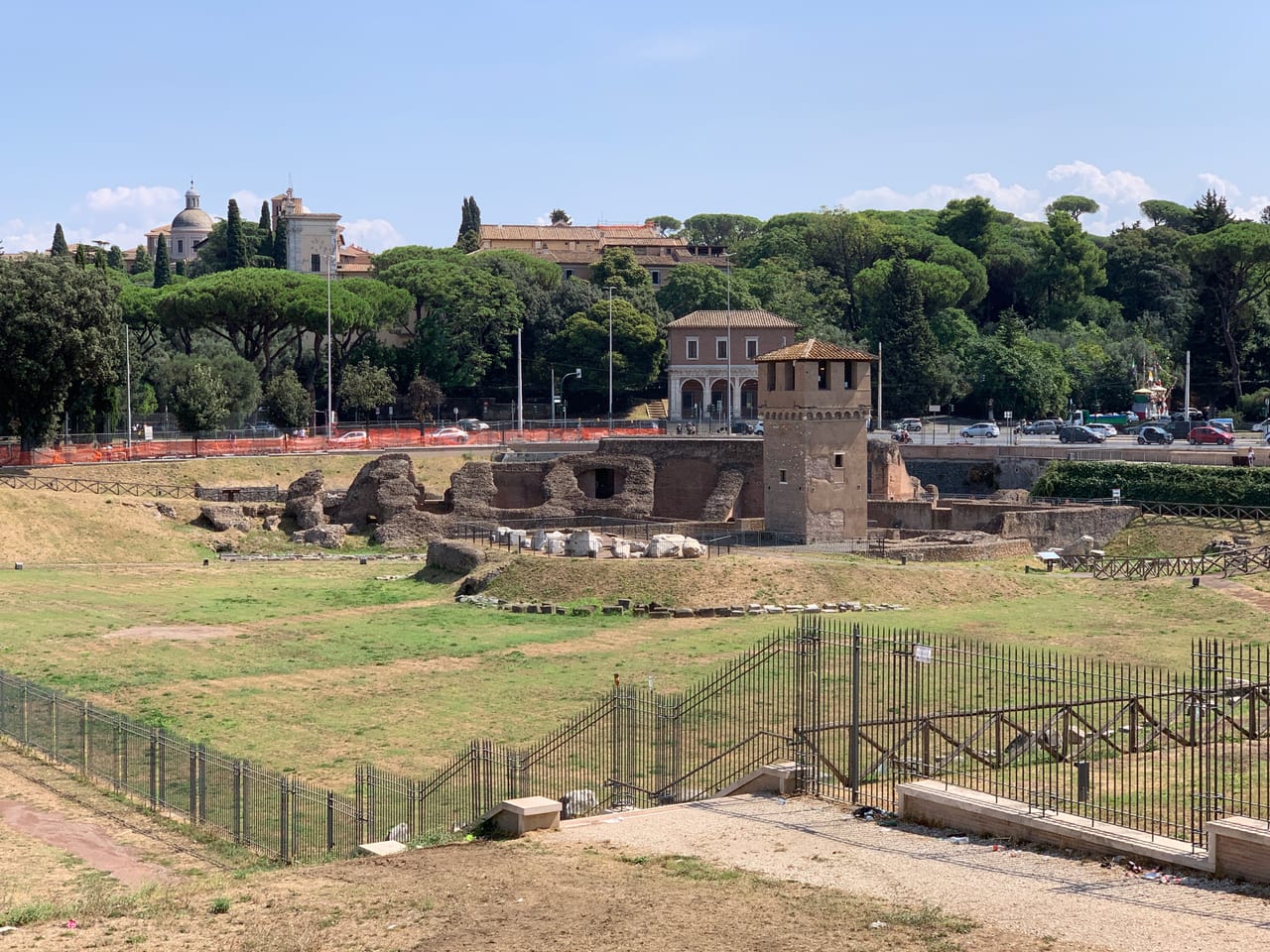
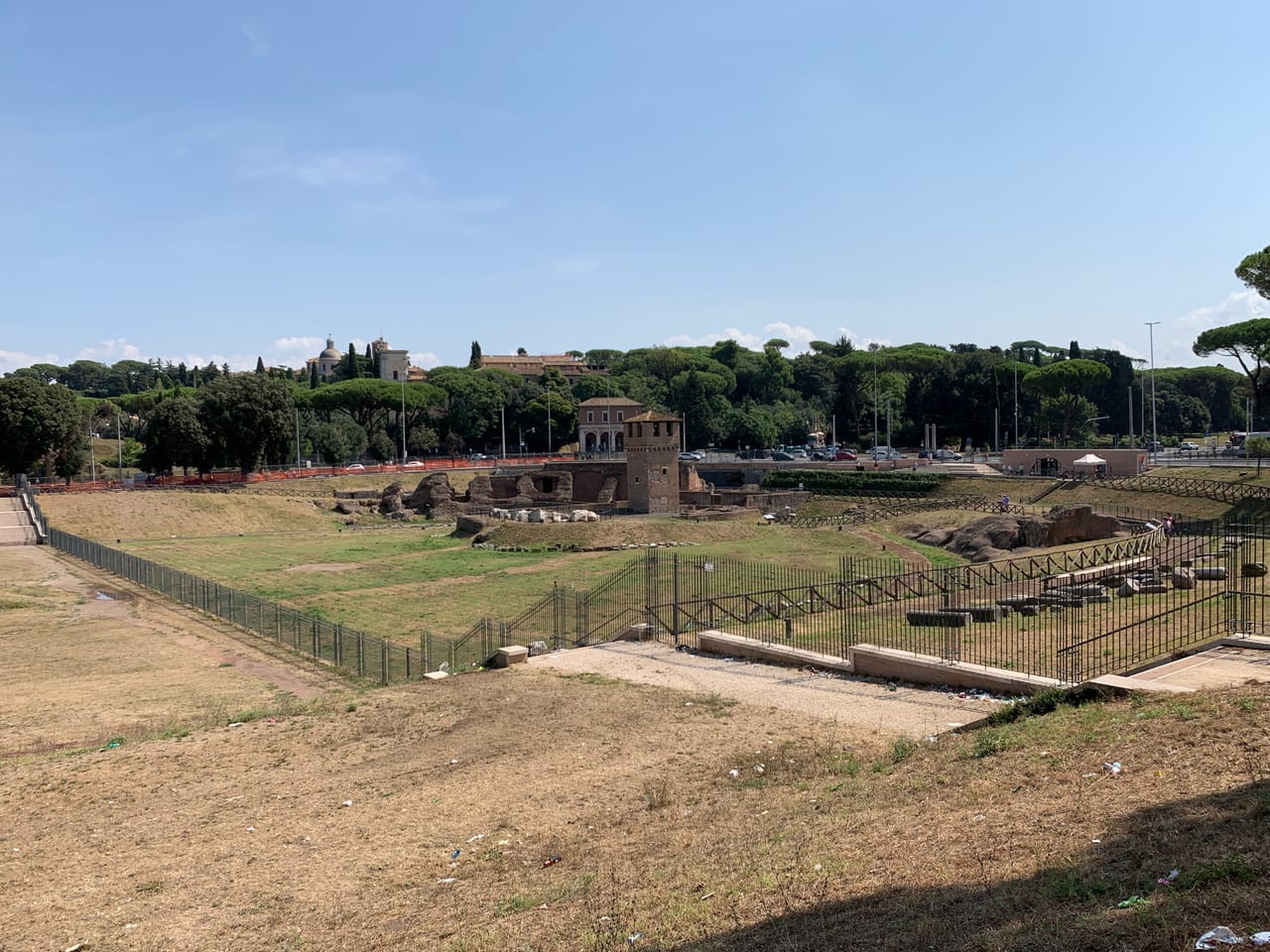
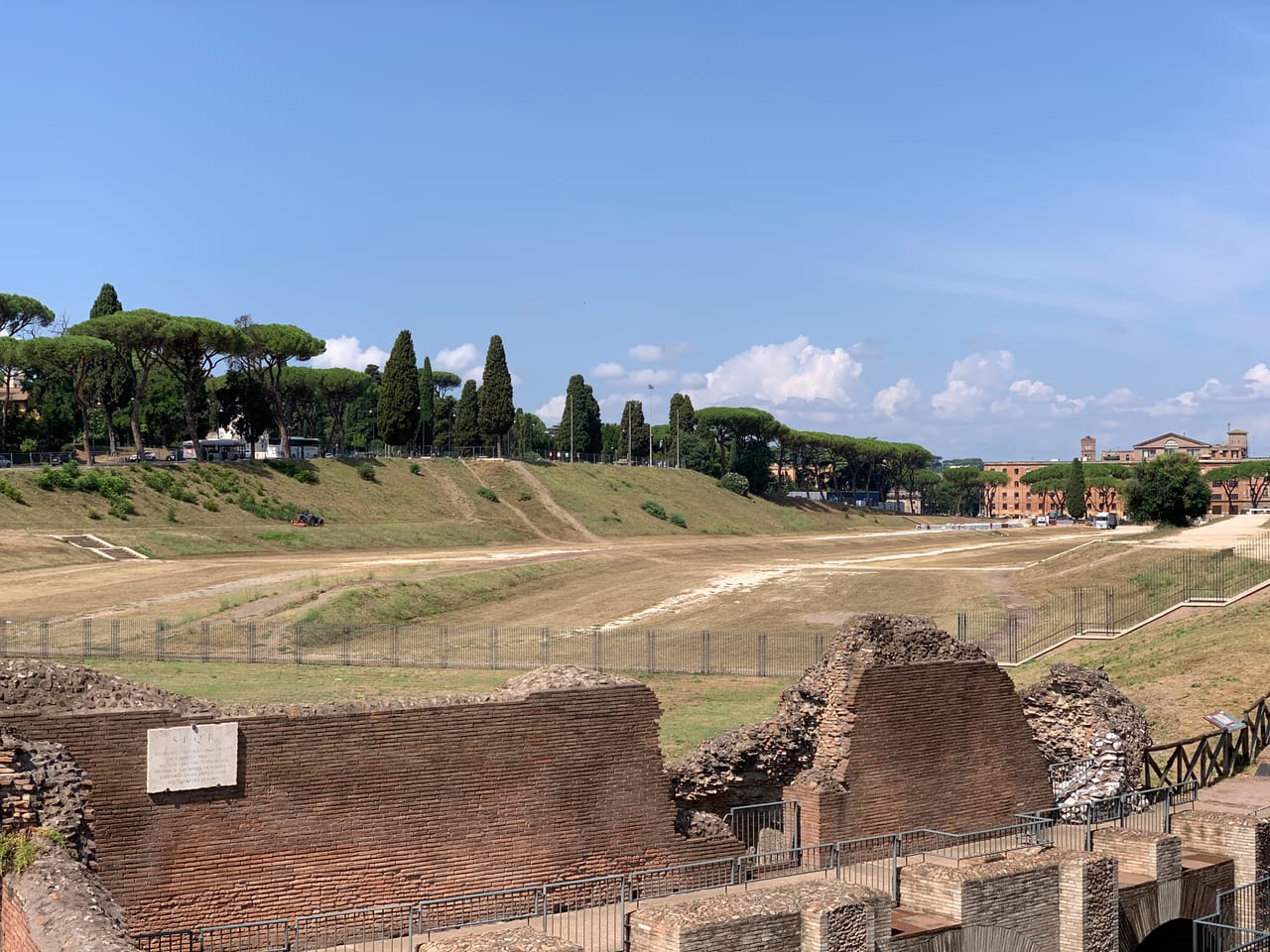
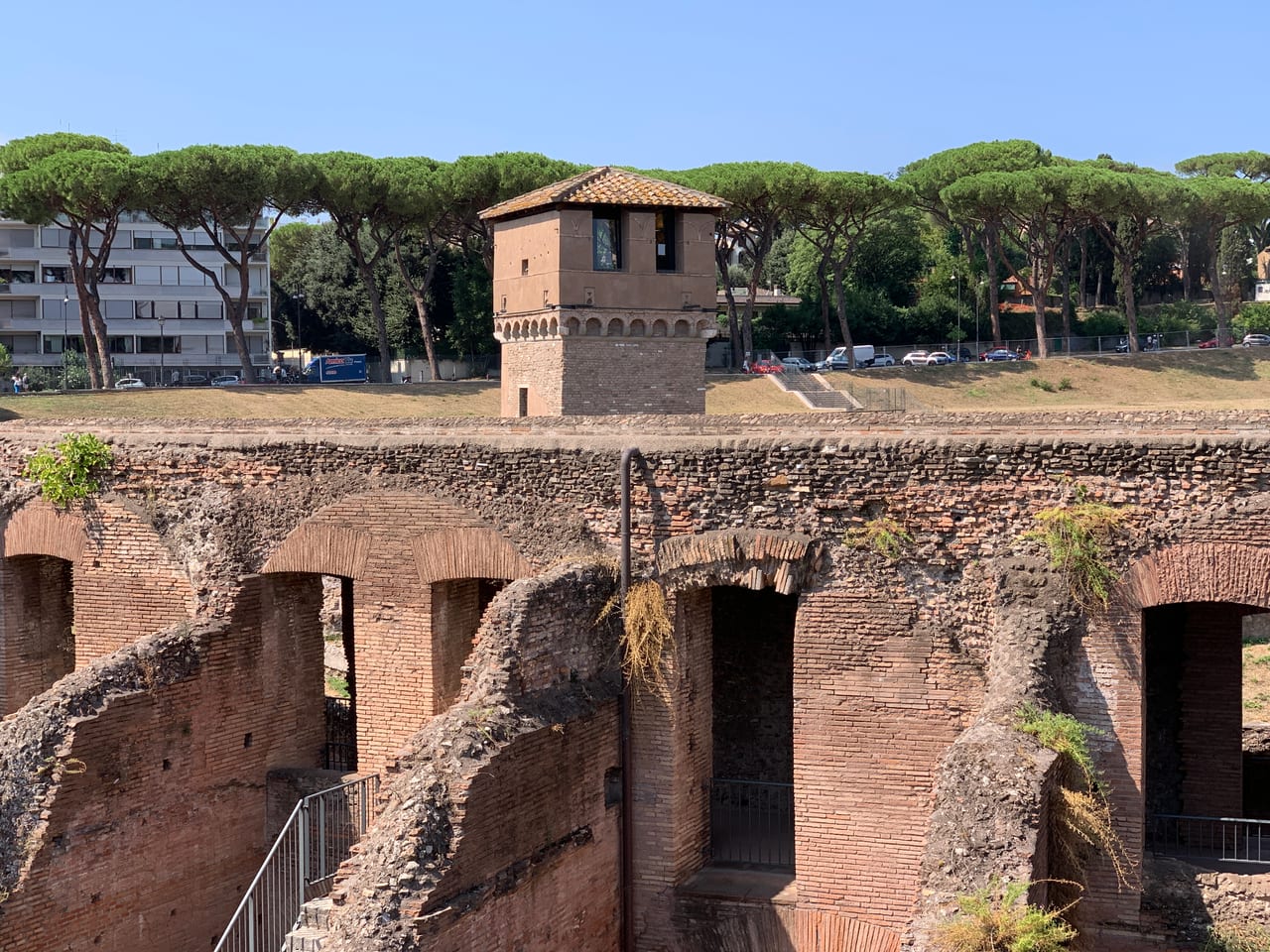
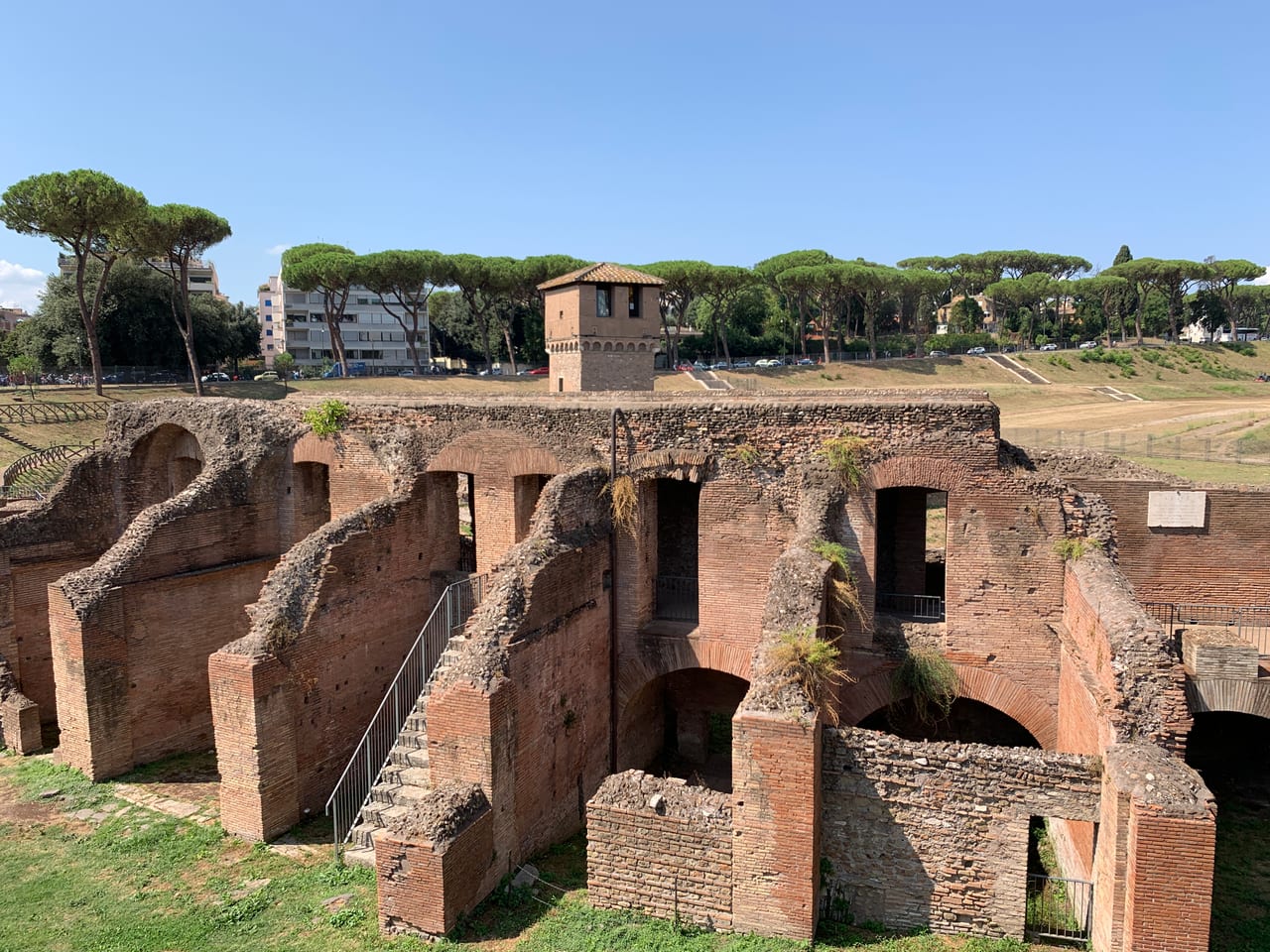
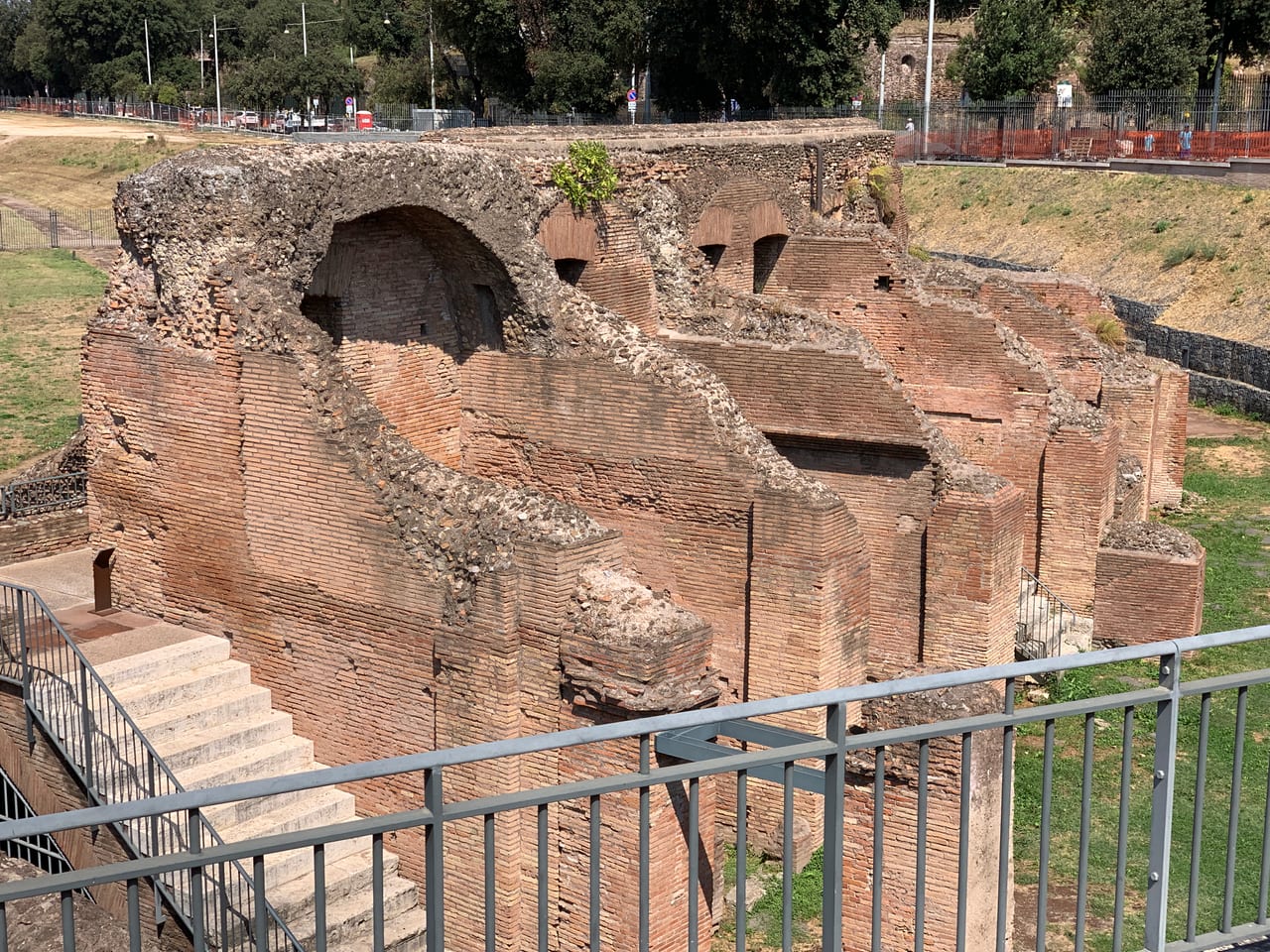
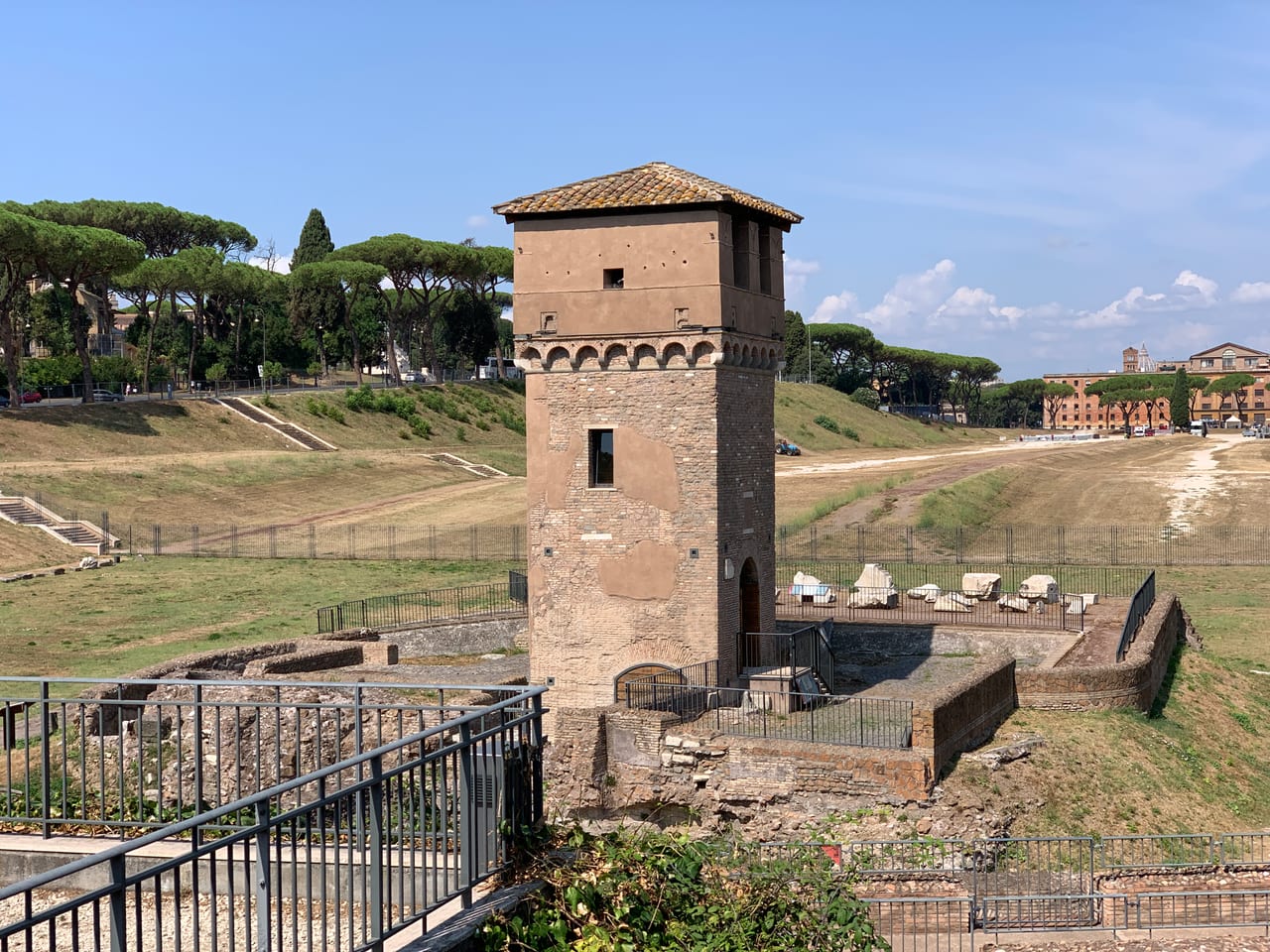
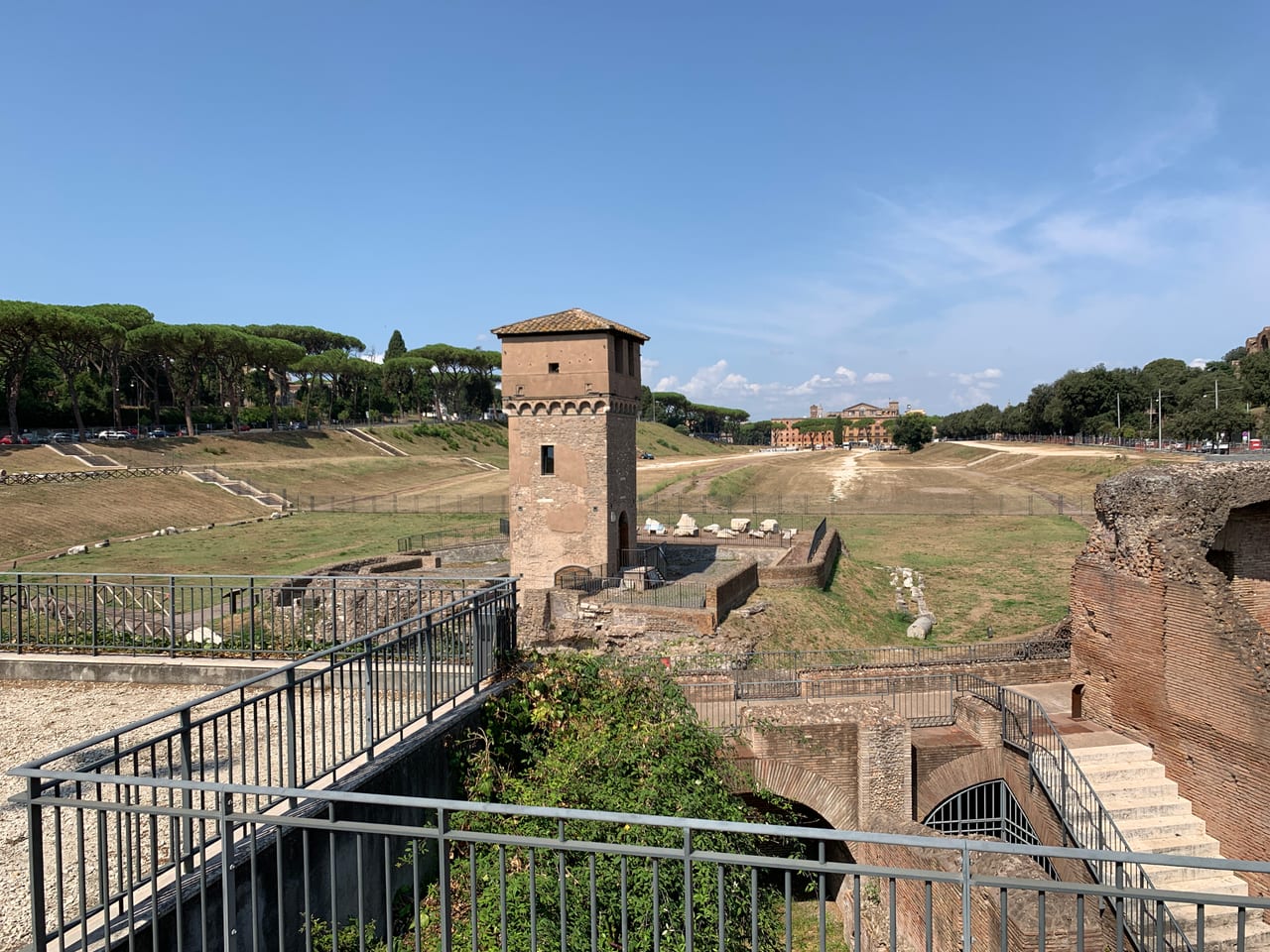
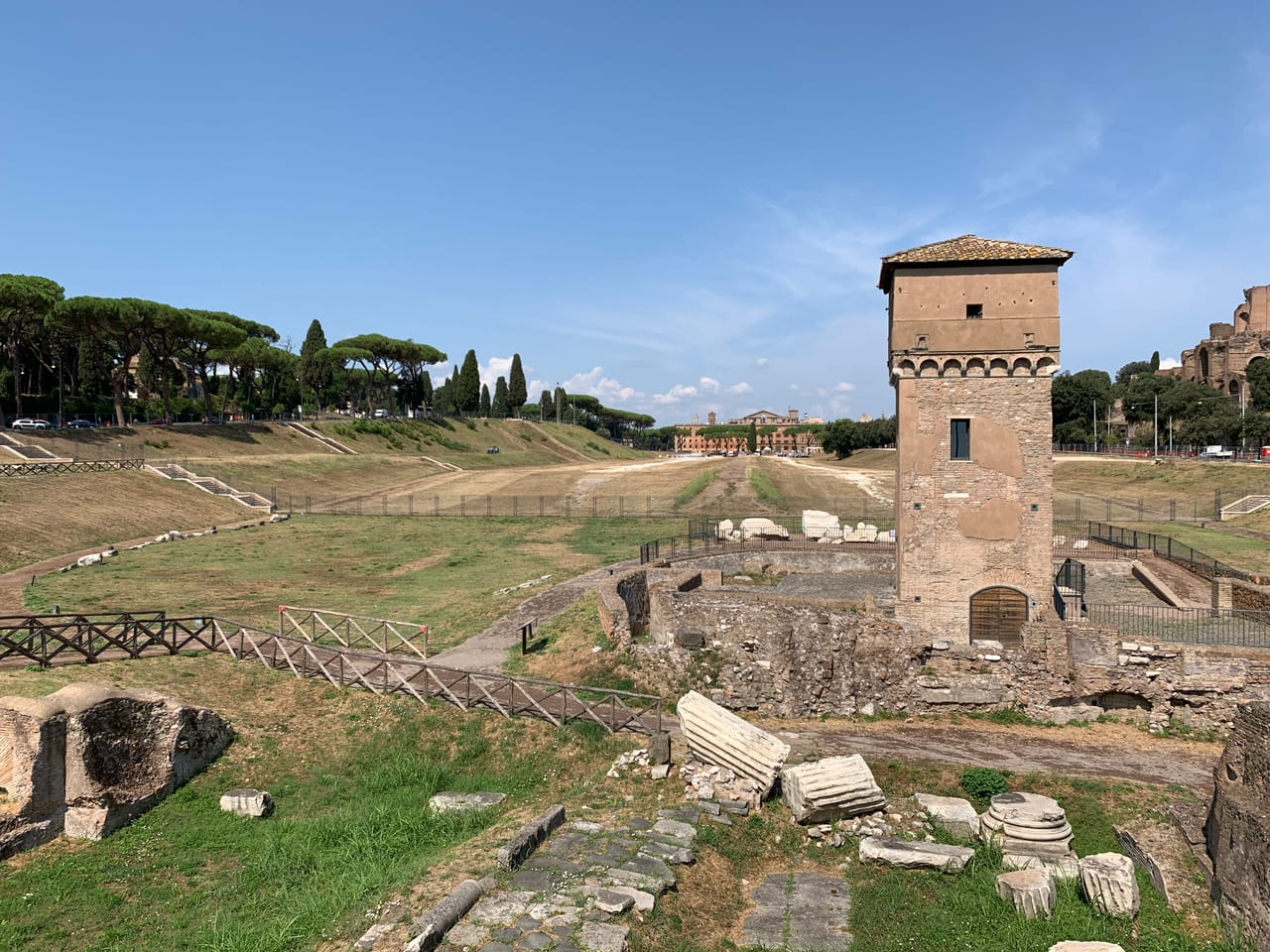
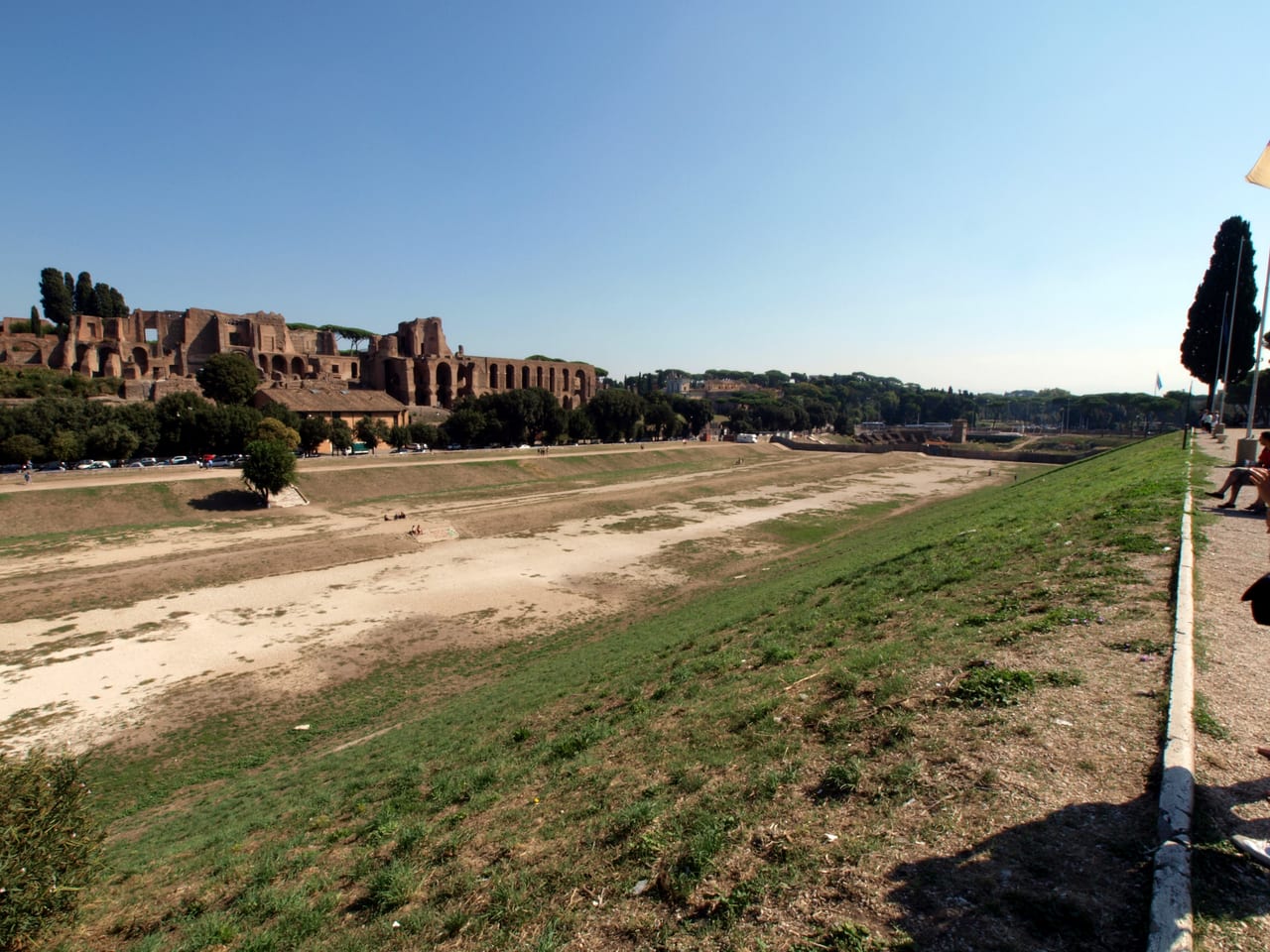
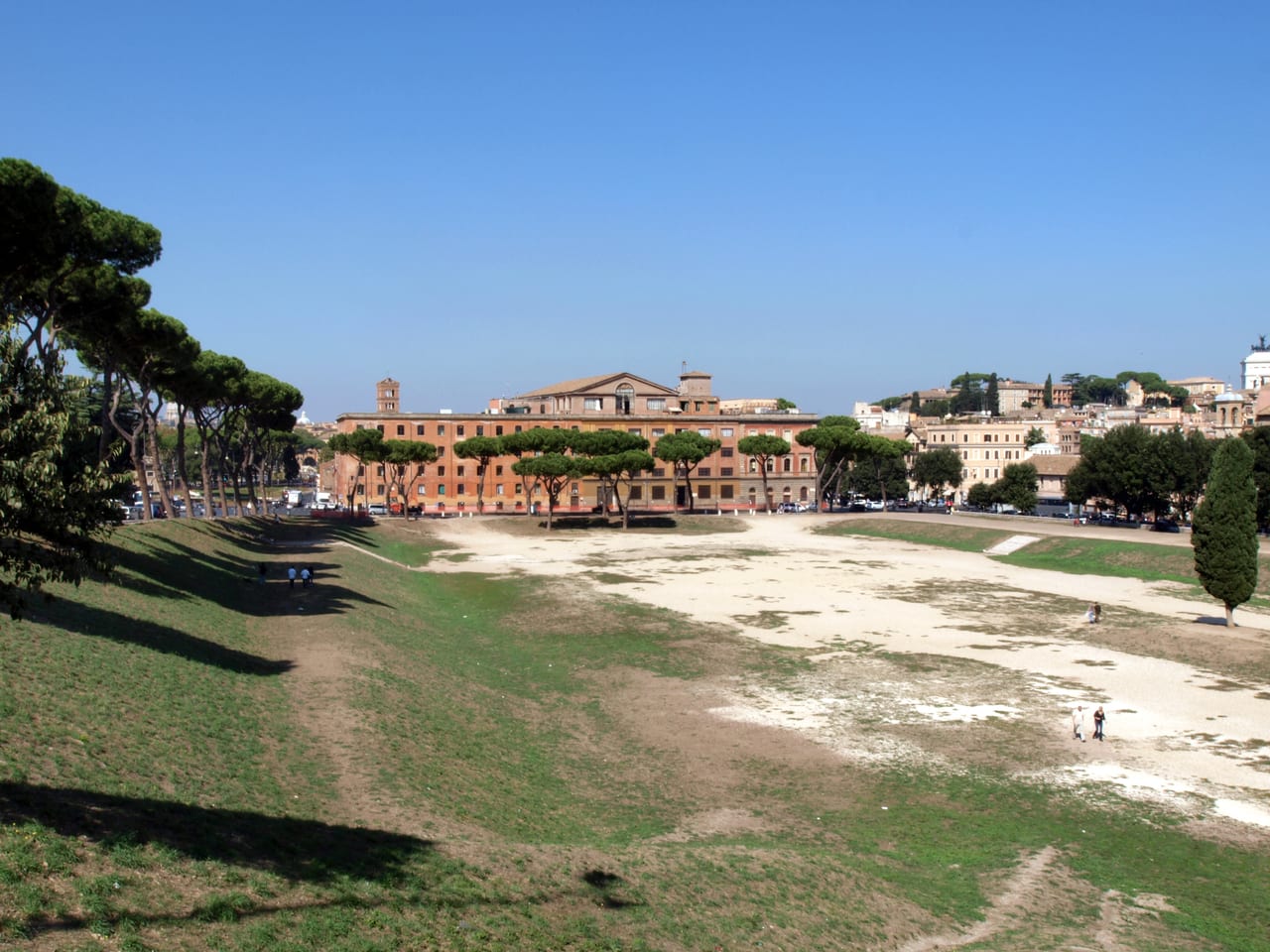
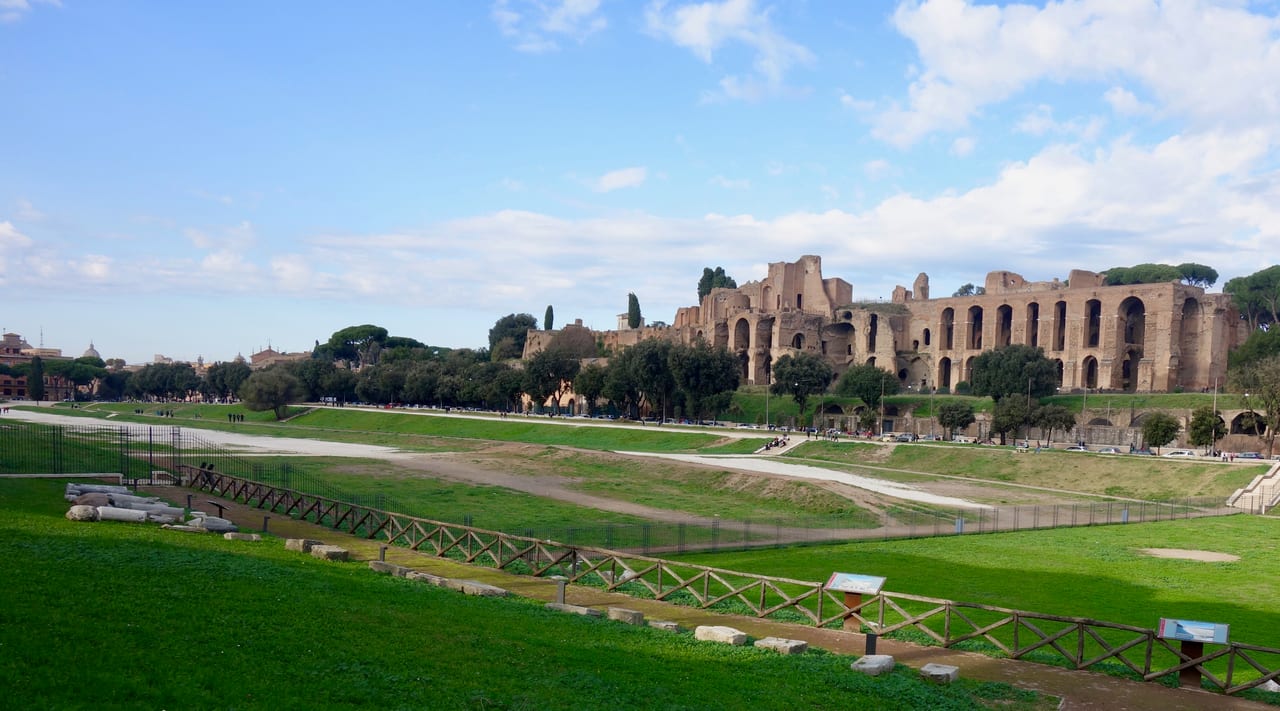
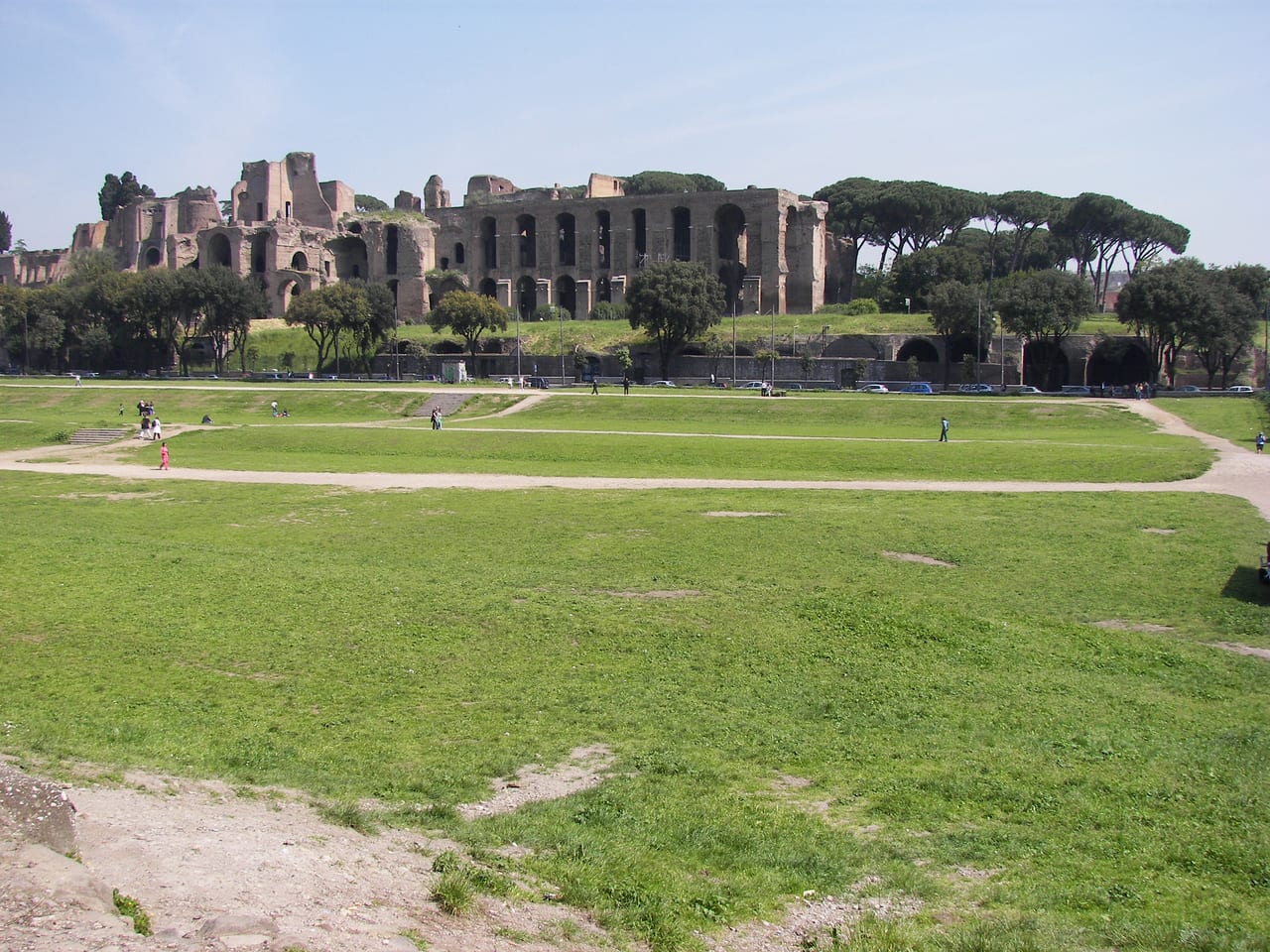
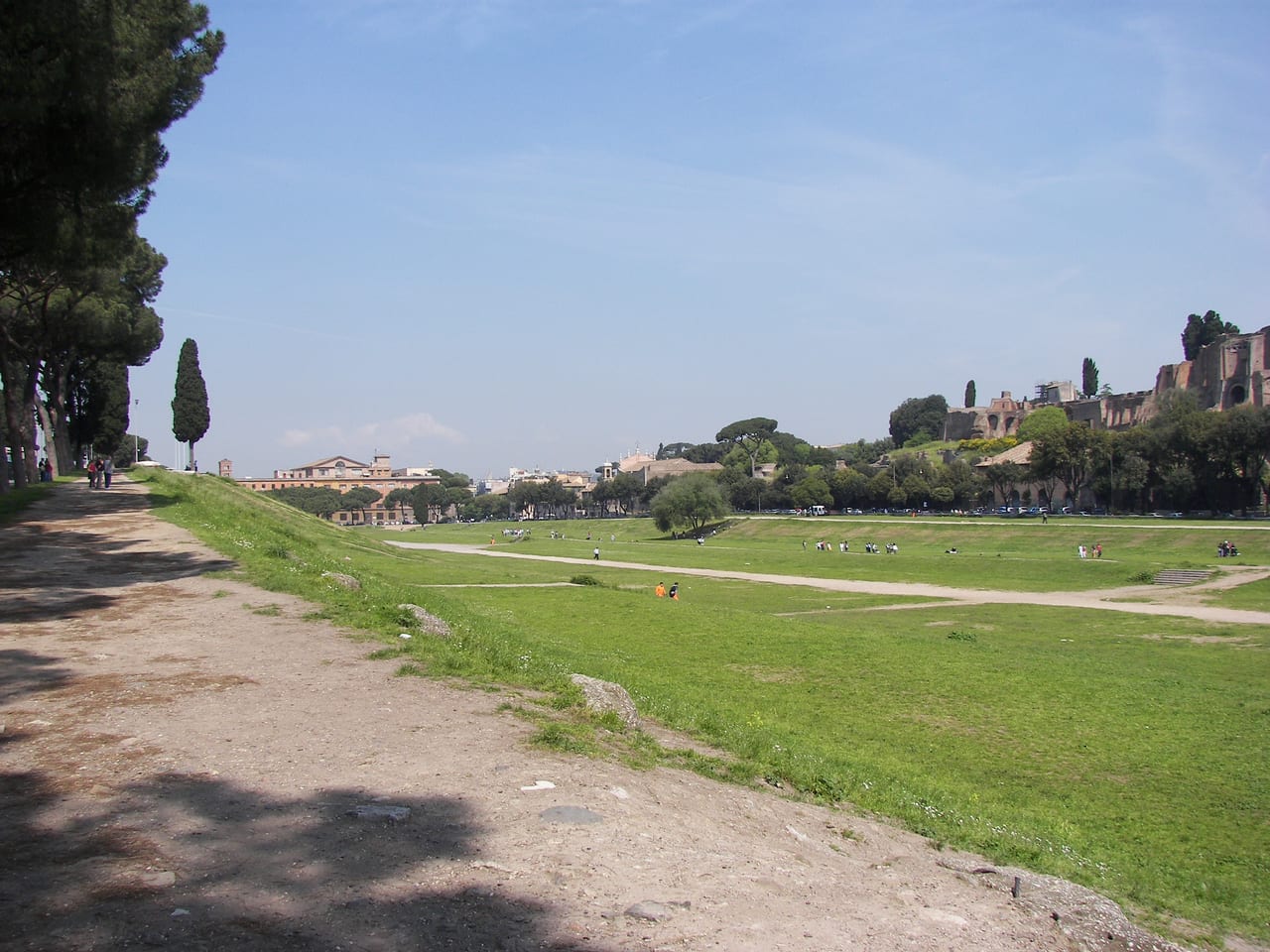
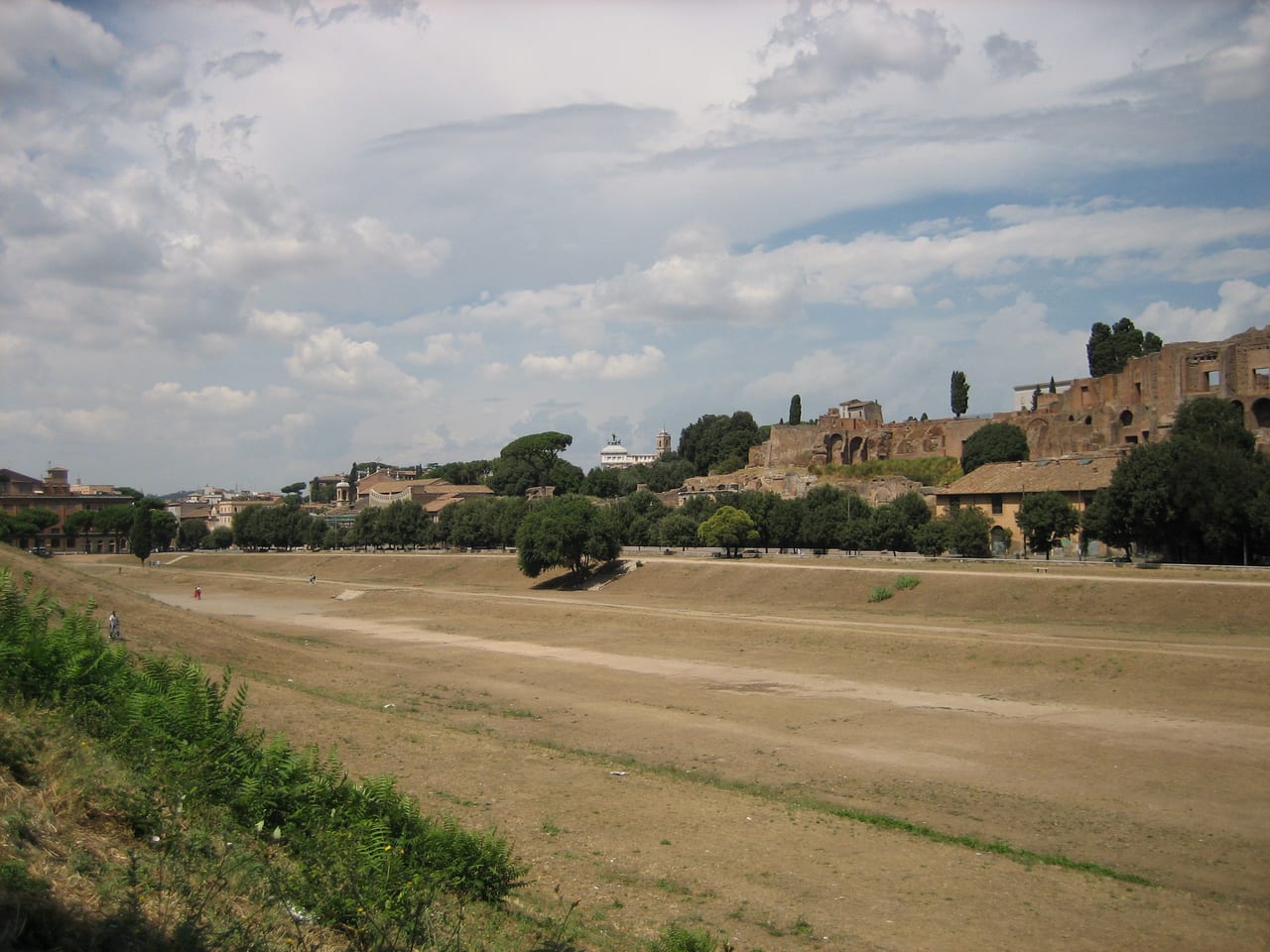
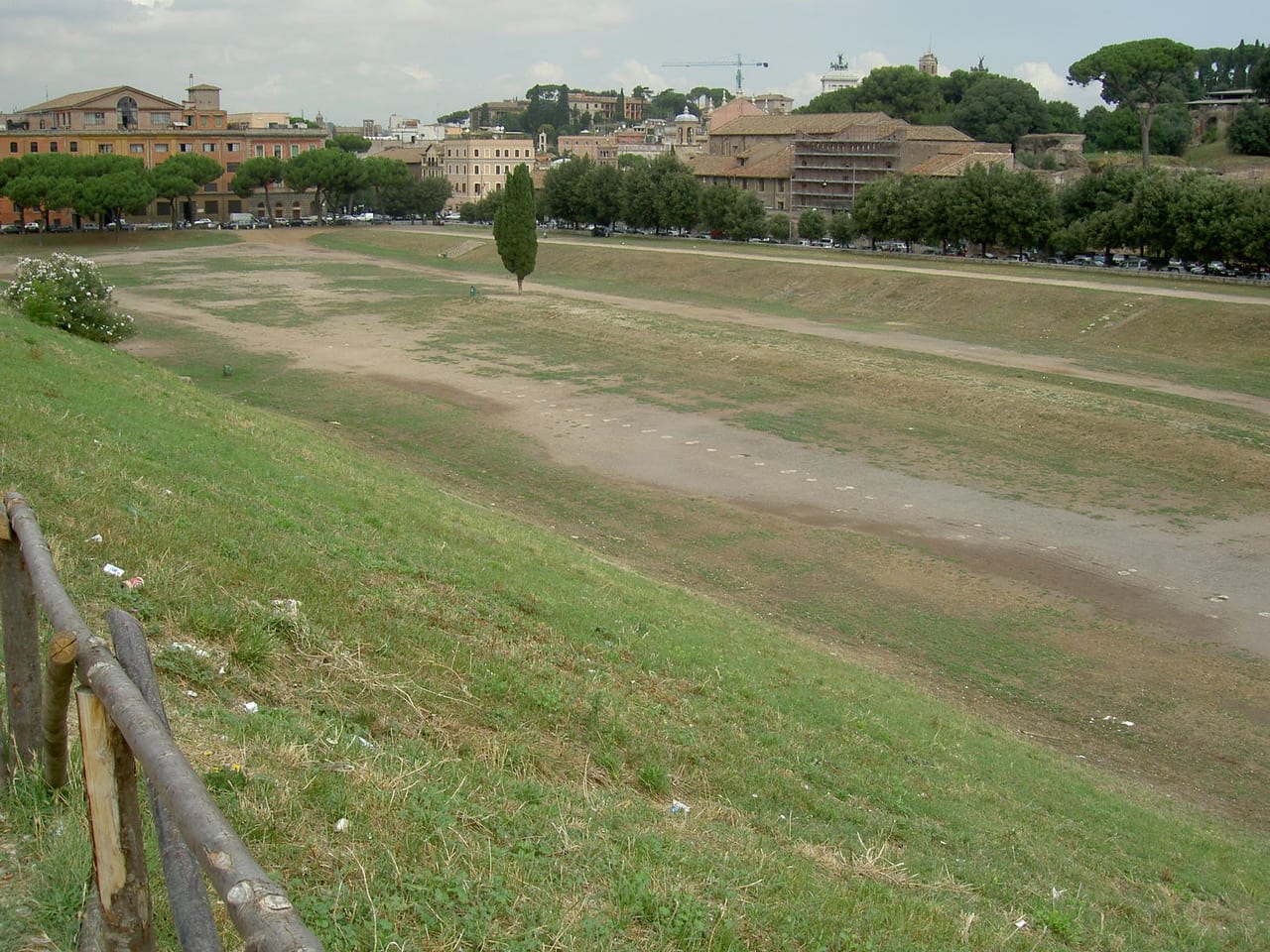
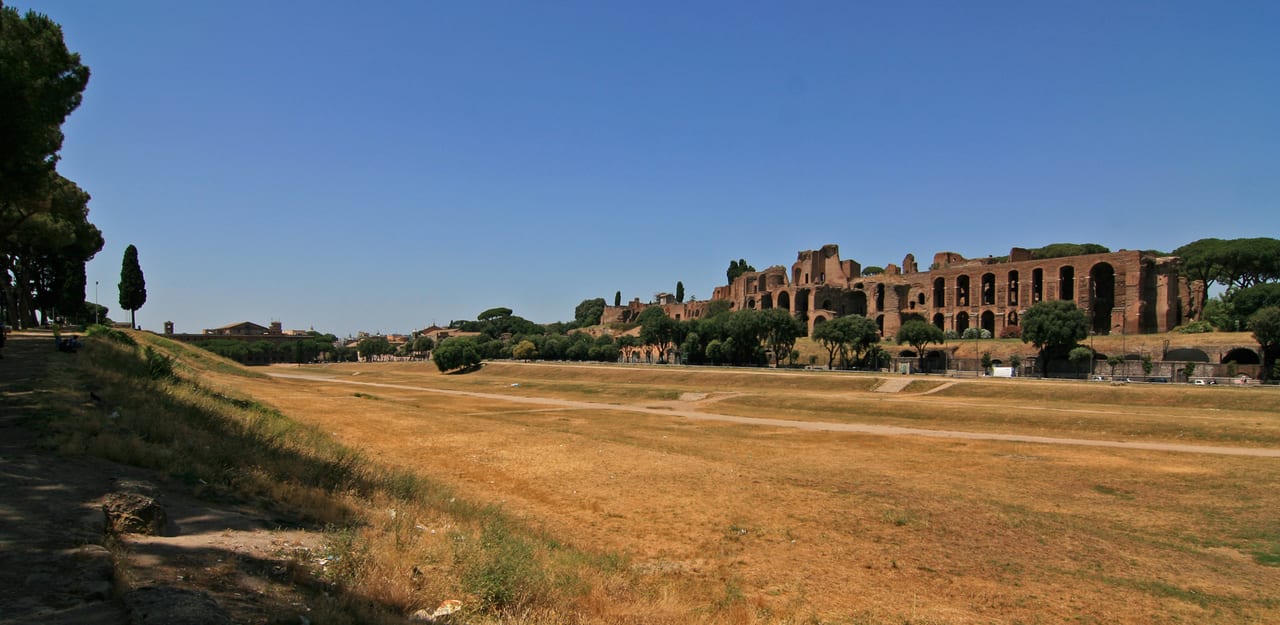
Photograph 1 of 40 of Circus Maximus
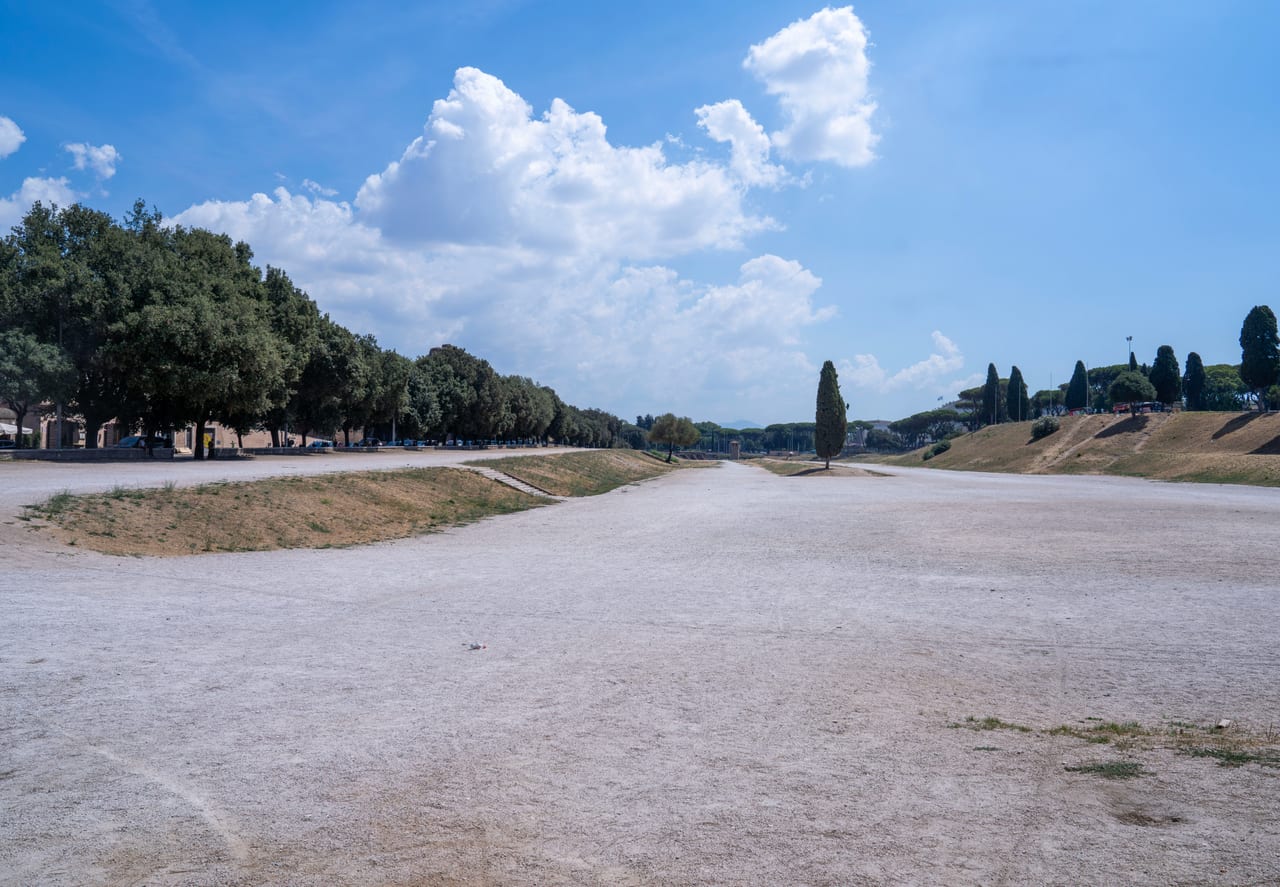
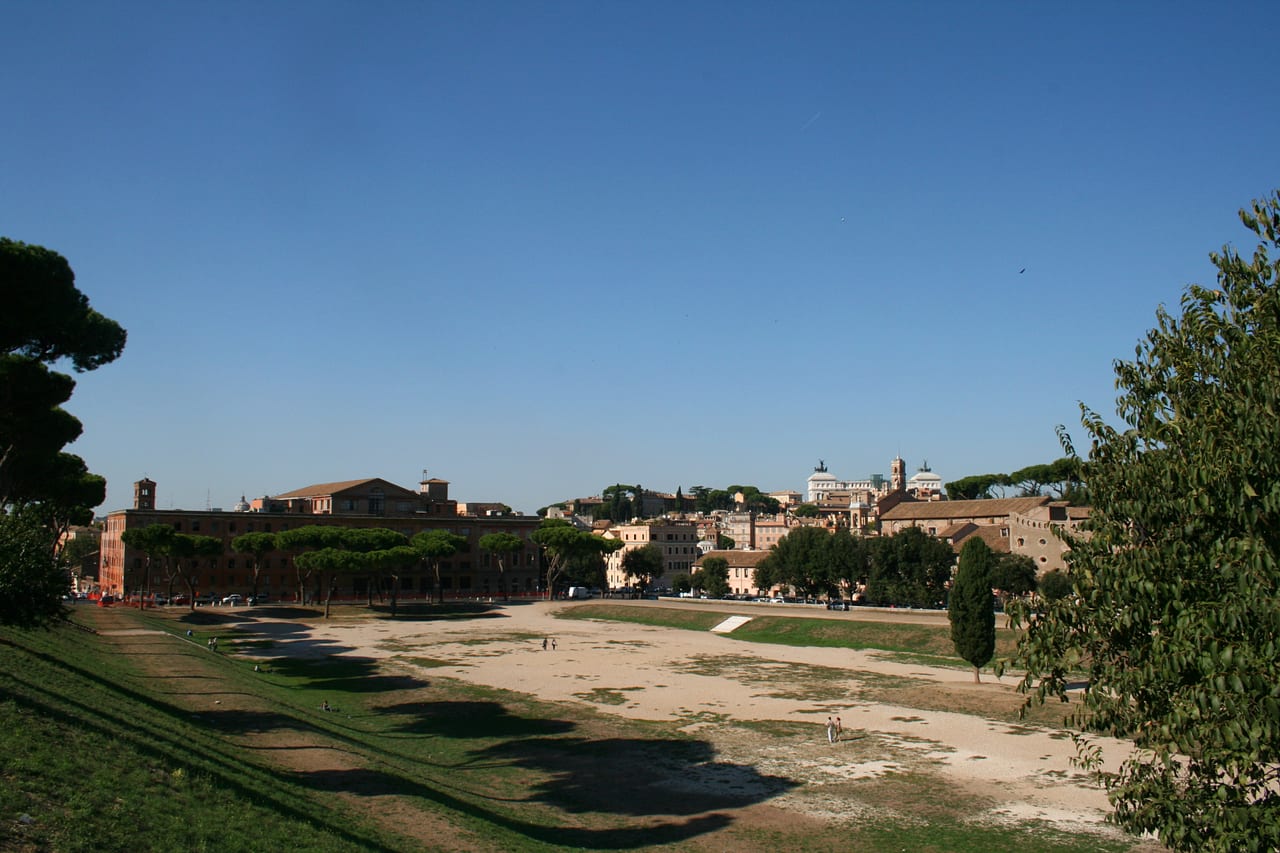
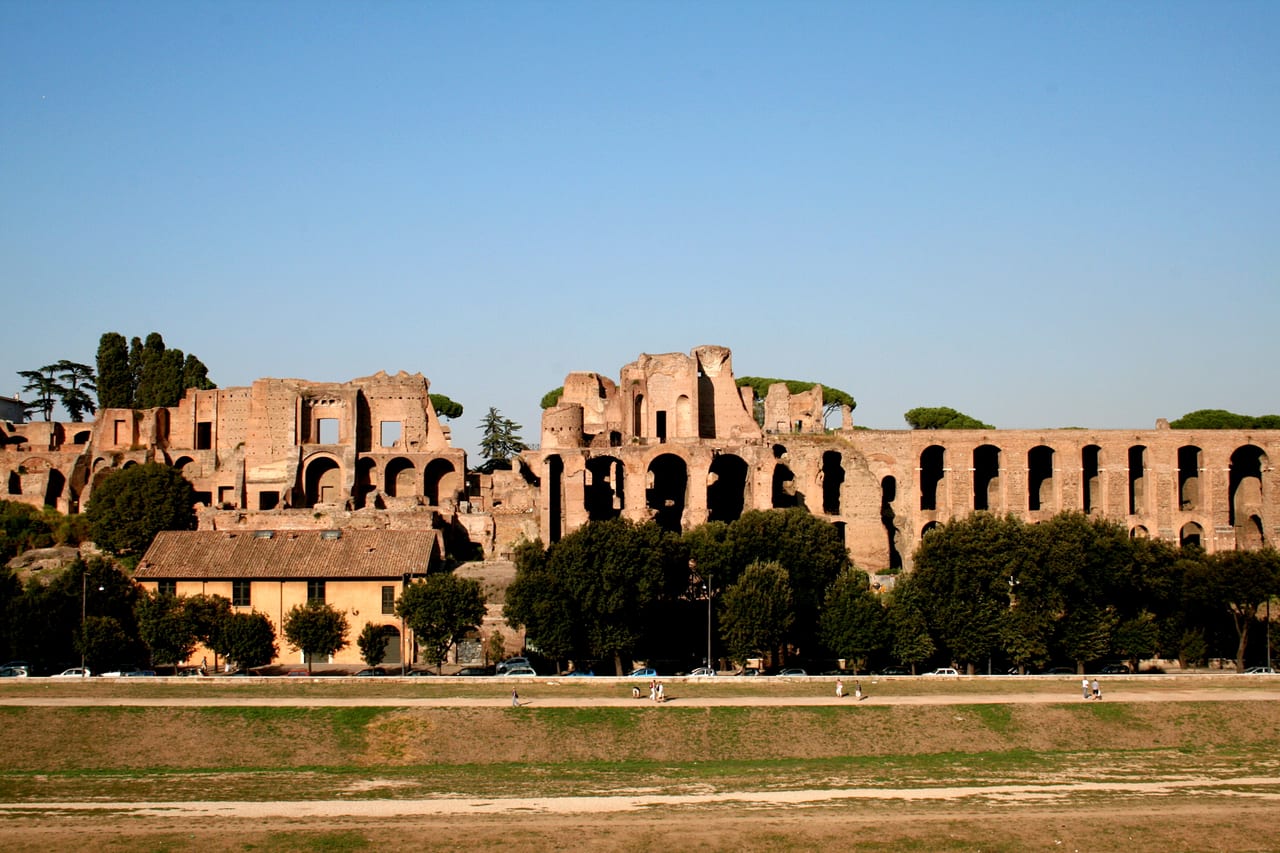
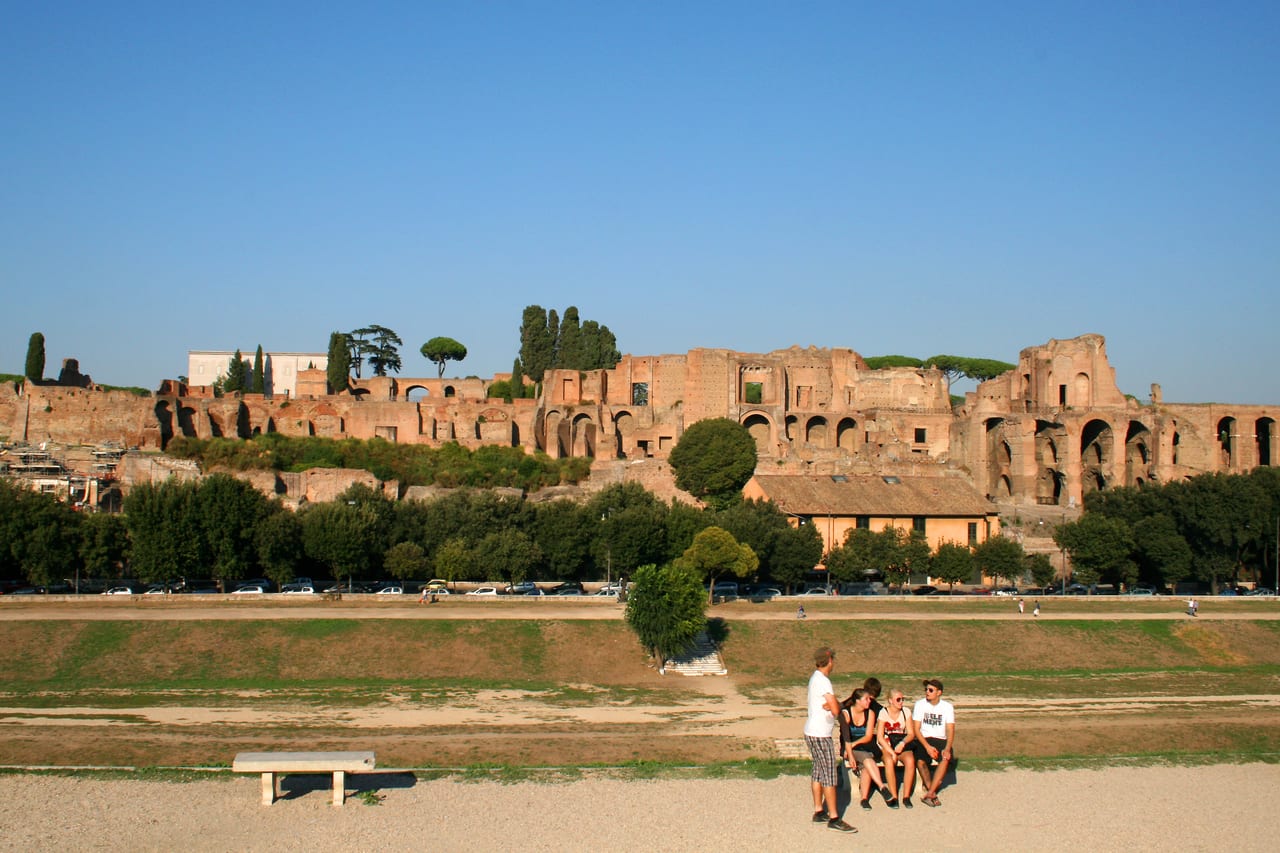
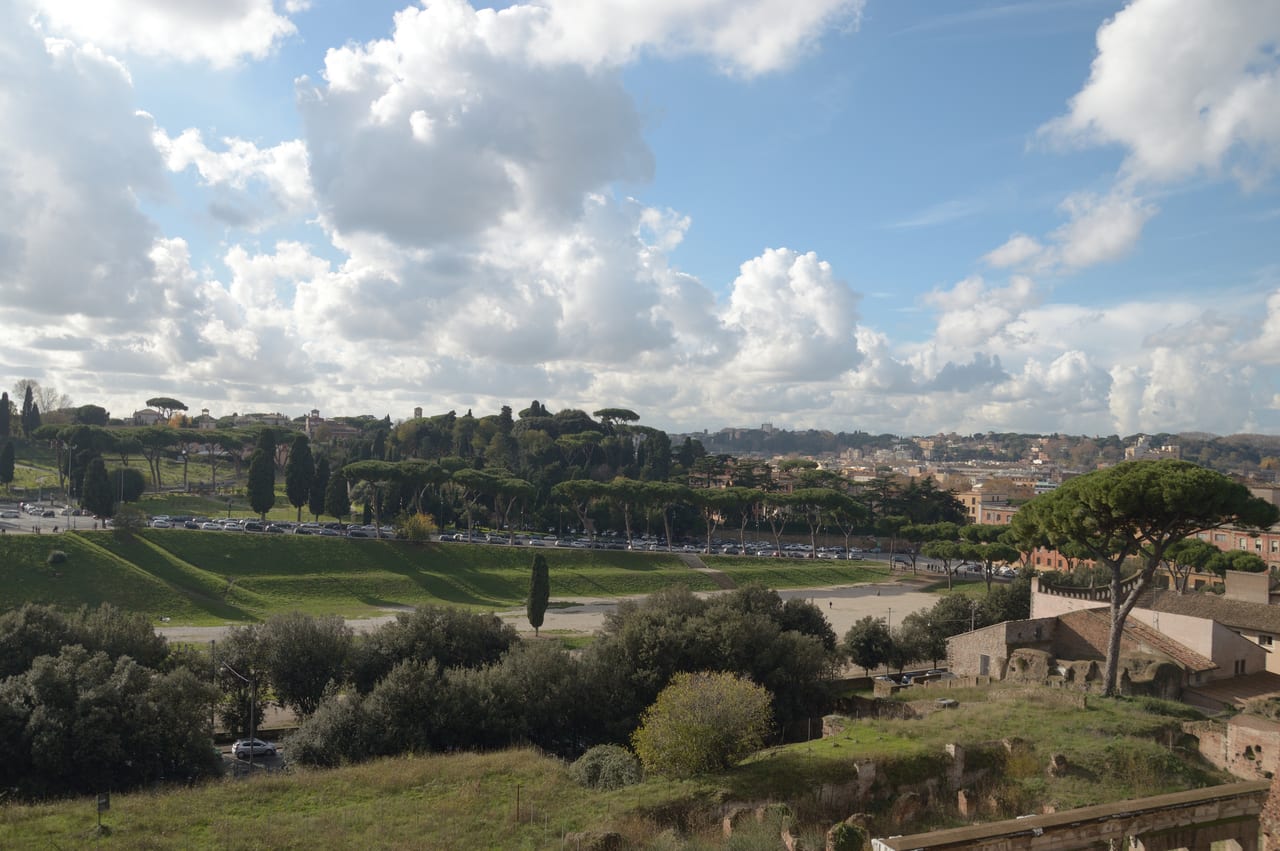
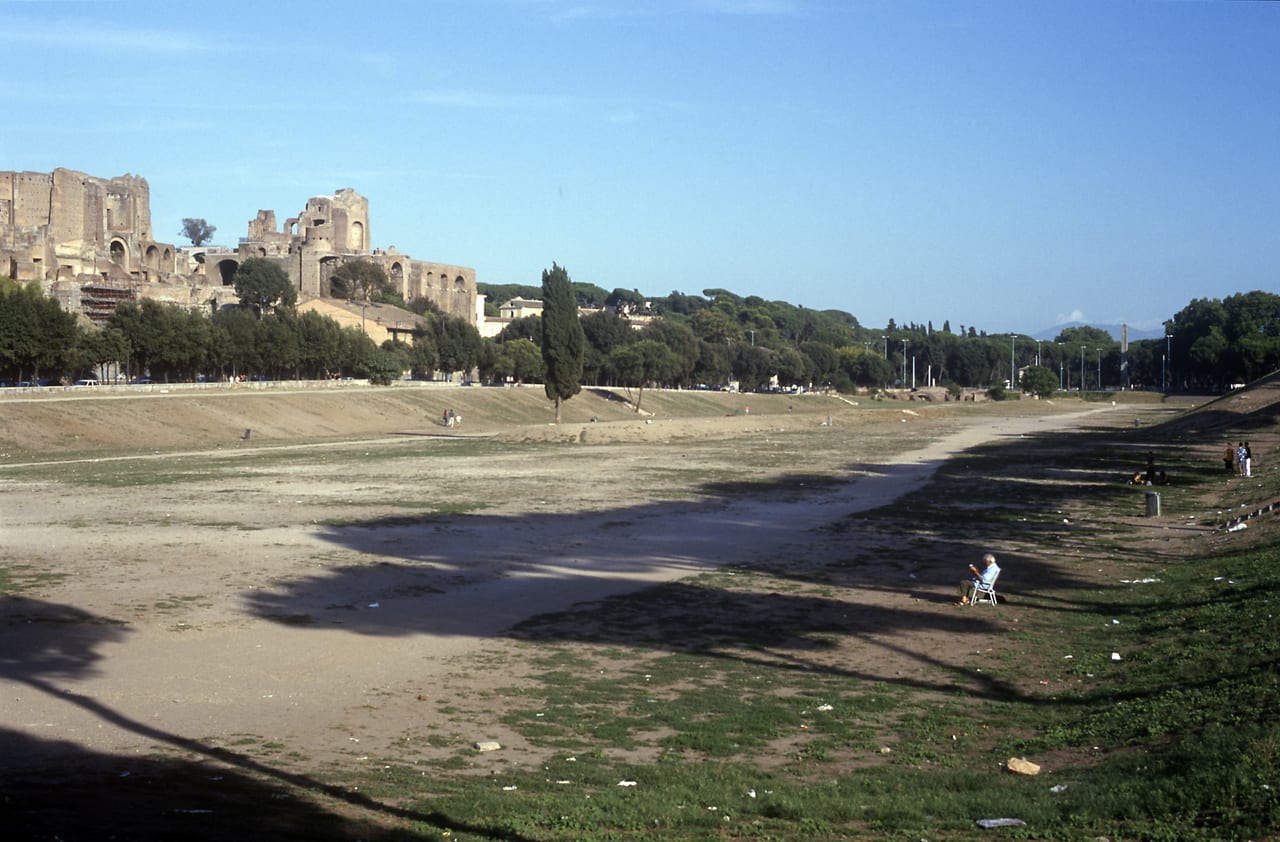
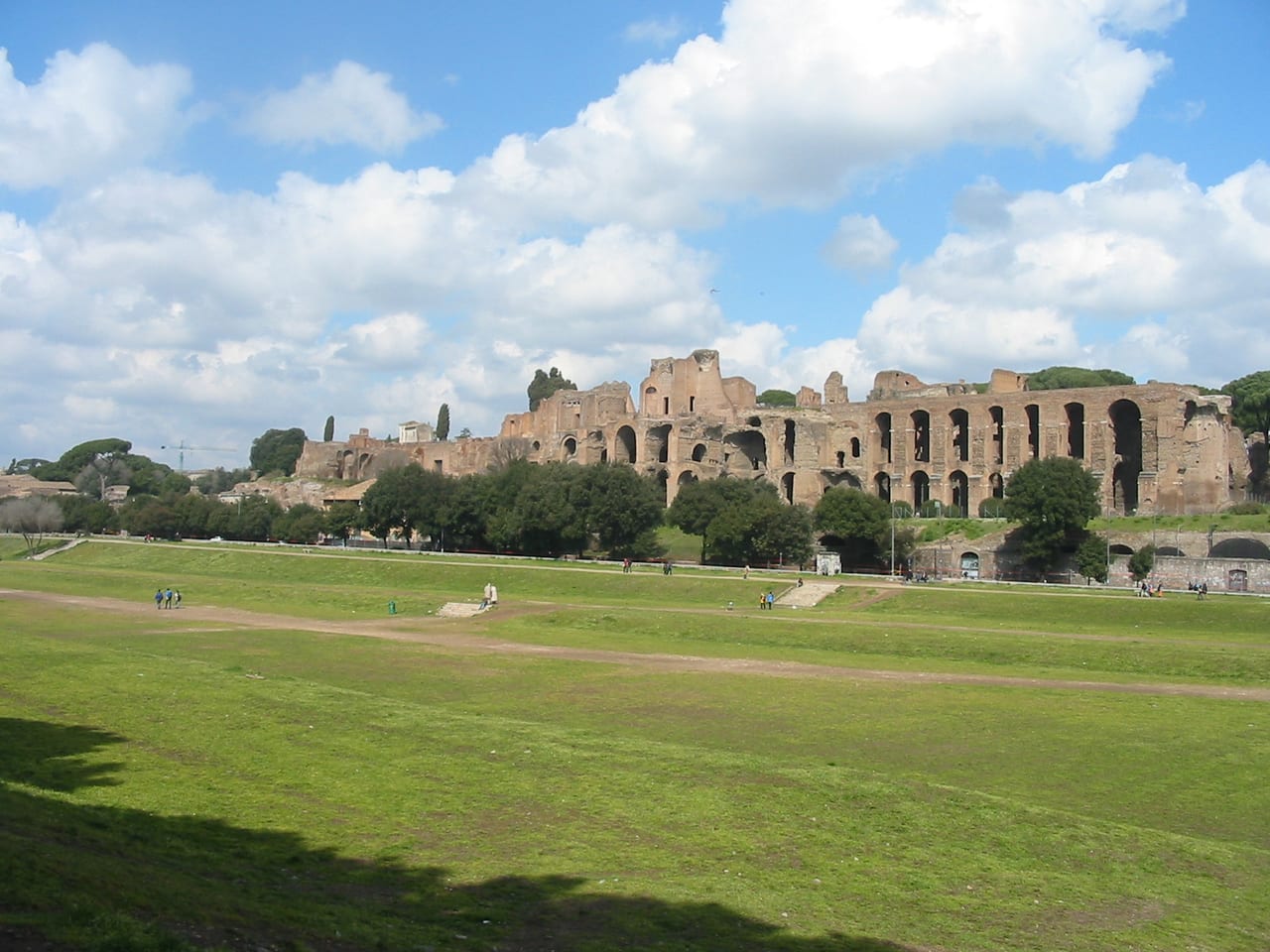
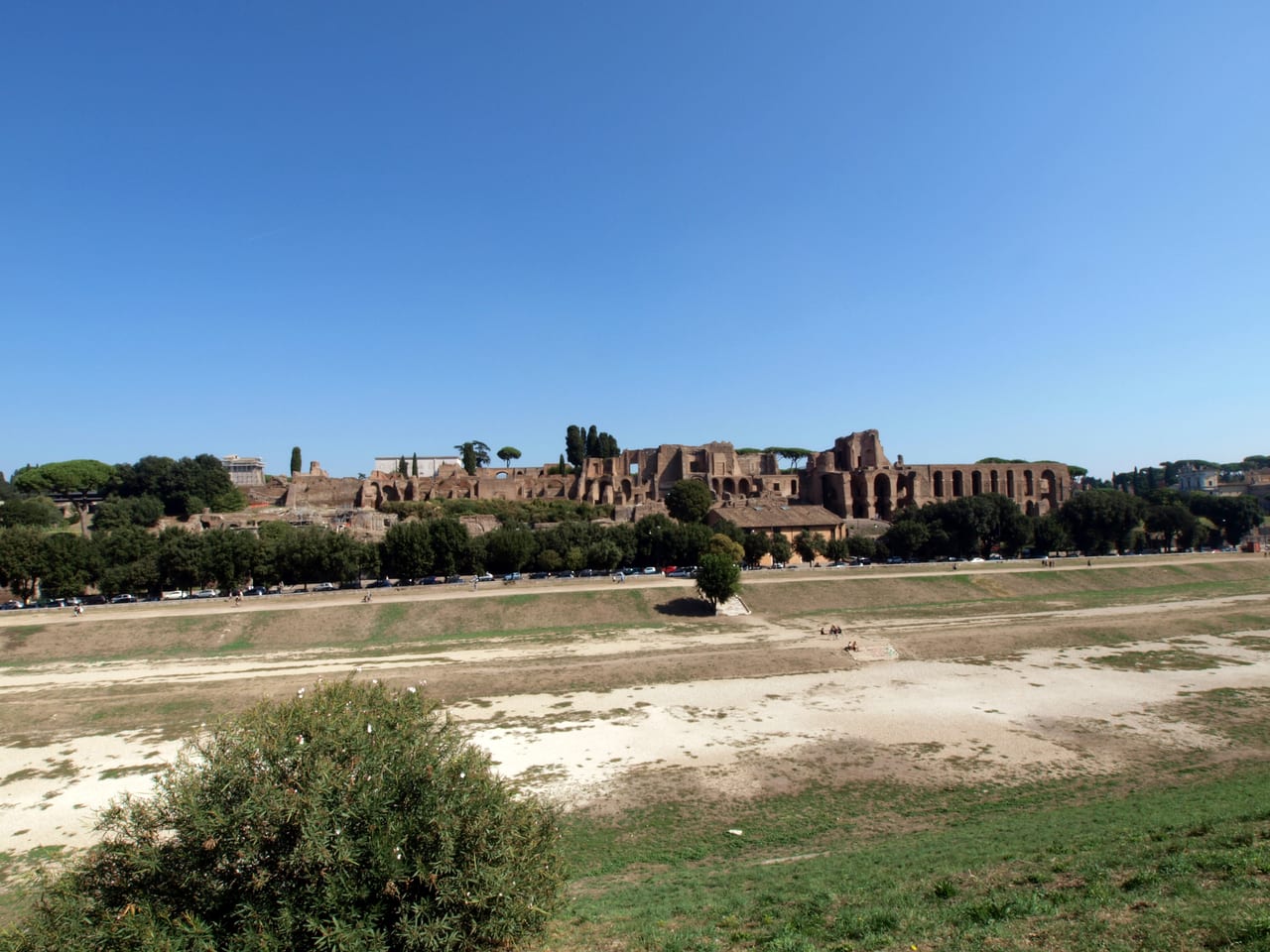
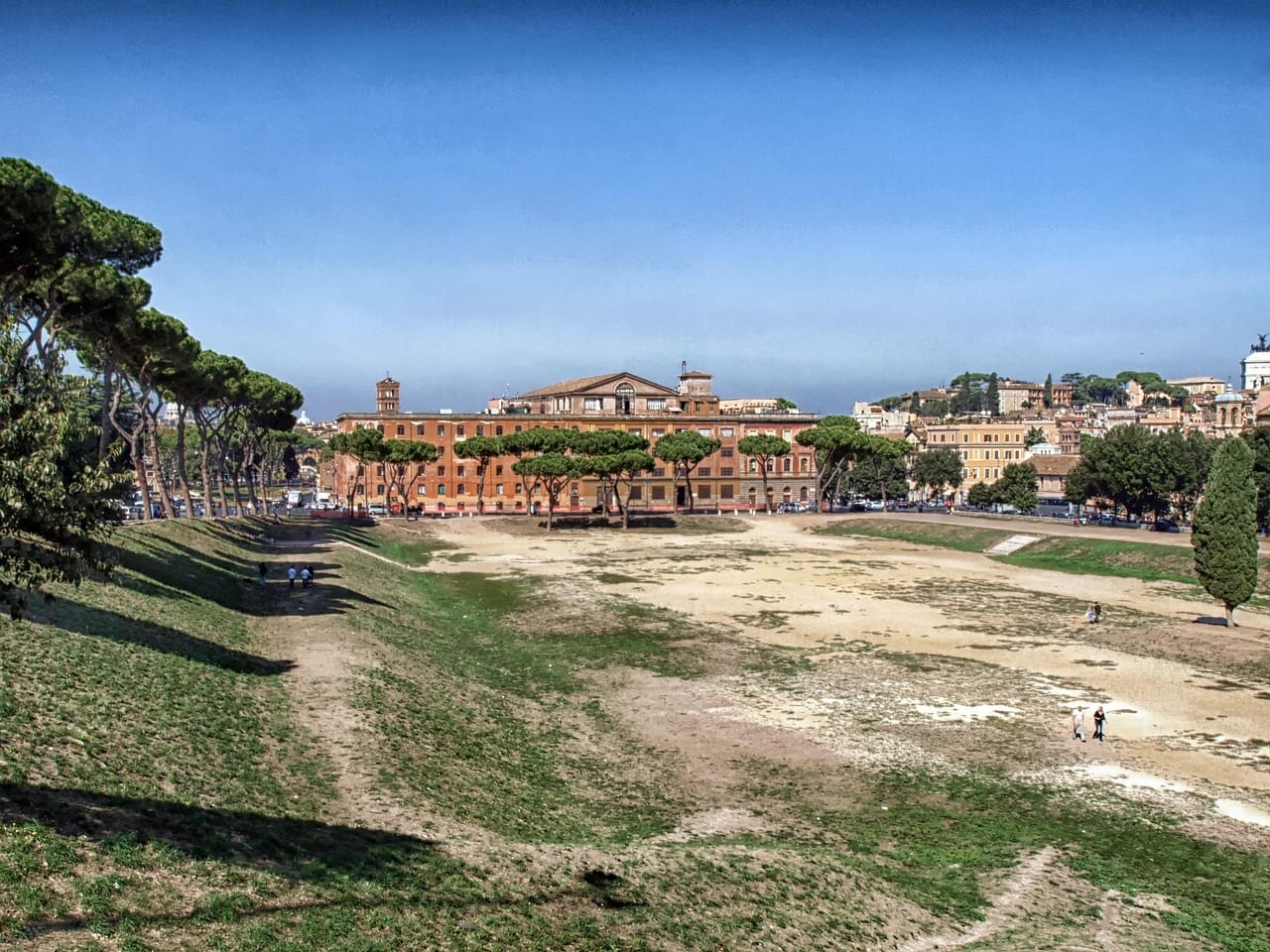
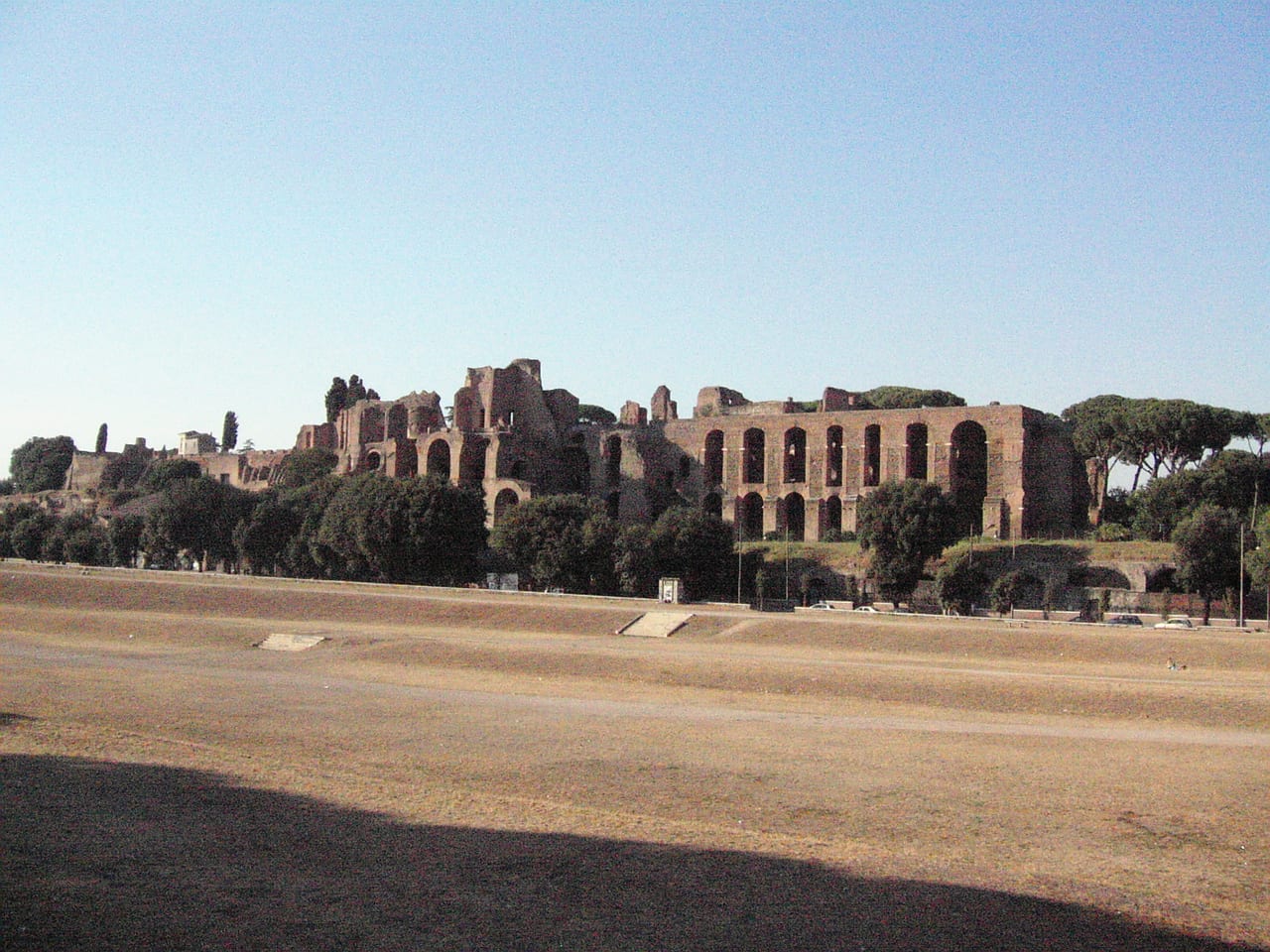
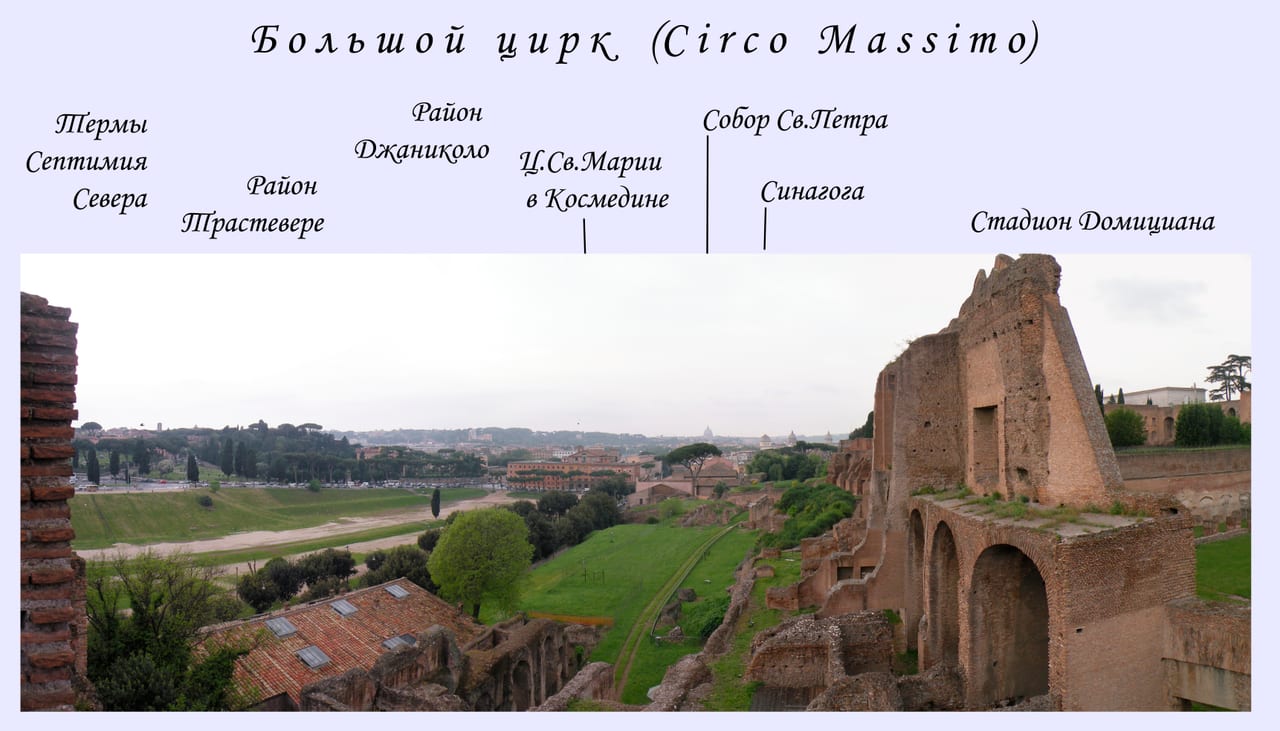
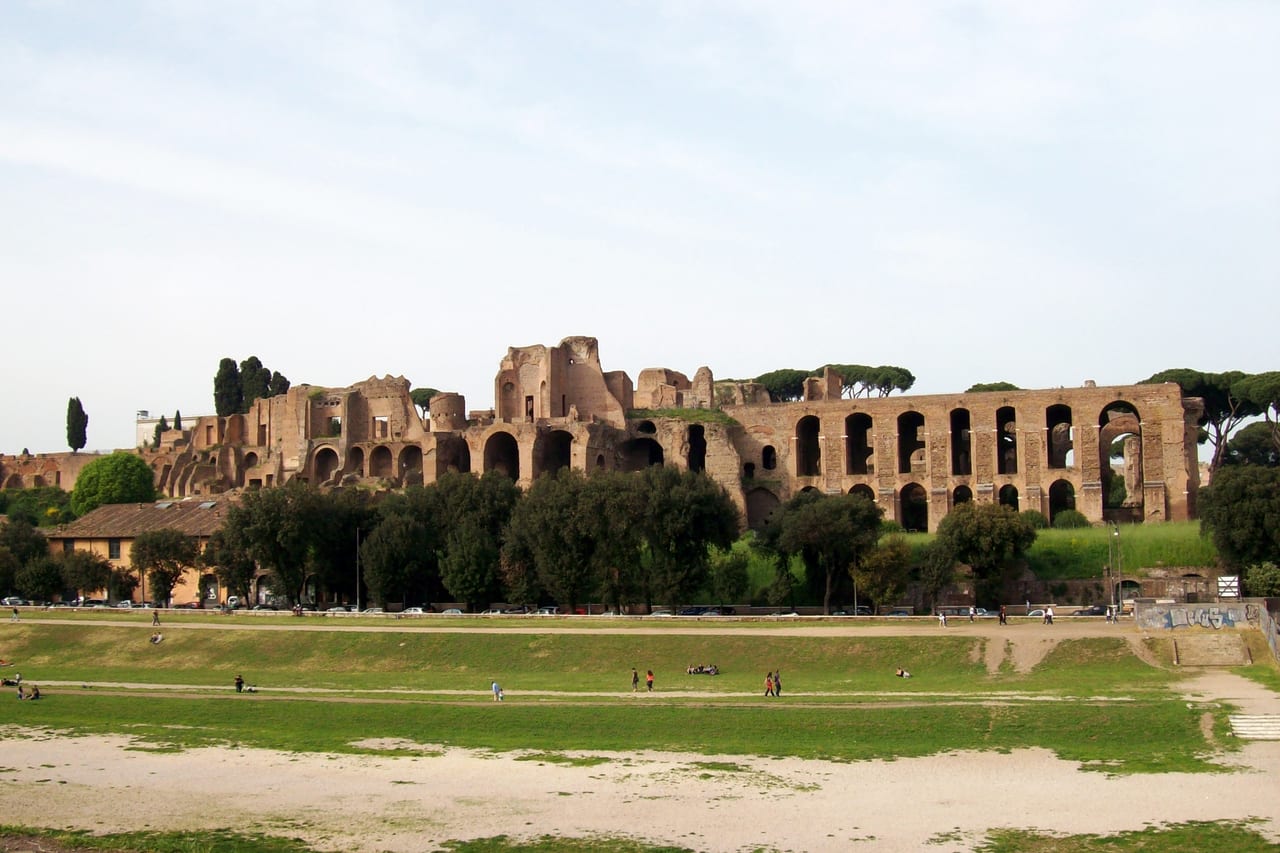
The Circus Maximus occupied the valley between the Palatine and Aventine, a natural meeting place near the Tiber’s ancient landing and markets. Roman tradition associated it with Romulus’s games for Consus and the abduction of the Sabine women; historically, wooden installations probably appeared under Tarquinius Priscus in the first half of the sixth century BC. Permanent starting structures were built in 329 BC, while Julius Caesar began the monumental form in 46 BC. The imperial circus was an elongated arena with a semicircular eastern end, tiered spectator seating, arcades, galleries and a central spina decorated with water basins, statues, lap counters and Egyptian obelisks. Caesar also built the euripus, a protective and drainage channel later filled by Nero after the fire of AD 64. After Domitian’s fire, Trajan completed the reconstruction in 103; further work followed under Antoninus Pius, Caracalla and Constantine I. Titus’s triumphal arch, erected in AD 81 for the conquest of Jerusalem, stood at the eastern curve. Racing continued until Totila’s final games in 549. Excavations and twentieth-century clearance later revealed the site, which now also accommodates large public events.
At a glance
- Built
- 550
Ways to explore Circus Maximus
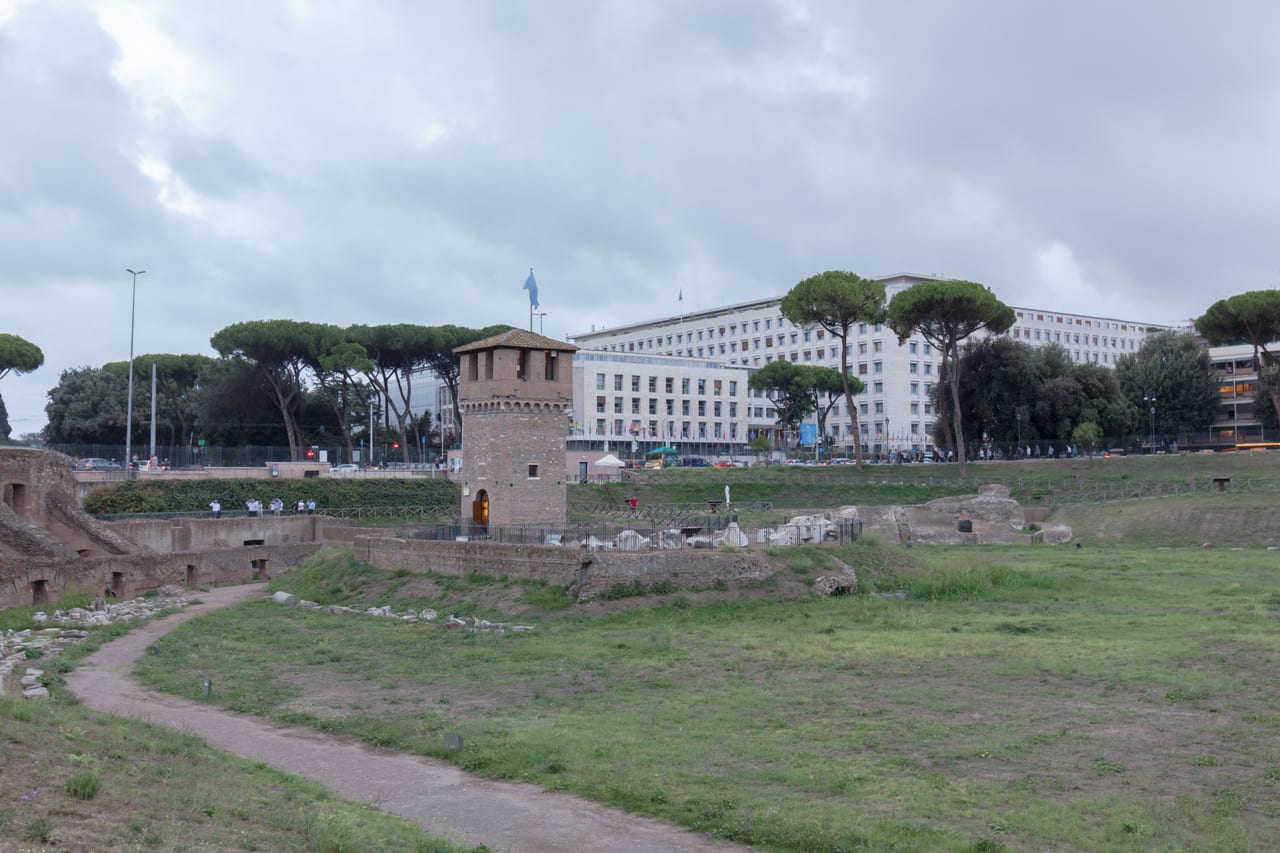
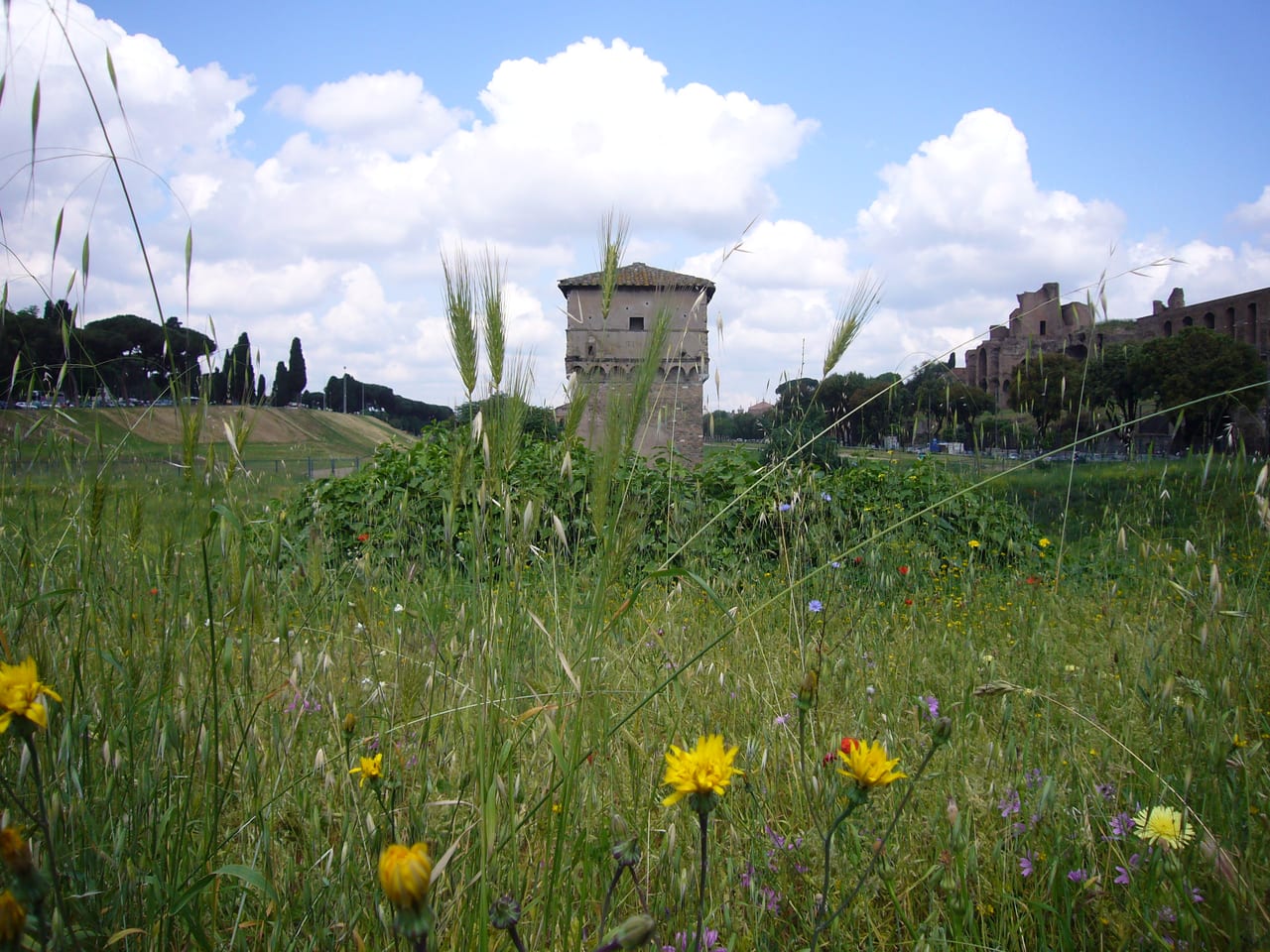
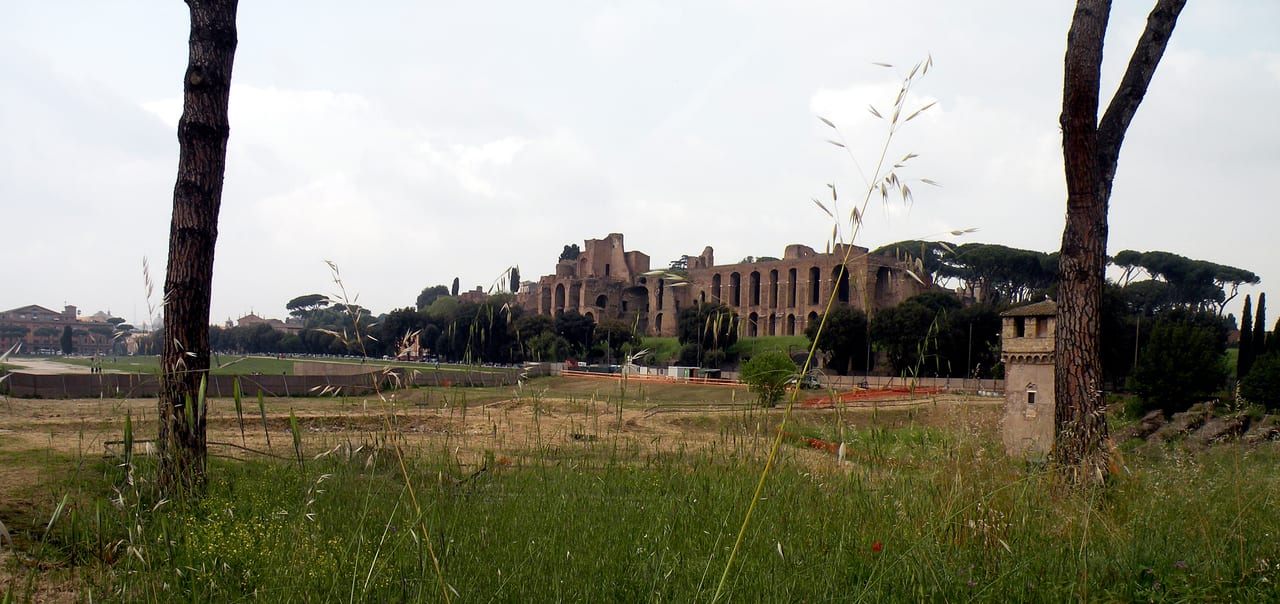
Walk the open ground to understand the immense scale and the relationship between the Palatine and Aventine slopes. At the southern side, look for the medieval Moletta tower, once associated with the Frangipane. Near the end of Via dei Cerchi, a few surviving craft premises recall the area’s later working life. The site’s broad green expanse is particularly legible from the edges, where the surviving archaeological contours can be compared with the reconstructed imperial layout.
Places to stay near Circus Maximus

Live availability and prices from Stay22's partners, refreshed periodically and subject to change. Booking through these links may earn us a commission at no extra cost to you. See our privacy policy.
Cafés near Circus Maximus
Cafés near Circus Maximus loads as you scroll.
Attractions nearby
Attractions near Circus Maximus loads as you scroll.
Cities nearby
Cities nearby loads as you scroll.
More in Rome
See more of Rome.
Find great cafés, places to stay and other interesting places to visit in Rome.