Ancient site · Rome
Catacombs of Rome
DirectionsMore than 60 known subterranean burial complexes preserve an unparalleled record of Early Christian art, while also revealing the burial practices of Jewish and pagan communities in ancient Rome.
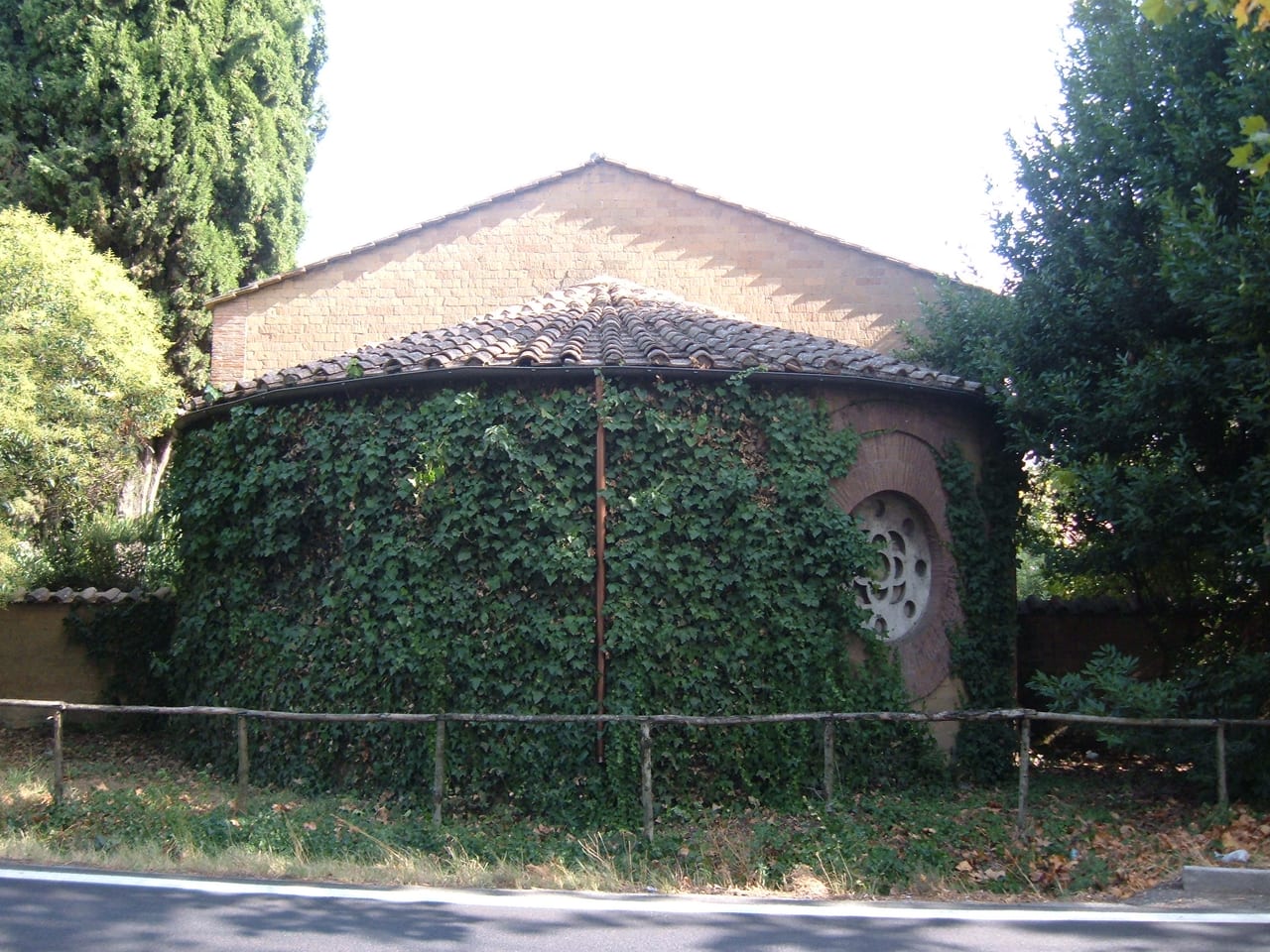
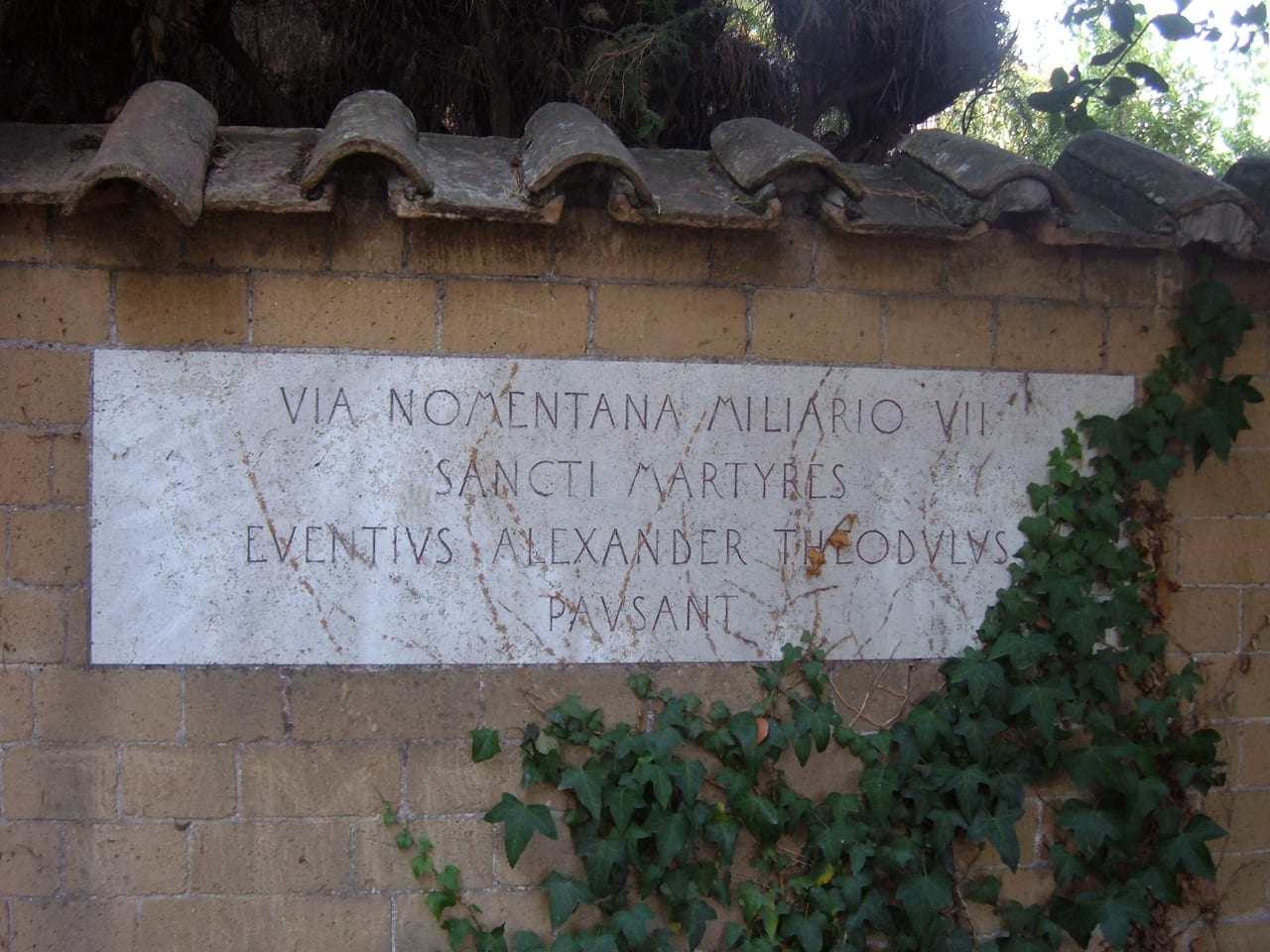
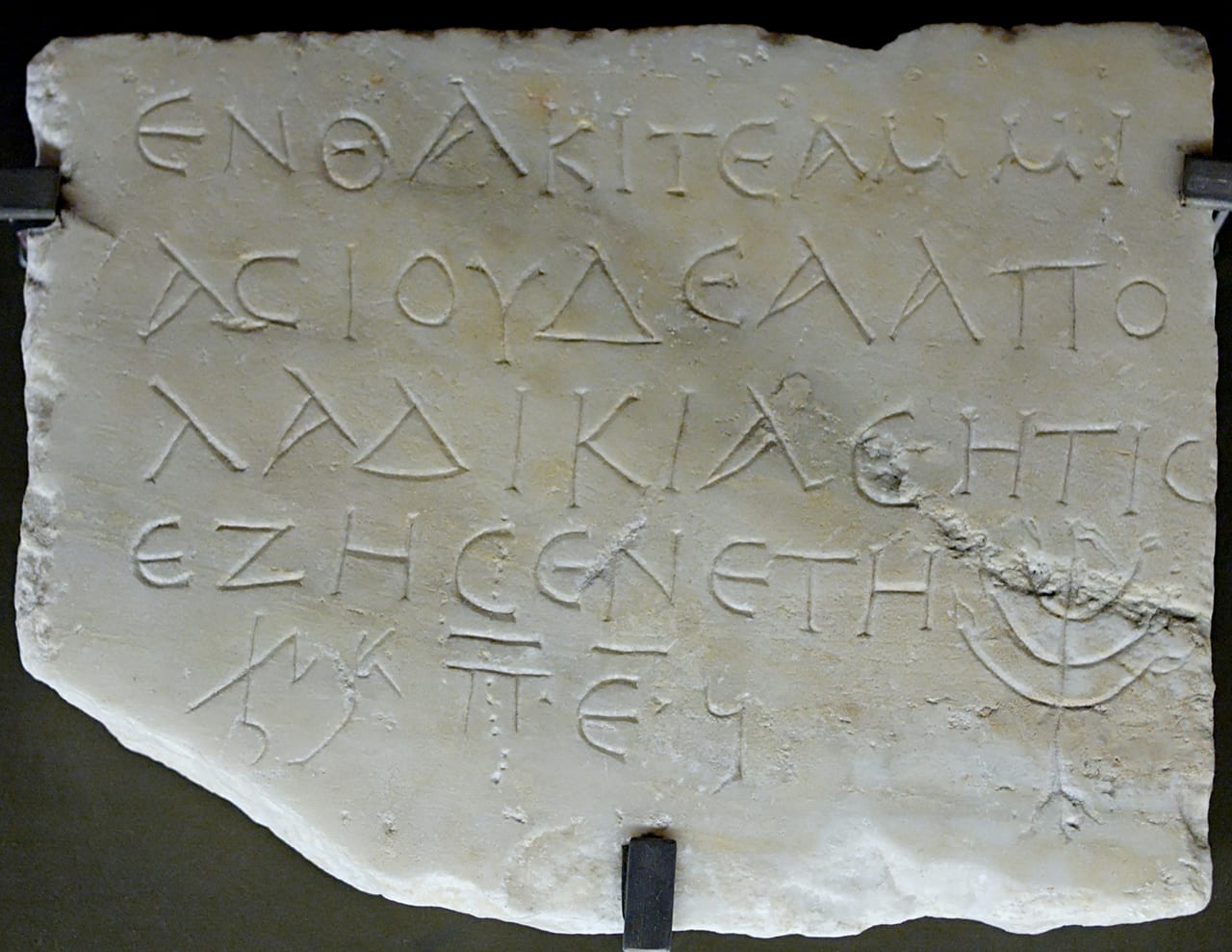
Photograph 1 of 3 of Catacombs of Rome
The catacombs developed from earlier Etruscan and Roman underground quarrying, then became practical burial grounds from the 2nd century AD, when overcrowding, scarce land and the ban on burials within the city made inhumation outside the walls increasingly necessary. Jews, Christians and followers of pagan religions used them, especially along the Via Appia, Via Labicana, Via Tiburtina, Via Nomentana and Via Ostiense. The name derives from the Late Latin catatumbas, variously interpreted as “among the tombs” or “next to the quarry.” Carved into soft tufa that hardens after excavation, the complexes consist of ambulacra lined with loculi, alongside arcosolia, family cubicula, frescoed crypts and floor graves known as formae. Their inscriptions, sculpture and paintings provide the great majority of surviving examples of Early Christian art before about 400 AD. Memorial meals took place beside graves; the tunnels were not generally secret places of worship during persecution. After the 4th century, burial declined, relics moved to basilicas, and the sites were largely abandoned by the 10th century. Rediscovered in 1578, they were explored by Antonio Bosio and systematically studied by Giovanni Battista de Rossi. San Callisto, Domitilla, Priscilla, Commodilla and Praetextatus are among the most revealing complexes.
Ways to explore Catacombs of Rome
Only San Sebastiano, San Callisto, Priscilla, Domitilla and Sant’Agnese are currently open to the public. Review each site’s current opening hours, fees, language options, group limits and transport details before going; online pre-booking may be required. Inside, examine the arrangement of loculi and arcosolia, family chambers, inscriptions and surviving frescoes. Notable details include the bearded Christ at Commodilla, the crowned Christ and Susanna imagery at Praetextatus, and the fish symbolism associated with funerary meals.
Places to stay near Catacombs of Rome

Live availability and prices from Stay22's partners, refreshed periodically and subject to change. Booking through these links may earn us a commission at no extra cost to you. See our privacy policy.
Cafés near Catacombs of Rome
Cafés near Catacombs of Rome loads as you scroll.
Attractions nearby
Attractions near Catacombs of Rome loads as you scroll.
Cities nearby
Cities nearby loads as you scroll.
More in Rome
See more of Rome.
Find great cafés, places to stay and other interesting places to visit in Rome.