Castle & palace · Rome
Castel Sant'Angelo
DirectionsIts ancient summit once carried a colossal bronze quadriga driven by Hadrian as the sun, above a mausoleum later transformed into one of Rome’s most formidable fortresses.
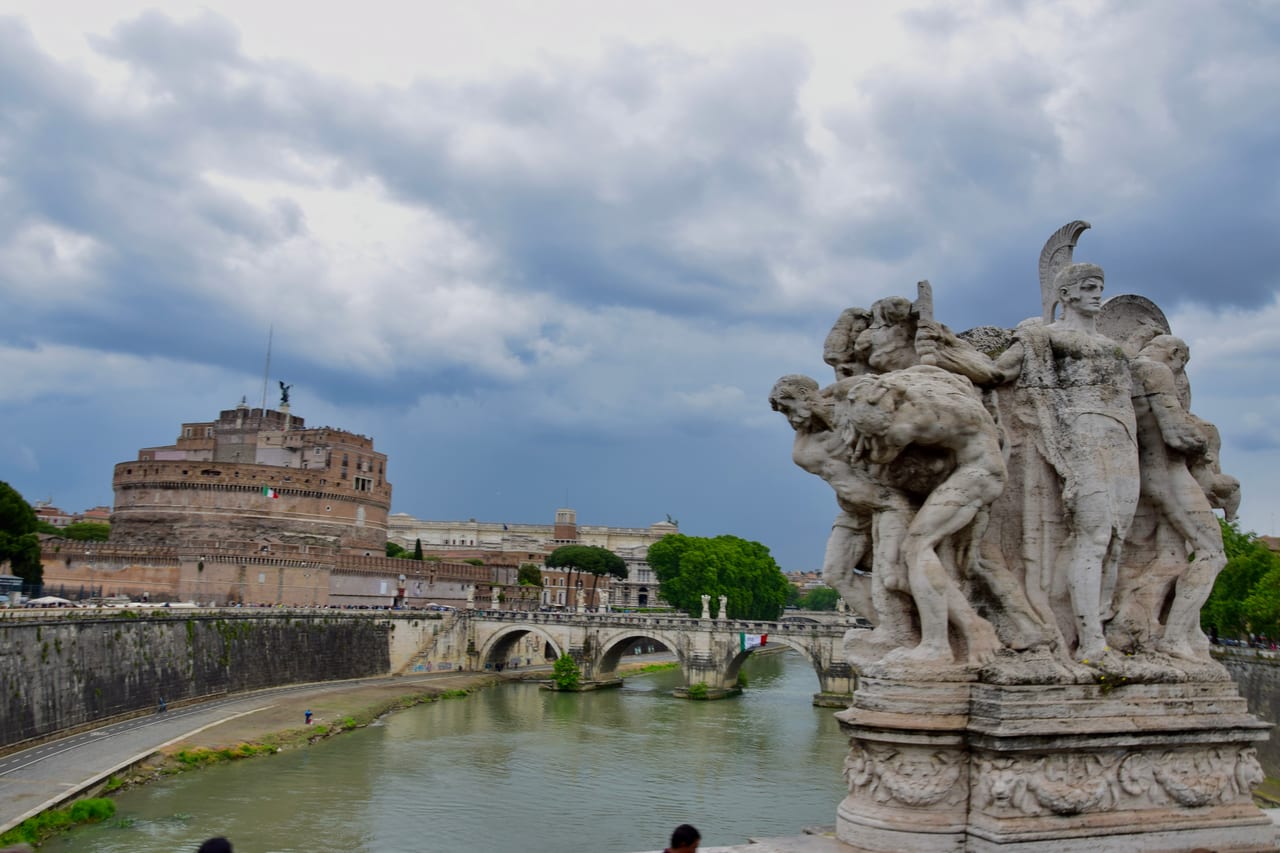
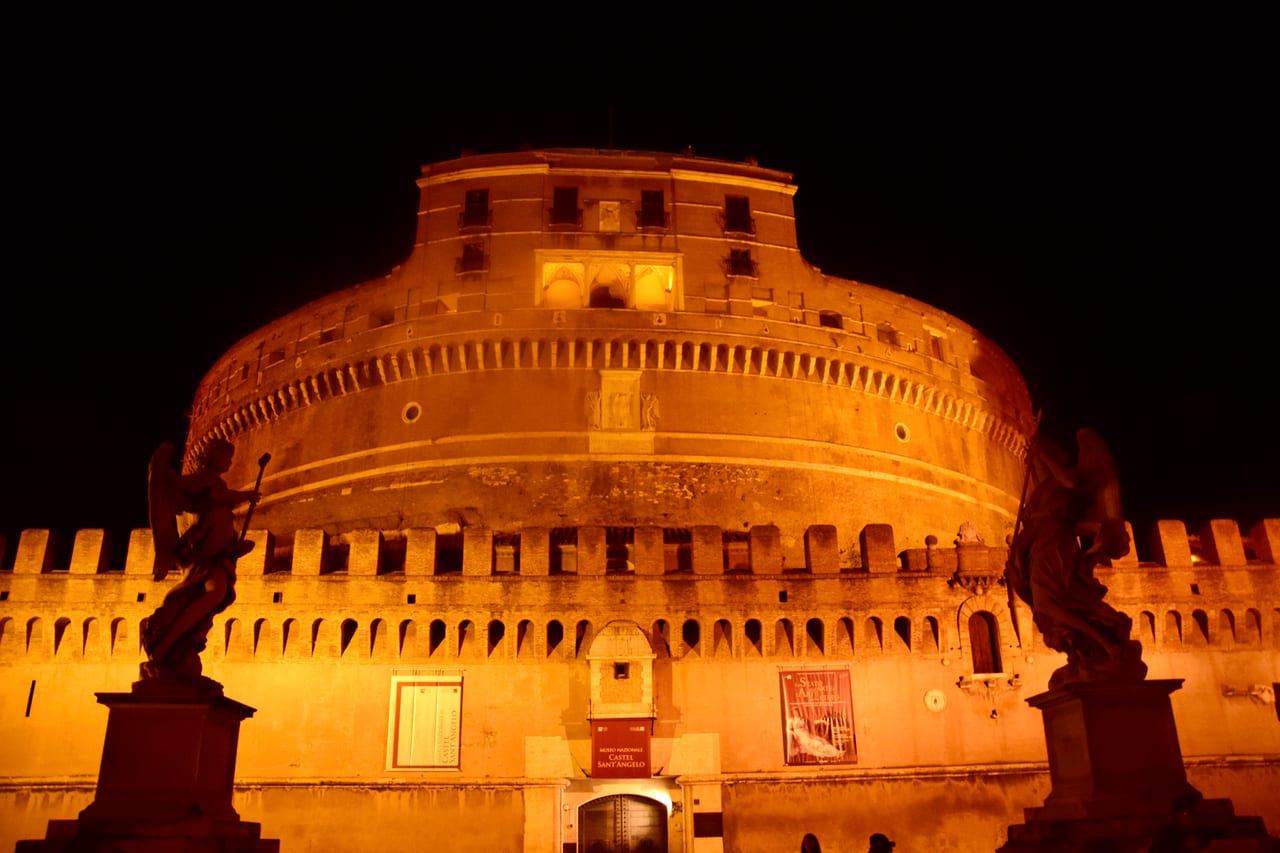
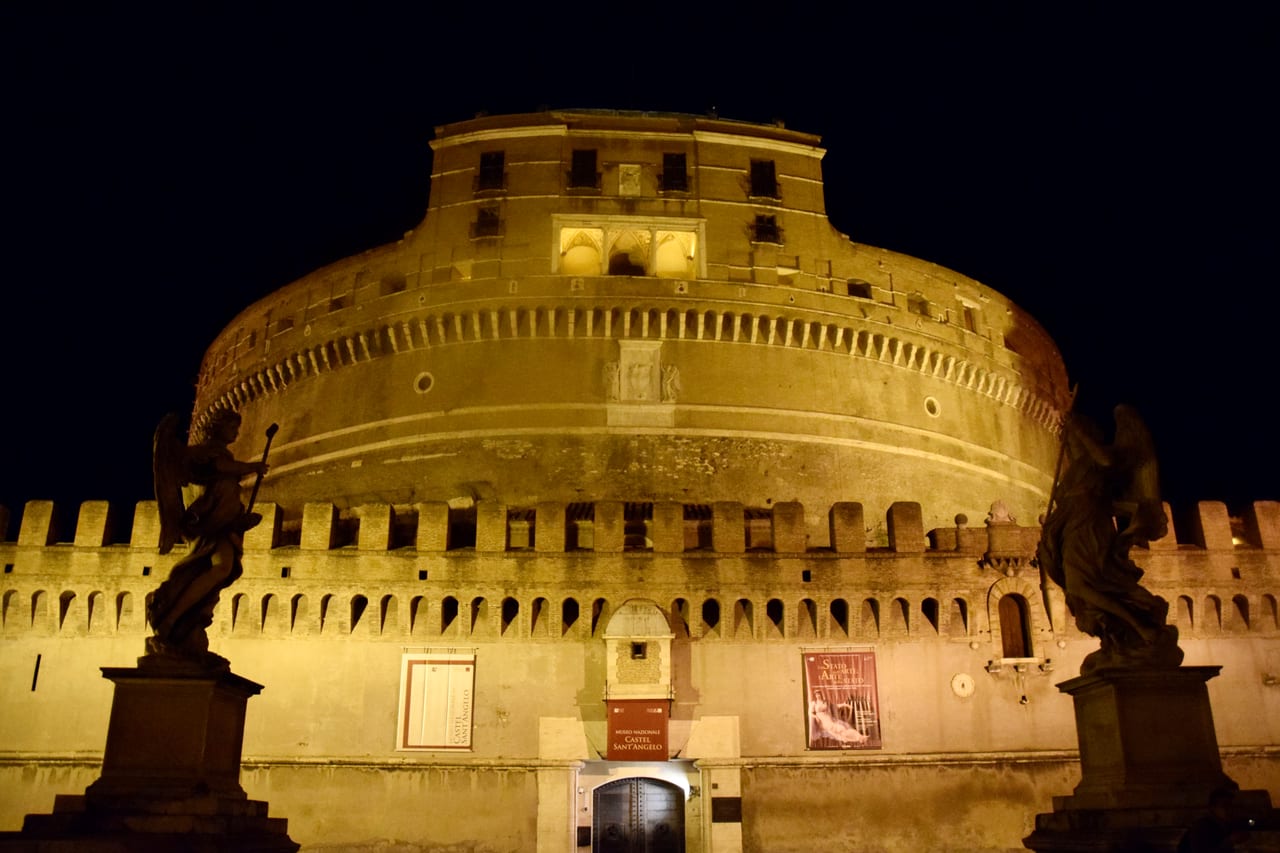
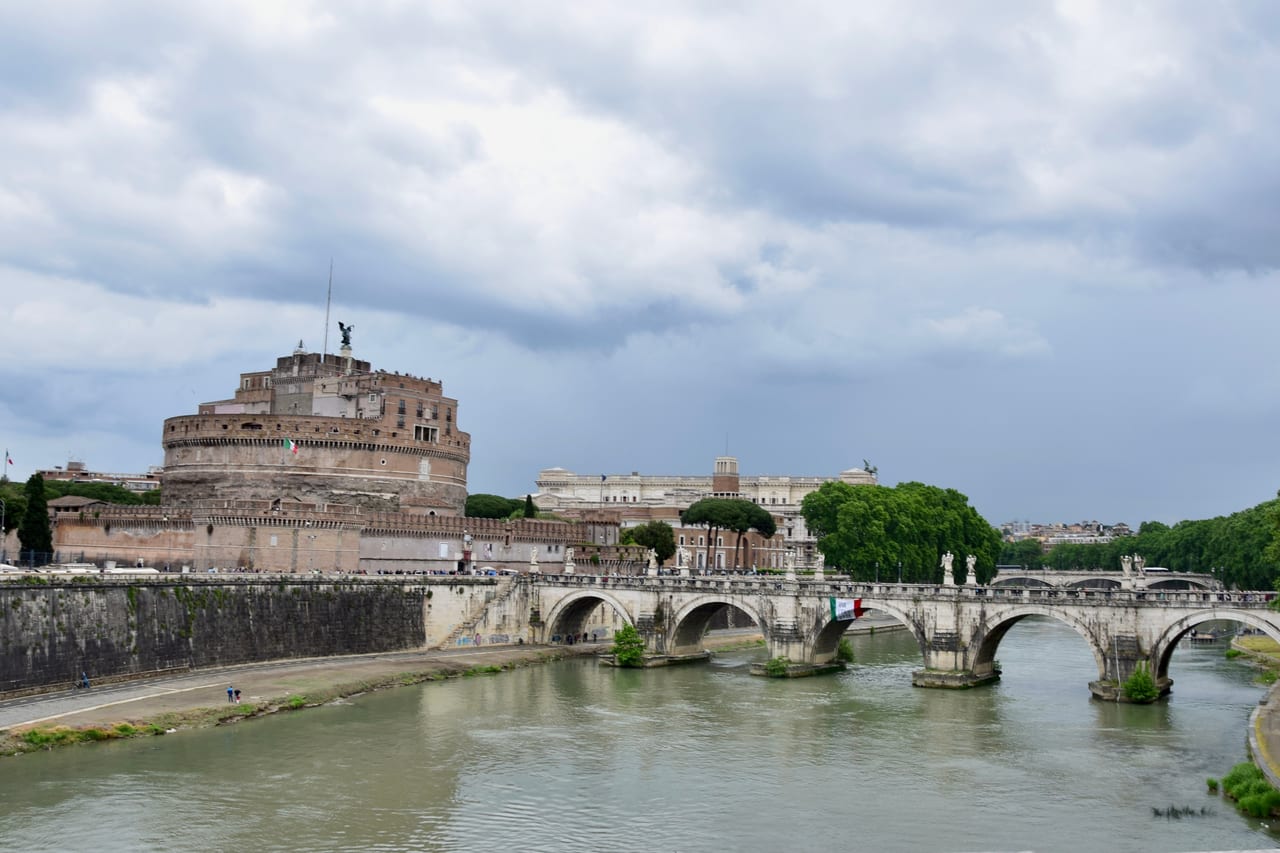
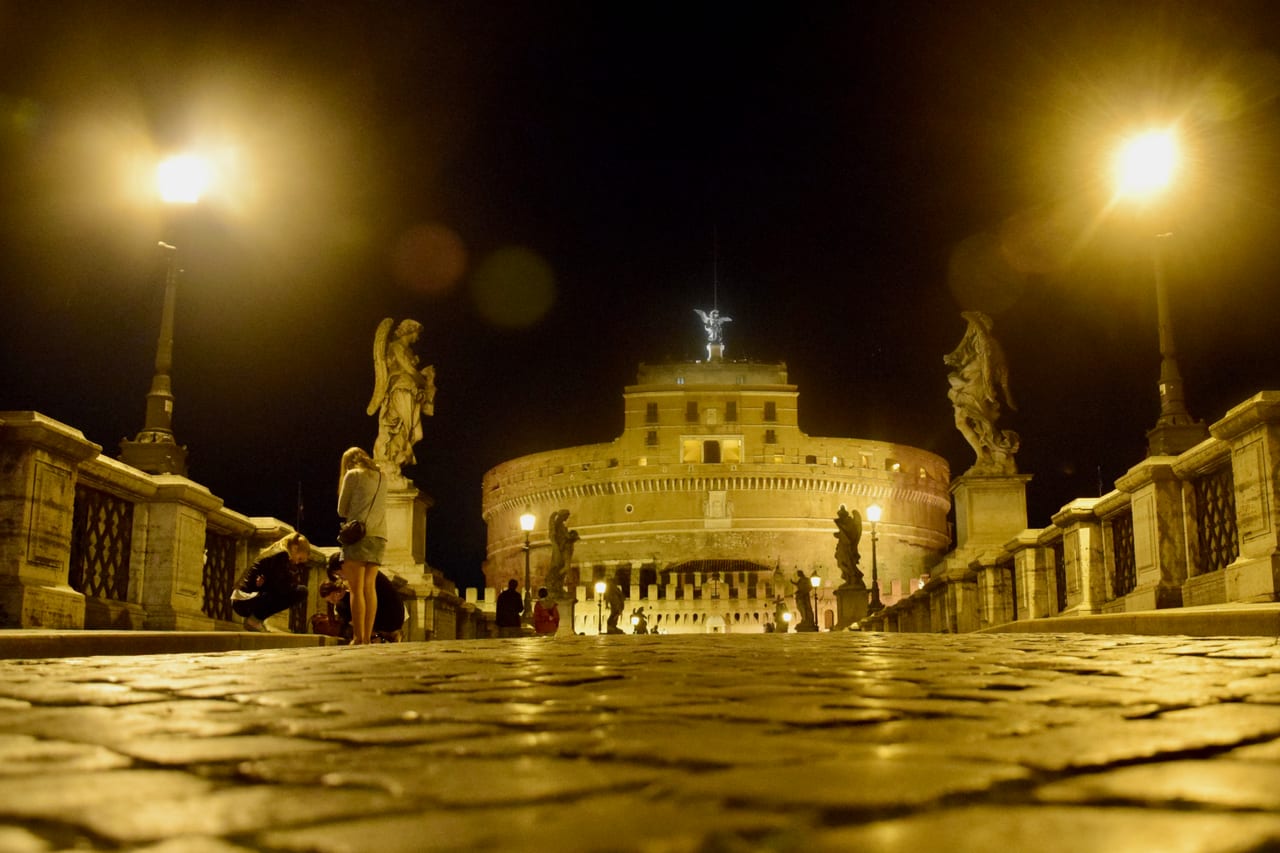
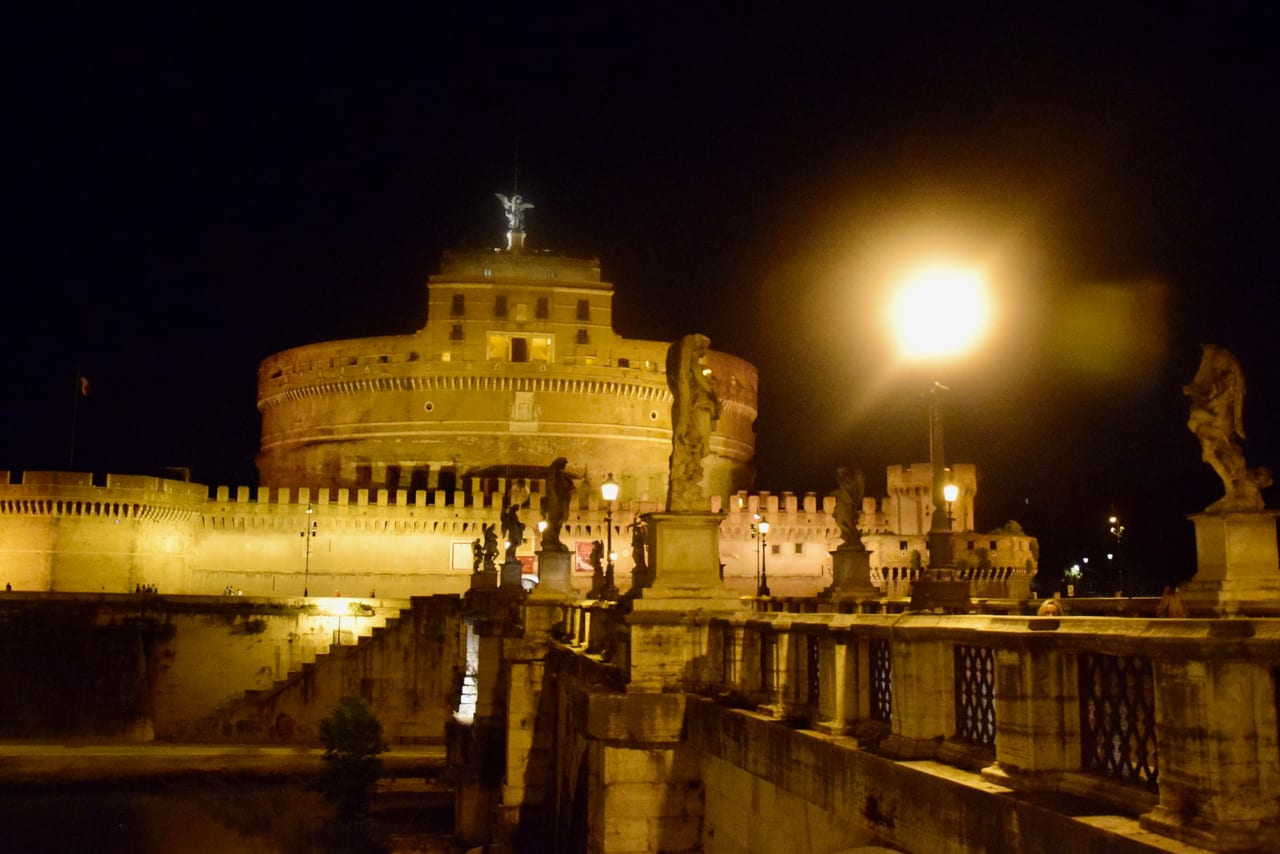
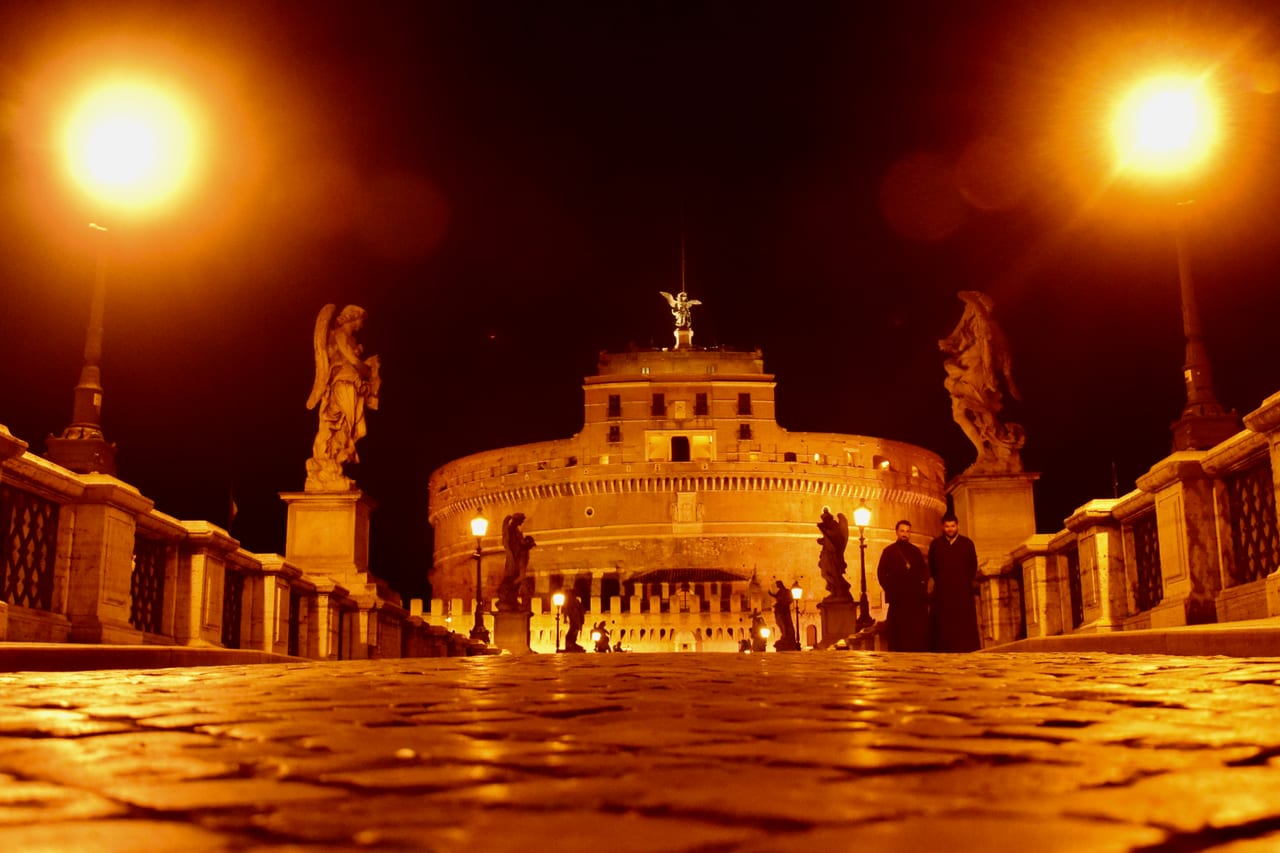
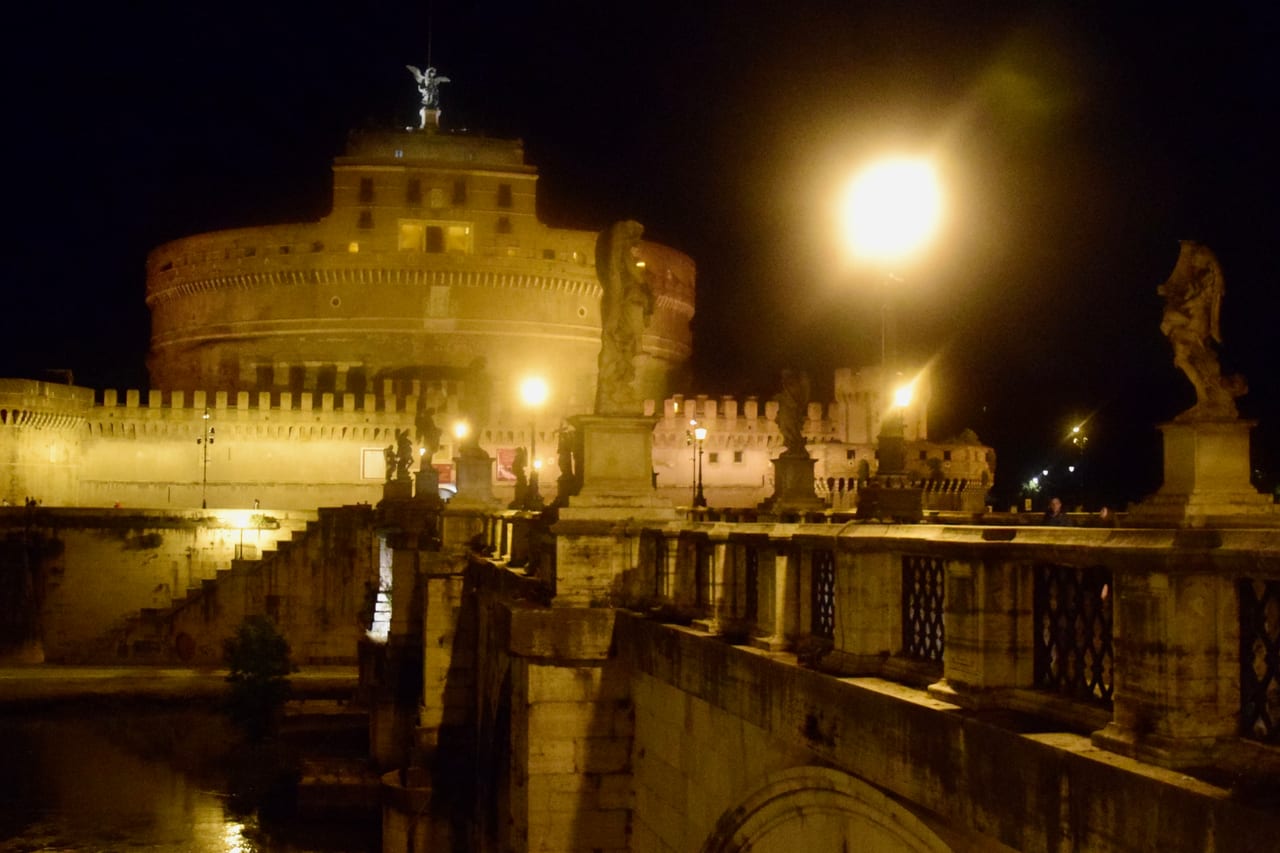
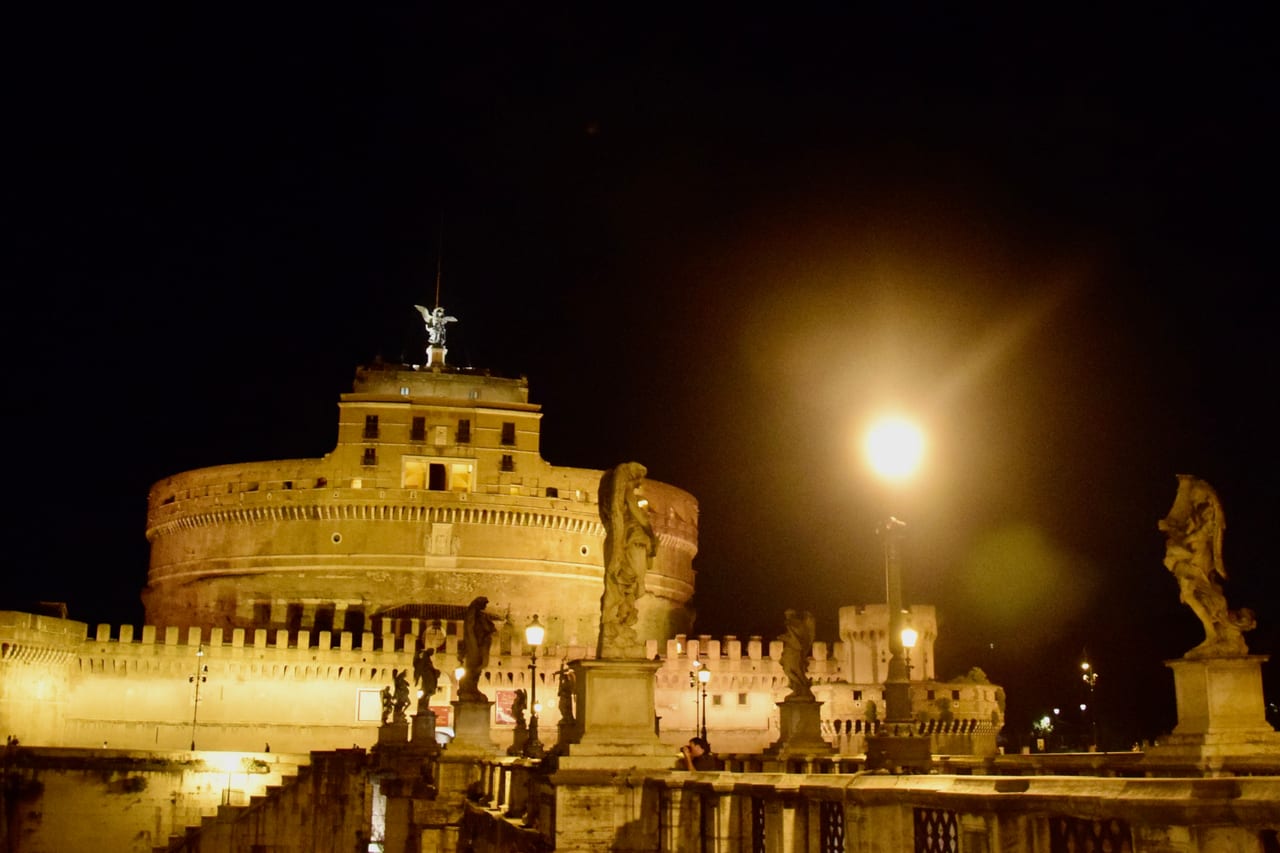
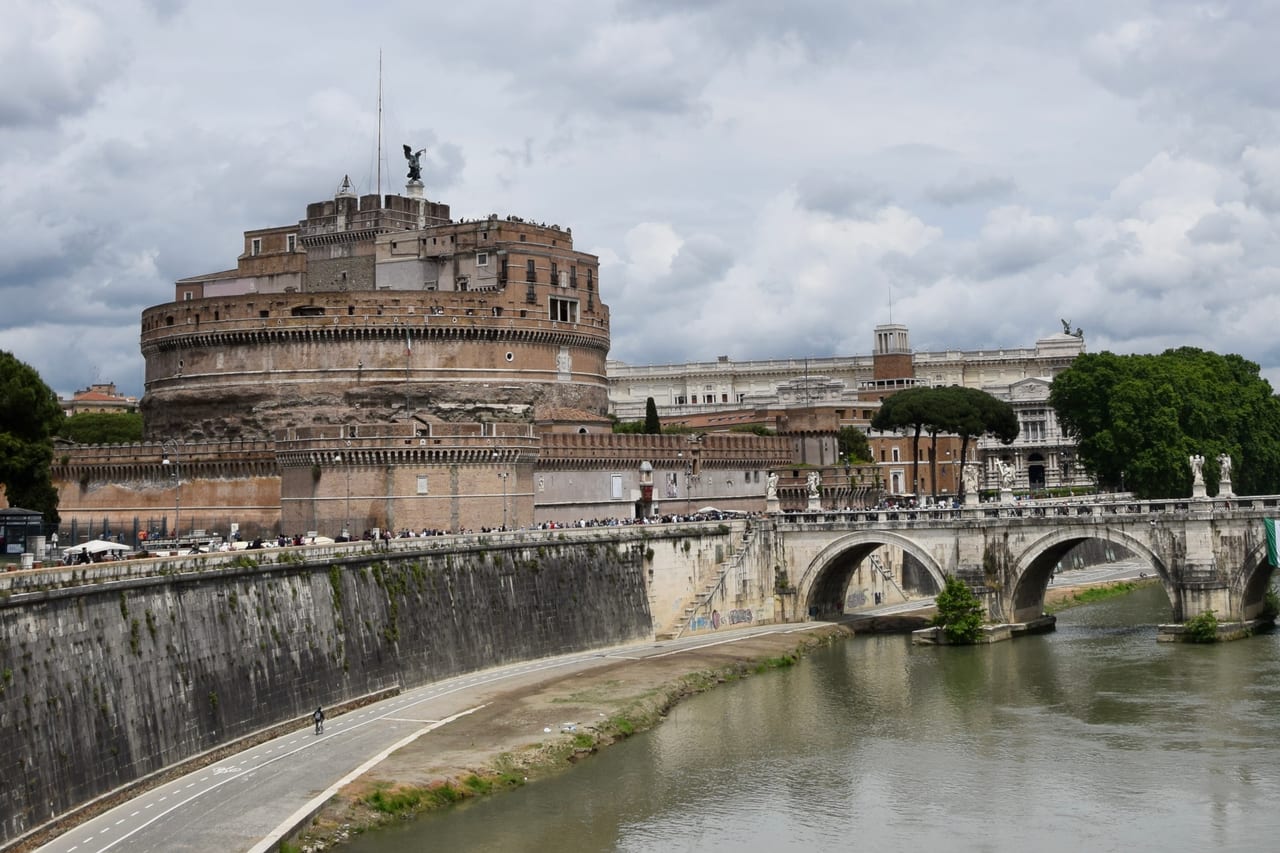
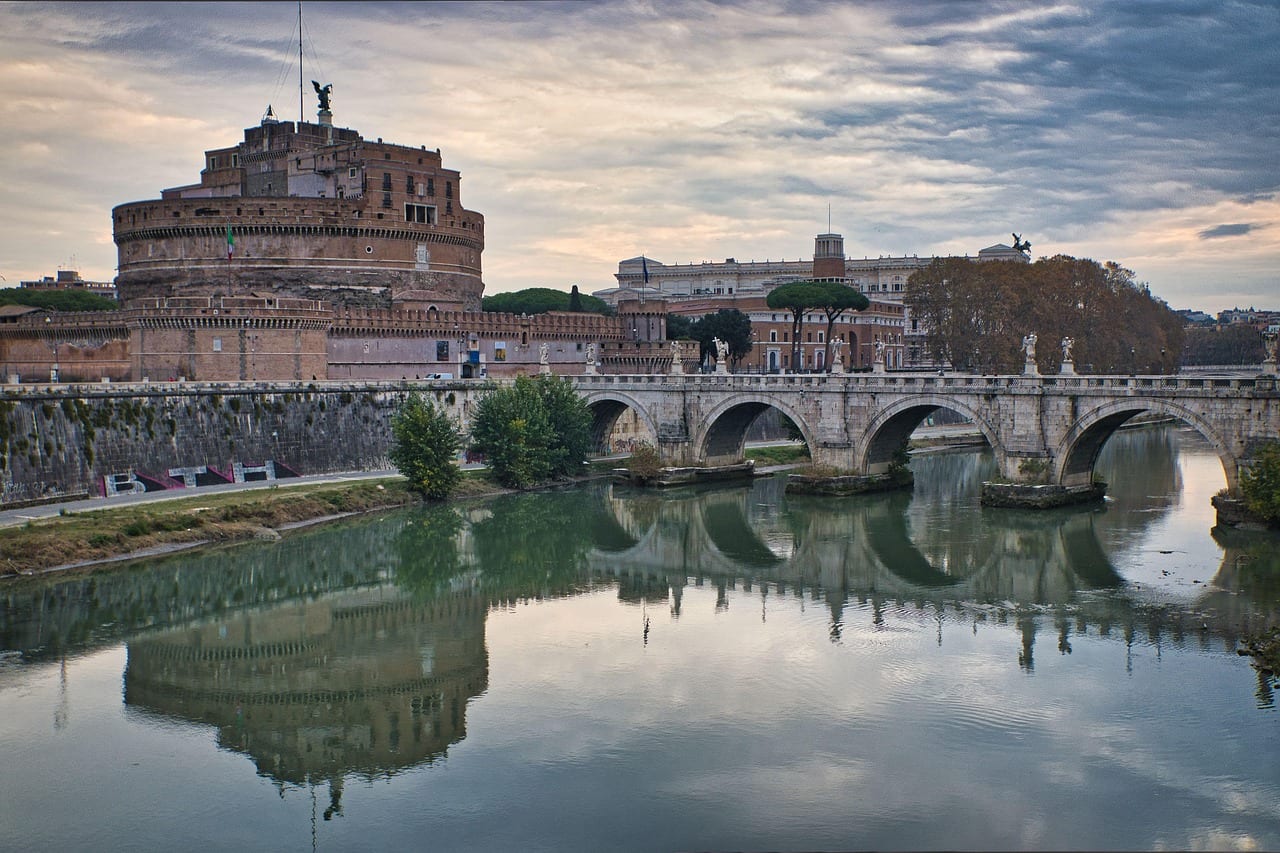
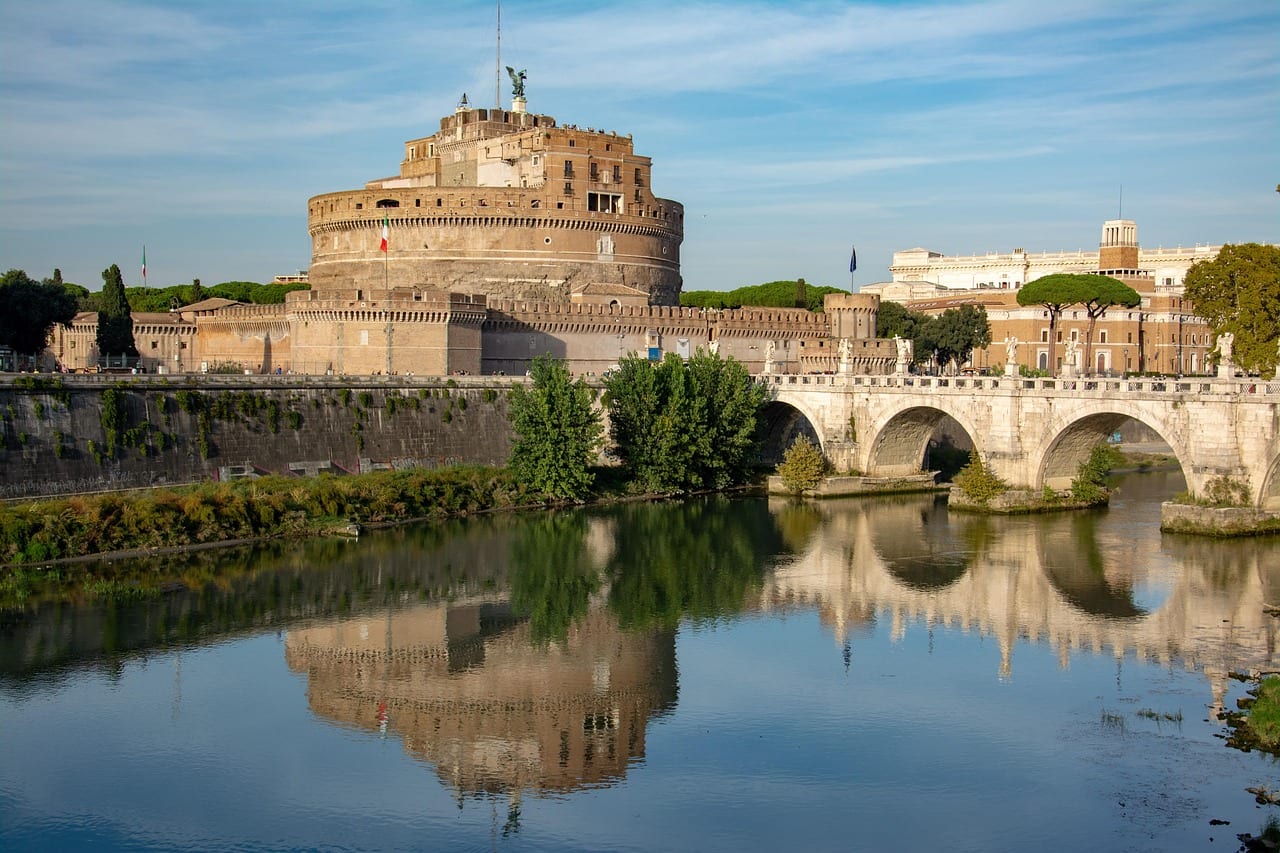
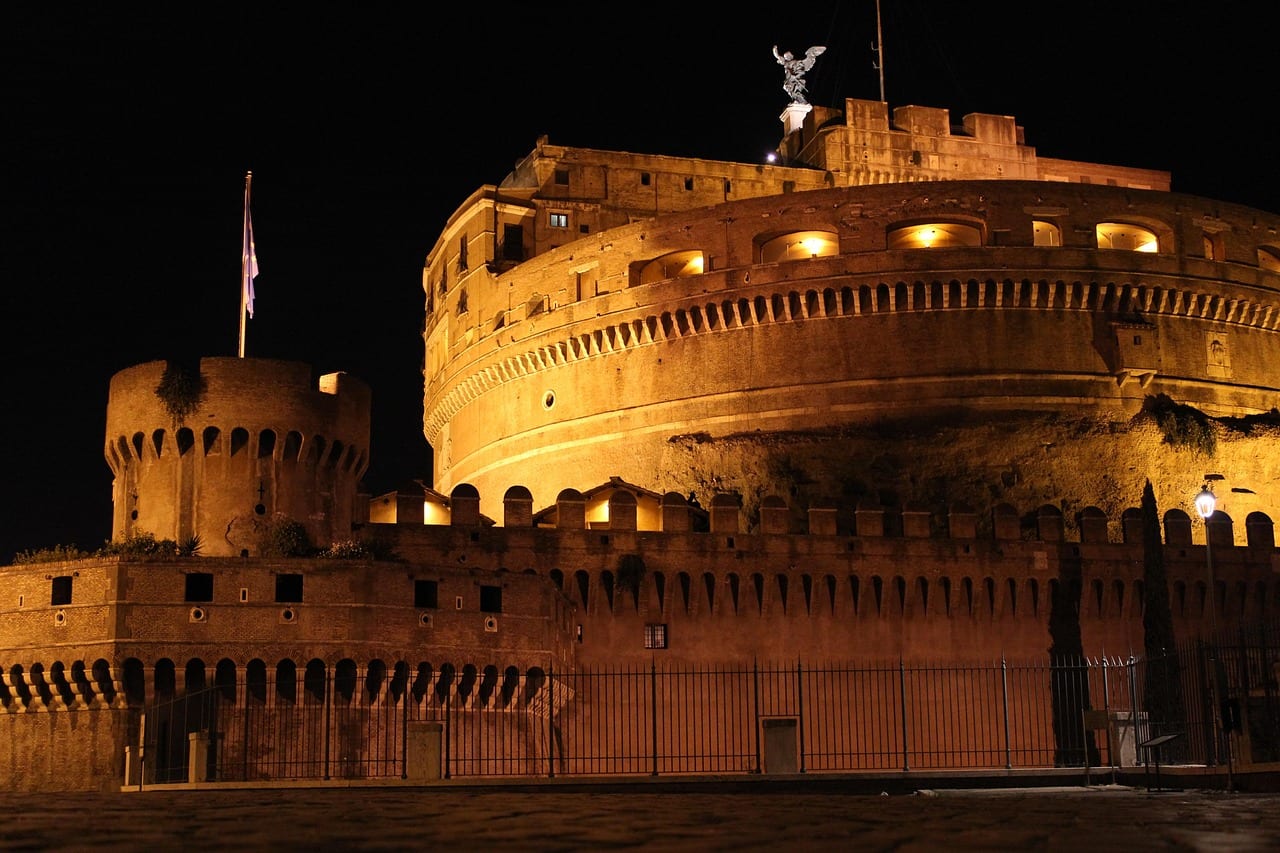
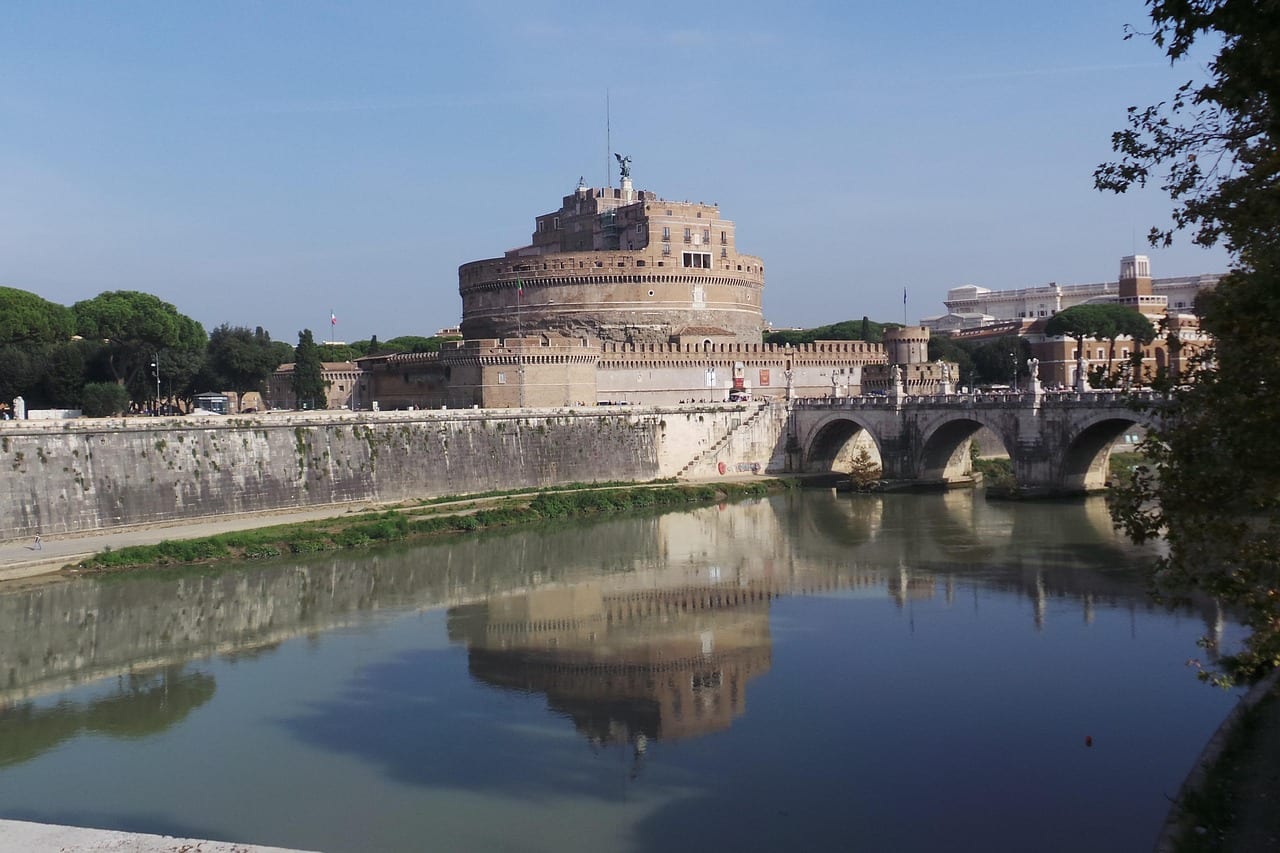
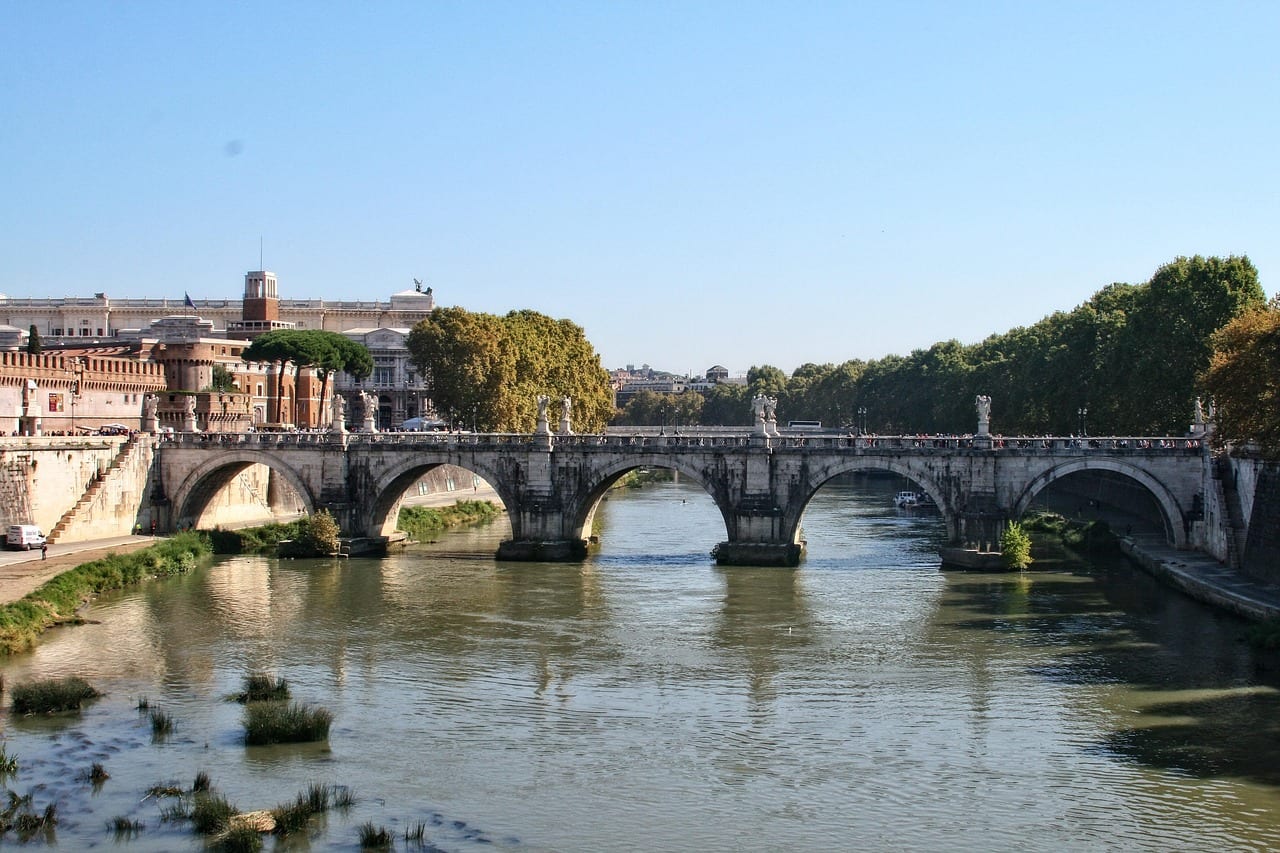
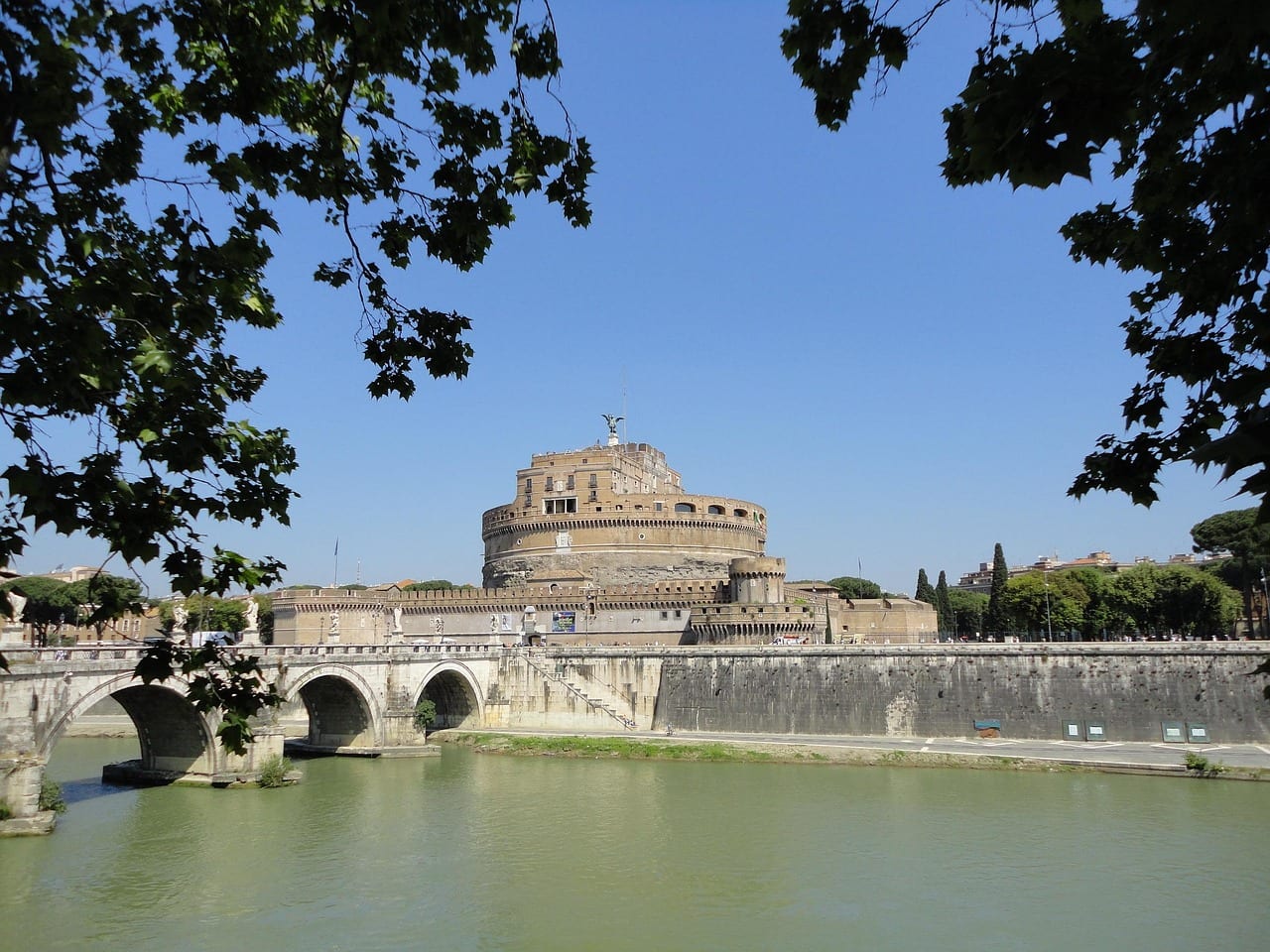
Photograph 1 of 16 of Castel Sant'Angelo
In 135, Hadrian commissioned Demetriano to build a monumental family mausoleum, completed by Antoninus Pius in 139 and connected to the Campus Martius by the Pons Aelius. Its square marble-clad base bore bucrania, pilasters and imperial names; above it rose a peperino and concrete drum faced with travertine, a planted earth mound and marble statuary. A marble-lined spiral ramp led to the central, polychrome-marble burial chamber, which received Hadrian, Vibia Sabina, Antoninus Pius, Marcus Aurelius, Septimius Severus and other imperial family members. In 403, Honorius incorporated the mausoleum into the Aurelian Walls, turning it into a fortress that helped defend the Vatican area during the Visigothic and Vandal attacks. Its later identity was shaped by the reported 590 vision of Michael sheathing his sword before Gregory the Great. Teofilatto, Marozia, the Crescenzi, Pierleoni and Orsini successively controlled it before the Church acquired it. Popes used it as refuge, archive, treasury, tribunal and prison; after the 1527 Sack of Rome, it became a papal residence. Following Italian unification it served as a barracks, then a museum, with restoration in 1933–34 creating the Parco della Mole Adriana.
At a glance
- Built
- 139
- Architect
- Decriannus
- Heritage
- Italian national heritage
Ways to explore Castel Sant'Angelo
Examine the surviving imperial ramp and burial spaces, then seek out the prison areas, from the cramped Sammalò cell to the more comfortable Cagliostra. The Stufa, Clement VII’s painted private bath, retains its profane decoration. Look for the traces associated with Benvenuto Cellini’s confinement, the Sala della Giustizia and the Chapel of the Condemned. Outside, study the bastions, moat and garden, then cross the bridge to inspect its ten marble angels.
Places to stay near Castel Sant'Angelo

Live availability and prices from Stay22's partners, refreshed periodically and subject to change. Booking through these links may earn us a commission at no extra cost to you. See our privacy policy.
Cafés near Castel Sant'Angelo
Cafés near Castel Sant'Angelo loads as you scroll.
Attractions nearby
Attractions near Castel Sant'Angelo loads as you scroll.
Cities nearby
Cities nearby loads as you scroll.
More in Rome
See more of Rome.
Find great cafés, places to stay and other interesting places to visit in Rome.