Museum · Rome
Capitoline Museums
DirectionsIts opening to citizens in 1734 transformed a papal collection into what is widely regarded as the world's first public museum.
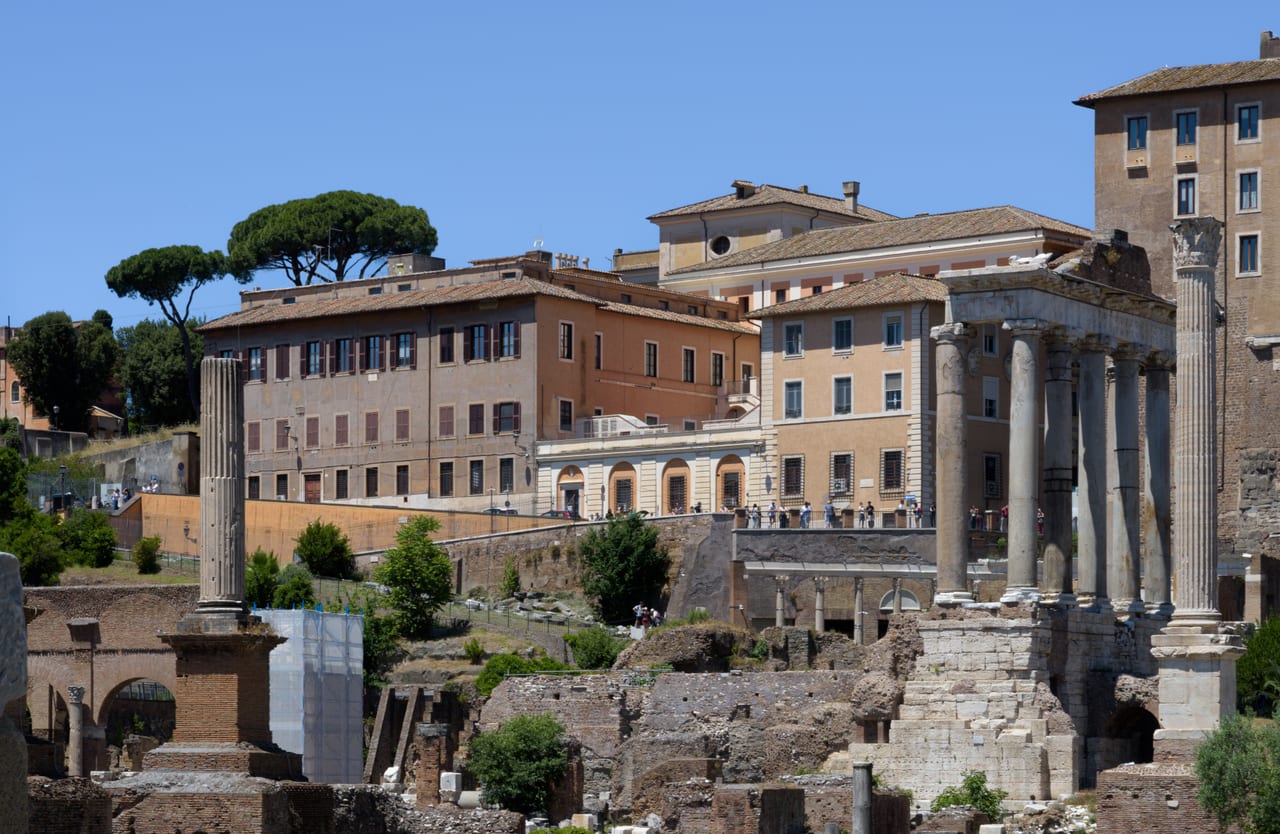
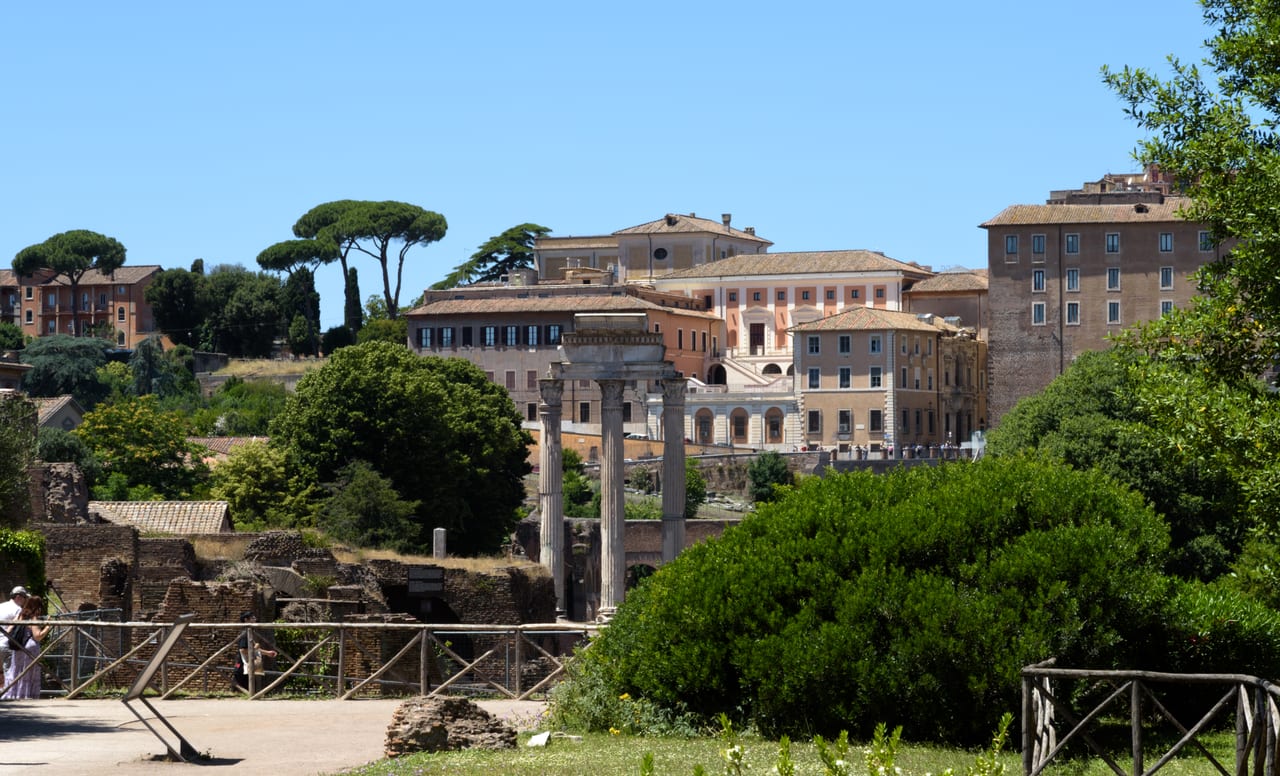
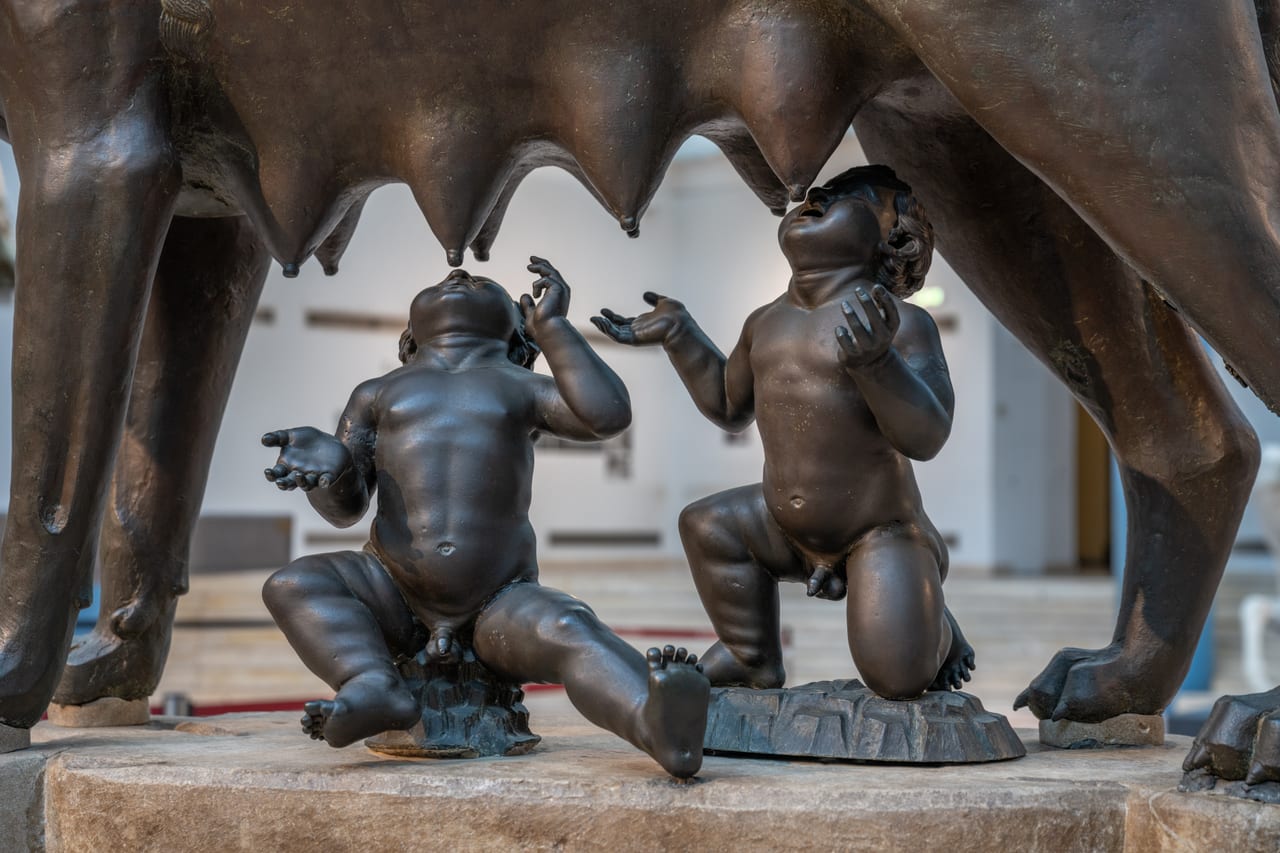
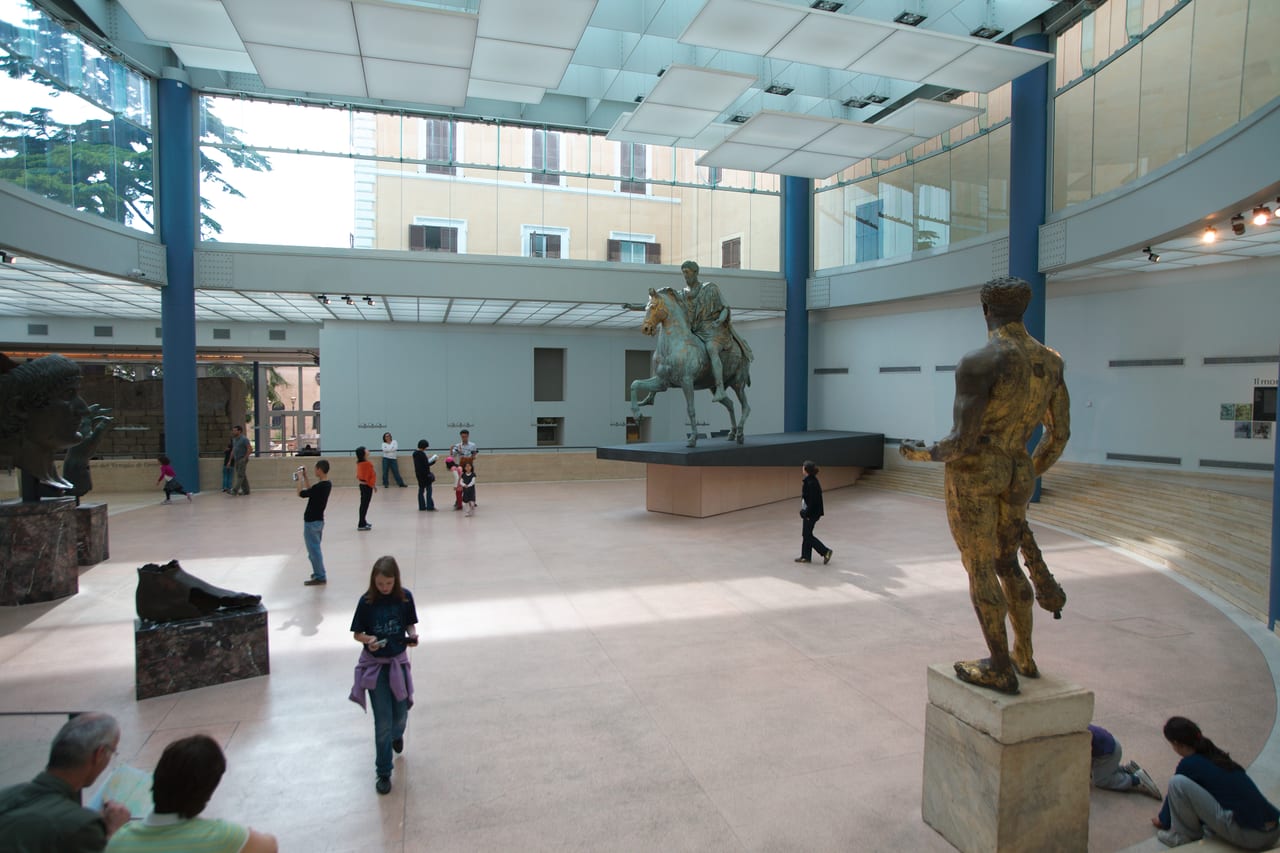
Photograph 1 of 8 of Capitoline Museums
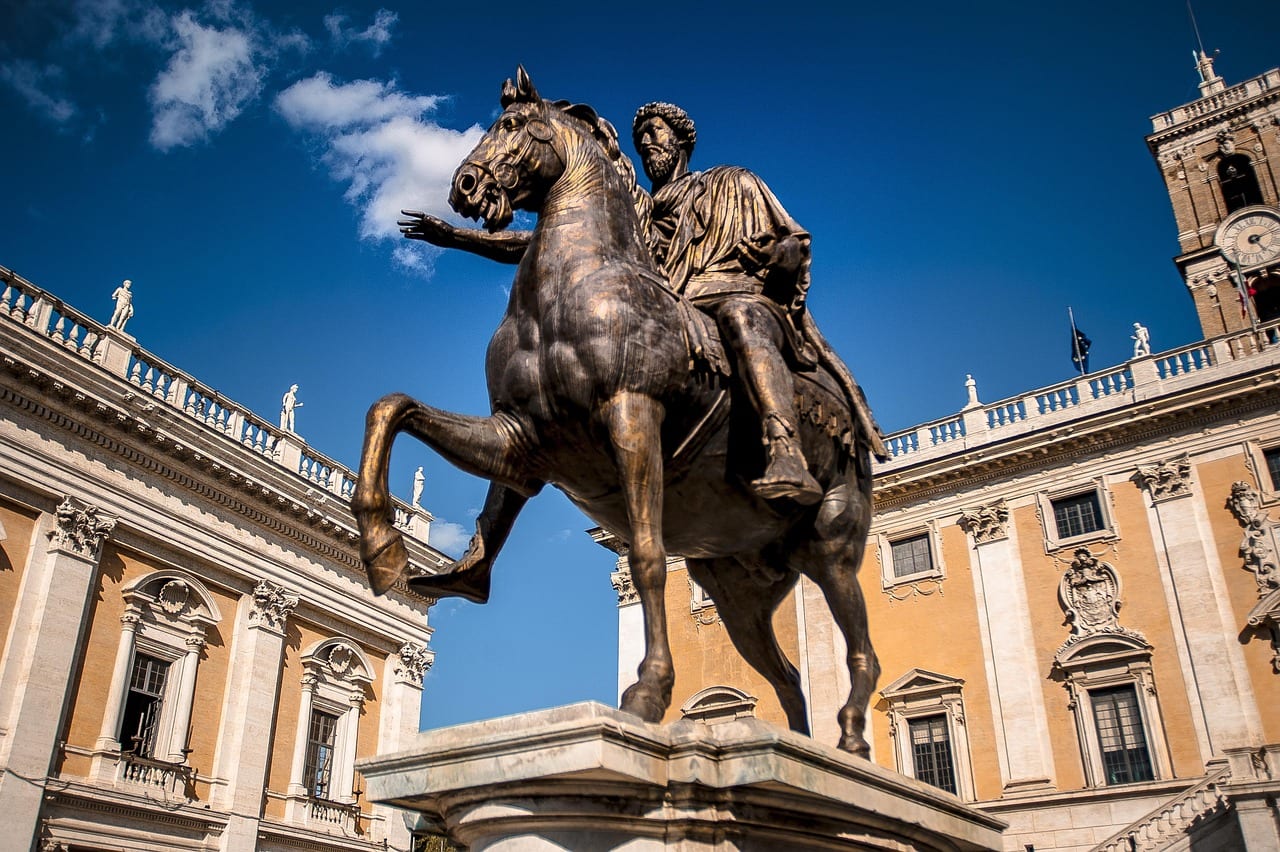
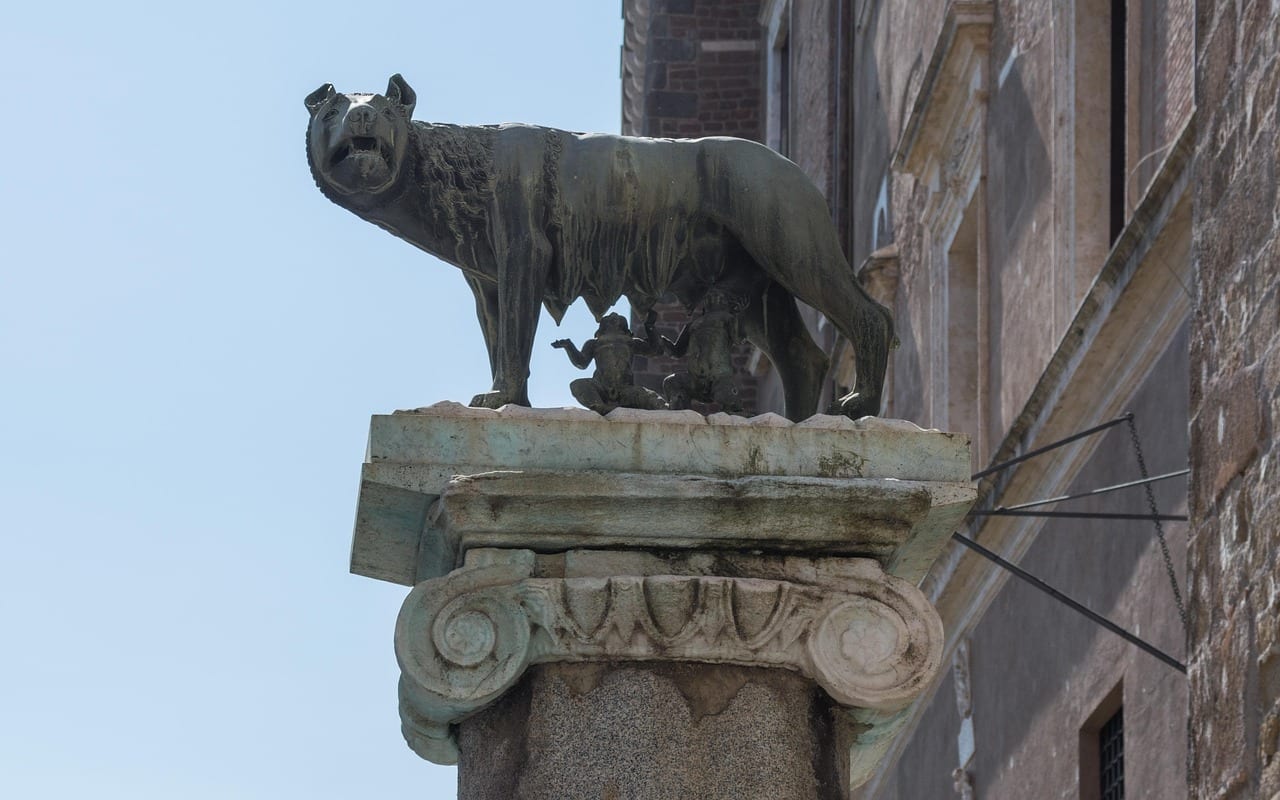
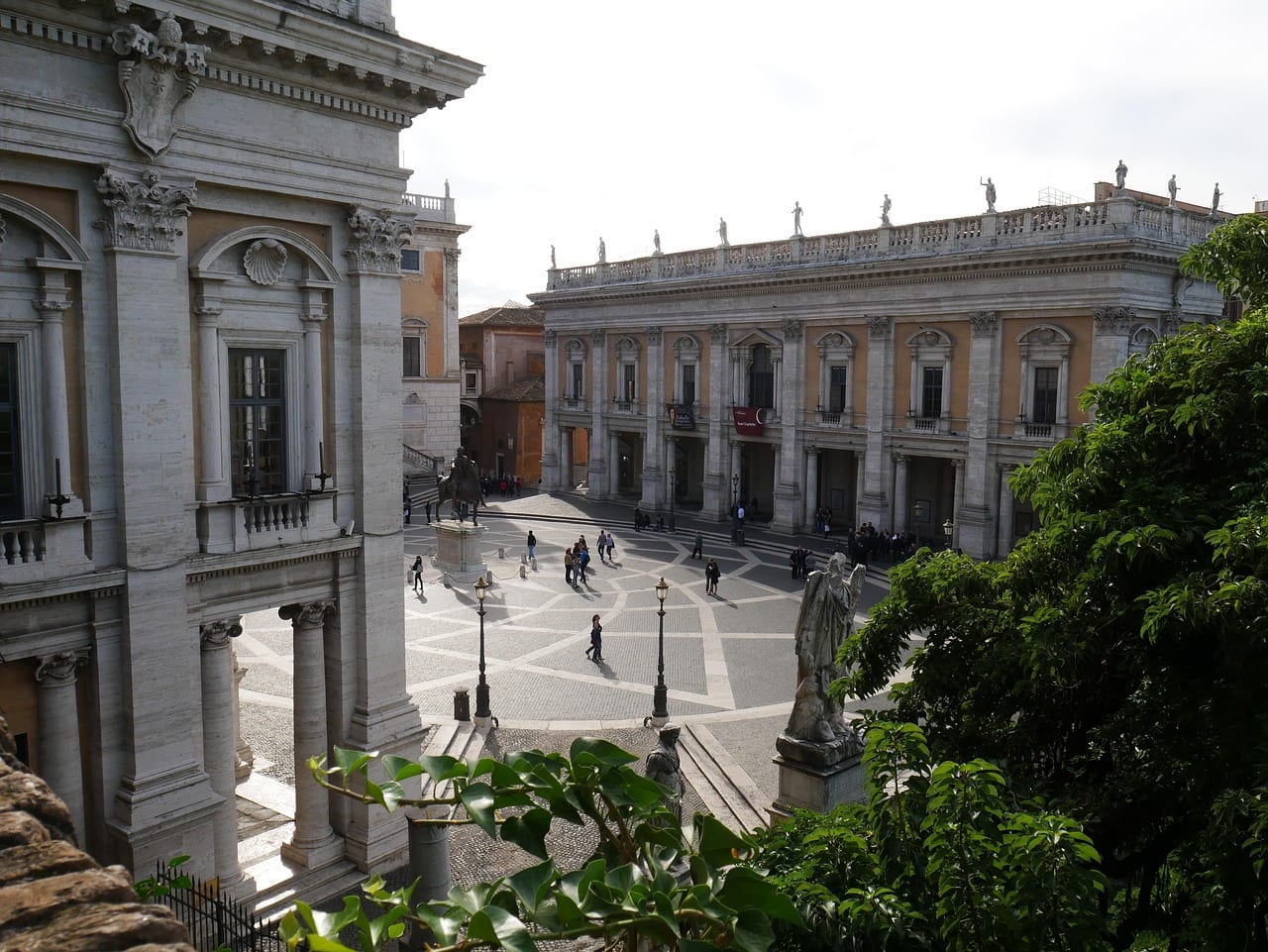
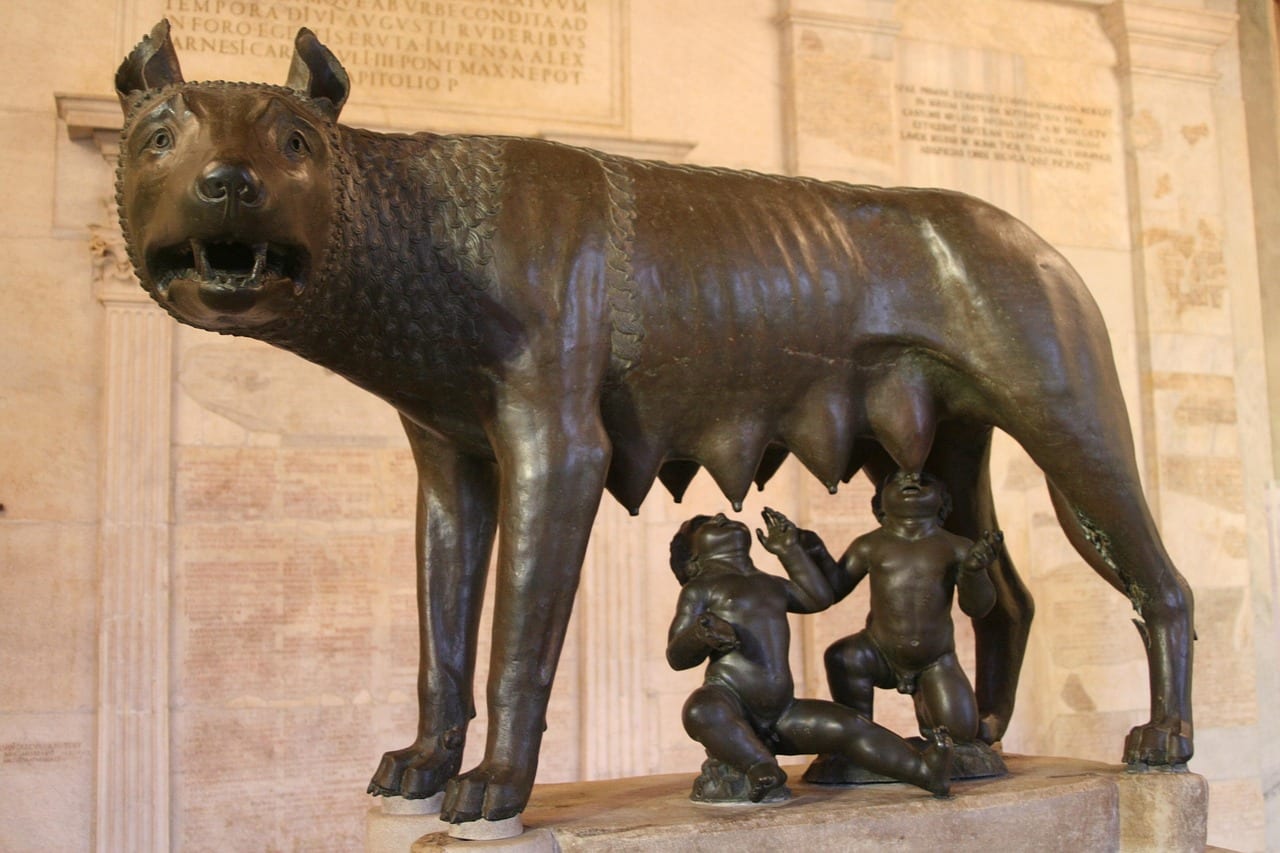
The museums’ story begins in 1471, when Sixtus IV gave Rome a group of ancient bronzes from the Lateran, including the Capitoline Wolf. The collection grew through papal donations and was given a second home in the Palazzo Nuovo, built in 1654. Its holdings eventually expanded beyond Roman antiquities to medieval, Renaissance and Baroque art, including the Capitoline Picture Gallery, formed from the Sacchetti and Pio collections under Benedict XIV. The historic buildings frame Michelangelo’s Piazza del Campidoglio. Michelangelo redesigned the façade of the Palazzo dei Conservatori with monumental Corinthian pilasters, an Ionic portico and evenly sized windows; Guido Guidetti and Giacomo Della Porta completed the work in 1568. The palace’s former civic rooms preserve fresco cycles centred on Rome’s origins and republican virtues. During the French occupation, works including the Capitoline Venus and Dying Gaul were taken to the Musée Napoléon; Antonio Canova helped secure several returns after the Congress of Vienna, although the Sarcophagus of the Muses remained in the Louvre. Expansion continued with Palazzo Caffarelli, the underground Lapidary Gallery, the Giovanni Montemartini branch in 1997 and the 2005 Grande Campidoglio project.
At a glance
- Built
- 1471
- Architect
- Michelangelo
- Heritage
- Italian national heritage
Ways to explore Capitoline Museums
Start in the Palazzo dei Conservatori courtyard with the colossal fragments of Constantine I, the provincial reliefs from Hadrian’s temple and the Dacian statues. See the Capitoline Wolf, the medieval portrait of Charles I of Anjou by Arnolfo di Cambio and the Pinacoteca’s works by Caravaggio, Rubens, Titian and Velázquez. In the Marco Aurelius Exedra, compare the original equestrian bronze with the copy standing in the piazza. The underground route leads to the Temple of Veiove and the Tabularium.
Places to stay near Capitoline Museums

Live availability and prices from Stay22's partners, refreshed periodically and subject to change. Booking through these links may earn us a commission at no extra cost to you. See our privacy policy.
Cafés near Capitoline Museums
Cafés near Capitoline Museums loads as you scroll.
Attractions nearby
Attractions near Capitoline Museums loads as you scroll.
Cities nearby
Cities nearby loads as you scroll.
More in Rome
See more of Rome.
Find great cafés, places to stay and other interesting places to visit in Rome.