Heritage landscape · Rome
Campo Verano
DirectionsCampo Verano occupies a burial ground with roots reaching back at least twenty centuries, now shaped into an open-air museum of Roman funerary art.
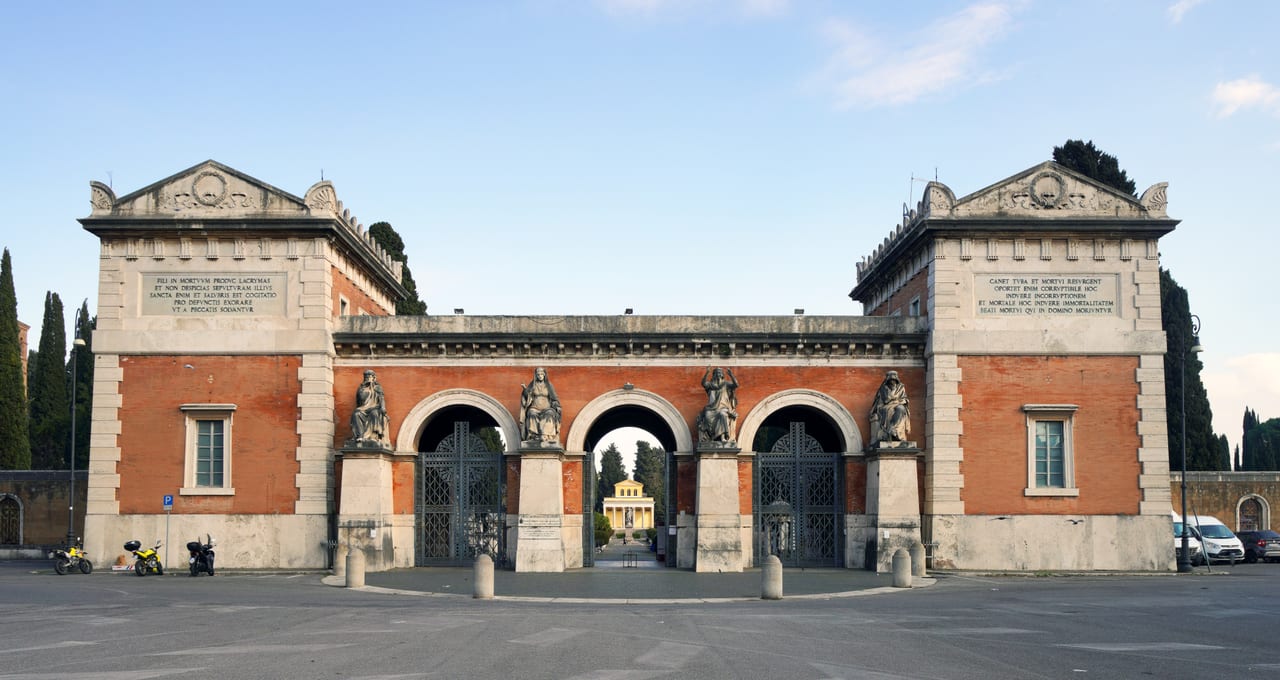
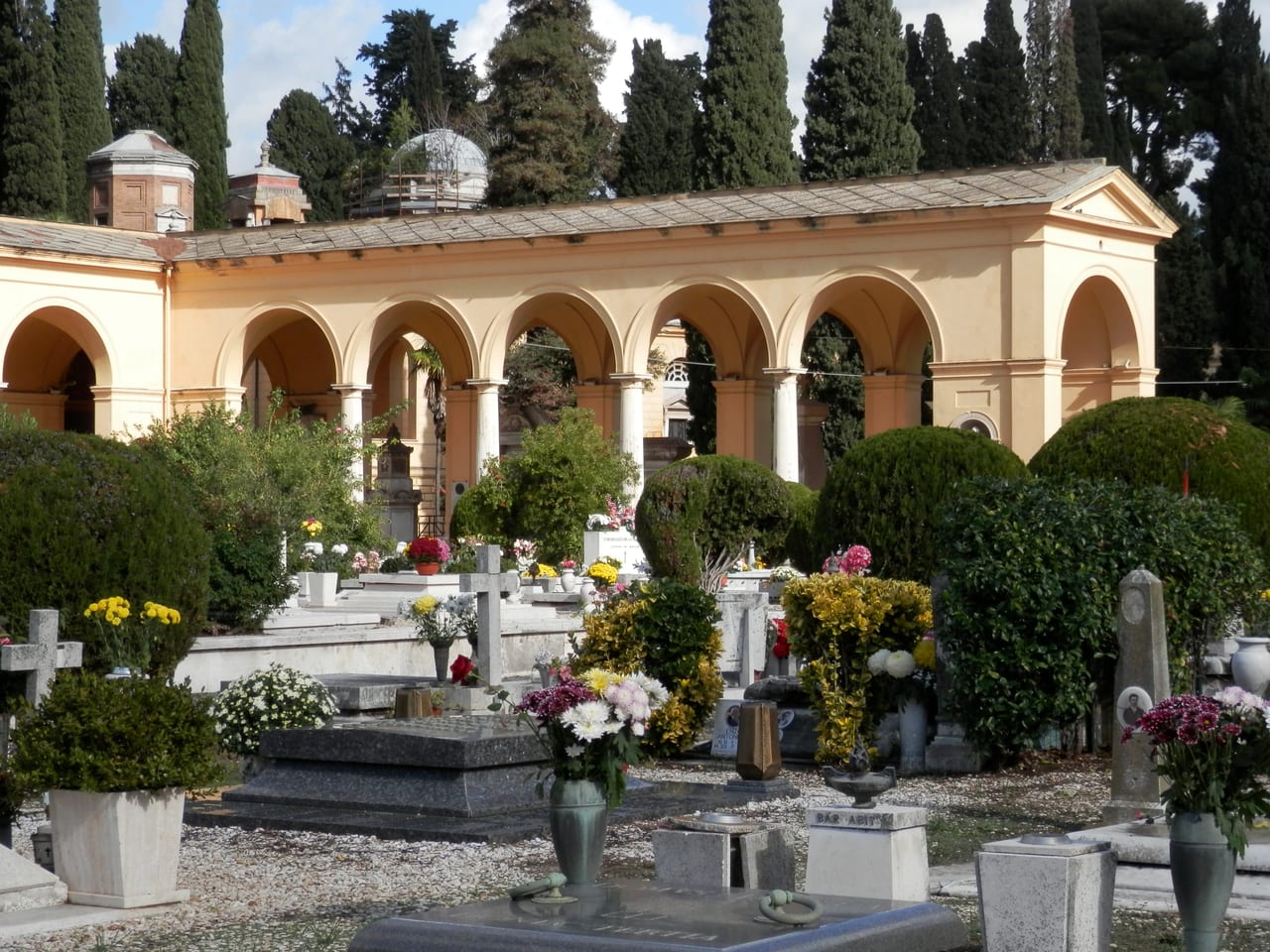
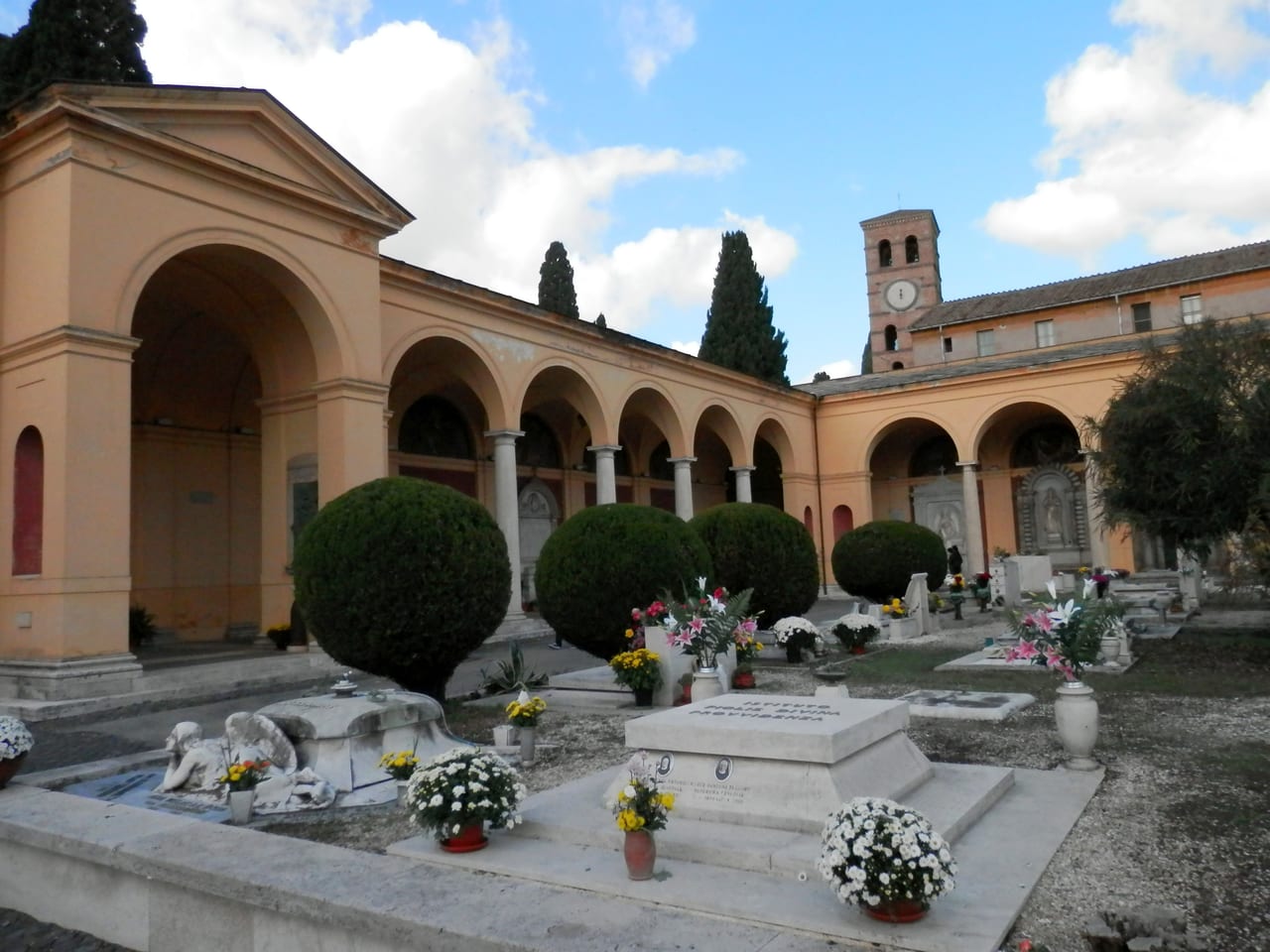
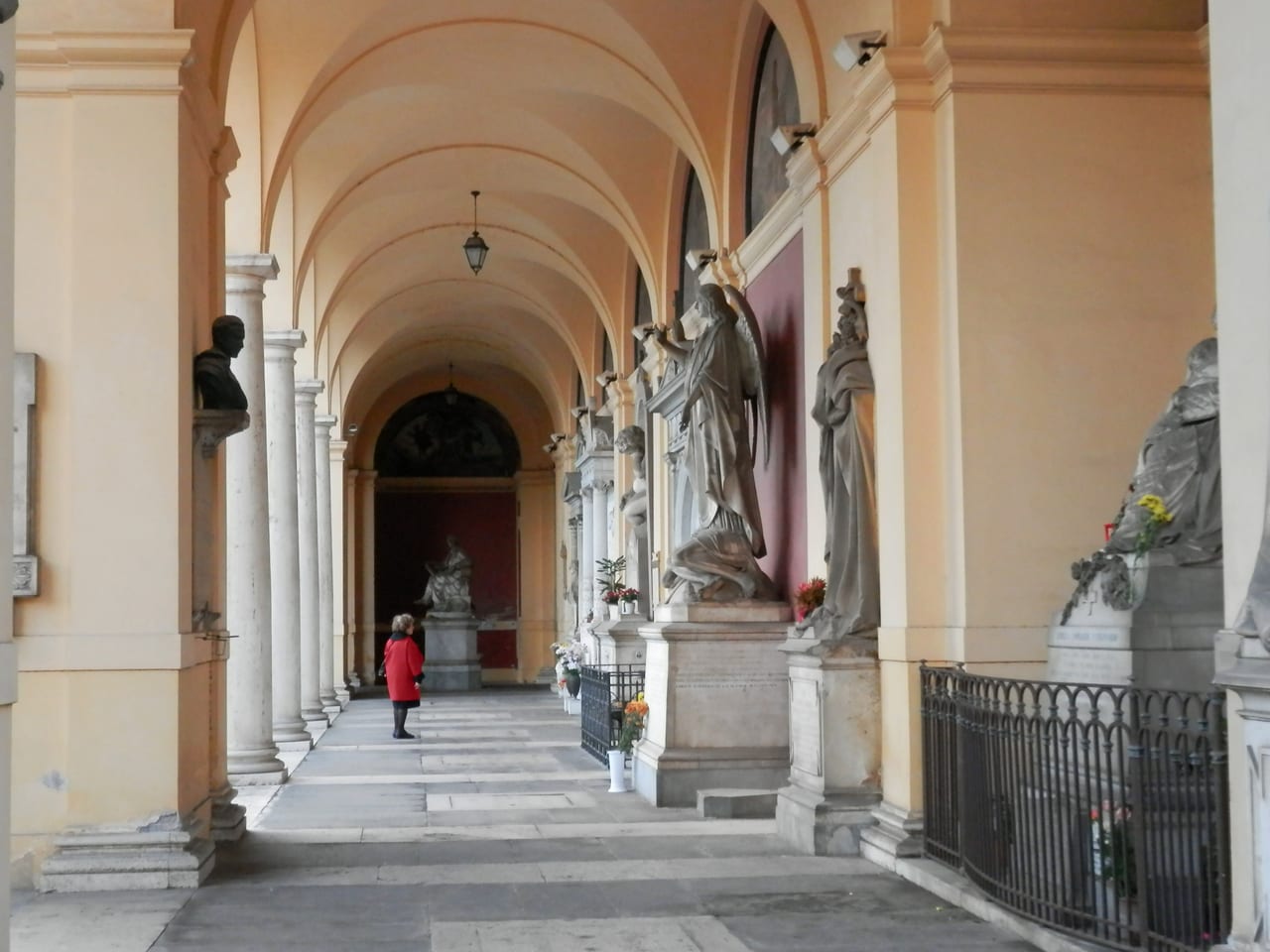
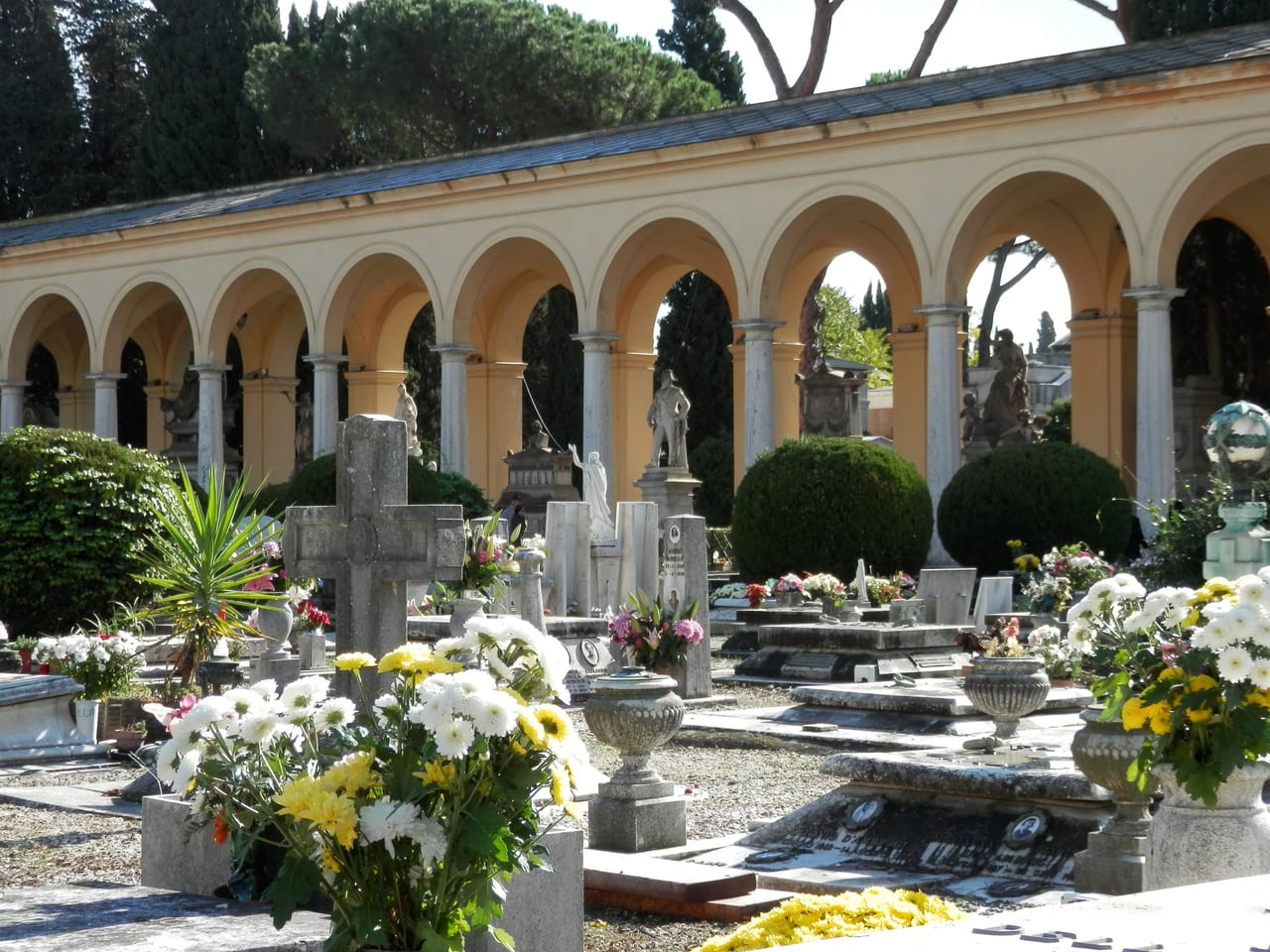
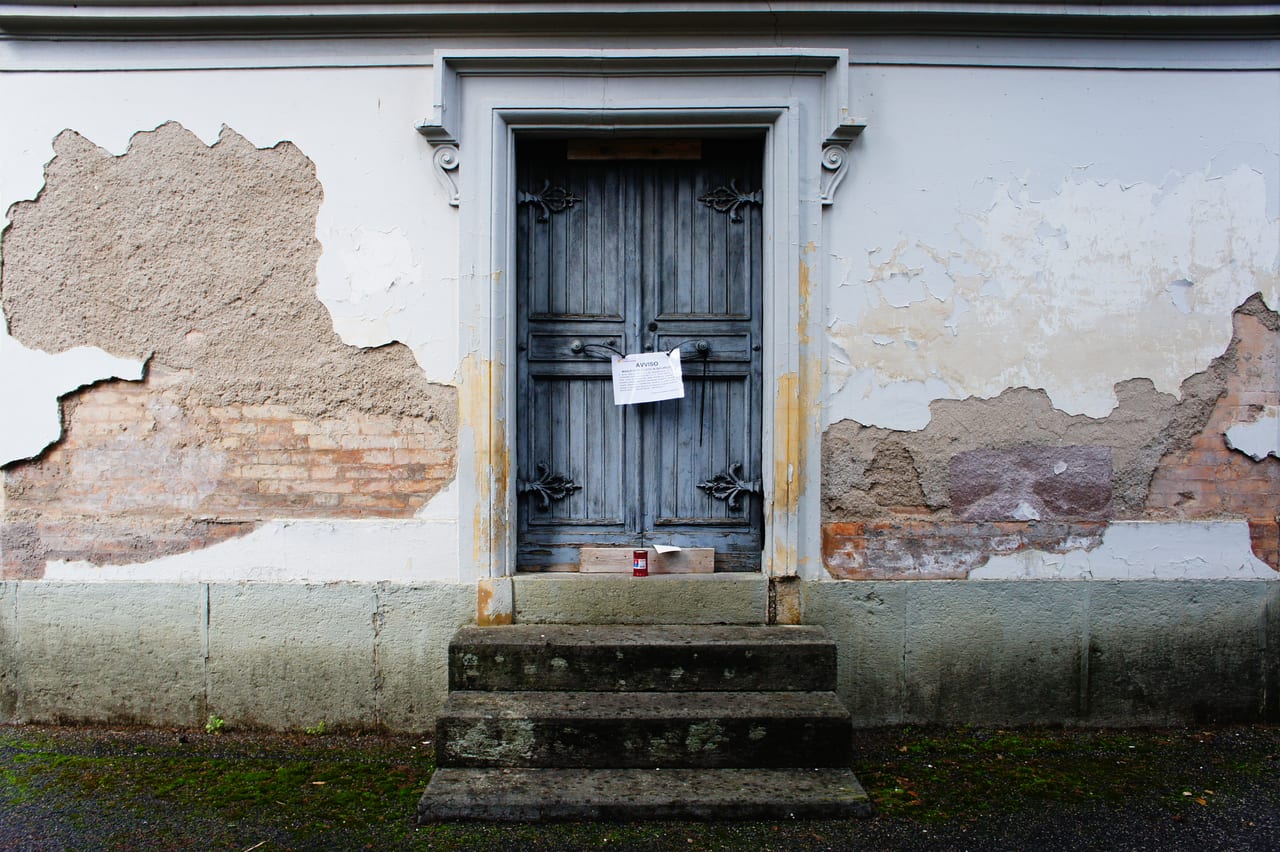
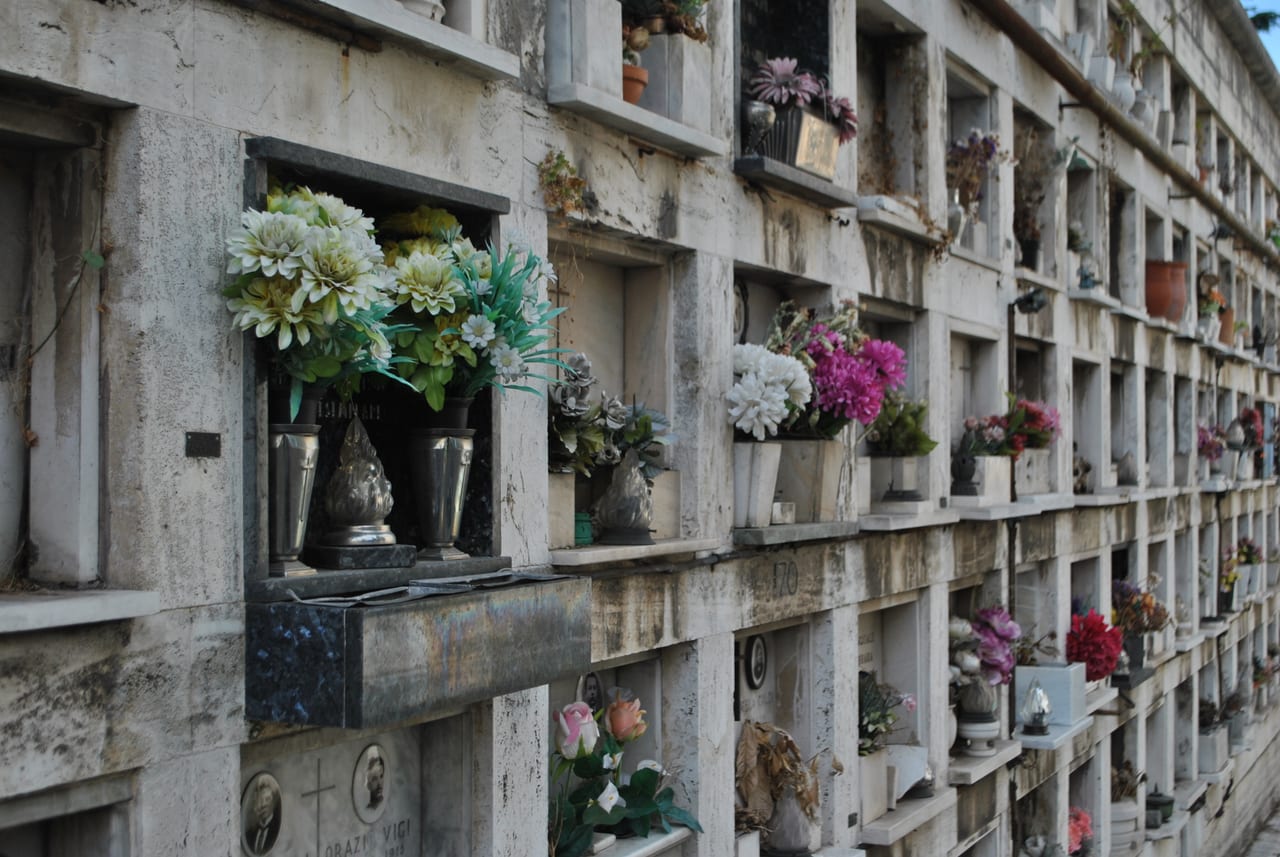
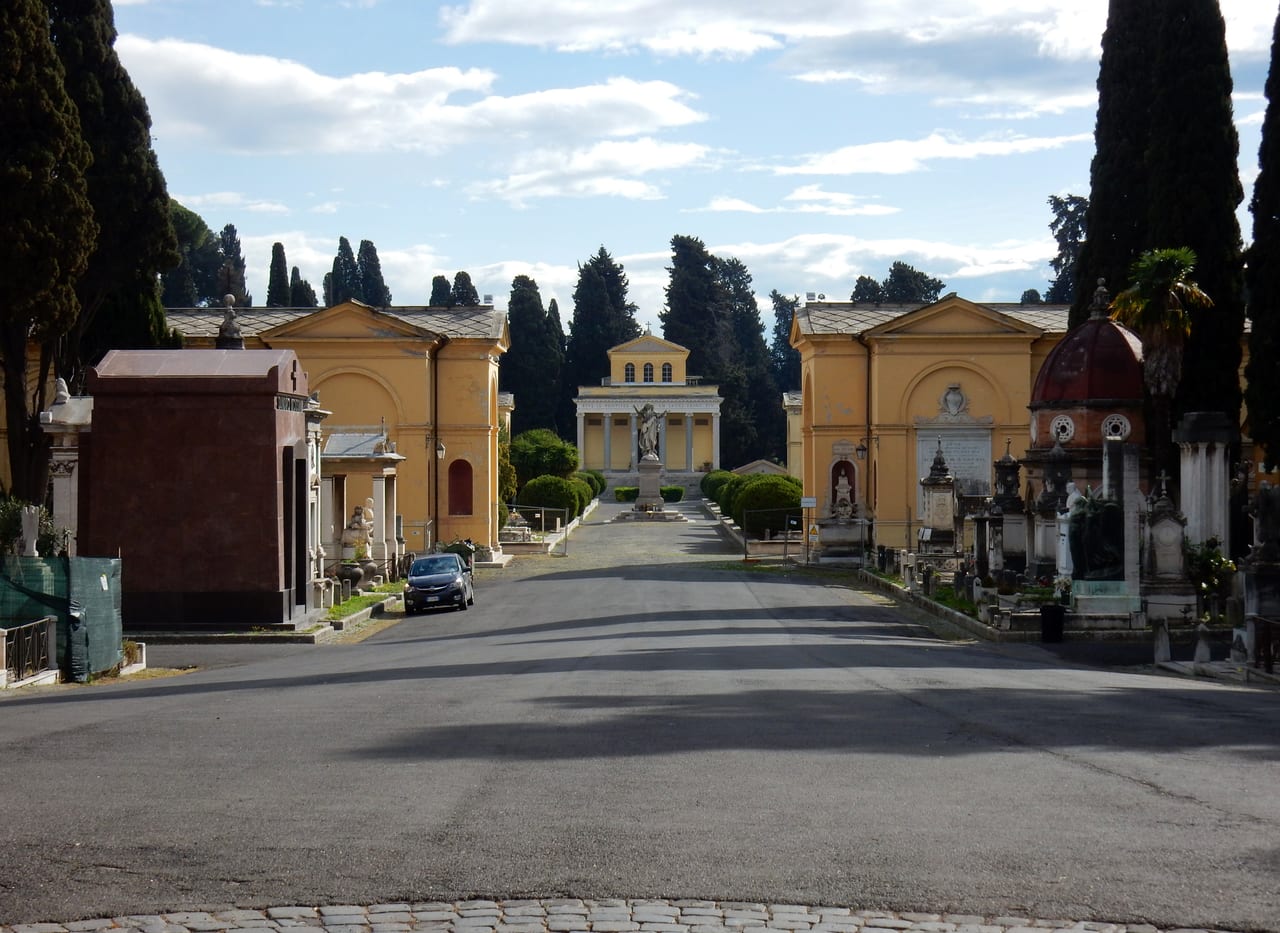
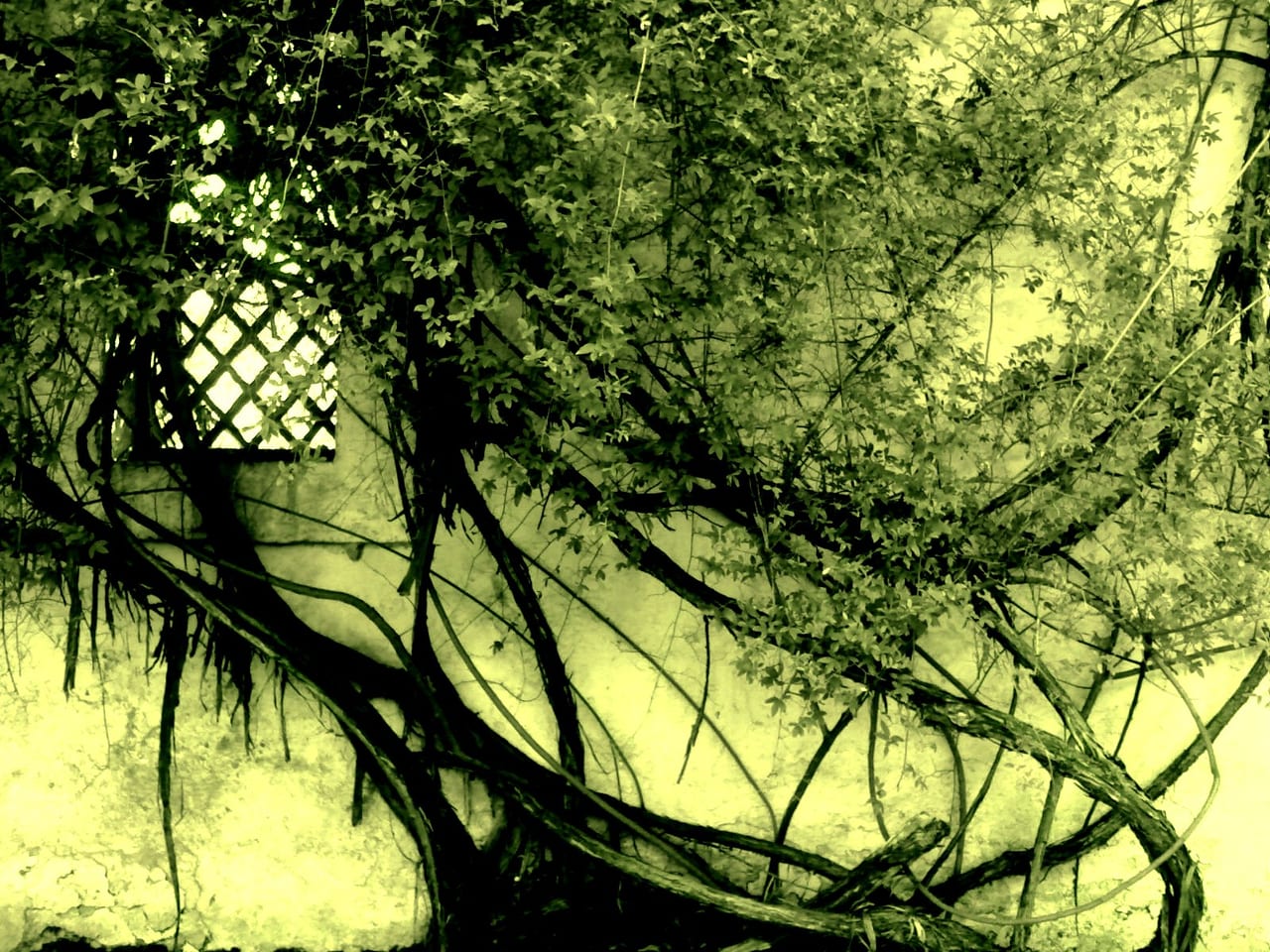
Photograph 1 of 25 of Campo Verano
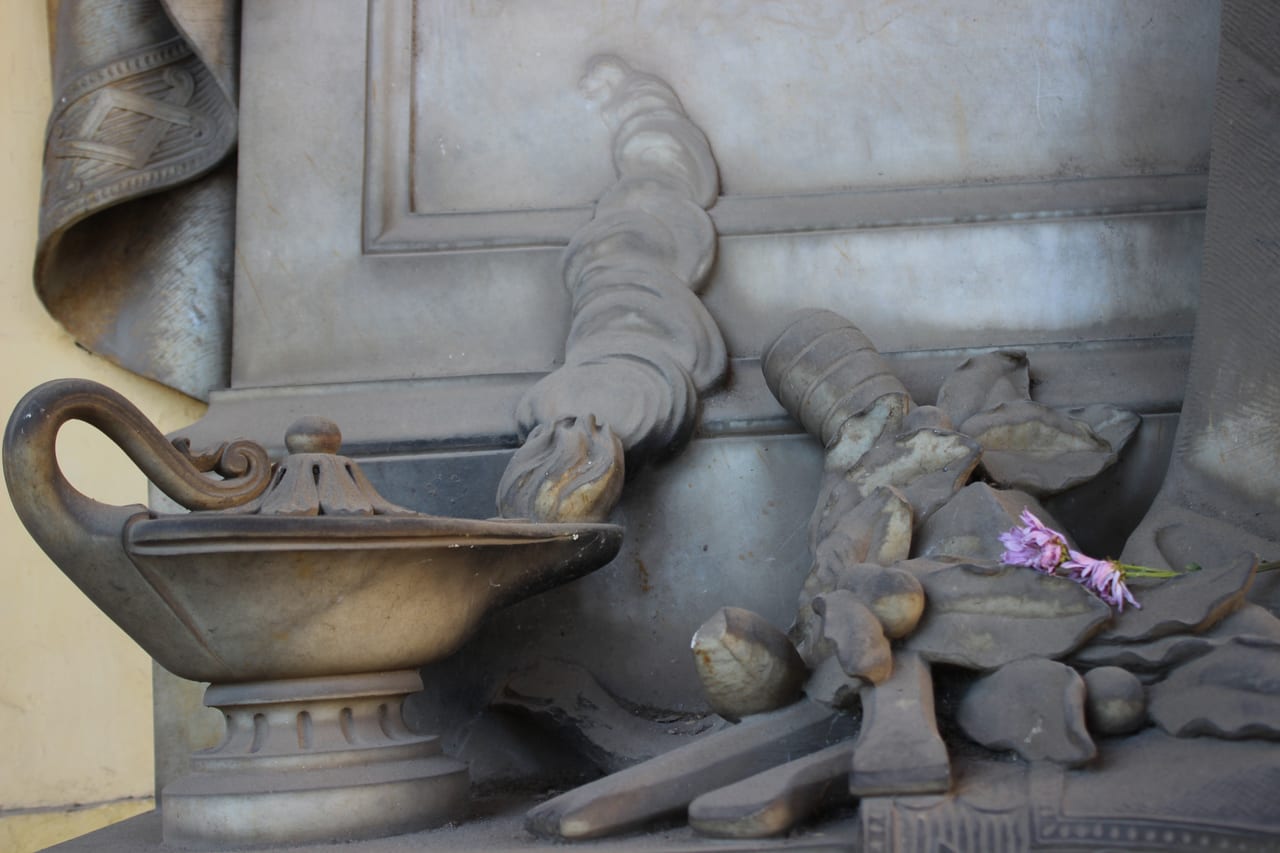
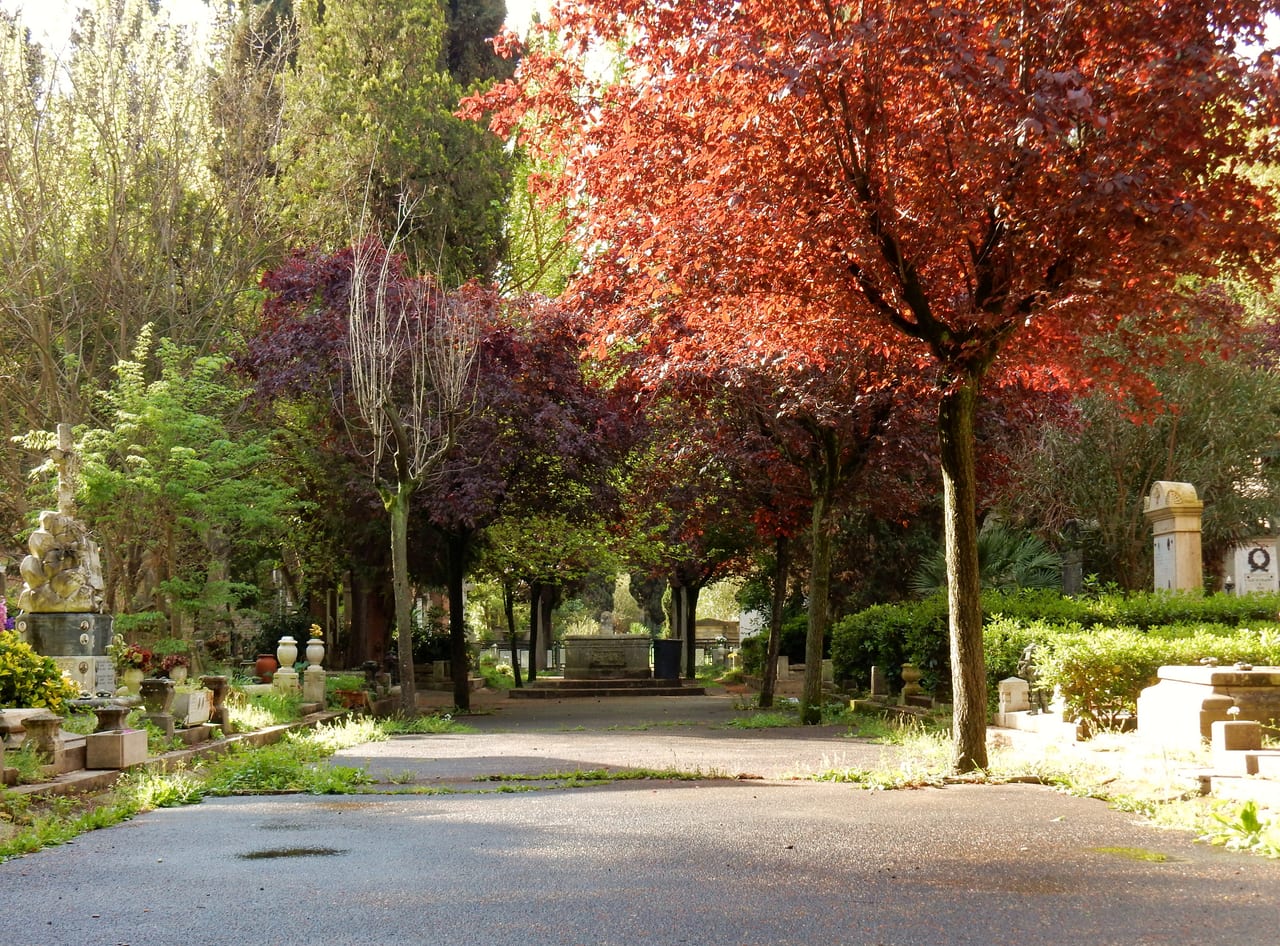
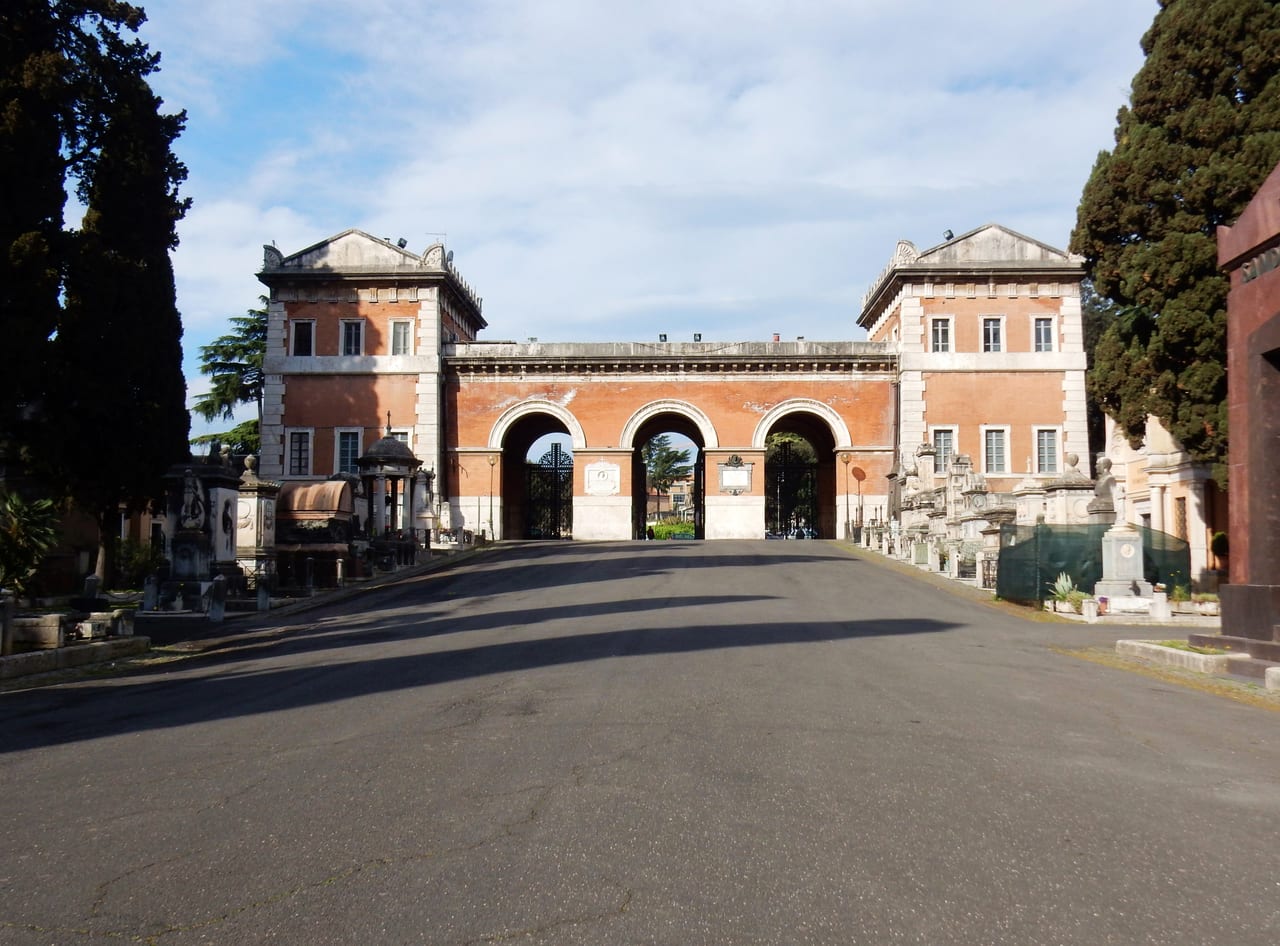
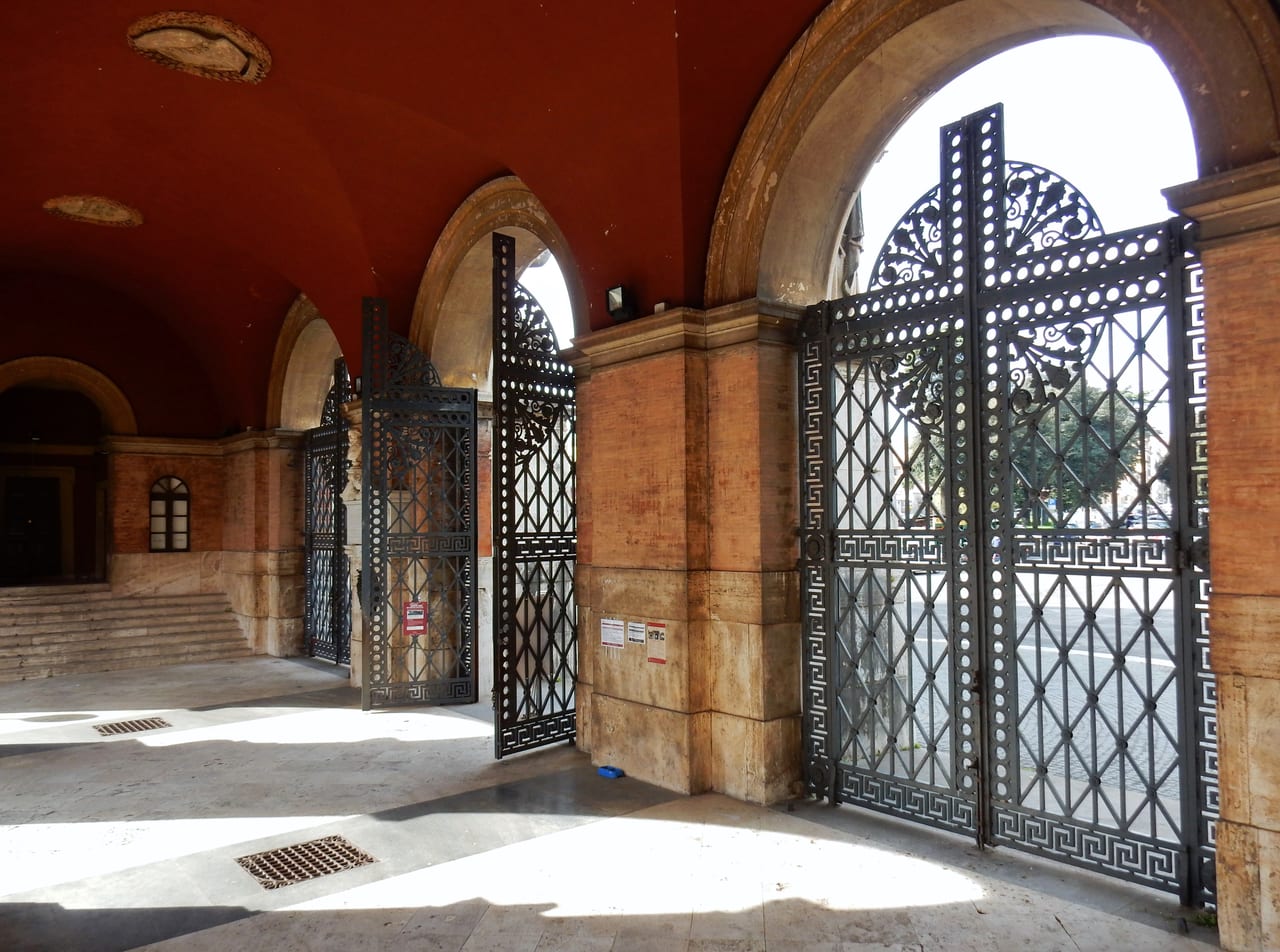
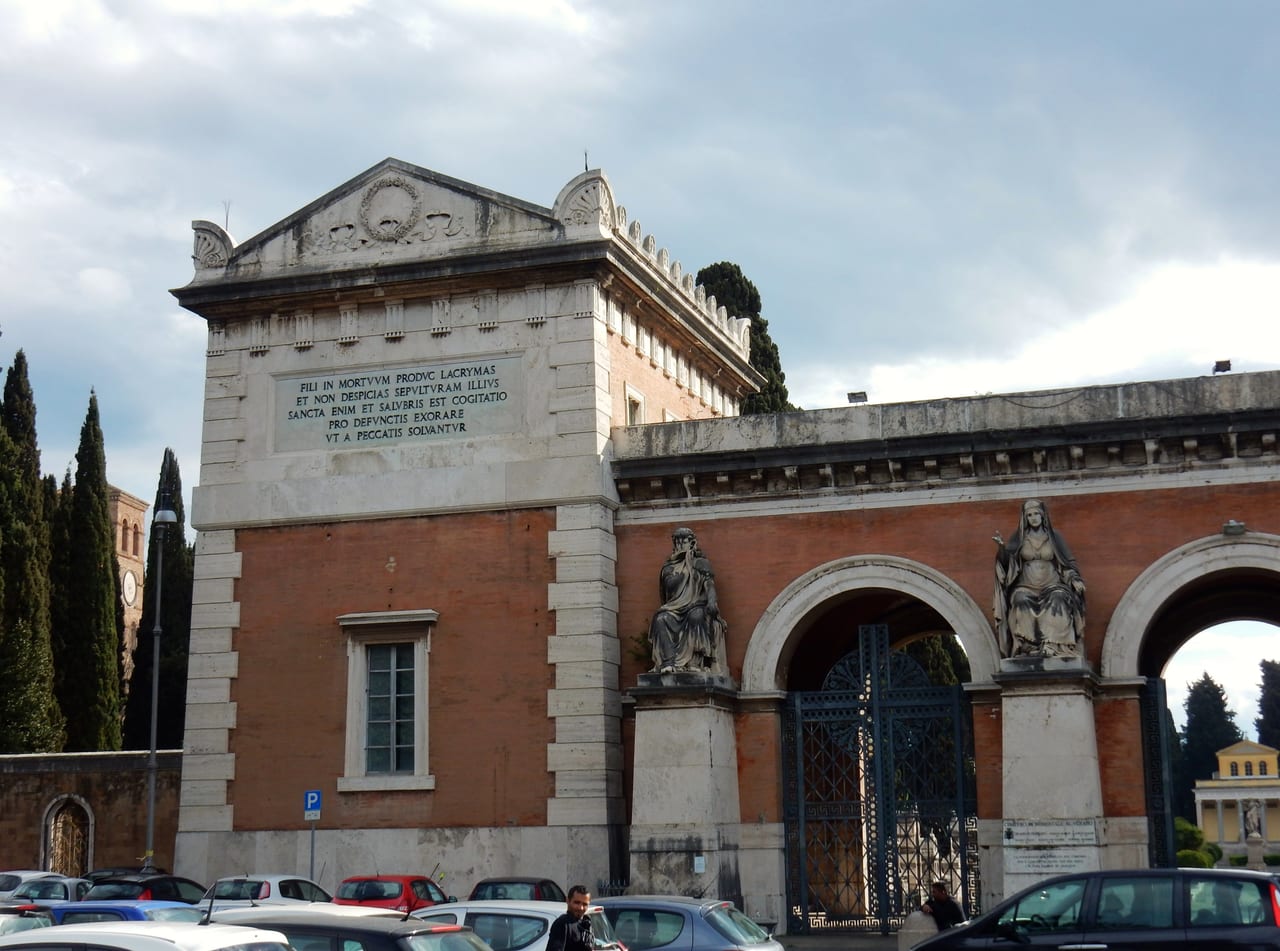
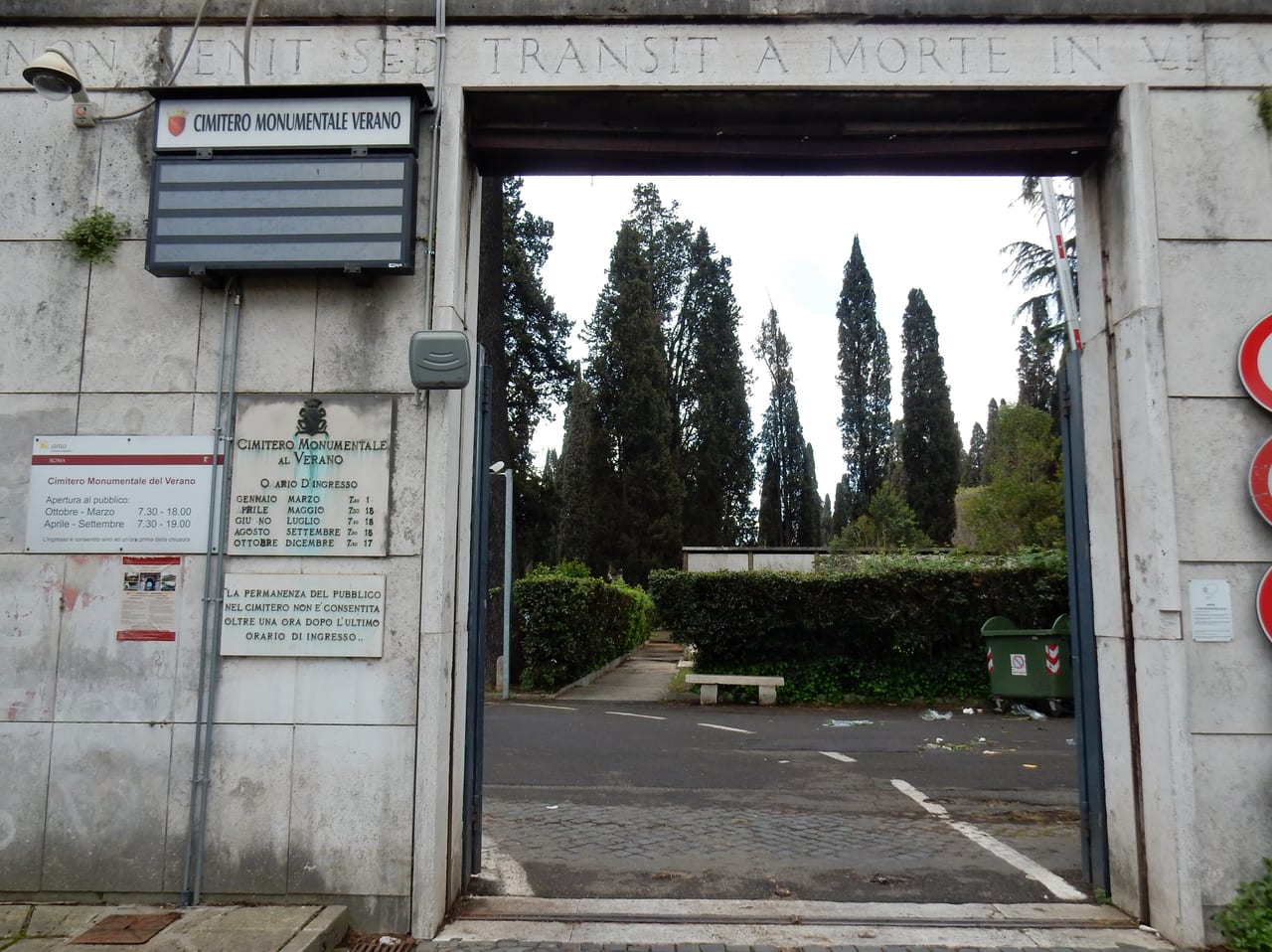
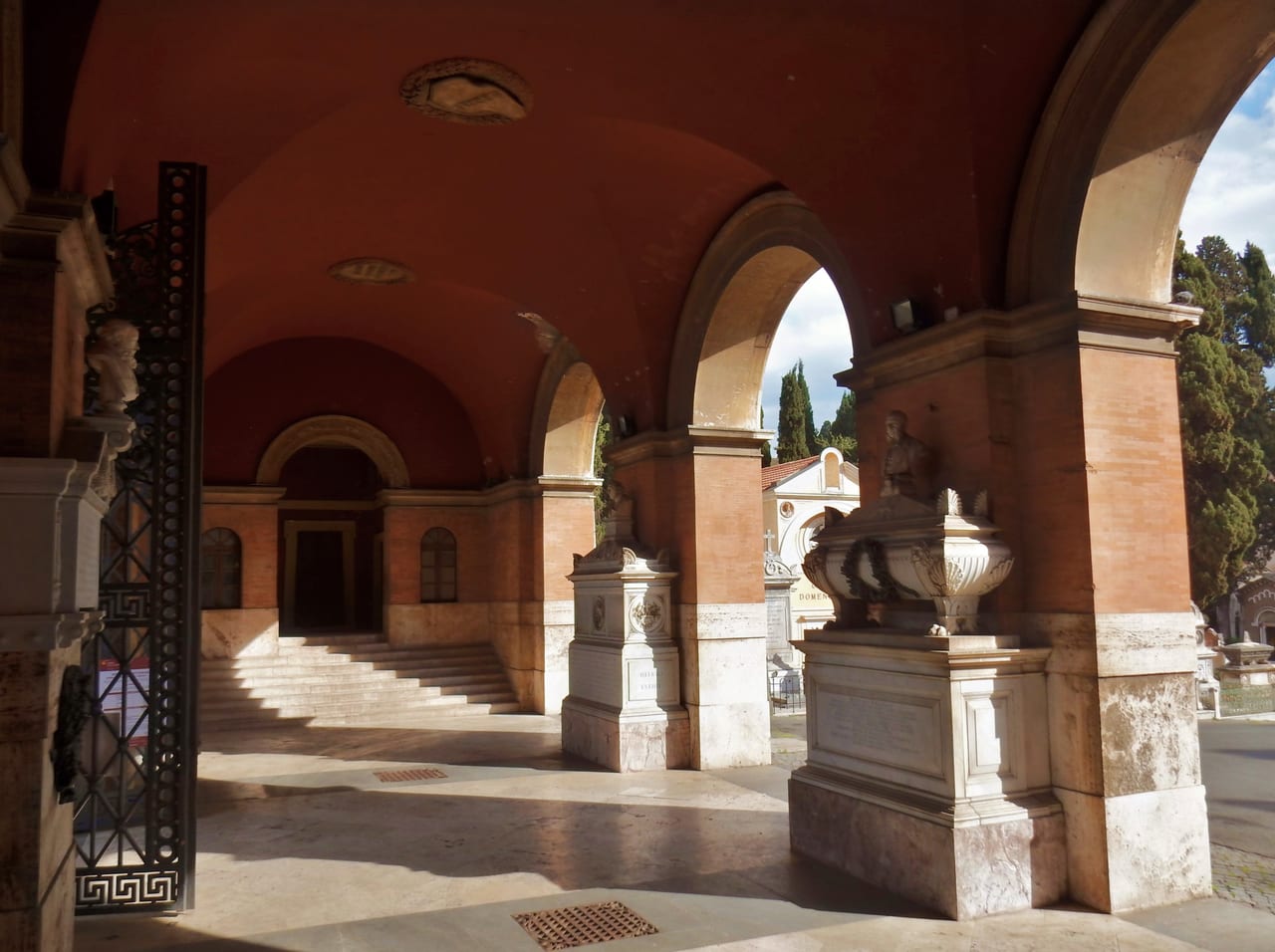
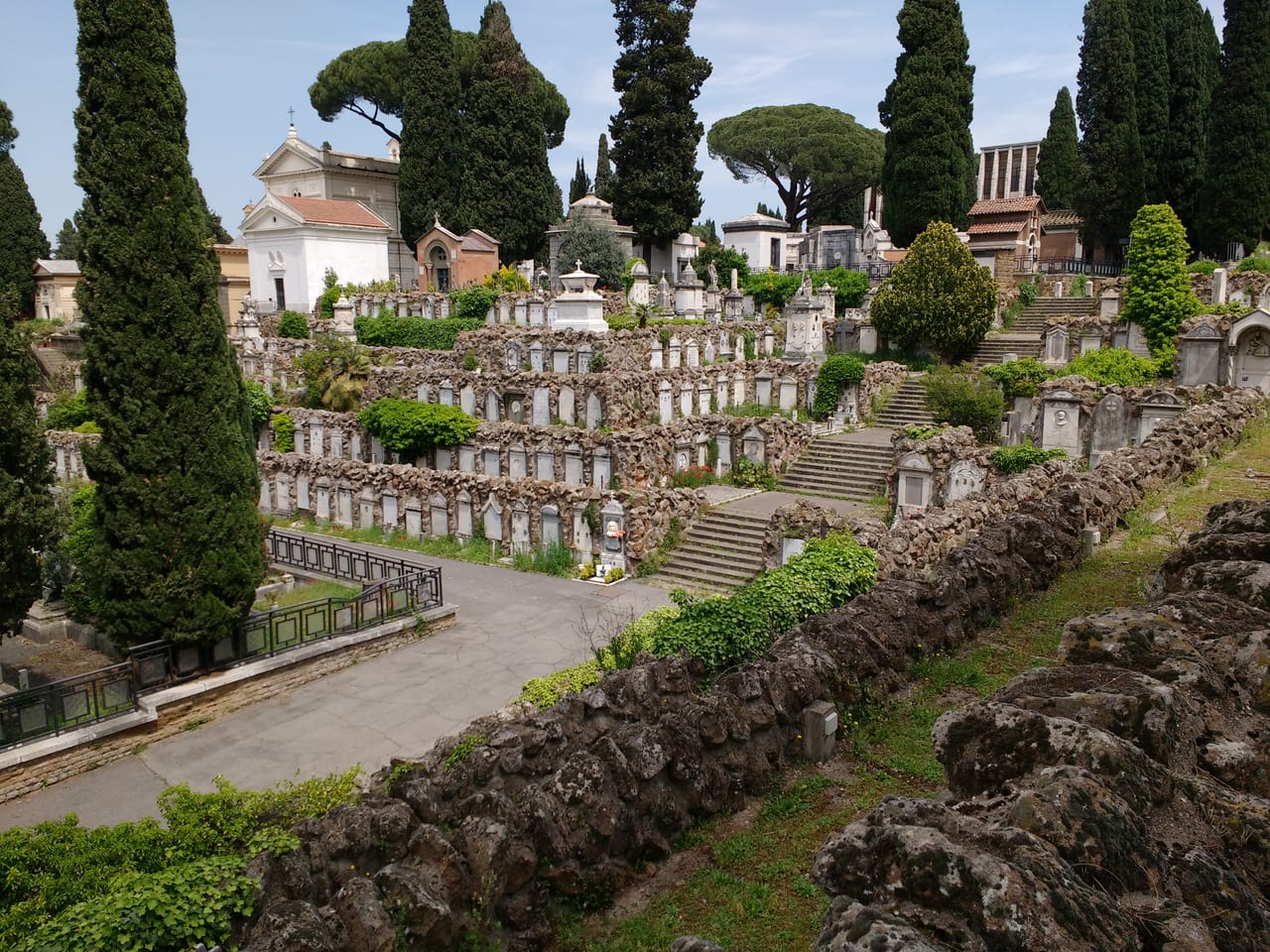
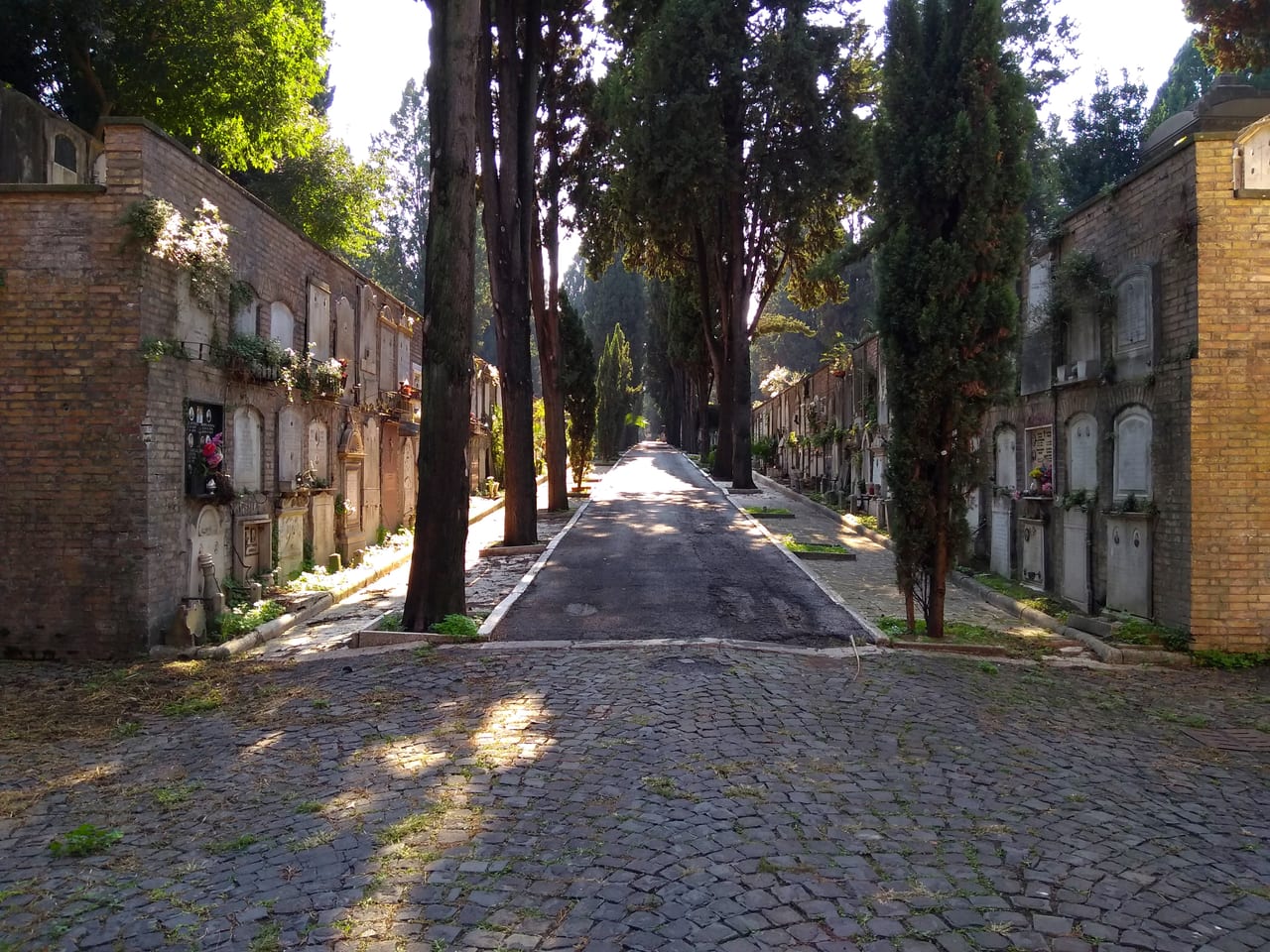
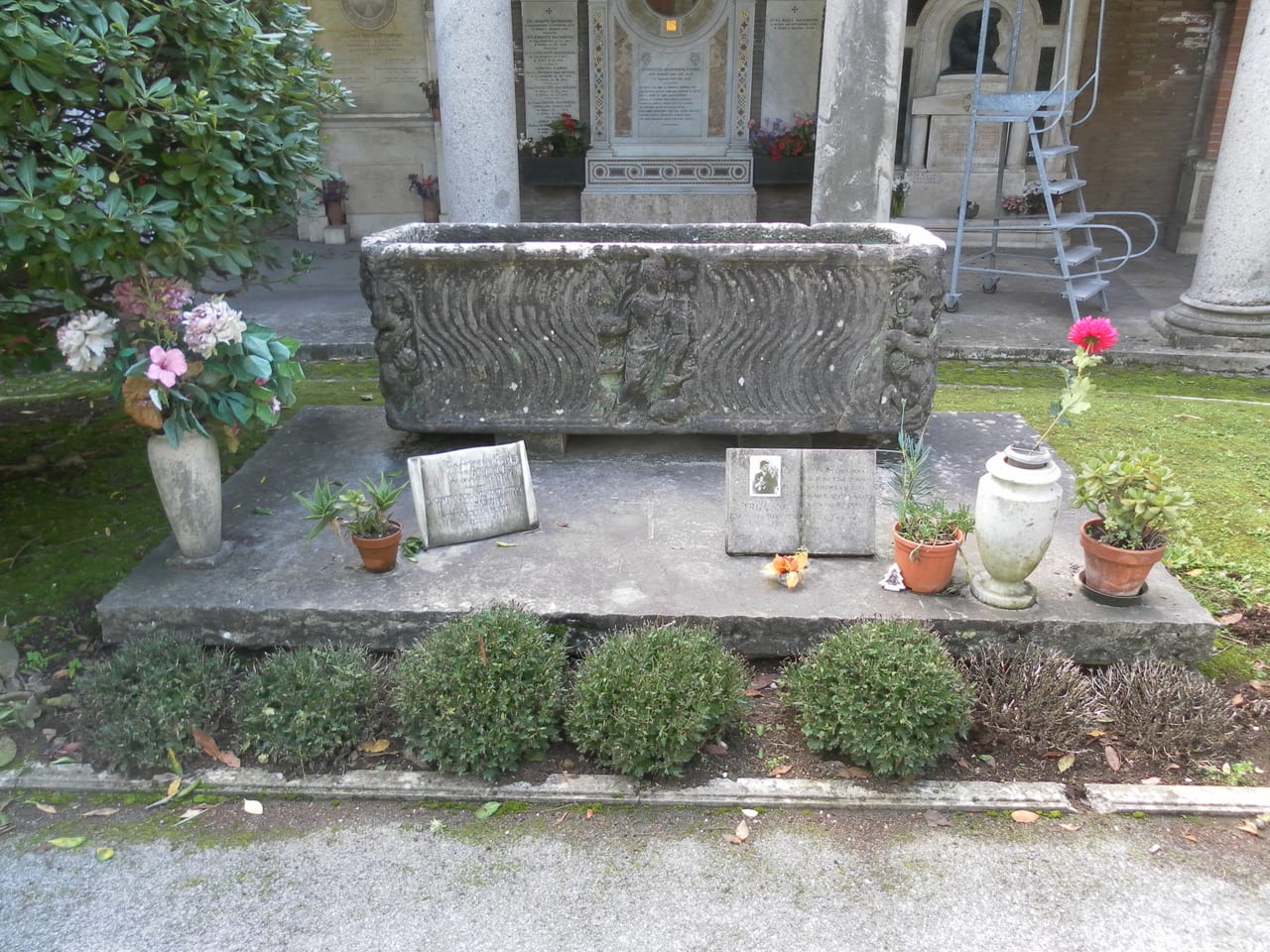
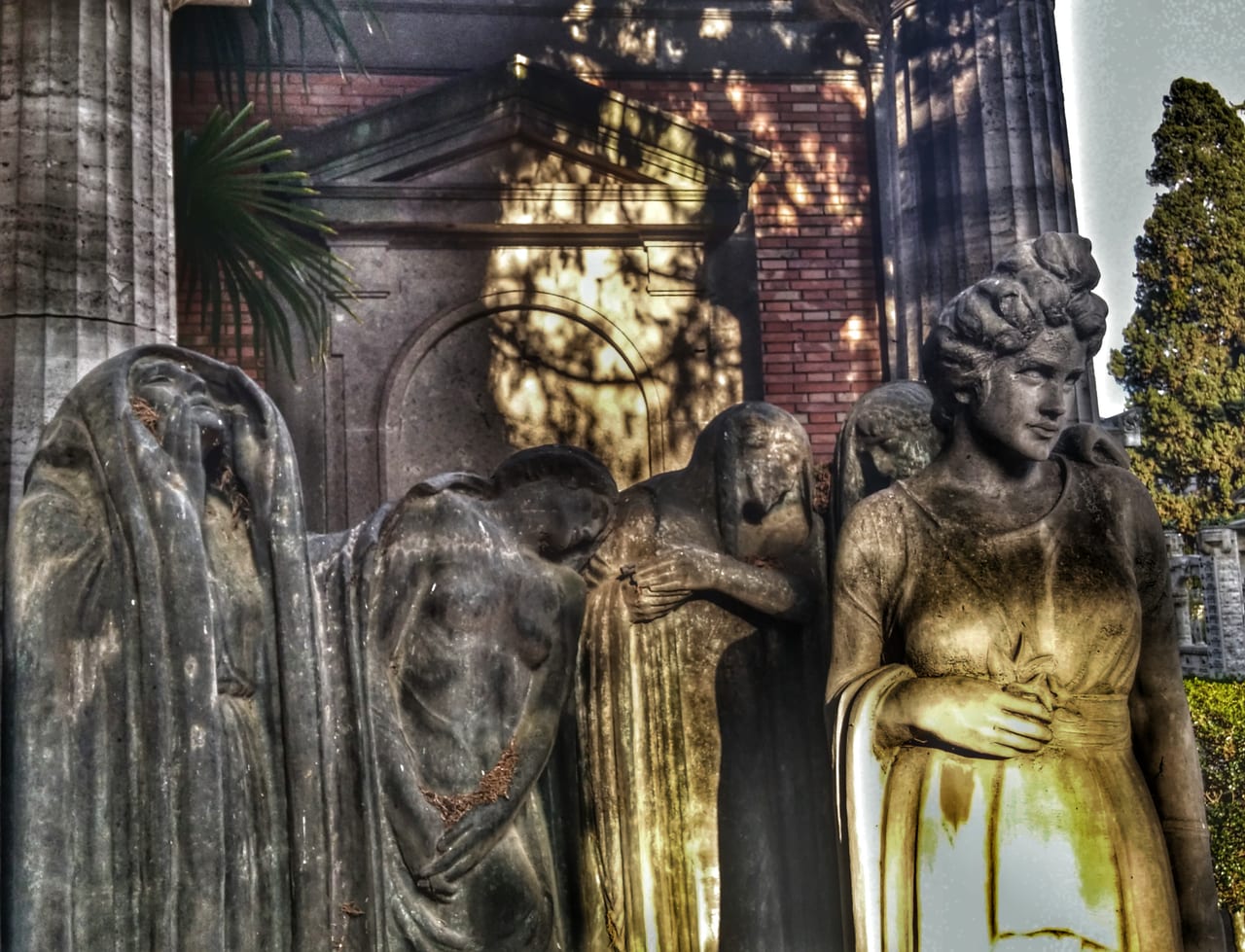
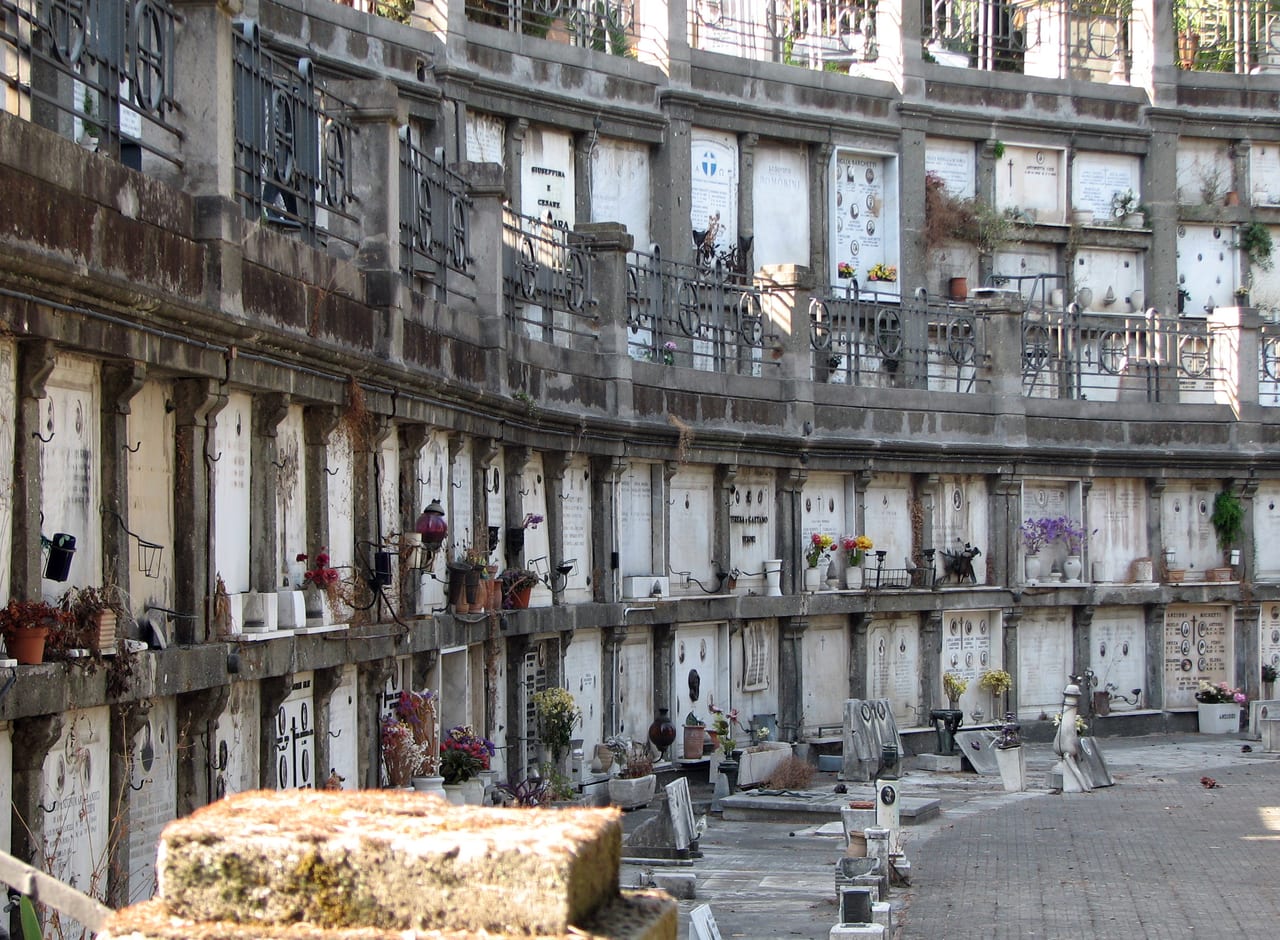
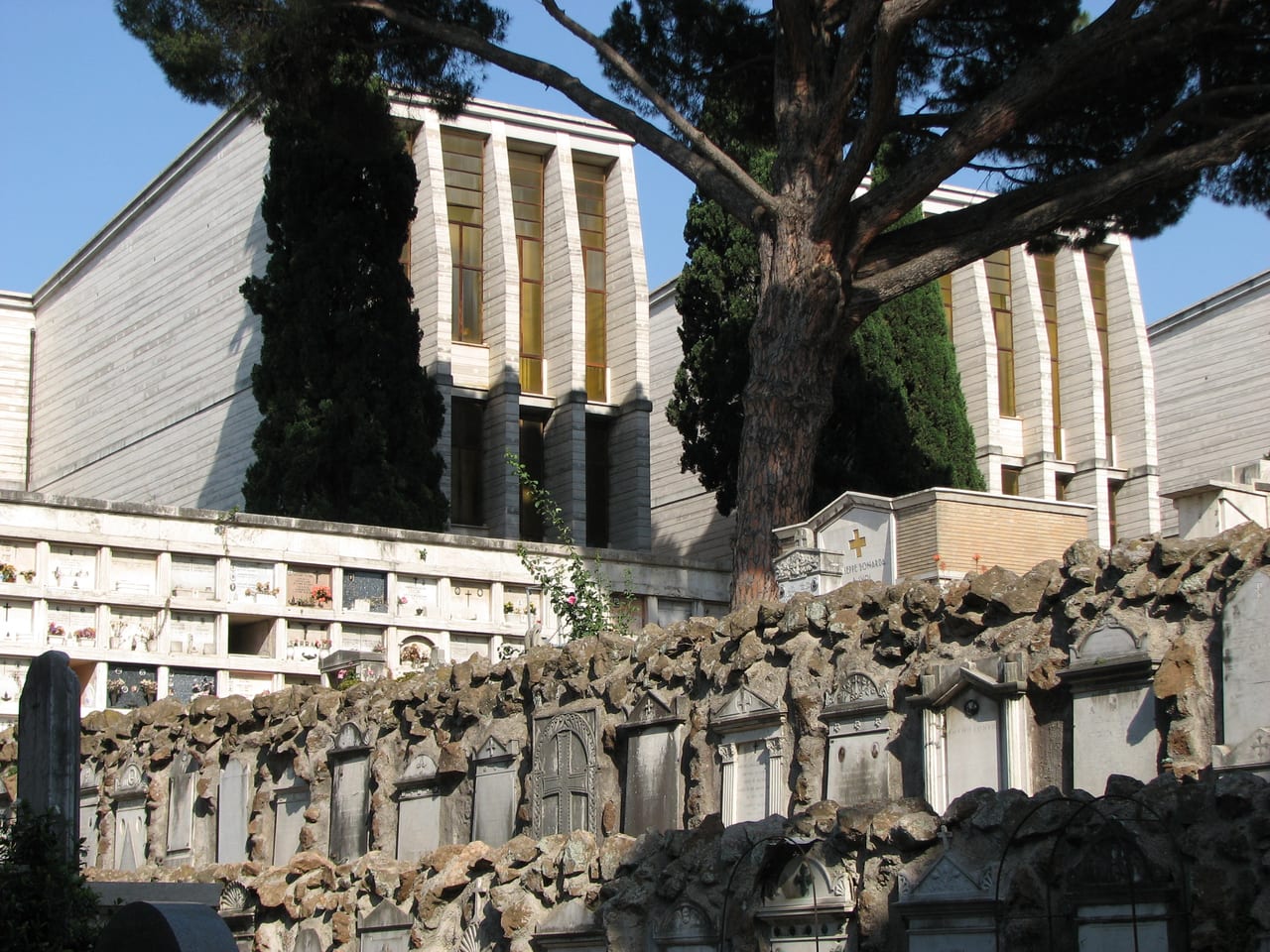
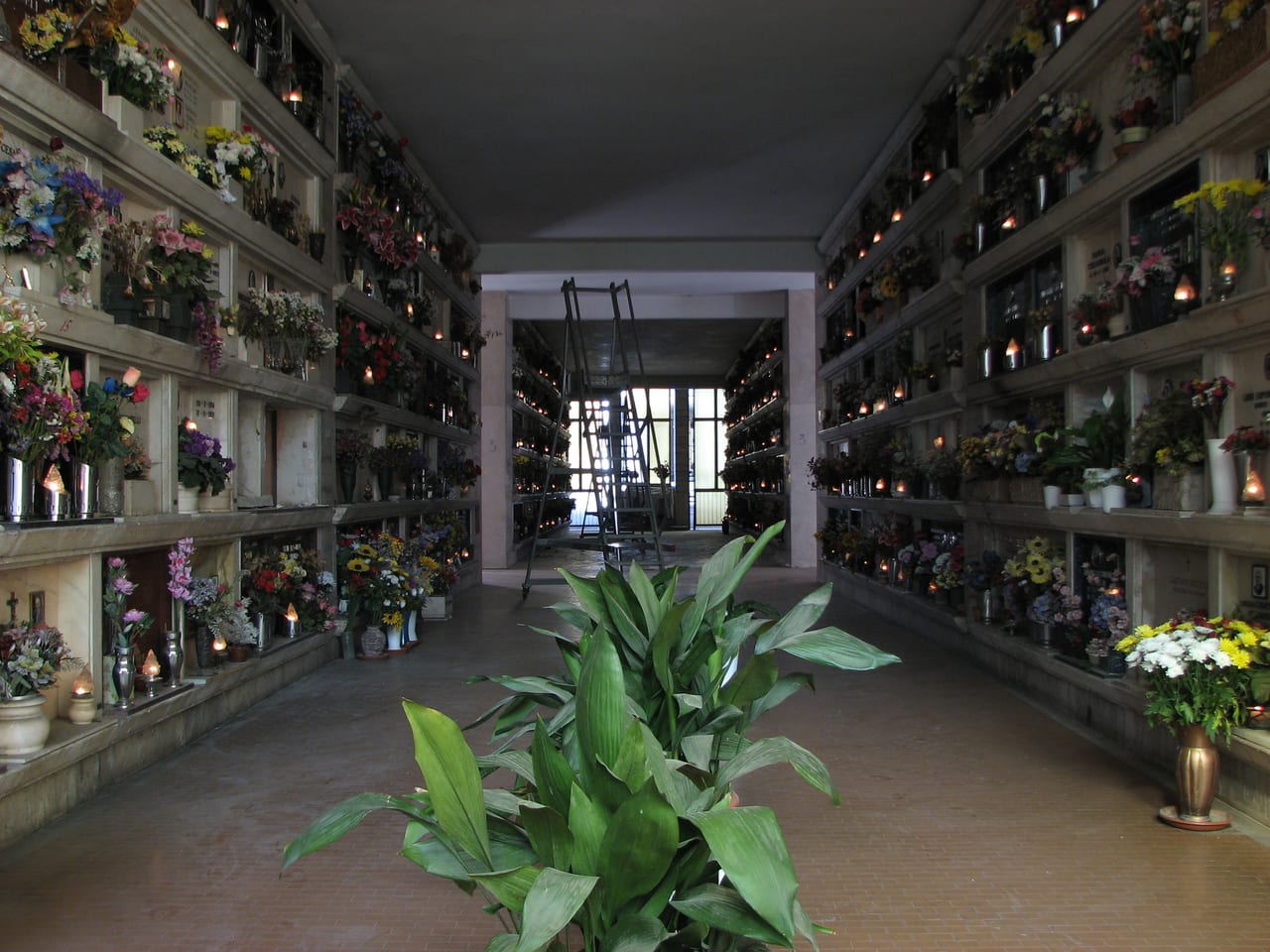
The name Verano recalls the ancient Roman Campo dei Verani, while an earlier necropolis associated with St. Ciriaca attests to the site’s long funerary continuity. The modern cemetery emerged during the Napoleonic Kingdom of Italy between 1807 and 1812, after the Edict of Saint-Cloud required burials beyond the city walls. Giuseppe Valadier prepared the initial designs. Consecrated in 1835, the complex continued to develop under Pope Gregory XVI and Pope Pius IX, directed by Virginio Vespignani. He designed the monumental entrance gate and the cemetery church of Santa Maria della Misericordia, consecrated in 1860. Its 83 hectares spread across an undulating slope, where tombs range from Neoclassical compositions to Art Nouveau works. A particularly distinctive detail is the enamel funerary portraits painted on lava by Filippo Severati. Notable burials include Marià Fortuny, Stanisław Klicki, Giovanni Simeoni and Silvio Spaventa.
At a glance
- Built
- 1812
- Architect
- Virginio Vespignani
- Heritage
- Italian national heritage
Ways to explore Campo Verano
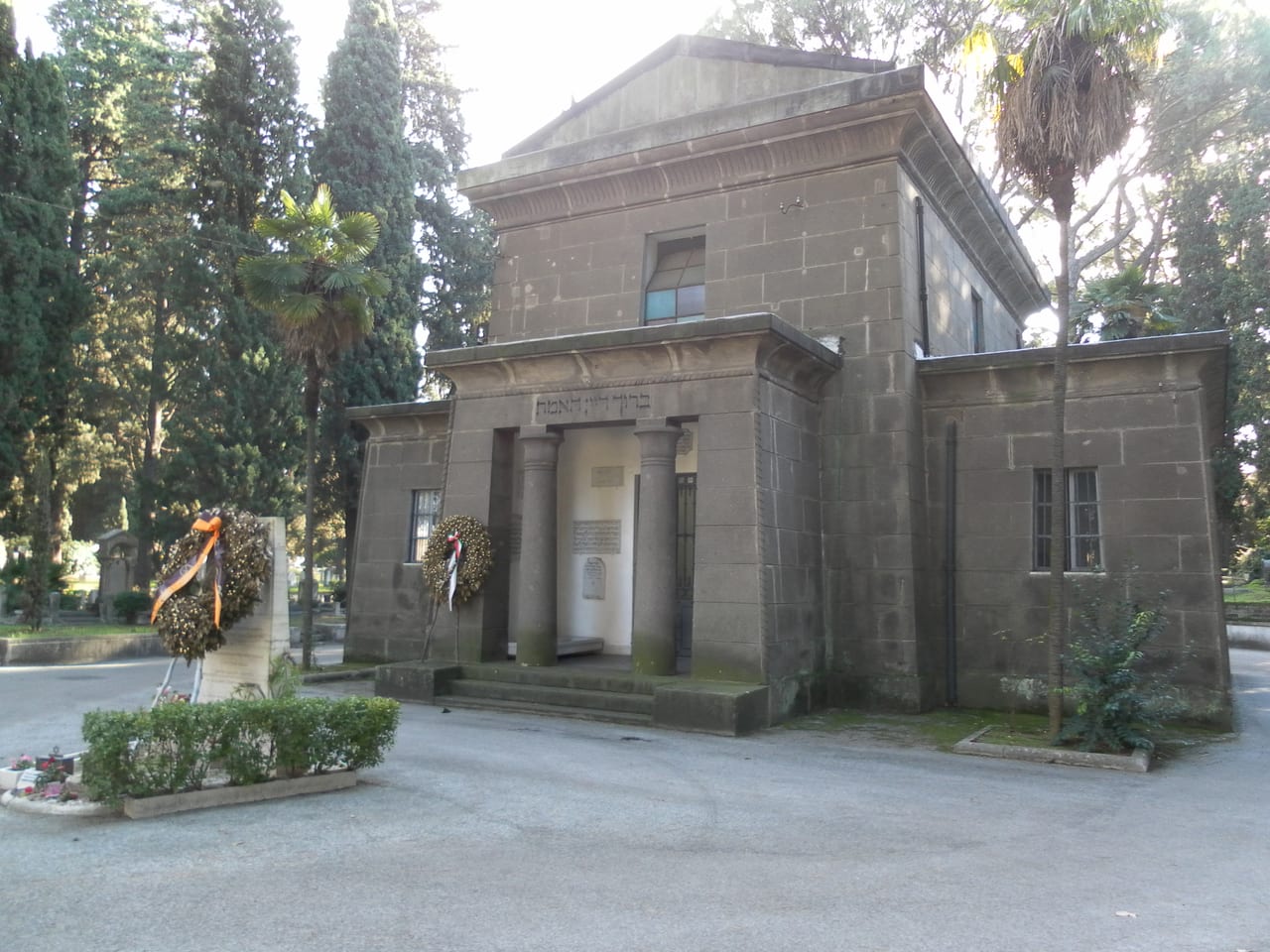
Begin at Vespignani’s monumental entrance, then follow the rising paths through the principal Catholic section and compare the tombs’ changing vocabulary, from Neoclassical forms to Art Nouveau. Examine Filippo Severati’s enamel portraits on lava. Visit the Jewish, Protestant and military sections, including the World War I memorial, and enter Santa Maria della Misericordia. Grave-location references can help find Marià Fortuny, Giovanni Simeoni and Silvio Spaventa.
Places to stay near Campo Verano

Live availability and prices from Stay22's partners, refreshed periodically and subject to change. Booking through these links may earn us a commission at no extra cost to you. See our privacy policy.
Cafés near Campo Verano
Cafés near Campo Verano loads as you scroll.
Attractions nearby
Attractions near Campo Verano loads as you scroll.
Cities nearby
Cities nearby loads as you scroll.
More in Rome
See more of Rome.
Find great cafés, places to stay and other interesting places to visit in Rome.