Zoo & aquarium · Rome
bioparco
DirectionsBioparco is Italy’s oldest zoological garden, opened in 1911 after Carl Hagenbeck introduced his pioneering vision of enclosures shaped around natural habitats.
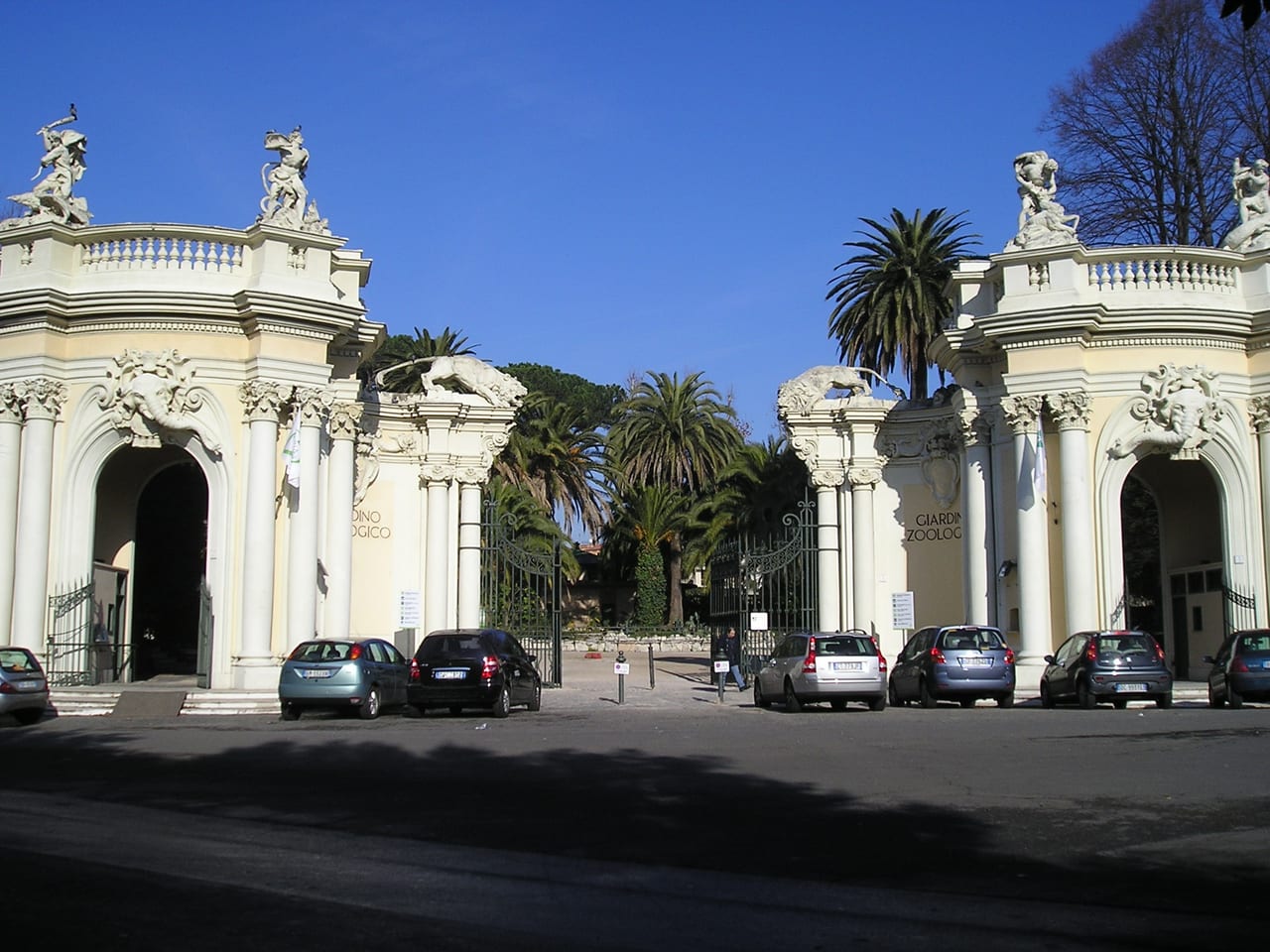
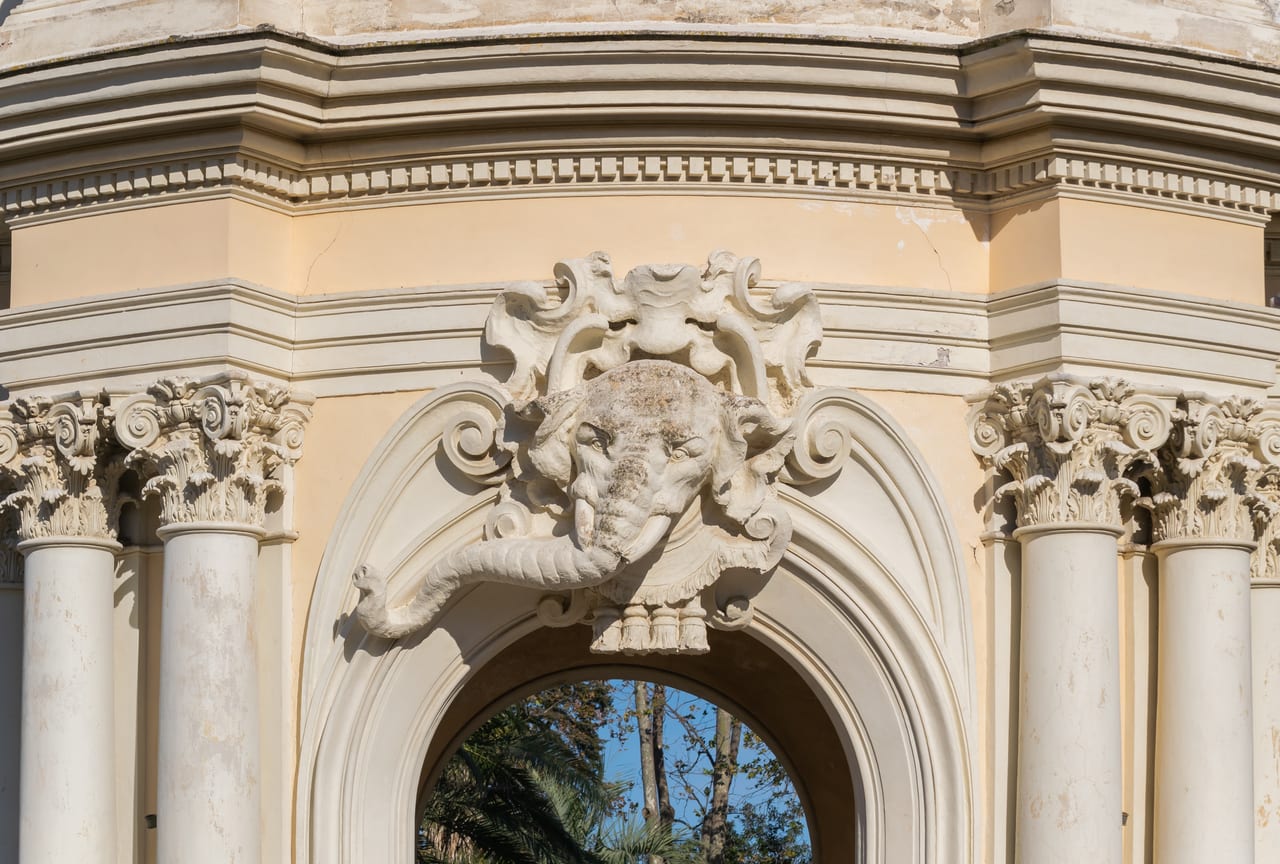
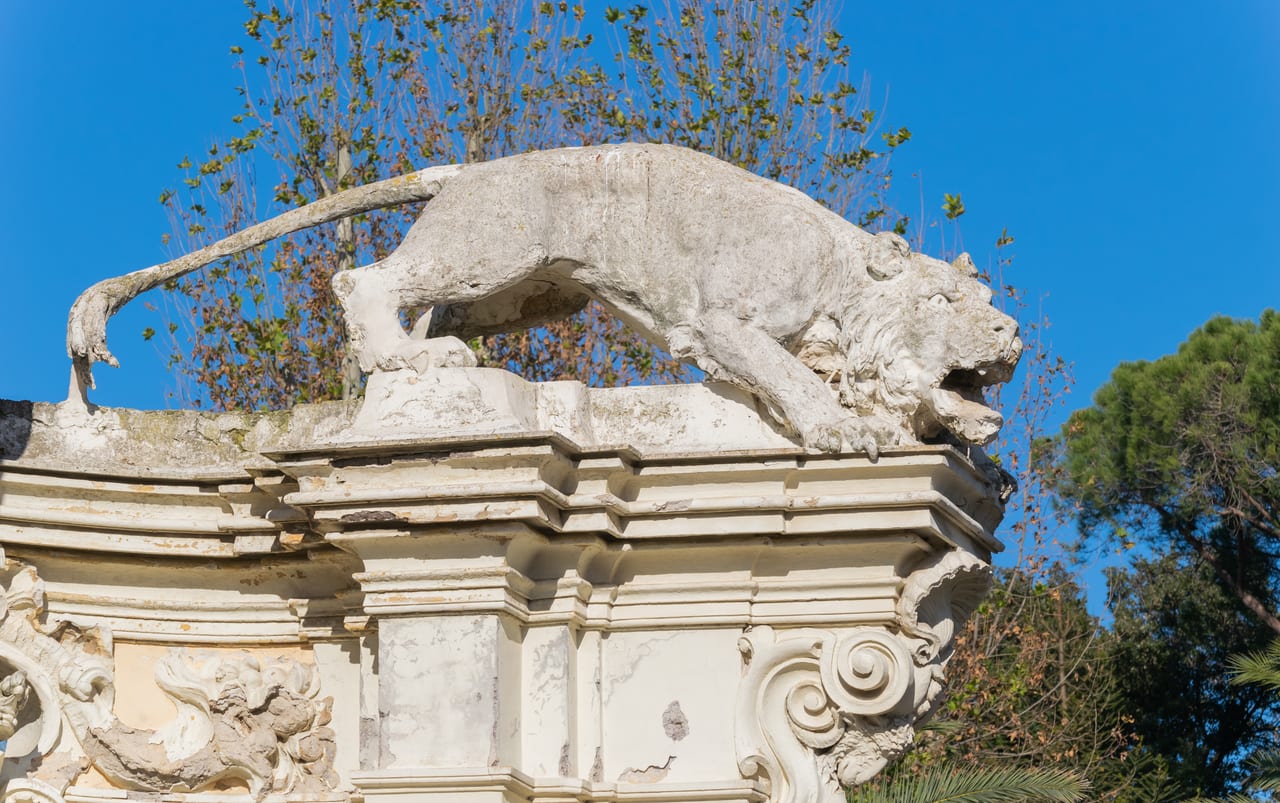
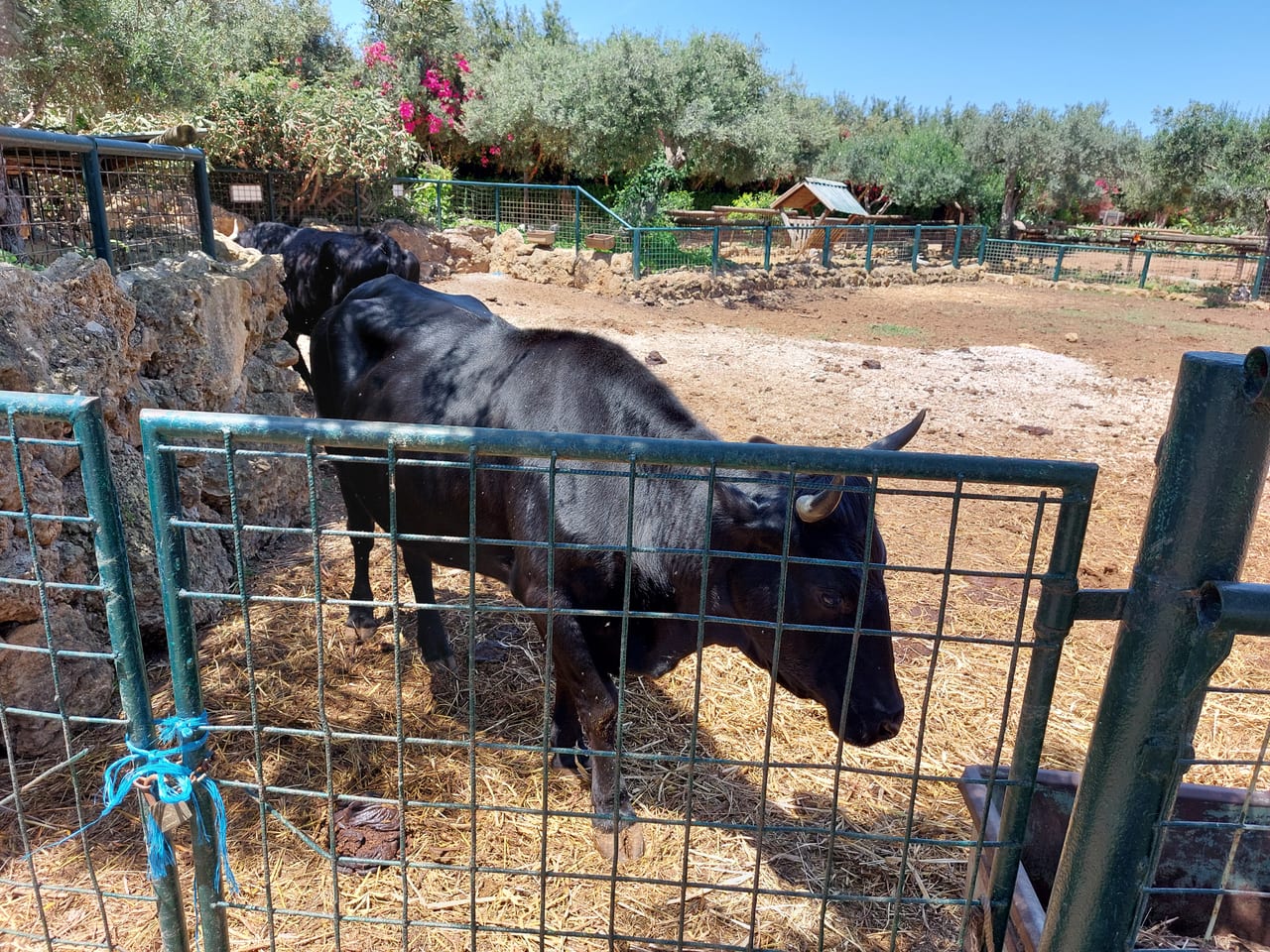
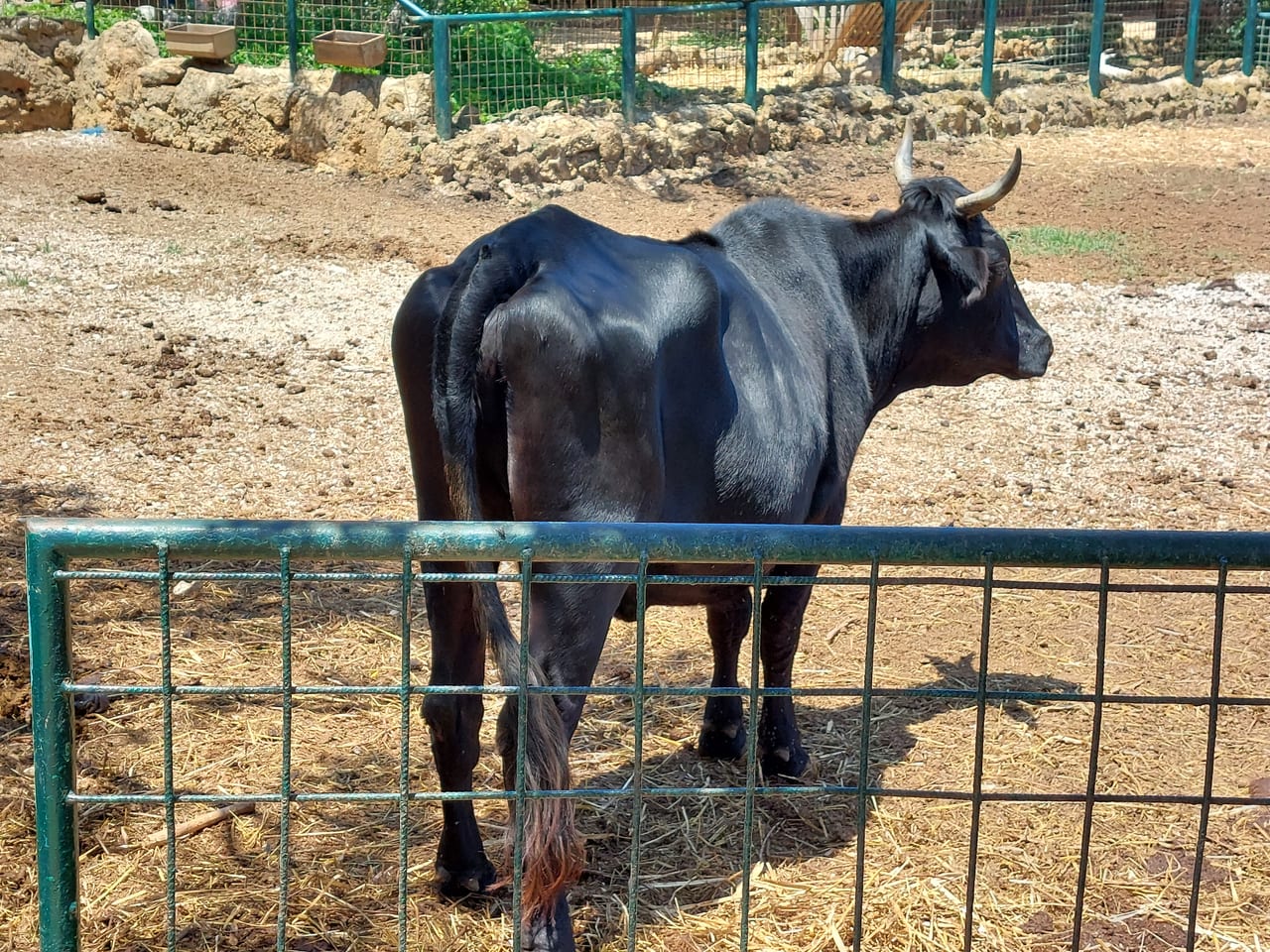
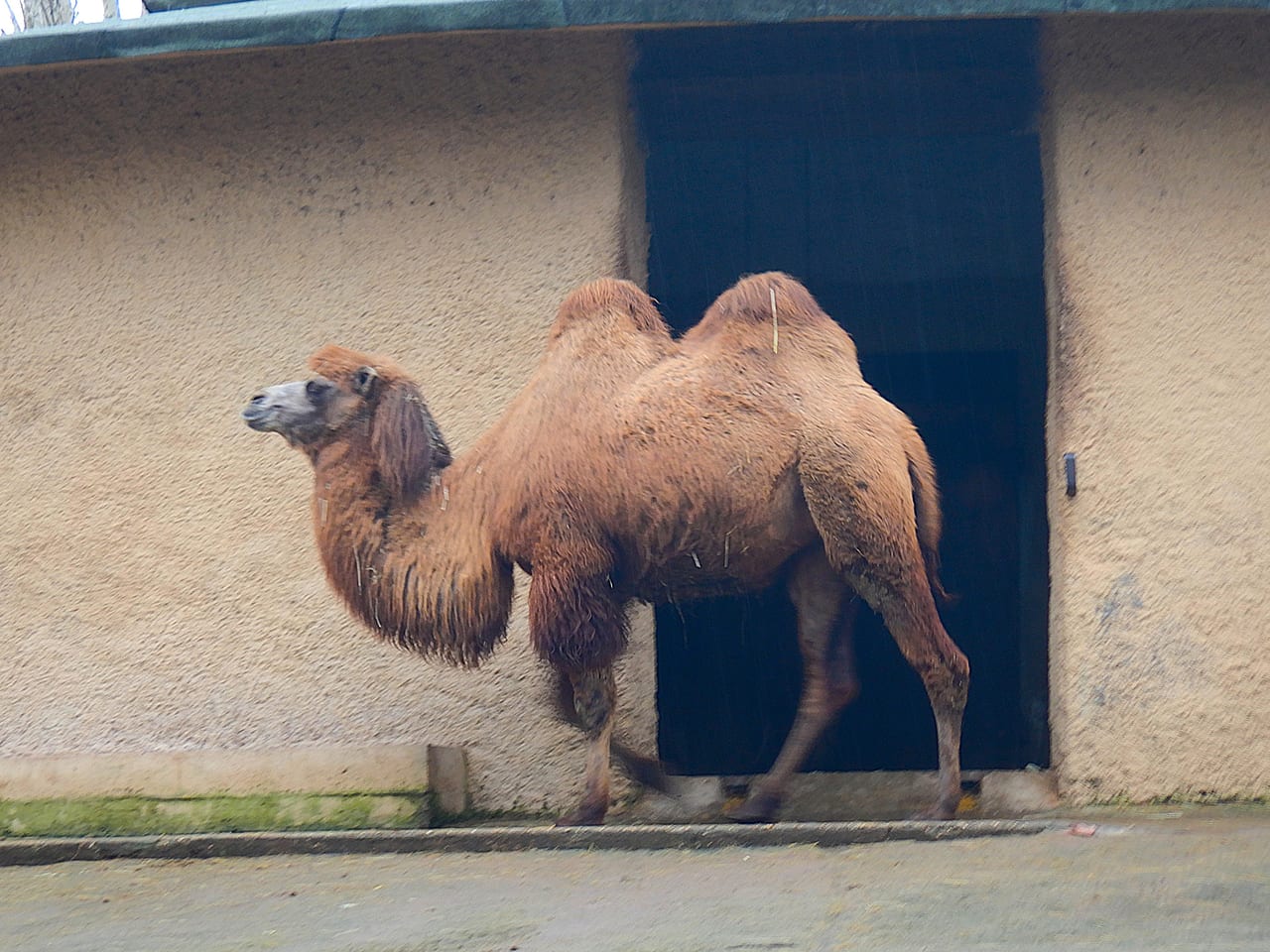
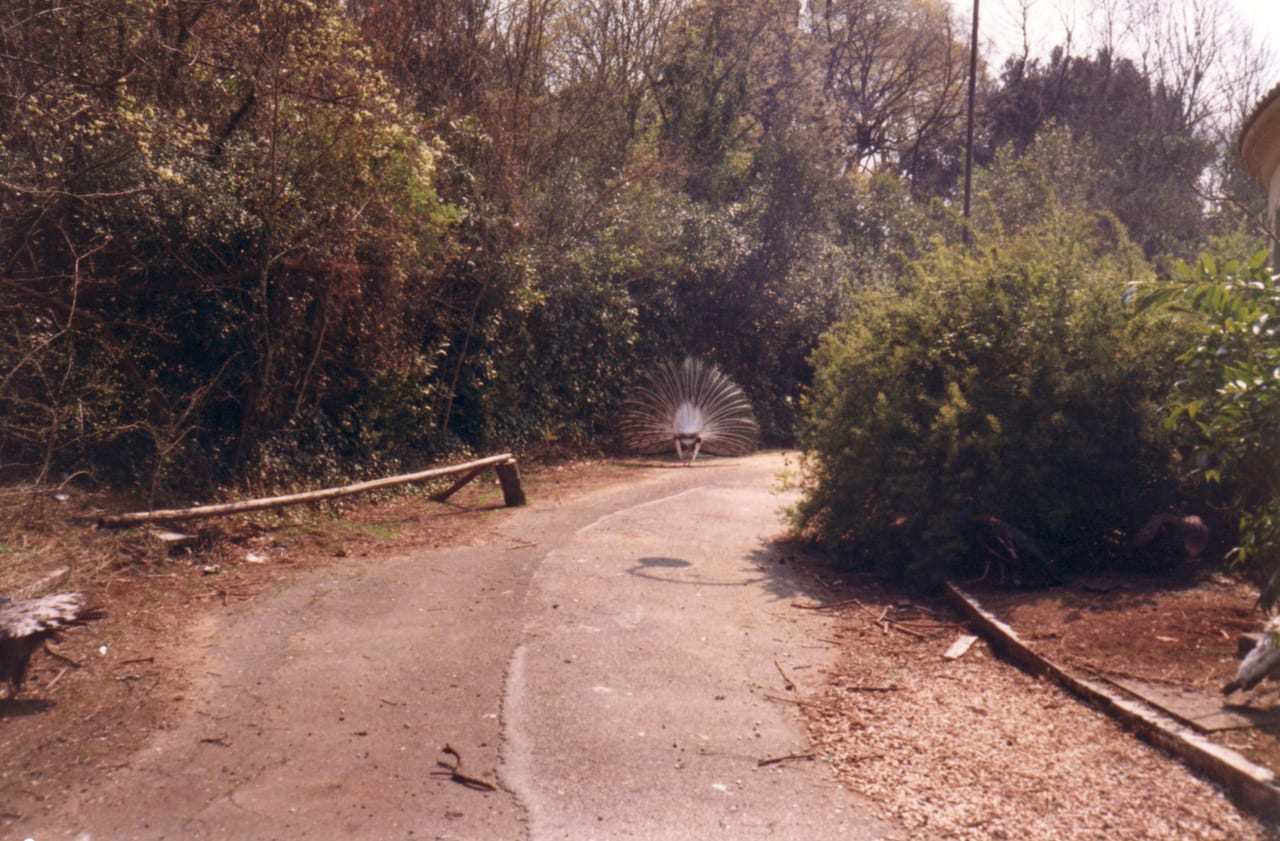
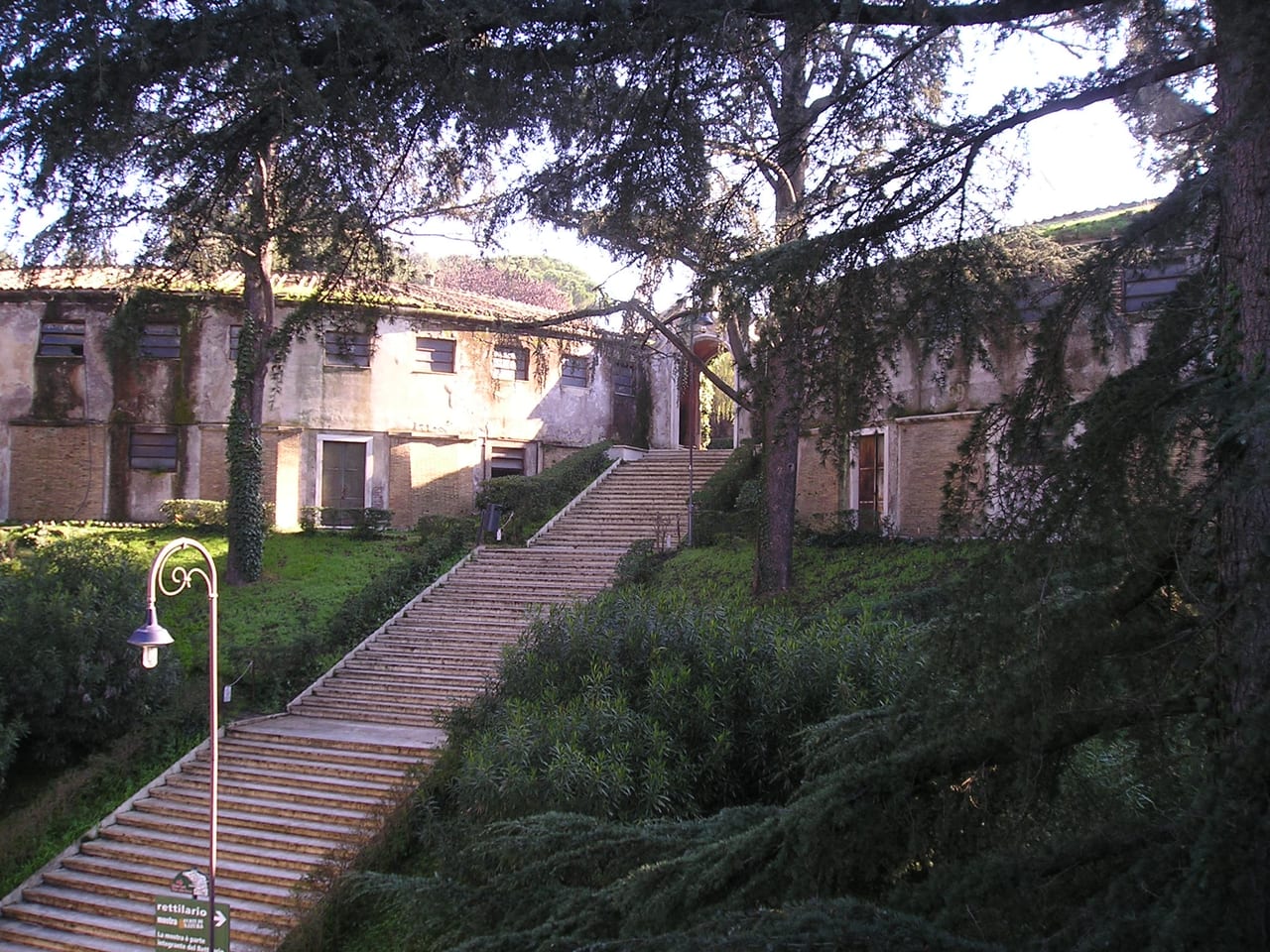
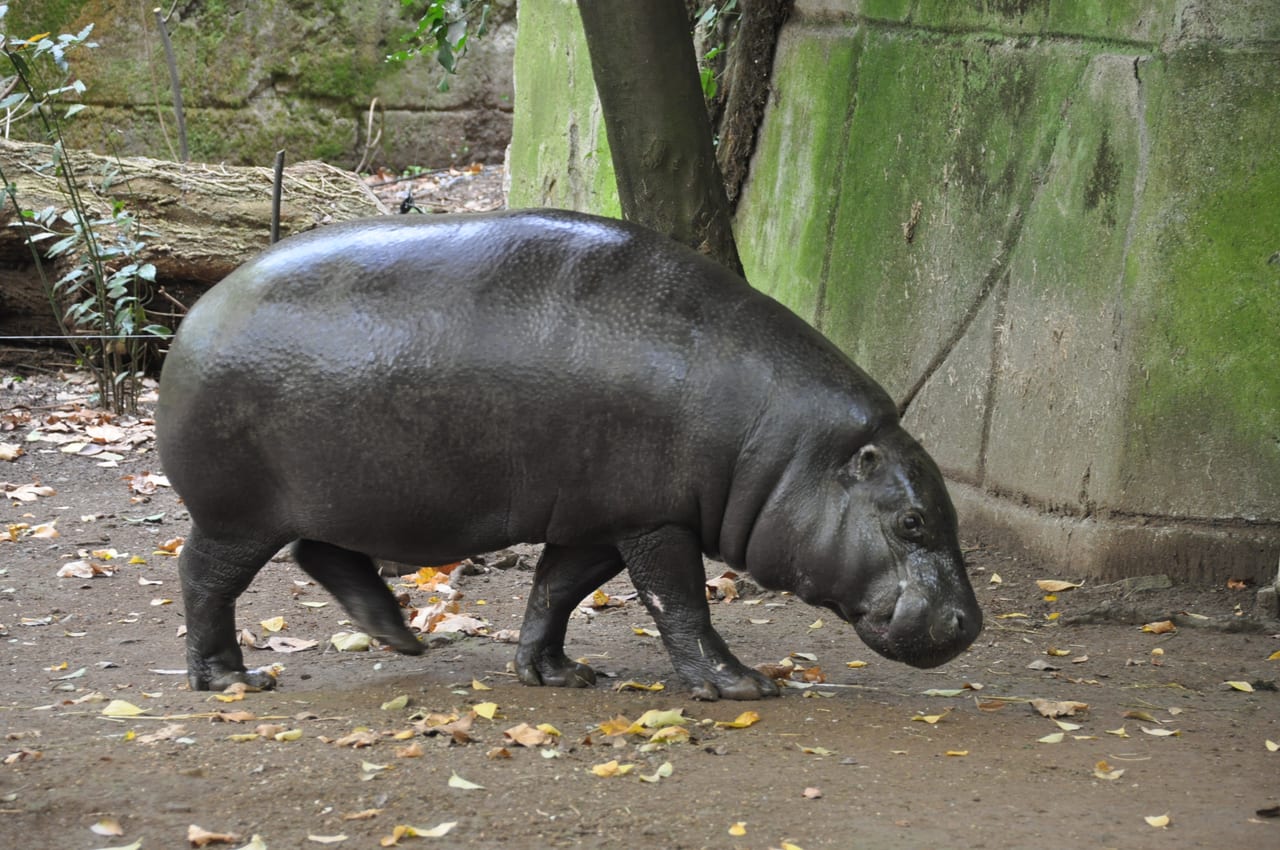
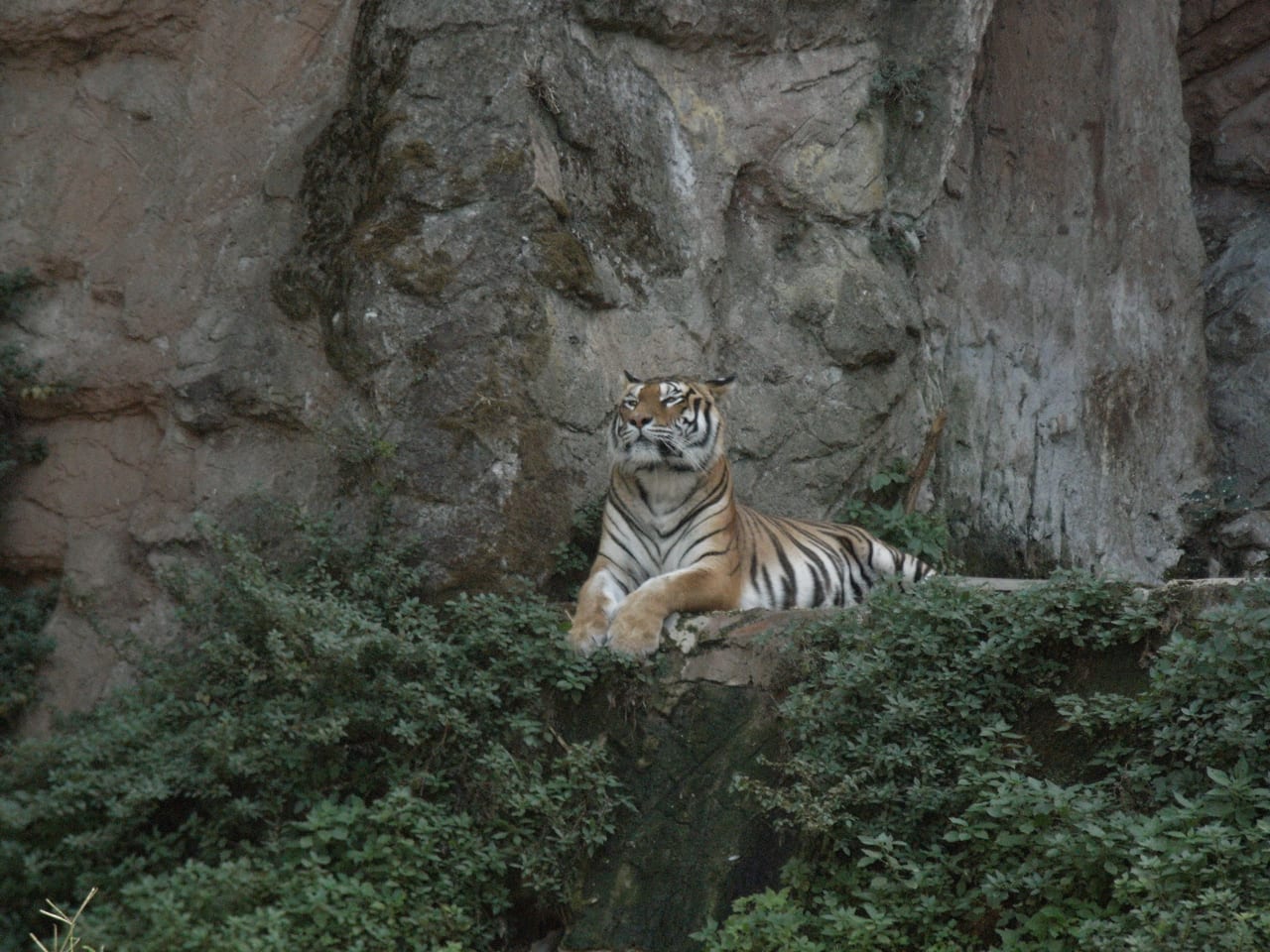
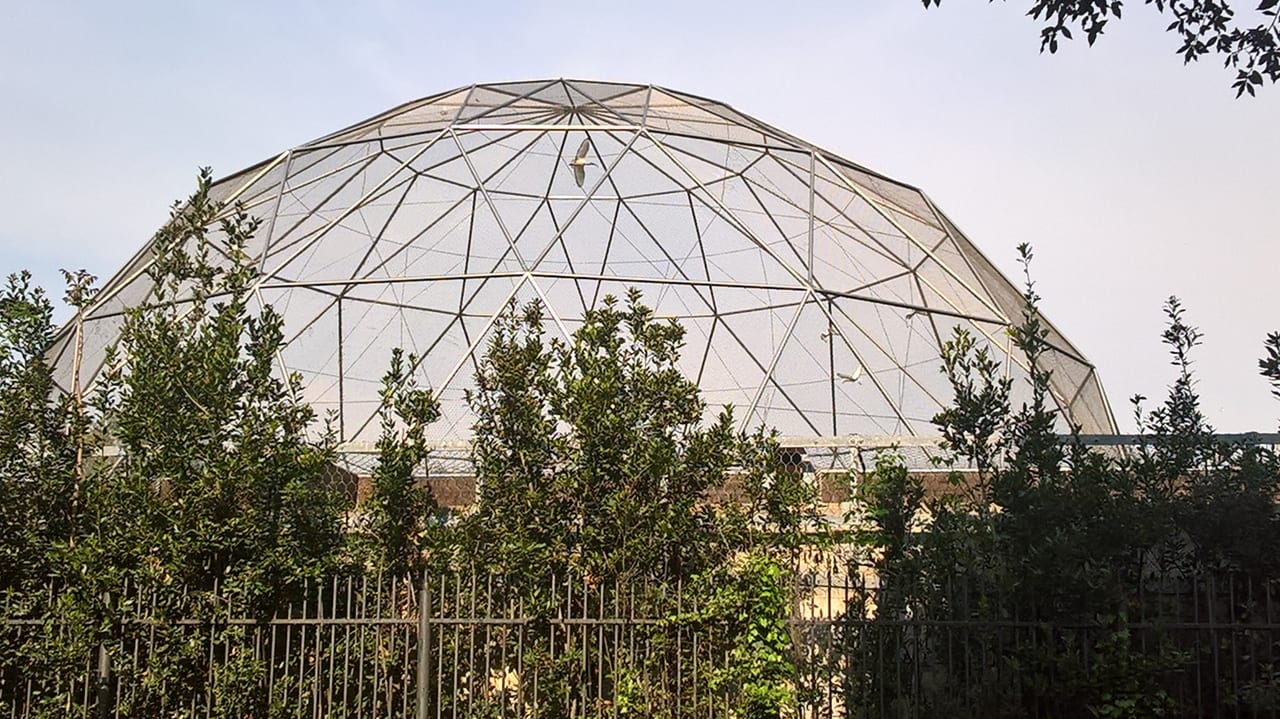
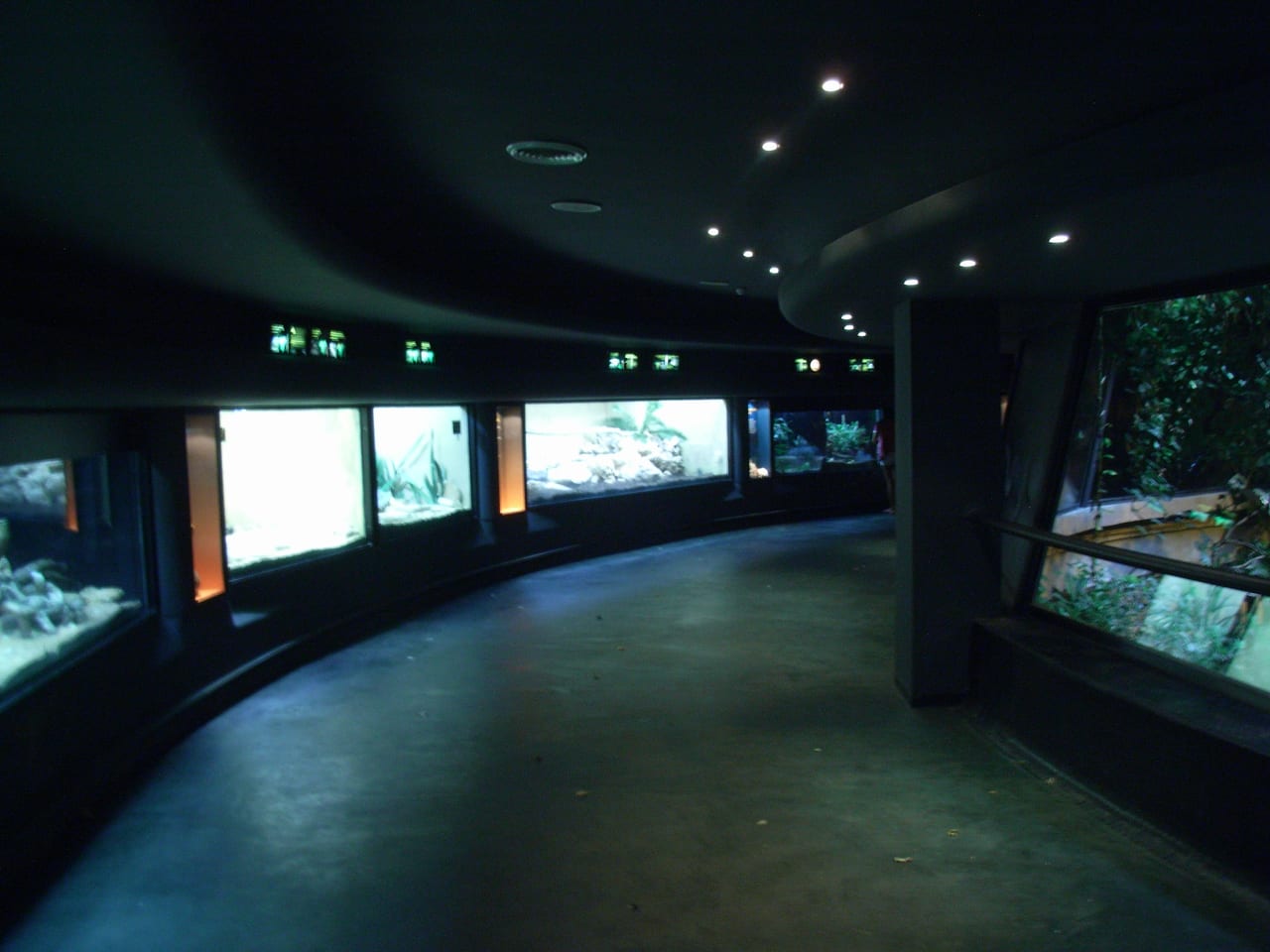
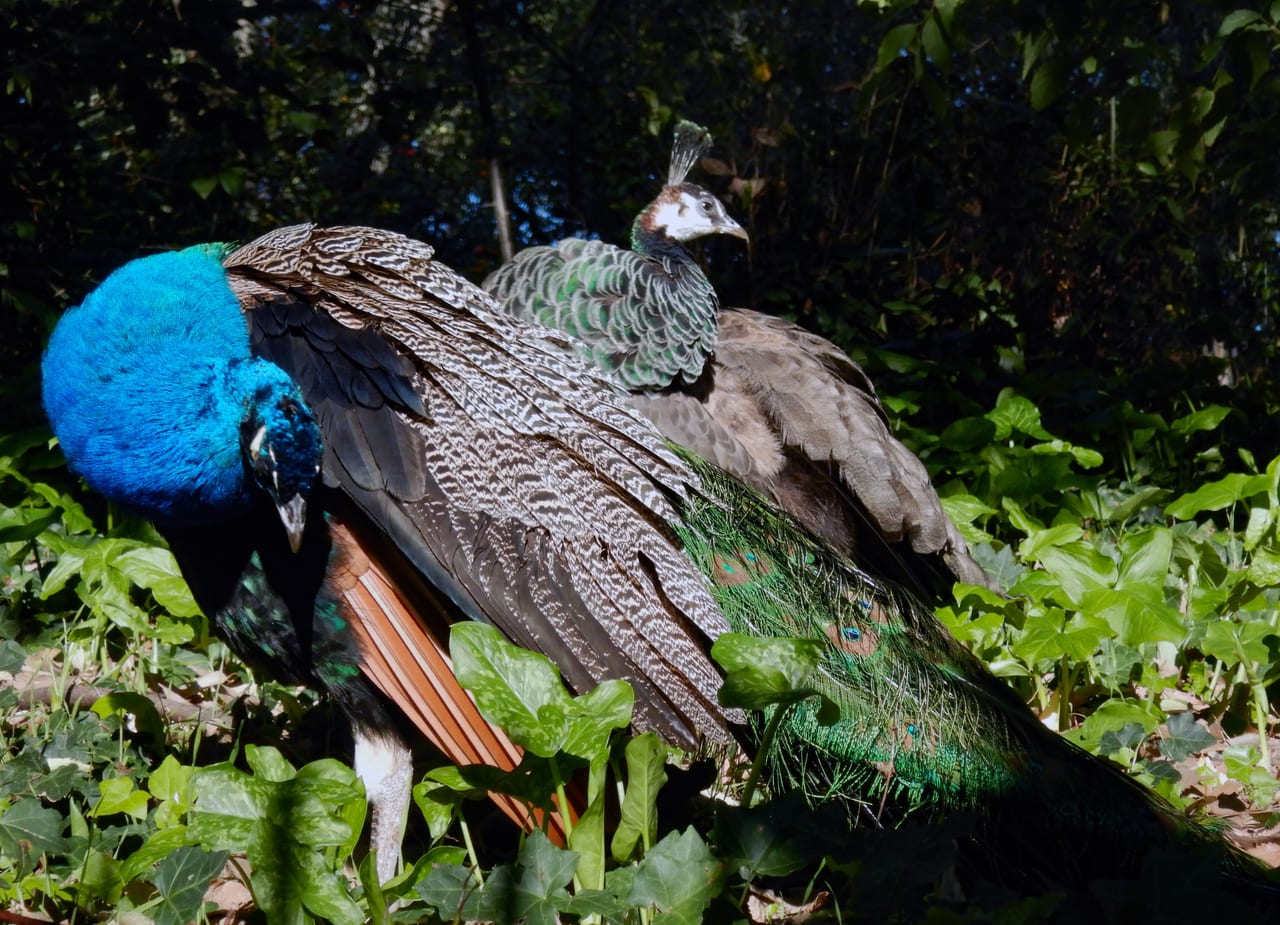
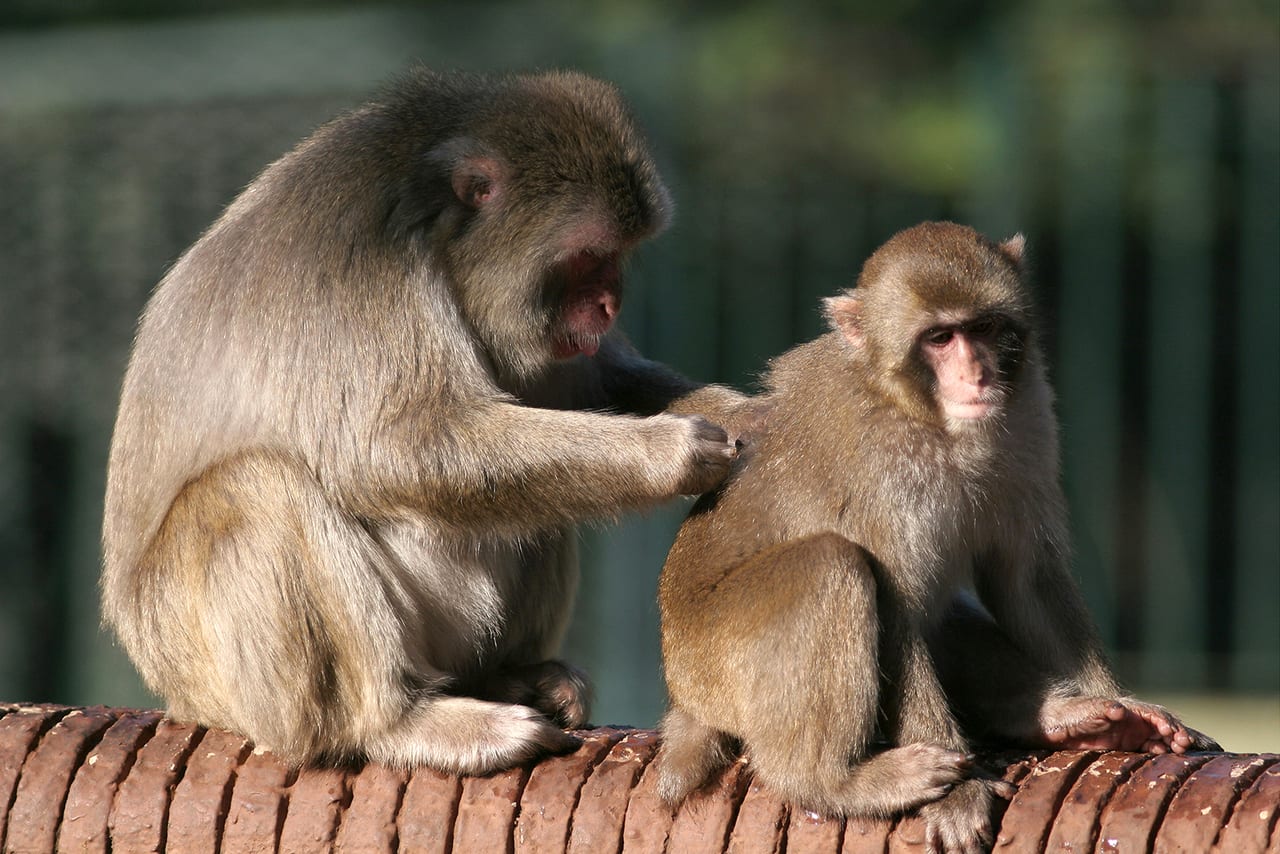
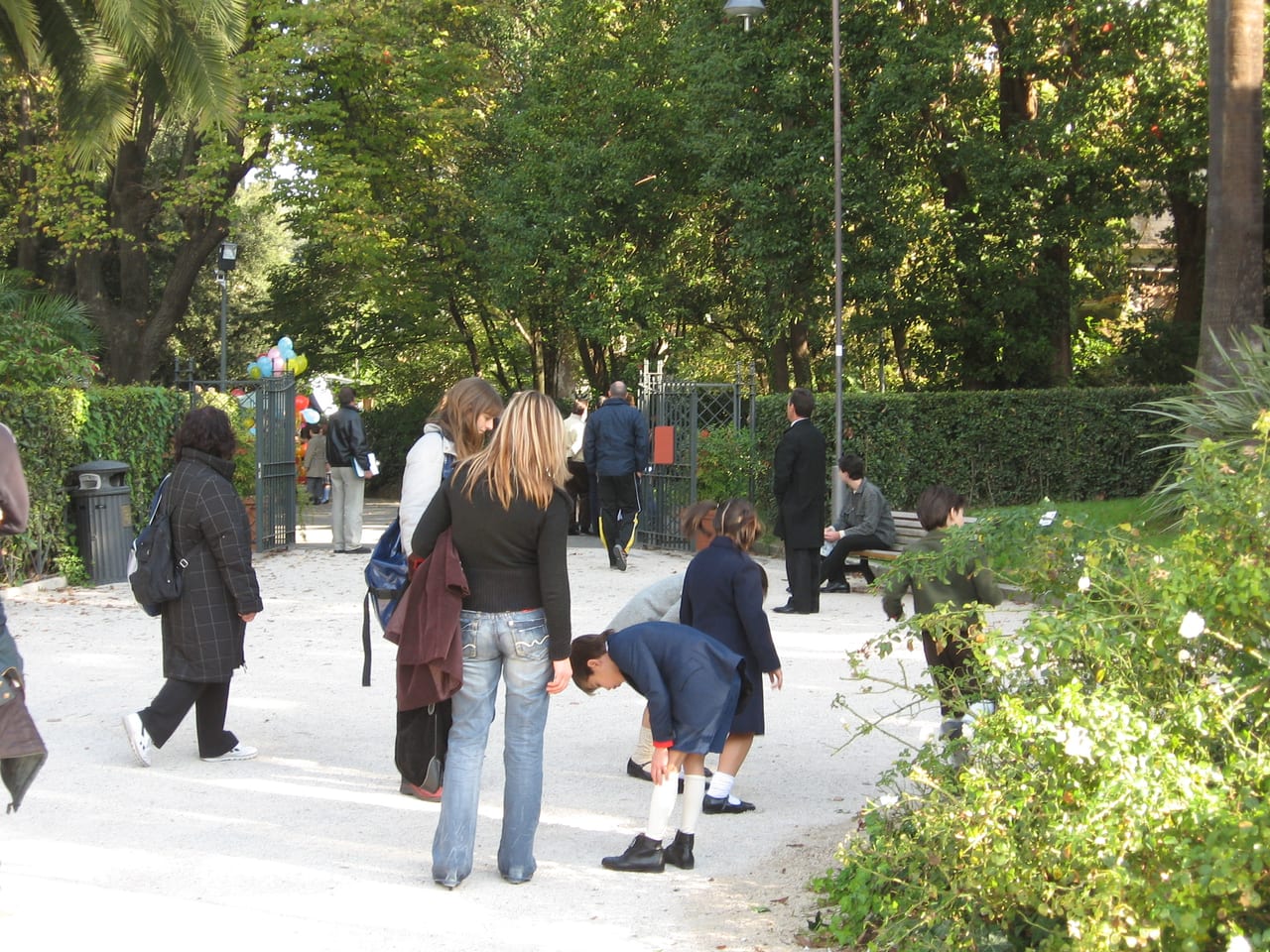
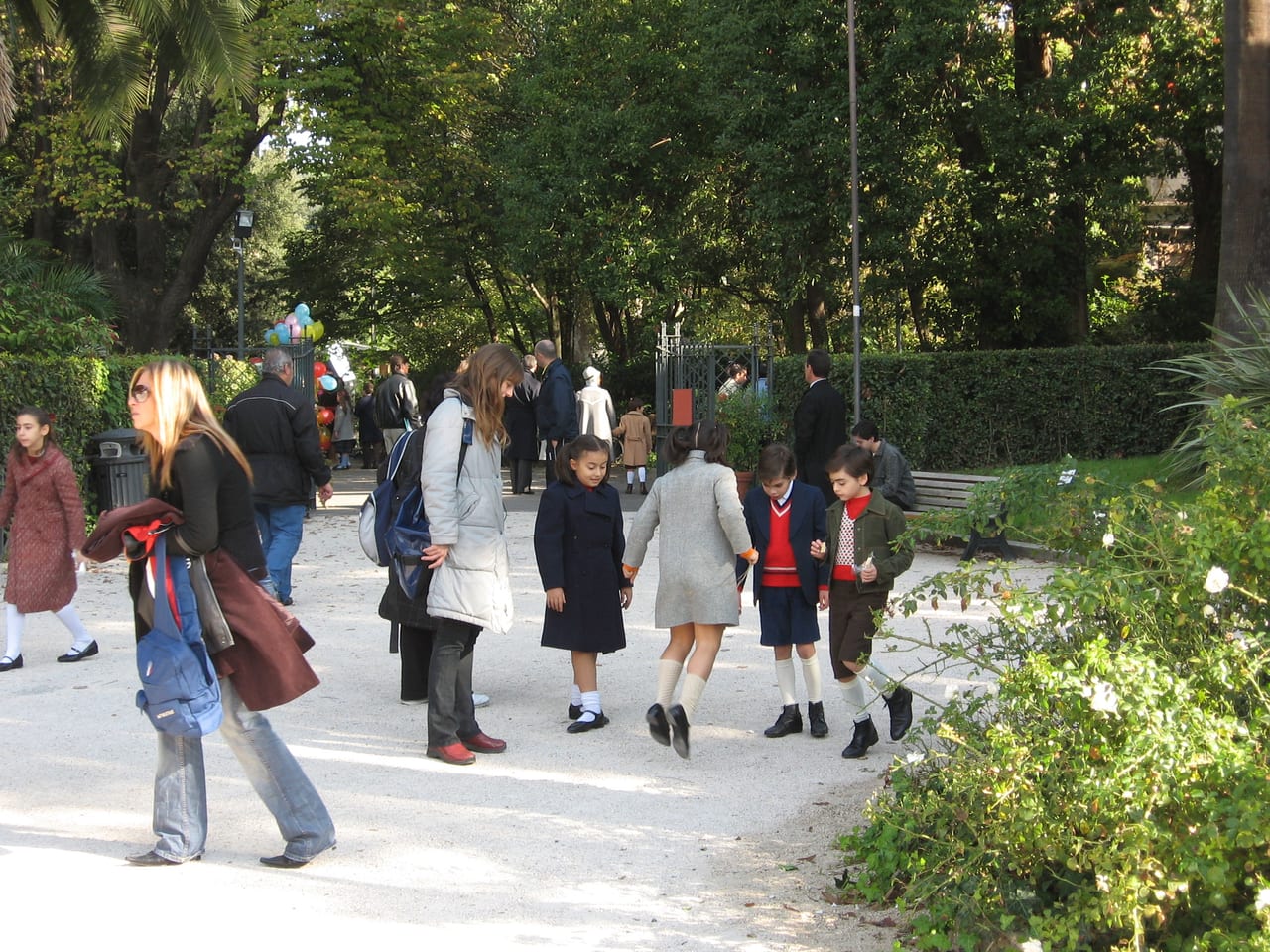
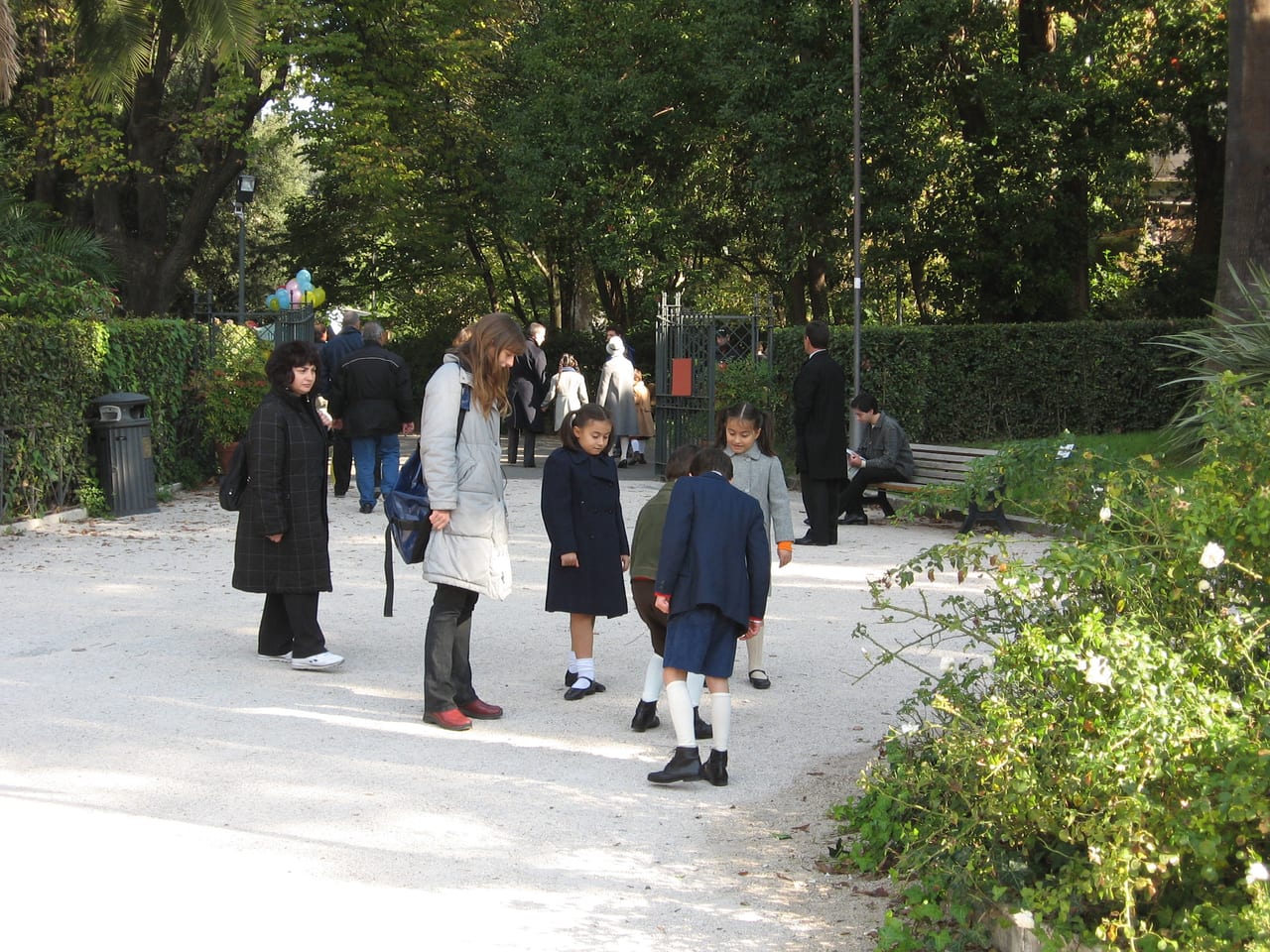
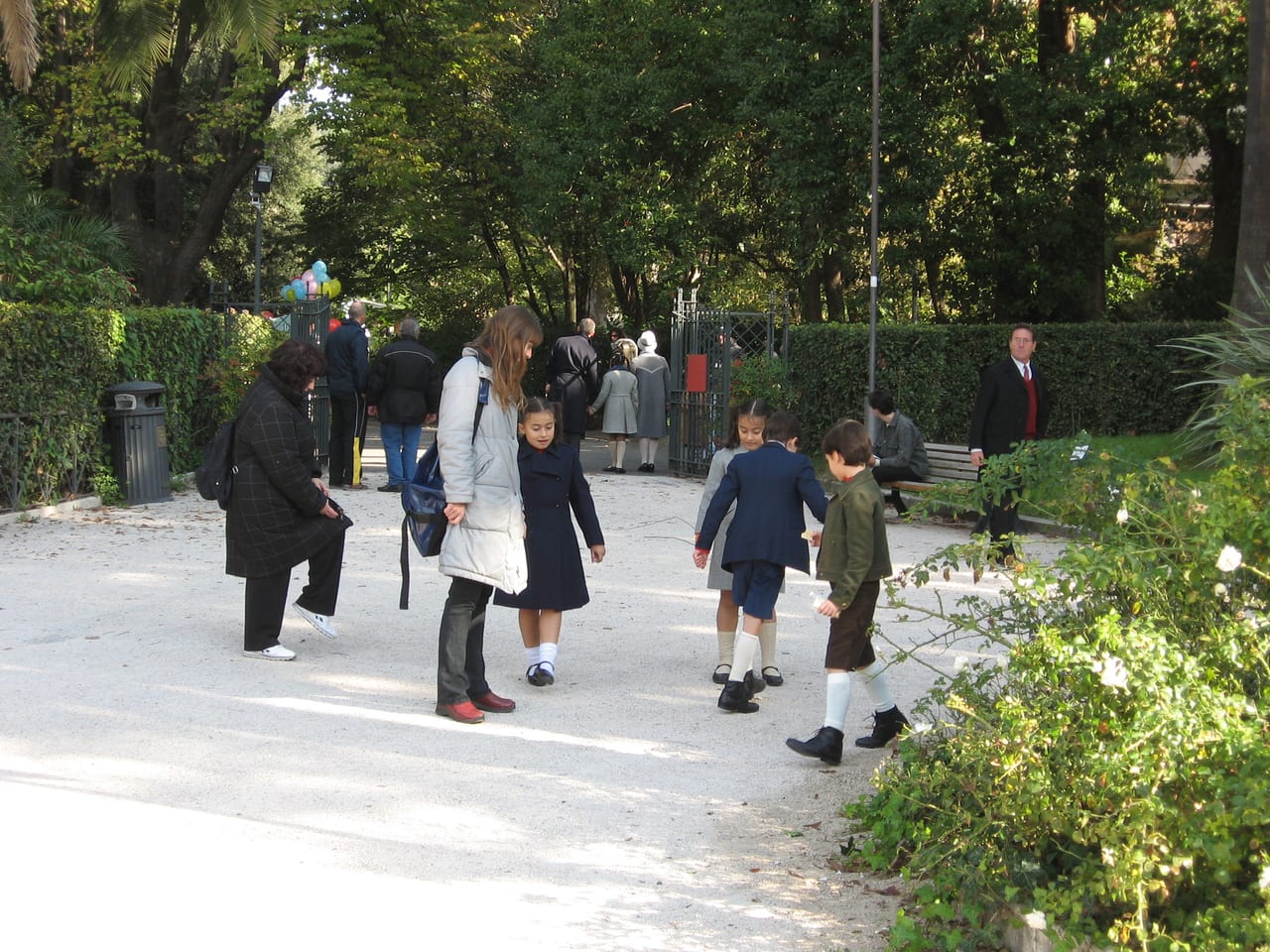
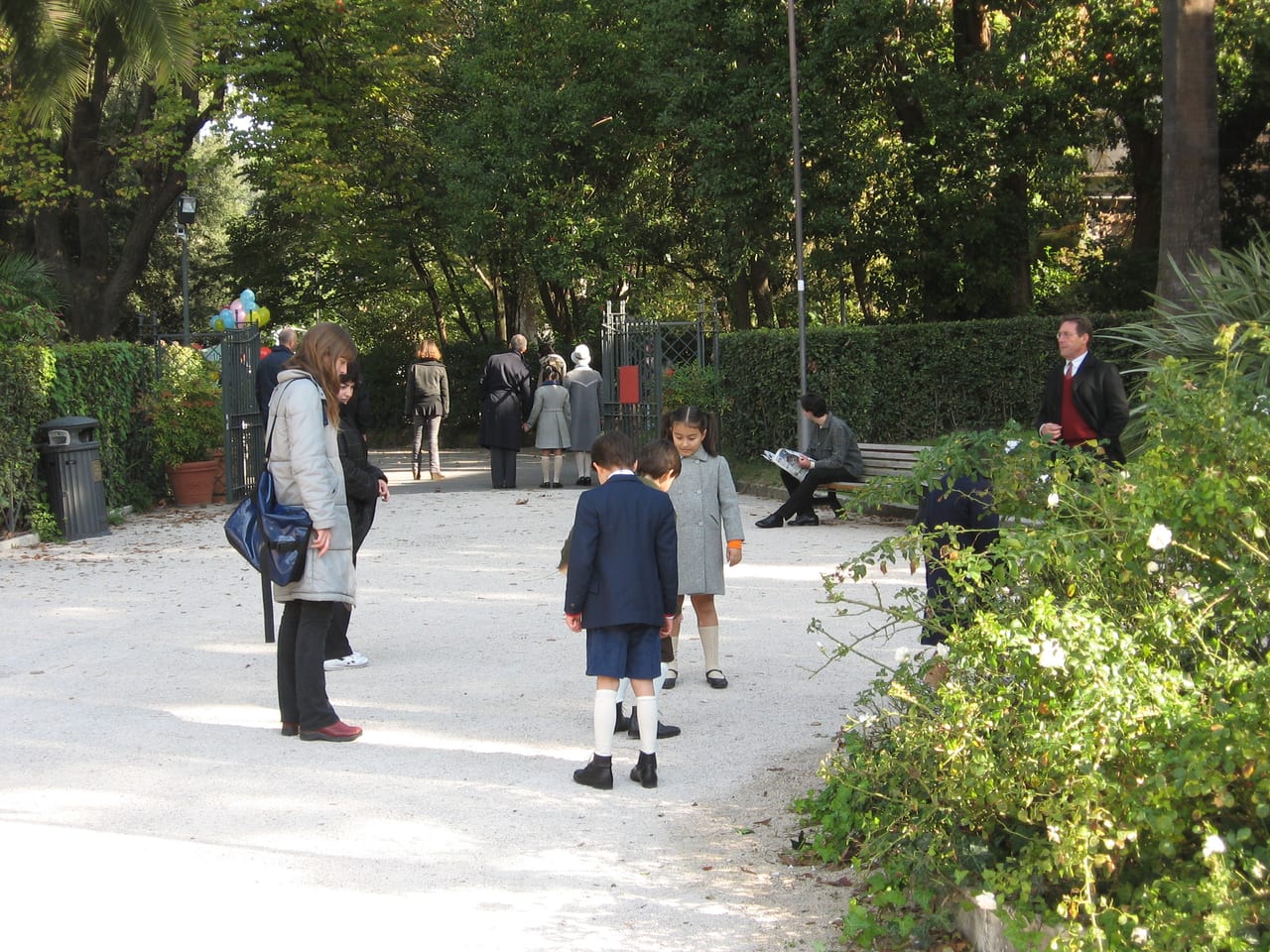
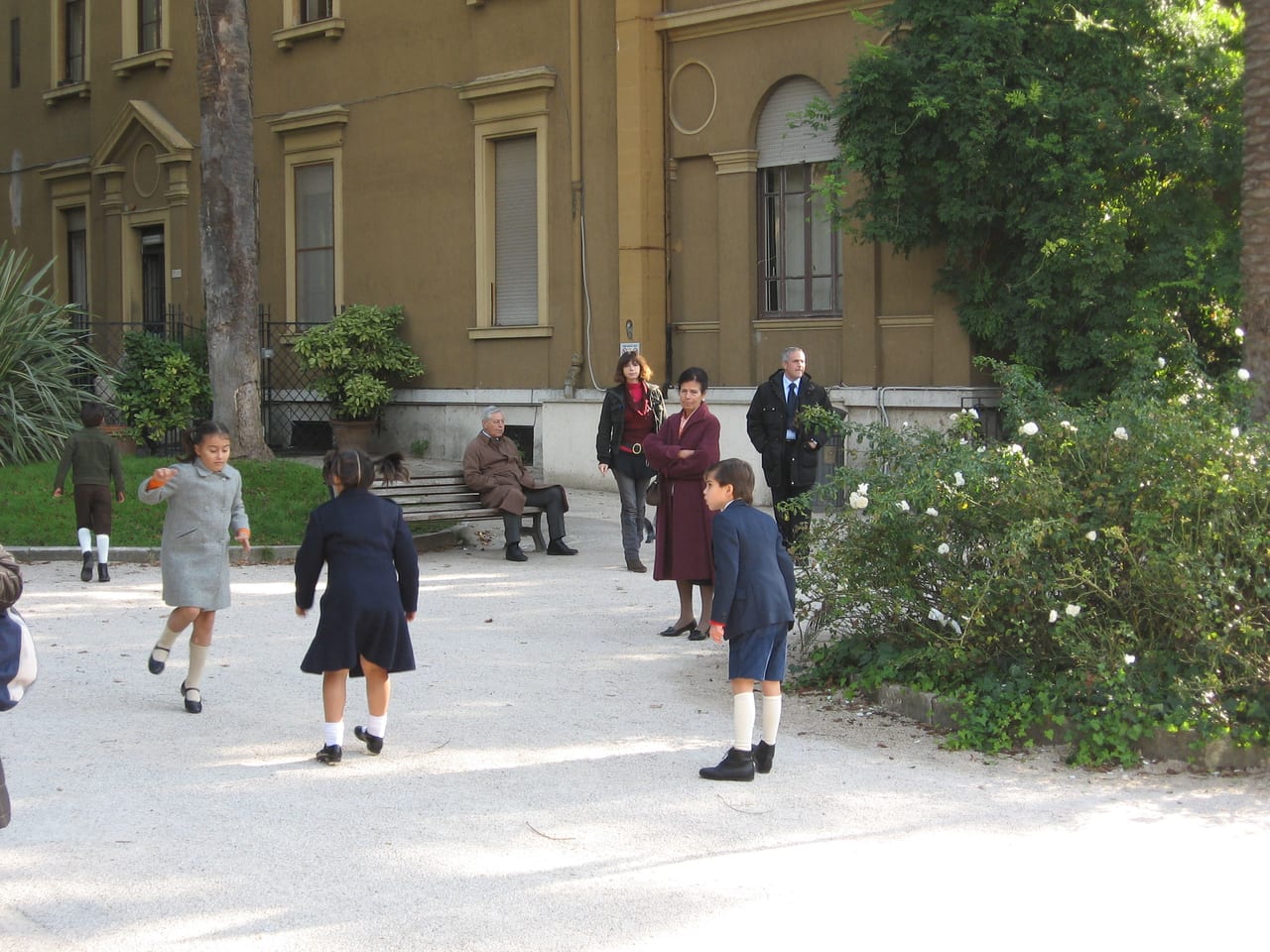


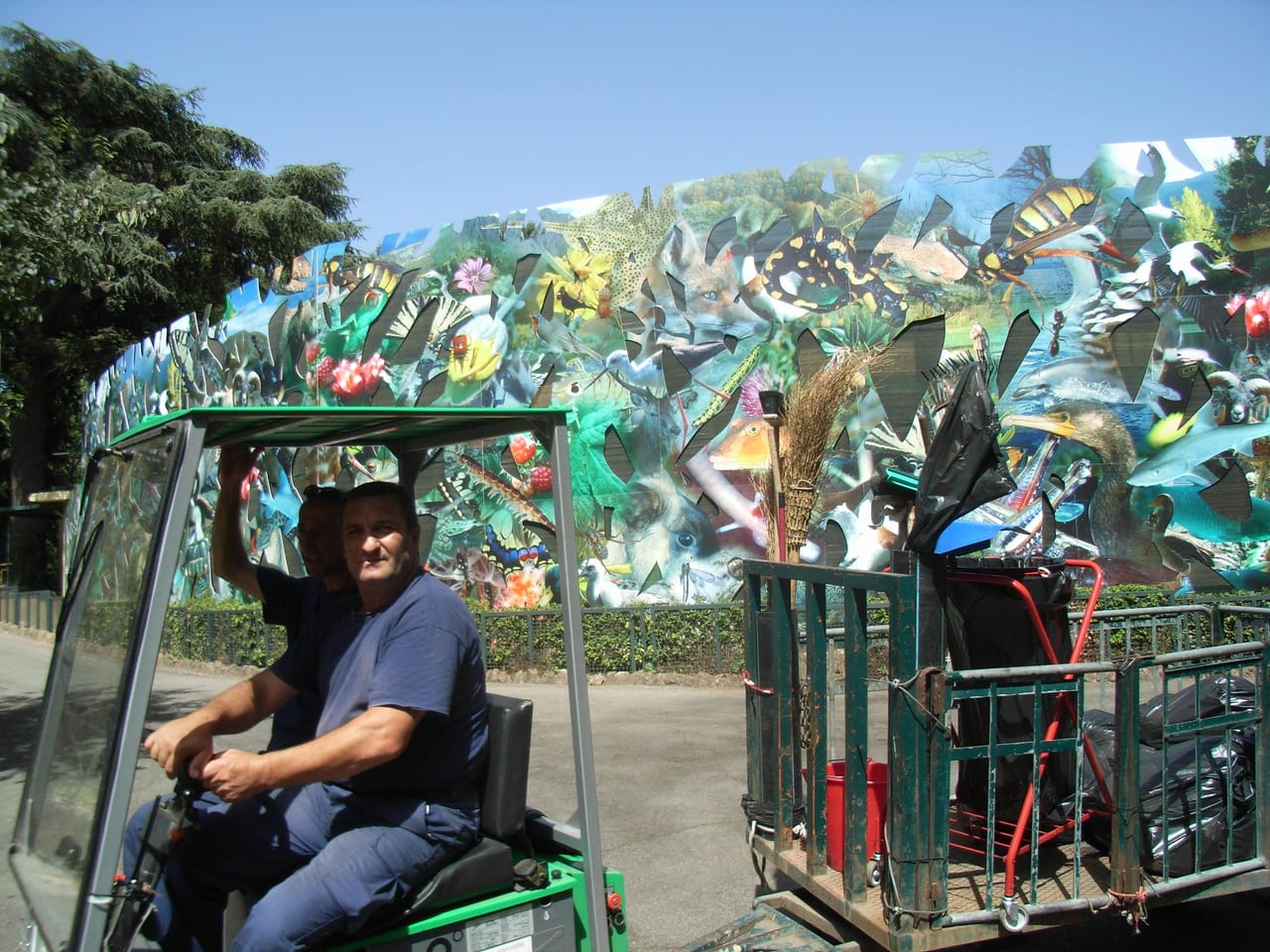
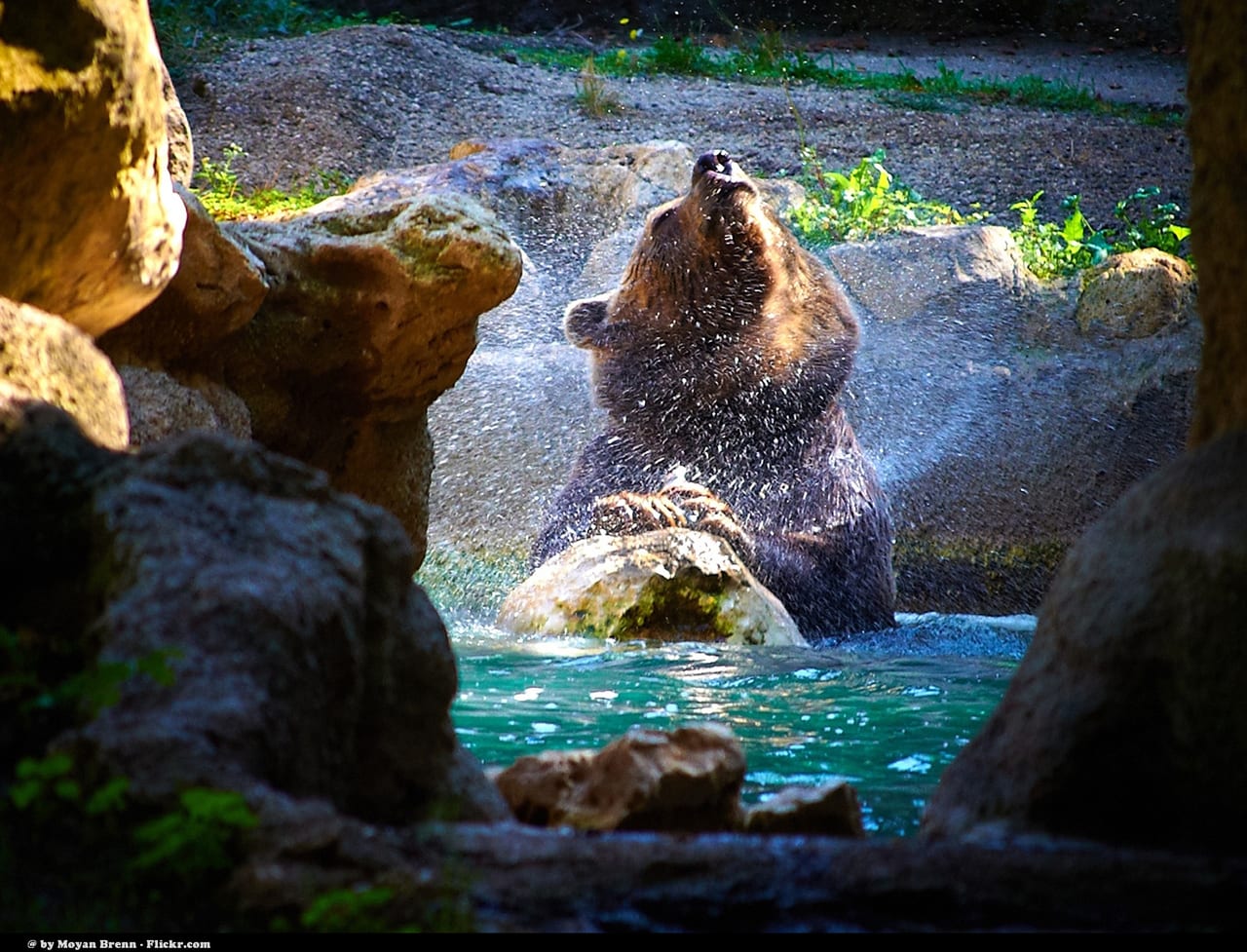
Photograph 1 of 32 of bioparco
The project began in 1907, when Rome’s municipal council approved a zoological garden within Villa Borghese. A private company was formed in 1909 under Giorgio Sonnino and later Francesco Chigi, with Carl Hagenbeck advising on the design. Giuseppe Roda planned the greenery; Moritz Lehmann and Ernest Eggenschwiler shaped the decorative and rocky enclosure interiors, while Giulio Barluzzi and Armando Brasini designed the monumental entrance. Construction ran from 10 May 1909 to 10 October 1910, and the official inauguration followed on 5 January 1911. The first director was zoologist Theodor Knottnerus-Meyer. Financial strain, worsened by the Italo-Turkish War and the First World War, brought the company’s collapse in 1915. The municipality assumed management in 1917, later establishing an autonomous municipal enterprise in 1925. Under Guido Suardi, the former restaurant became the Museo civico di zoologia in 1932, while Raffaele De Vico added new areas and enlarged the grounds; the expansion opened in 1935, alongside the Grande Voliera. After wartime hardship and a 1949 cattle-plague epidemic, restoration and breeding programmes resumed. In 1994 the zoo became a bioparco, and its foundation structure dates from 2004. It now covers about 155,480 square metres and houses roughly 1,200 animals of 150 species.
At a glance
- Built
- 1911
Ways to explore bioparco
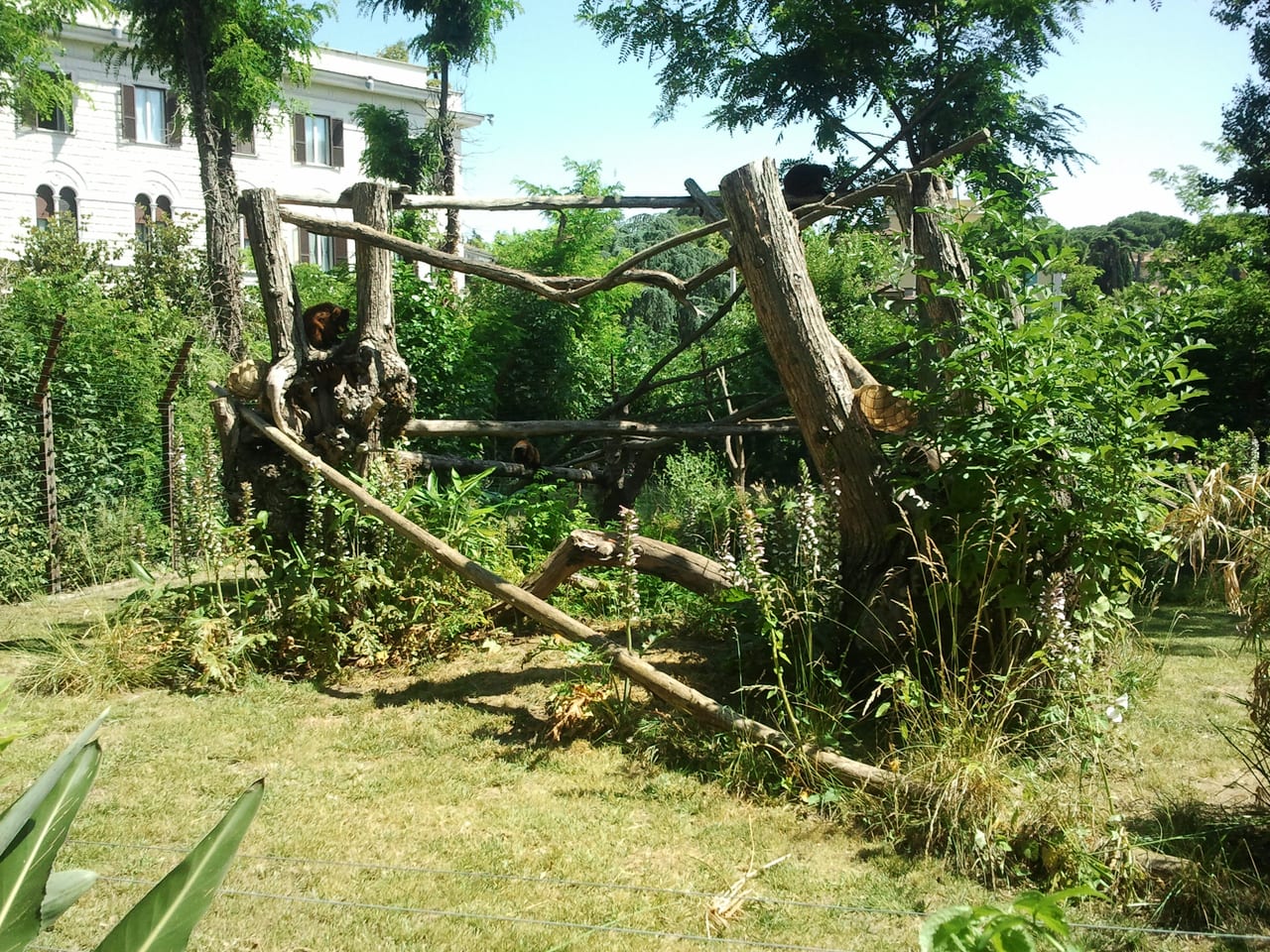
Follow the park’s themed areas rather than trying to see everything at once. The 400-square-metre African penguin enclosure, the ring-tailed lemur area and the small-monkey house are strong stops for close observation and conservation interpretation. In the Asian section, look for the lions and Sumatran tigers; the white-rhinoceros enclosure is another substantial habitat. The Komodo-dragon exhibit, the three-level Reptilario and the waterfowl around the artificial lake provide a contrasting sequence of reptiles, amphibians, birds and wetland species.
Places to stay near bioparco

Live availability and prices from Stay22's partners, refreshed periodically and subject to change. Booking through these links may earn us a commission at no extra cost to you. See our privacy policy.
Cafés near bioparco
Cafés near bioparco loads as you scroll.
Attractions nearby
Attractions near bioparco loads as you scroll.
Cities nearby
Cities nearby loads as you scroll.
More in Rome
See more of Rome.
Find great cafés, places to stay and other interesting places to visit in Rome.