Ancient site · Rome
Baths of Trajan
DirectionsApollodorus of Damascus rotated the Baths of Trajan 36 degrees from the orientation of earlier buildings, maximizing sunlight and heat for the calidarium.
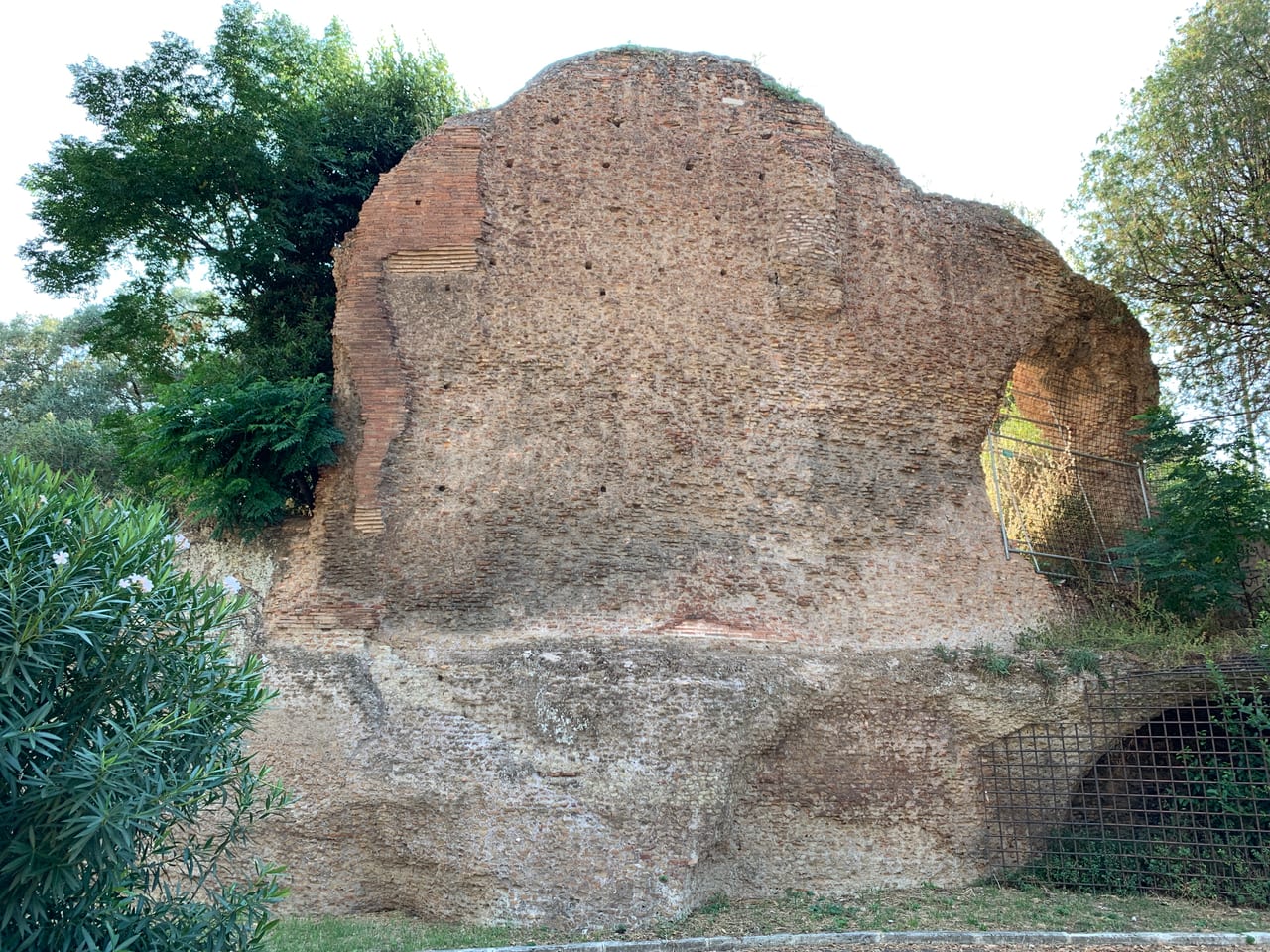
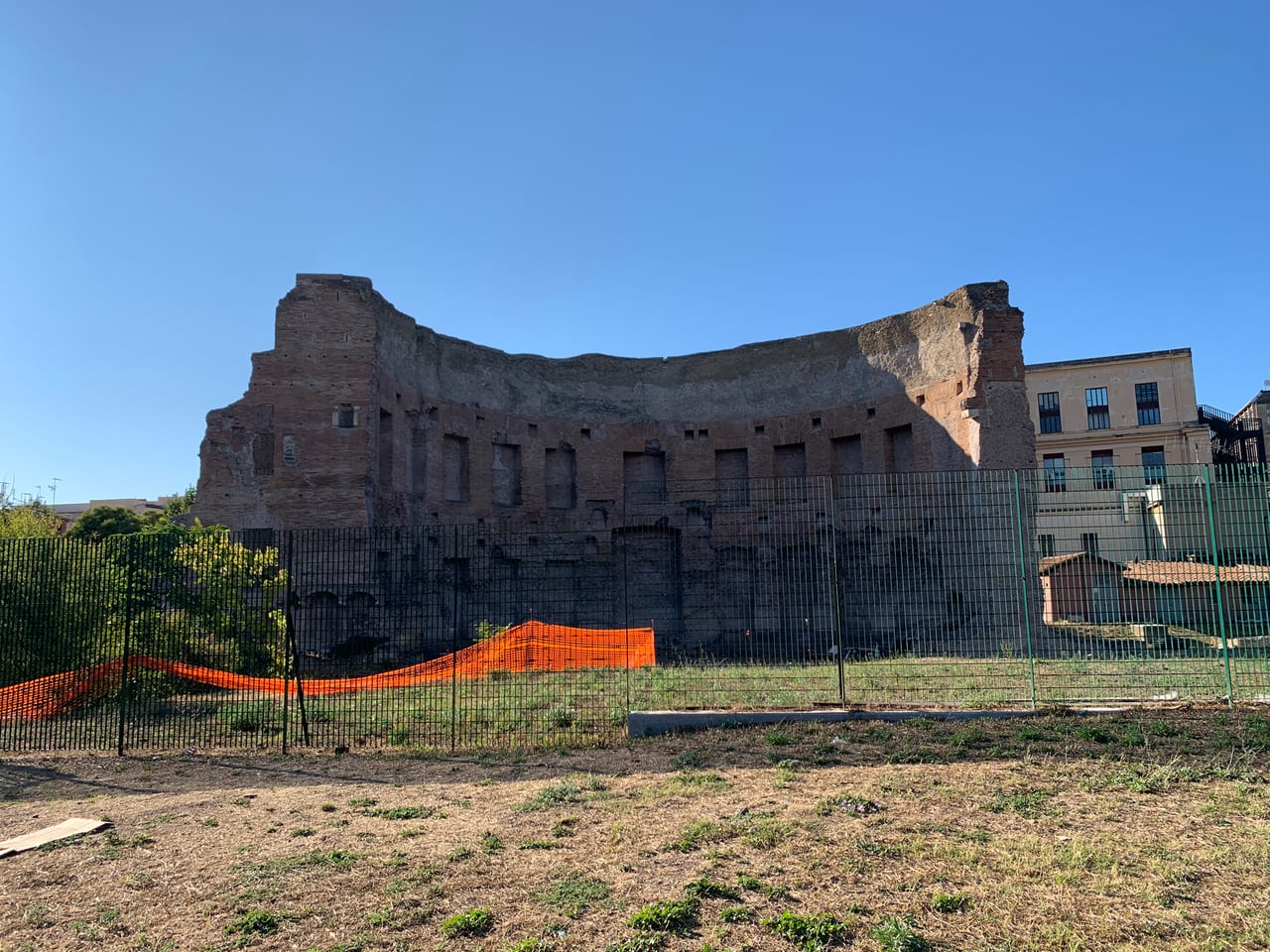
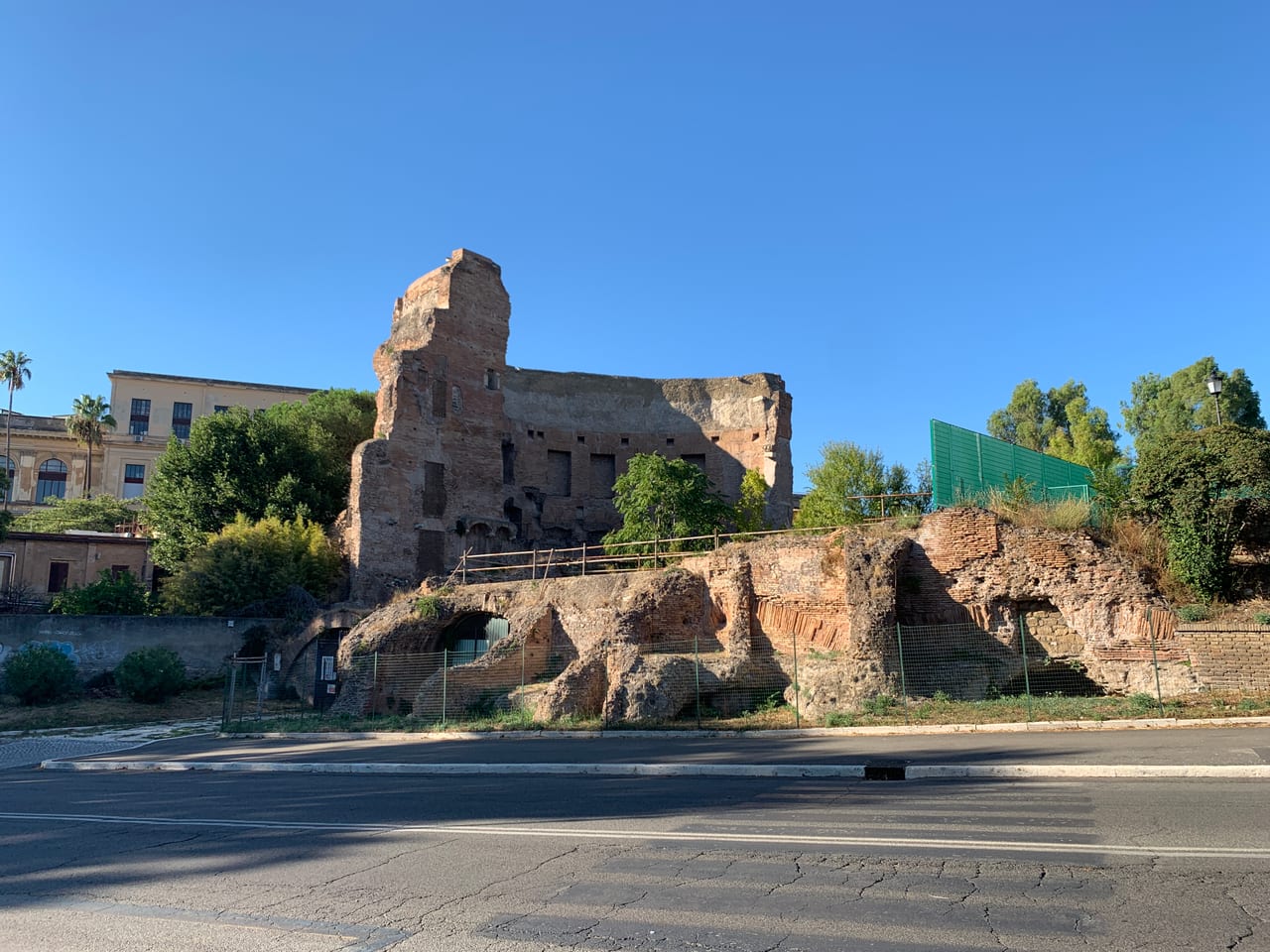
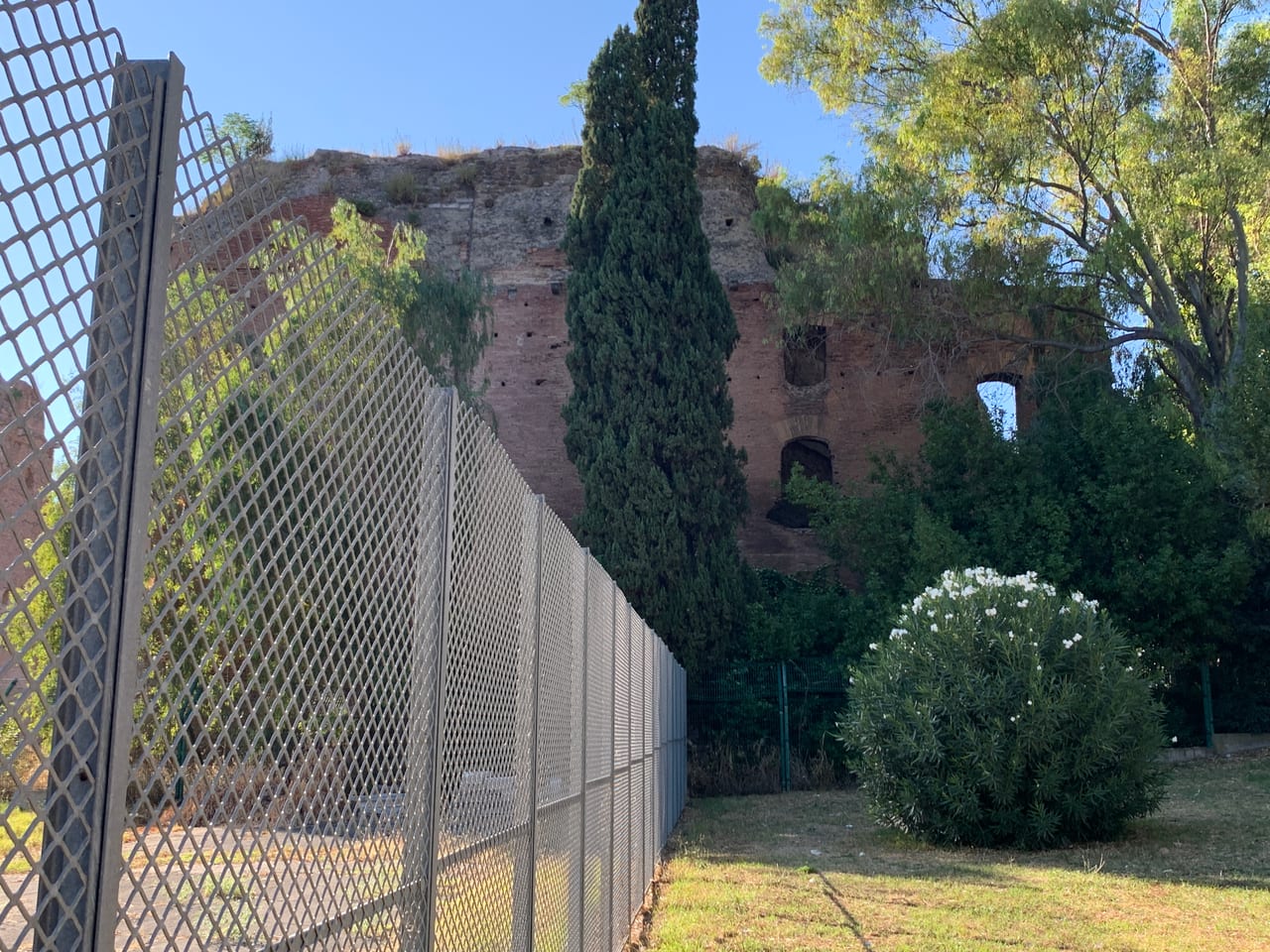
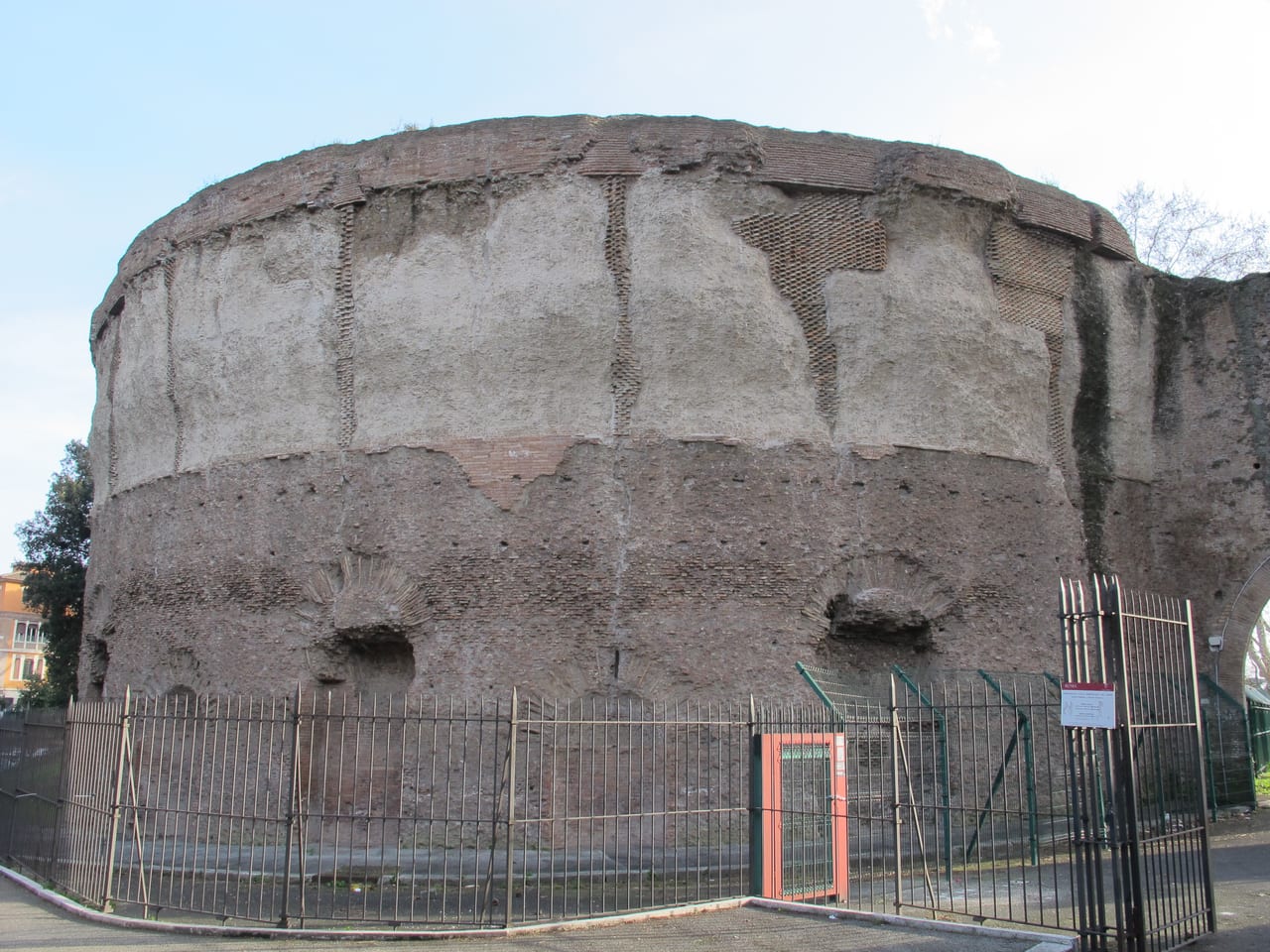
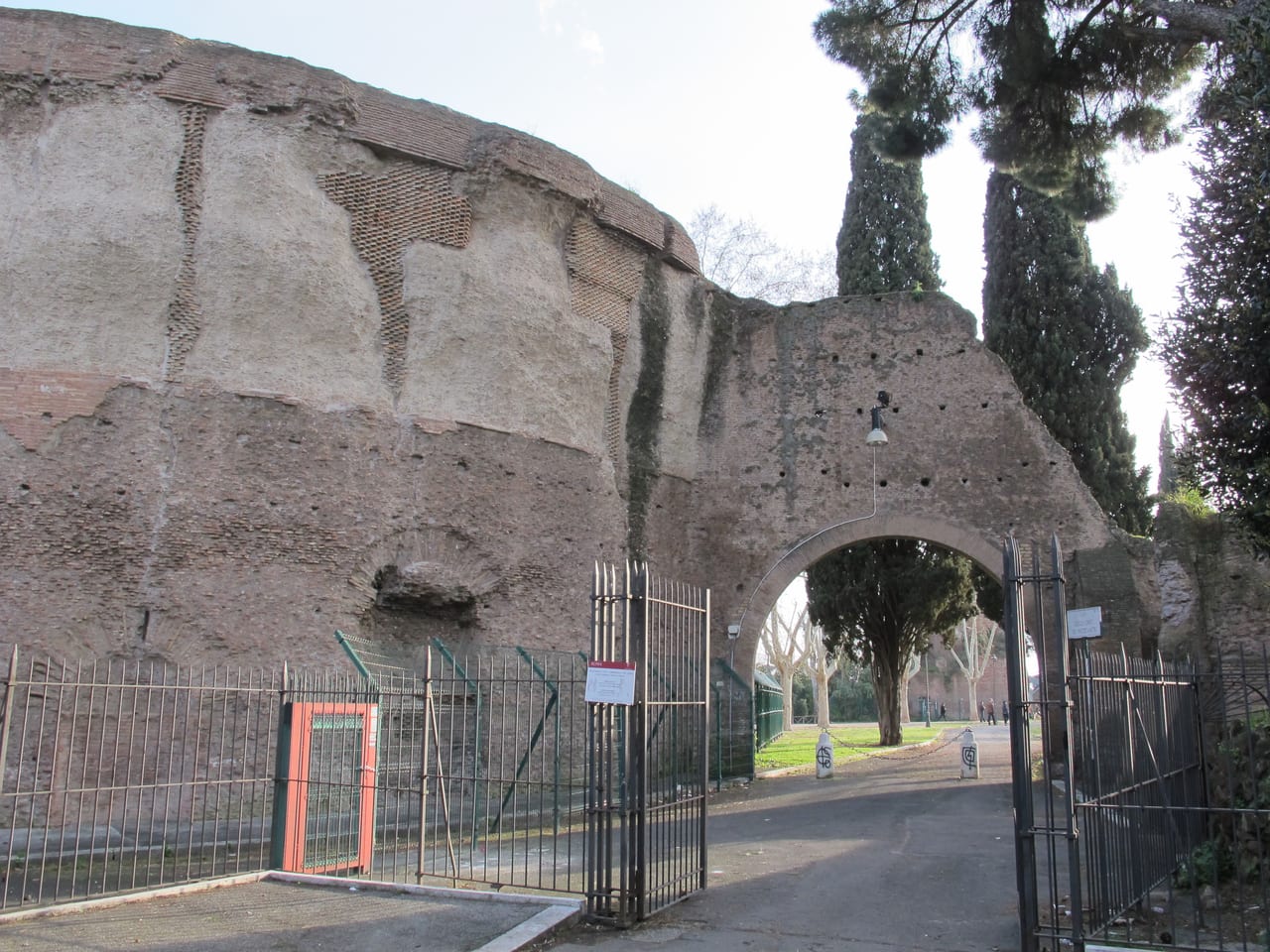
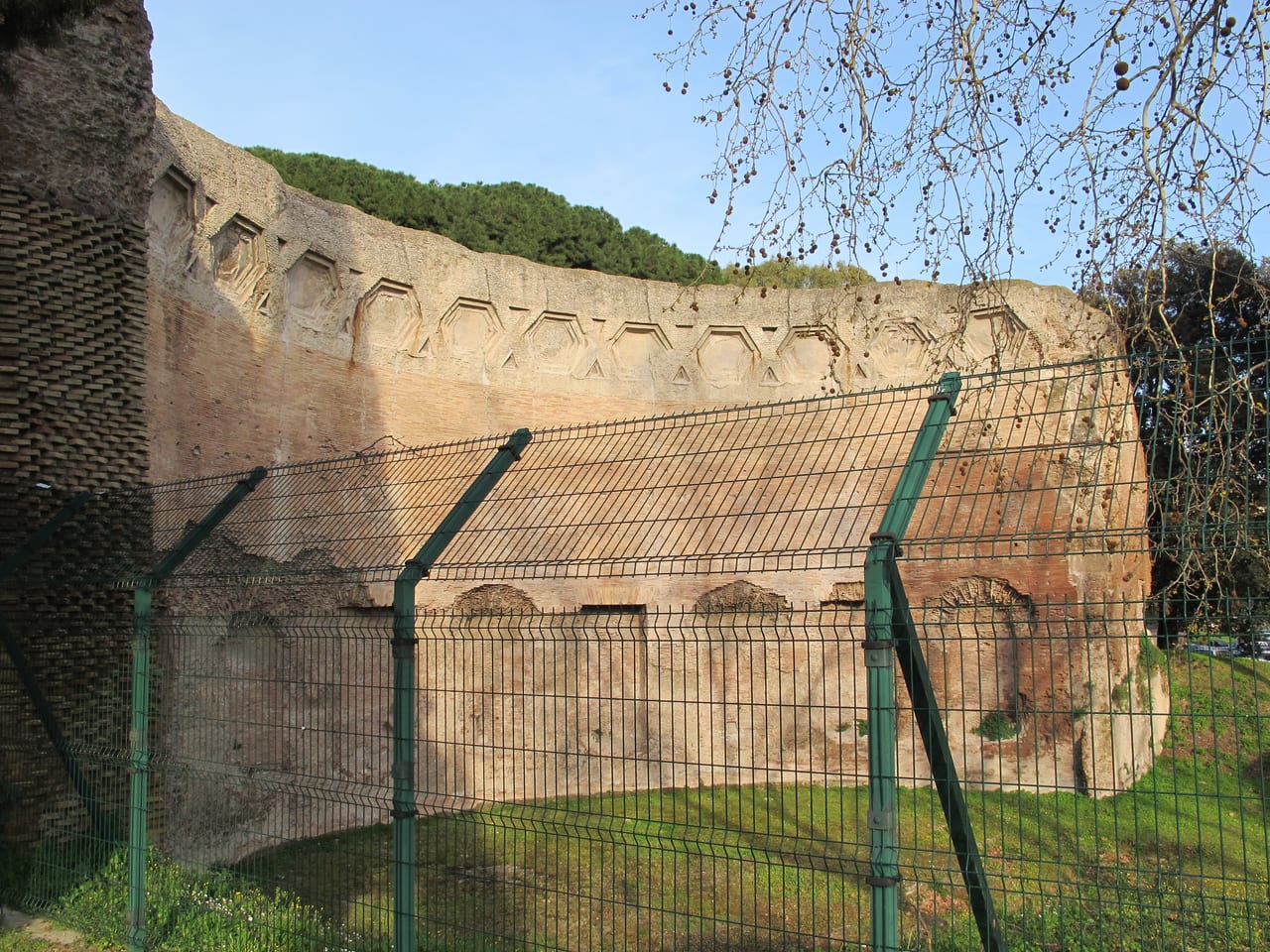
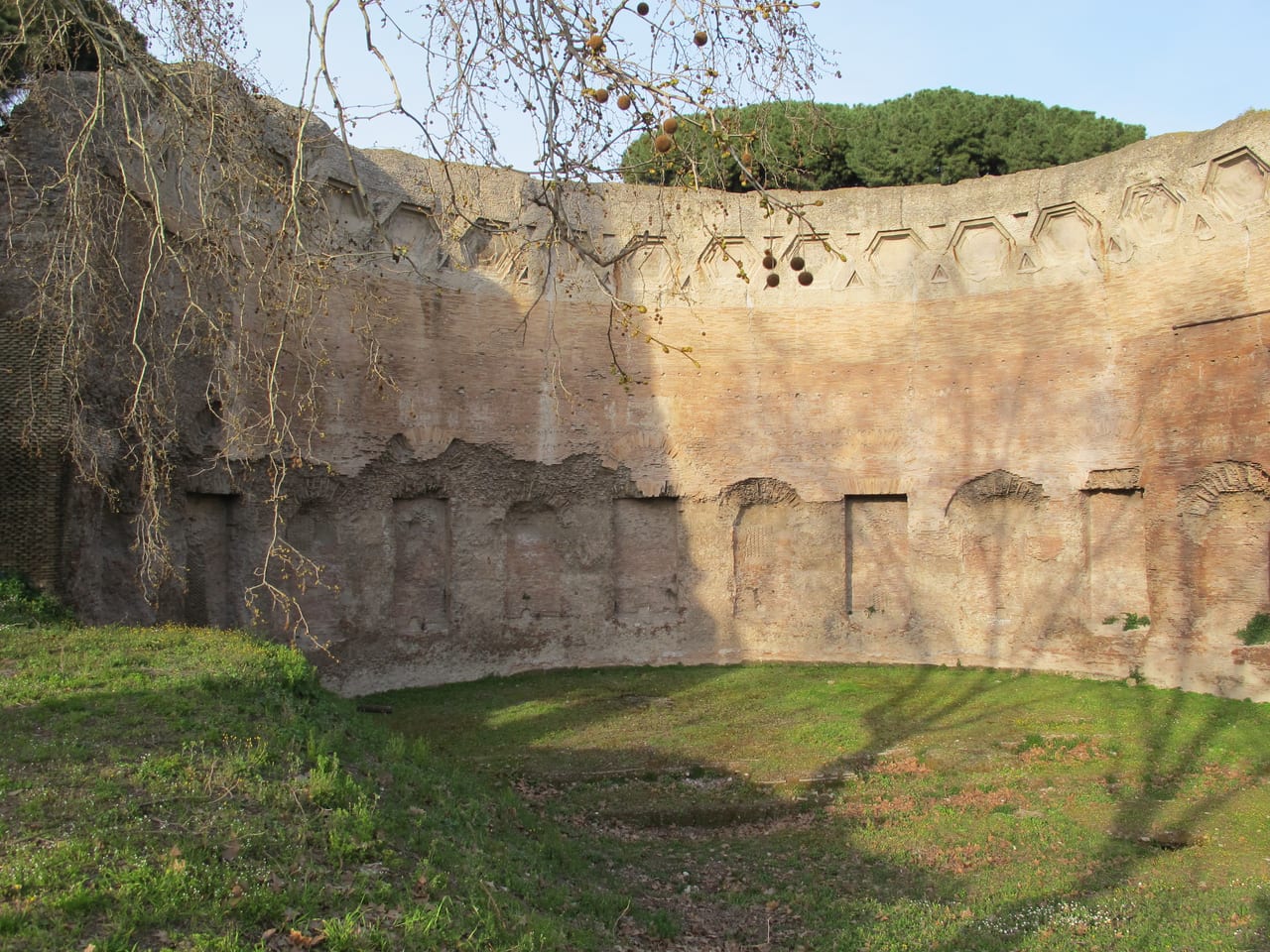
Photograph 1 of 35 of Baths of Trajan
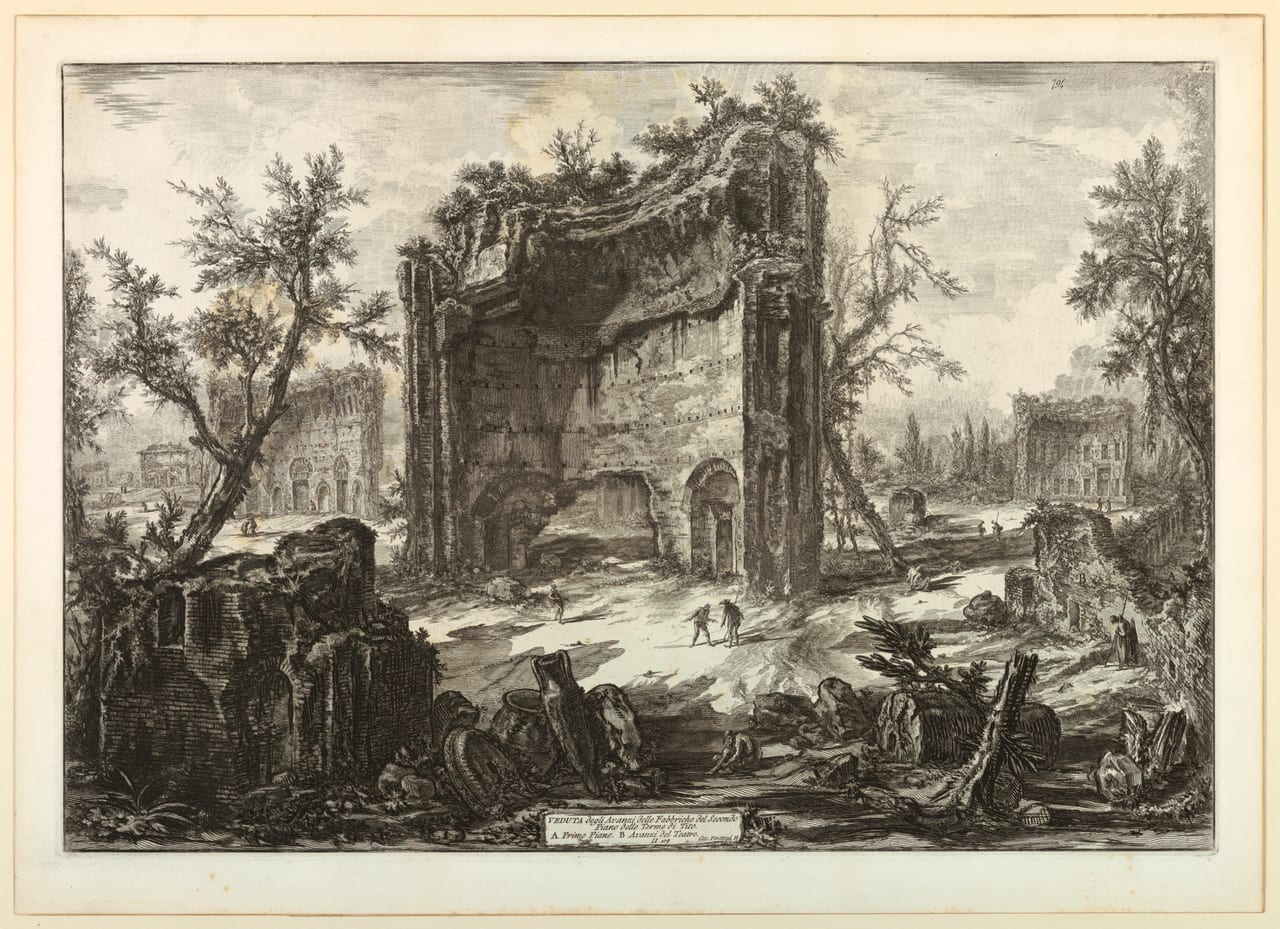
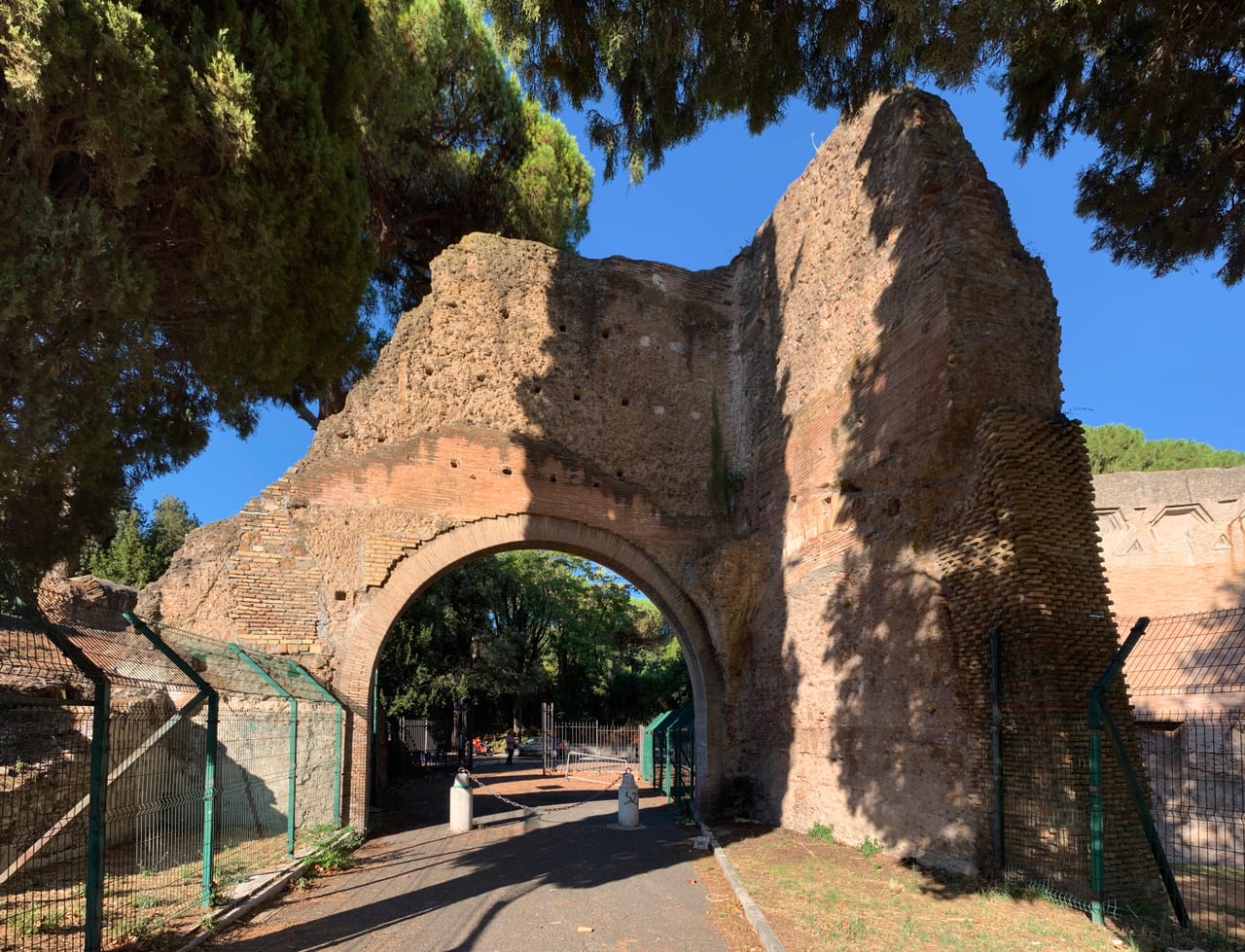
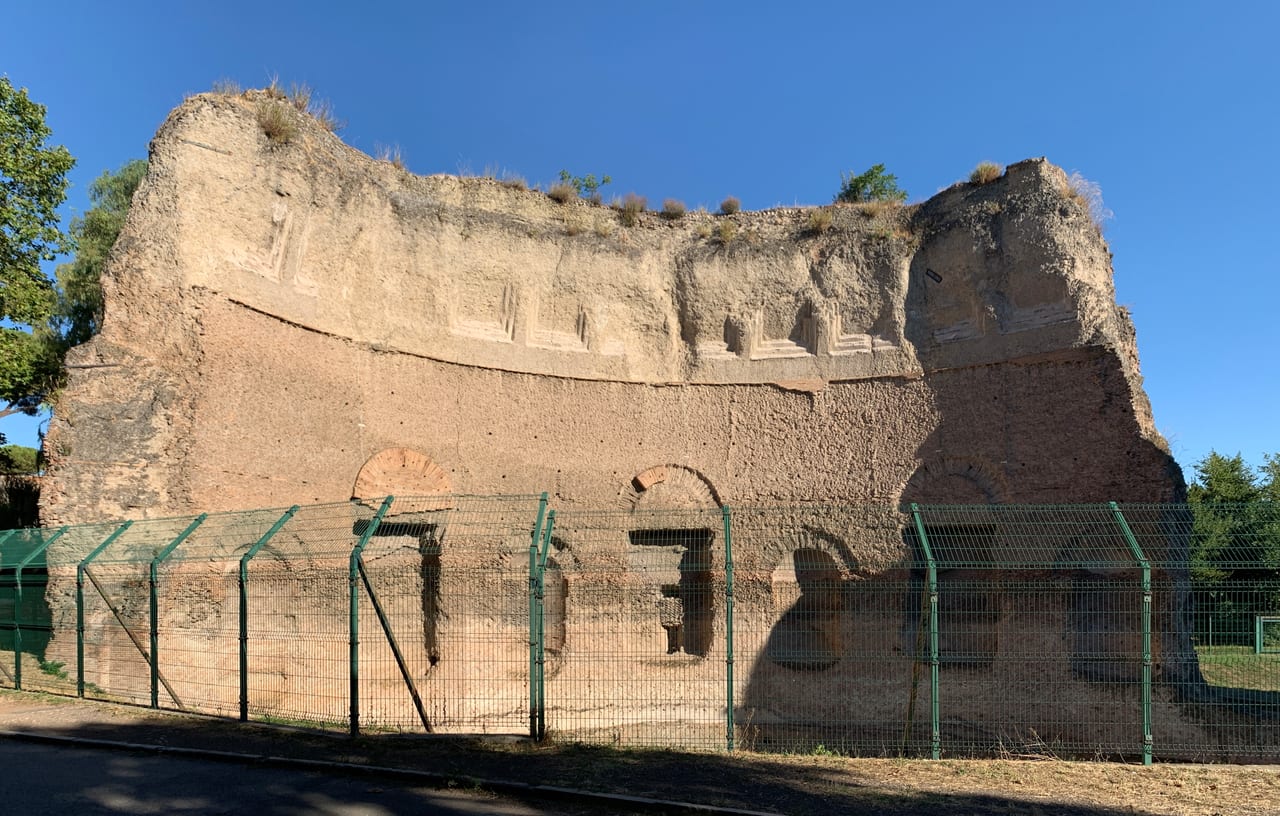
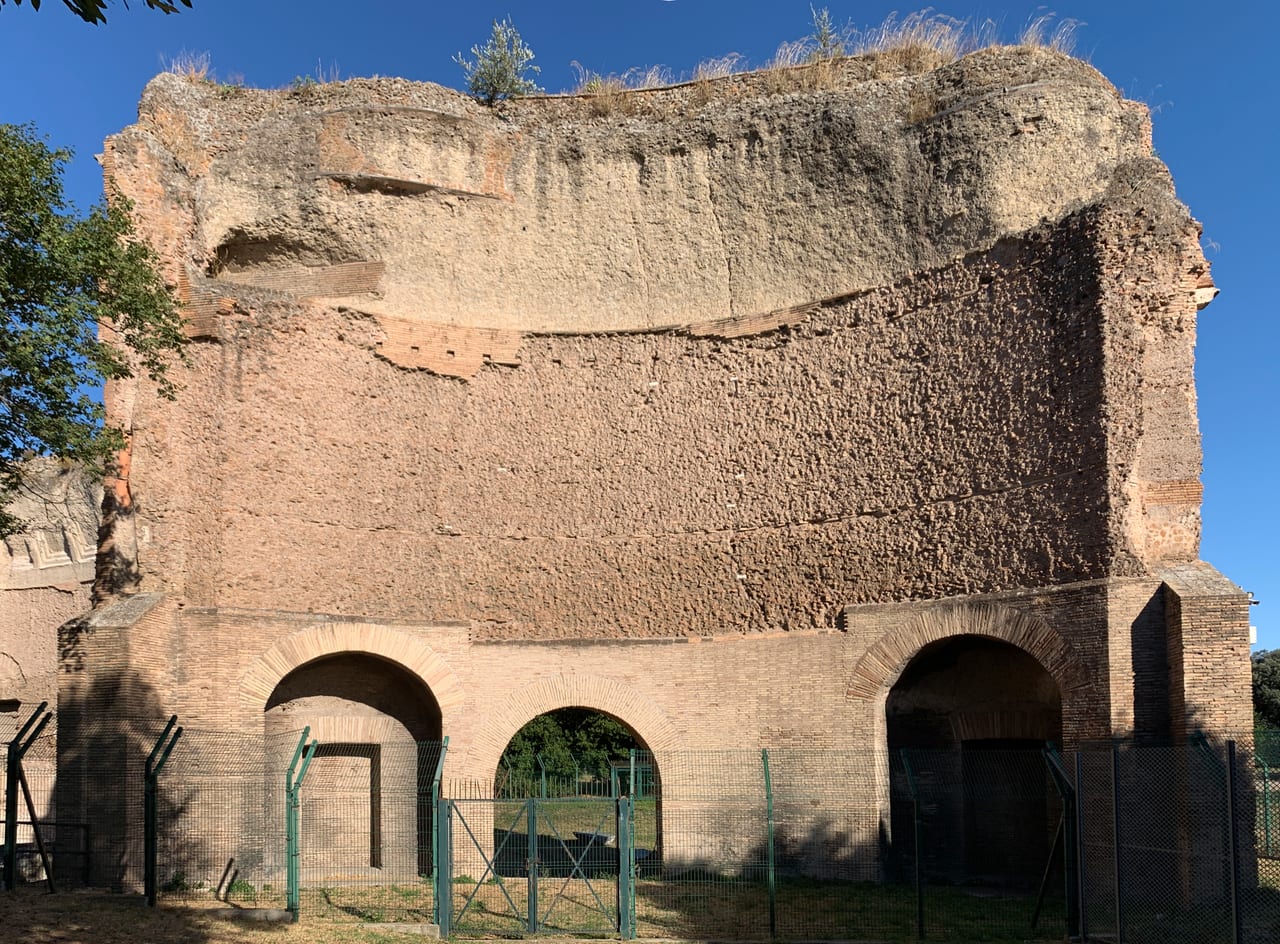
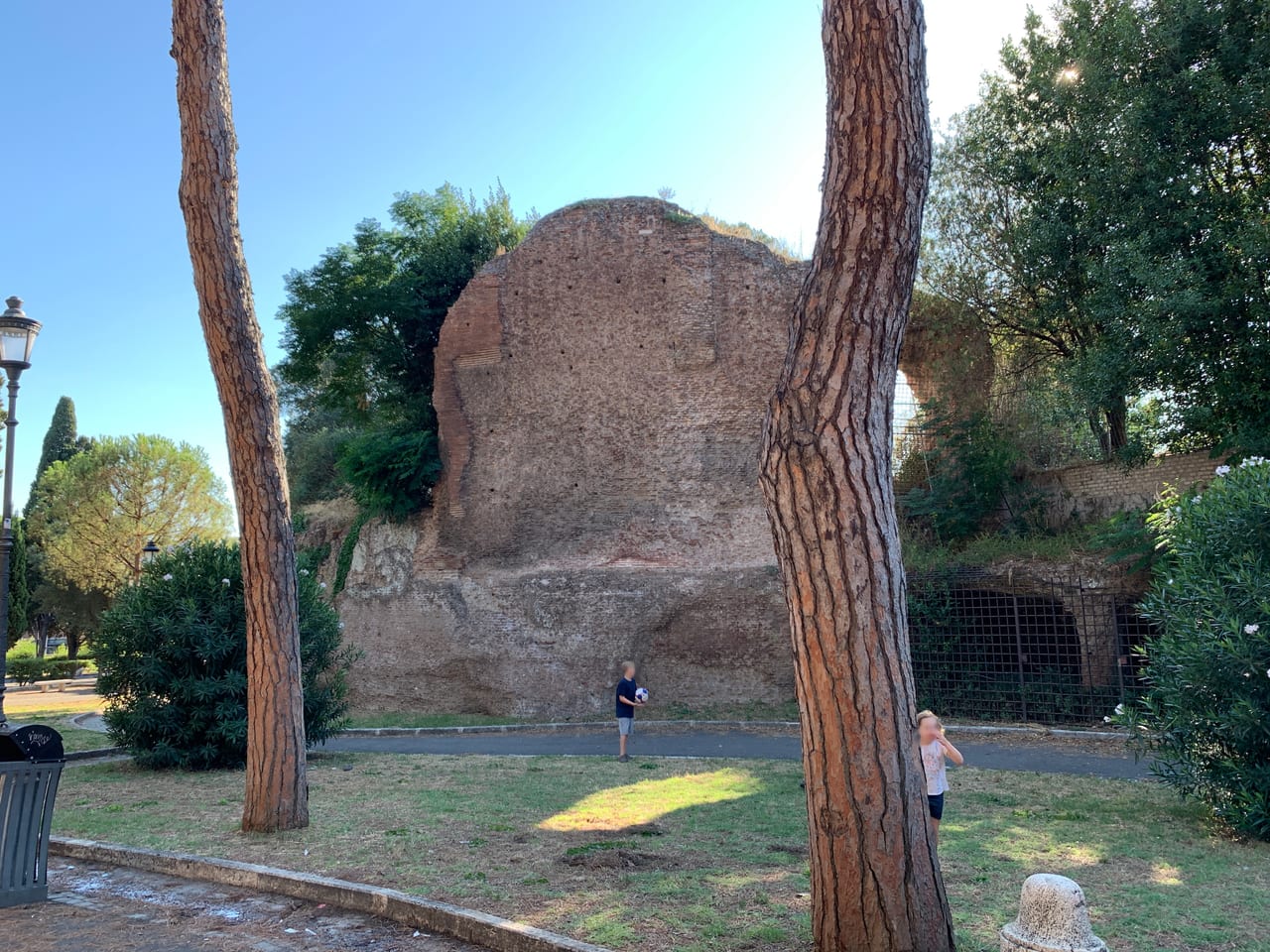
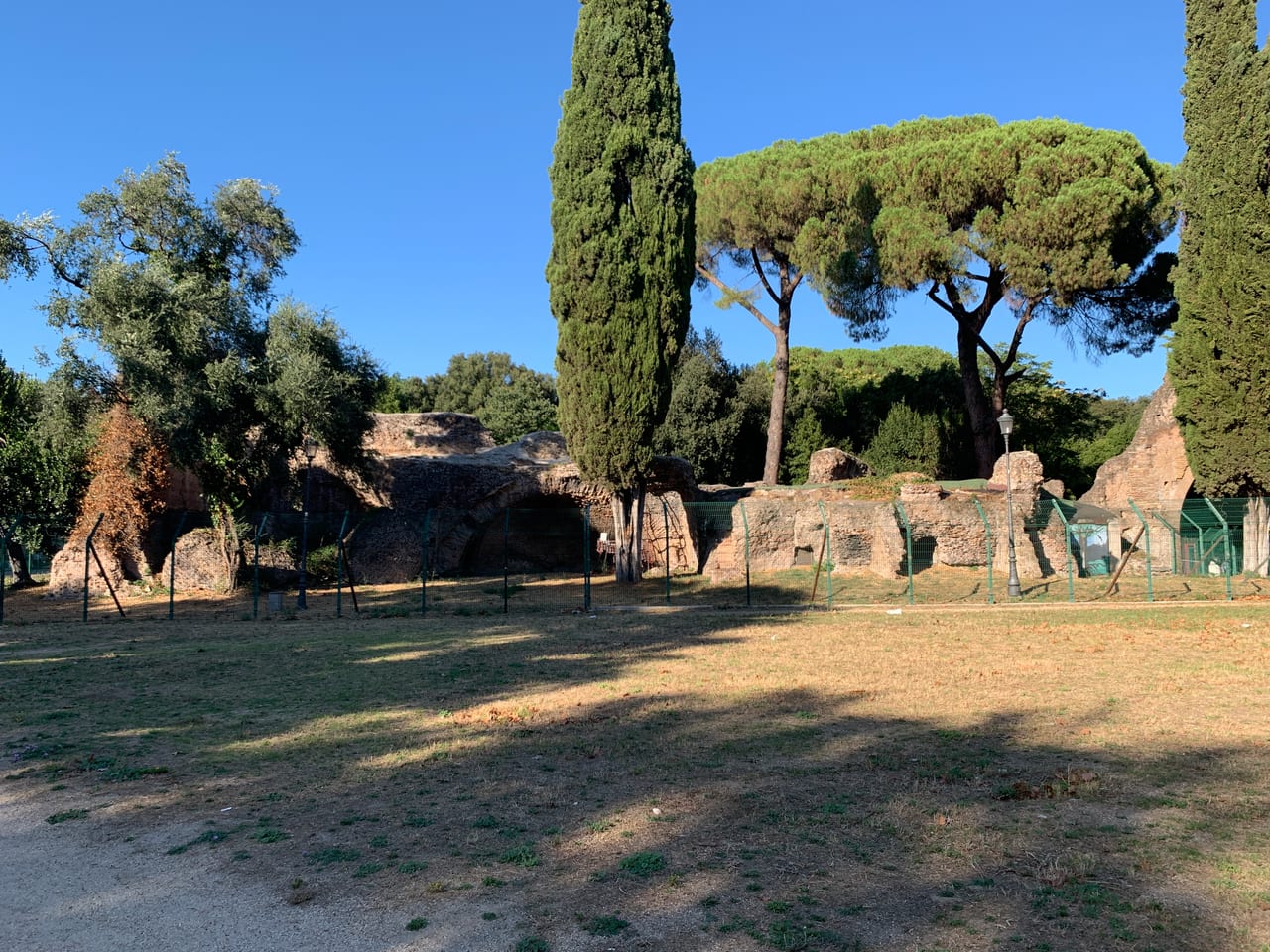
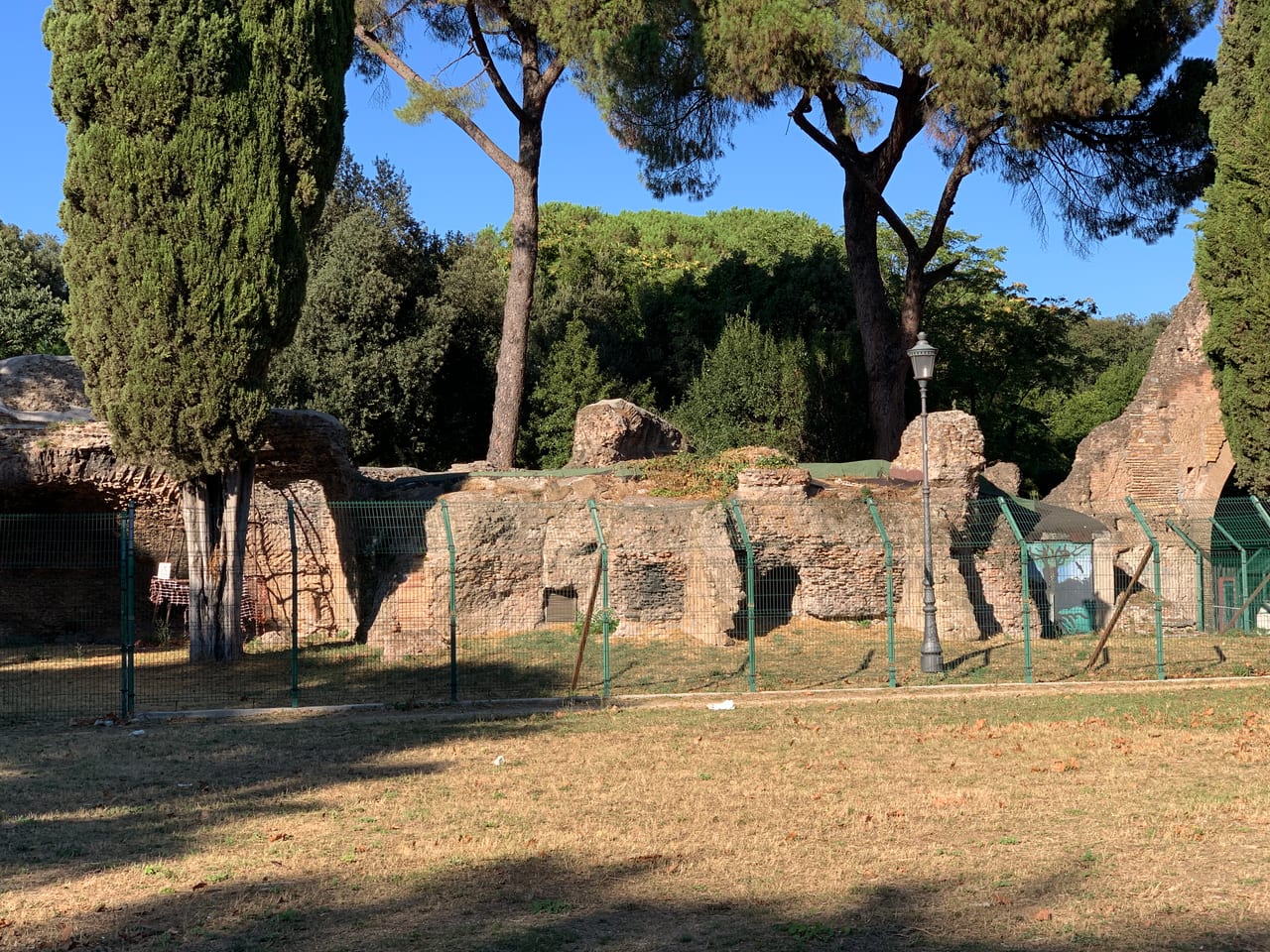
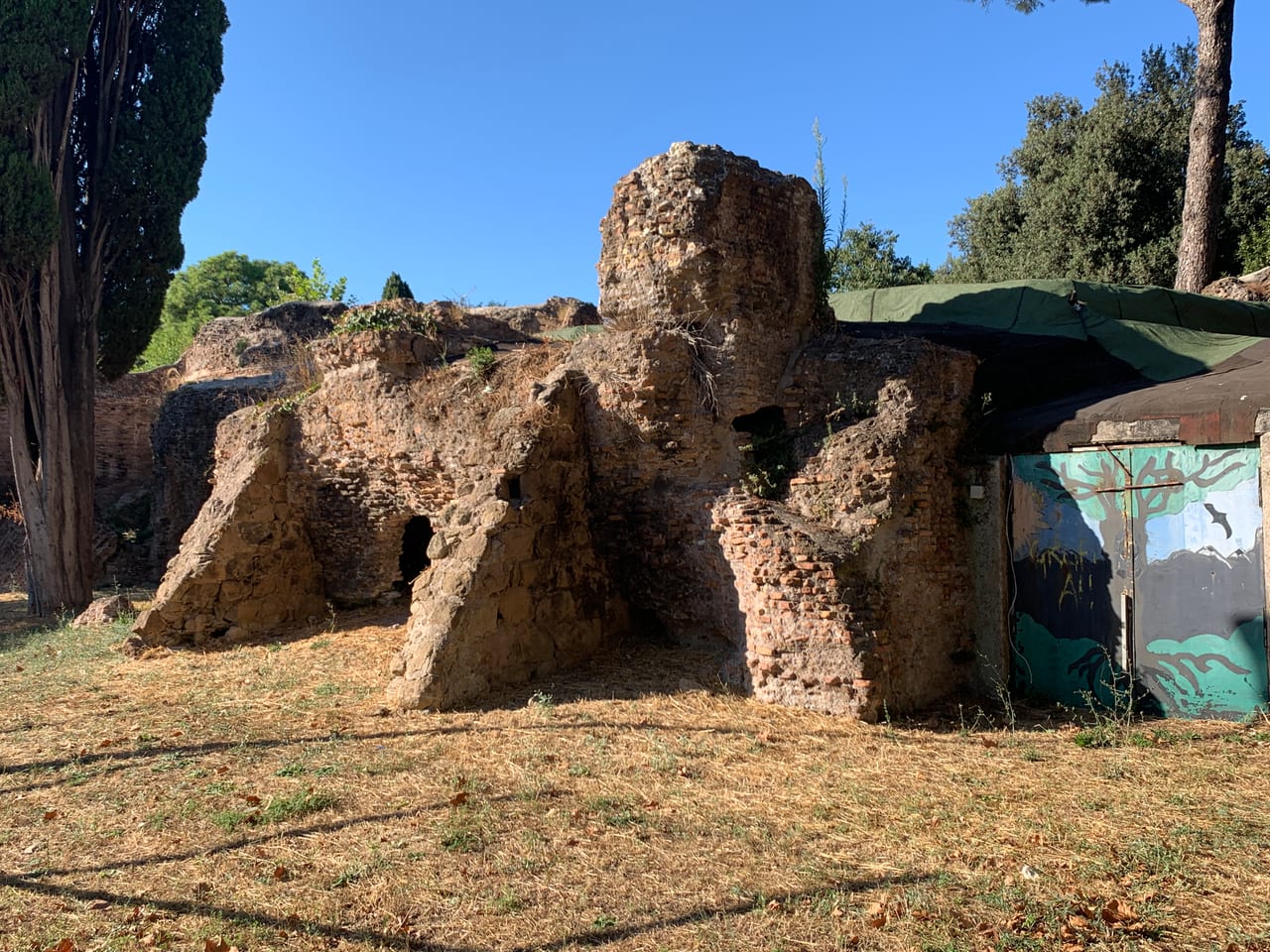
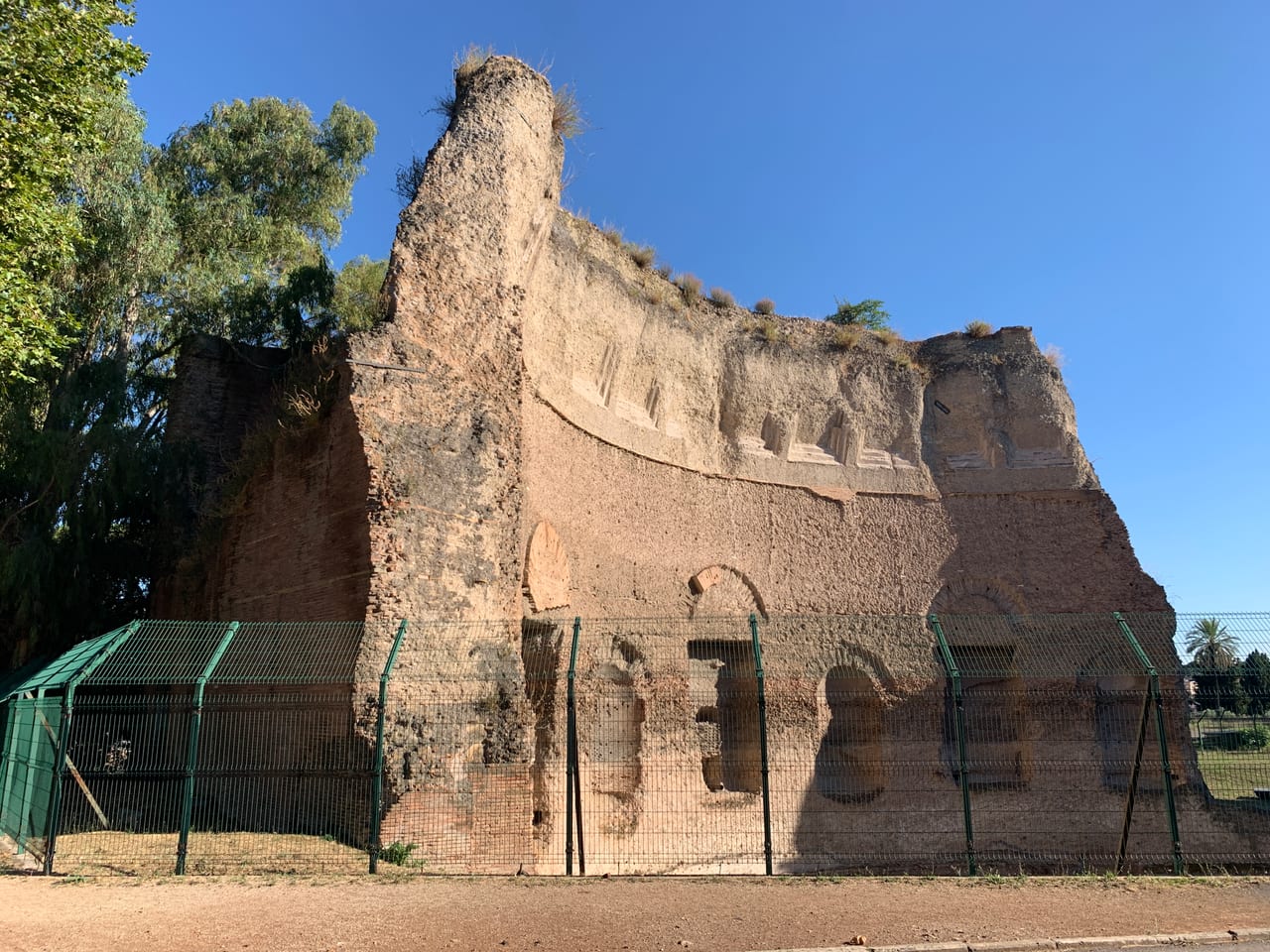
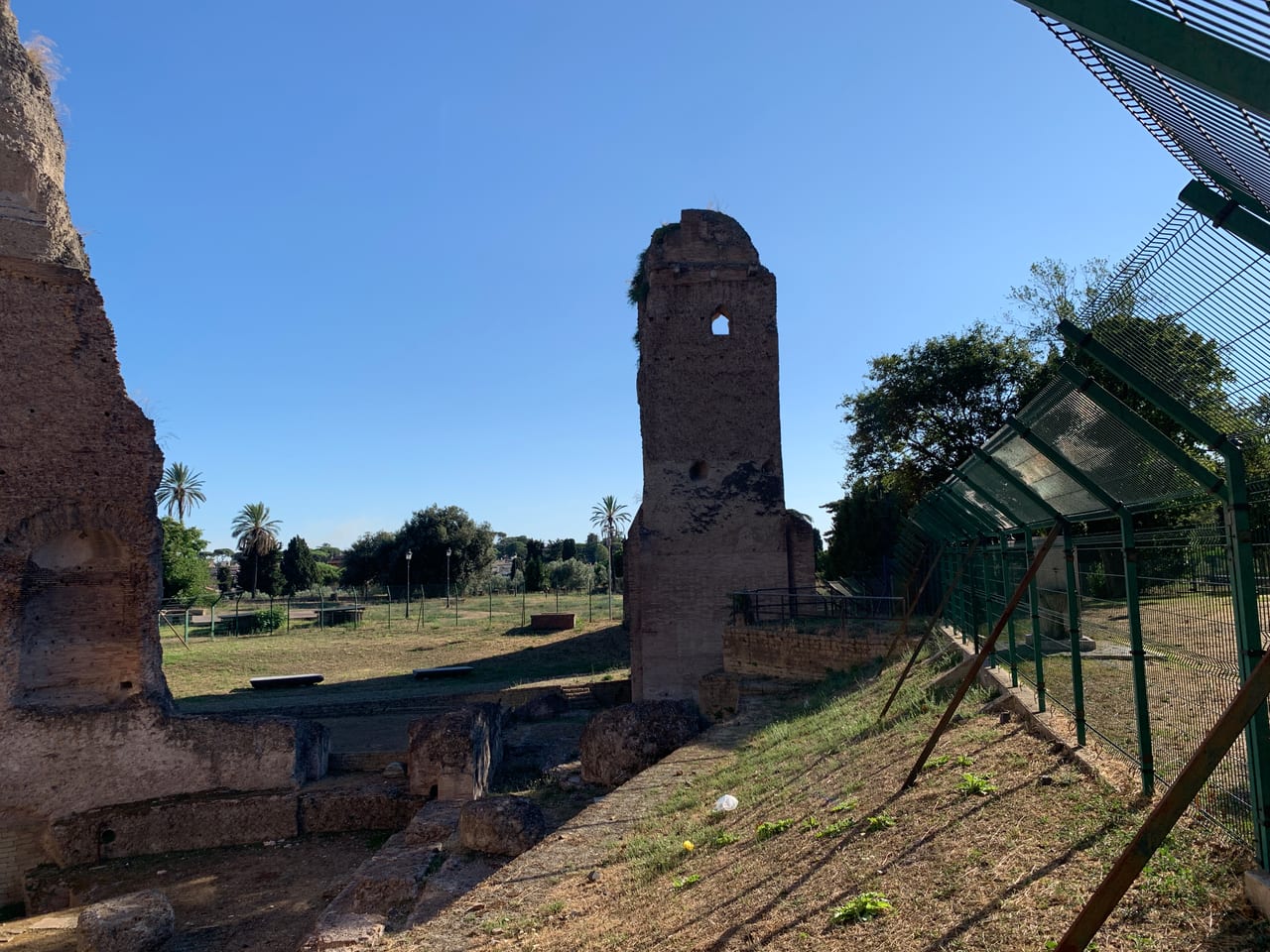
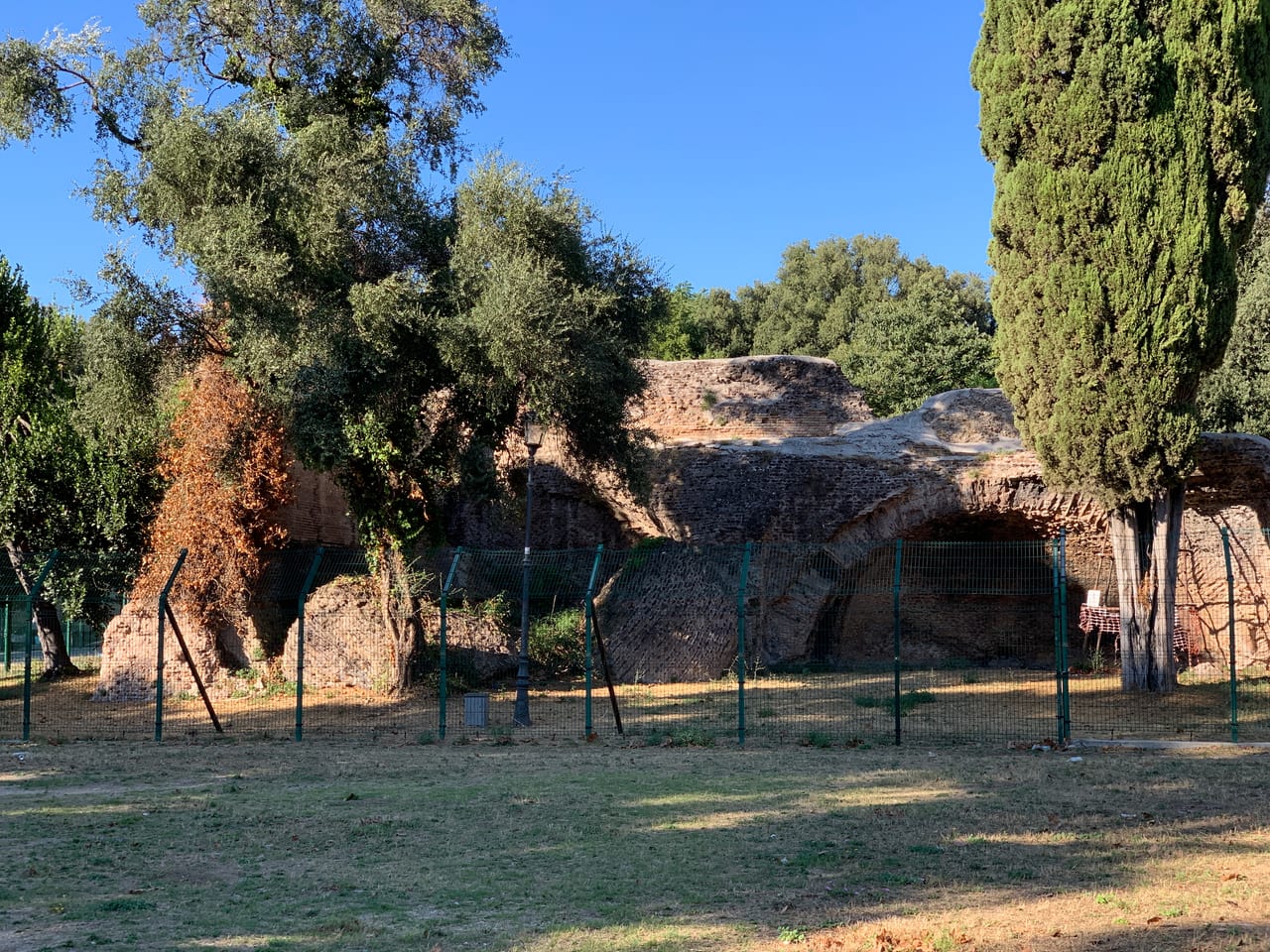
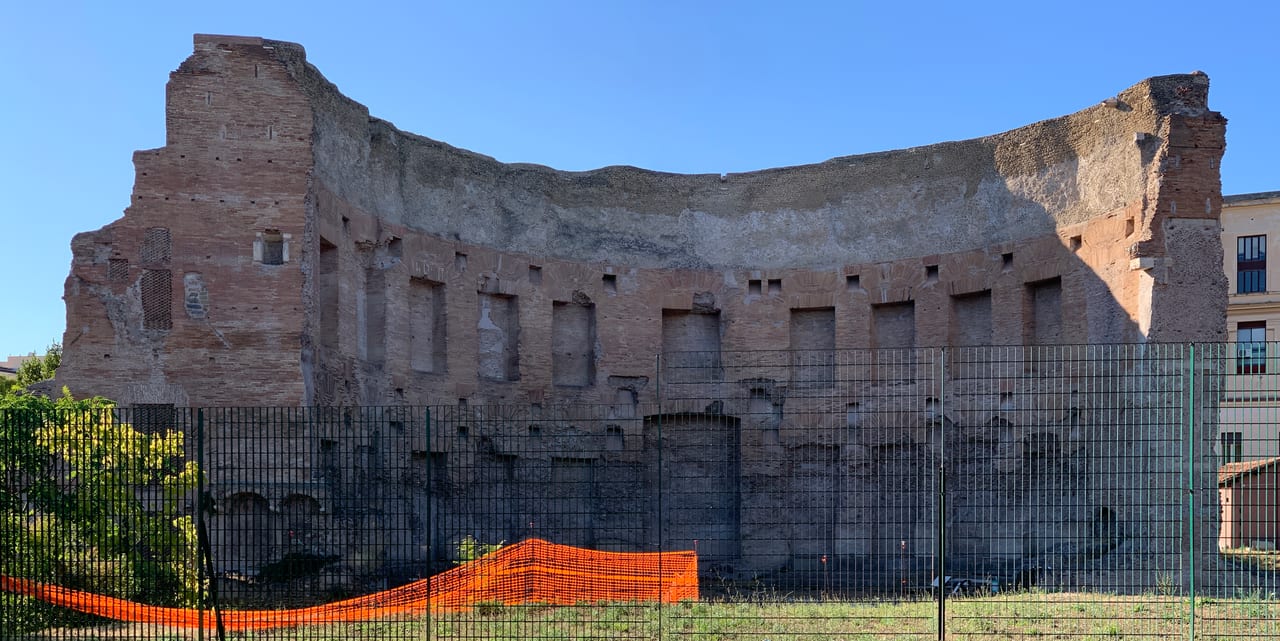
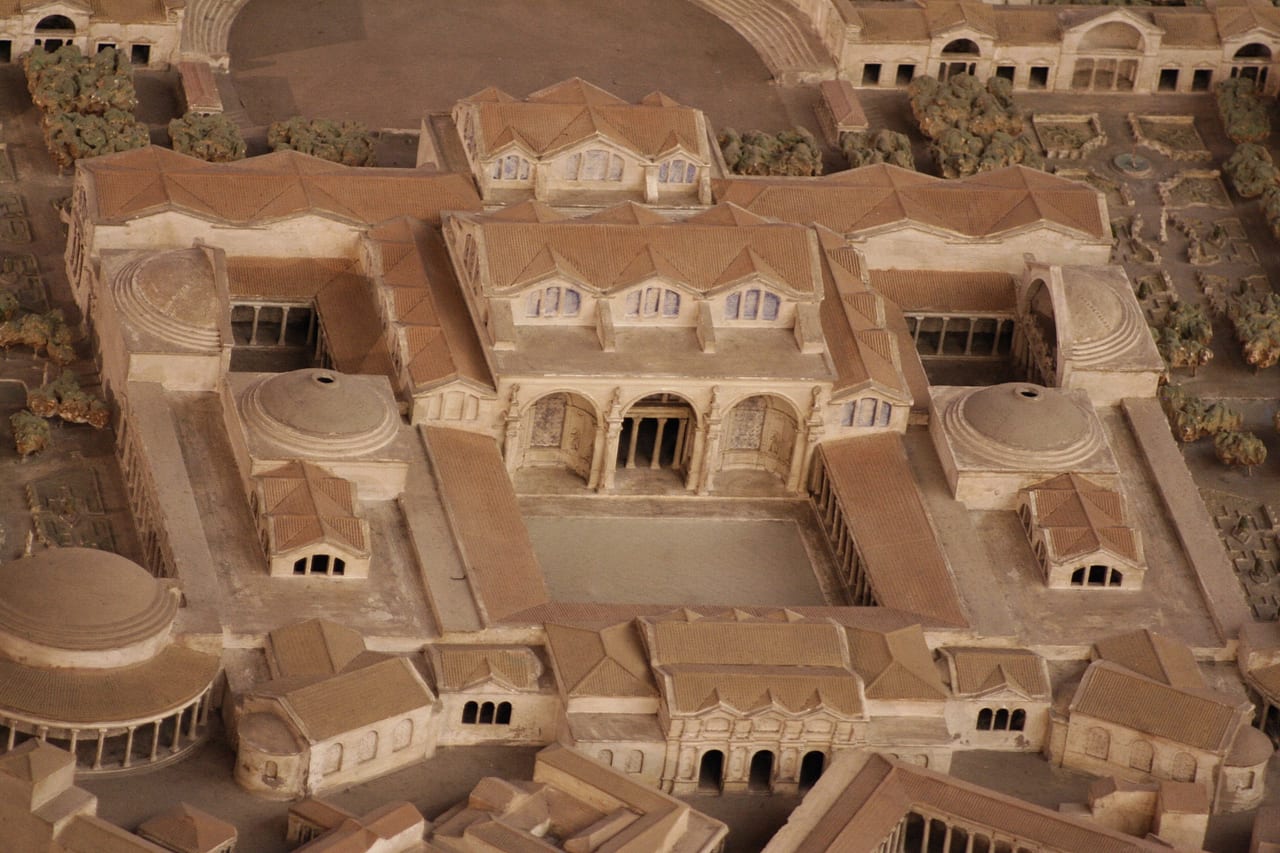
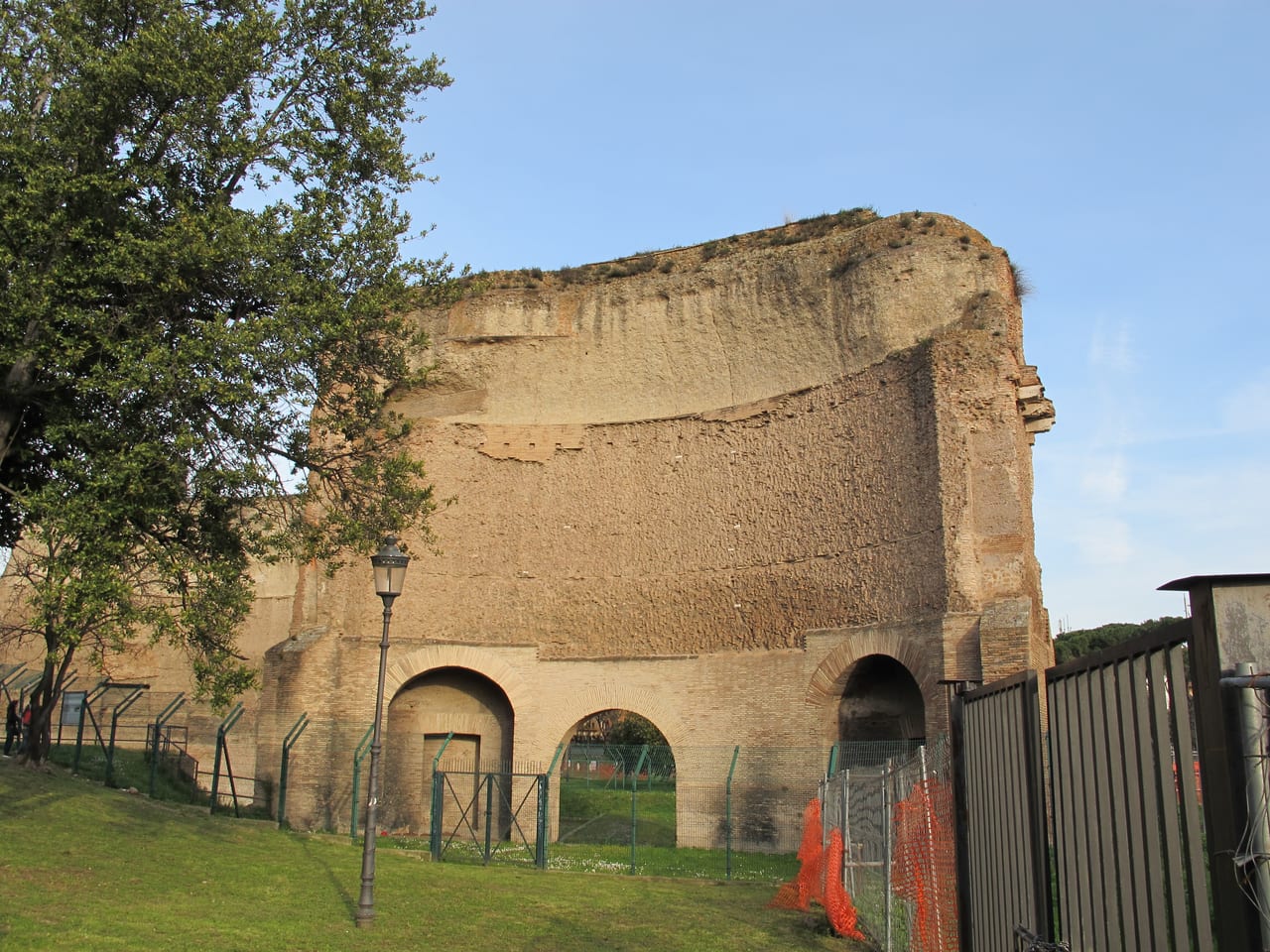
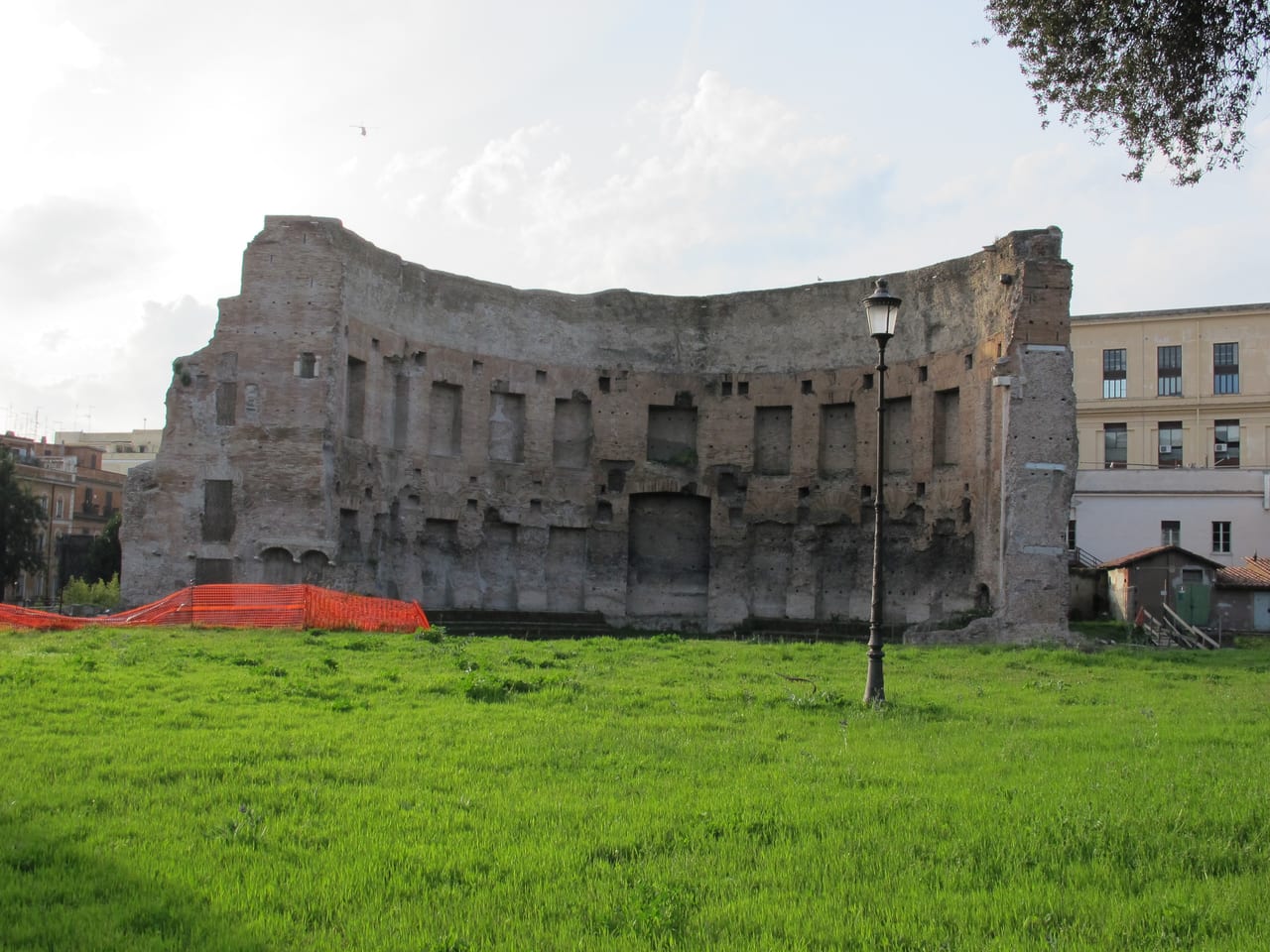
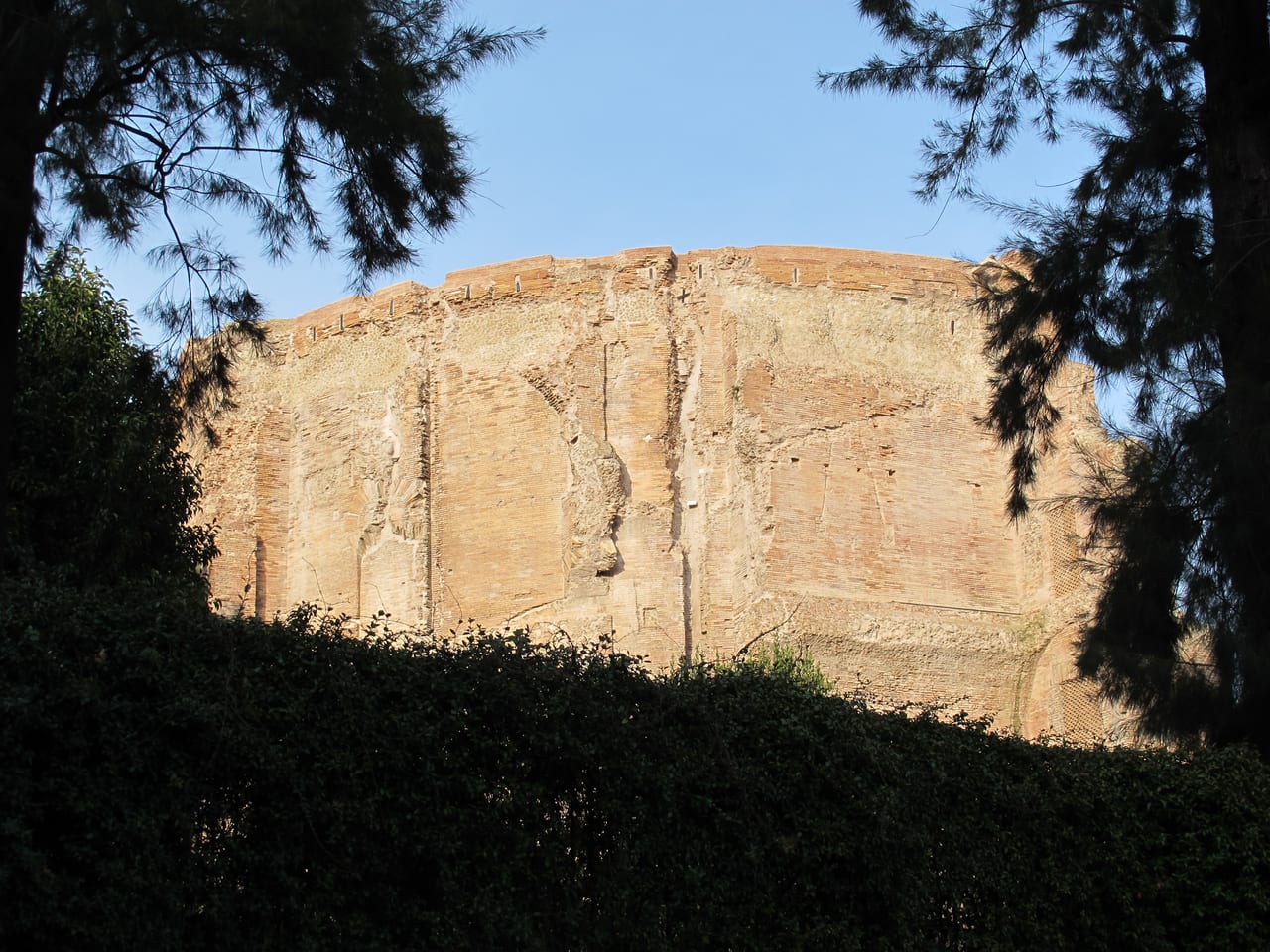
Commissioned by Emperor Trajan and designed by Apollodorus of Damascus, the Baths of Trajan were built between the aftermath of the Domus Aurea fire around 104 AD and their completion in 109. Ancient and later sources sometimes attributed part of the construction to Domitian, but brick stamps support a Trajanic date. They were Rome’s first great imperial baths and the largest bathing building of their age. The complex occupied more than six hectares, incorporating ground associated with the Domus Aurea, the Baths of Titus and other earlier structures. Its 330-by-315-metre outer enclosure surrounded a green exercise ground, porticoes and rooms for social and cultural activities; a monumental exedra on the south-western side may have accommodated spectators at athletic contests. The central block measured about 190 by 212 metres, with bathing rooms arranged along a central axis from the natatio through the frigidarium and tepidarium to the calidarium. The baths remained in use into the fourth or fifth century, when Felice Campaniano adorned them with statues. Their decline is traditionally linked to Vitiges’s aqueduct cuts in 537, though archaeology suggests the bathing function ended earlier. Medieval vineyards helped preserve the ruins. Public gardens arrived in 1871, and A. Muñoz created the archaeological park in 1935–36, though the new avenue divided the complex.
At a glance
- Architect
- Apollodorus of Damascus
Ways to explore Baths of Trajan
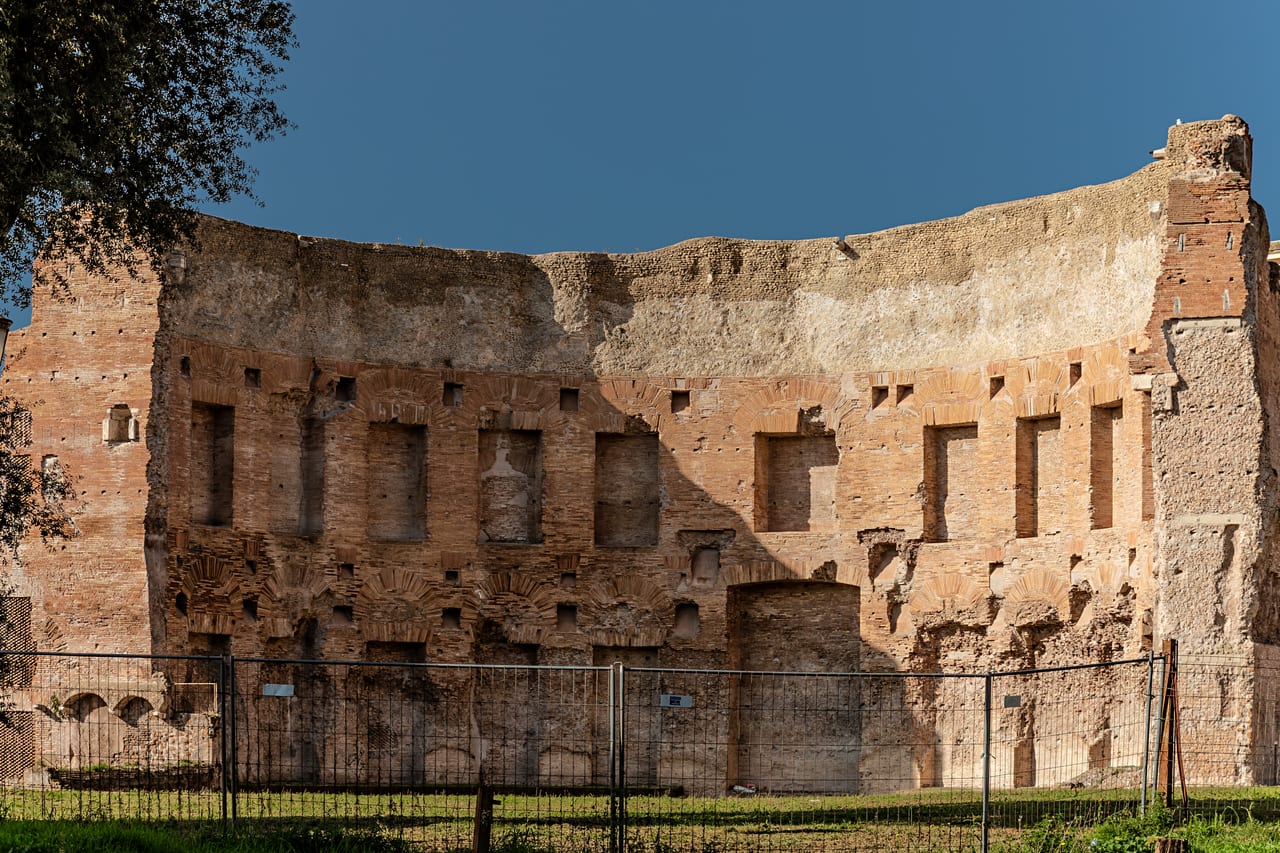
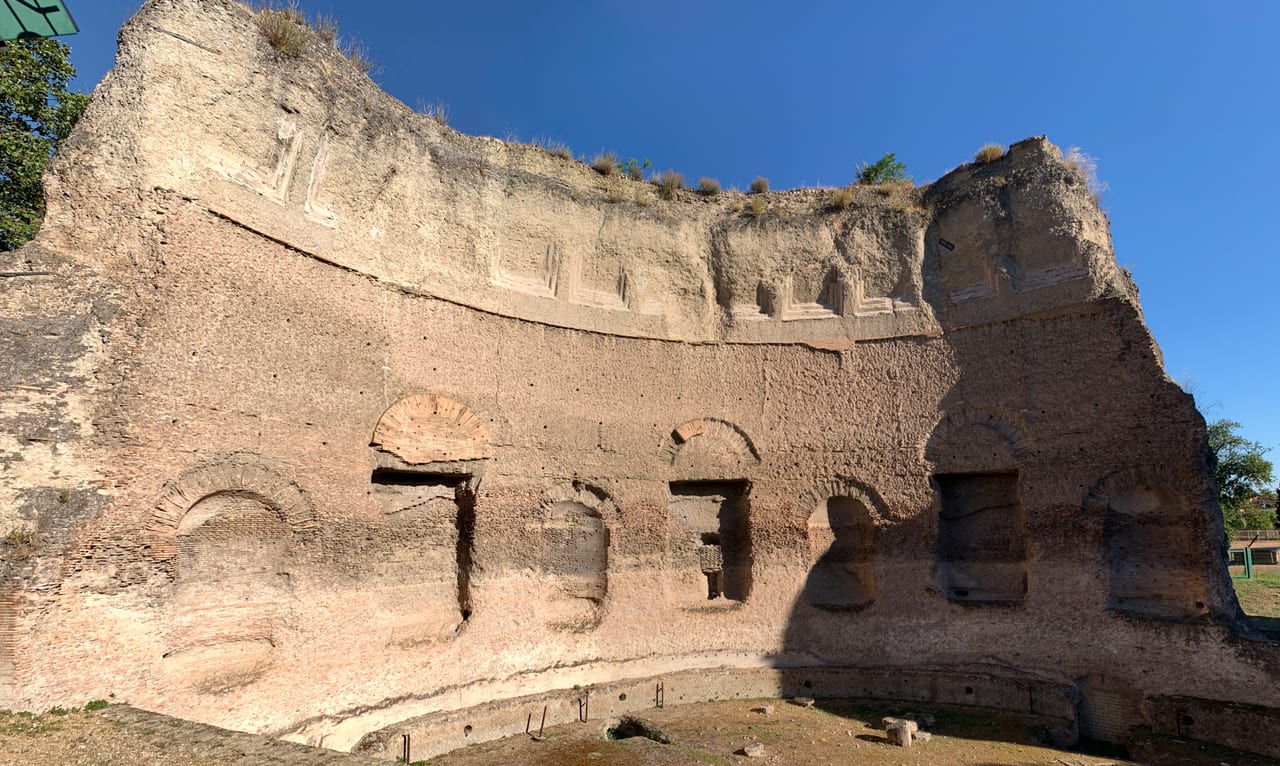
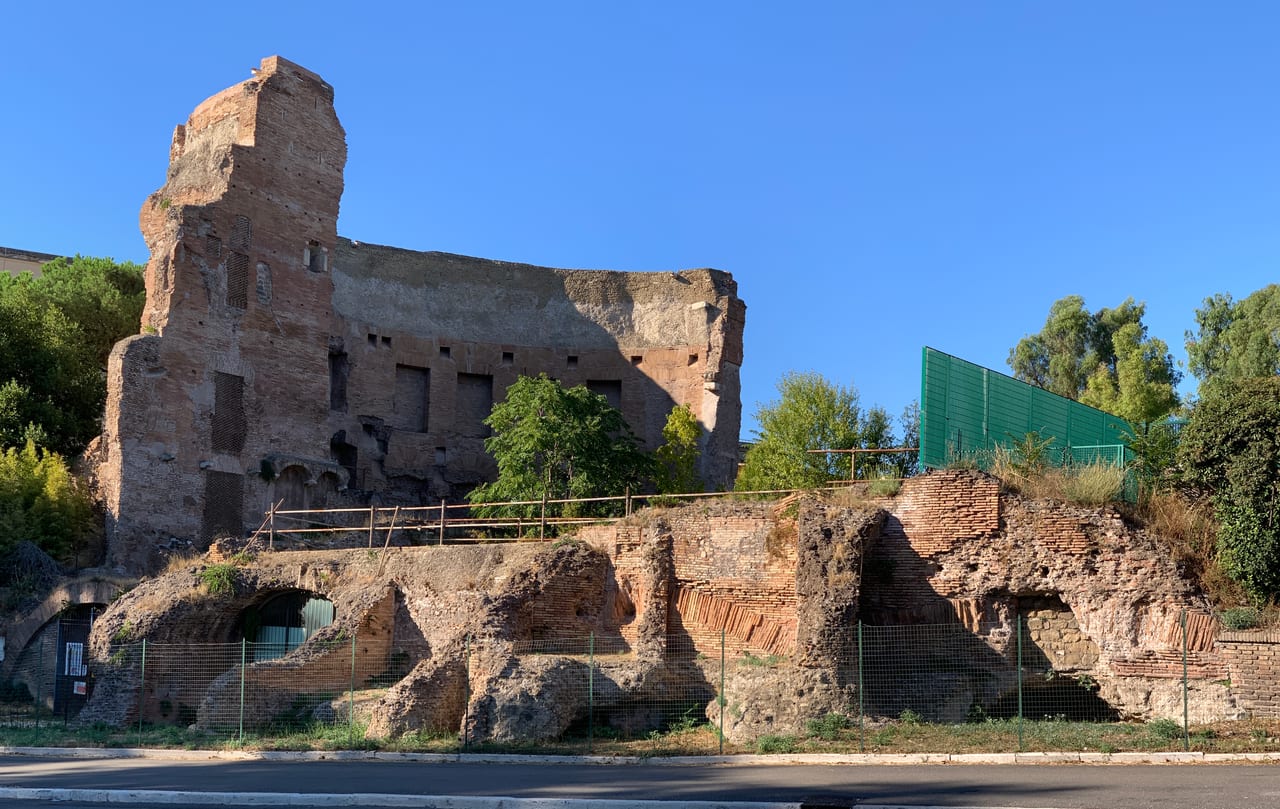
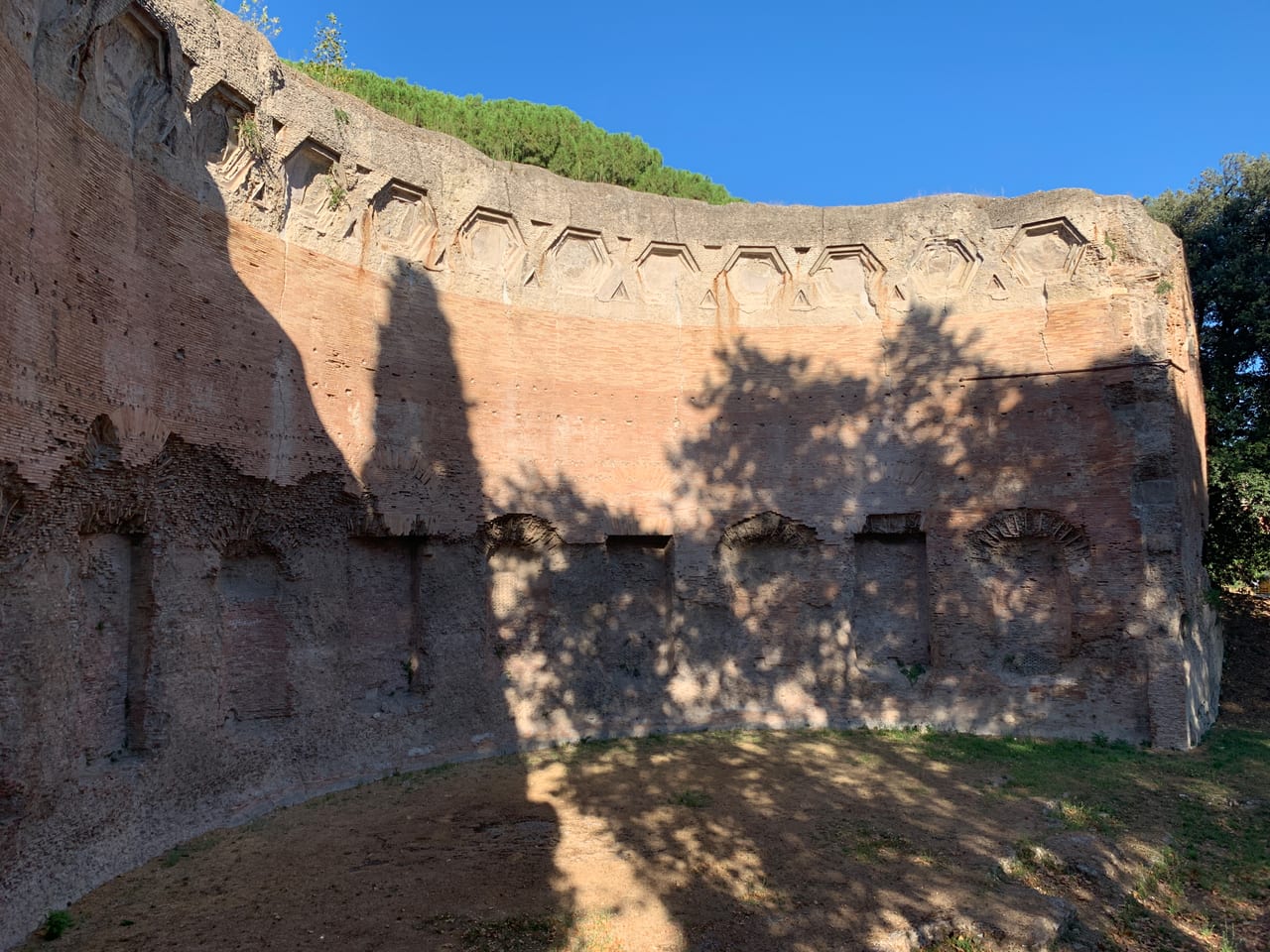
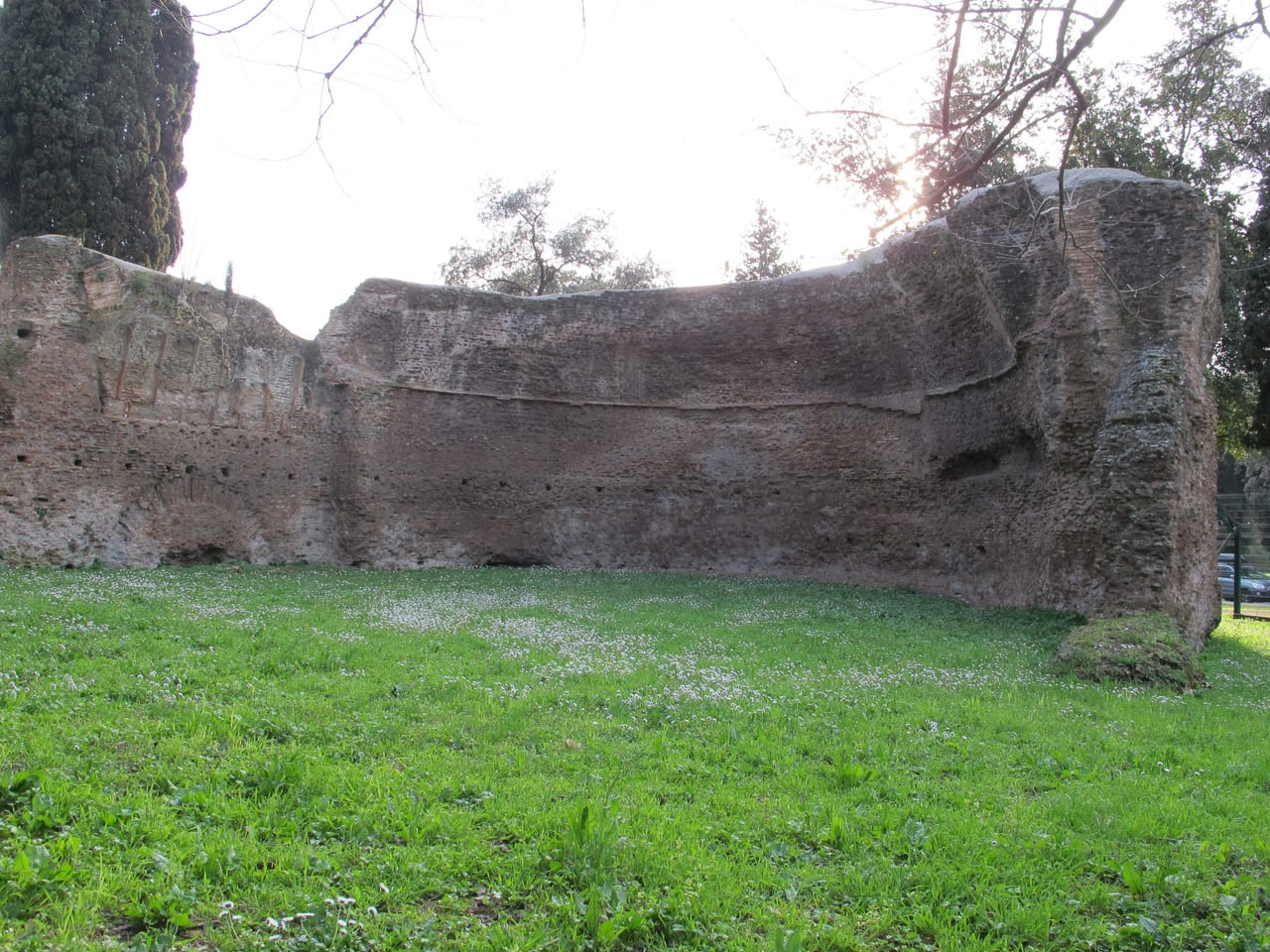
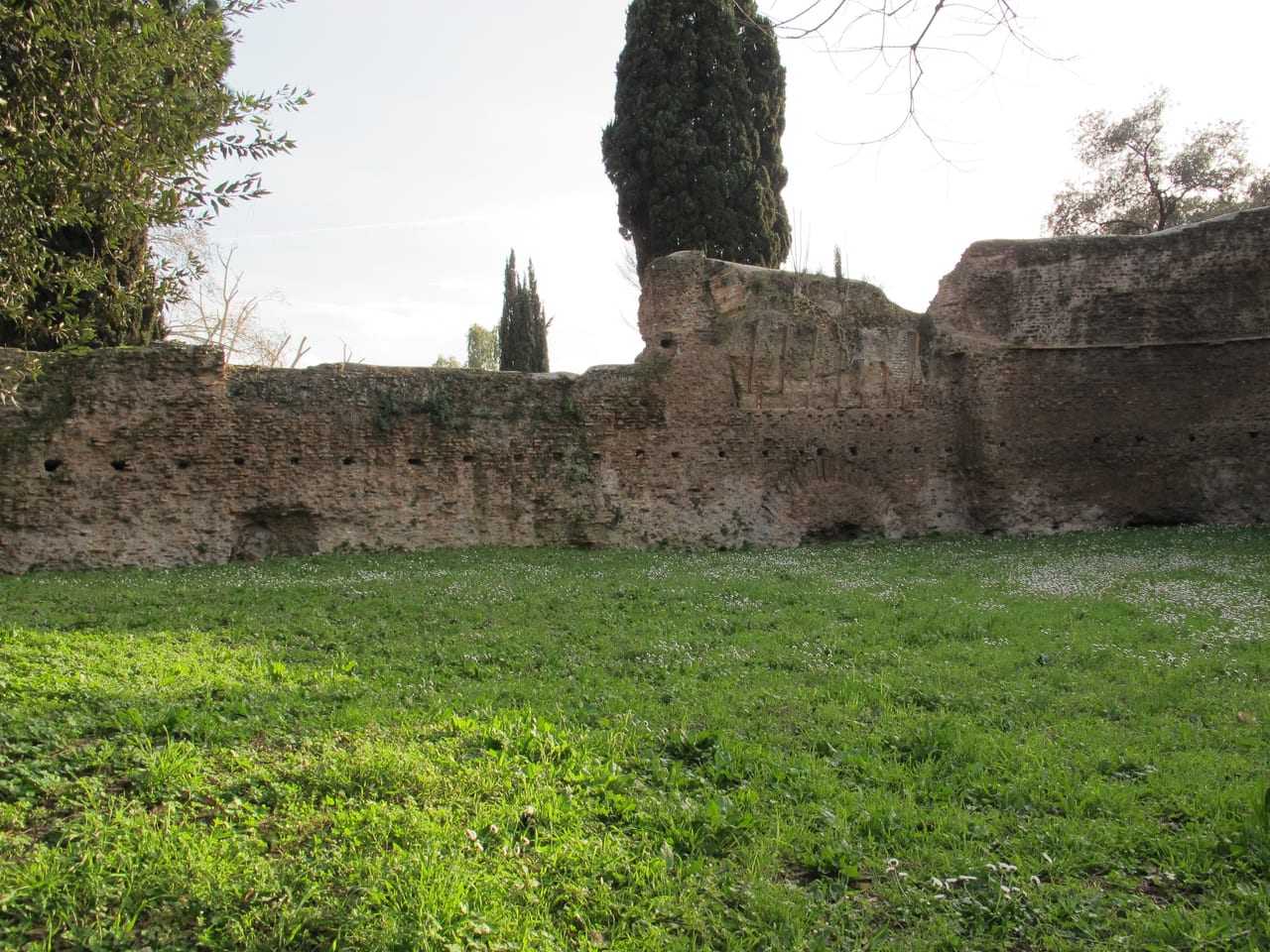
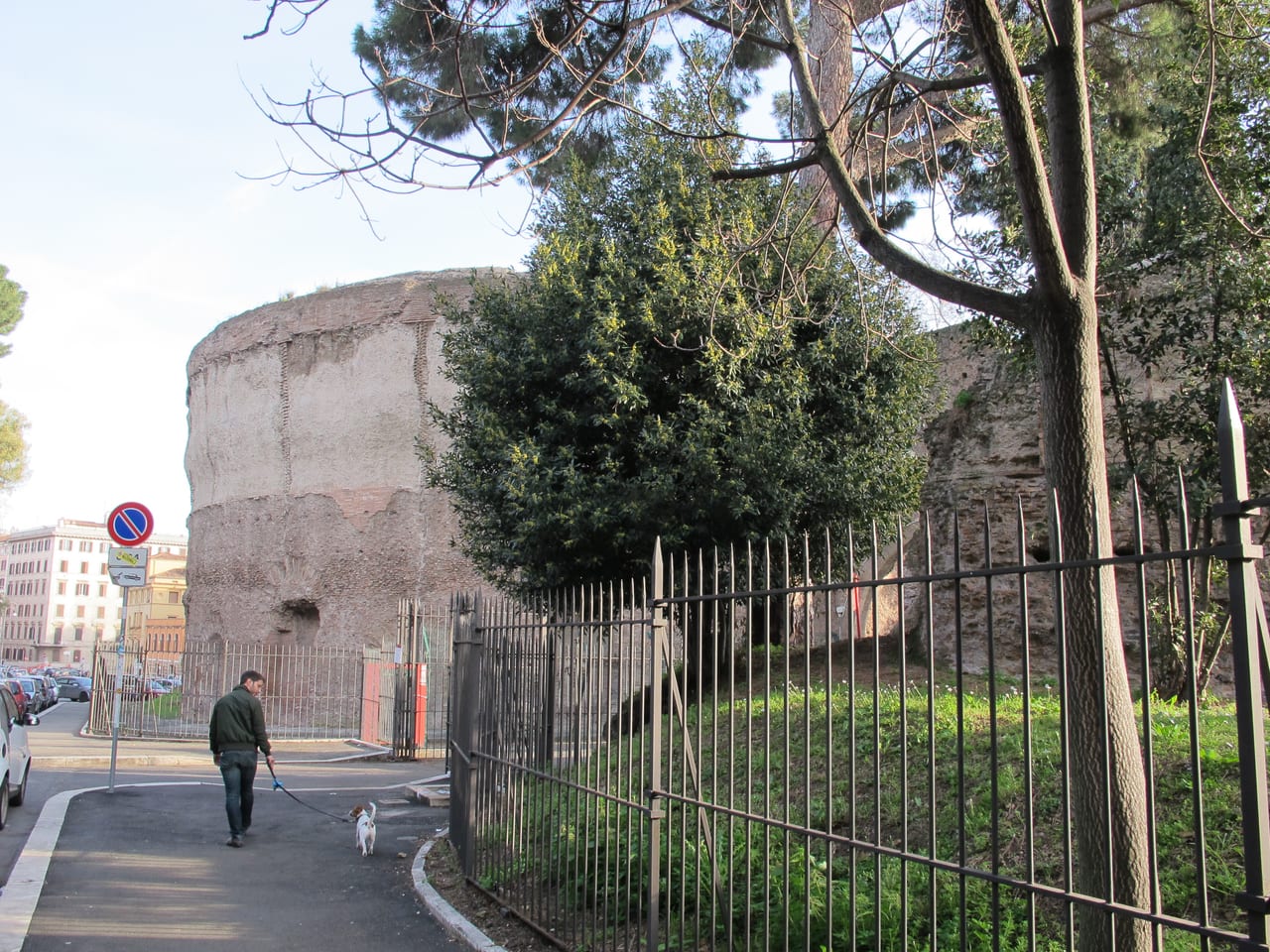
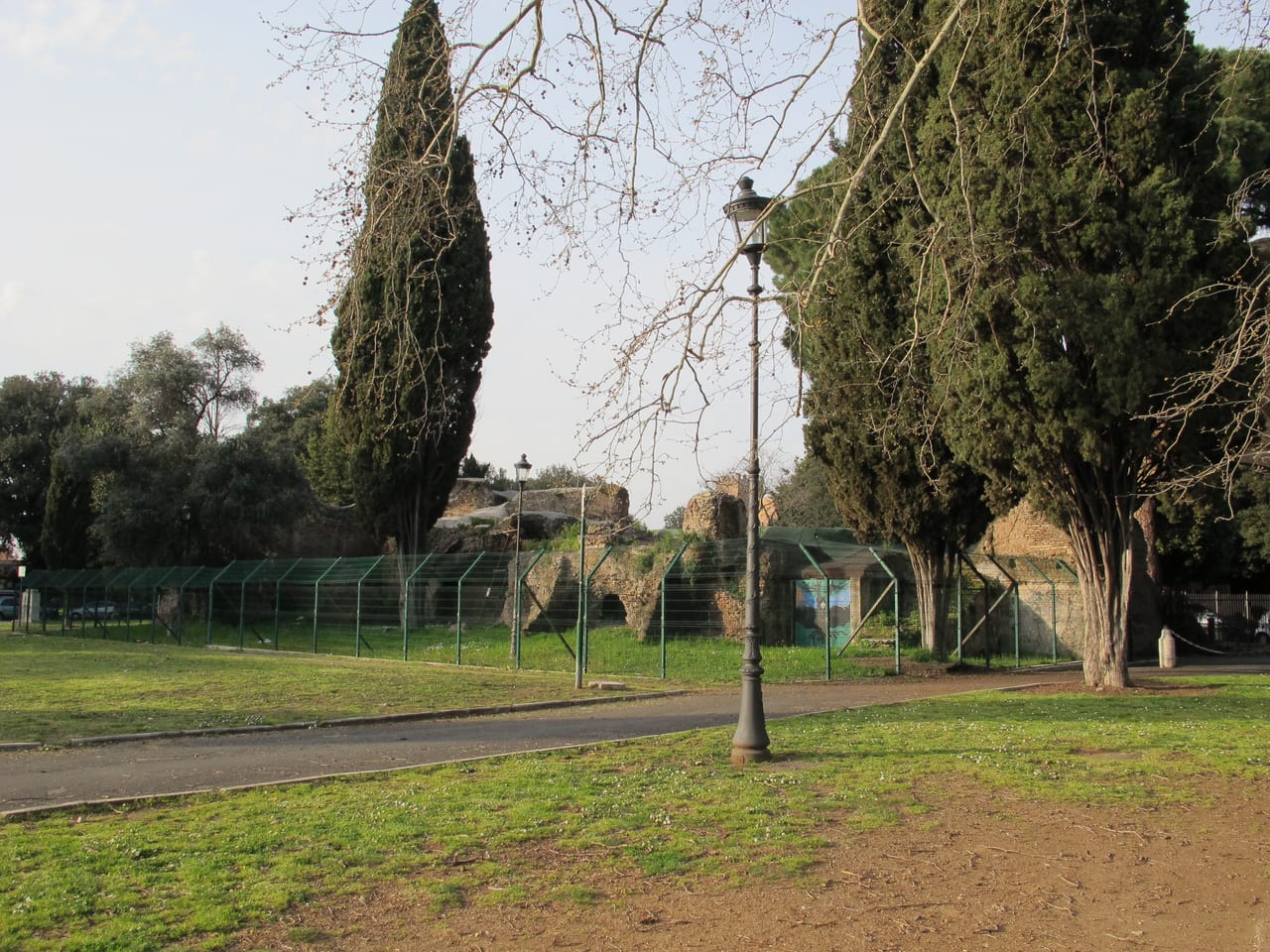
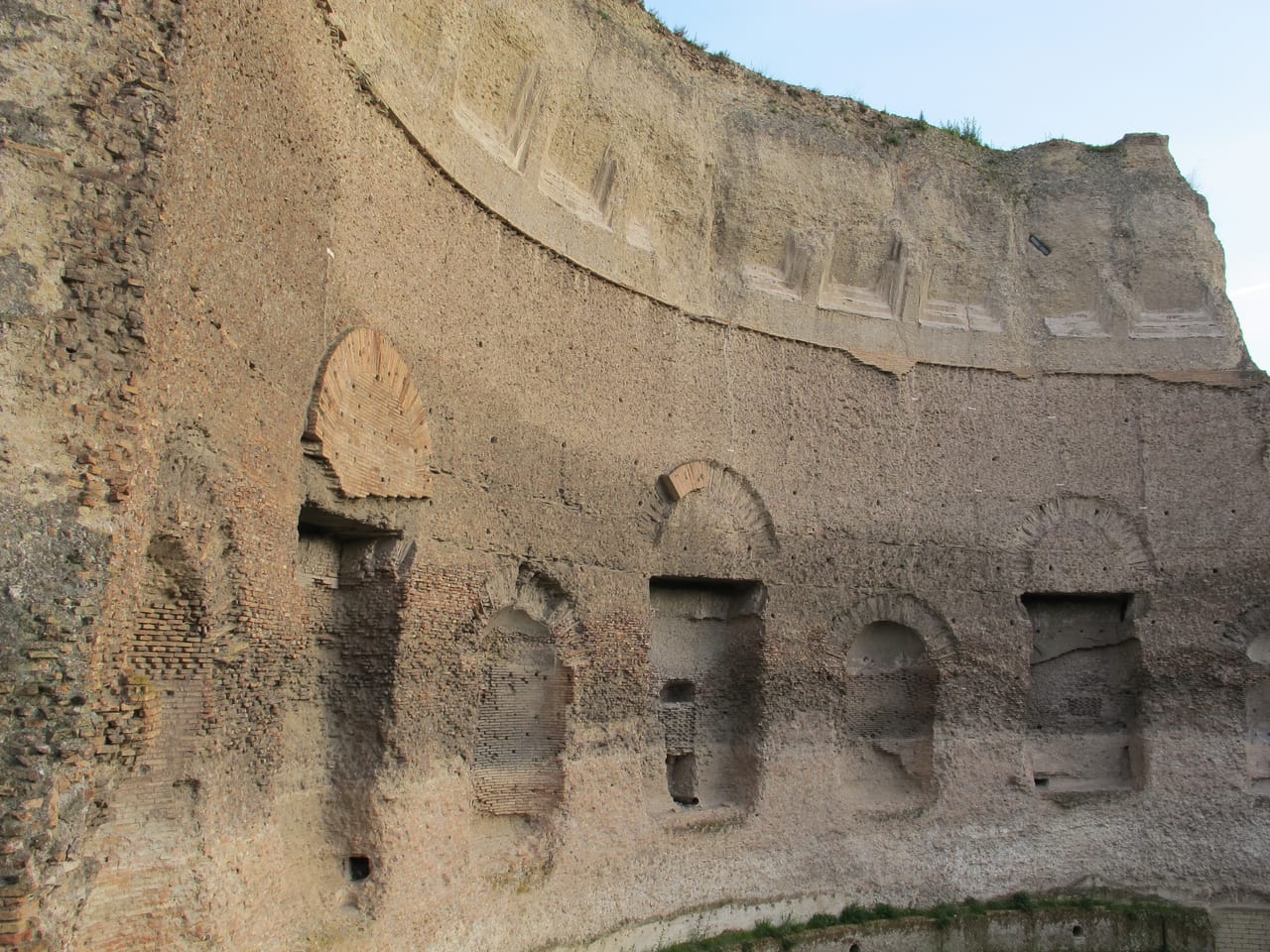
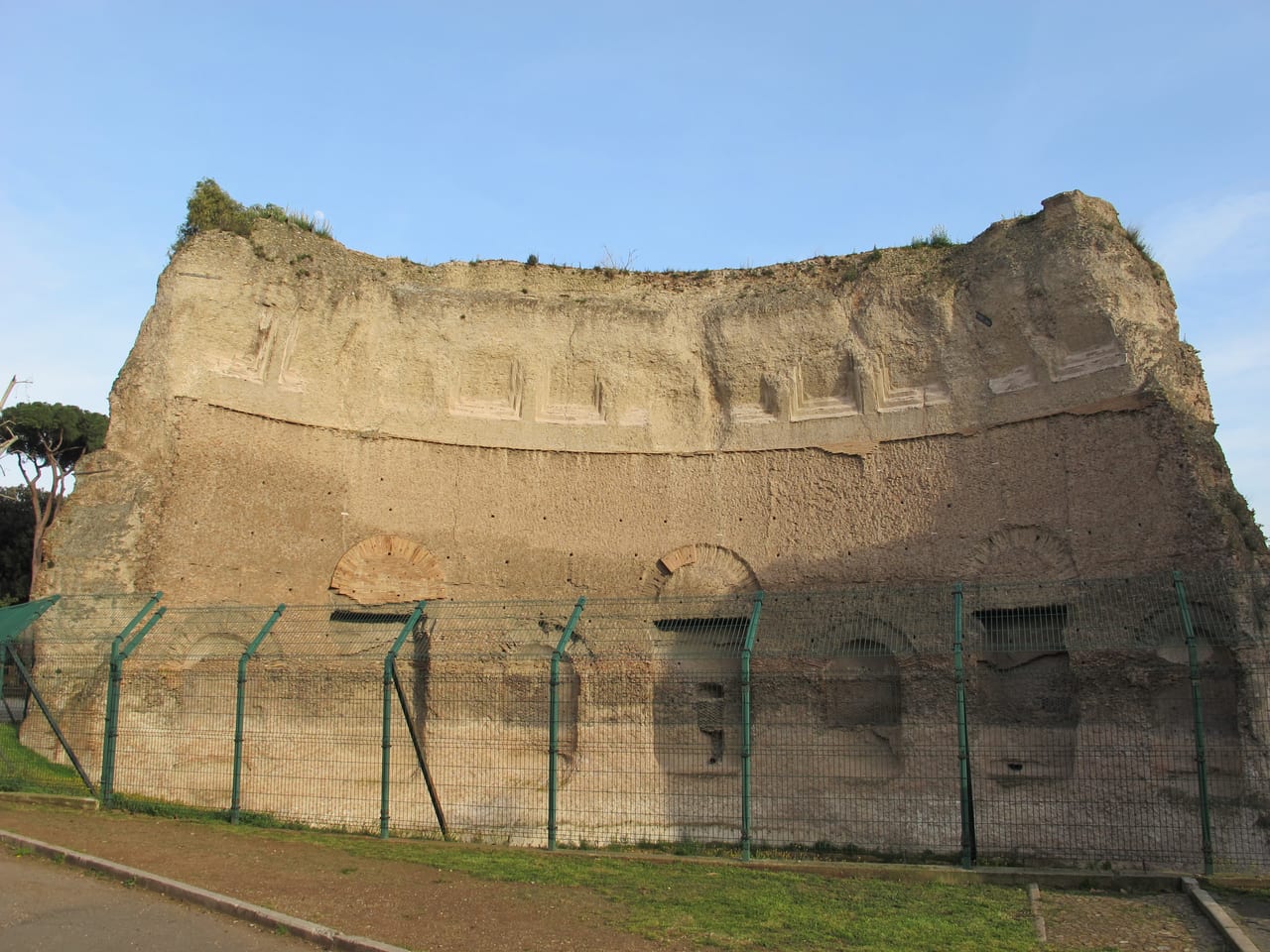
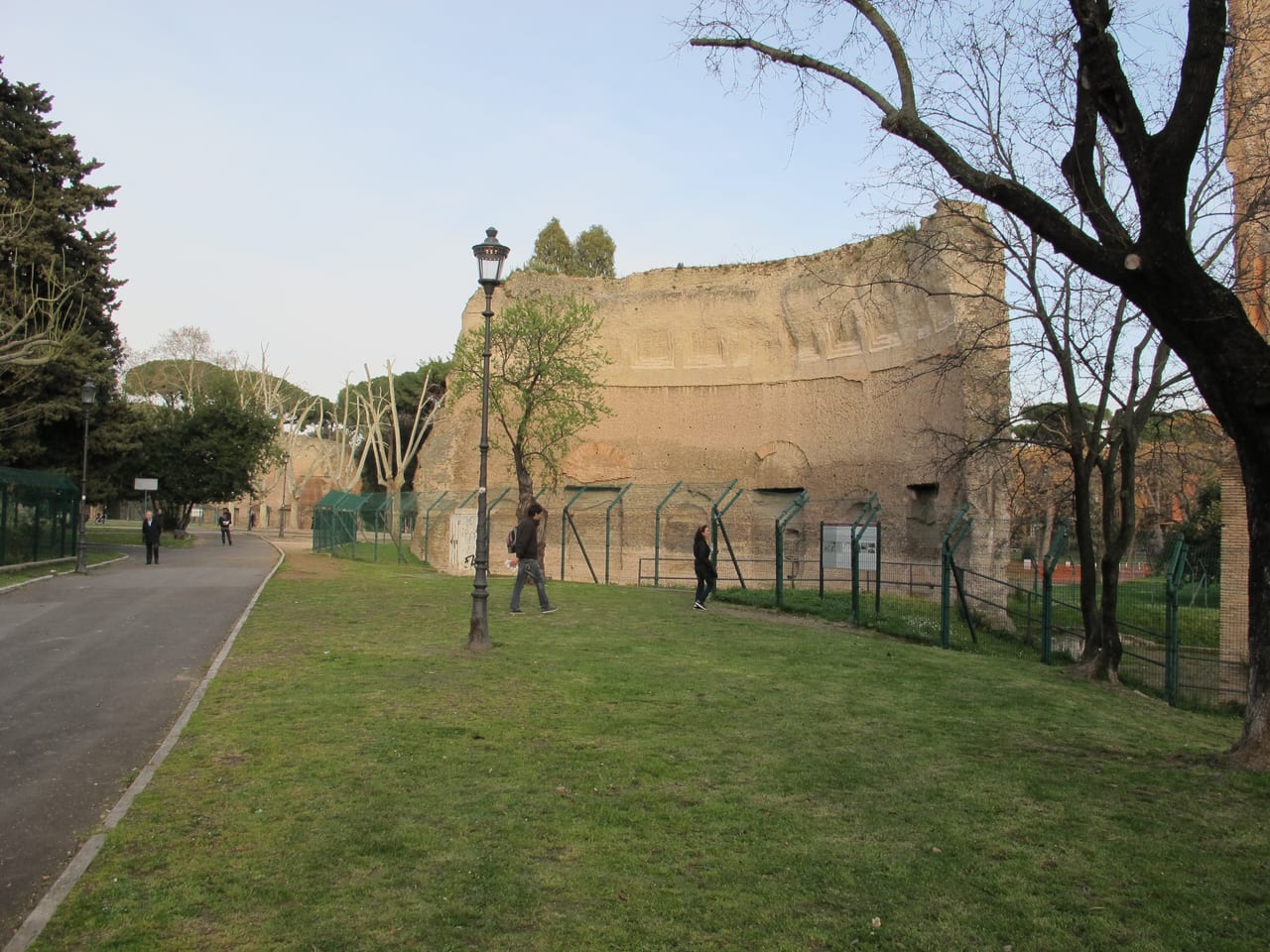
Walk through the Parco del Colle Oppio to compare the surviving structures rather than expecting the central bathing block intact. The north-eastern exedra retains eleven alternating rectangular and semicircular niches beneath a coffered half-dome. At the south-western exedra, look for the two tiers of book niches and the fittings for a wooden gallery. The eastern palaestra preserves part of its coffered half-dome. Seek out the excavated works associated with the site, including the Painted City fresco, the Harvest mosaic and the long Apollo-and-the-Muses wall mosaic.
Places to stay near Baths of Trajan

Live availability and prices from Stay22's partners, refreshed periodically and subject to change. Booking through these links may earn us a commission at no extra cost to you. See our privacy policy.
Cafés near Baths of Trajan
Cafés near Baths of Trajan loads as you scroll.
Attractions nearby
Attractions near Baths of Trajan loads as you scroll.
Cities nearby
Cities nearby loads as you scroll.
More in Rome
See more of Rome.
Find great cafés, places to stay and other interesting places to visit in Rome.