Ancient site · Rome
Basilica Ulpia
DirectionsIts original roof was clad in gilded bronze tiles, an extravagant finish above a monumental complex whose decoration also commemorated Trajan’s campaigns in Dacia.
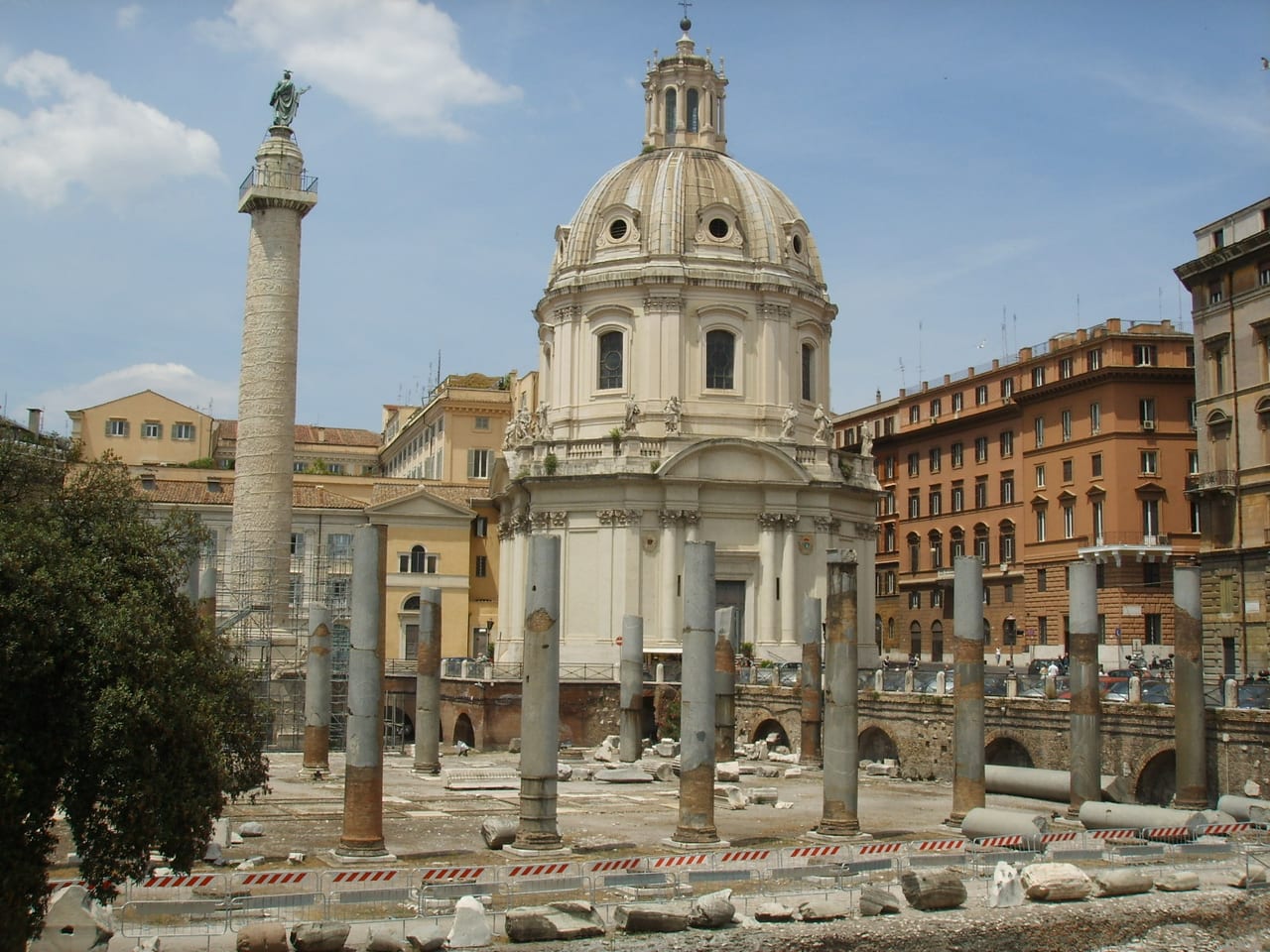
Photograph 1 of 25 of Basilica Ulpia
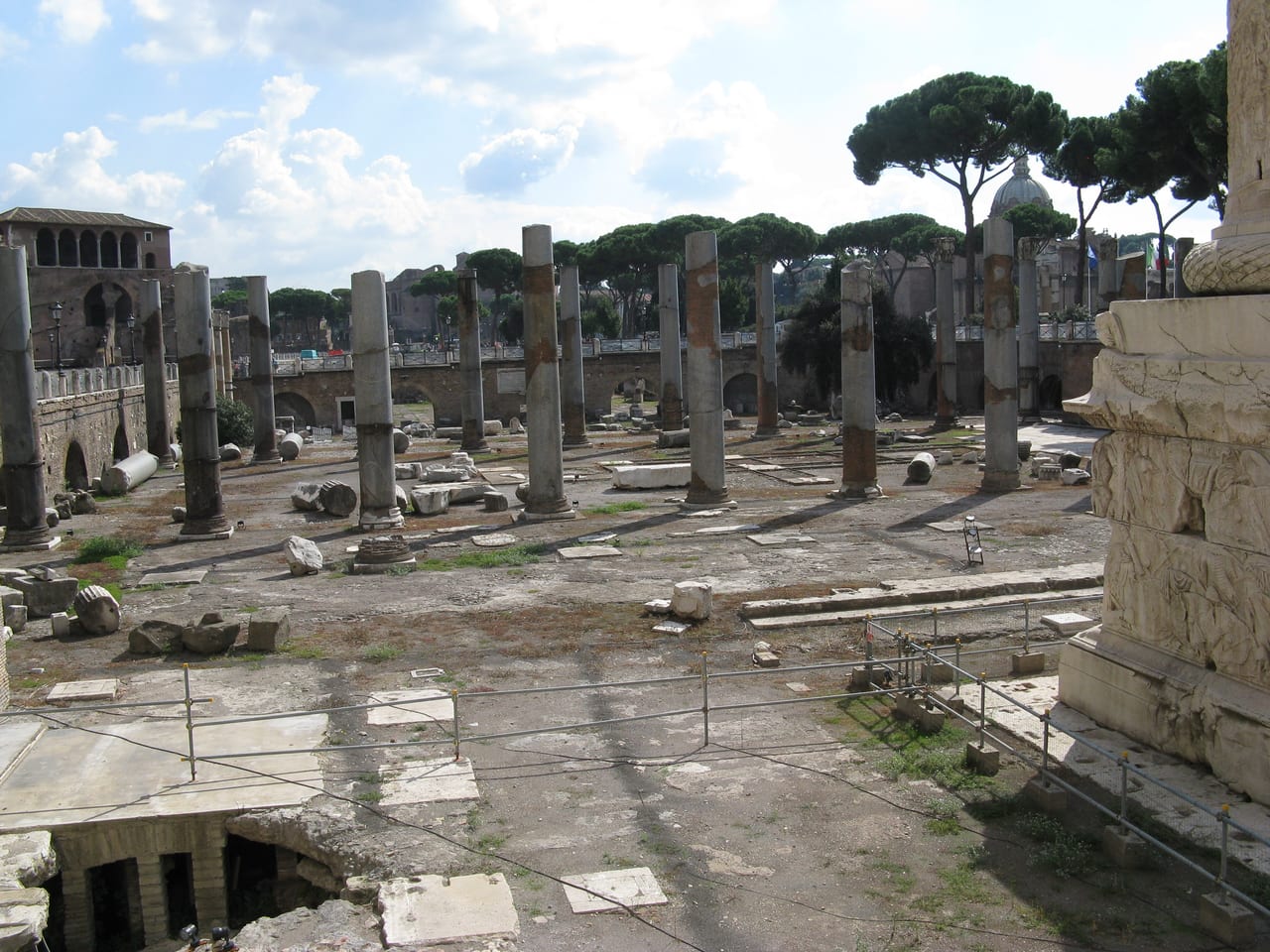
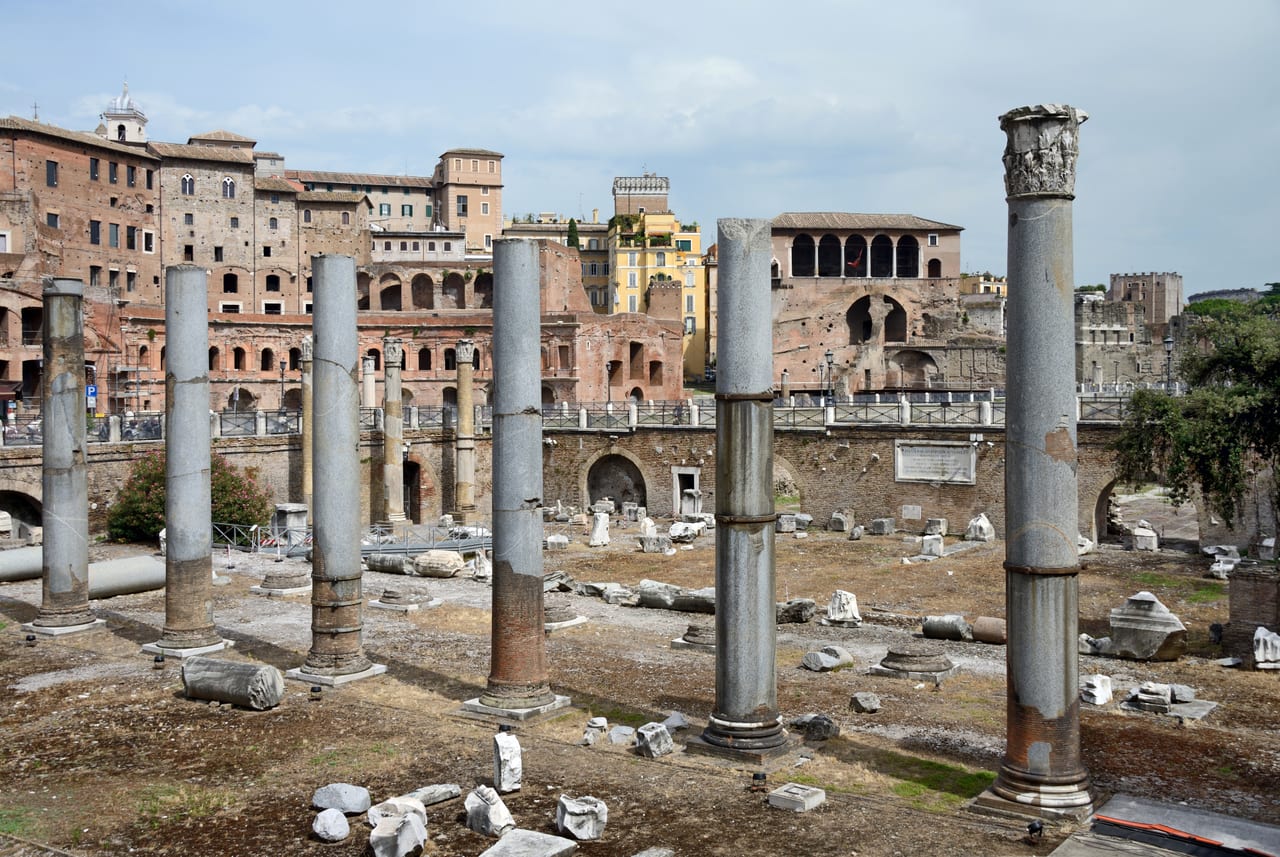
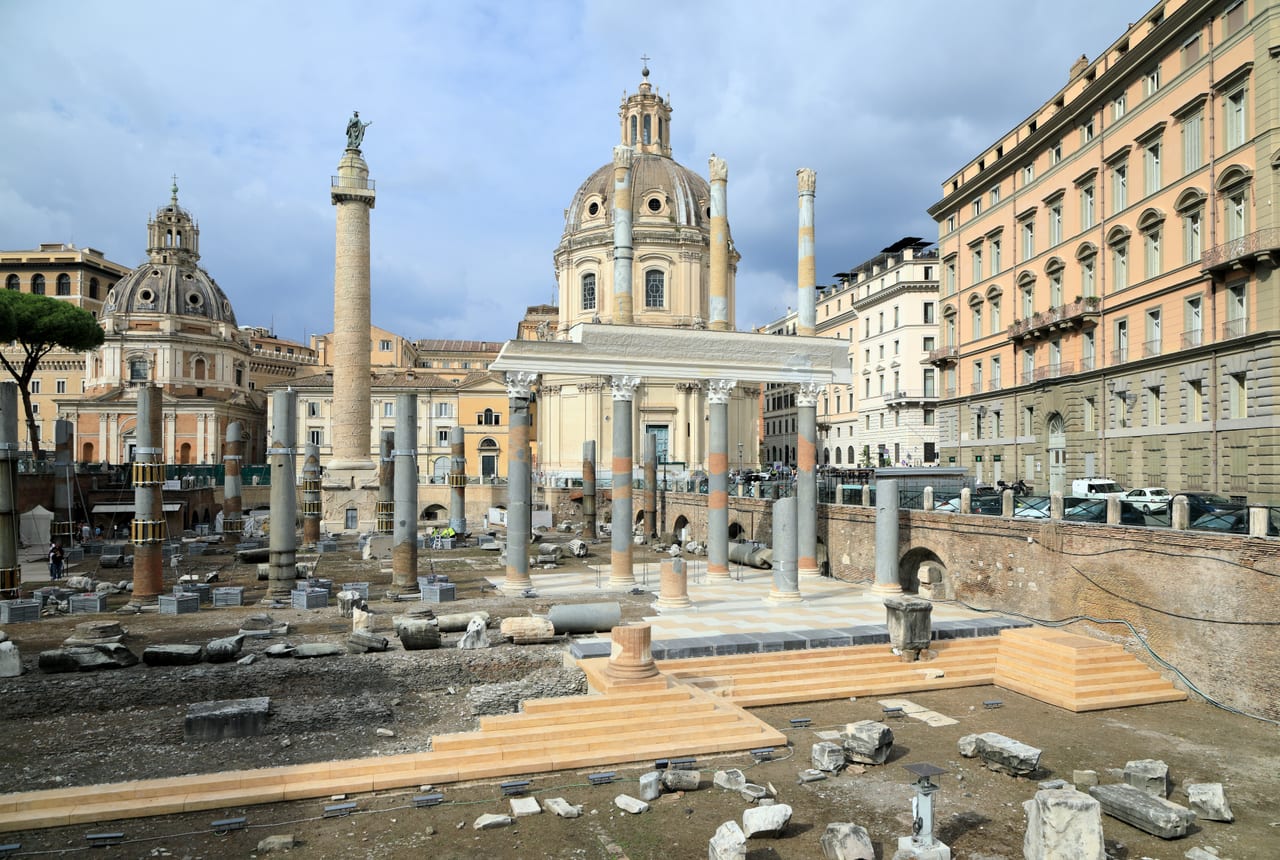
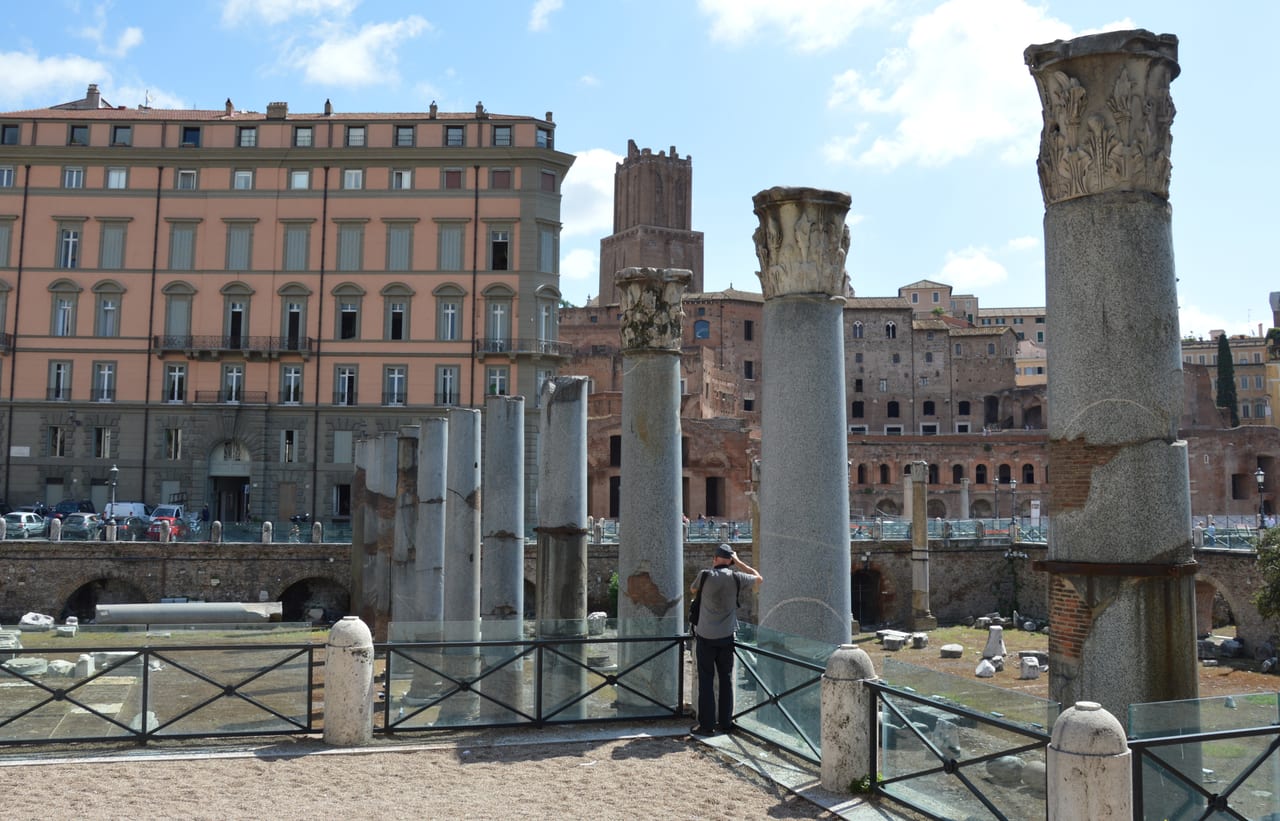
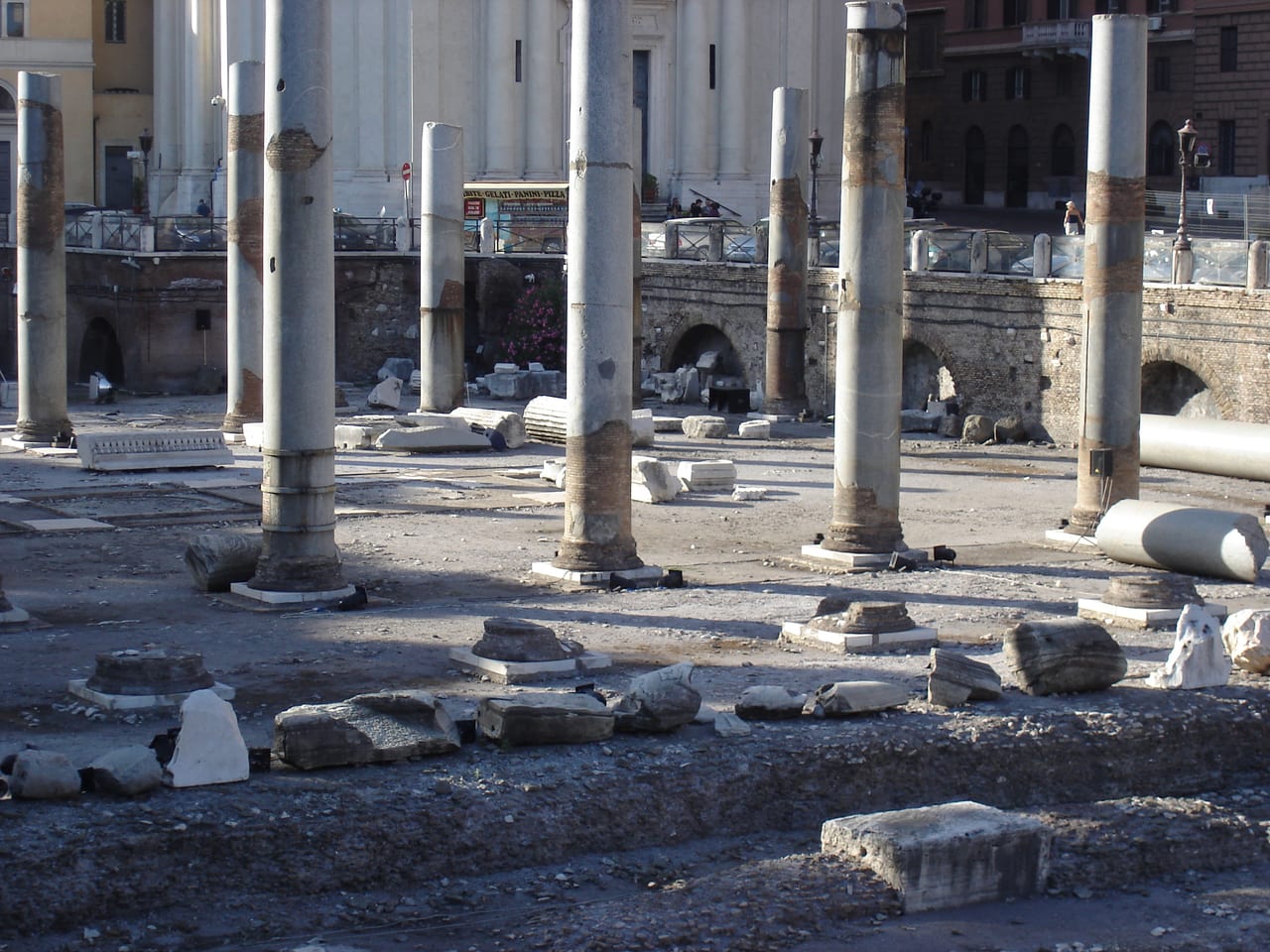
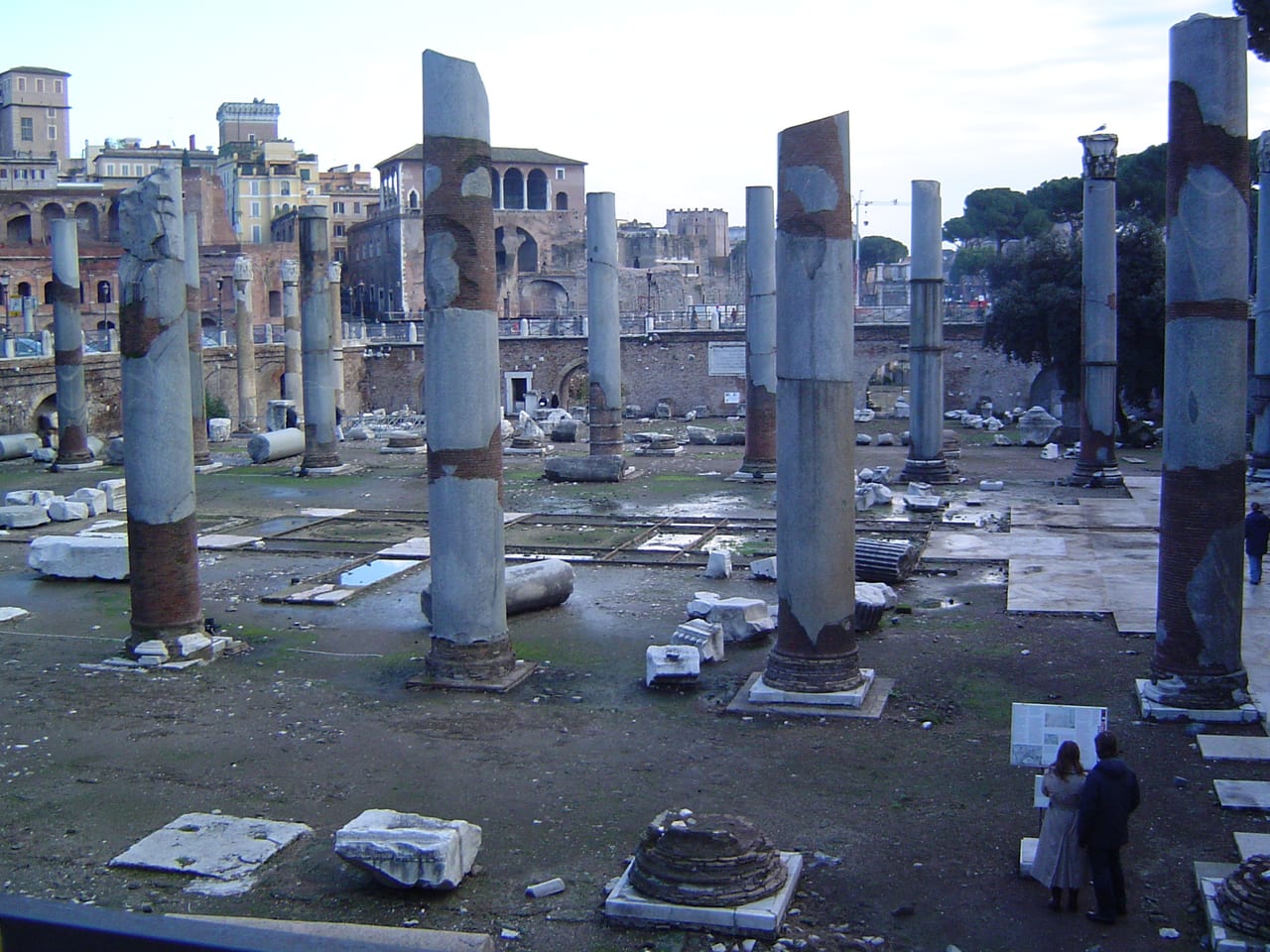
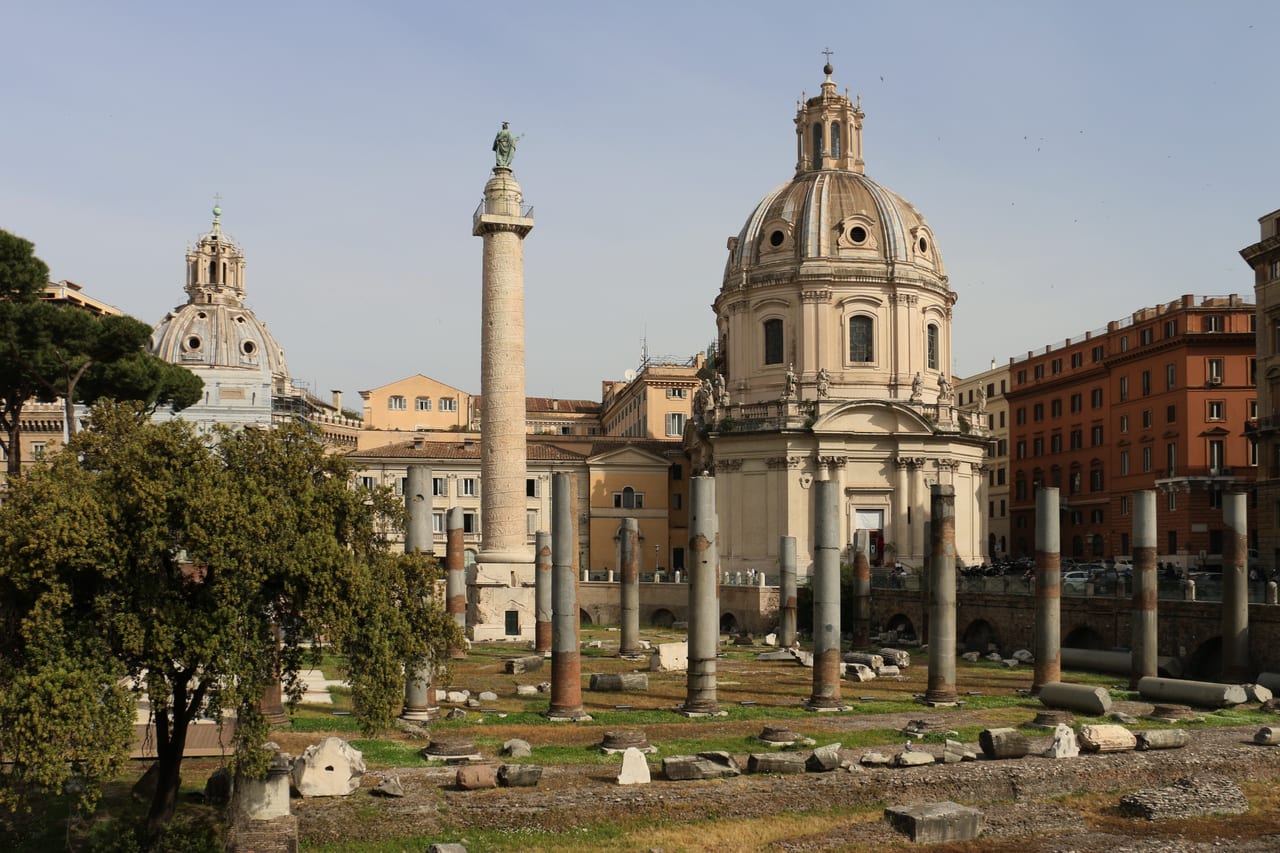
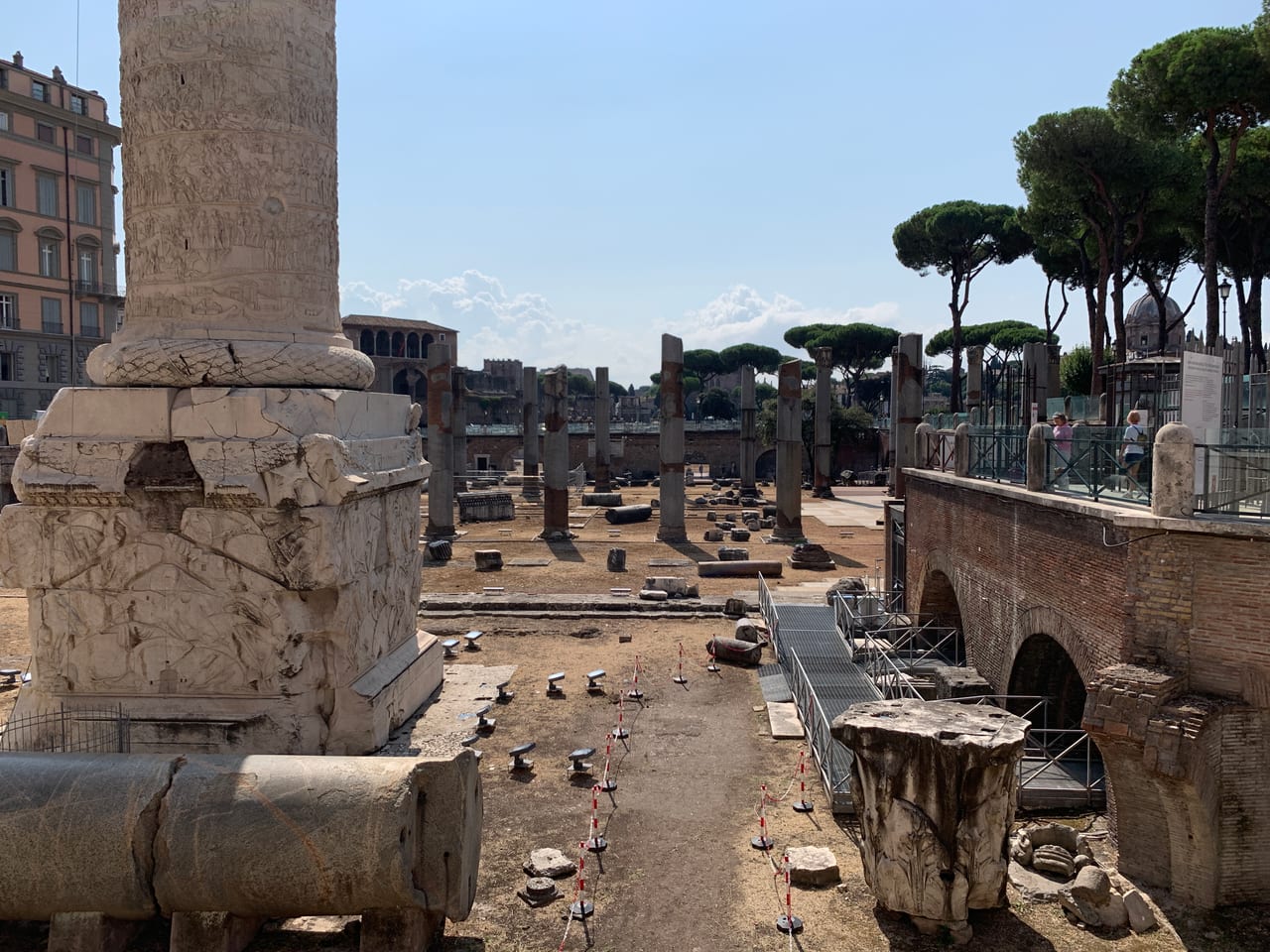
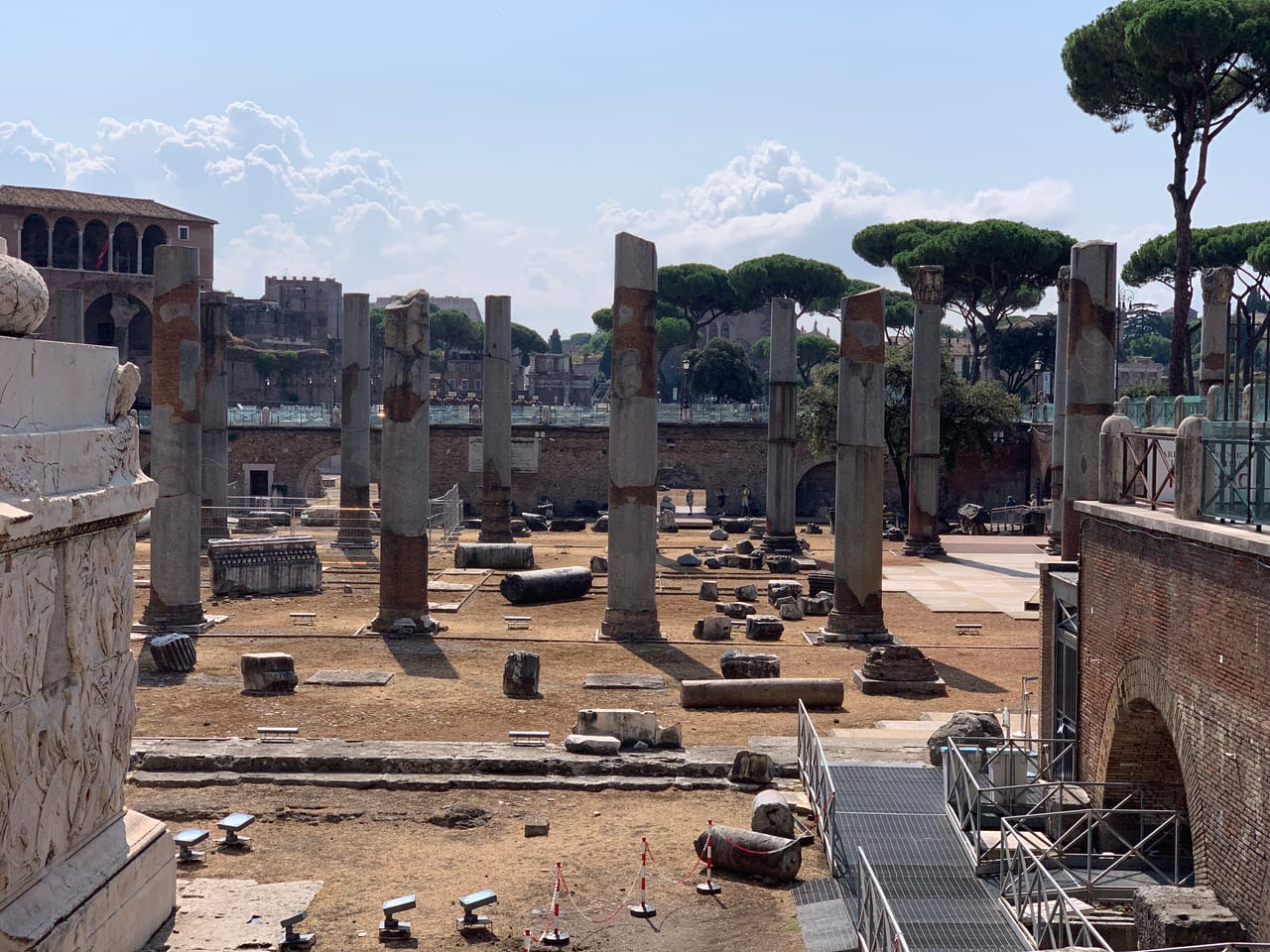
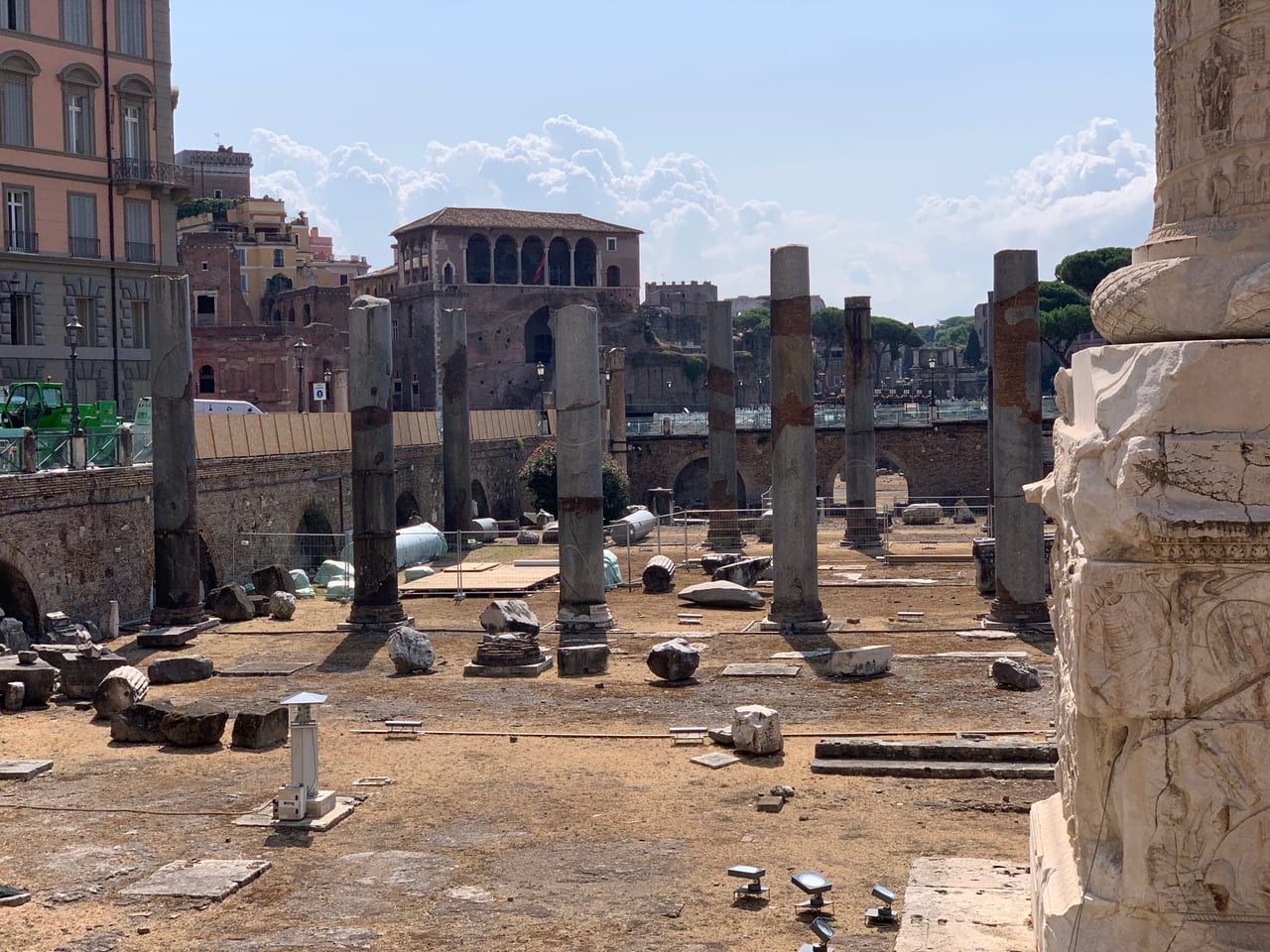
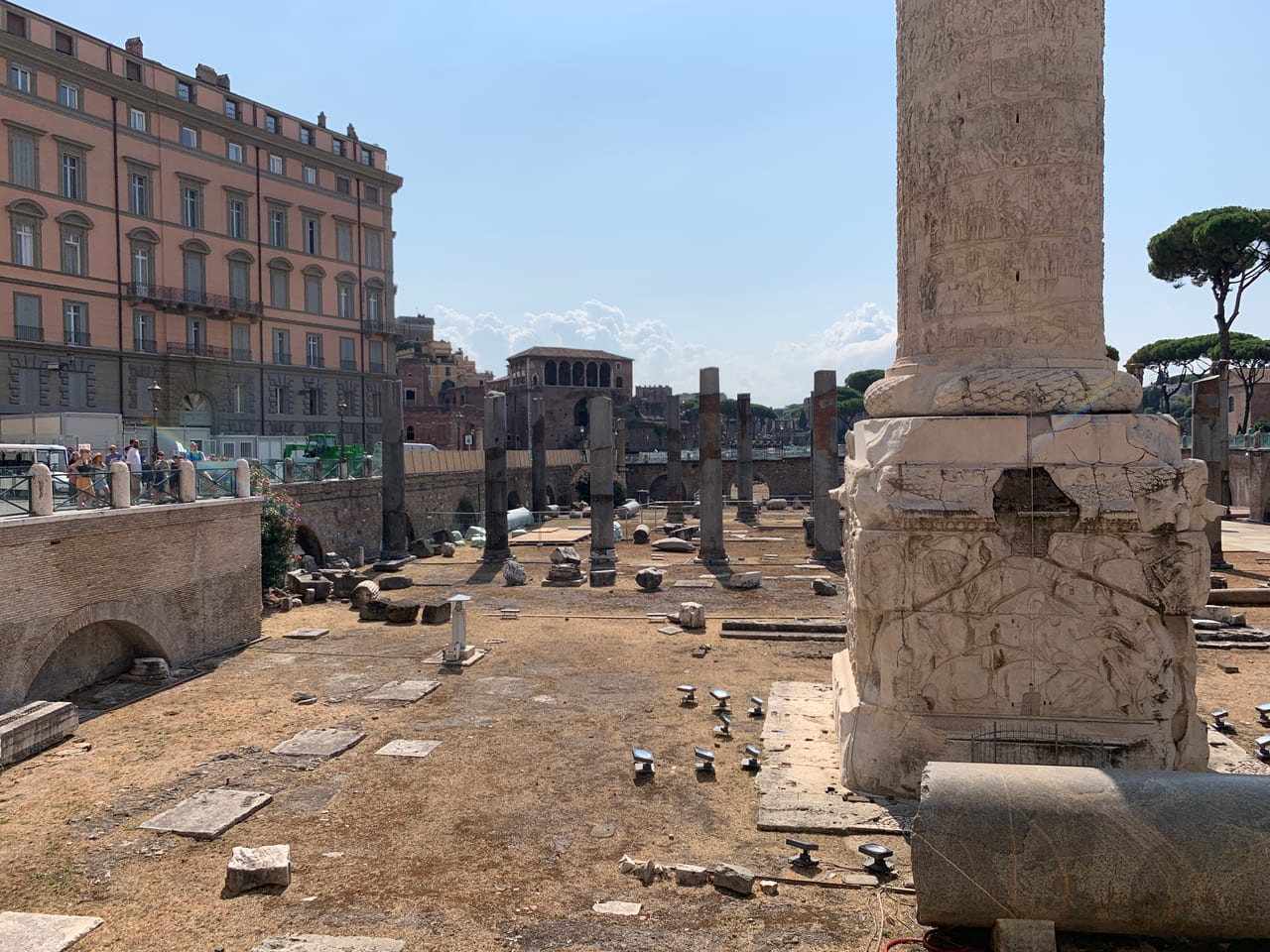
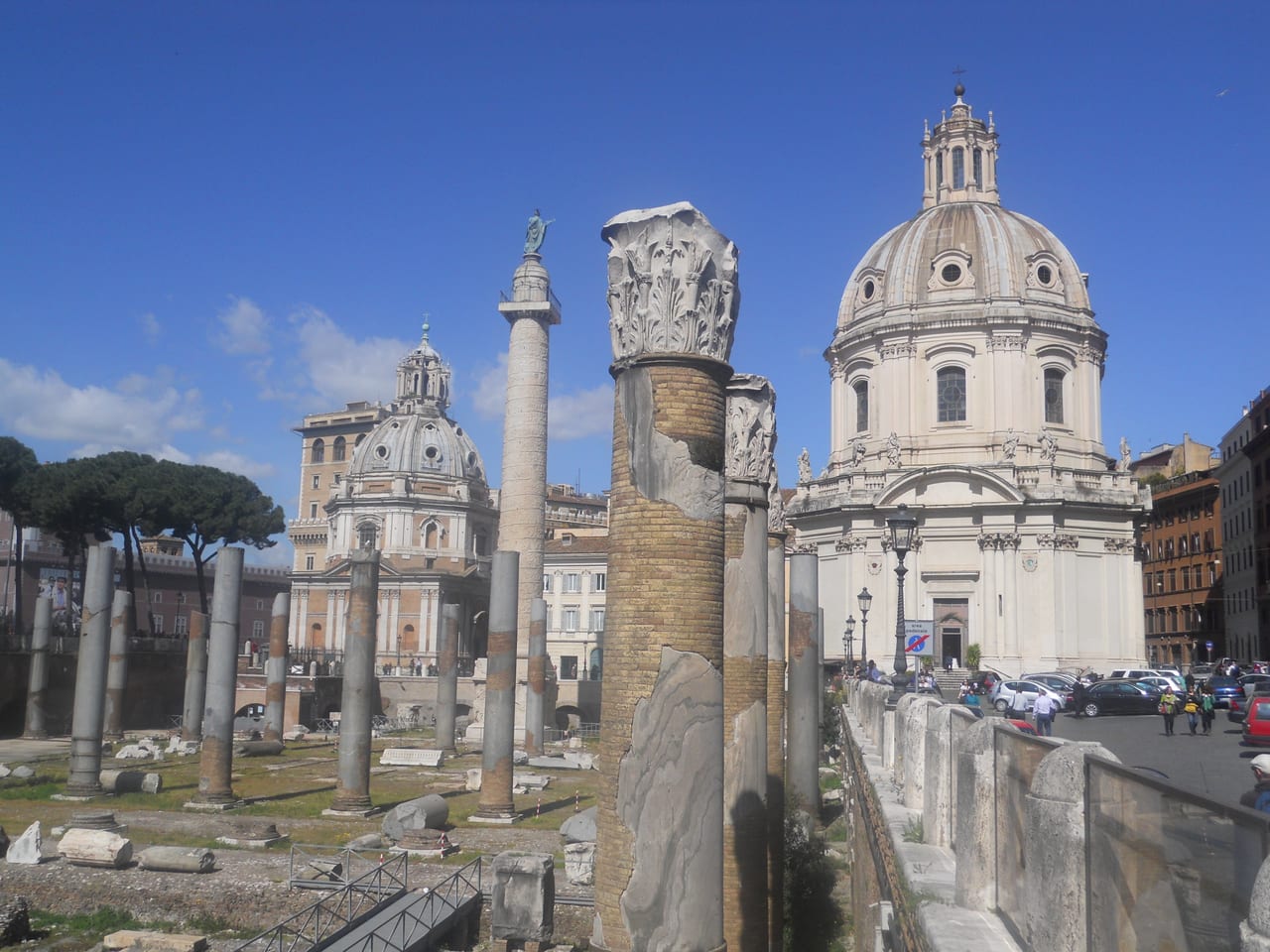
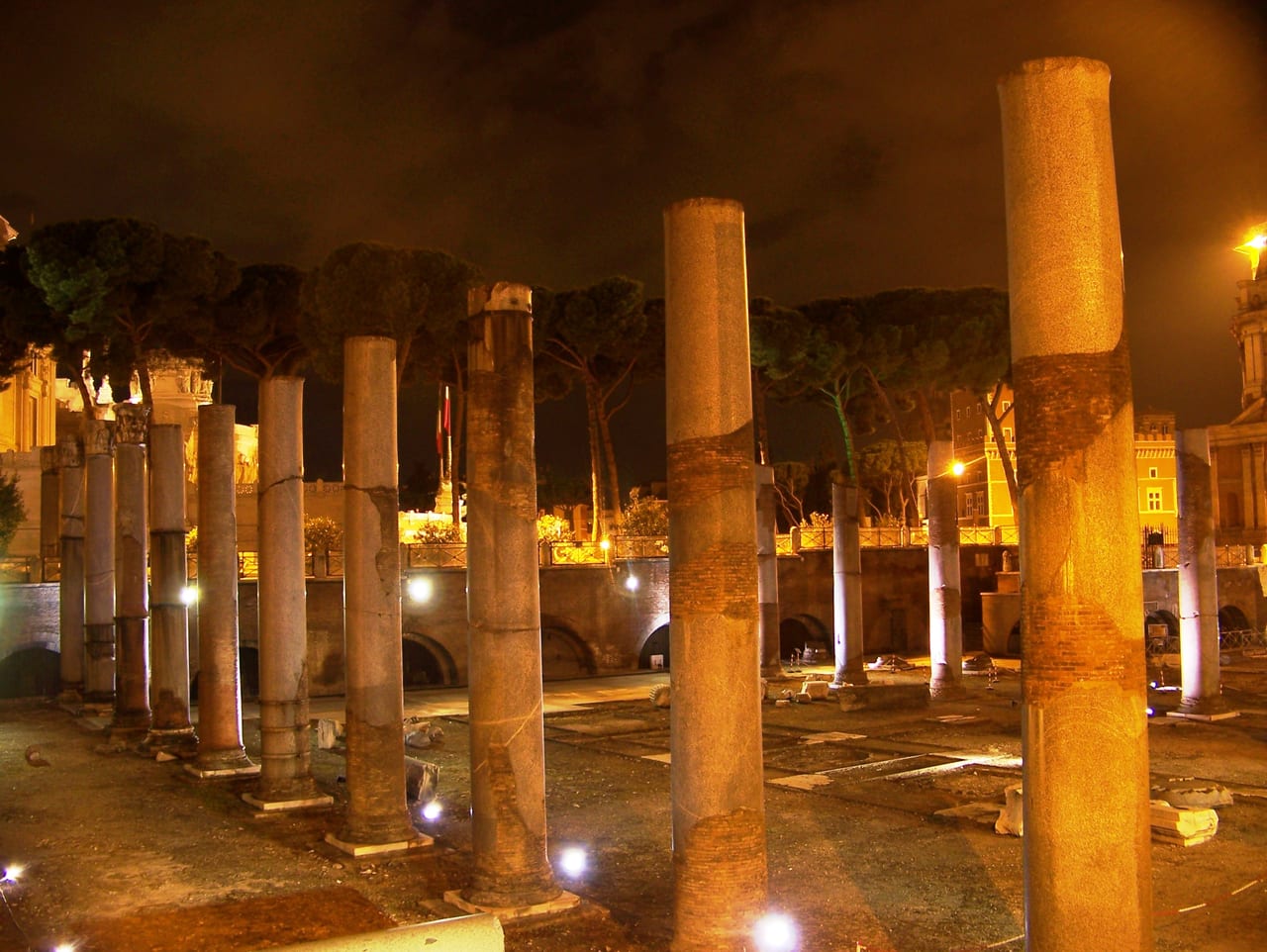
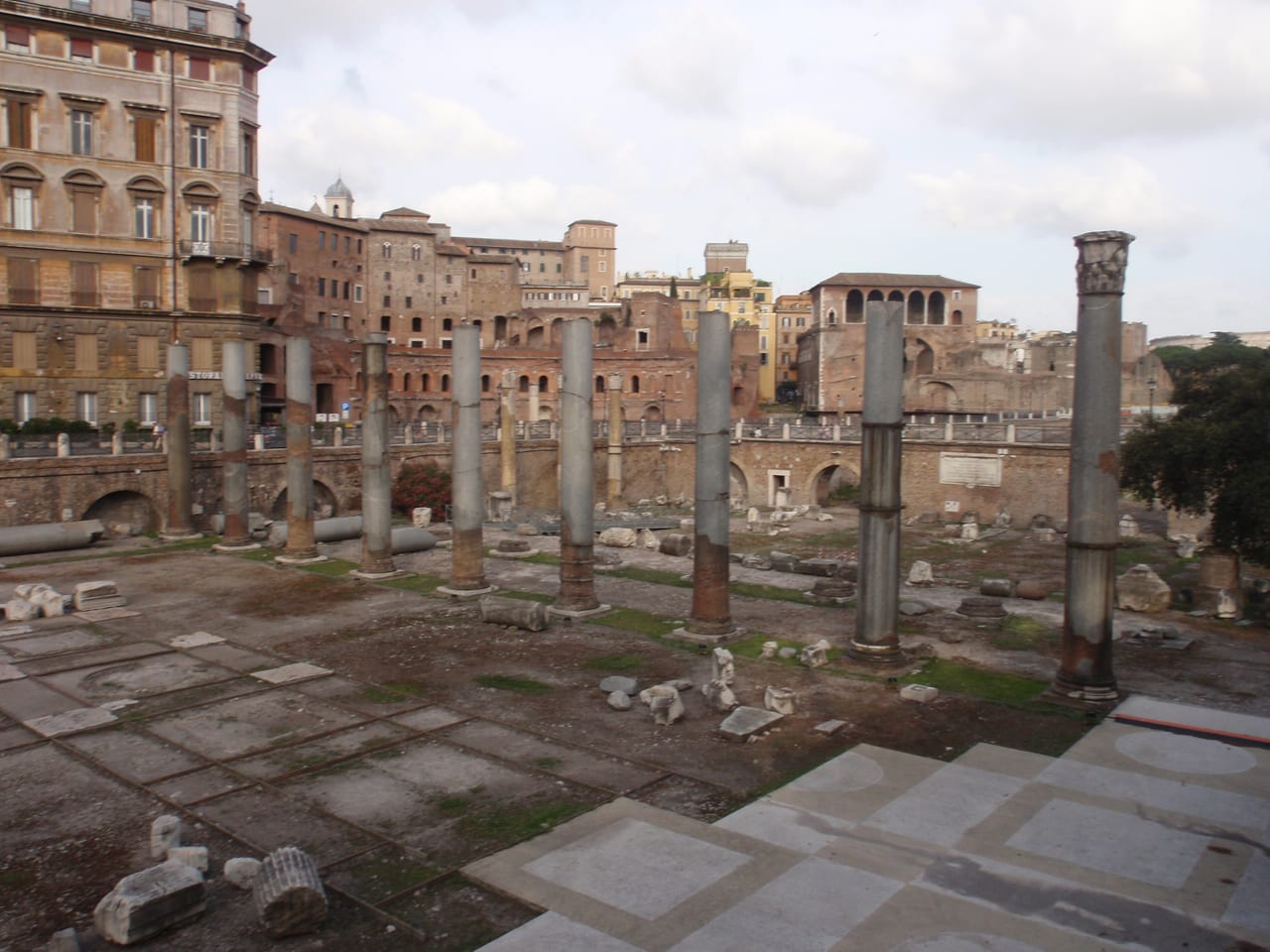
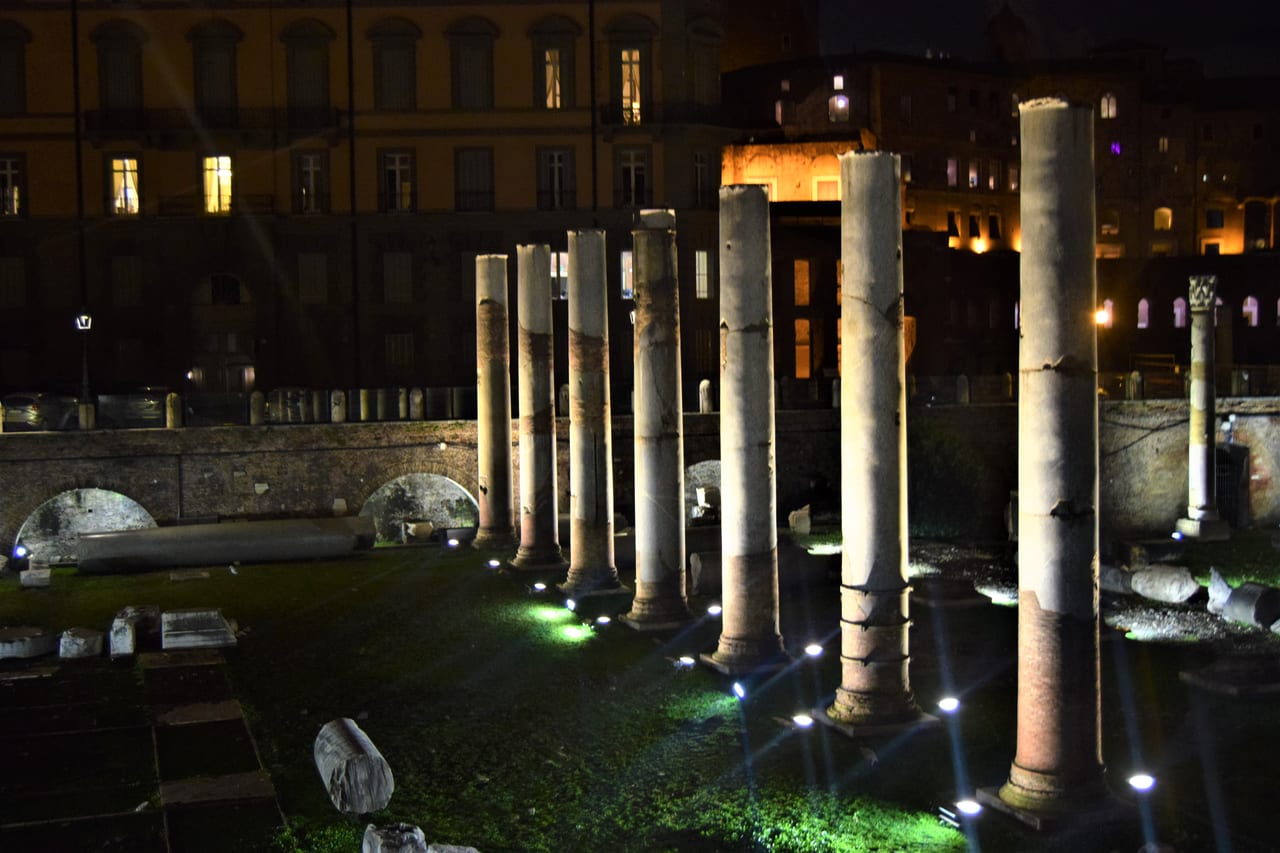
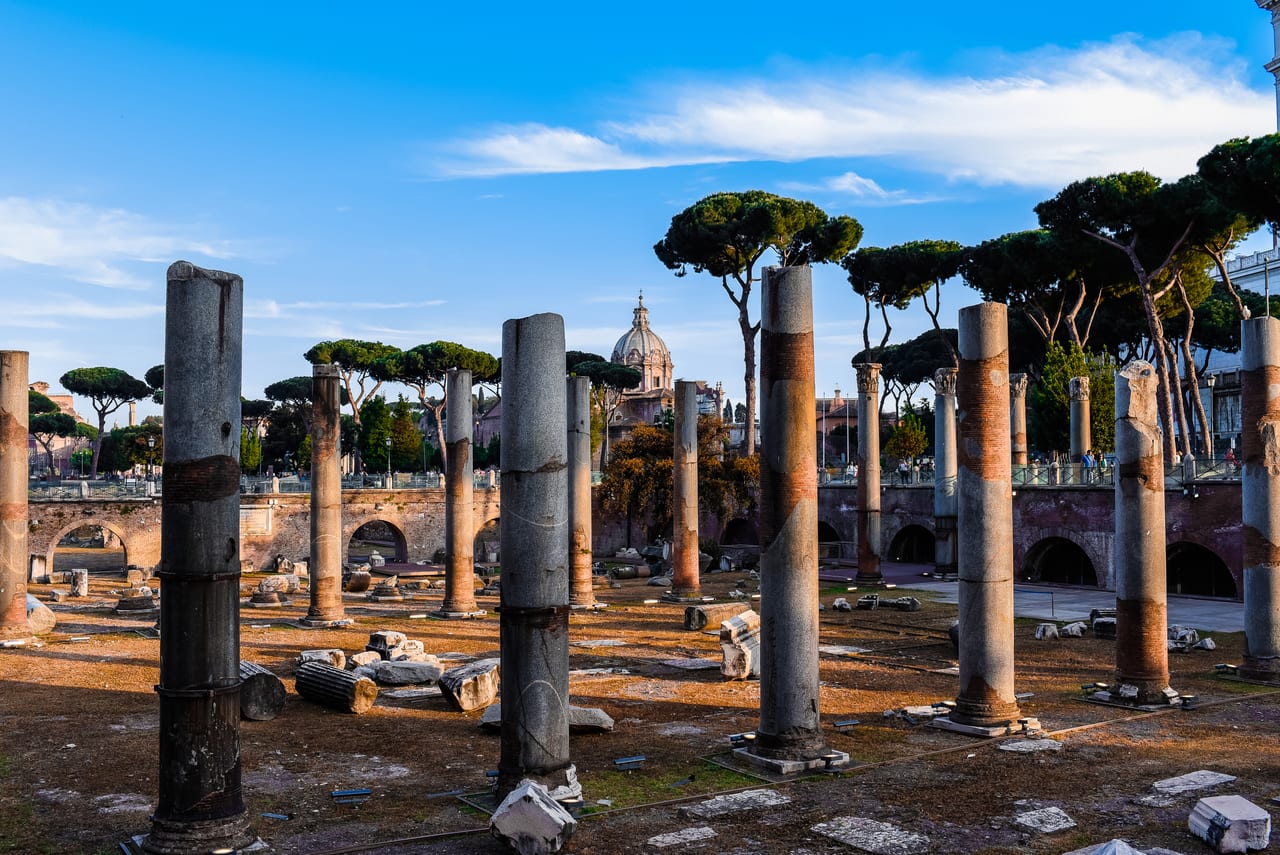
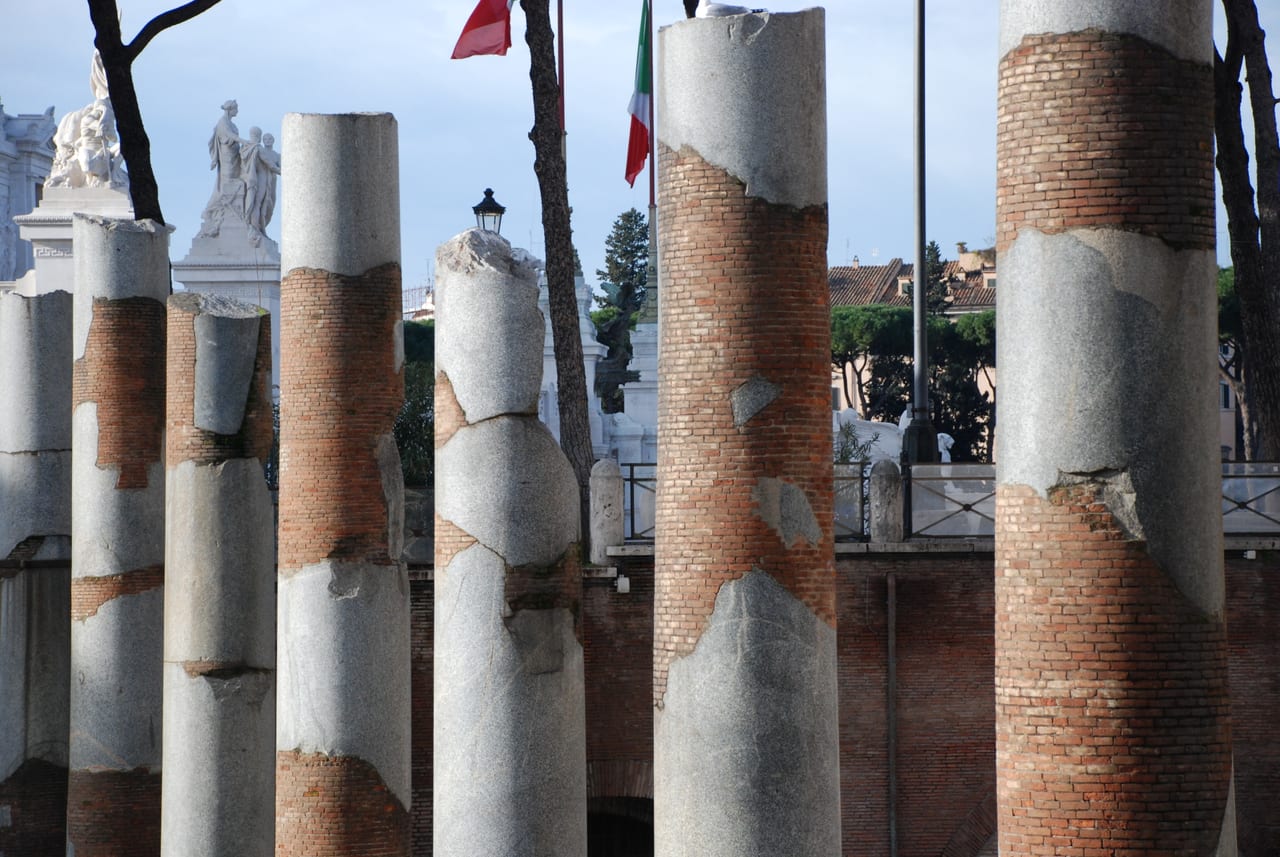
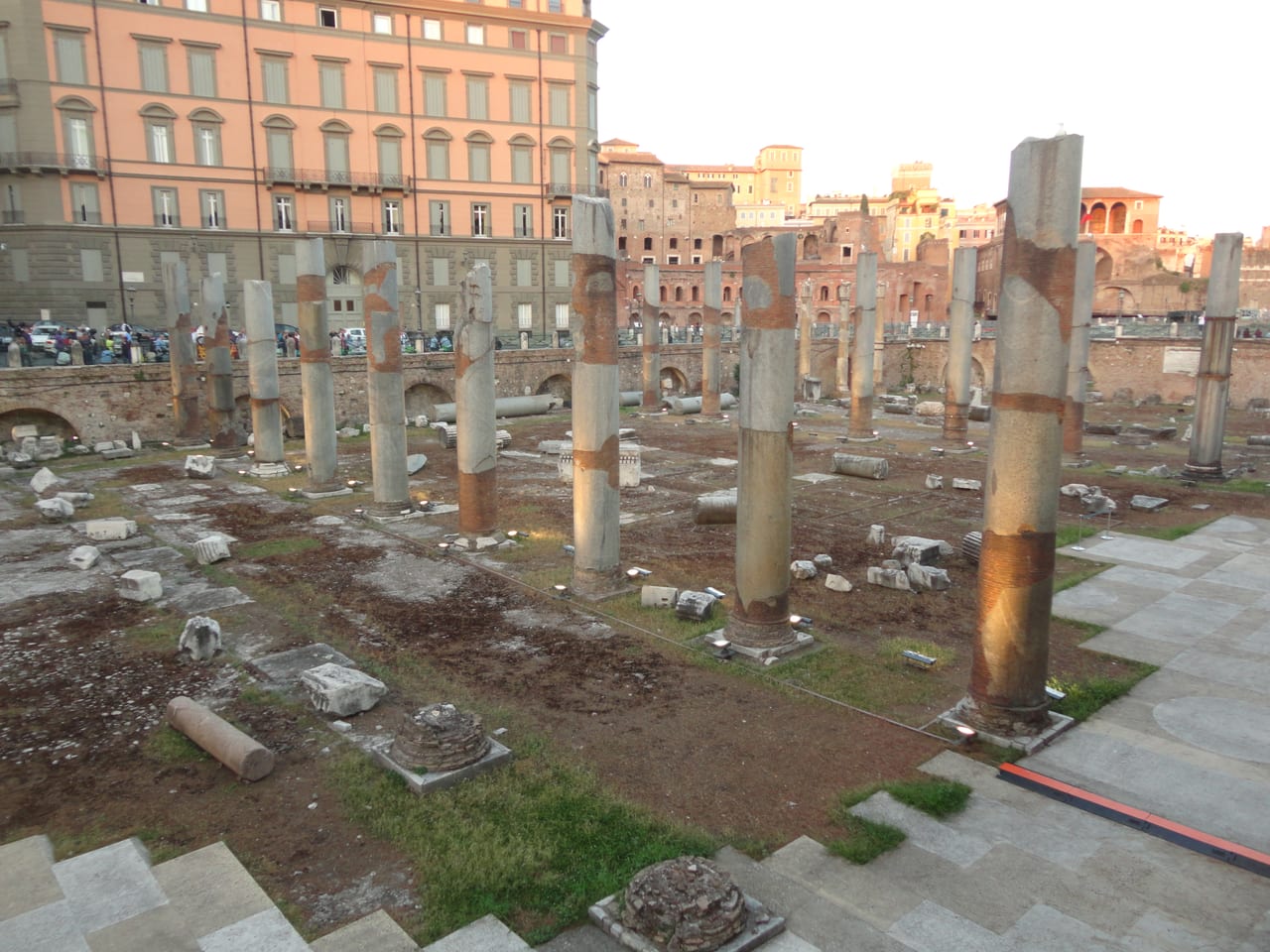
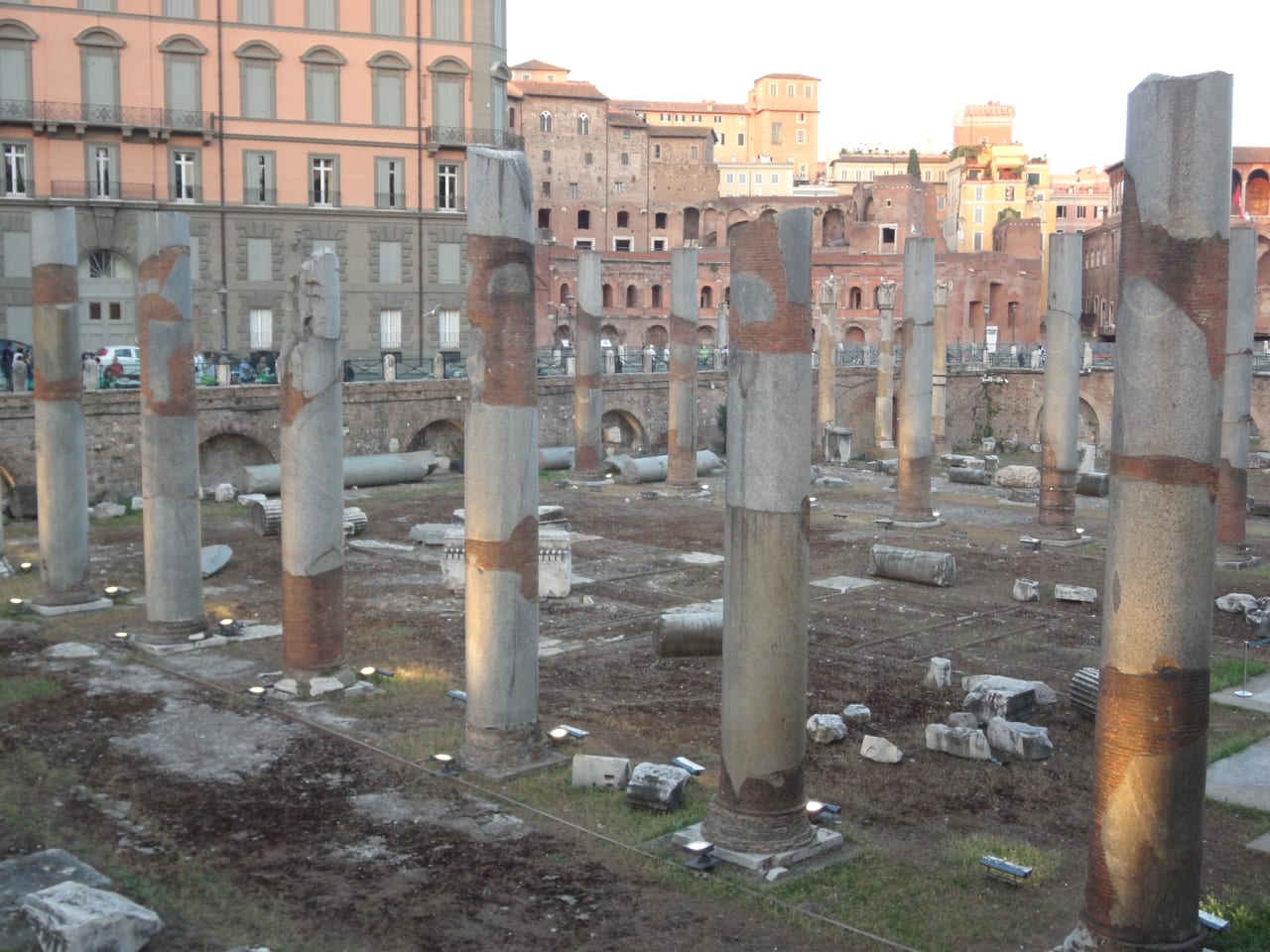
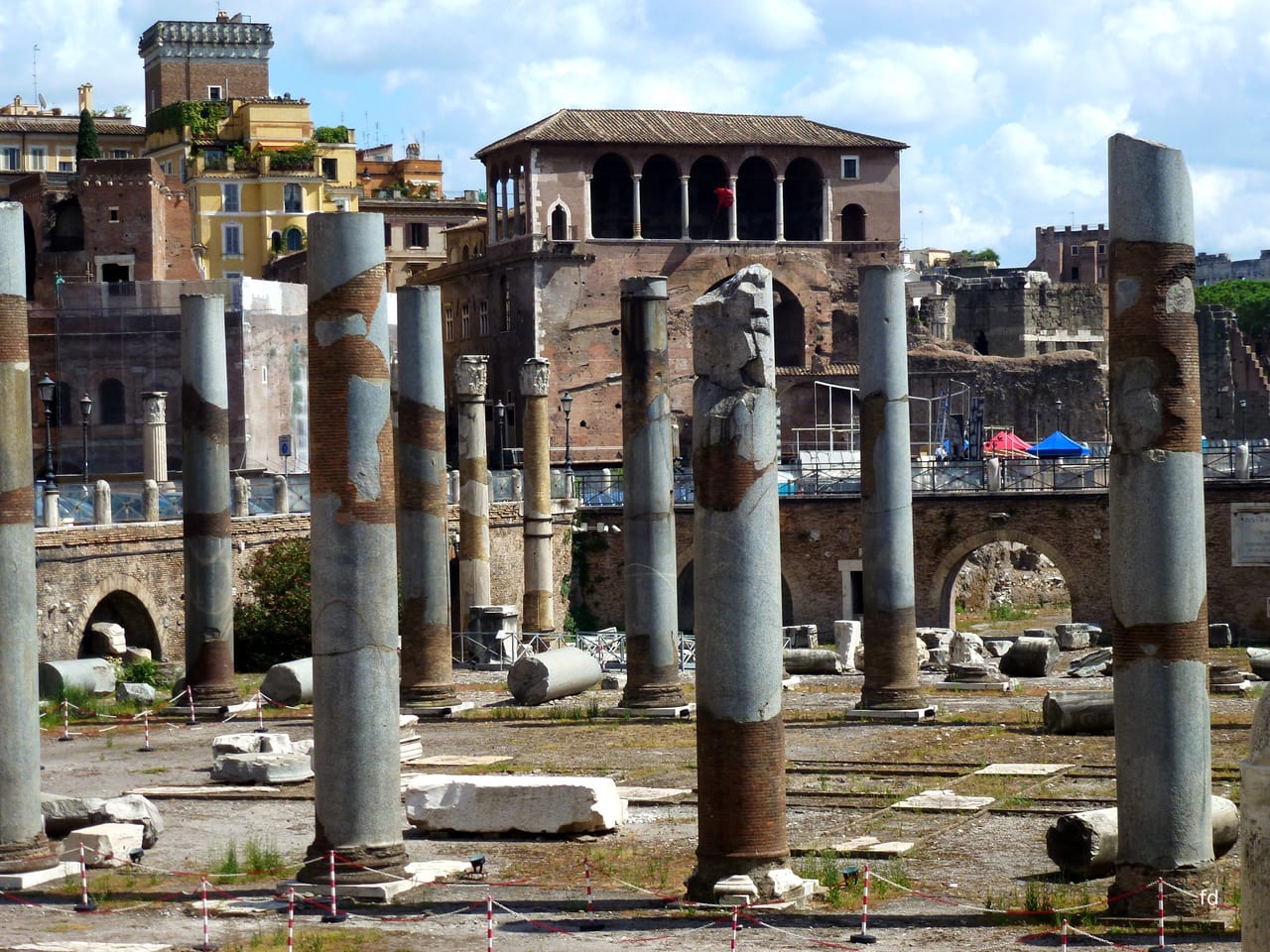
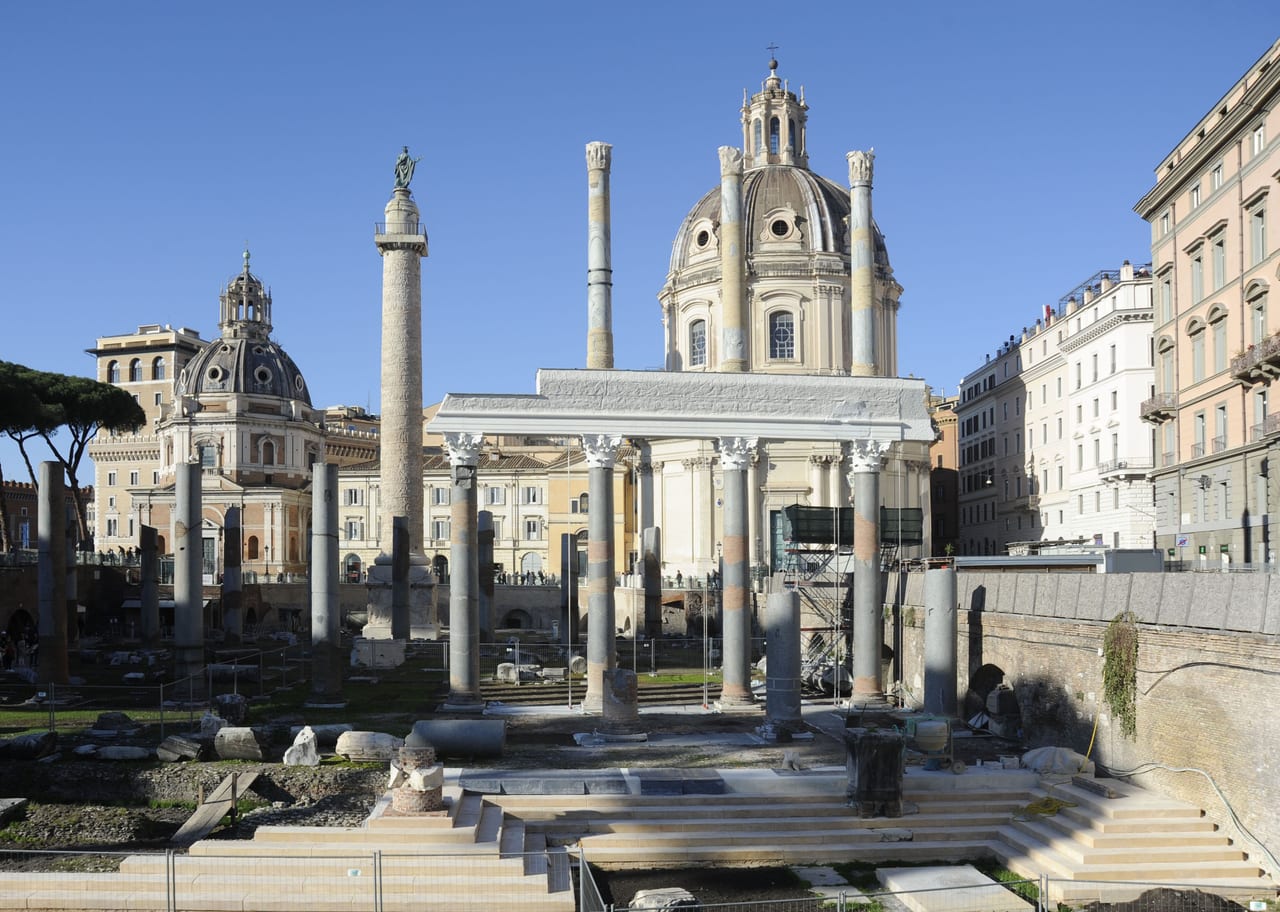
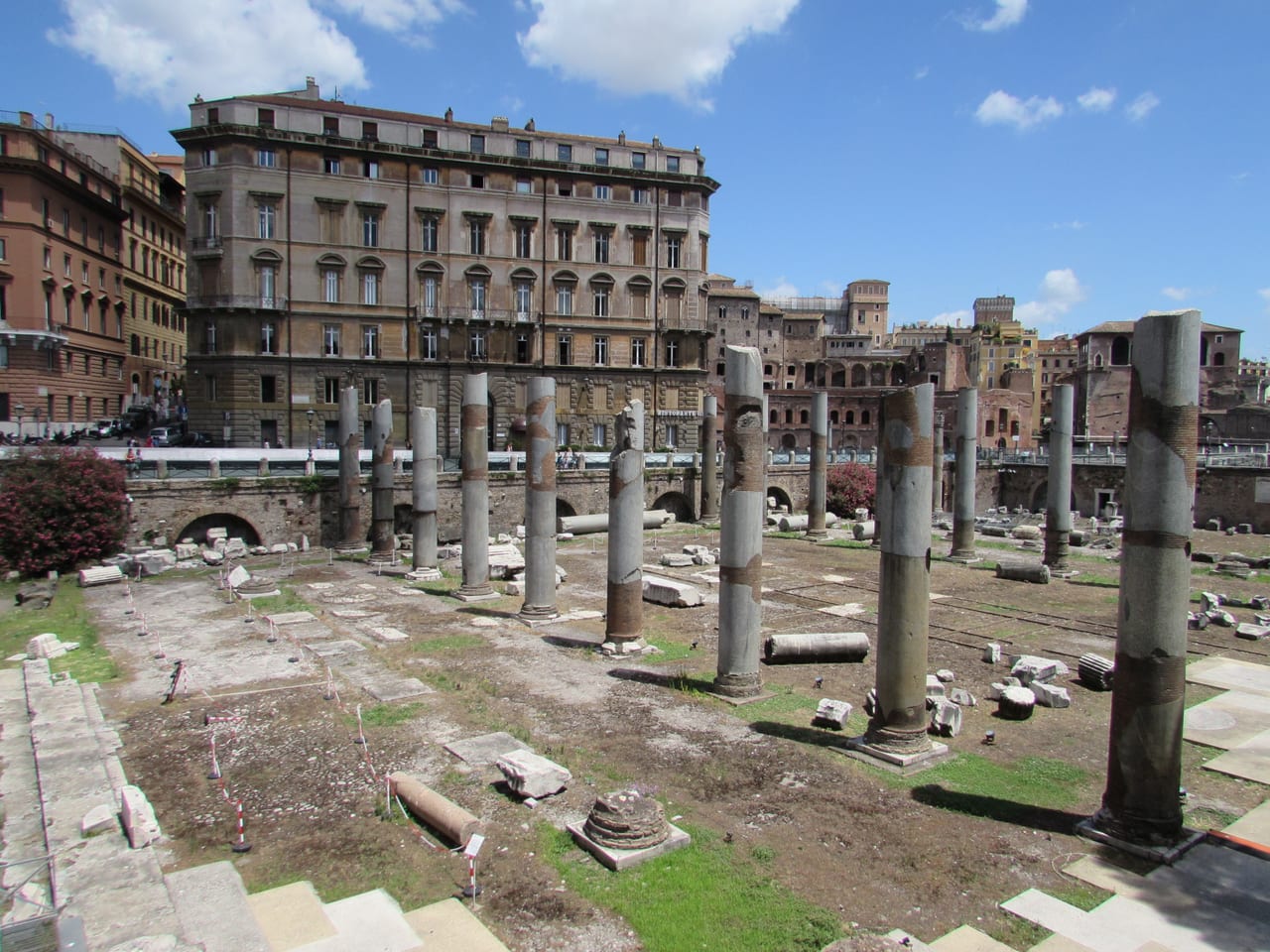
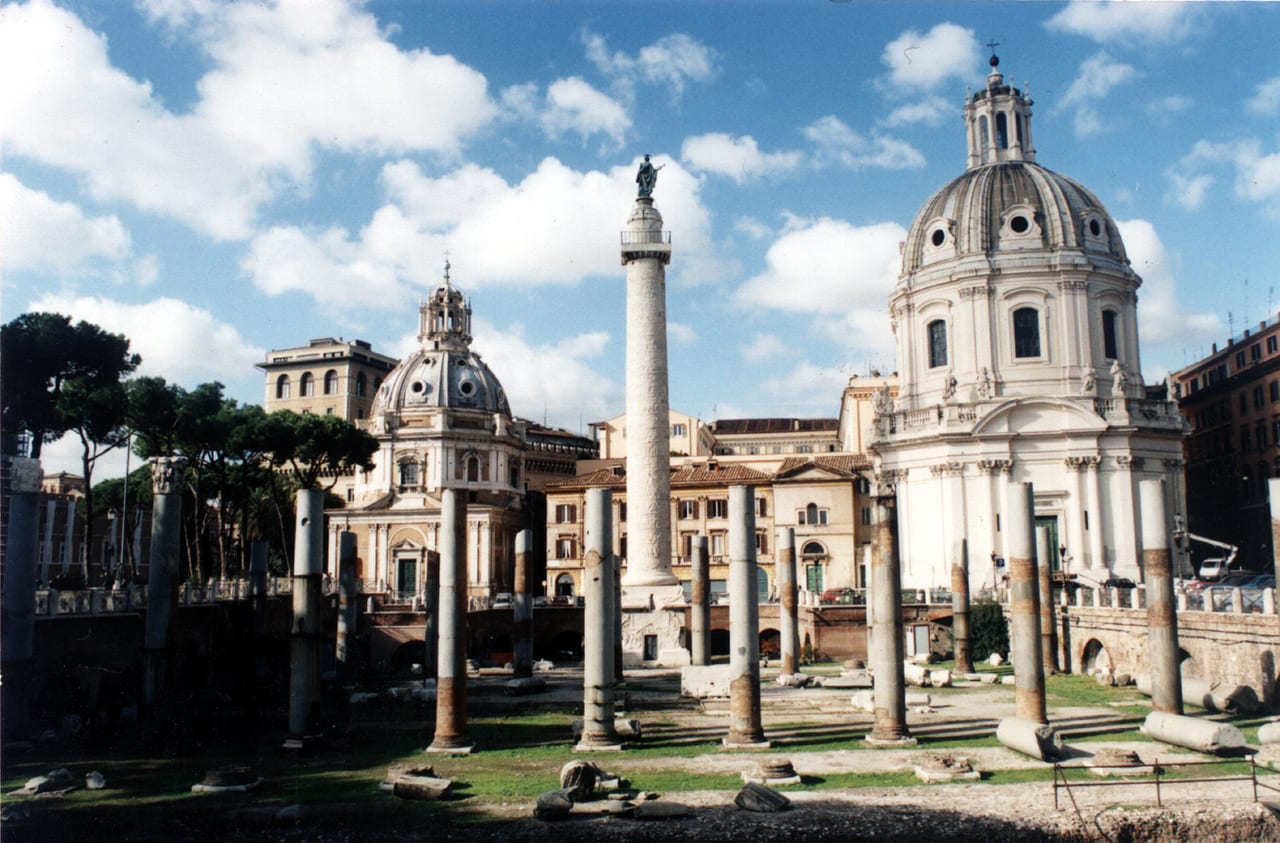
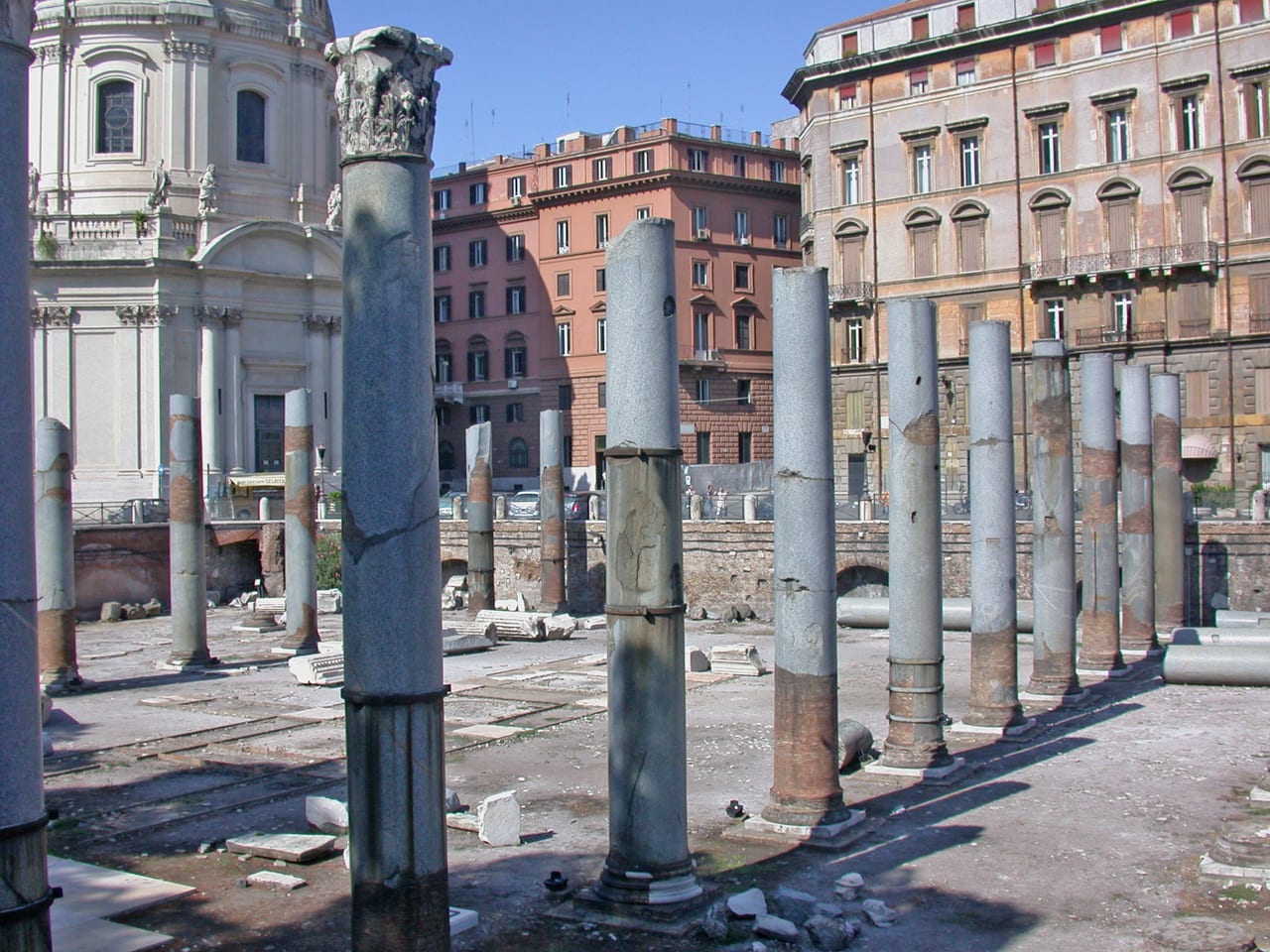
Commissioned by Trajan and built by Apollodorus of Damascus between 107 and 113, the Basilica Ulpia formed part of the Forum of Trajan and took its name from the emperor’s family, the Ulpii. It was Rome’s largest basilica, measuring 170 metres in length including the apses and 60 metres across. Alongside commercial and forensic activity, it hosted the manumission of enslaved people associated with the Atrium Libertatis, demolished to make way for the building. Raised on three yellow-marble steps, its Corinthian façade had a central four-column projection and two smaller lateral ones. An attic carried statues of Dacians, weapon trophies and legionary inscriptions; the precise original position of the Trajanic frieze later reused on the Arch of Constantine remains disputed. Inside, a broad central nave was surrounded by four side aisles and two semicircular apses. Ninety-six grey-granite columns, coloured marble floors, sculpted Victories and sphinxes created an exceptionally elaborate setting, with an upper level overlooking proceedings. Sections survived until the 12th century. Excavation began during the Napoleonic occupation, continued in the 1930s and later exposed the eastern apse; anastylosis of the second order began in 2021.
At a glance
- Architect
- Apollodorus of Damascus
Ways to explore Basilica Ulpia
Concentrate on the surviving central portion and reconstruct the building’s scale from the column bases and surviving architectural fragments. Examine the contrasting marbles—yellow antique, pavonazzetto and African marble—and trace the geometric circles and squares of the central pavement against the rectangular slabs of the side aisles. The exposed eastern apse beneath Palazzo Roccagiovine helps clarify the building’s original symmetry; the western apse lies beneath Via dei Fori Imperiali.
Places to stay near Basilica Ulpia

Live availability and prices from Stay22's partners, refreshed periodically and subject to change. Booking through these links may earn us a commission at no extra cost to you. See our privacy policy.
Cafés near Basilica Ulpia
Cafés near Basilica Ulpia loads as you scroll.
Attractions nearby
Attractions near Basilica Ulpia loads as you scroll.
Cities nearby
Cities nearby loads as you scroll.
More in Rome
See more of Rome.
Find great cafés, places to stay and other interesting places to visit in Rome.