Church · Rome
Basilica of St. Mark the Evangelist
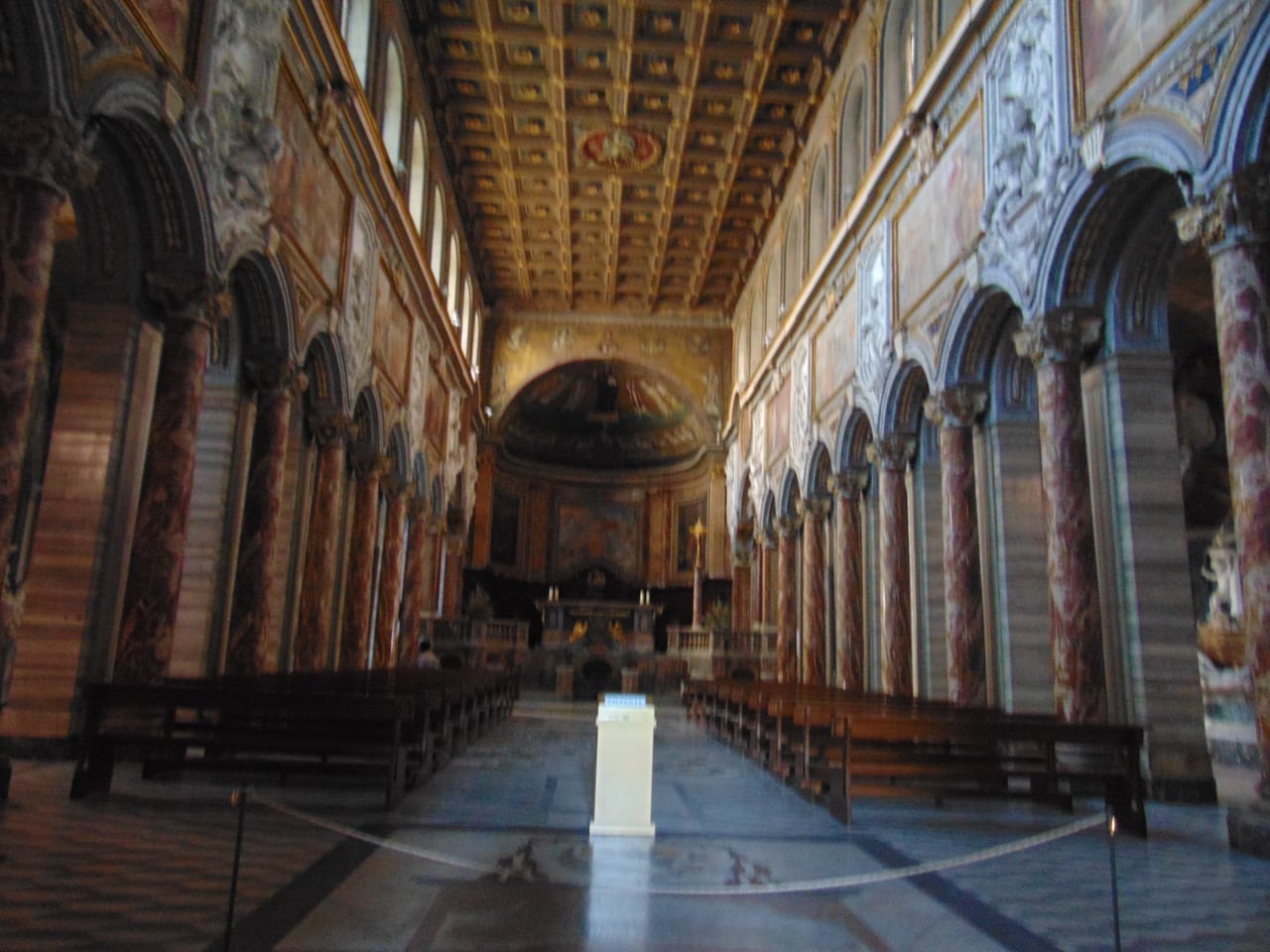
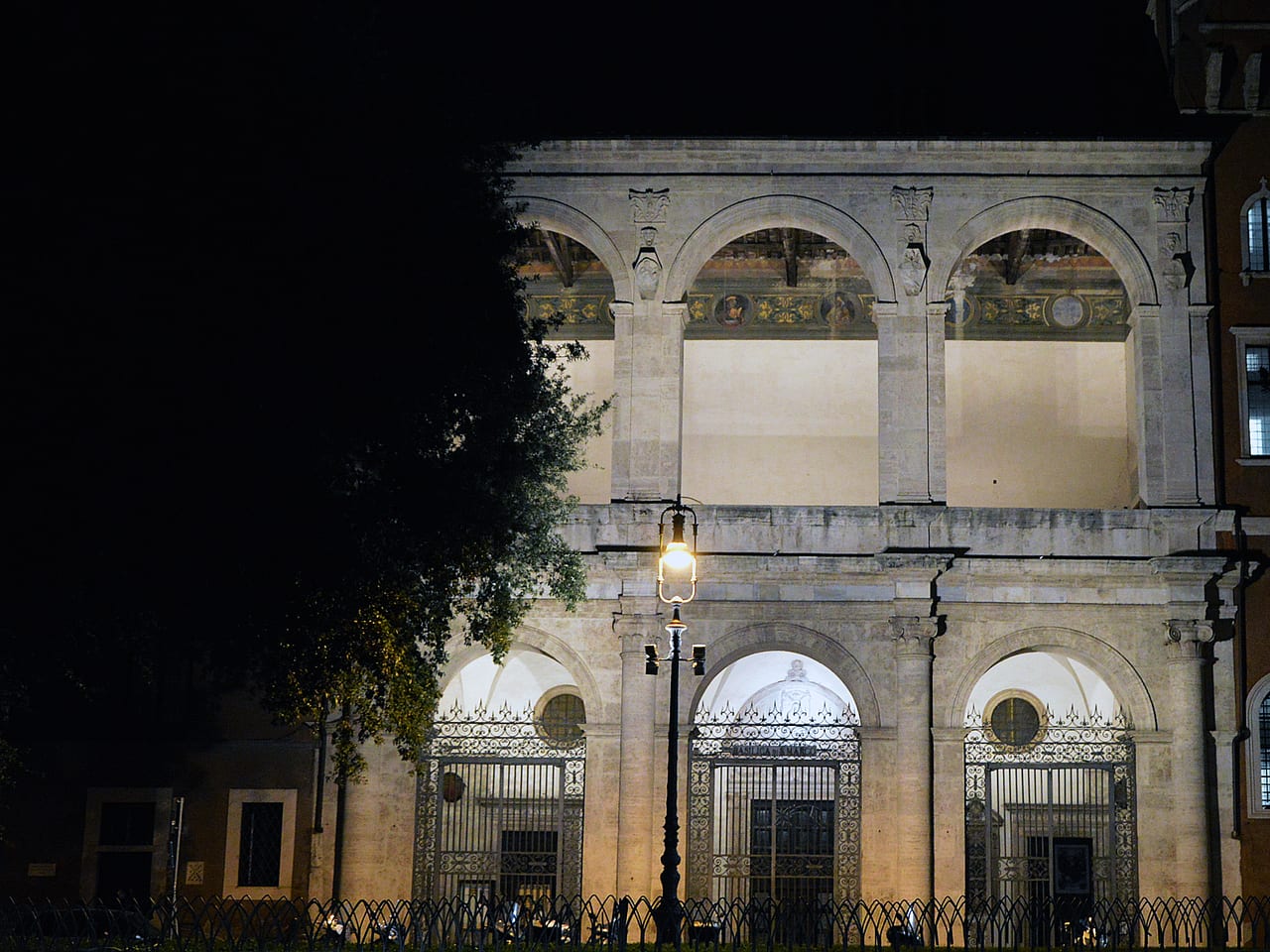
DirectionsIts fifteenth-century wooden ceiling, marked with Pope Paul II’s arms, is one of only two such preserved ceilings in Rome.
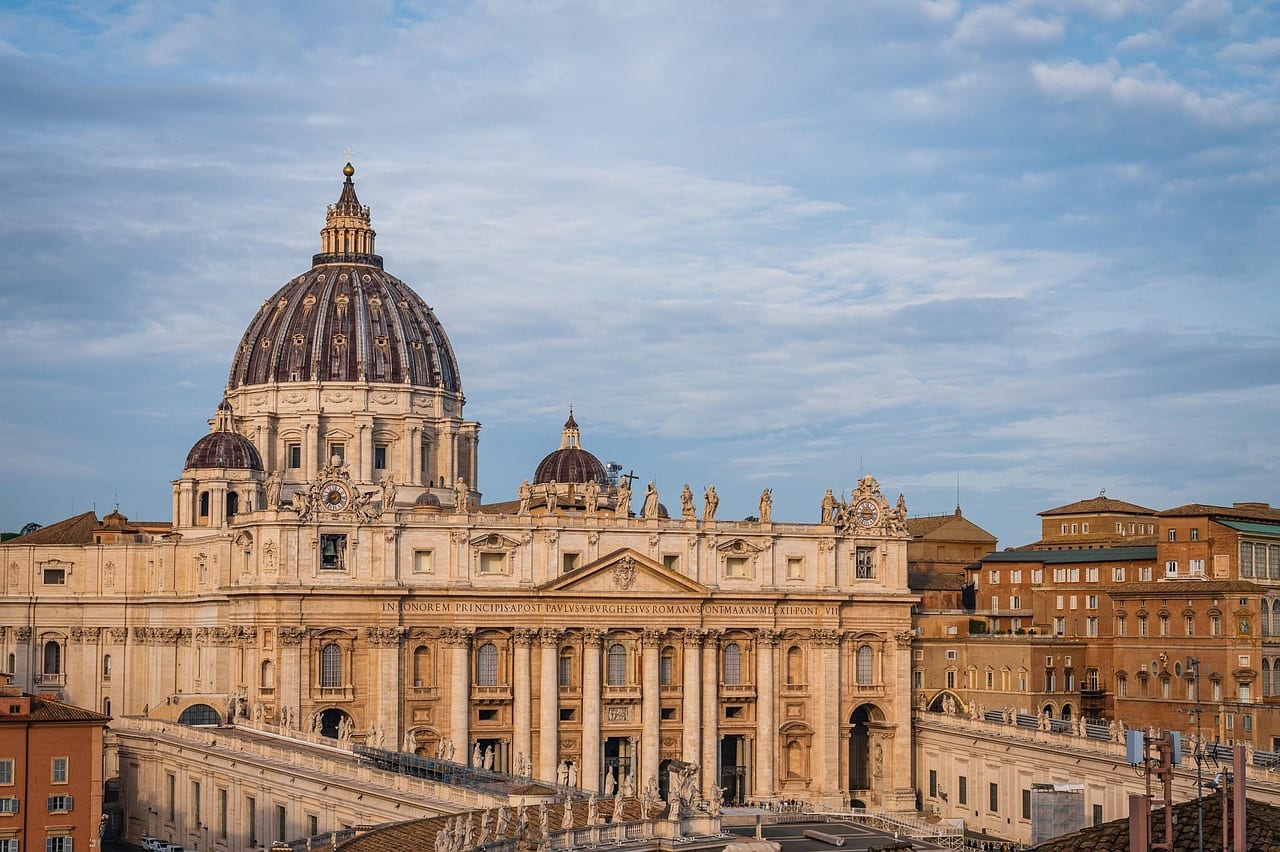
Photograph 1 of 13 of Basilica of St. Mark the Evangelist
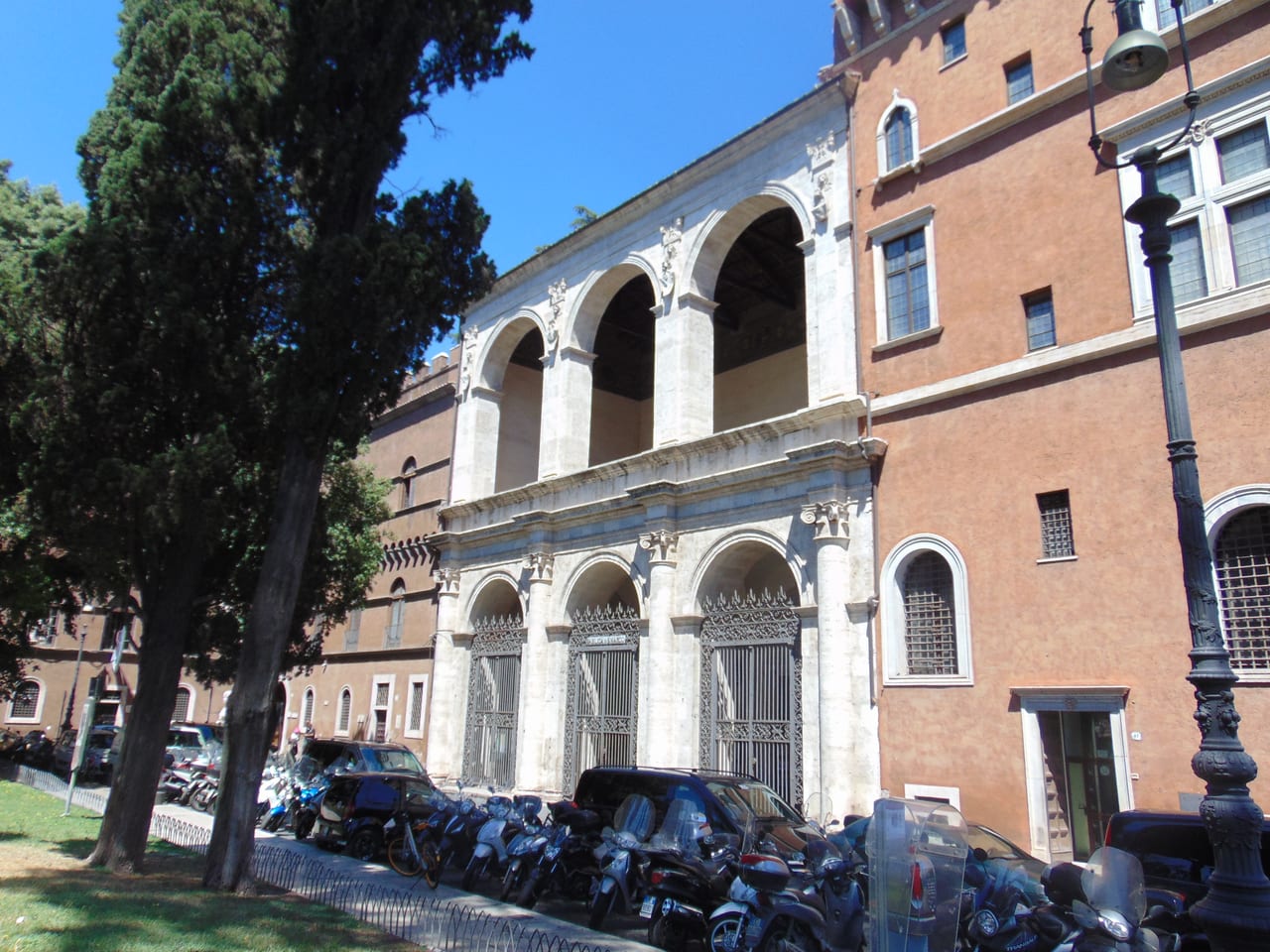
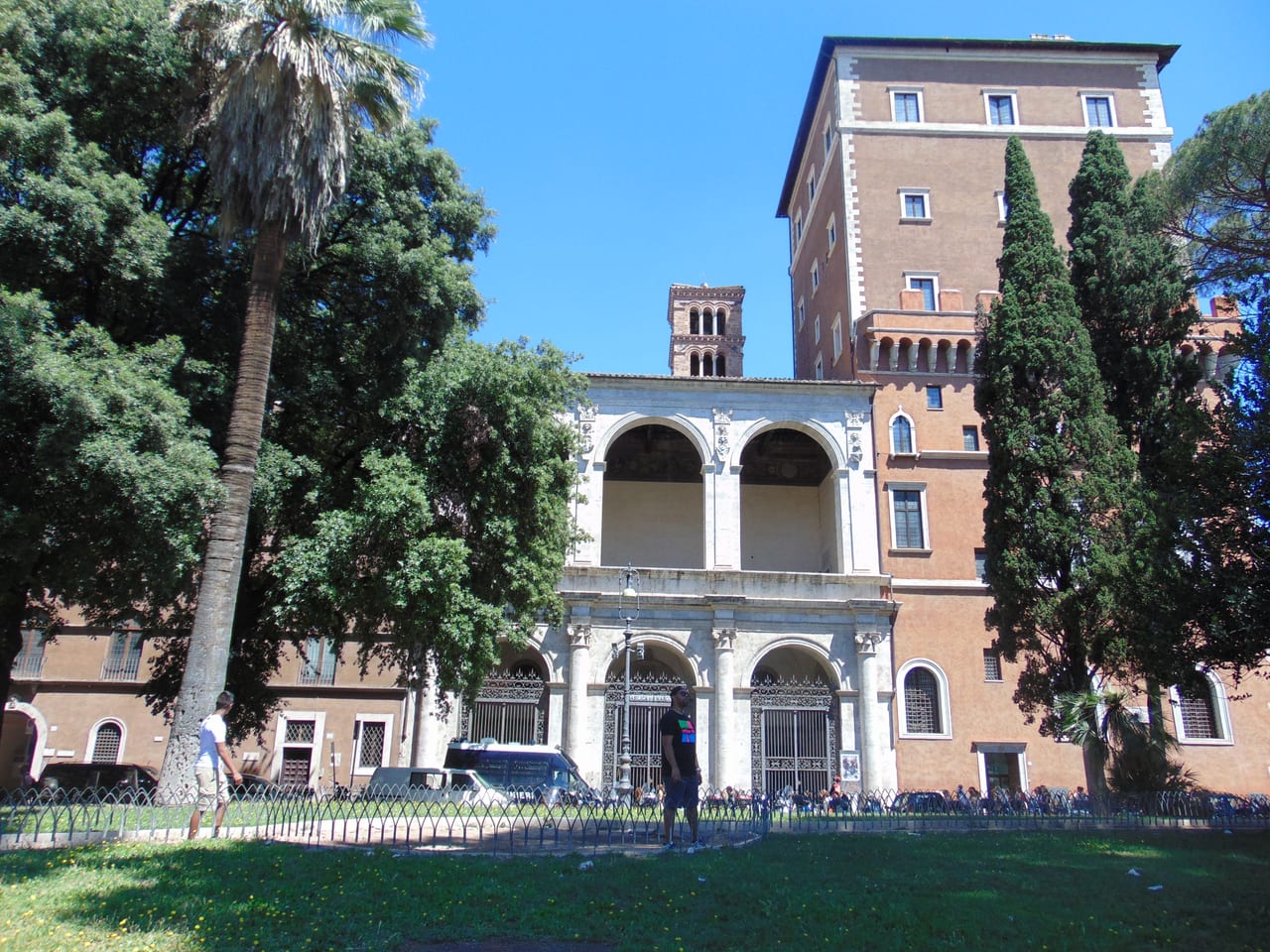
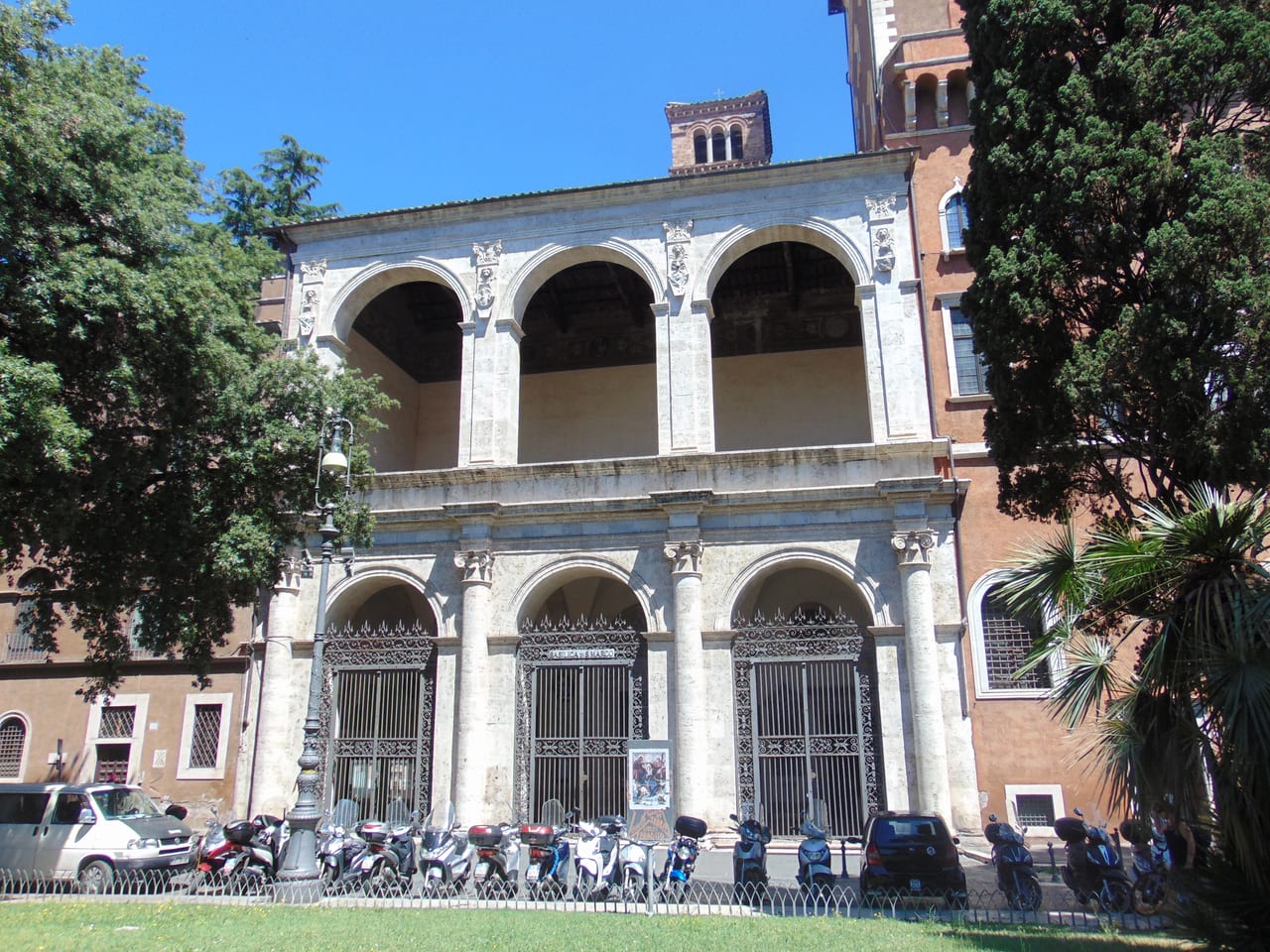
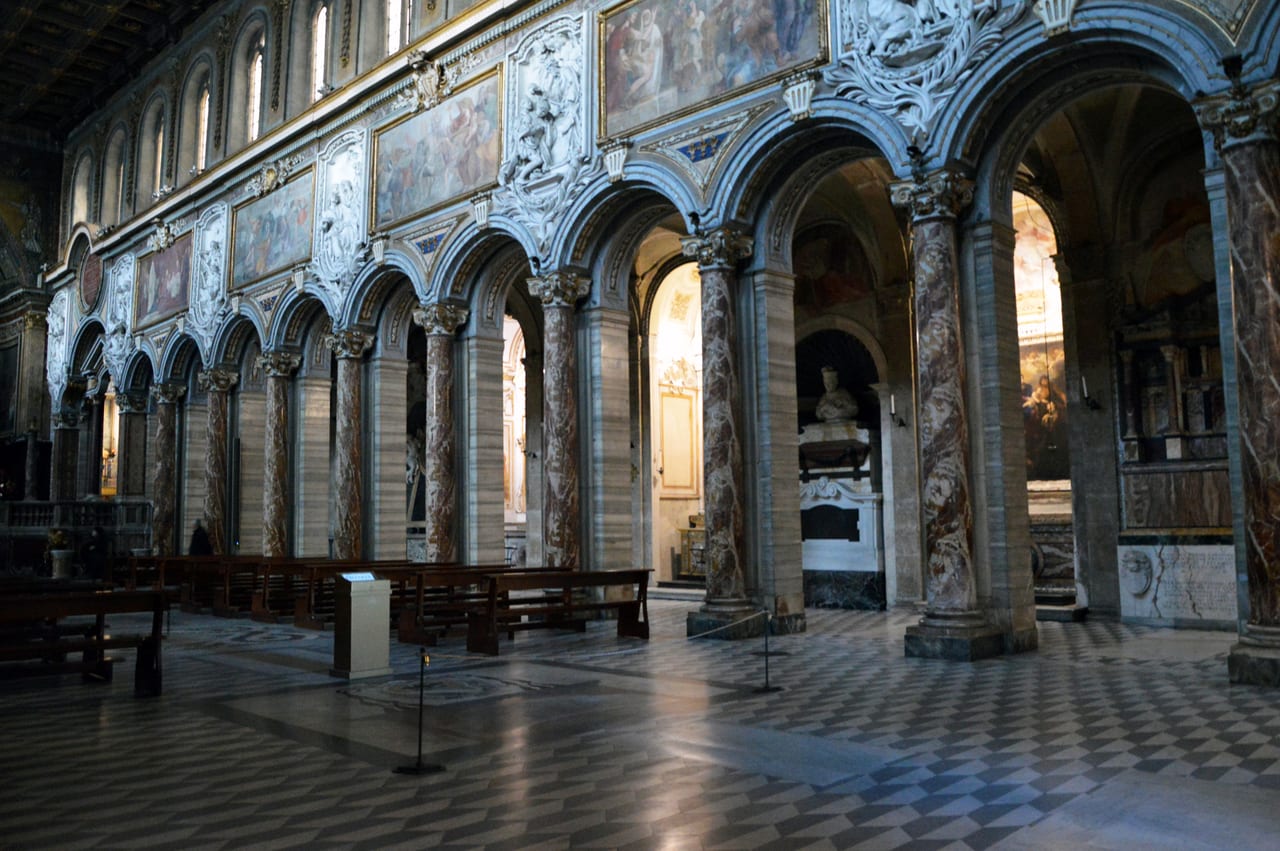
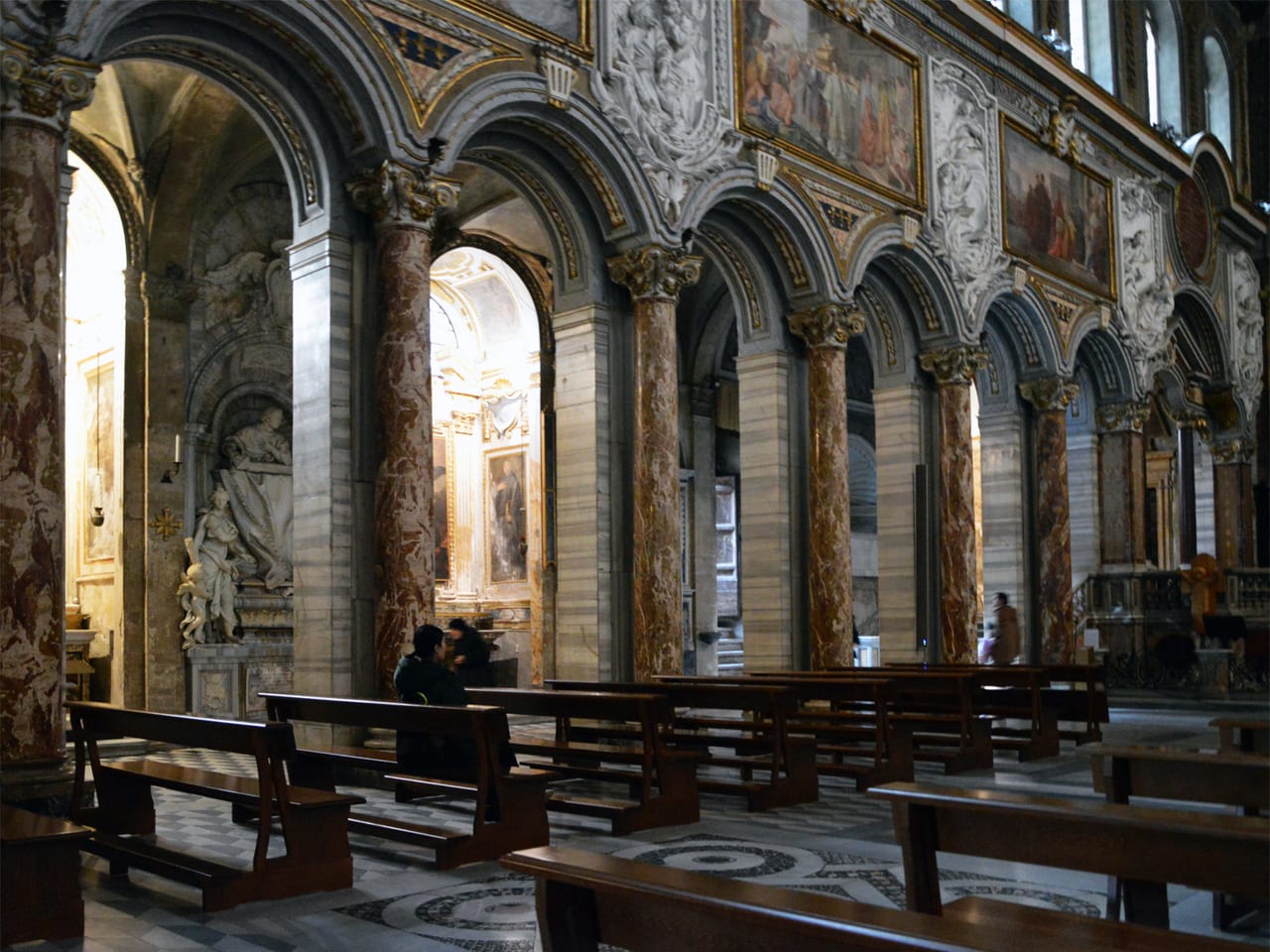
Named for the Evangelist Mark, whom tradition places nearby during a visit to Rome, the basilica was built in 336 by Pope Mark over an earlier oratory. It appears as Titulus Marci in the acts of Pope Symmachus’s 499 synod. Pope Adrian I restored it in 792; in 833, Pope Gregory IV ordered a reconstruction. During the early Middle Ages it was also associated with the Via Lata and the neighbouring vicus of San Marco ad Pallacinas. A bell tower was added in 1154. Pope Paul II commissioned the Renaissance blessing loggia in 1465–1470 and granted the church to Venetians living in Rome. Its present character emerged through restorations in 1654–1657 and a further campaign completed in 1735–1750 for Cardinal Angelo Maria Querini, which established the Baroque interior. The 1466 façade loggia, traditionally attributed to Leon Battista Alberti but now generally assigned to Francesco del Borgo, uses travertine taken from the Colosseum and the Theatre of Marcellus.
At a glance
- Built
- 1750
- Style
- Renaissance
- Heritage
- Italian national heritage
Ways to explore Basilica of St. Mark the Evangelist
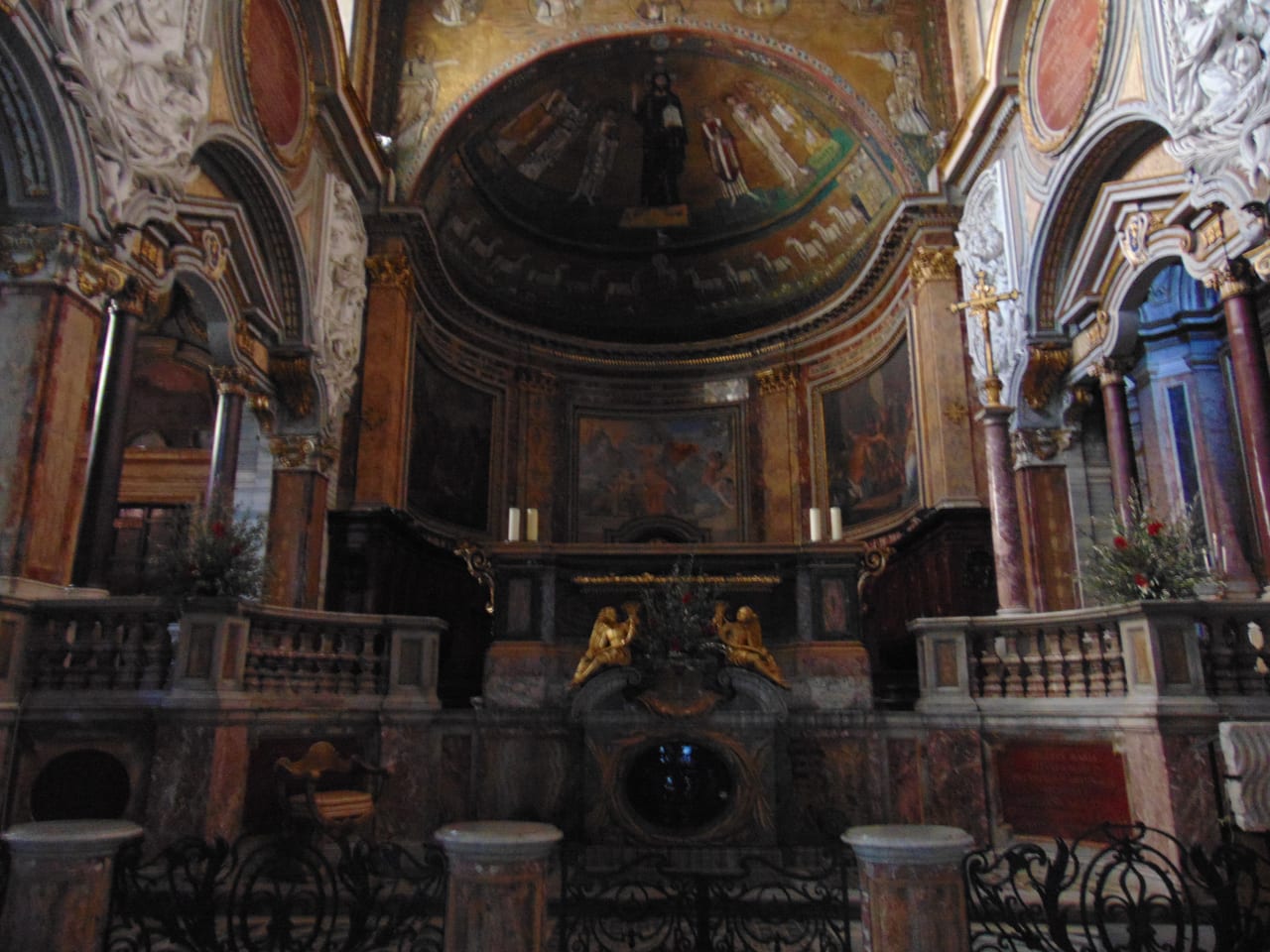
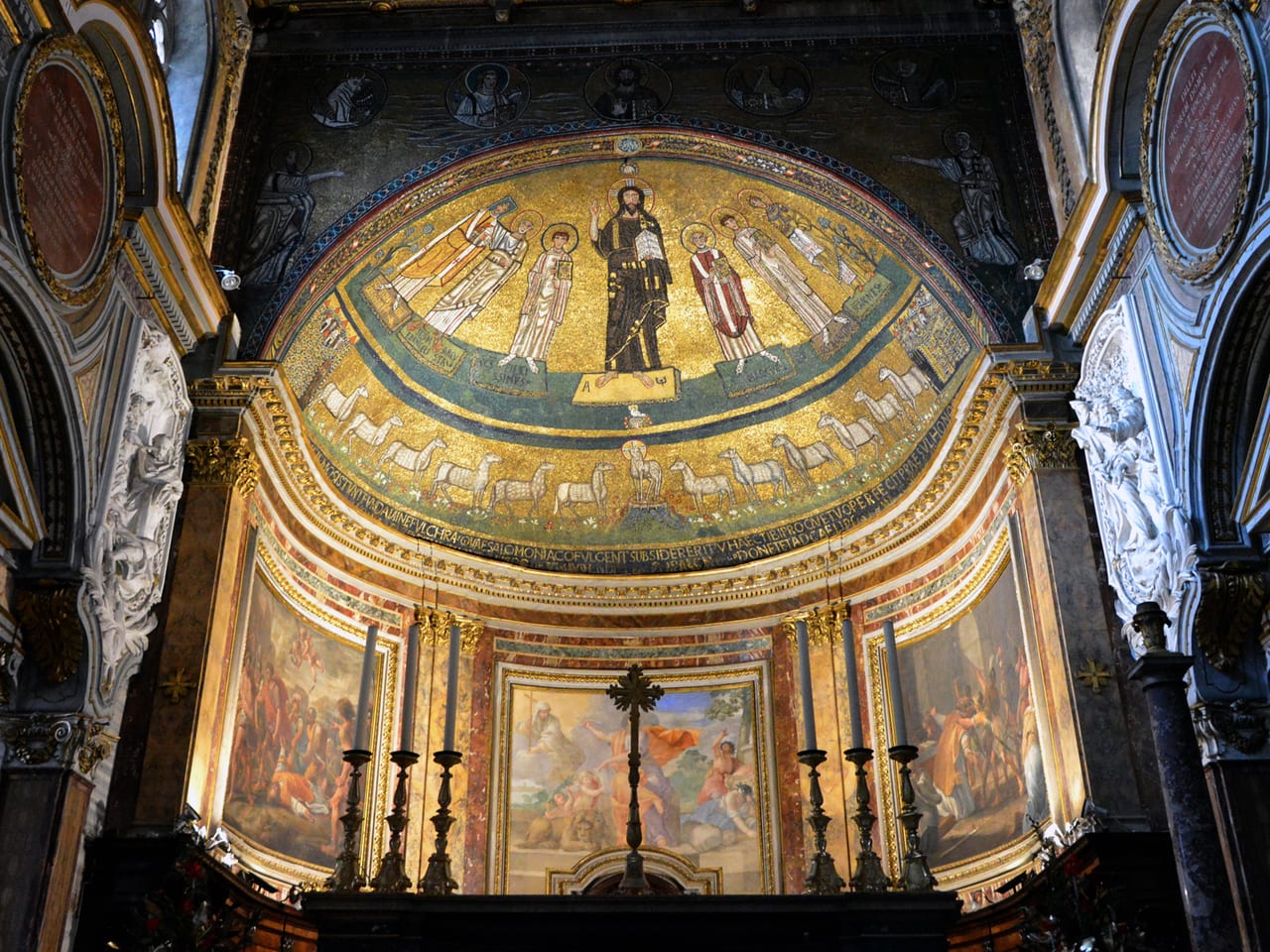
Begin with the apse mosaic: its symbolism brings together Christ Pantocrator, Pope Gregory IV, Saint Mark, Saint Agnes and the four rivers of Eden, while the apse arch presents Peter, Paul and the four Evangelists. In the nave, seek Melozzo da Forlì’s frescoes, Pier Francesco Mola’s works, Carlo Monaldi’s stucco reliefs and Carlo Maratta’s Adoration of the Magi in the third right-hand chapel. Also inspect Canova’s tomb of Leonardo Pesaro and the 1936 Tamburini organ, arranged in three sections with about 1,300 pipes.
Places to stay near Basilica of St. Mark the Evangelist

Live availability and prices from Stay22's partners, refreshed periodically and subject to change. Booking through these links may earn us a commission at no extra cost to you. See our privacy policy.
Cafés near Basilica of St. Mark the Evangelist
Cafés near Basilica of St. Mark the Evangelist loads as you scroll.
Attractions nearby
Attractions near Basilica of St. Mark the Evangelist loads as you scroll.
Cities nearby
Cities nearby loads as you scroll.
More in Rome
See more of Rome.
Find great cafés, places to stay and other interesting places to visit in Rome.