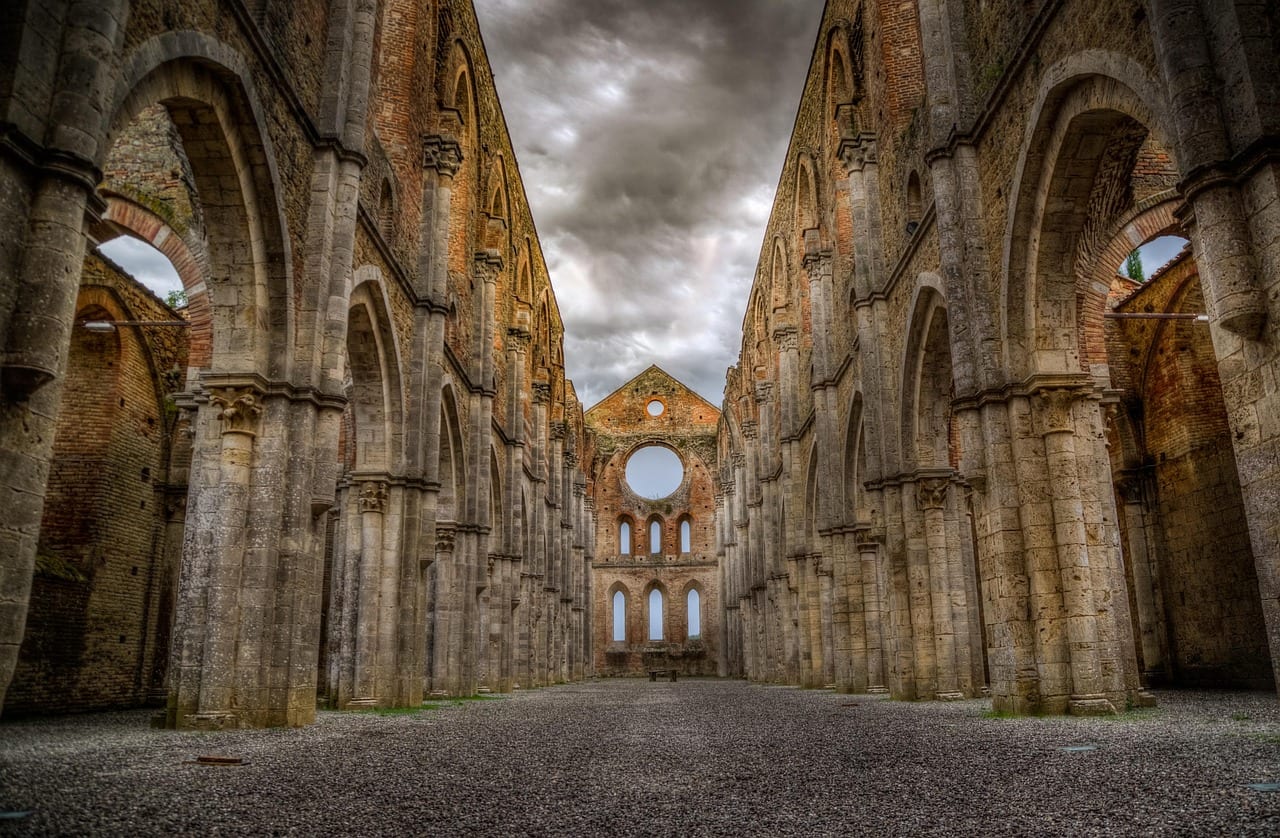
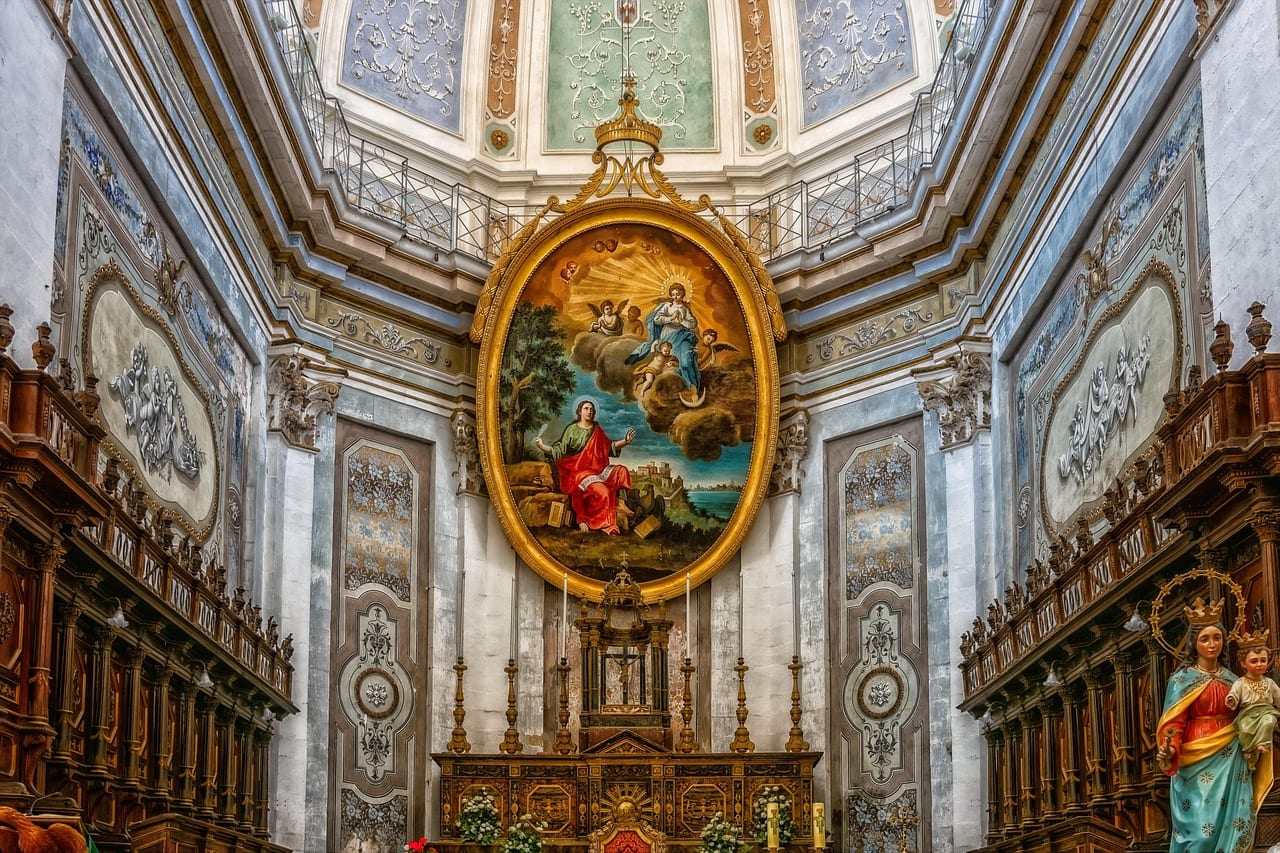
Photograph 1 of 2 of Basilica of San Giovanni dei Fiorentini
Church · Rome
Its historic archive preserves documents, designs and music from the fifteenth century onward, including the record of Leonardo da Vinci’s expulsion for failing to pay his entrance fee.
Photograph 1 of 2 of Basilica of San Giovanni dei Fiorentini
Created as the national church of Florence’s community in Rome, San Giovanni dei Fiorentini grew from the urban ambitions behind Via Giulia. Donato Bramante proposed a central-plan church in 1508, followed by a competition involving Jacopo Sansovino, Raphael, Antonio da Sangallo and Baldassarre Peruzzi. Sansovino began construction in 1519, but the intended apse in the Tiber’s riverbed created formidable foundation problems. Sangallo addressed the substructures, while Michelangelo imagined another central design in five drawings, developed into a wooden model by Tiberio Calcagni. The building visible today derives chiefly from Giacomo Della Porta’s basilical plan: three aisles, arched piers and five chapels on each side. Carlo Maderno completed the apse and transepts with flat walls and windows, adding the tall brick-and-stucco dome in 1614. Francesco Borromini reshaped the apse in the 1660s, with Antonio Raggi’s Baptism of Christ. Alessandro Galilei completed the church in 1734–1738, dying a year before the façade was finished. Its Baroque sculpture includes Falconieri tombs, works by Ercole Ferrata and Domenico Guidi, and a commemorative bust of Bernini. Francesco Borromini and Carlo Maderno are buried in the church. Filippo Neri founded the Congregation of the Oratory while serving as rector; Giulio Andreotti’s funeral took place here in 2013.
Begin at the apse and examine Raggi’s Baptism of Christ, the Falconieri monuments, the red French and Cottanello marble high altar, and the allegorical statues of Justice and Fortitude. Compare the chapels, especially the Sacchetti Chapel’s bronze crucifix and the chapel of Filippo Neri. The adjacent museum contains works attributed to Michelangelo, Bernini, Pierino da Vinci and Antonio Raggi, along with Cellini-workshop and Valadier pieces. The church is open daily 7:15–12:00 and 17:00–19:00; holiday hours differ, and animals are admitted.
Live availability and prices from Stay22's partners, refreshed periodically and subject to change. Booking through these links may earn us a commission at no extra cost to you. See our privacy policy.
More in Rome
Find great cafés, places to stay and other interesting places to visit in Rome.
