Church · Rome
Basilica of San Clemente
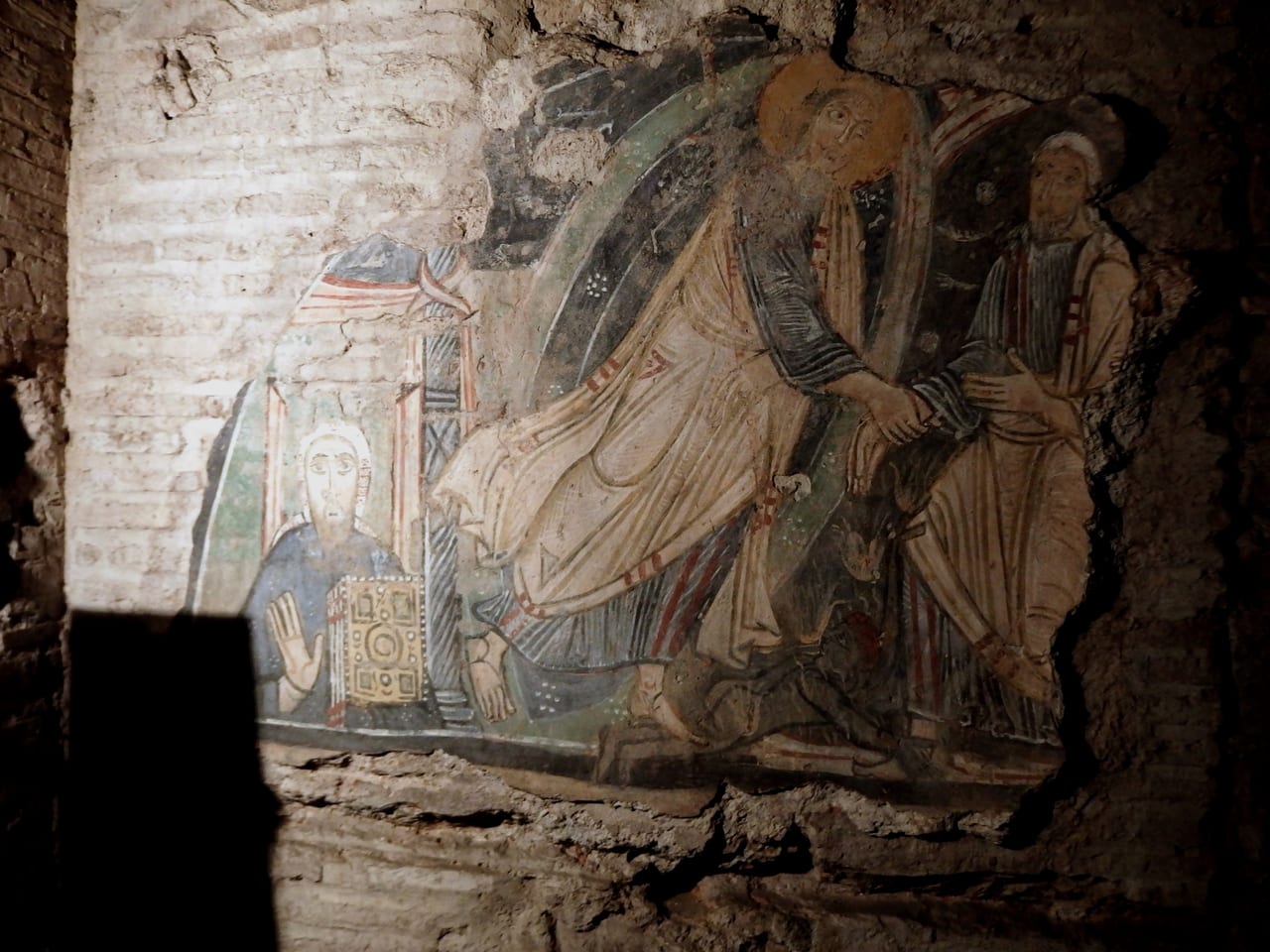
DirectionsA fresco in San Clemente preserves the earliest known artistic writing in Italian vernacular, recording a miraculous episode in language poised between Latin and Roman speech.
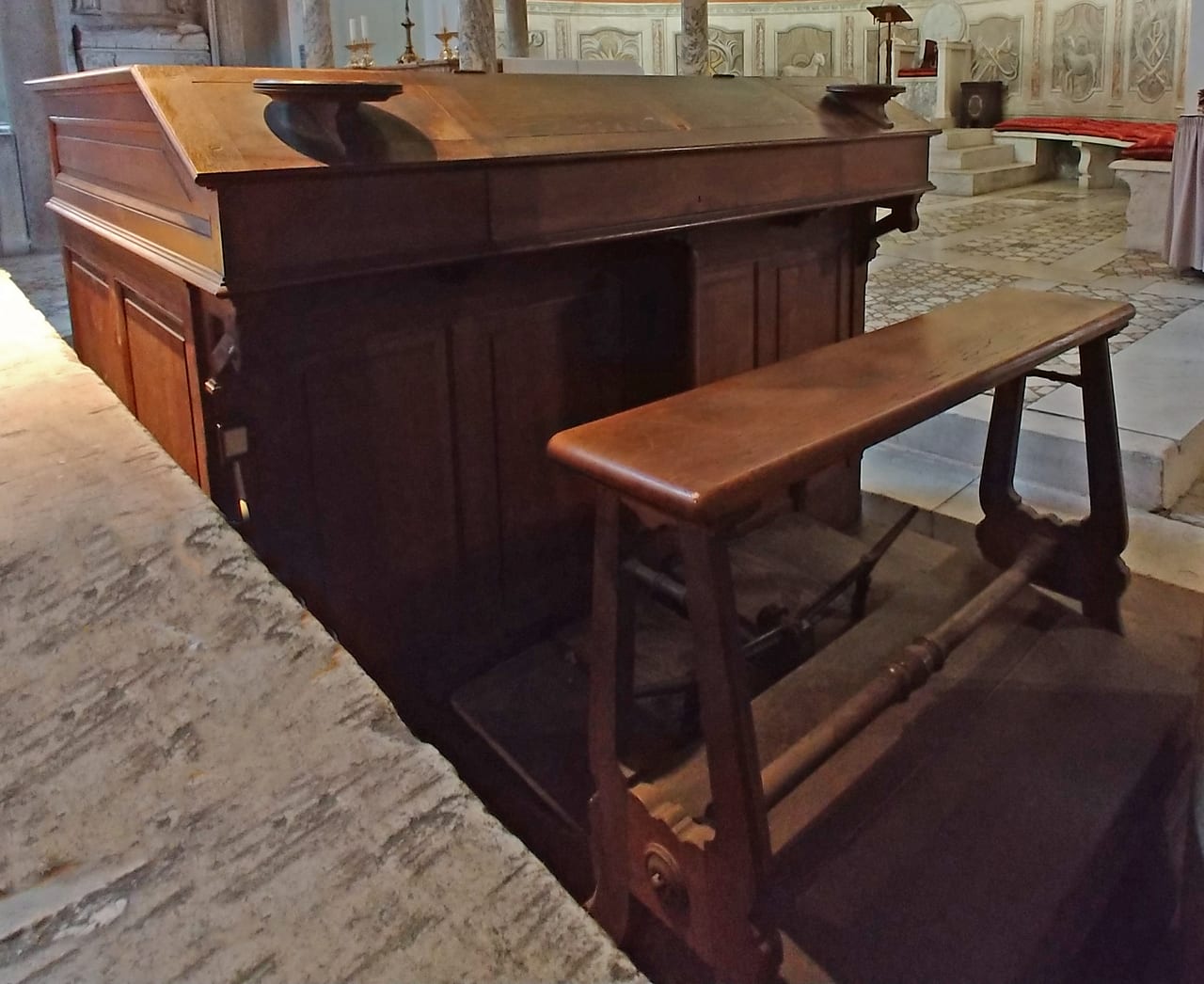
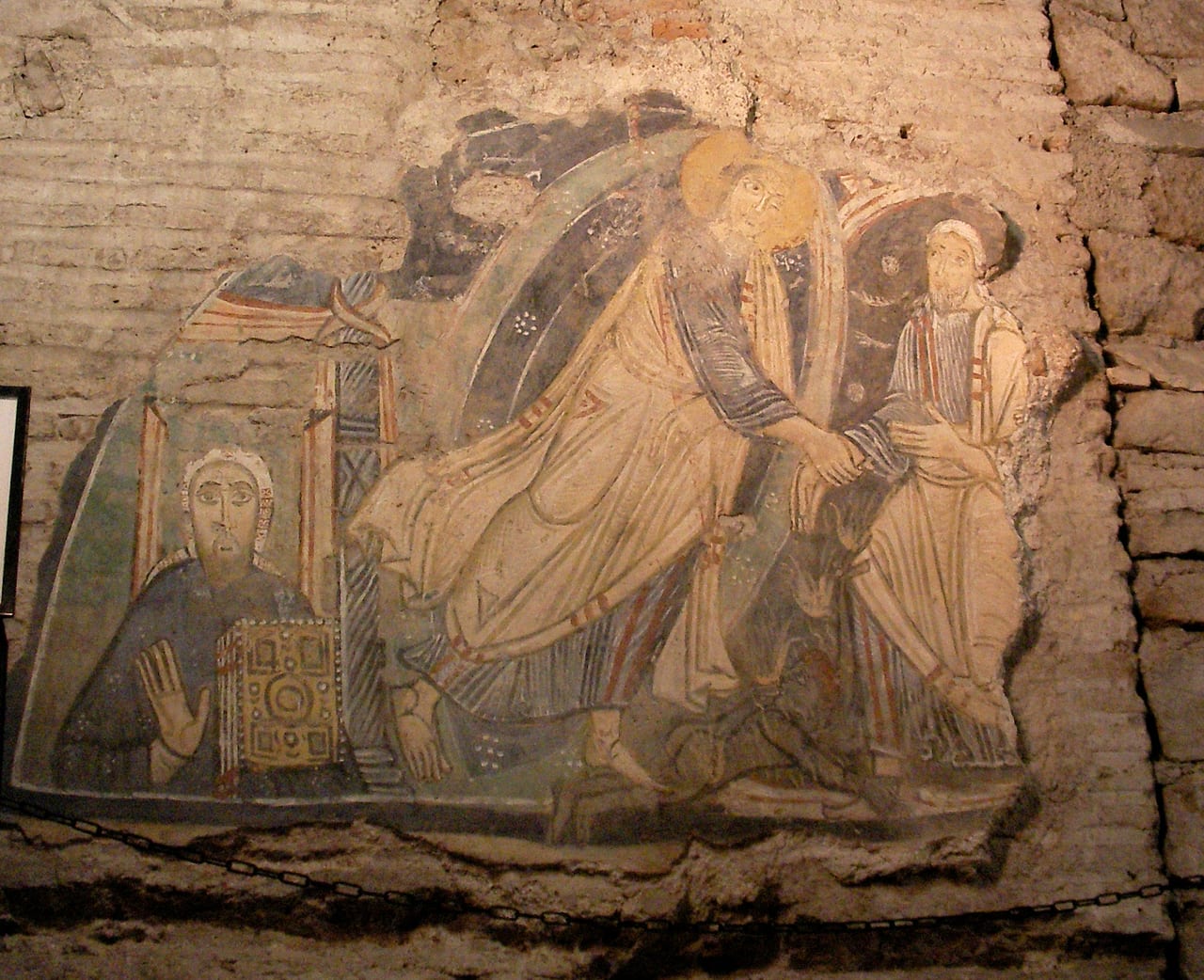
Photograph 1 of 18 of Basilica of San Clemente
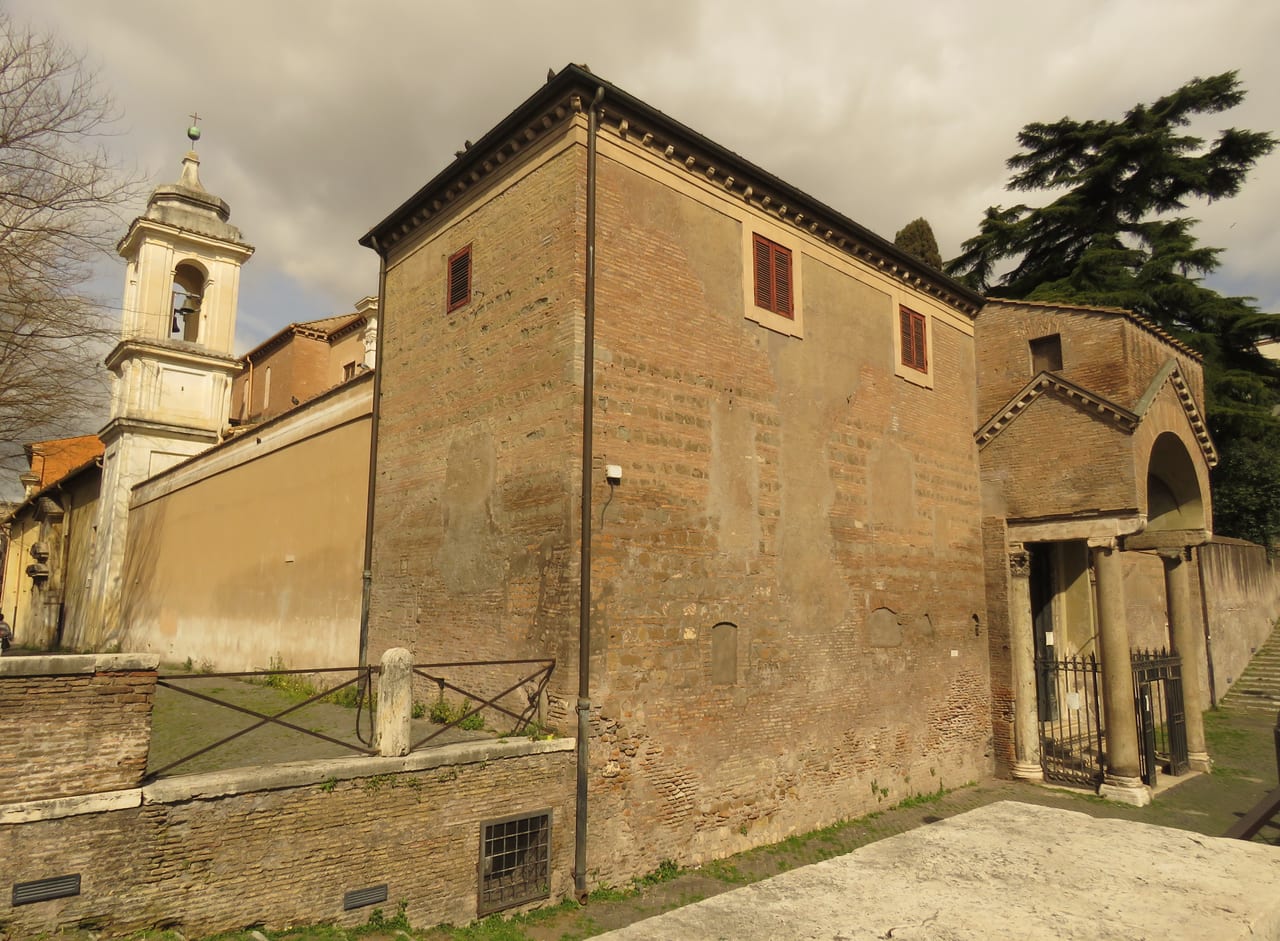
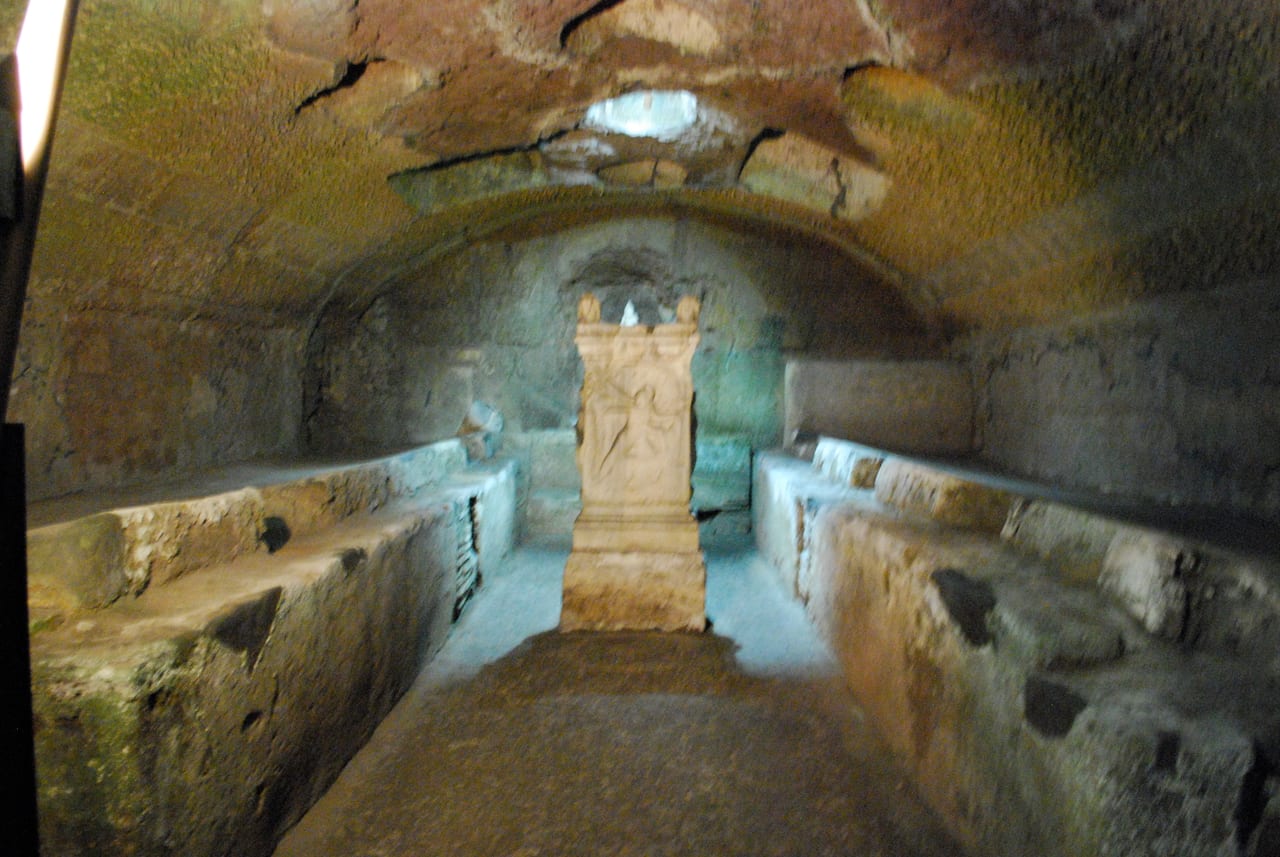
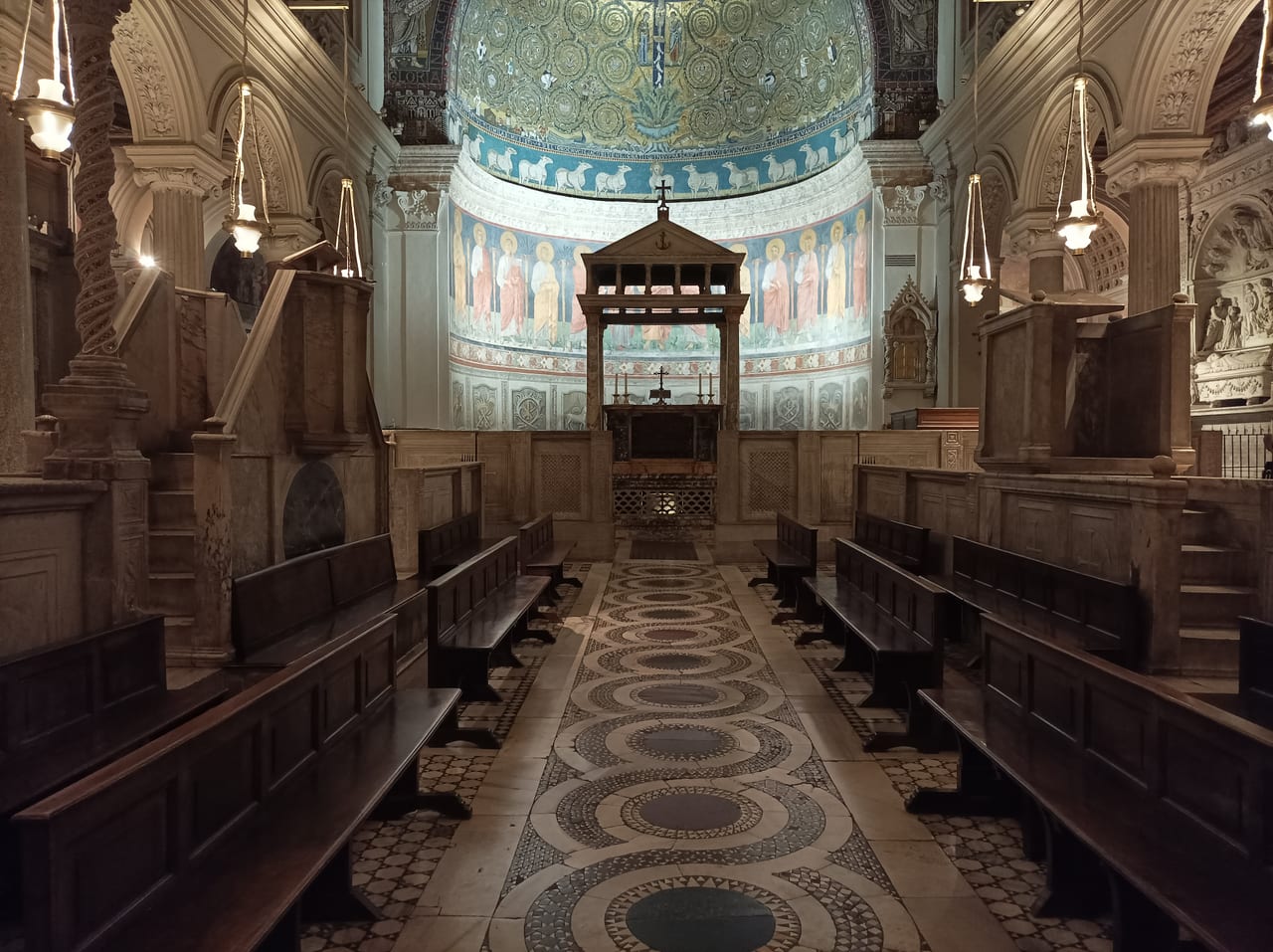
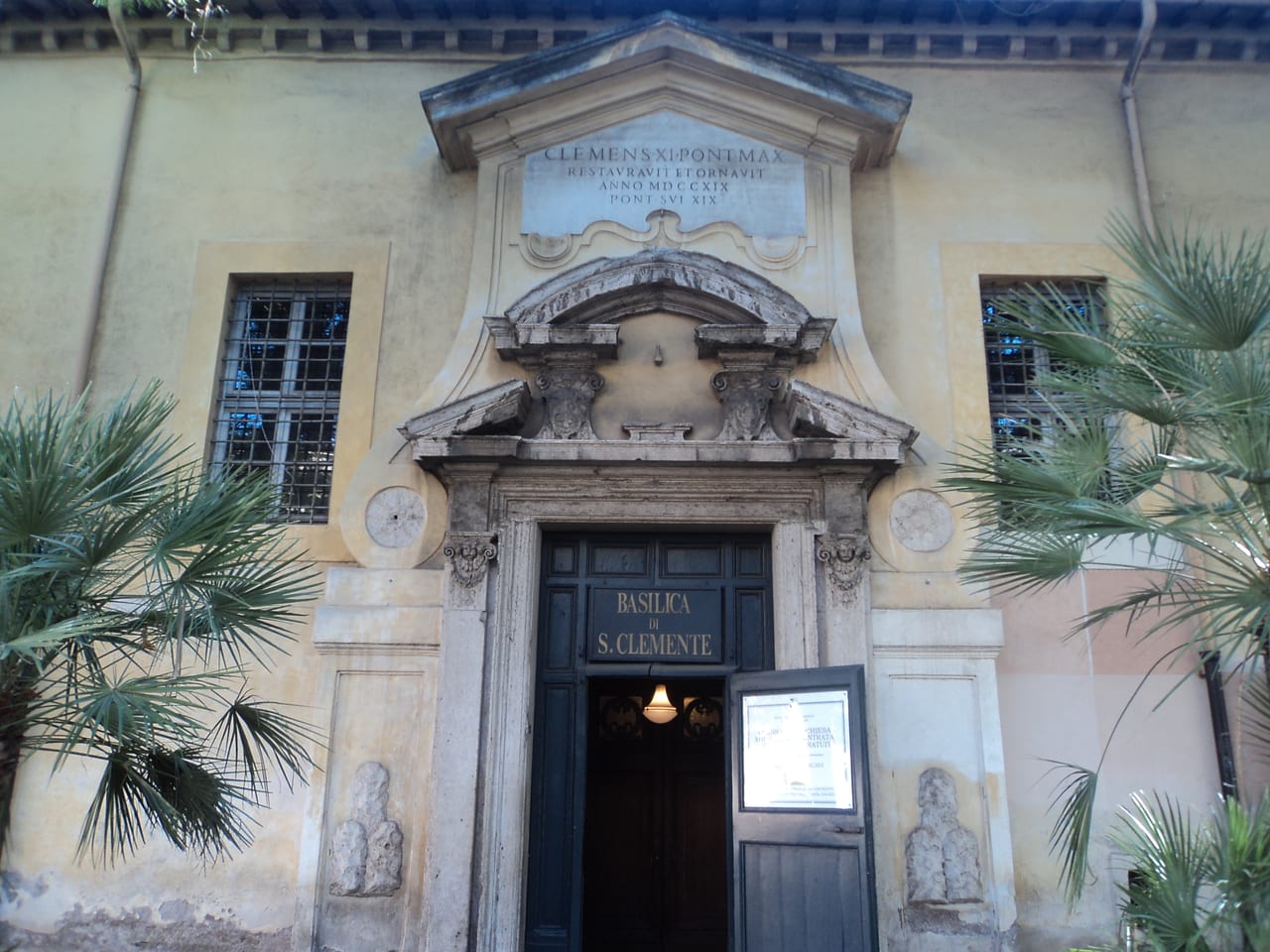
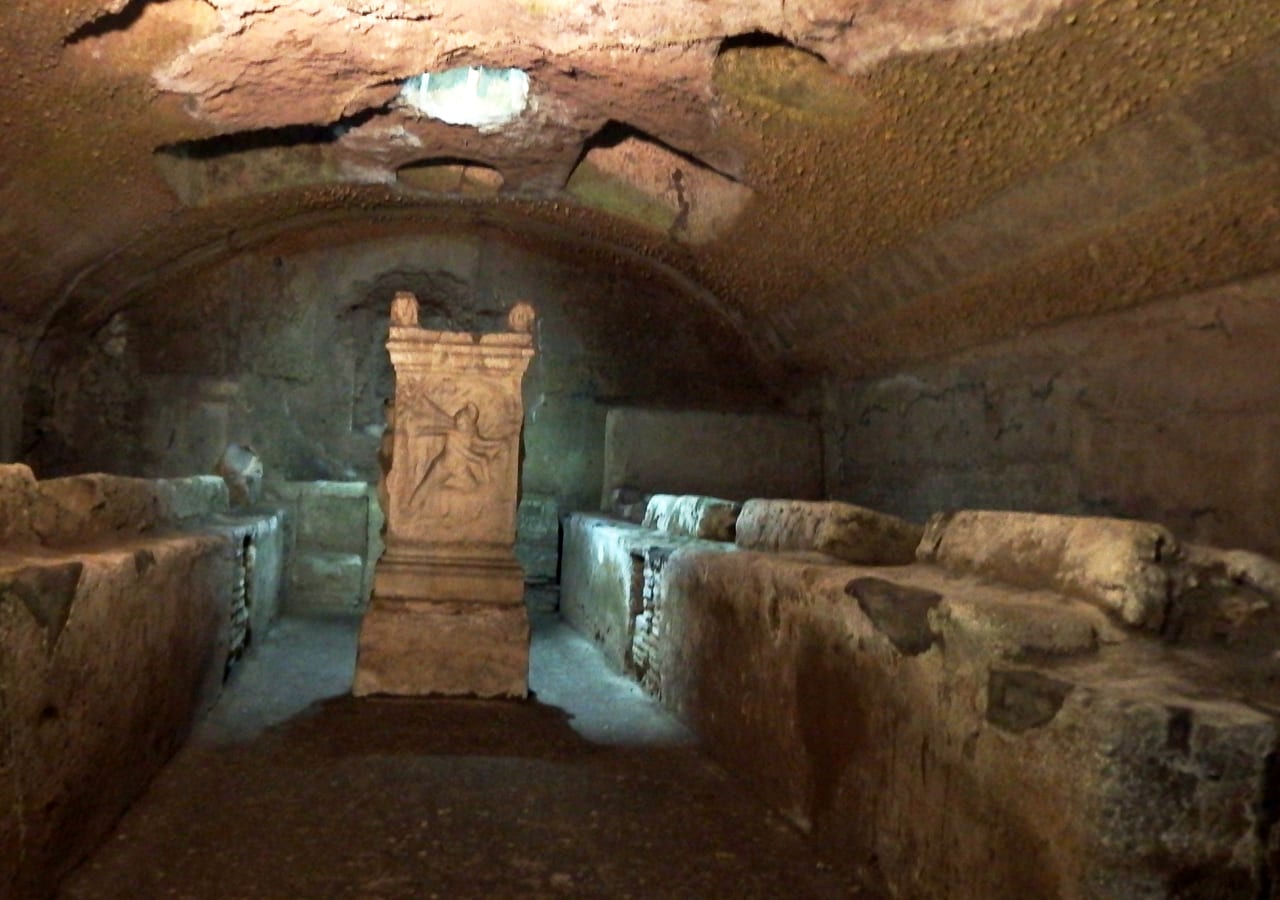
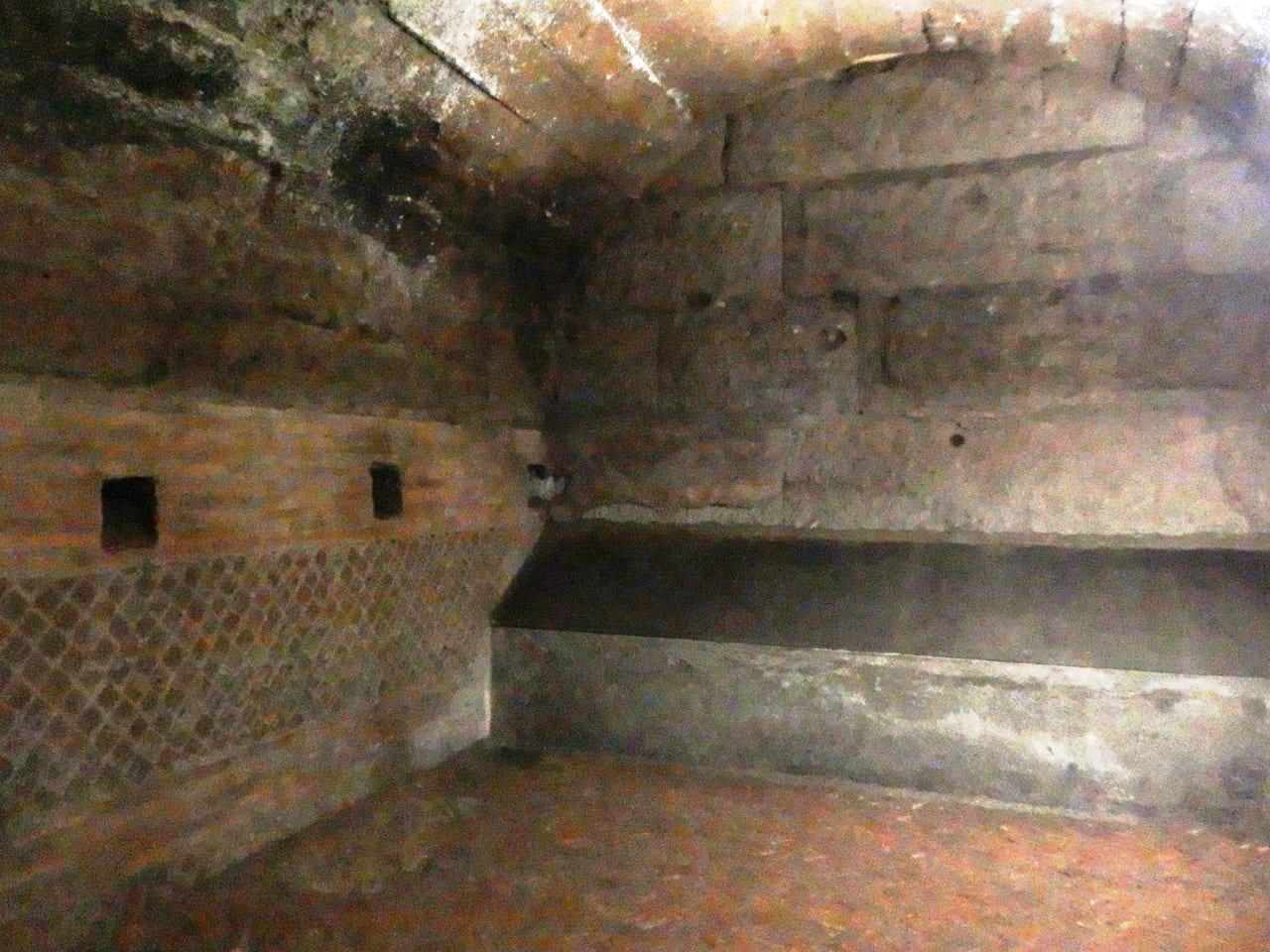
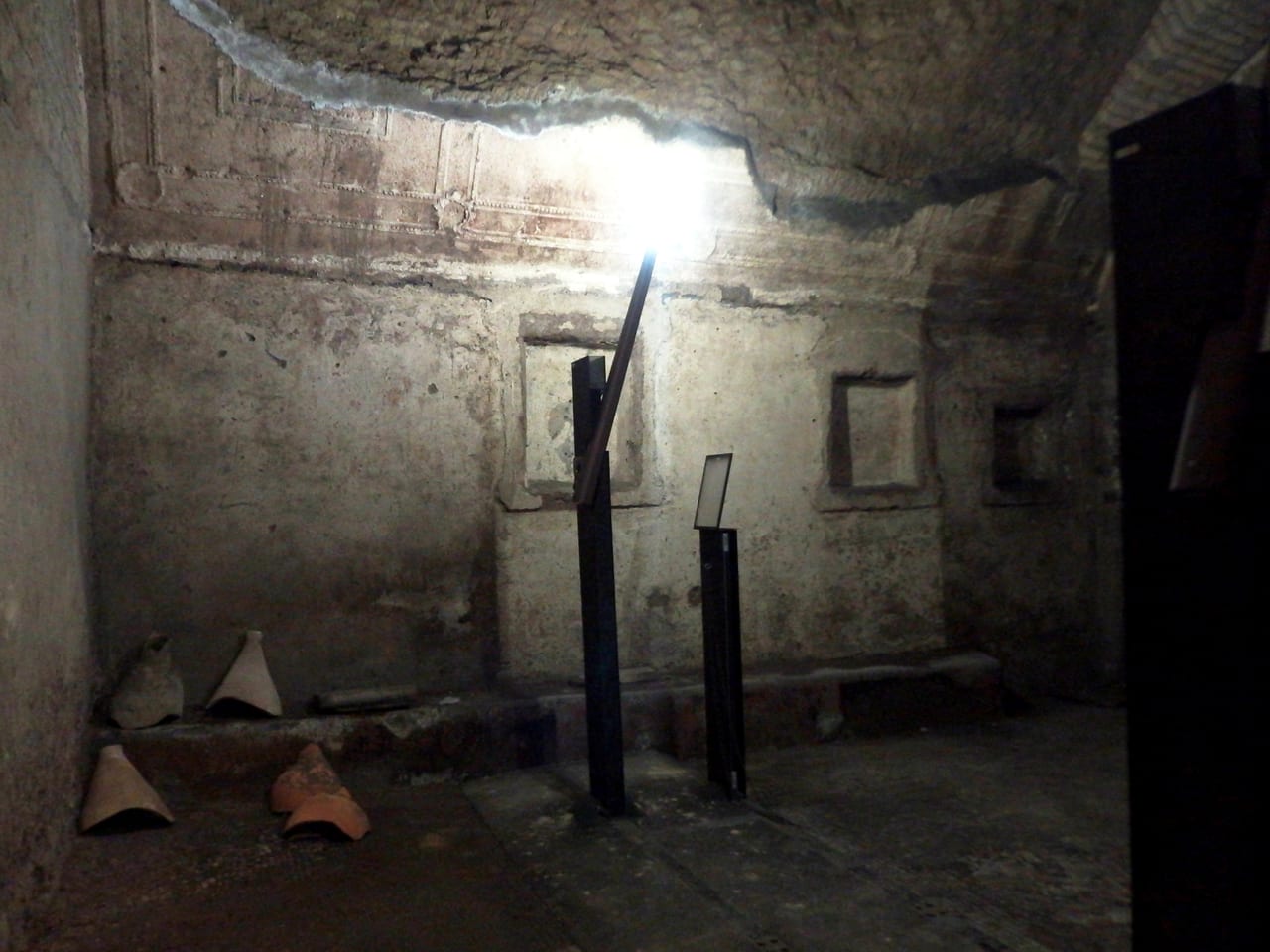
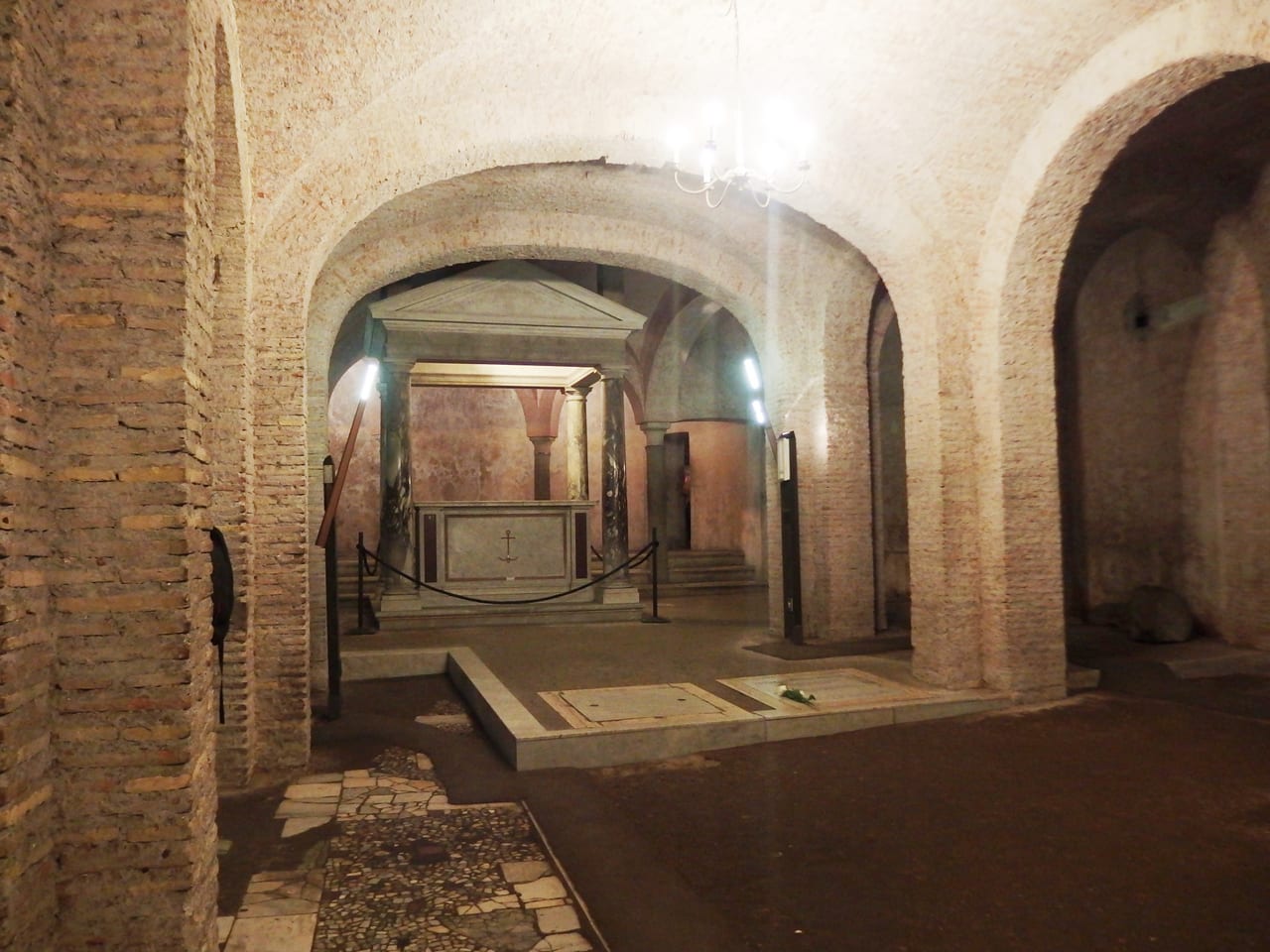
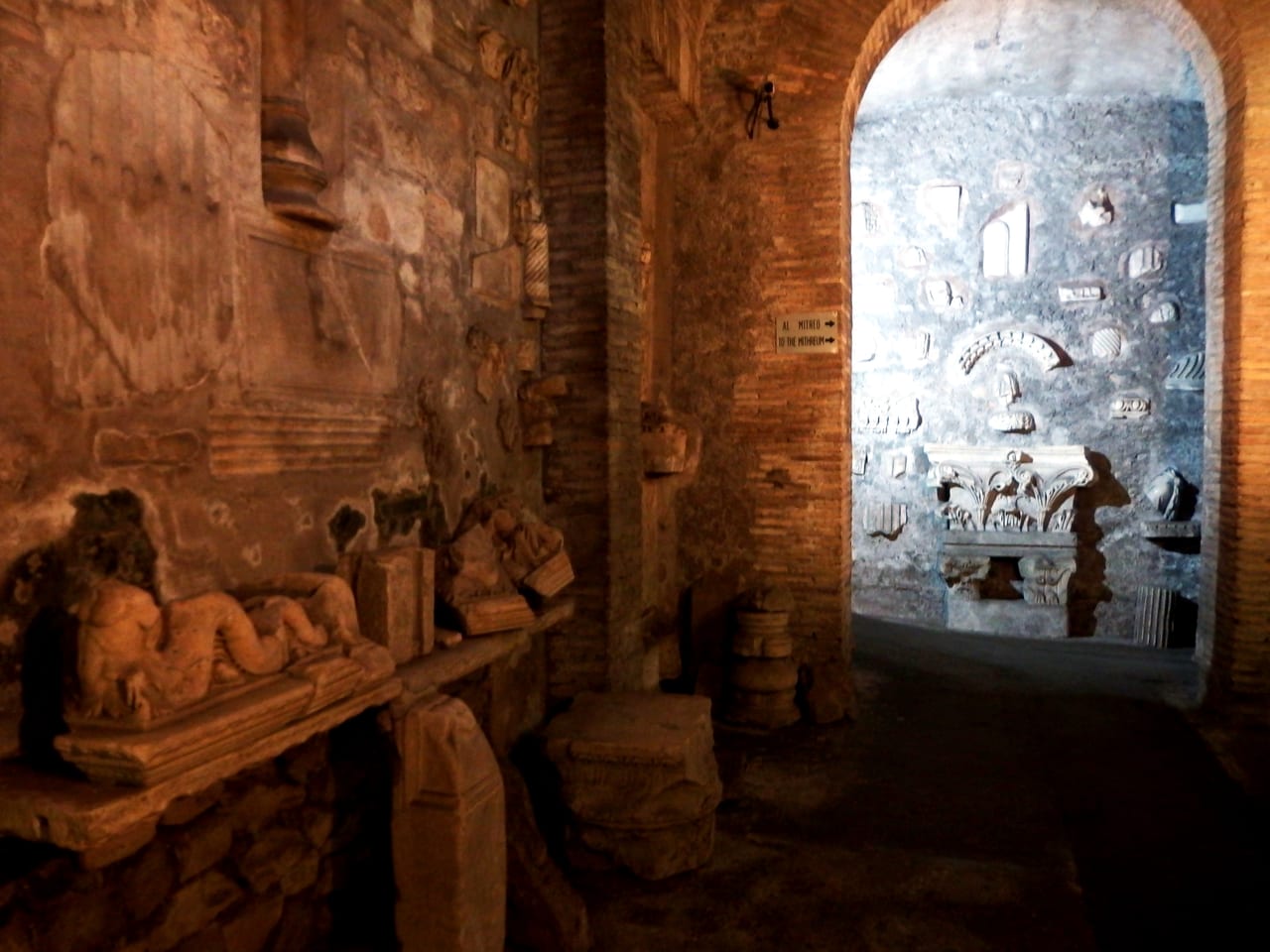
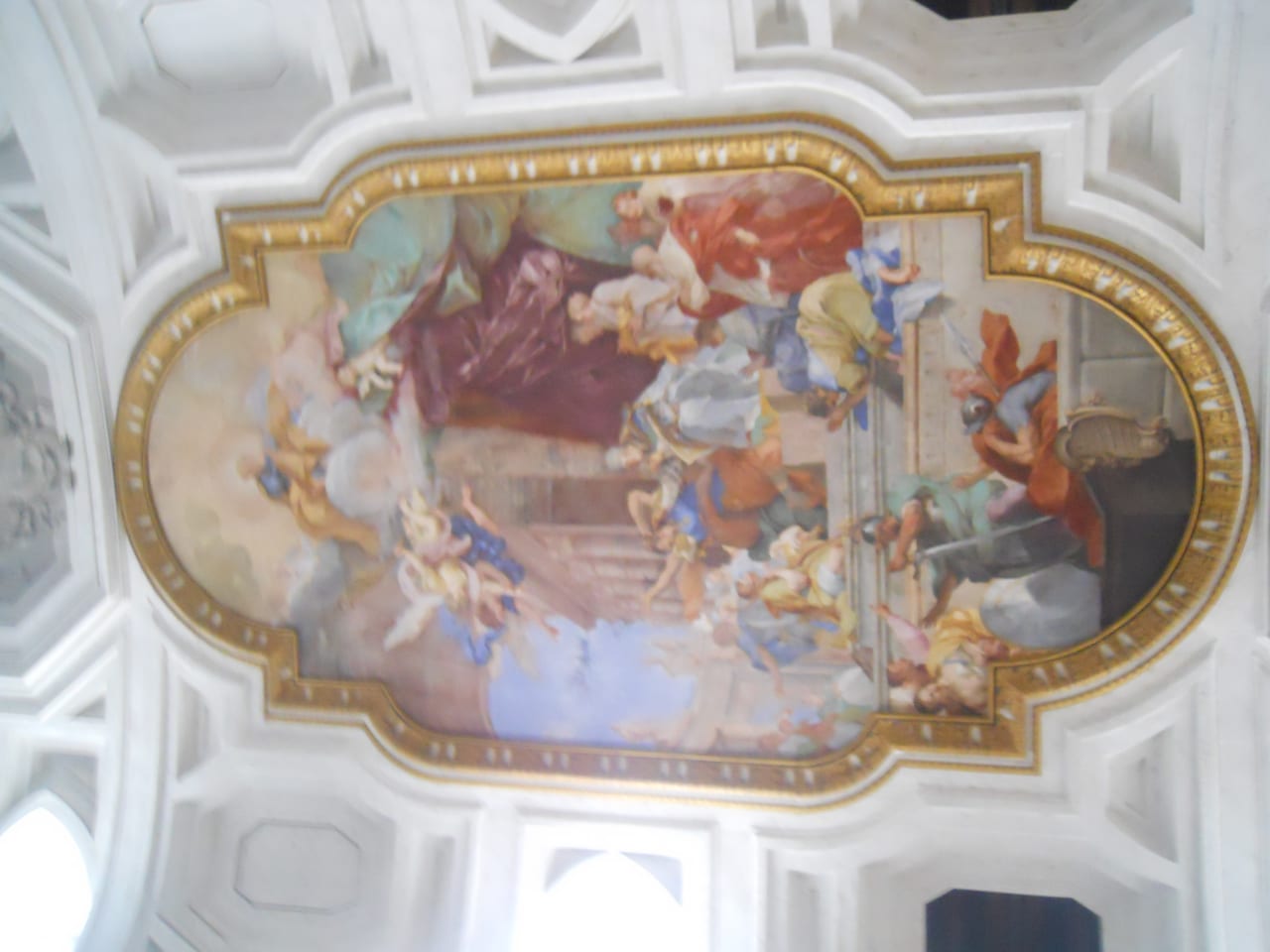
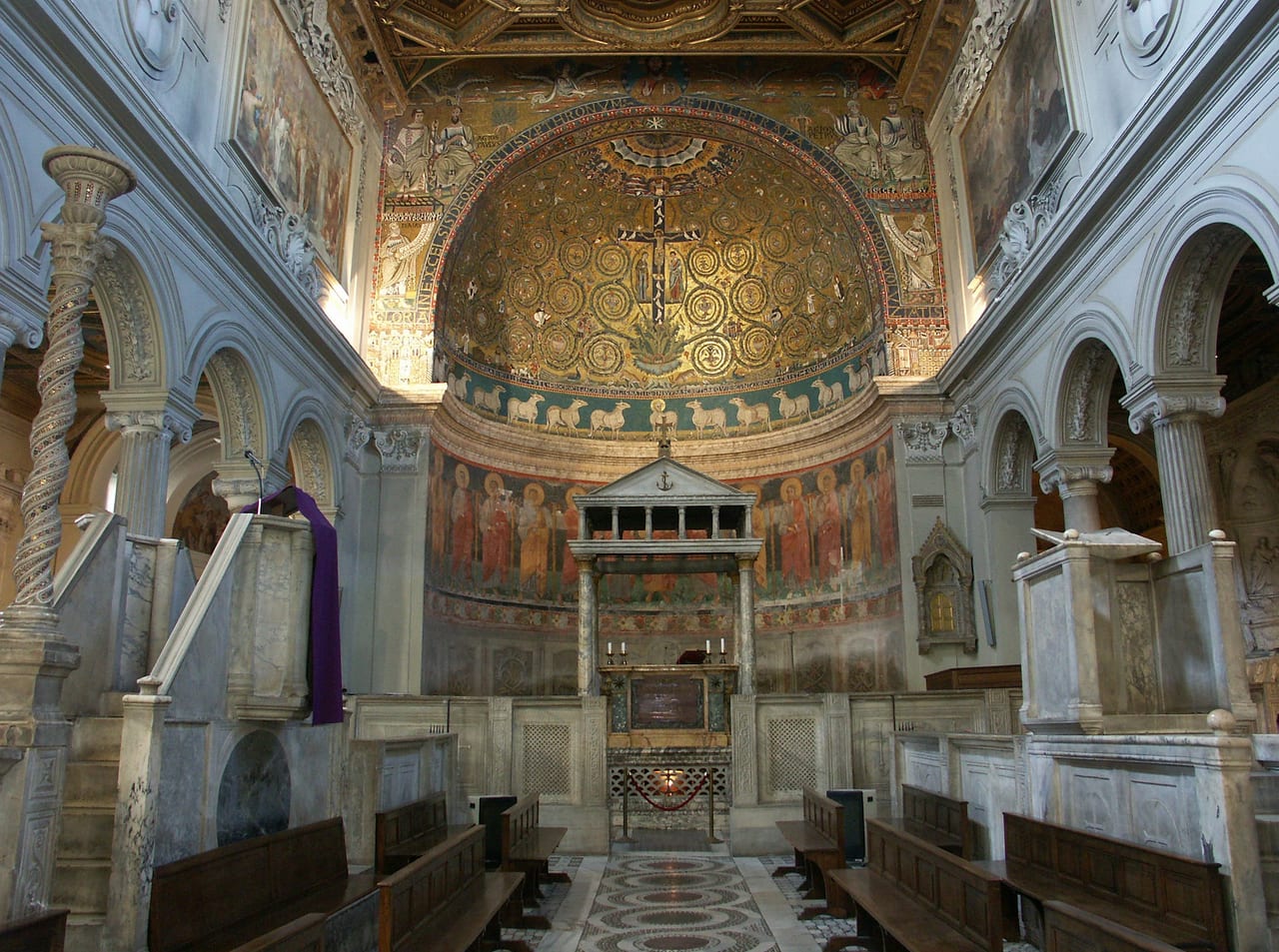
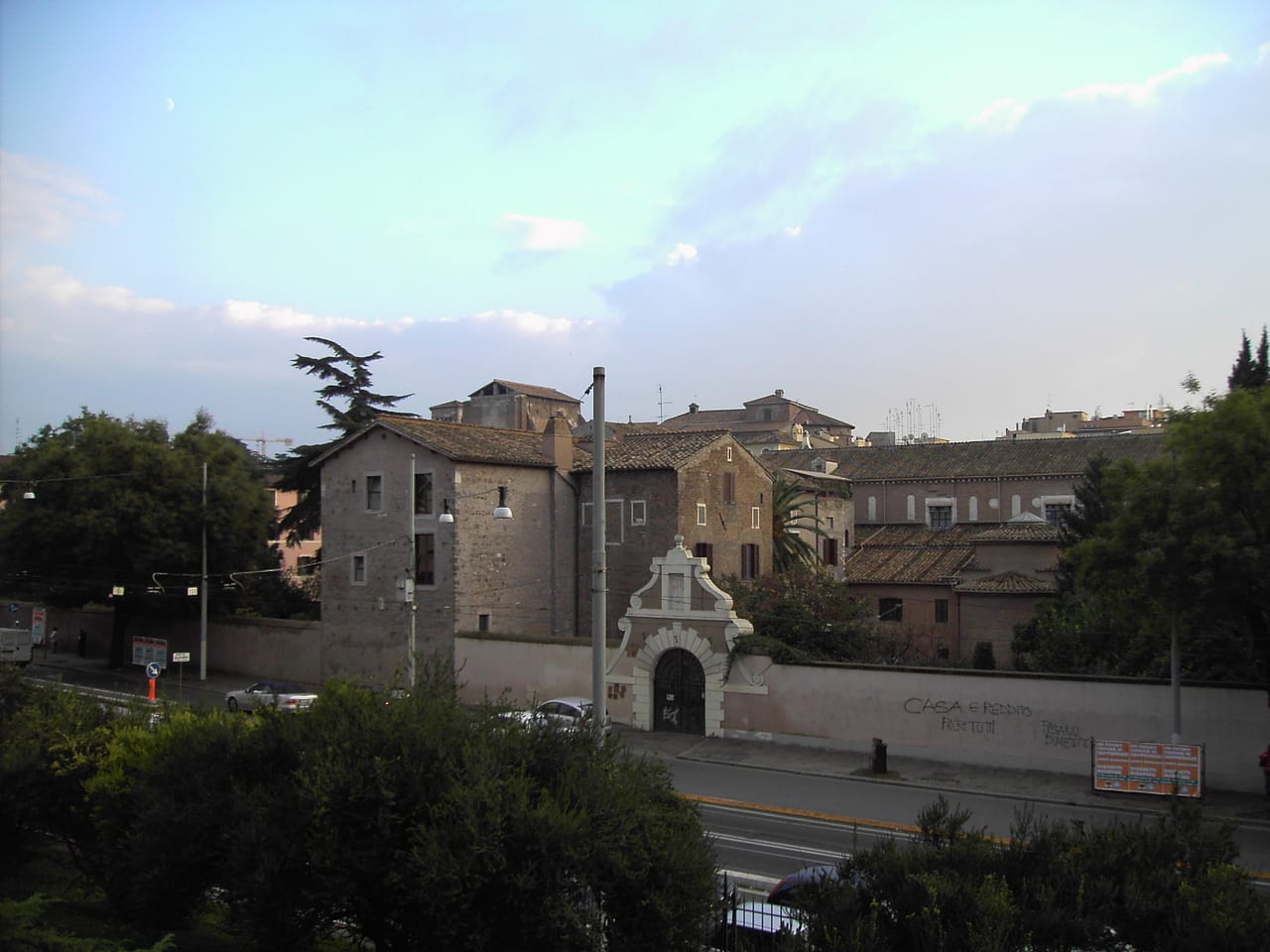
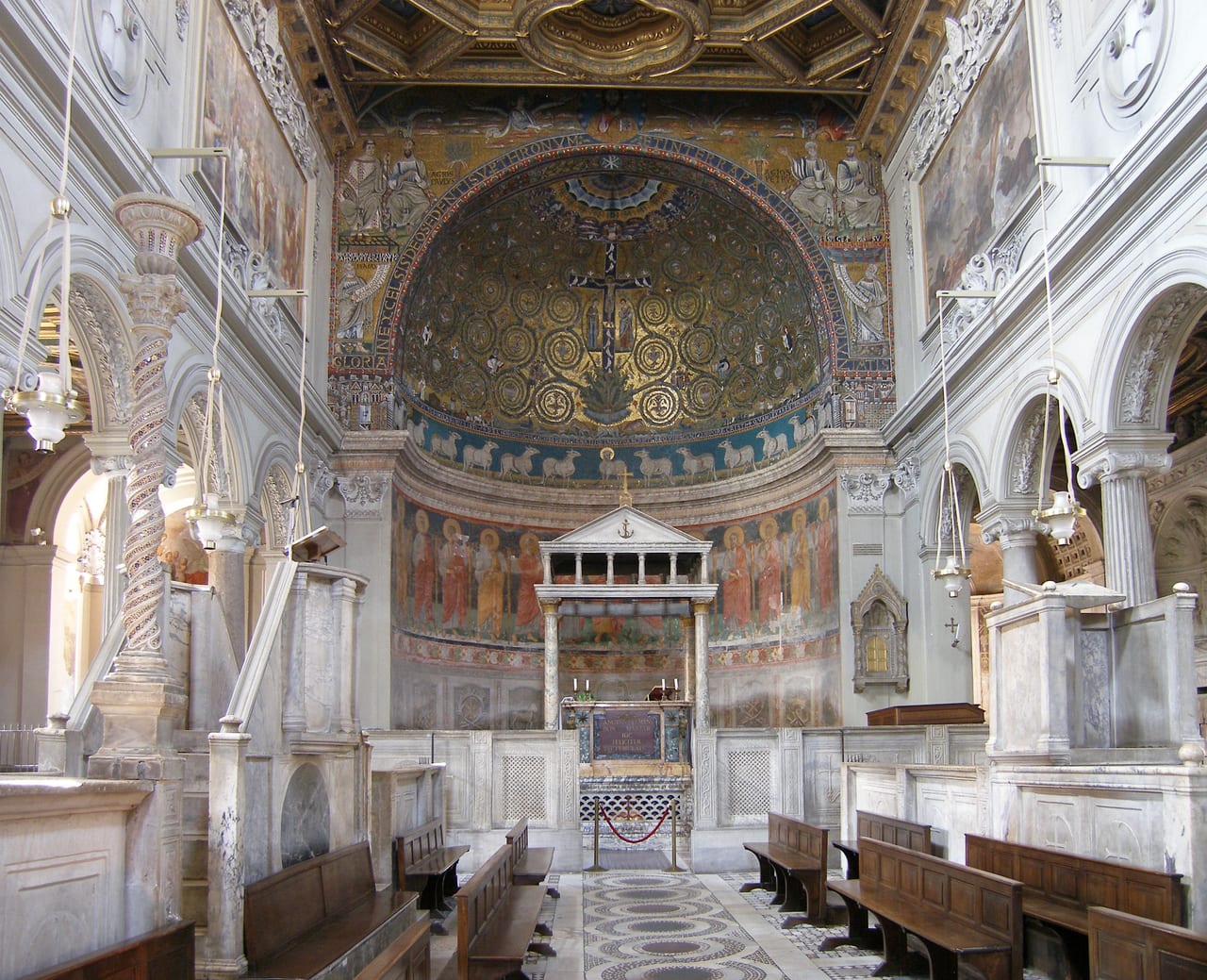
The present basilica was built in the 12th century by Anastasio, cardinal titular from 1099 to 1120, after the earlier church was buried beneath it following the Norman sack of Rome in 1084. Its predecessor had developed from a 3rd-century patrician residence: a basilica-like plan appeared in the 4th century, an apse in the early 5th, an altar and schola cantorum in the 6th, and marble columns and frescoes between the 8th and 9th centuries. Beneath that level lie a 1st-century warehouse, or horreum, and a residential building associated with a Mithraeum, while still older traces remain below. Three aisles, reused Roman columns, a semicircular apse and a Cosmatesque marble floor define the church. The apse mosaic, made soon after 1100, presents Christ crucified as an arbor vitae amid apostles, saints, animals and flowing classical foliage. Masolino da Panicale painted the Annunciation in the Chapel of Santa Caterina between 1428 and 1431, probably from a design begun by Masaccio. Pope Clement XI commissioned the 1713–1719 restoration by Carlo Stefano Fontana, which established the Baroque interior and the 1716 façade; the Dominican convent remains attached.
At a glance
- Built
- 1084
- Architect
- Carlo Fontana
- Style
- Romanesque architecture
- Heritage
- Italian national heritage
Ways to explore Basilica of San Clemente
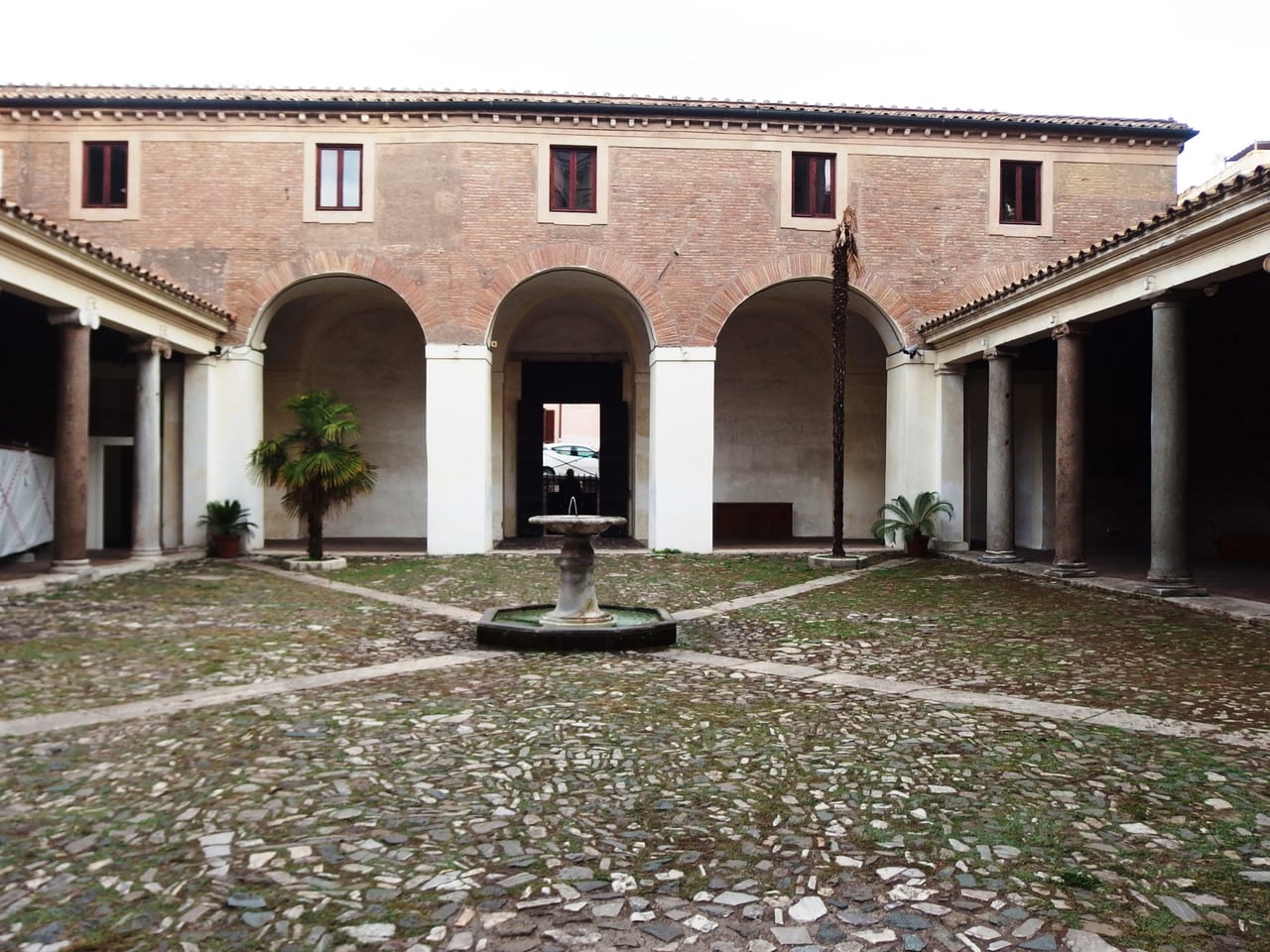
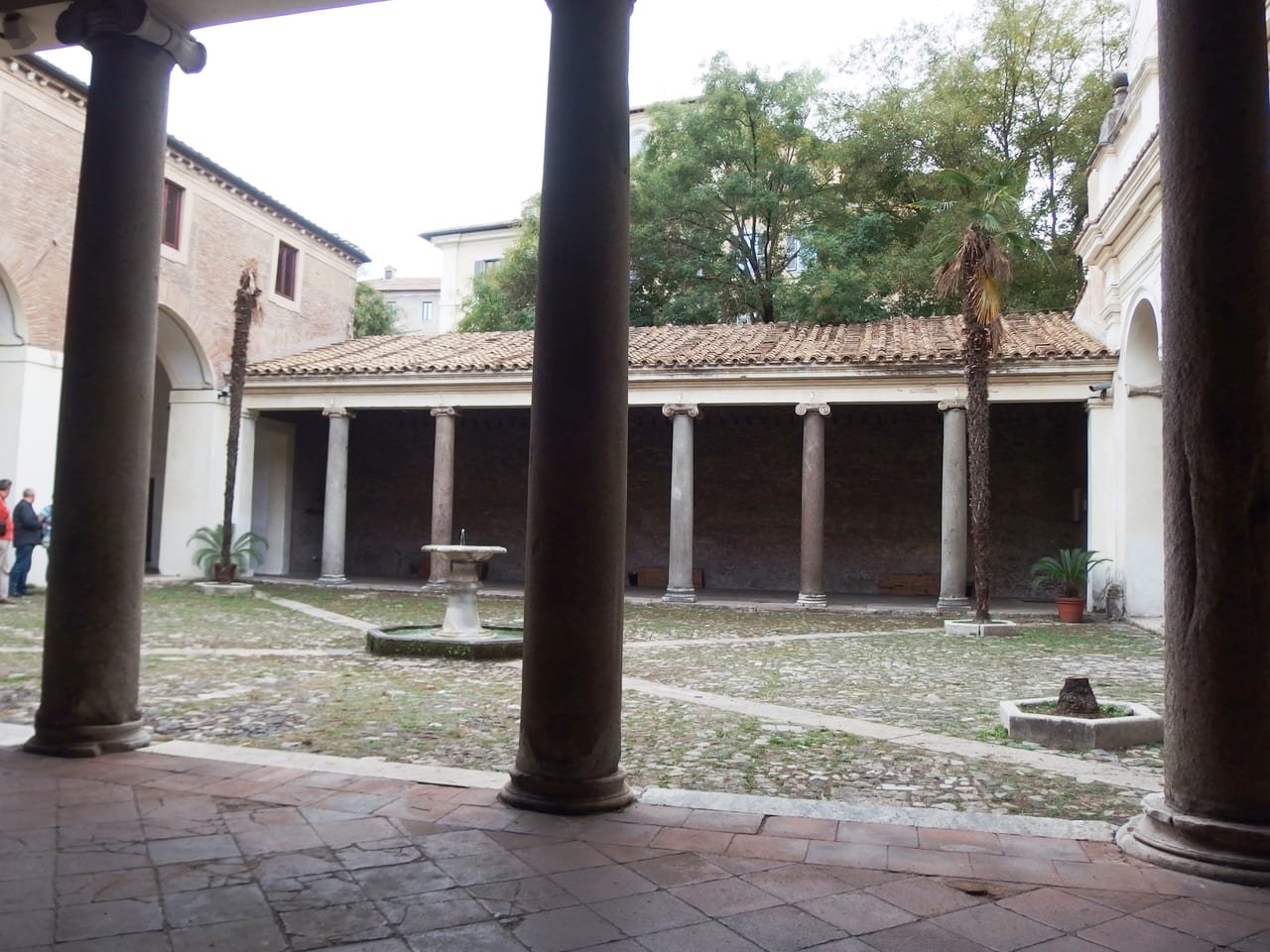
Enter through the ordinary side door into the left aisle, then study the apse mosaic, the gold-framed coffered ceiling, the marble inlay and the medieval ciborium. Notice the schola cantorum in the nave, including reused elements, and seek out Masolino’s pale-toned Annunciation in Santa Caterina. From the right aisle, follow the route towards the sacristy, convent and excavated levels; the lower passages include a notably narrow lane between the Roman buildings. The ceremonial entrance is through the quadriportico.
Places to stay near Basilica of San Clemente

Live availability and prices from Stay22's partners, refreshed periodically and subject to change. Booking through these links may earn us a commission at no extra cost to you. See our privacy policy.
Cafés near Basilica of San Clemente
Cafés near Basilica of San Clemente loads as you scroll.
Attractions nearby
Attractions near Basilica of San Clemente loads as you scroll.
Cities nearby
Cities nearby loads as you scroll.
More in Rome
See more of Rome.
Find great cafés, places to stay and other interesting places to visit in Rome.