Ancient site · Rome
Basilica of Maxentius
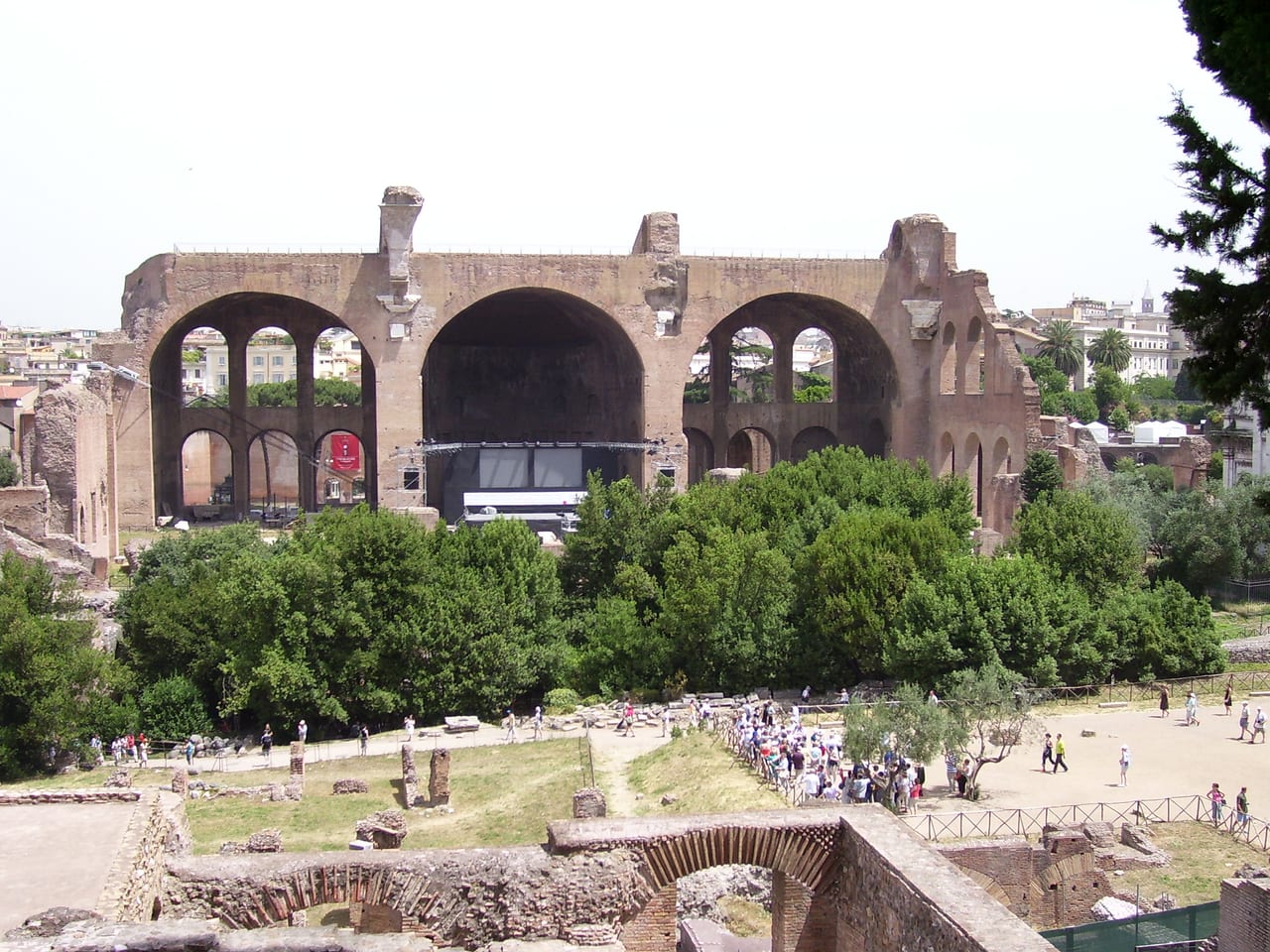
DirectionsIt was the largest building in the Roman Forum when built and the last Roman basilica constructed in the city, marking the culmination of an architectural tradition.
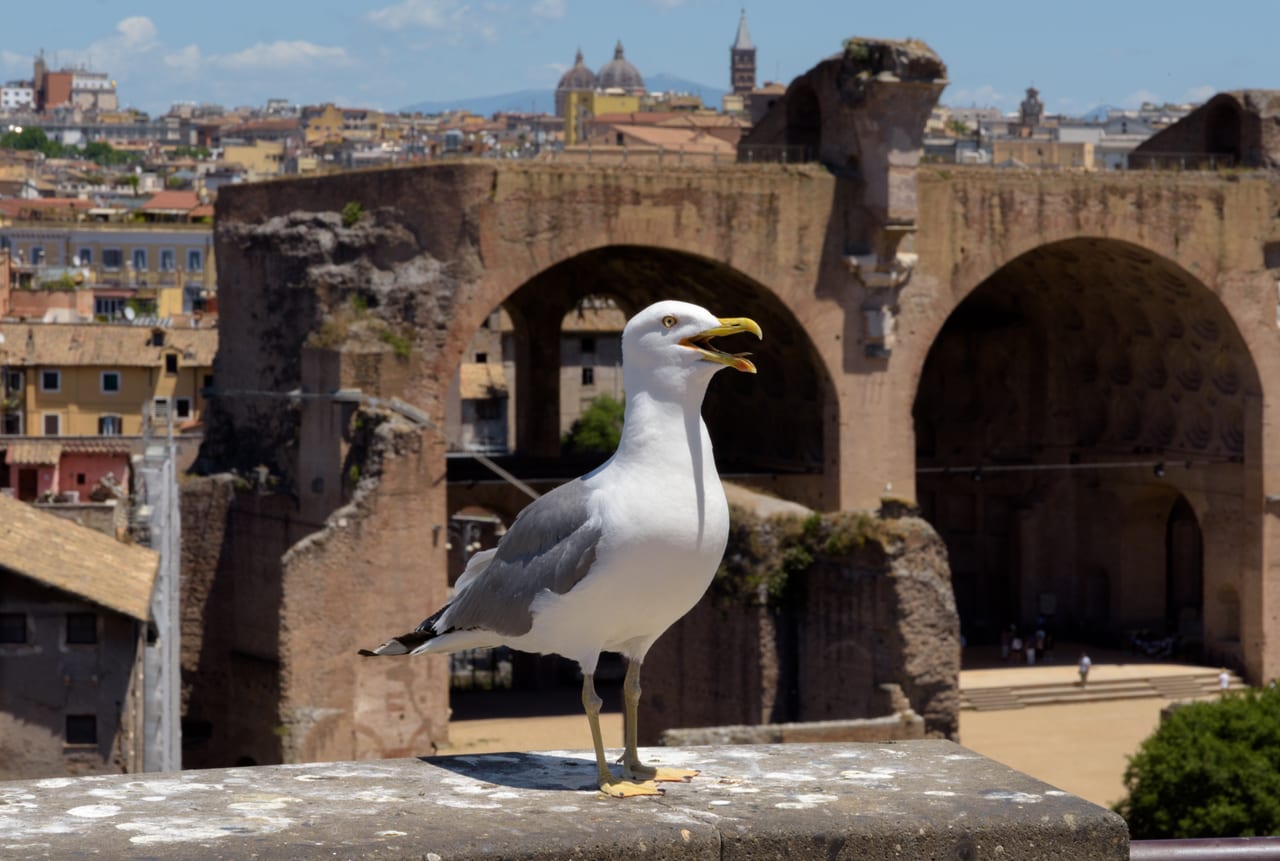
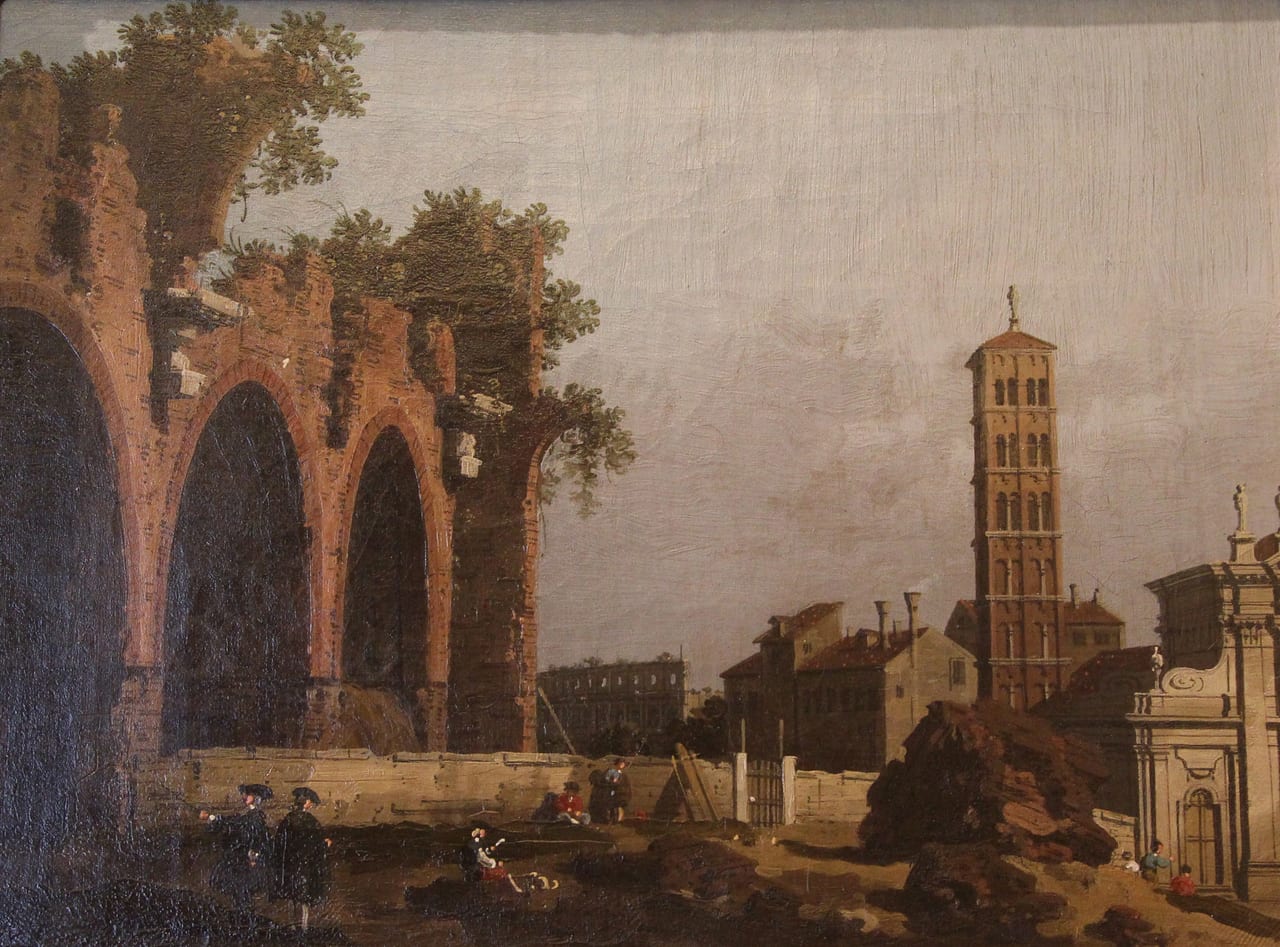
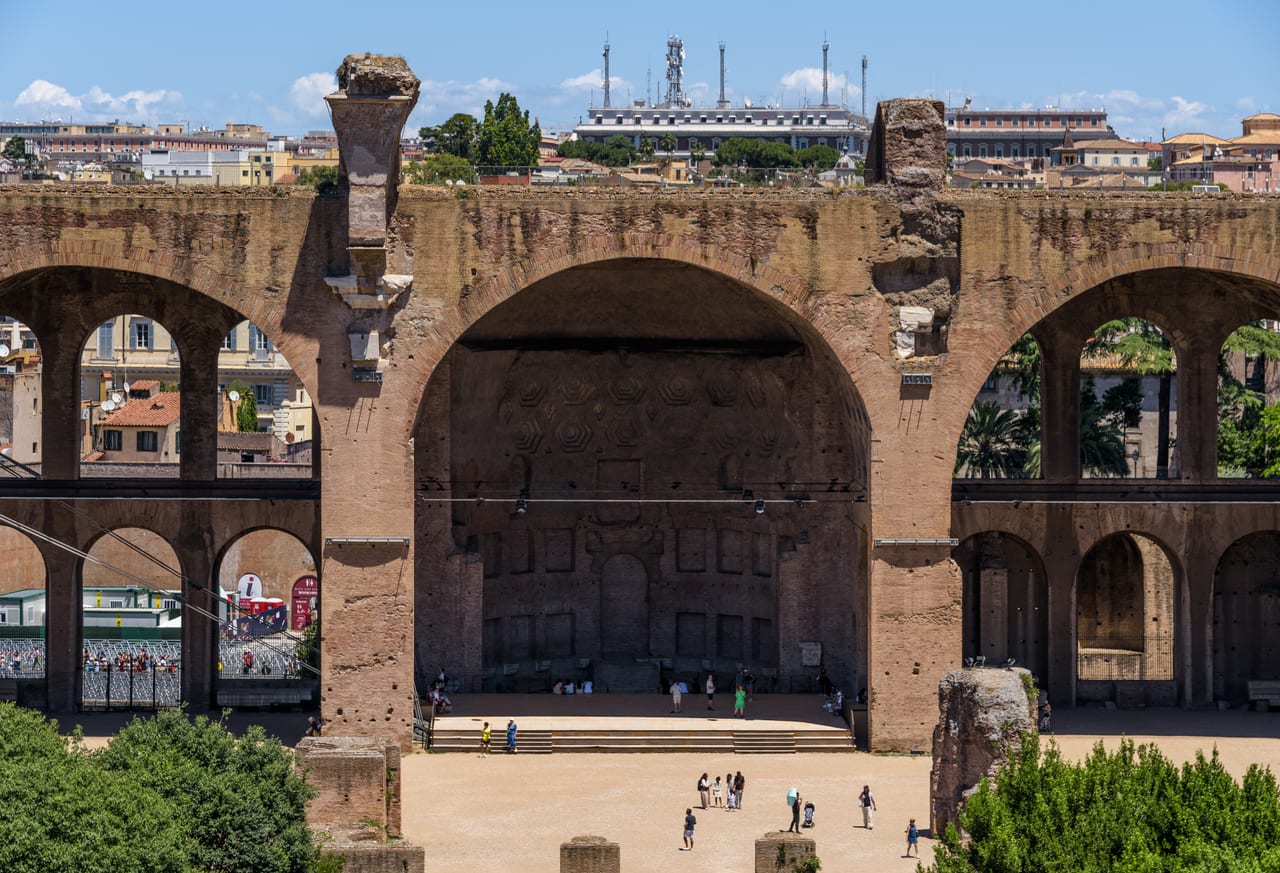
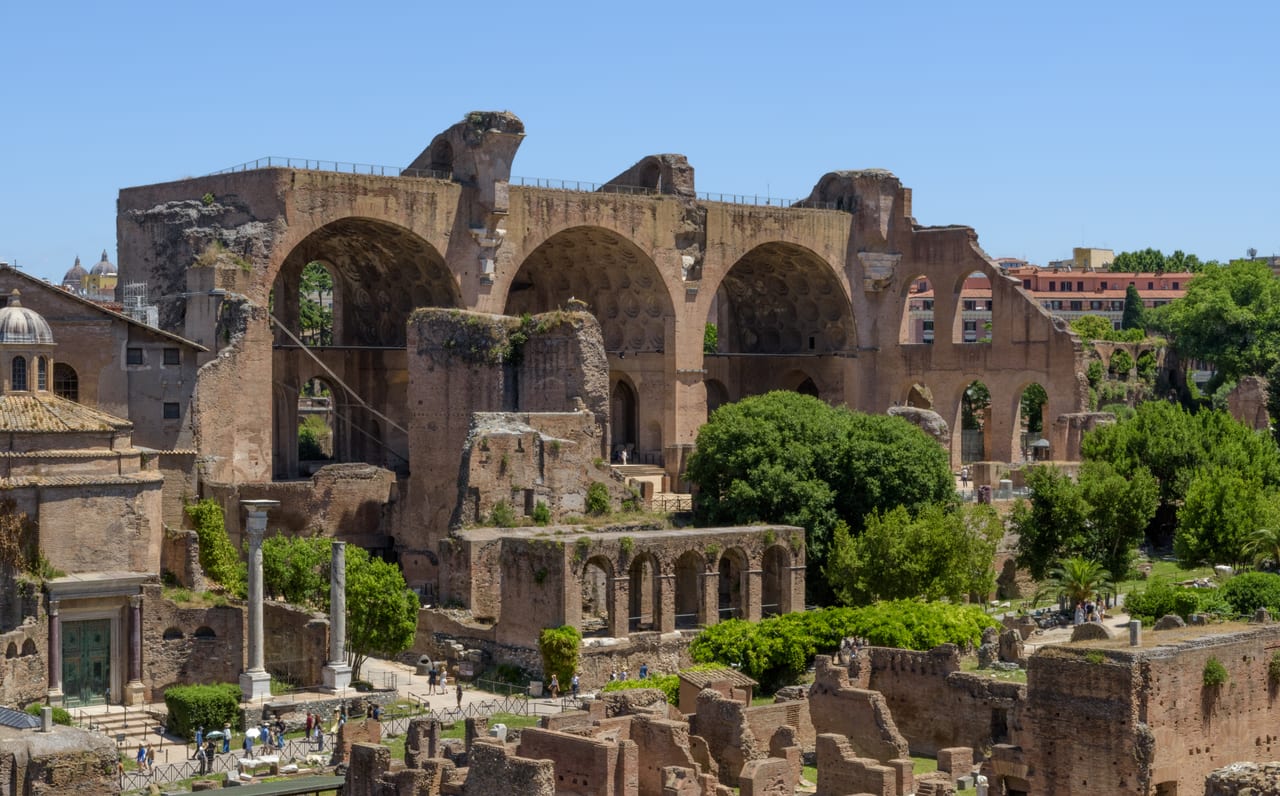
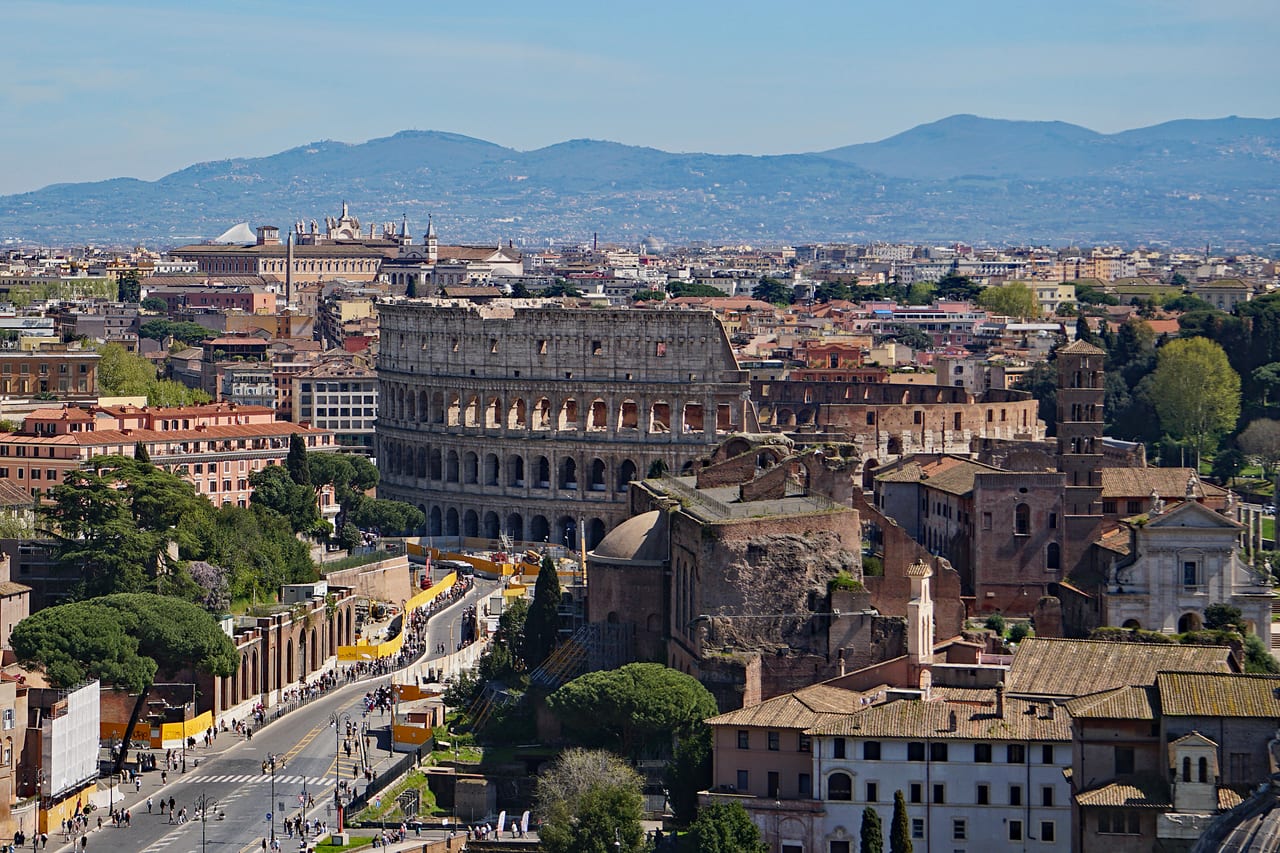
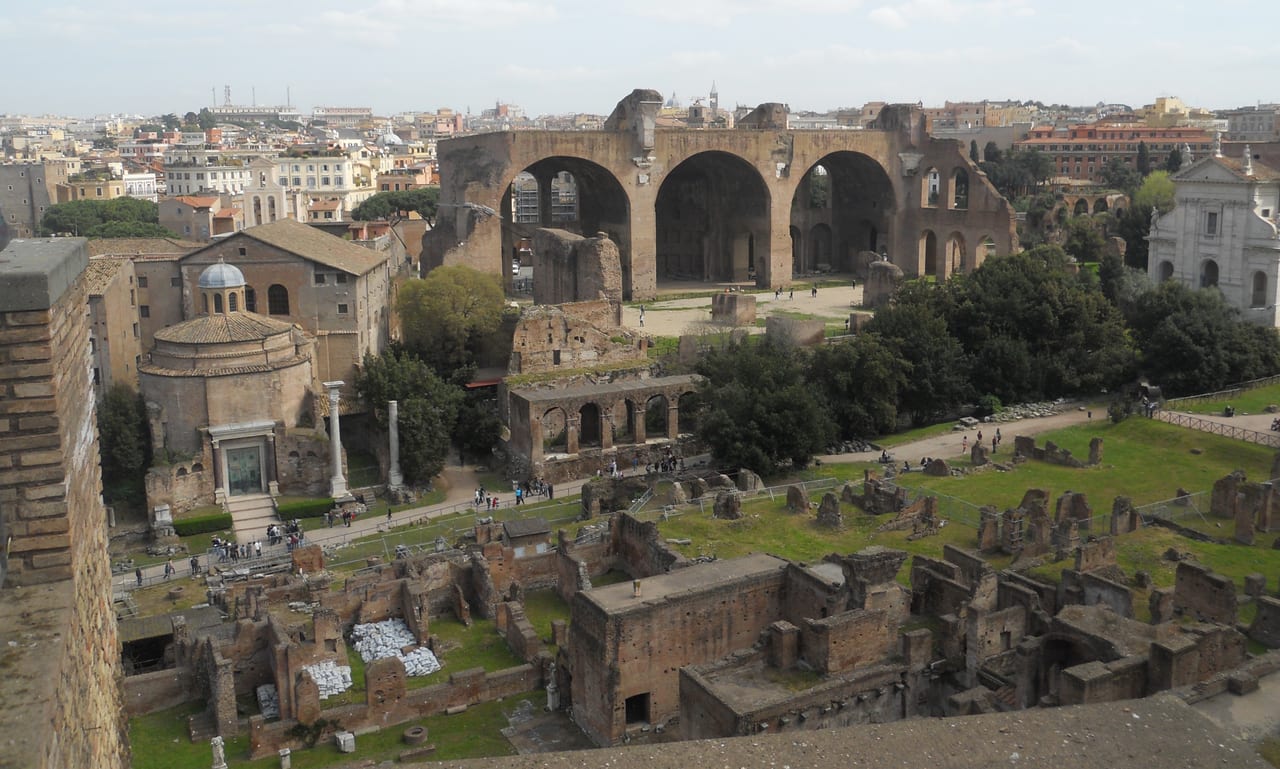
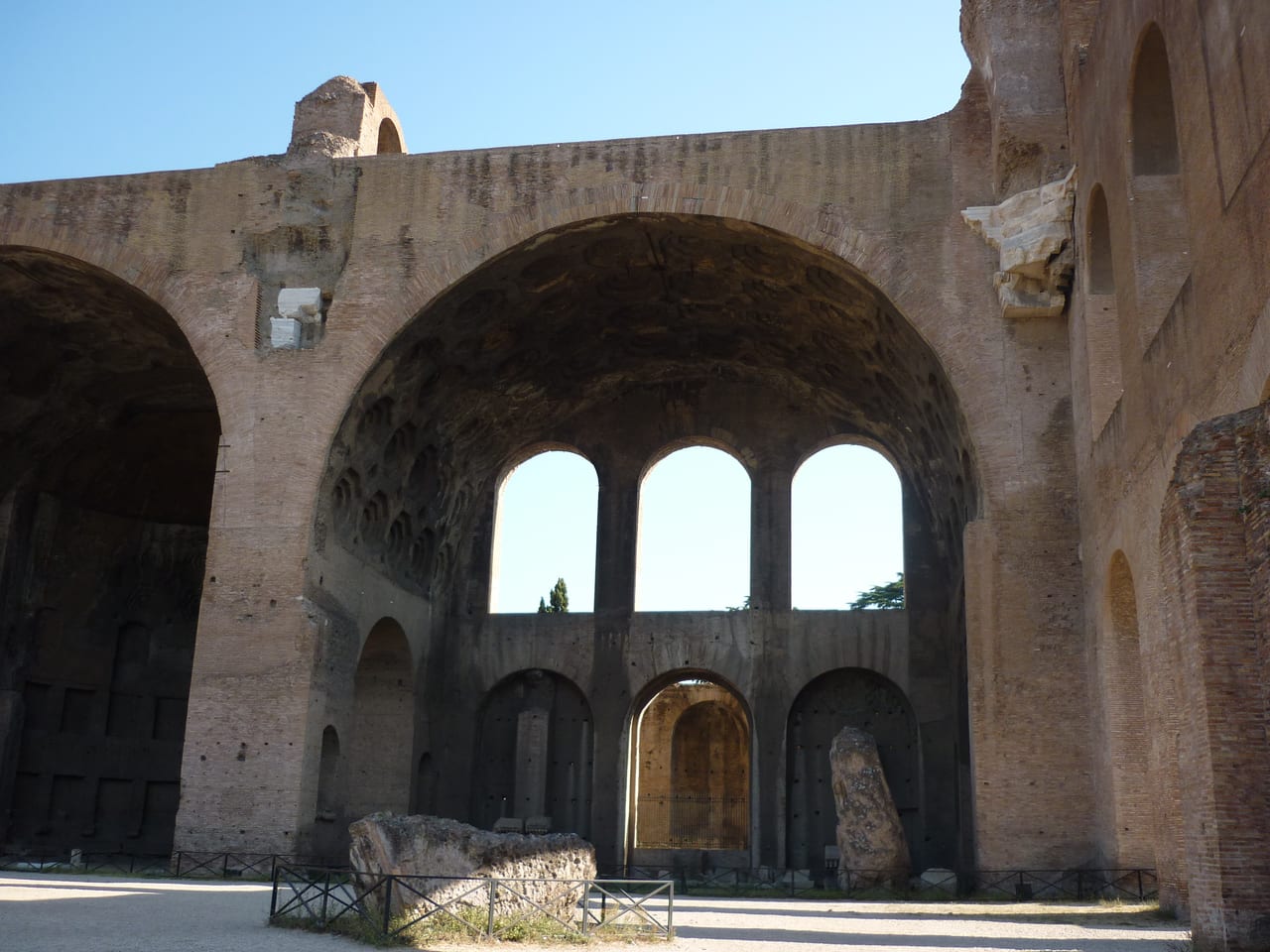
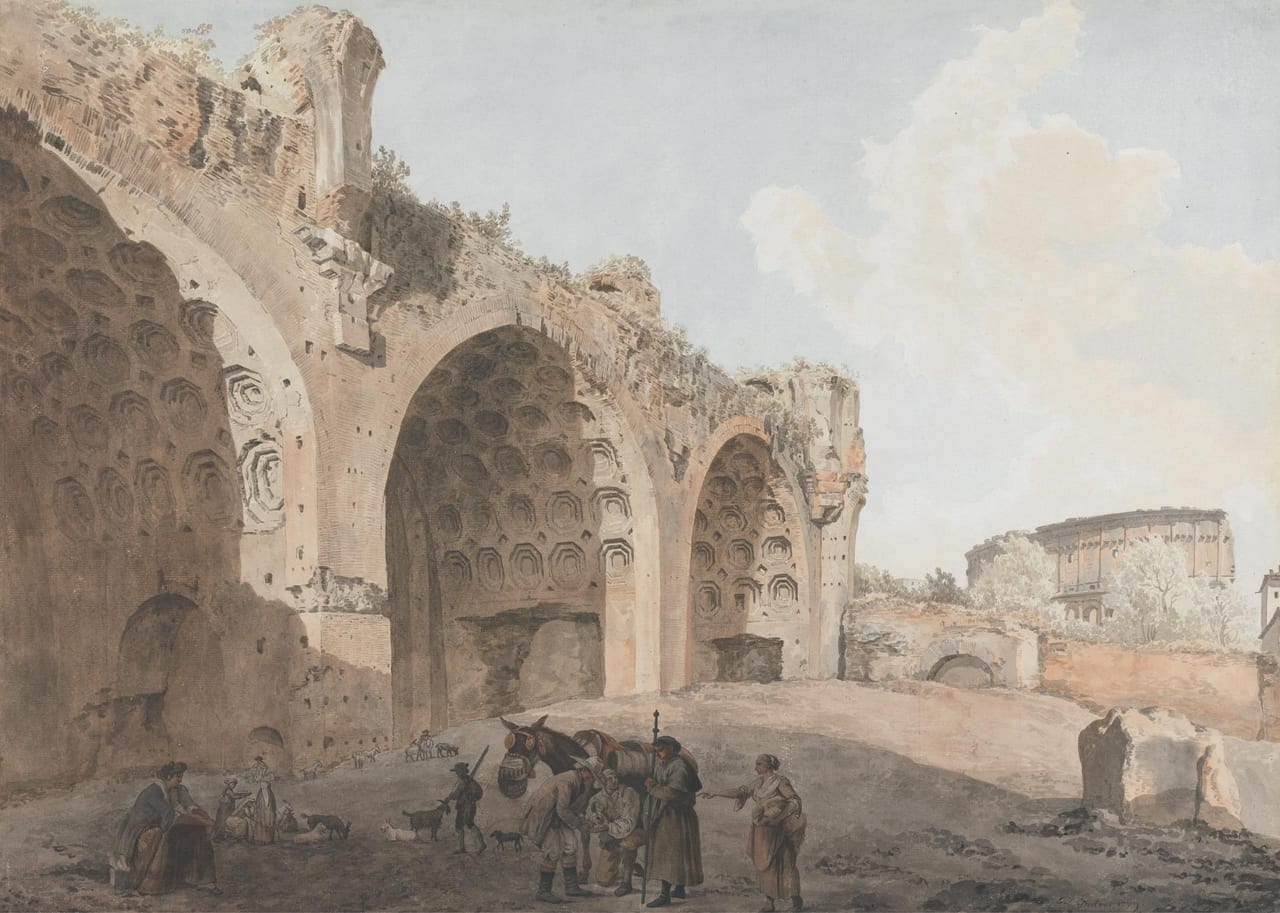
Photograph 1 of 30 of Basilica of Maxentius
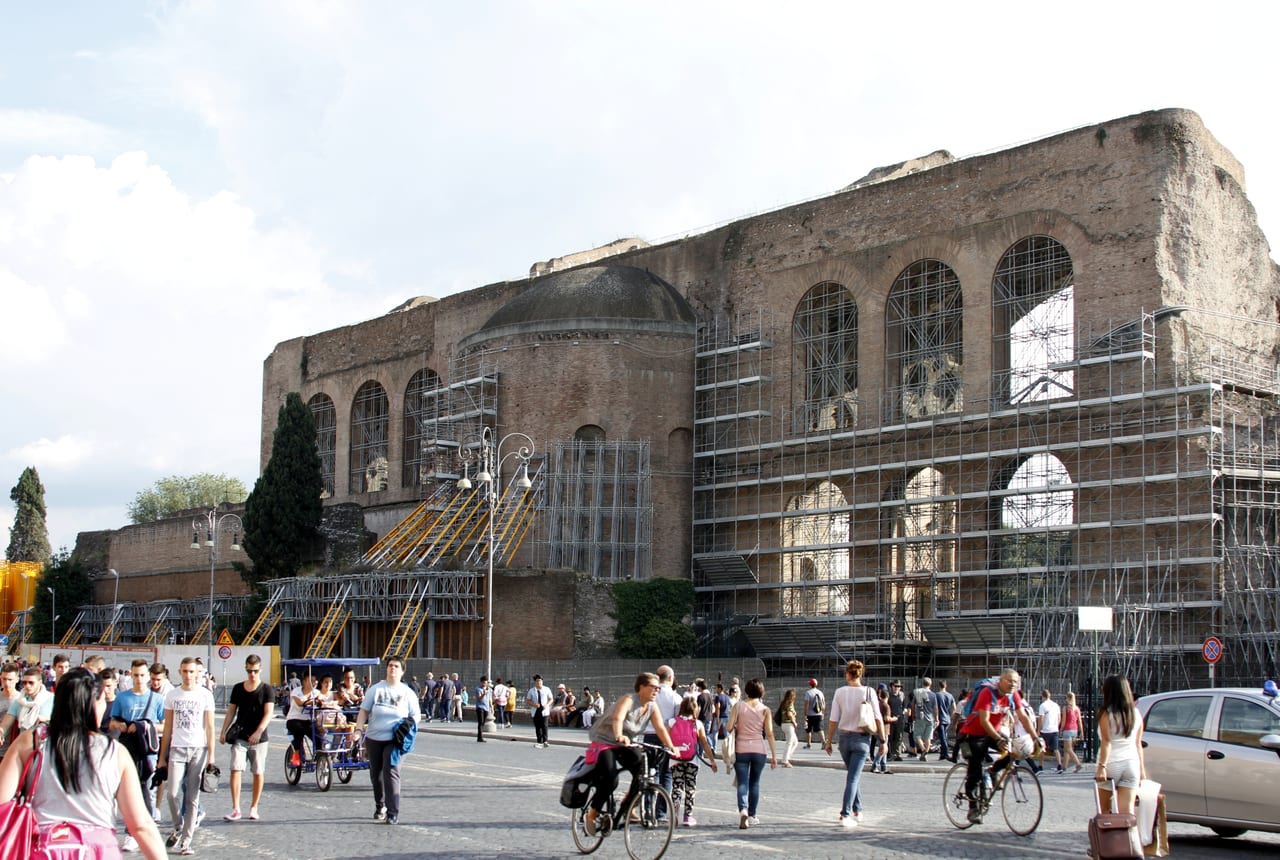
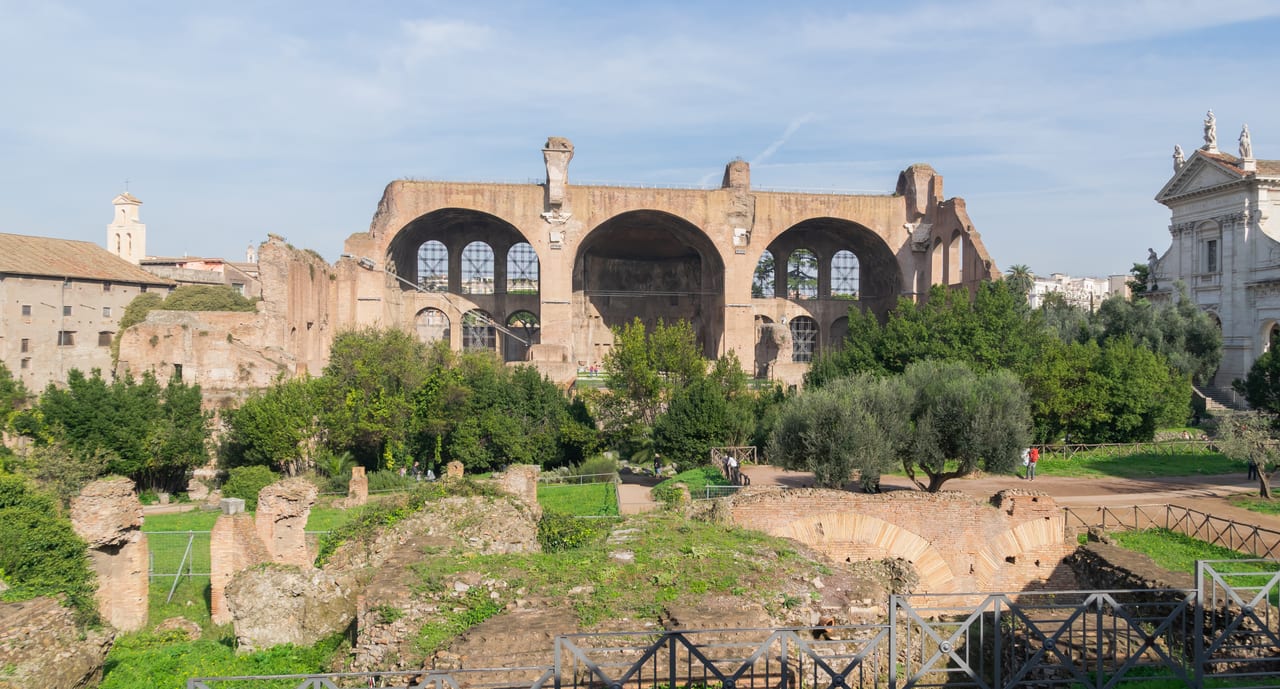
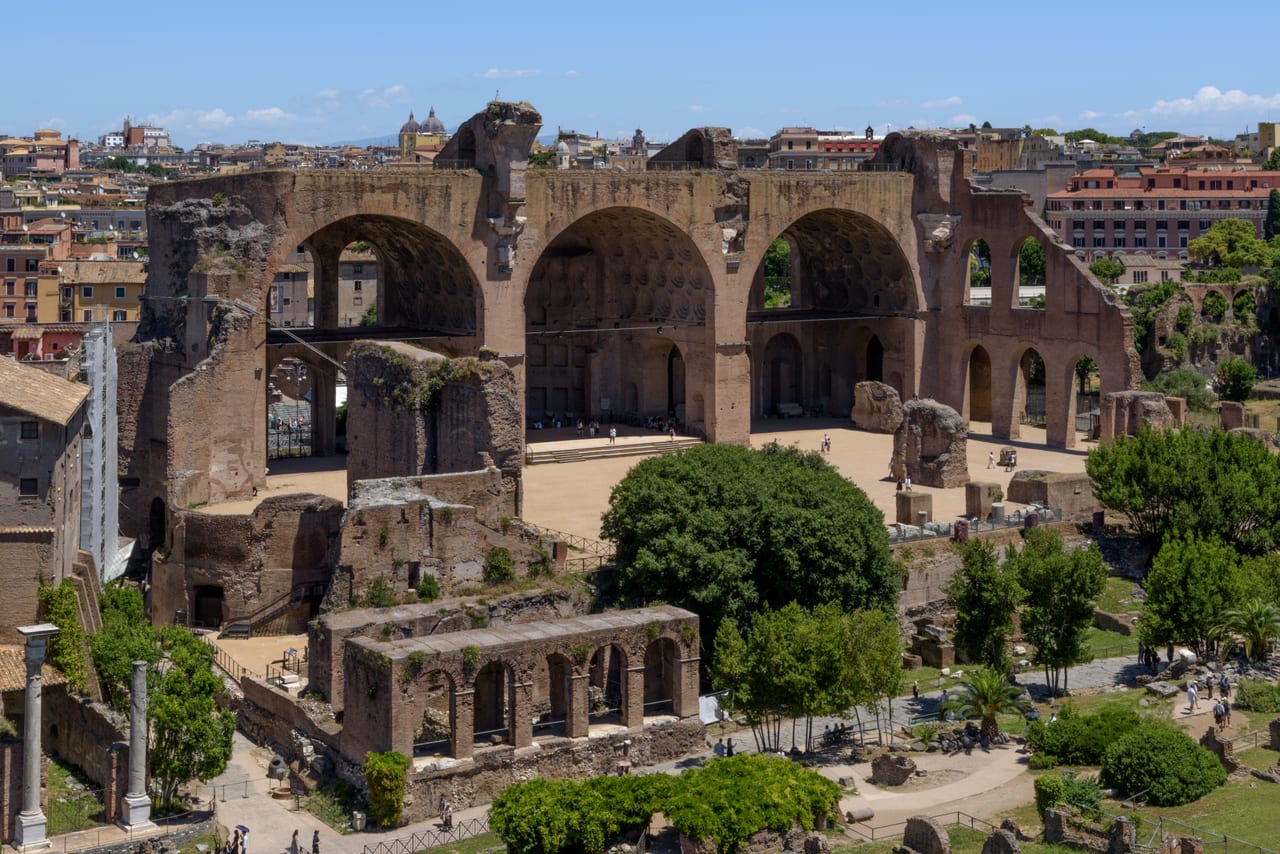
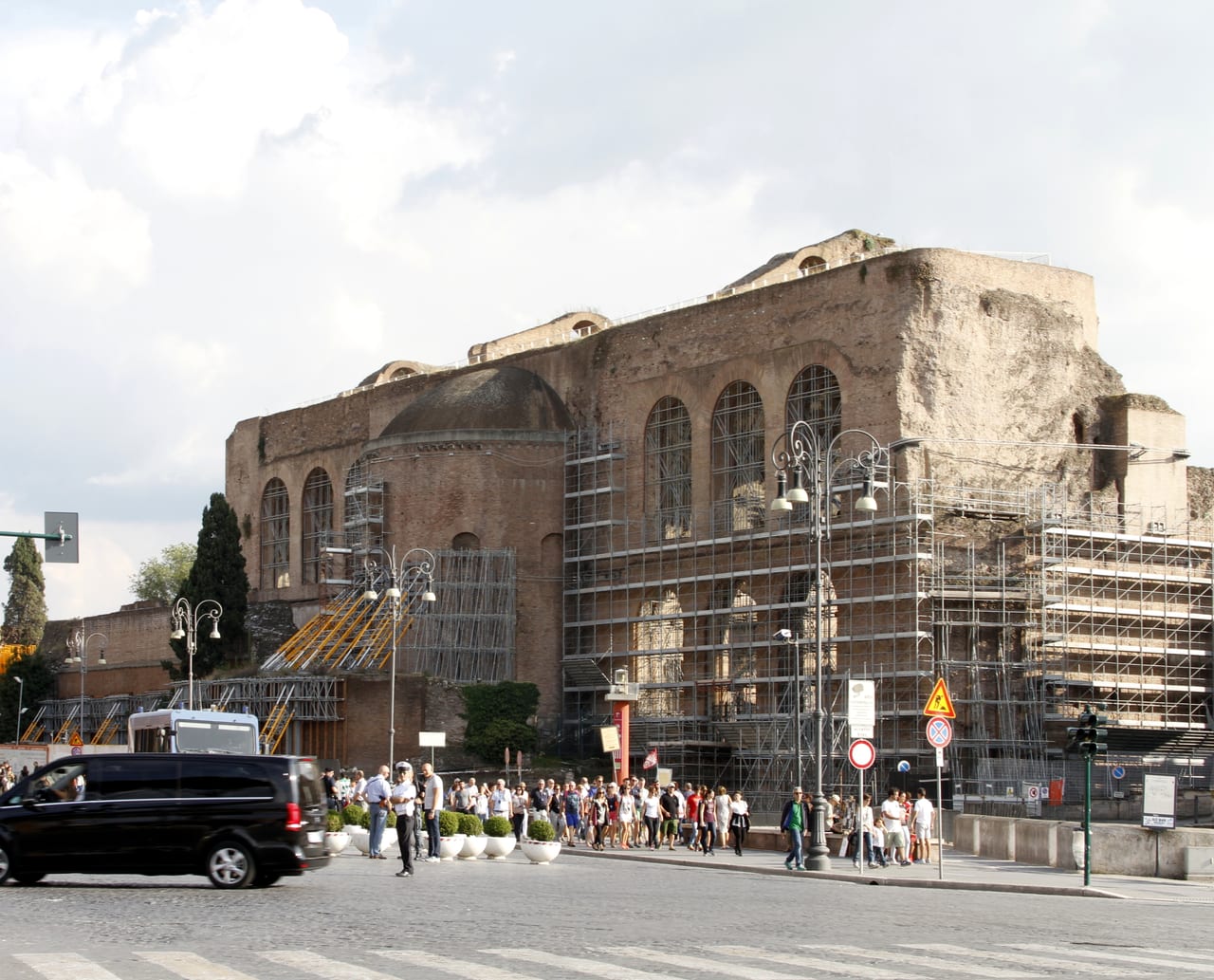
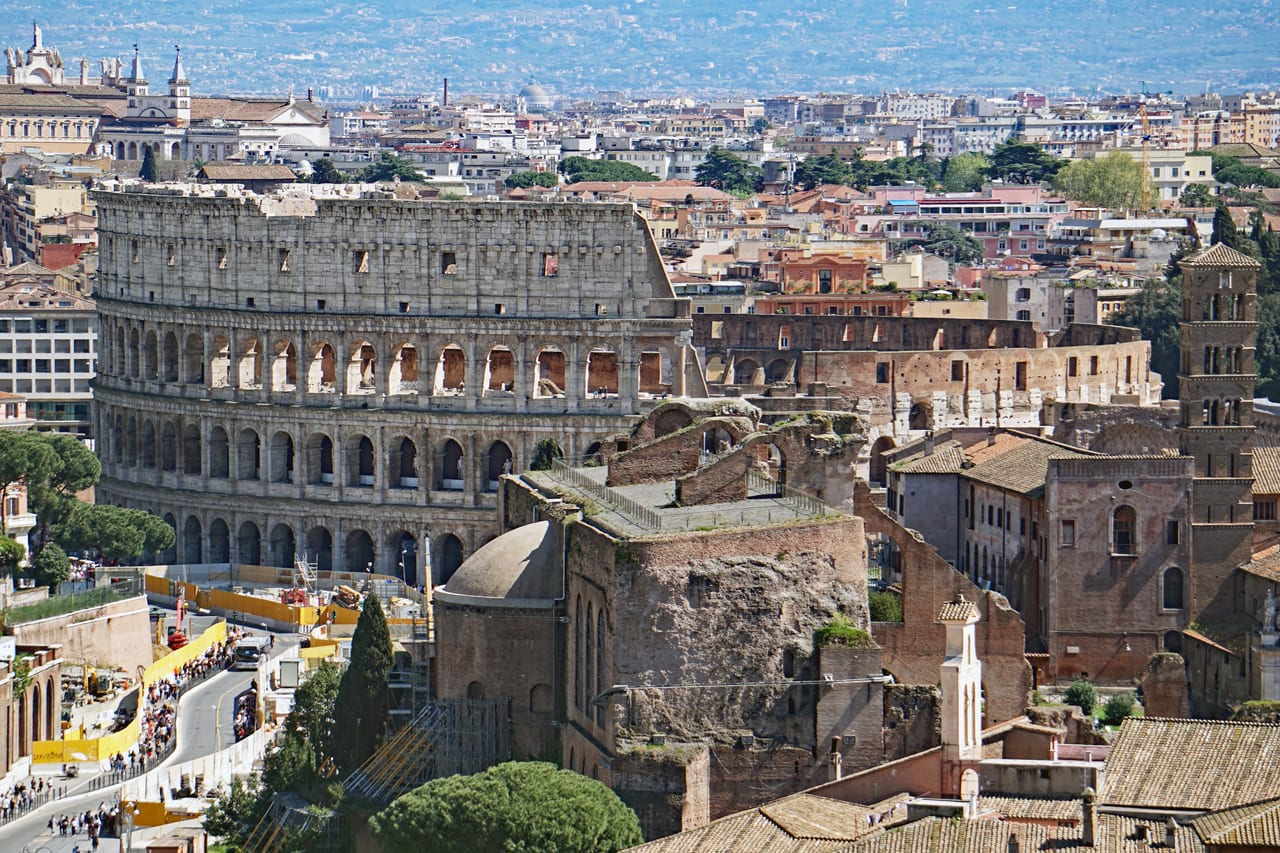
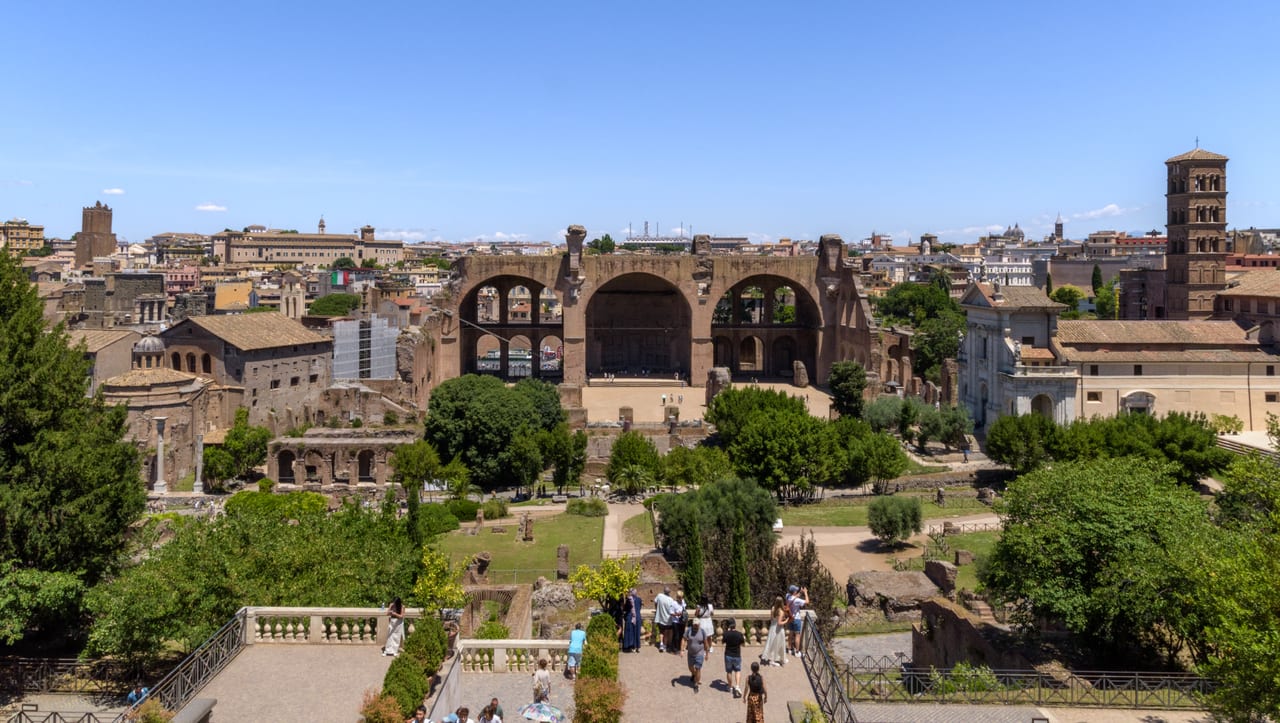
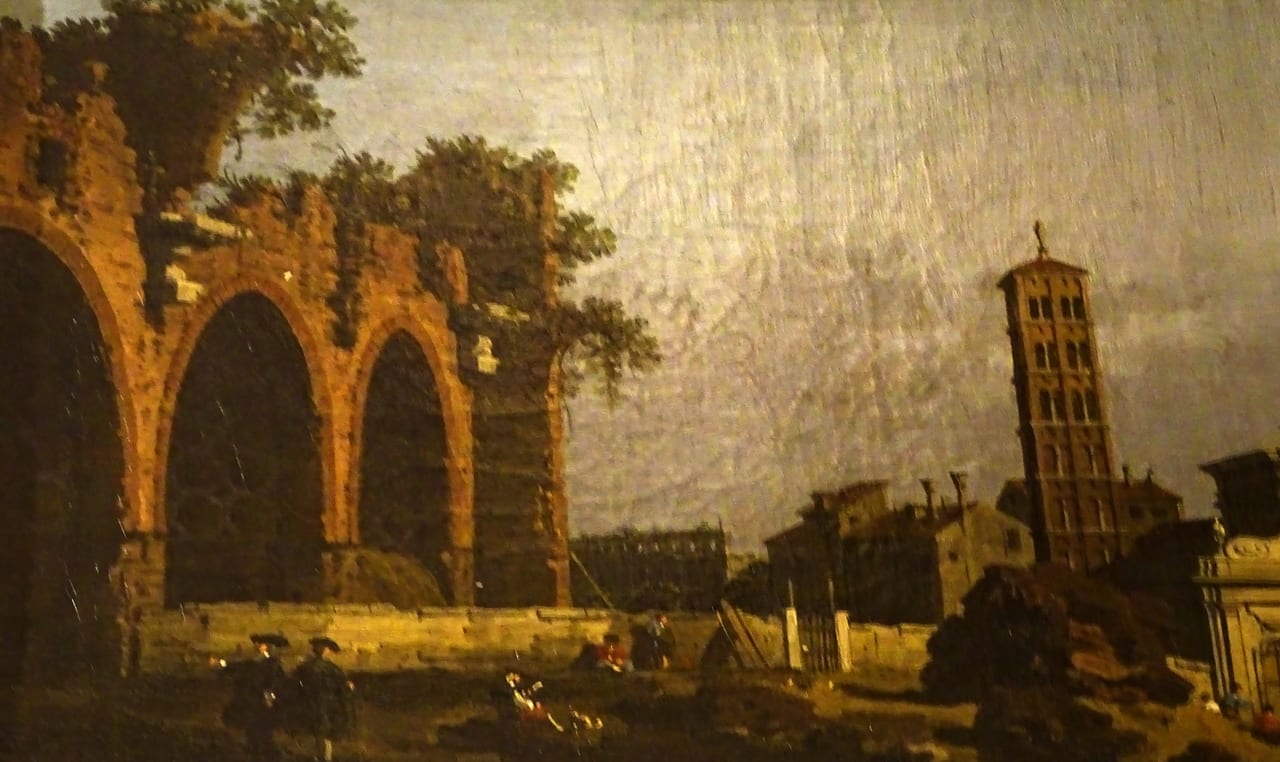
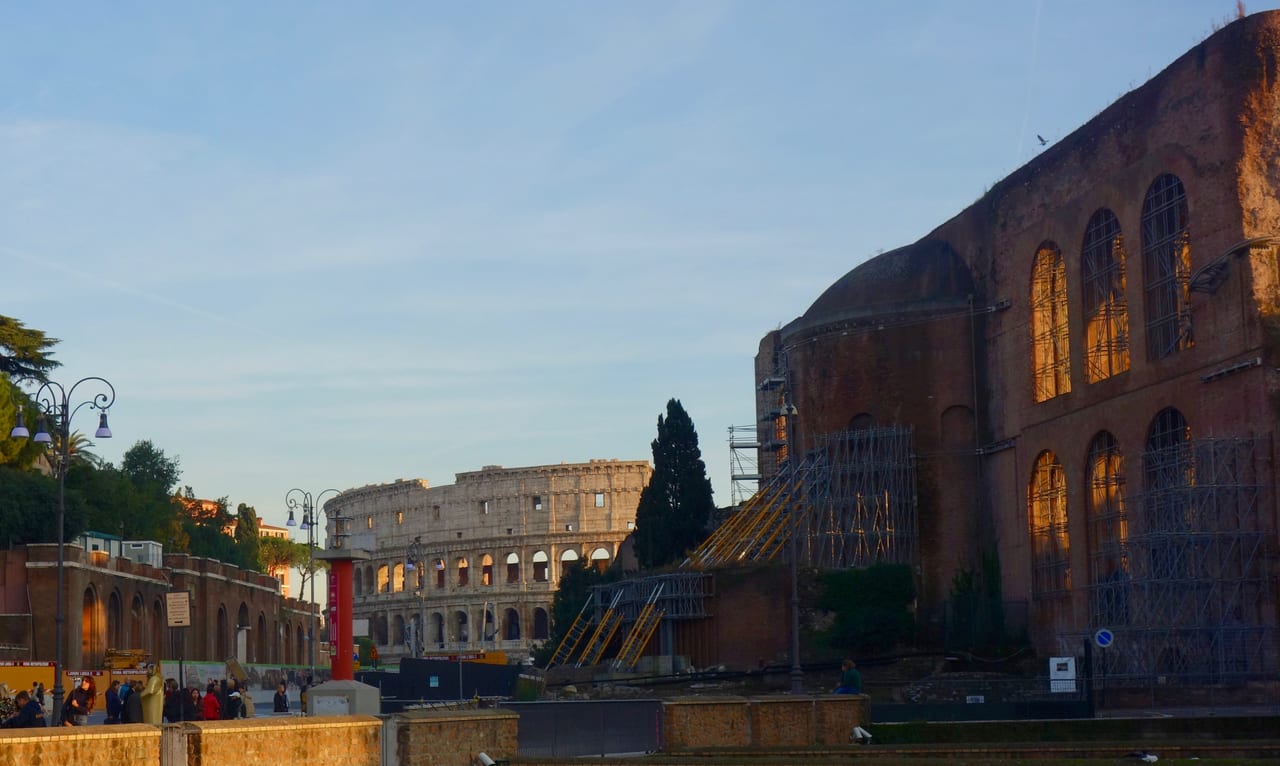
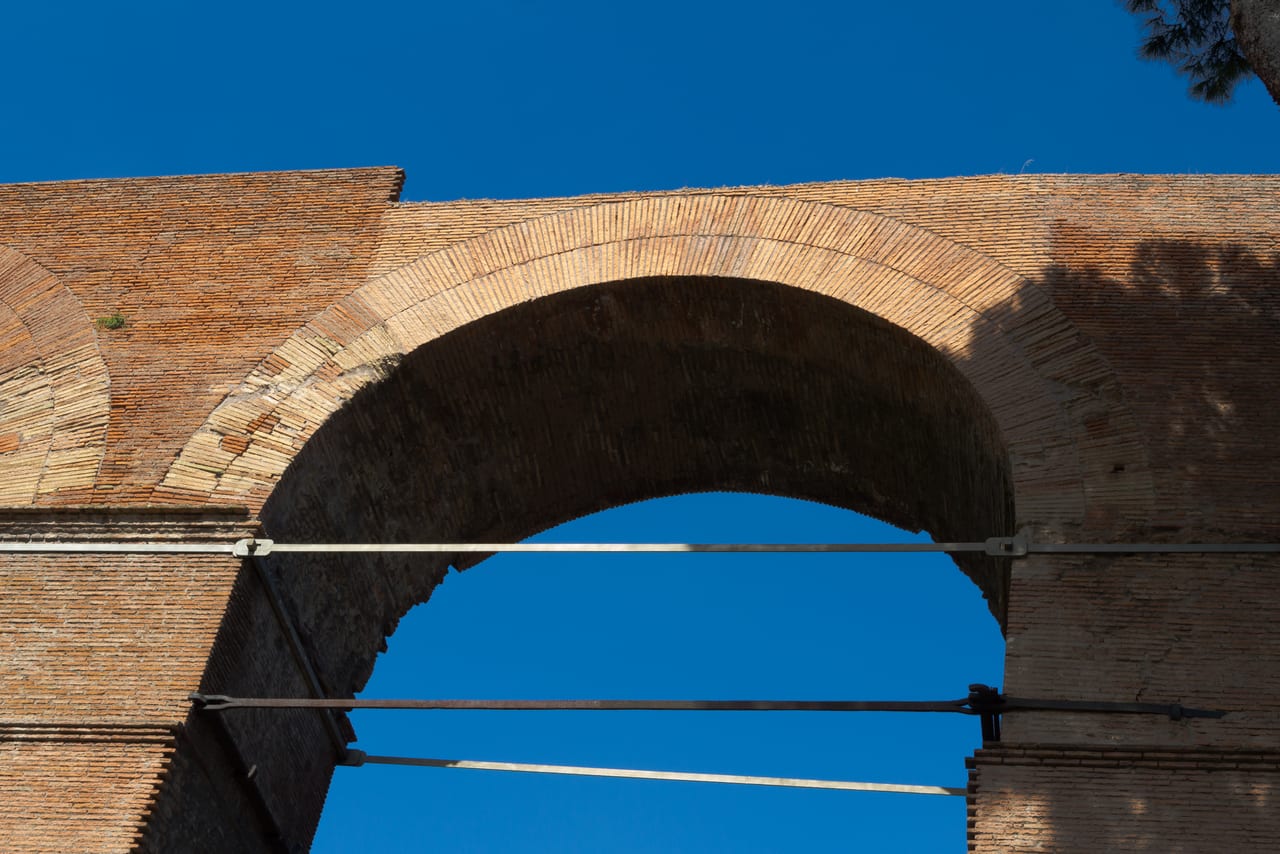
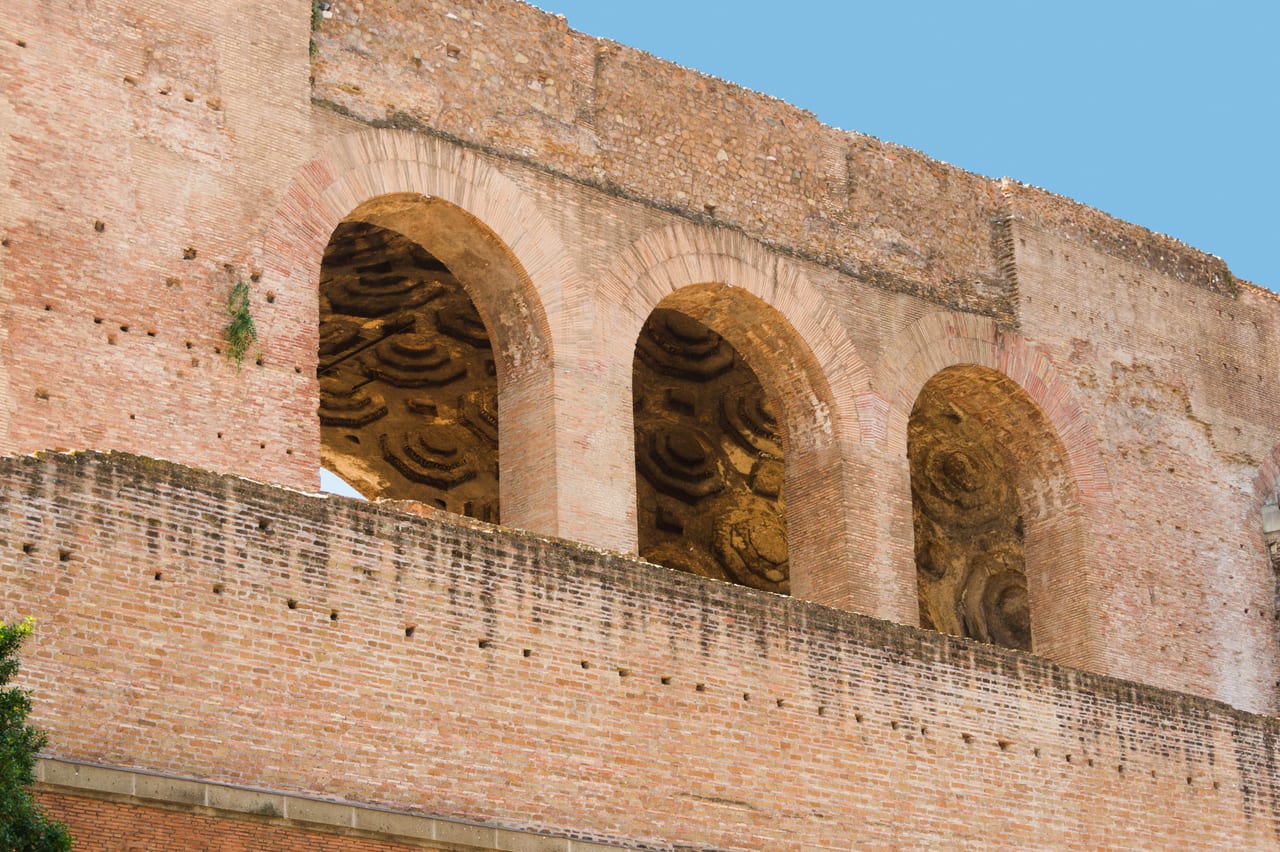
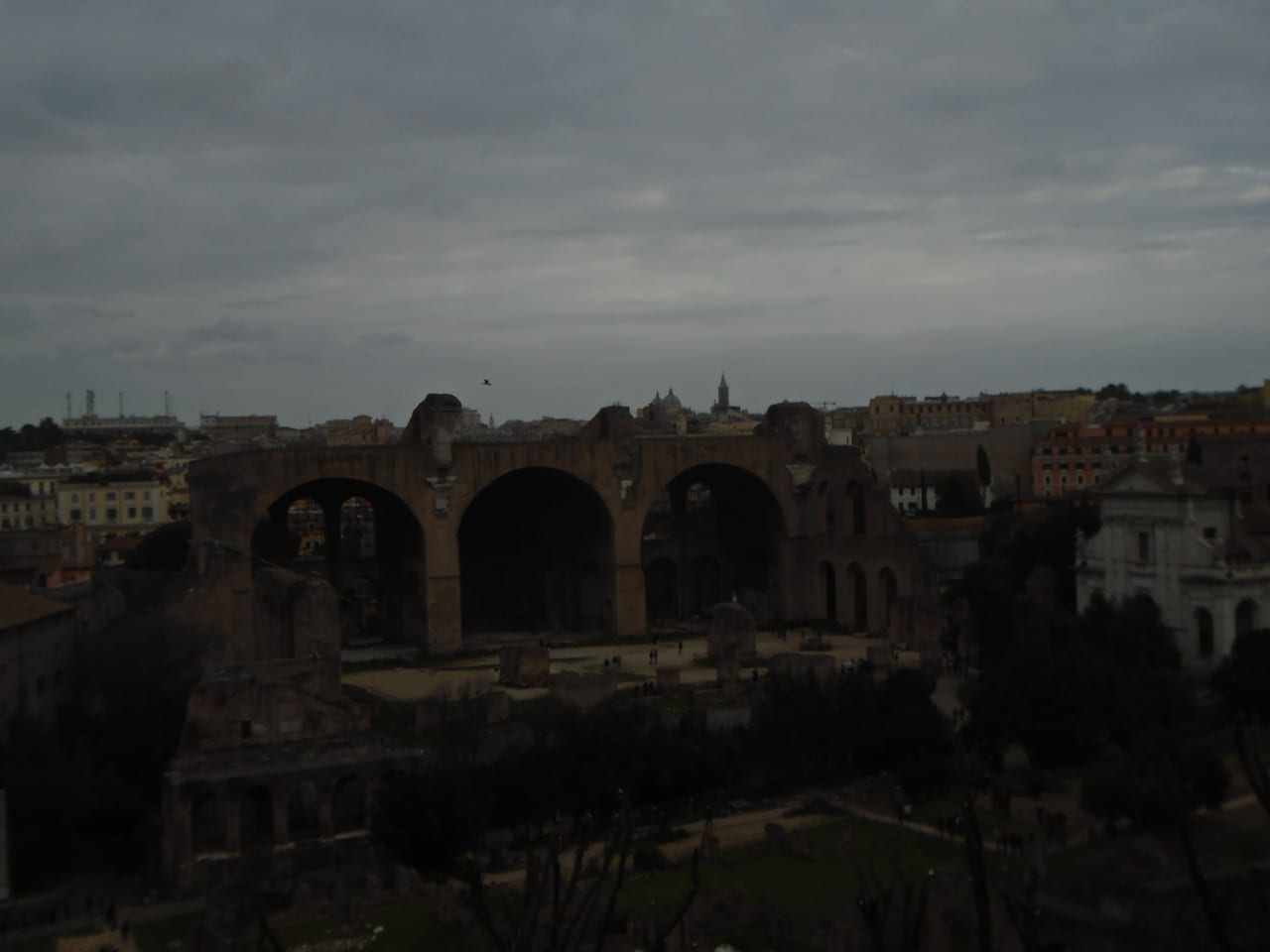
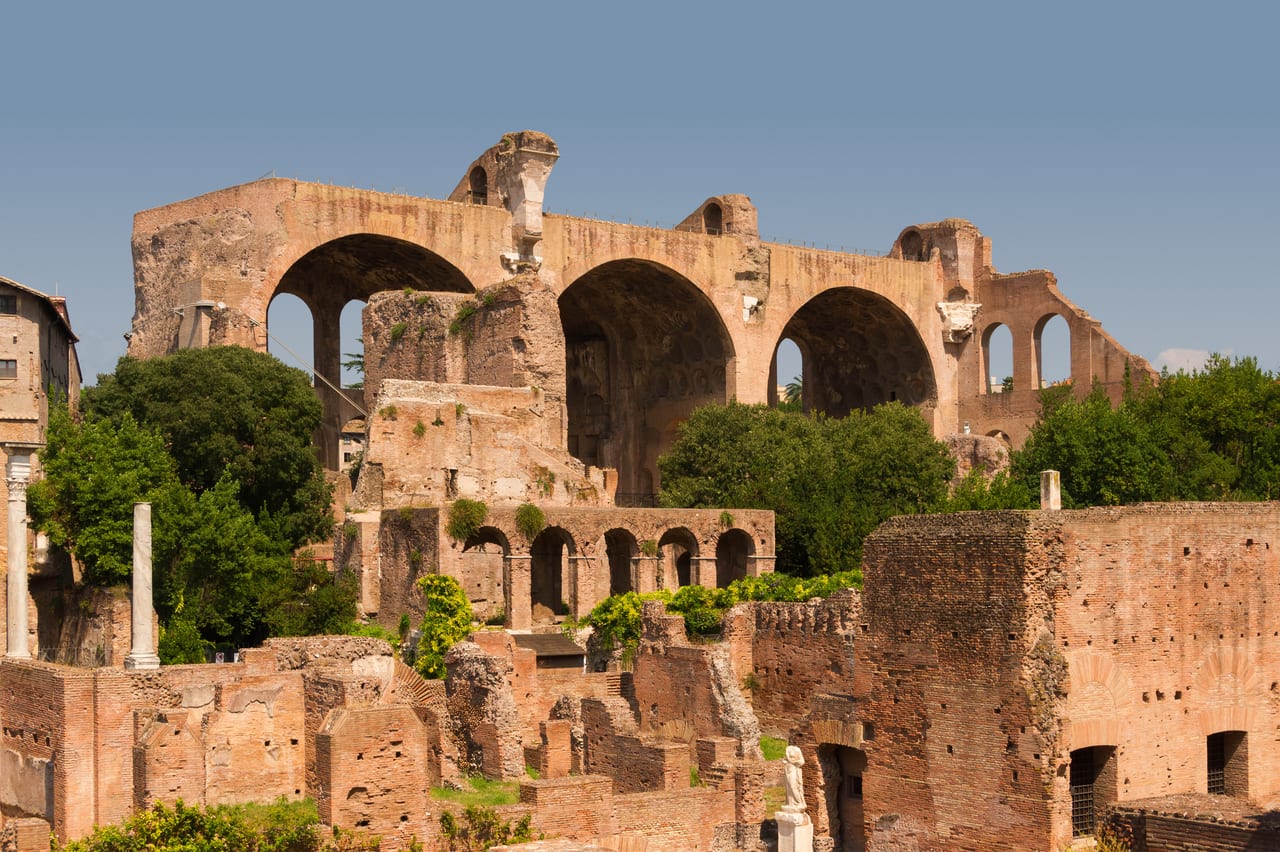
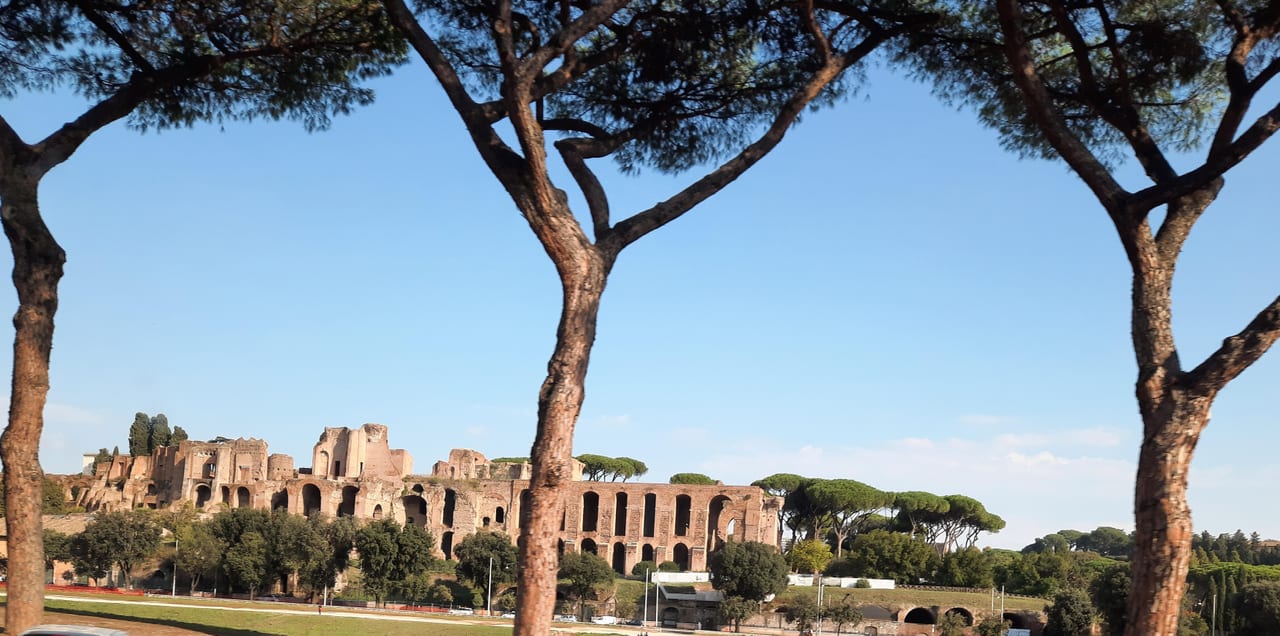
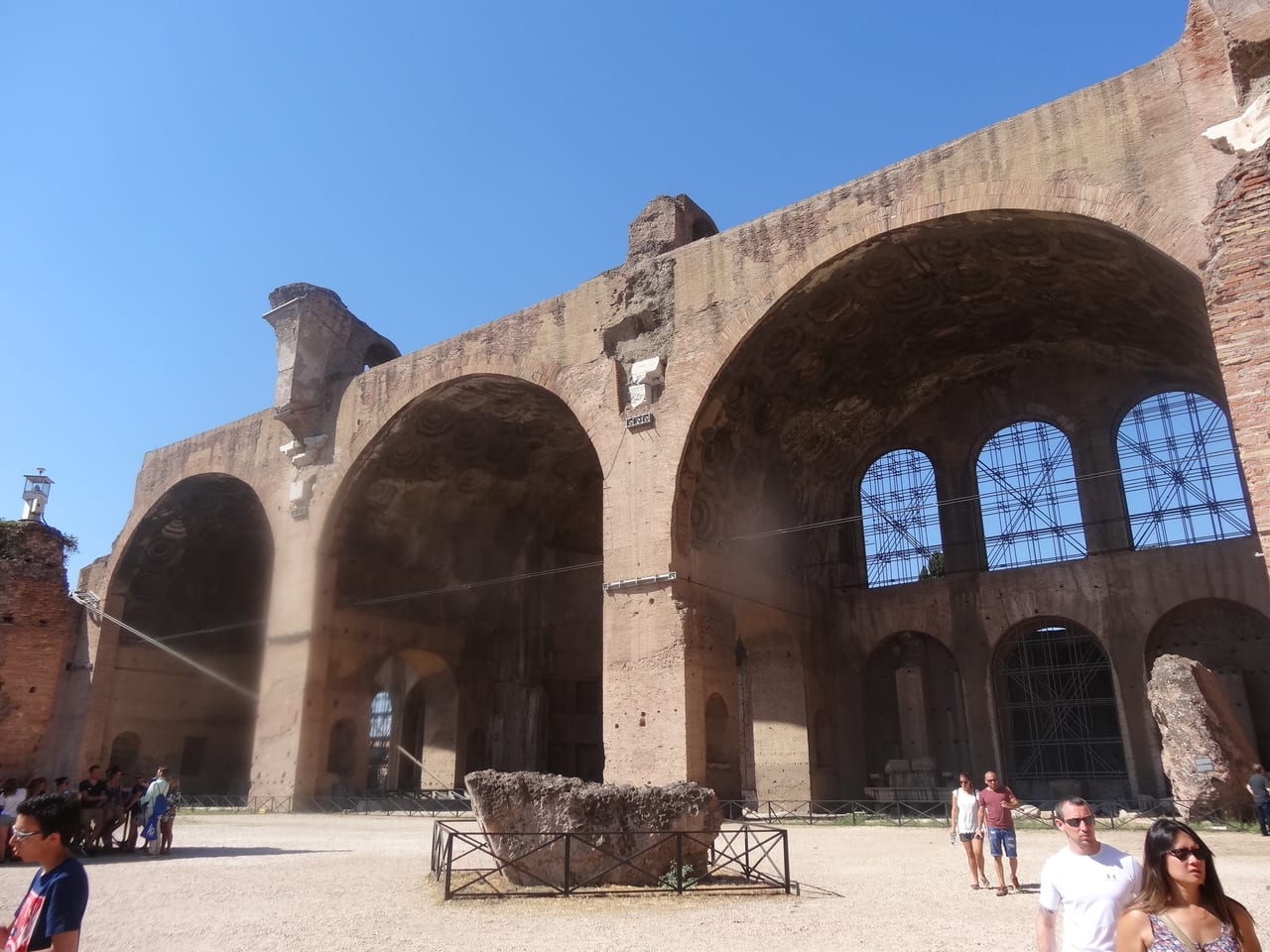
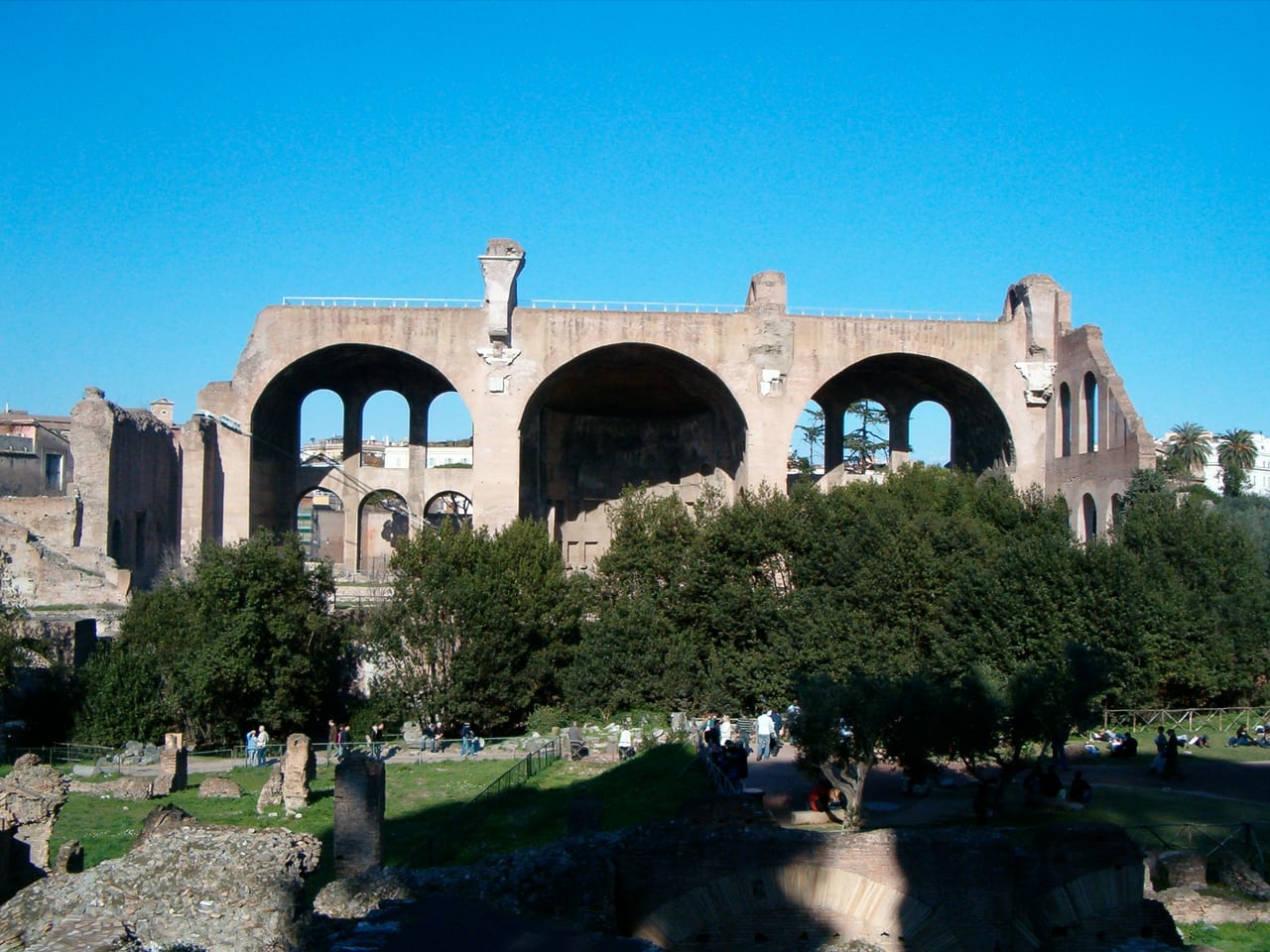
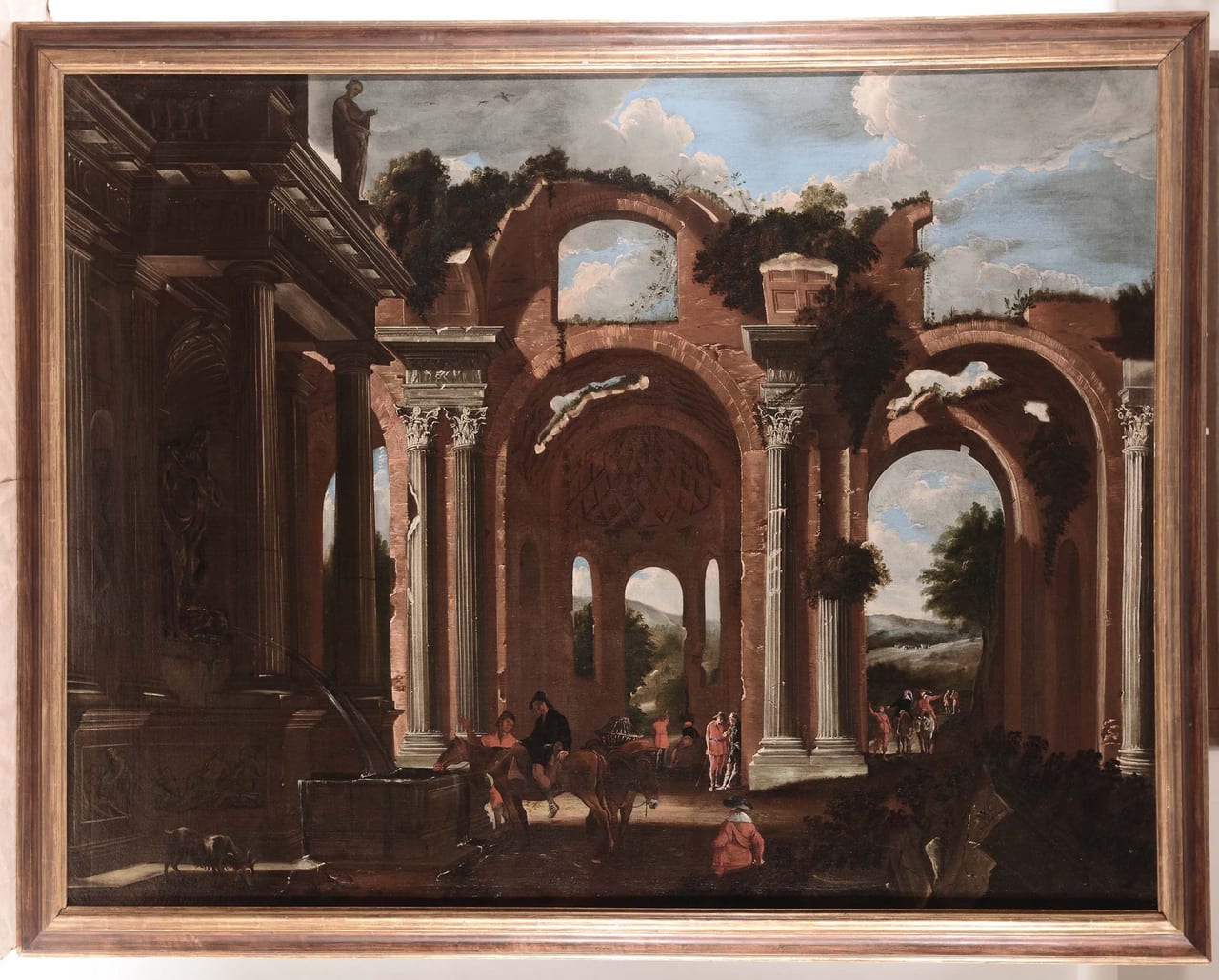
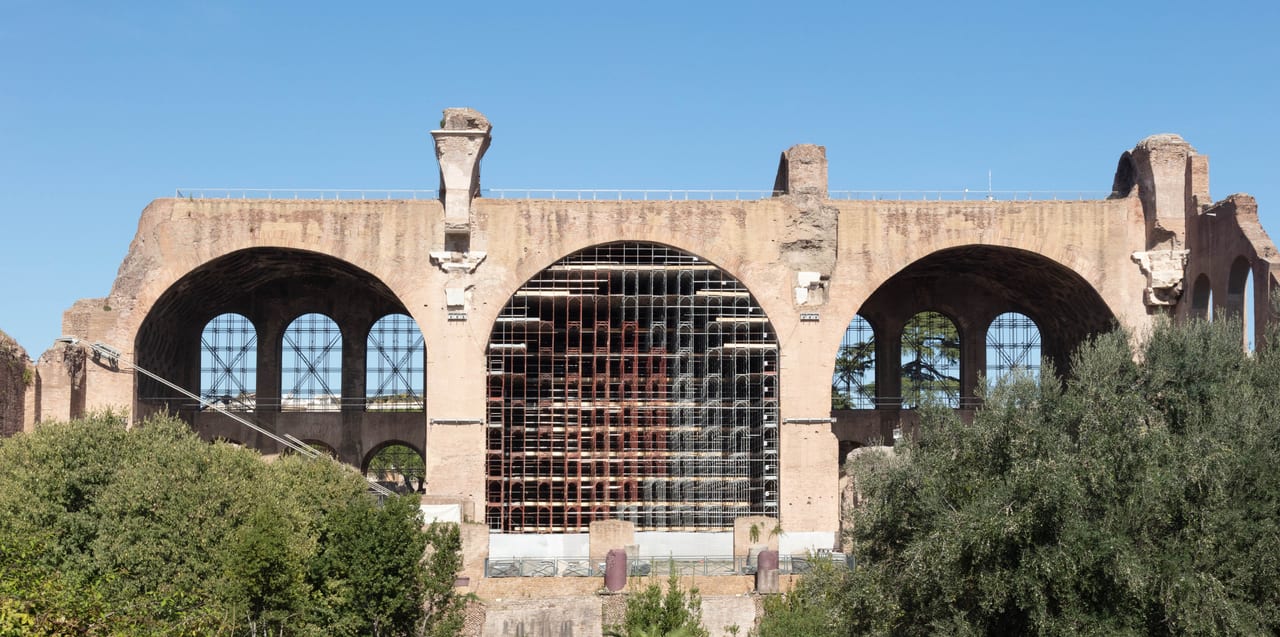
Construction began in 308 under Emperor Maxentius on the Forum’s northern side, beside the Via Sacra, the Temple of Peace and the Temple of Venus and Rome. By the sixth century it was known as templum Romae. The basilica stood on a 100-by-65-metre platform and was white on the exterior. Its 80-metre-long central nave rose 35 metres above a 2,000-square-metre floor, with high lateral aisles and three groin vaults suspended over four great piers. Eight marble columns framed the nave; a projecting arcade ran along the eastern front, while the southern face had a four-column porch. The western apse held a colossal statue of Constantine. The southern and central sections were probably destroyed in 847, and the nave vault collapsed in 1349. The surviving north aisle retains octagonal coffers. Giovanni Battista Piranesi recorded the ruins, which later influenced buildings including New York’s former Penn Station. Wrestling events took place here during the 1960 Summer Olympics.
At a glance
- Built
- 312
- Height
- 65 m
- Heritage
- Italian national heritage
Ways to explore Basilica of Maxentius
Walk the surviving north aisle slowly, looking upward at the octagonal coffers and the scale of the concrete vaults. The exterior wall facing Via dei Fori Imperiali carries contemporary imperial maps; one depicting Mussolini’s “New Roman Empire” was removed after the war. The surviving marble column stands at Santa Maria Maggiore, while fragments of Constantine’s colossal statue are in the courtyard of the Musei Capitolini.
Places to stay near Basilica of Maxentius

Live availability and prices from Stay22's partners, refreshed periodically and subject to change. Booking through these links may earn us a commission at no extra cost to you. See our privacy policy.
Cafés near Basilica of Maxentius
Cafés near Basilica of Maxentius loads as you scroll.
Attractions nearby
Attractions near Basilica of Maxentius loads as you scroll.
Cities nearby
Cities nearby loads as you scroll.
More in Rome
See more of Rome.
Find great cafés, places to stay and other interesting places to visit in Rome.