Ancient site · Rome
Basilica Julia
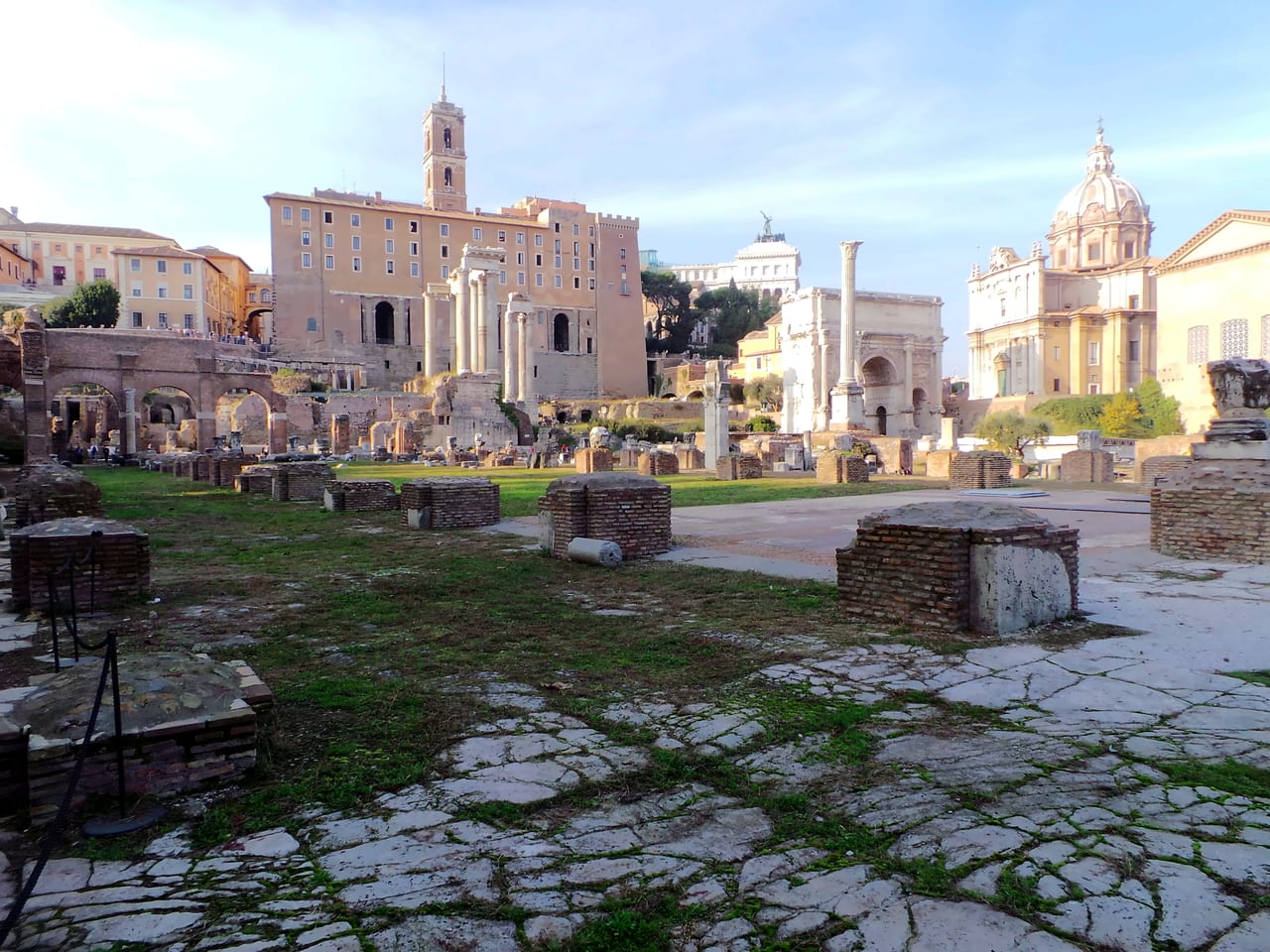
DirectionsIts white-marble portico preserves scratched game diagrams, including an eight-by-eight grid, an unexpected trace of leisure amid Rome’s judicial and commercial centre.
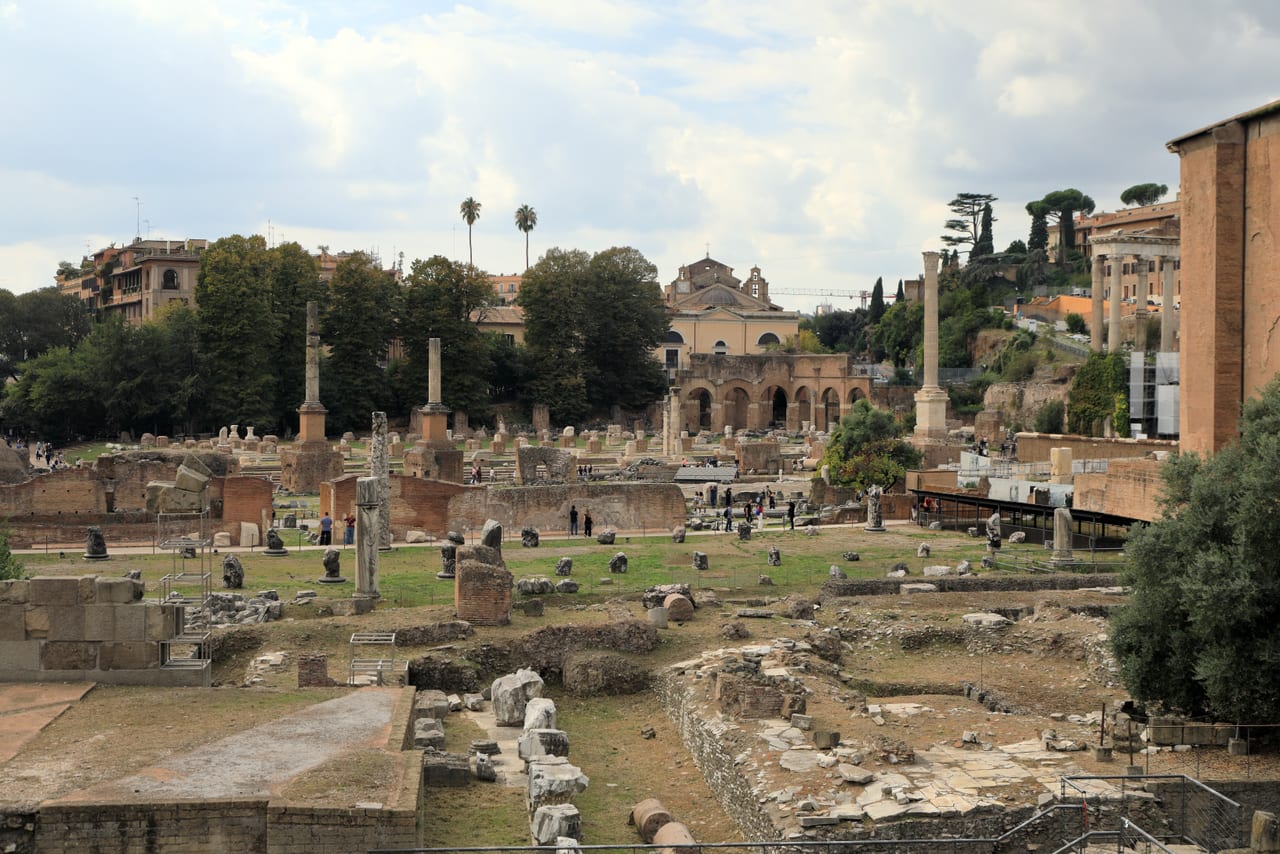
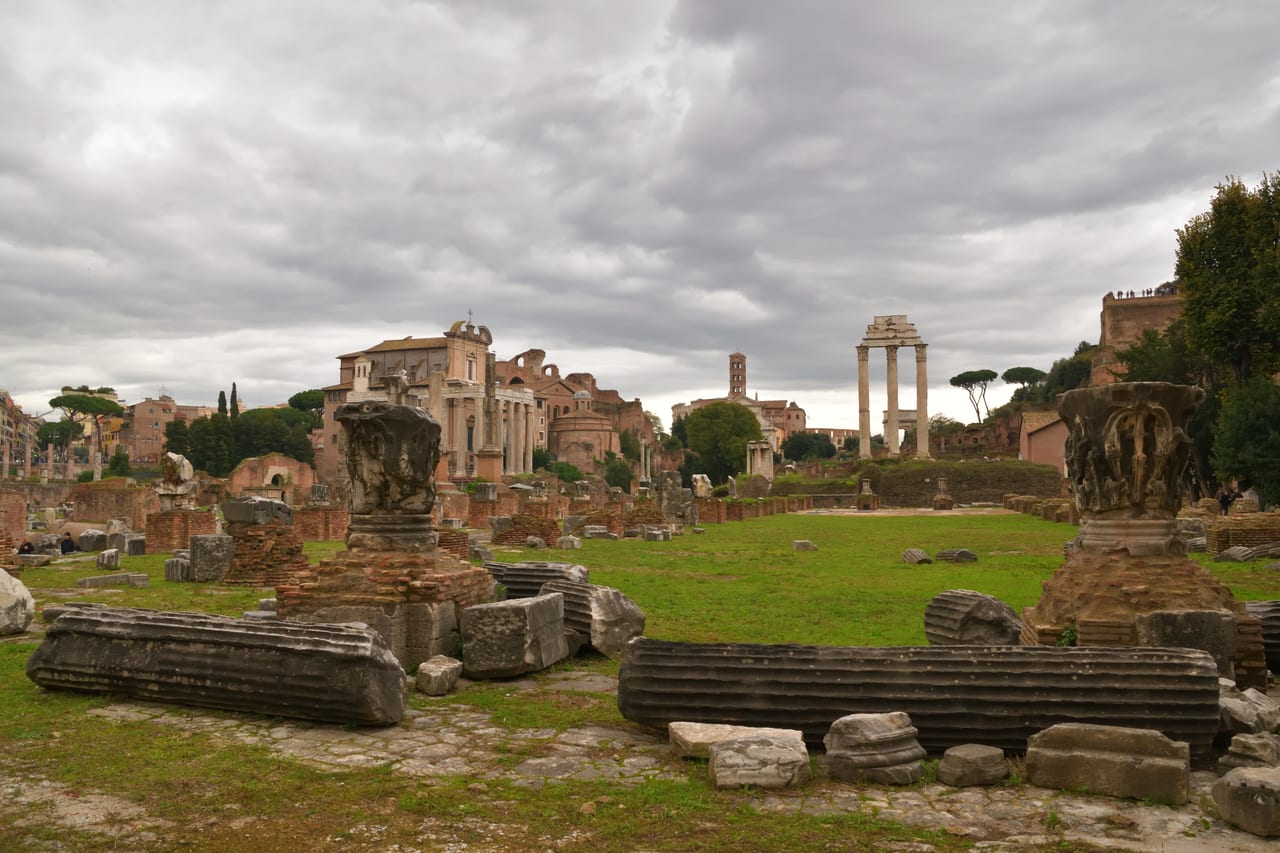
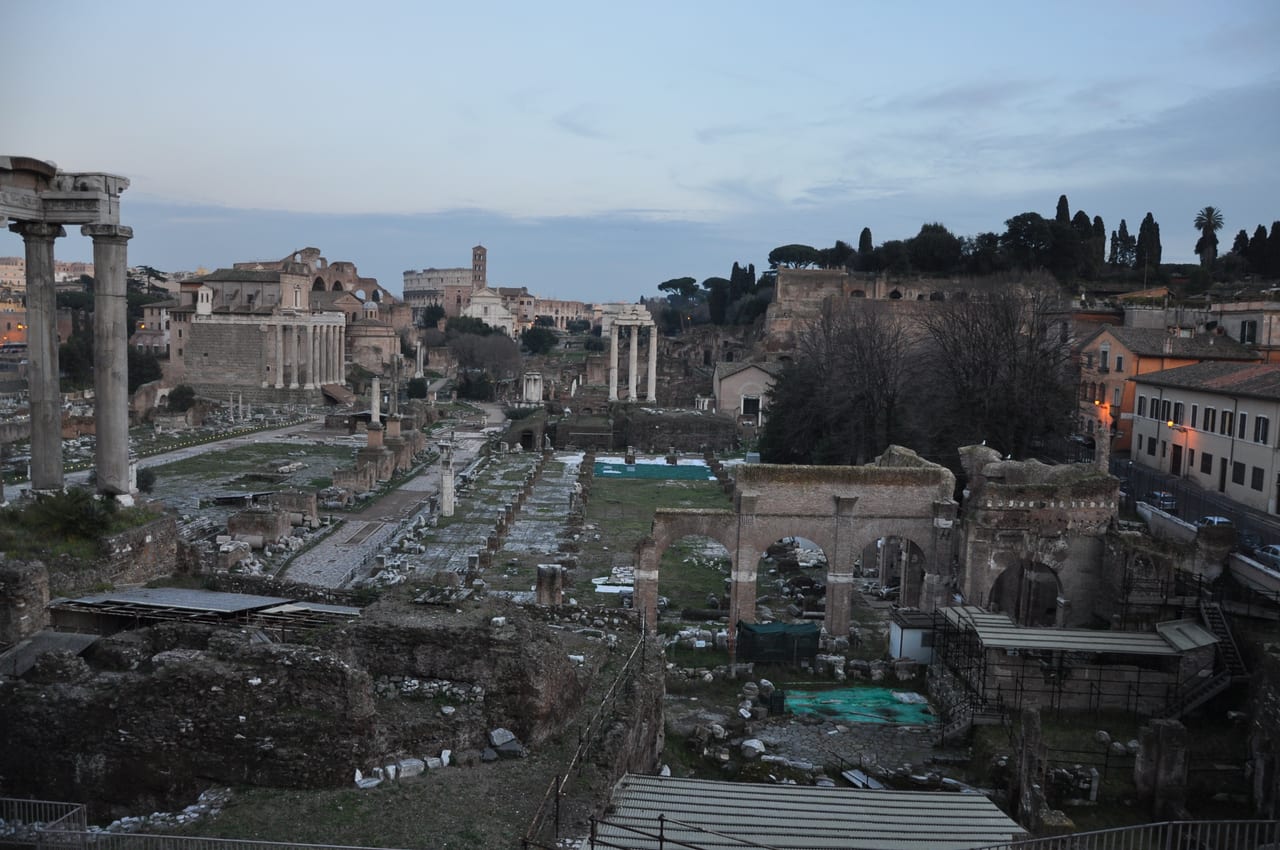
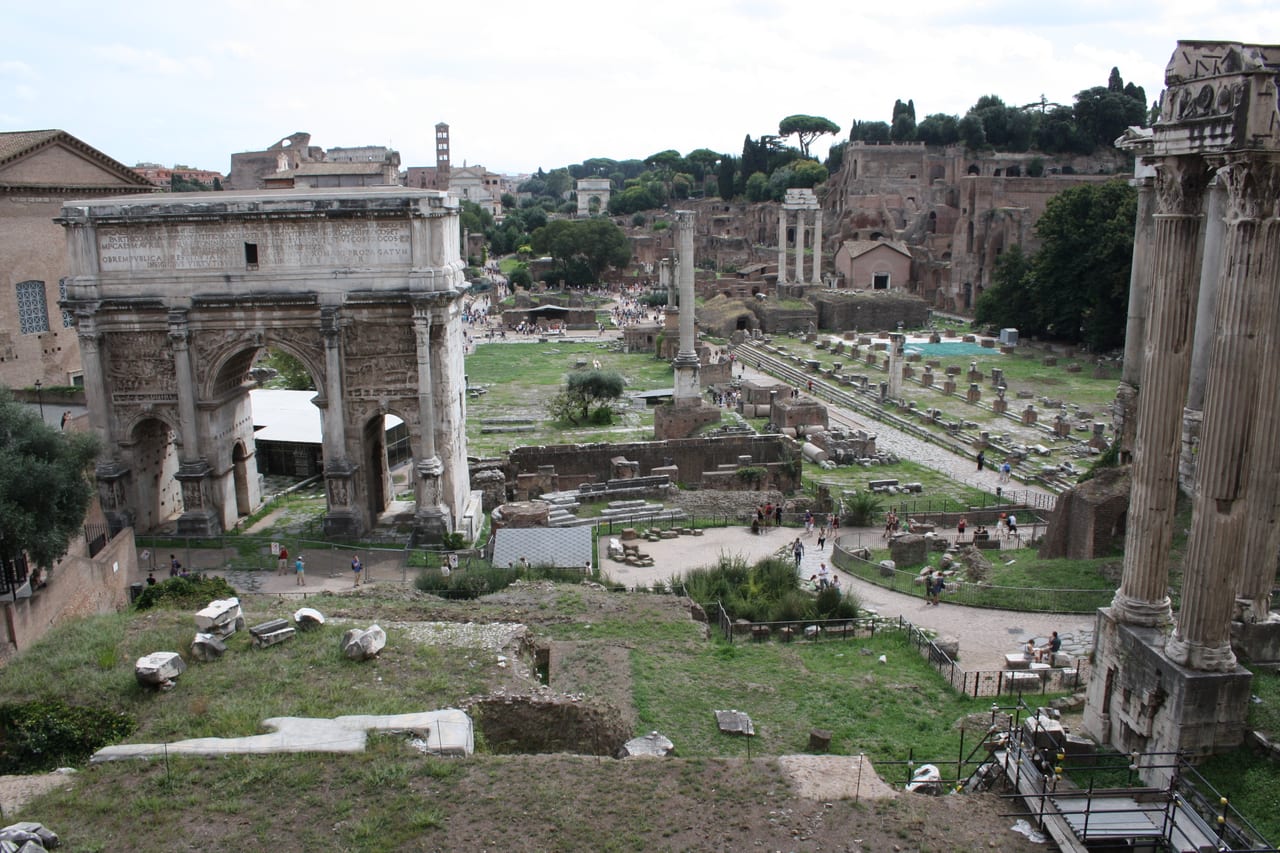
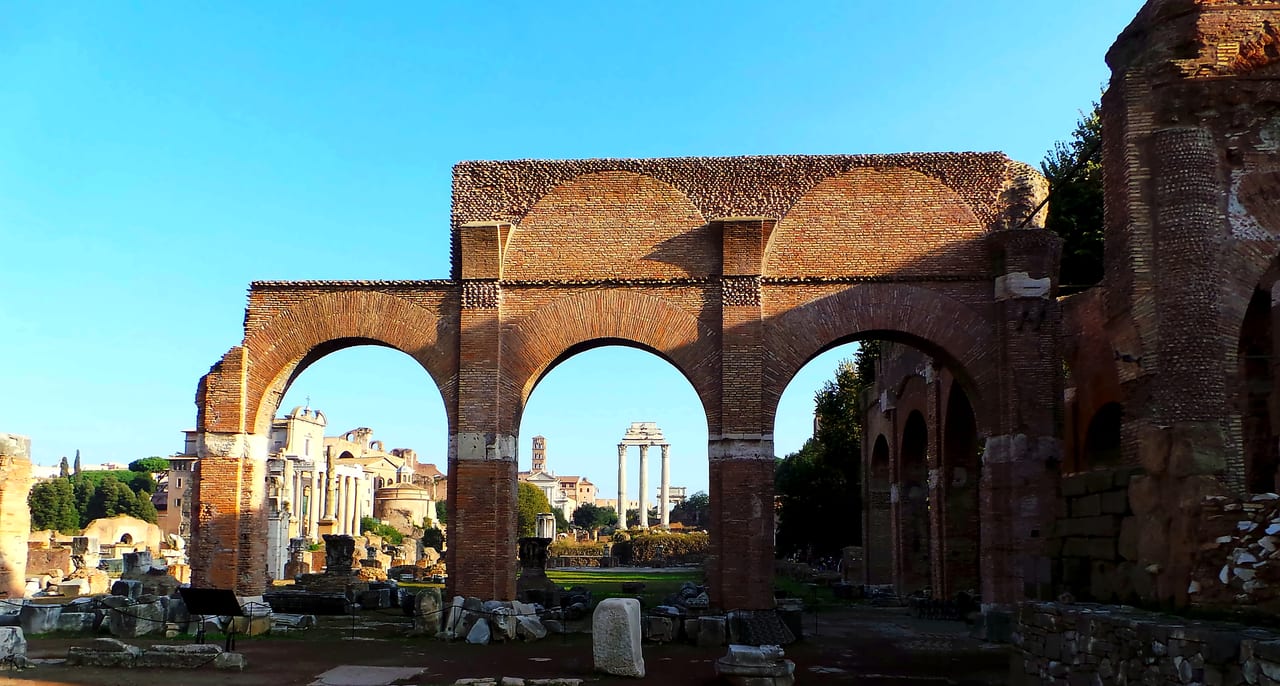
Photograph 1 of 14 of Basilica Julia
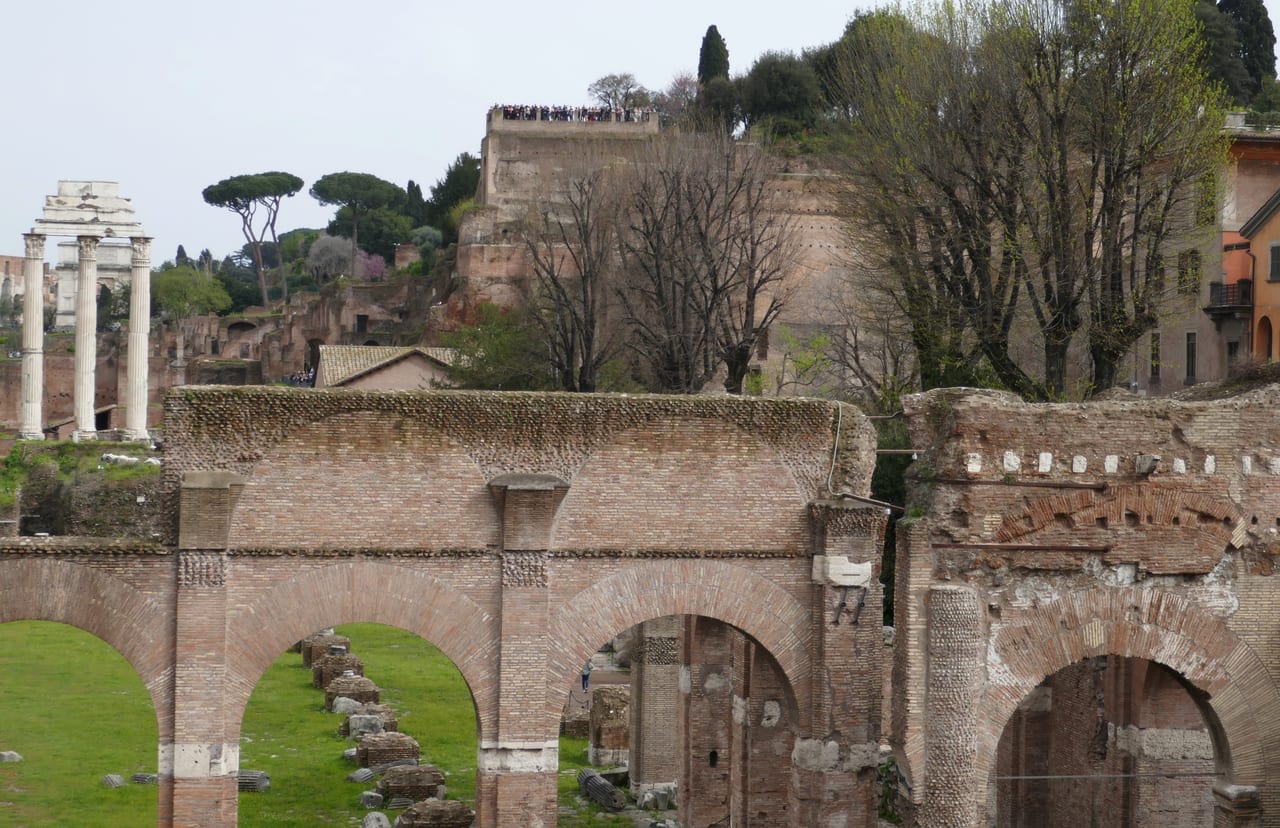
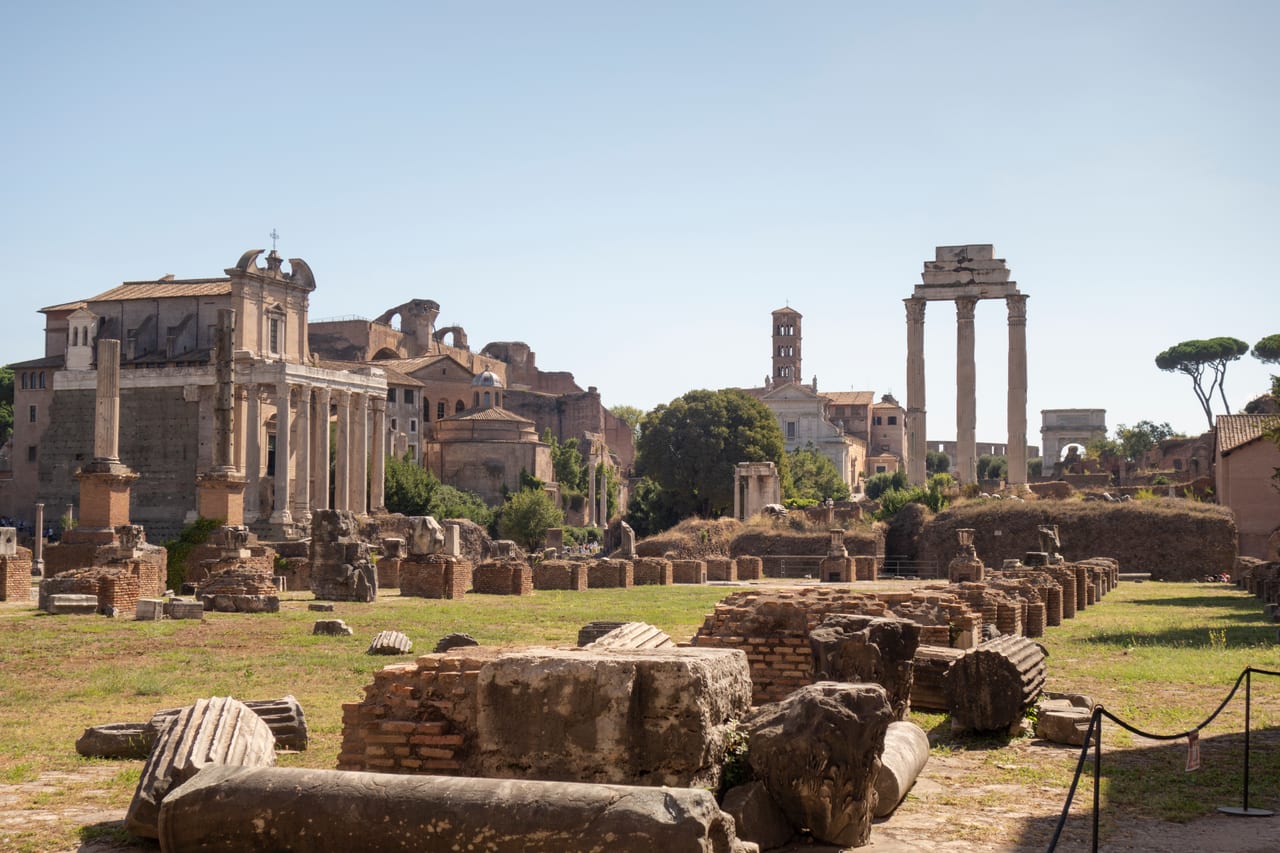
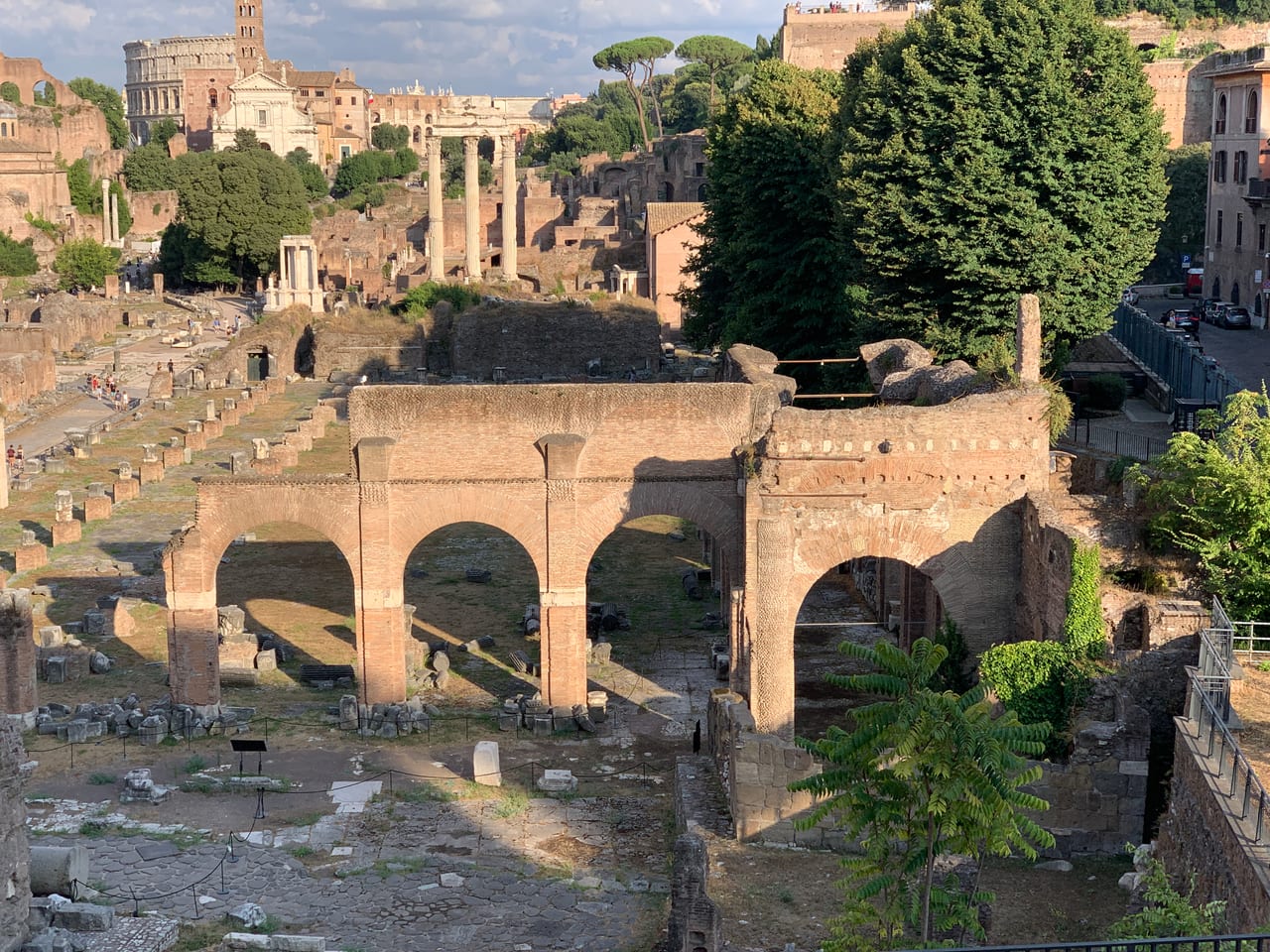
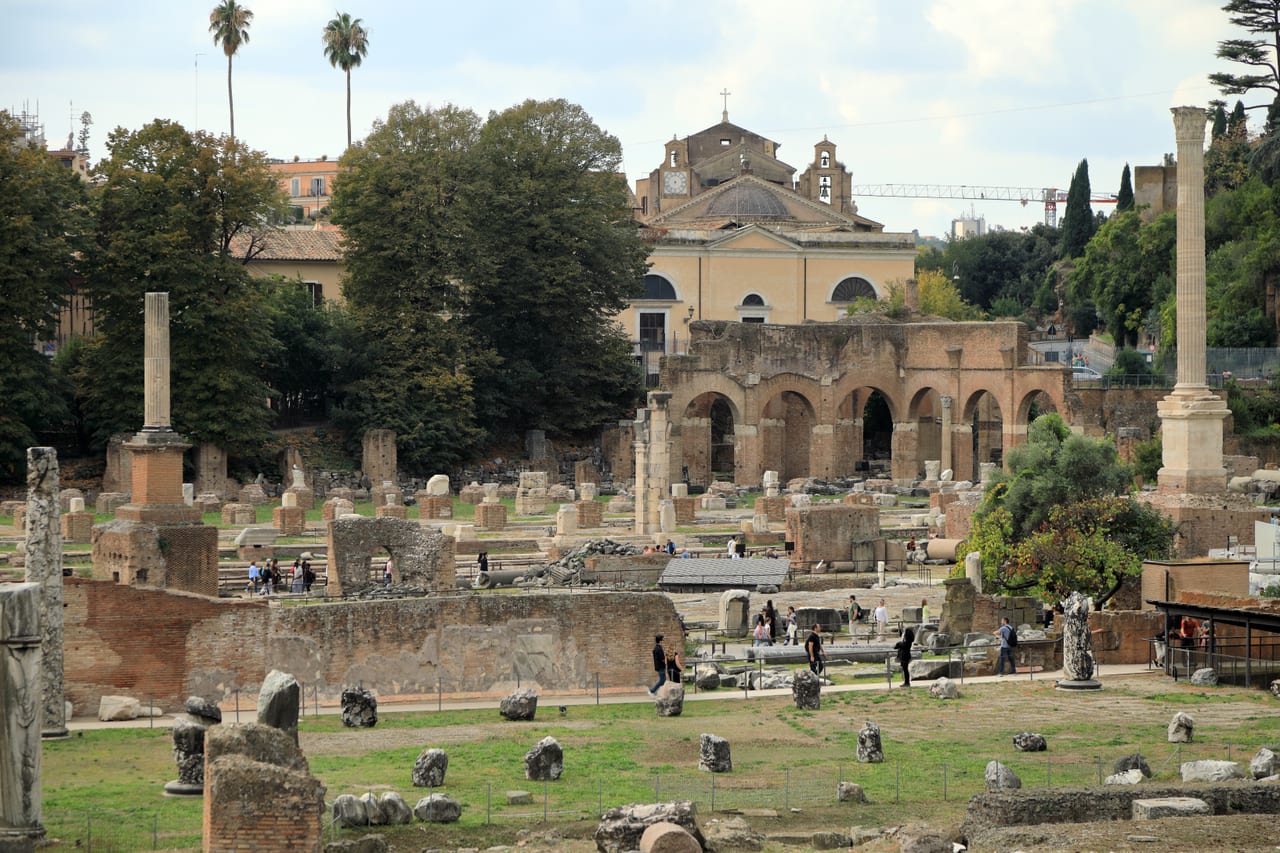
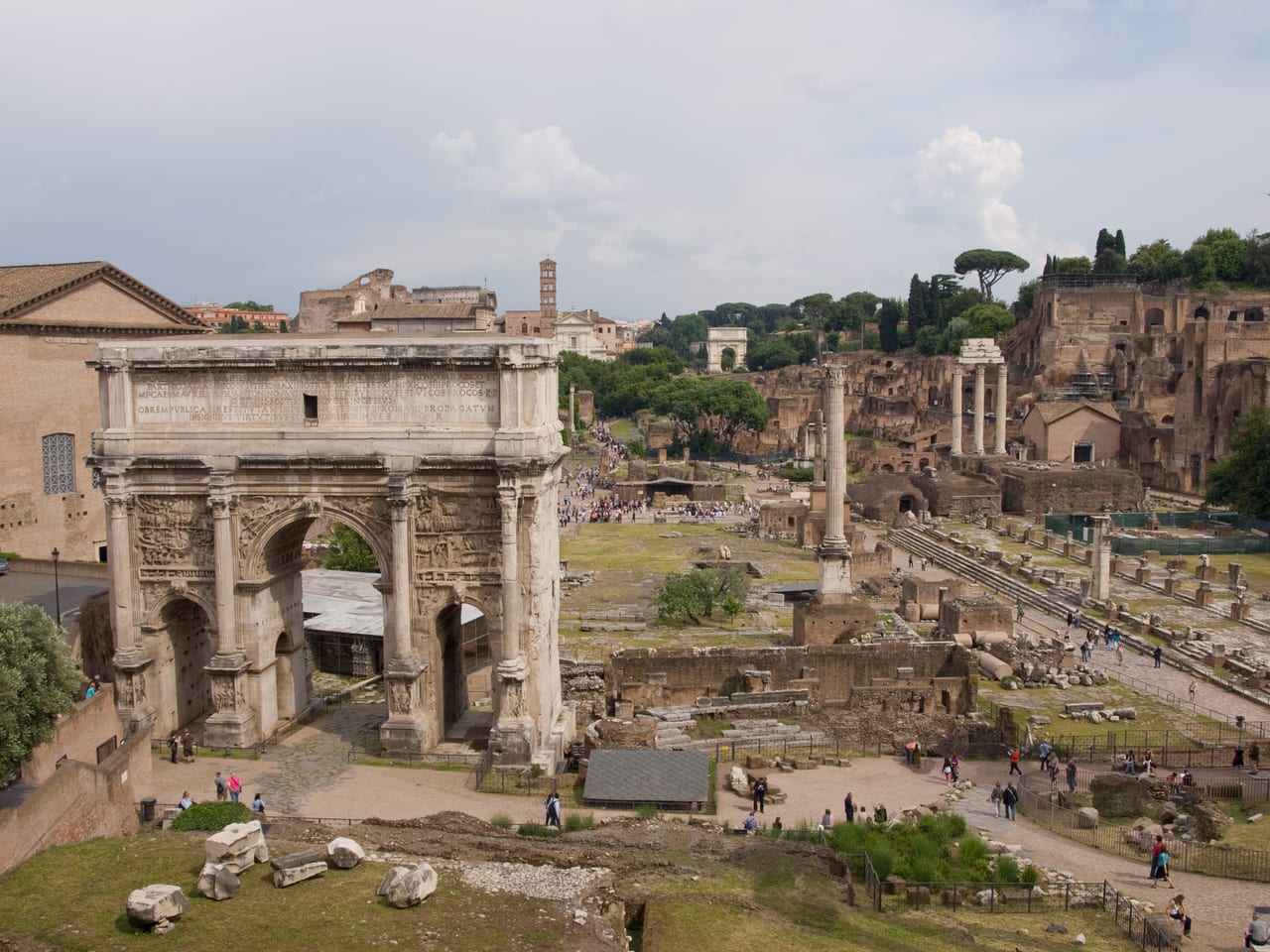
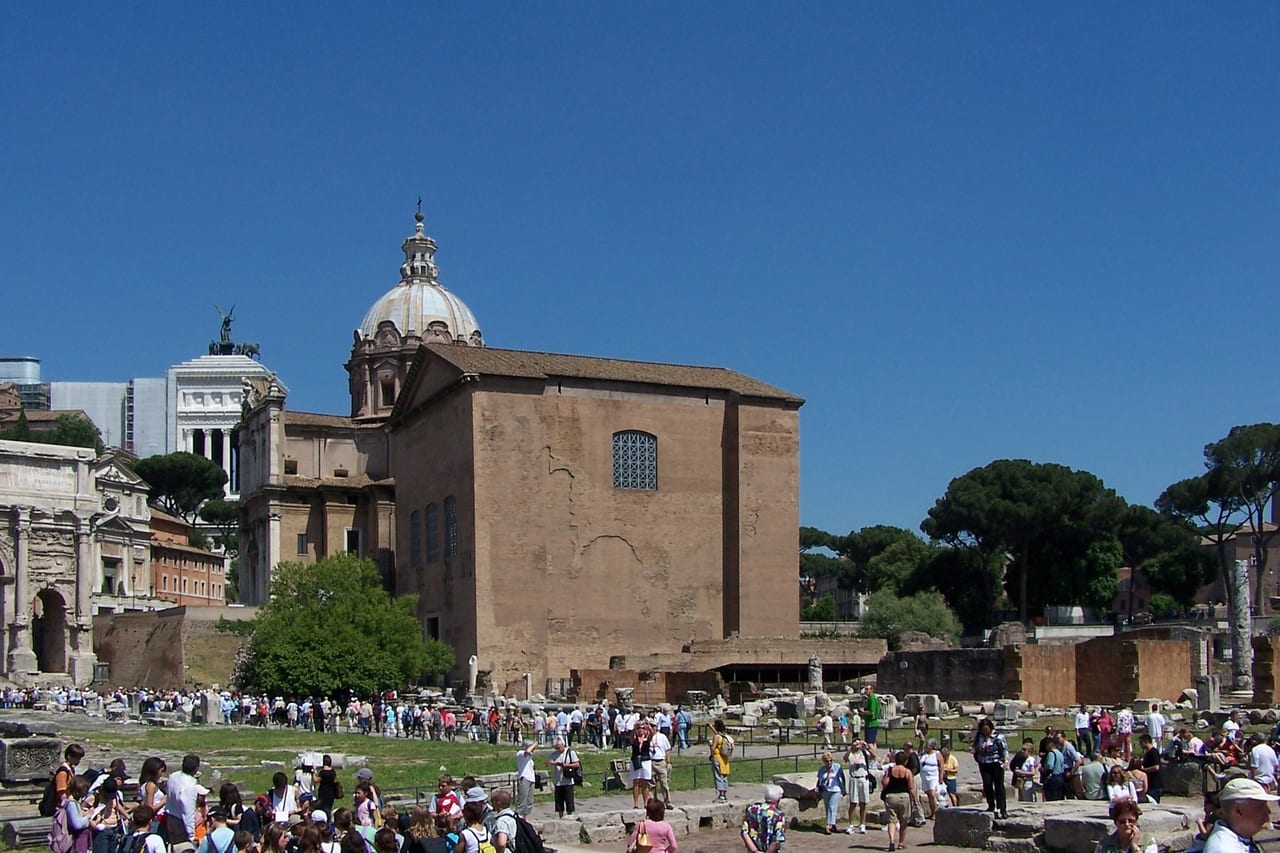
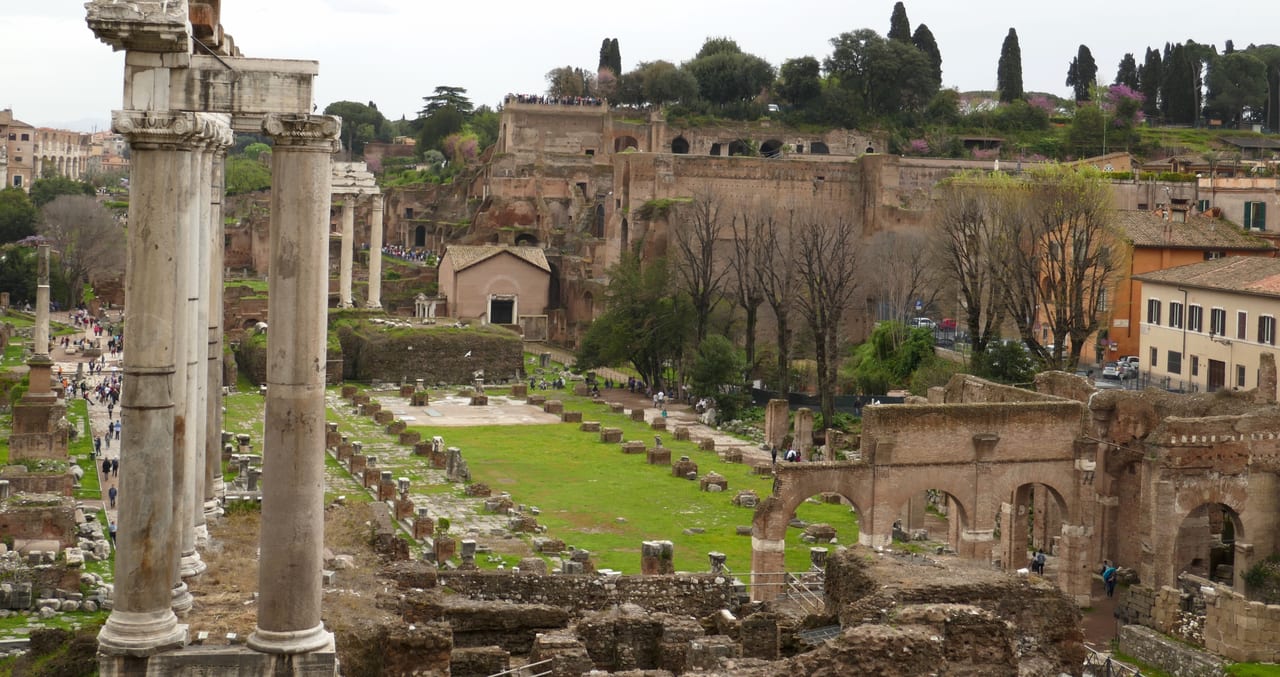
Begun by Julius Caesar around 54 BC and completed by Augustus, the Basilica Julia replaced the Basilica Sempronia, itself built in 169 BC over the house of Scipio Africanus and nearby shops. Augustus rededicated the new building to his adoptive sons Gaius and Lucius in 12 AD, after an earlier fire in 9 AD. The basilica housed civil courts, government offices, banking and shops, with the Centumviri—whose chief business was inheritance—holding sessions there. Its central hall measured 82 by 18 metres and was flanked by four aisles, marble-faced brick columns and concrete arcades. A three-storey roof sheltered the interior; the central floor used polychrome marble, while the adjoining aisles were paved in white marble. The Augustan façade had two arcaded storeys with engaged Carrara-marble columns. Fire brought repeated rebuilding: Septimius Severus restored it after 199 AD, and Diocletian reconstructed it after 283. Gabinius Vettius Probianus undertook the last recorded restoration in 377 or 416. The sack of Rome in 410 caused further destruction, followed by centuries of dismantling. Medieval trades occupied the ruins, while later excavators removed stone and pavement for reuse.
Ways to explore Basilica Julia
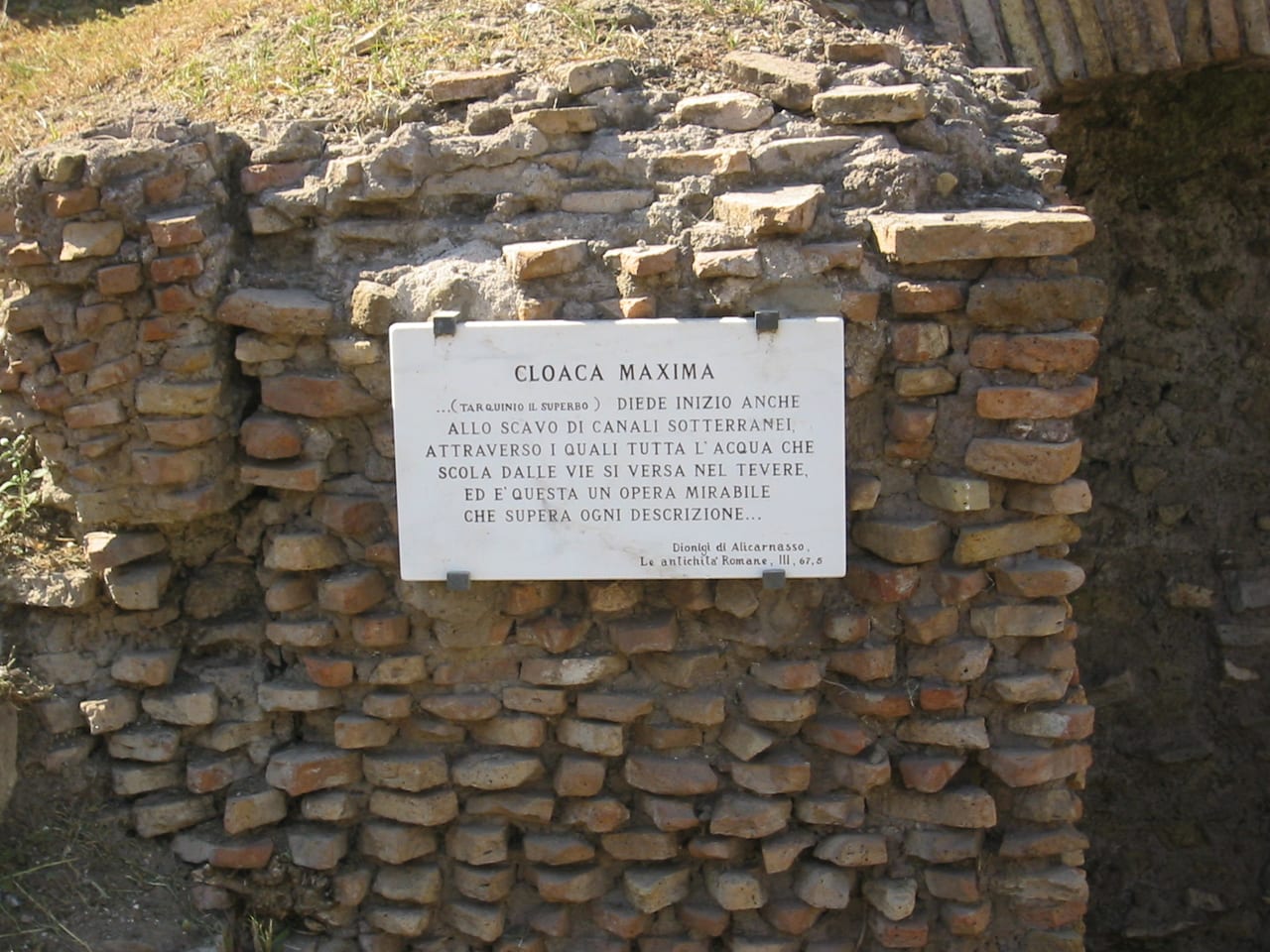
Examine the surviving plan from the raised rectangular platform, foundation lines and corner walls. Use the long marble steps beside the Via Sacra, then compare them with the higher stairway at the end facing the Temple of Castor and Pollux. Examine the remaining pillars, plinths and columns associated with the Diocletian rebuilding, and inspect the scattered blocks within the former building. The excavated area also reveals the line of the Cloaca Maxima beneath it.
Places to stay near Basilica Julia

Live availability and prices from Stay22's partners, refreshed periodically and subject to change. Booking through these links may earn us a commission at no extra cost to you. See our privacy policy.
Cafés near Basilica Julia
Cafés near Basilica Julia loads as you scroll.
Attractions nearby
Attractions near Basilica Julia loads as you scroll.
Cities nearby
Cities nearby loads as you scroll.
More in Rome
See more of Rome.
Find great cafés, places to stay and other interesting places to visit in Rome.