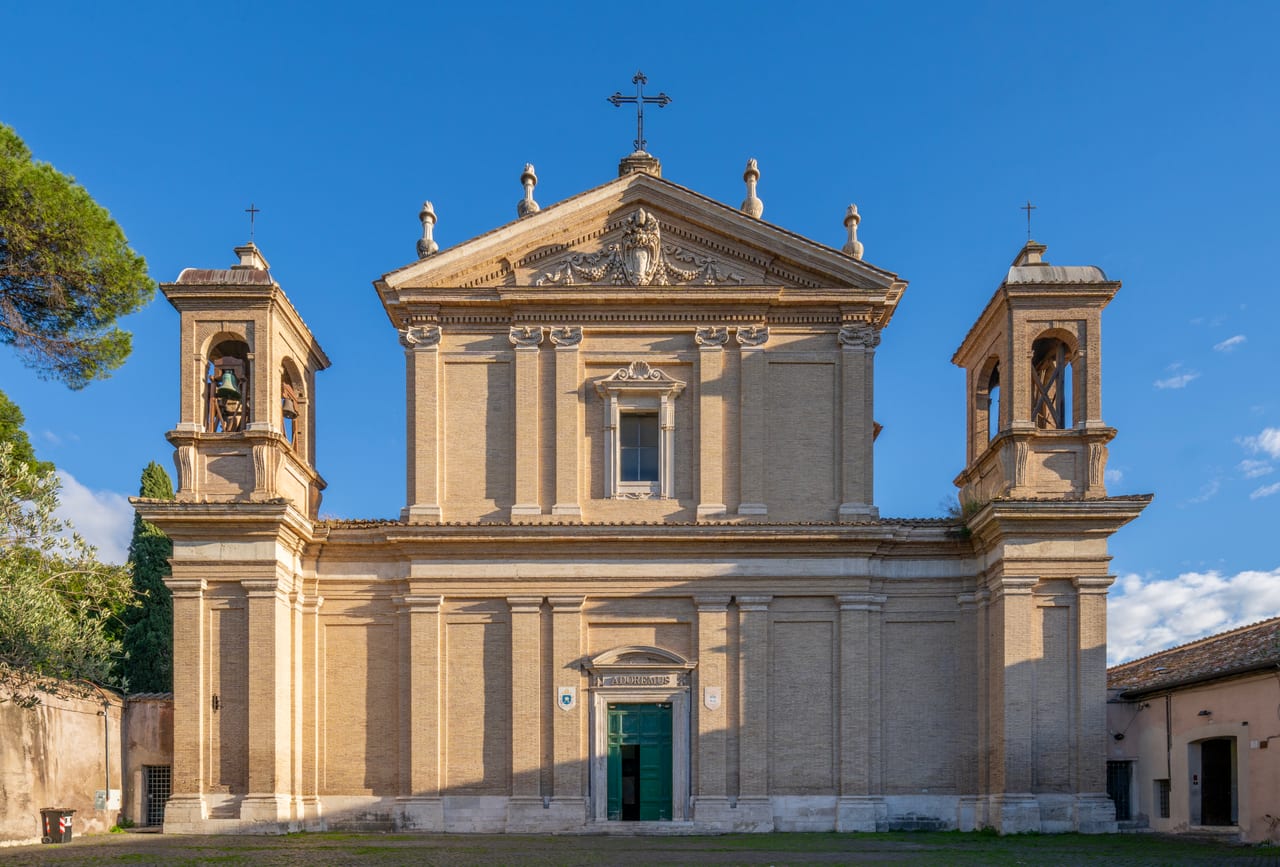
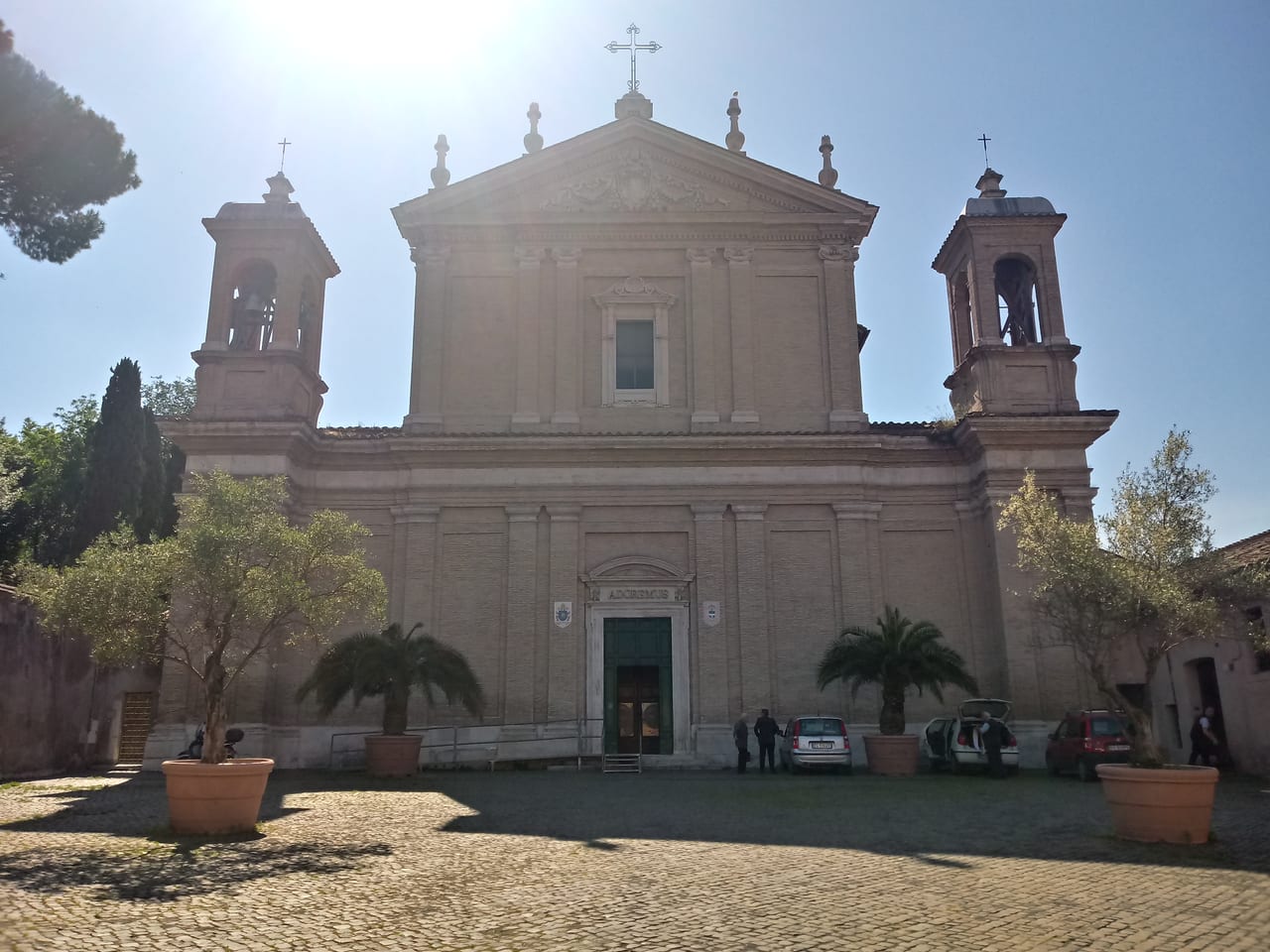
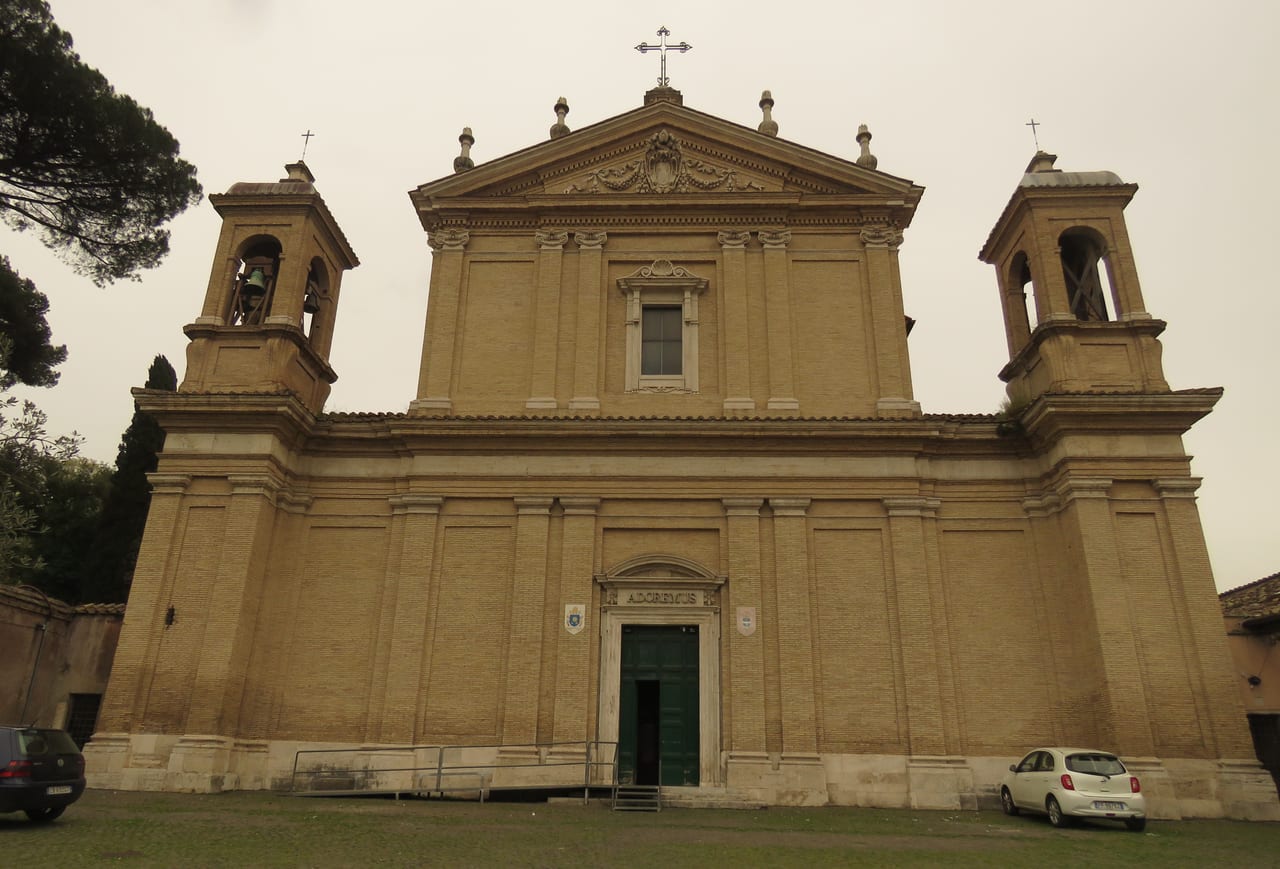
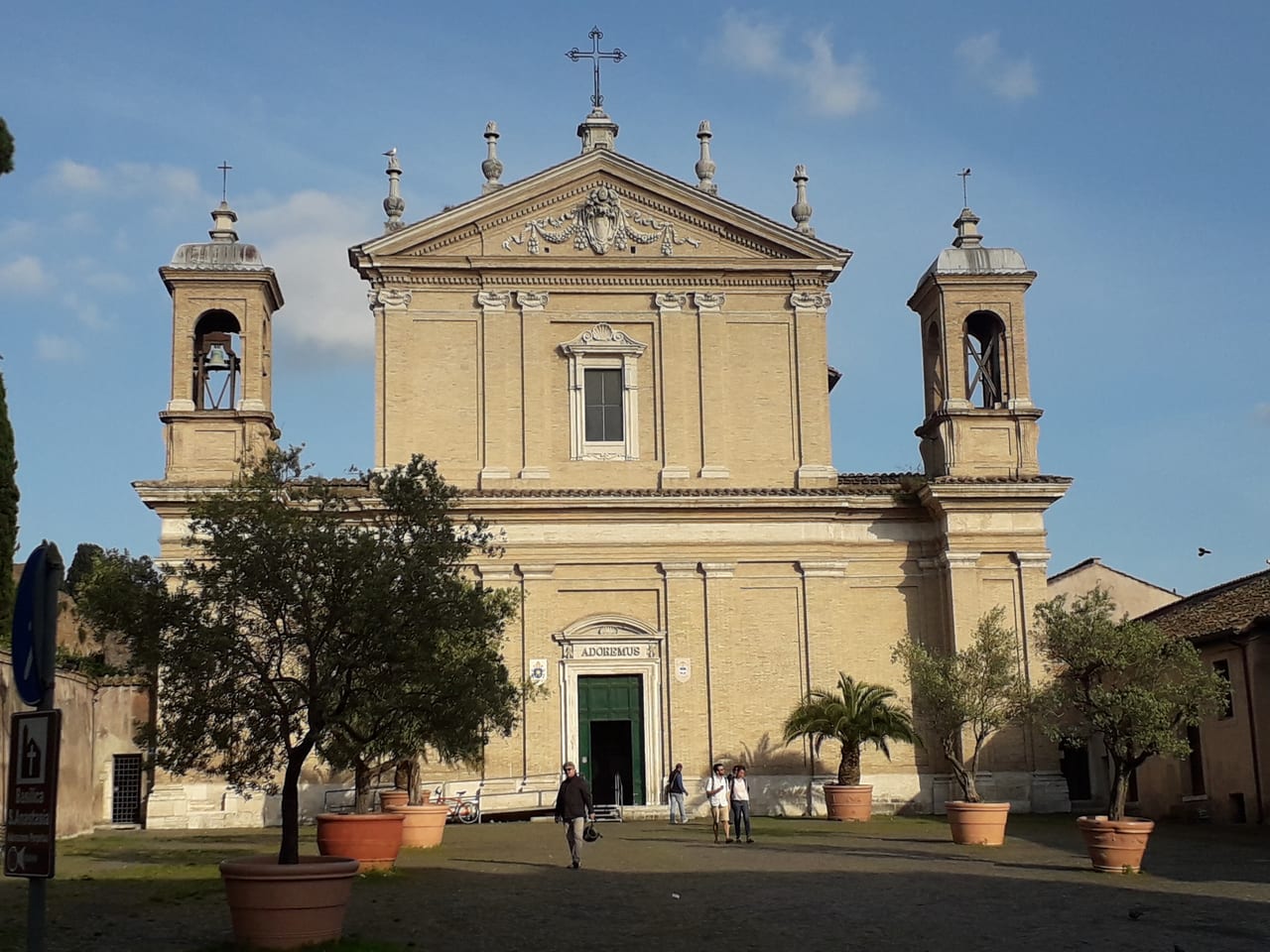
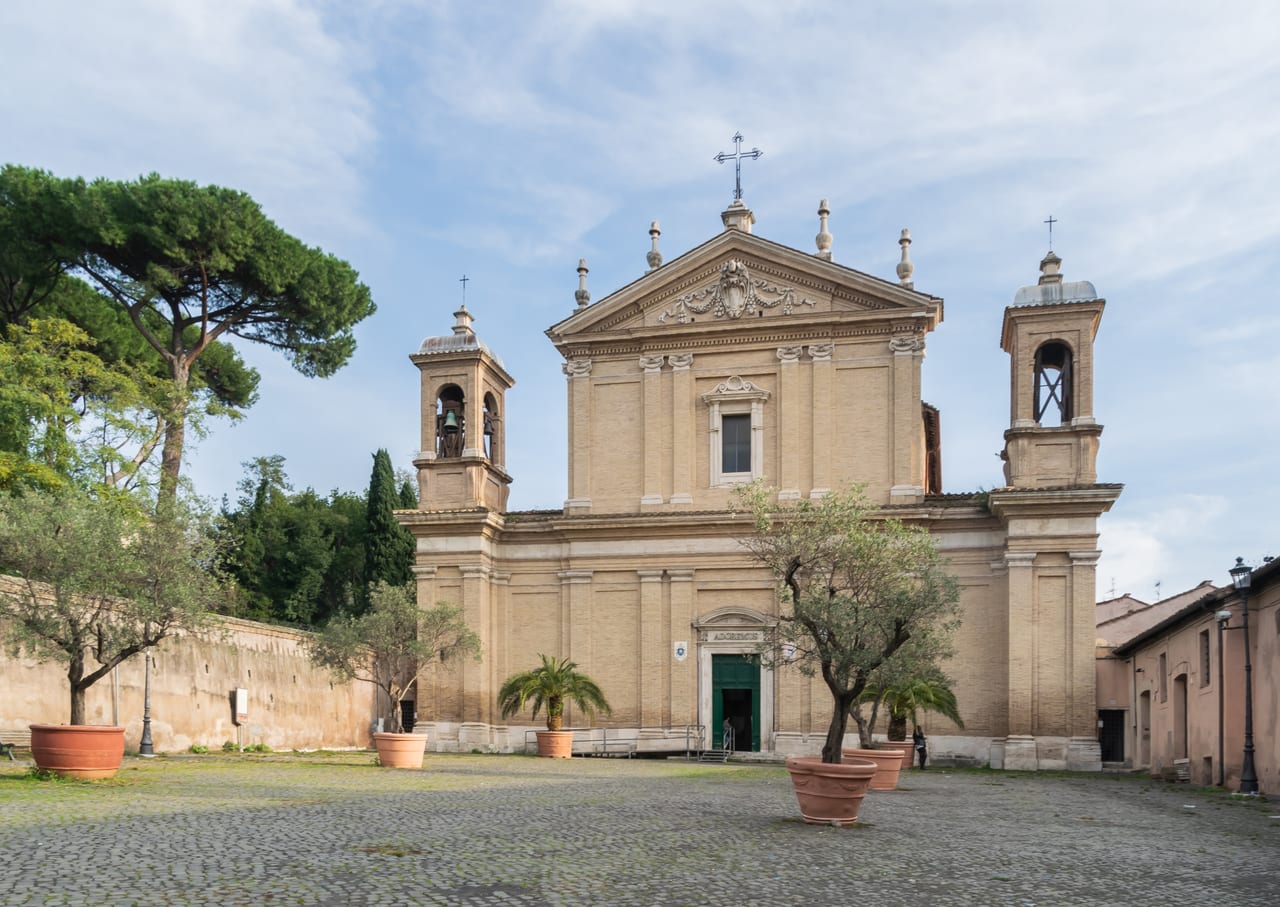
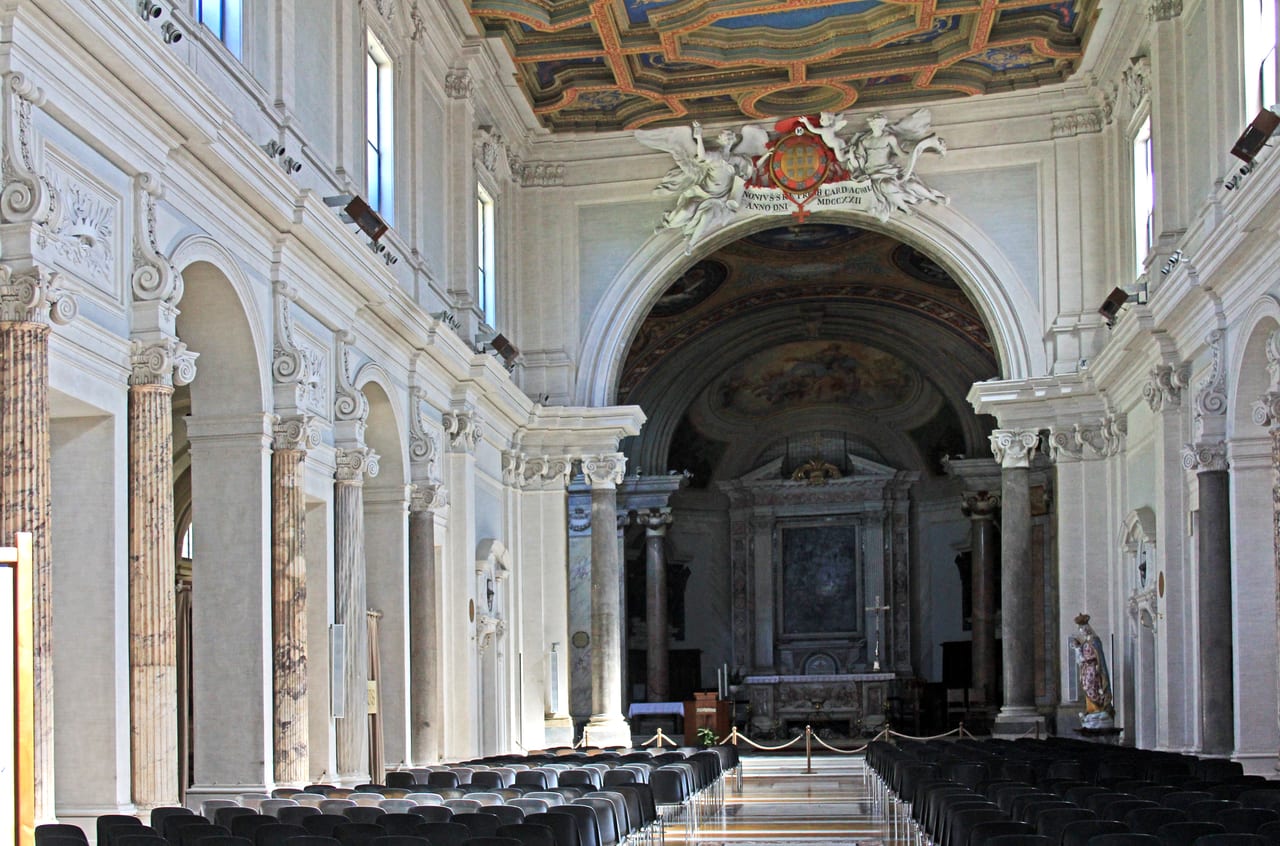
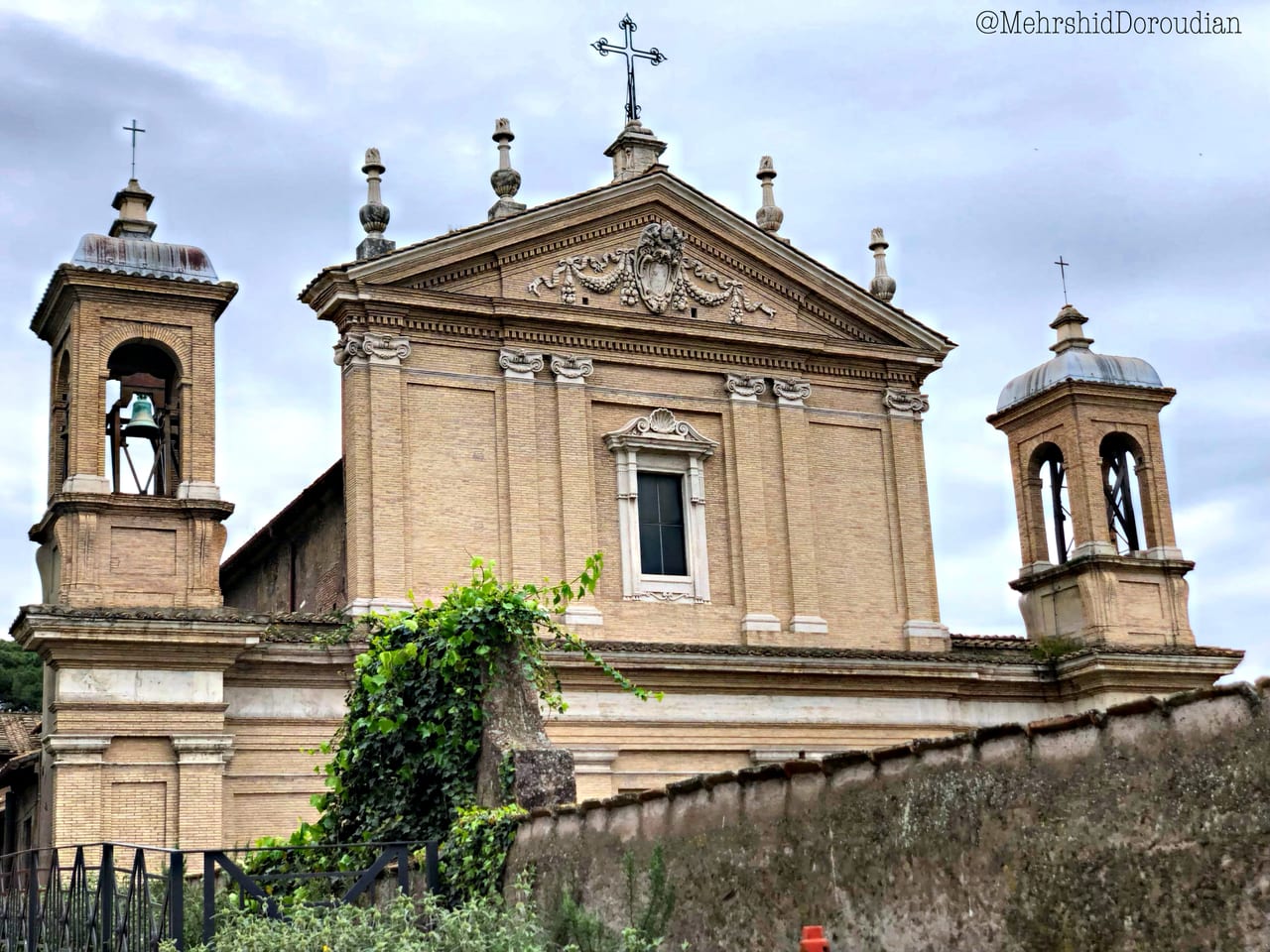
Photograph 1 of 20 of Basilica di Sant'Anastasia al Palatino
Church · Rome
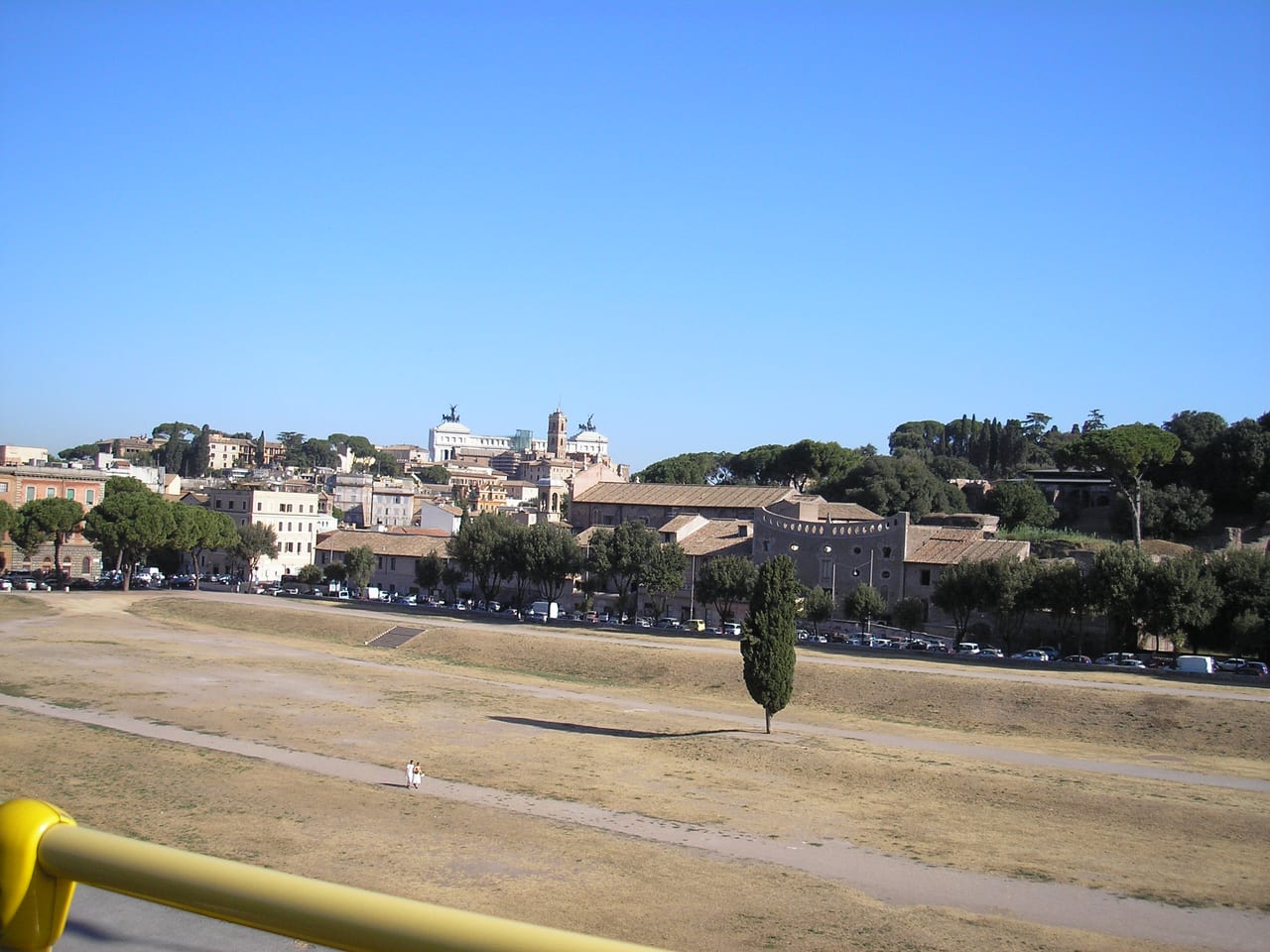
During the 2000 Jubilee, the basilica housed 700,000 communion wafers, with tens of thousands used during celebrations held in the Circus Maximus.
Photograph 1 of 20 of Basilica di Sant'Anastasia al Palatino
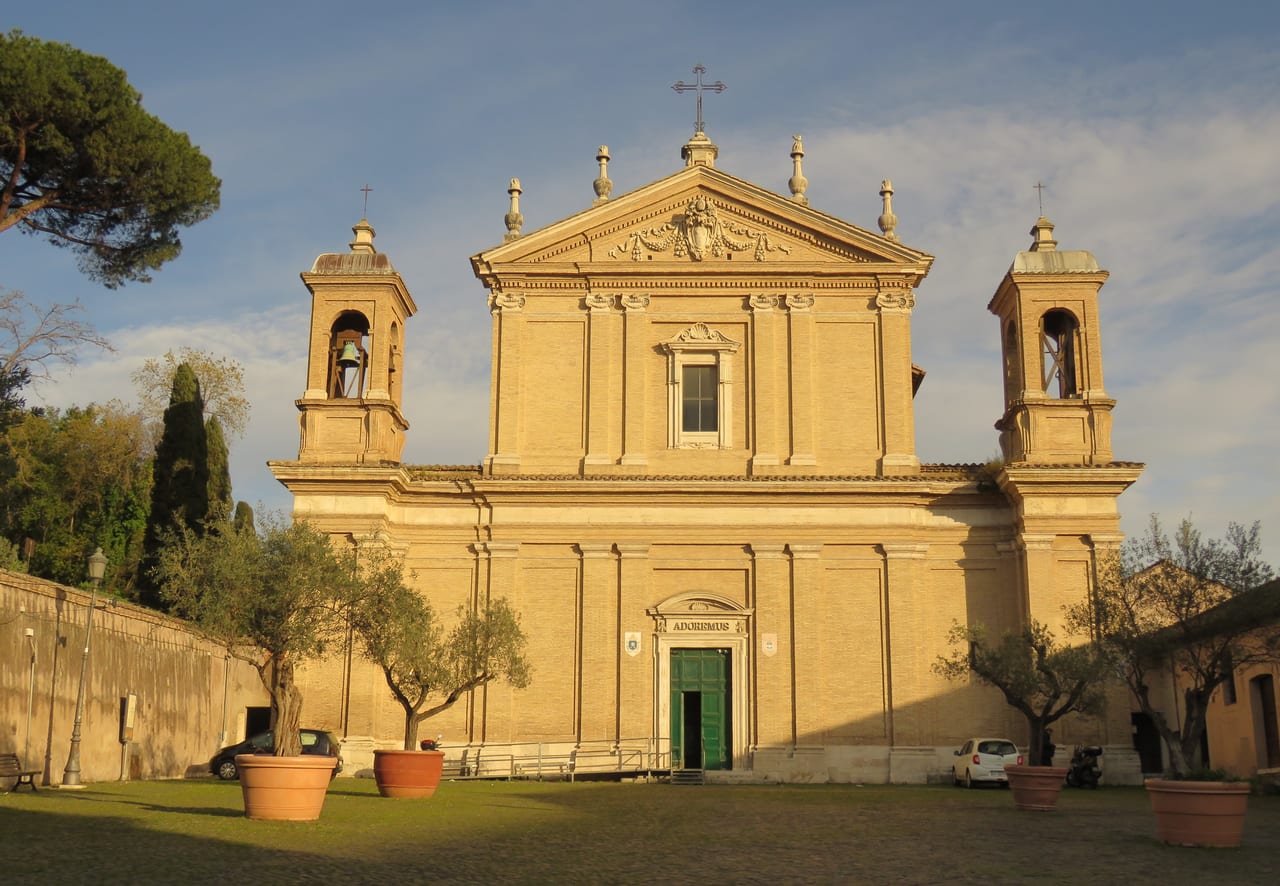
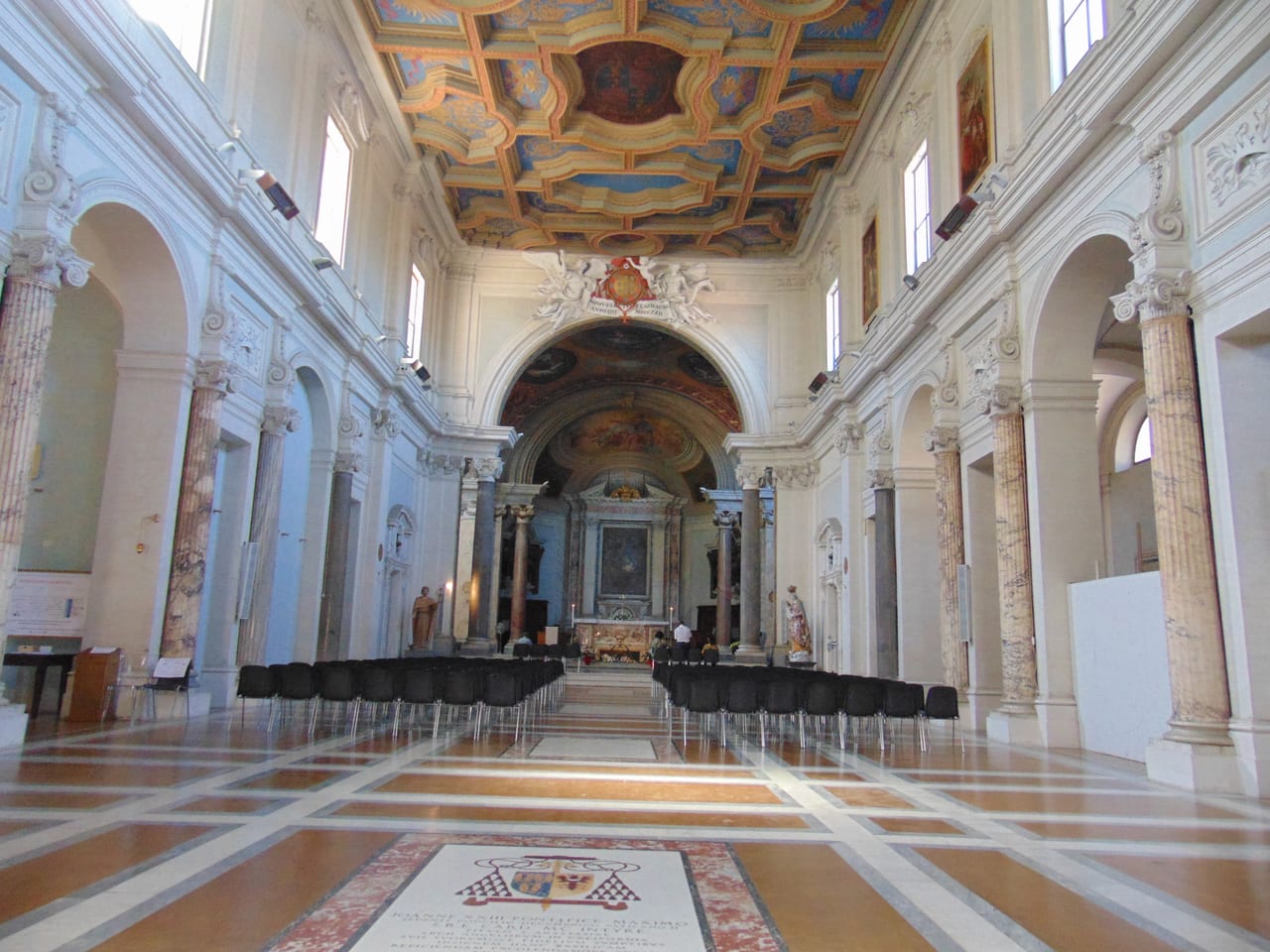
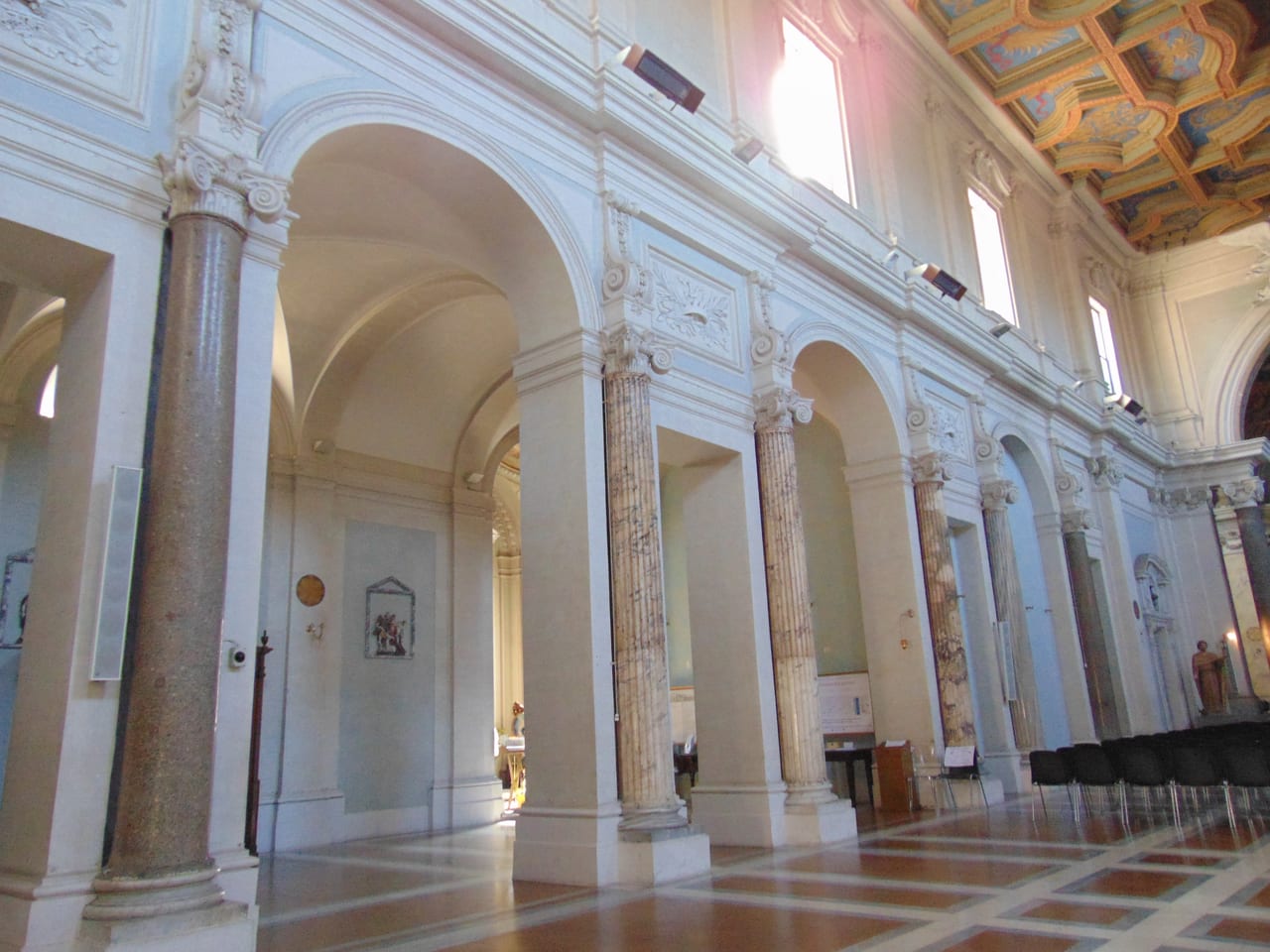
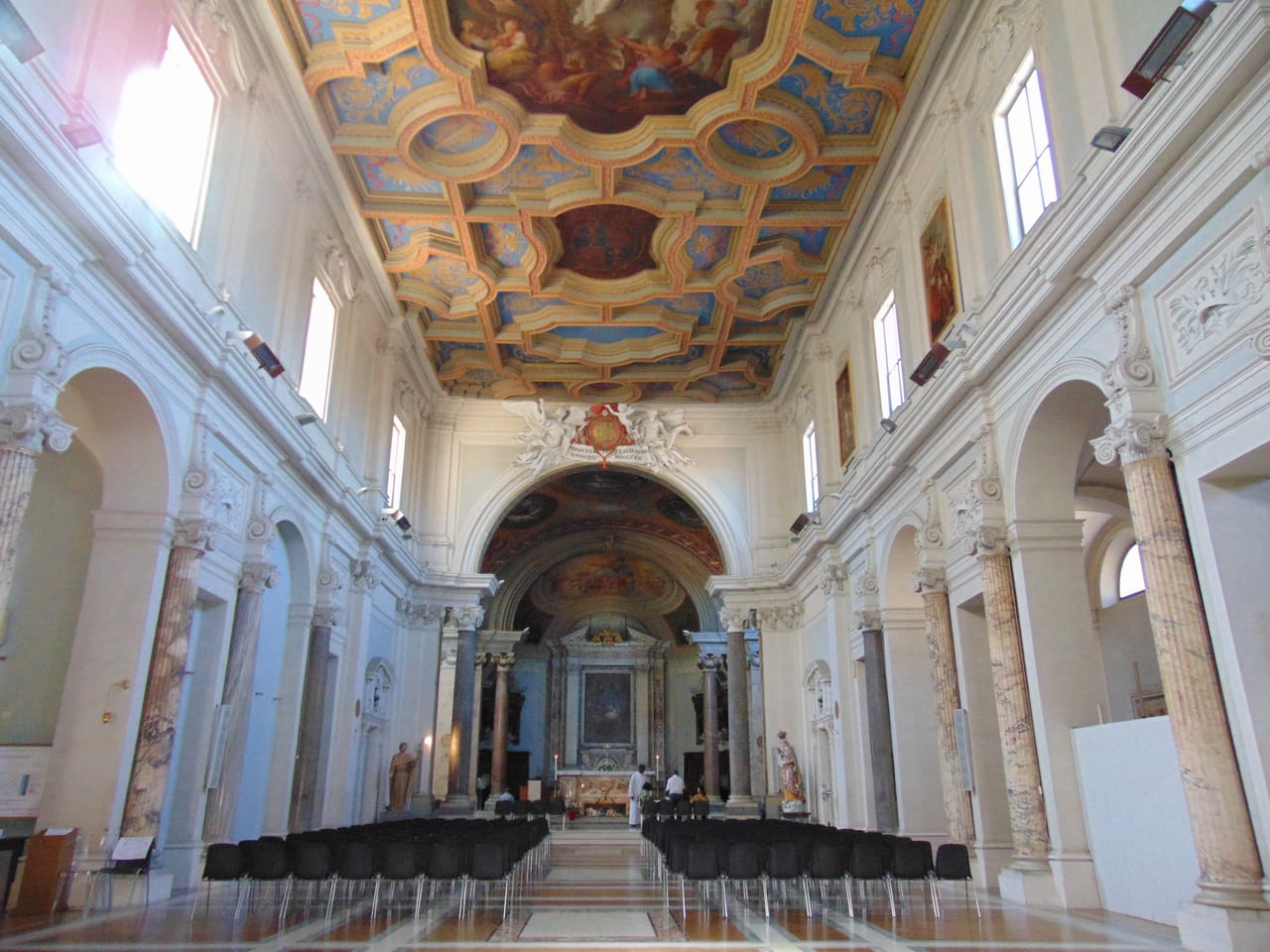
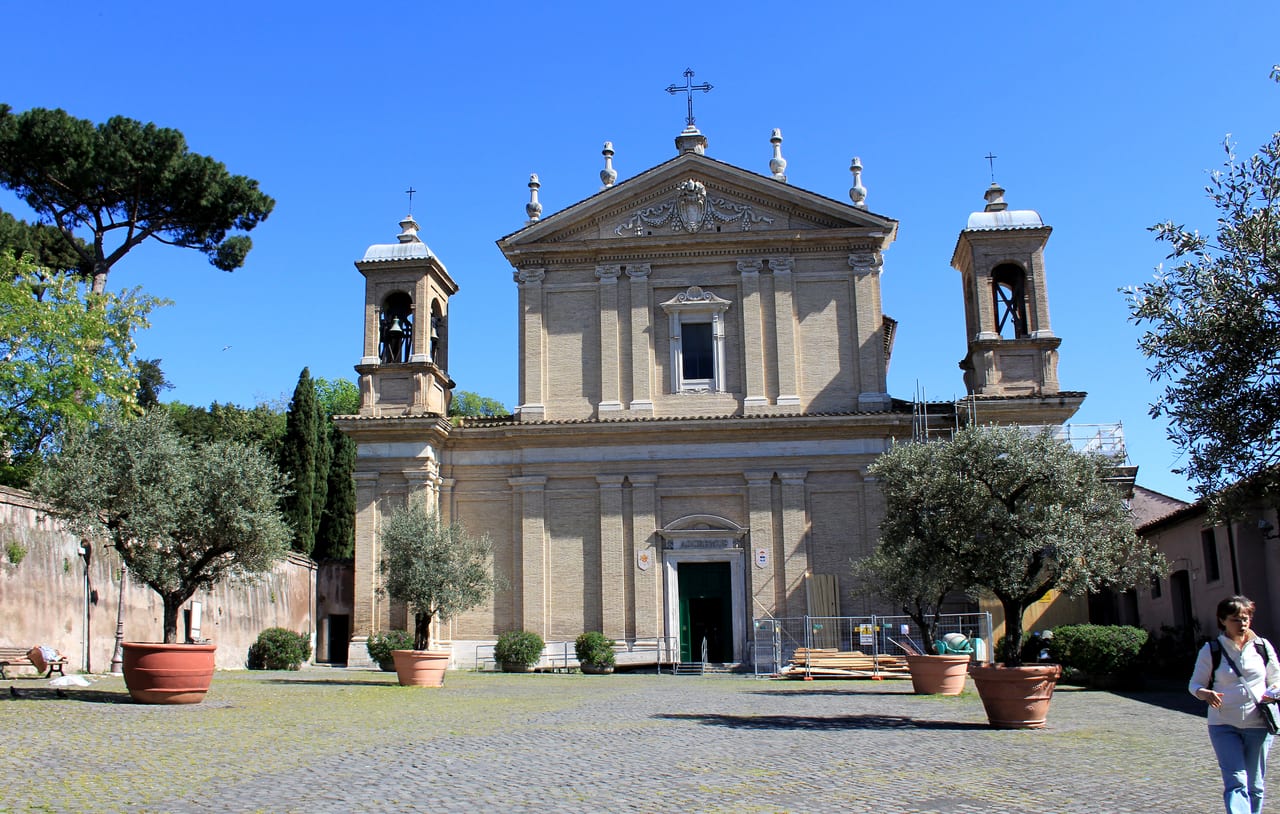
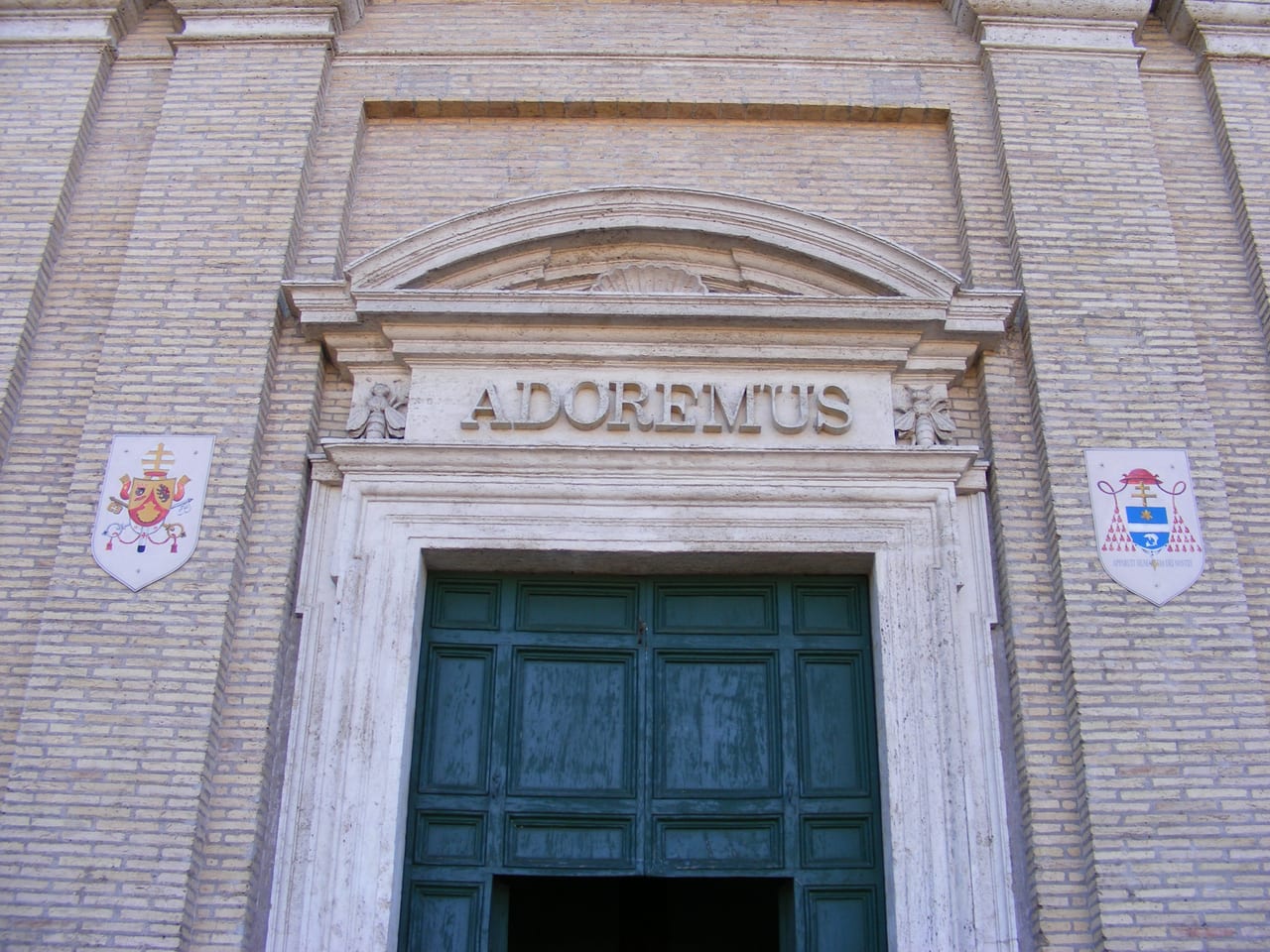
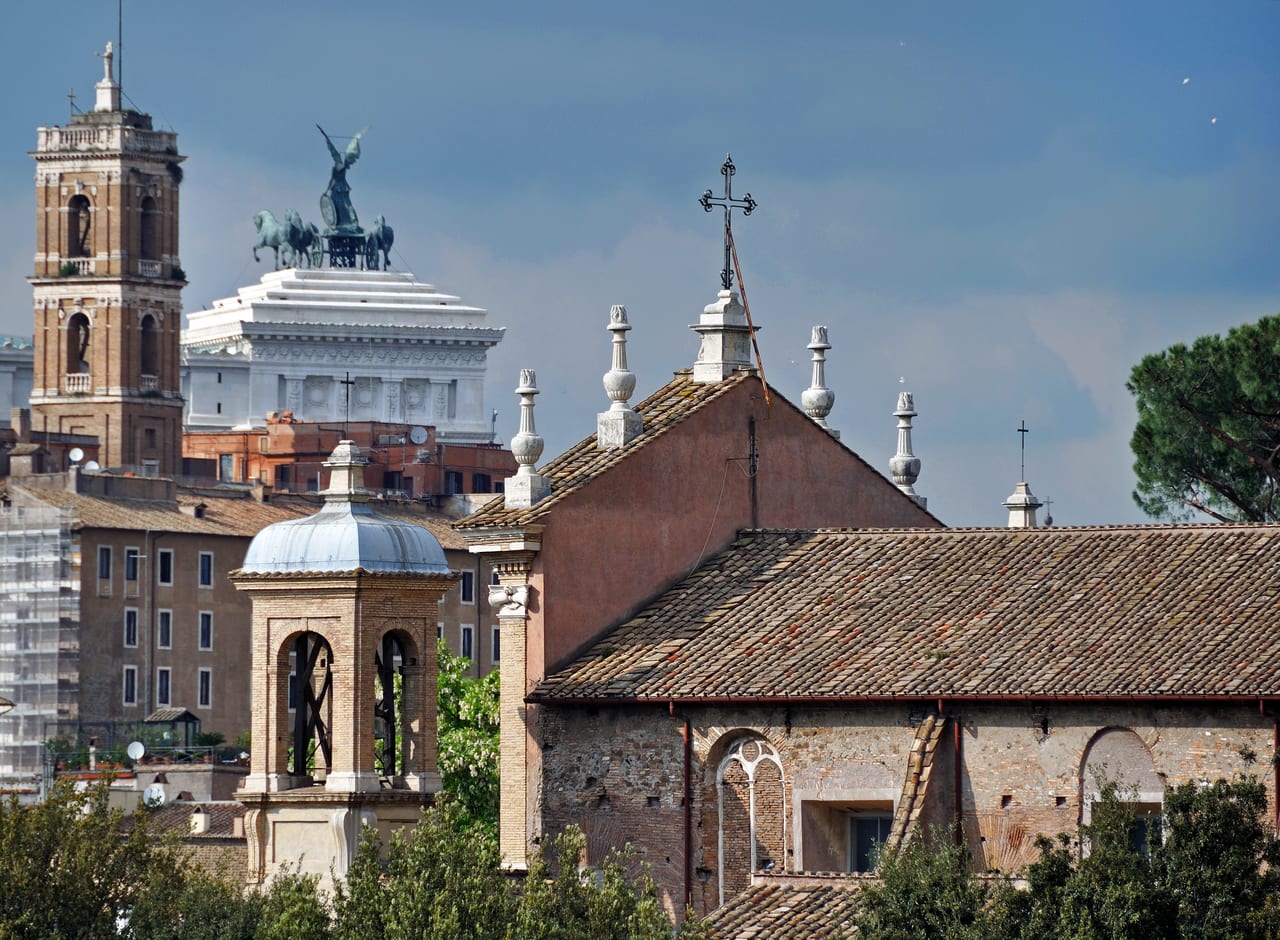
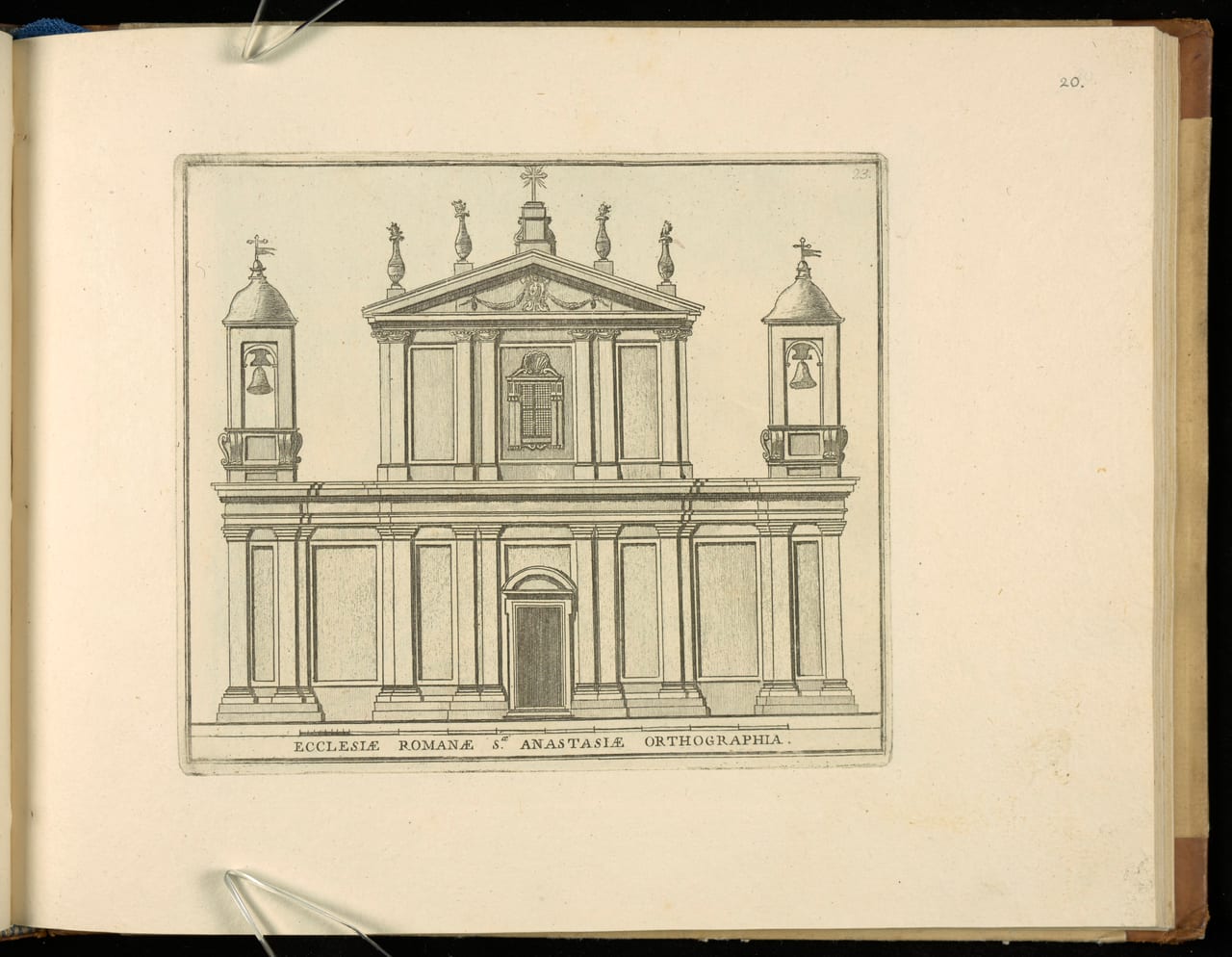
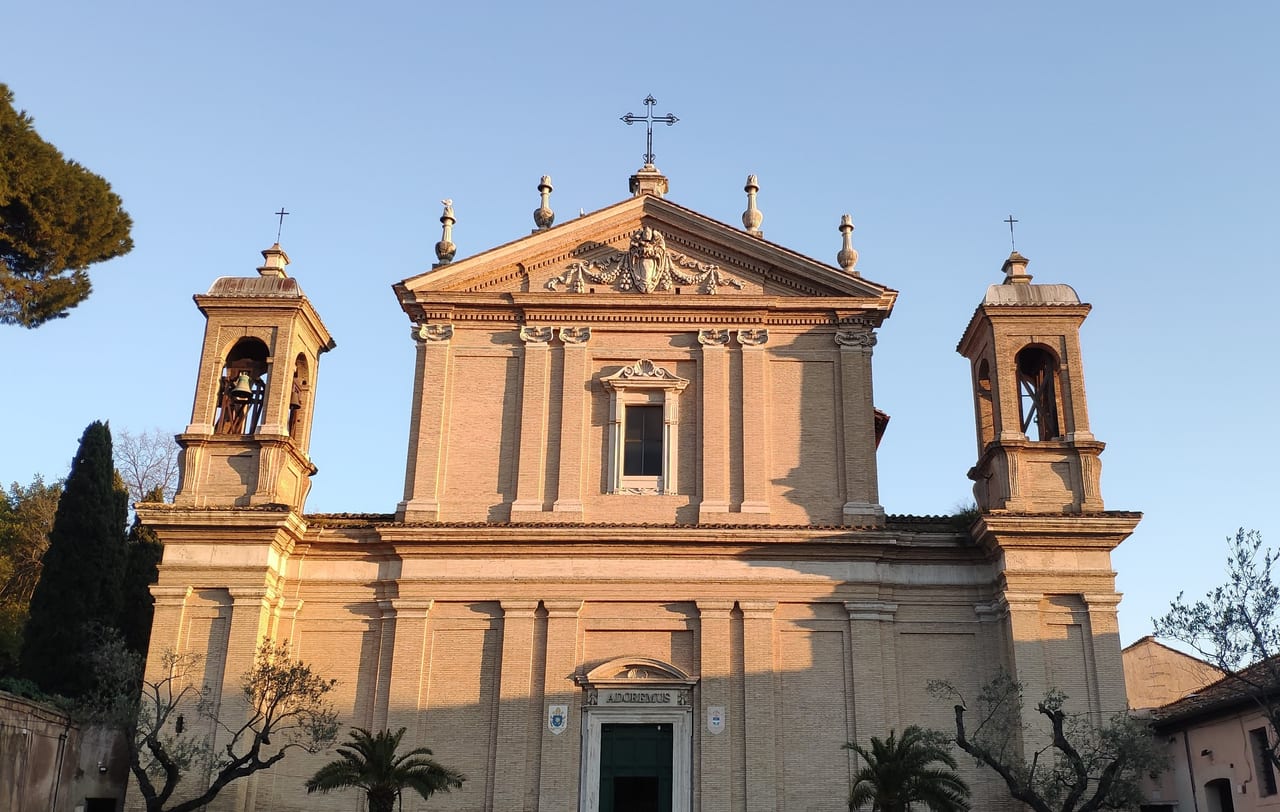
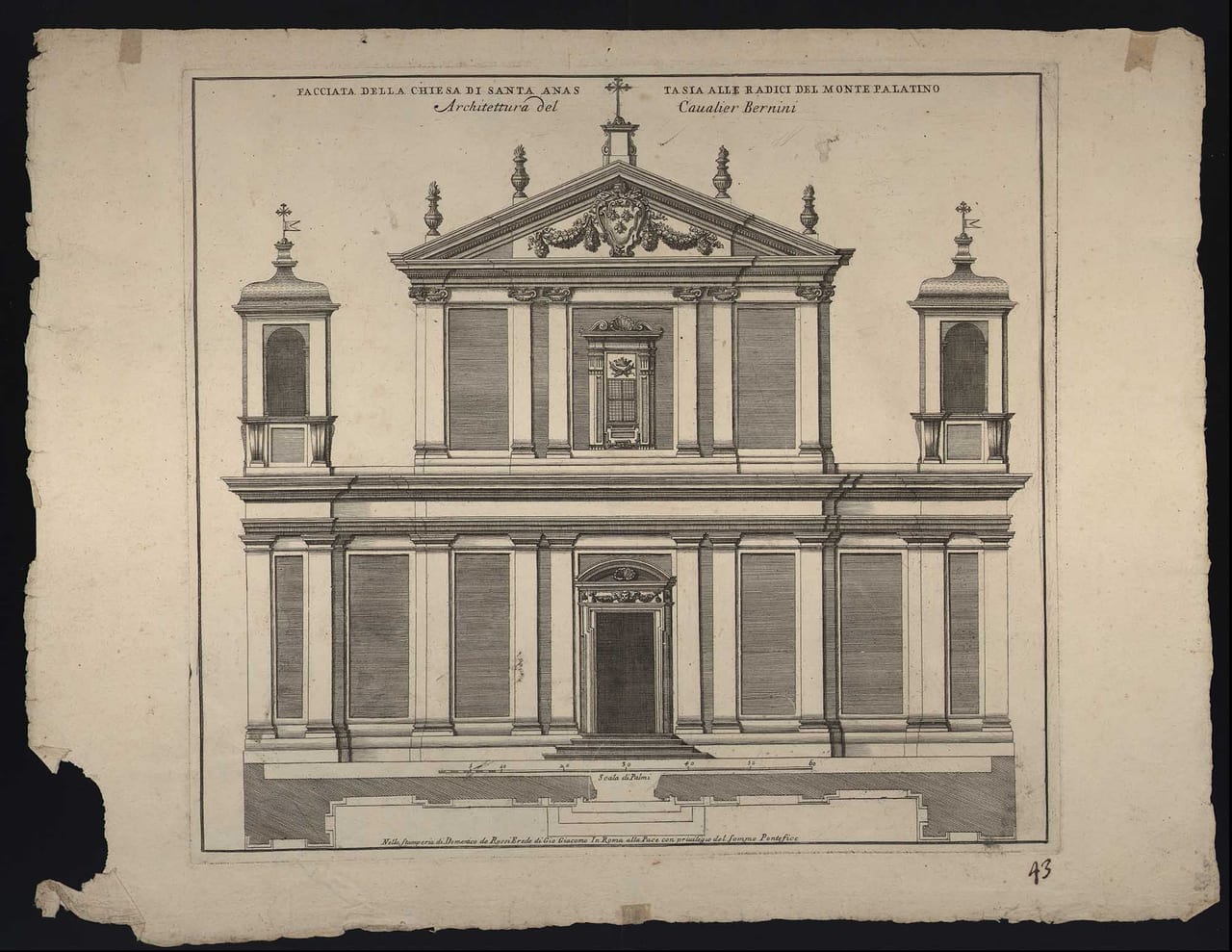
Built in 325–326 beside the outer enclosure of the Circus Maximus, the basilica occupies a site layered over Roman tabernae and private buildings along the southwestern slope of the Palatine. By 499 it was recorded as the titulus Anastasiae, having been dedicated to Anastasia of Sirmium (281–304), a Roman woman martyred under Diocletian. Tradition associates the church with Saint Jerome, who probably lived here and brought relics from the Holy Land, and with Saint Leo the Great. Successive restorations were commissioned by Popes Damasus I, Hilary, John VII, Leo III and Gregory IV. Its present appearance derives chiefly from the restoration ordered by Urban VIII Barberini in 1636, followed by further work under Pius VII and Pius IX. The basilica is a minor basilica, a national church for Rome’s Peruvian community and the Syro-Malabar Indian community, and one of Rome’s station churches. Until the eighteenth century, it began the Ash Wednesday penitential procession, which ended at Santa Sabina.
Look closely at Pier Francesco Mola’s Saint John the Baptist in the Desert, painted around 1658, and the numerous canvases by Lazzaro Baldi and his collaborators. In the presbytery, Francesco Trevisani’s Saint Turibius hangs on the right wall. The left transept contains Angelo Mai’s monumental tomb by neoclassical sculptor Giovanni Maria Benzoni. Ask to see the protected room with the seventeenth-century reliquary containing relics traditionally identified as Saint Joseph’s mantle and part of the Virgin Mary’s veil.
Live availability and prices from Stay22's partners, refreshed periodically and subject to change. Booking through these links may earn us a commission at no extra cost to you. See our privacy policy.
More in Rome
Find great cafés, places to stay and other interesting places to visit in Rome.
