Castle & palace · Rome
Aurelian Walls
DirectionsBuilt in only five years as Rome faced invasion, the Aurelian Walls became the city’s largest building project in decades—and were completed largely by its own citizens.
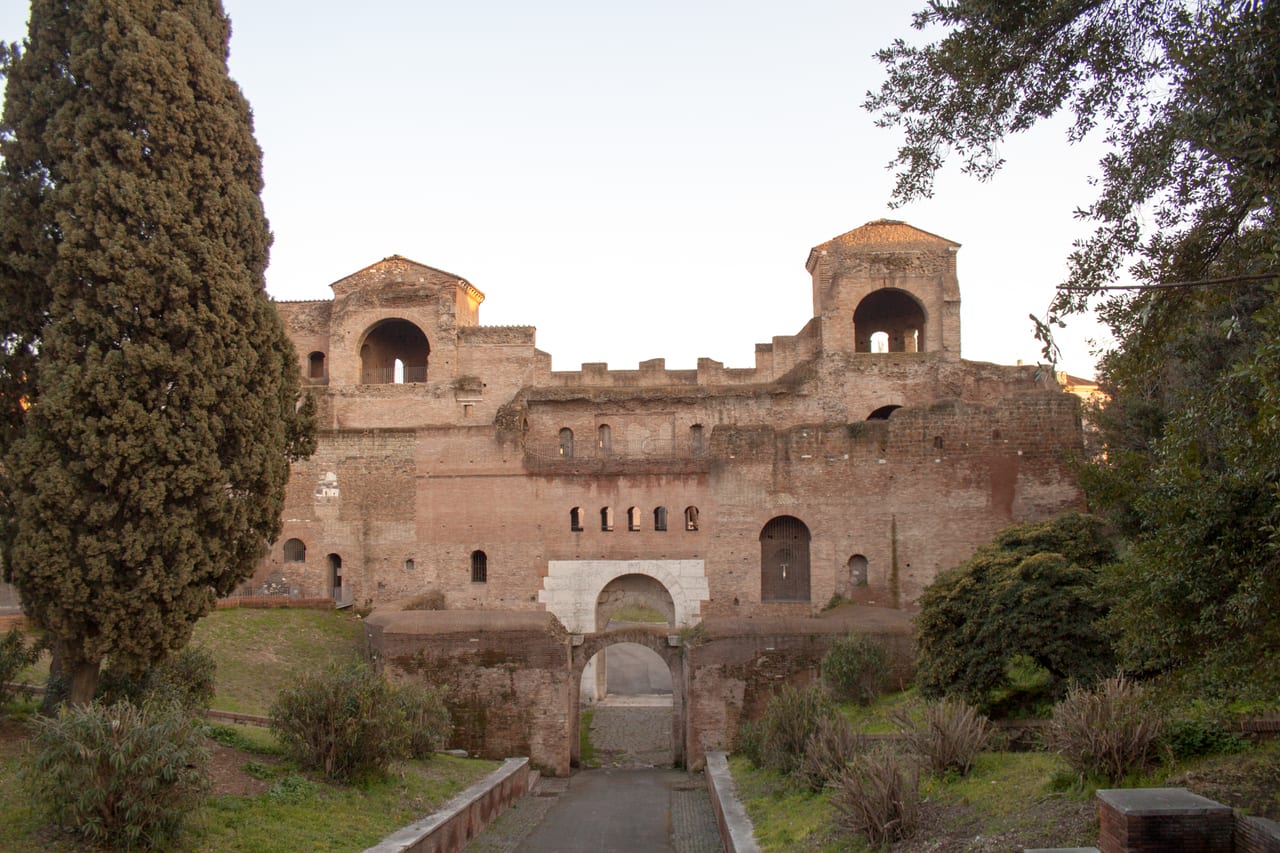
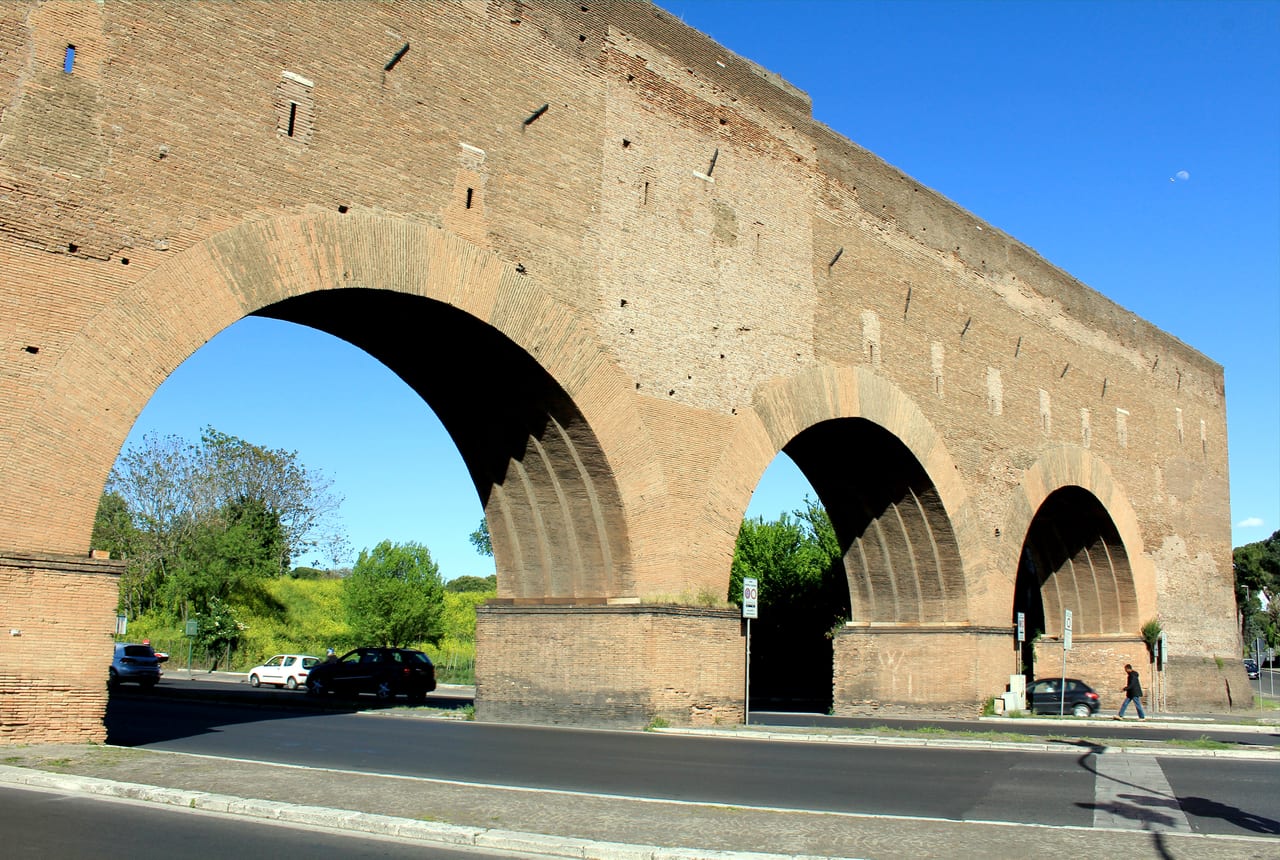
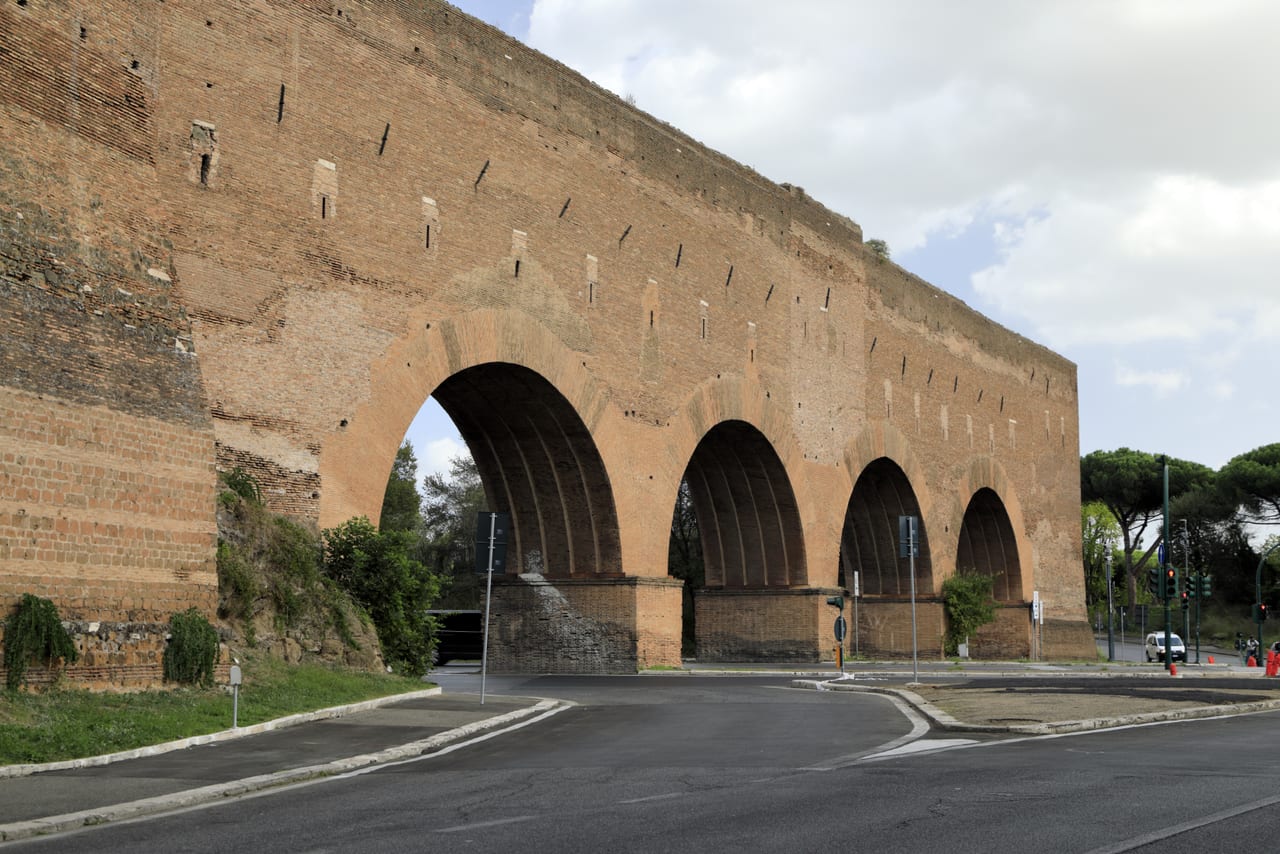
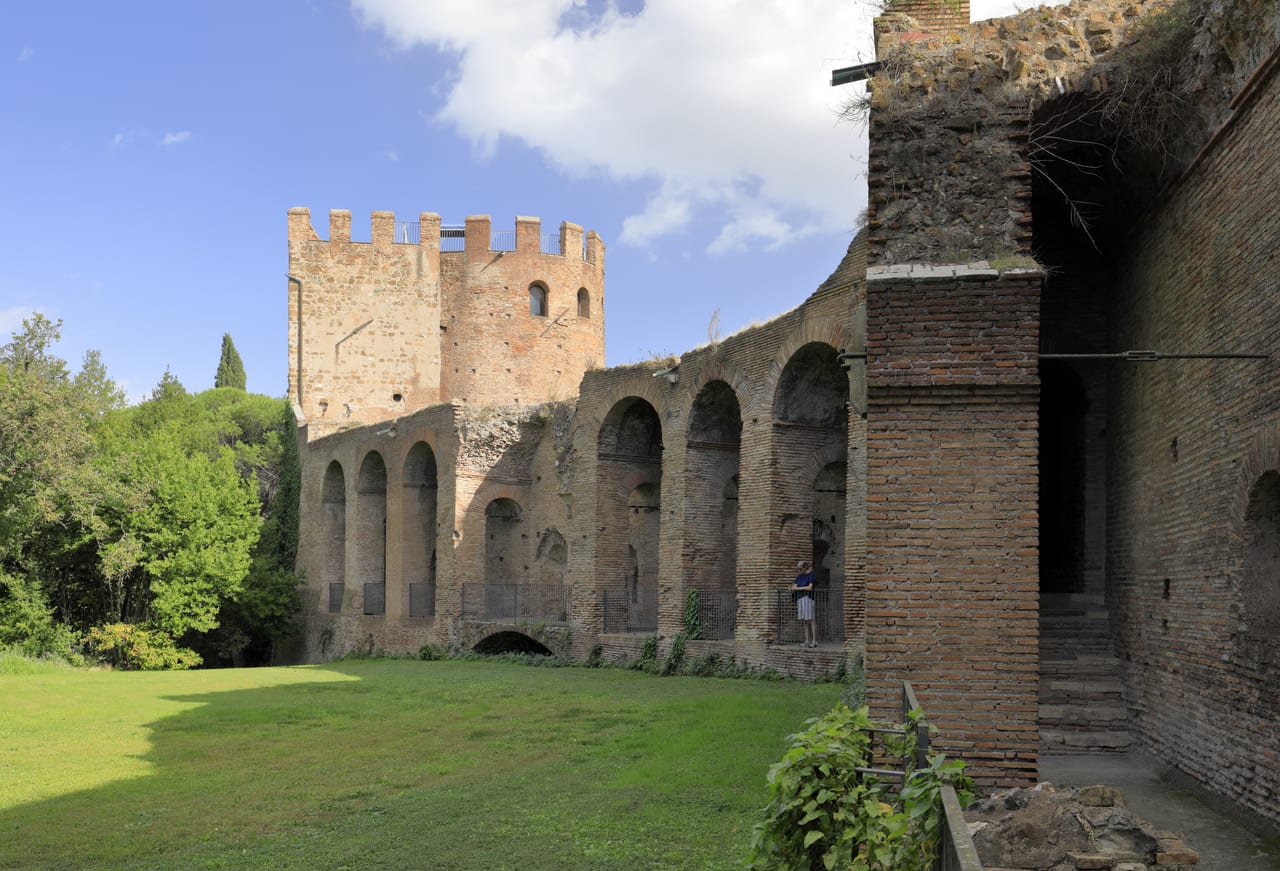
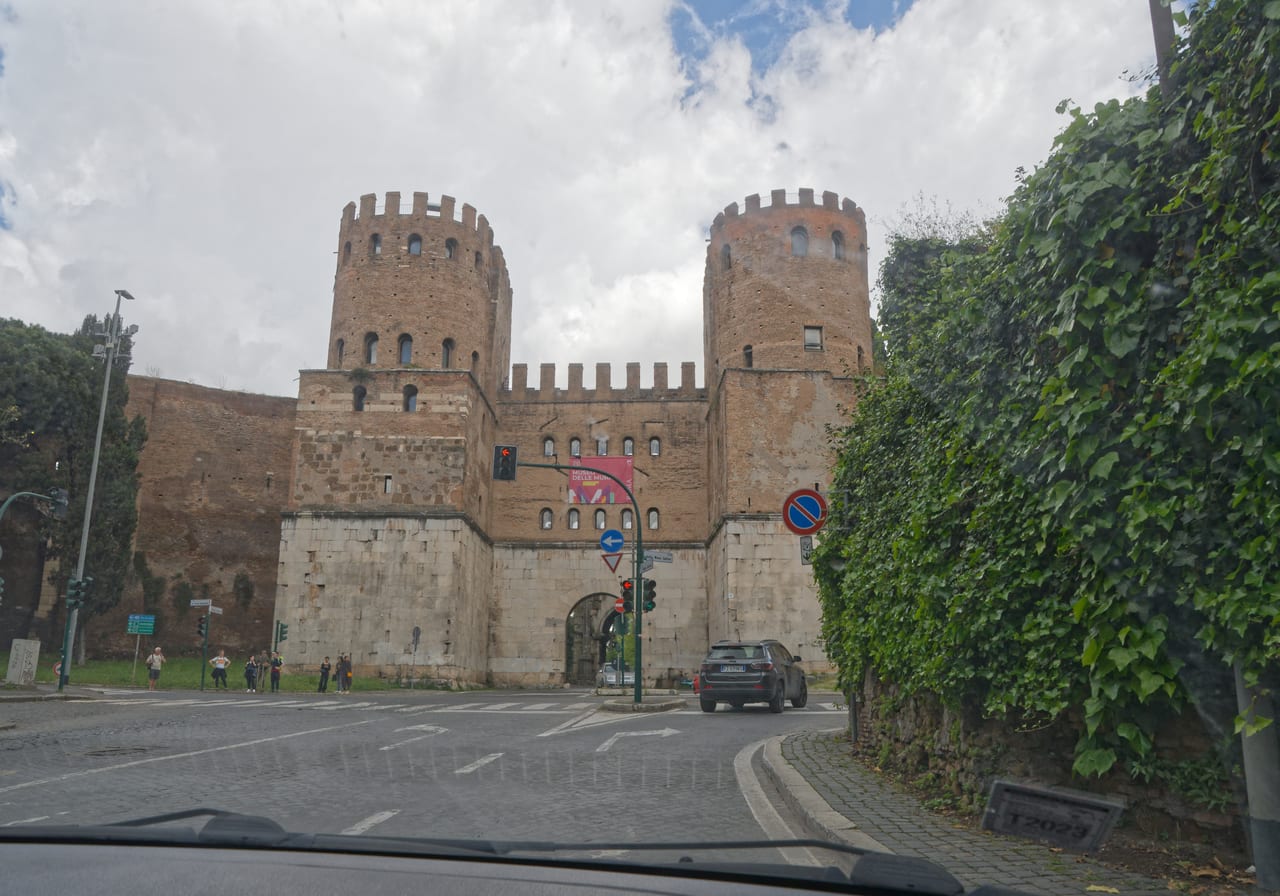
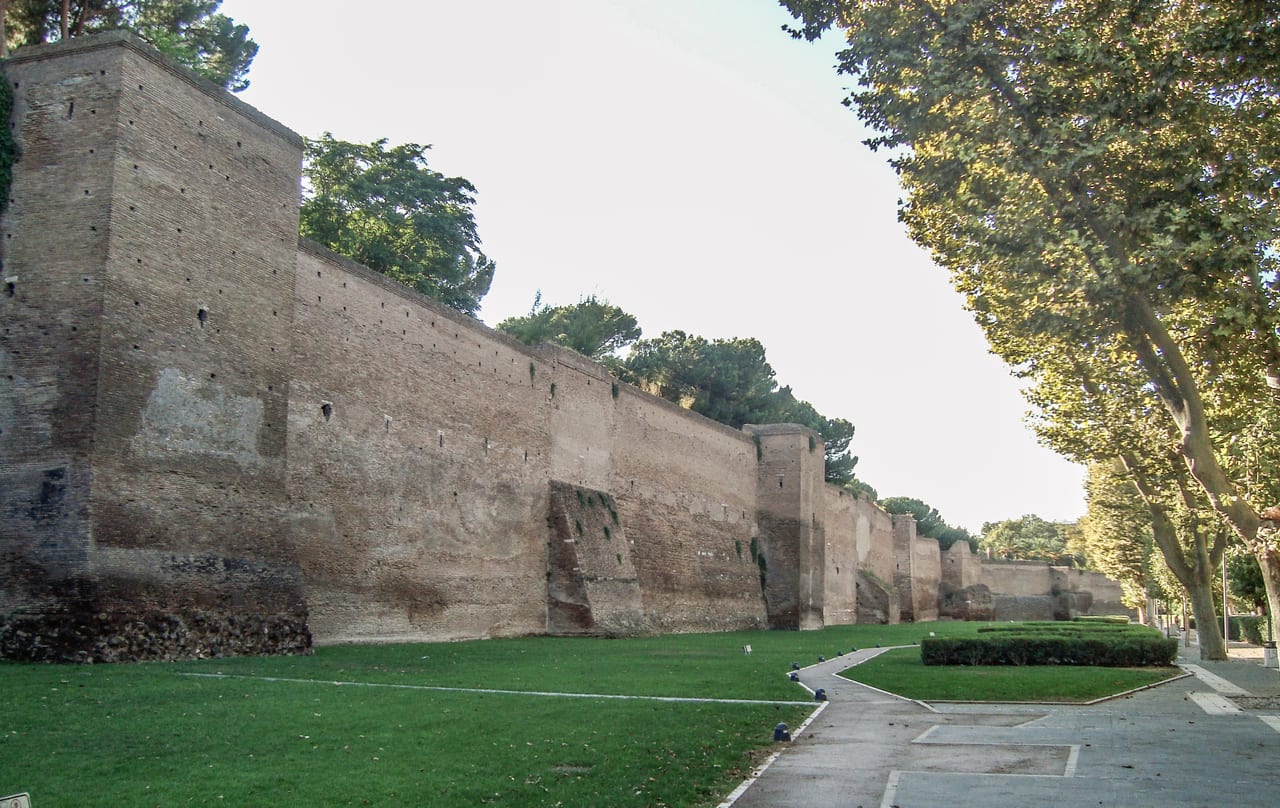
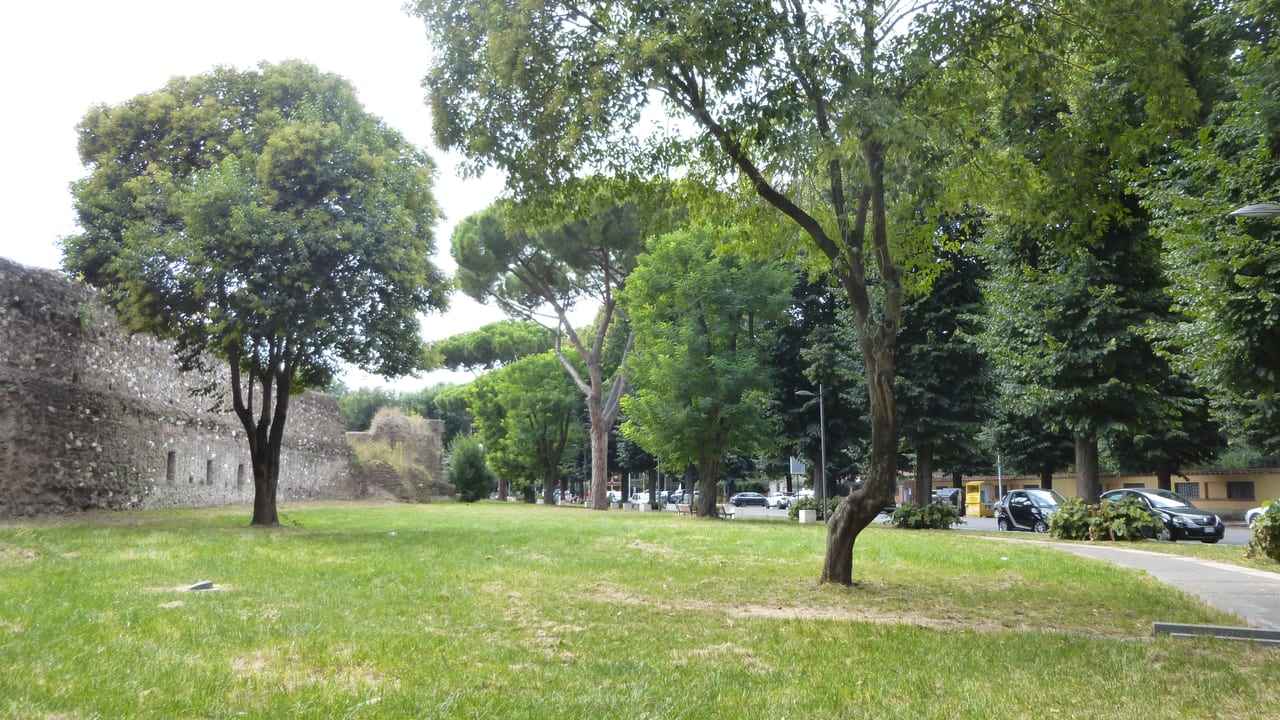
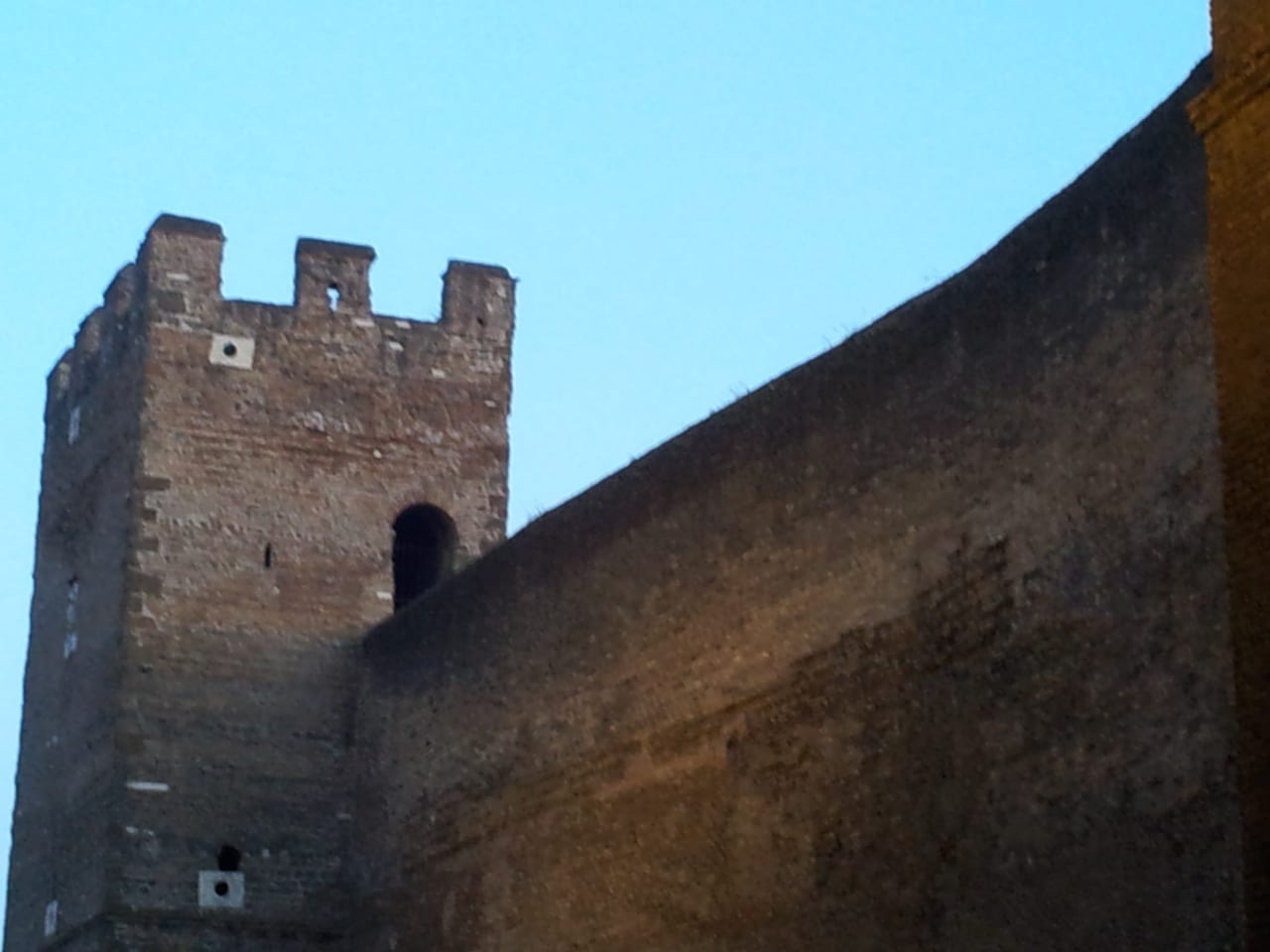
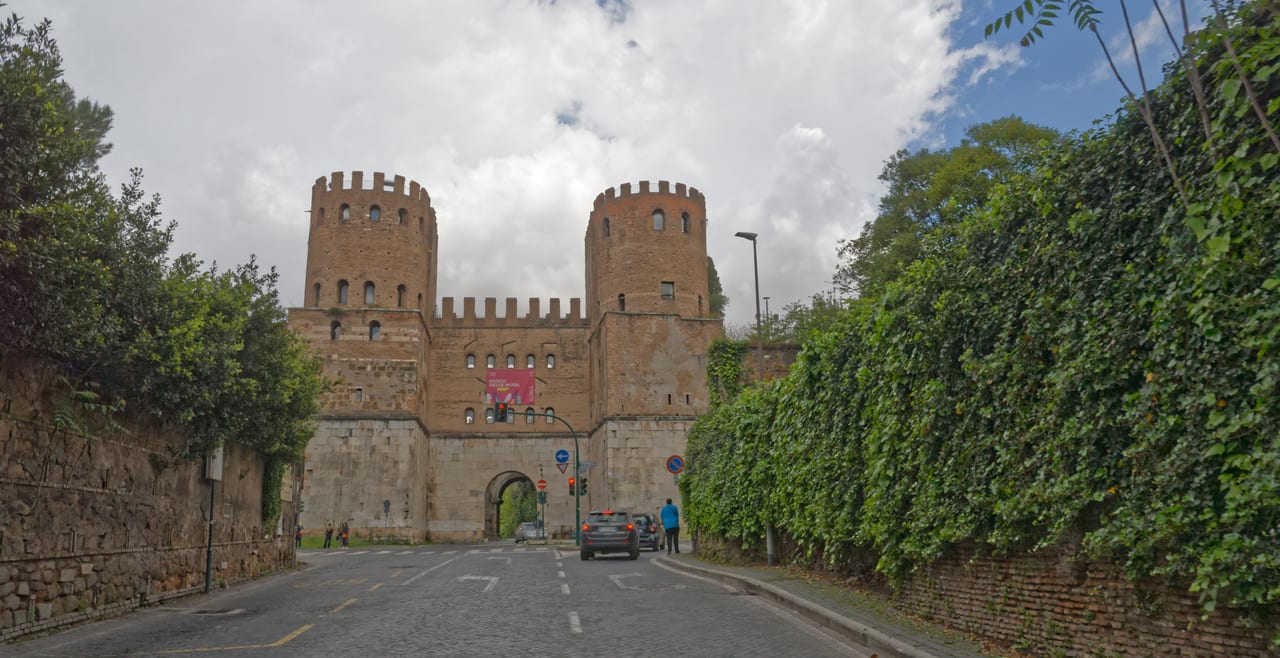
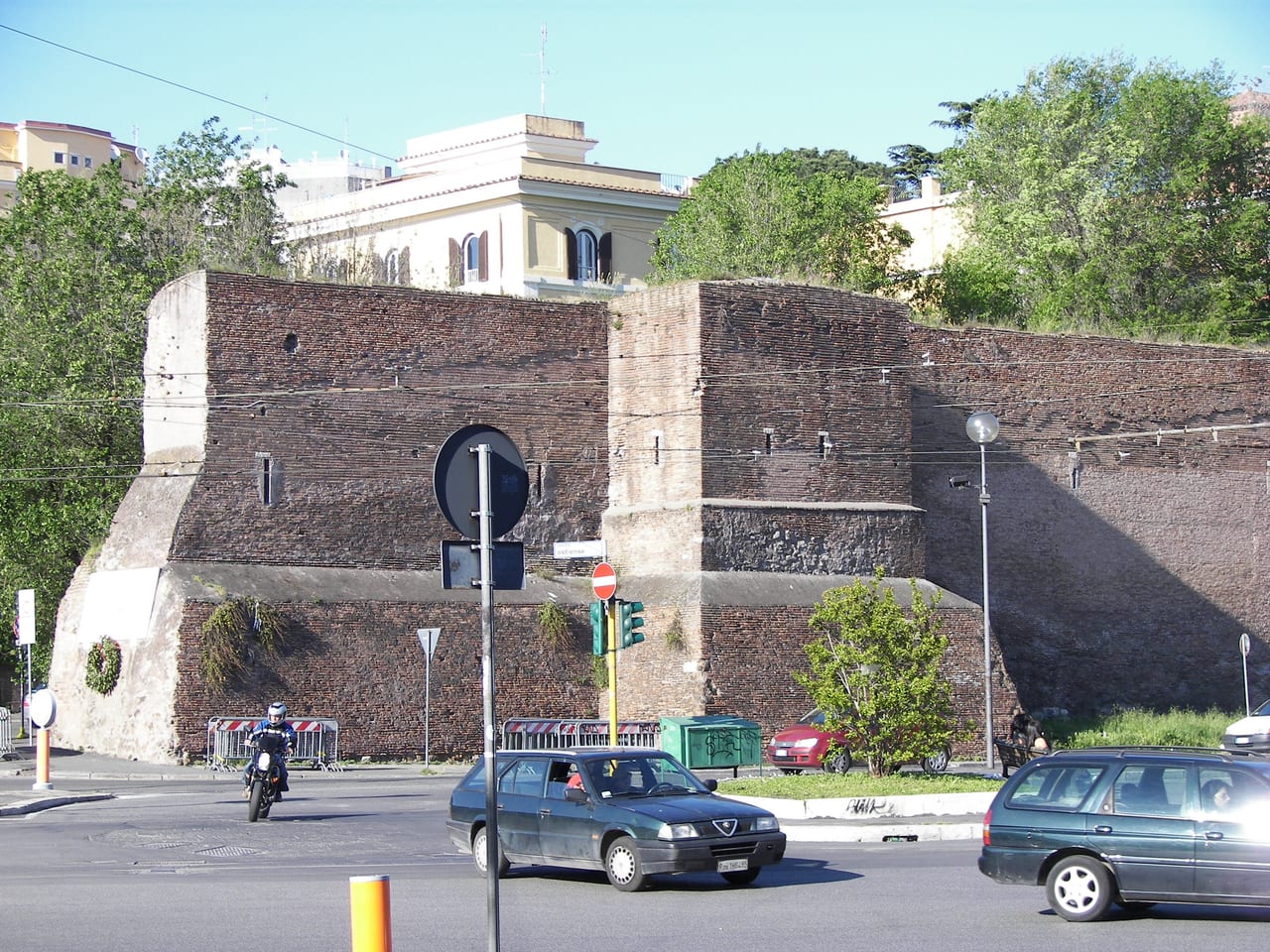
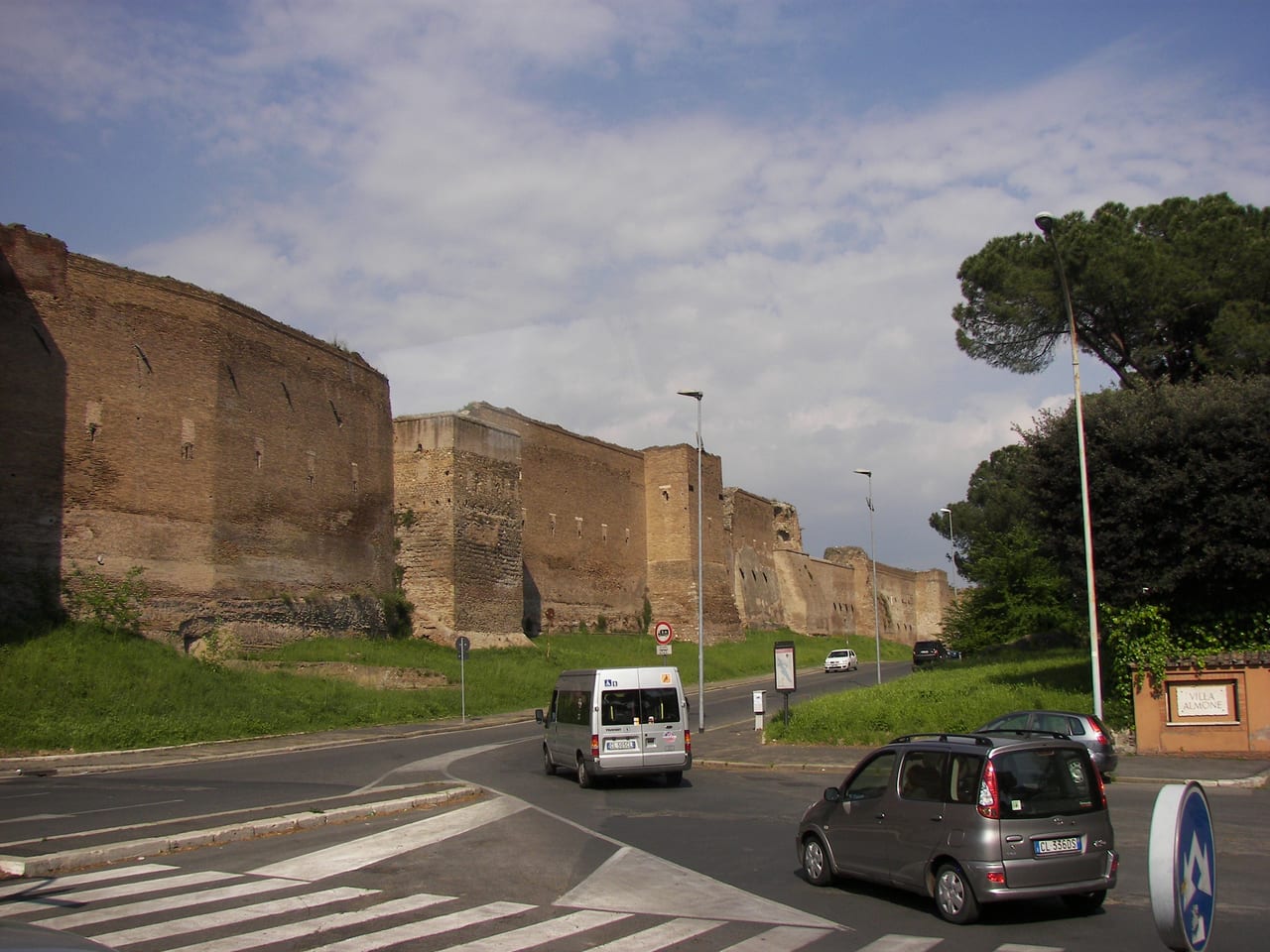
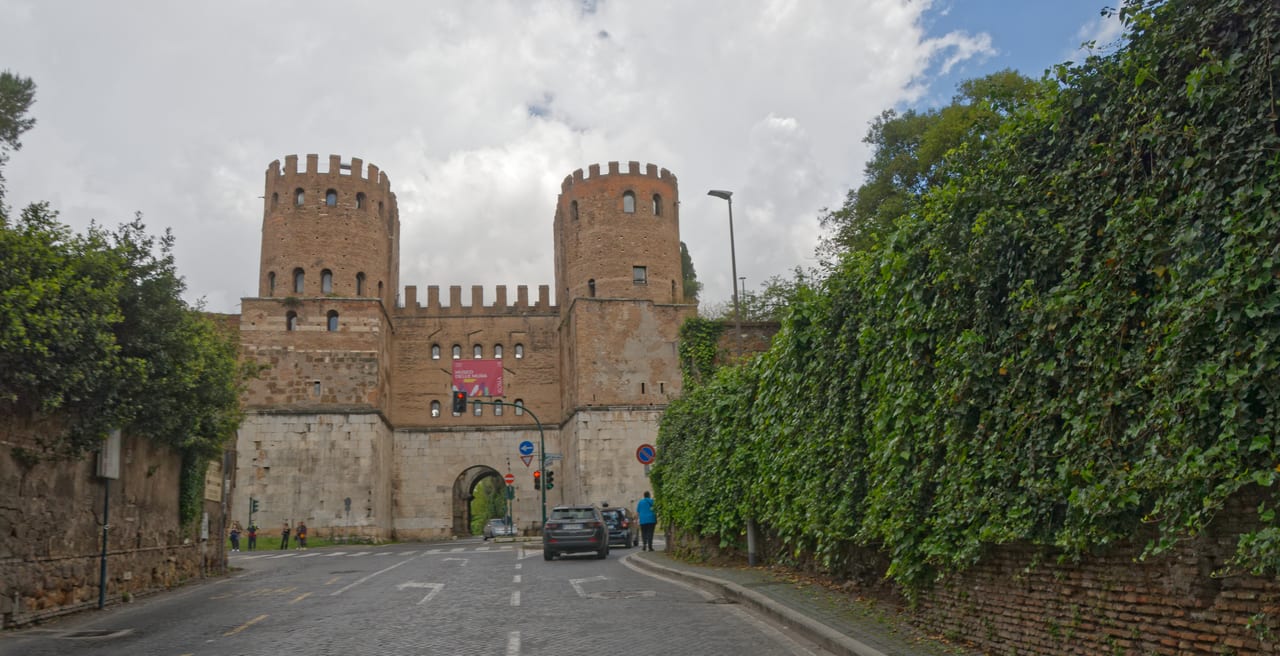
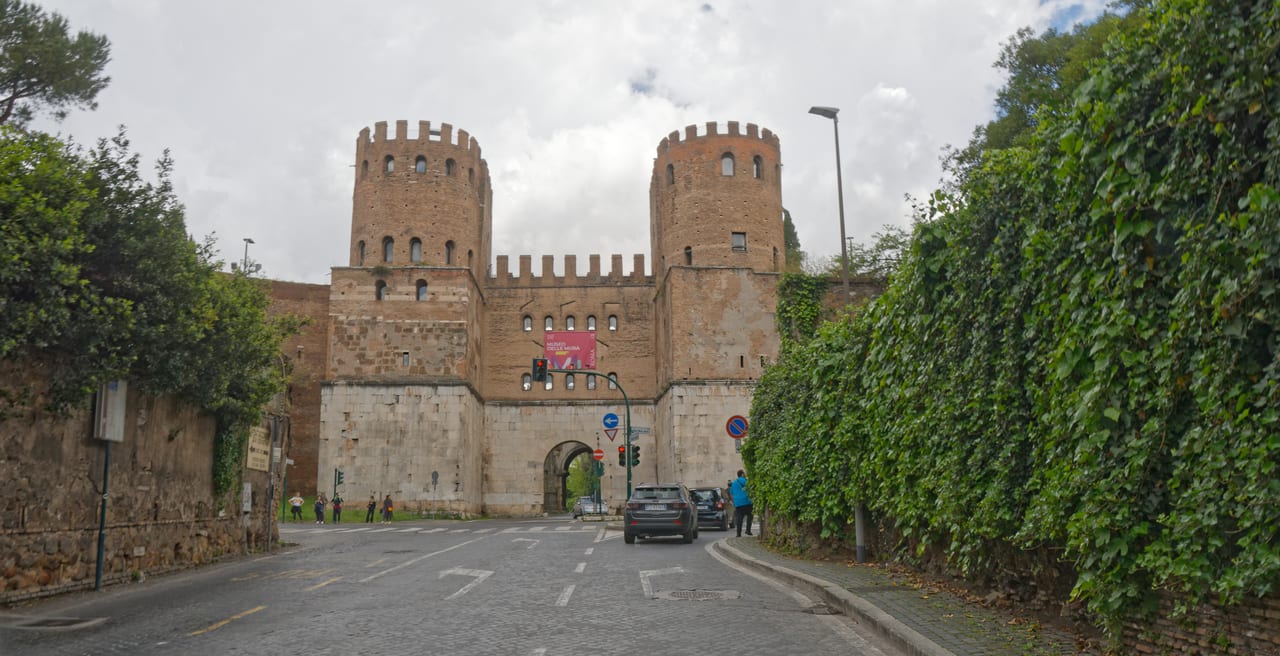
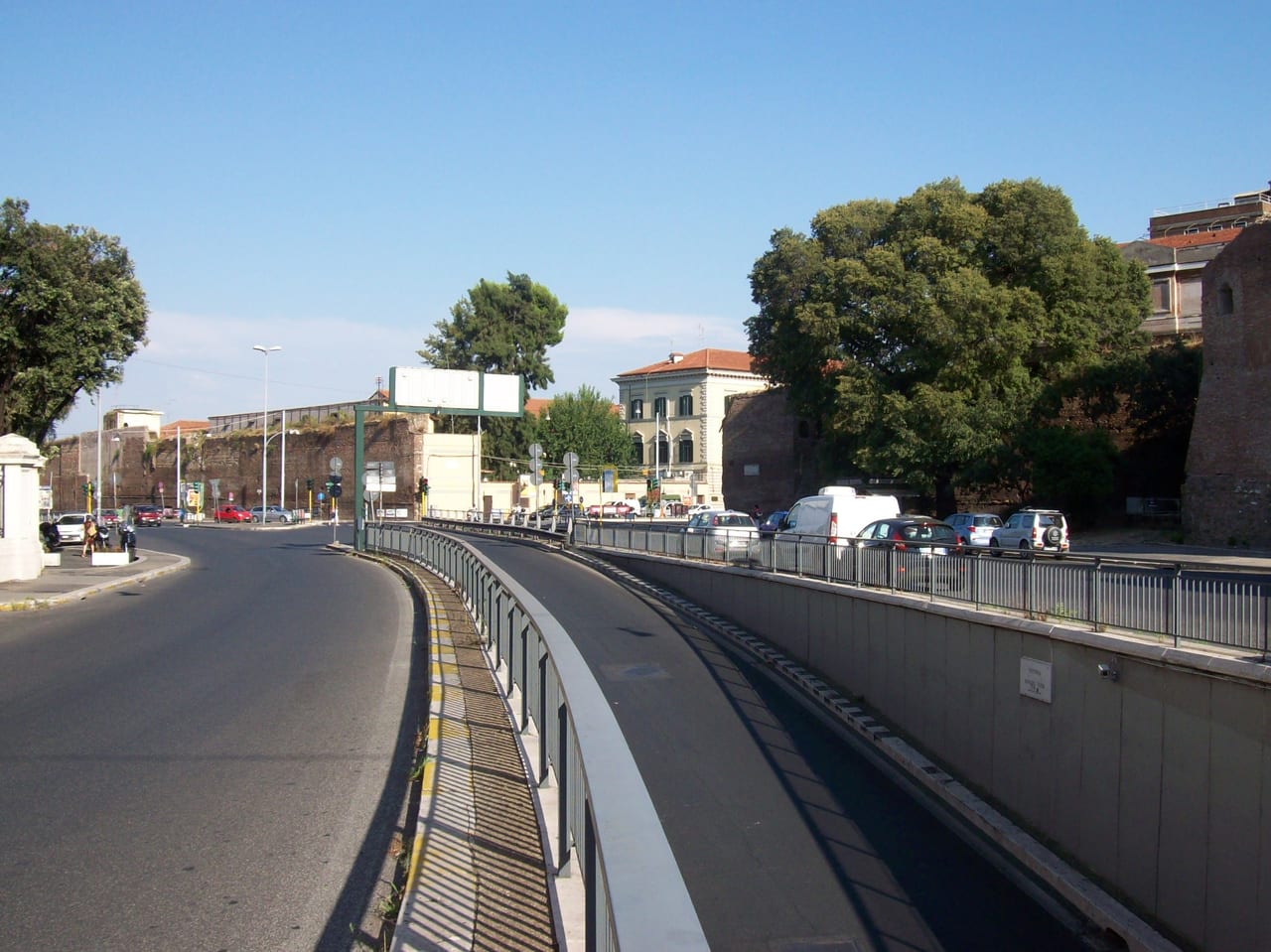
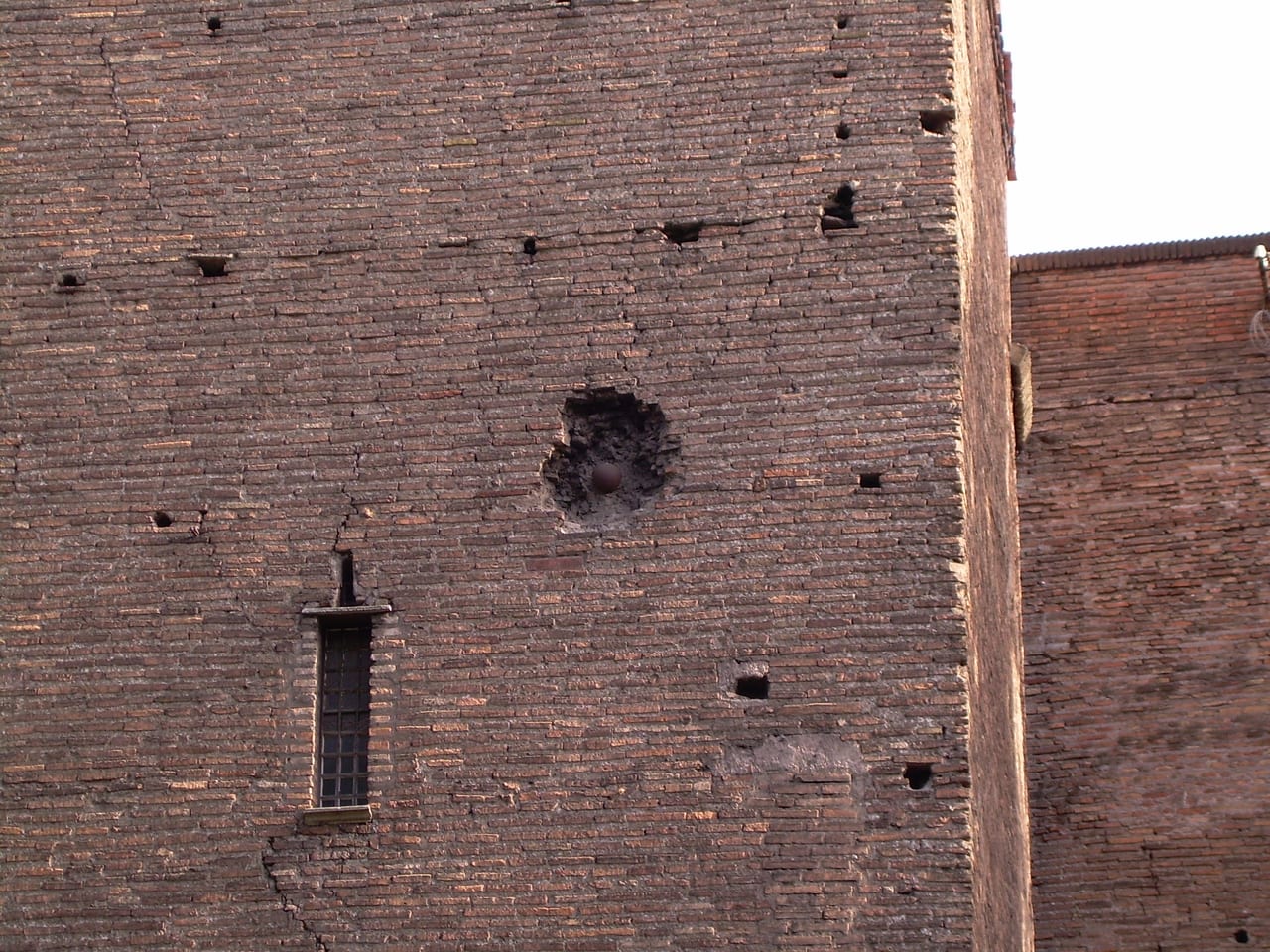
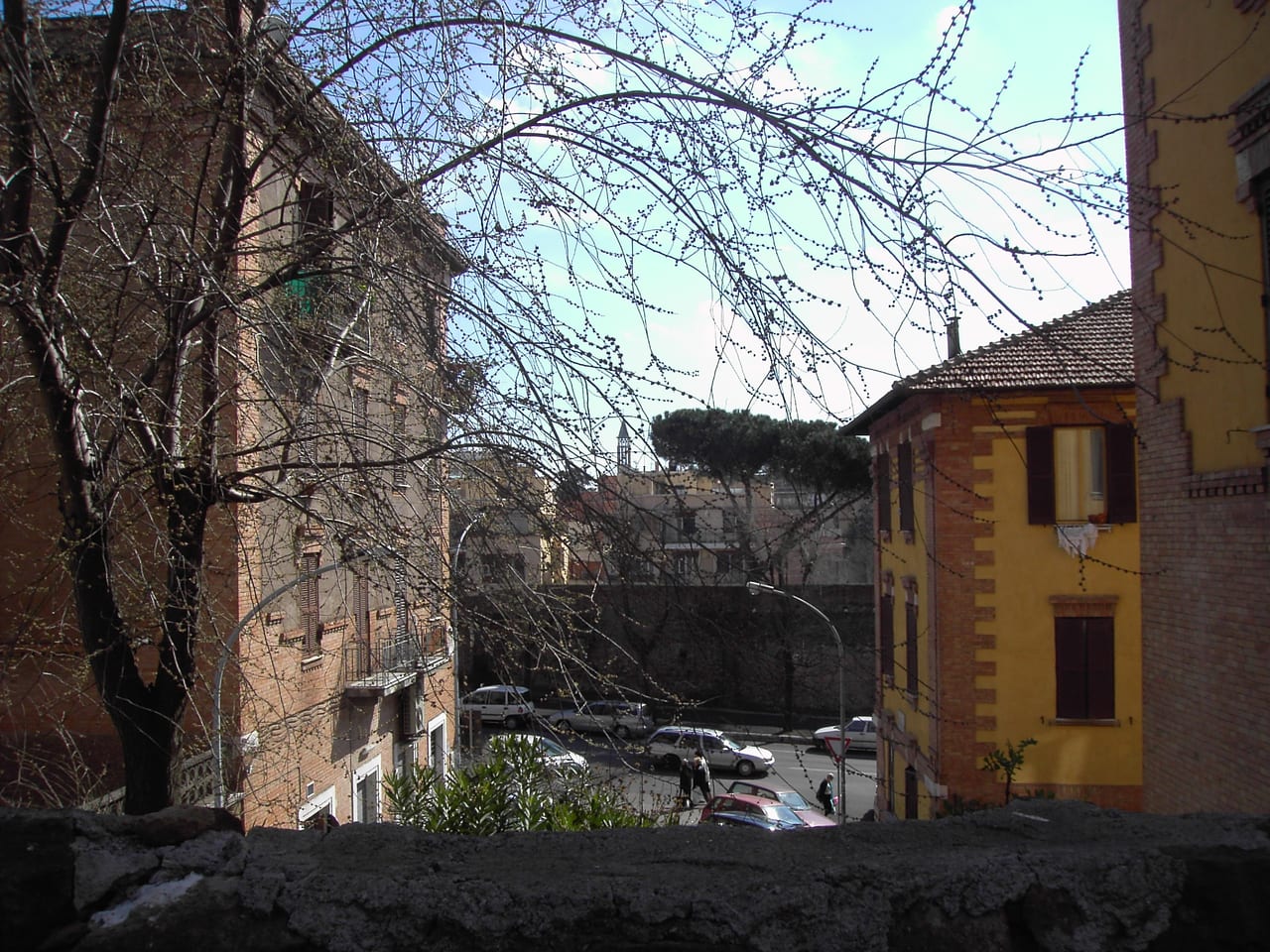
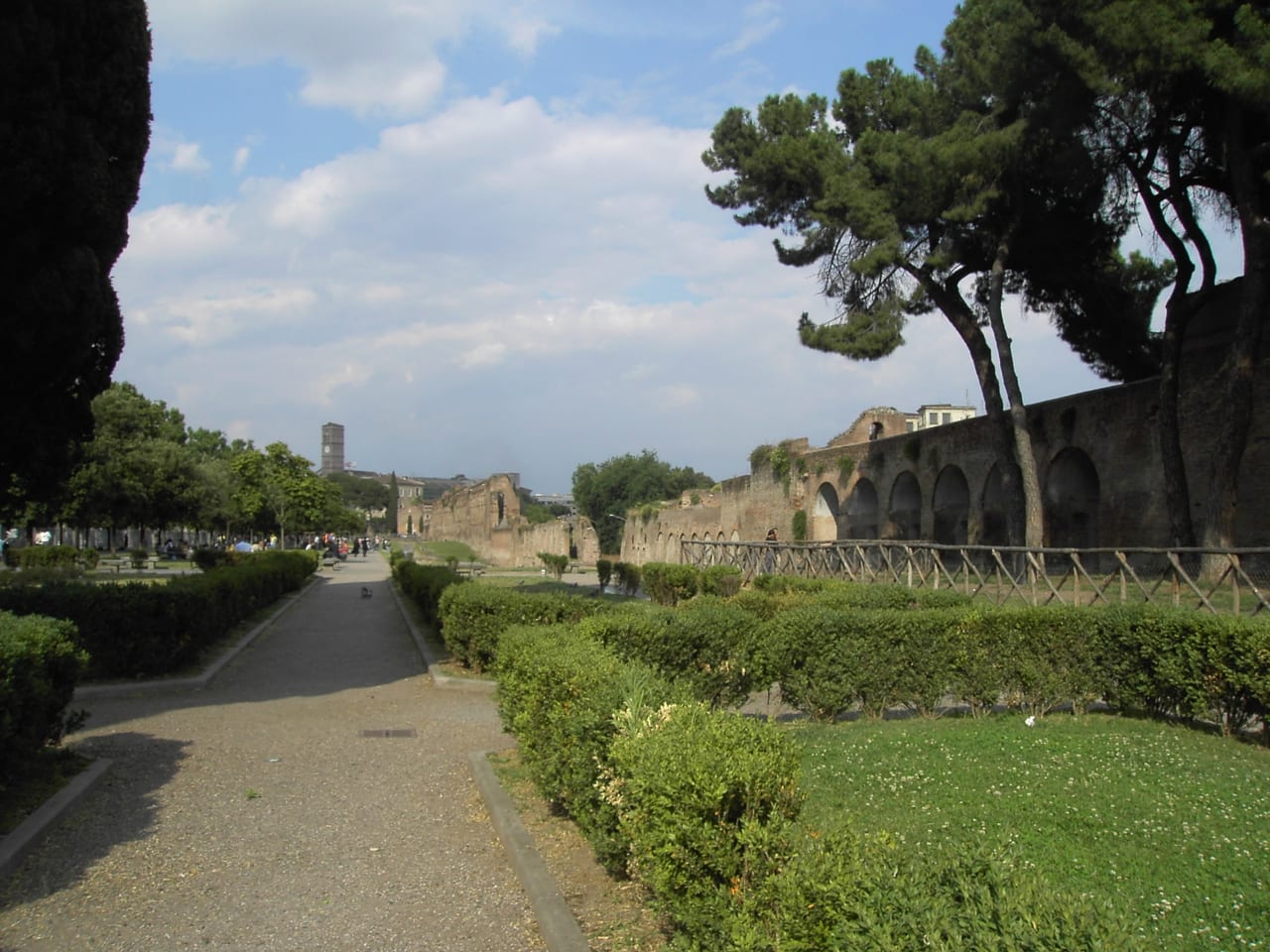
Photograph 1 of 25 of Aurelian Walls
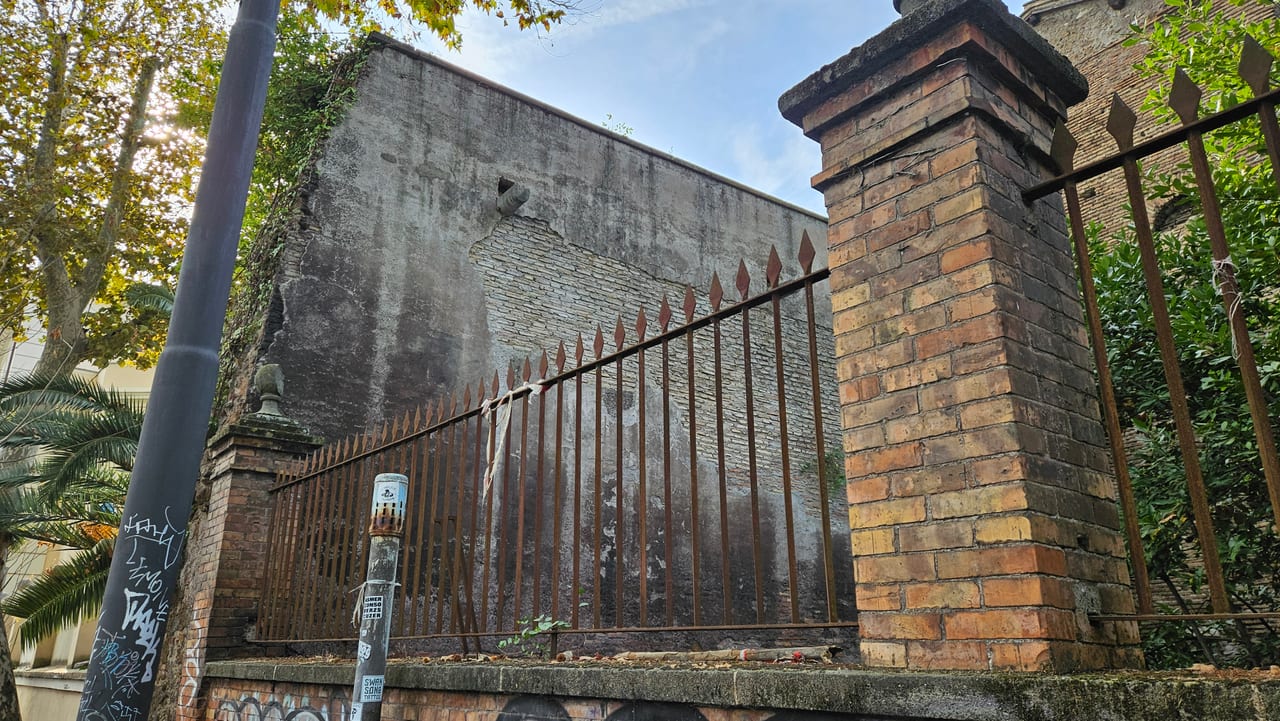
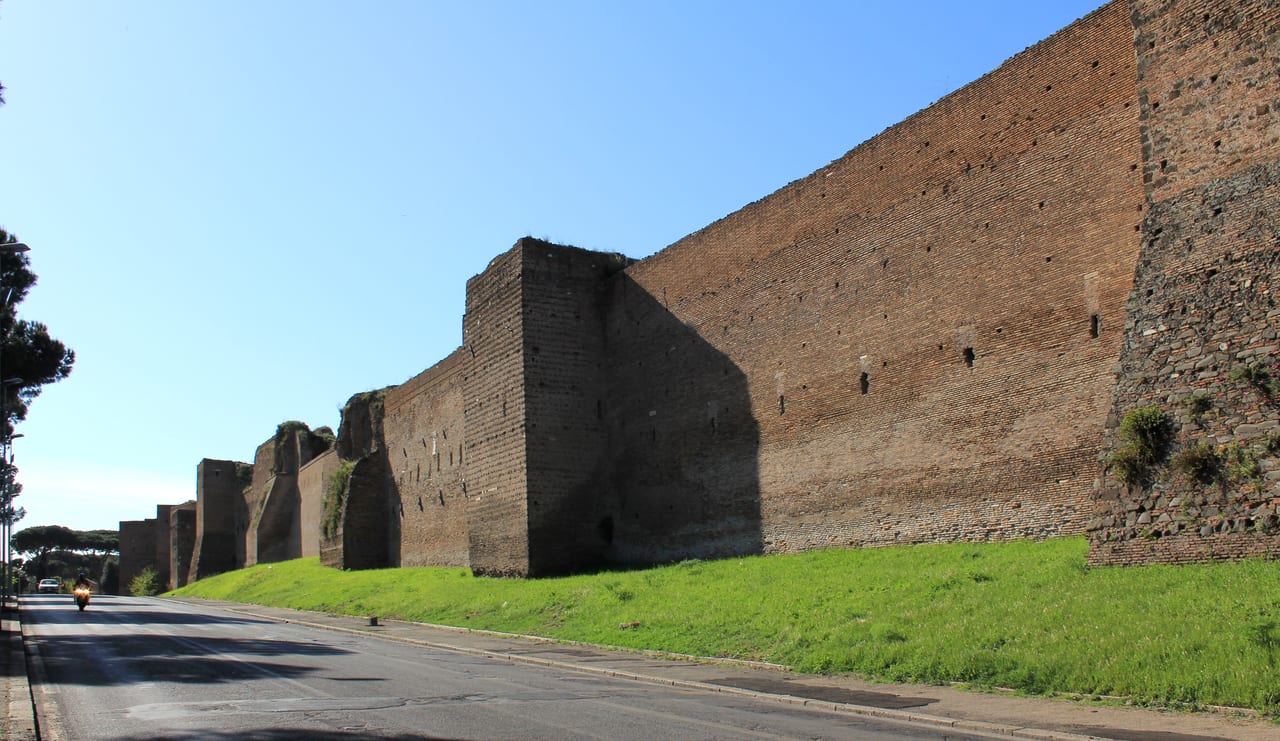
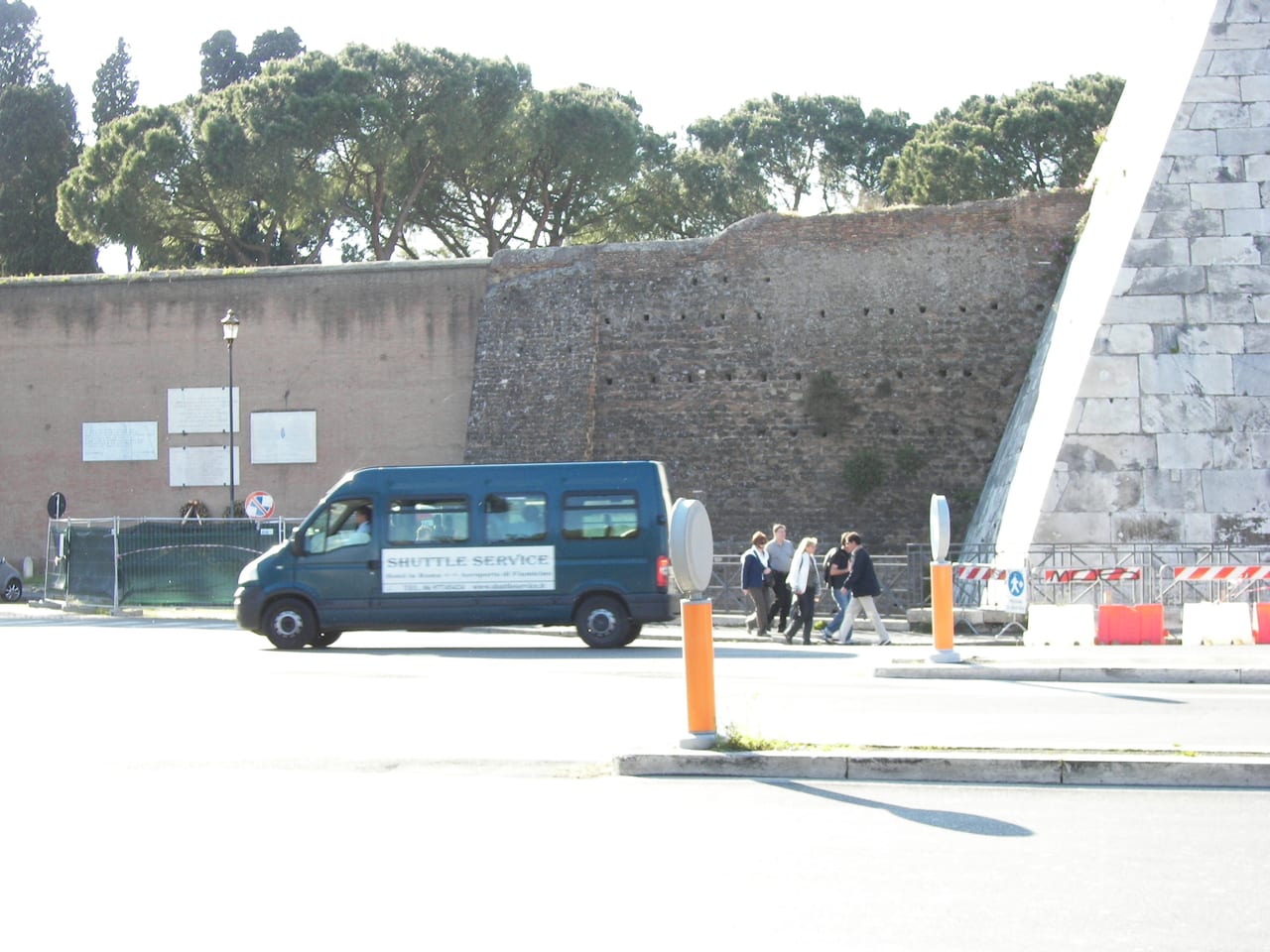
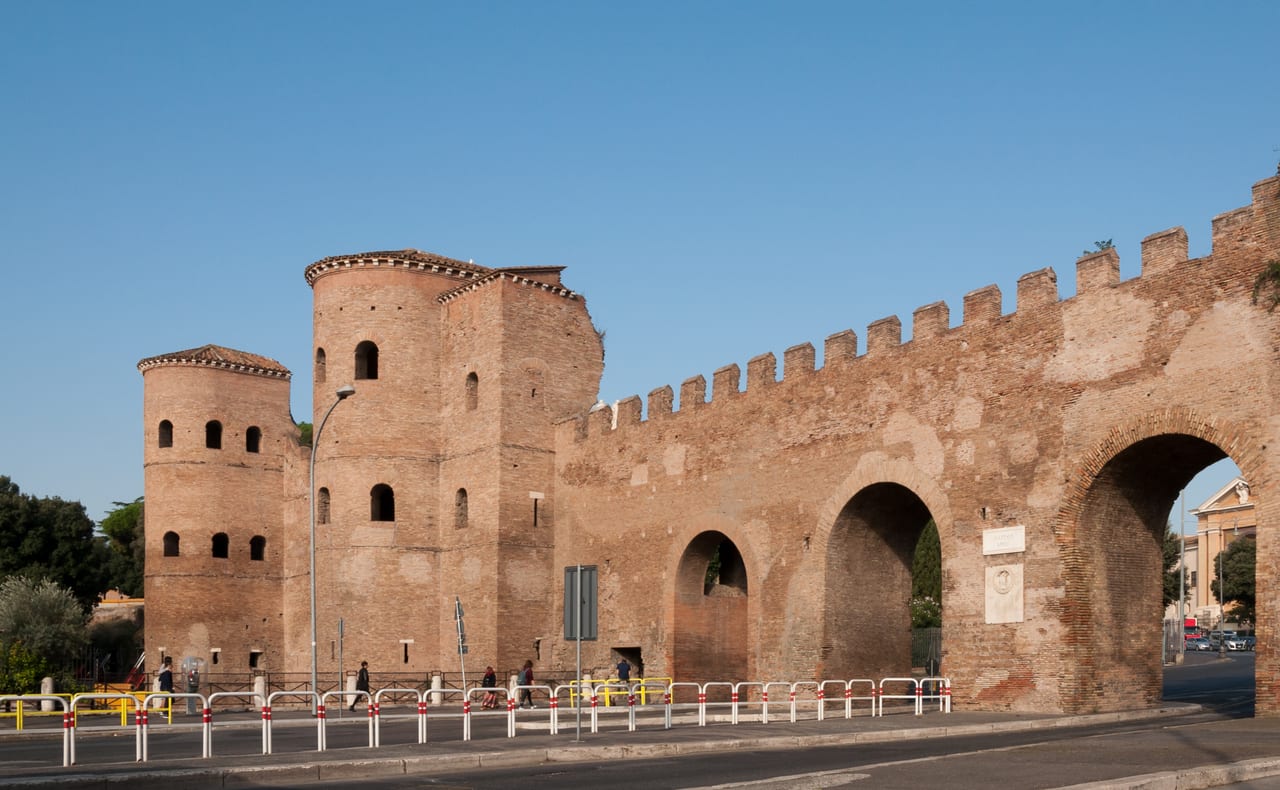
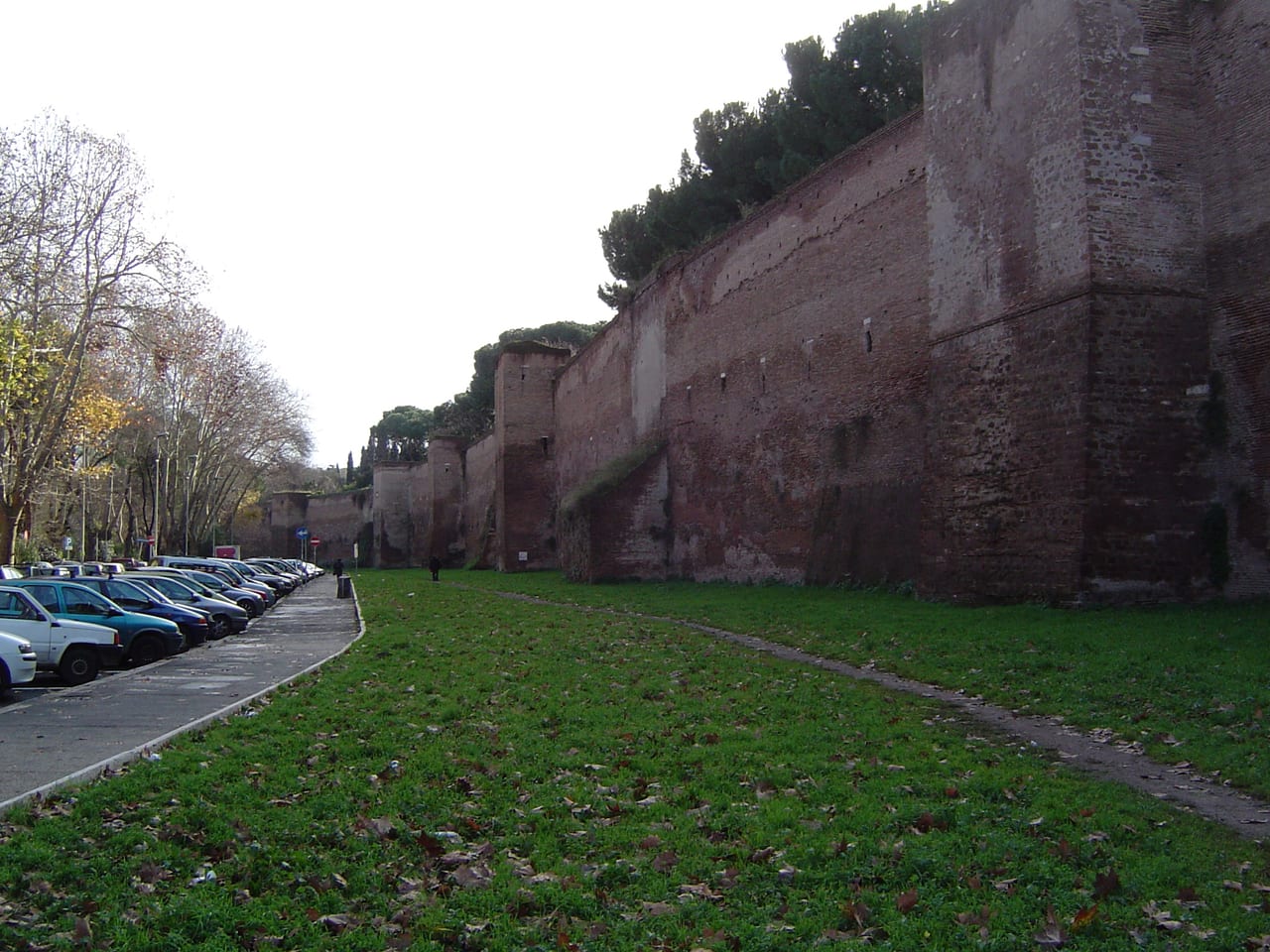
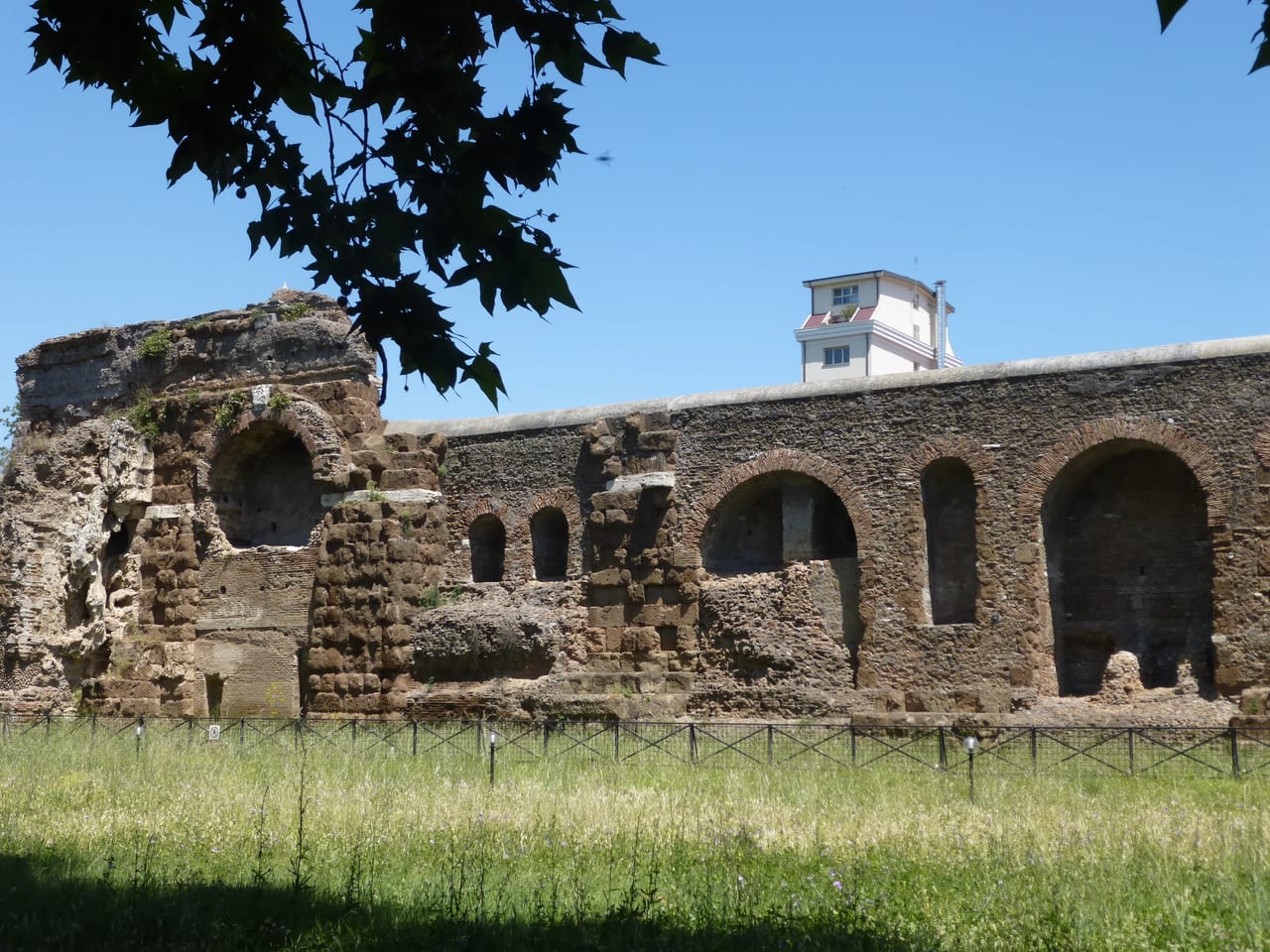
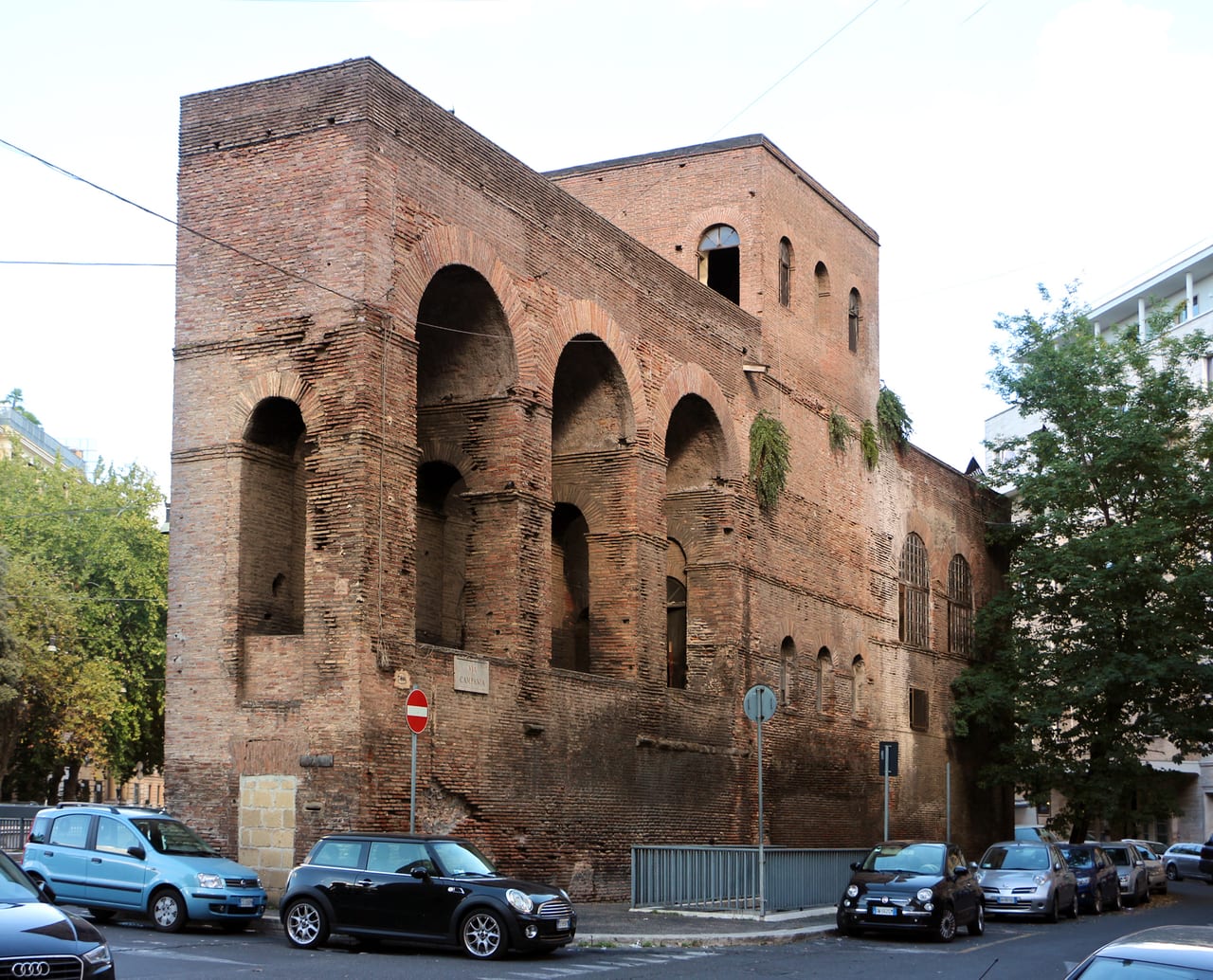
Commissioned by Emperor Aurelian between AD 271 and 275, the walls replaced the Republican-era Servian Wall as Rome expanded far beyond its earlier limits. The crisis of the third century made new defences urgent: Juthungi and Vandals invaded northern Italy in 270, while a violent revolt by Rome’s mint workers followed in 271. The project also asserted imperial authority and public resolve. The 19-kilometre circuit enclosed the seven hills, Campus Martius and Trastevere, covering 13.7 square kilometres. Brick-faced concrete walls stood 3.5 metres thick and 8 metres high, with square towers spaced every 29.6 metres. Existing structures—including the Amphitheatrum Castrense, Castra Praetoria, Pyramid of Cestius and part of the Aqua Claudia—were absorbed into the defences. Maxentius doubled sections in height between 306 and 312; Honorius improved the gates and walls in 401. The fortifications checked the Arab raid of 846 and remained Rome’s military boundary until the Bersaglieri breached them at Porta Pia on 20 September 1870. Their surviving fabric is protected as Italian national heritage.
At a glance
- Built
- 271
- Style
- ancient Roman architecture
- Heritage
- Italian national heritage
Ways to explore Aurelian Walls
Visit the Museo delle Mura near Porta San Sebastiano for an account of construction and defensive operation. For substantial surviving stretches, walk between Muro Torto, Corso d’Italia and Castro Pretorio, or explore the sections near Porta San Giovanni, Porta Ardeatina, Porta Ostiense and Porta San Pancrazio. At Porta Maggiore, look for the meeting of three aqueducts; at Porta San Paolo, see the wall beside the Pyramid of Cestius.
Places to stay near Aurelian Walls

Live availability and prices from Stay22's partners, refreshed periodically and subject to change. Booking through these links may earn us a commission at no extra cost to you. See our privacy policy.
Cafés near Aurelian Walls
Cafés near Aurelian Walls loads as you scroll.
Attractions nearby
Attractions near Aurelian Walls loads as you scroll.
Cities nearby
Cities nearby loads as you scroll.
More in Rome
See more of Rome.
Find great cafés, places to stay and other interesting places to visit in Rome.