Ancient site · Rome
Athenaeum
DirectionsFounded by Emperor Hadrian, Rome’s Athenaeum was an advanced centre of literary and scientific study whose name invoked Athens, the ancient world’s model of intellectual refinement.
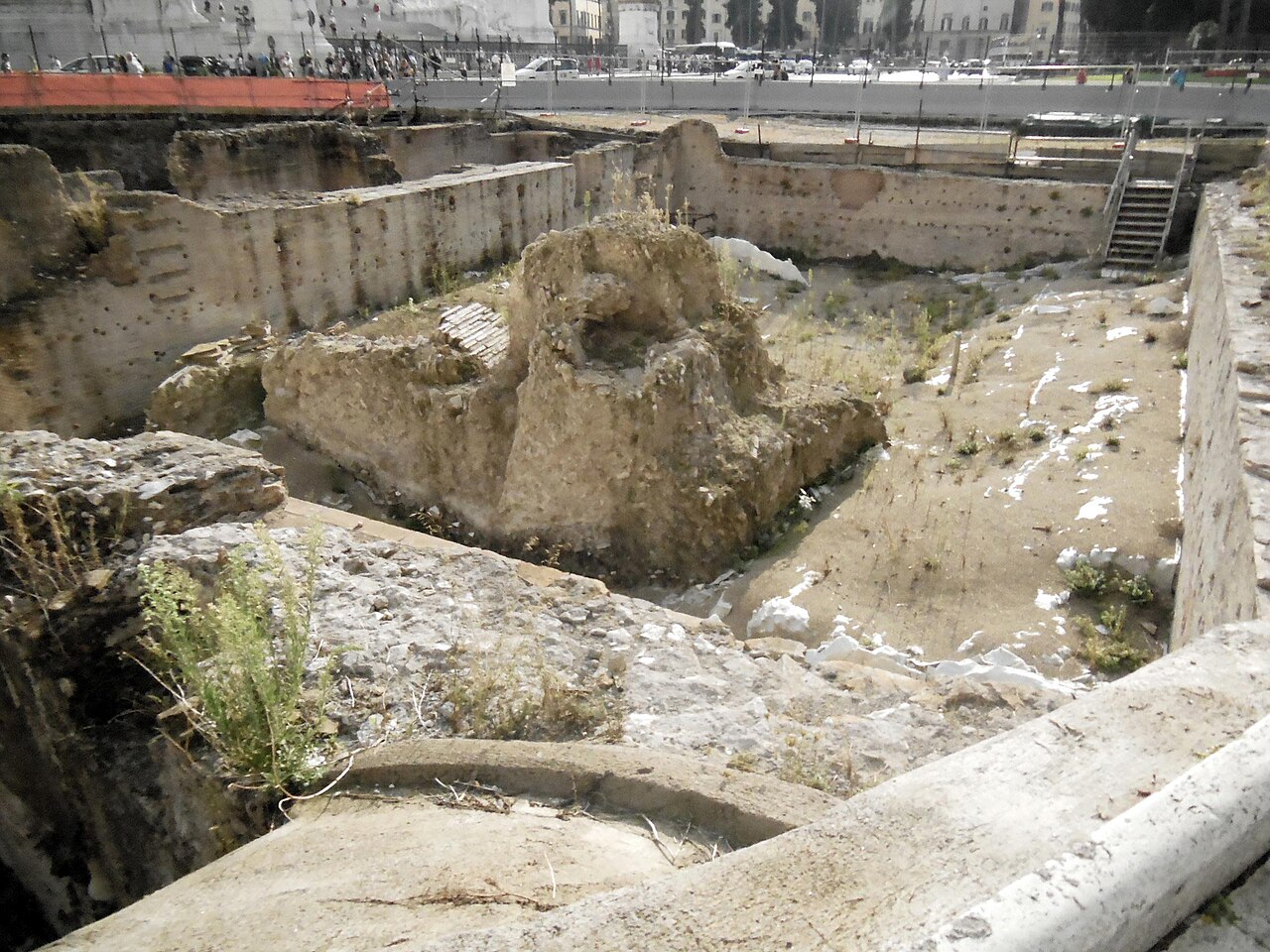
The Athenaeum, also called the Auditorium of Hadrian, was founded by Emperor Hadrian as a ludus for literary and scientific studies. It was situated near the Capitoline Hill, and its site was identified in 2009 during excavations for Rome Metro C Line’s Venezia station, beneath what is now Piazza Venezia. A regular faculty covered several disciplines. Under Theodosius II, it included three orators, ten grammarians, five sophists, one philosopher and two lawyers or jurisconsults. Poets, orators and critics also recited their work there, sometimes before the emperors; comparable readings took place at the Ulpian Library or in rented auditoriums. The institution remained highly regarded until the sixth century. Regulations from 370 concerning students in Rome suggest a large and significant establishment, drawing young men from across the Empire to complete their education in Rome as at a higher university. After the capital moved to Mediolanum and Constantinople, similar schools appeared in those cities and elsewhere, including Carthage. The name Athenaeum later spread to schools, libraries, museums, cultural centres, theatres, periodicals, clubs and societies.
At a glance
- Heritage
- Italian national heritage
Ways to explore Athenaeum
At the archaeological site, look for the excavated remains revealed during work on the Venezia station and consider their position within present-day Piazza Venezia, near the Capitoline Hill. The site is best understood through its educational role: imagine a setting where professional teachers covered rhetoric, grammar, sophistry, philosophy and law, while poets and orators presented compositions. The surrounding urban fabric helps connect the surviving archaeology with Rome’s later legacy as an educational centre.
Places to stay near Athenaeum

Live availability and prices from Stay22's partners, refreshed periodically and subject to change. Booking through these links may earn us a commission at no extra cost to you. See our privacy policy.
Cafés near Athenaeum
Cafés near Athenaeum loads as you scroll.
Attractions nearby
Attractions near Athenaeum loads as you scroll.
Cities nearby
Cities nearby loads as you scroll.
More in Rome
See more of Rome.
Find great cafés, places to stay and other interesting places to visit in Rome.