Church · Rome
Archbasilica of St. John Lateran
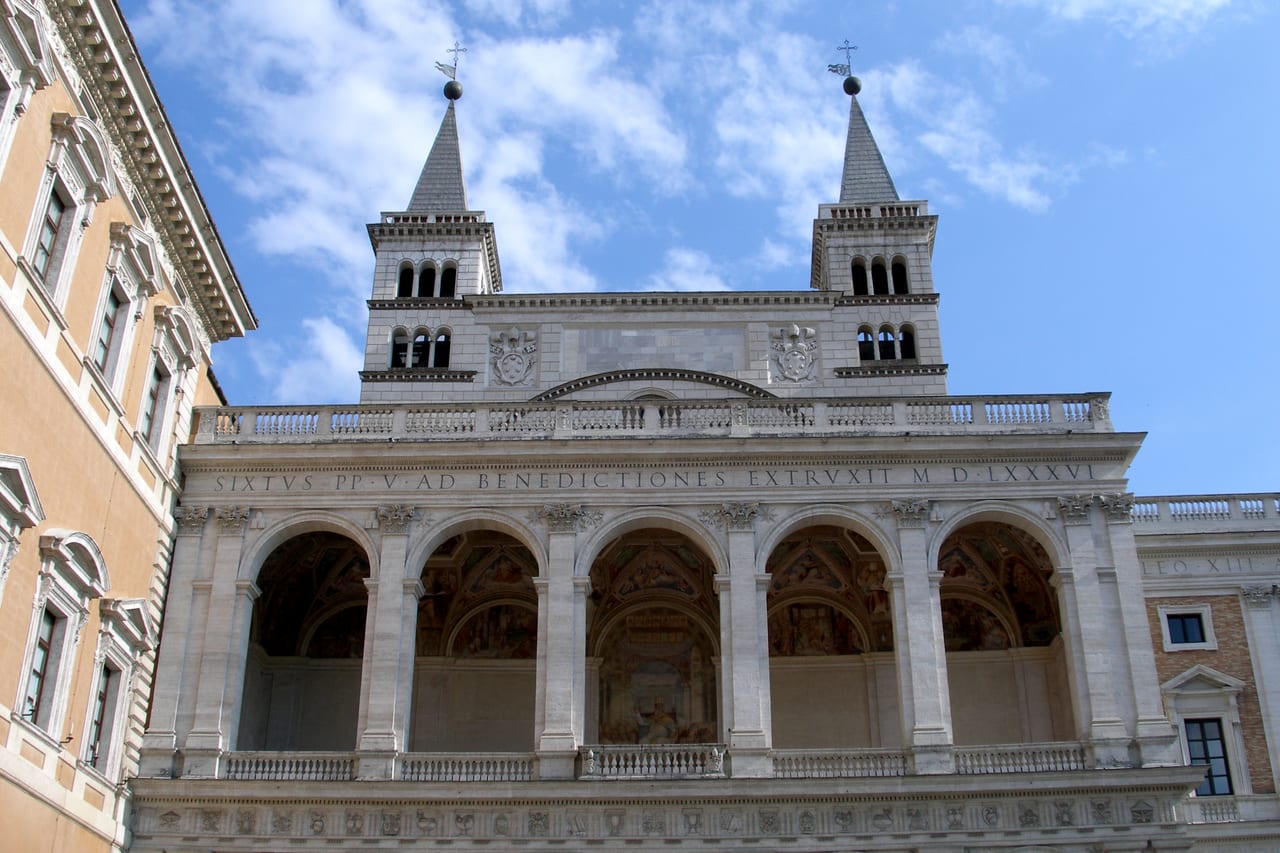
DirectionsIn 1660, its new entrance received the bronze doors of the ancient Curia Iulia, joining imperial Roman fabric to the church’s later Baroque identity.
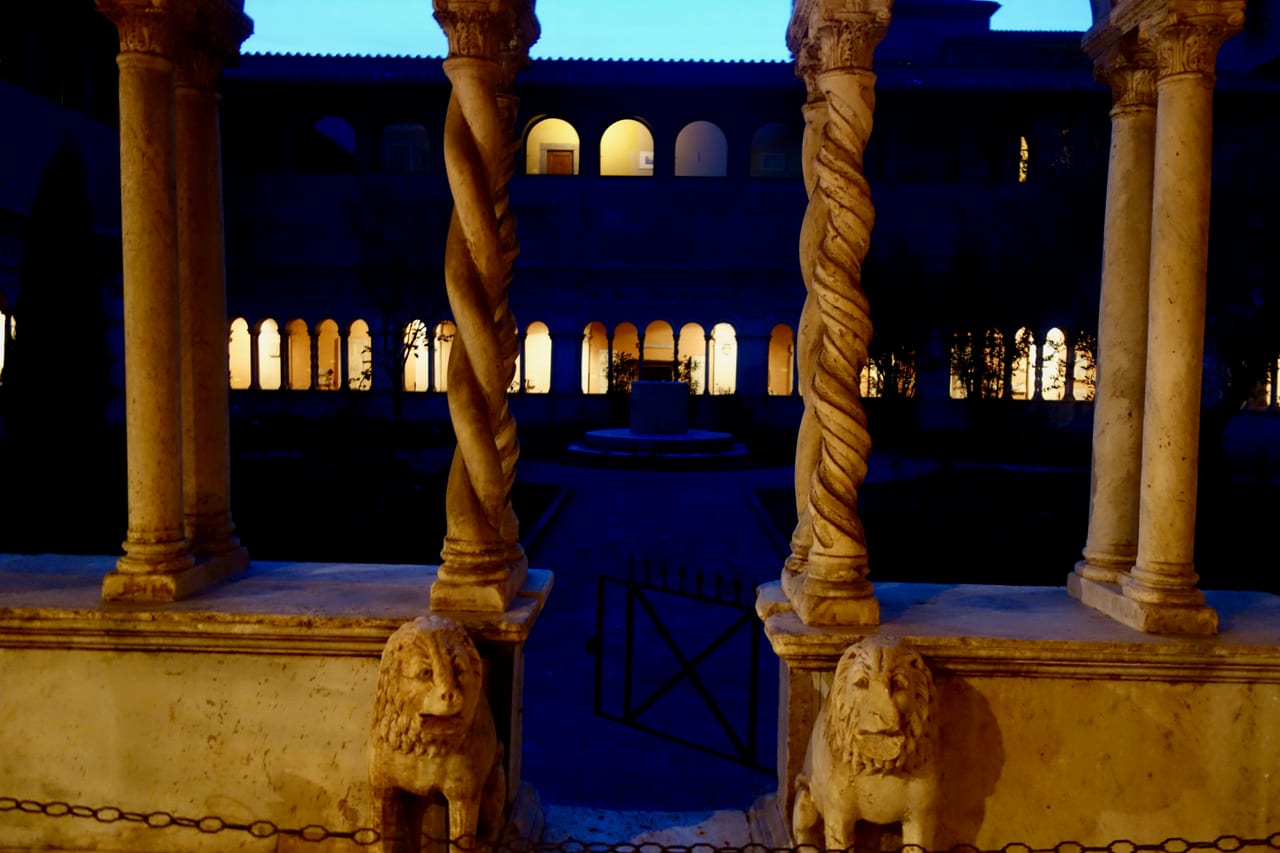
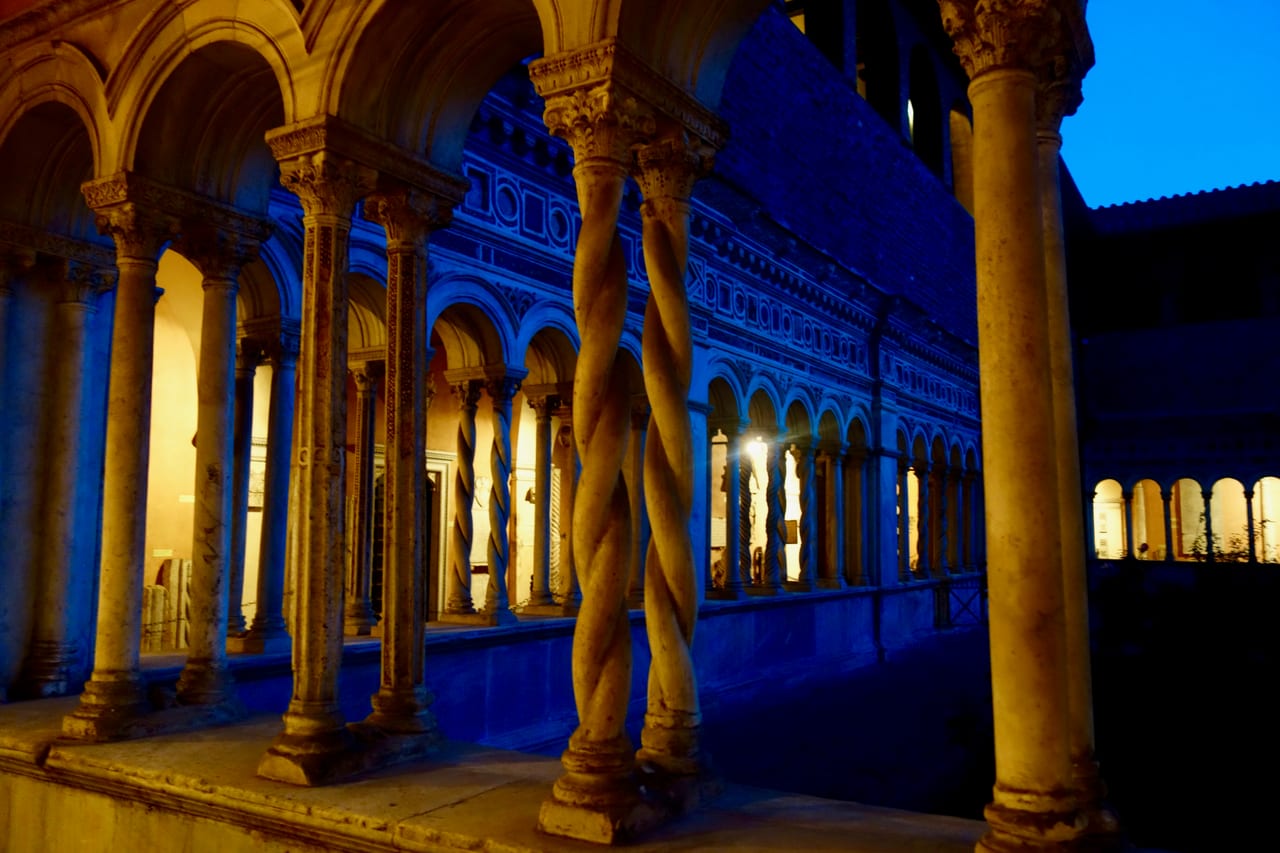
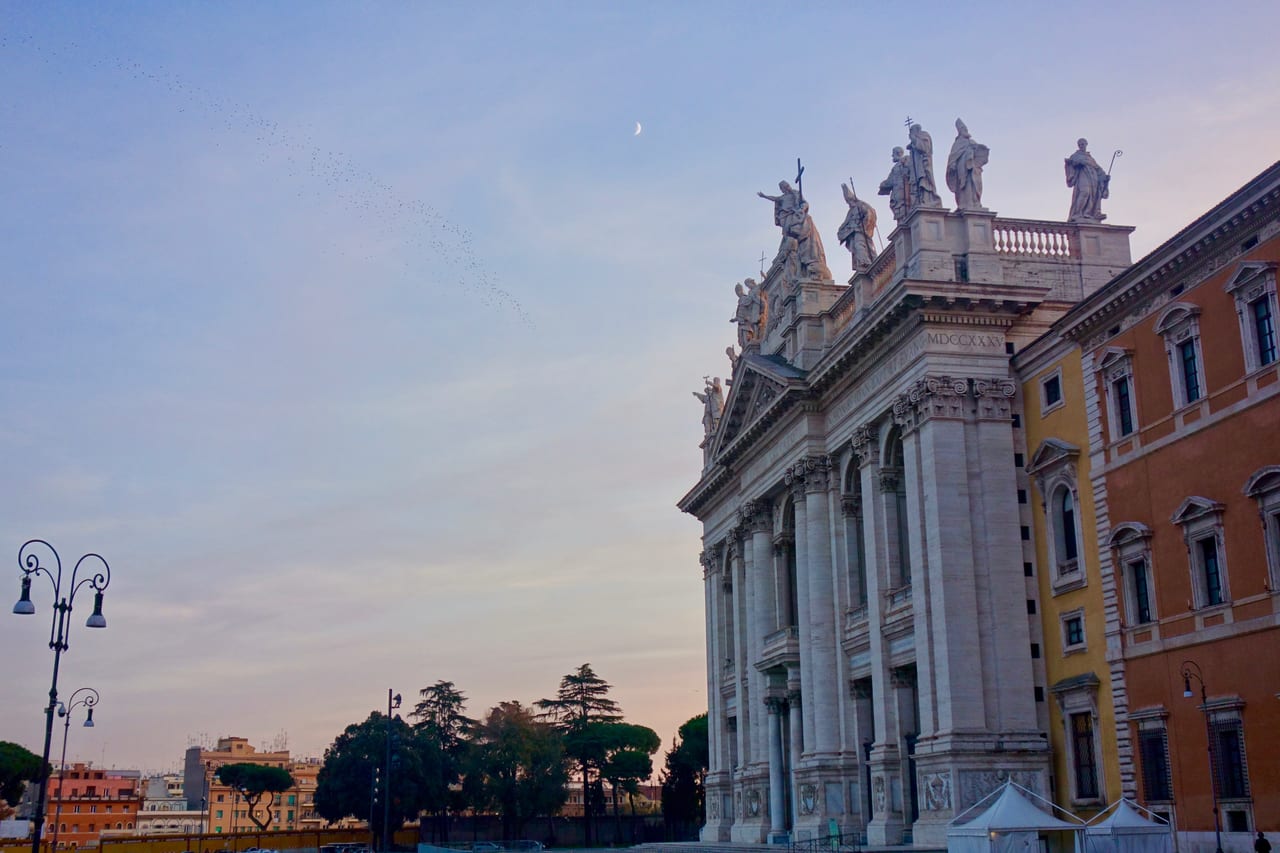
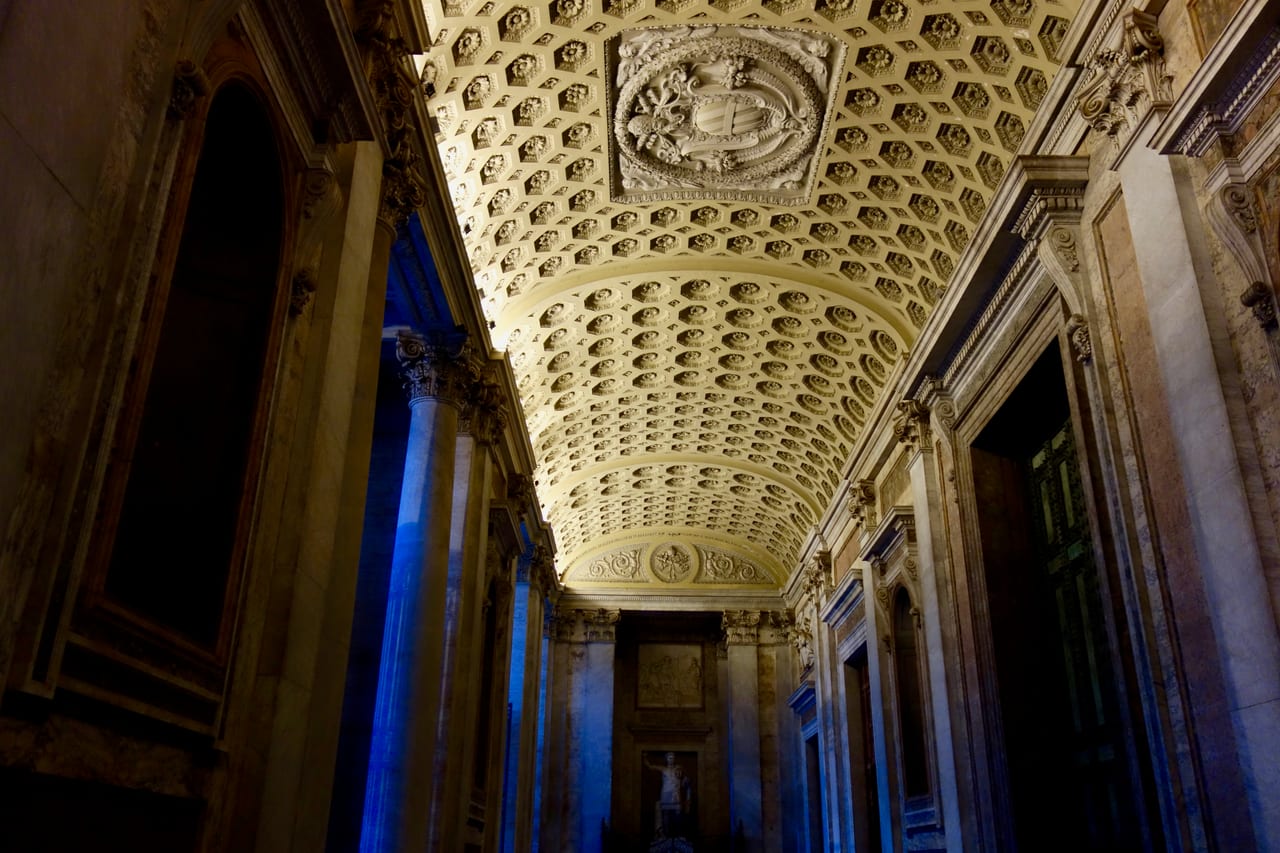
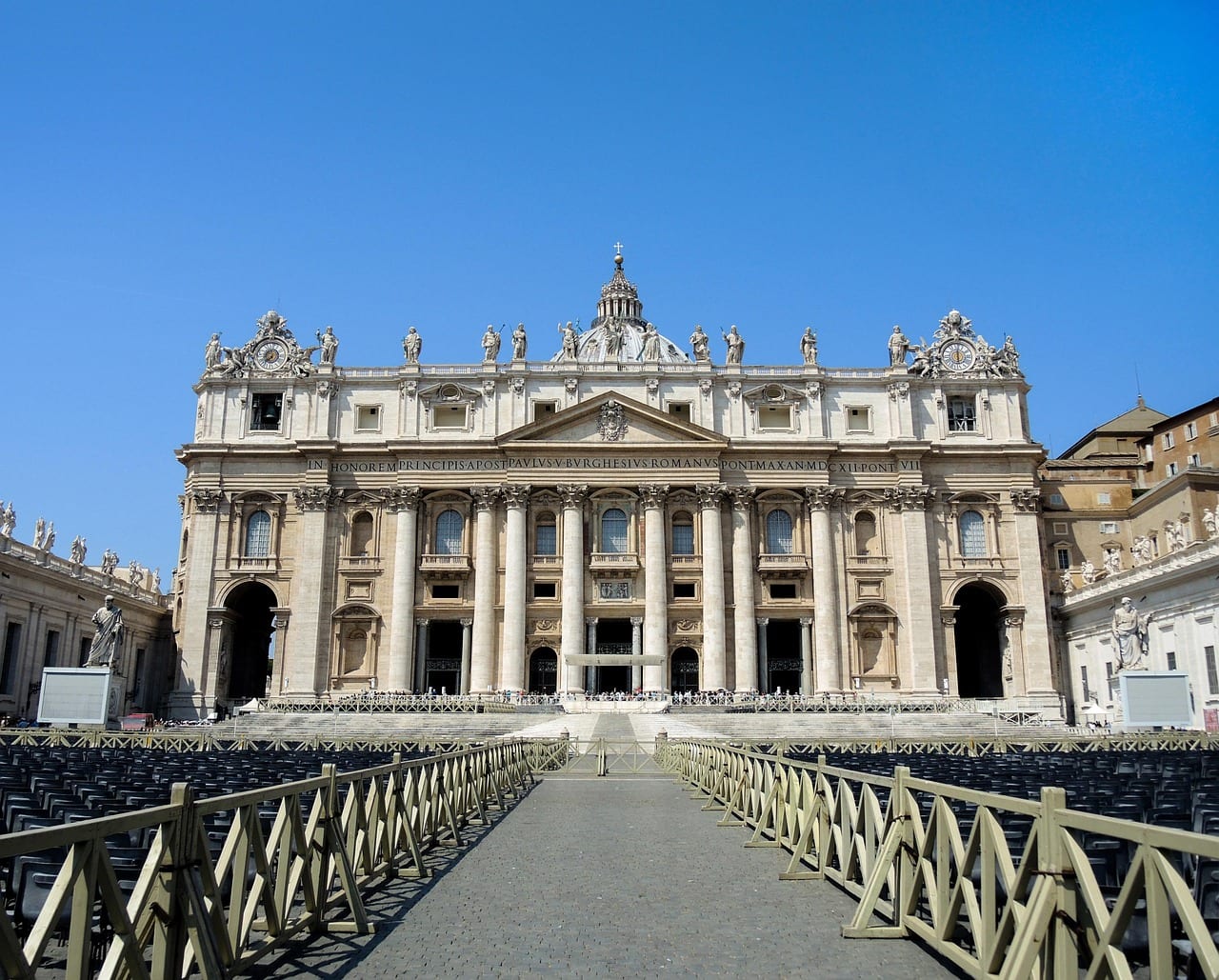
Photograph 1 of 21 of Archbasilica of St. John Lateran
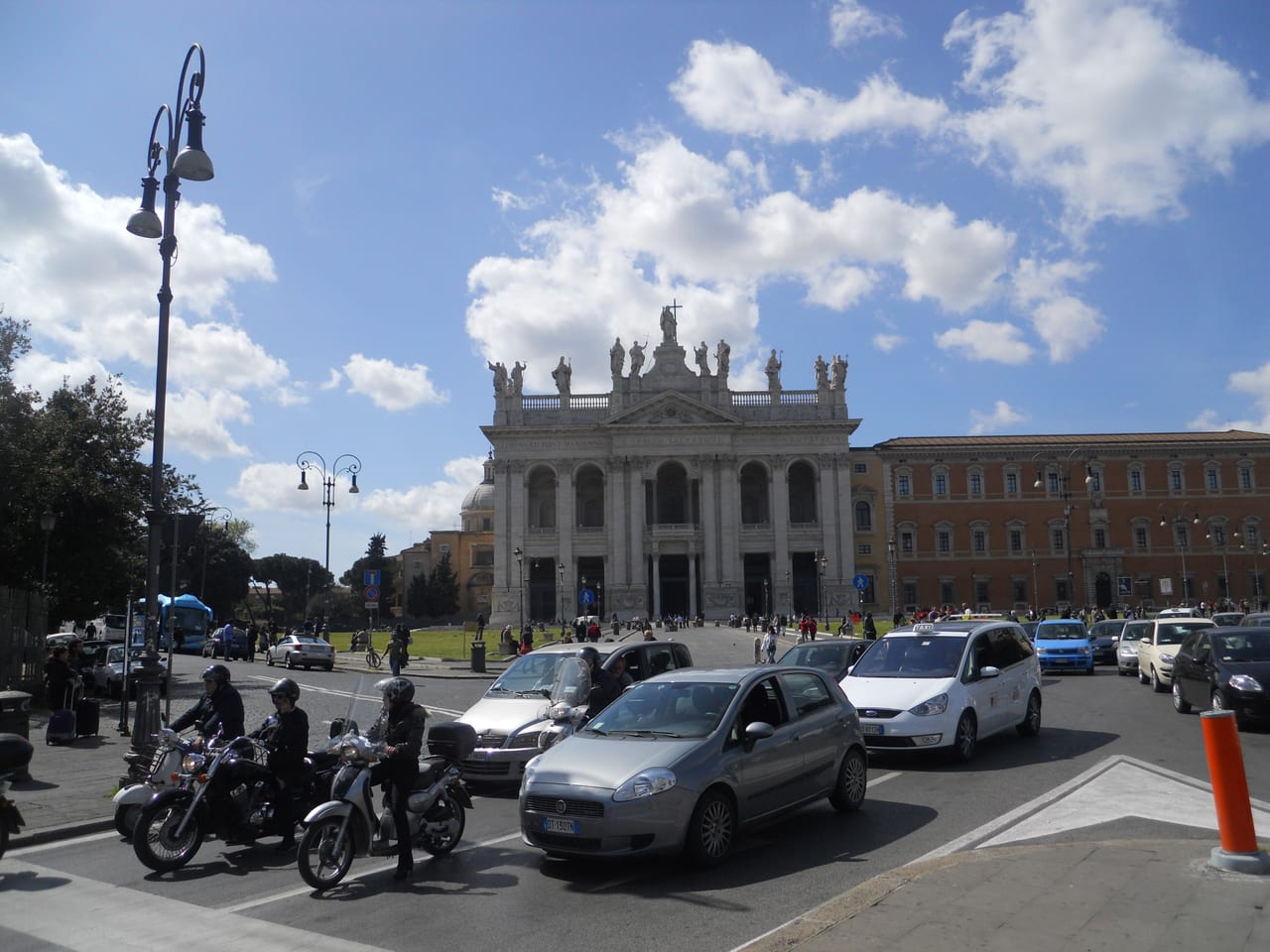
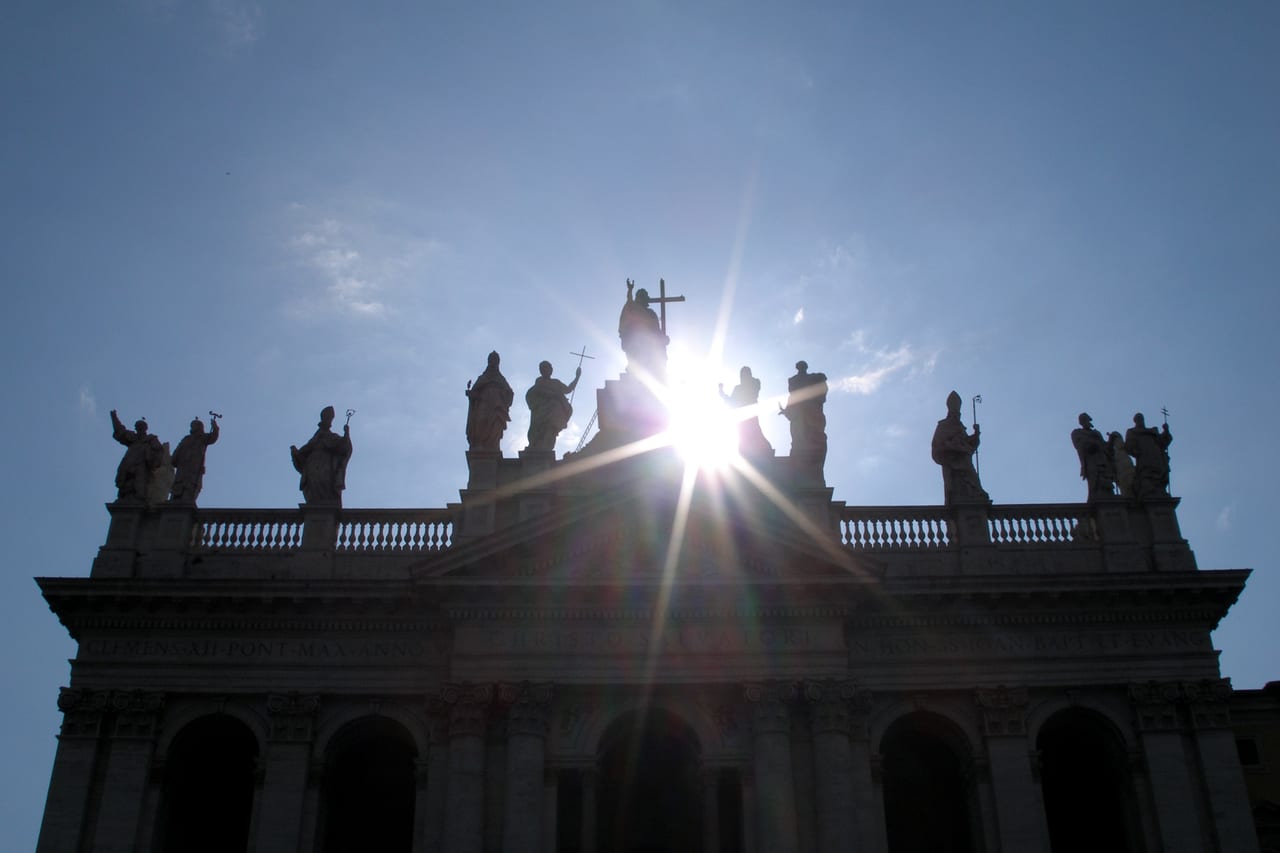
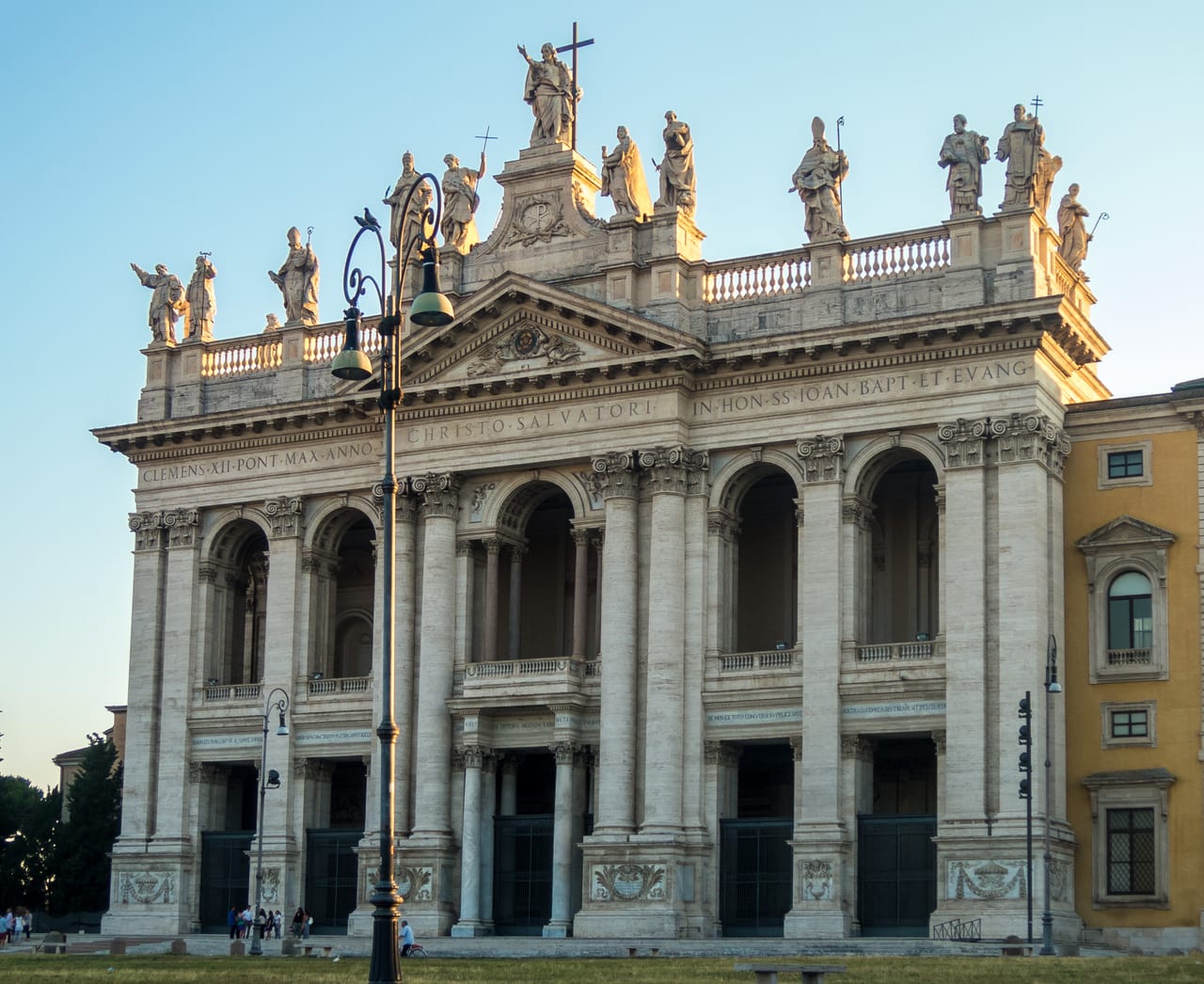
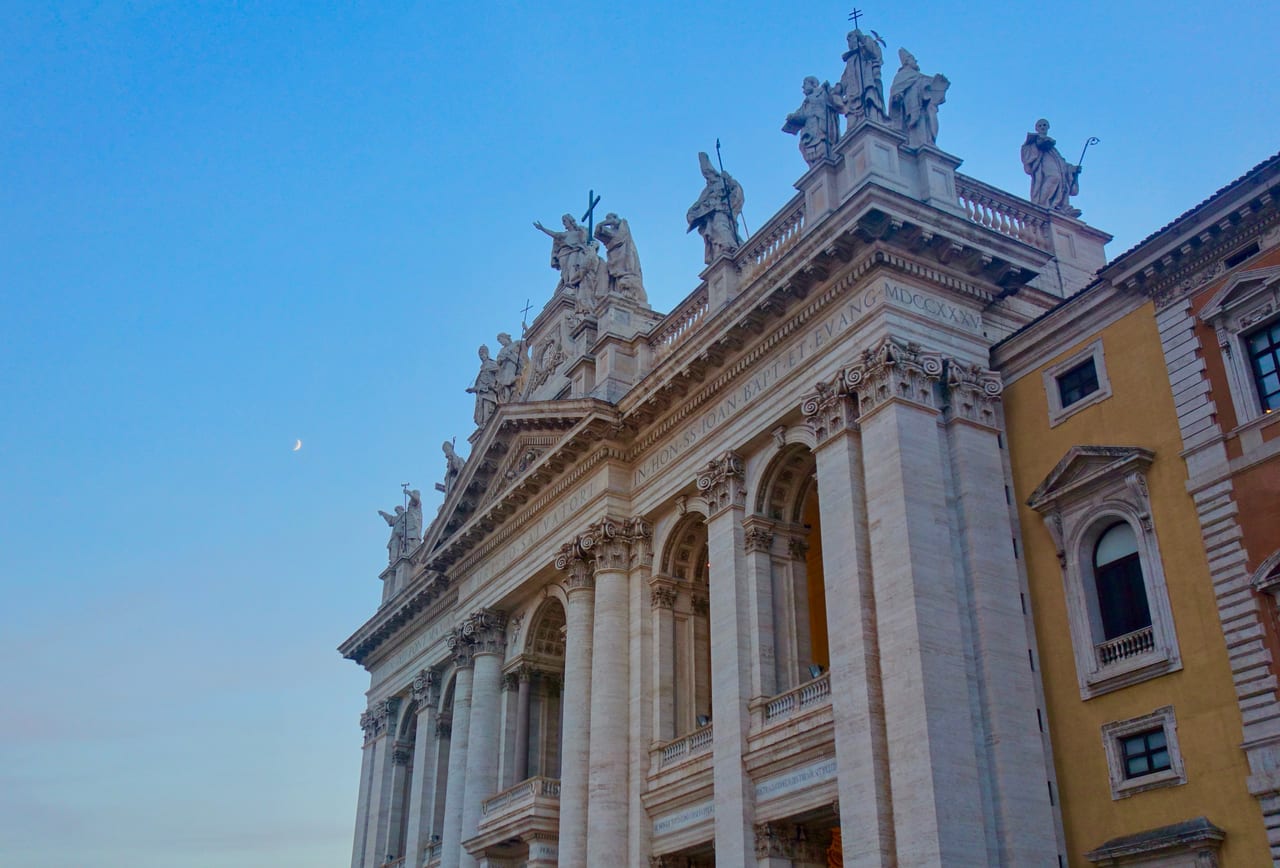
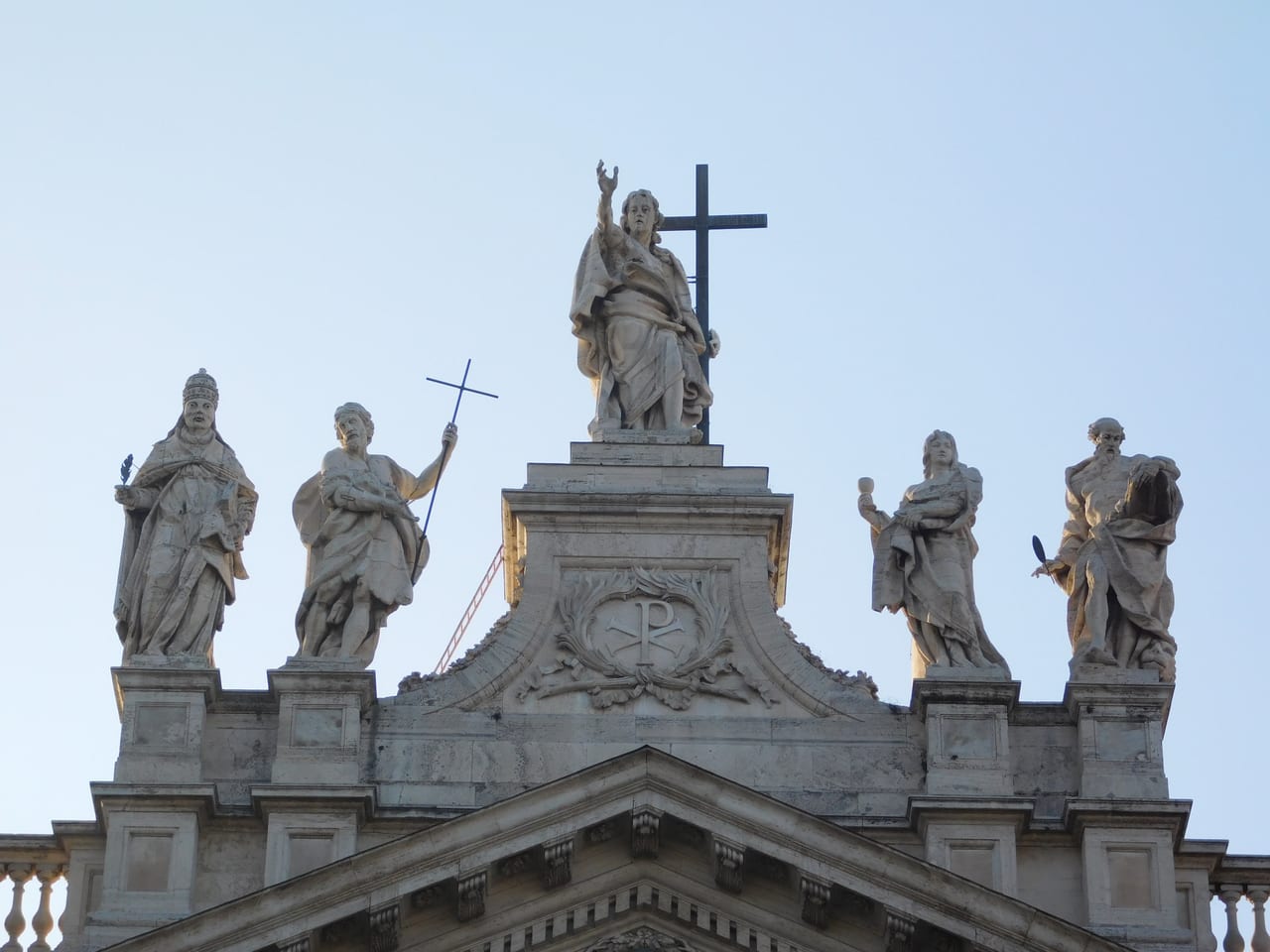
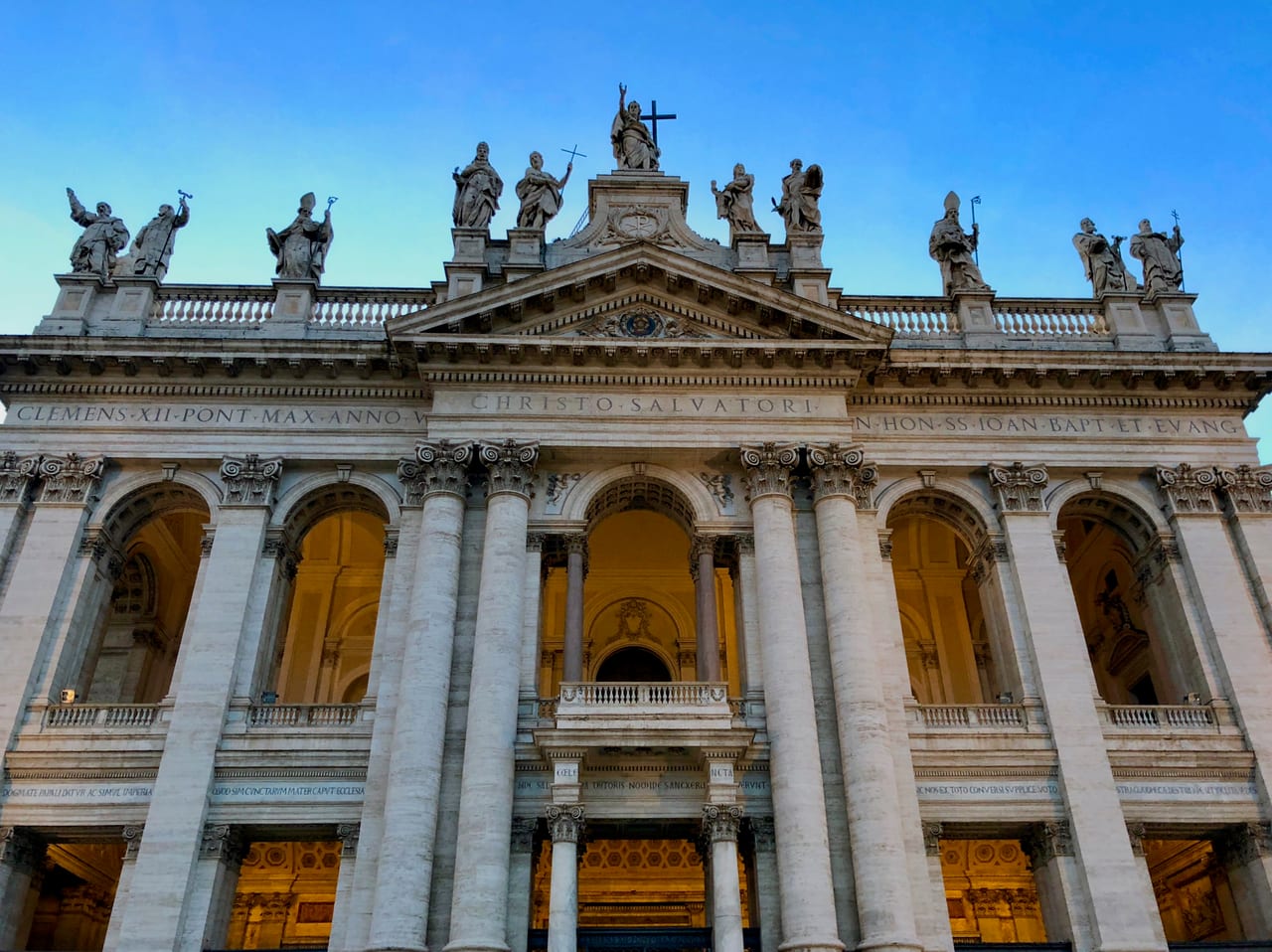
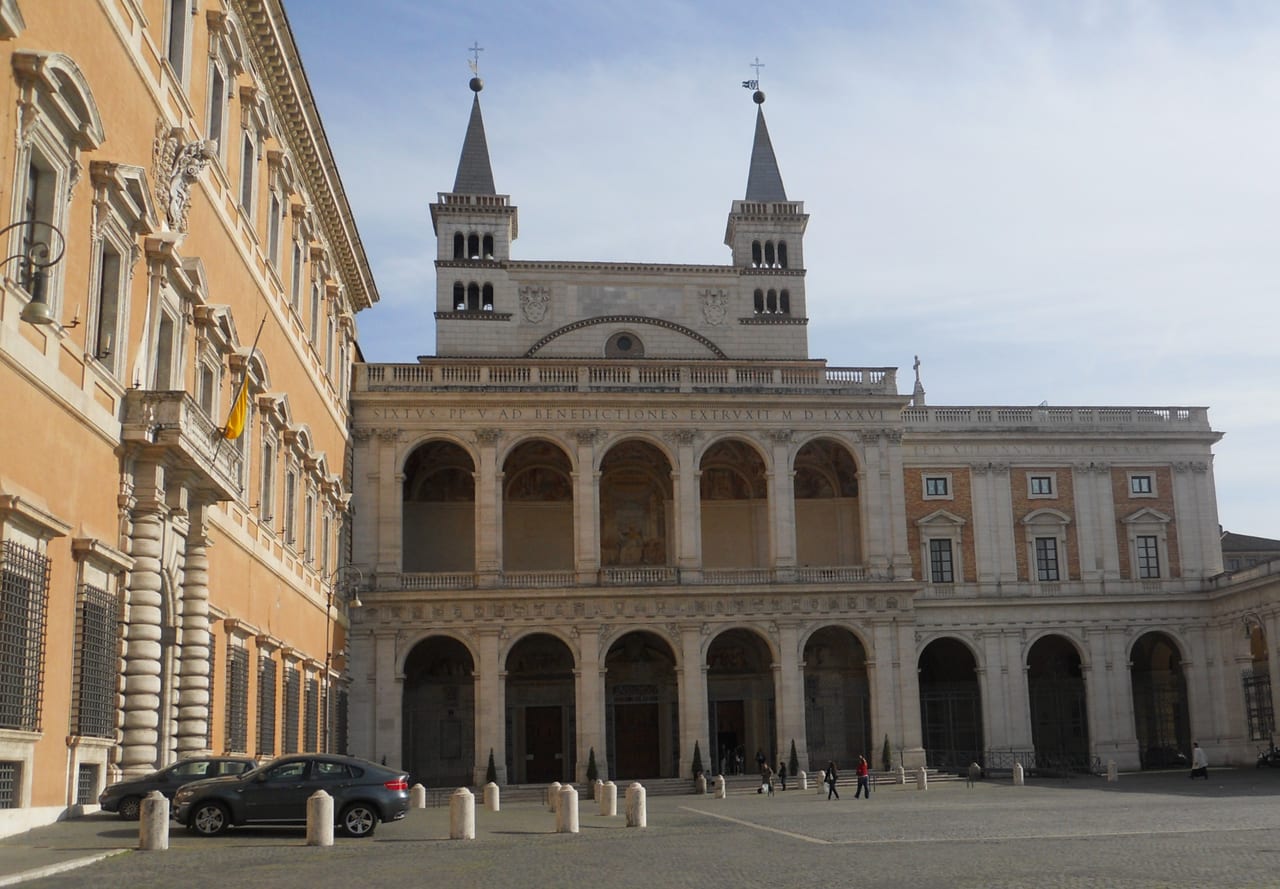
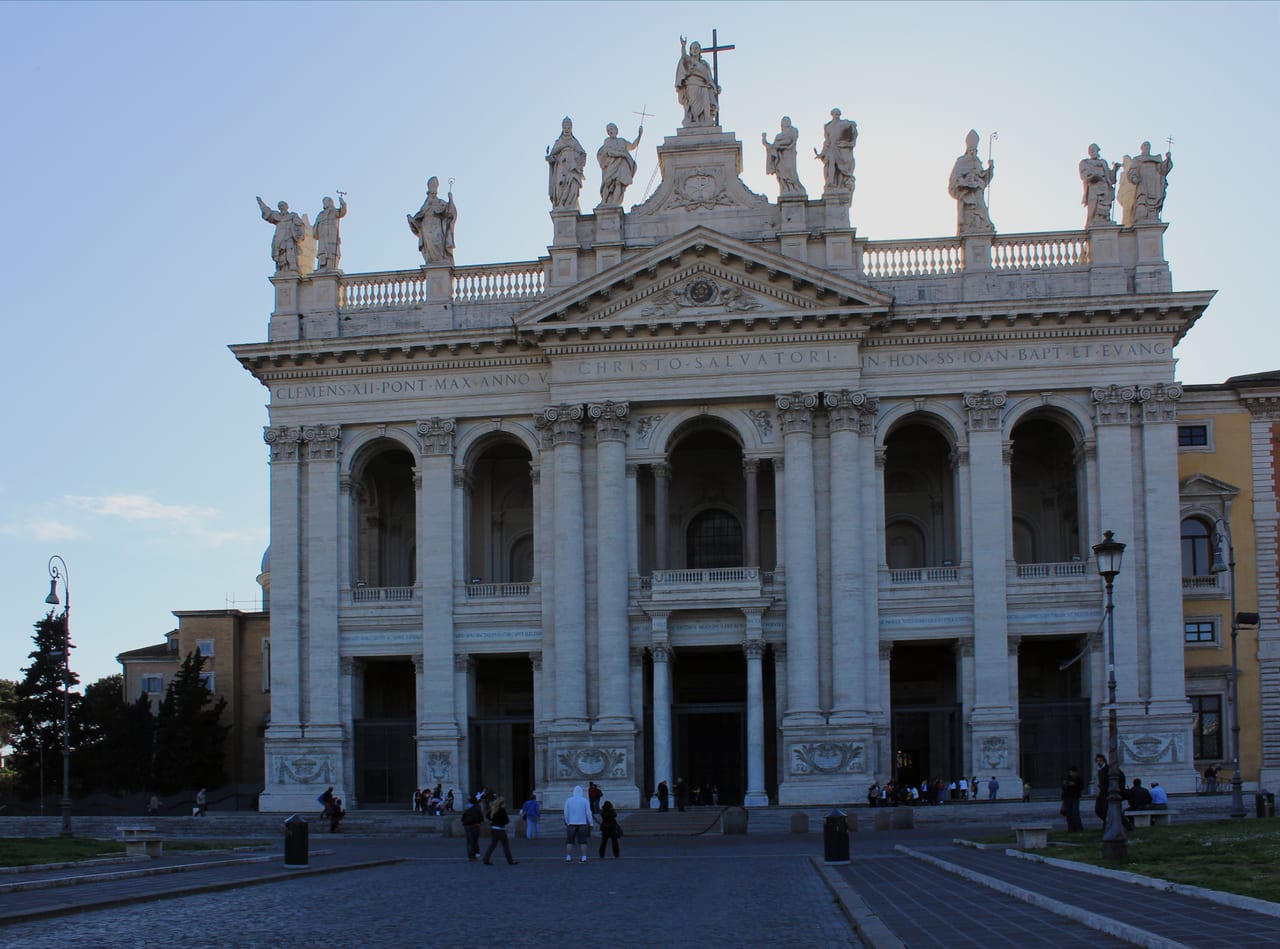
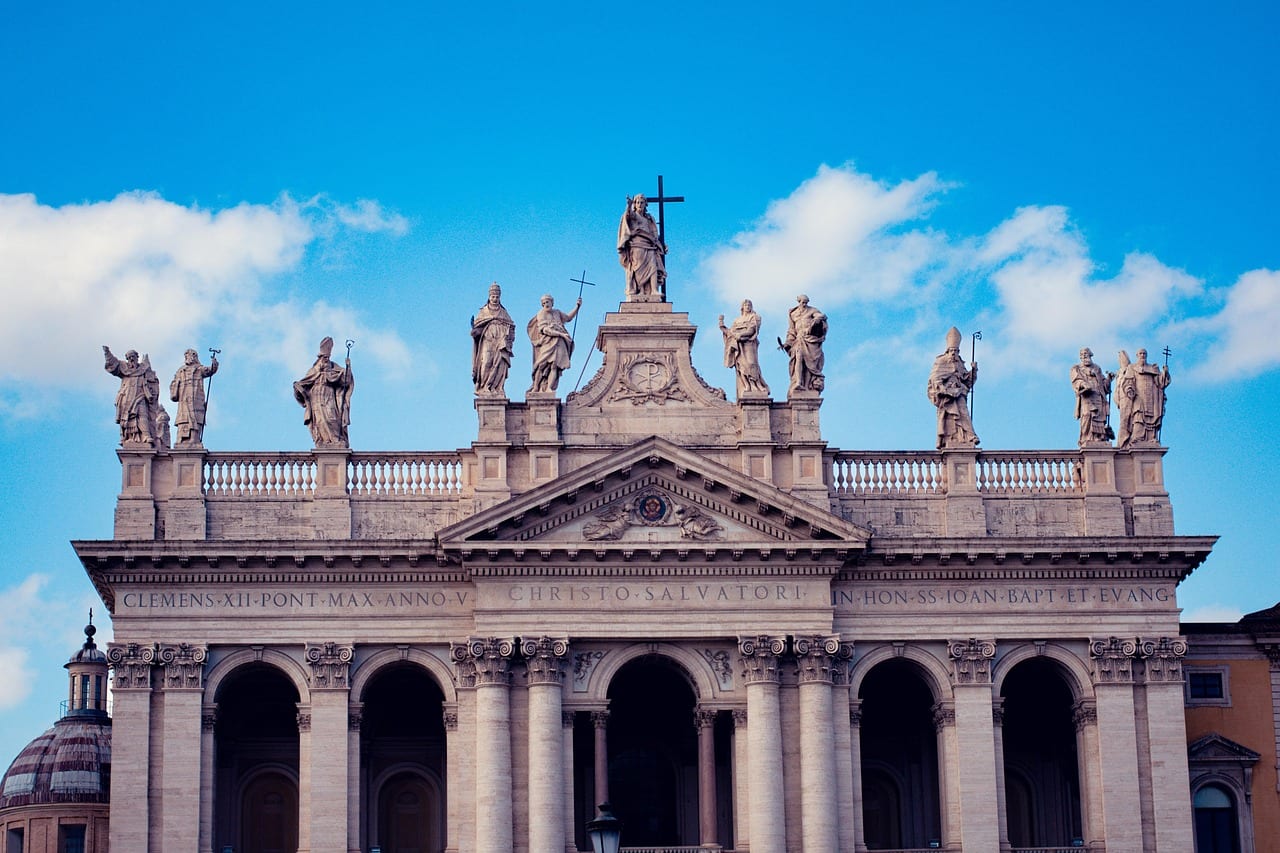
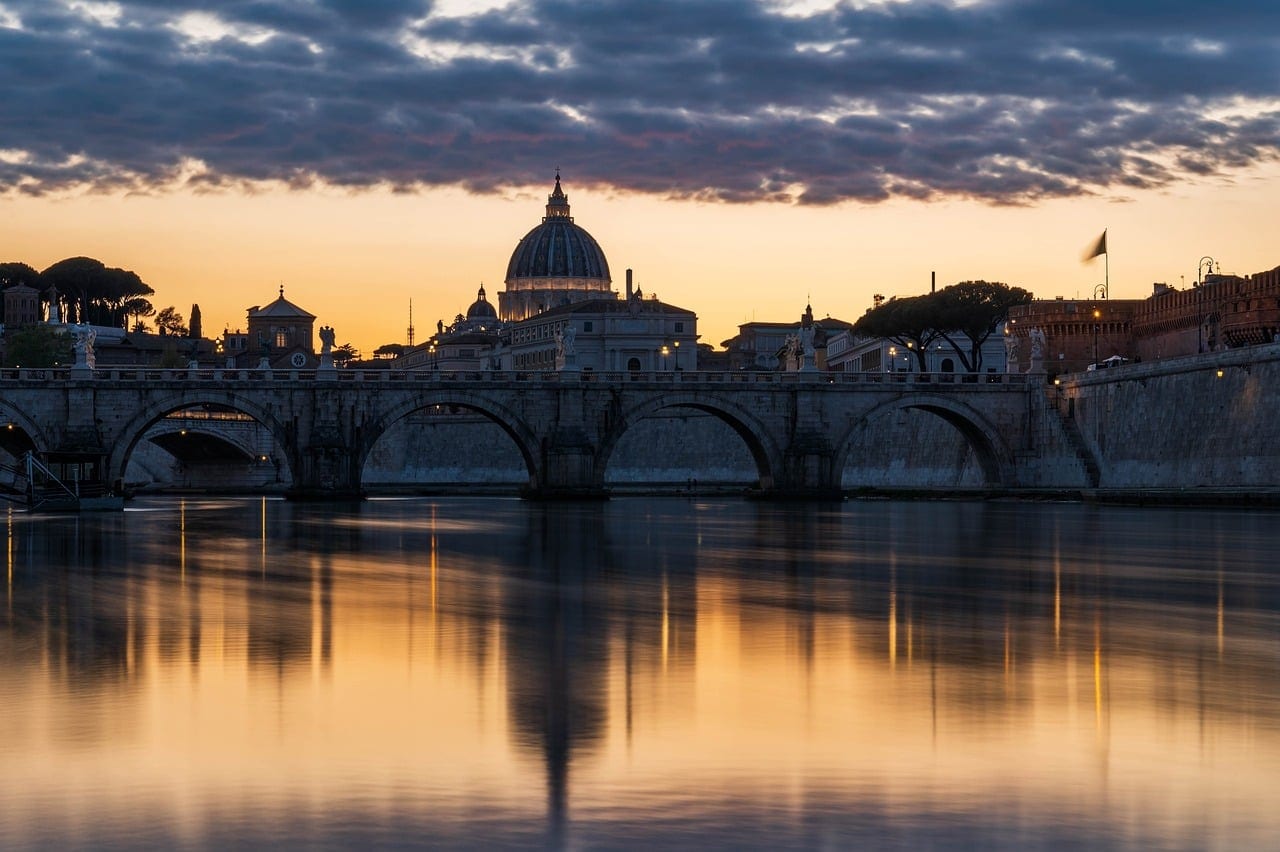
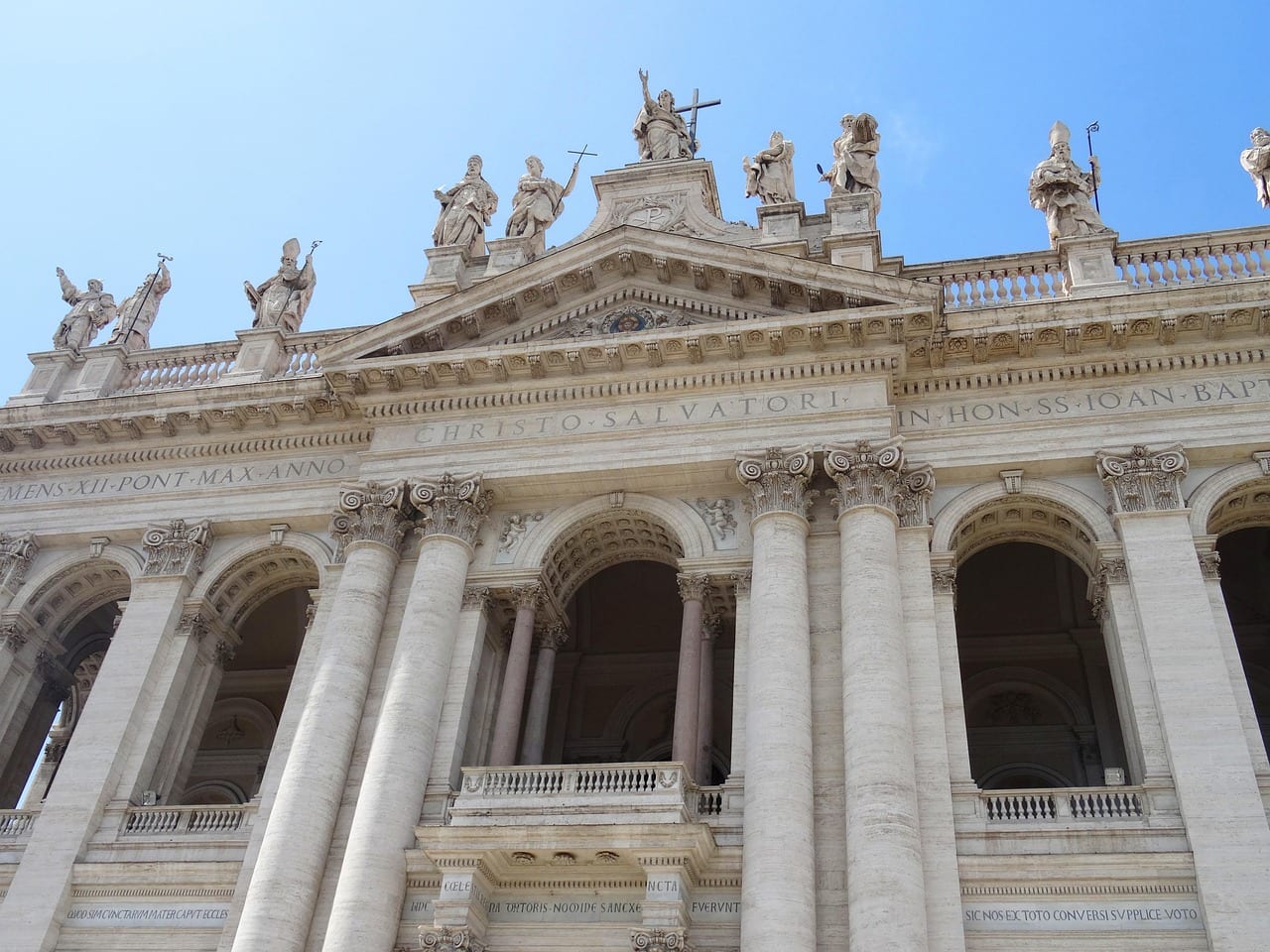
The basilica began on the Laterani estate, which passed to Constantine through his marriage to Fausta in 307. After Constantine defeated the equites singulares at the Battle of the Milvian Bridge in 312, he gave the property to Bishop Miltiades; a church was built there after the Edict of Milan. Pope Silvester I formally dedicated it to the Holy Saviour in 324, while later popes added the dedications to John the Baptist and John the Evangelist. The first Basilica Aurea had five aisles, a transept, clerestory windows and a monumental fastigium. Sackings in 410 and 455 were followed by restoration under Leo the Great and enrichment under Hilary. After the Cadaver Synod of 896 and an earthquake, a new basilica was completed in the early tenth century. It endured fires, earthquakes and political decline, yet witnessed Boniface VIII proclaiming the first Jubilee in 1300. The papacy’s return from Avignon shifted prominence to the Vatican in 1377. In the seventeenth century, Innocent X commissioned Francesco Borromini’s radical renewal. Alessandro Galilei completed the principal façade in 1734. The surviving complex, part of a UNESCO World Heritage Site, retains extraterritorial status and remains the cathedral and mother church of the diocese.
At a glance
- Architect
- Francesco Borromini
- Style
- baroque architecture
- Heritage
- part of UNESCO World Heritage Site
Ways to explore Archbasilica of St. John Lateran
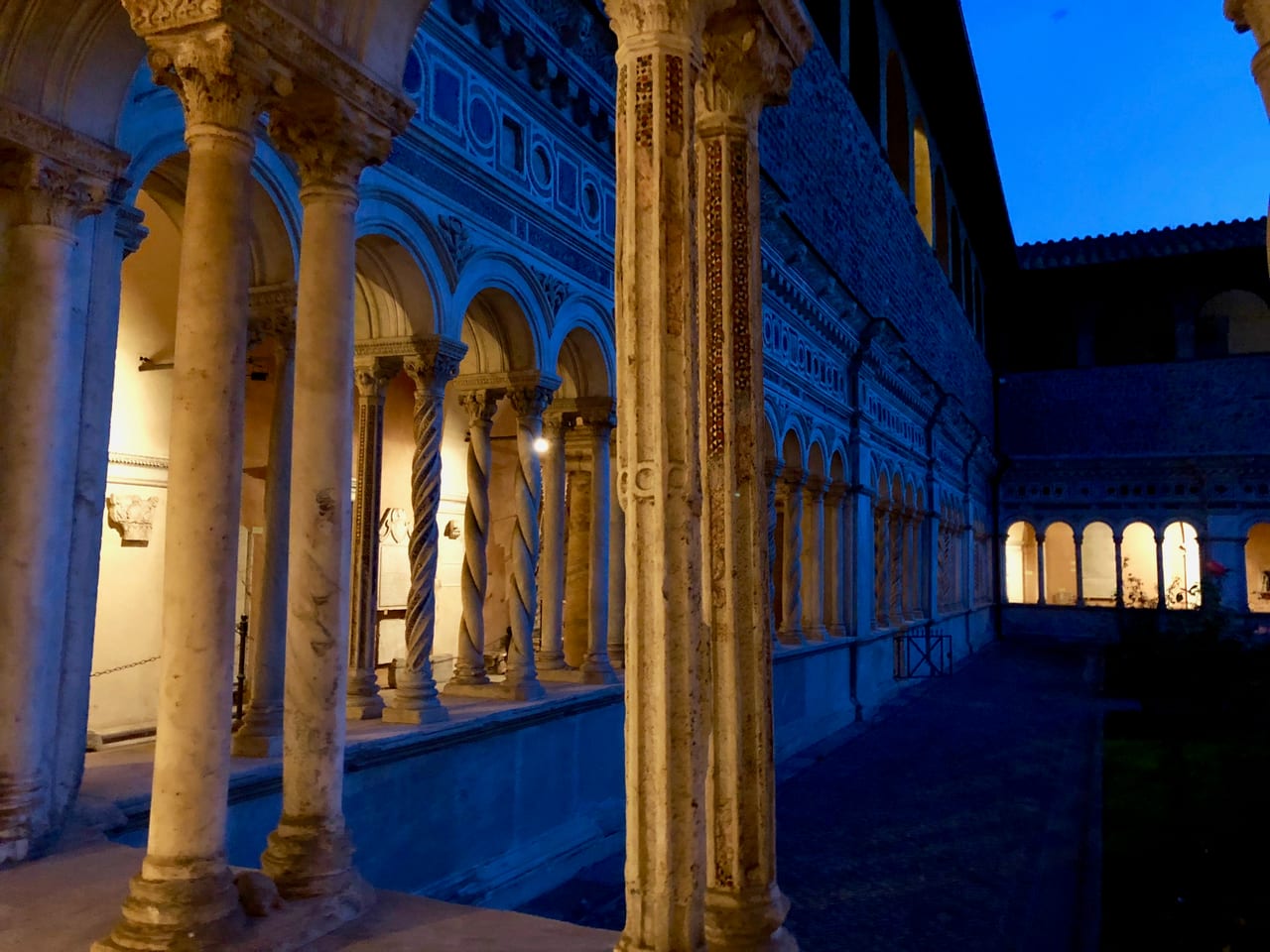
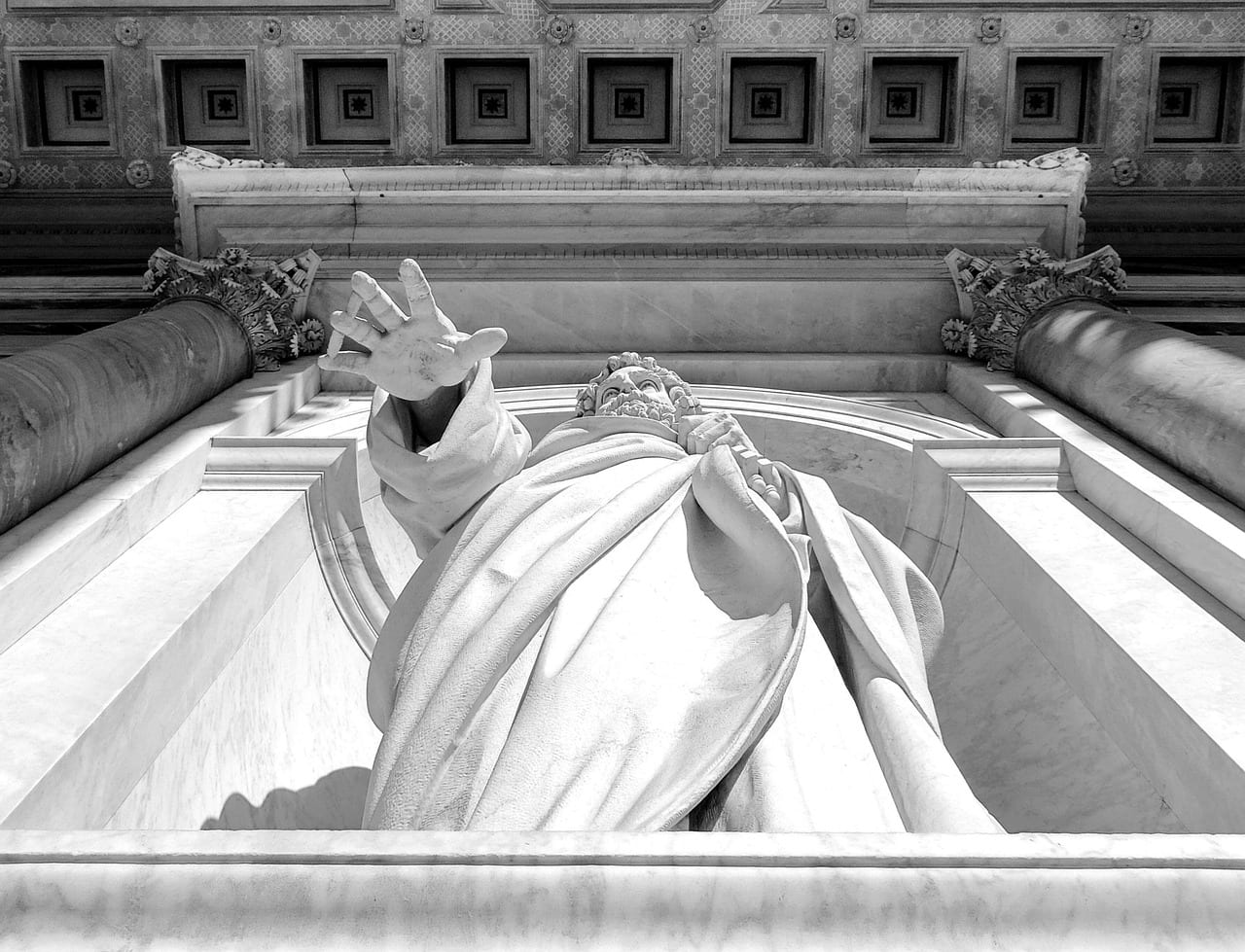
Read Borromini’s interior as a sequence of compressed and released spaces: the side aisles use concealed “chambers of light” for a diffuse glow, while white stucco sharpens the architectural rhythm. Look closely at the Cosmatesque pavement, the medieval ciborium above the high altar, and the apse mosaic. The niches contain twelve monumental apostle sculptures; above them, oval paintings of prophets punctuate the upper level. Outside, examine the Lateran Obelisk and the complex’s connected ecclesiastical buildings.
Places to stay near Archbasilica of St. John Lateran

Live availability and prices from Stay22's partners, refreshed periodically and subject to change. Booking through these links may earn us a commission at no extra cost to you. See our privacy policy.
Cafés near Archbasilica of St. John Lateran
Cafés near Archbasilica of St. John Lateran loads as you scroll.
Attractions nearby
Attractions near Archbasilica of St. John Lateran loads as you scroll.
Cities nearby
Cities nearby loads as you scroll.
More in Rome
See more of Rome.
Find great cafés, places to stay and other interesting places to visit in Rome.