Ancient site · Rome
Aqua Virgo
DirectionsAqua Virgo carried water almost entirely underground for 20.5 kilometres, dropping just four metres before reaching the Campus Martius—a remarkably controlled Roman route still echoed by Acqua Vergine.
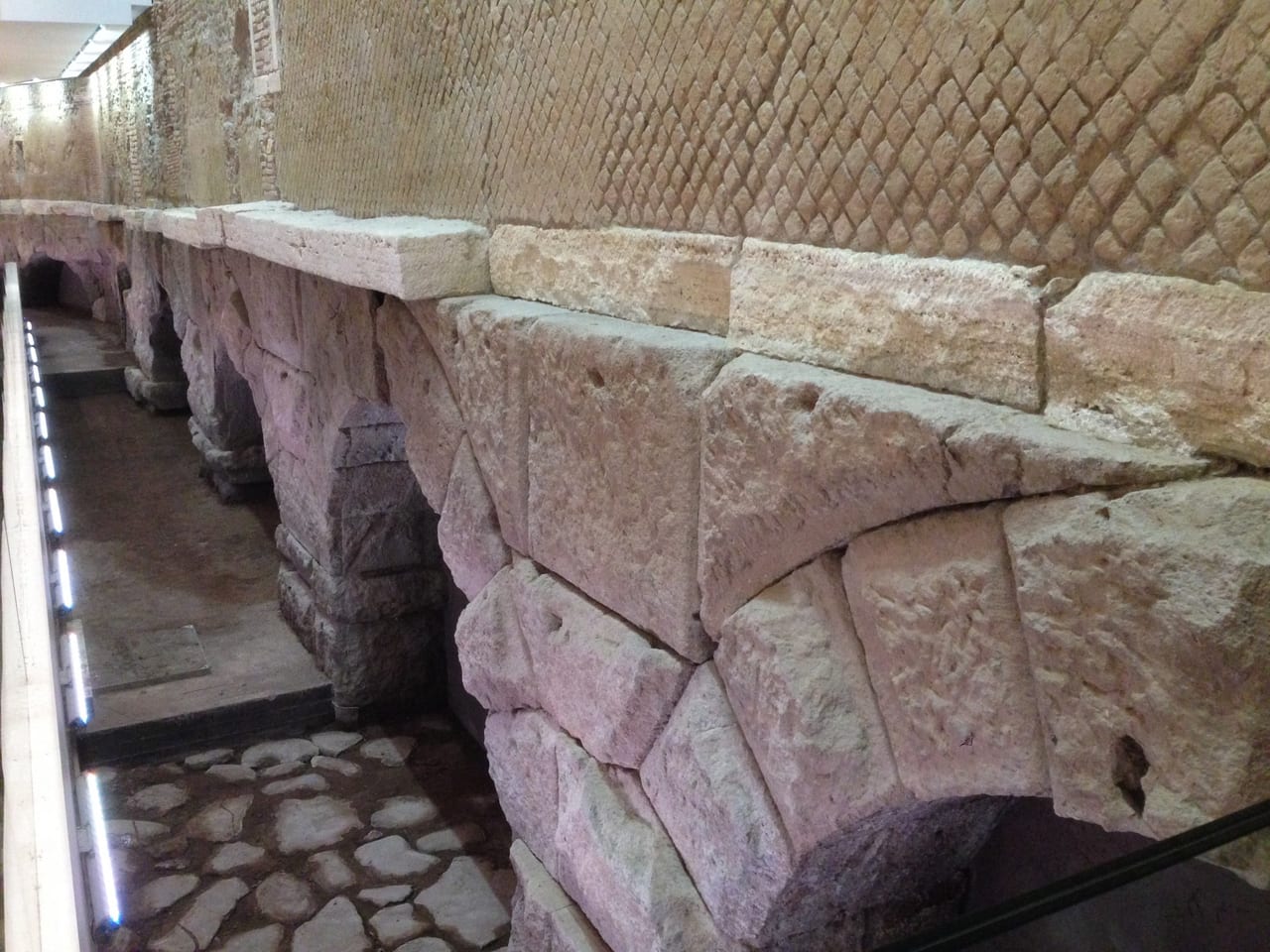
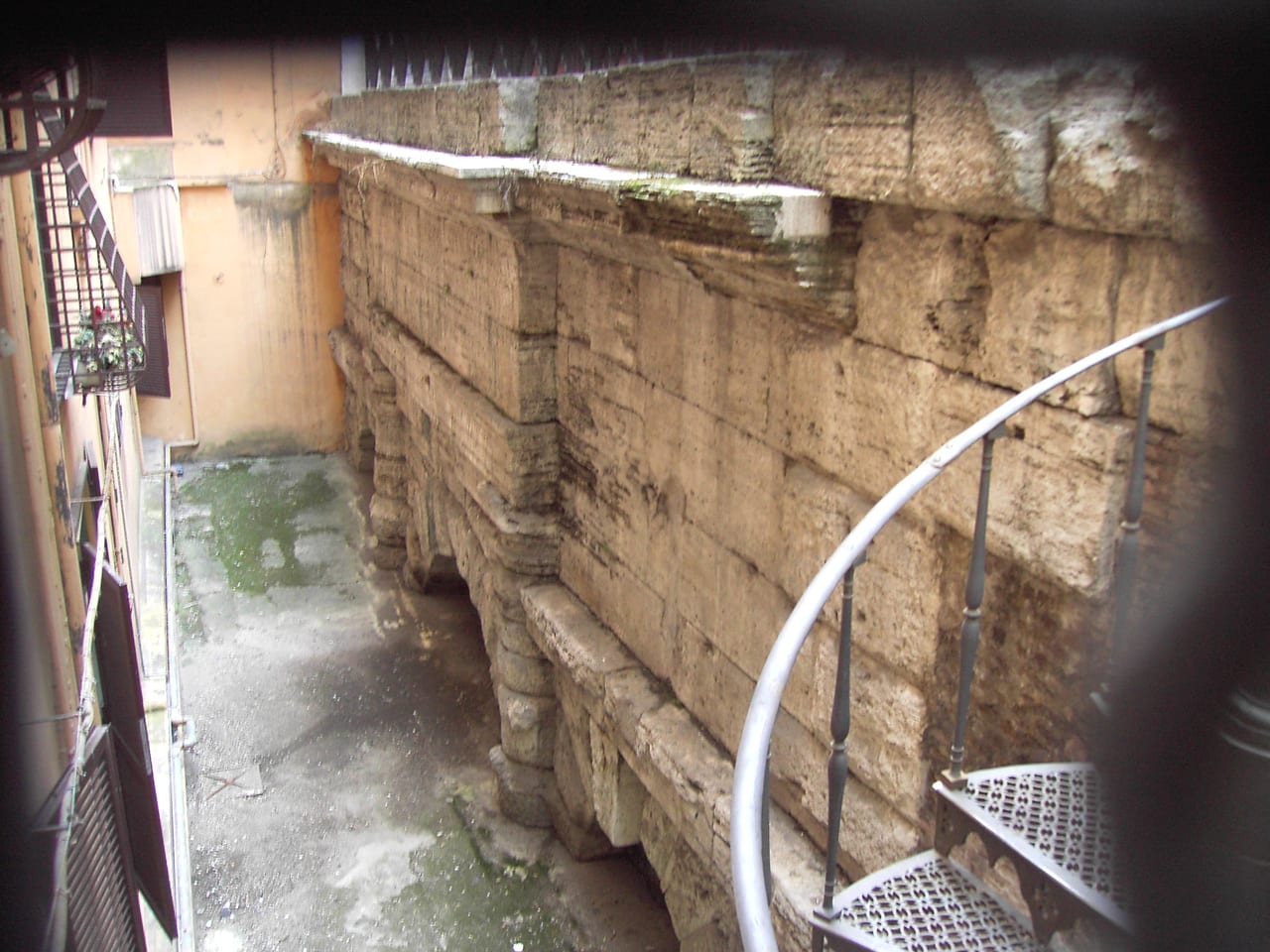
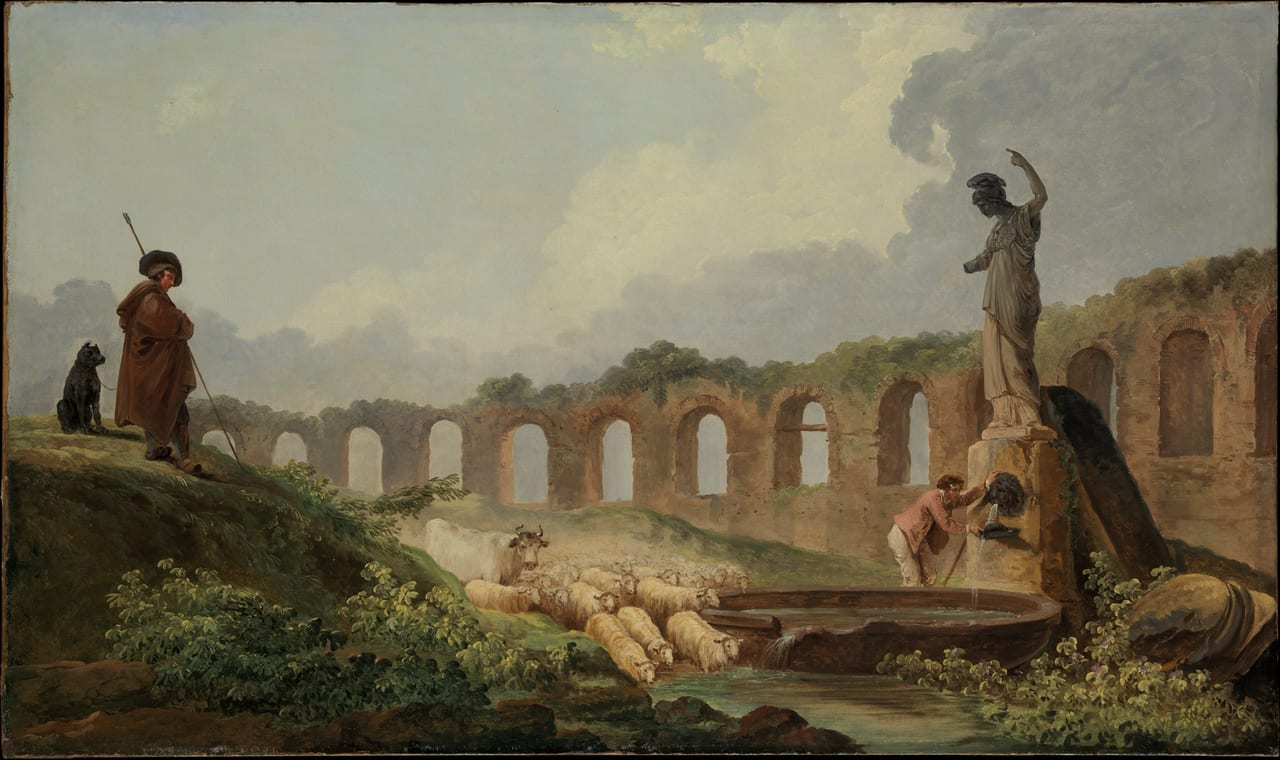
Photograph 1 of 3 of Aqua Virgo
Completed in 19 BC under Augustus, Aqua Virgo was commissioned by Marcus Agrippa chiefly to supply the Baths of Agrippa. Its name recalls the story of a young girl who directed thirsty soldiers to the spring that became its source; the system could deliver 100,160 cubic metres of water daily. The aqueduct followed a broad arc from springs near the Aniene, passing through the northern suburbs before approaching the city beneath the Horti Lucullani and the Pincian Hill. Its low source dictated this indirect course. Near the city, a settling basin preceded an arched section that crossed the area of the Trevi Fountain and Via del Corso; one arch was later adapted as a triumphal monument celebrating Claudius’s victories in Britain. The conduit ended before the Saepta Julia, with a branch serving Trastevere. Distribution cisterns divided water among public works, the imperial household, suburbs and private users. Tiberius, Claudius, Constantine and Theodoric repaired it. Goths disrupted the supply in 537, though Byzantine administrators maintained it; Pope Adrian I restored it in the eighth century. Pope Nicholas V renewed the channels in 1453, creating the Renaissance Acqua Vergine, while Acqua Vergine Nuovo followed in the 1930s.
At a glance
- Built
- 19
Ways to explore Aqua Virgo
Look for the surviving remains of the urban arches and the underground conduit reached by the spiral staircase known as the Pincio snail. At Via del Nazzareno, examine the architrave inscription recording Claudius’s rebuilding work. Follow the aqueduct’s living legacy through the fountains supplied by Acqua Vergine, especially Trevi Fountain, the fountains of Piazza del Popolo and the Pantheon fountain. Its water is still collected for drinking and cooking.
Places to stay near Aqua Virgo

Live availability and prices from Stay22's partners, refreshed periodically and subject to change. Booking through these links may earn us a commission at no extra cost to you. See our privacy policy.
Cafés near Aqua Virgo
Cafés near Aqua Virgo loads as you scroll.
Attractions nearby
Attractions near Aqua Virgo loads as you scroll.
Cities nearby
Cities nearby loads as you scroll.
More in Rome
See more of Rome.
Find great cafés, places to stay and other interesting places to visit in Rome.