Ancient site · Rome
Aqua Traiana
DirectionsThe aqueduct later powered Rome’s Janiculum flour mills; when the Ostrogoths cut the urban aqueducts during the Gothic Siege, Belisarius restored the flour supply with mills floating in the Tiber.
Photograph 1 of 3 of Aqua Traiana
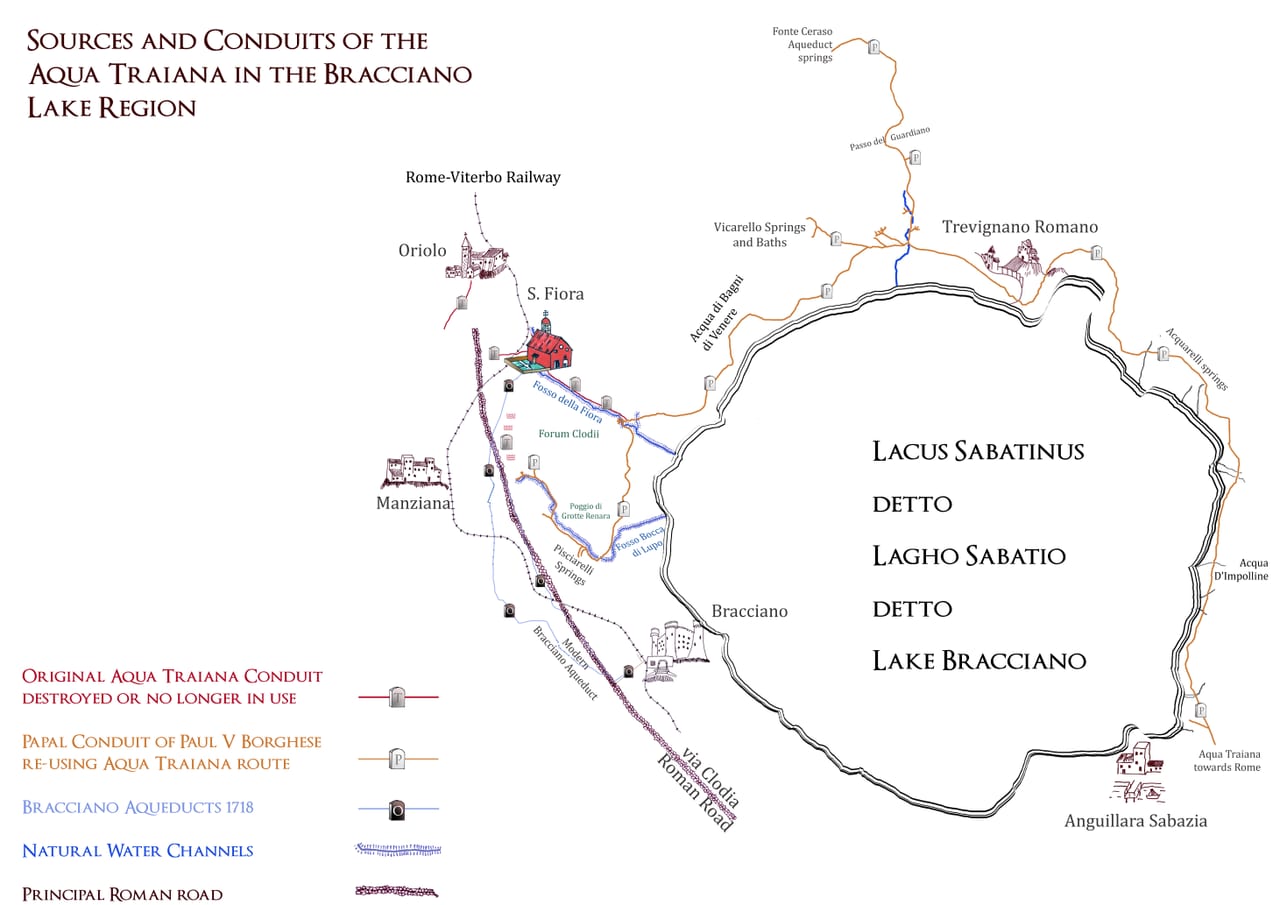
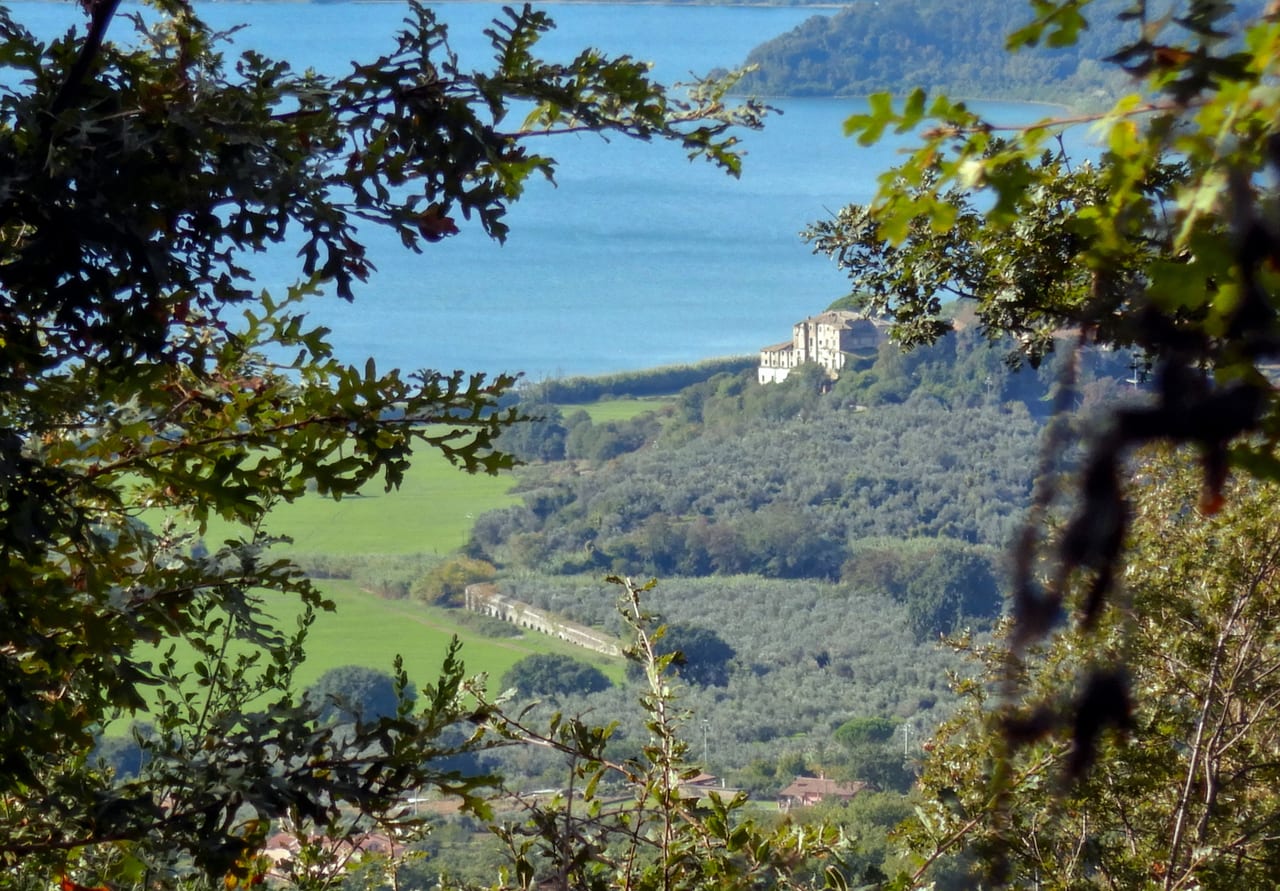
Planned by the time Frontinus wrote in about 98 AD, Aqua Traiana was completed under Emperor Trajan and inaugurated with great ceremony in 109. Fed by aquifer sources around Lake Bracciano, roughly 40 kilometres away, it reached Rome alongside the earlier Aqua Alsietina. Its opening preceded the Naumachia Traiani and followed the Baths of Trajan by only two days, supplying water throughout the city. The aqueduct’s network gathered water from numerous sources, including the Fiora area, Vicarello Baths, Monte Rocca Romana and Acqua D’Impolline. The Archi di Boccalupo, reaching 15 metres and combining brickwork with opus reticulatum, carried water from the Acqua Praecilia source. Within Rome, excavations beneath the American Academy revealed its Janiculum route and a sophisticated mill complex. Cut in 537, restored by Belisarius and again by Pope Adrian I around 775, it later declined. Pope Paul V rebuilt it between 1609 and 1612 as the Acqua Paola. Giovanni Fontana supervised the work; Carlo Fontana enlarged its monumental fountain in 1690.
At a glance
- Heritage
- Historic Civil Engineering Landmark
Ways to explore Aqua Traiana
See the Acqua Paola terminus, known as Il Fontanone, where the later fountain’s enormous single basin replaced five smaller basins. Compare its white marble, granite columns and reused Forum of Nerva material with the surrounding Janiculum setting. For a more archaeological view, investigate the aqueduct’s excavated remains beneath the American Academy and the mill complex. The dispersed source landscape includes the Fiora Nymphaeum, Fonte Ceraso, Sette Botti and the Archi di Boccalupo bridge.
Places to stay near Aqua Traiana

Live availability and prices from Stay22's partners, refreshed periodically and subject to change. Booking through these links may earn us a commission at no extra cost to you. See our privacy policy.
Cafés near Aqua Traiana
Cafés near Aqua Traiana loads as you scroll.
Attractions nearby
Attractions near Aqua Traiana loads as you scroll.
Cities nearby
Cities nearby loads as you scroll.
More in Rome
See more of Rome.
Find great cafés, places to stay and other interesting places to visit in Rome.