Monument · Rome
Altare della Patria
DirectionsIts walls preserve a surviving section of Rome’s sixth-century BC Servian Walls and the remains of a mammoth, placing two radically different chapters of the city’s past within a monument to national unity.
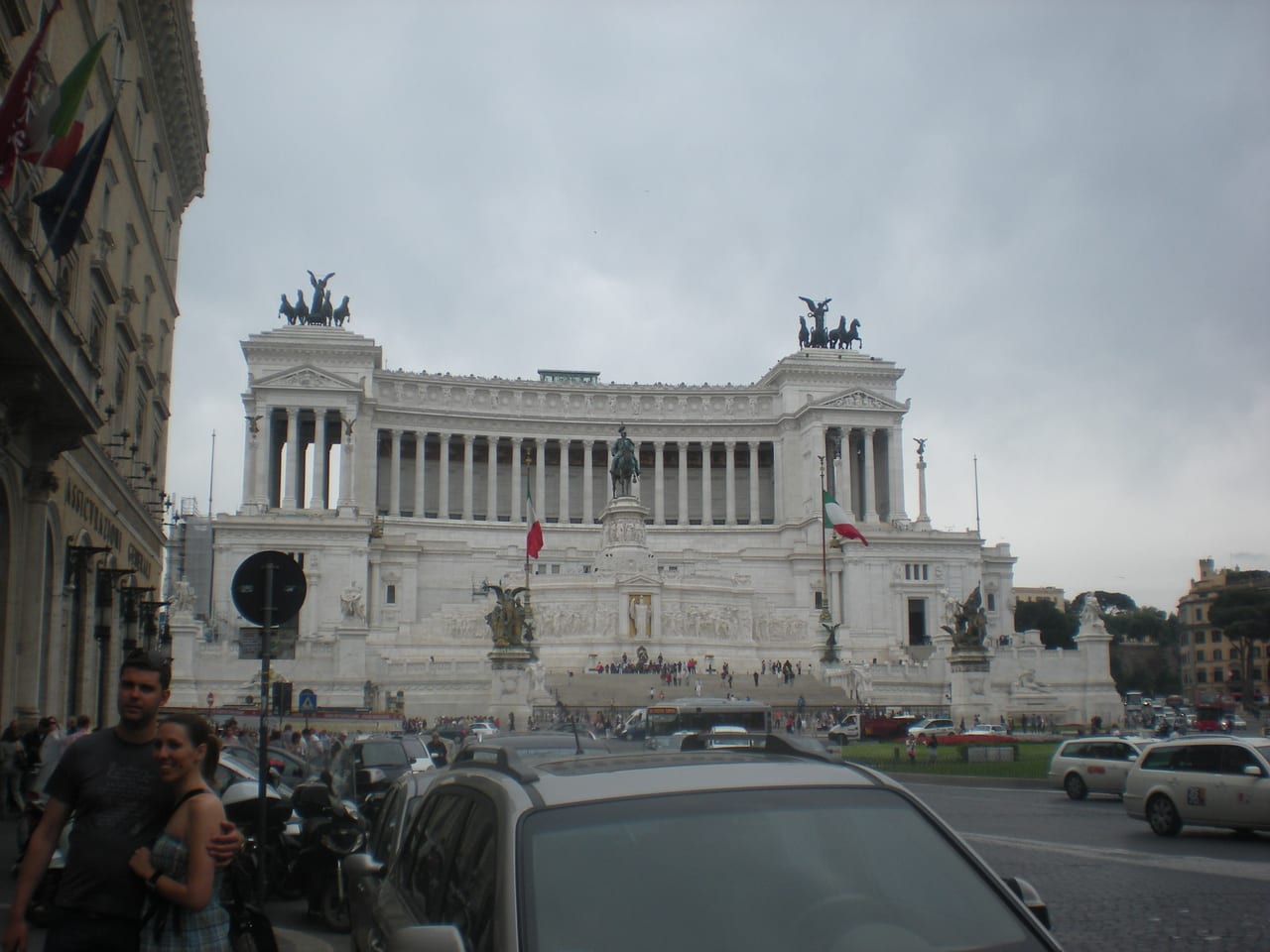
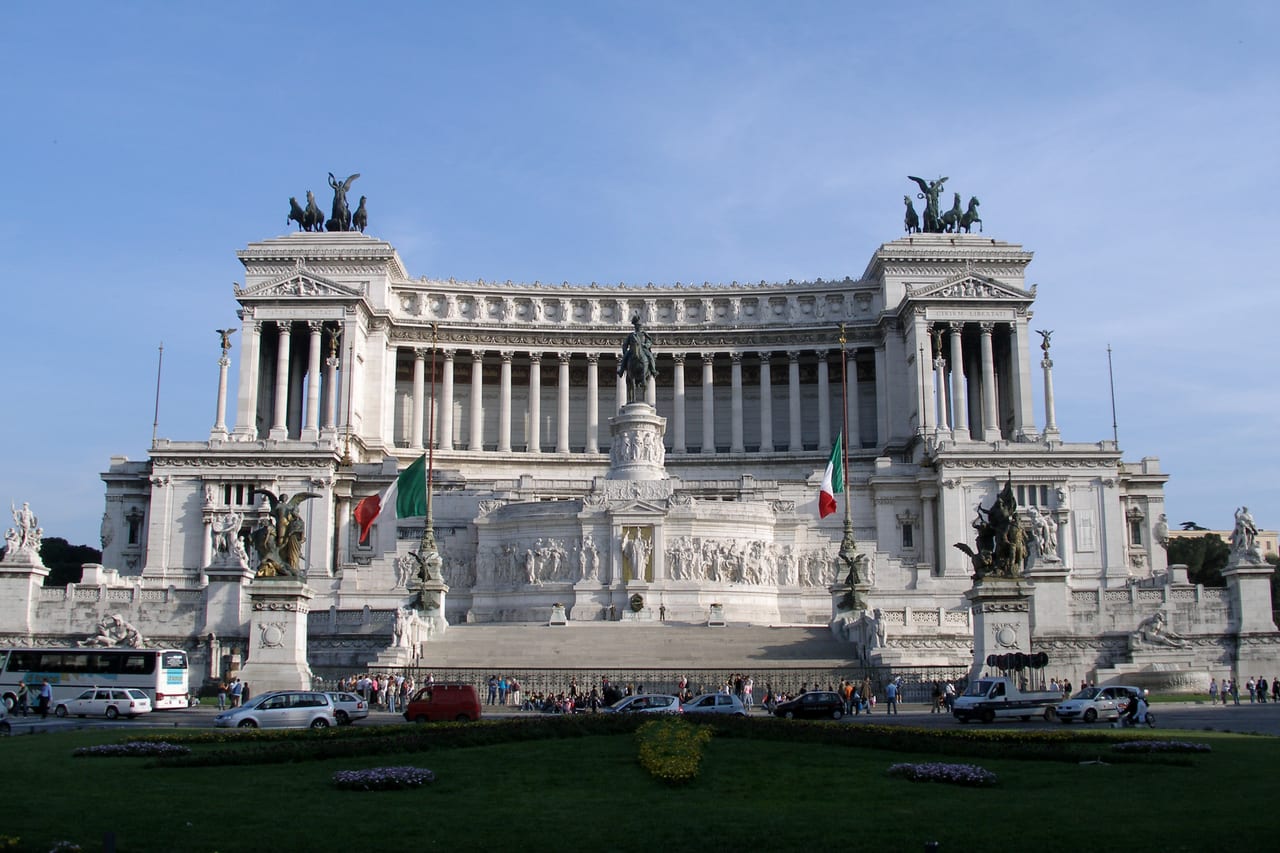
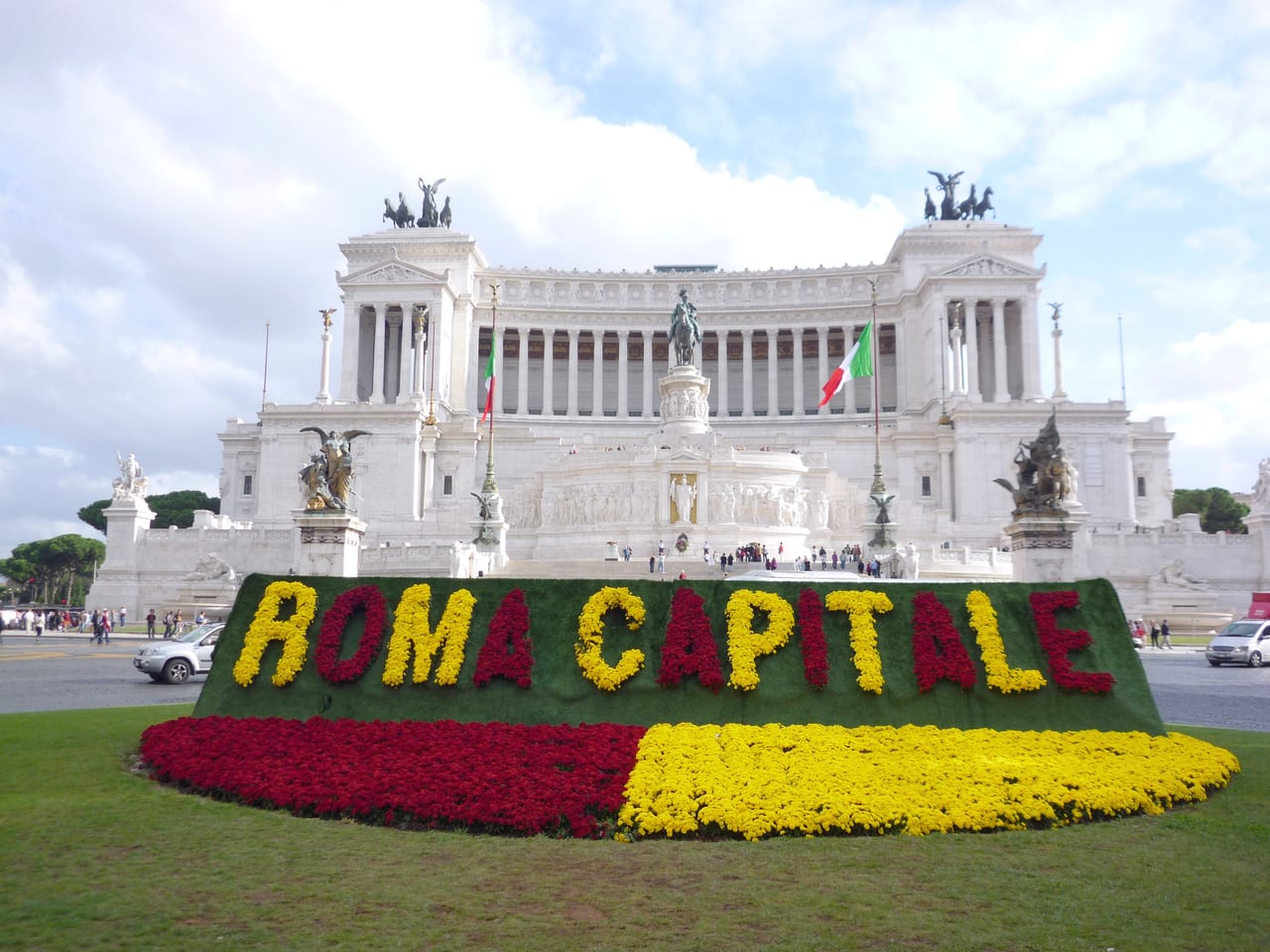
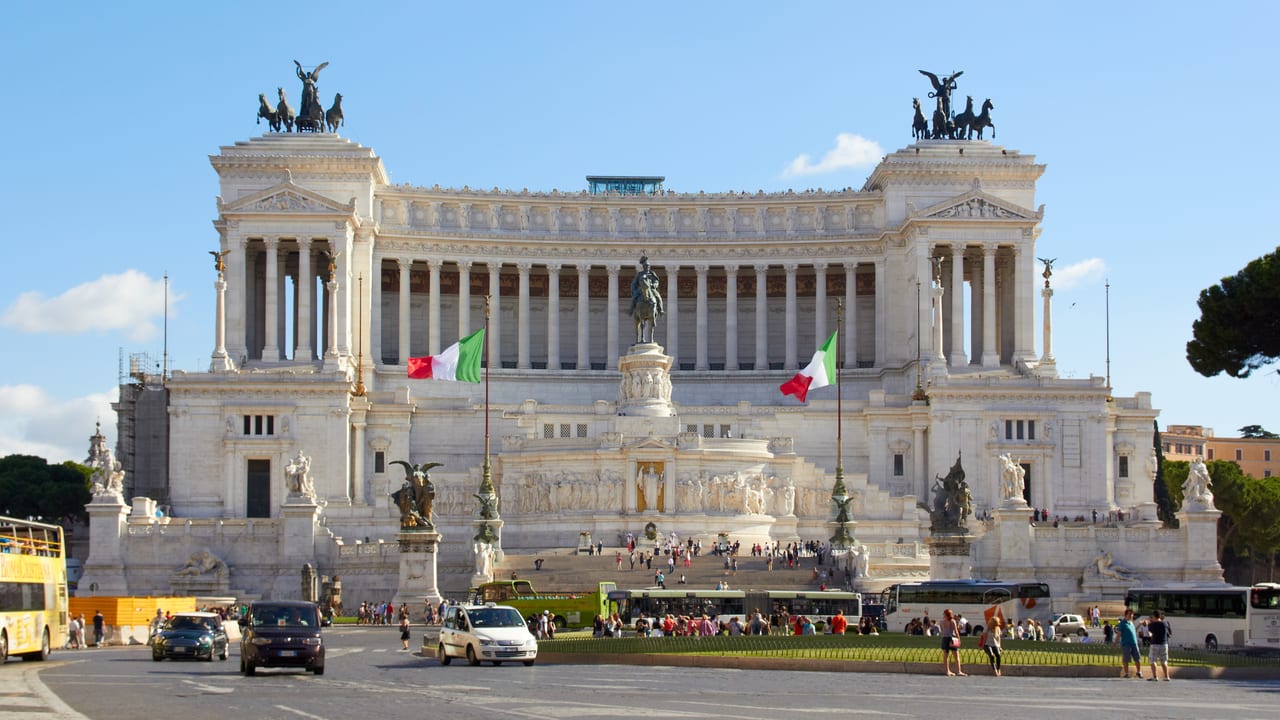
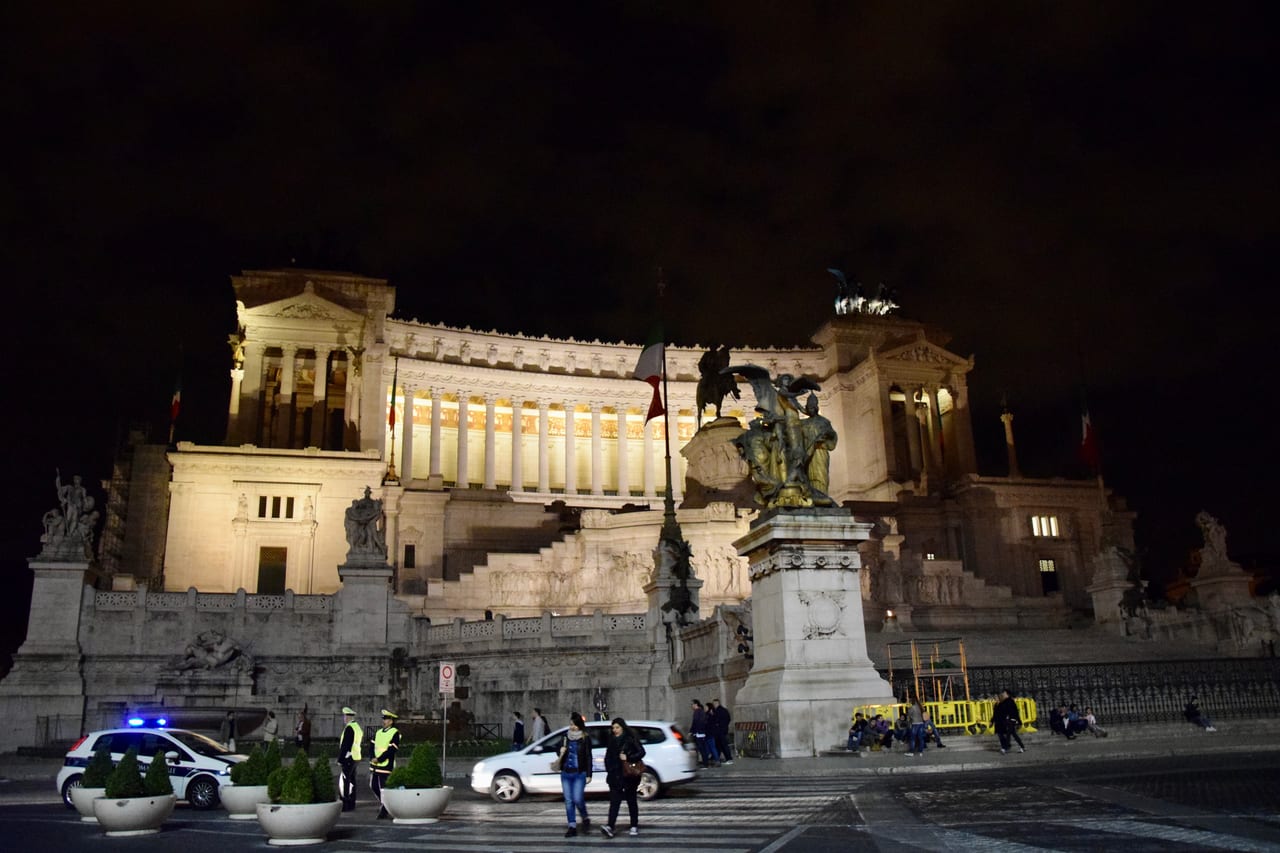
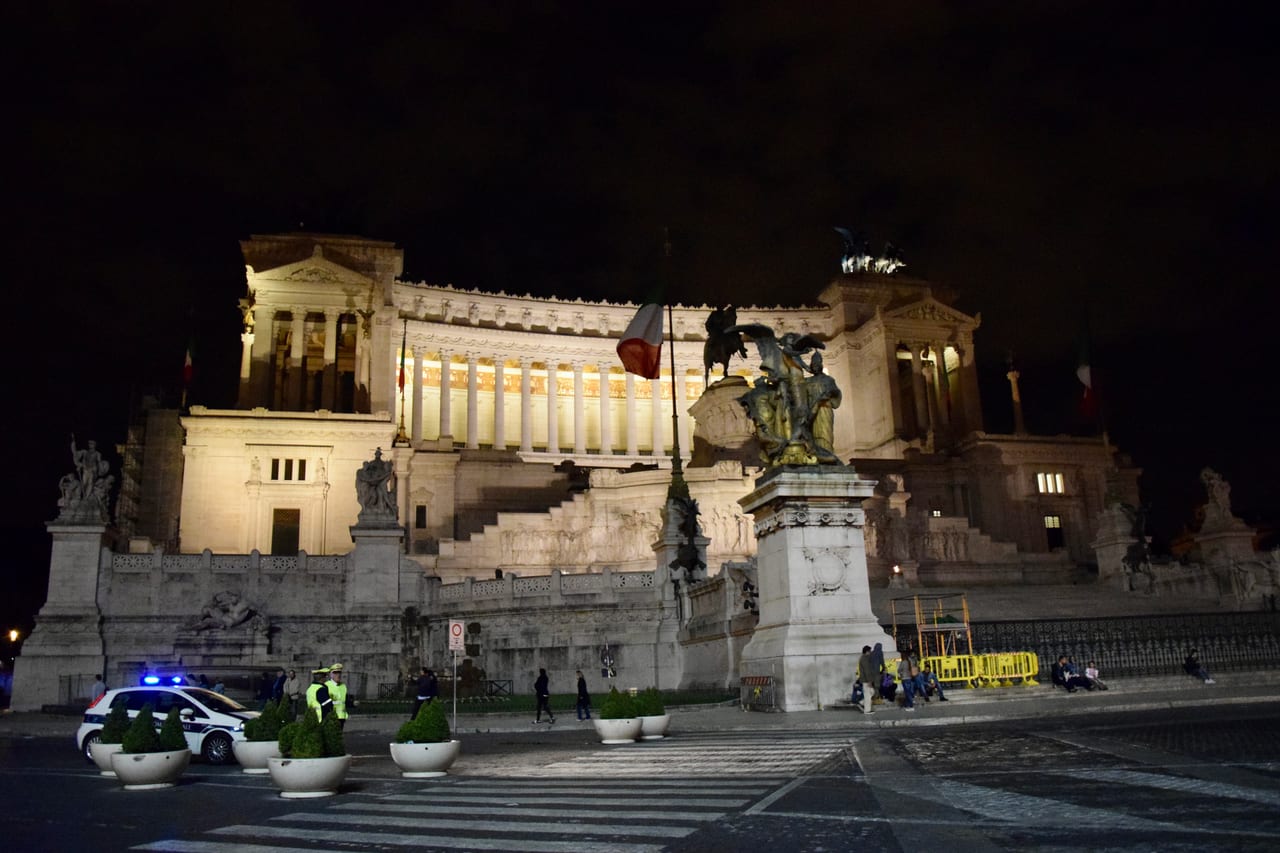
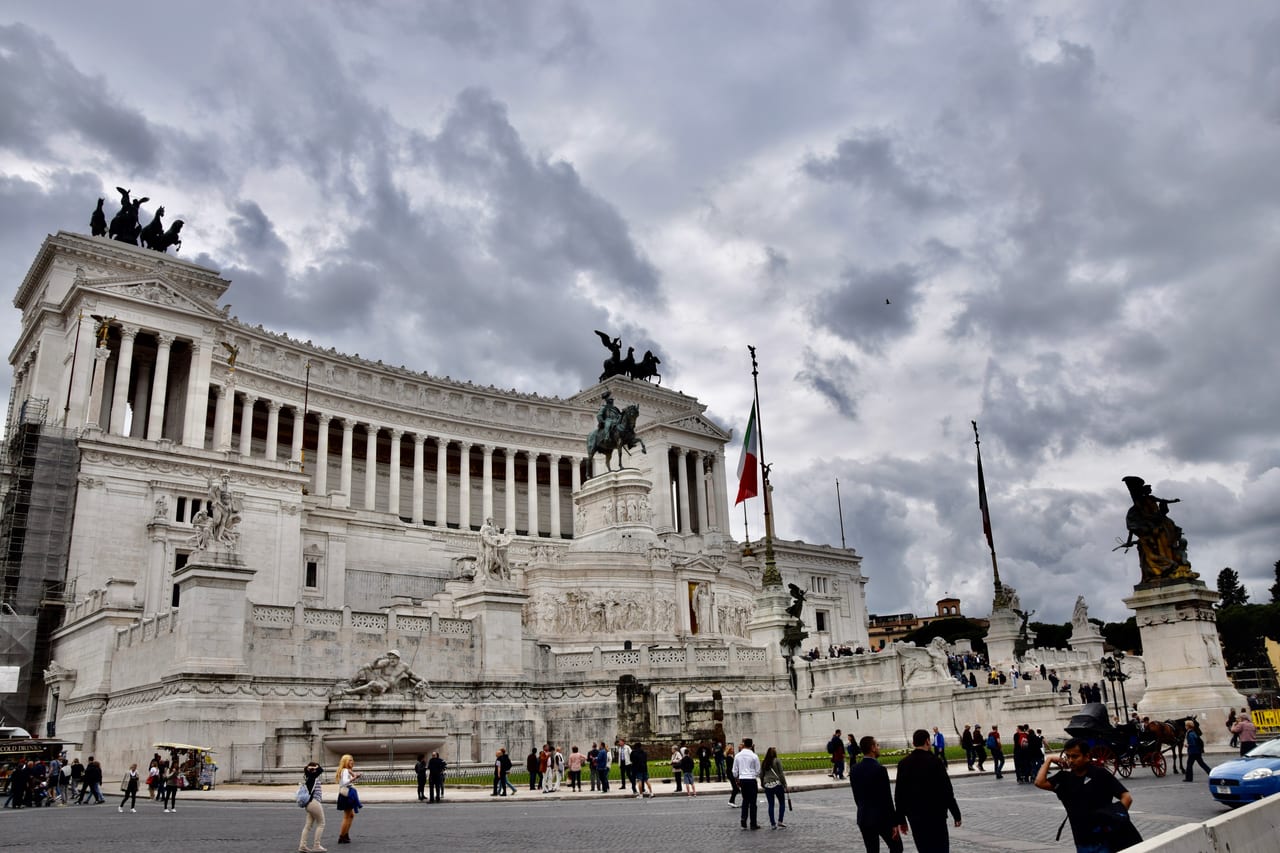
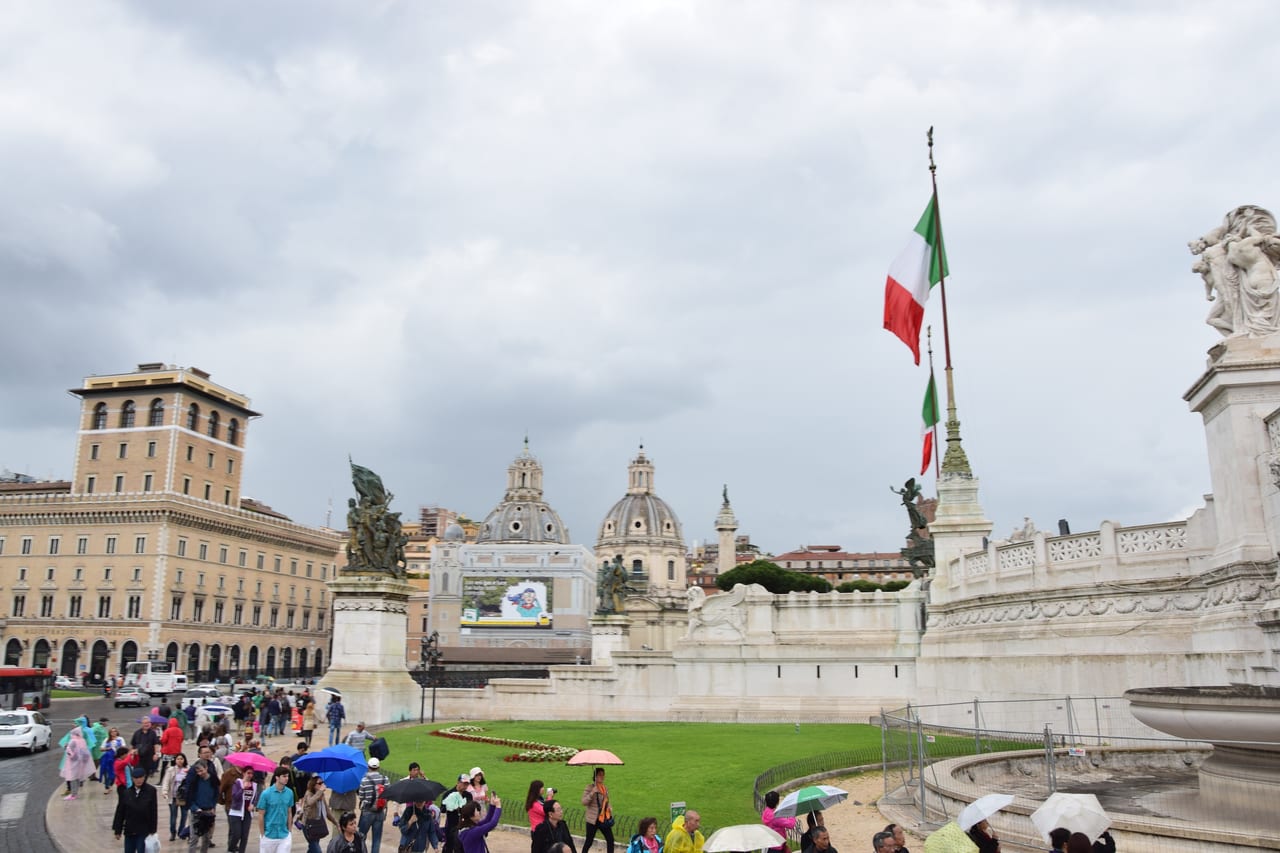
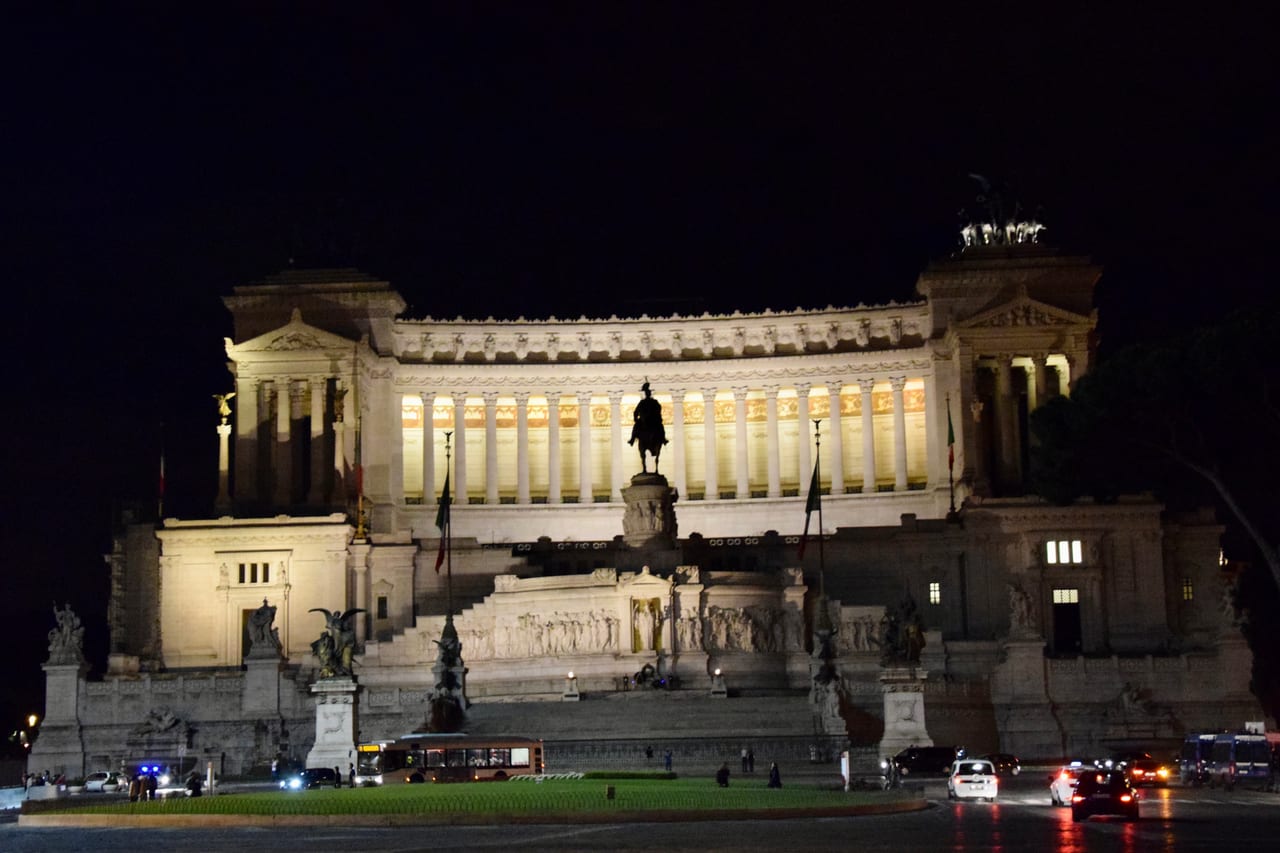
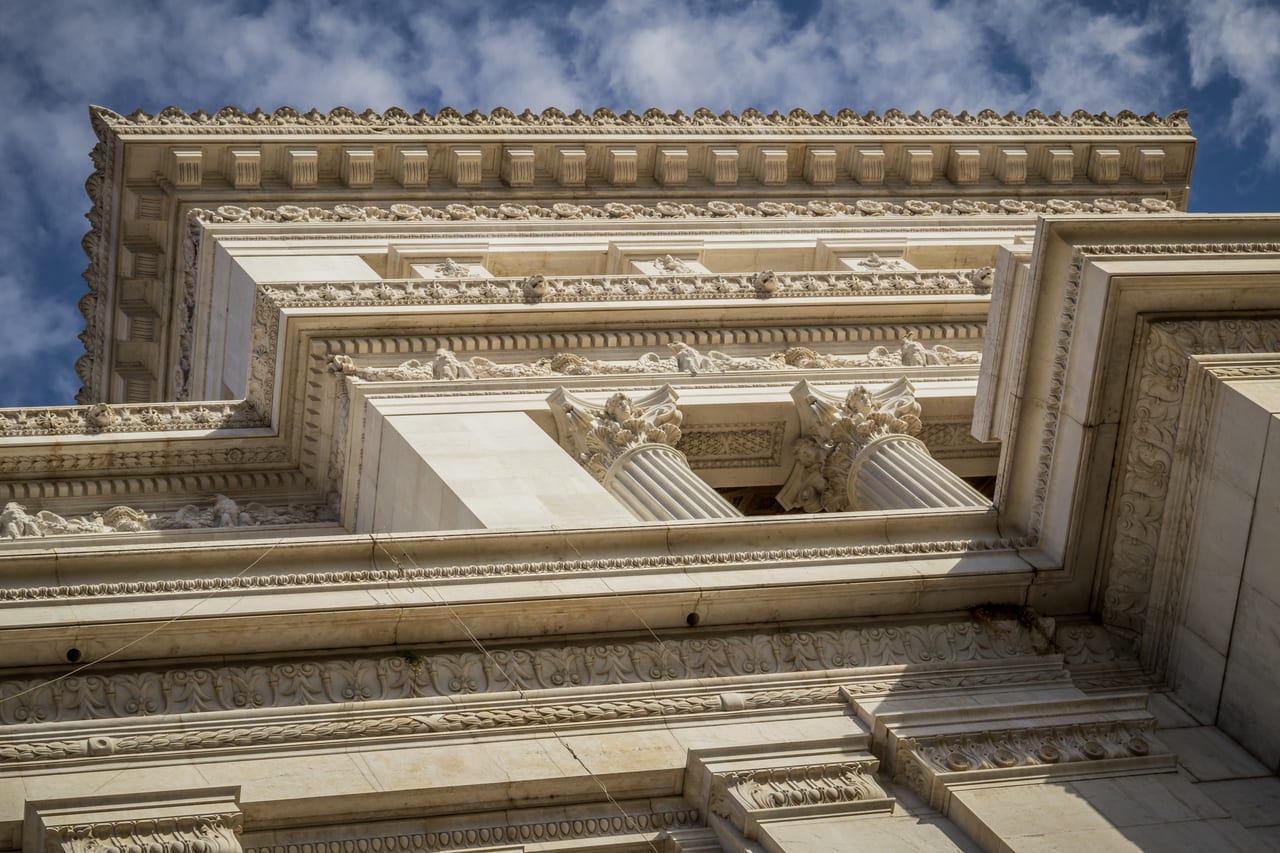
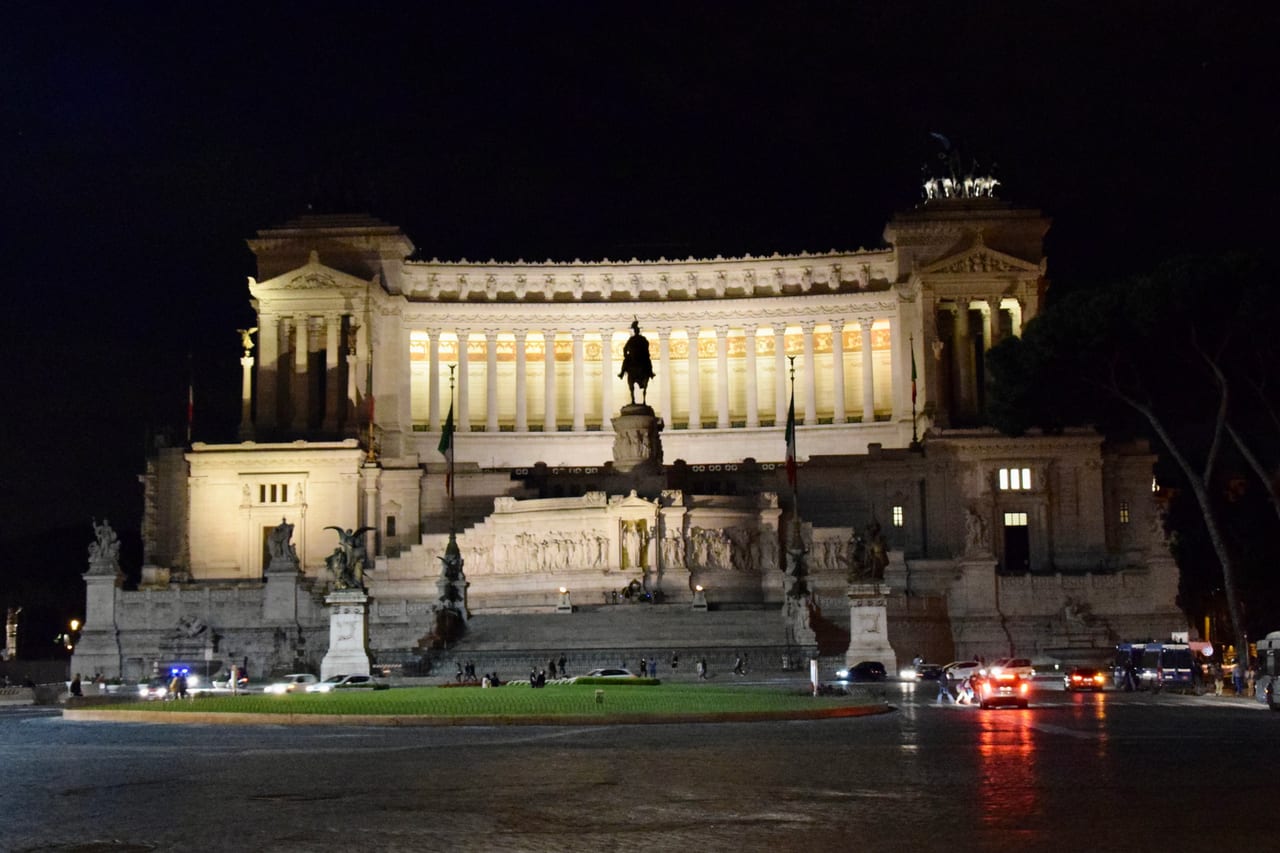
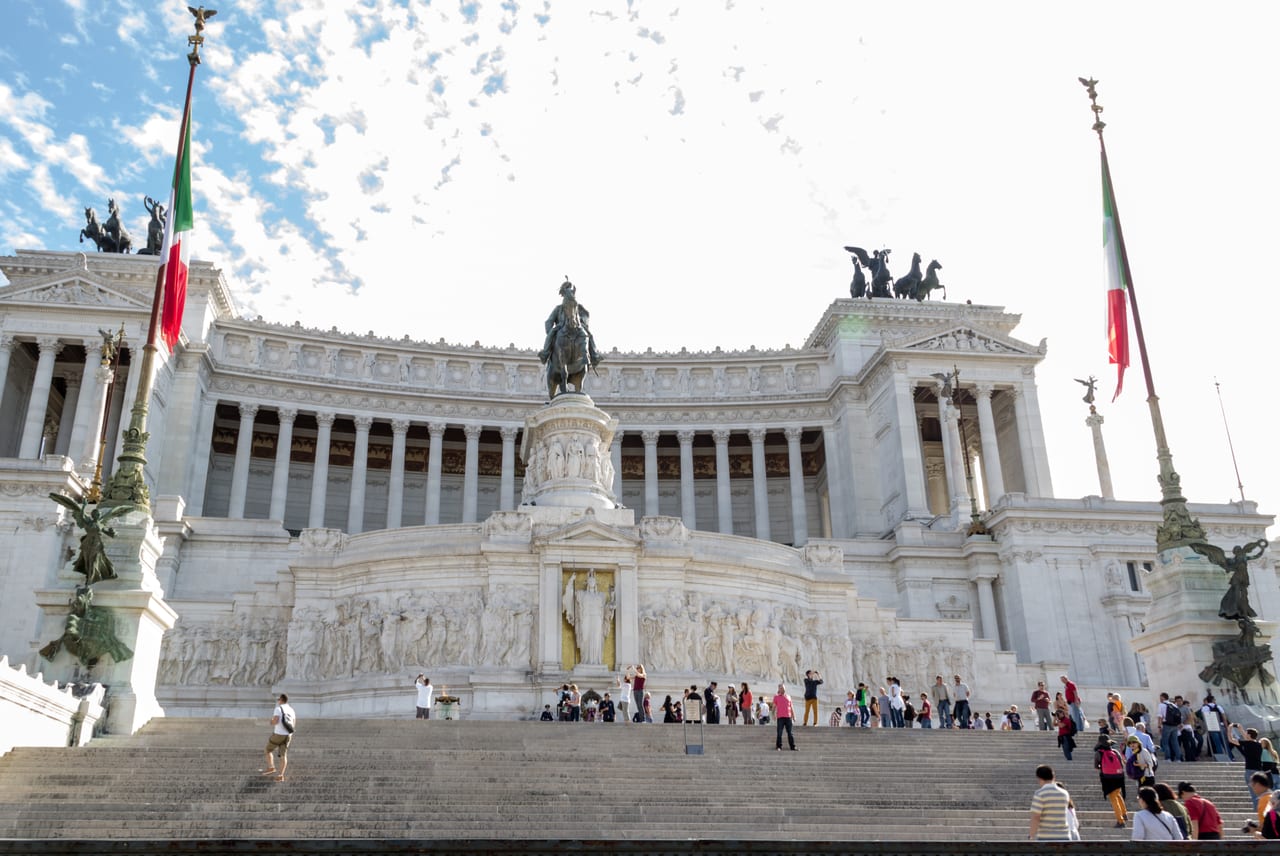
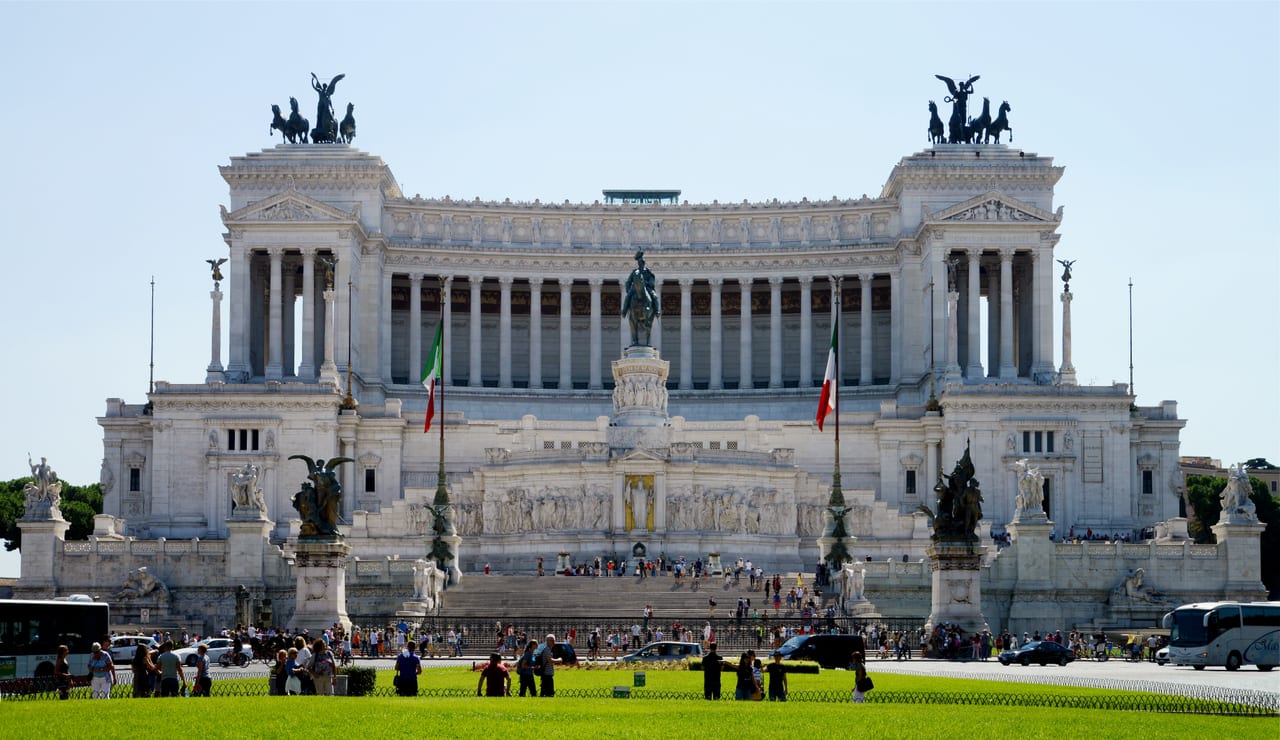
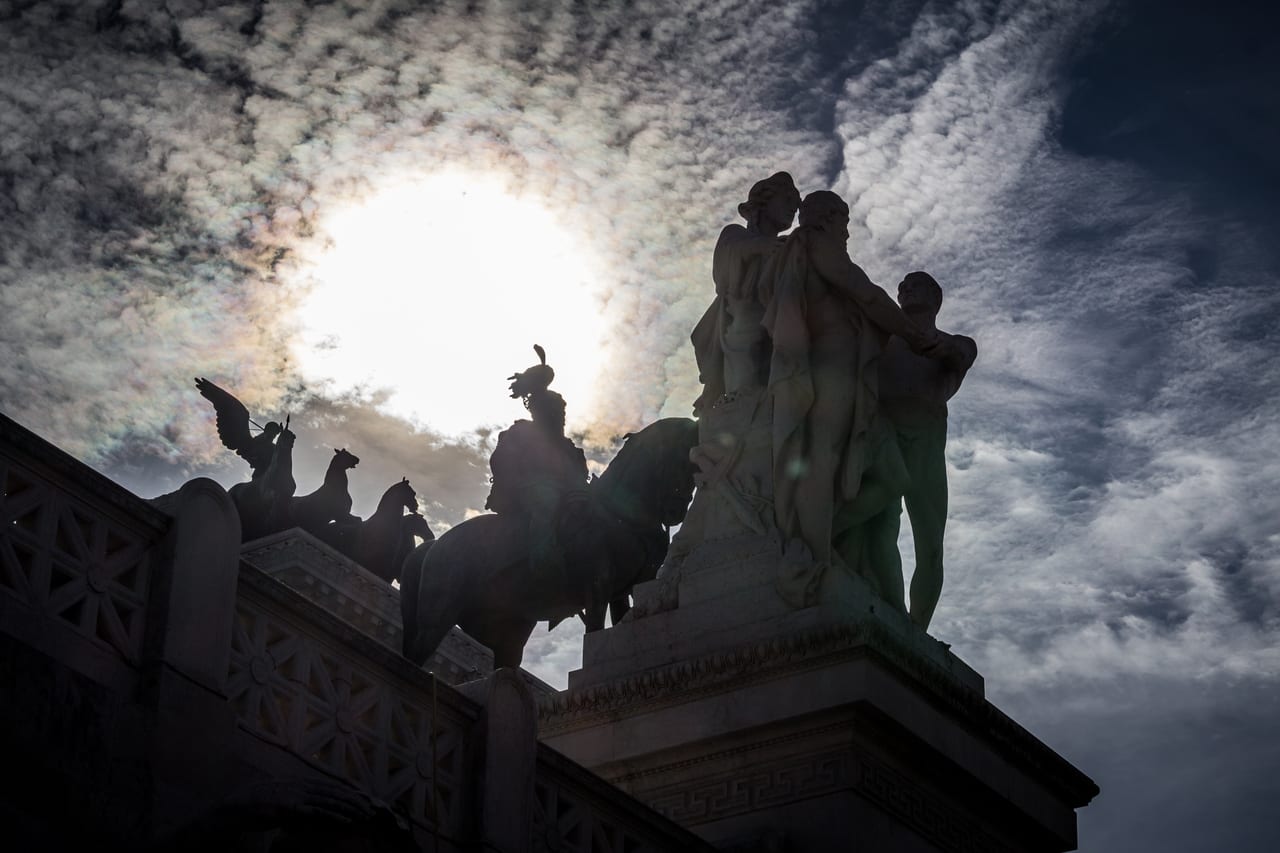
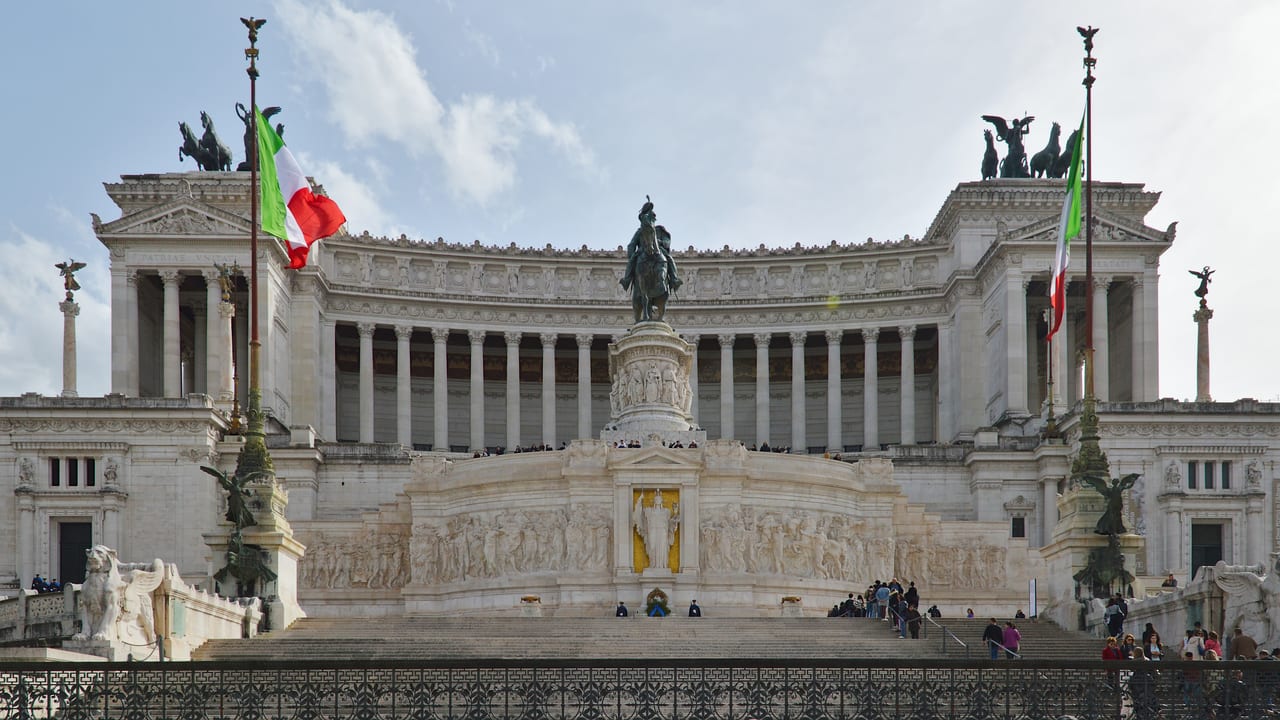
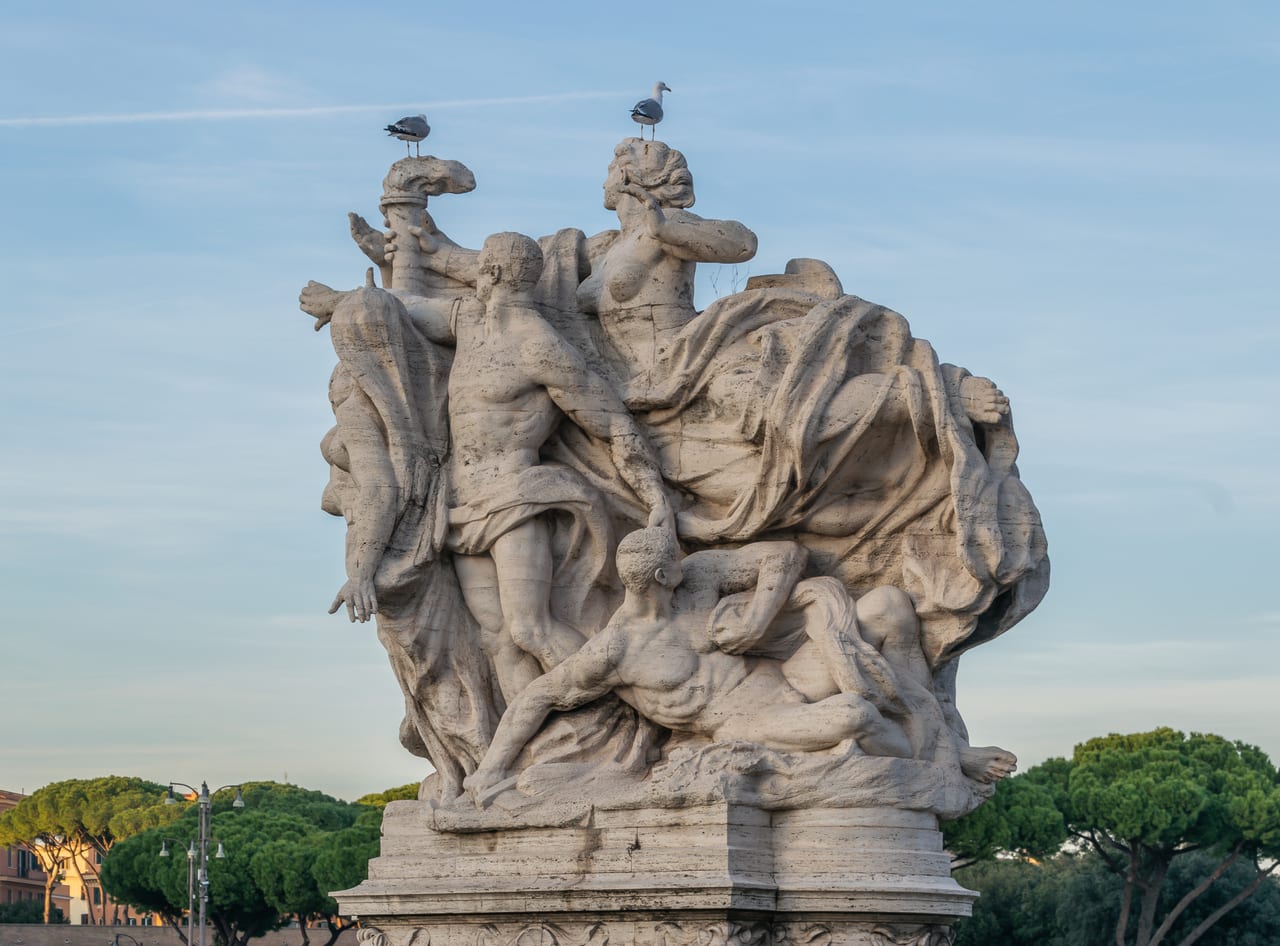
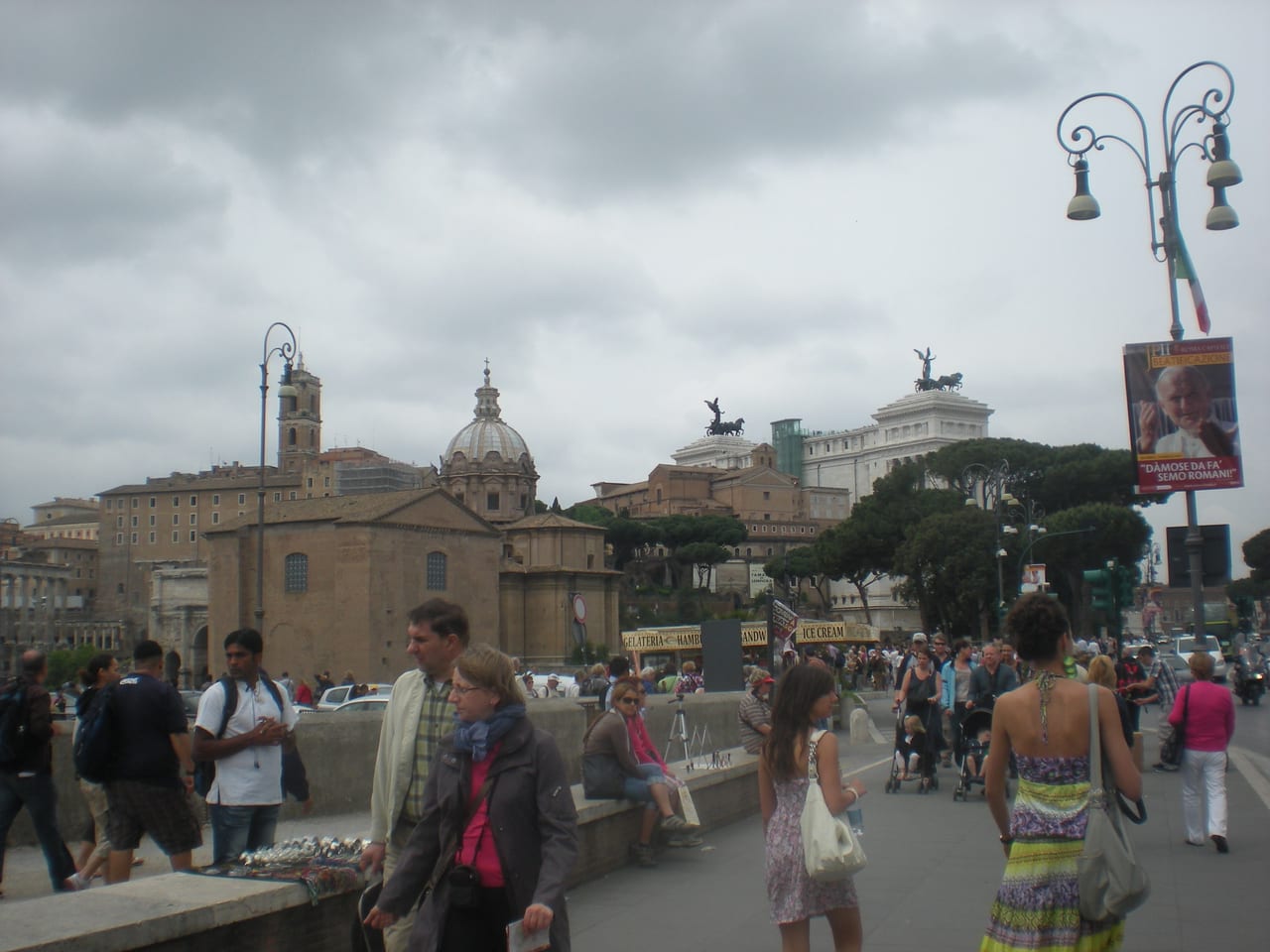
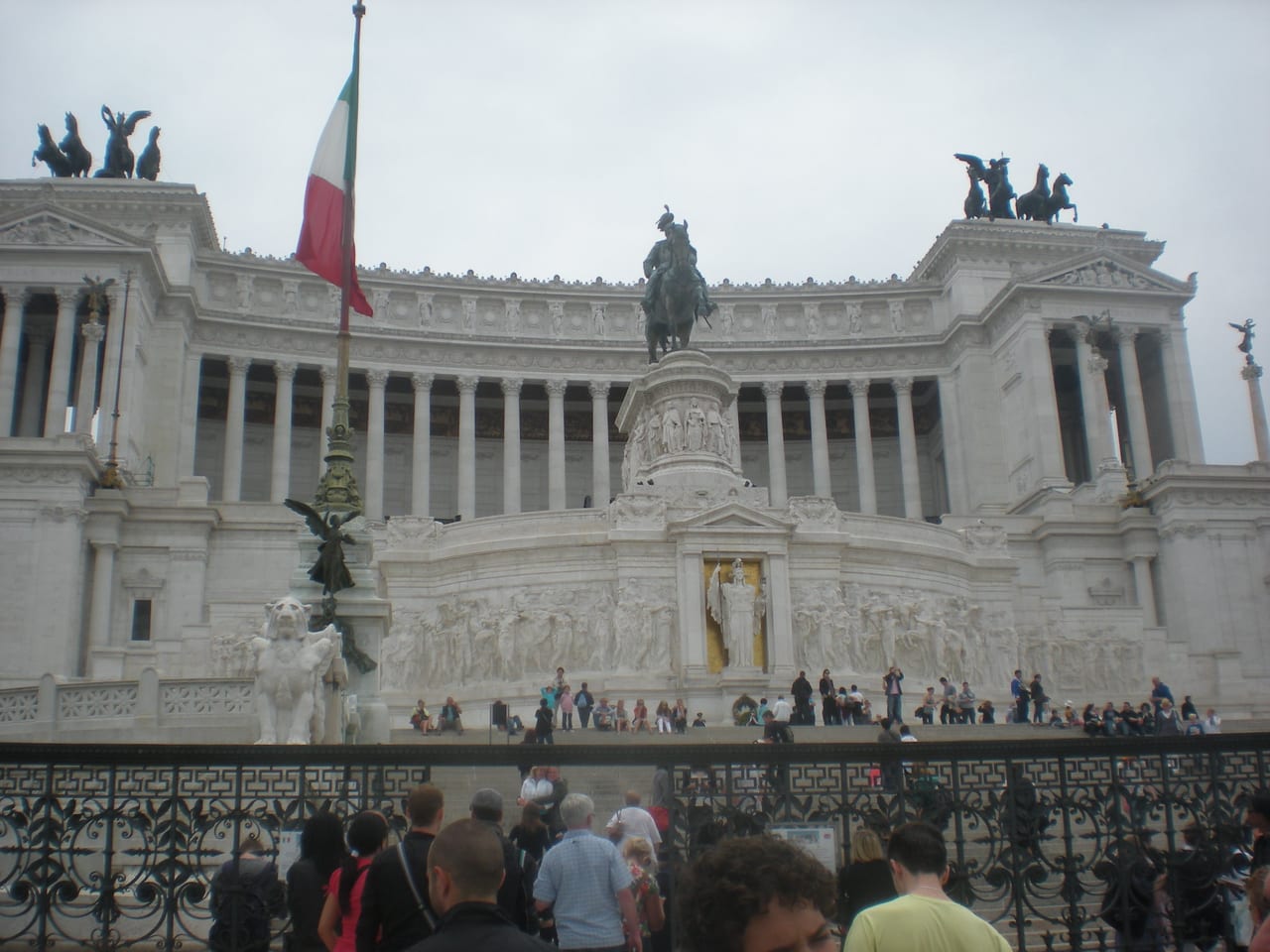
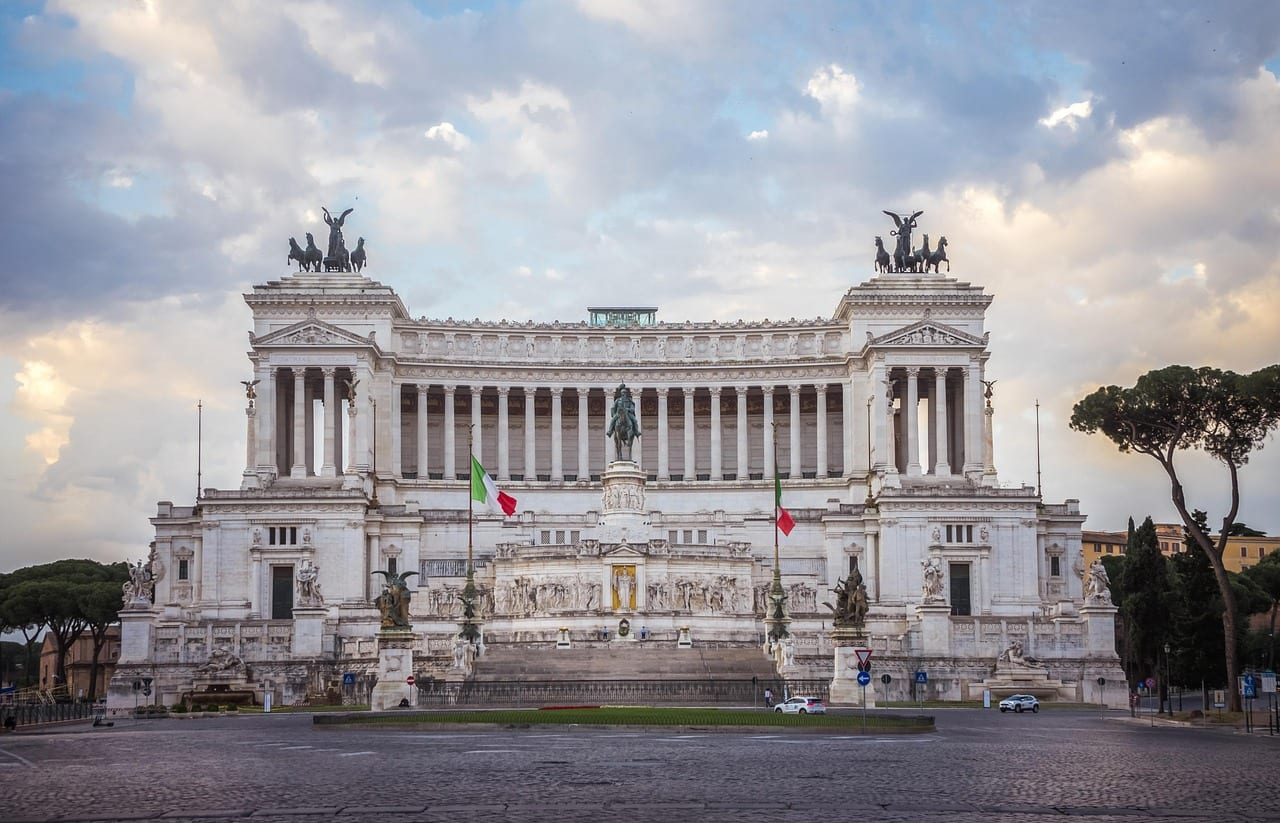
Photograph 1 of 35 of Altare della Patria
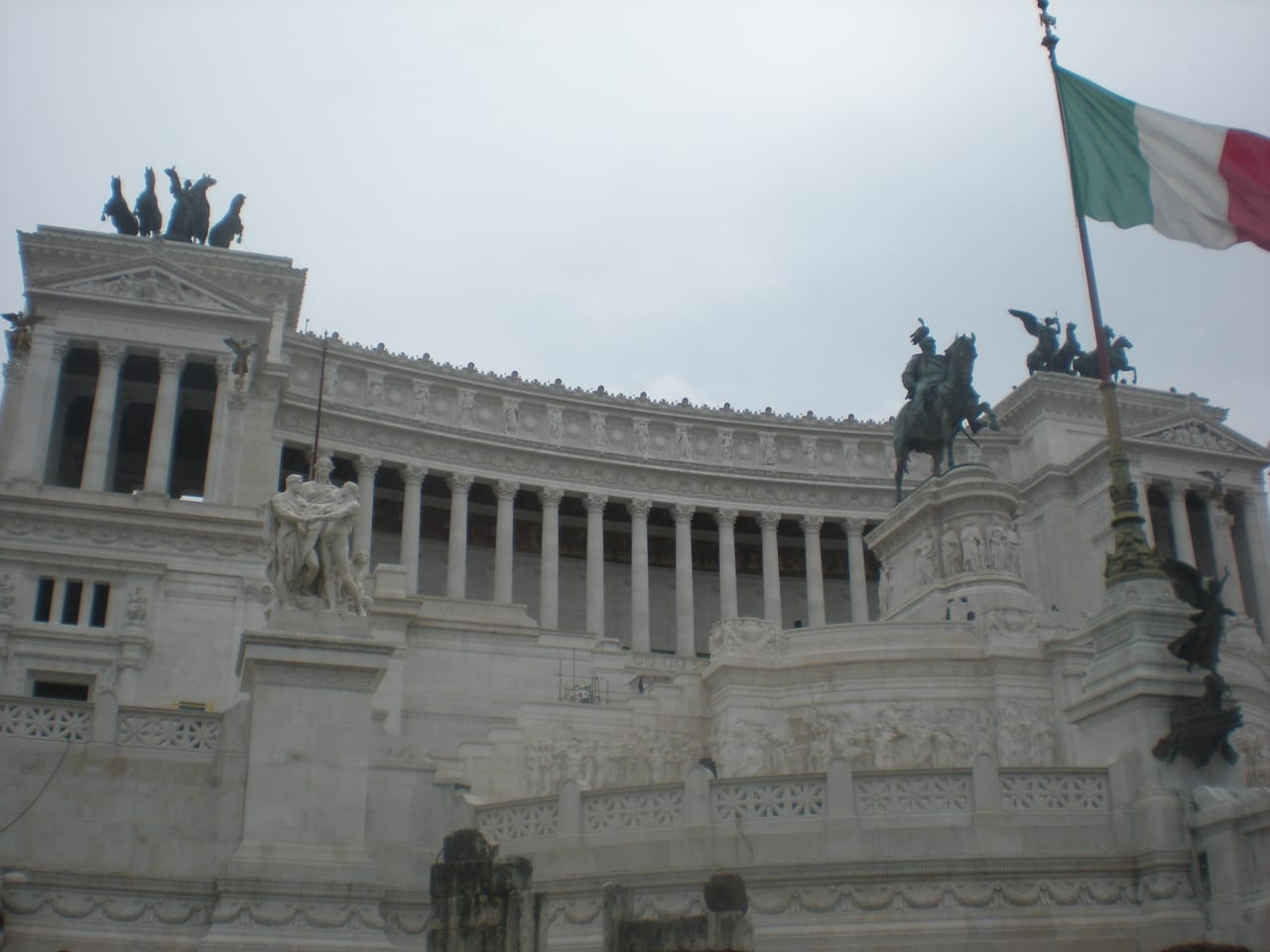
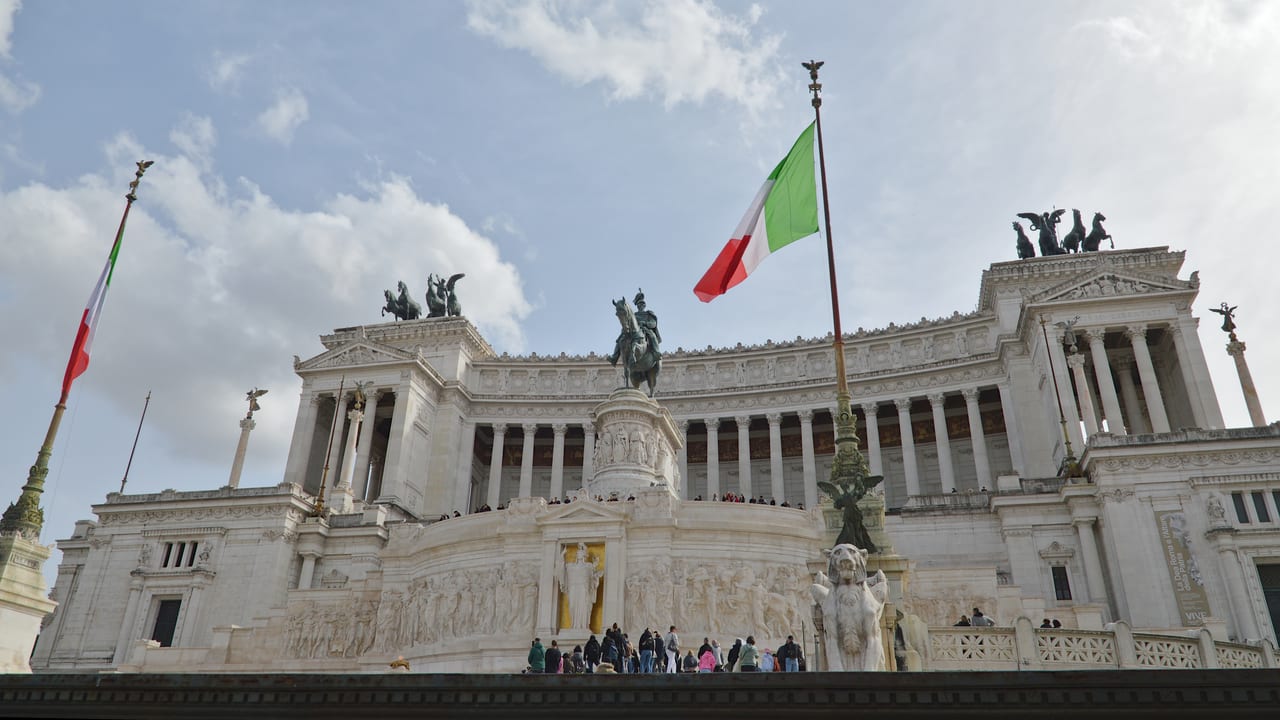
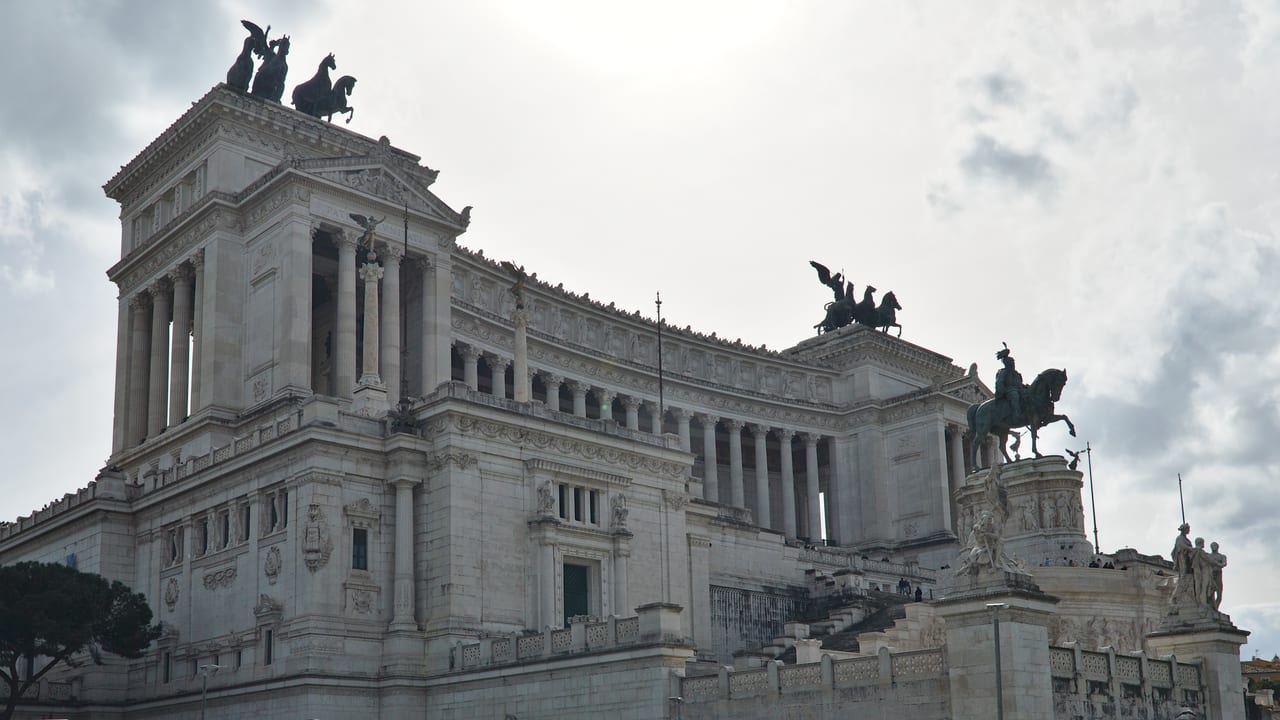
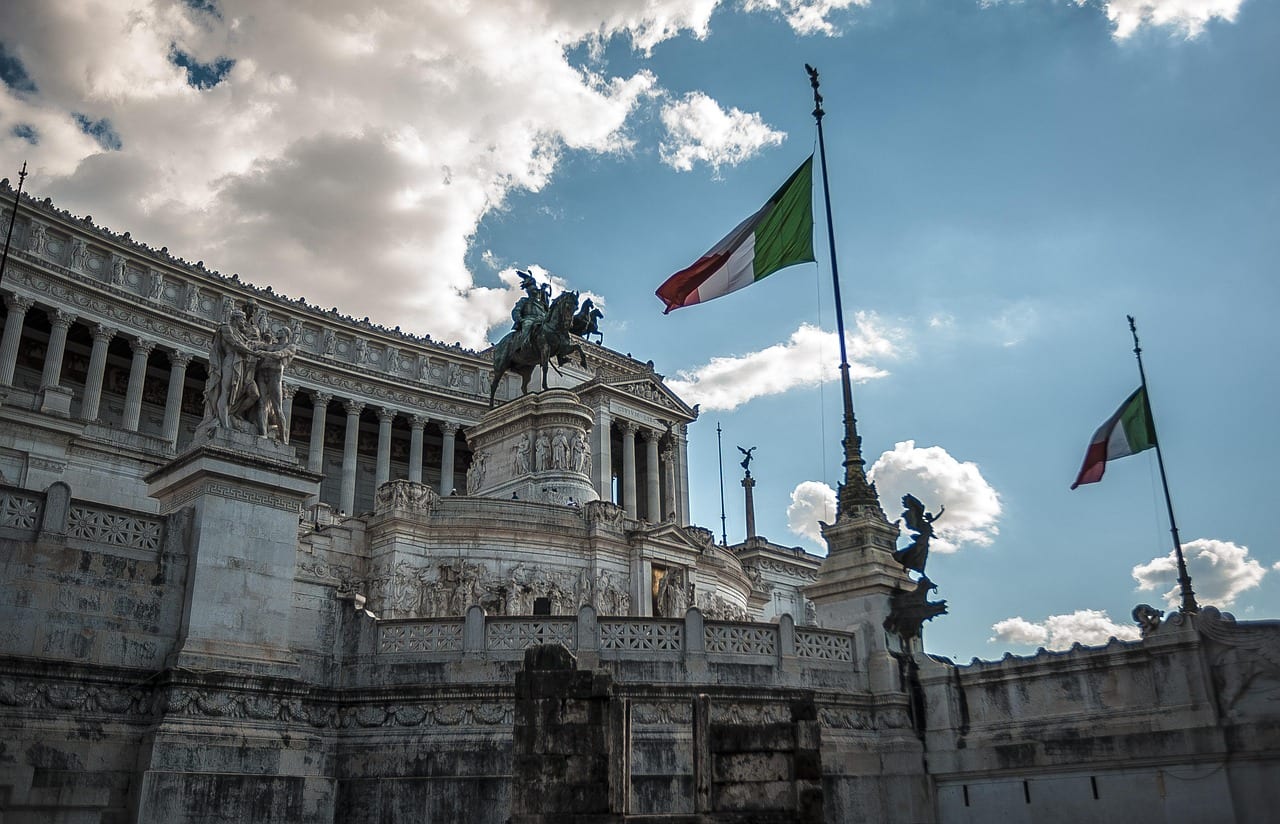
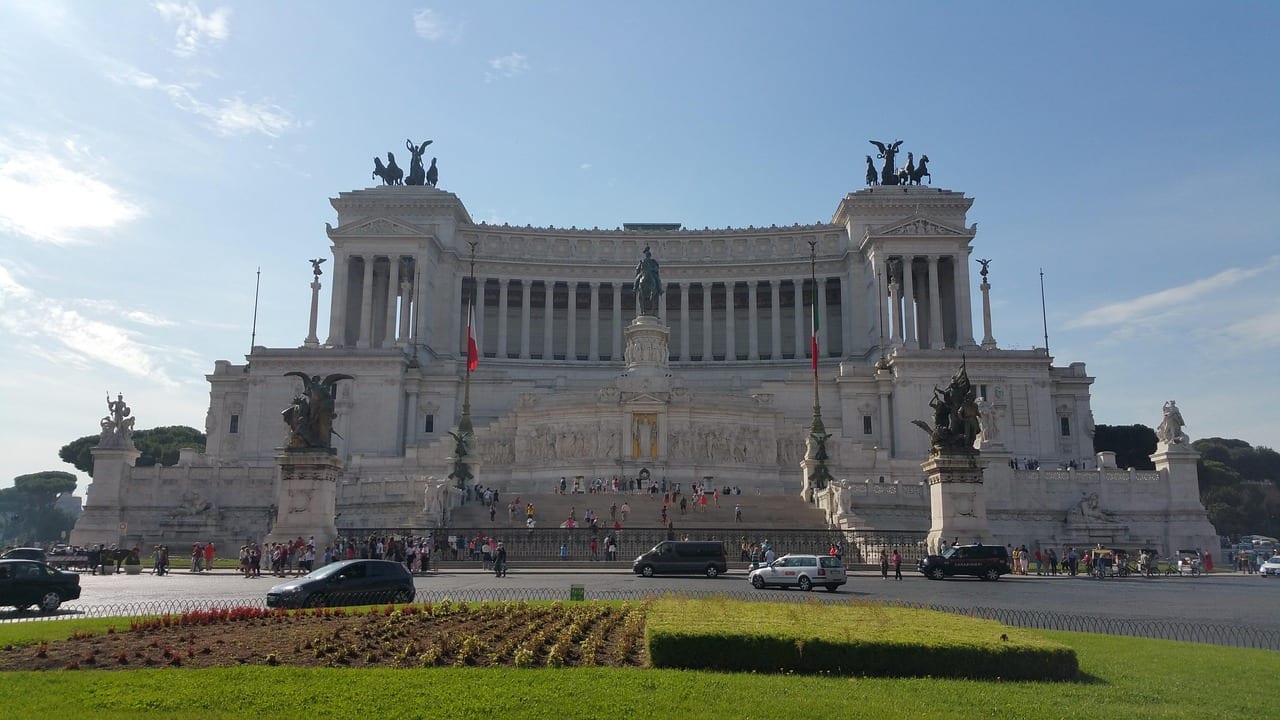
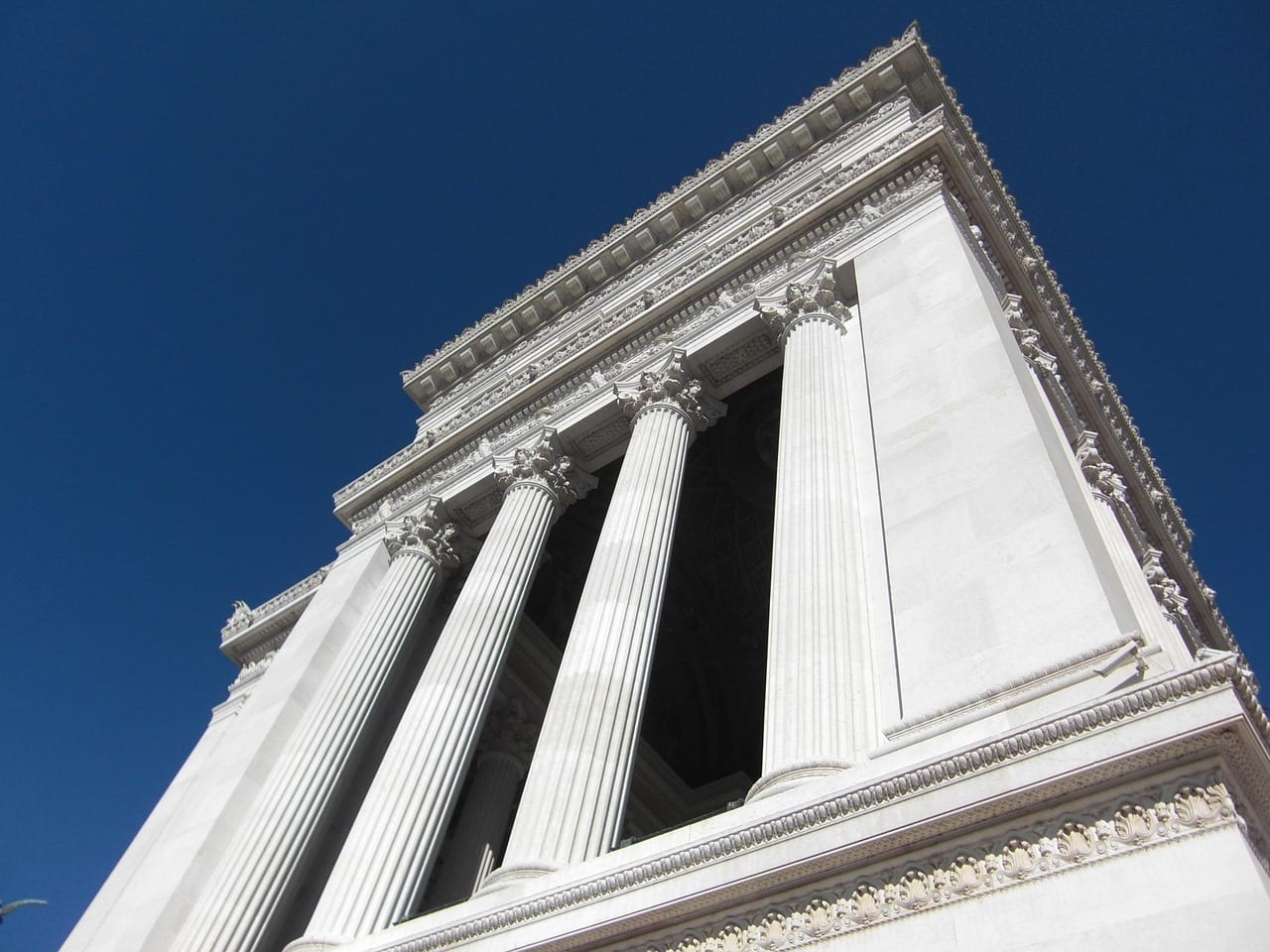
After Vittorio Emanuele II died on 9 January 1878, Parliament approved a permanent memorial to the first king of unified Italy. An international competition in 1880 attracted 311 entrants, but Henri-Paul Nénot’s winning design was abandoned amid political and artistic controversy. A second competition fixed both the site and the building’s form; after a further contest among three finalists, the commission selected the young Marchigiano architect Giuseppe Sacconi in 1884. Sacconi conceived the monument in neoclassical, neo-Greek language with eclectic and Italian elements, drawing on Hellenistic sanctuaries including the Altar of Zeus at Pergamon and the Sanctuary of Fortuna Primigenia at Palestrina. Its broad stairways, elevated public spaces, portico and propylea were intended to express the Risorgimento and the new capital’s secular counterpart to papal and imperial Rome. The project evolved substantially during construction: the use of Botticino marble instead of Carrara altered its colour and ornament, while structural discoveries enlarged and curved the colonnade. Work began in 1885, the monument opened during the 1911 celebrations of Italy’s unification, and completion came in 1935. The Altare della Patria became the Tomb of the Unknown Soldier in 1921, giving the complex an additional national meaning.
At a glance
- Built
- 2000
- Architect
- Giuseppe Sacconi
- Style
- Neoclassical architecture
- Height
- 81 m
- Heritage
- Italian national heritage
Ways to explore Altare della Patria
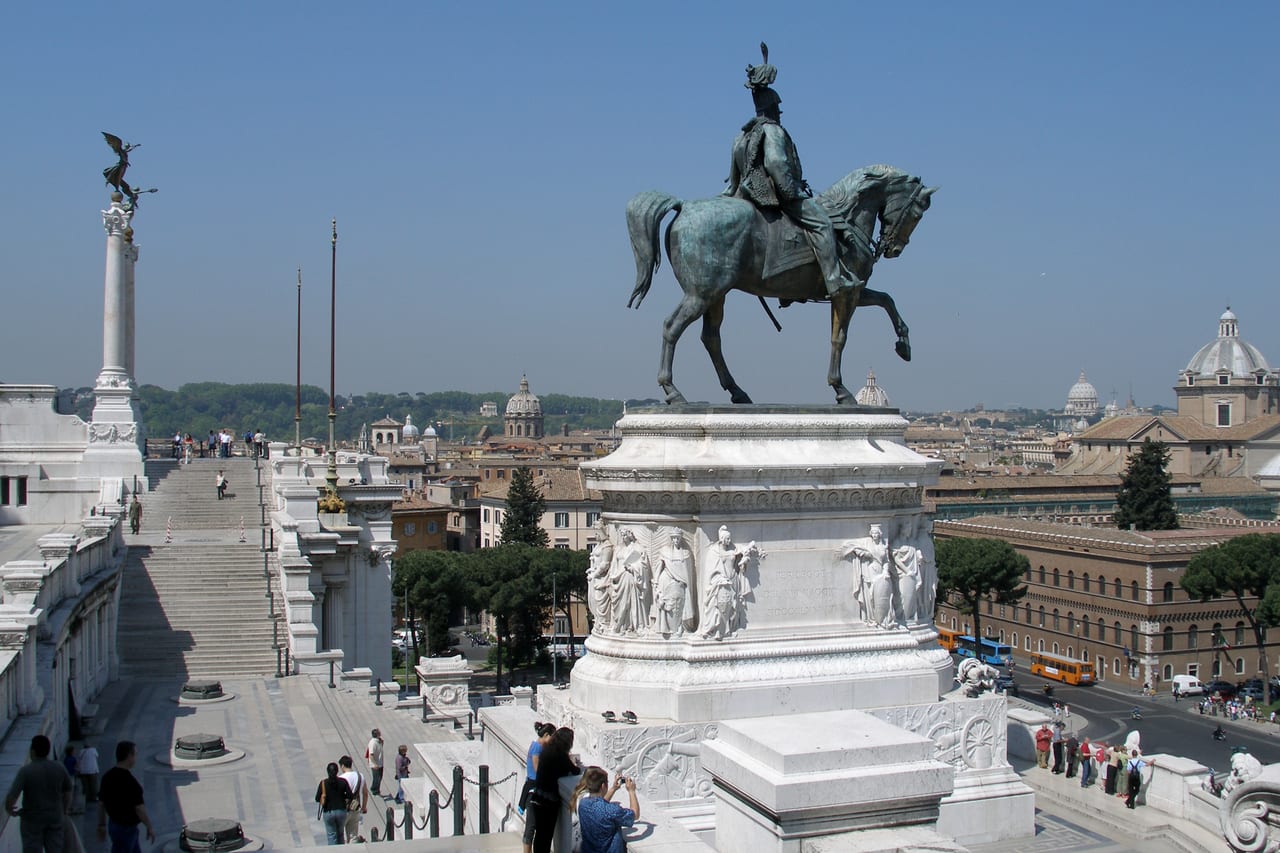
Approach through the stairways and pause to study the reliefs, trophies and small statues that animate the marble surfaces. Continue upwards to examine the equestrian statue of Vittorio Emanuele II and the long colonnade with its propylea. Inside, seek out the Museo centrale del Risorgimento, the Sacrario delle Bandiere and the crypt of the Unknown Soldier. The upper levels are particularly useful for understanding how the monument’s ceremonial spaces are arranged around its central altar.
Places to stay near Altare della Patria

Live availability and prices from Stay22's partners, refreshed periodically and subject to change. Booking through these links may earn us a commission at no extra cost to you. See our privacy policy.
Cafés near Altare della Patria
Cafés near Altare della Patria loads as you scroll.
Attractions nearby
Attractions near Altare della Patria loads as you scroll.
Cities nearby
Cities nearby loads as you scroll.
More in Rome
See more of Rome.
Find great cafés, places to stay and other interesting places to visit in Rome.