Museum · Rome
Accademia di San Luca
DirectionsA museum in Rome, founded in 1577.
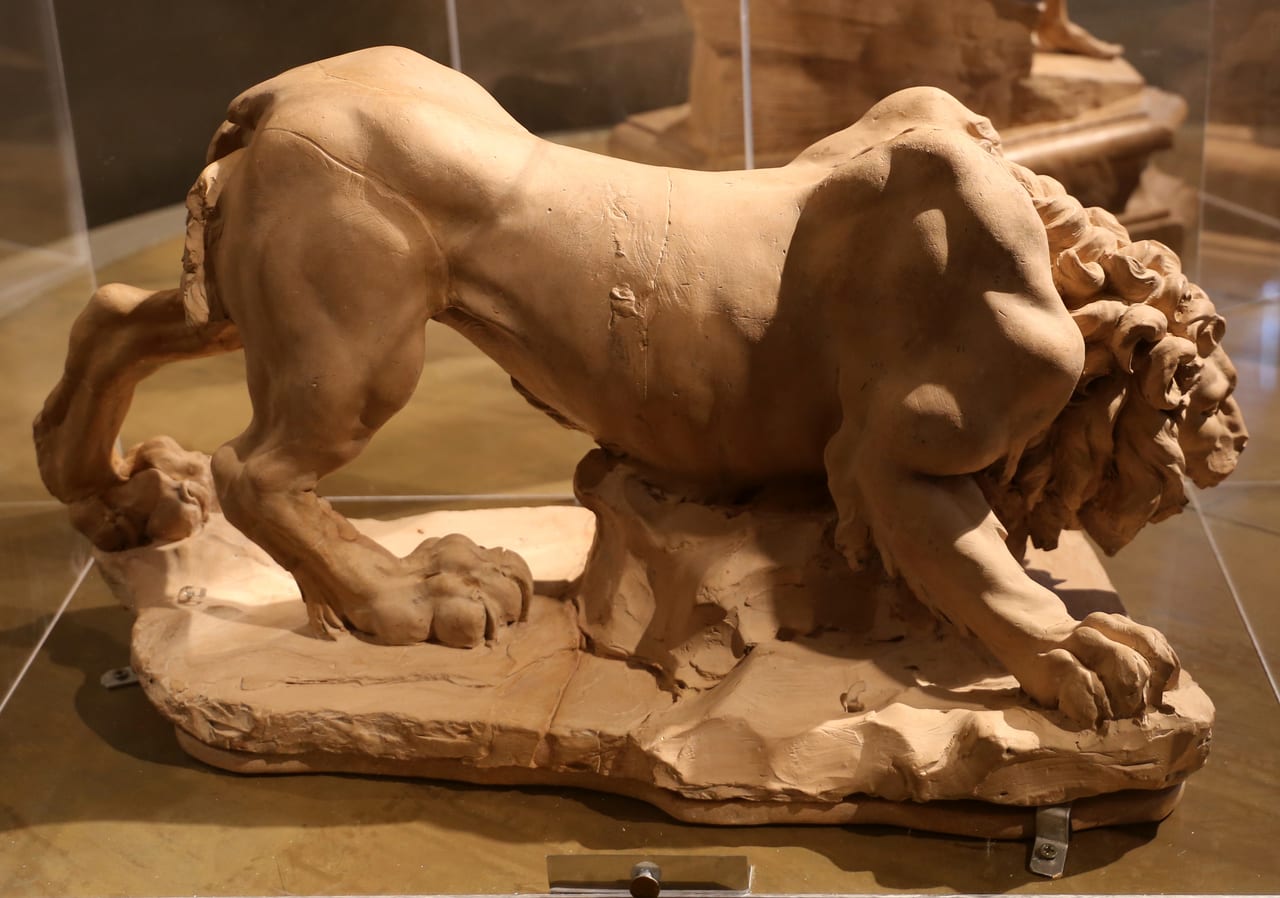
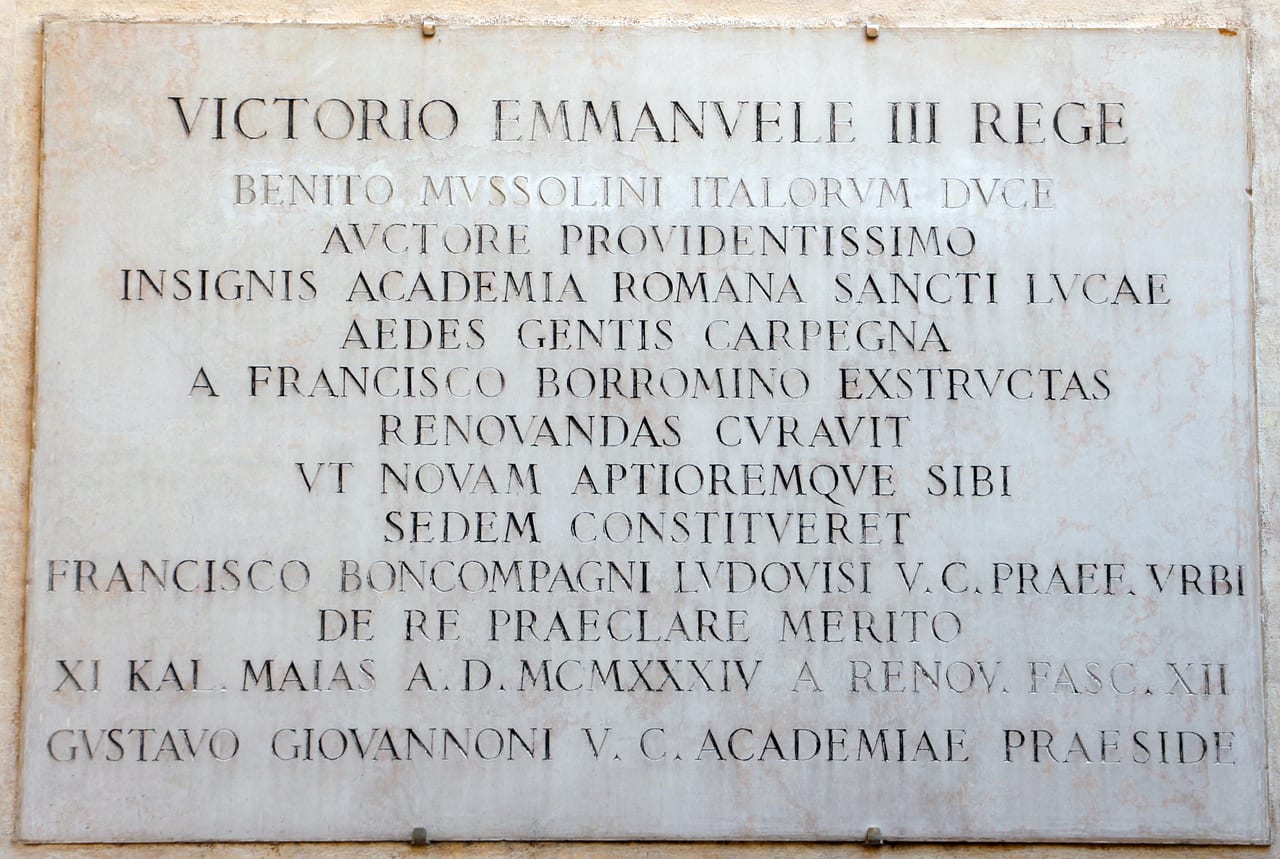
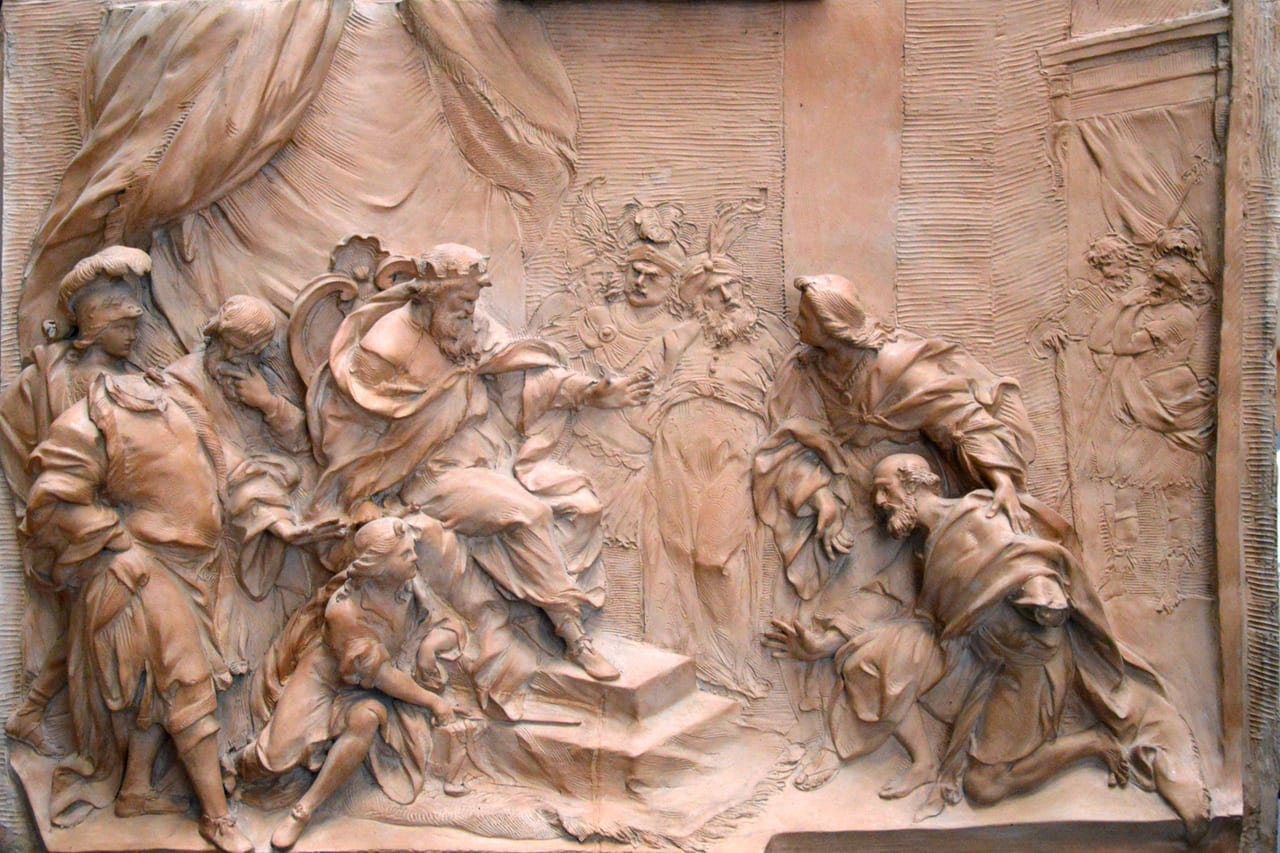
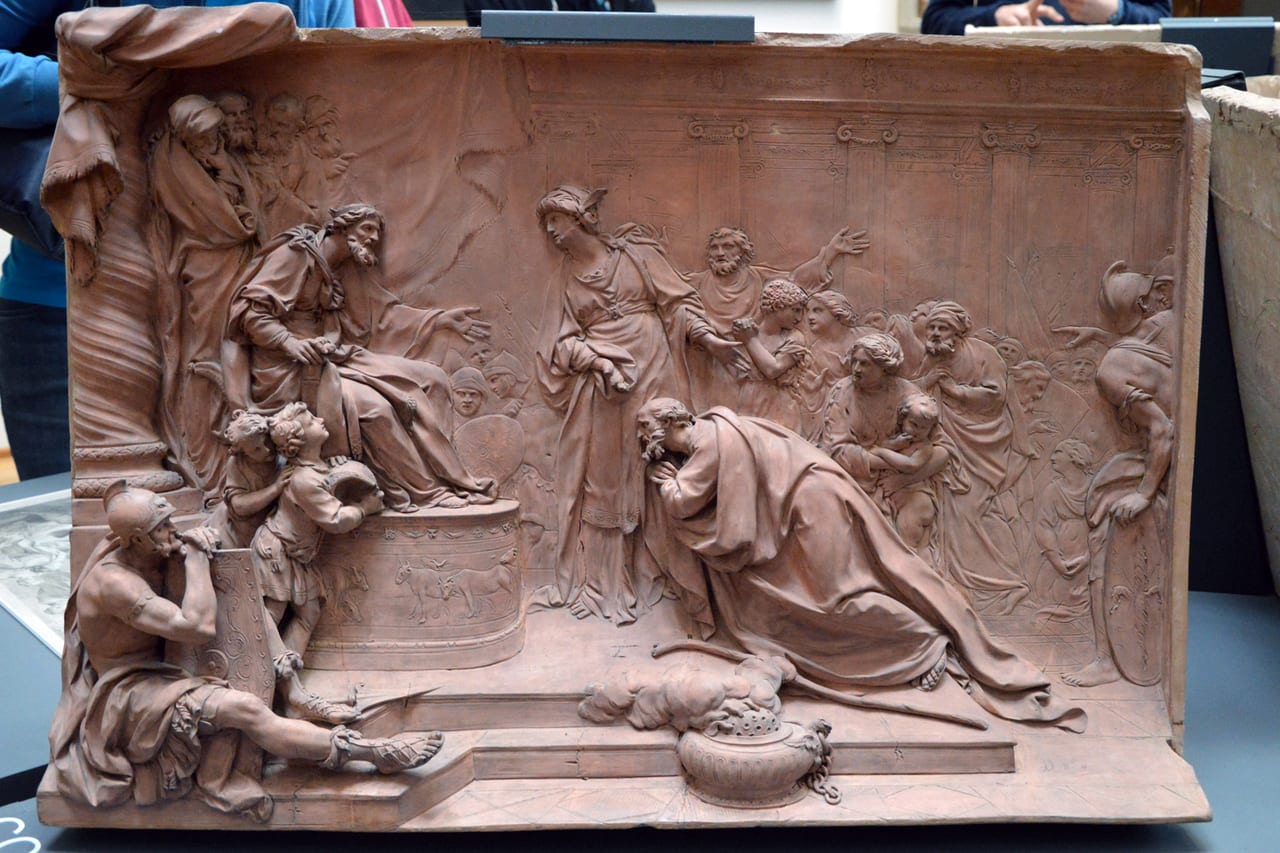
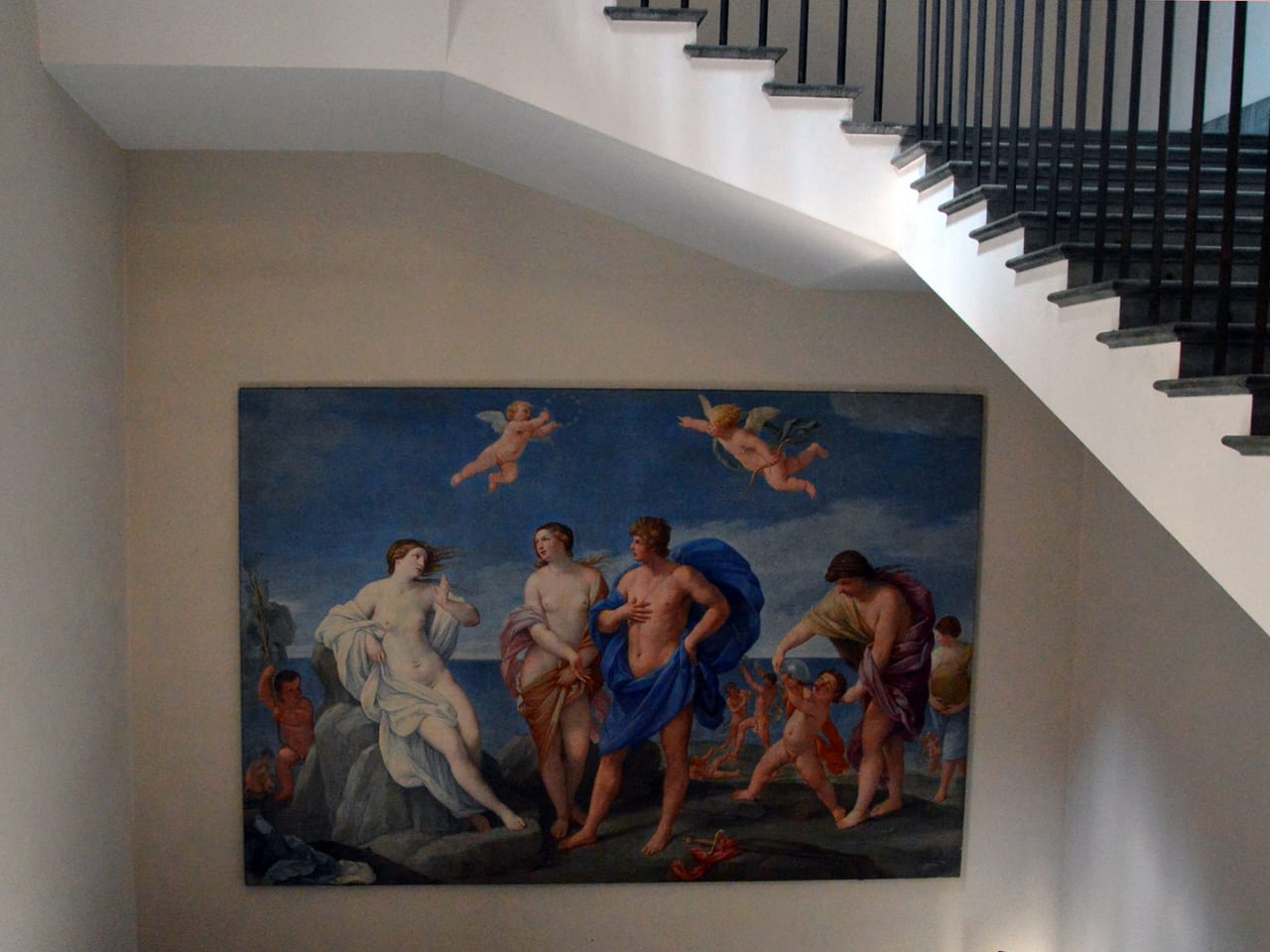
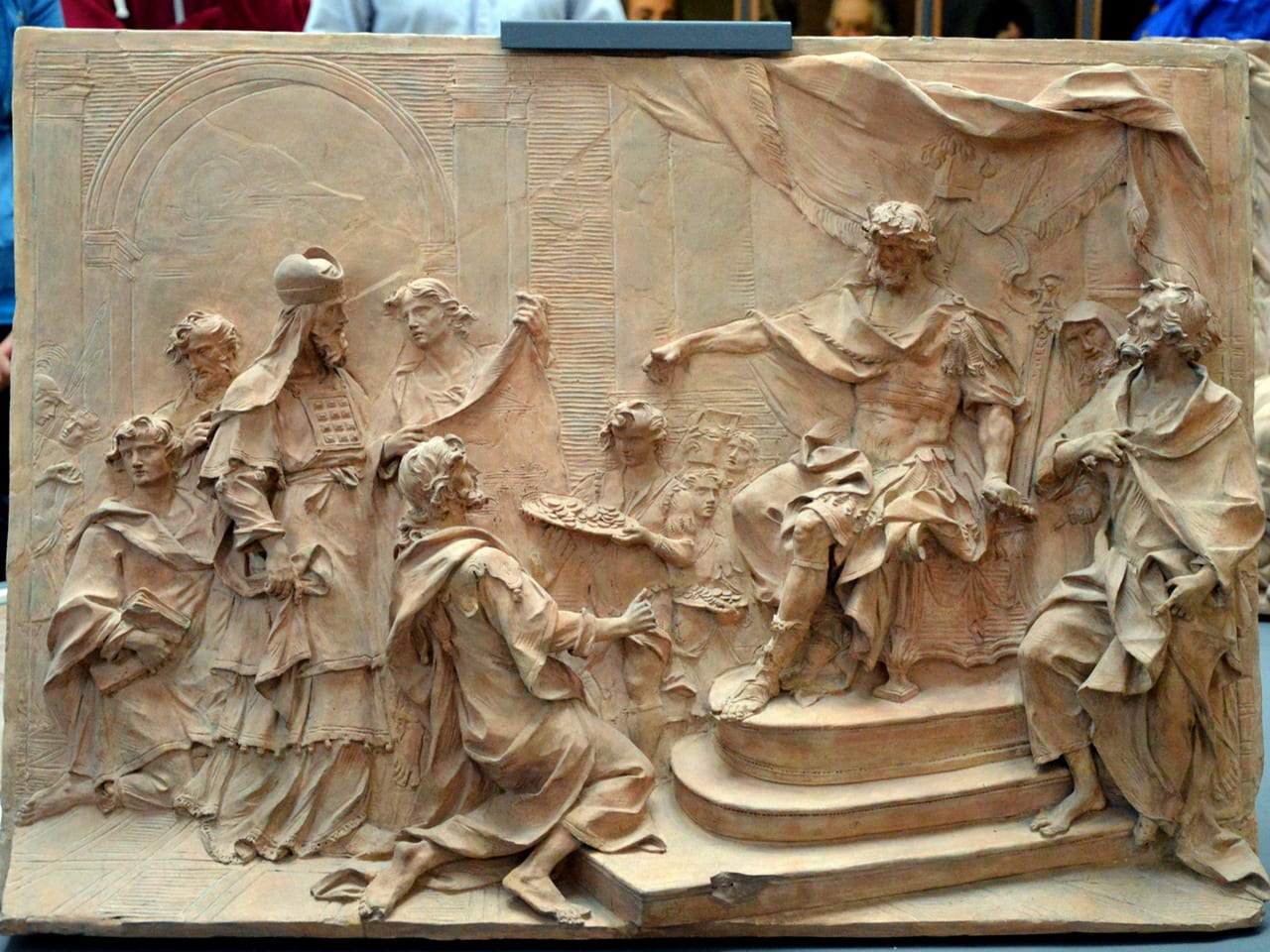
Photograph 1 of 6 of Accademia di San Luca
Through Girolamo Muziano, the institution received official recognition from Pope Gregory XIII in 1577; Federico Zuccari became its first principe in 1593, and its statutes were ratified in 1607. The Academy took its name from Luke the Evangelist, patron saint of painters, and its founders included Muziano and Pietro Olivieri. In 1588, Pope Sixtus V granted it the church of S. Martina, rededicated as Santi Luca e Martina. Its powers expanded during the seventeenth century, while Pietro da Cortona’s period as principe coincided with the admission of architects, who joined painters and sculptors on equal terms. The Academy taught all three disciplines and held the Concorsi Clementini, later supplemented by the Concorsi Balestra. Debate included the Cortona-Sacchi controversy and criticism of the Bamboccianti. After its Via Bonella headquarters was demolished for Via dell’Impero, the institution moved in 1934 to the sixteenth-century Palazzo Carpegna, where it remains active.
At a glance
- Built
- 1577
- Heritage
- Italian national heritage
Ways to explore Accademia di San Luca
At Palazzo Carpegna, examine the Academy’s collection of about 500 portraits alongside its paintings, sculptures, and substantial holdings of drawings. The portrait tradition rewards close attention to how artists represented their own profession and peers, including portraits of two women artists. Exhibitions of artists’ work are also held there. The Academic Library and Sarti Roman Municipal Library together contain more than 50,000 volumes on painting, sculpture, and architecture. The surviving church of Santi Luca e Martina, with its main façade overlooking the Forum, is a separate architectural point of interest.
Places to stay near Accademia di San Luca

Live availability and prices from Stay22's partners, refreshed periodically and subject to change. Booking through these links may earn us a commission at no extra cost to you. See our privacy policy.
Cafés near Accademia di San Luca
Cafés near Accademia di San Luca loads as you scroll.
Attractions nearby
Attractions near Accademia di San Luca loads as you scroll.
Cities nearby
Cities nearby loads as you scroll.
More in Rome
See more of Rome.
Find great cafés, places to stay and other interesting places to visit in Rome.