Church · Naples
Sant'Eligio Maggiore
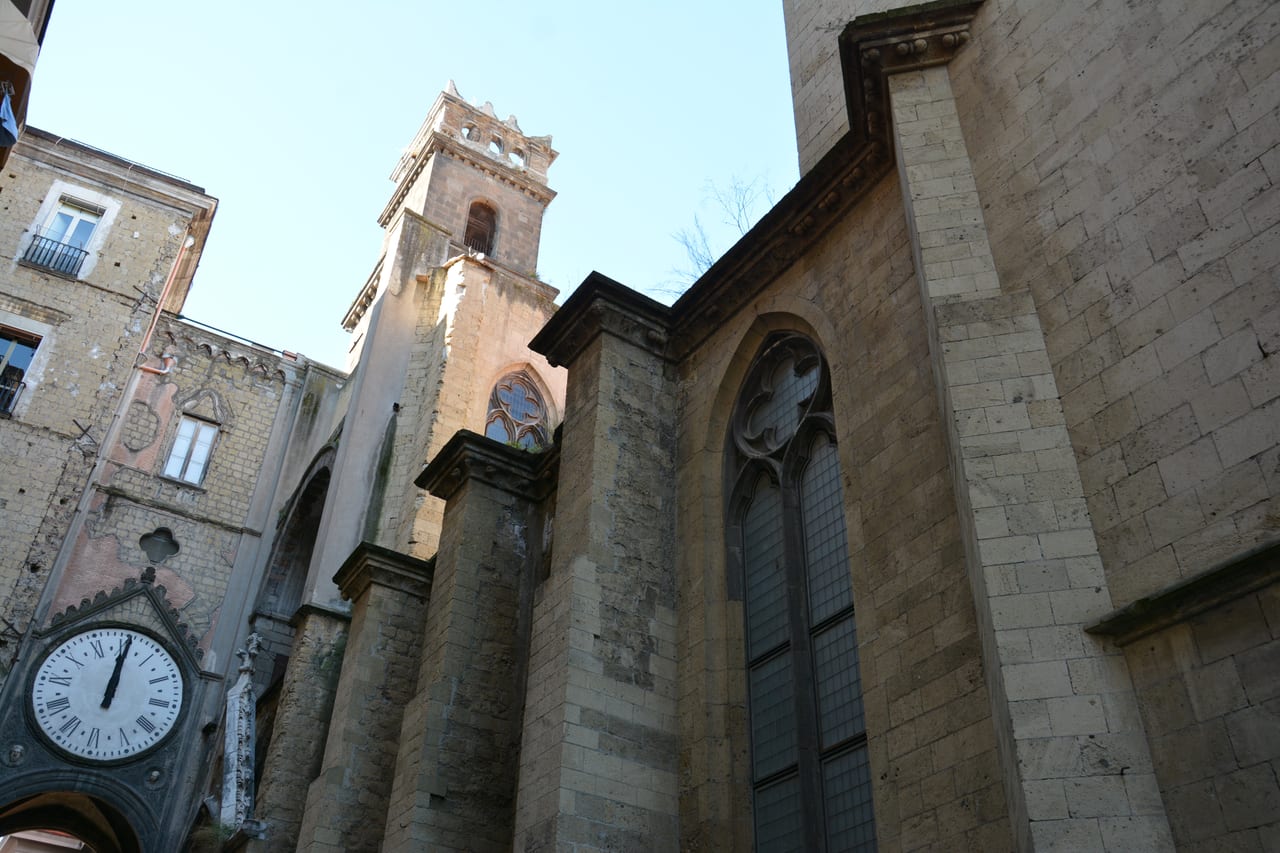
DirectionsIts fifteenth-century two-storey arch carries a clock and two sculpted heads, linked to a tragic love legend preserved in Neapolitan storytelling.


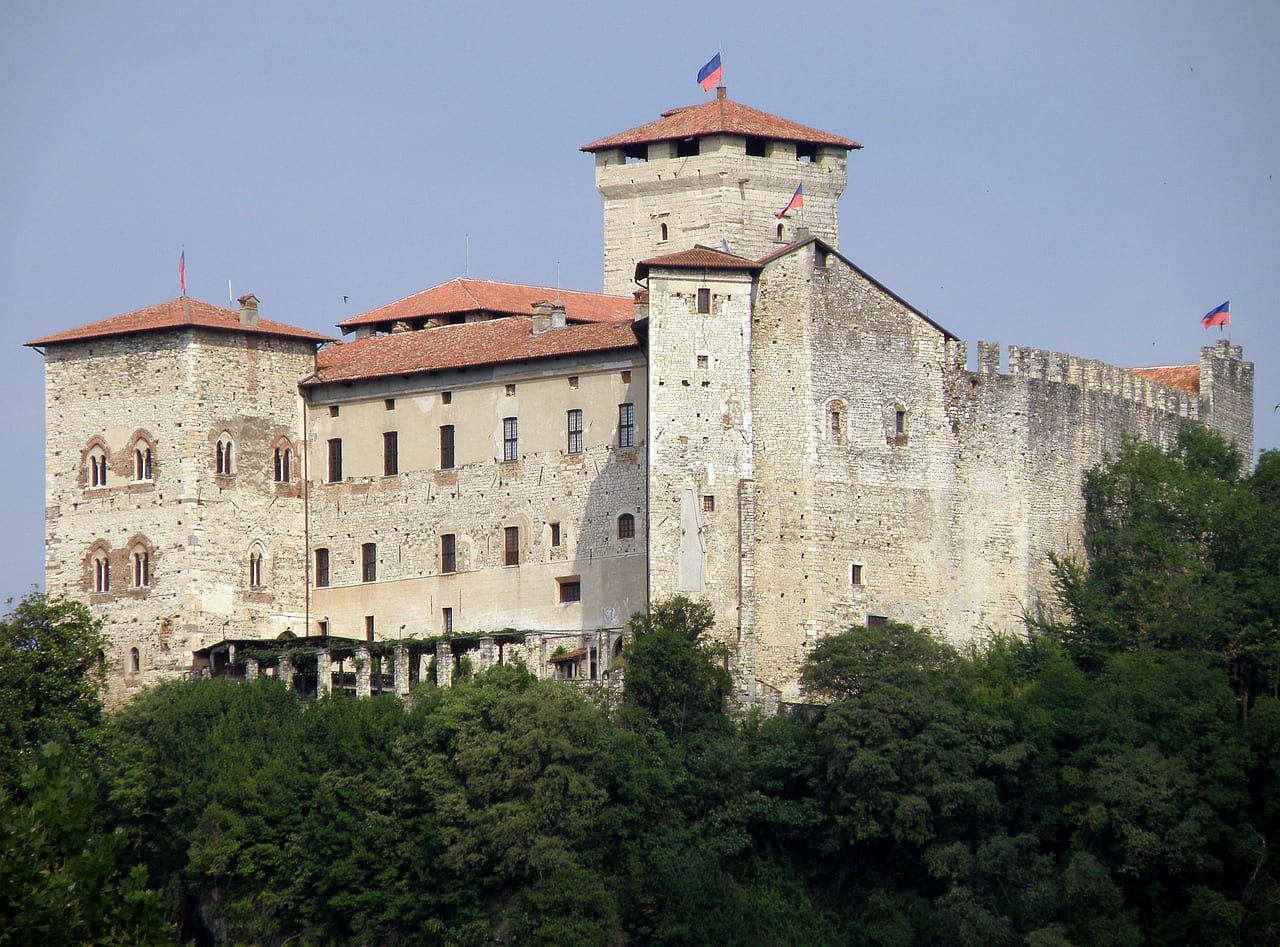
Photograph 1 of 17 of Sant'Eligio Maggiore
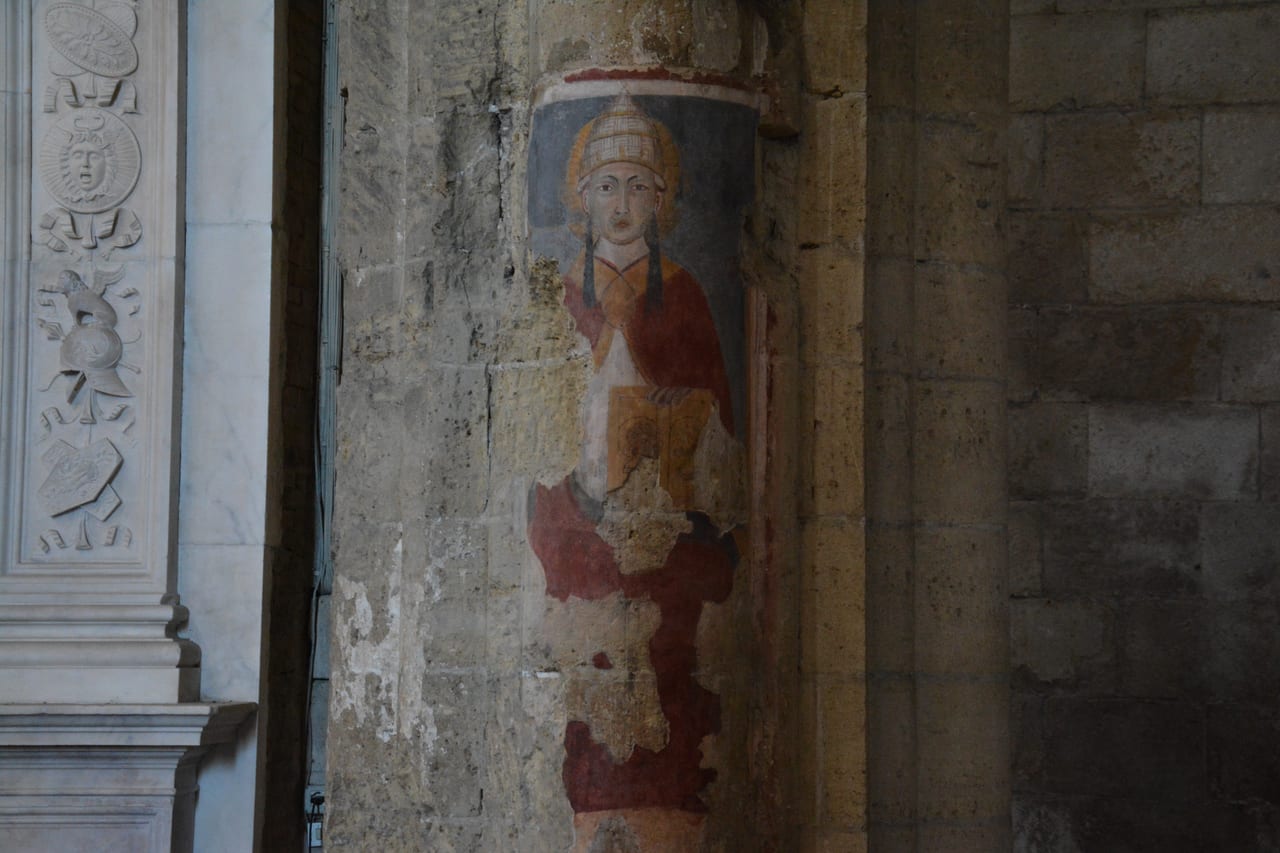
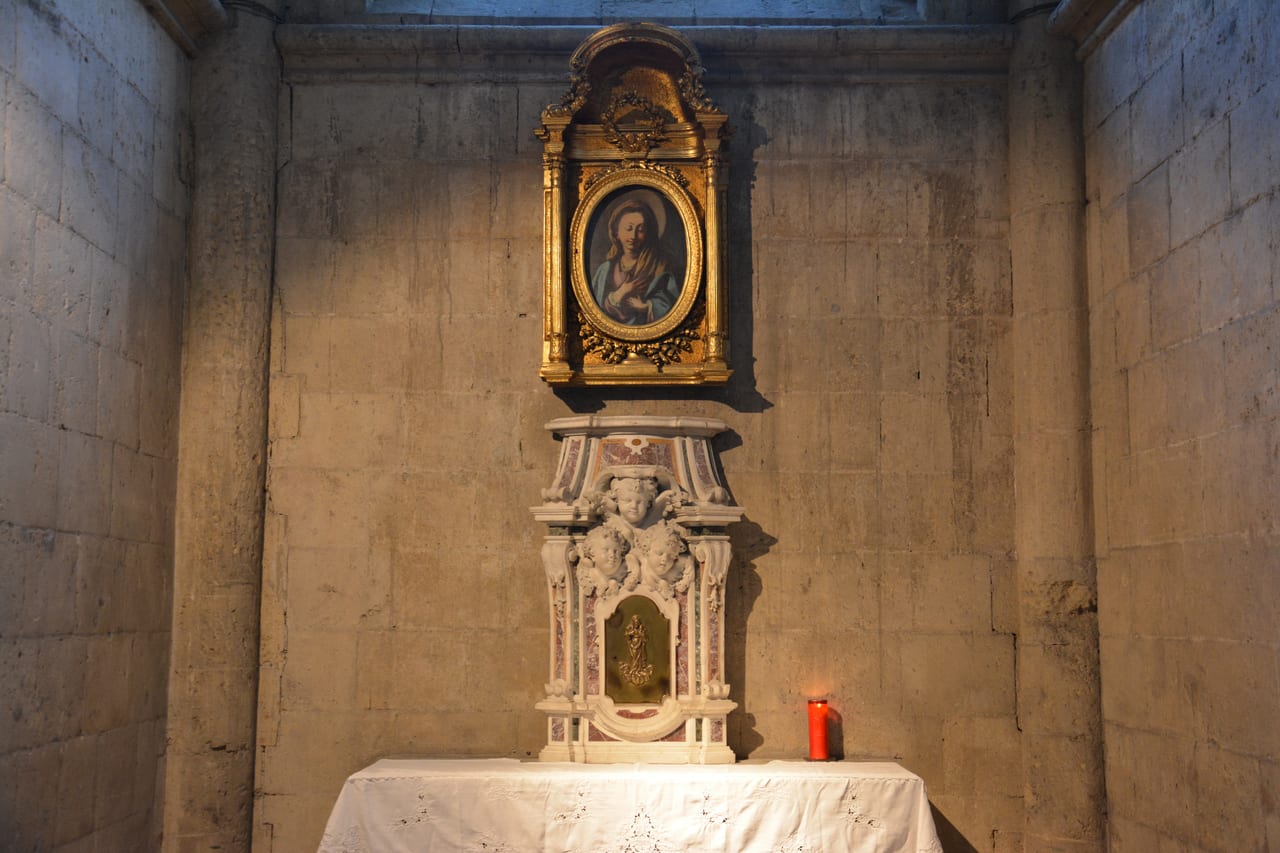
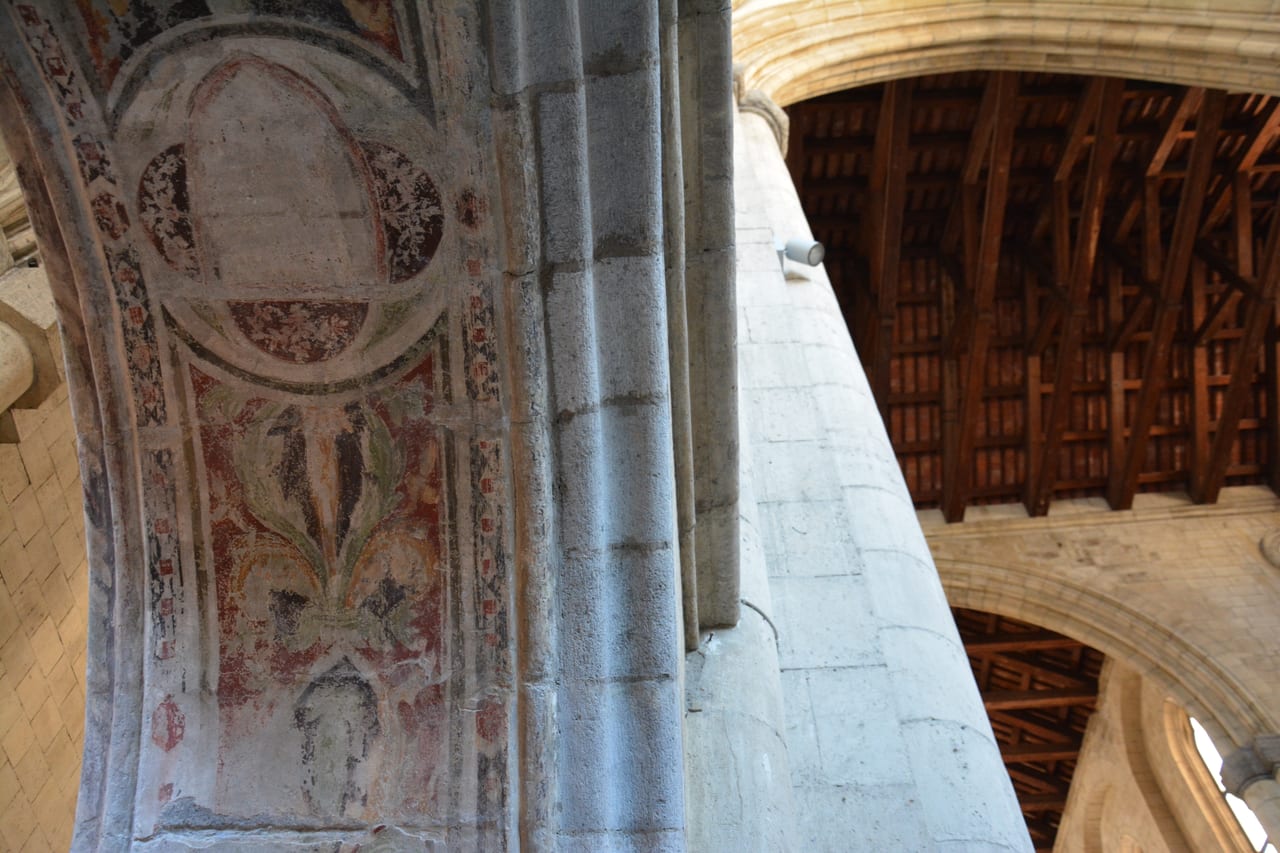
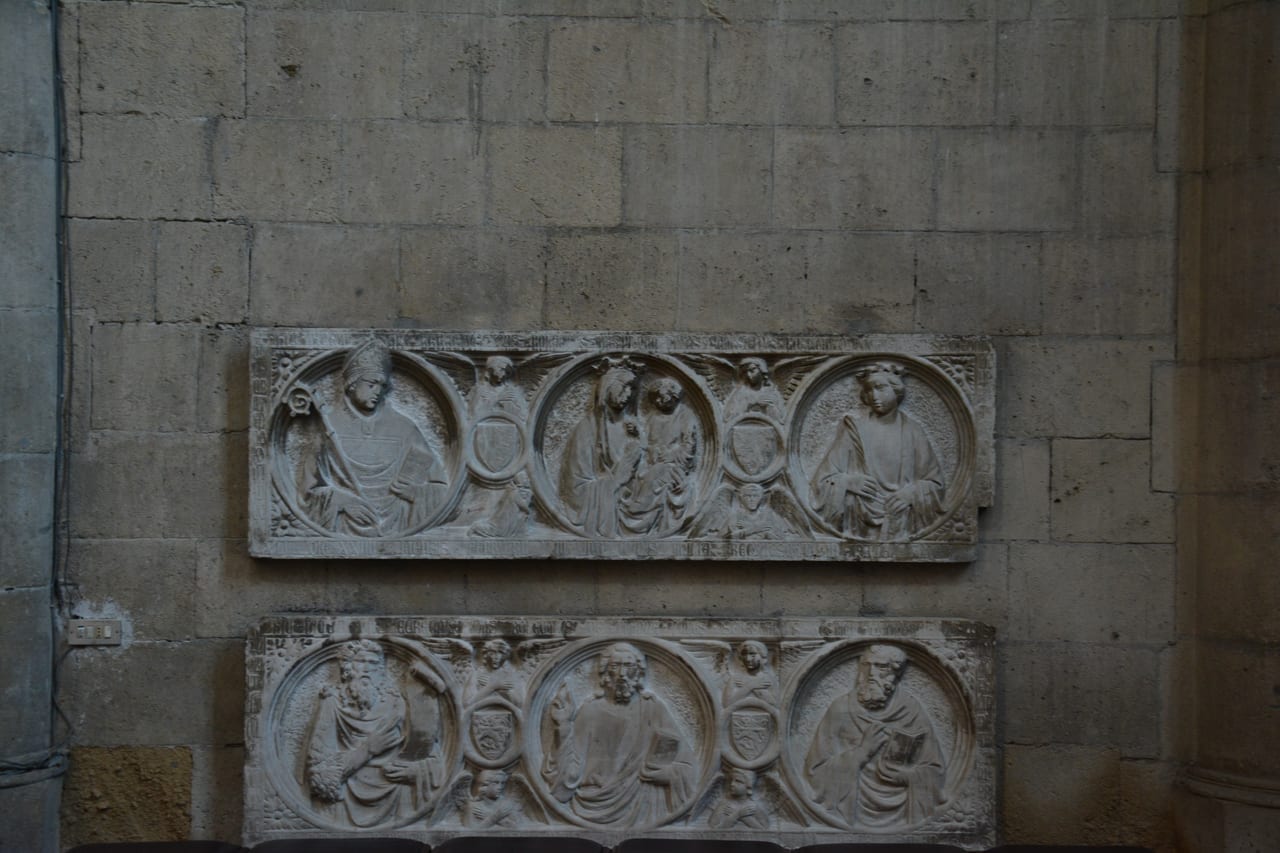
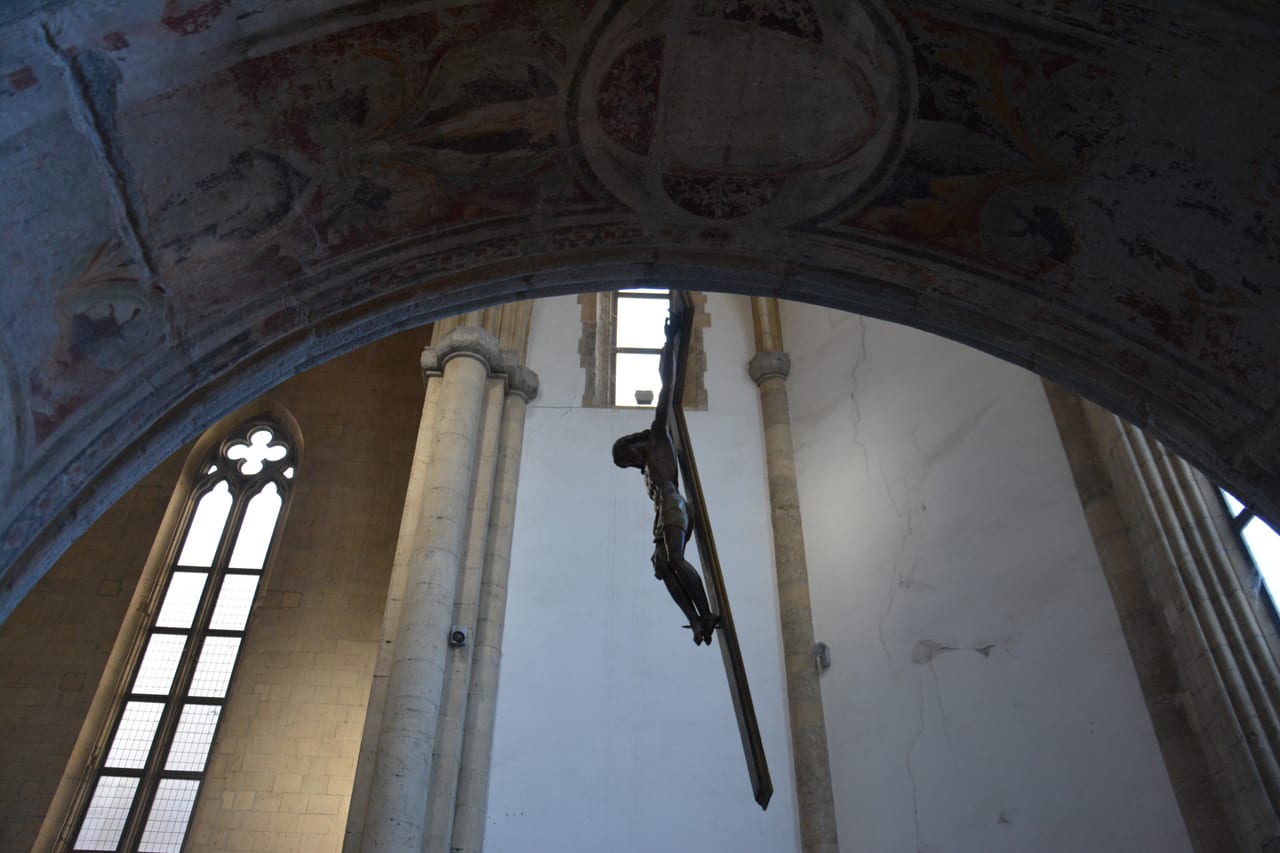
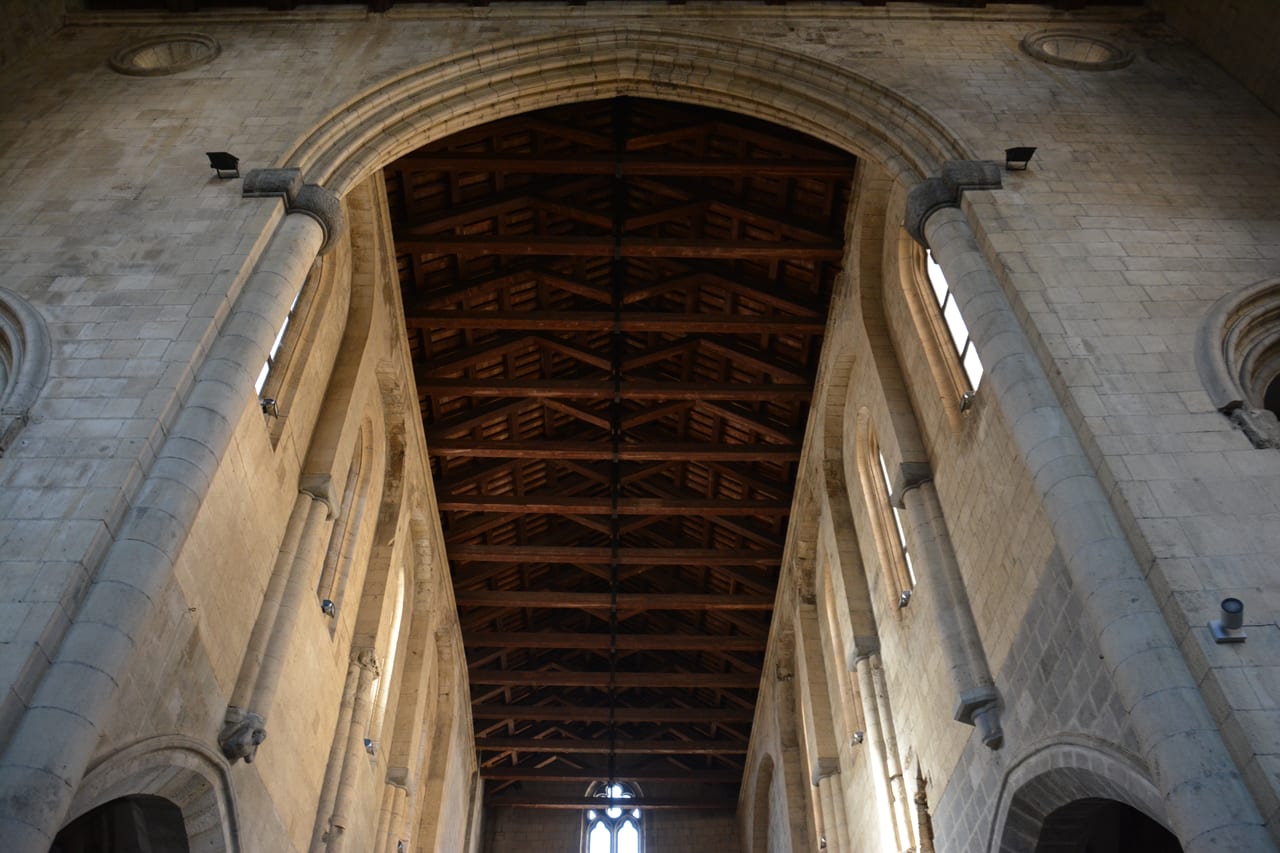
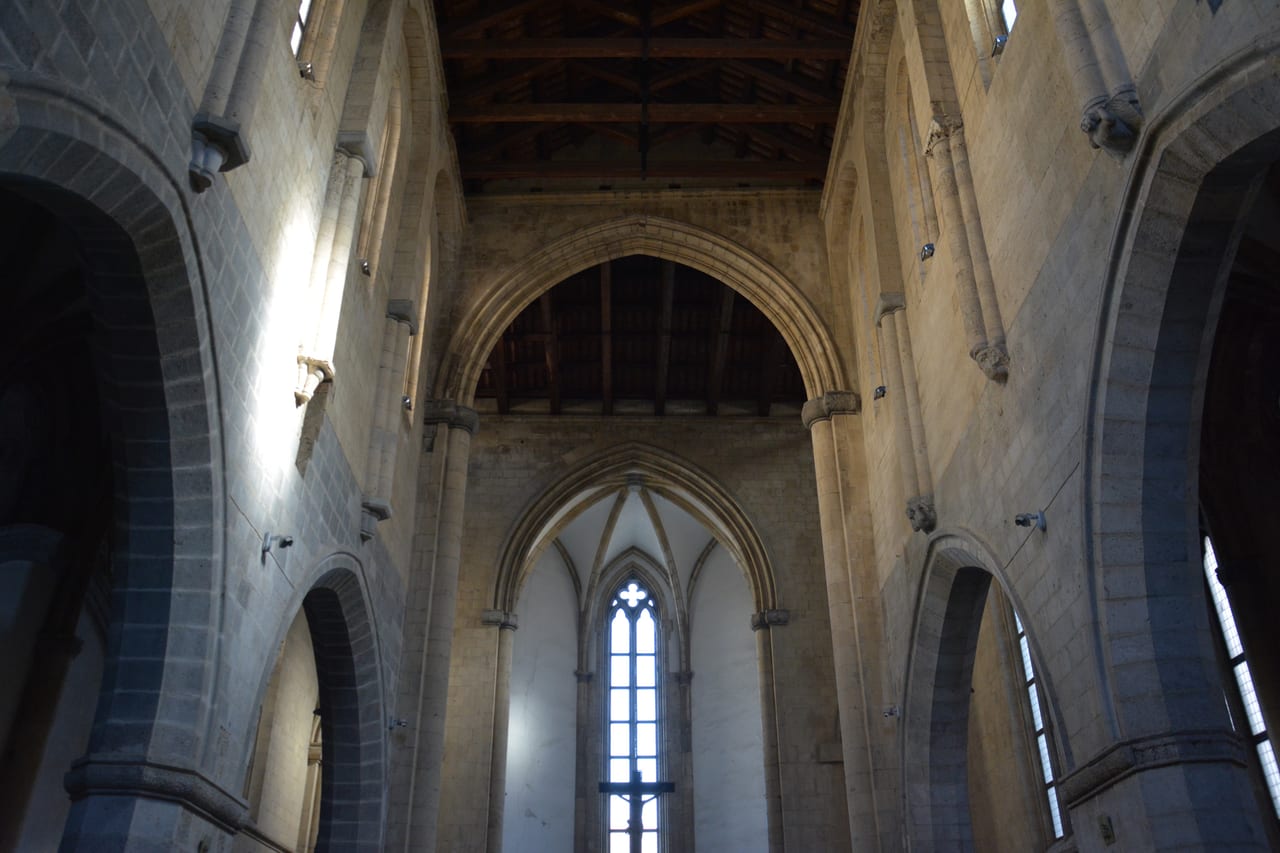
Sant’Eligio Maggiore began in 1270, when three French merchants received land from Charles I of Anjou at Campo Moricin for a church and hospital. Initially named for Saints Eligio, Dionysius and Martin, it became Sant’Eligio alone in 1279. Built outside the city walls, the complex provided hospital care and burial for foreigners—especially French and Provençal merchants, soldiers and artisans—with royal protection under Joanna I, Joanna II and Alfonso I of Aragon. In the first half of the sixteenth century, the Spanish viceroy Don Pedro de Toledo founded a girls’ conservatory, where pupils were trained for nursing at the attached hospital. A public bank was added toward the century’s end. Earlier interventions included a new ceiling by Niccolò di Tommaso da Squillace, designed by Giuliano da Maiano, Giovanni Francesco Donadio and Giovanni Mattia’s organ of 1505, and the Sant’Angelo chapel, begun in 1531 with paintings by Giovan Paolo de Lupo and Giovanni Antonio Endec. The hospital was restored between 1770 and 1780; Orazio Angelini altered the fifteenth-century ceiling in 1836. Bomb damage on 4 March 1943 preceded a restoration that removed later stucco and recovered the church’s Gothic character.
At a glance
- Built
- 1270
- Style
- Gothic architecture
Ways to explore Sant'Eligio Maggiore
Enter on the right through the deeply moulded French Gothic portal, since the original principal entrance has been absorbed by later structural layers. Inside, examine the restrained contrast between yellow tuff masonry and grey piperno. Note the 1505 organ and the Sant’Angelo chapel. The adjoining conservatory preserves the Madonna della Misericordia, whose damaged face is associated with a legend of bleeding after a violent mark.
Places to stay near Sant'Eligio Maggiore

Live availability and prices from Stay22's partners, refreshed periodically and subject to change. Booking through these links may earn us a commission at no extra cost to you. See our privacy policy.
Cafés near Sant'Eligio Maggiore
Cafés near Sant'Eligio Maggiore loads as you scroll.
Attractions nearby
Attractions near Sant'Eligio Maggiore loads as you scroll.
Cities nearby
Cities nearby loads as you scroll.
More in Naples
See more of Naples.
Find great cafés, places to stay and other interesting places to visit in Naples.