Church · Naples
Santa Lucia a Mare
DirectionsSanta Lucia a Mare takes its name from a time when the church stood on the beach, before Naples’s seaward expansion altered the shoreline.
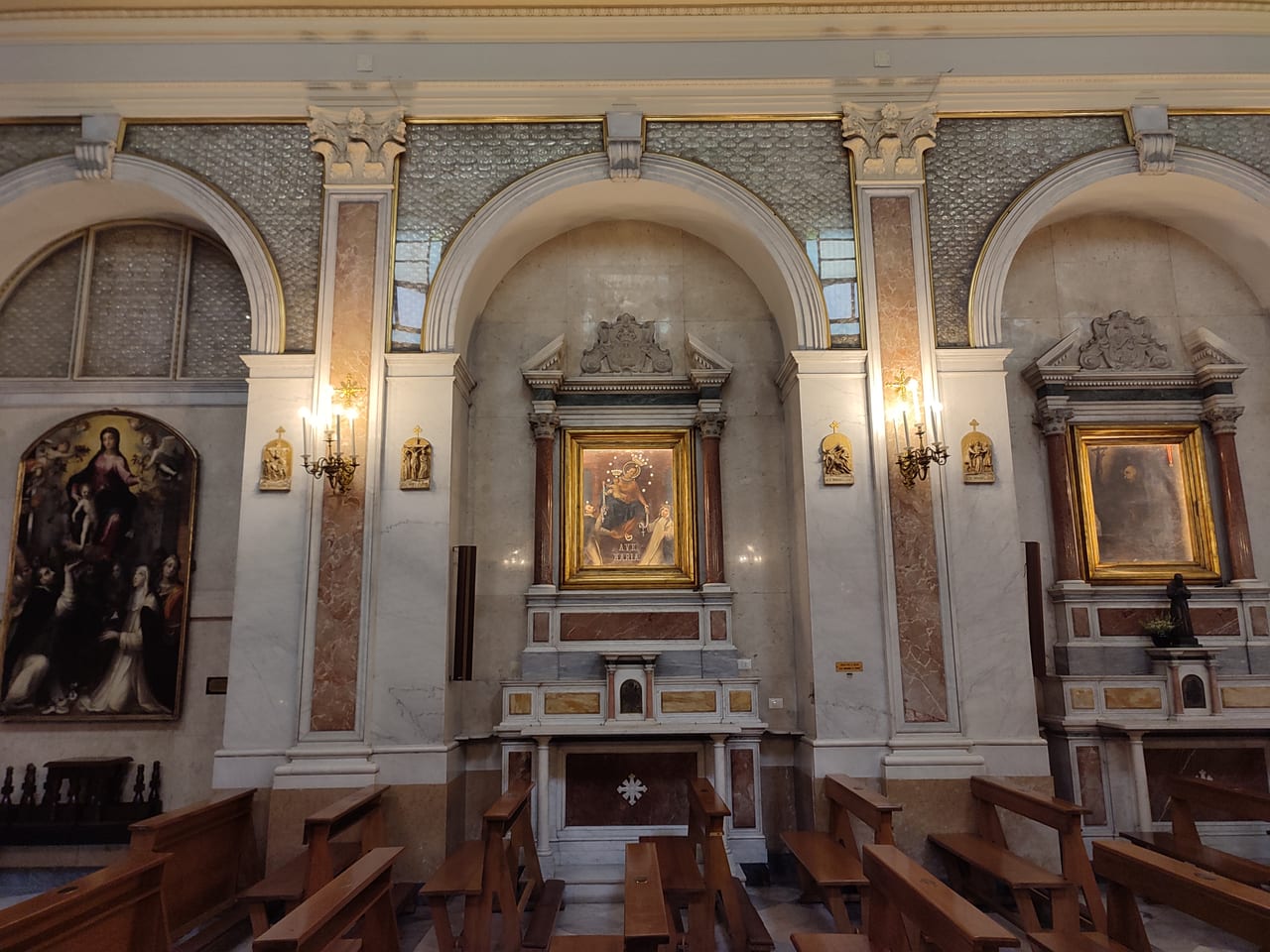
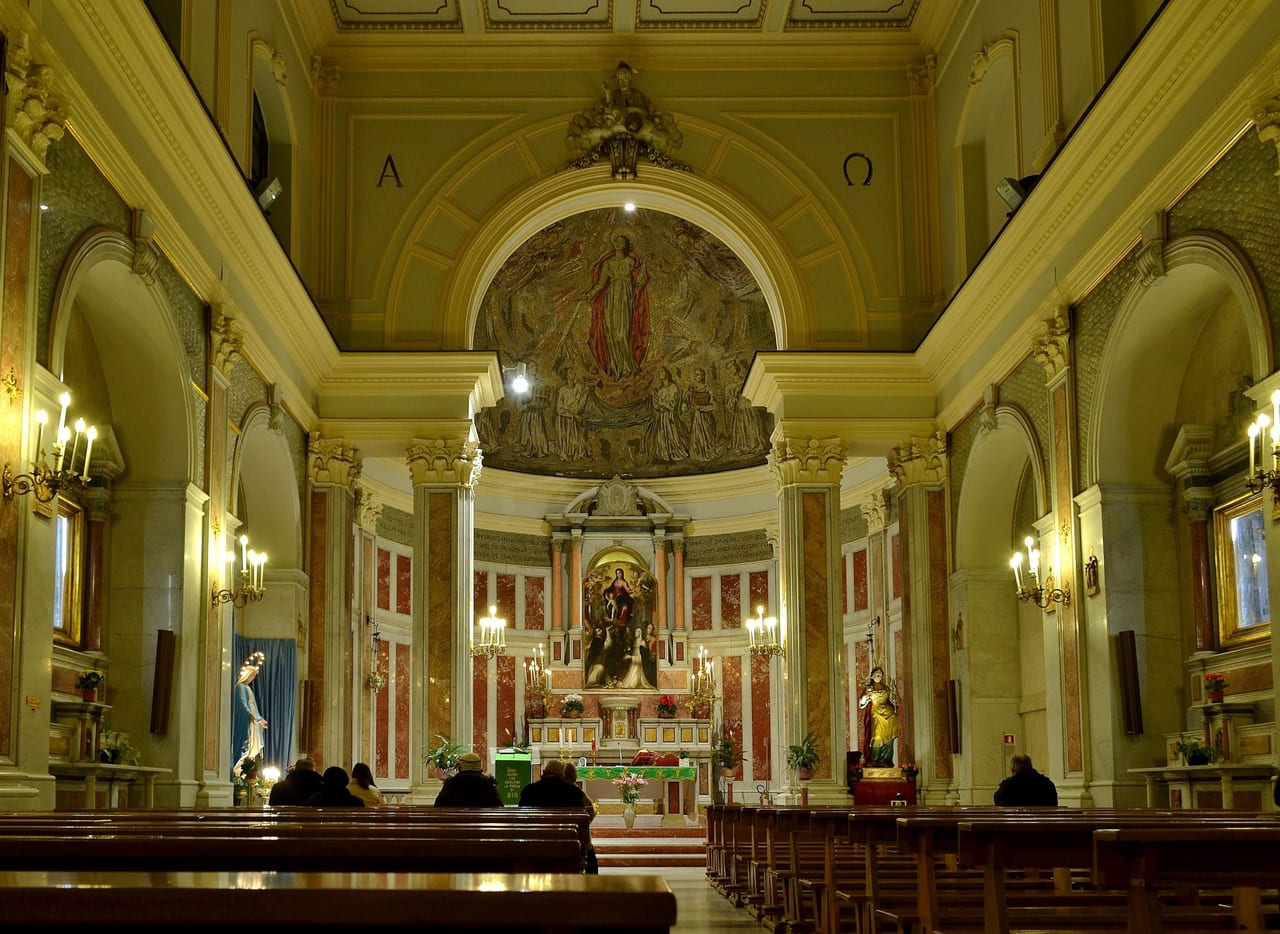
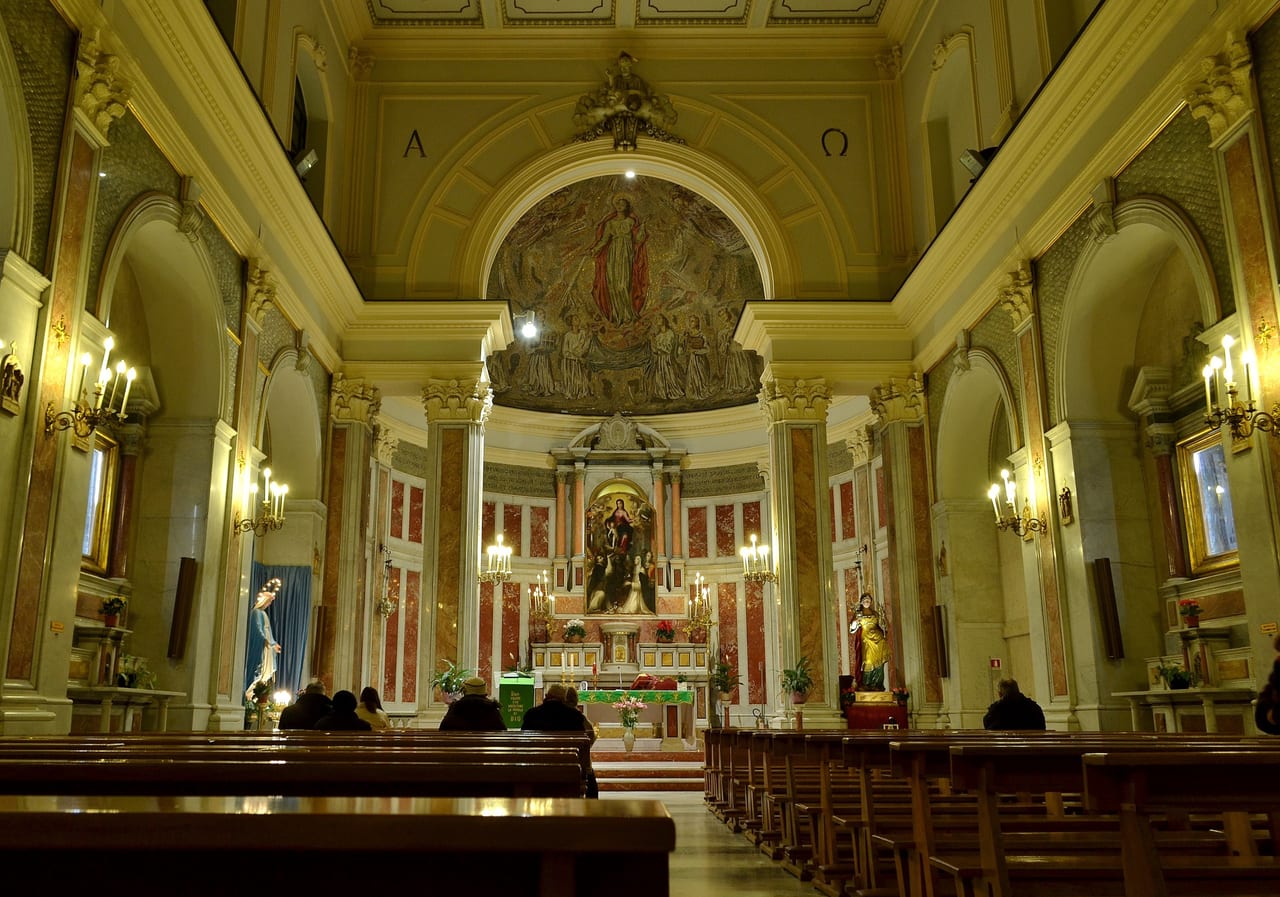
Photograph 1 of 6 of Santa Lucia a Mare
The church’s documented history begins in the ninth century, although tradition attributes its foundation to a niece of Emperor Constantine. Basilian monks first occupied it from their convent on nearby Megaride, later giving way to the nuns of Saint Patricia. In 1588, Abbess Eusebia Minadoa commissioned substantial alterations. A decisive transformation came in 1845, when the Chiatamone road was raised and the sixteenth-century church was buried beneath the present temple. Built in Renaissance Revival style and following the nineteenth-century layout, it was bombed in 1943 and reconstructed immediately after the war. The parish was established in the second half of the eighteenth century; in the second half of the twentieth, the church became a diocesan sanctuary associated with the popular devotion to Saint Lucy, and it was later granted minor-basilica status. In 1957, the actor Totò visited as a pilgrim while suffering severe eyesight problems; after treatment, his vision improved enough for him to return to filming. The basilica forms part of Naples’s UNESCO World Heritage Site.
At a glance
- Style
- Renaissance Revival architecture
- Heritage
- part of UNESCO World Heritage Site
Ways to explore Santa Lucia a Mare
Examine Nicola Fumo’s eighteenth-century statue of Saint Lucy on the high altar, then look up to the choir loft for Teodoro d’Errico’s 1588 panel of the Rosary. If access permits, the parish office contains Gioacchino Toma’s portrait of the priest Luigi Villani. The surviving works reward close attention, particularly because other medieval and later pieces were destroyed during the Second World War.
Places to stay near Santa Lucia a Mare

Live availability and prices from Stay22's partners, refreshed periodically and subject to change. Booking through these links may earn us a commission at no extra cost to you. See our privacy policy.
Cafés near Santa Lucia a Mare
Cafés near Santa Lucia a Mare loads as you scroll.
Attractions nearby
Attractions near Santa Lucia a Mare loads as you scroll.
Cities nearby
Cities nearby loads as you scroll.
More in Naples
See more of Naples.
Find great cafés, places to stay and other interesting places to visit in Naples.