Church · Naples
Sant Agostino alla Zecca, Naples
DirectionsBeneath the monumental church lies a hypogeum with funeral chambers, including unusual stone “draining tombs” and the grave of eighteenth-century composer Nicola Jommelli.
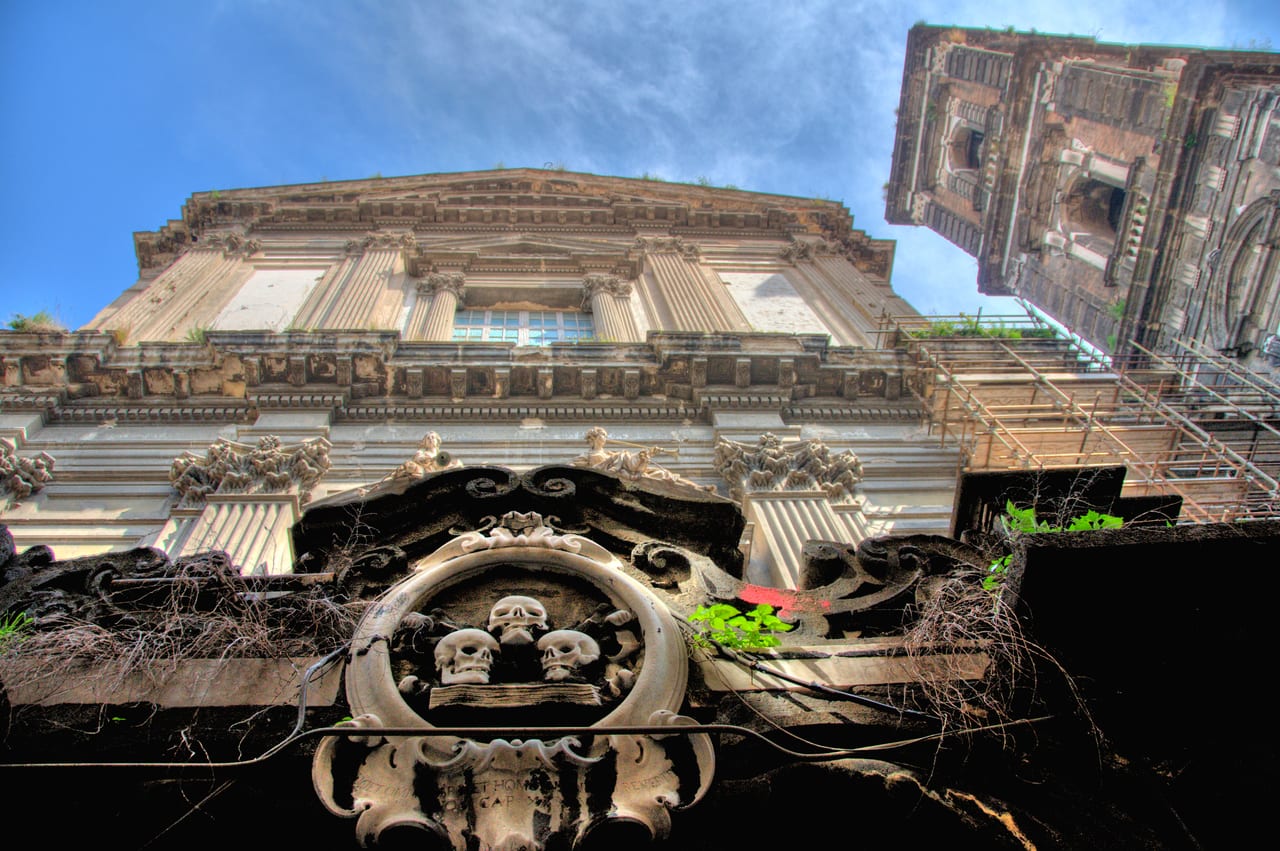
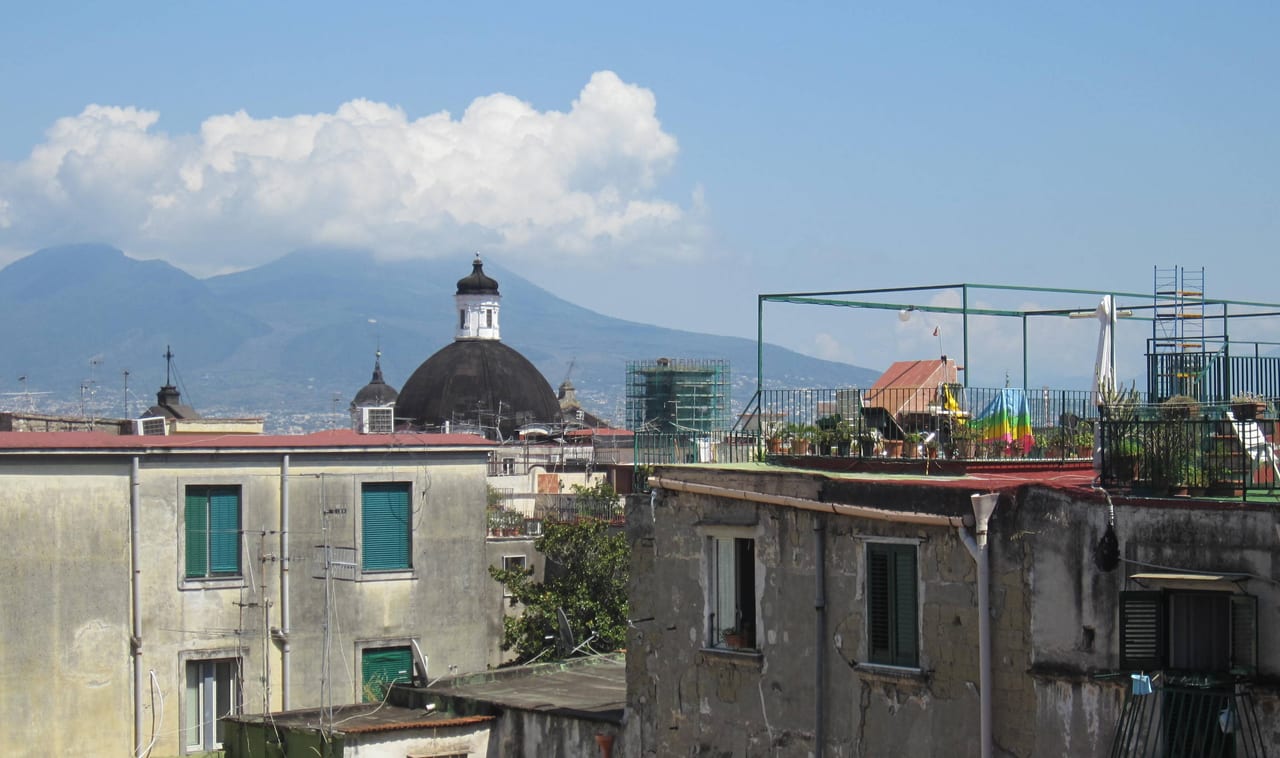
Photograph 1 of 3 of Sant Agostino alla Zecca, Naples
The church was begun under Charles I of Anjou and completed under Robert of Anjou for the Augustinian Hermits, on the site of an earlier Basilian nuns’ convent. In 1287, it became home to the Augustinian Order’s studium generale. After the earthquake of 1456, it was rebuilt in Renaissance form; between 1480 and 1484, Onorato II Gaetani d’Aragona, count of Fondi, financed the presbytery’s reconstruction, including its trussed roof and a ceiling bearing his family arms. The complex was extensively remade during the seventeenth and eighteenth centuries. Bartolomeo Picchiatti designed the campanile, reshaped the cloister with his son Francesco Antonio, and worked on the broad central nave. Giuseppe de Vita created the crossing, while Giuseppe Astarita devised the unusual transition from dome to apsidal half-dome. Inside, three vast naves are divided by Corinthian columns and lined with side chapels. Surviving works include paintings by Giacinto Diano, Evangelista Schiano and Giuseppe Marullo, Sanmartino’s sculptures for the Tufarelli chapel, Francesco Antonio Picchiatti’s high altar, and a marble pulpit by Salvatore Caccavallo. The Augustinian cloister, rebuilt in 1624 by Giovan Giacomo Di Conforto and later altered by Picchiatti, has sixteen columns, piperno-and-Carrara marble arches, and busts of Augustinian saints. The severe Gothic chapter house retains ribbed vaults supported by reused Swabian capitals.
At a glance
- Built
- 1456
- Style
- baroque architecture
Ways to explore Sant Agostino alla Zecca, Naples
The church remains closed while restoration continues on the façade and campanile, so check current access before planning an interior visit. From the surrounding streets, examine the dome, balustrade and broad bell tower as a single exterior composition. If the cloister or chapter house is open, look closely at the alternating piperno and Carrara marble in the arches, then compare the cloister’s sculpted saint medallions with the chapter house’s austere Gothic stonework.
Places to stay near Sant Agostino alla Zecca, Naples

Live availability and prices from Stay22's partners, refreshed periodically and subject to change. Booking through these links may earn us a commission at no extra cost to you. See our privacy policy.
Cafés near Sant Agostino alla Zecca, Naples
Cafés near Sant Agostino alla Zecca, Naples loads as you scroll.
Attractions nearby
Attractions near Sant Agostino alla Zecca, Naples loads as you scroll.
Cities nearby
Cities nearby loads as you scroll.
More in Naples
See more of Naples.
Find great cafés, places to stay and other interesting places to visit in Naples.