Church · Naples
San Giuseppe dei Vecchi
DirectionsIts ambitious seventeenth-century rebuilding survived plague, delay and earthquake, eventually producing a Baroque interior crowned by a distinctive polygonal apse and concealed picture chamber.
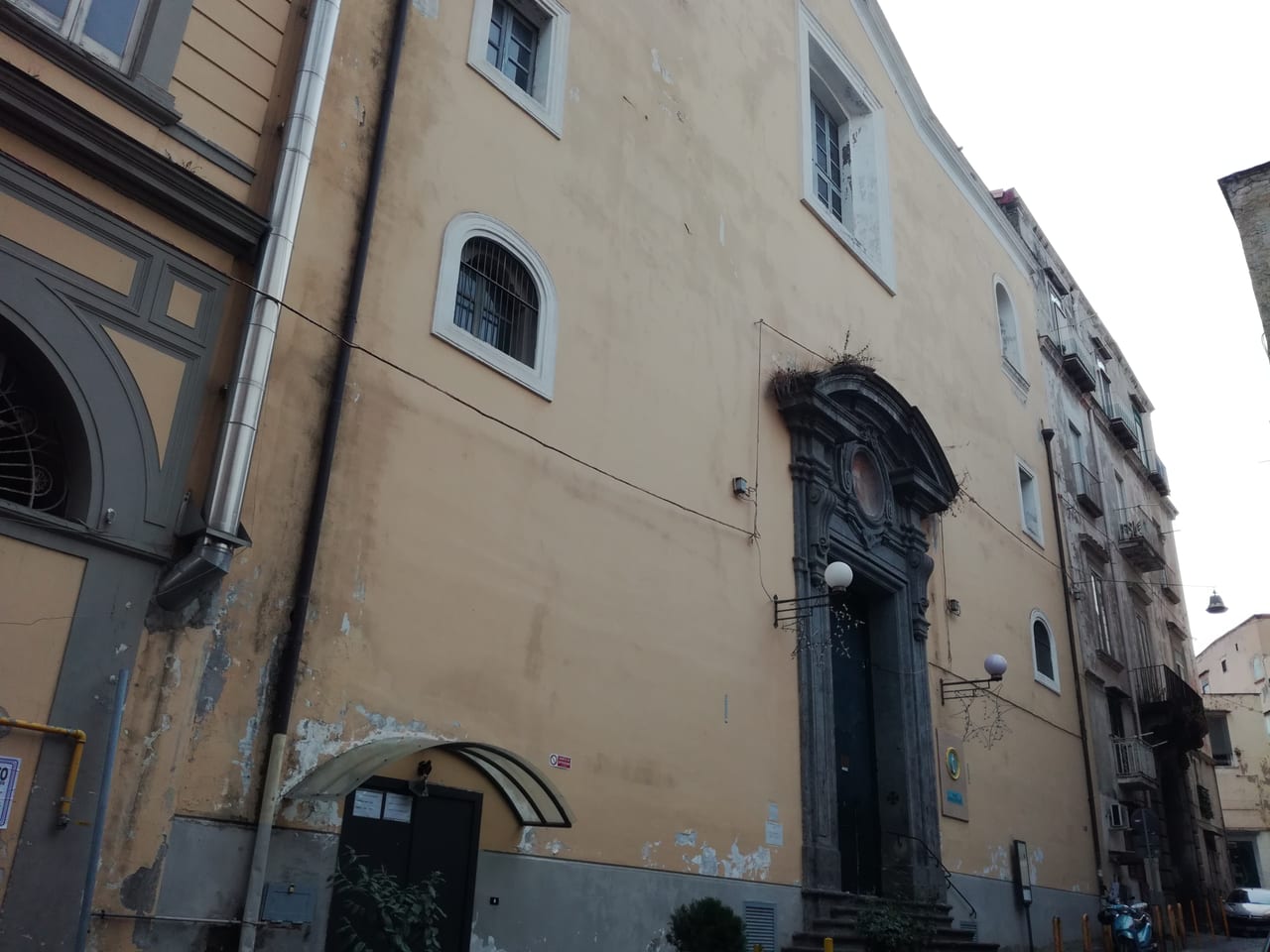
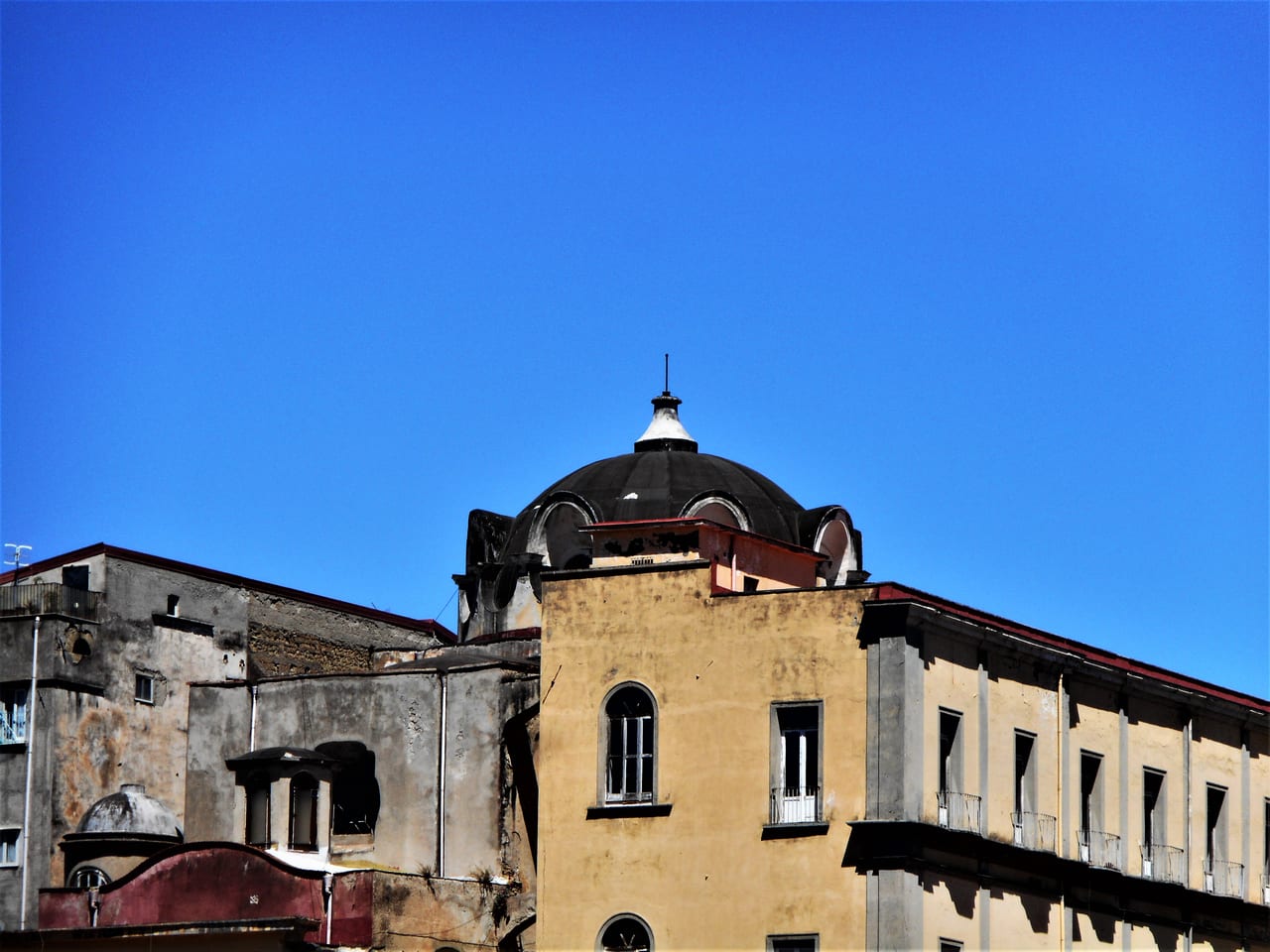
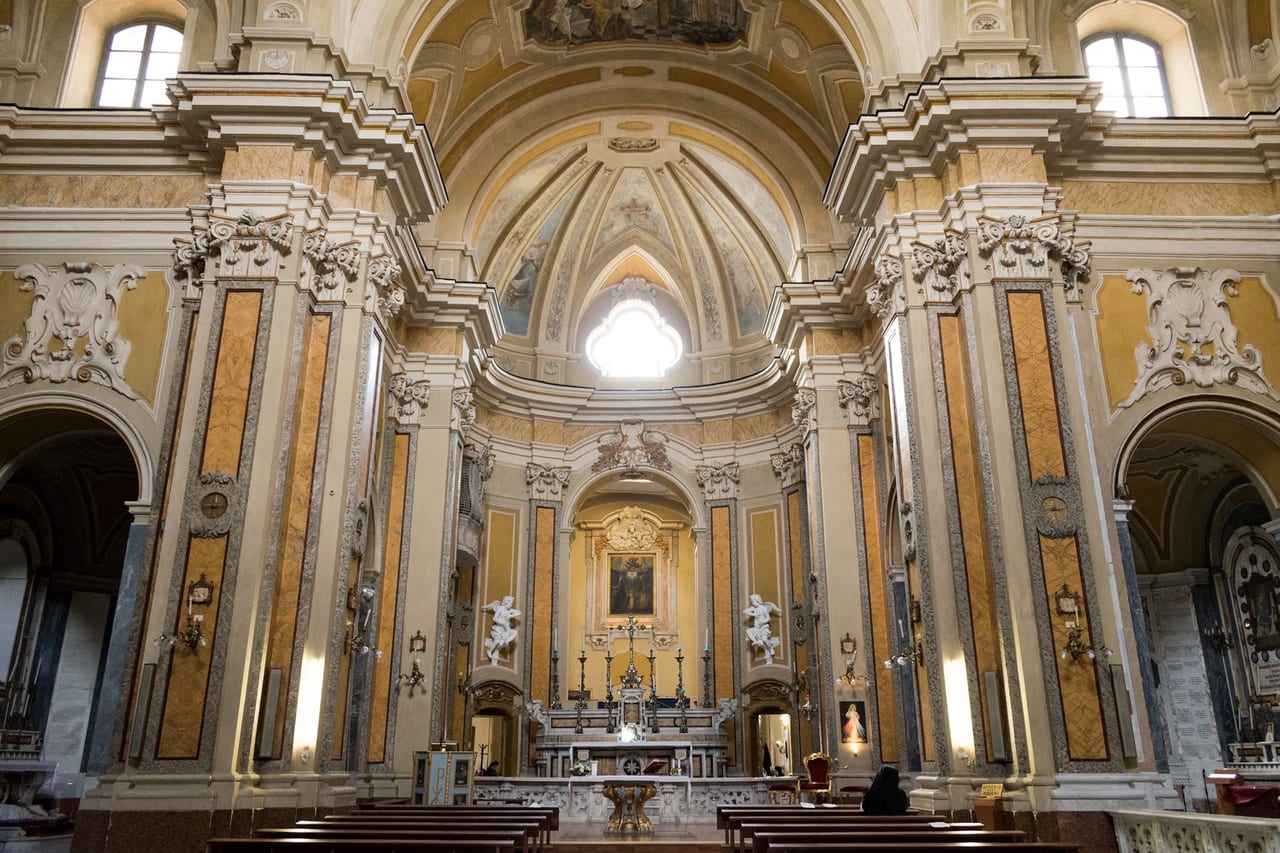
Photograph 1 of 3 of San Giuseppe dei Vecchi
San Giuseppe dei Vecchi was founded in 1614 by the Caraccioline Andrea Cavallo on land belonging to the Carafa family. The chapel and monastery soon became operational, but in 1634 the order commissioned Cosimo Fanzago to create a larger and more imposing building. The work advanced slowly, partly because of the plague epidemic of 1656. Onofrio Parascandalo completed the structure between 1706 and 1712; after earthquake damage in 1732, Nicola Tagliacozzi Canale carried out its restoration and structural consolidation. The church is recognised as Italian national heritage. Its Baroque design centres on a Greek-cross plan, with the longitudinal axis longer than the transverse one, four corner chapels and a polygonal apse. A Serliana-like arch conceals an additional space intended for a painting. The piperno portal, which forms the forecourt, was made by Francesco Solimena. Notable works include the late-Mannerist Sacra Famiglia behind the high altar, Nicola Maria Rossi’s San Michele, Antonio Sarnelli’s San Francesco Caracciolo in estasi and a wooden San Giuseppe con il Bambino attributed to Nicola Fumo.
At a glance
- Built
- 1614
- Style
- baroque architecture
- Heritage
- Italian national heritage
Ways to explore San Giuseppe dei Vecchi
Read the building as a sequence of contrasts: the sober solidity of the entrance, the balanced geometry of the central space and the more intimate concentration of the chapels. Give particular attention to the apse, where the unusual arch alters the sense of depth. Then examine the paintings and sculpture slowly, comparing the late-Mannerist Holy Family with the works by Rossi and Sarnelli and the attributed wooden figure of Saint Joseph.
Places to stay near San Giuseppe dei Vecchi

Live availability and prices from Stay22's partners, refreshed periodically and subject to change. Booking through these links may earn us a commission at no extra cost to you. See our privacy policy.
Cafés near San Giuseppe dei Vecchi
Cafés near San Giuseppe dei Vecchi loads as you scroll.
Attractions nearby
Attractions near San Giuseppe dei Vecchi loads as you scroll.
Cities nearby
Cities nearby loads as you scroll.
More in Naples
See more of Naples.
Find great cafés, places to stay and other interesting places to visit in Naples.