Church · Naples
San Giovanni a Carbonara
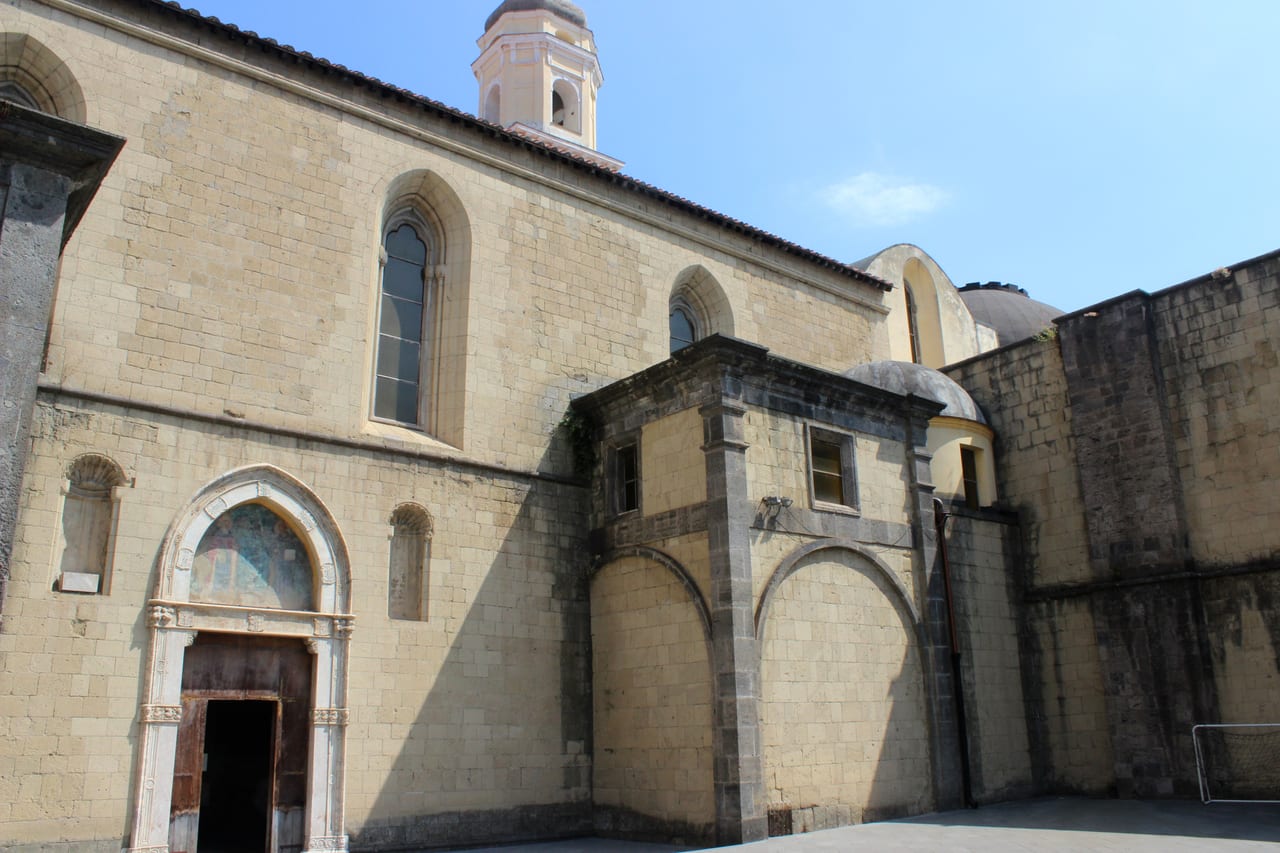
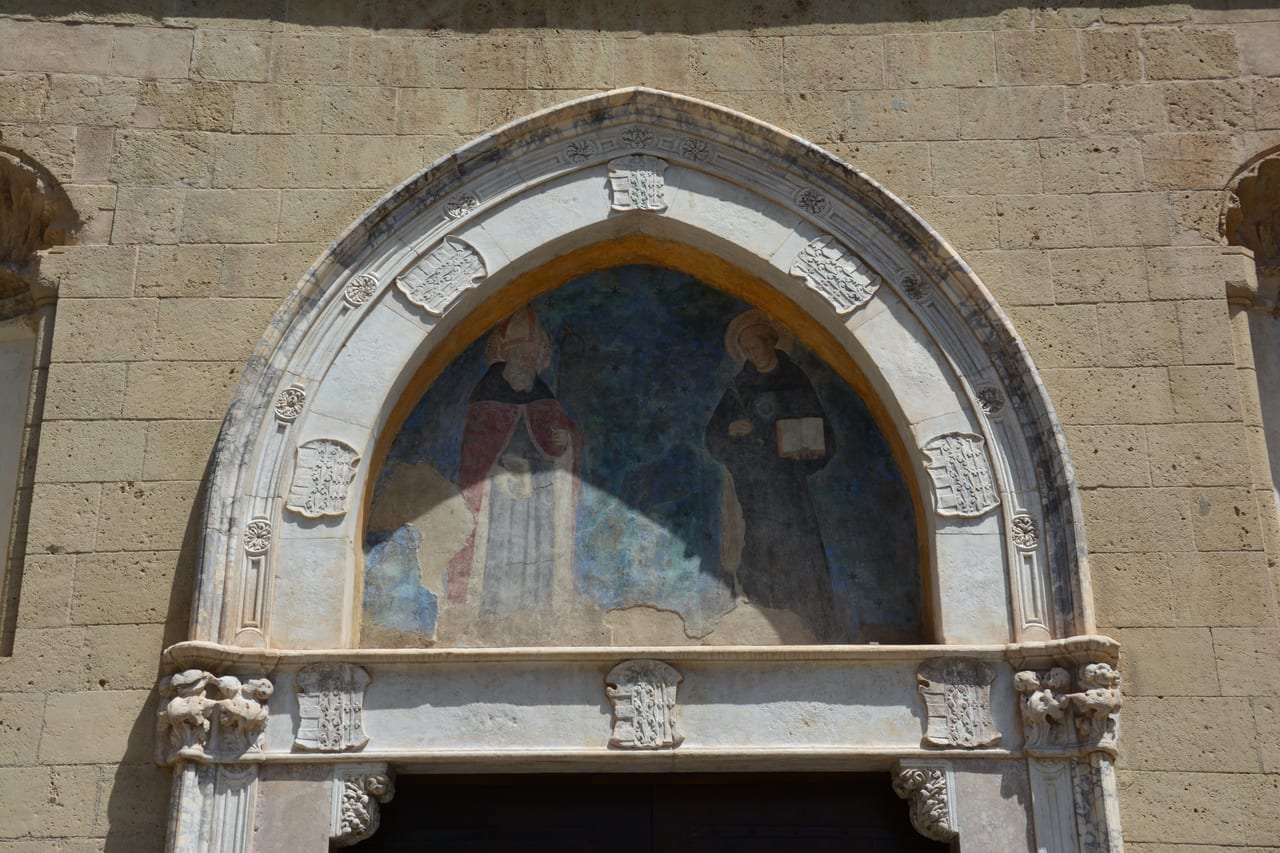
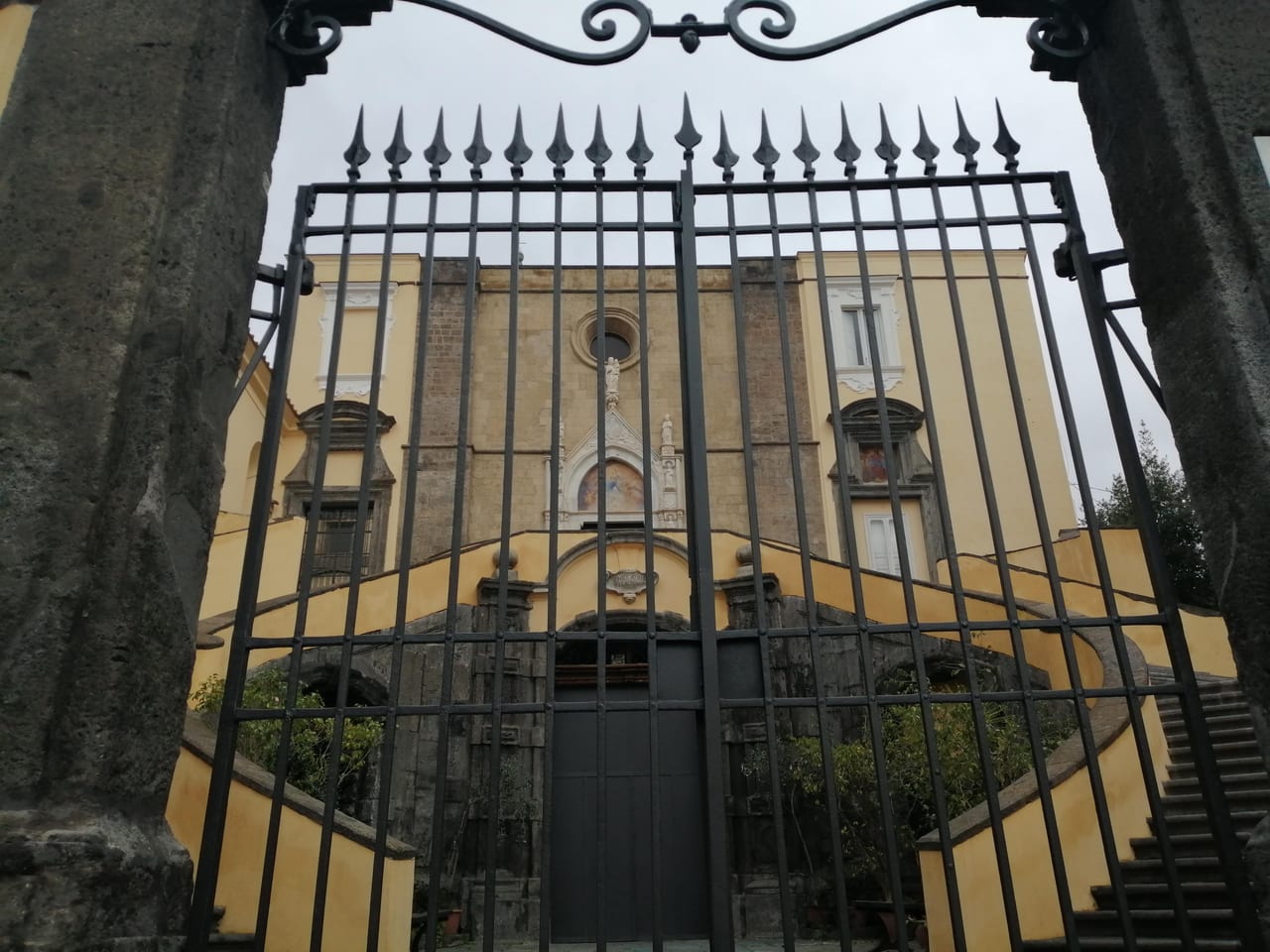
DirectionsIts theatrical 1707–08 entrance by Ferdinando Sanfelice preserves a Gothic portal with a lunette fresco by the Lombard painter Leonardo da Besozzo.
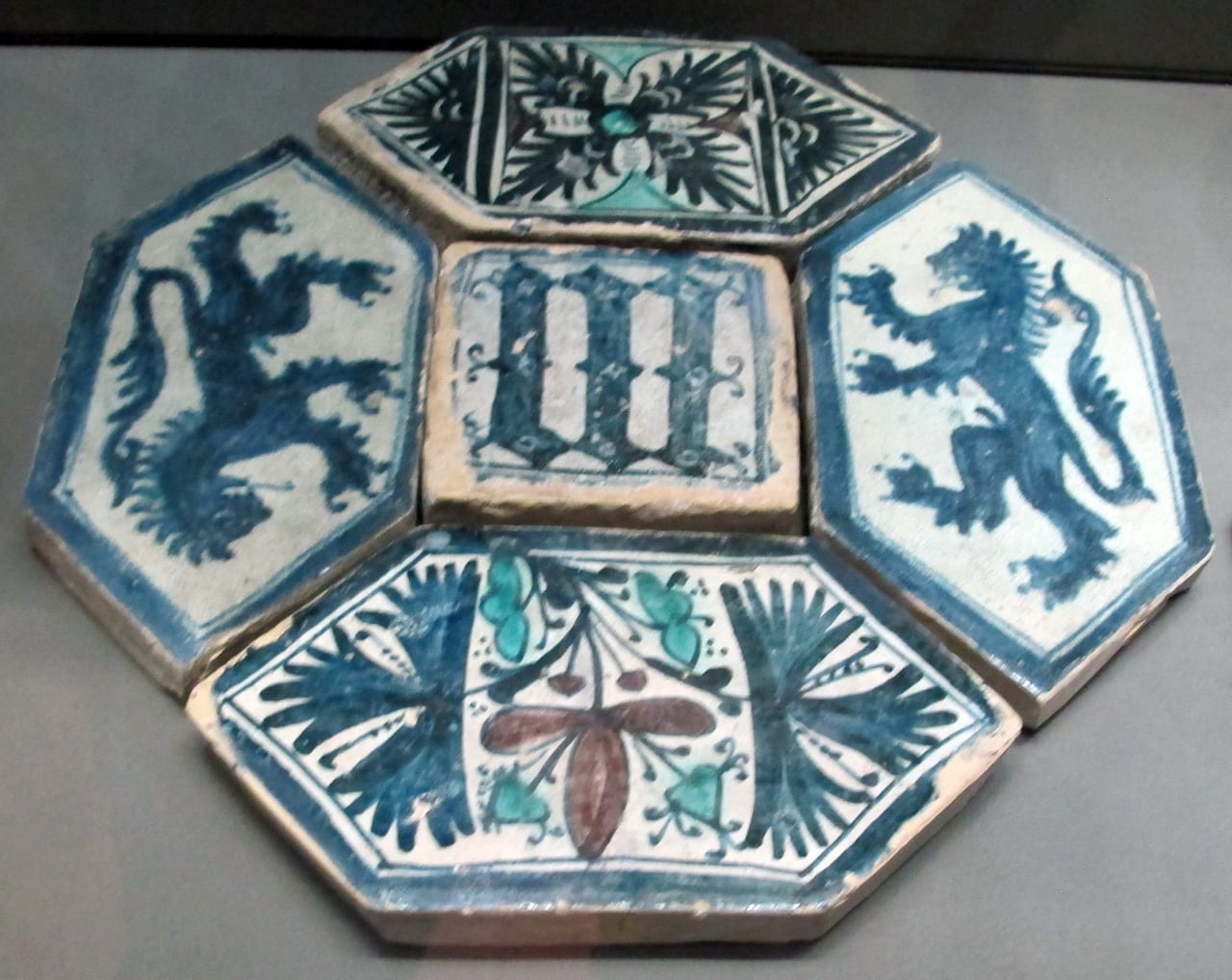
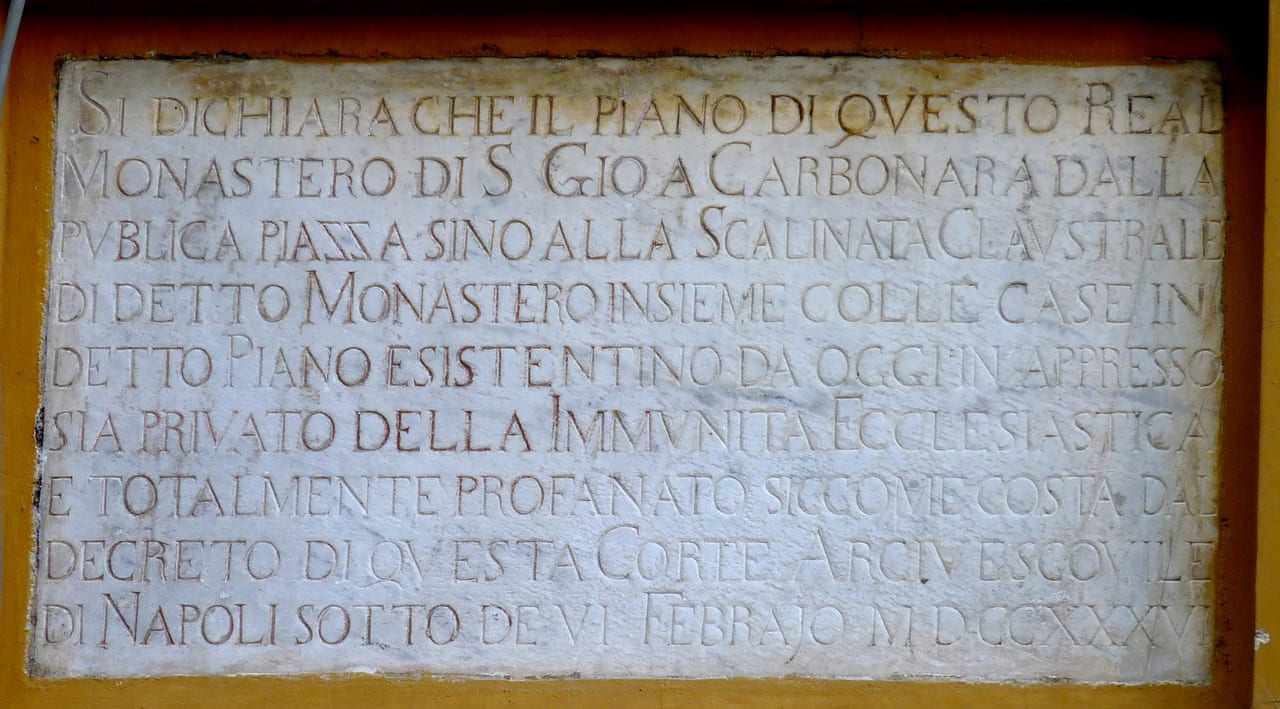
Photograph 1 of 6 of San Giovanni a Carbonara
San Giovanni a Carbonara’s origins are dated to 1339; the Augustinians founded its monastery and church complex in 1343 beyond Naples’ former eastern wall. The tomb of King Ladislaus of Durazzo occupies the apse; it was commissioned by his sister, Queen Joanna II, from Andrea Ciccione. Ciccione also completed the sepulchre of Sergianni Caracciolo. The interior follows a Latin-cross plan with a rectangular nave, a polychrome-marble main altar from 1746, and an intricate Renaissance and later decorative programme. The complex includes the nearby Pietatella church, chapels associated with the Miroballo, Caracciolo, Somma and Seripando families, Vasari’s Crucifixion, Michelangelo Naccherino’s Madonna delle Grazie of 1578, and a sacristy planned by Giorgio Vasari with Cristofano Gherardi. Restored in 1856, it suffered severe damage during Allied bombardments in 1943.
At a glance
- Built
- 1339
- Style
- Gothic architecture
Ways to explore San Giovanni a Carbonara
Examine the apse monuments to Ladislaus and Sergianni Caracciolo, then seek out the Miroballo Chapel’s work by Malvito, Jacopo della Pila and Lorenzo Vaccaro. The Caracciolo di Vico Chapel rewards attention to sculpture by Giovanni da Nola, Girolamo Santacroce, Annibale Caccavello, Girolamo D’Auria, Diego de Siloé and Bartolomé Ordóñez. The Somma Chapel was erected in 1557–1566, while the Seripando Chapel contains a Crucifixion by Giorgio Vasari. Also look for the Madonna delle Grazie and the sacristy.
Places to stay near San Giovanni a Carbonara

Live availability and prices from Stay22's partners, refreshed periodically and subject to change. Booking through these links may earn us a commission at no extra cost to you. See our privacy policy.
Cafés near San Giovanni a Carbonara
Cafés near San Giovanni a Carbonara loads as you scroll.
Attractions nearby
Attractions near San Giovanni a Carbonara loads as you scroll.
Cities nearby
Cities nearby loads as you scroll.
More in Naples
See more of Naples.
Find great cafés, places to stay and other interesting places to visit in Naples.