Church · Naples
San Carlo alle Mortelle
DirectionsIts most dramatic recent chapter came in 2009, when a subterranean cavity collapsed beneath the church, damaging its late-eighteenth-century floor before restoration brought the building back to visitors in 2017.
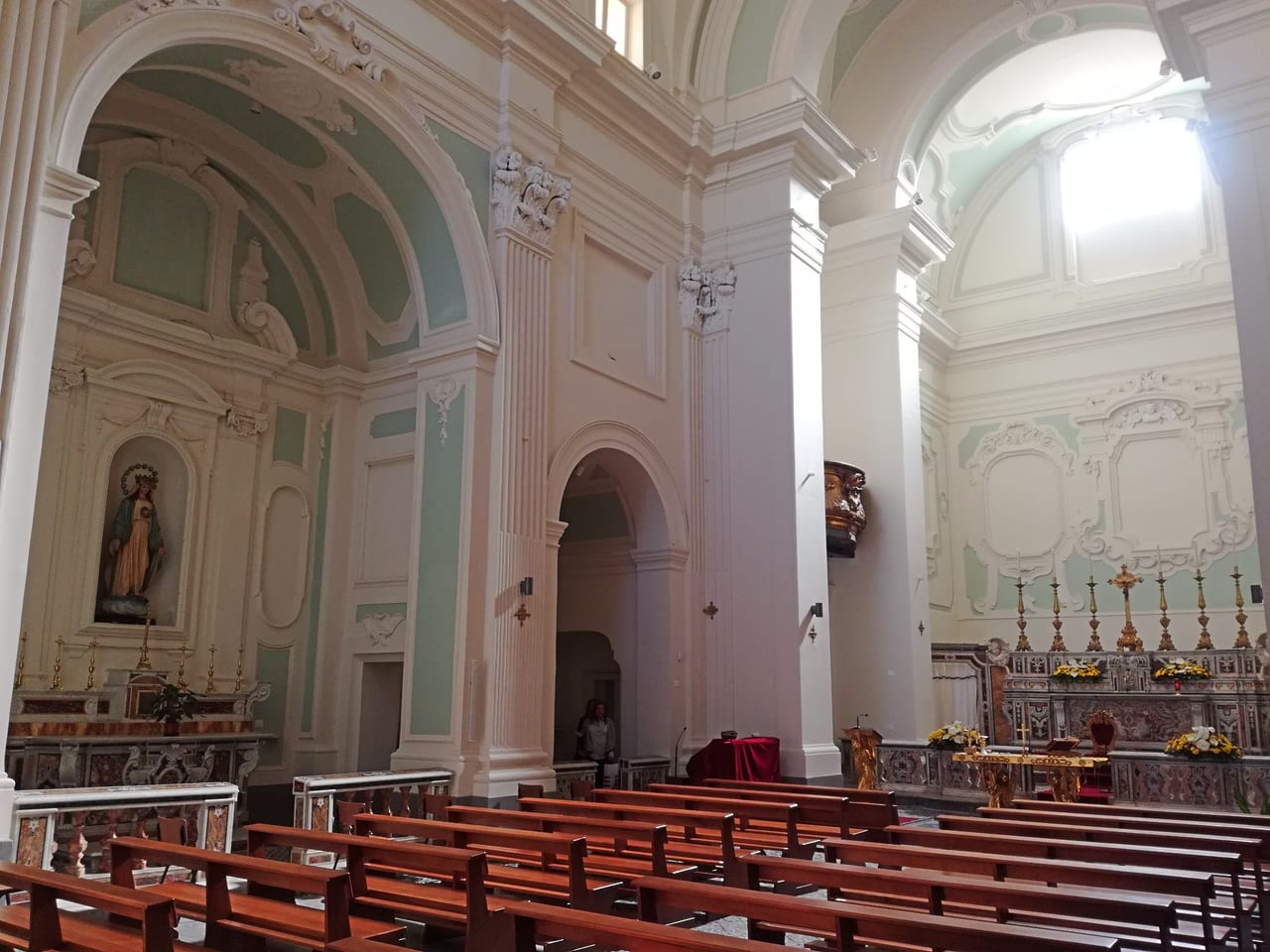
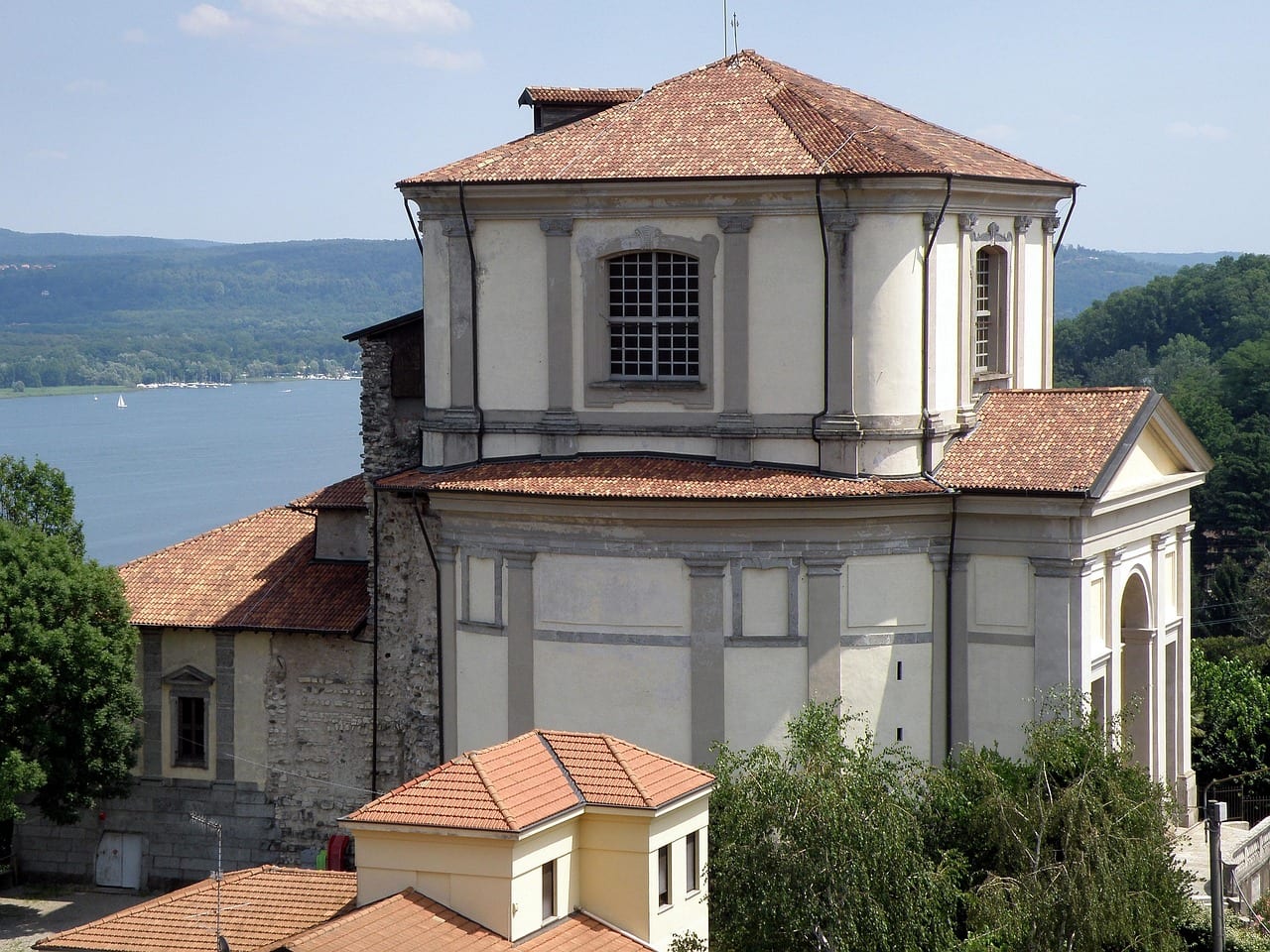
Photograph 1 of 2 of San Carlo alle Mortelle
San Carlo alle Mortelle began on 9 October 1616, financed in substantial part by Carlo Tapia and designed by the Barnabite Giovanni Ambrogio Mazenta. Mazenta looked to Barnabite churches in Milan, particularly Sant’Alessandro in Zebedia, but entrusted the work to Giovanni Cola di Franco; after 1621, Bartolomeo Picchiatti designed the college. Construction proceeded in stages: the sacristy and presbytery were completed in 1626–28, the college rooms followed in 1632–38, and the college was finished in 1650. Antonio De Bellis contributed frescoes before the plague of 1656, while Francesco Antonio Picchiatti later revised the complex after the disaster and the 1688 earthquake. Further presbytery work followed in 1696, and the façade was finally developed from the 1730s under Enrico Pini, with later work probably by Luca Vecchione. Nicola Tagliacozzi Canale altered the structure during mid-century consolidation. The church has a Baroque, Latin-cross plan with three lateral chapels and a two-tier façade. Barnabite, Augustinian and diocesan phases followed suppression and restoration in the nineteenth century; it became a parish in 1937 and is recognized as Italian national heritage.
At a glance
- Built
- 1616
- Architect
- Giovanni Ambrogio Mazenta
- Style
- baroque architecture
- Heritage
- Italian national heritage
Ways to explore San Carlo alle Mortelle
Begin with the façade’s floral capitals and three niches: the central one holds San Carlo, while the lateral statues represent San Tommaso di Villanova and Sant’Agostino. Inside, seek Antonio De Bellis’s cycle on the Life of San Carlo, Giacomo Farelli’s San Liborio, Giuseppe Simonelli’s Immacolata e Santi, and Fede Galizia’s signed 1611 painting in the choir. Note the seventeenth-century polychrome-marble holy-water basins, then look into the sacristy for Benedetto Torre’s frescoed vault and altarpiece. The former college retains fragments of its Baroque garden and cloister.
Places to stay near San Carlo alle Mortelle

Live availability and prices from Stay22's partners, refreshed periodically and subject to change. Booking through these links may earn us a commission at no extra cost to you. See our privacy policy.
Cafés near San Carlo alle Mortelle
Cafés near San Carlo alle Mortelle loads as you scroll.
Attractions nearby
Attractions near San Carlo alle Mortelle loads as you scroll.
Cities nearby
Cities nearby loads as you scroll.
More in Naples
See more of Naples.
Find great cafés, places to stay and other interesting places to visit in Naples.