Castle & palace · Naples
Port'Alba, Naples
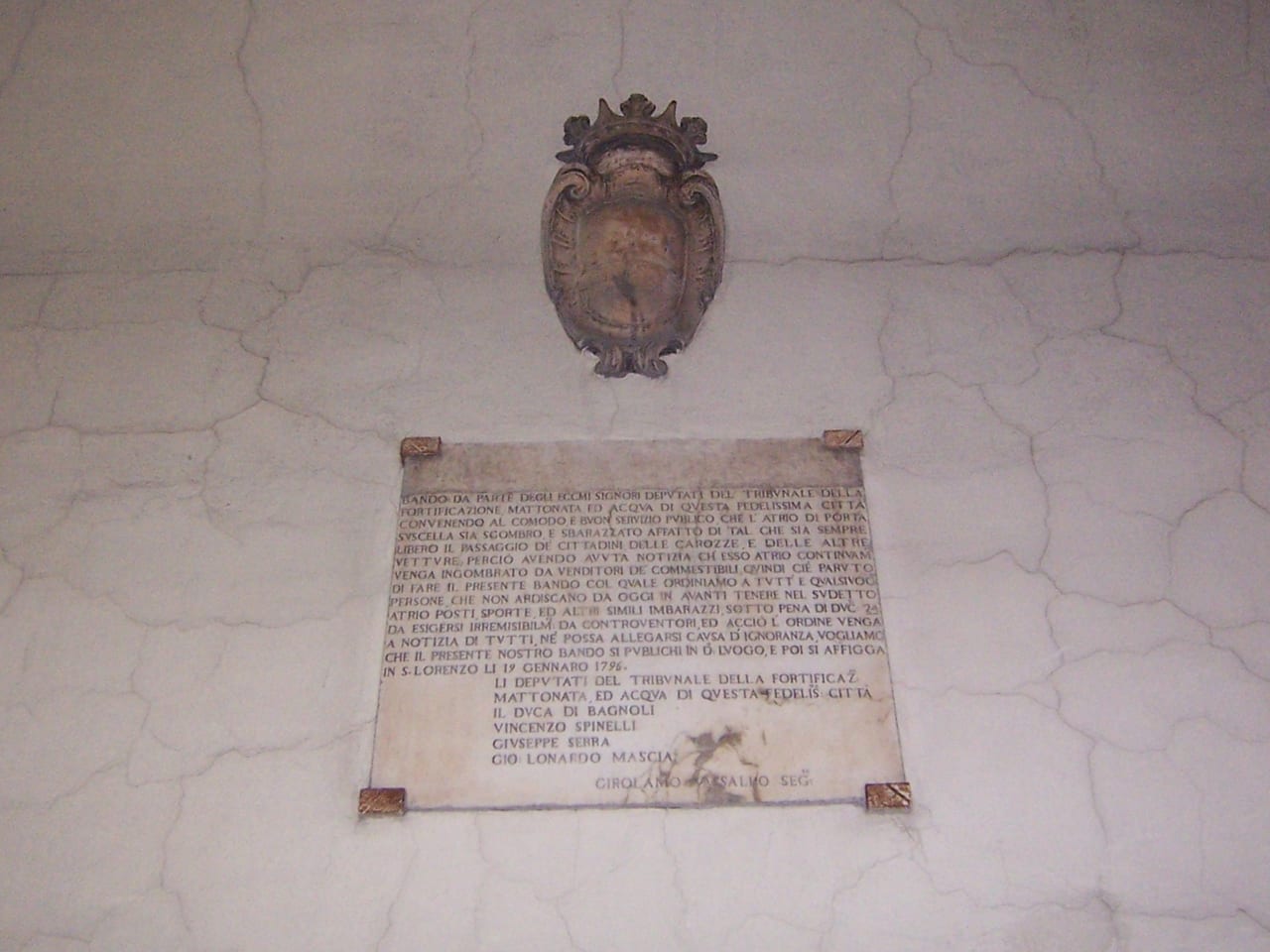
DirectionsOpposite Port’Alba’s 1796 warning plaque stands Antica Pizzeria Port’Alba, founded in 1738 and regarded as the world’s oldest pizzeria.
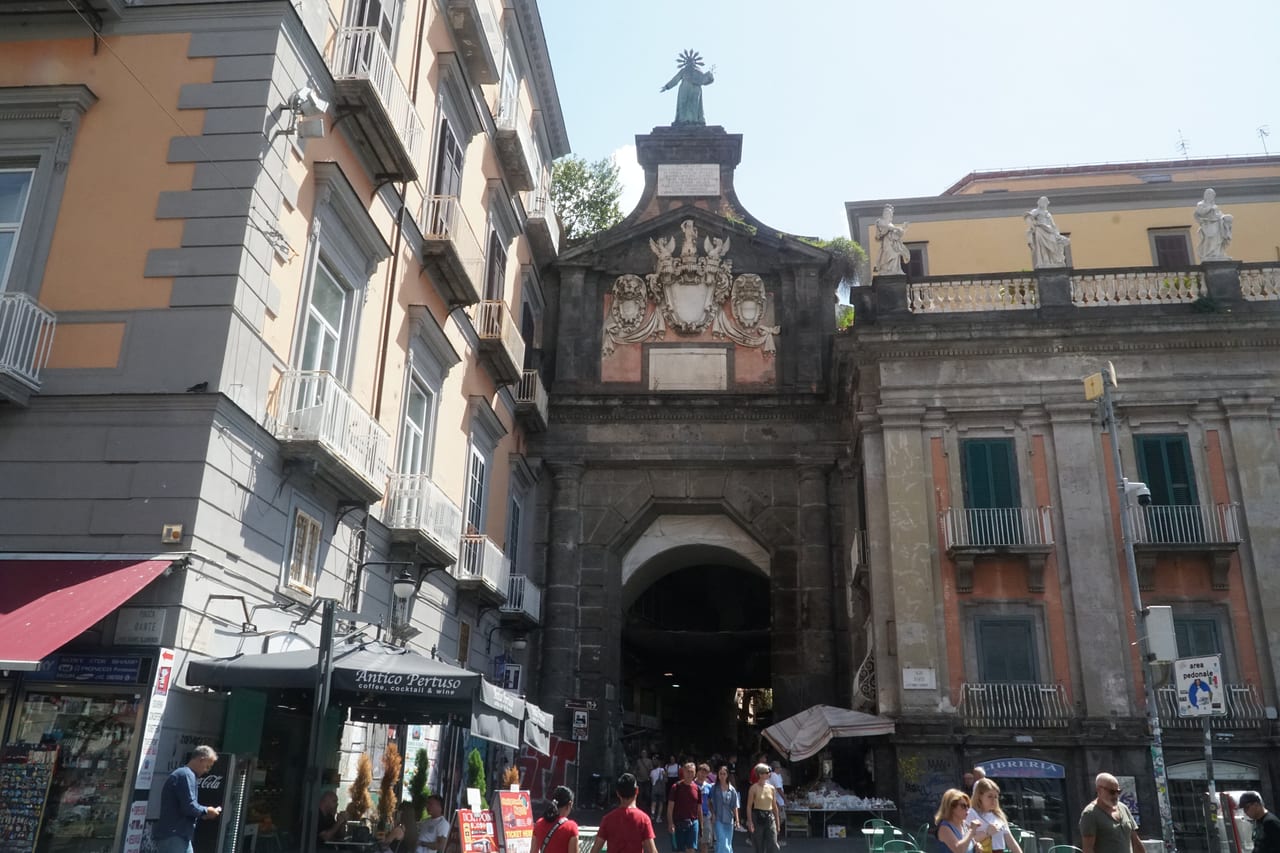
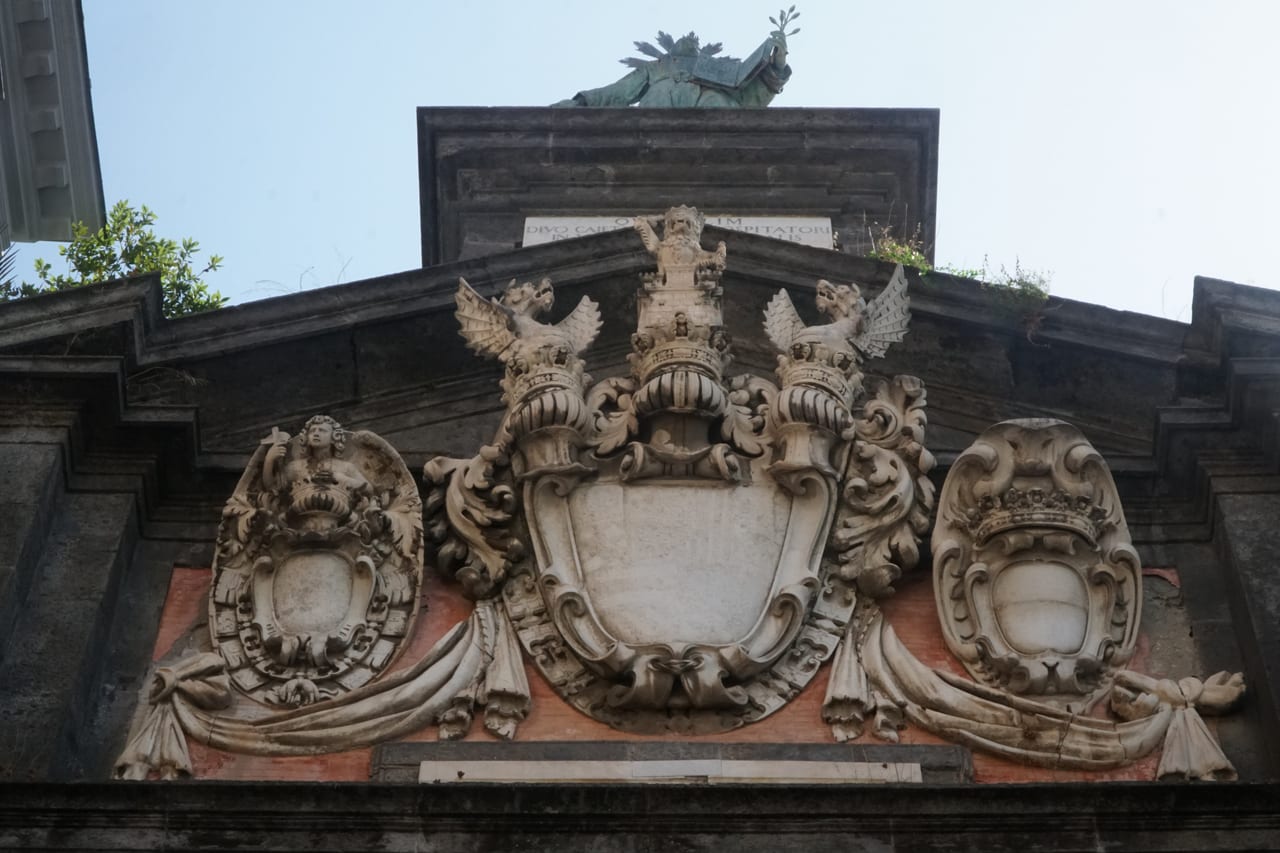
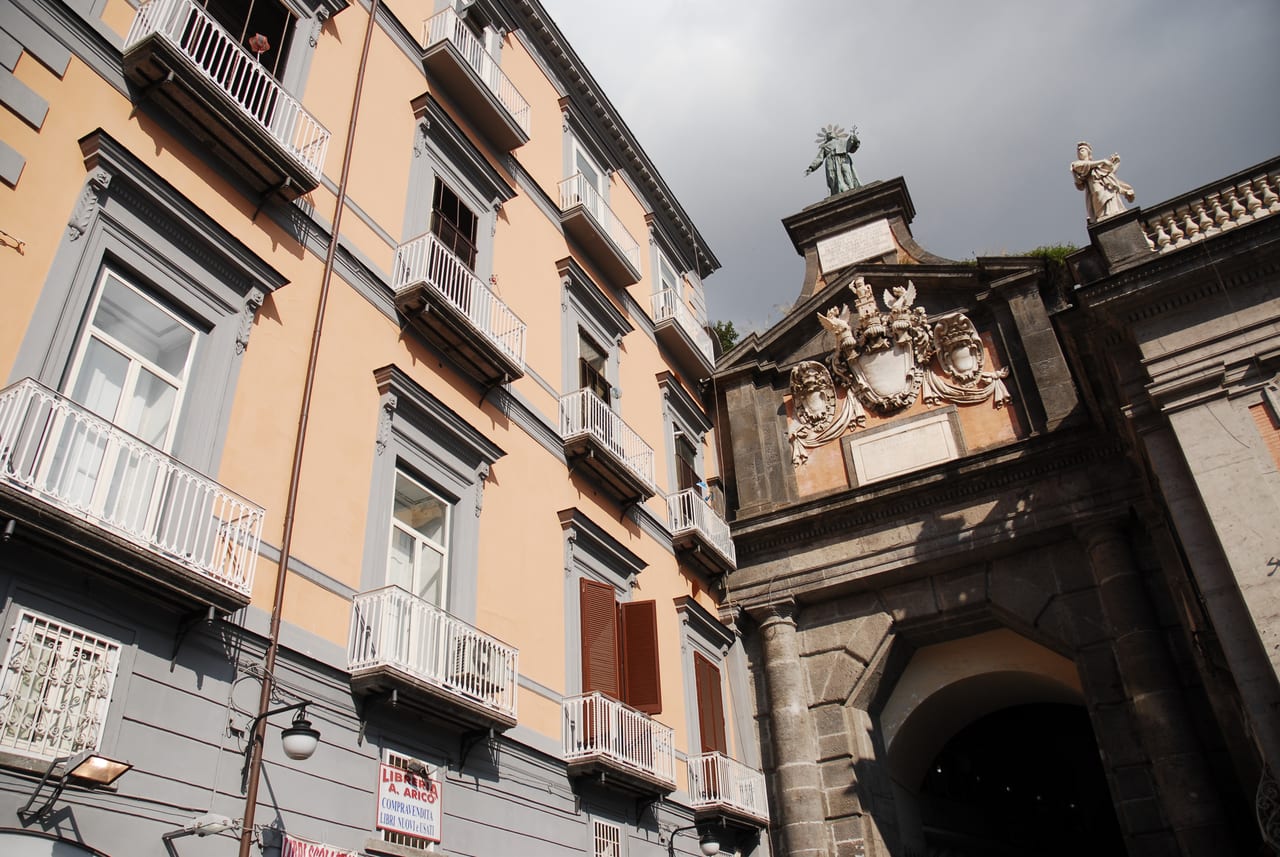
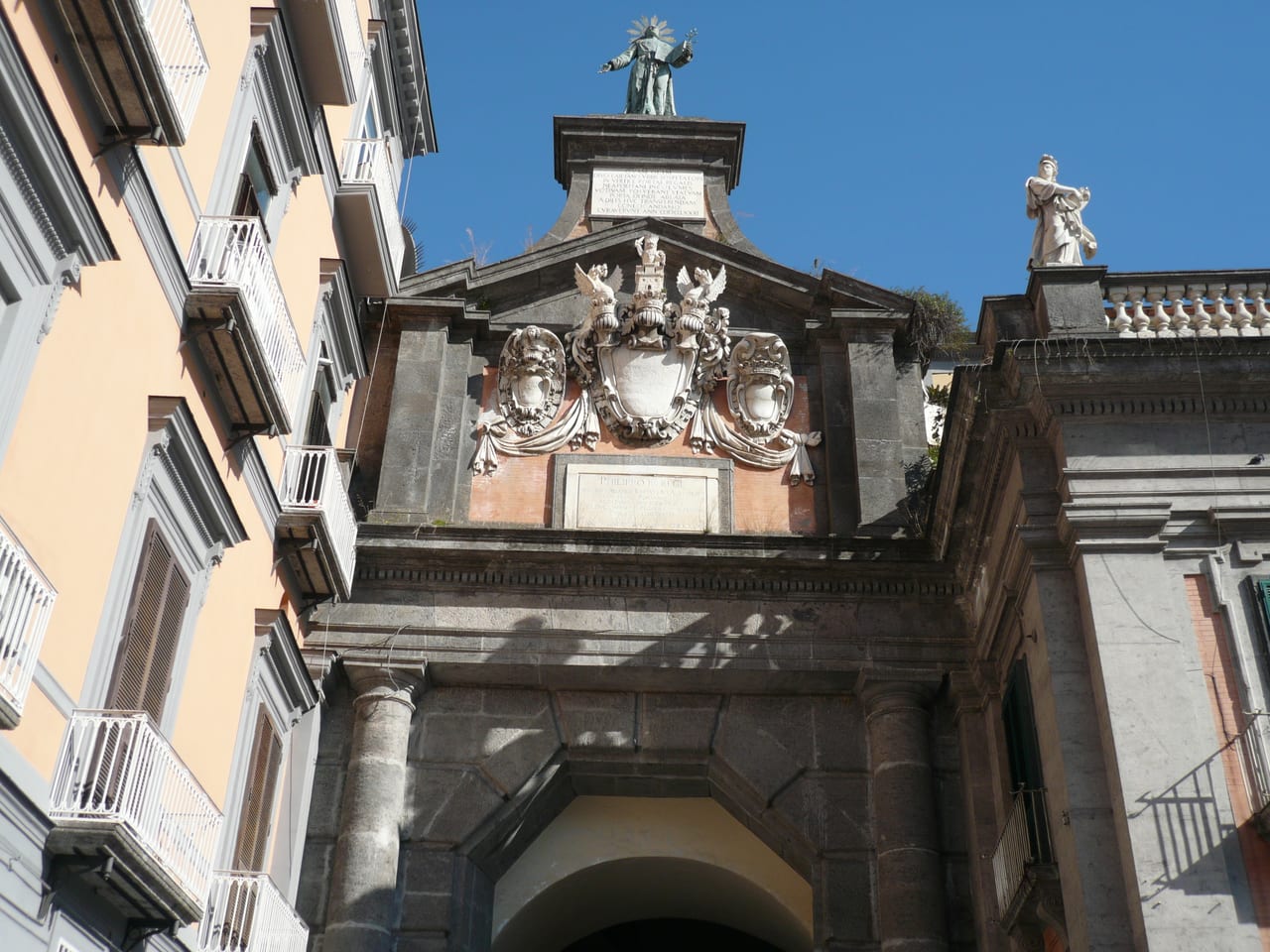
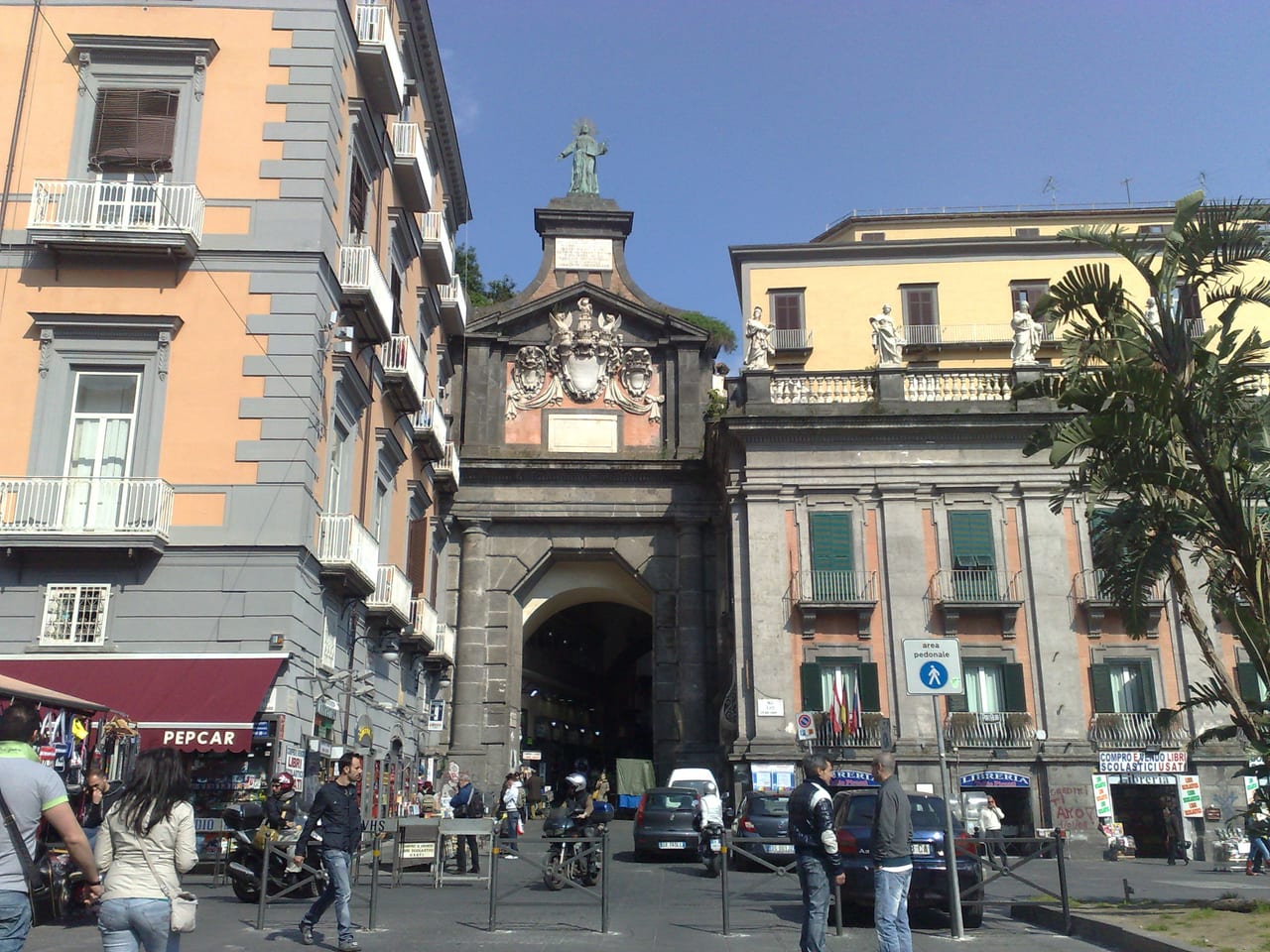
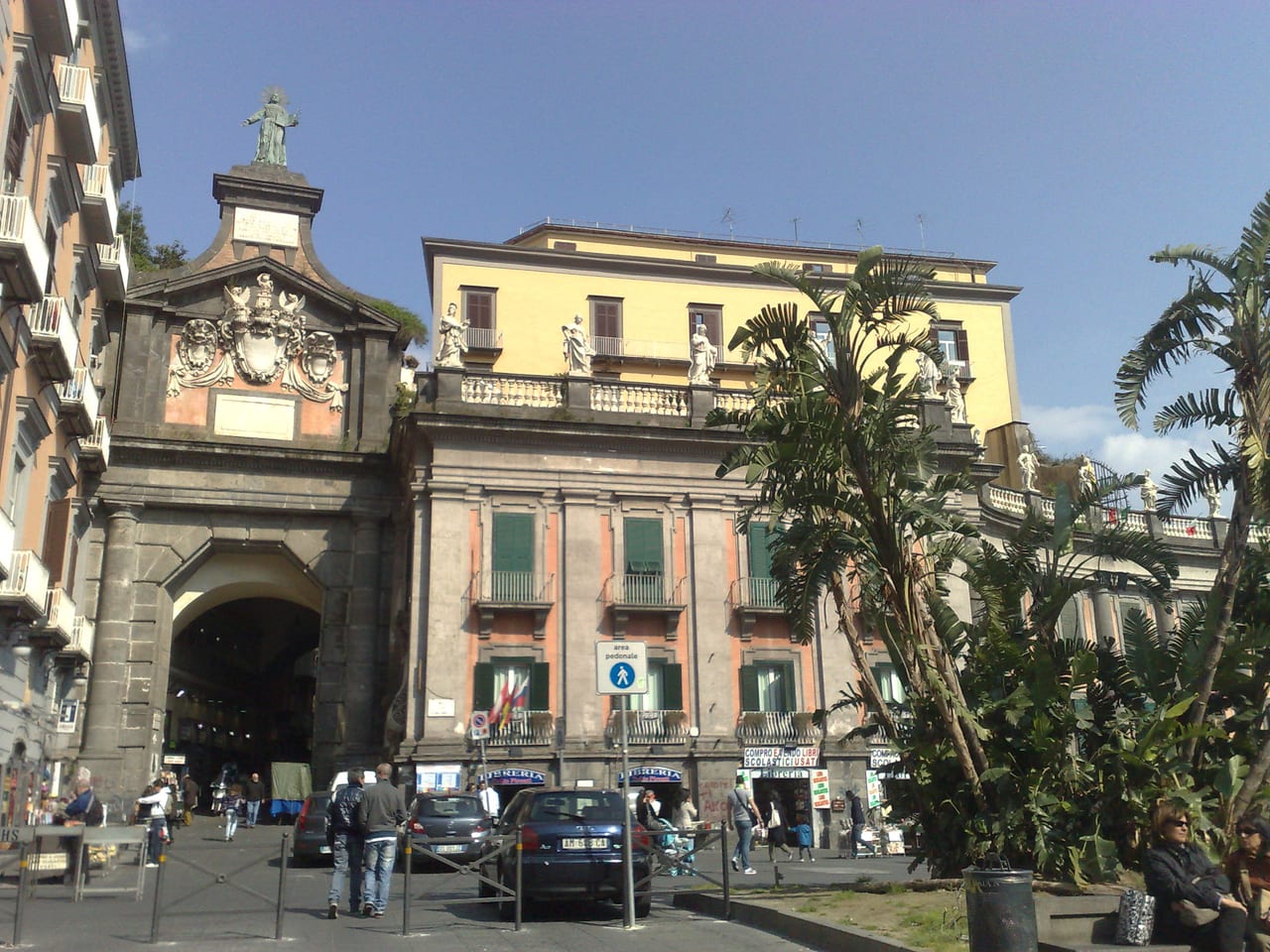
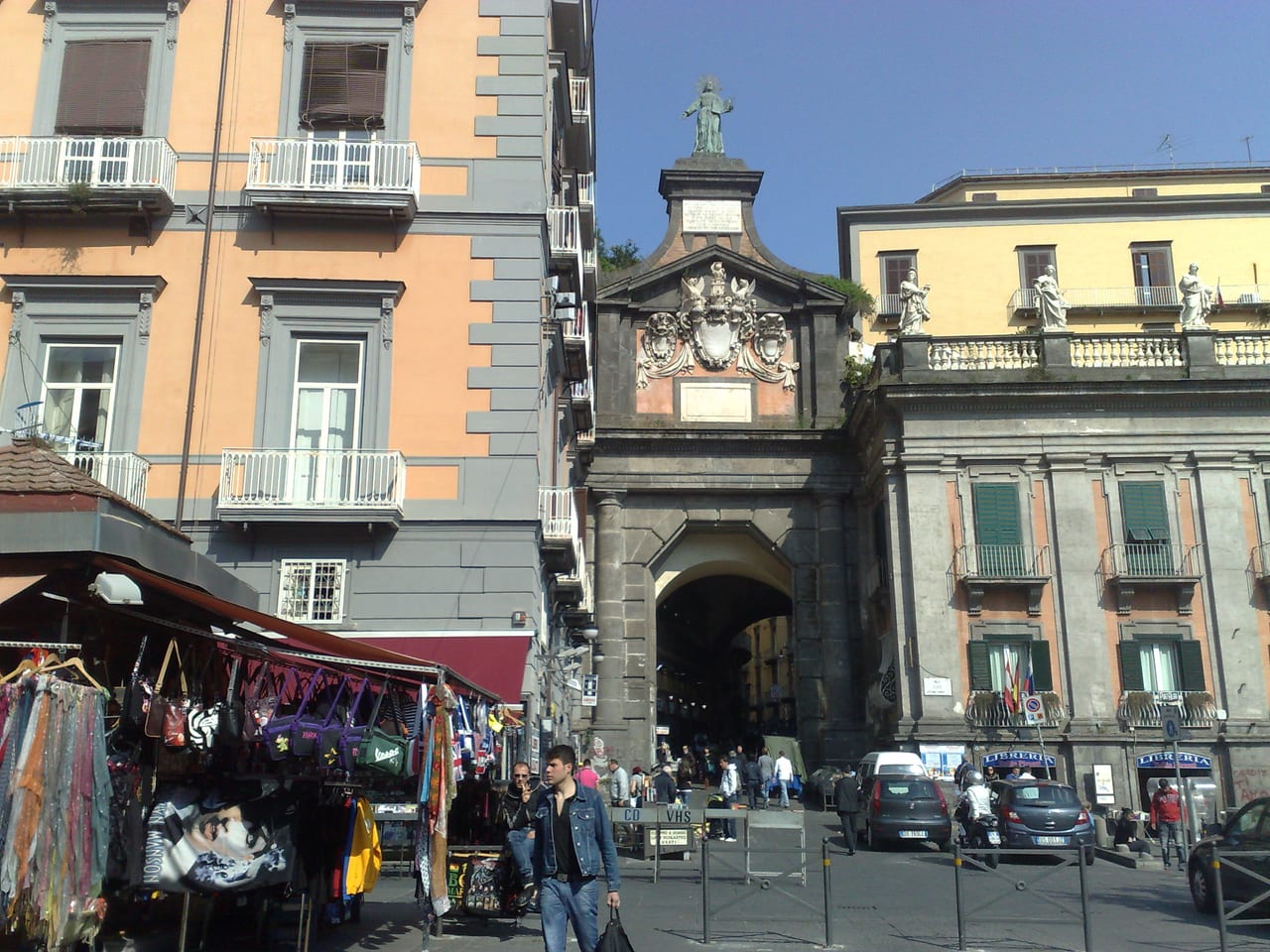
Photograph 1 of 9 of Port'Alba, Naples
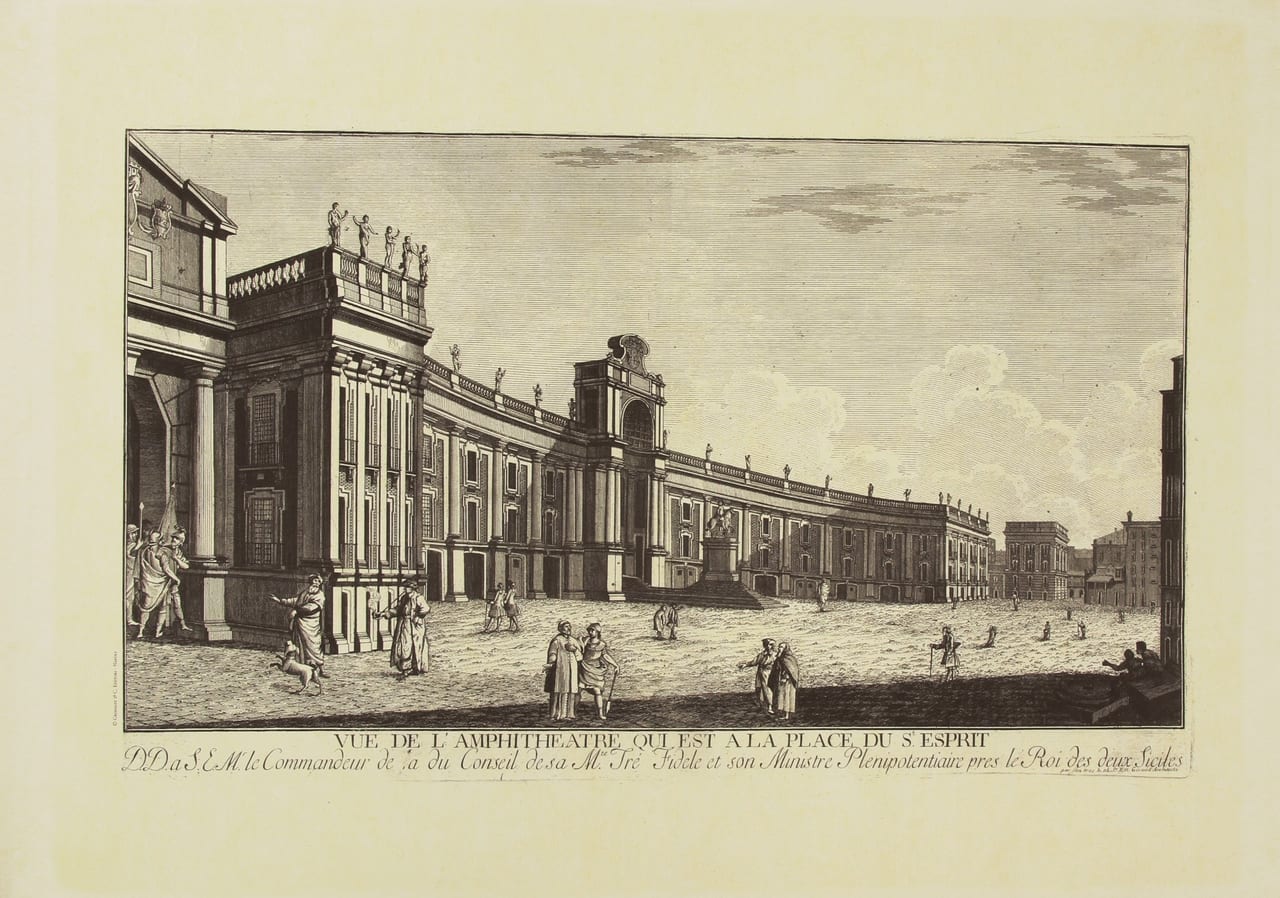
Port’Alba originated in 1625, when the Spanish viceroy Antonio Álvarez de Toledo, duke of Alba, commissioned Pompeo Lauria to open a passage through the Angevin walls. It replaced a tower and formalised an improvised opening made by residents seeking a more convenient route across the city. The first version was decorated with three coats of arms: those of Philip III, Naples and the viceroy. In 1656, Mattia Preti decorated the gate with frescoes showing the Virgin with Saints Januarius and Cajetan, alongside a scene of plague-stricken dying people. The statue of Saint Cajetan, transferred from the demolished Porta dello Spirito Santo, arrived in 1781. The vicinity also witnessed the assassination of Cesare d’Aquino, prince of Pietrelcina, on 26 March 1668. Rebuilding and enlargement in 1797 produced the gate’s present appearance. An inscription naming Ferdinand IV of Bourbon was destroyed during the events of the Neapolitan Republic in 1799. Its monumental scale and architecture have earned it a place among Europe’s finest seventeenth-century gates.
Ways to explore Port'Alba, Naples
Pass through the gate and follow the short Via Port’Alba towards Piazza Bellini, noting its many bookshops and eighteenth-century buildings. The passage marks the beginning of the major decumanus and provides a compact walk between the two piazzas. At the Bellini end, read the 1796 plaque warning that street vendors obstructing carriages and pedestrians could be fined; its wording gives the street an unusually tangible glimpse of everyday regulation.
Places to stay near Port'Alba, Naples

Live availability and prices from Stay22's partners, refreshed periodically and subject to change. Booking through these links may earn us a commission at no extra cost to you. See our privacy policy.
Cafés near Port'Alba, Naples
Cafés near Port'Alba, Naples loads as you scroll.
Attractions nearby
Attractions near Port'Alba, Naples loads as you scroll.
Cities nearby
Cities nearby loads as you scroll.
More in Naples
See more of Naples.
Find great cafés, places to stay and other interesting places to visit in Naples.