Castle & palace · Naples
Porta Nolana
DirectionsPorta Nolana once carried Mattia Preti’s fresco of the Madonna and Child interceding for plague-stricken Neapolitans; the painting has since disappeared.
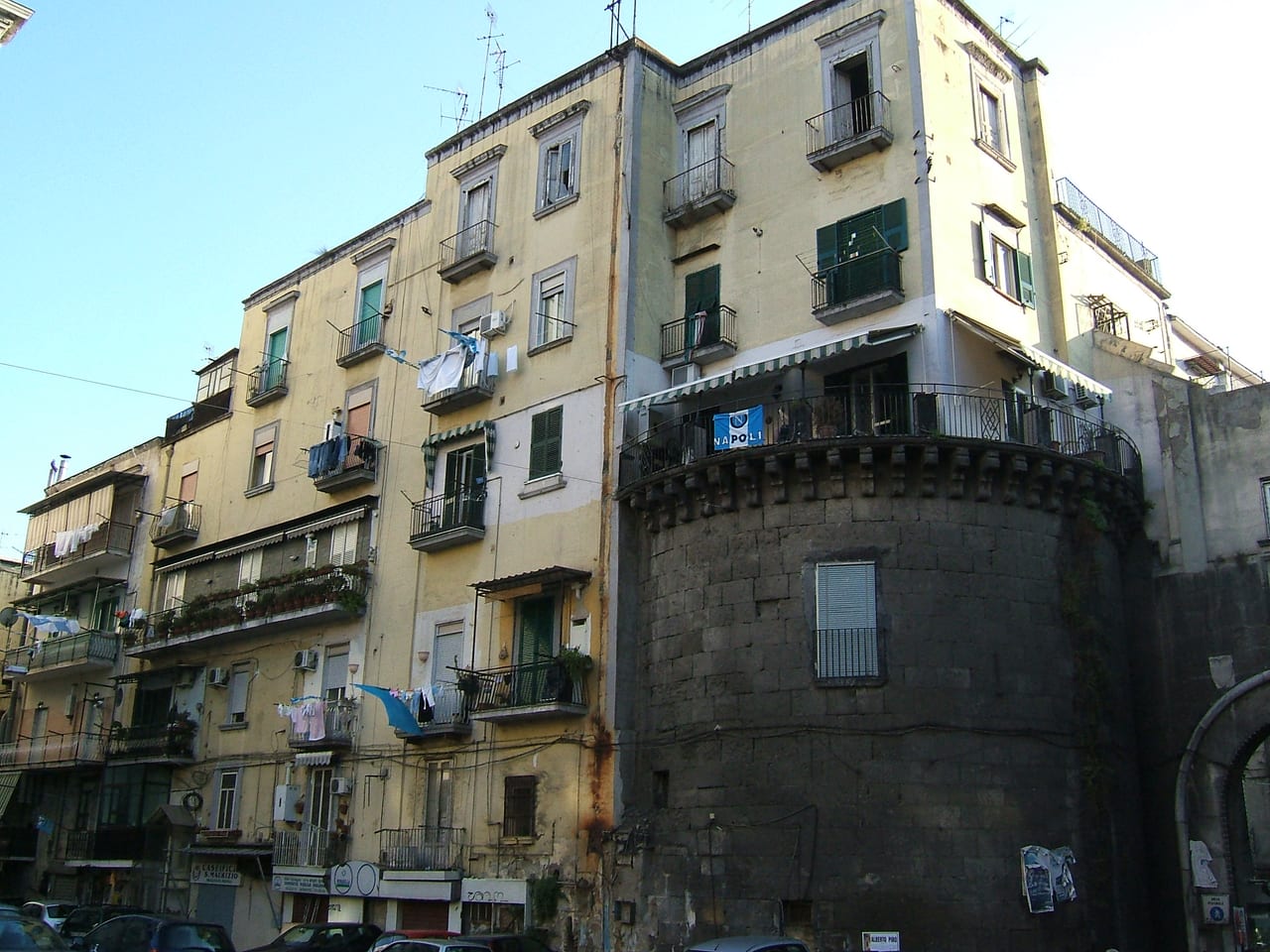
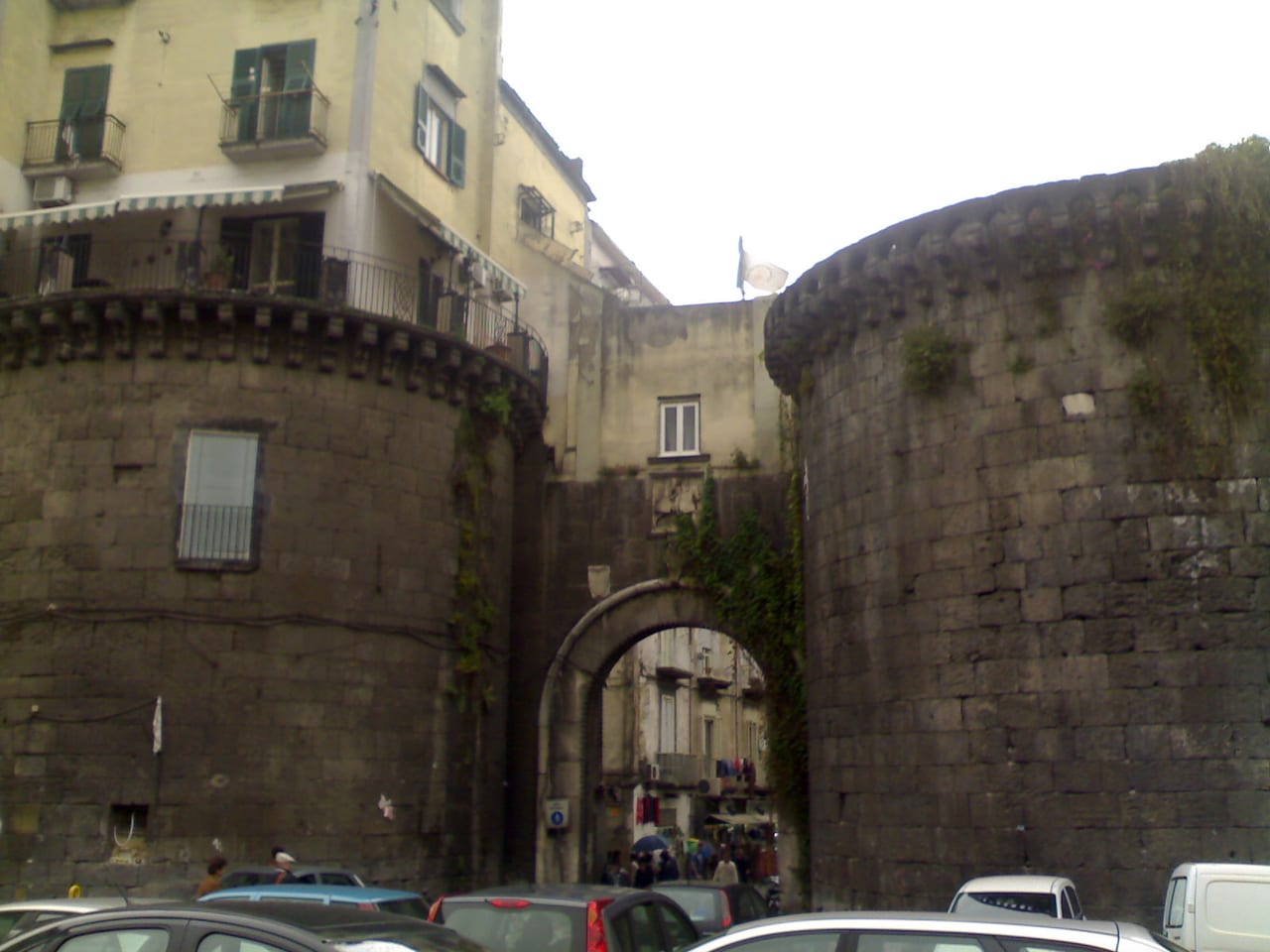
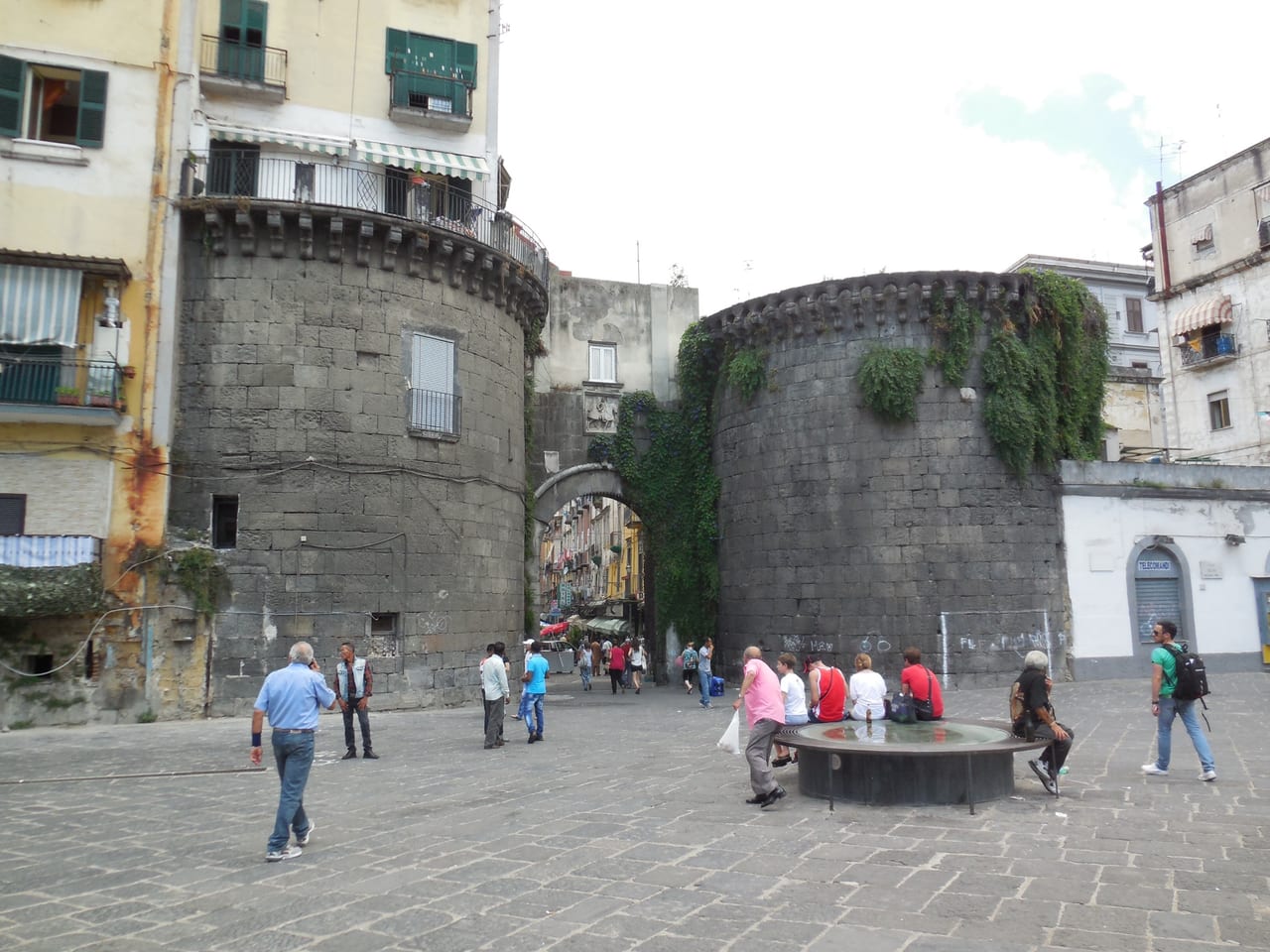
Photograph 1 of 7 of Porta Nolana
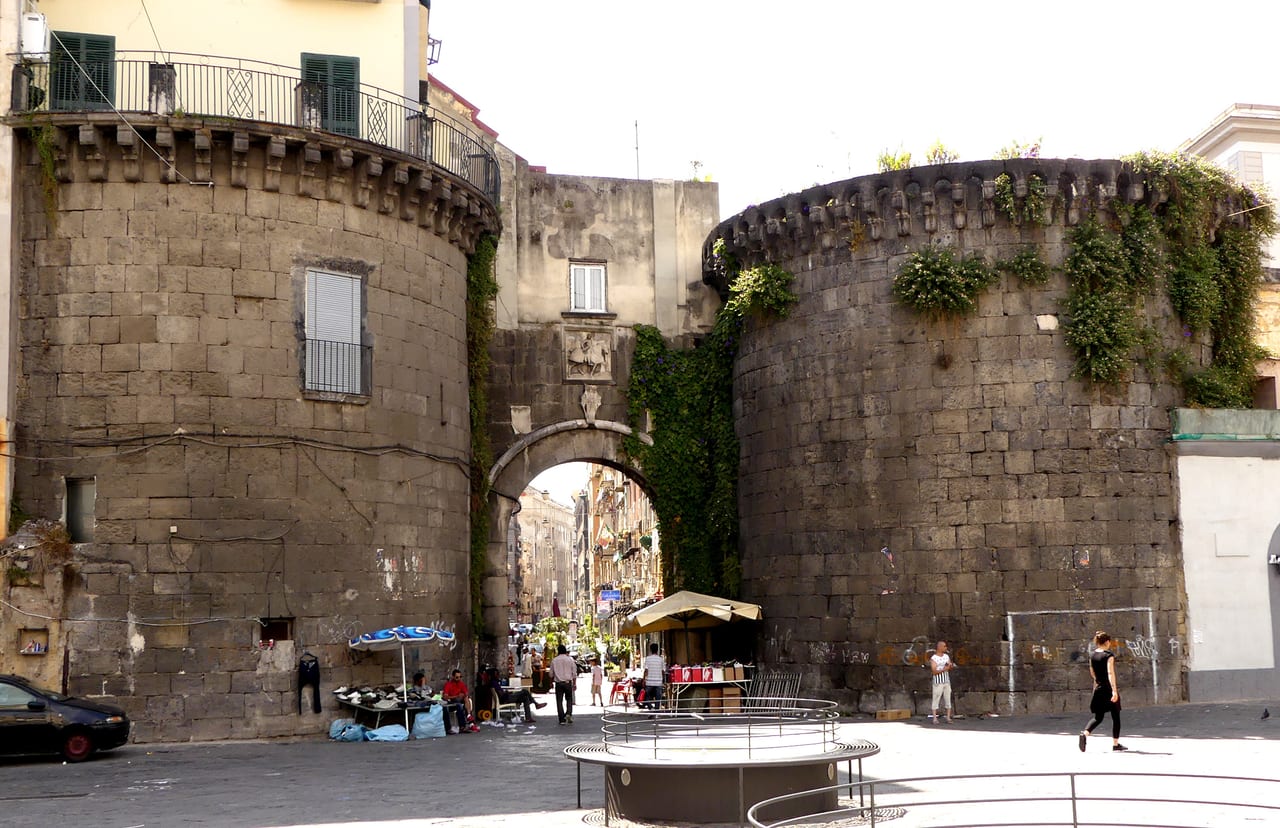
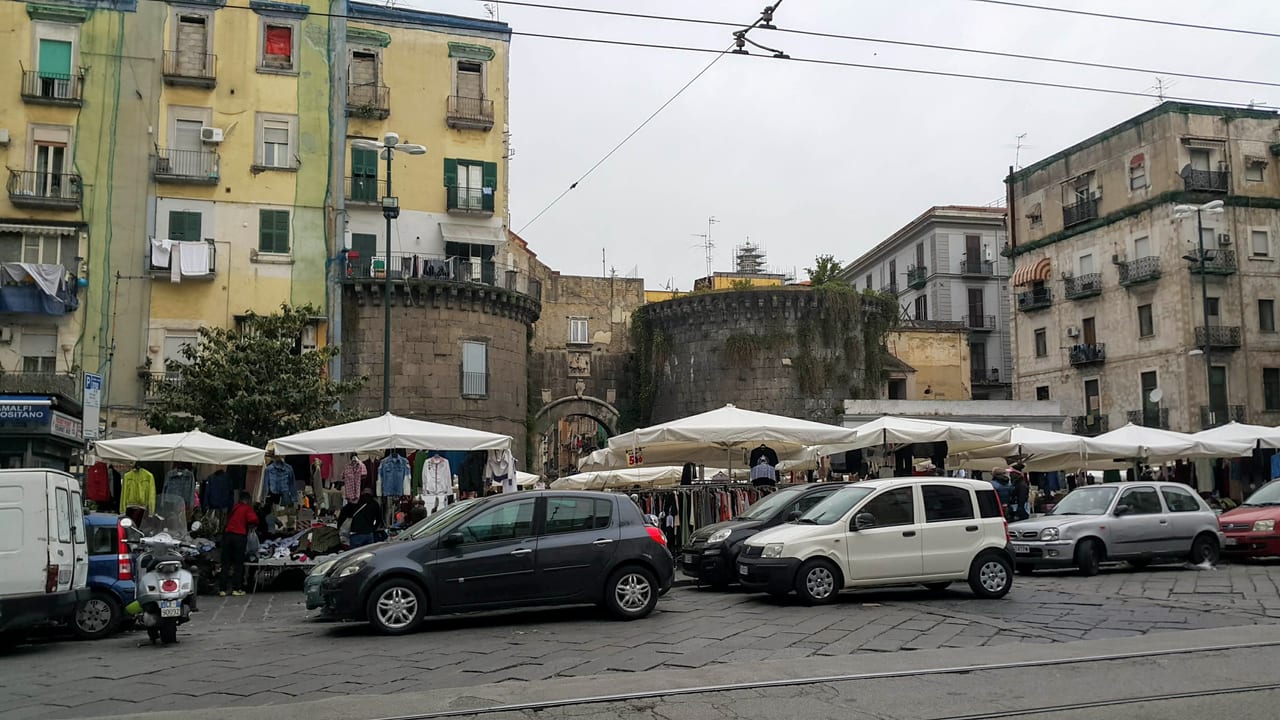
Built in the 15th century by Giuliano da Maiano, Porta Nolana replaced the earlier Porta di Forcella, also called del Cannavaro, which stood near the Basilica dell’Annunziata. Its name comes from the road that left the gate towards the ancient settlement of present-day Nola. The Renaissance composition centres on a round-headed marble arch set between two piperno towers: Torre della Fede, or Cara Fè, to the south, and Torre della Speranza to the north. The gateway’s heraldic programme links Naples with the Aragonese and Angevin dynasties, while its sculptural details give the entrance a distinctly courtly character. On the Via Nolana façade, a seventeenth-century bust of Saint Cajetan adds a later devotional layer. The work belongs to the Renaissance transformation of Naples’s urban gates, replacing an older route and structure with a more ceremonious entrance.
At a glance
- Architect
- Giuliano da Maiano
- Style
- Renaissance architecture
Ways to explore Porta Nolana
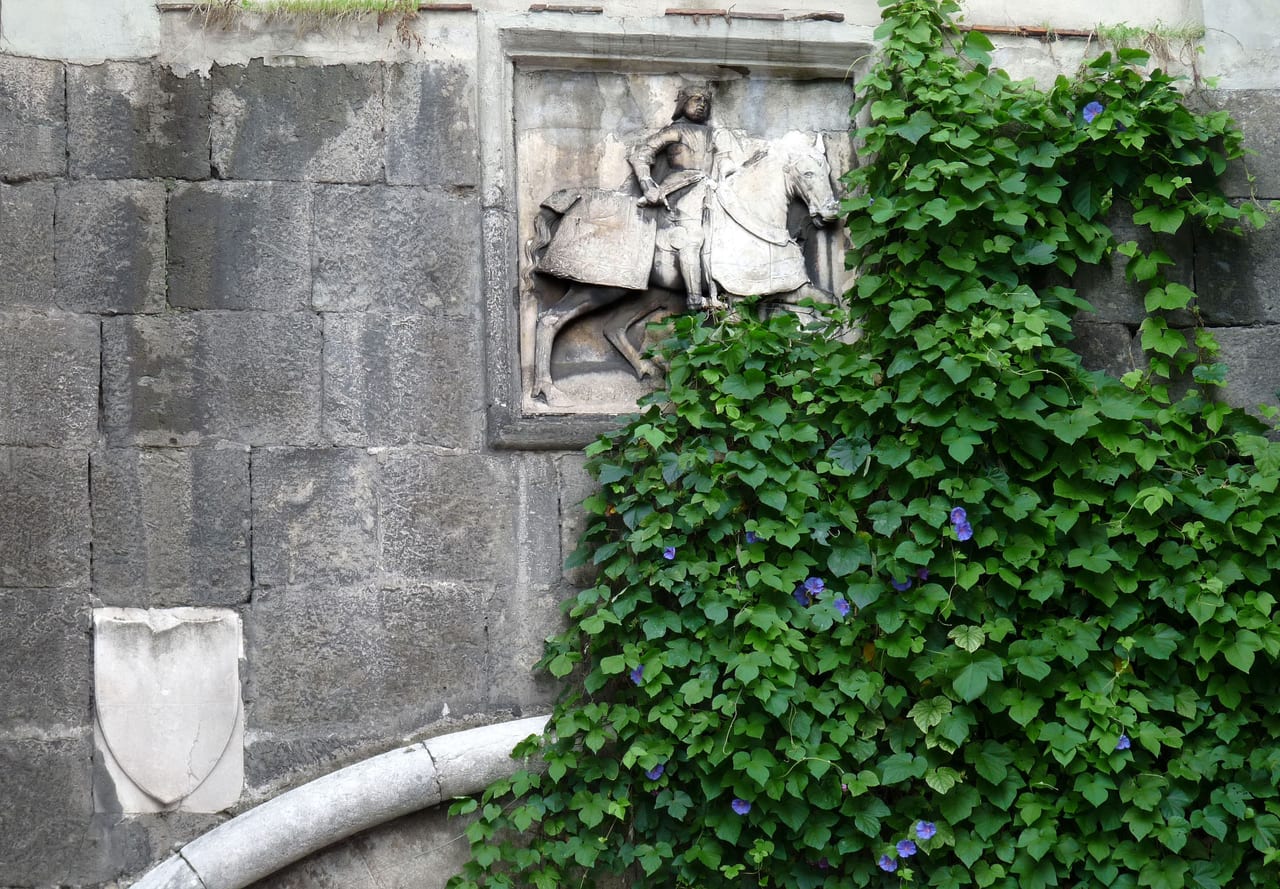
Approach slowly from the piazza and inspect the marble work at close range. Above the arch, look for the three coats of arms: Aragonese and Angevin emblems, French and Anjou bands, fleurs-de-lis, Jerusalem imagery and Samnite shields. The relief of Ferrante I on horseback is especially intricate; note the missing upper section of its panel and compare the absent inscription with the wording recorded for Porta del Carmine. On the Via Nolana side, seek out the bust of Saint Cajetan.
Places to stay near Porta Nolana

Live availability and prices from Stay22's partners, refreshed periodically and subject to change. Booking through these links may earn us a commission at no extra cost to you. See our privacy policy.
Cafés near Porta Nolana
Cafés near Porta Nolana loads as you scroll.
Attractions nearby
Attractions near Porta Nolana loads as you scroll.
Cities nearby
Cities nearby loads as you scroll.
More in Naples
See more of Naples.
Find great cafés, places to stay and other interesting places to visit in Naples.