Castle & palace · Naples
Palazzo Venezia
DirectionsGiven to Venice in 1412 as an embassy by King Ladislaus I, Palazzo Venezia preserves a rare architectural trace of Naples’ long political ties with the Venetian Republic.
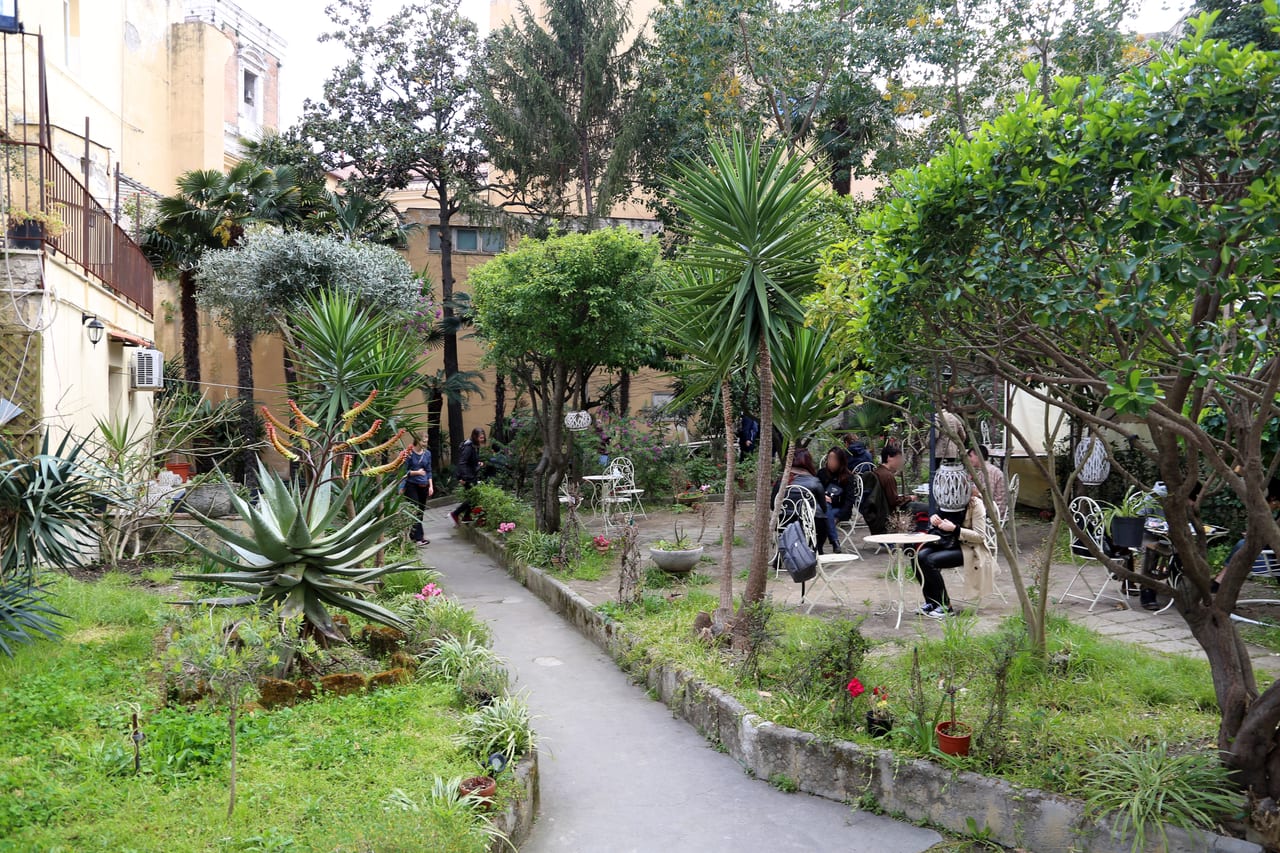
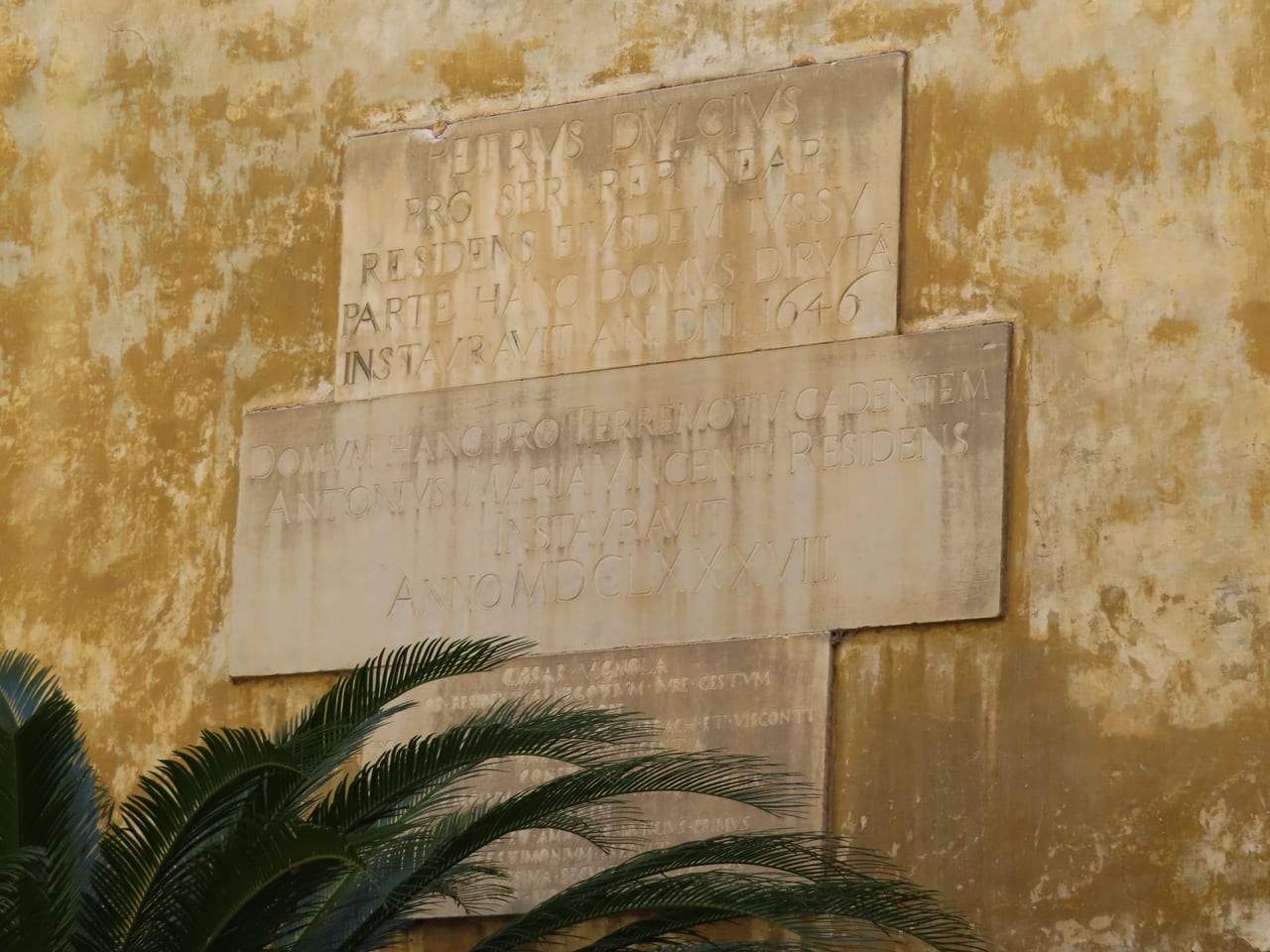
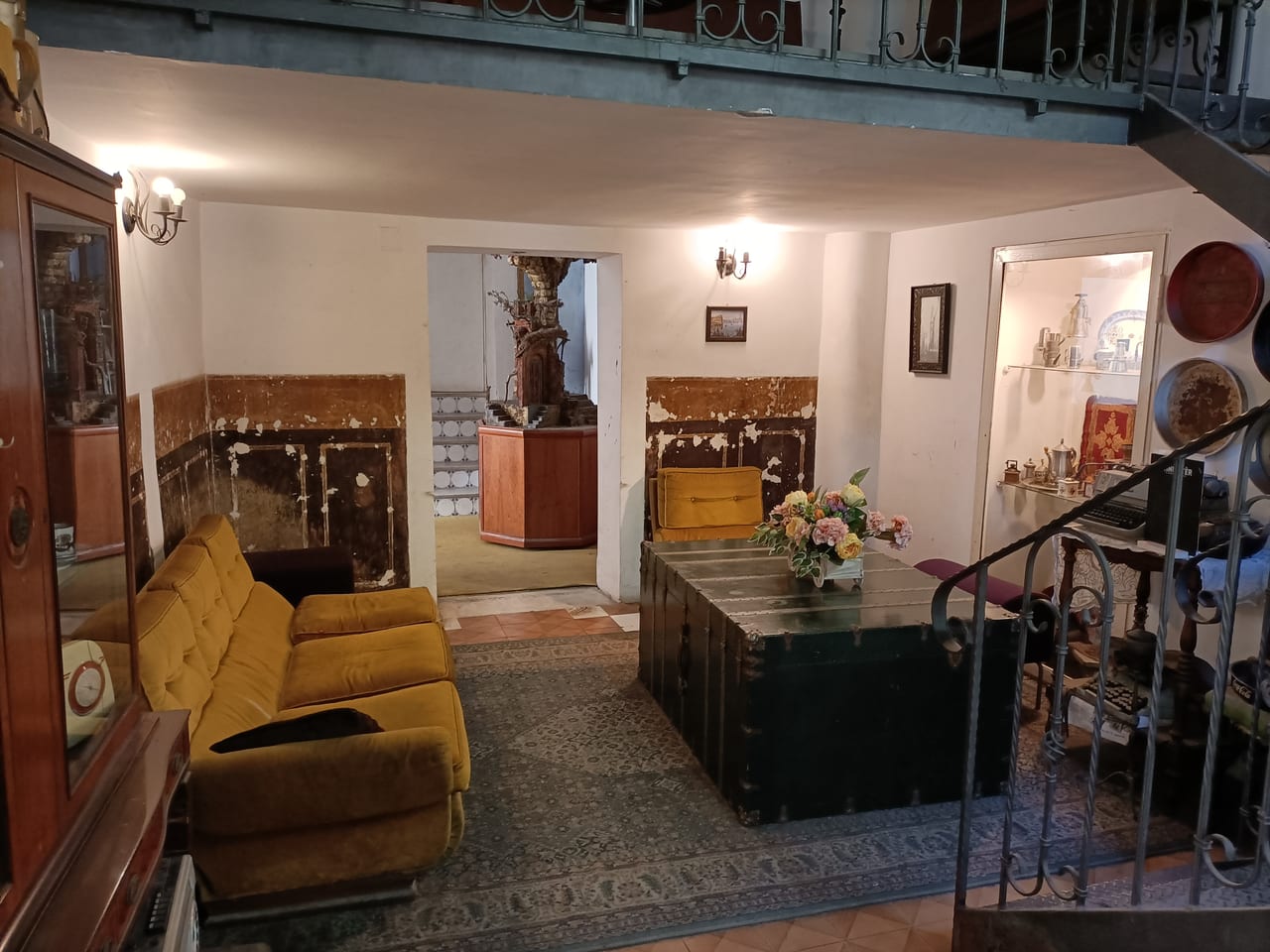
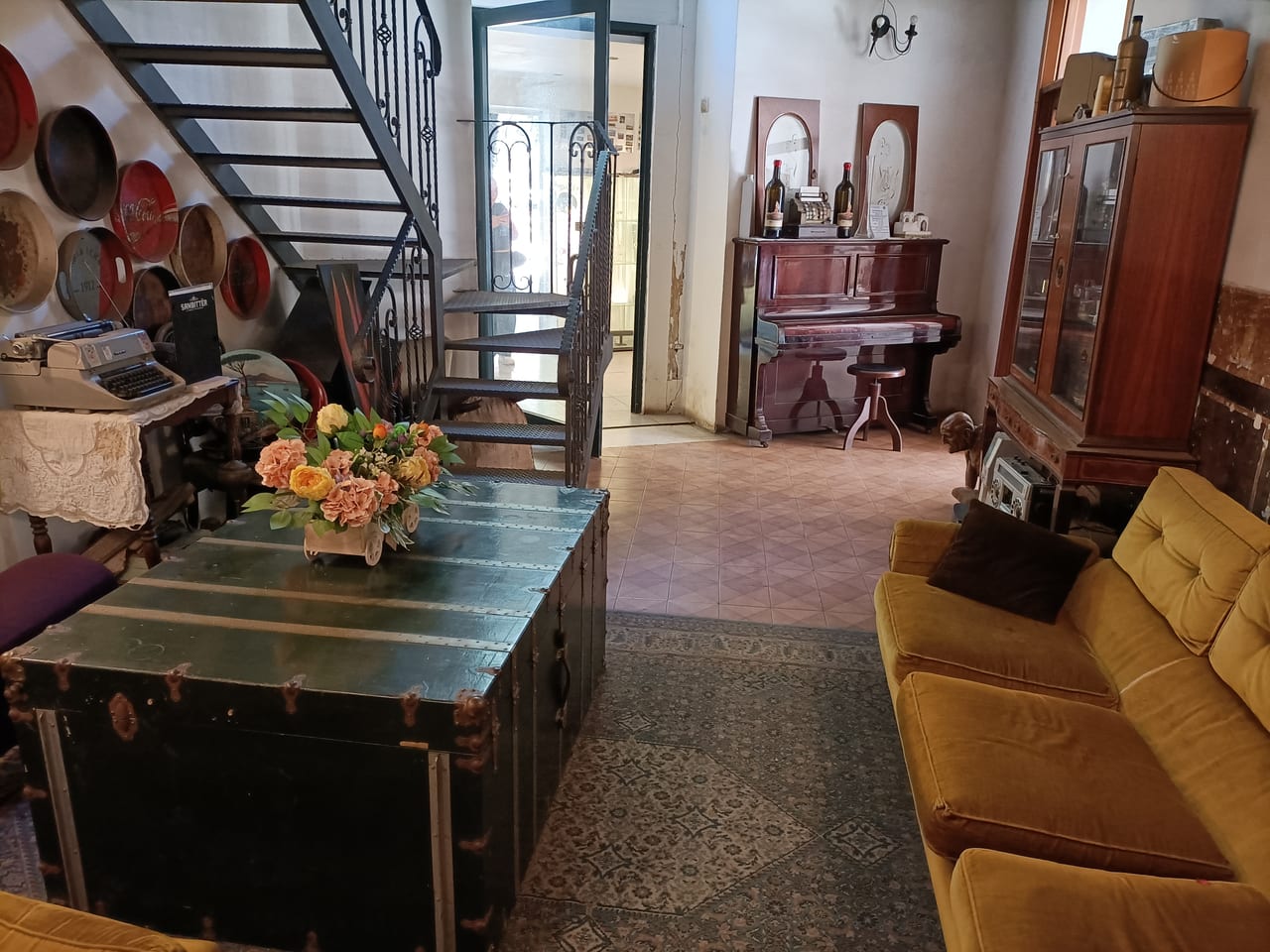
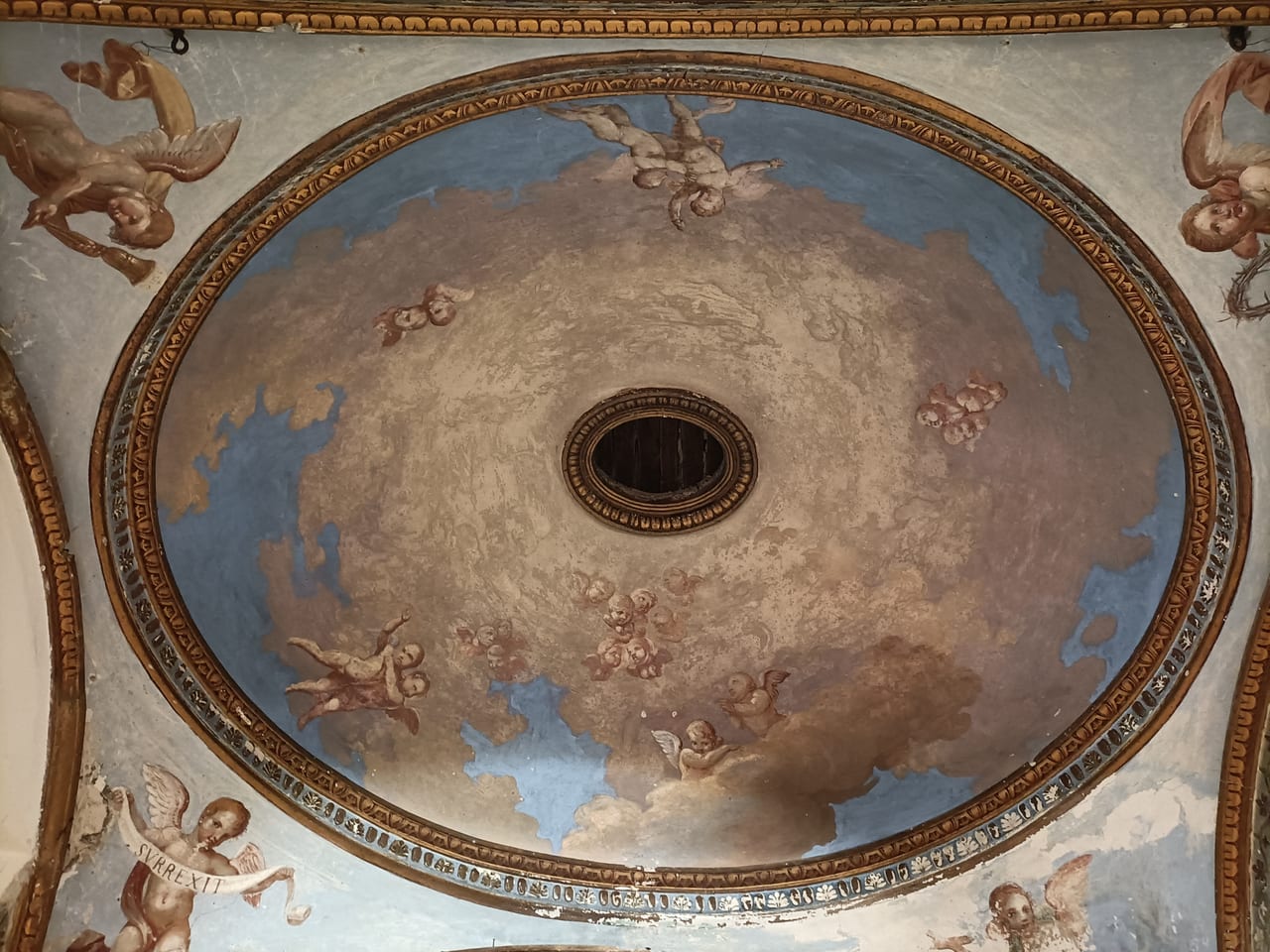
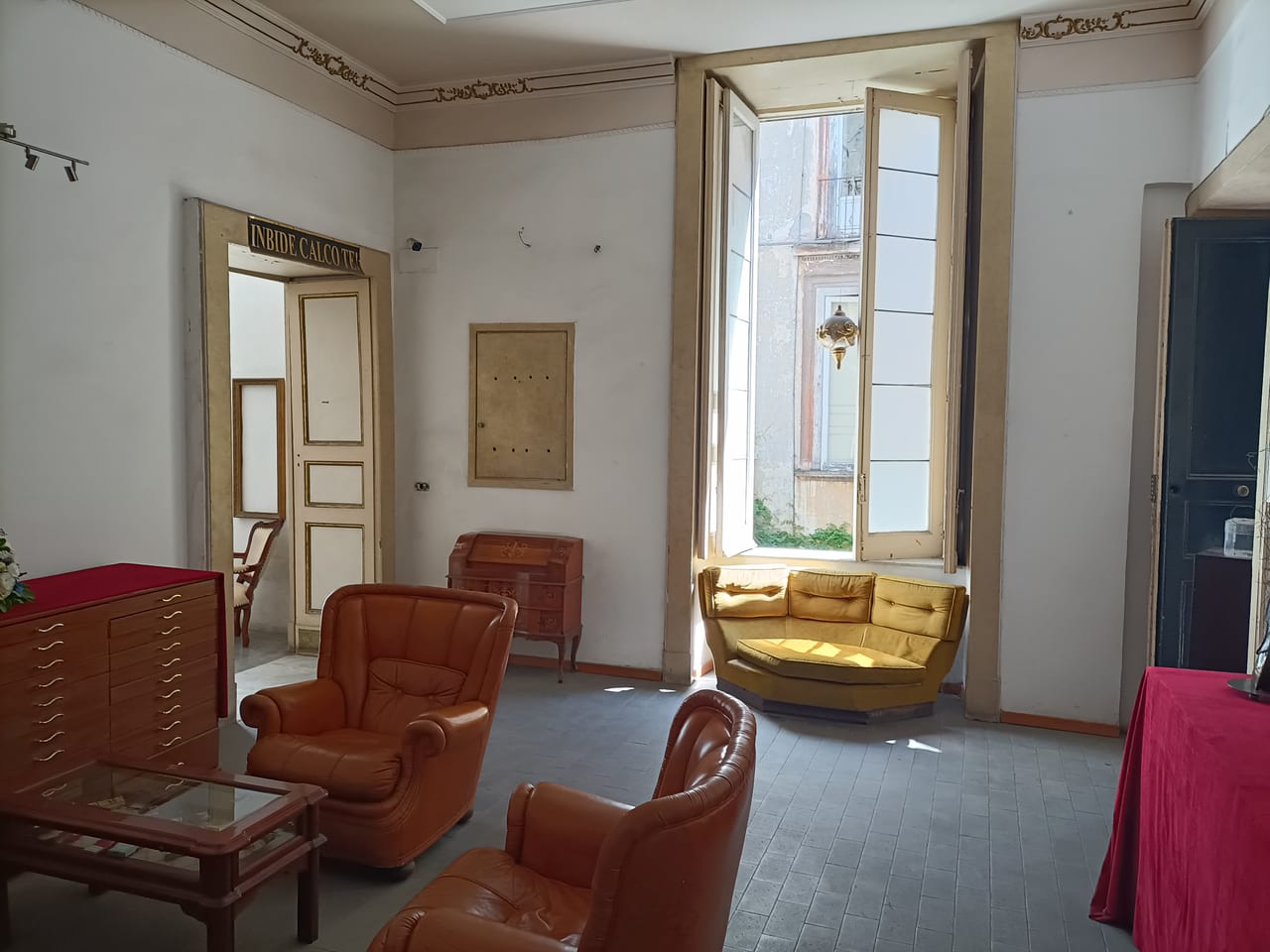
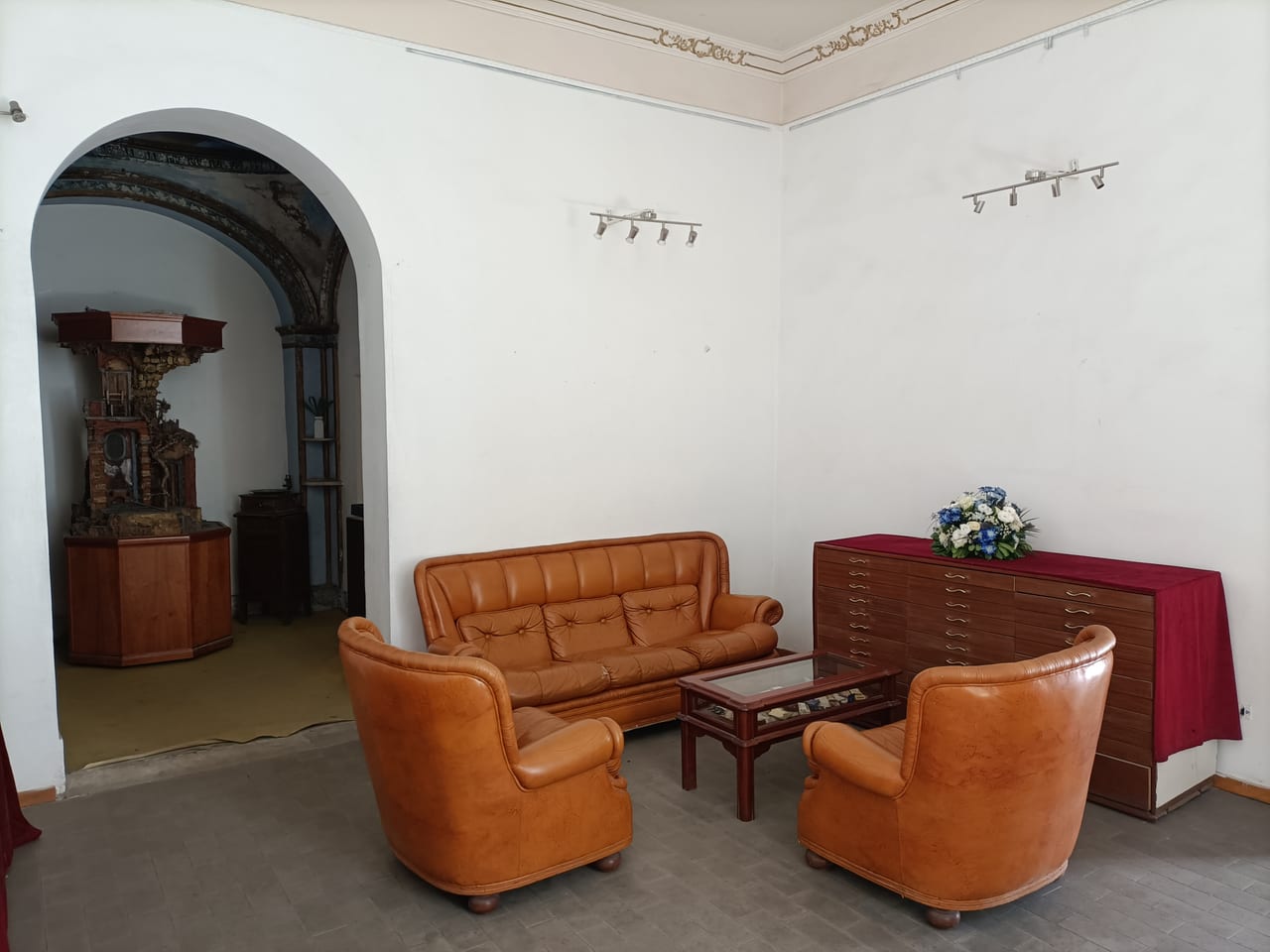
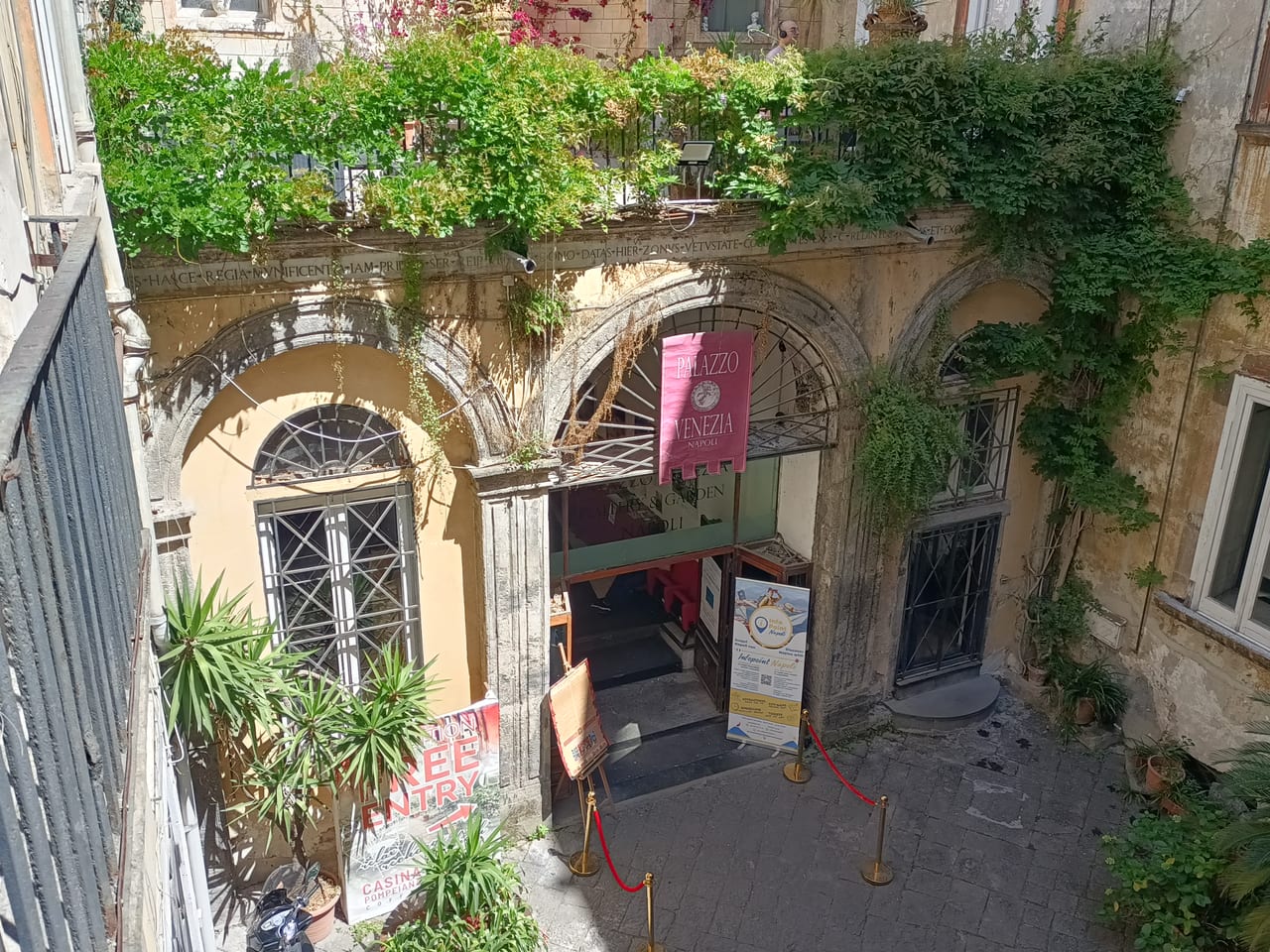
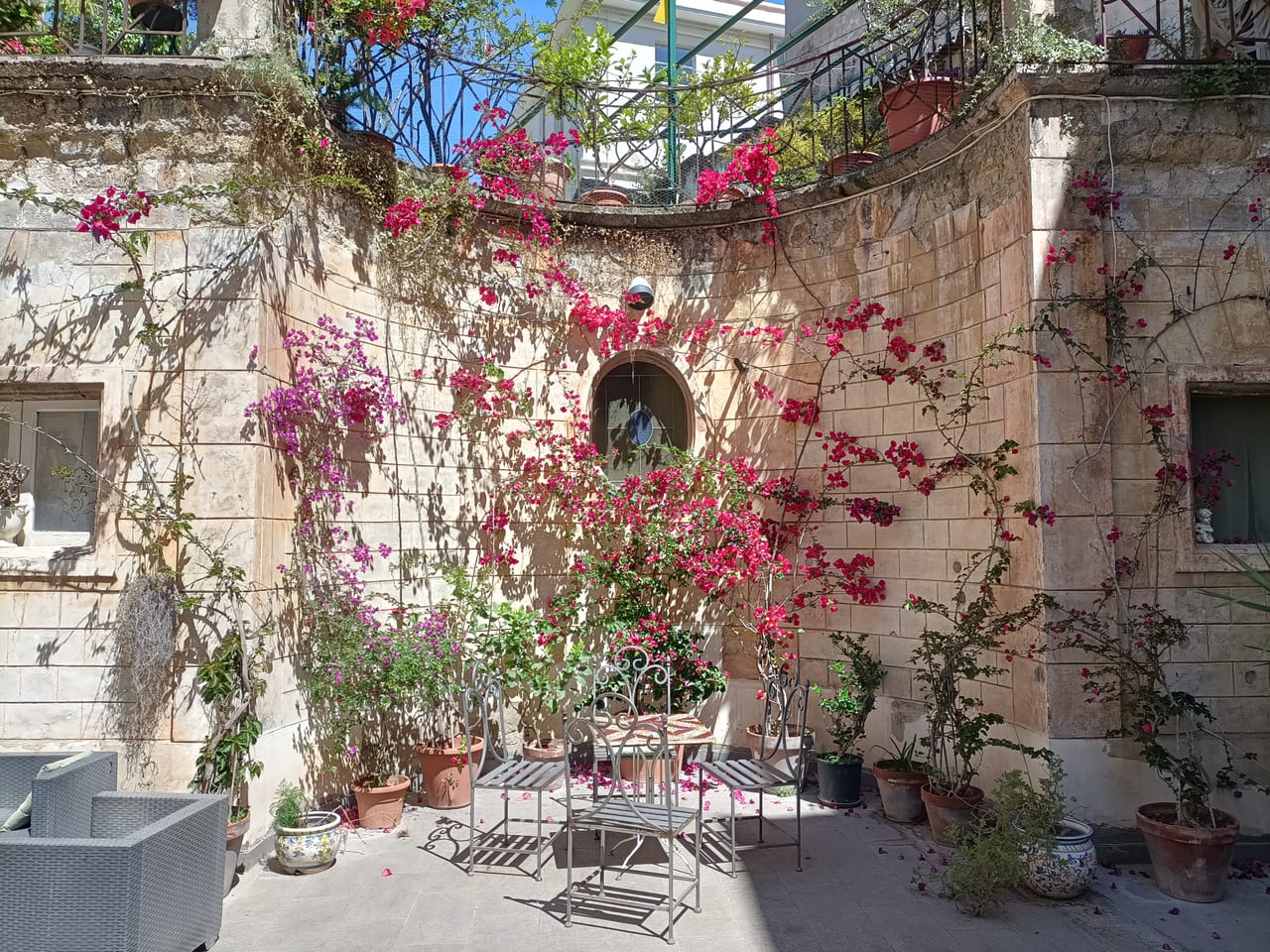
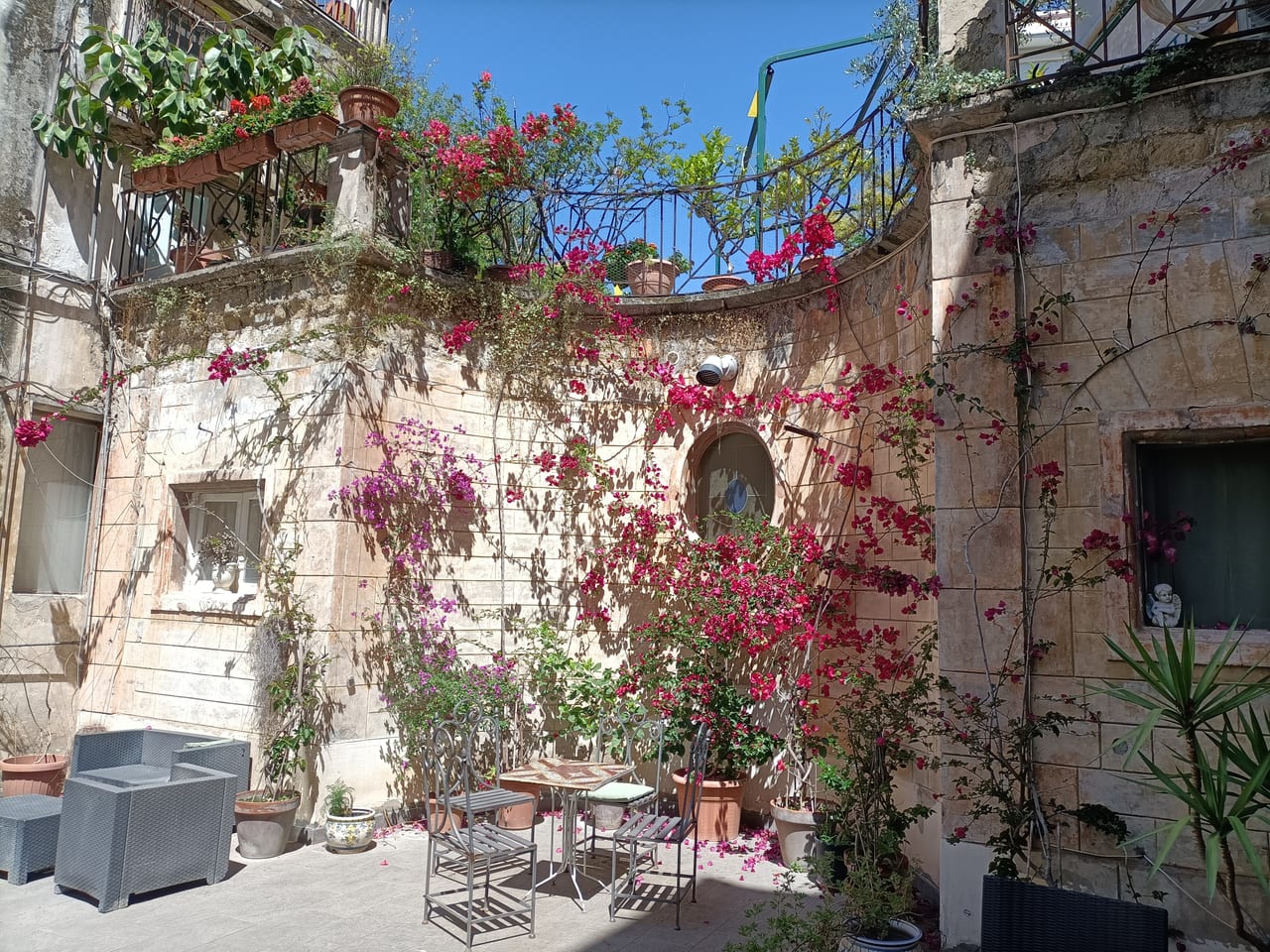
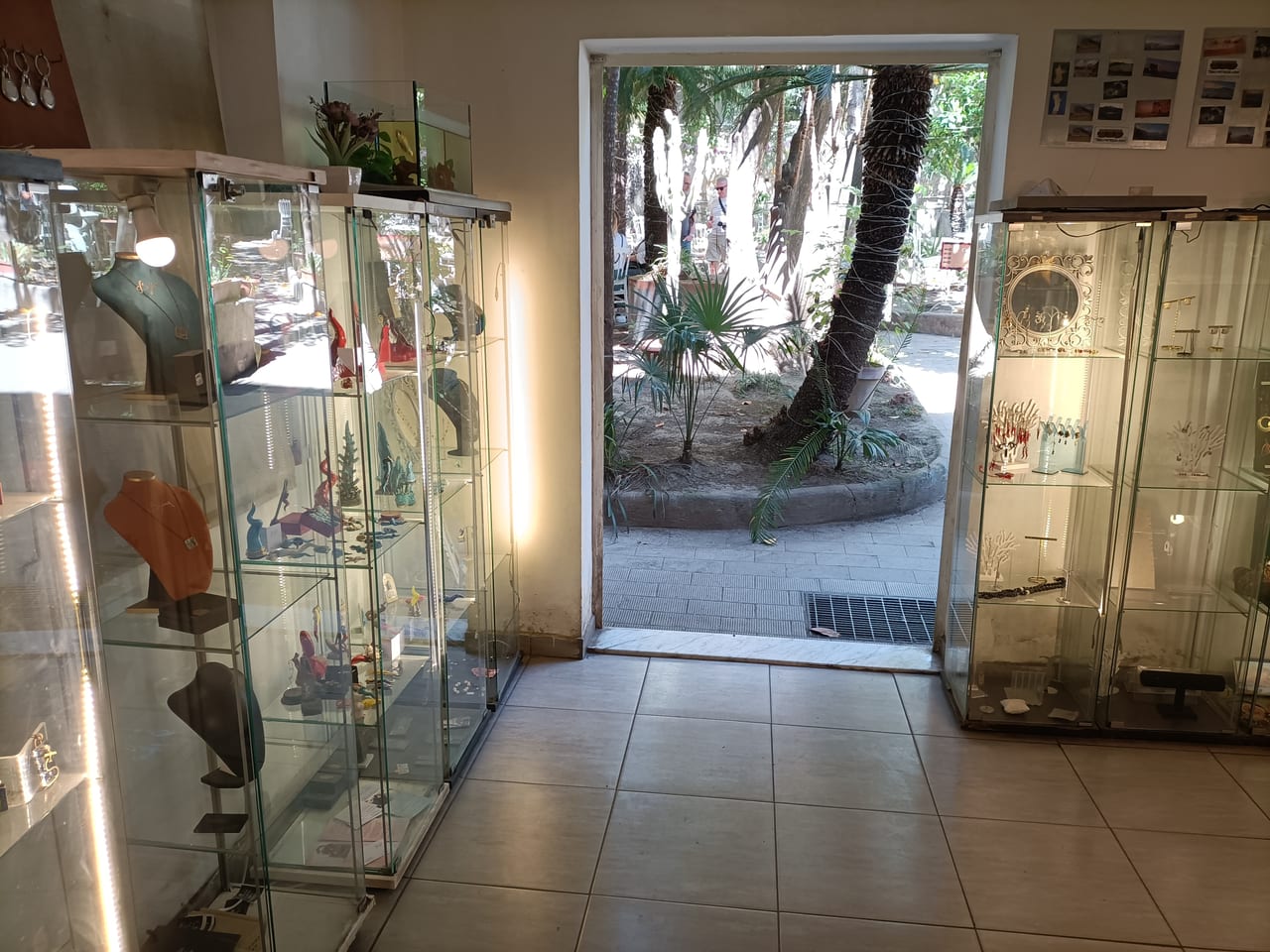
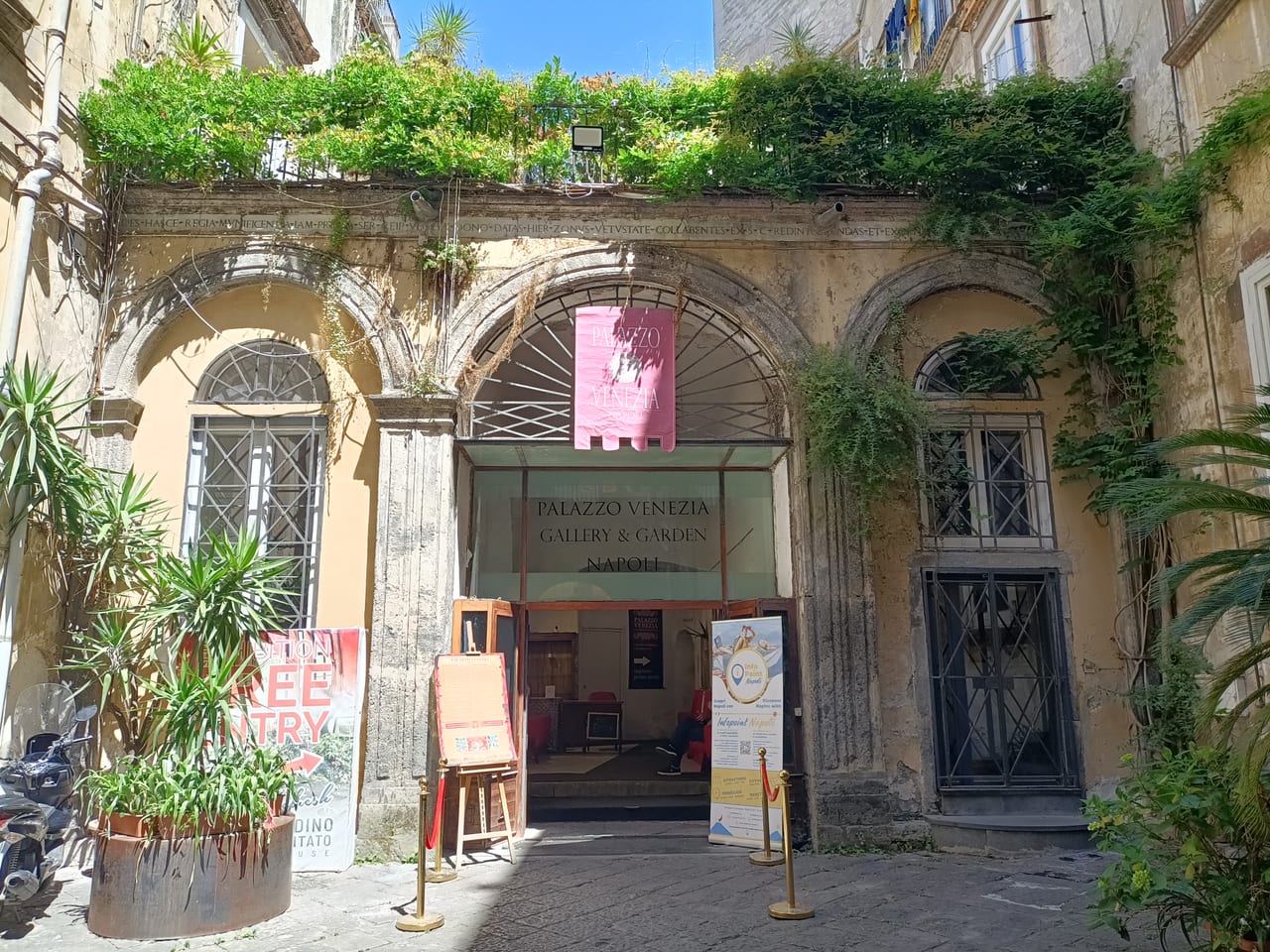
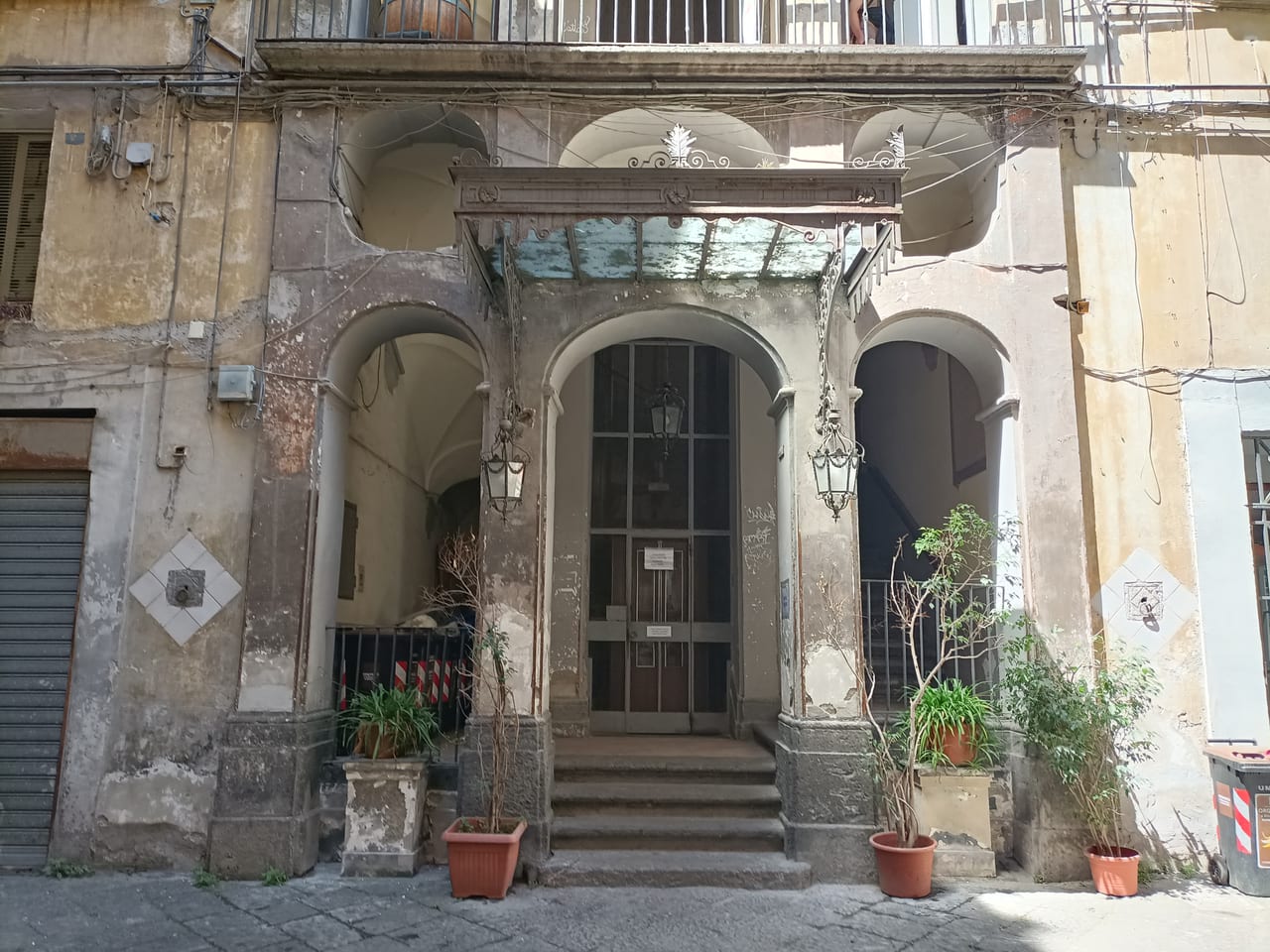
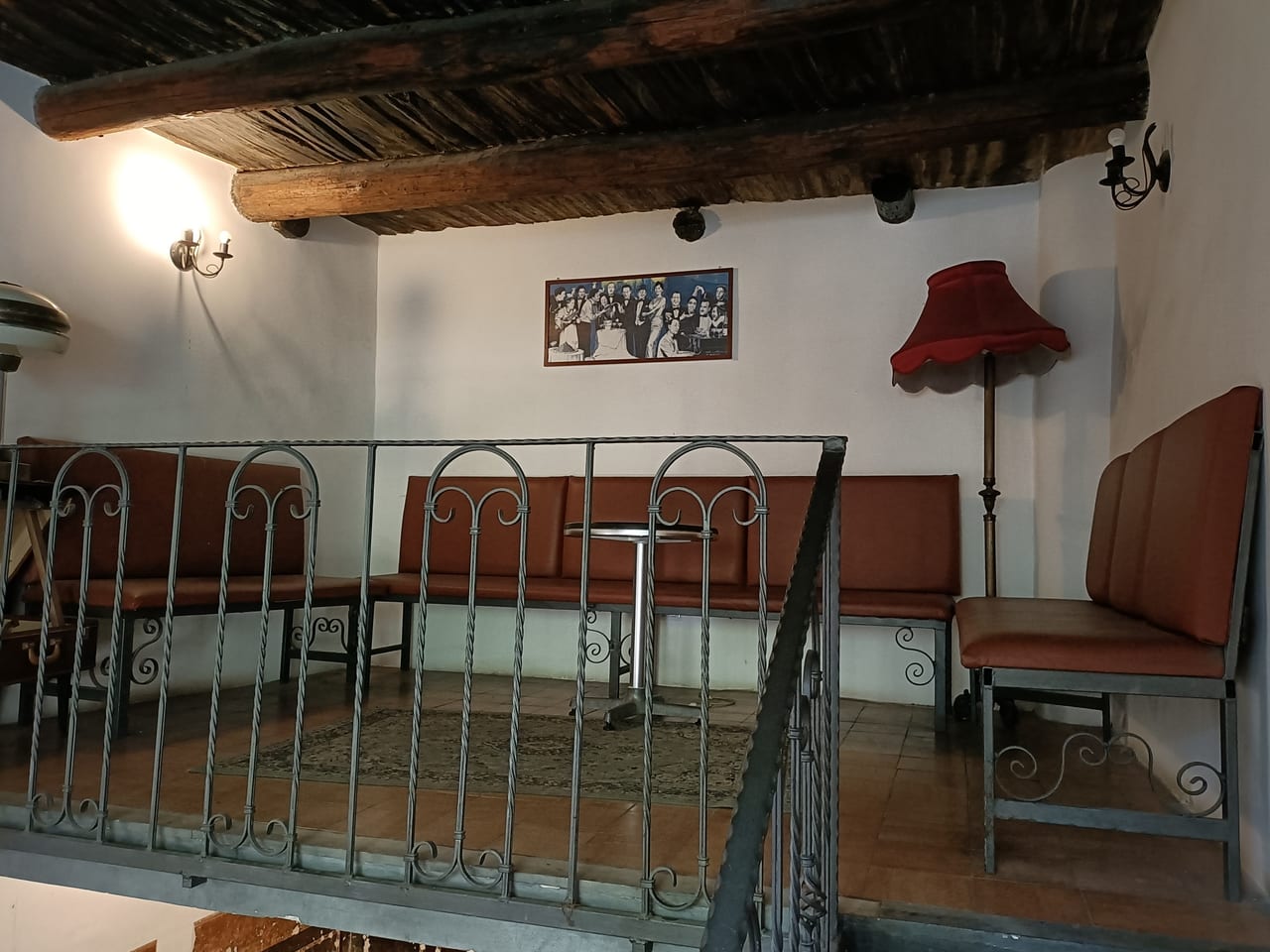
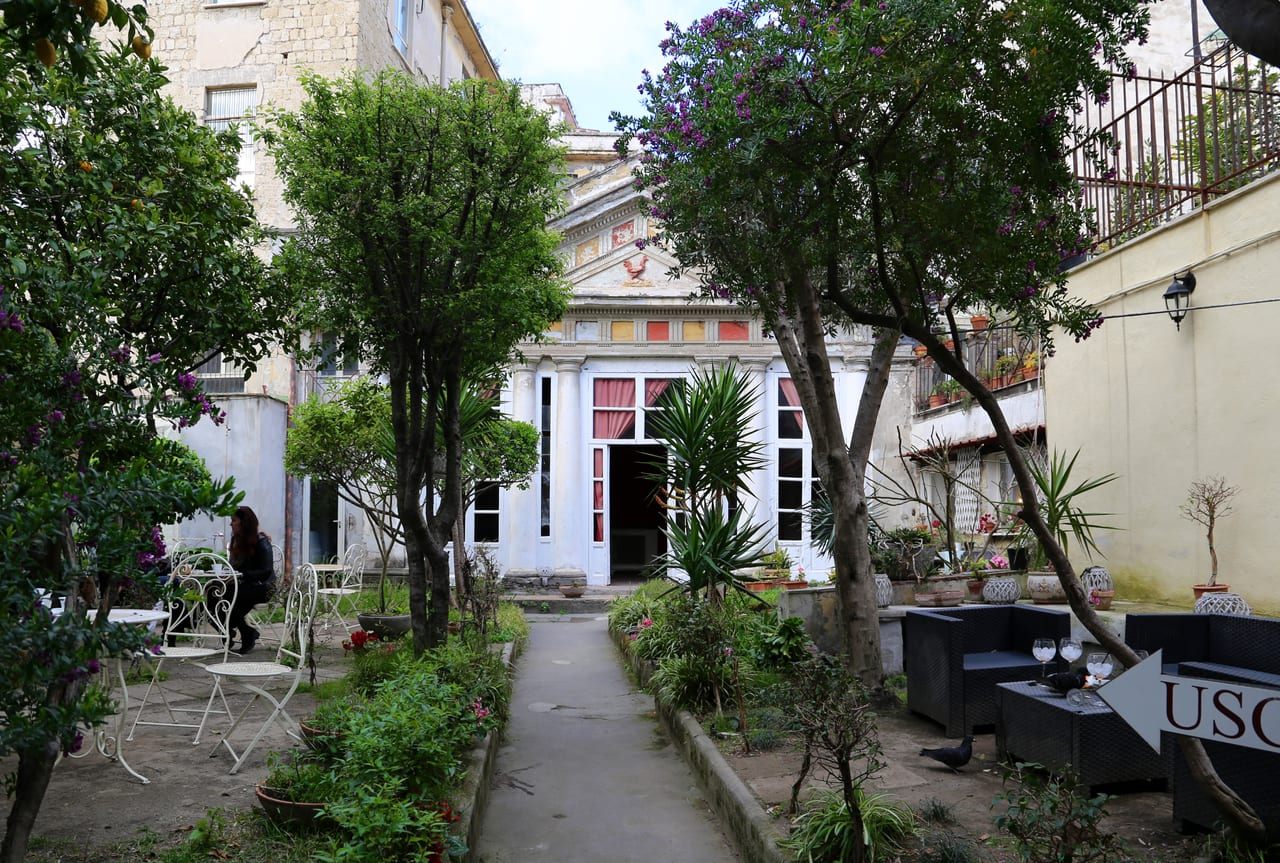
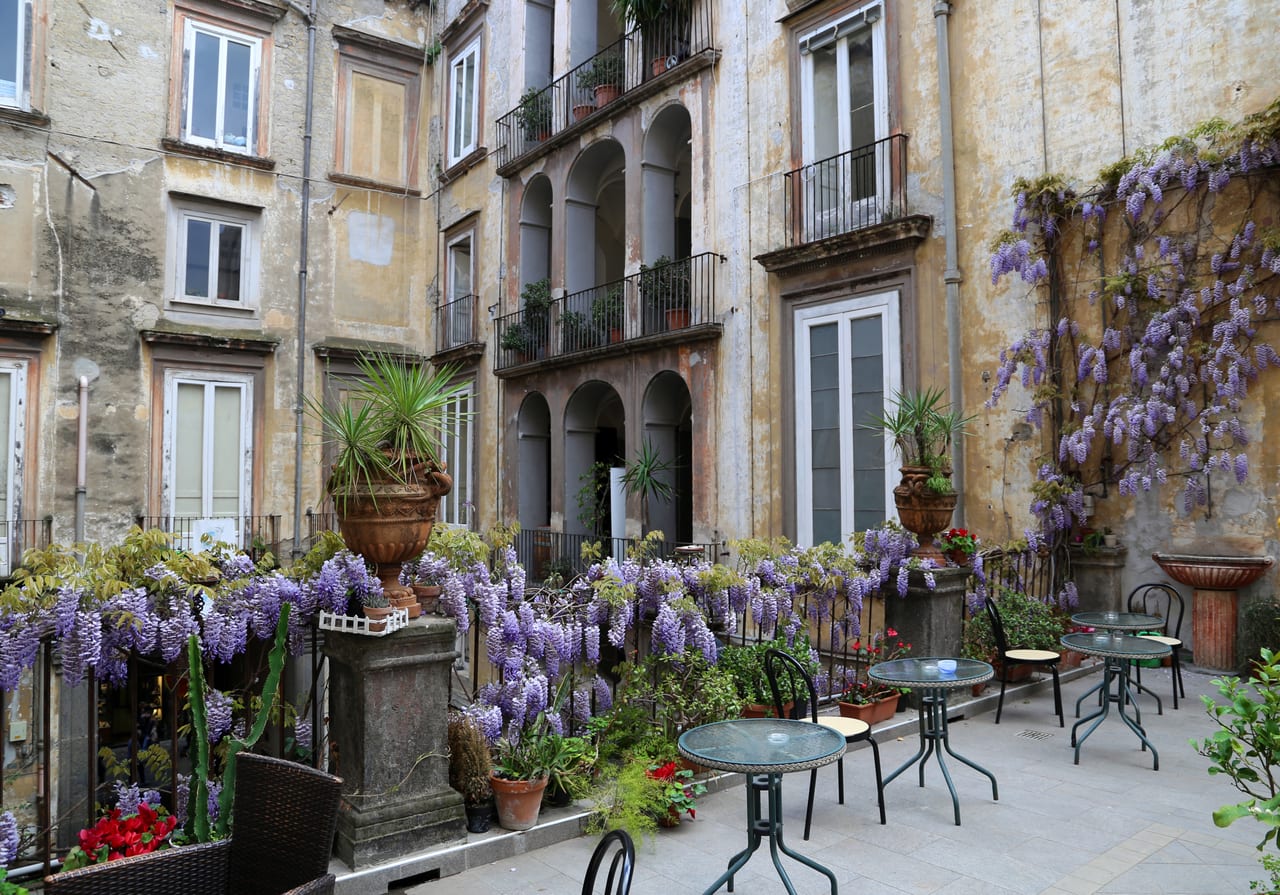
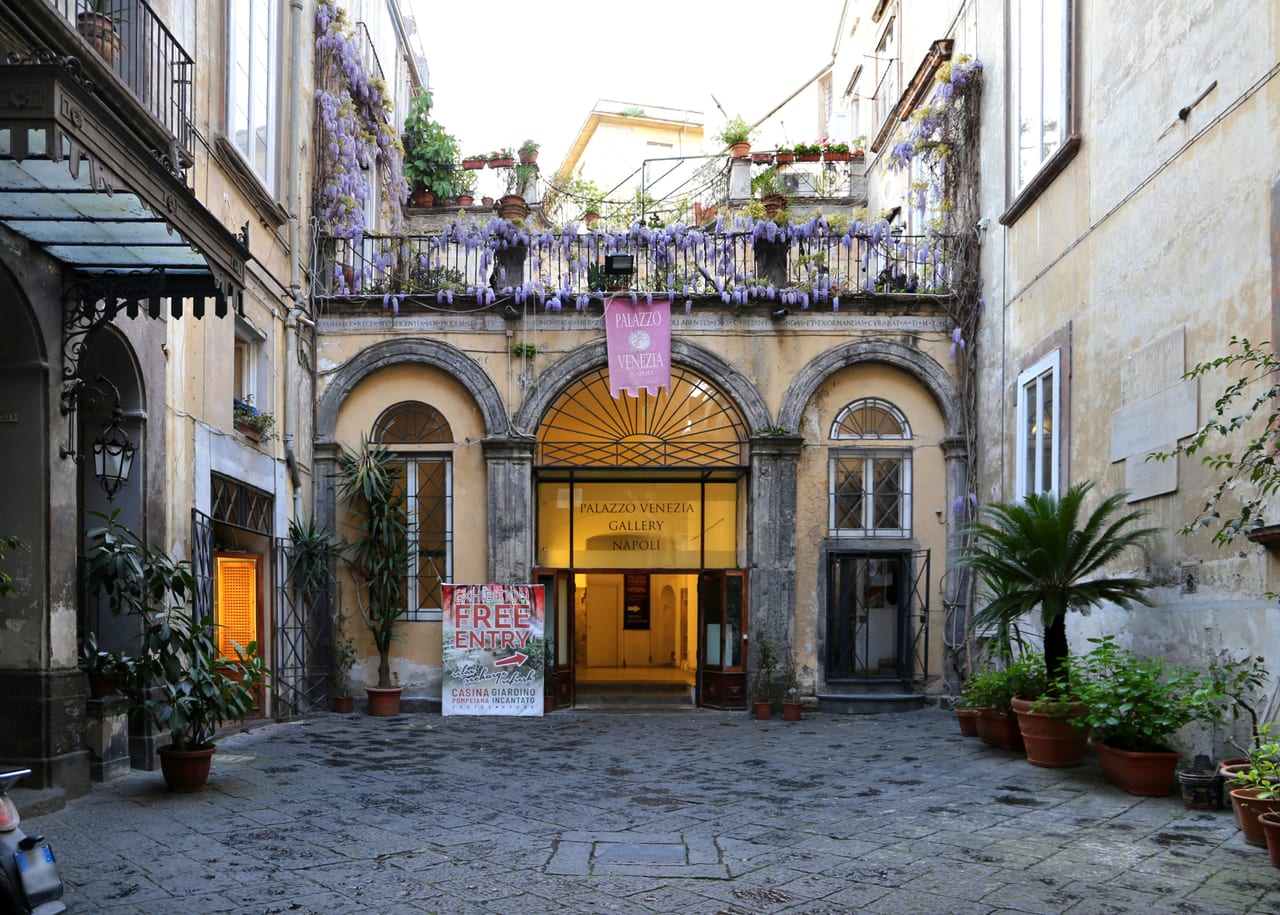
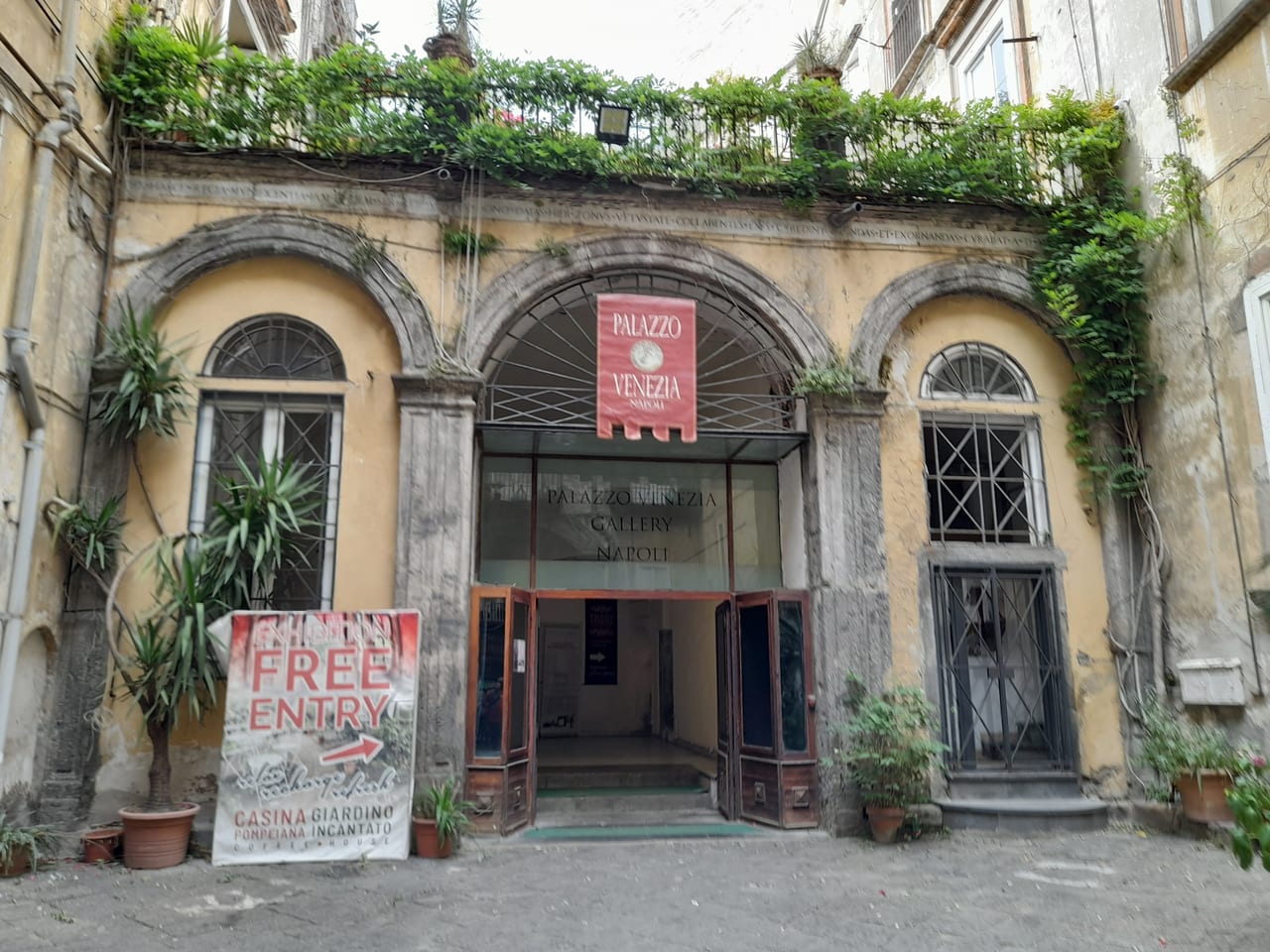
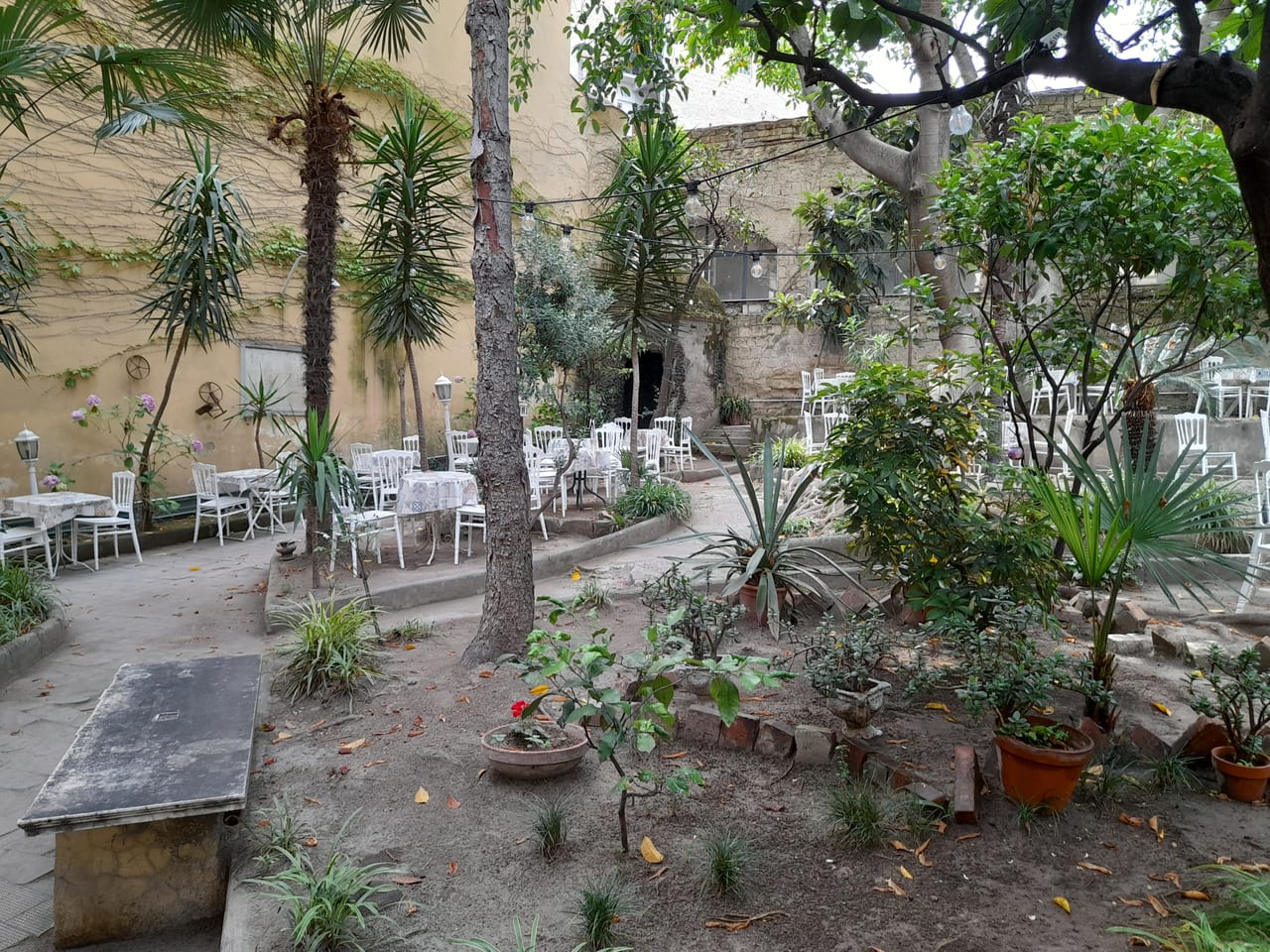
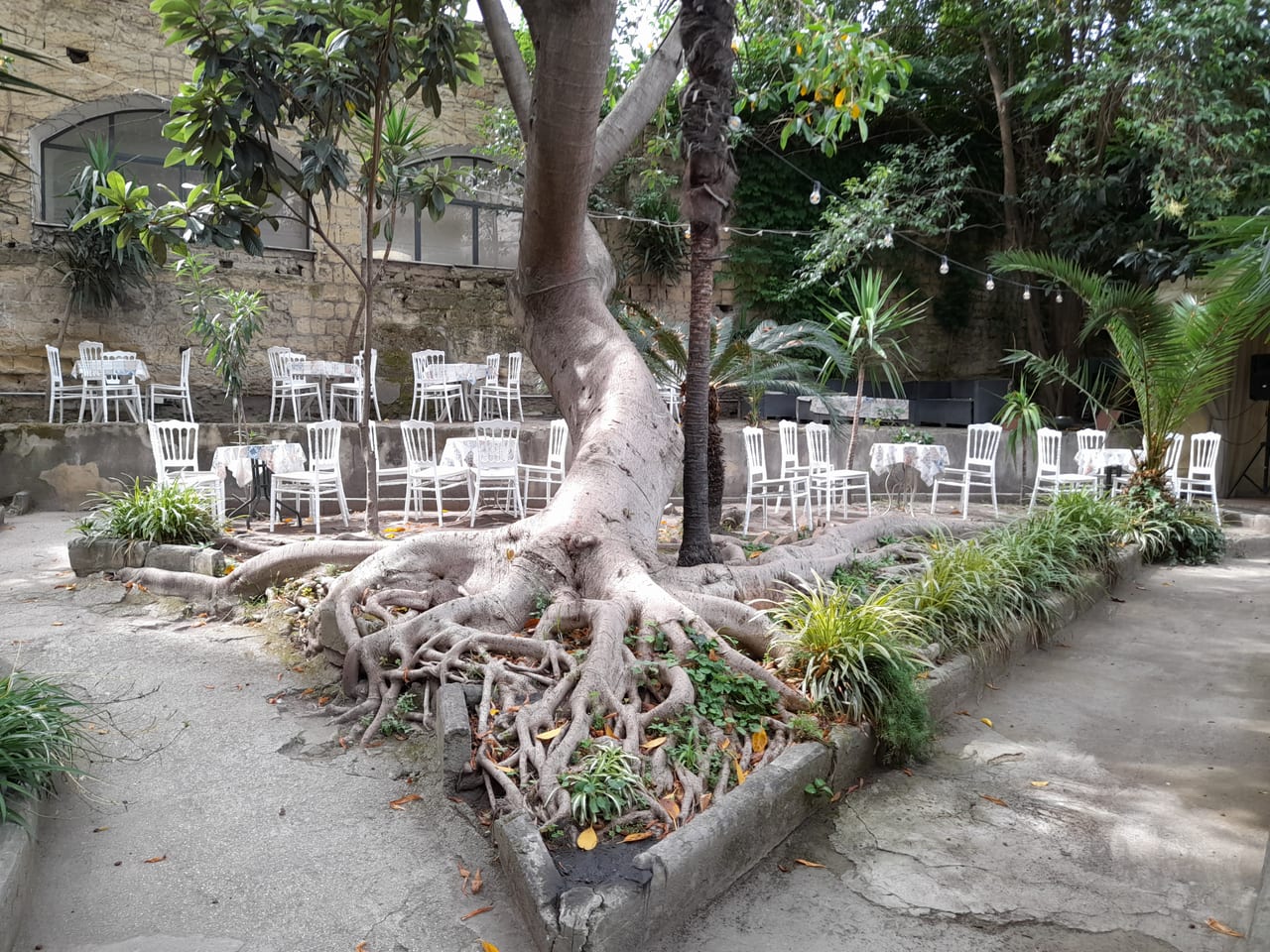
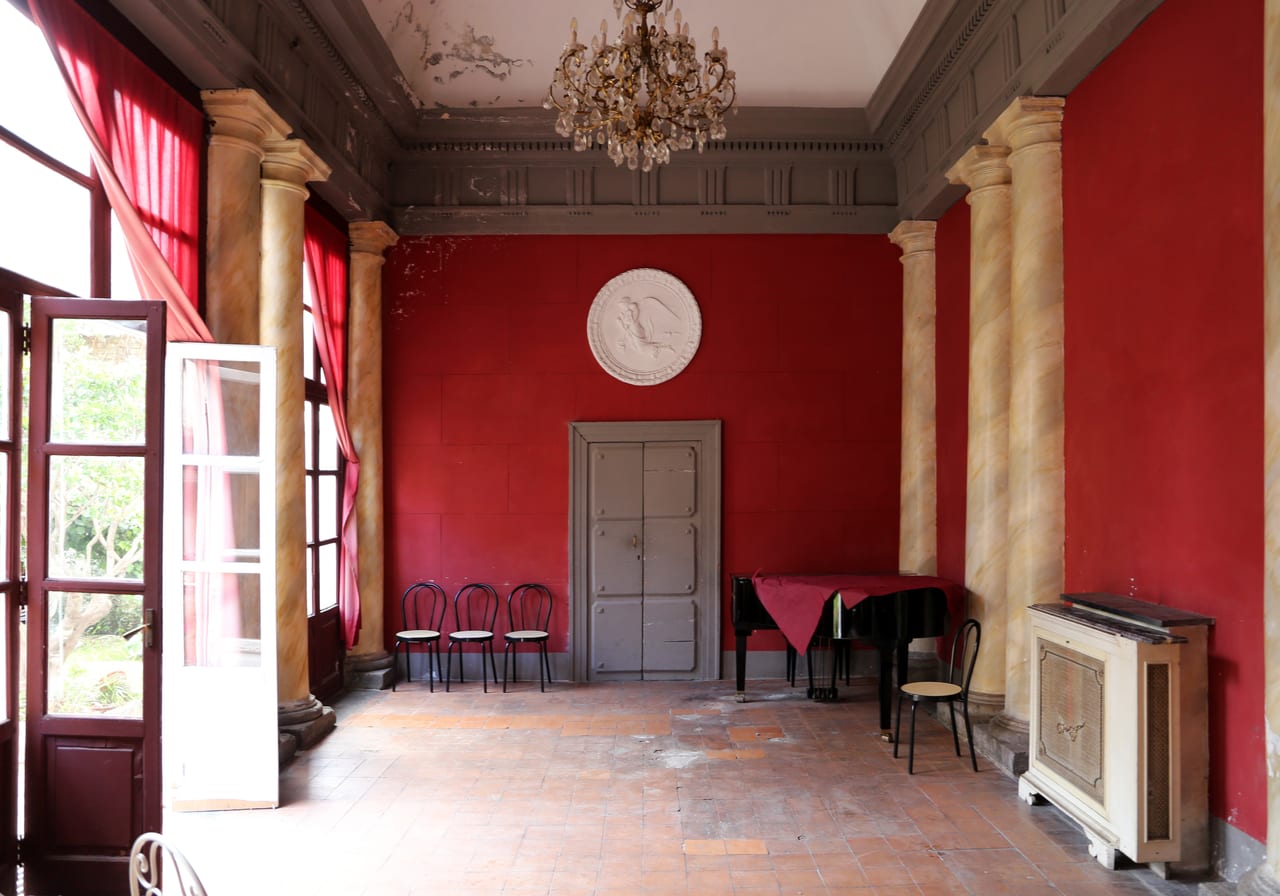
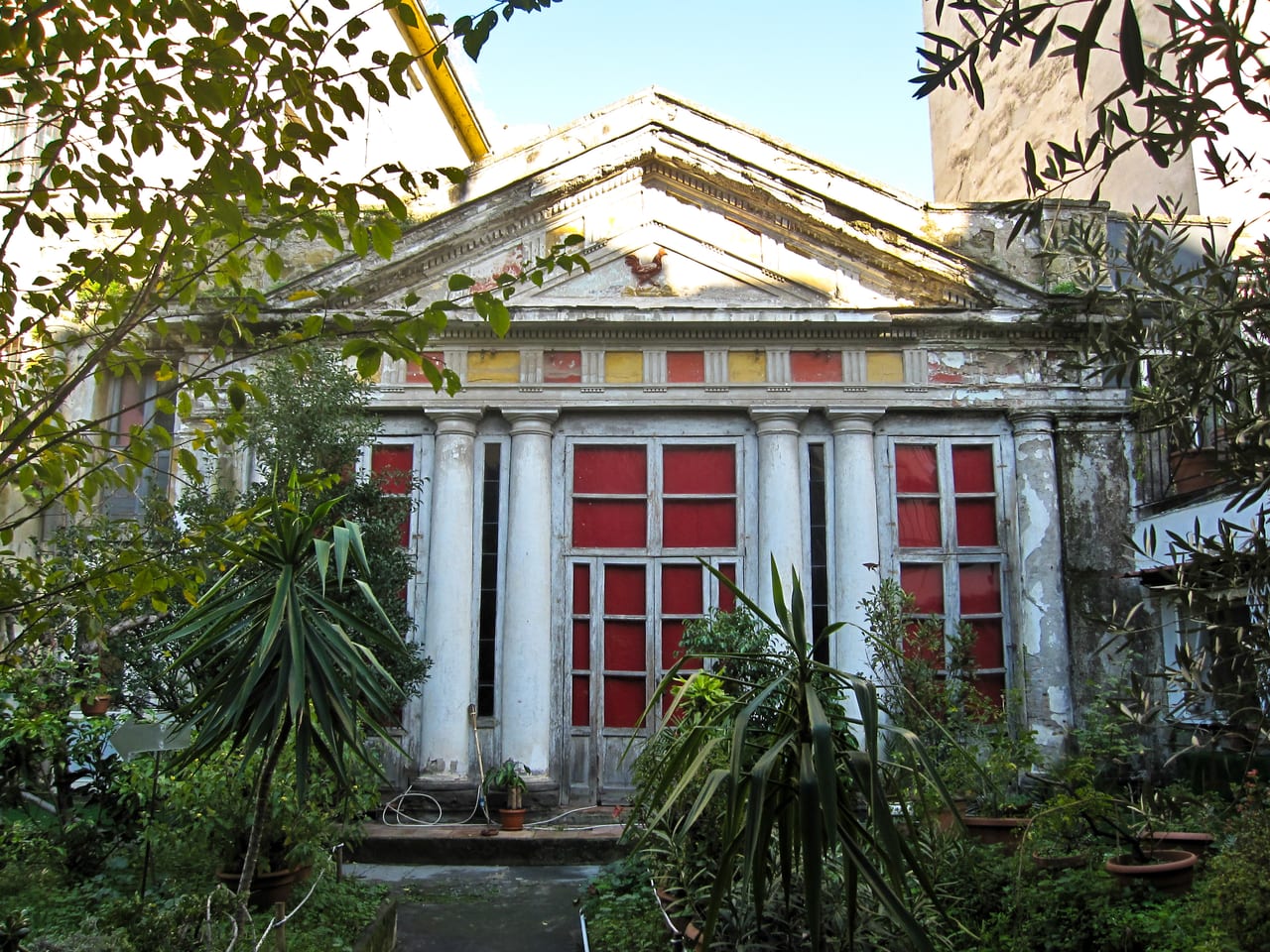
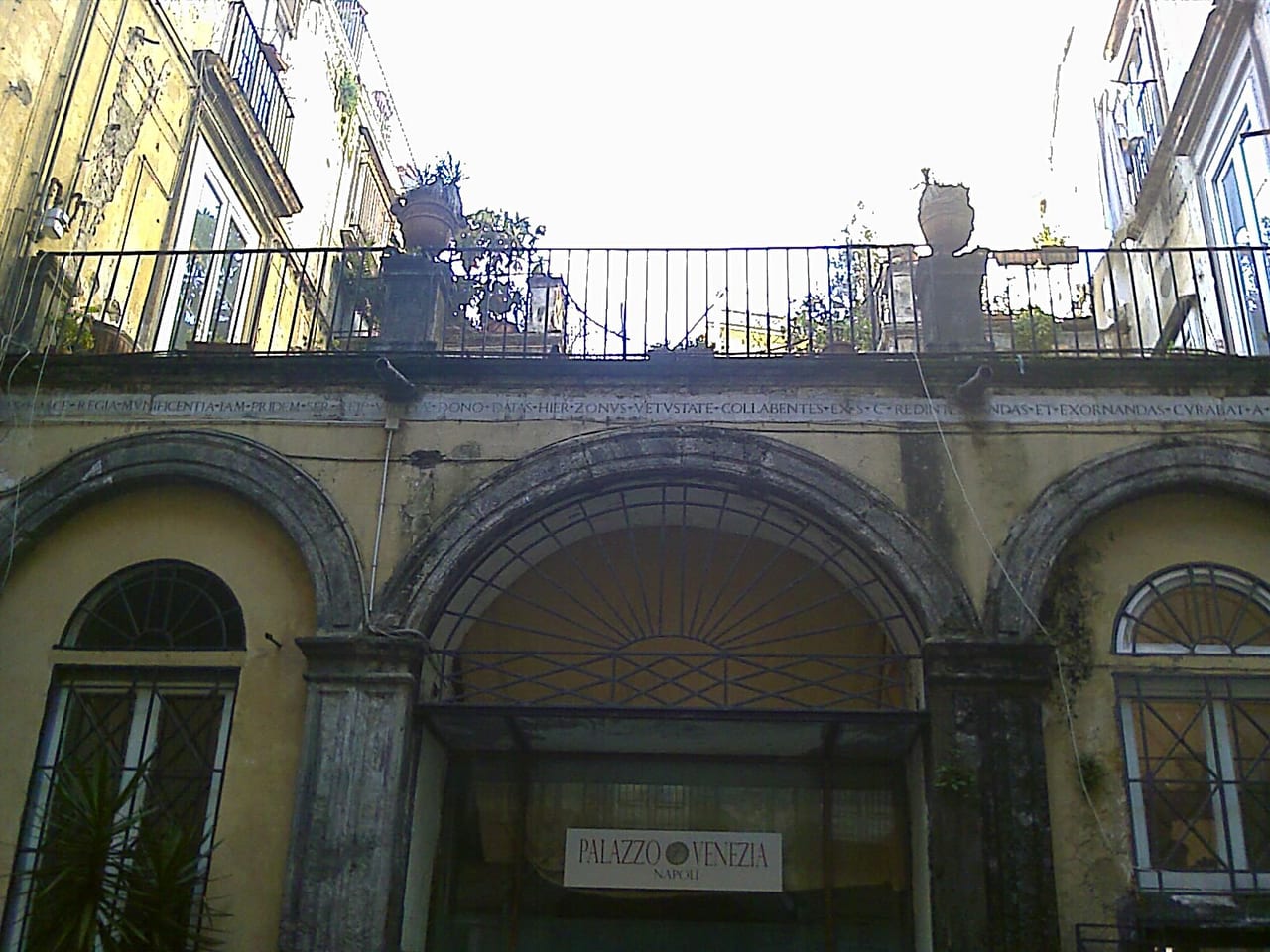
Photograph 1 of 23 of Palazzo Venezia
During the sixteenth century it fell into complete ruin, prompting Giuseppe Zono, acting by decree of the Venetian Senate, to restore it in 1610 and install a Latin plaque commemorating the work. Other inscriptions recall Pietro Dolce’s restoration in 1646 and Antonio Maria Vincenti’s complete renovation after the earthquake of June 5, 1688. After the Napoleonic wars and the Treaty of Campoformio, the palace passed to the Habsburg monarchy. The lawyer Gaspare Capone bought and restored the building a year later. In the nineteenth century, a small neoclassical garden building, the casina pompeiana, was added to the courtyard. A lowered arch topped by the Capone family crest forms the entrance, while an eighteenth-century open stairway with three arches is covered by an iron-and-glass canopy dating from the early nineteenth century. The garden contains the small chapel known as Mary’s Cave.
At a glance
- Style
- Neoclassical architecture
Ways to explore Palazzo Venezia
Approach through the lowered entrance arch and look up for the Capone crest. See the eighteenth-century open stairway, its three arches, and the iron-and-glass canopy above it. In the courtyard, seek out the casina pompeiana and the garden’s small chapel, Mary’s Cave. The palace stands beside Filomarino, Carafa della Spina, and Petrucci palaces, making the adjoining façades part of the same architectural encounter.
Places to stay near Palazzo Venezia

Live availability and prices from Stay22's partners, refreshed periodically and subject to change. Booking through these links may earn us a commission at no extra cost to you. See our privacy policy.
Cafés near Palazzo Venezia
Cafés near Palazzo Venezia loads as you scroll.
Attractions nearby
Attractions near Palazzo Venezia loads as you scroll.
Cities nearby
Cities nearby loads as you scroll.
More in Naples
See more of Naples.
Find great cafés, places to stay and other interesting places to visit in Naples.