Castle & palace · Naples
Palazzo San Felice
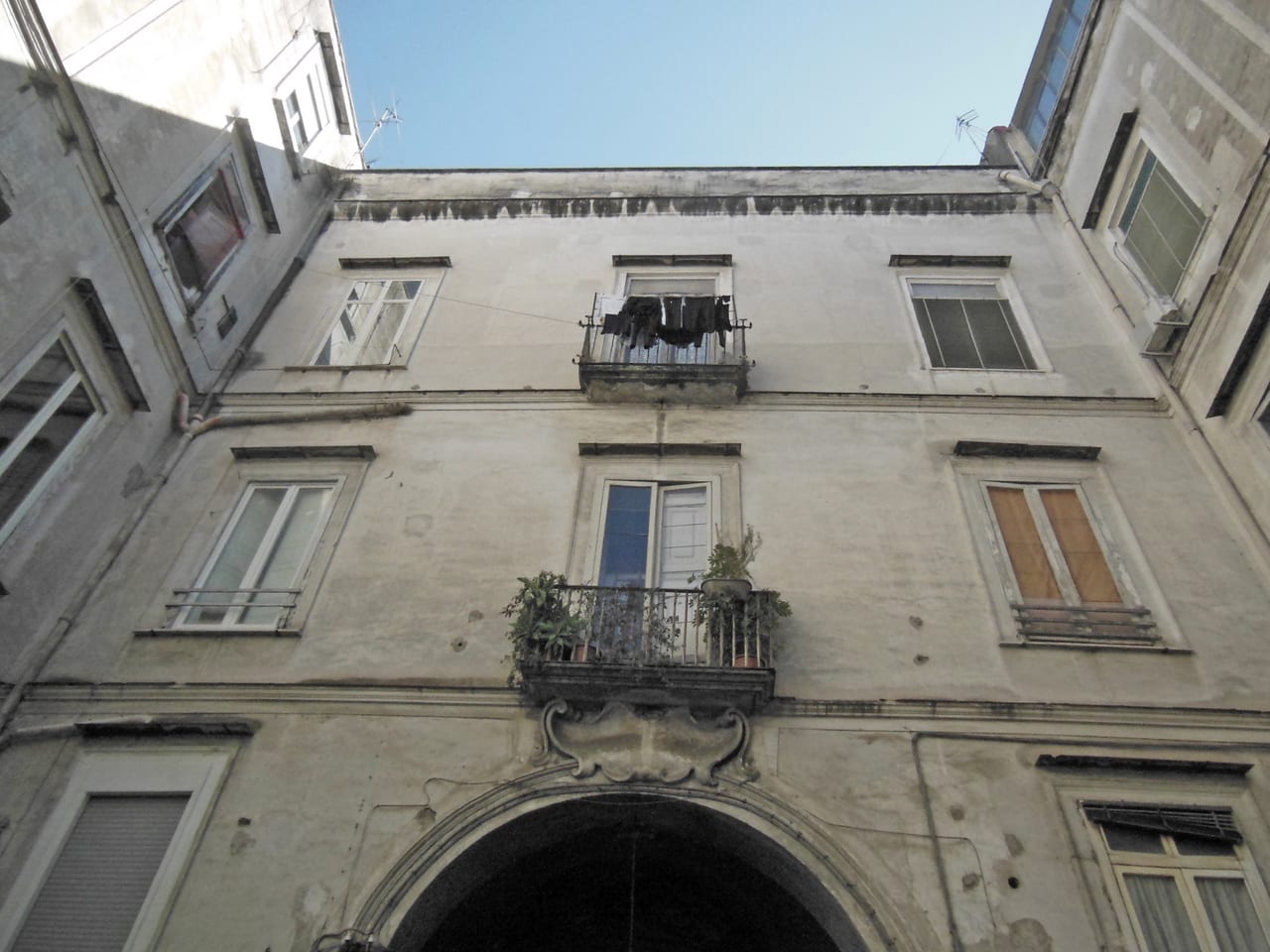
DirectionsIts entrance portal bears two stucco sirens associated with the Sanfelice family, an unusually personal heraldic detail on an otherwise restrained exterior.
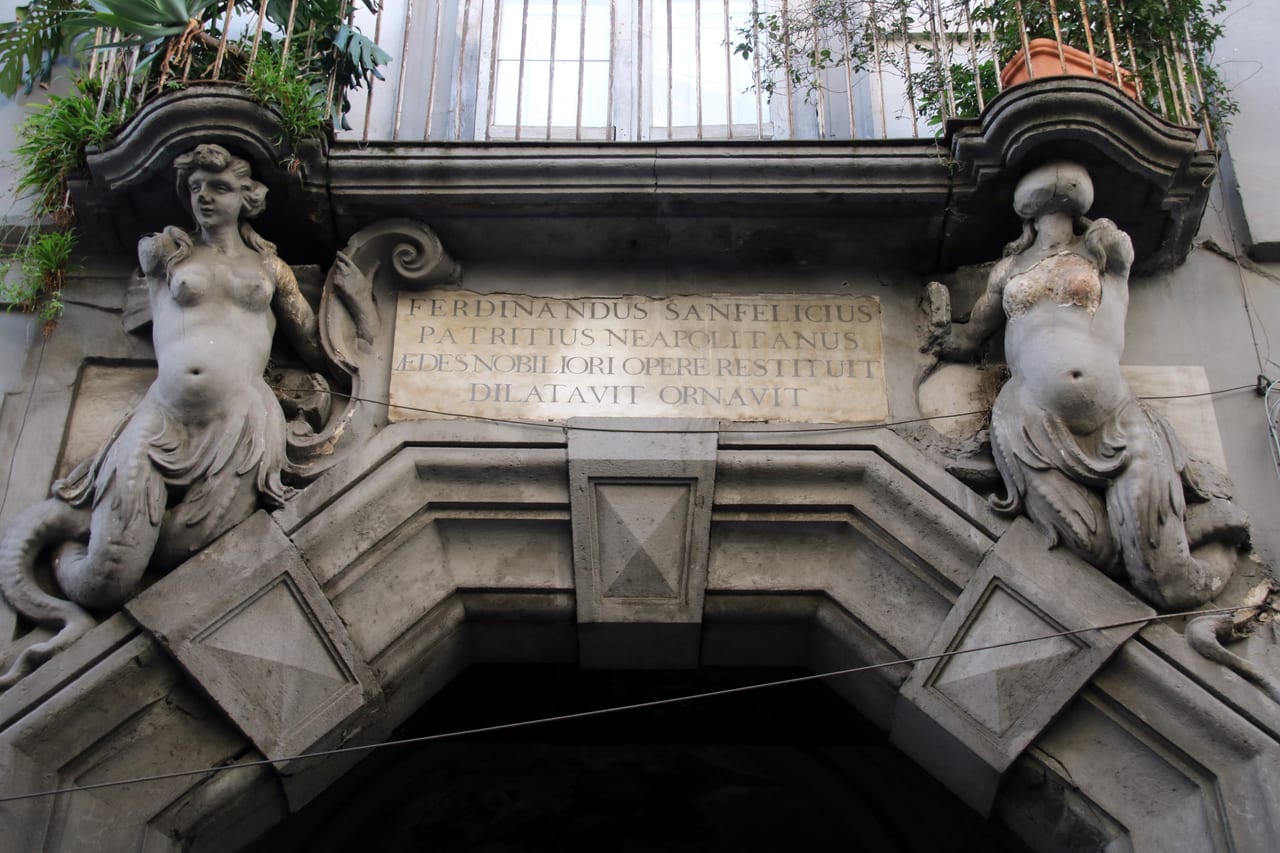
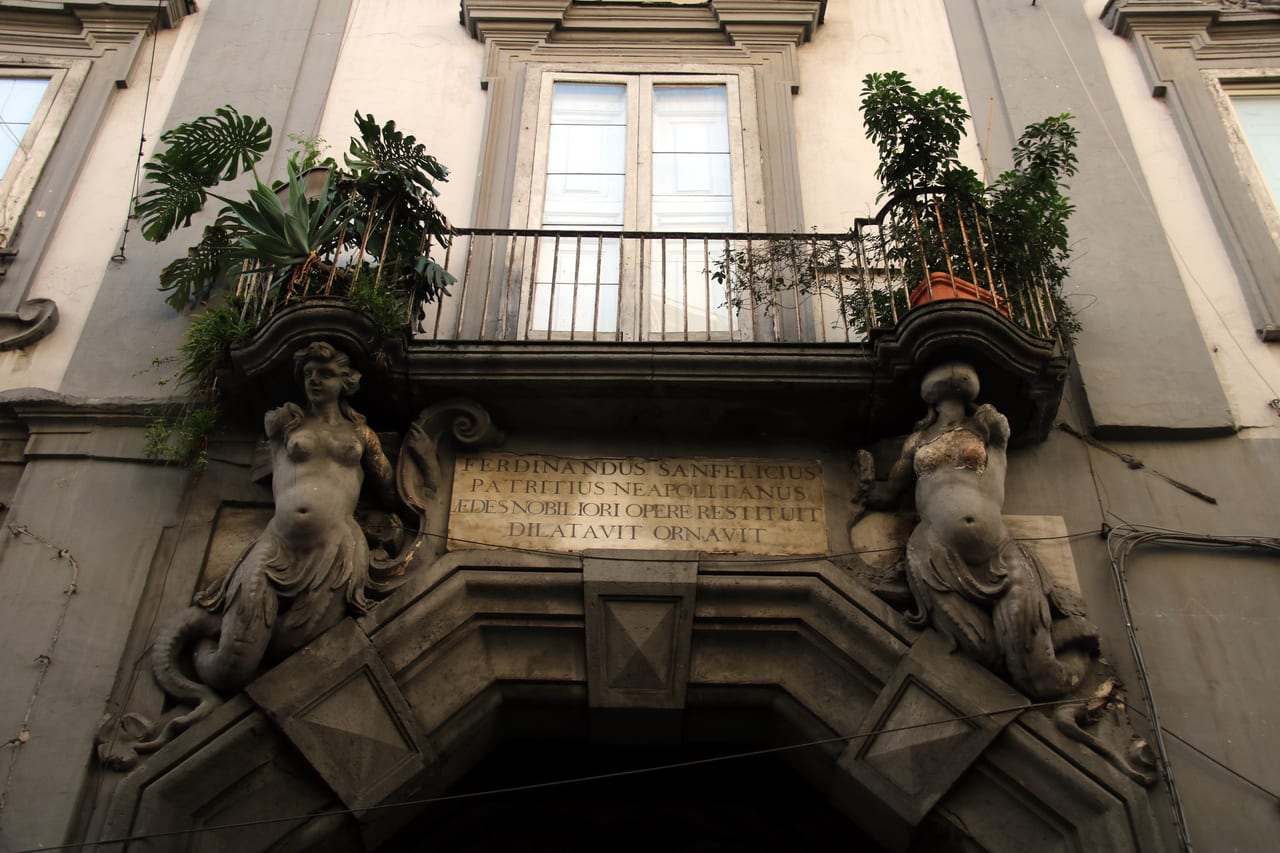
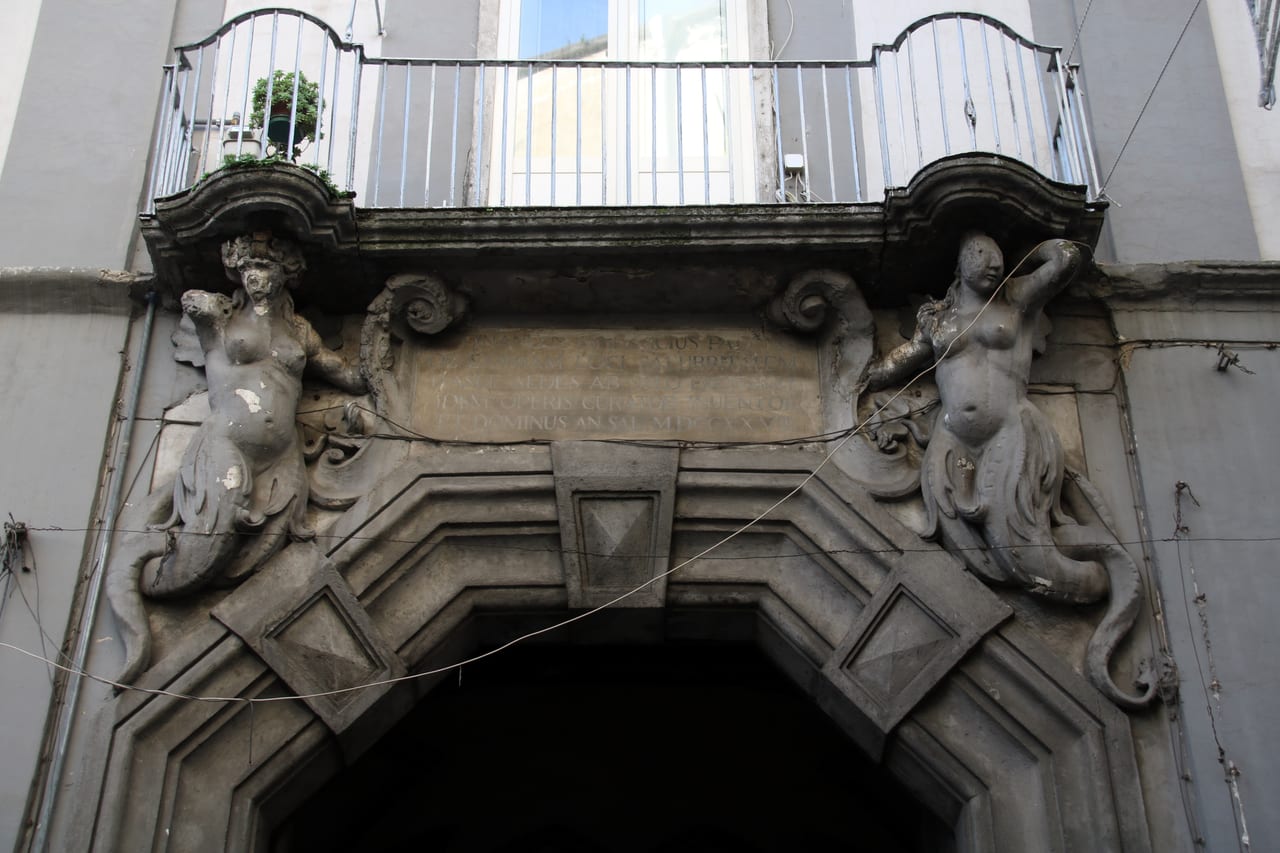
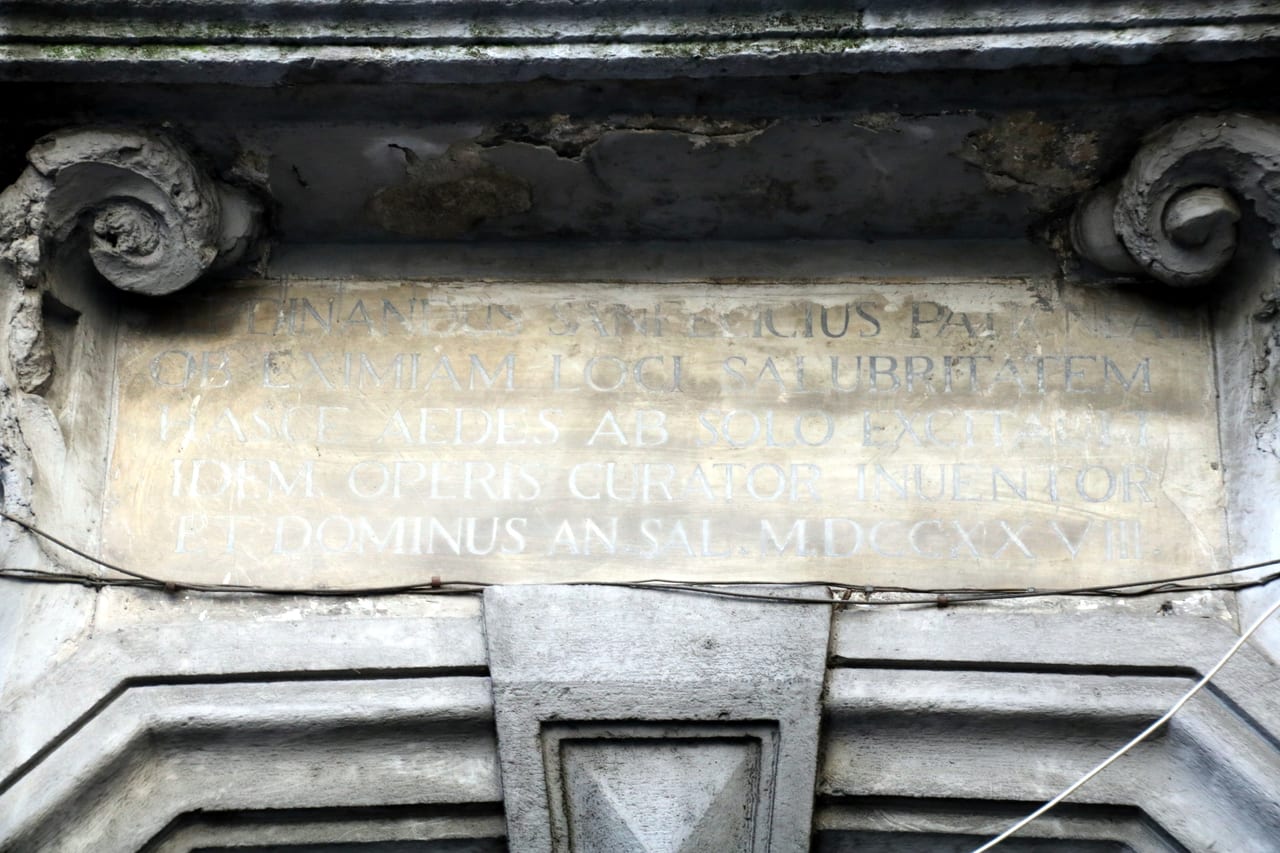
Photograph 1 of 8 of Palazzo San Felice
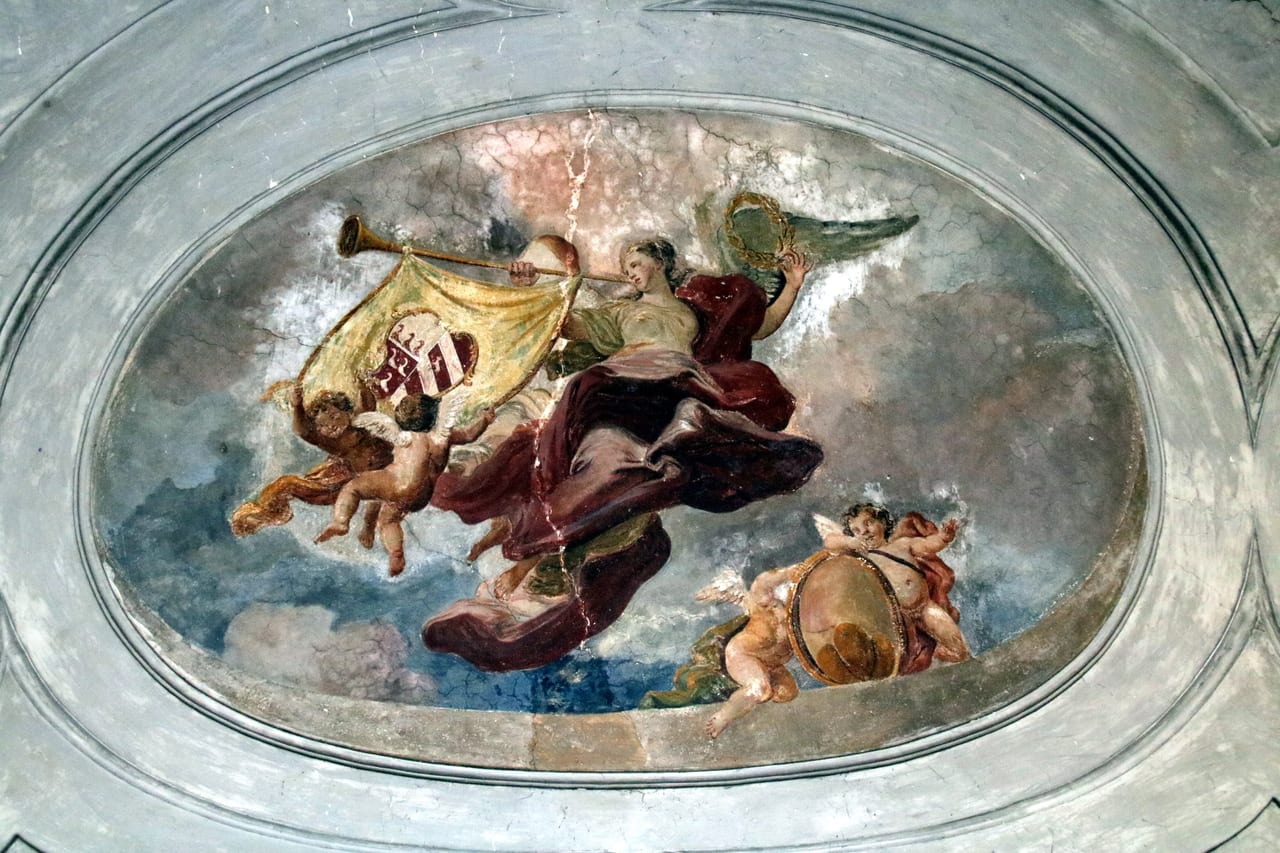
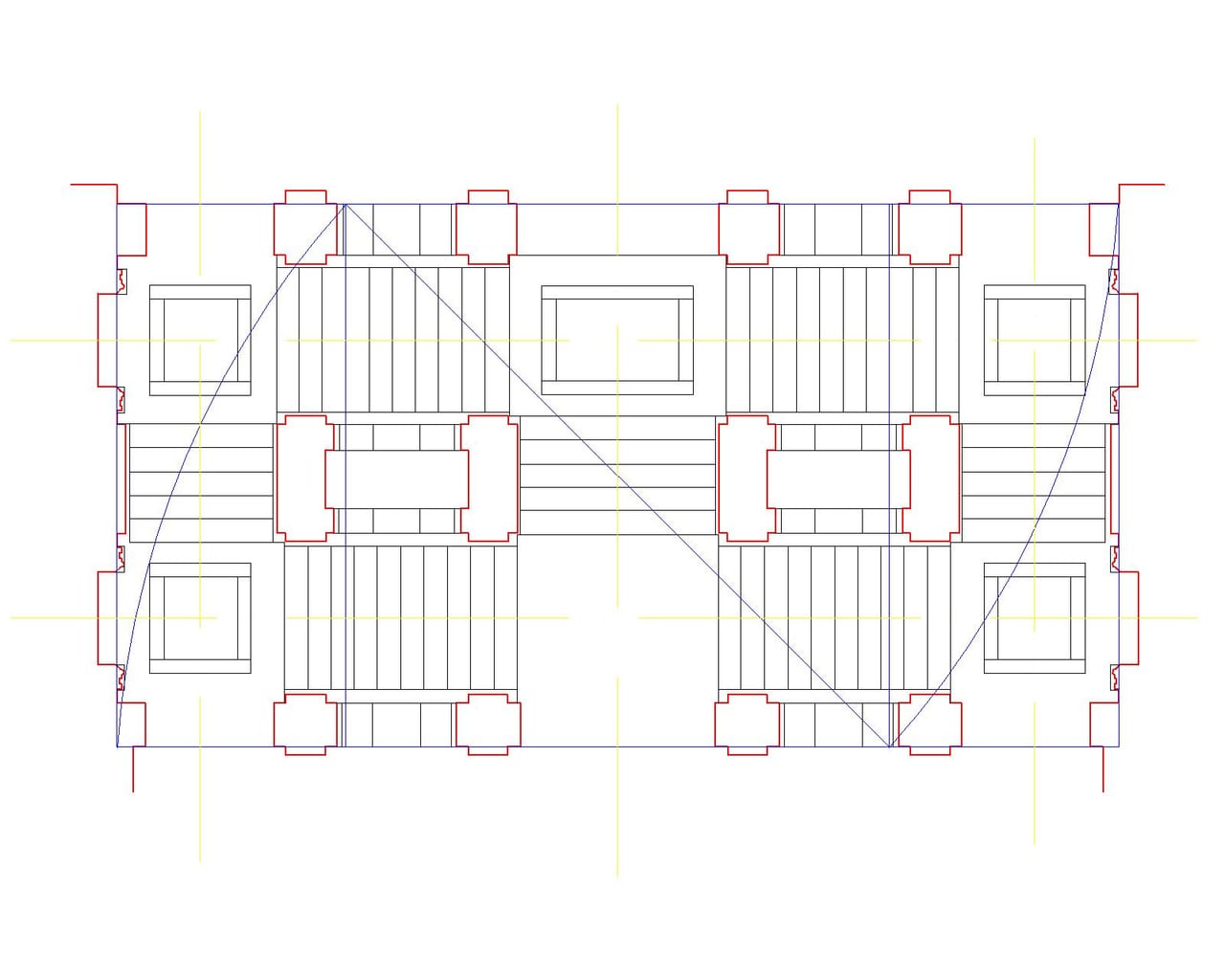
Palazzo San Felice was erected between 1724 and 1726 by the architect Ferdinando Sanfelice, whose work places it within Naples’s Rococo or late-Baroque tradition. The building has an indistinct façade, an octagonal courtyard and a double-ramp stairwell, arranging the building around a sequence of changing interior spaces. The palace once contained frescoes by Francesco Solimena, but these have been lost. Its surviving architecture is marked by theatrical planning and inventive movement through the interior, although the building’s present condition is cramped and dilapidated. The contrast between an imposing entrance and the decrepitude beyond gives the palace an unusually poignant character. Palazzo San Felice is also linked architecturally to the nearby Palazzo dello Spagnolo, attributed to the same designer and noted for comparable staircases.
At a glance
- Architect
- Ferdinando Sanfelice
- Style
- Neapolitan baroque art
Ways to explore Palazzo San Felice
Begin by studying the façade and entrance portal, then look into the octagonal courtyard if visibility allows. The principal experience lies inside: observe how the double-ramp stairwell organizes the ascent and how arches alter the sense of space. The palace is not presented as a polished, fully restored interior, so exterior viewing may be the practical option; compare its stair design with that of the nearby Palazzo dello Spagnolo.
Places to stay near Palazzo San Felice

Live availability and prices from Stay22's partners, refreshed periodically and subject to change. Booking through these links may earn us a commission at no extra cost to you. See our privacy policy.
Cafés near Palazzo San Felice
Cafés near Palazzo San Felice loads as you scroll.
Attractions nearby
Attractions near Palazzo San Felice loads as you scroll.
Cities nearby
Cities nearby loads as you scroll.
More in Naples
See more of Naples.
Find great cafés, places to stay and other interesting places to visit in Naples.