Castle & palace · Naples
Palazzo Marigliano
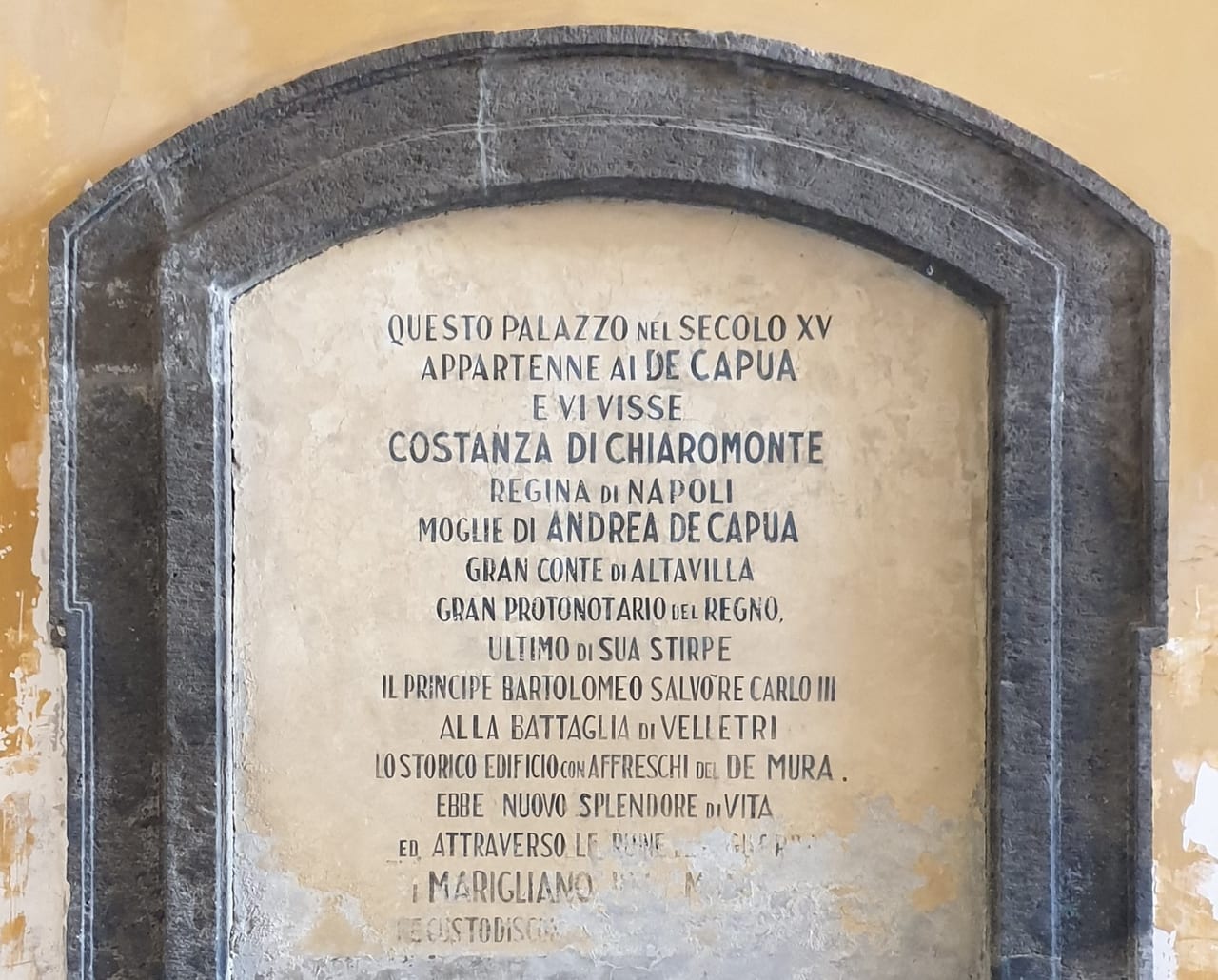
DirectionsIts most dramatic association is the forced remarriage of Constance Chiaramonte, once queen of Naples, whose wedding ceremony reportedly turned into a public rebuke of her new husband.
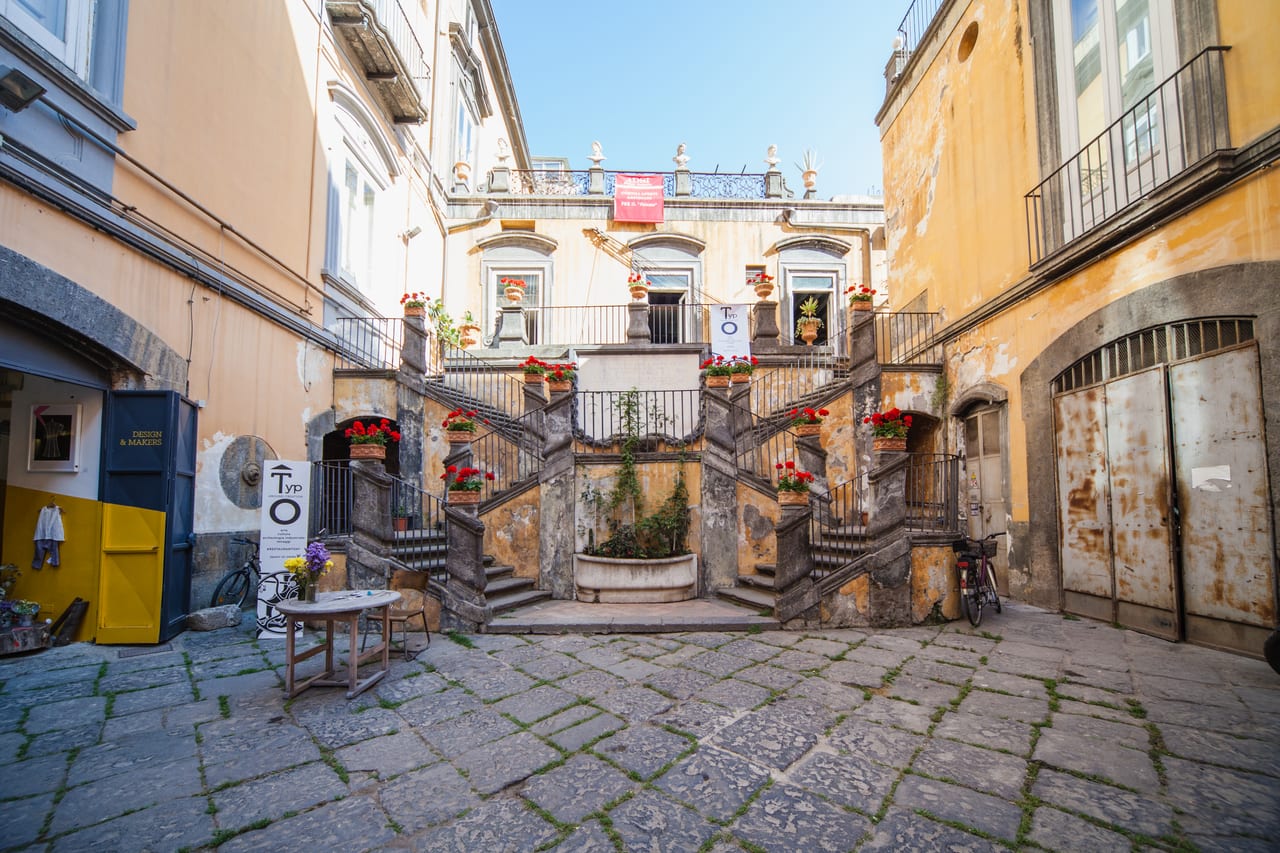
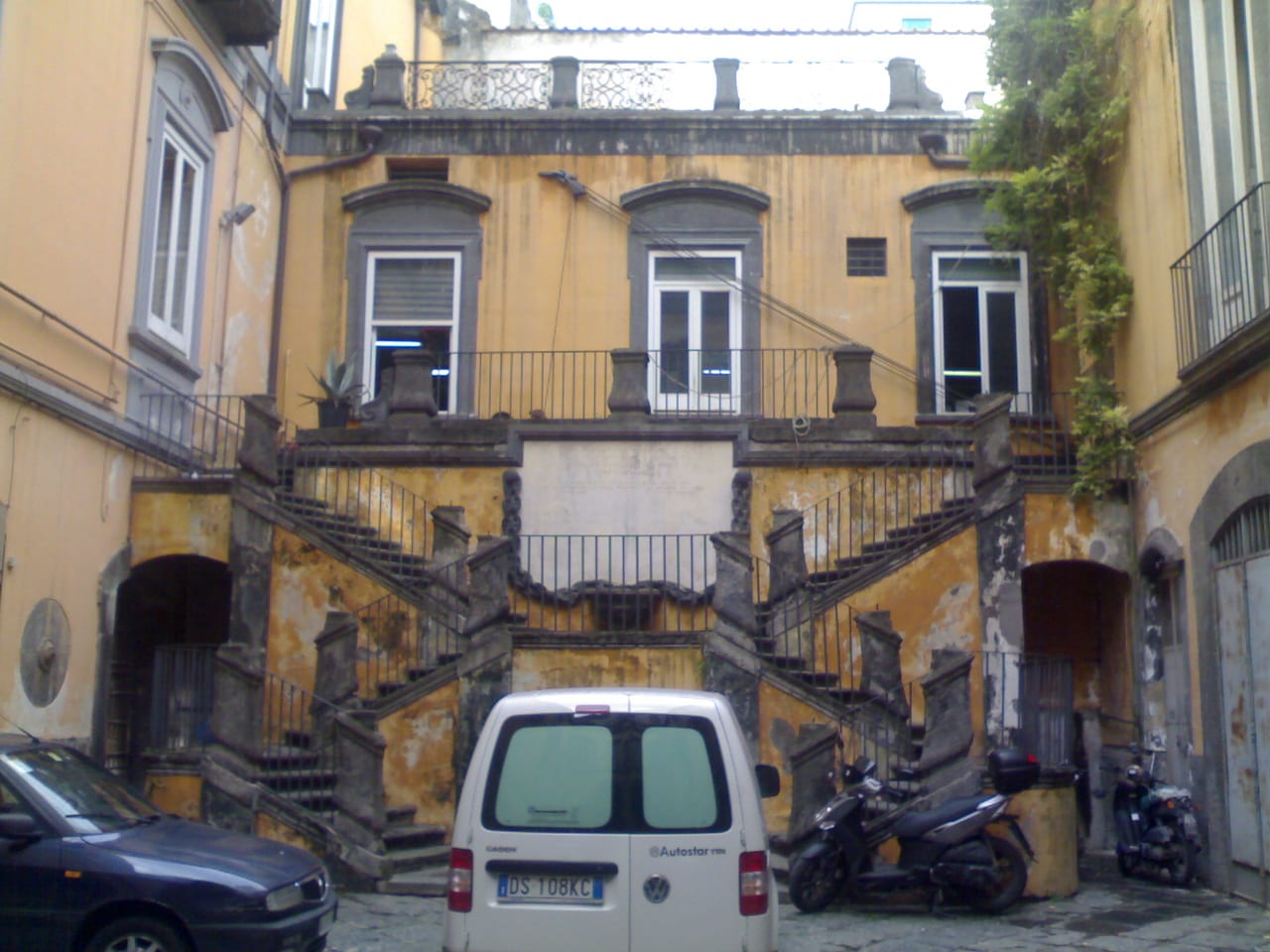
Photograph 1 of 7 of Palazzo Marigliano
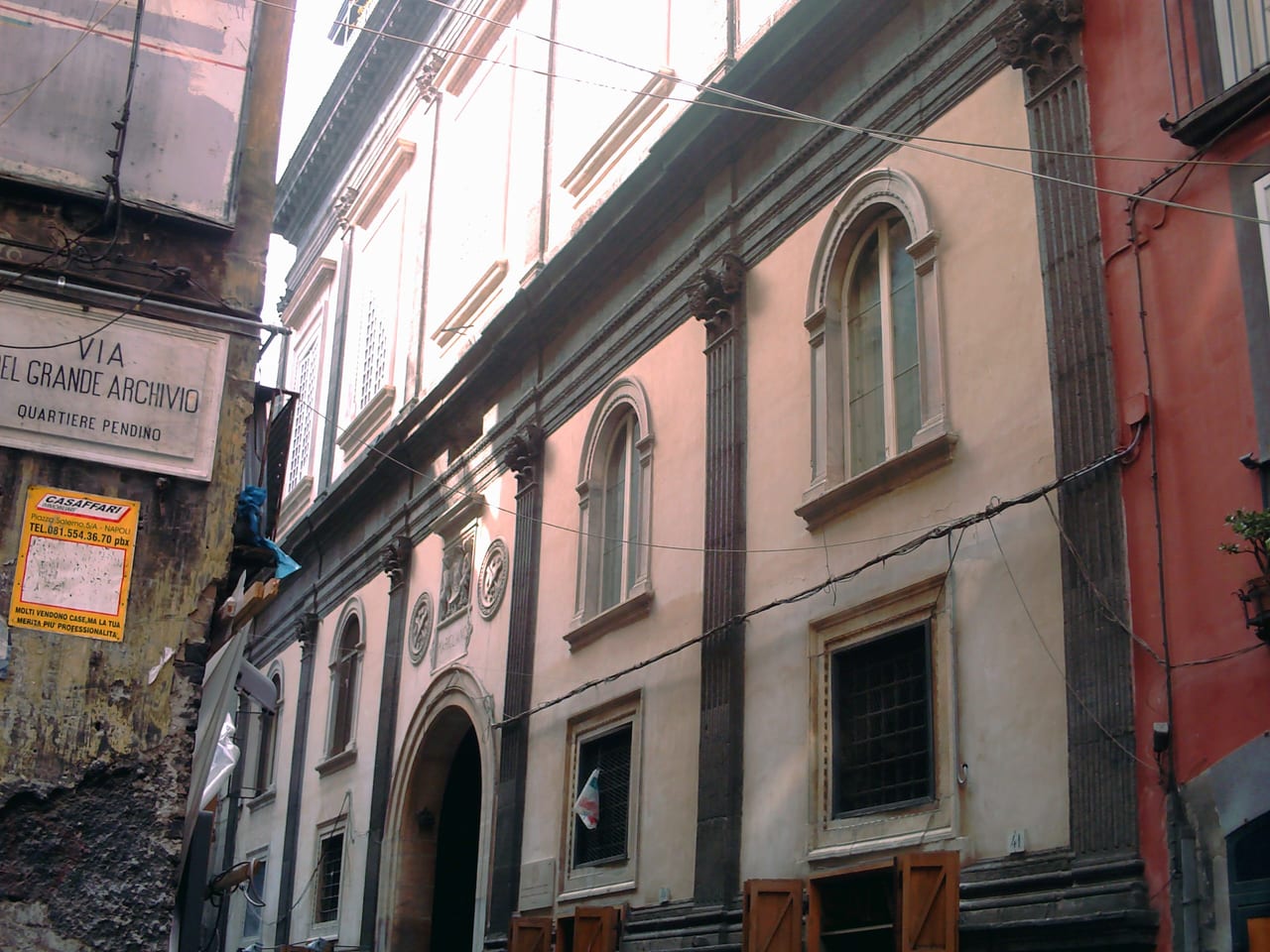
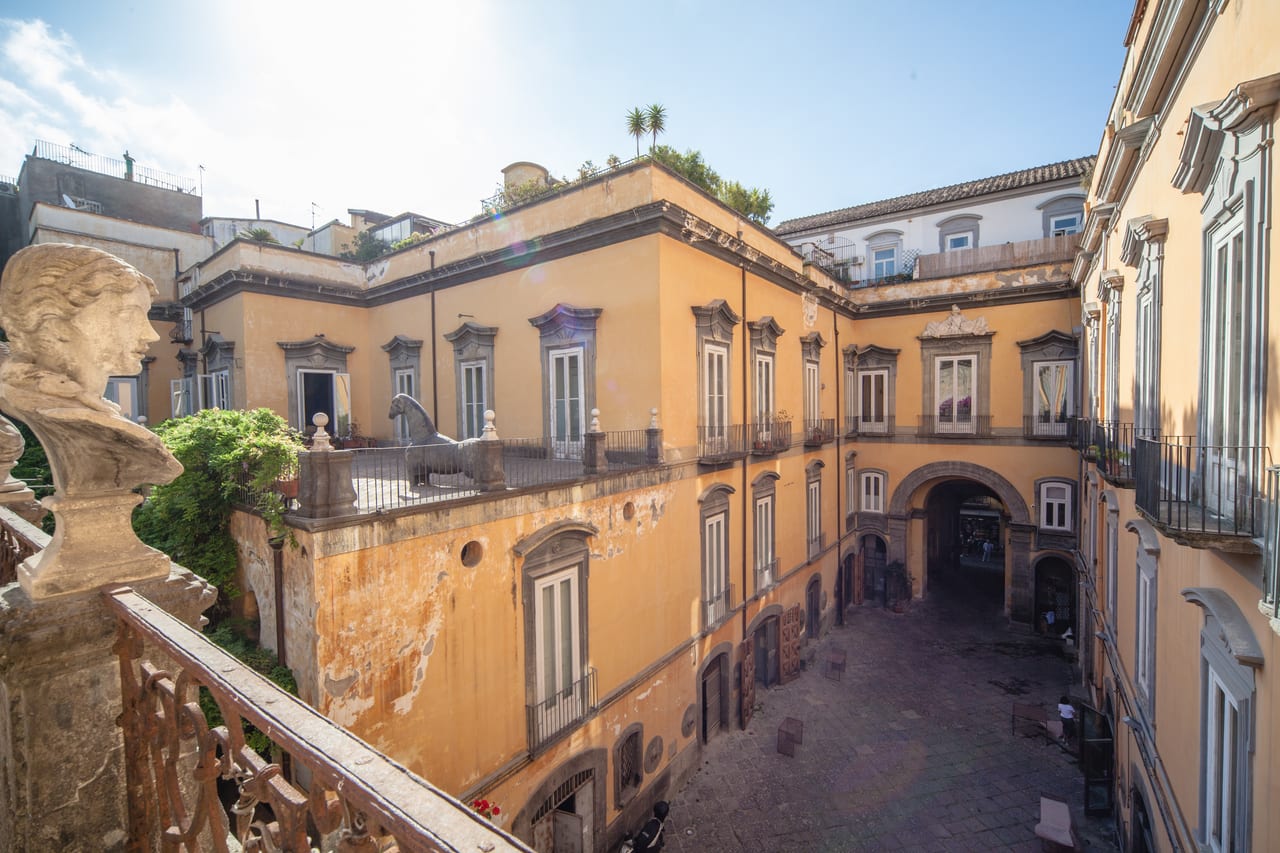
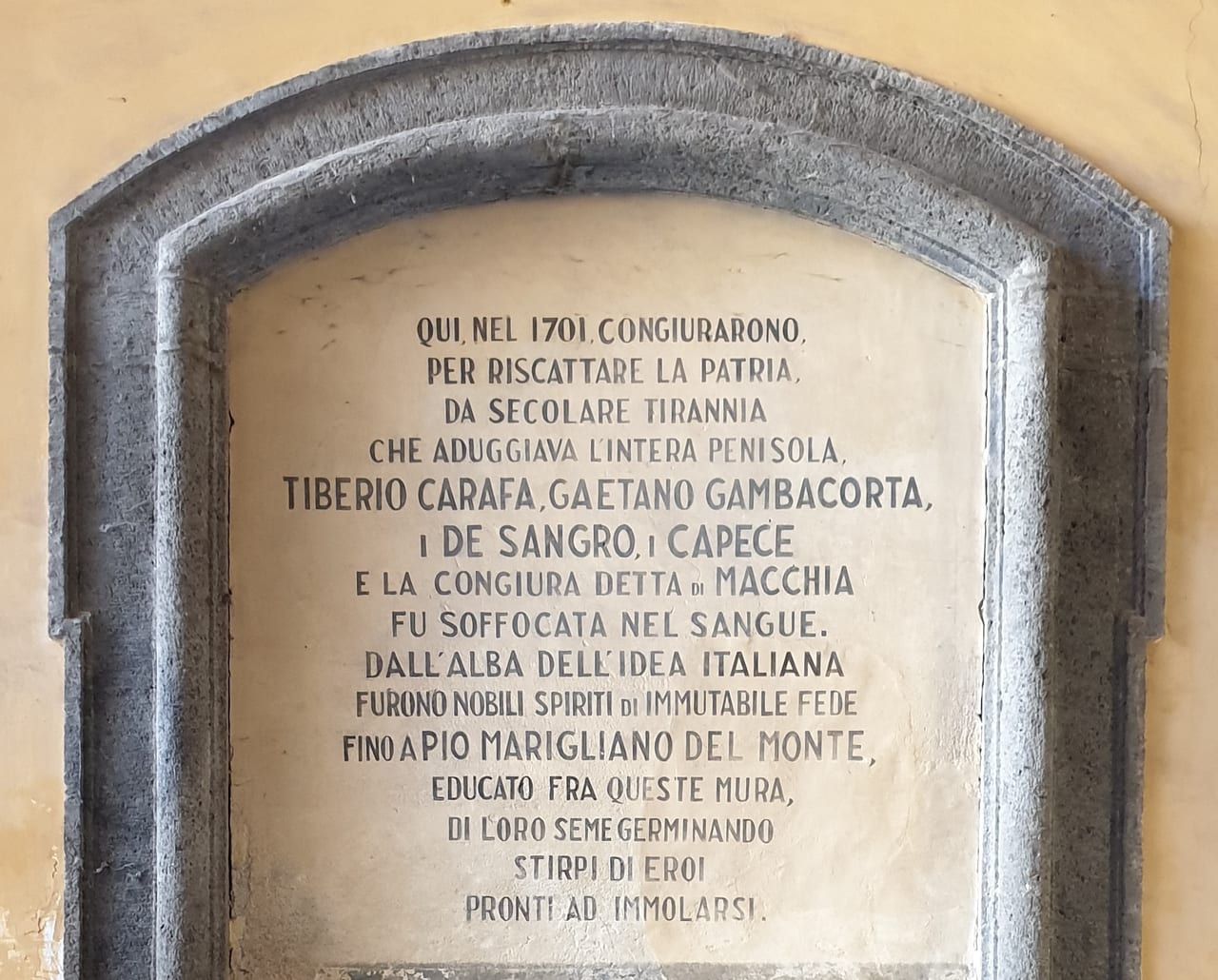
The Renaissance palace was altered repeatedly. In 1701, it became a meeting place for participants in Gaetano Gambacorta’s unsuccessful Conspiracy of Macchia during the Wars of the Spanish Succession. Bartolommeo di Capua refurbished the building in the mid-1750s, commissioning Francesco de Mura to paint ballroom frescoes commemorating his father’s military exploits with King Charles VII of Naples; the elder Bartolomeo died at the 1744 Battle of Velletri after giving the king his horse. Bombardment in 1942 heavily damaged the work. Giovanni Battista Maffei supplied allegorical paintings in 1765 and a fresco for the private chapel. In the nineteenth century it was sold to Francesco Saverio Marigliano, Duke of Monte. Heraldic symbols linked to the Marigliano family decorate the Hall of Armor. The building is recognised as Italian national heritage, and much of it now houses the Soprintendenza Archivistica della Campania.
At a glance
- Built
- 1513
- Architect
- Giovanni Francesco Mormando
- Style
- Renaissance architecture
- Heritage
- Italian national heritage
Ways to explore Palazzo Marigliano
Start with the entry portal, where two marble tablets record the palace’s historical associations. If interior access is available, look for the Hall of Armor’s heraldic wall paintings, the private chapel fresco by Giovanni Battista Maffei, and the surviving allegorical scenes attributed to him. The ballroom is particularly worth examining for traces of its painted decoration, while the address—Via San Biagio dei Librai 39—makes the street-facing portal the clearest first point of reference.
Places to stay near Palazzo Marigliano

Live availability and prices from Stay22's partners, refreshed periodically and subject to change. Booking through these links may earn us a commission at no extra cost to you. See our privacy policy.
Cafés near Palazzo Marigliano
Cafés near Palazzo Marigliano loads as you scroll.
Attractions nearby
Attractions near Palazzo Marigliano loads as you scroll.
Cities nearby
Cities nearby loads as you scroll.
More in Naples
See more of Naples.
Find great cafés, places to stay and other interesting places to visit in Naples.