Castle & palace · Naples
Palazzo Firrao
DirectionsTradition holds that during the 1647 Masaniello revolution, Cardinal Ascanio Filomarino saved the palace by pointing to Charles I’s bust and invoking the king’s restrained taxation.
Photograph 1 of 3 of Palazzo Firrao
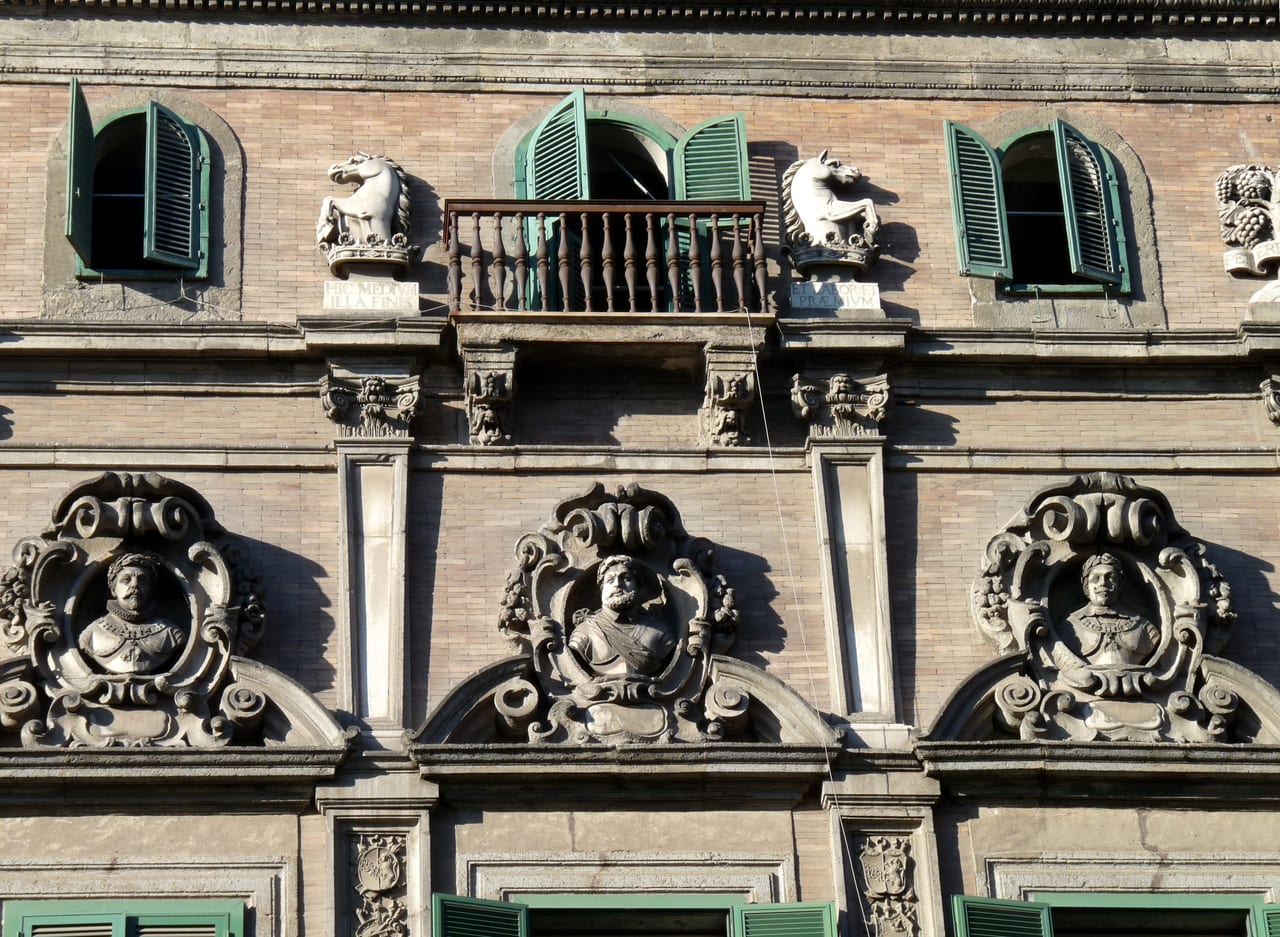
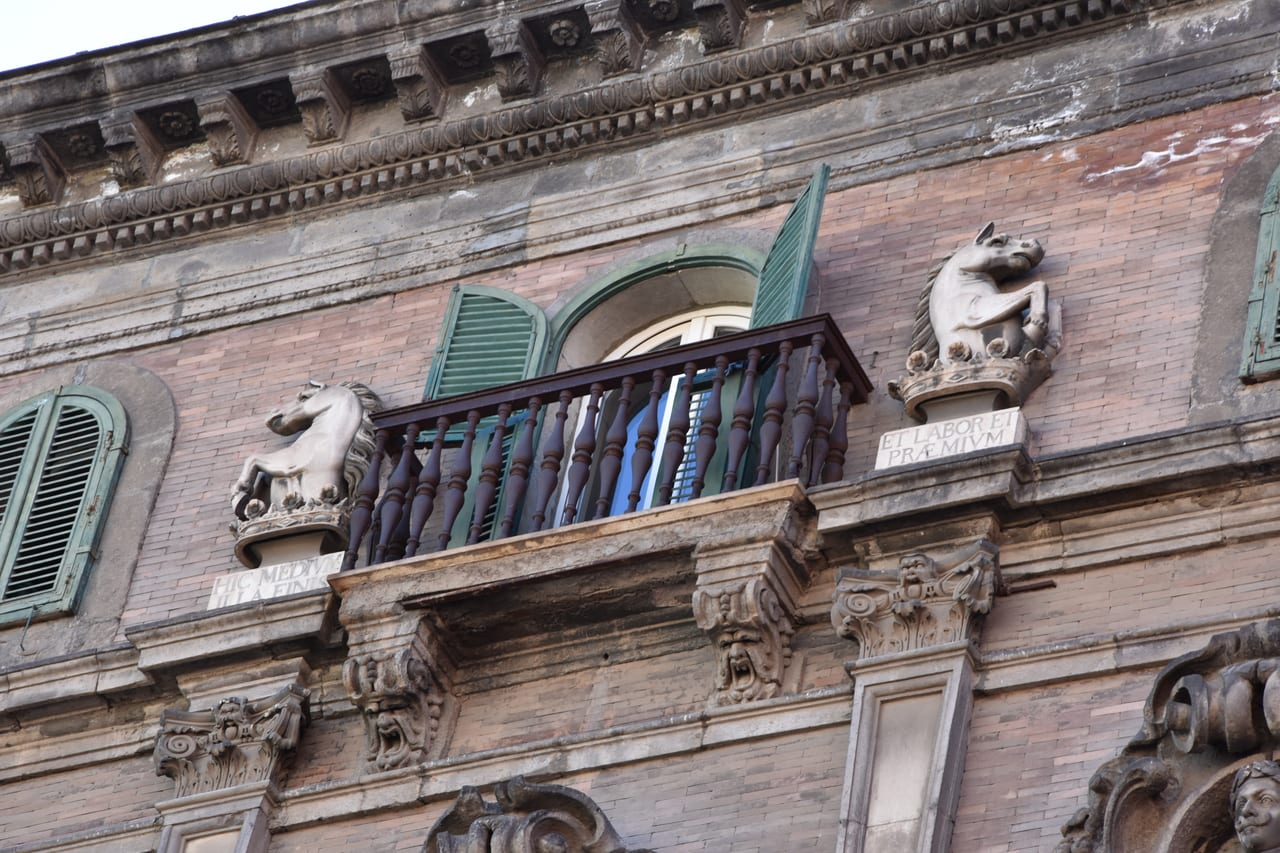
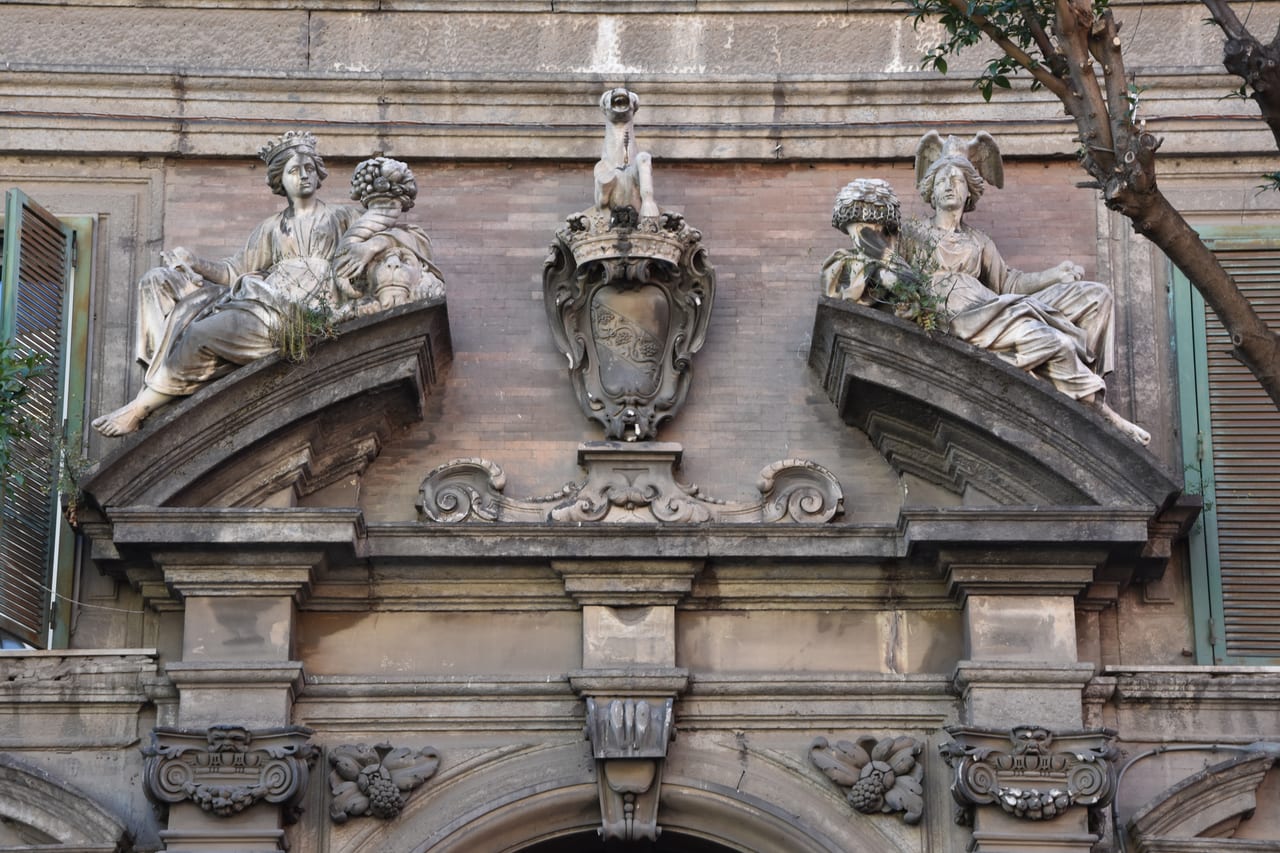
A palace stood here by the early 16th century, when its exterior reportedly carried frescoes by Polidoro di Caravaggio. Cesare Firrao, Prince of Sant’Agata and Luzzi, purchased it in the early 17th century and is generally credited with commissioning its Baroque rebuilding. Cosimo Fanzago is associated with the present facade, although Jacopo Lazzari and his son Dionisio have also been assigned much of the work; the facade appears to have been completed between 1630 and the 1640s. Firrao’s connection to the viceroy’s government placed the building in danger during the 1647 revolt, but it survived. In modern times it housed government offices. The lower facade combines rusticated piperno with tall Ionic pilasters, interrupted window pediments and urns. The upper facade features carved pilasters carrying grapes, lions and rearing horses, while the portal’s tympanum features reclining allegorical figures, a prancing horse and the Firrao shield.
At a glance
- Architect
- Cosimo Fanzago
- Style
- baroque architecture
Ways to explore Palazzo Firrao
View the facade from Piazza Bellini and read it from bottom to top, allowing time for its dense sculptural program. The sculptures are associated with Giulio Mencaglia, possibly assisted by Bernardino Landini and Giuliano Finelli.
Places to stay near Palazzo Firrao

Live availability and prices from Stay22's partners, refreshed periodically and subject to change. Booking through these links may earn us a commission at no extra cost to you. See our privacy policy.
Cafés near Palazzo Firrao
Cafés near Palazzo Firrao loads as you scroll.
Attractions nearby
Attractions near Palazzo Firrao loads as you scroll.
Cities nearby
Cities nearby loads as you scroll.
More in Naples
See more of Naples.
Find great cafés, places to stay and other interesting places to visit in Naples.