Castle & palace · Naples
Palazzo dello Spagnolo
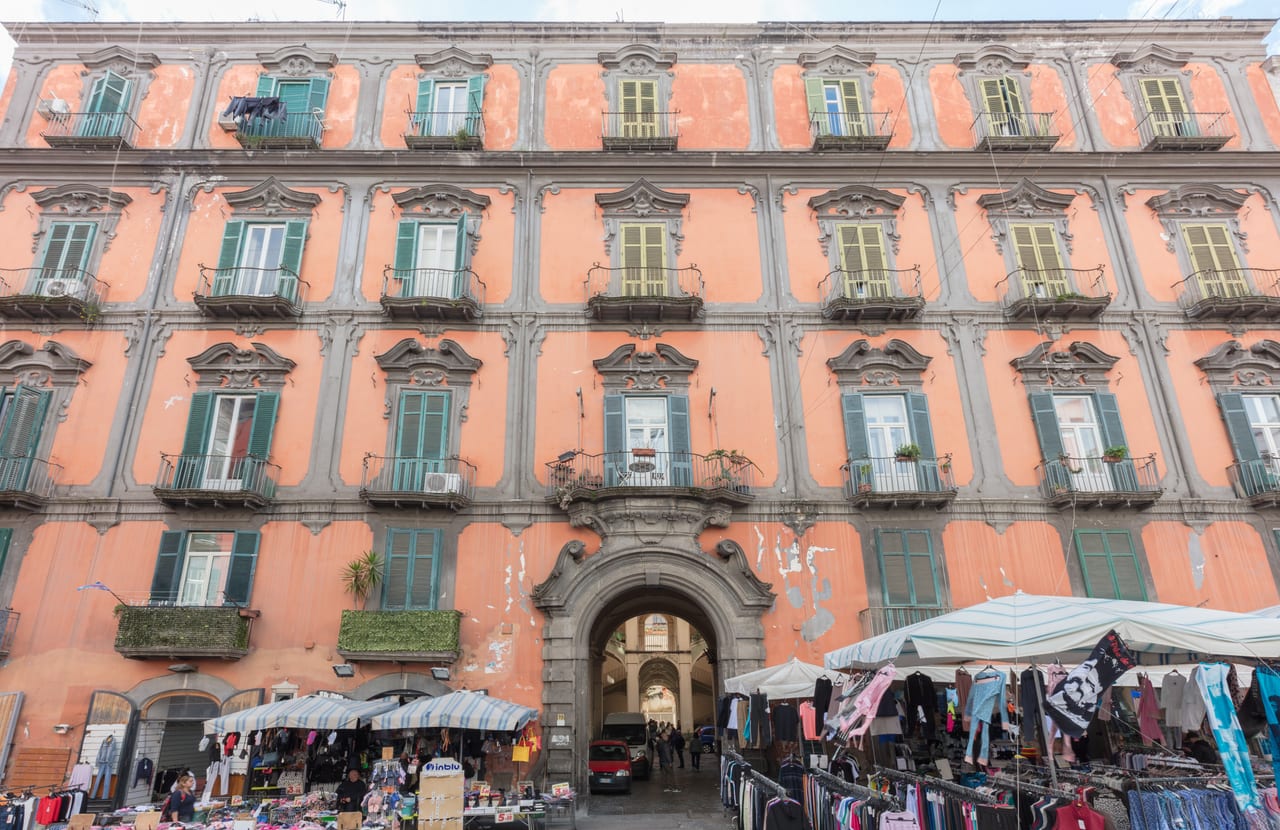
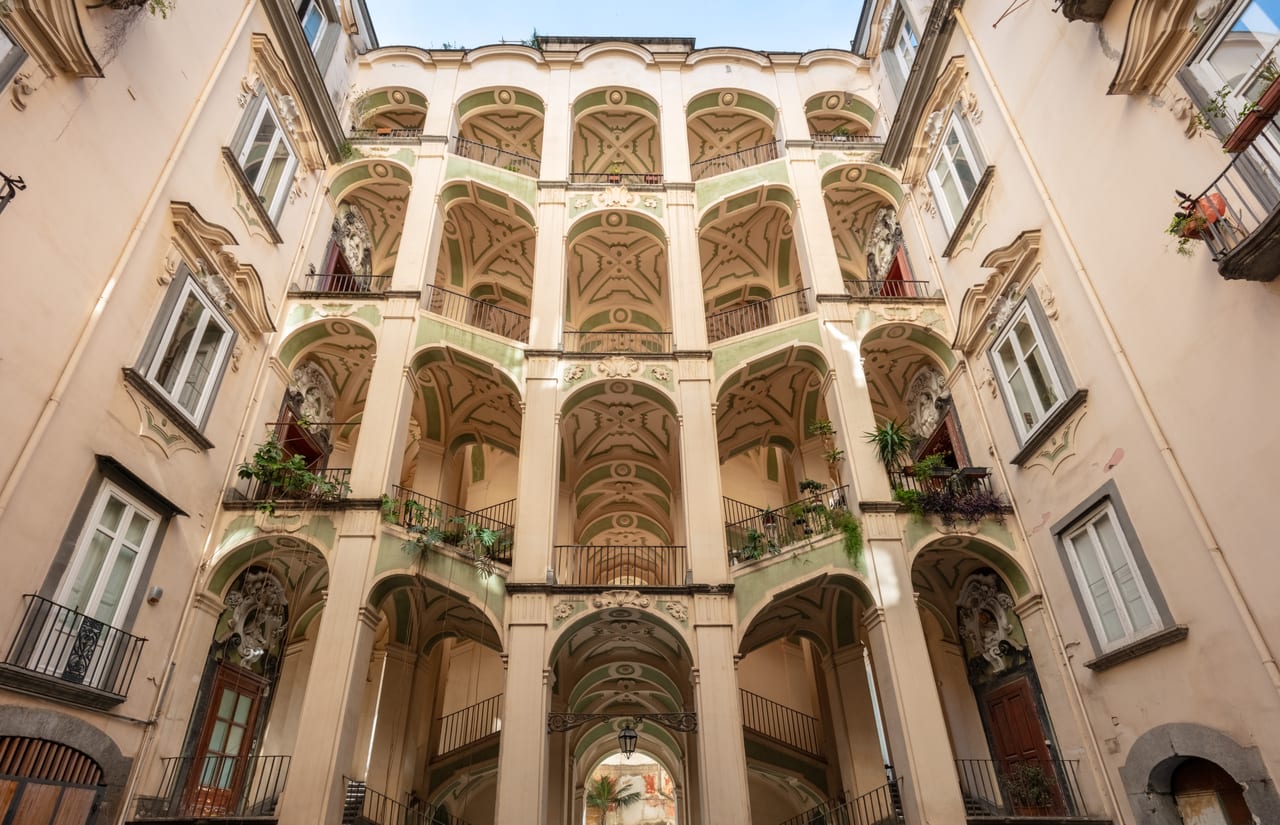
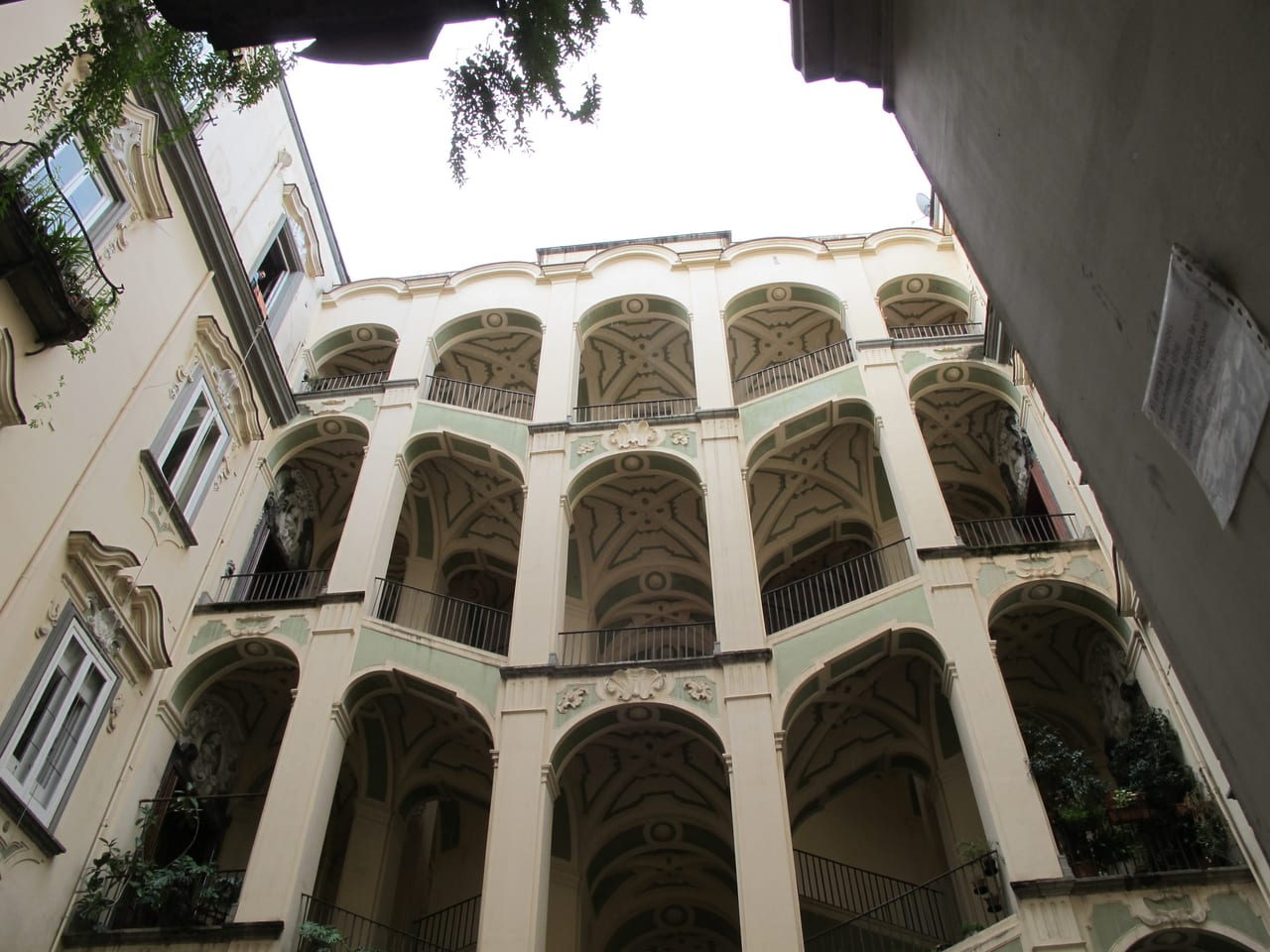
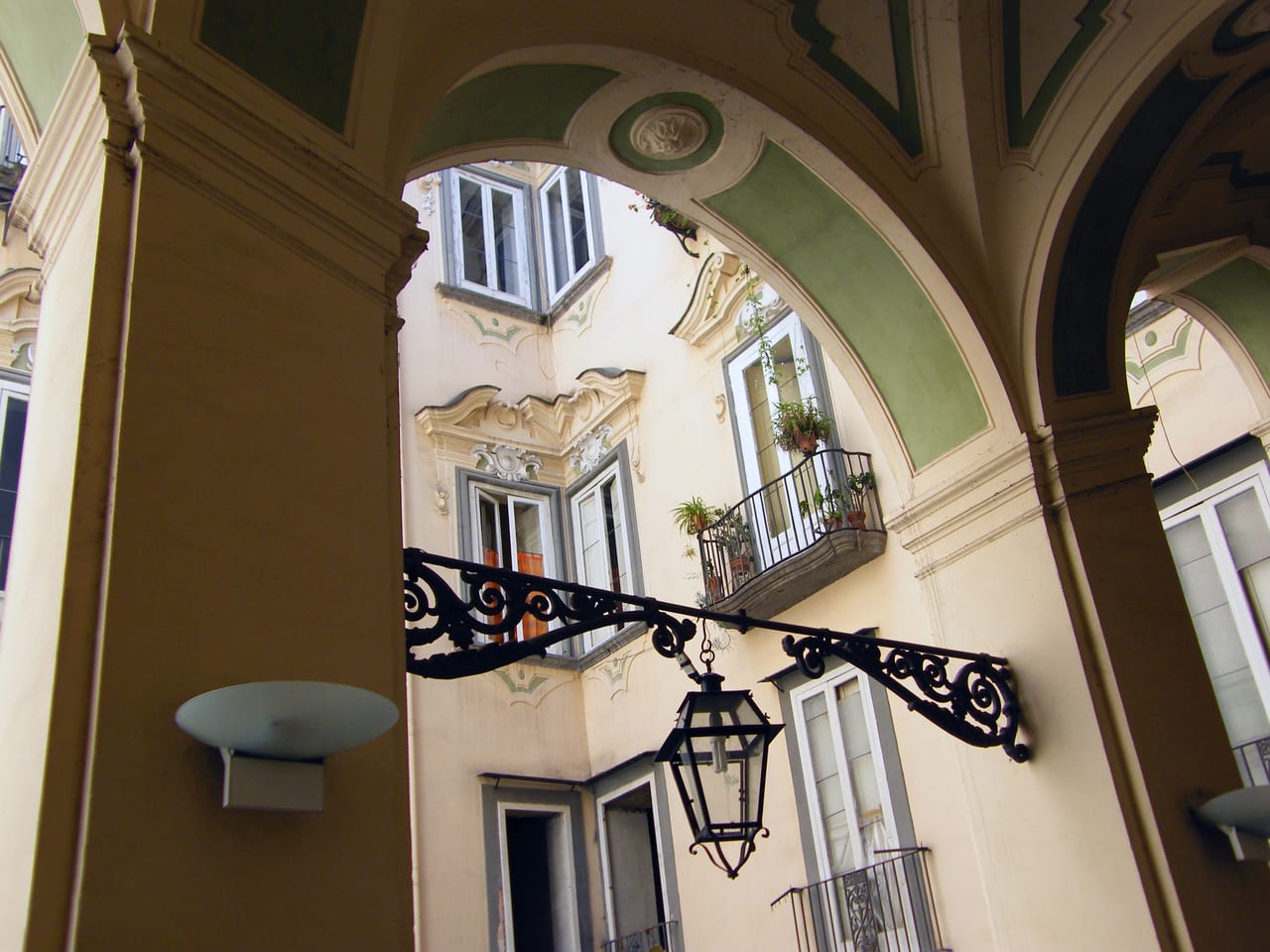
DirectionsIts elaborate staircases, with arches shifting across different planes, create a theatrical Rococo composition unlike the palace’s now cramped, dilapidated condition.
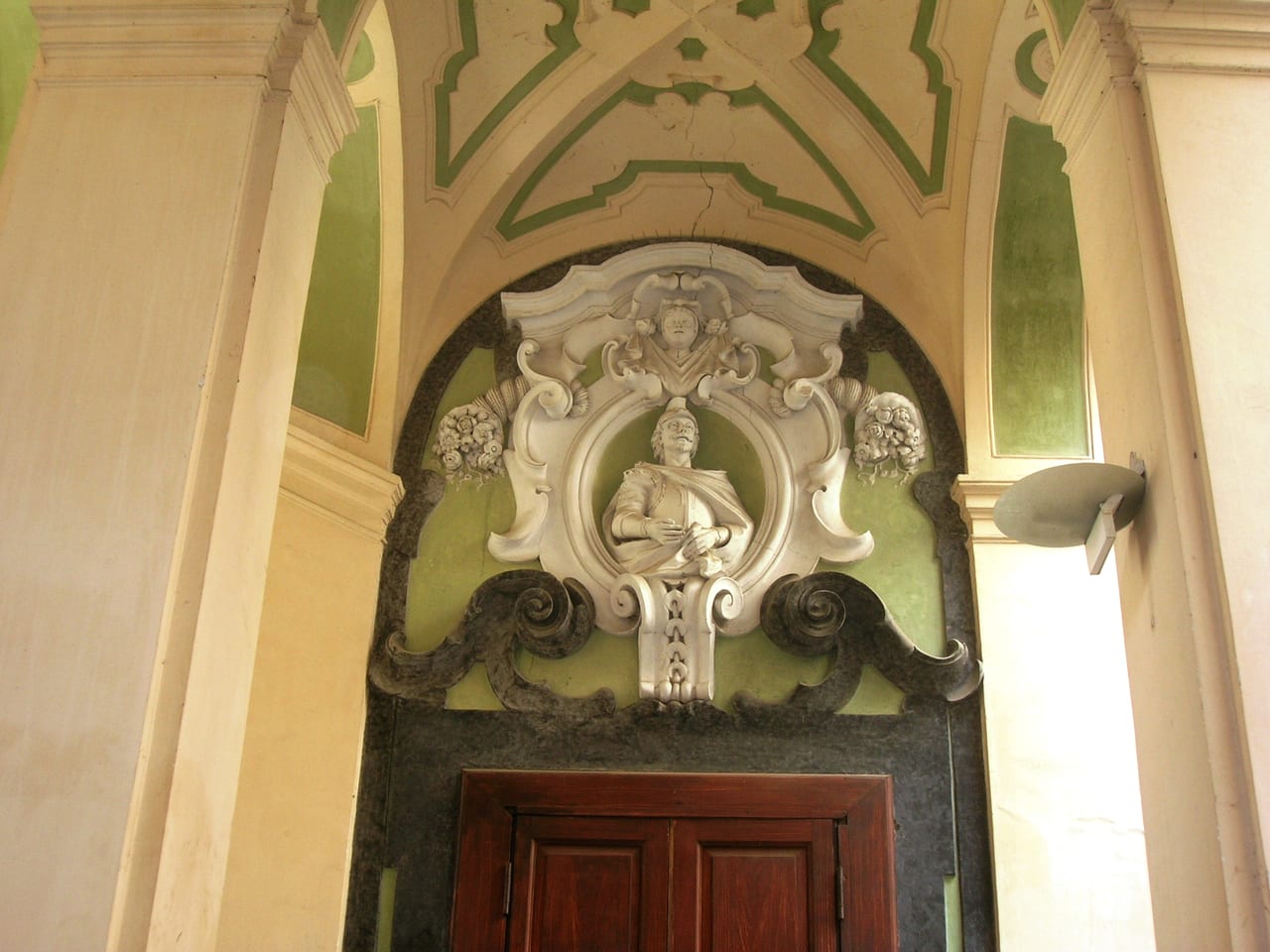
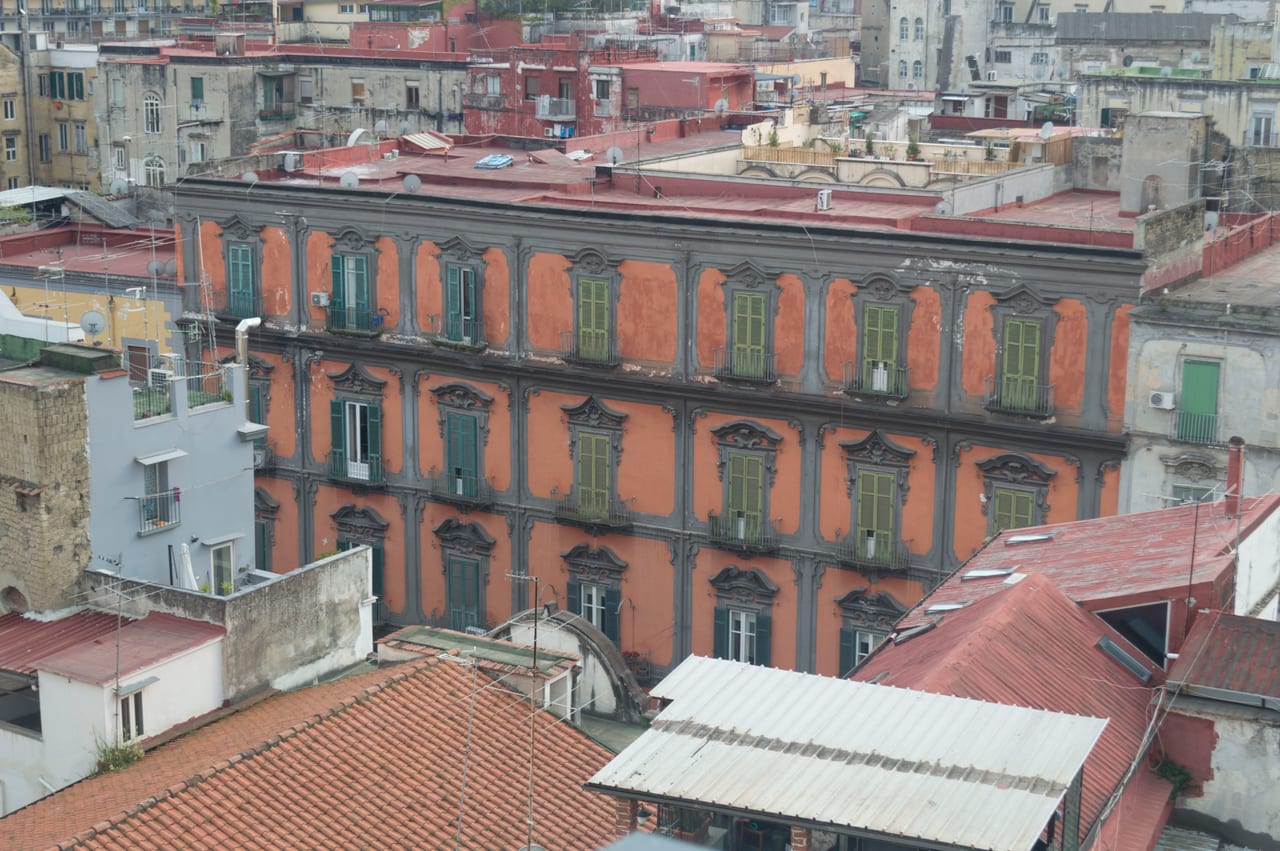
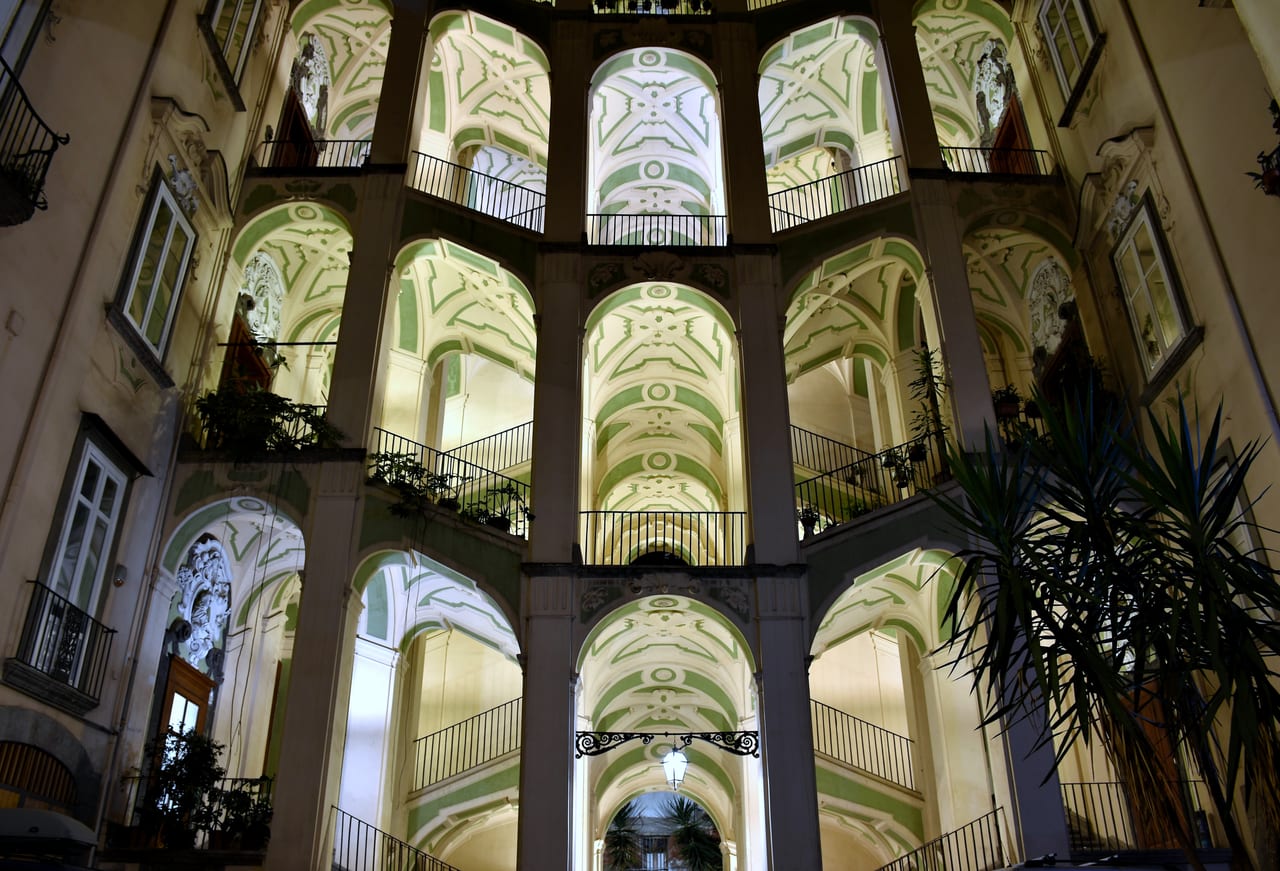
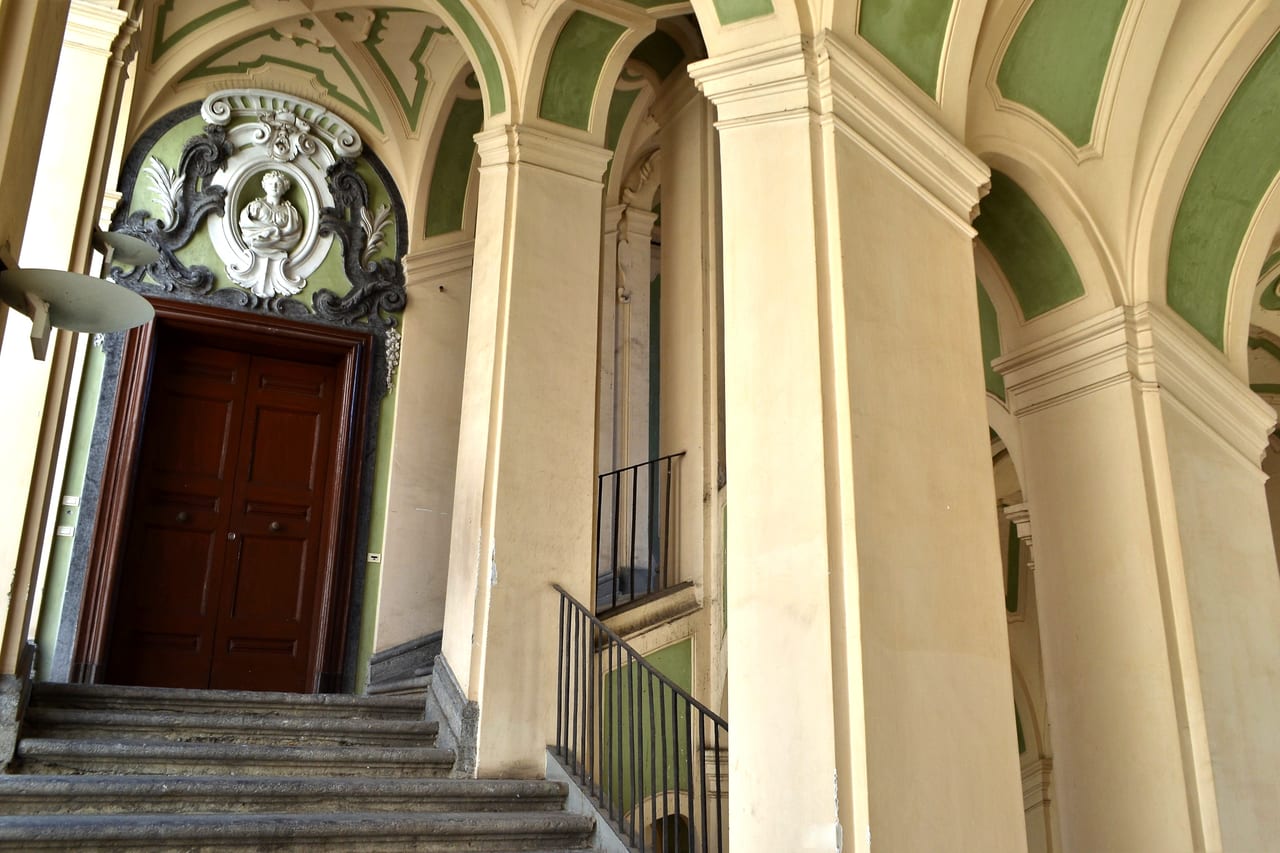
Photograph 1 of 10 of Palazzo dello Spagnolo
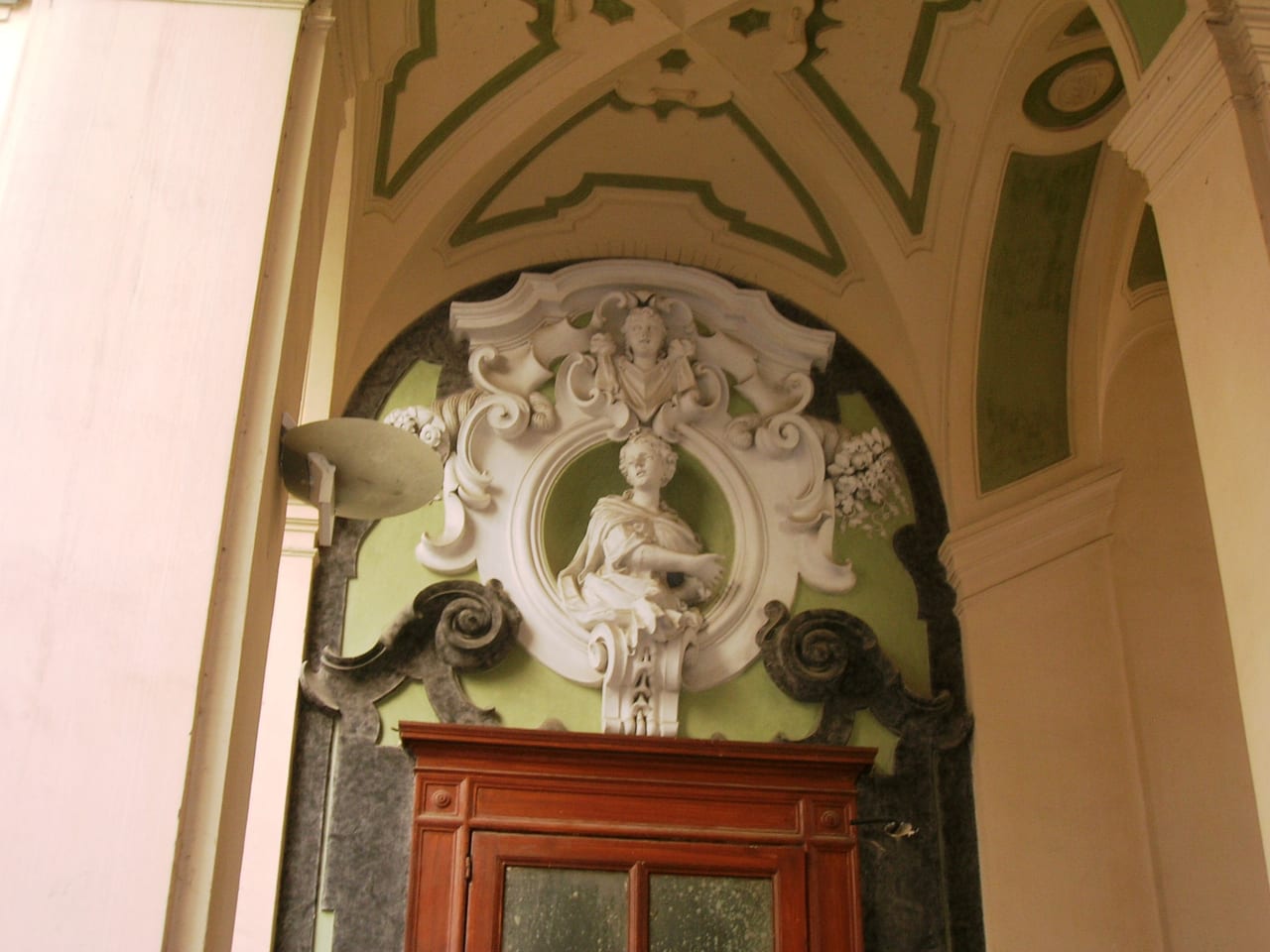
Palazzo dello Spagnolo was erected in 1738 for Nicola Moscati, the Marchese di Poppano, and is attributed to Ferdinando Sanfelice. Its Rococo, or late-Baroque, character belongs to Naples’s eighteenth-century architectural culture. The palace’s restrained exterior gives little indication of the elaborate interiors beyond it. An octagonal courtyard forms the interior focus, while richly worked stucco was executed by Aniello Prezioso from designs by Francesco Attanasio in 1742. During the following century, the family sold apartments on the lower floors to Tommaso Atienza, known as lo Spagnolo—the Spaniard. His nickname supplied the palace with its enduring name. The building’s present cramped and dilapidated state contrasts with the grandeur of its entrance and decoration. Nearby Palazzo San Felice, also attributed to Sanfelice, provides a related architectural comparison.
At a glance
- Built
- 1738
- Architect
- Ferdinando Sanfelice
- Style
- Neapolitan baroque art
Ways to explore Palazzo dello Spagnolo
Study the façade first: its indistinct appearance makes the transition into the interior especially striking. If access permits, look into the octagonal courtyard and examine the stucco work attributed to Aniello Prezioso, following Francesco Attanasio’s 1742 designs. Notice how the interior decoration survives alongside the building’s worn condition, and compare its spatial treatment with nearby Palazzo San Felice, which is attributed to the same architect.
Places to stay near Palazzo dello Spagnolo

Live availability and prices from Stay22's partners, refreshed periodically and subject to change. Booking through these links may earn us a commission at no extra cost to you. See our privacy policy.
Cafés near Palazzo dello Spagnolo
Cafés near Palazzo dello Spagnolo loads as you scroll.
Attractions nearby
Attractions near Palazzo dello Spagnolo loads as you scroll.
Cities nearby
Cities nearby loads as you scroll.
More in Naples
See more of Naples.
Find great cafés, places to stay and other interesting places to visit in Naples.