Castle & palace · Naples
Palazzo del Panormita
DirectionsConstruction passed from Giovanni Fillippo De Adinolfo to Giovanni Francesco Mormando and Giovanni Francesco Di Palma, who completed the palace in the 16th century.
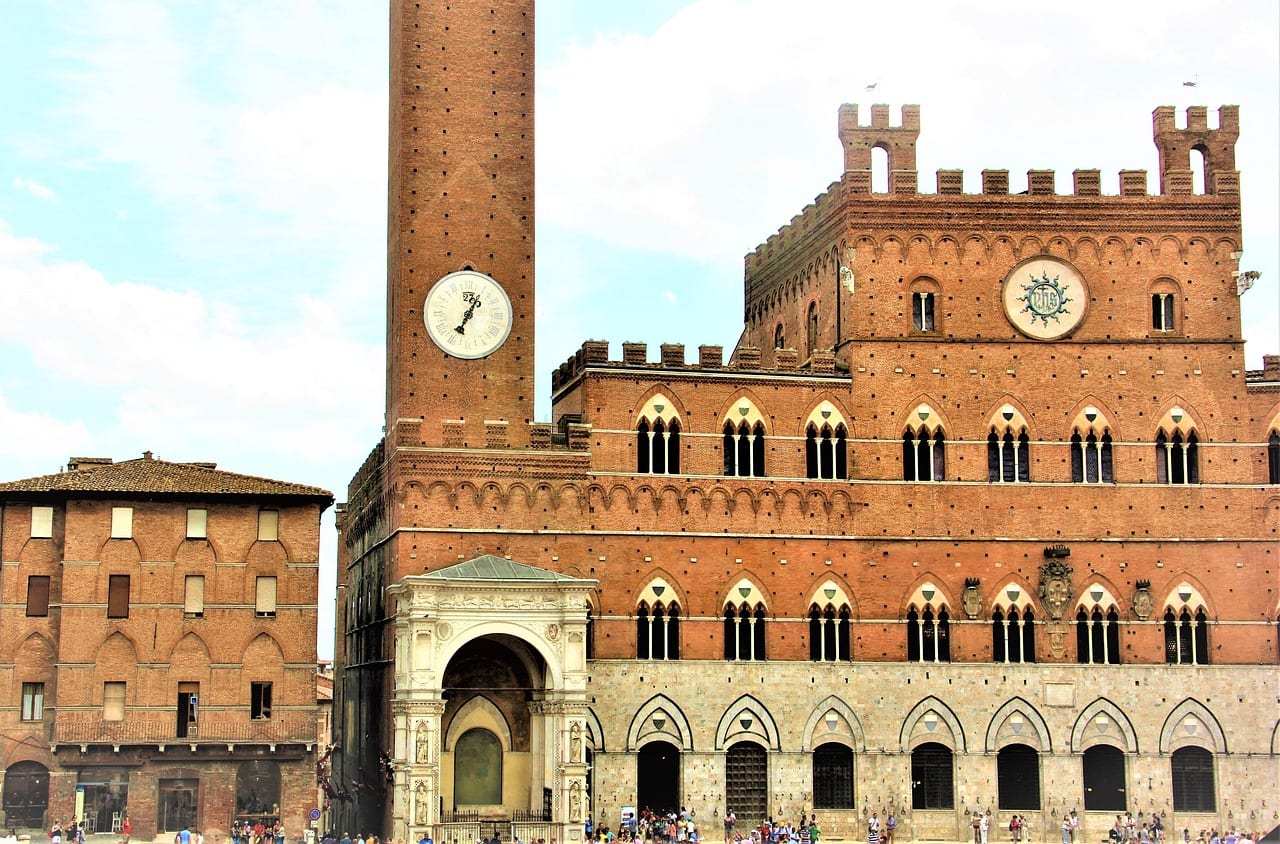
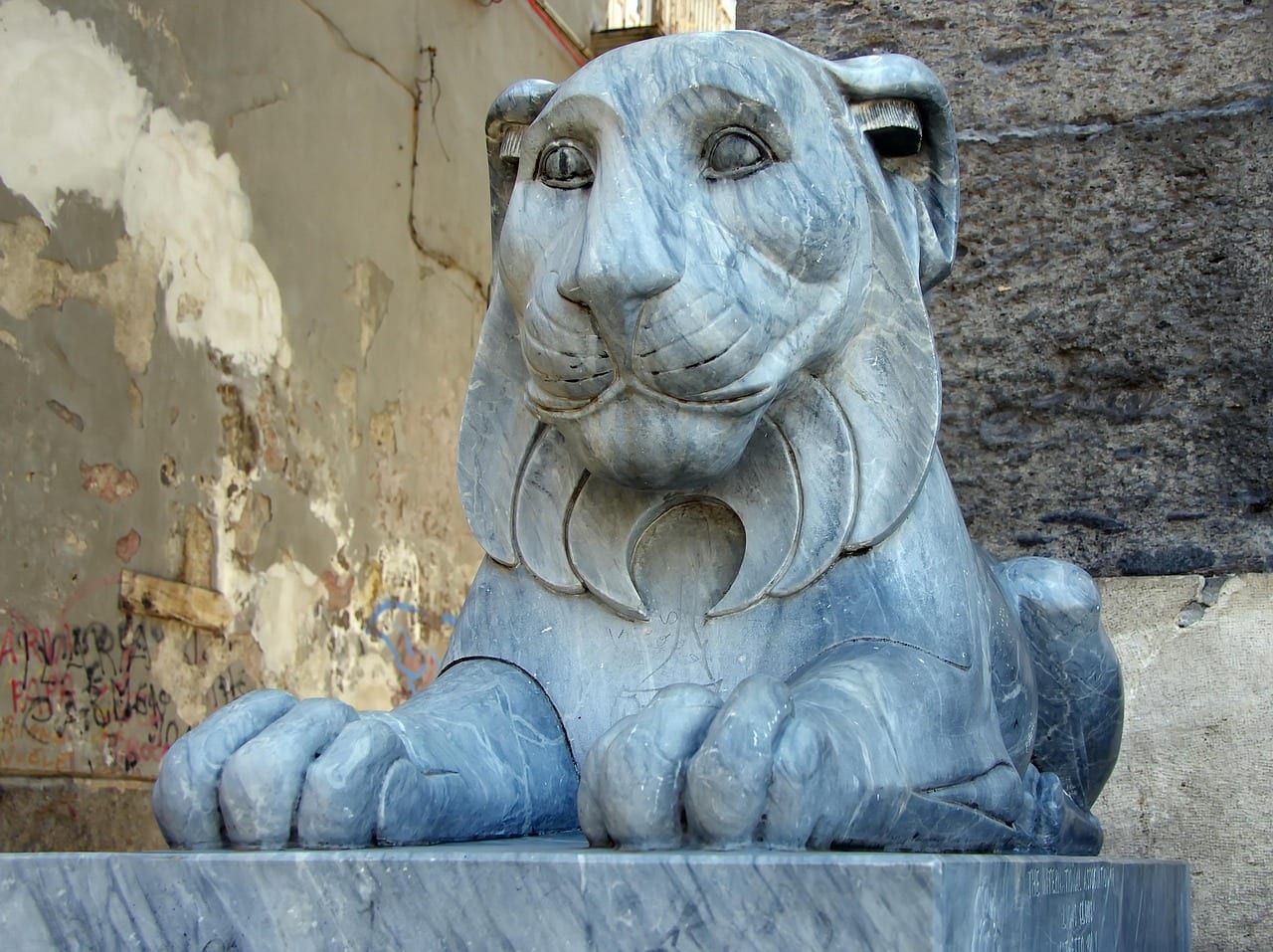
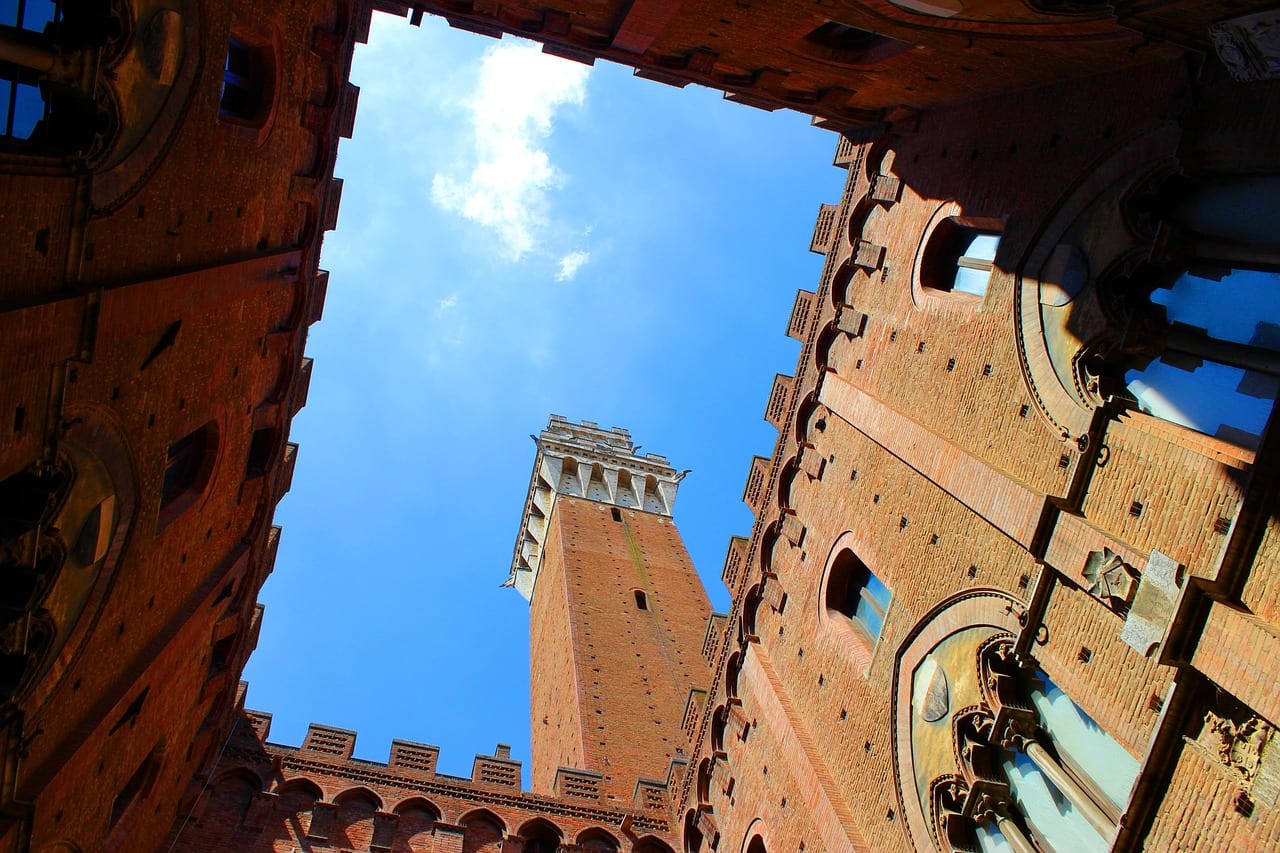
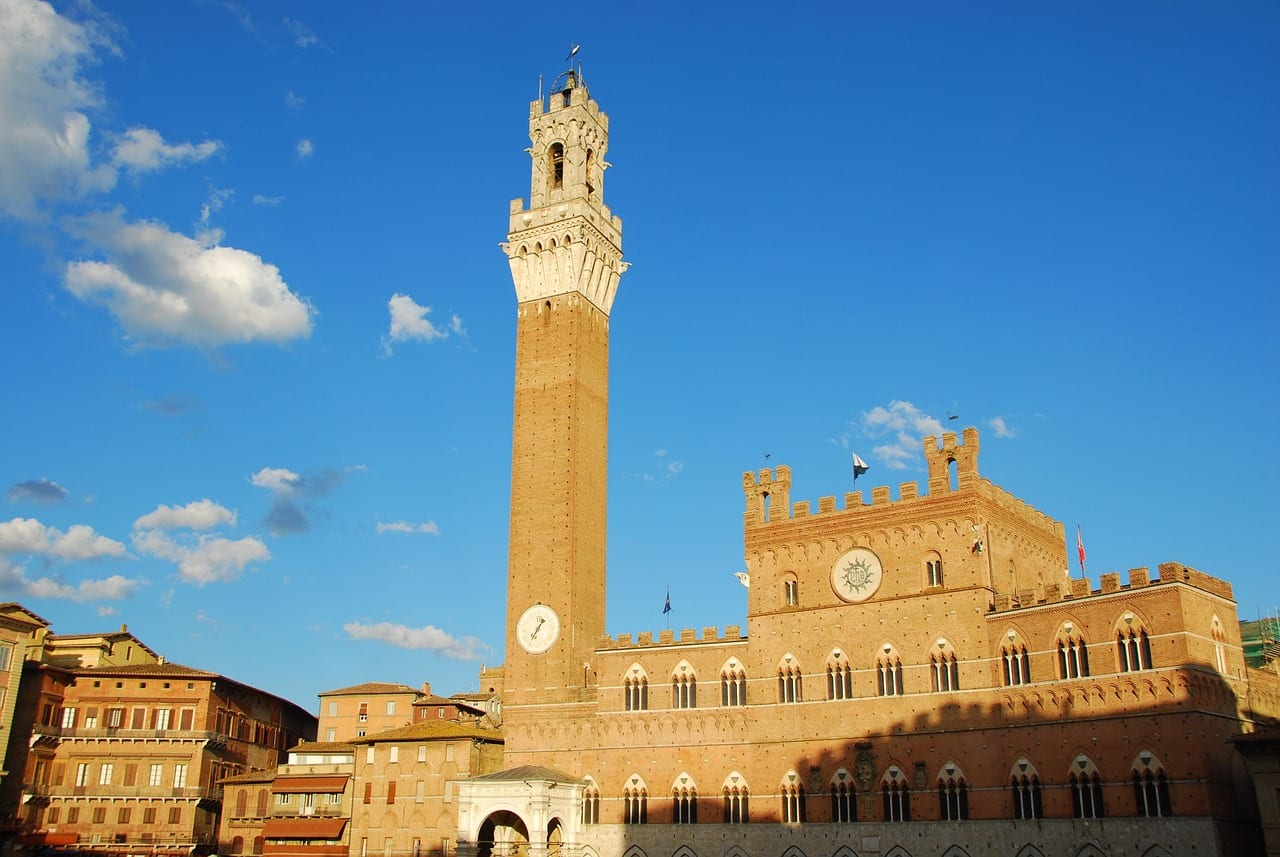
Photograph 1 of 4 of Palazzo del Panormita
The Palazzo del Panormita began as the project of Antonio Beccadelli (1394–1471), known as Il Panormita, a name meaning “The Palermitan.” Beccadelli was a poet, canon lawyer, scholar, diplomat and chronicler, giving the palace an unusually literary and civic association from its earliest period. The palace’s Renaissance character is legible in the contrast between materials and openings. A fourth storey was added in the 1700s, altering the building’s original vertical composition. The palace stands alongside narrow Via Nilo, close to the San Biagio dei Librai stretch of Via Spaccanapoli, and forms part of a tightly layered urban setting beside the Palazzo d’Afflitto, Palazzo Spinelli di Laurino, Santa Maria Assunta dei Pignatelli and Piazza del Nilo.
At a glance
- Style
- Renaissance architecture
Ways to explore Palazzo del Panormita
Approach along Via Nilo for the clearest sense of the palace’s constrained street frontage, then step toward Piazza del Nilo to place it against the Nile God statue. From the surrounding lanes, compare the palace with the neighbouring Palazzo d’Afflitto and Palazzo Spinelli di Laurino. The diagonal view toward Santa Maria Assunta dei Pignatelli places the palace within its surrounding architectural group, while the narrow street encourages a reading of the façade from street level rather than a broad frontal view.
Places to stay near Palazzo del Panormita

Live availability and prices from Stay22's partners, refreshed periodically and subject to change. Booking through these links may earn us a commission at no extra cost to you. See our privacy policy.
Cafés near Palazzo del Panormita
Cafés near Palazzo del Panormita loads as you scroll.
Attractions nearby
Attractions near Palazzo del Panormita loads as you scroll.
Cities nearby
Cities nearby loads as you scroll.
More in Naples
See more of Naples.
Find great cafés, places to stay and other interesting places to visit in Naples.