

Photograph 1 of 7 of Museo Nazionale della Ceramica Duca di Martina
Museum · Naples
A museum in Naples, founded in 1927.
Photograph 1 of 7 of Museo Nazionale della Ceramica Duca di Martina
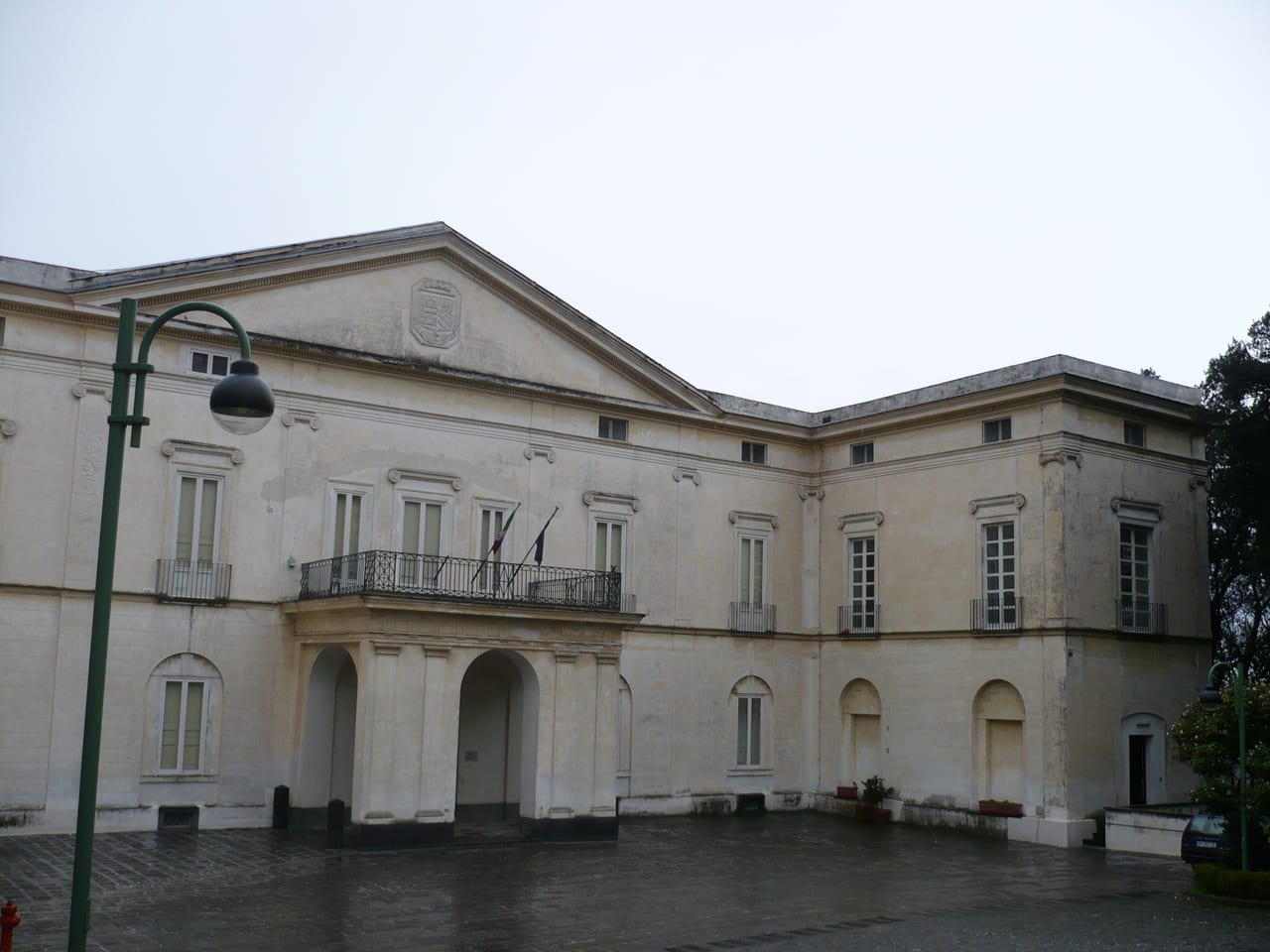
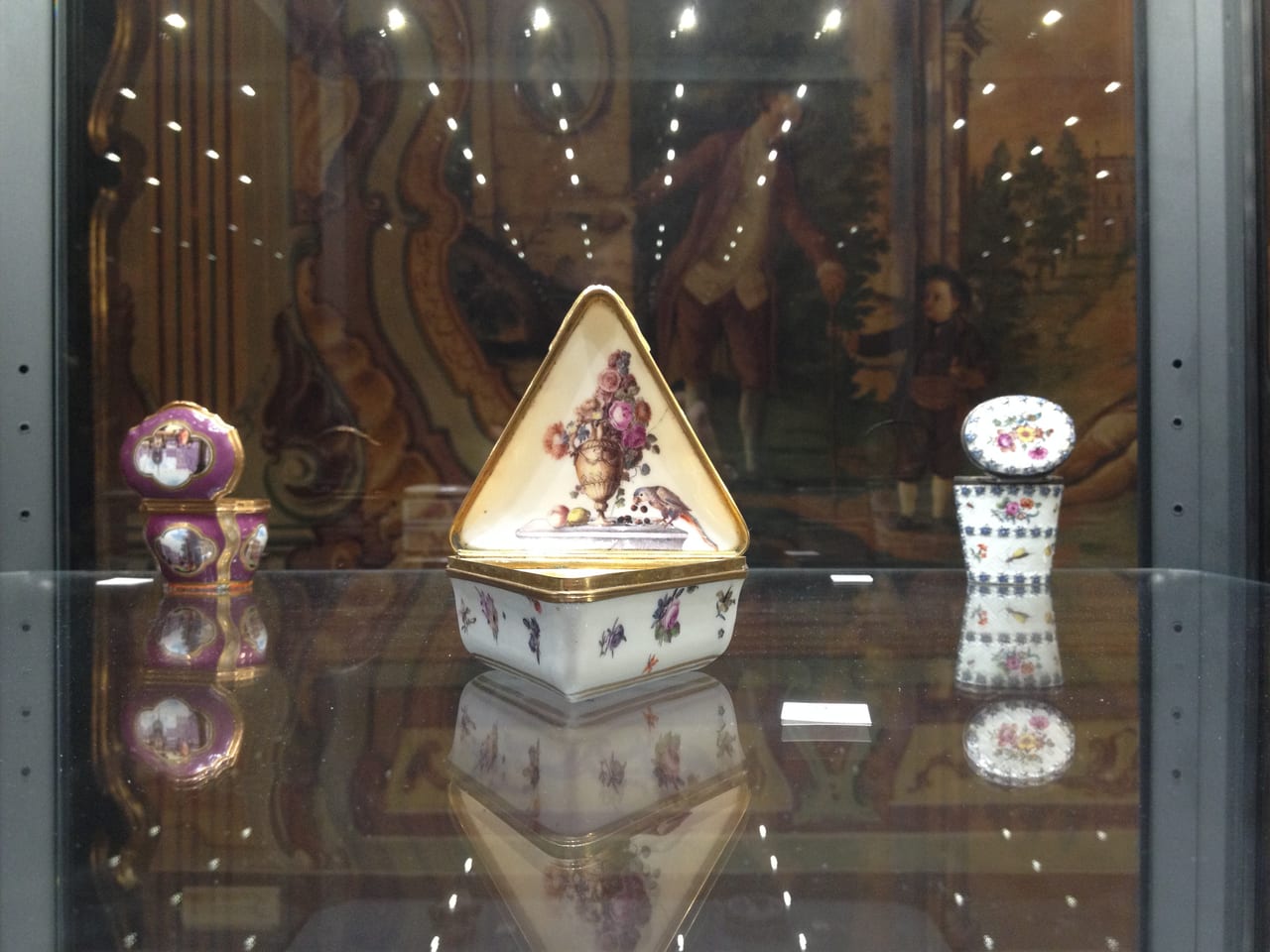
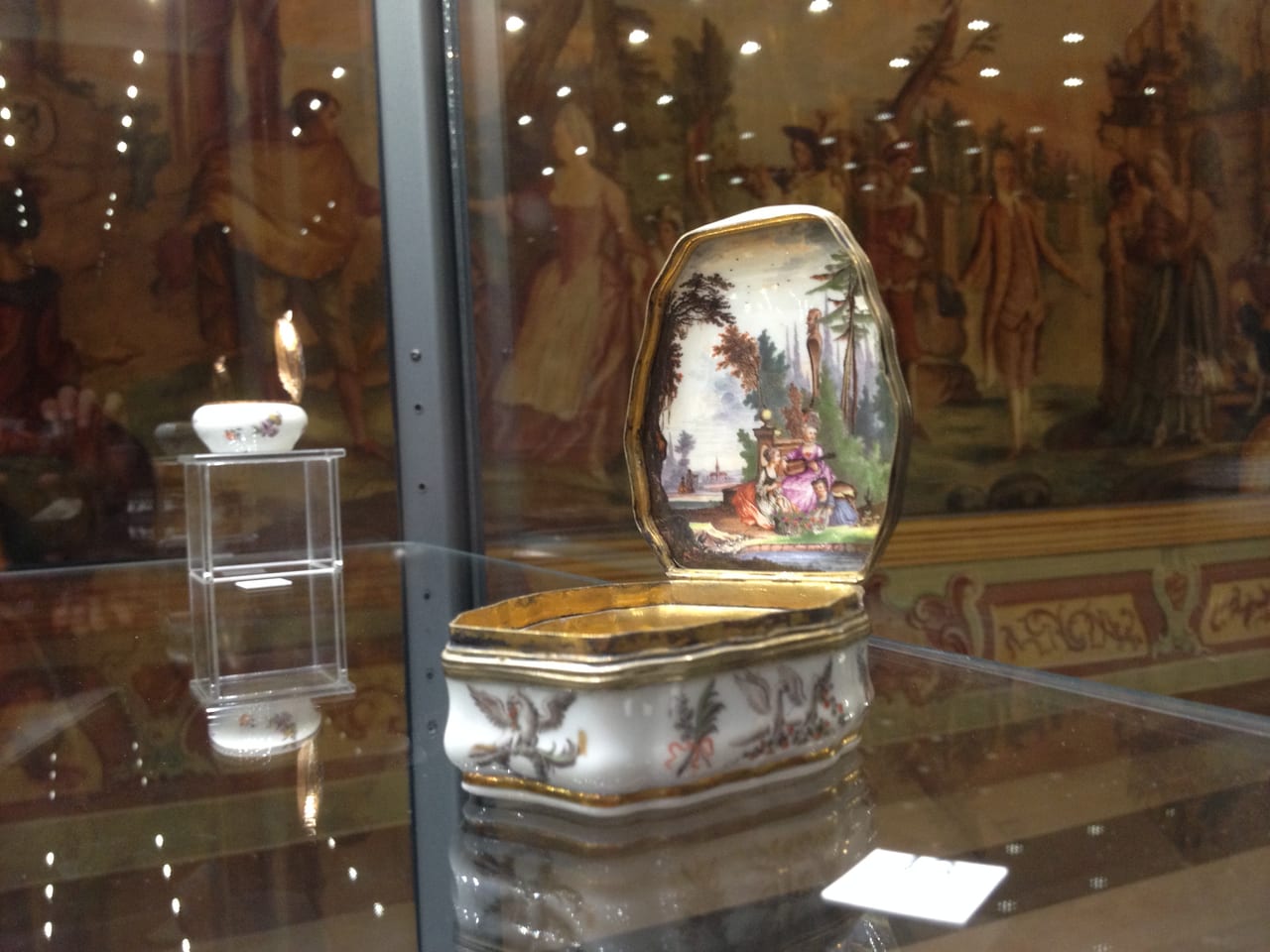
The museum has occupied Villa Floridiana since 1927. Its collections began with Placido de Sangro, duke of Martina, who assembled glass, leather, coral, ivory, porcelain and maiolica in the major European capitals from the mid-19th century. His nephew, Placido de Sangro, count dei Marsi, donated the collection to Naples in 1911, capturing the period’s renewed European enthusiasm for the decorative arts. The holdings expanded in 1978, when Riccardo de Sangro bequeathed 580 porcelain, maiolica and furniture pieces from the original collection. A later gift from architect Ezio Bruno De Felice and Eirene Sbrizolo added finely worked tortoiseshell objects. The museum’s itinerary occupies the ground floor, basement and first floor, linked by the villa’s side staircase. A vestibule introduces portraits of Ferdinand IV of Bourbon and the duchess of Floridia. In December 2014 management passed to the Polo museale della Campania, renamed Direzione regionale Musei in December 2019.
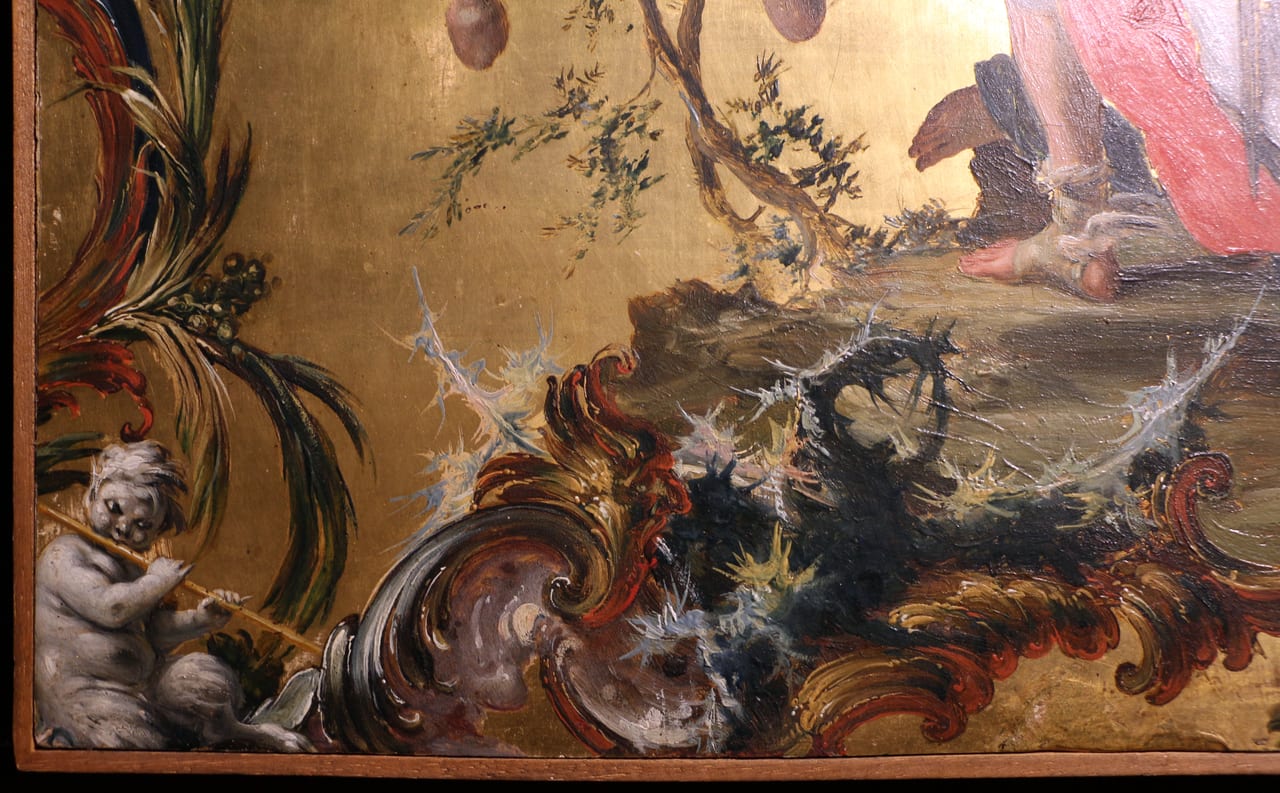
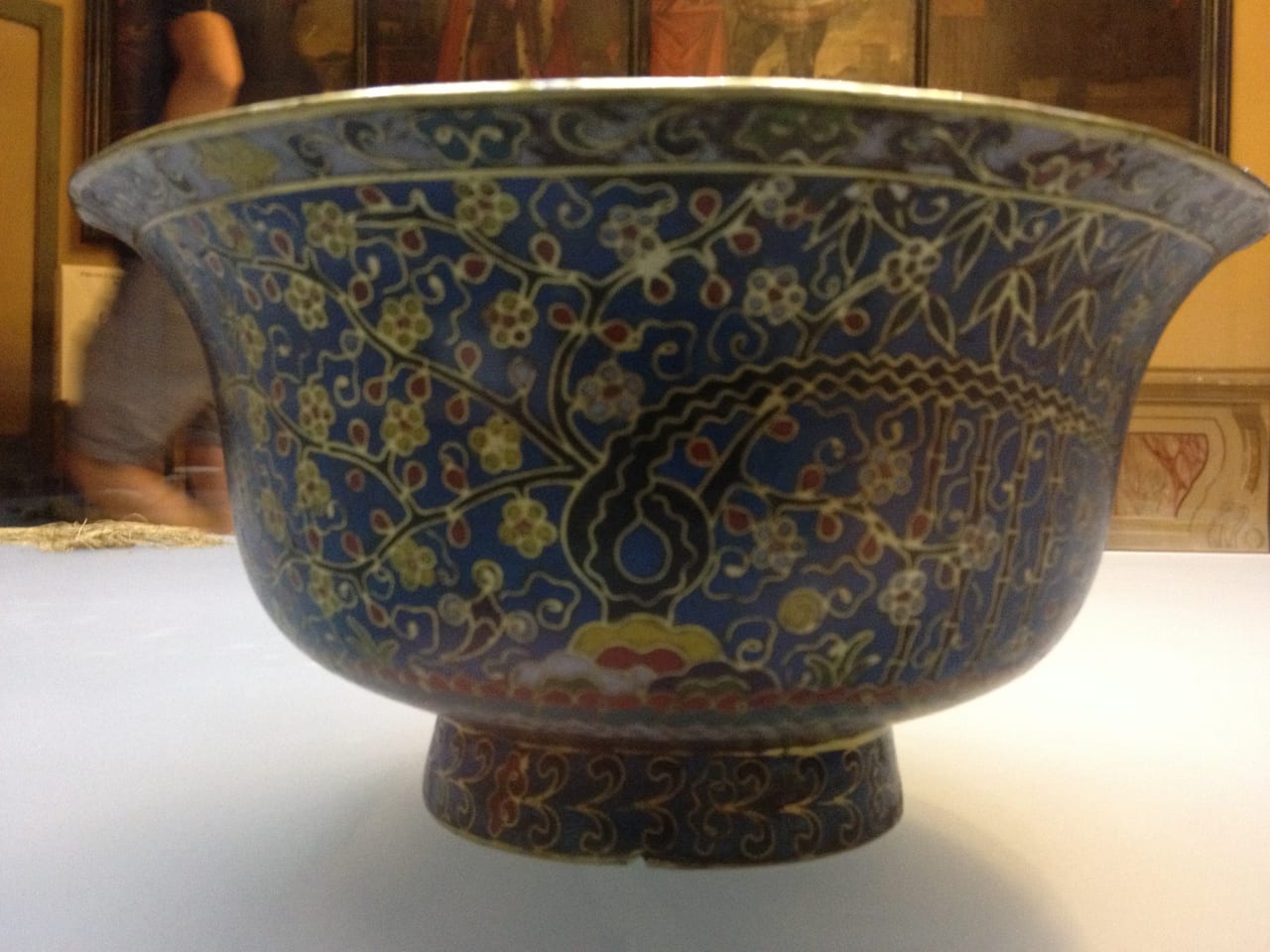
Start with the ground-floor rooms, numbered I–XIV, where porcelain, Neapolitan painters’ sketches, Renaissance and Baroque maiolica, medieval and Renaissance ivories, enamels, coral, bronze, glass and furniture appear together. In the basement, rooms XXIII–XXVIII contain Chinese Ming and Qing porcelain alongside Japanese Kakiemon and Imari pieces. Finish upstairs with Meissen, Capodimonte, Doccia and Sèvres, as well as French porcelain from Chantilly, Rouen, Saint-Cloud and Mennency.
Live availability and prices from Stay22's partners, refreshed periodically and subject to change. Booking through these links may earn us a commission at no extra cost to you. See our privacy policy.
More in Naples
Find great cafés, places to stay and other interesting places to visit in Naples.
