Ancient site · Naples
Macellum of Naples
DirectionsA Roman market survives beneath San Lorenzo Maggiore because a fifth-century mudslide sealed it, preserving an unusually readable glimpse of Neapolis’s commercial life.
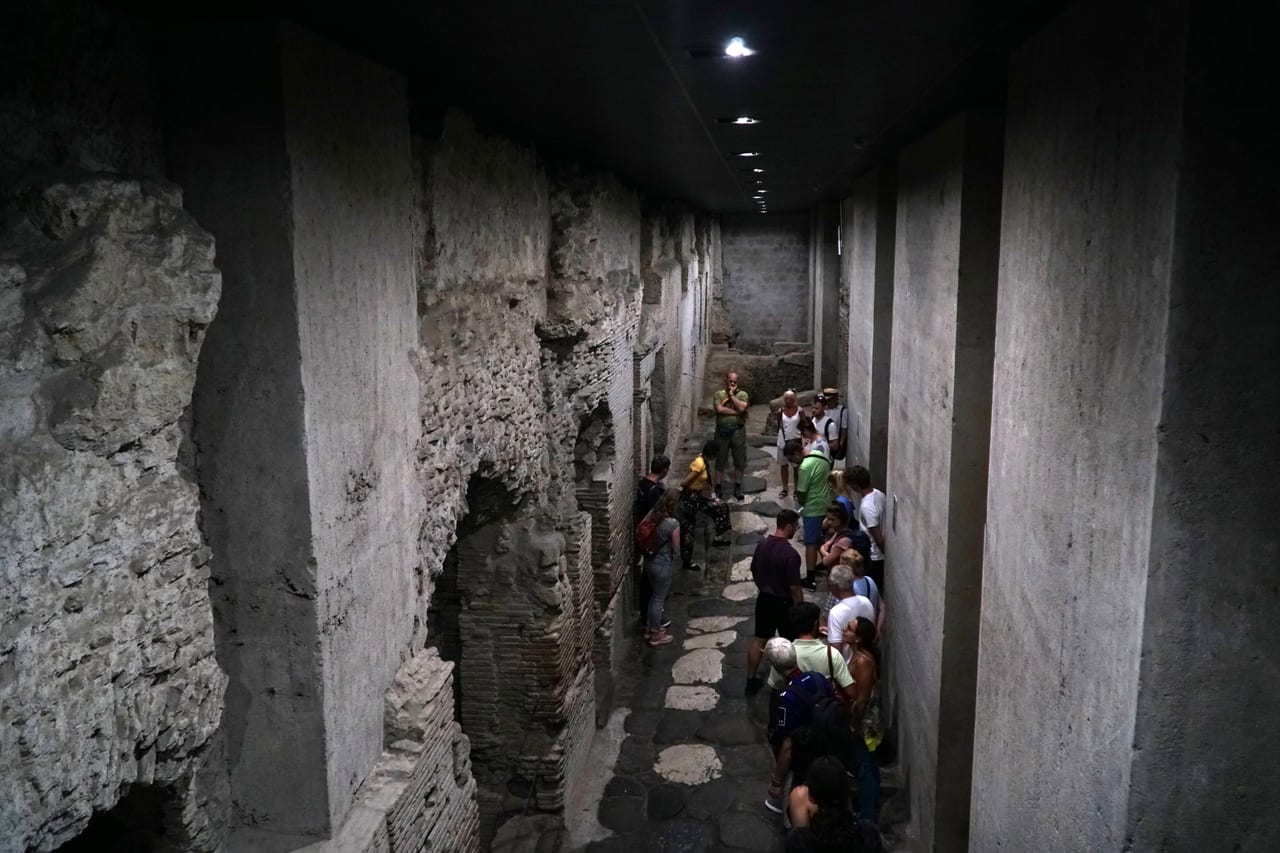
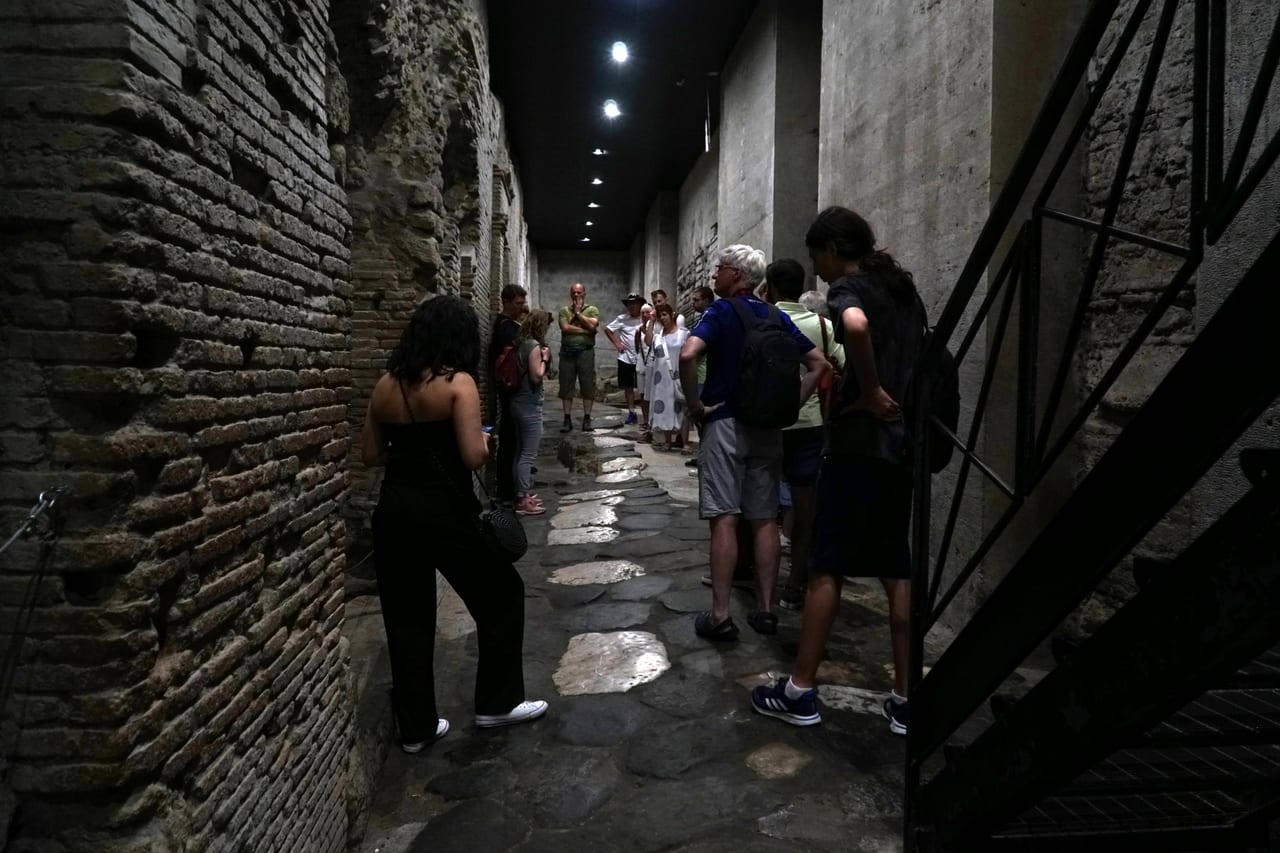
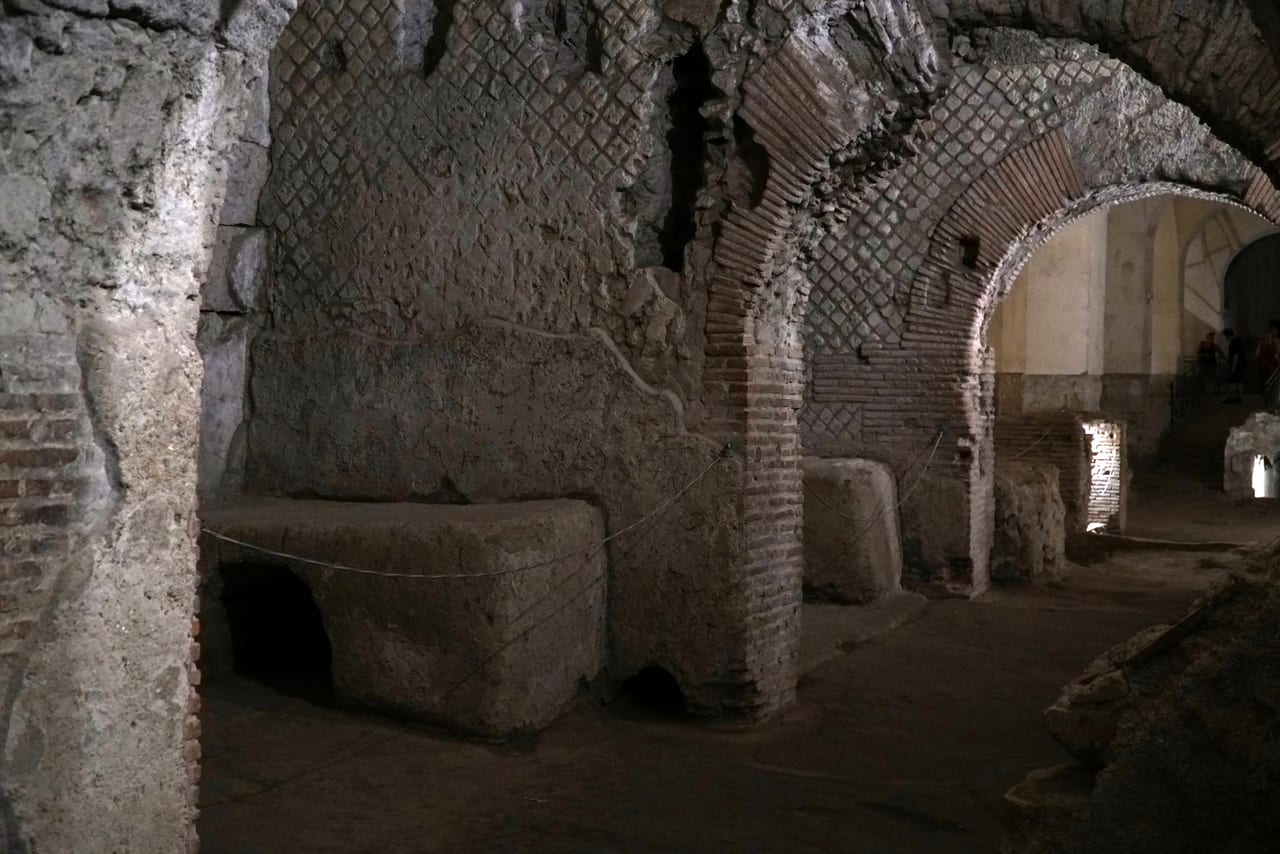
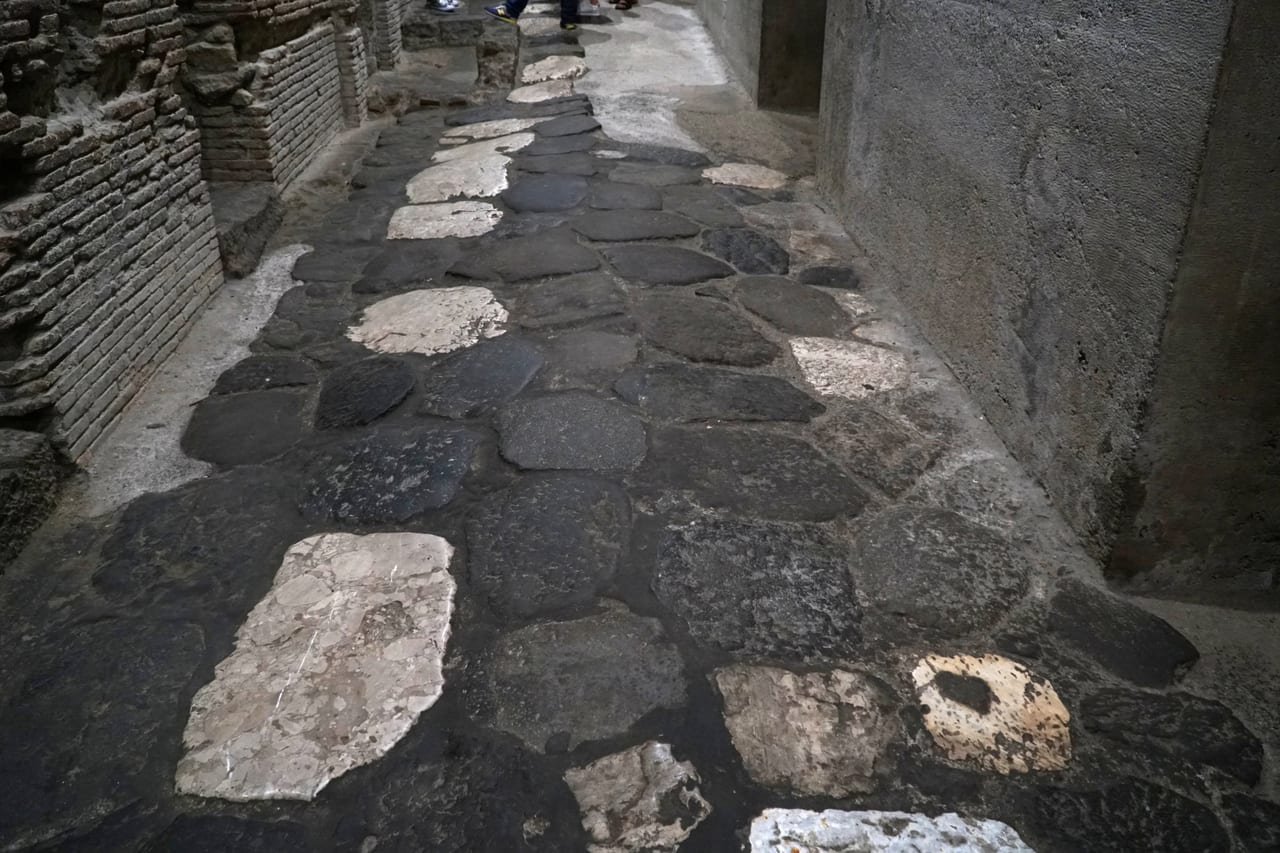
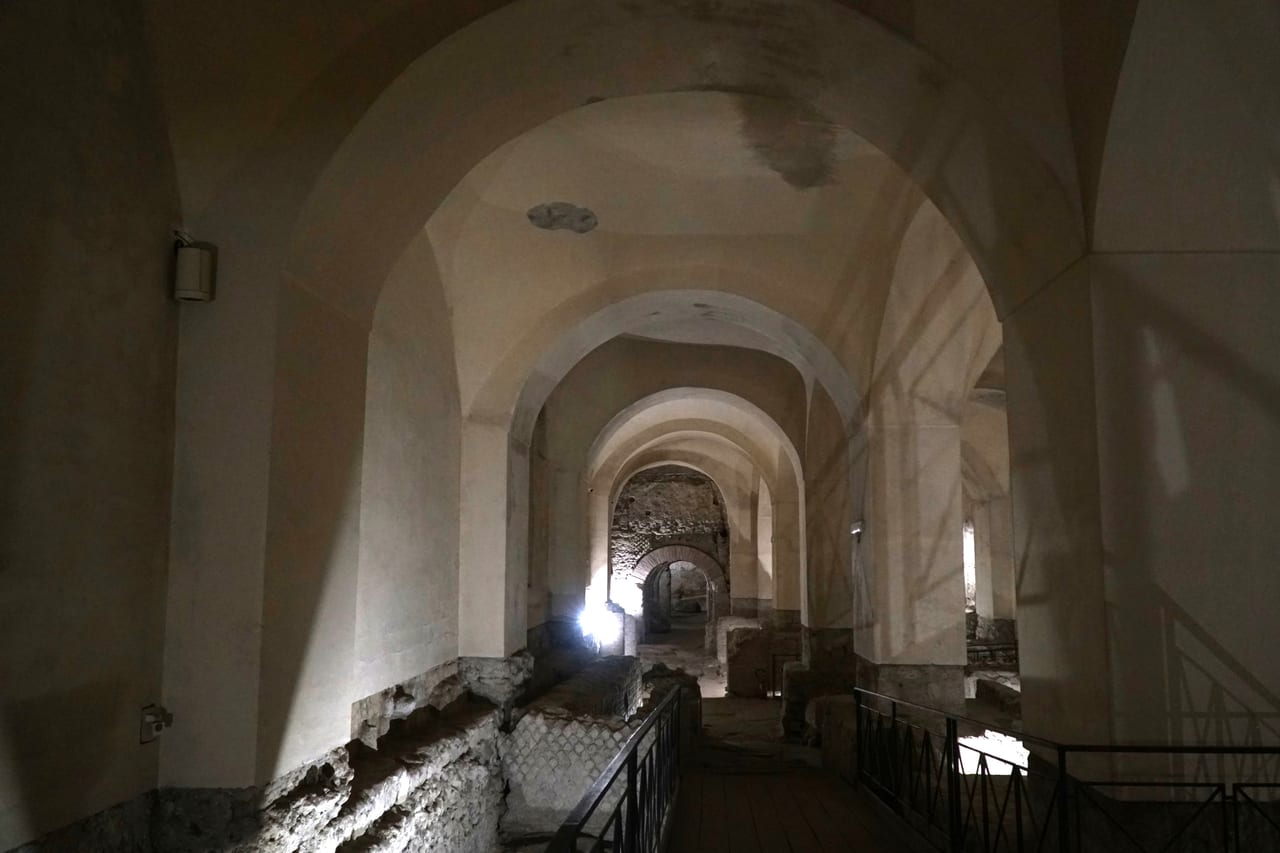
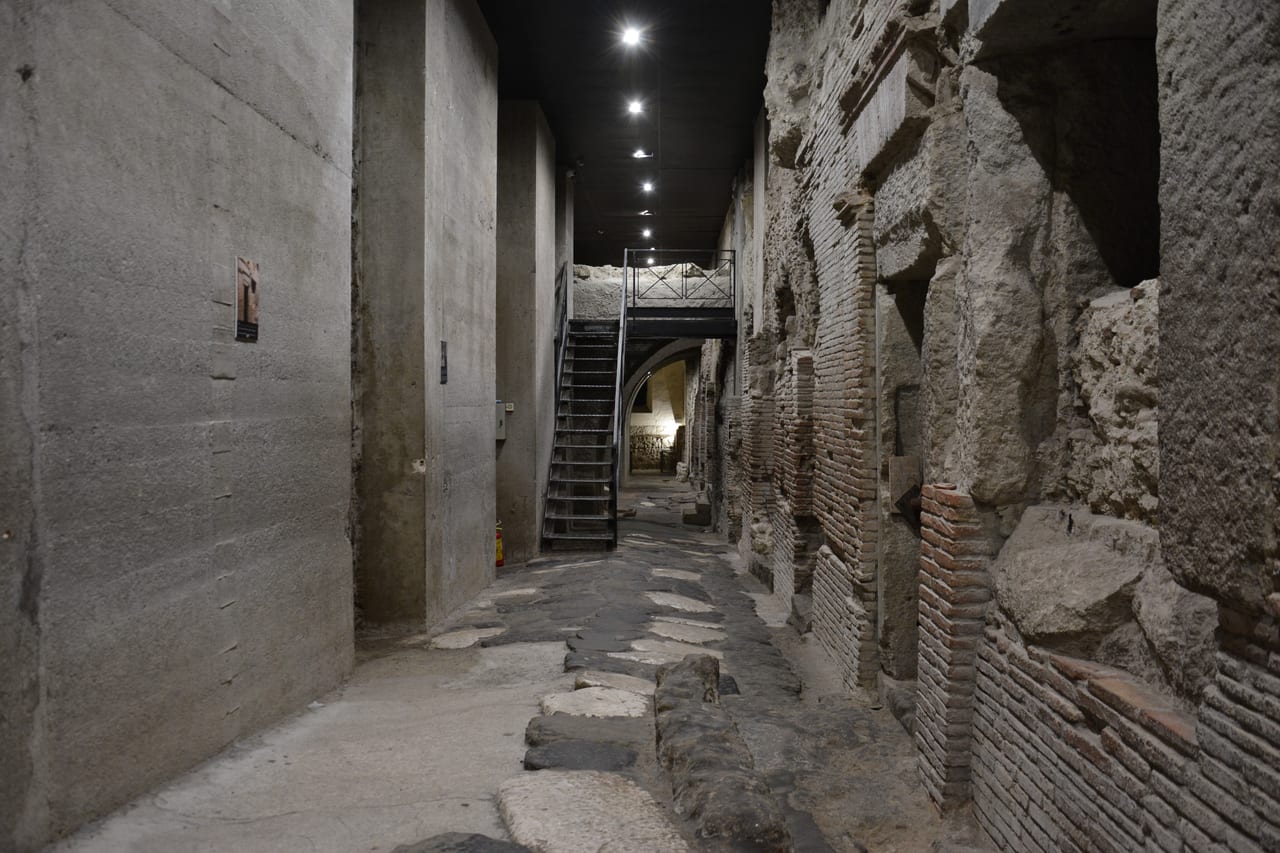
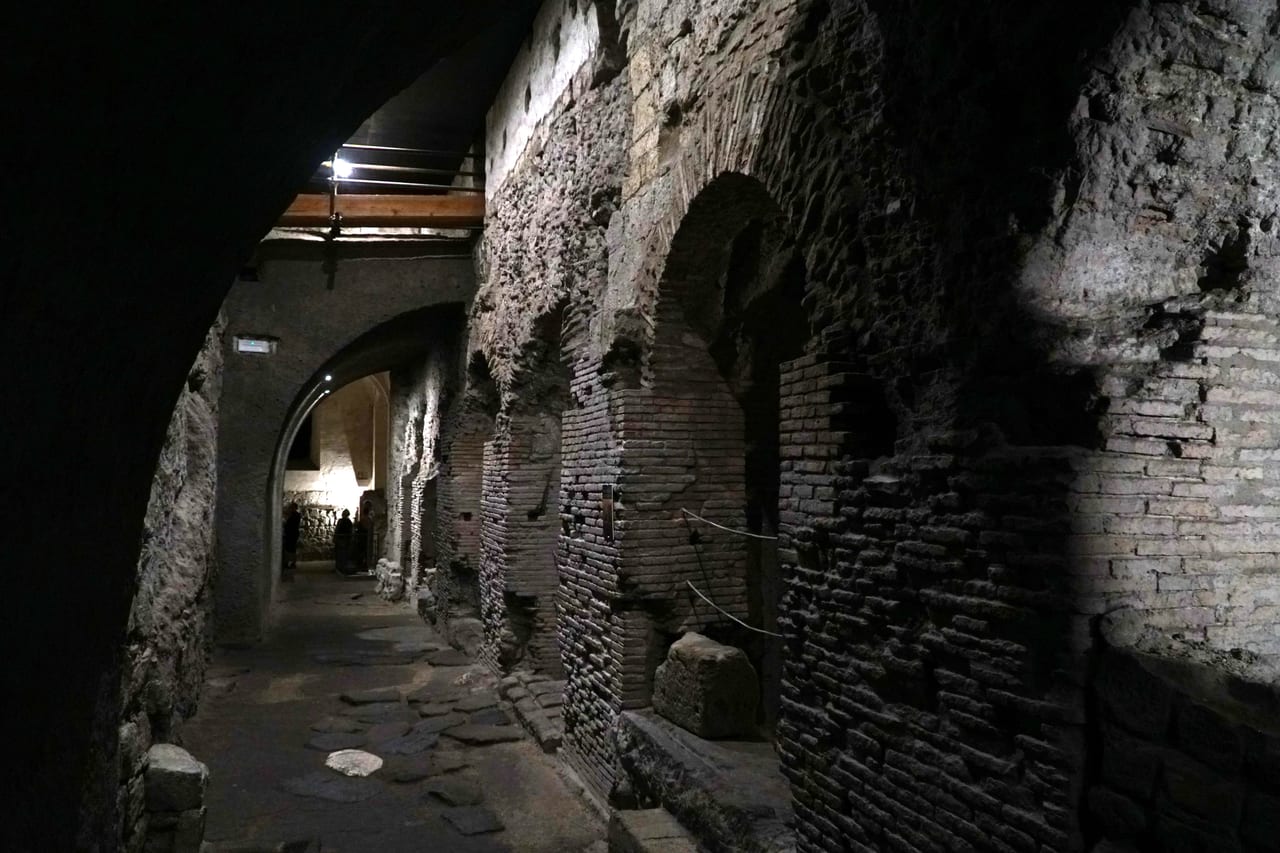
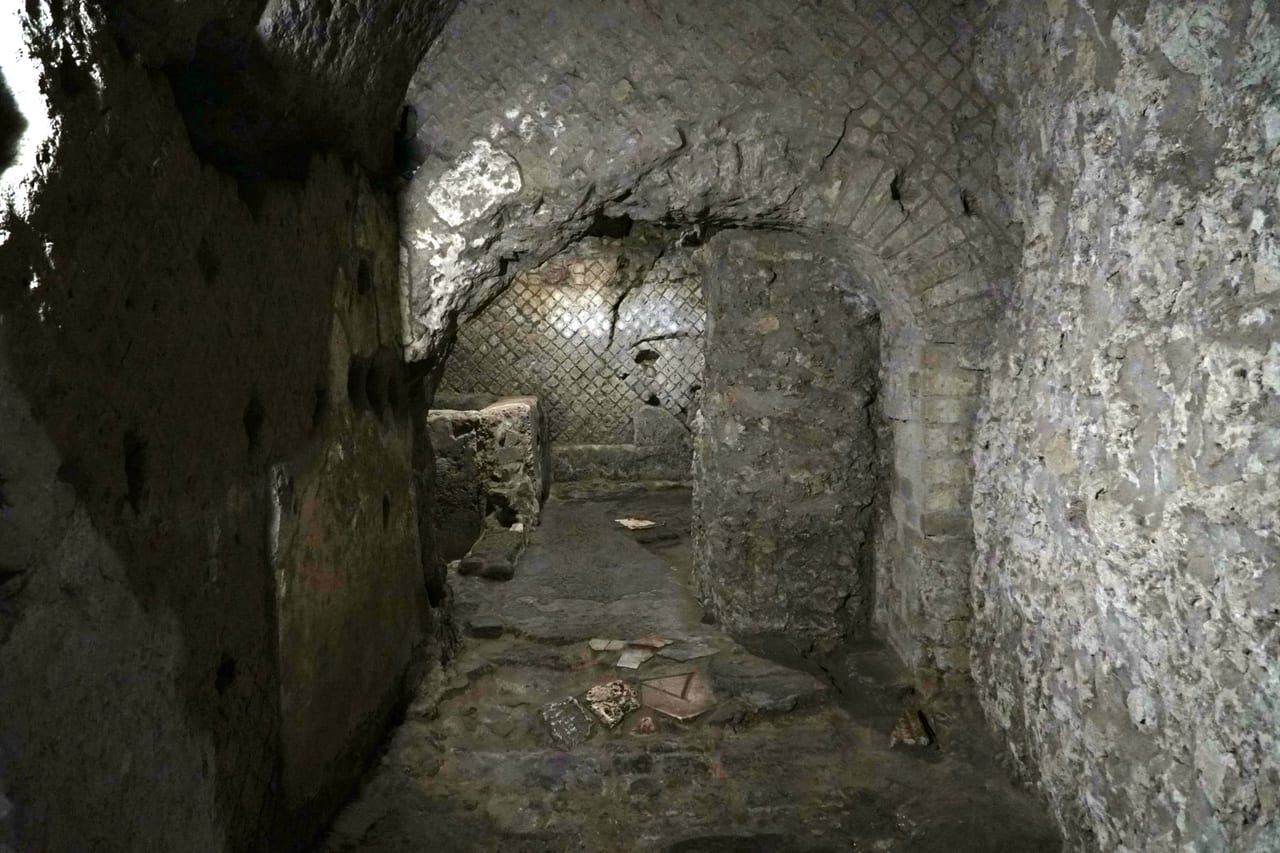
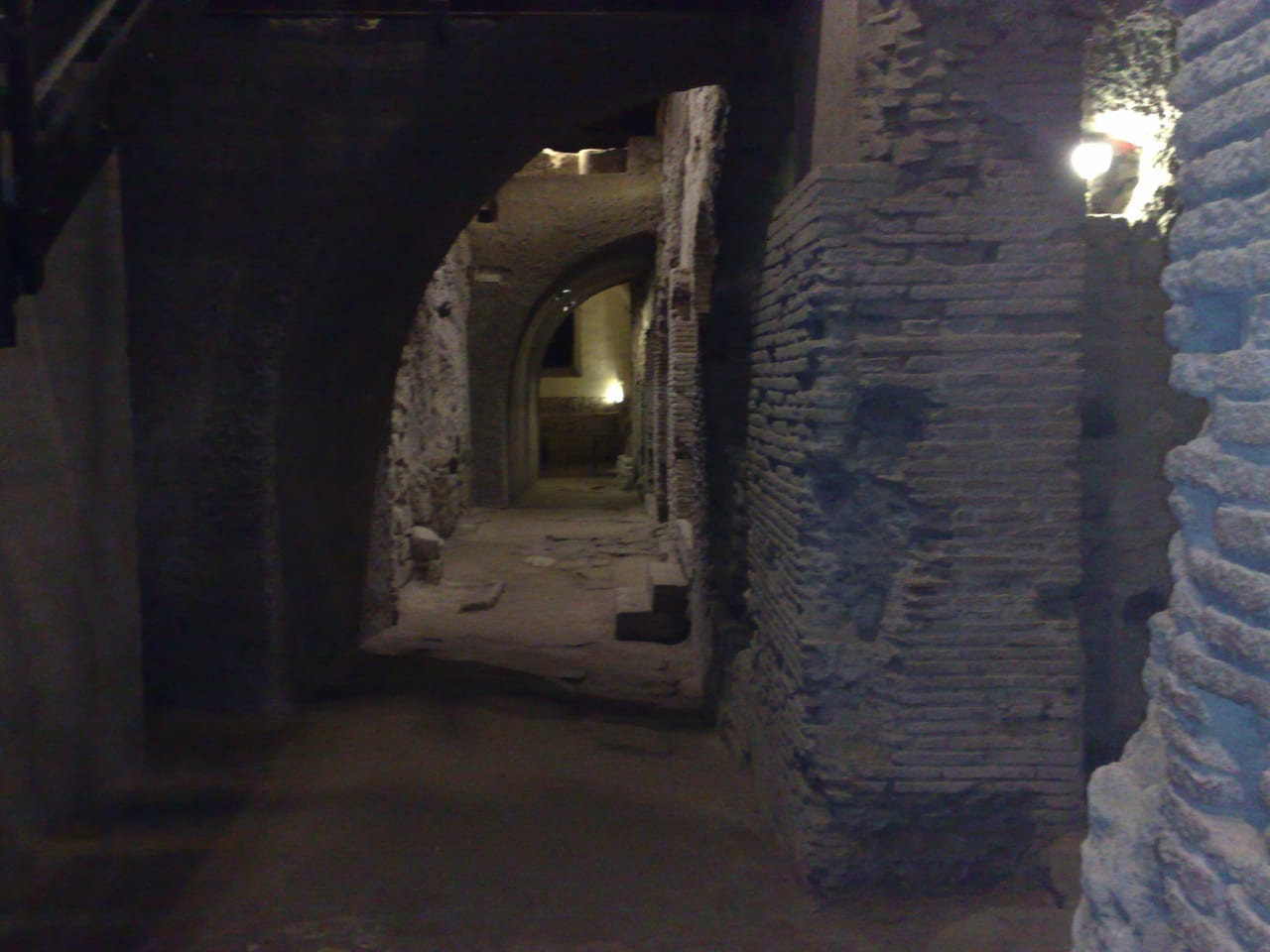
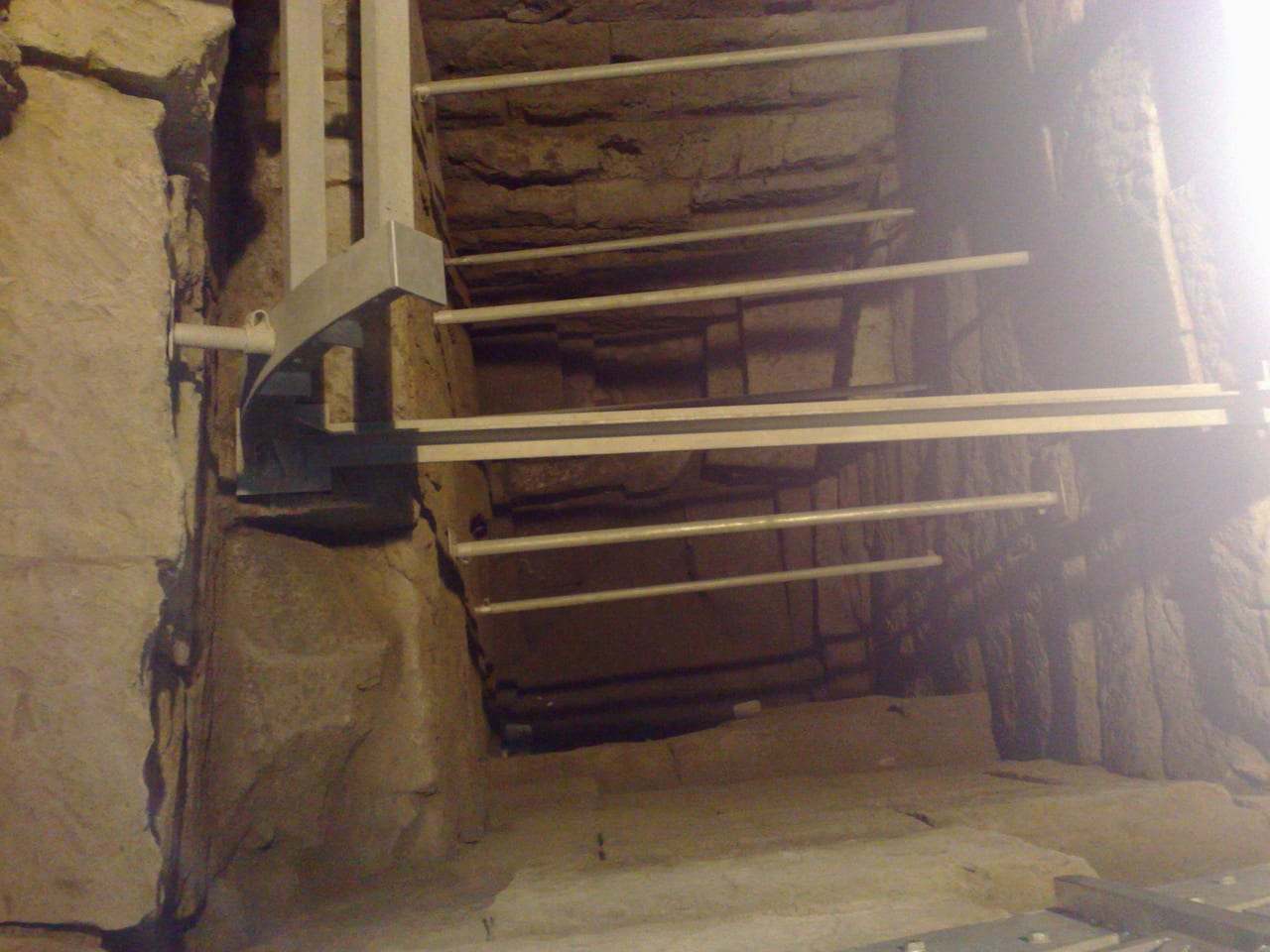
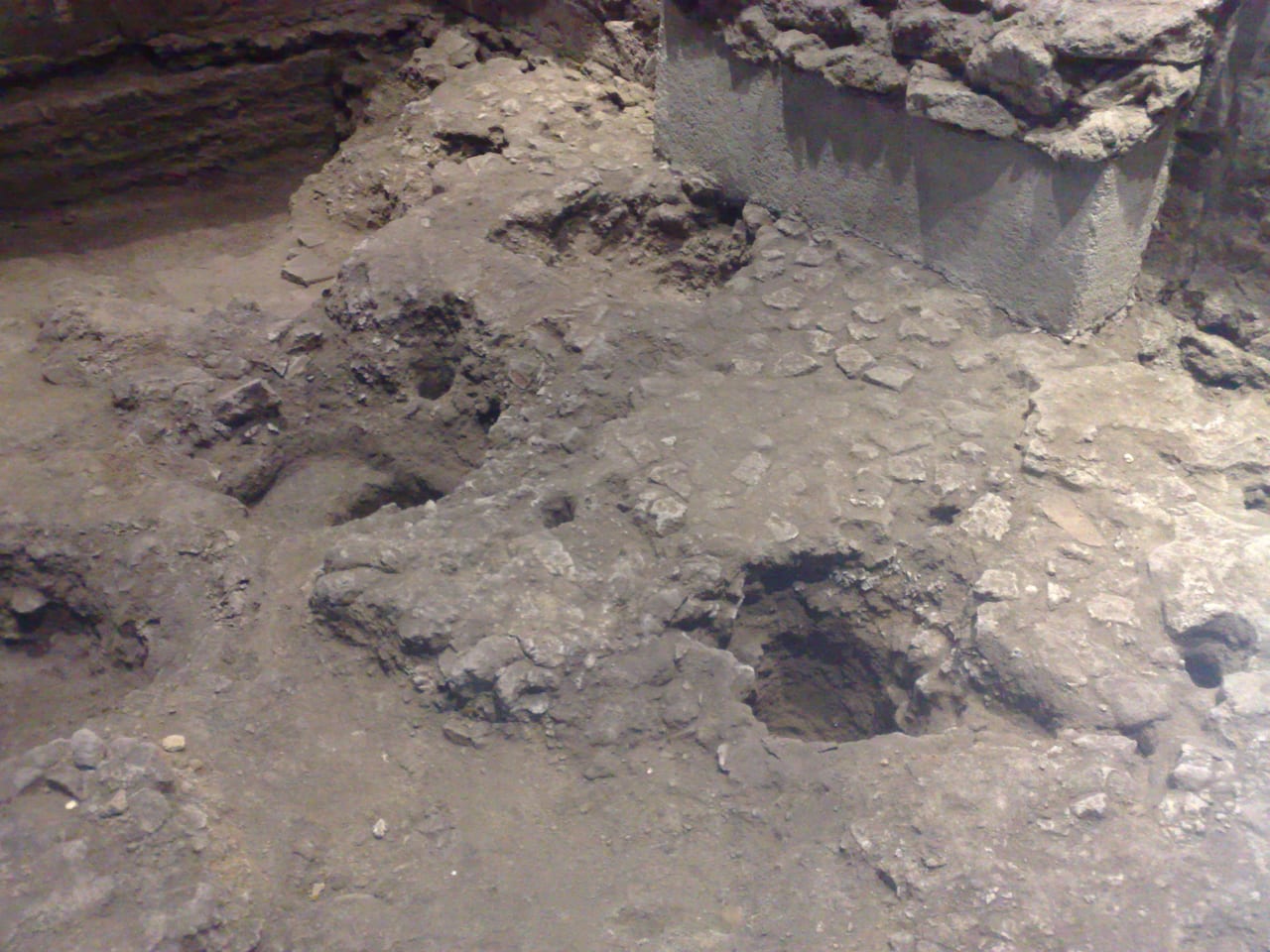
Photograph 1 of 23 of Macellum of Naples
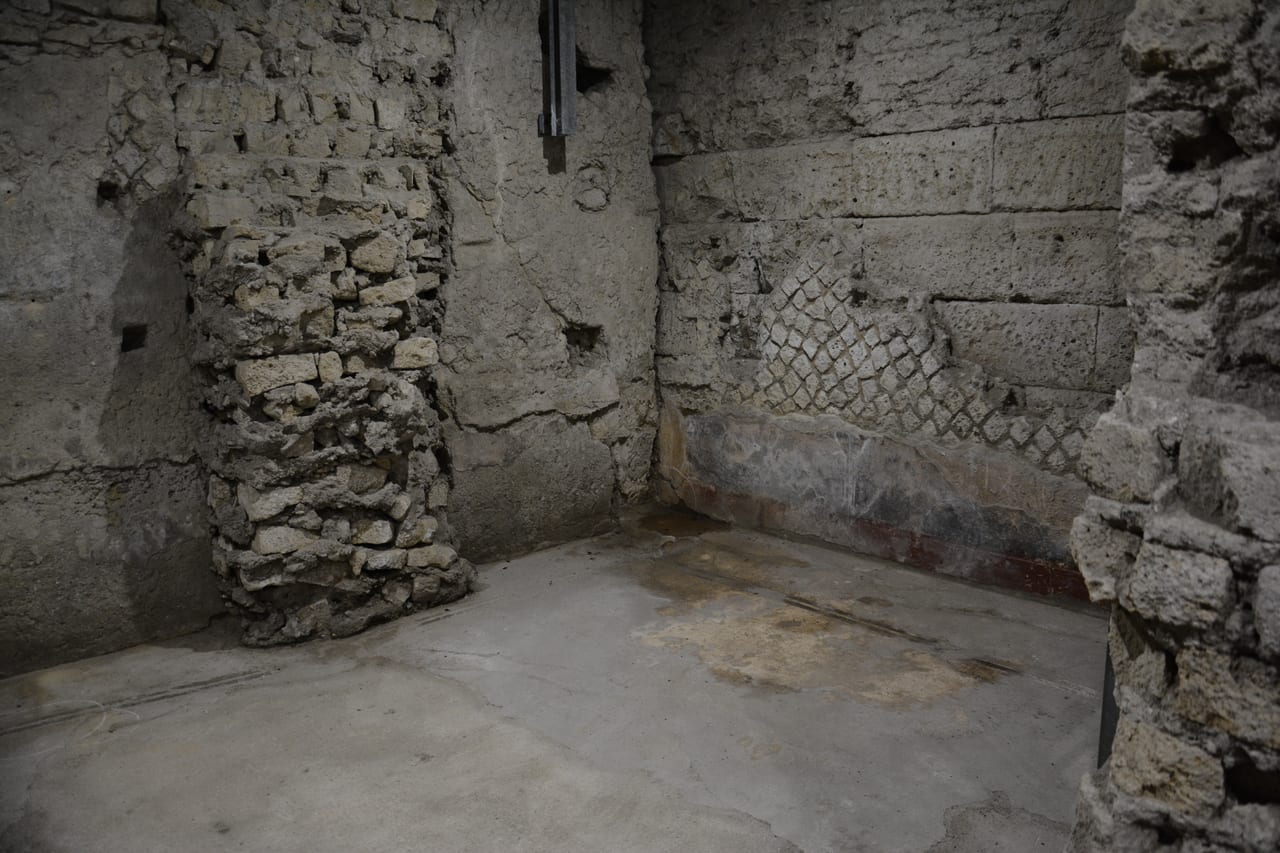
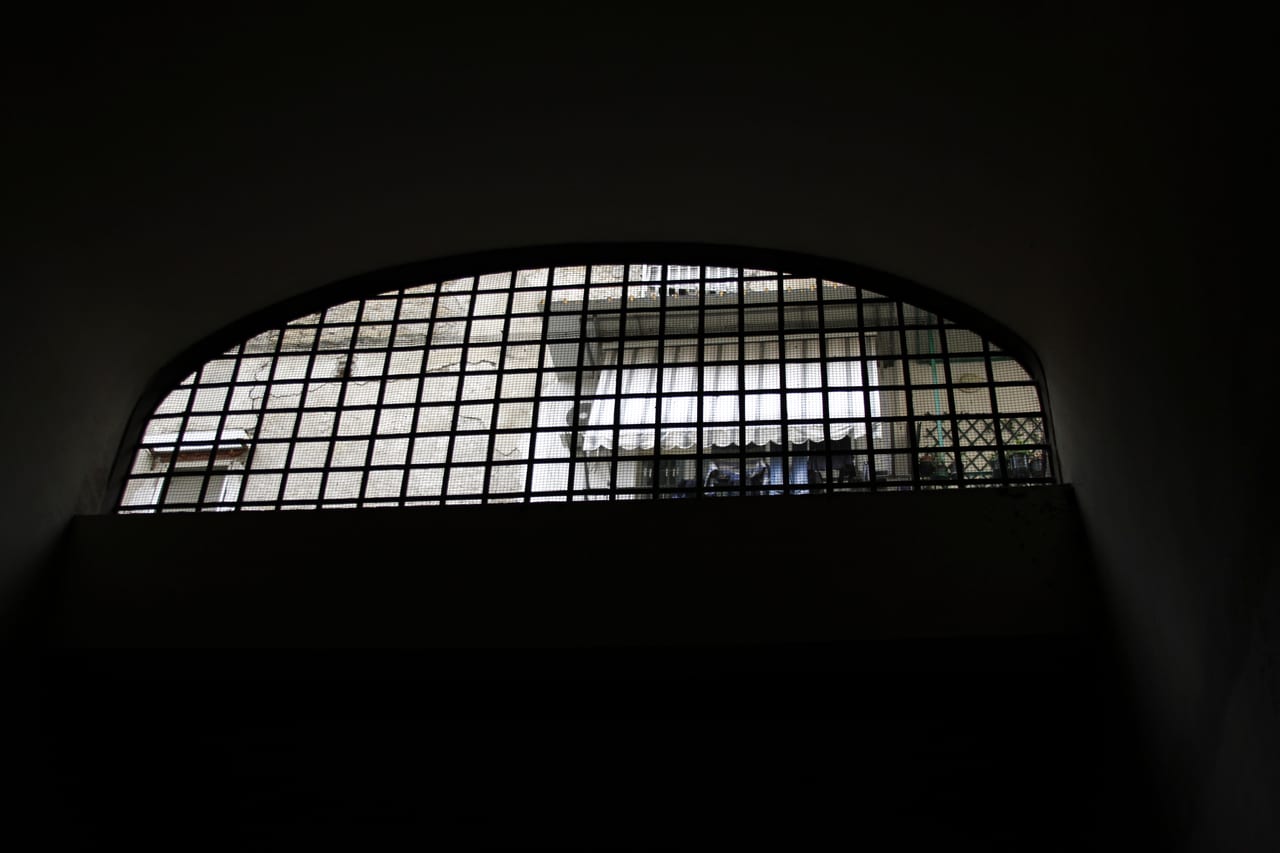
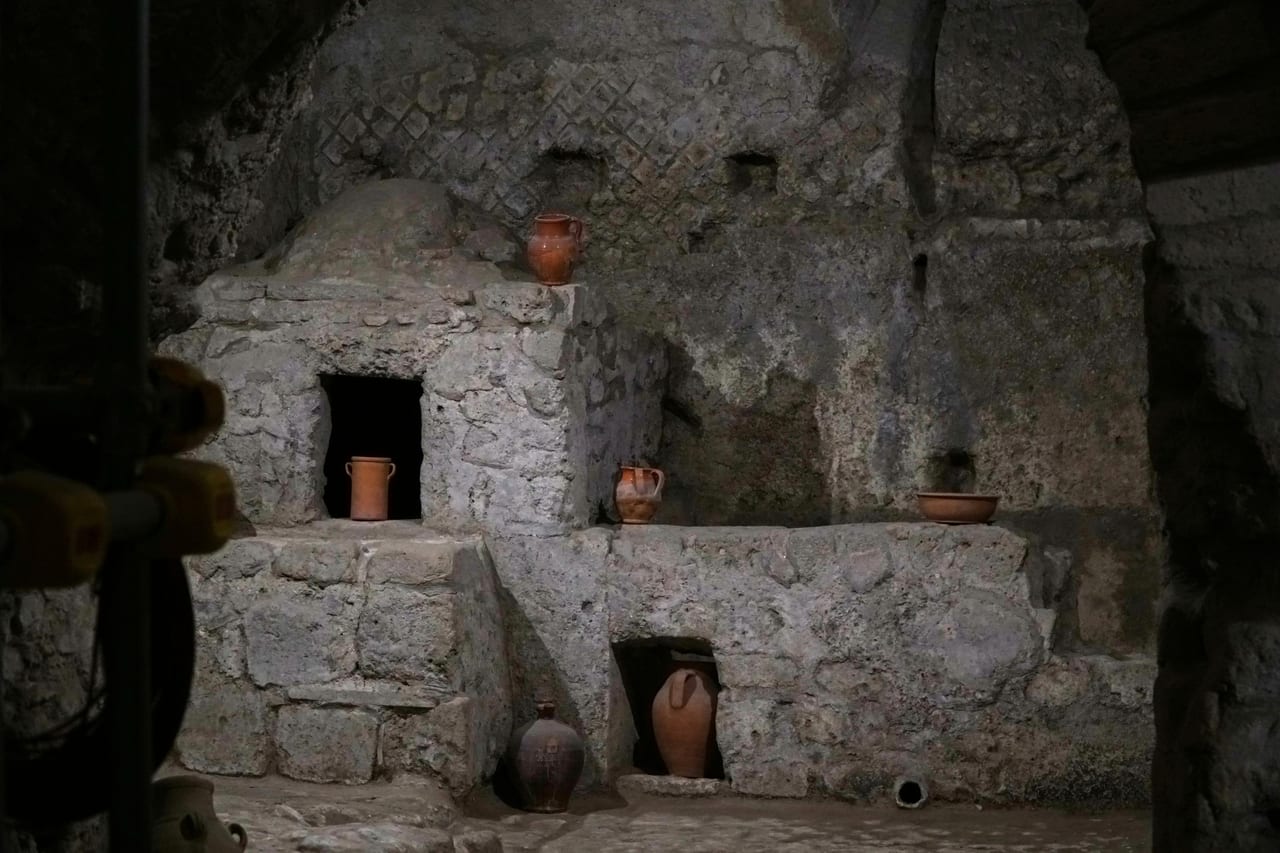
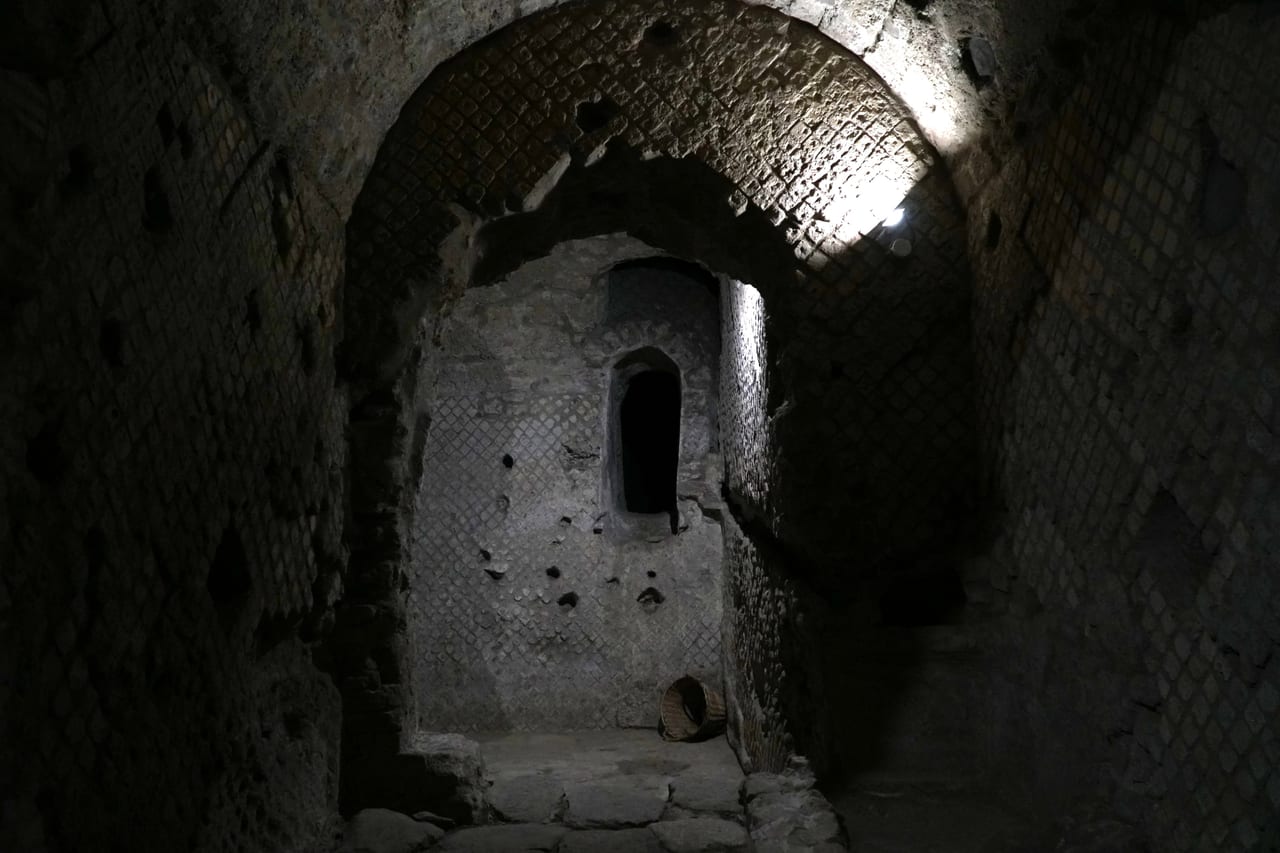
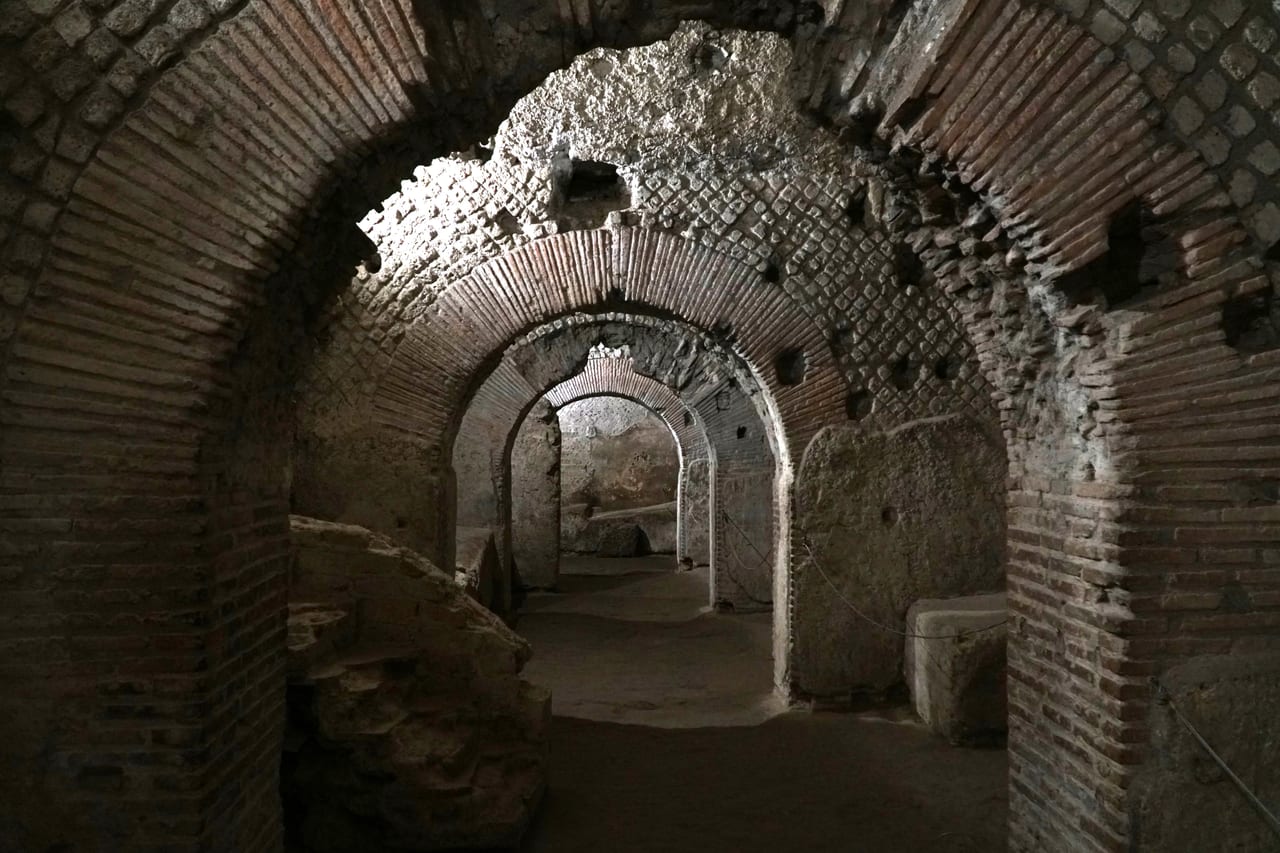
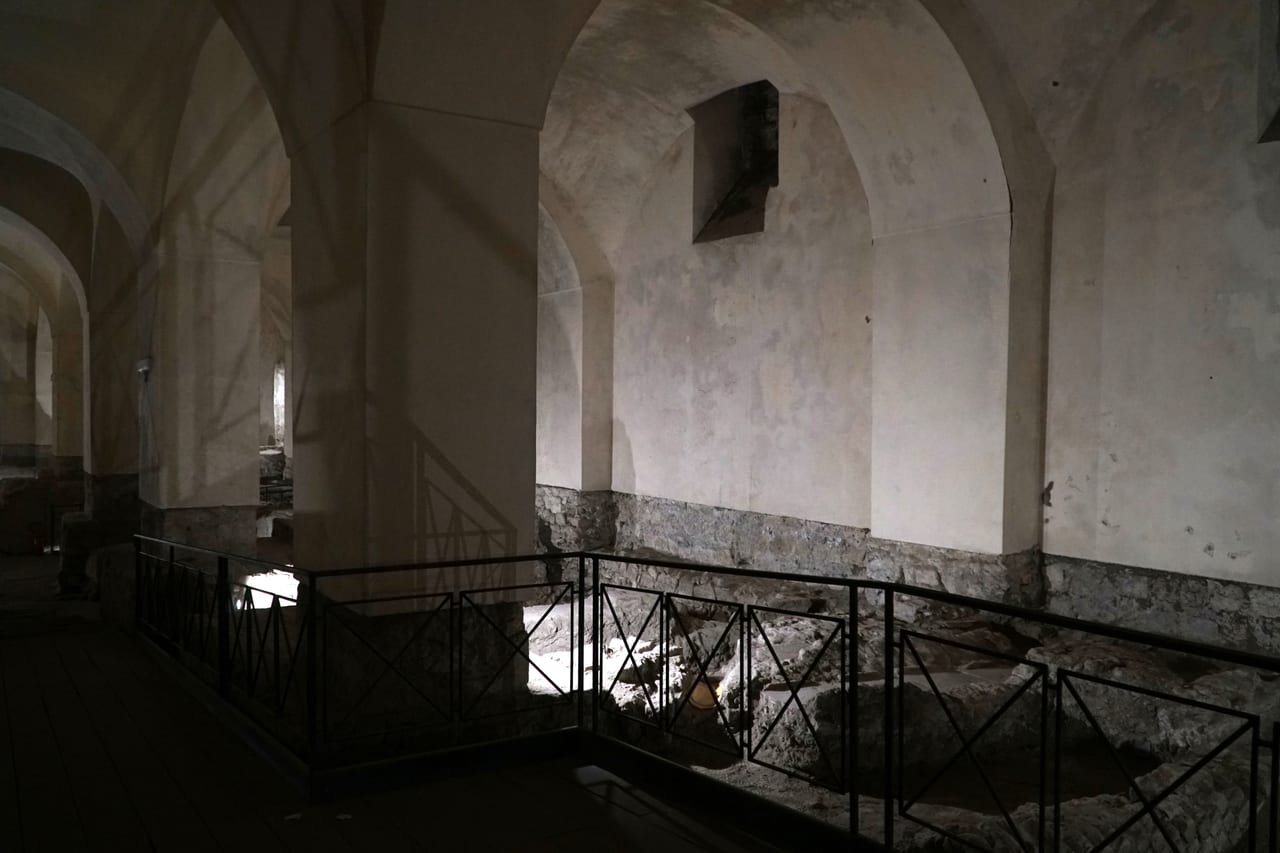
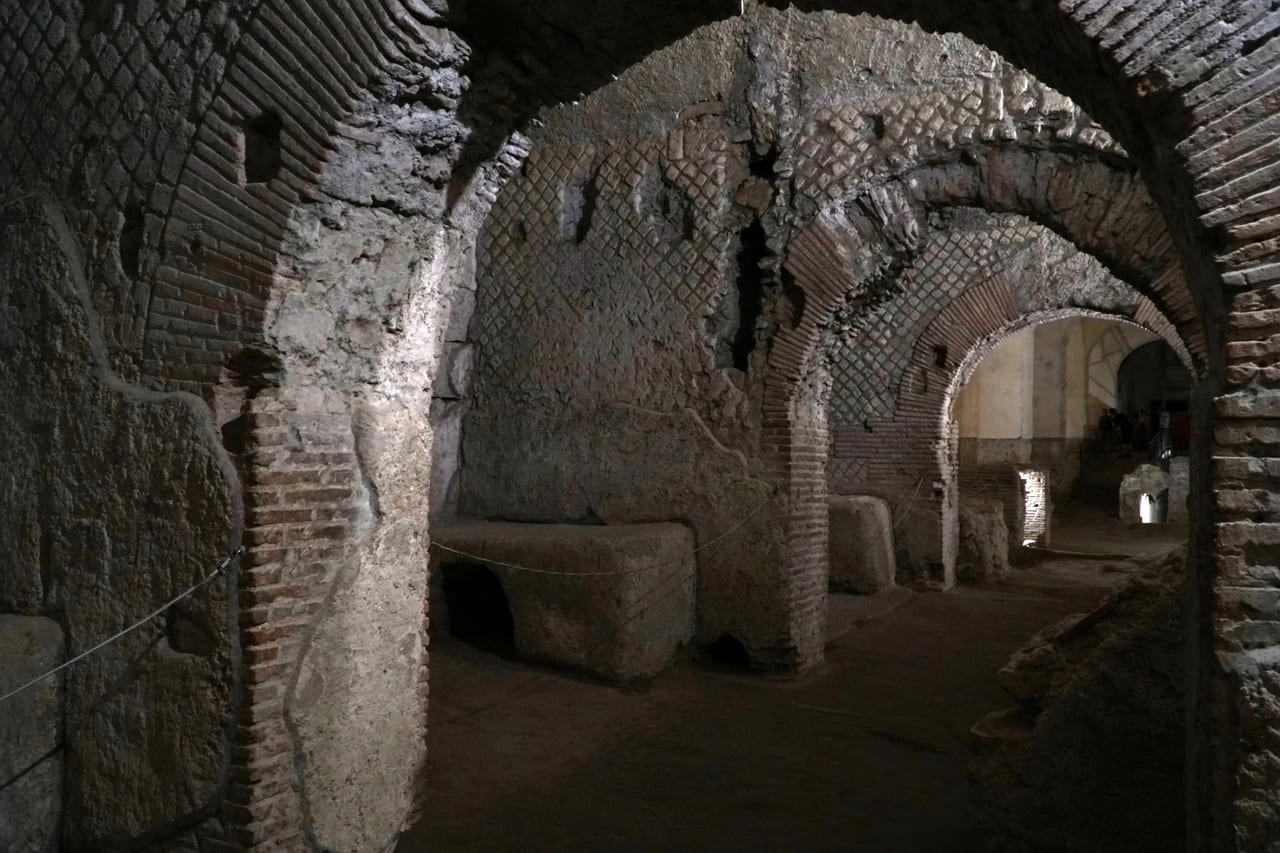
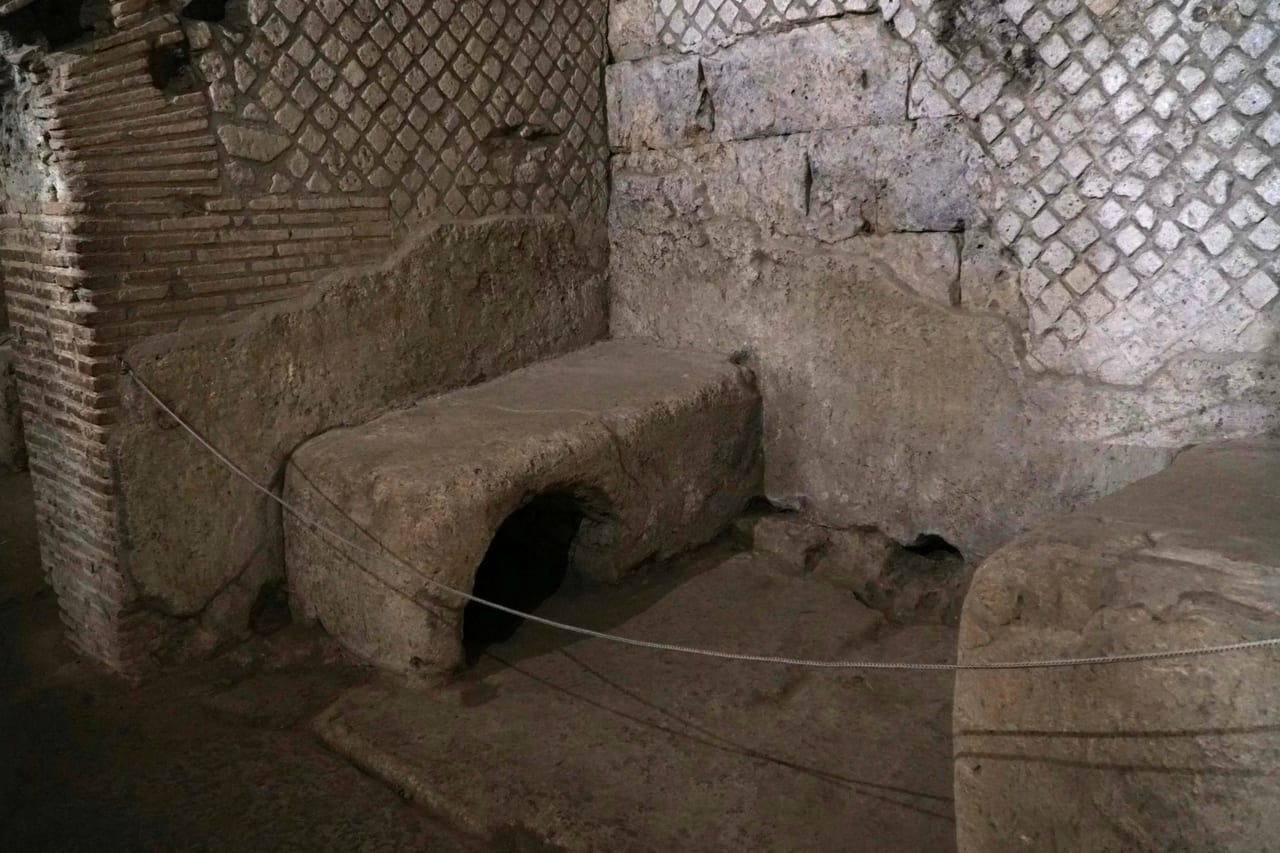
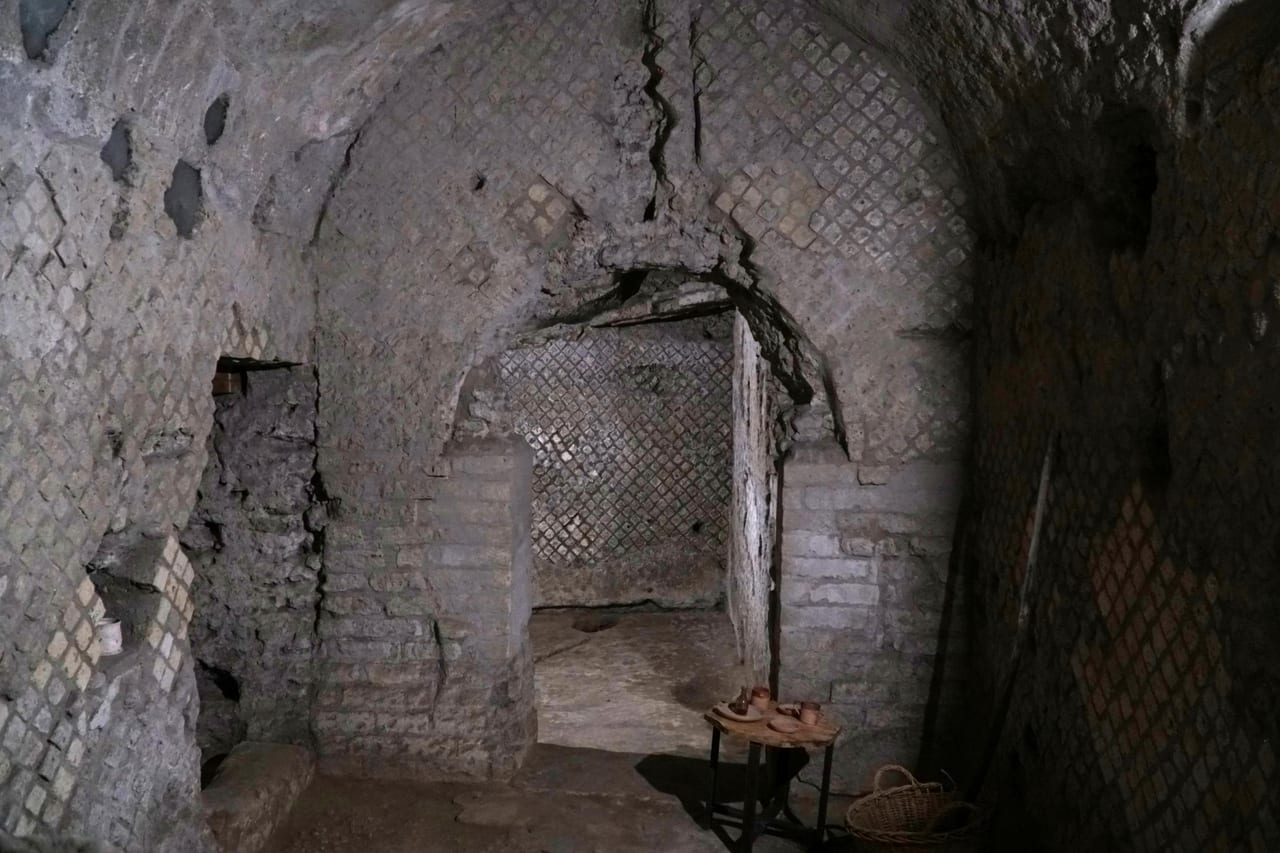
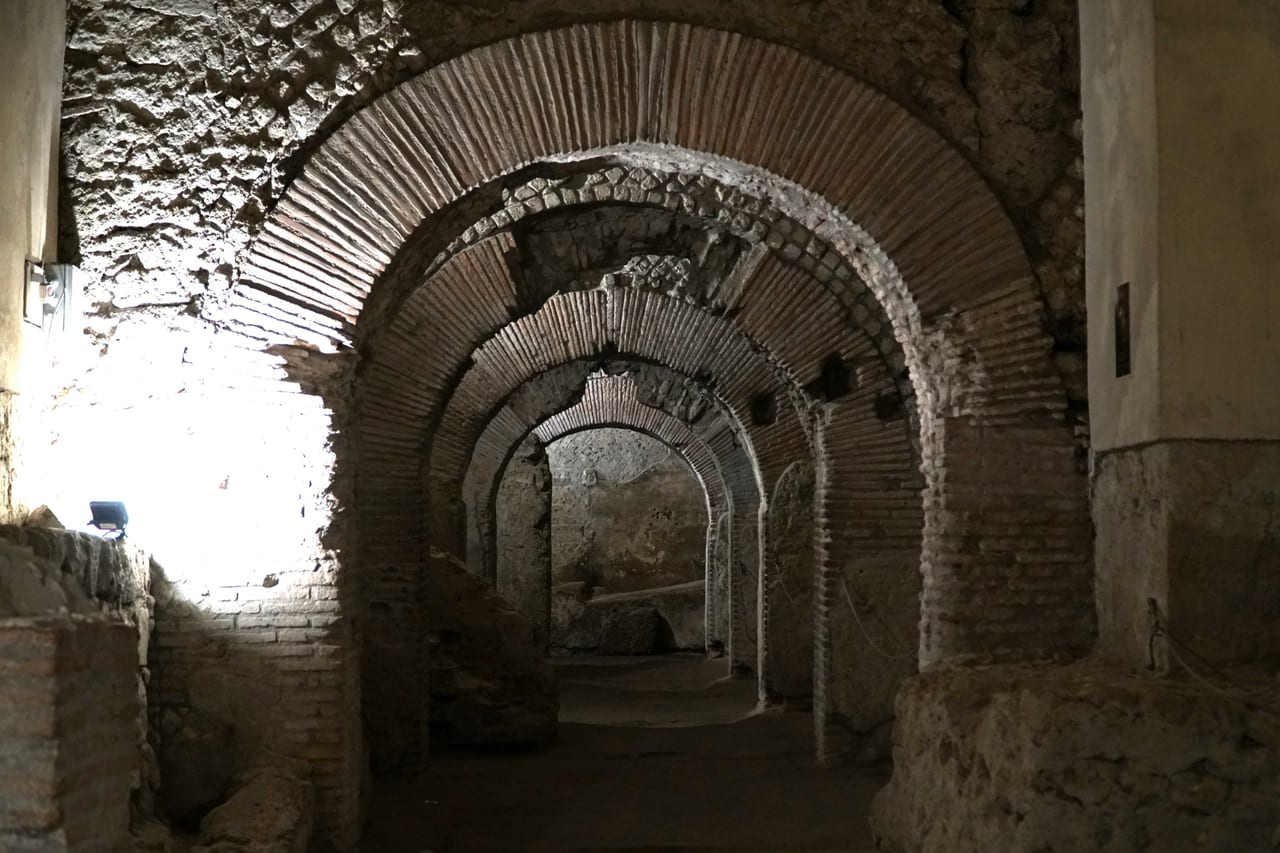
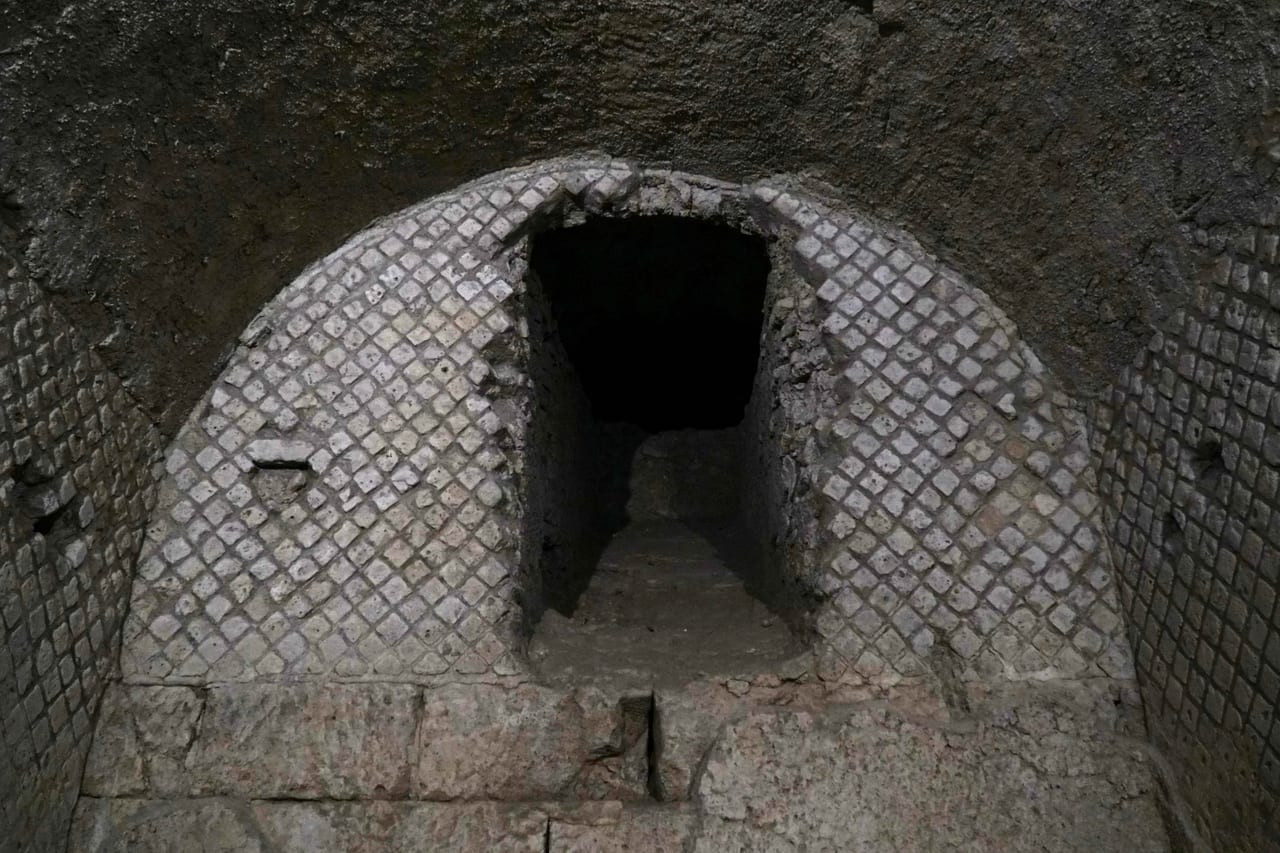
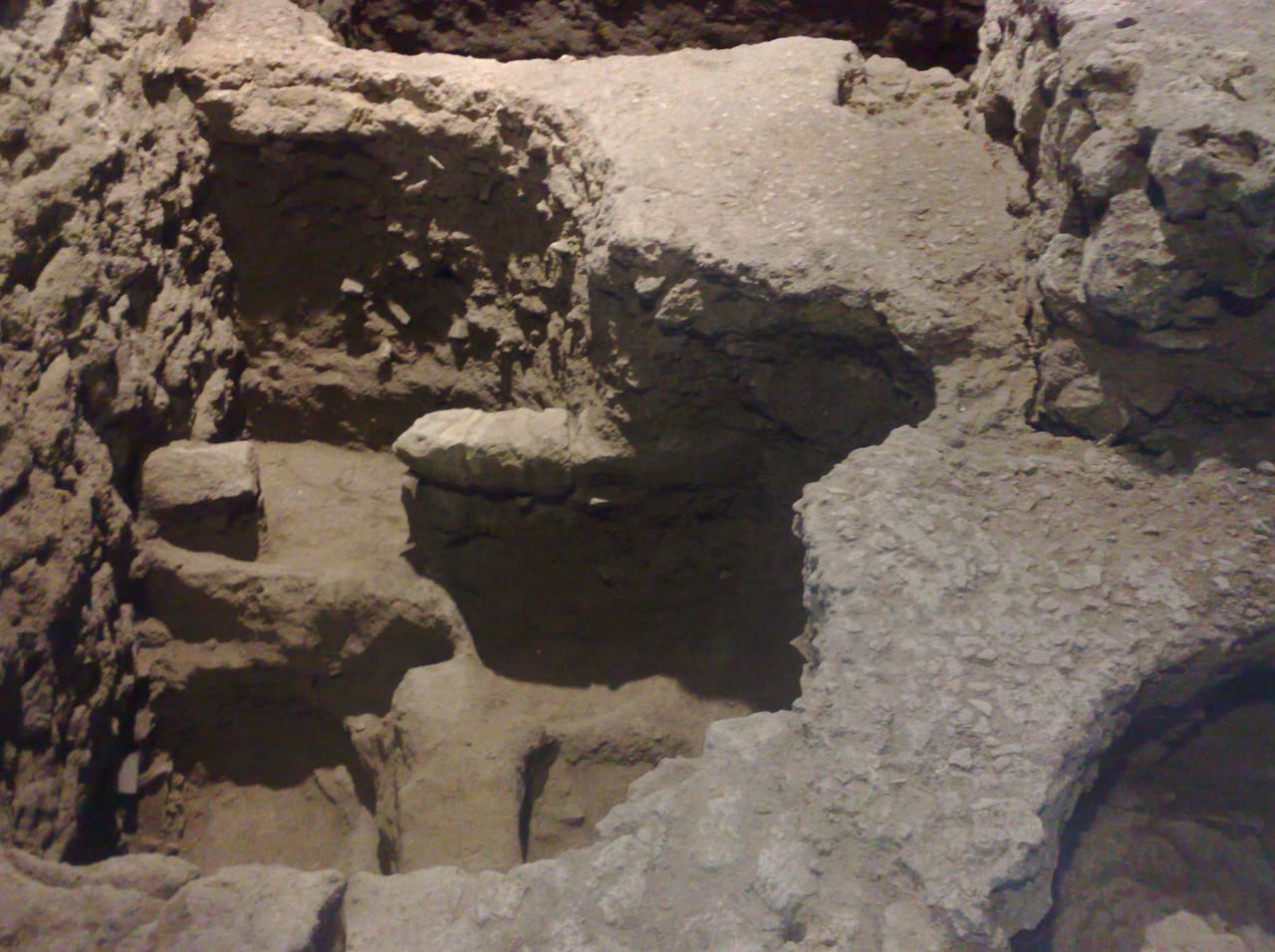
The site began in the 5th or 4th century BC, when this part of Neapolis formed the agora during the Greek period. When Neapolis became a Roman possession, the complex was transformed into a macellum, a market arranged around trade and food selling. The rectangular plan included a porticoed zone lined with workshops and an internal open courtyard decorated with mosaic floors. The northern entrance opened towards the route now followed by Via dei Tribunali. A circular tholos stood at the courtyard’s centre, while smaller tabernae, a laundry and the treasury occupied the surrounding market complex. In the 5th century AD, flooding probably caused a mudslide that covered the structure. An early Christian basilica was then built above it, followed by successive construction over the centuries. This layered development placed the ancient market beneath the church of San Lorenzo Maggiore and made its surviving remains part of a larger architectural and archaeological story.
Ways to explore Macellum of Naples
Visit the archaeological area through the monumental complex of San Lorenzo Maggiore. Start by orienting yourself to the market’s former northern entrance, then trace the rectangular layout through the porticoed area and courtyard. Examine the mosaic flooring and distinguish the small tabernae, laundry and treasury from the central circular tholos, whose position reveals how the market was organised. The contrast between the Roman remains below and the church above is central to the experience.
Places to stay near Macellum of Naples

Live availability and prices from Stay22's partners, refreshed periodically and subject to change. Booking through these links may earn us a commission at no extra cost to you. See our privacy policy.
Cafés near Macellum of Naples
Cafés near Macellum of Naples loads as you scroll.
Attractions nearby
Attractions near Macellum of Naples loads as you scroll.
Cities nearby
Cities nearby loads as you scroll.
More in Naples
See more of Naples.
Find great cafés, places to stay and other interesting places to visit in Naples.