Ancient site · Naples
Lucullus' villa in Naples
DirectionsLucullus’ lavish banquets left a permanent mark on Italian: “luculliano” still describes a meal of exceptional abundance and delight.
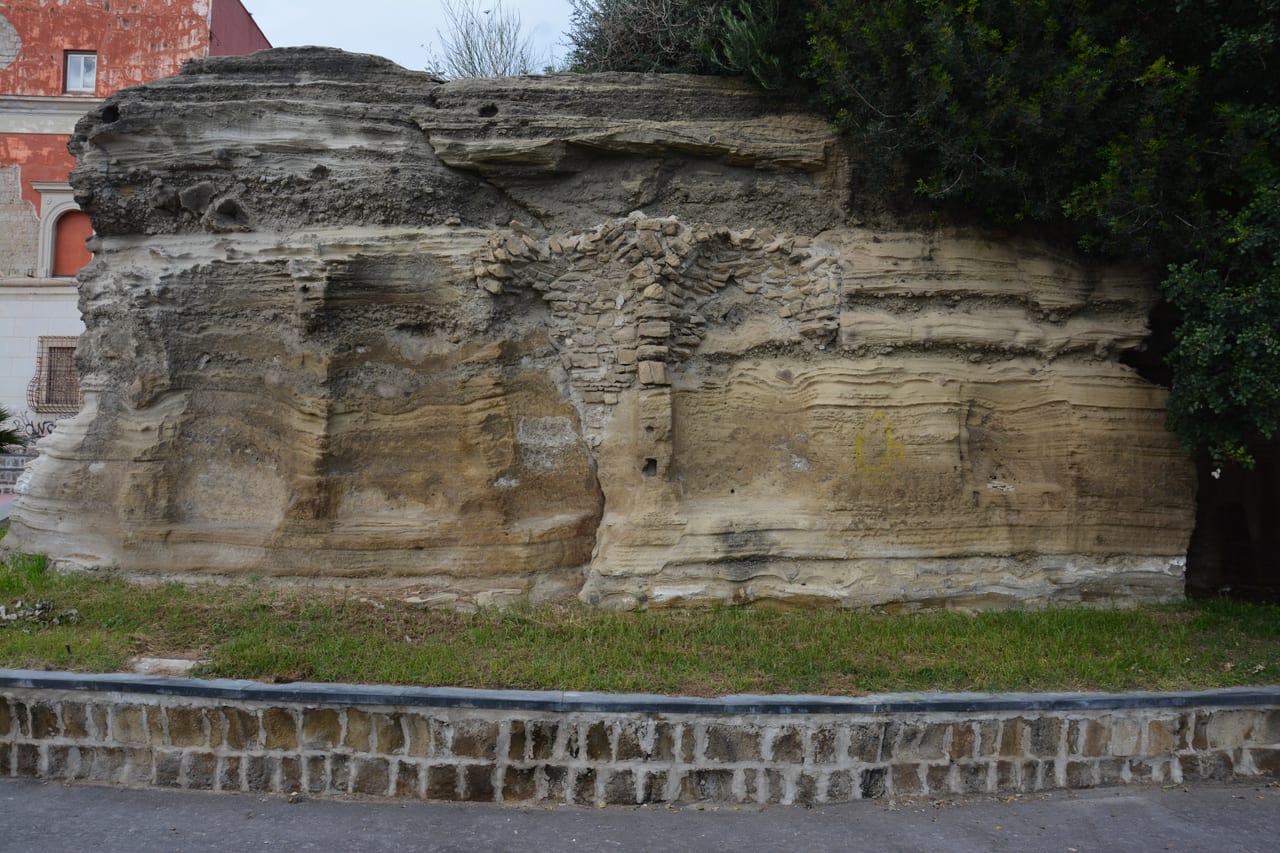
Photograph 1 of 3 of Lucullus' villa in Naples
Built by the Roman general Lucius Licinius Lucullus in the 1st century BC, the villa extended from the islet of Megaride to Monte Echia, probably reaching south-east towards the area around Maschio Angioino and Piazza Municipio. It incorporated fishponds, sea piers, a substantial library, moray-eel breeding pools, Persian peach trees and cherries brought from Cerasunto. After Lucullus’s death, the estate passed to the Roman emperor and gradually lost its prominence. Under Valentinian III it became a fortress, the castellum Lucullanum, where Romulus Augustulus, the last Western Roman emperor, was exiled. Byzantine monks later converted the fortress into a monastery, building halls over the Roman remains for refectories, scriptoria and burials. The so-called Sala delle Colonne beneath Castel dell’Ovo preserves Roman columns within a four-aisled space with raised arched vaults. Near the end of the 10th century, Neapolitans destroyed the monastery to prevent its use by Saracen forces. The Normans rebuilt the castle, while military alterations, earthquakes and changing uses erased much of the villa’s original form. Further remains have emerged on Pizzofalcone and near Piazza Municipio.
Ways to explore Lucullus' villa in Naples
Begin with the underground remains associated with Castel dell’Ovo, especially the Sala delle Colonne; access to the surviving subterranean sections may be restricted. Continue to Pizzofalcone to identify other traces embedded in the hillside, then look towards the archaeological discoveries near Piazza Municipio.
Places to stay near Lucullus' villa in Naples

Live availability and prices from Stay22's partners, refreshed periodically and subject to change. Booking through these links may earn us a commission at no extra cost to you. See our privacy policy.
Cafés near Lucullus' villa in Naples
Cafés near Lucullus' villa in Naples loads as you scroll.
Attractions nearby
Attractions near Lucullus' villa in Naples loads as you scroll.
Cities nearby
Cities nearby loads as you scroll.
More in Naples
See more of Naples.
Find great cafés, places to stay and other interesting places to visit in Naples.