Church · Naples
Gesù e Maria Complex
DirectionsDomenico Fontana gave the church an unusual Neapolitan façade with two campanili, a Roman architectural solution that still distinguishes the complex.
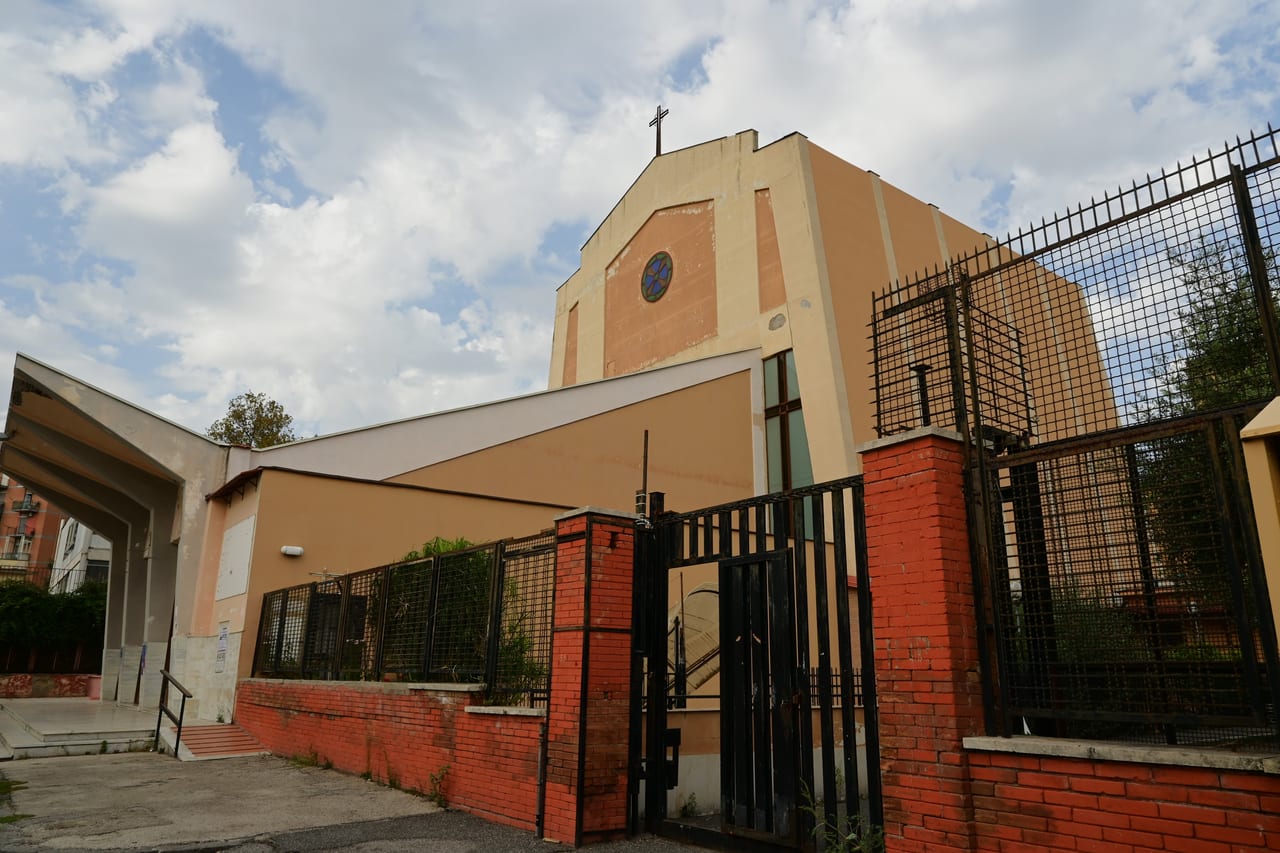
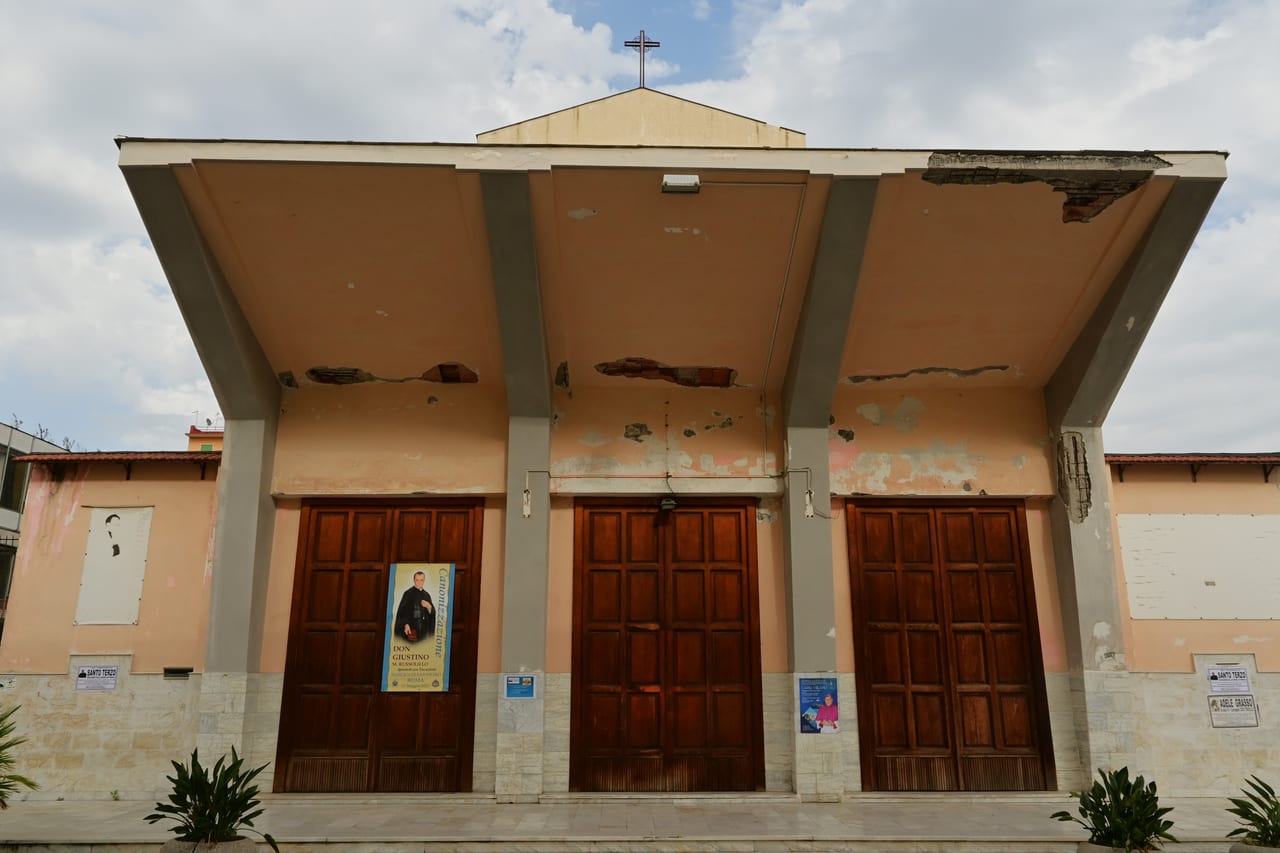
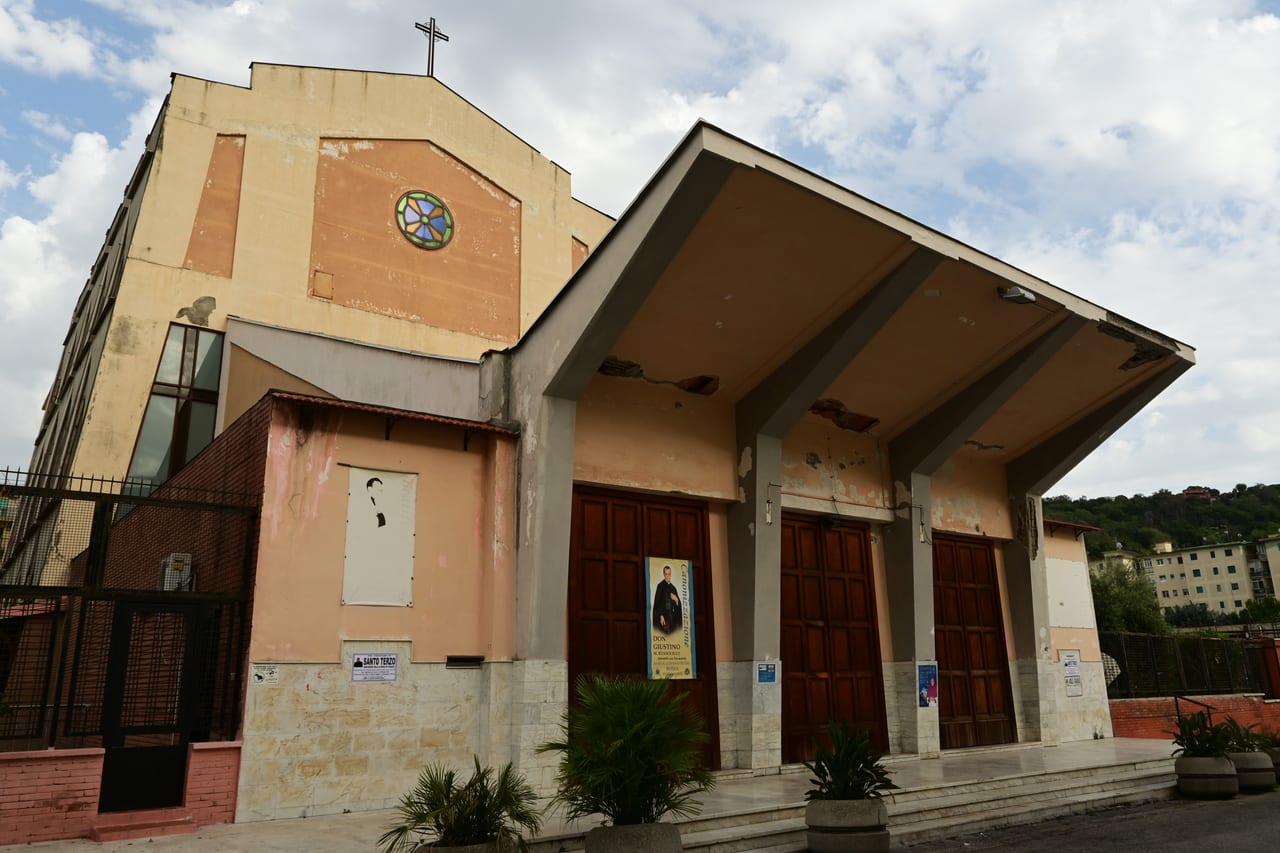
Photograph 1 of 3 of Gesù e Maria Complex
Founded in 1580 on the initiative of the Dominican friar Silvio d’Atripalda, the complex began on land obtained from Ascanio Coppola. In 1585, Domenico Fontana enlarged the small church and reshaped it in the Baroque style, with funding from Neapolitan nobles and prelates including Ferrante Caracciolo, first duke of Airola. The church has a broad nave, a dome and an irregular transept. The Dominican presence ended in 1812, when the order was expelled during the French decade’s confiscation of ecclesiastical property. In 1863, after passing to another order, the complex became a hospital; the church was entrusted to a congregation. The hospital later hosted the Scuola della Croce Azzurra, founded in 1895 and among Italy’s earliest professional nursing schools. The hospital has since been dismantled. A temporary reopening took place for the 2012 Maggio dei Monumenti, while restoration of the surviving decoration remains unresolved. The complex is recognised as Italian national heritage.
At a glance
- Style
- baroque architecture
- Heritage
- Italian national heritage
Ways to explore Gesù e Maria Complex
When access is possible, inspect the broken arched pediment and the seventeenth-century Madonna and Child bust above the portal, then enter for the surviving work of Giovanni Bernardino Azzolino and Belisario Corenzio. Look for the San Raimondo chapel, the transept chapels, Isabella Guevara’s marble tomb by Dionisio Lazzari, Emilia Carafa’s monument and the remains of the wooden choir stalls. A recent restoration brought the maiolica floor and eighteenth-century furnishings back into view. Check opening arrangements in advance.
Places to stay near Gesù e Maria Complex

Live availability and prices from Stay22's partners, refreshed periodically and subject to change. Booking through these links may earn us a commission at no extra cost to you. See our privacy policy.
Cafés near Gesù e Maria Complex
Cafés near Gesù e Maria Complex loads as you scroll.
Attractions nearby
Attractions near Gesù e Maria Complex loads as you scroll.
Cities nearby
Cities nearby loads as you scroll.
More in Naples
See more of Naples.
Find great cafés, places to stay and other interesting places to visit in Naples.