Castle & palace · Naples
Castel Nuovo
DirectionsIn 1294, Castel Nuovo’s great hall witnessed Pope Celestine V’s abdication and, days later, the election of Boniface VIII—two decisive episodes in medieval European politics.

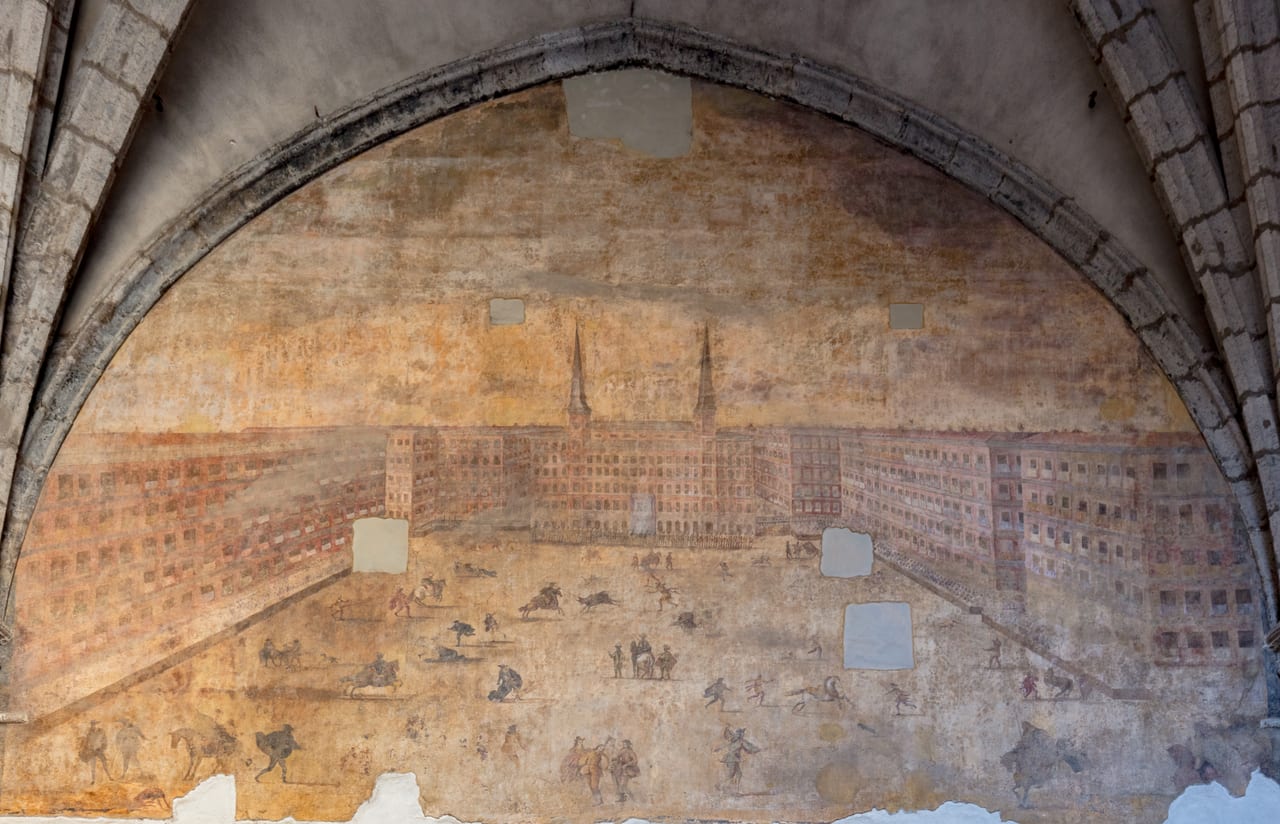
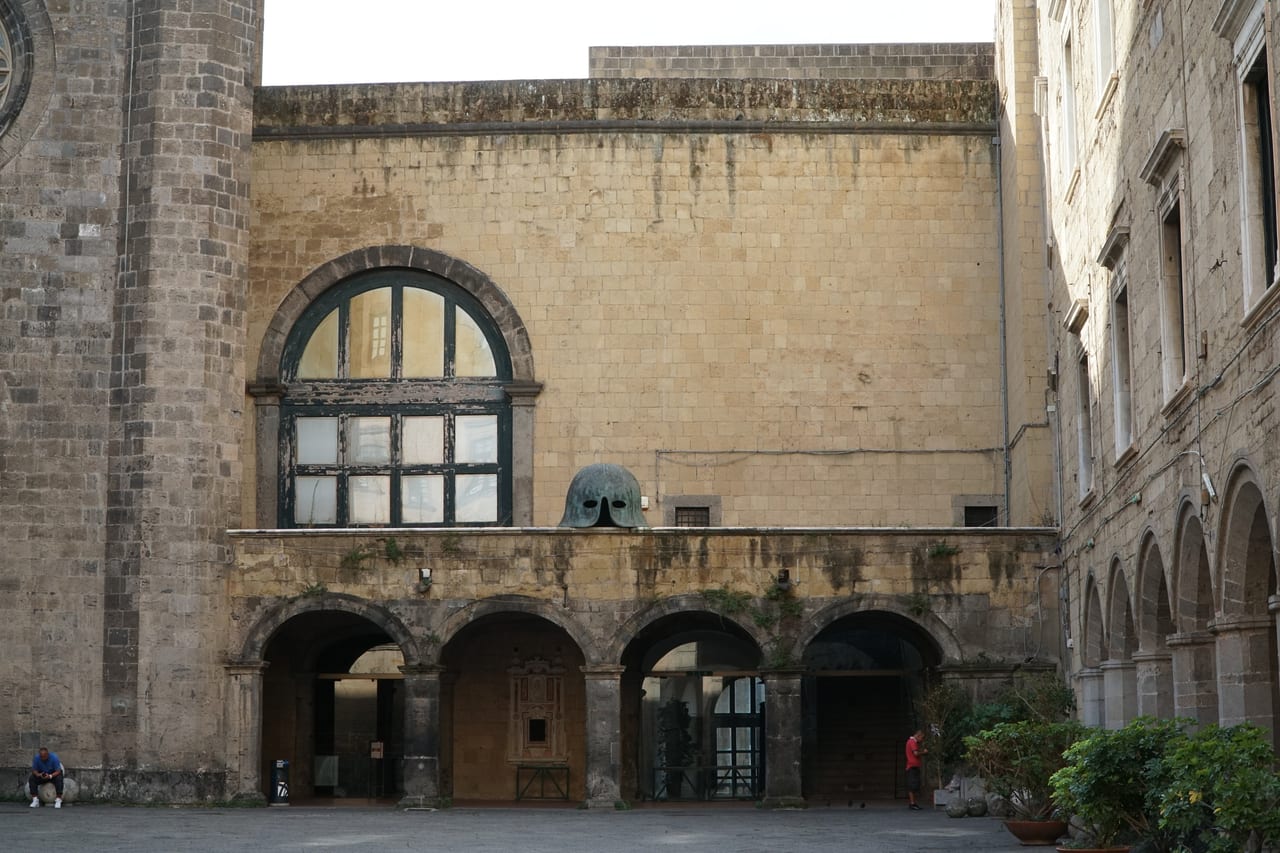
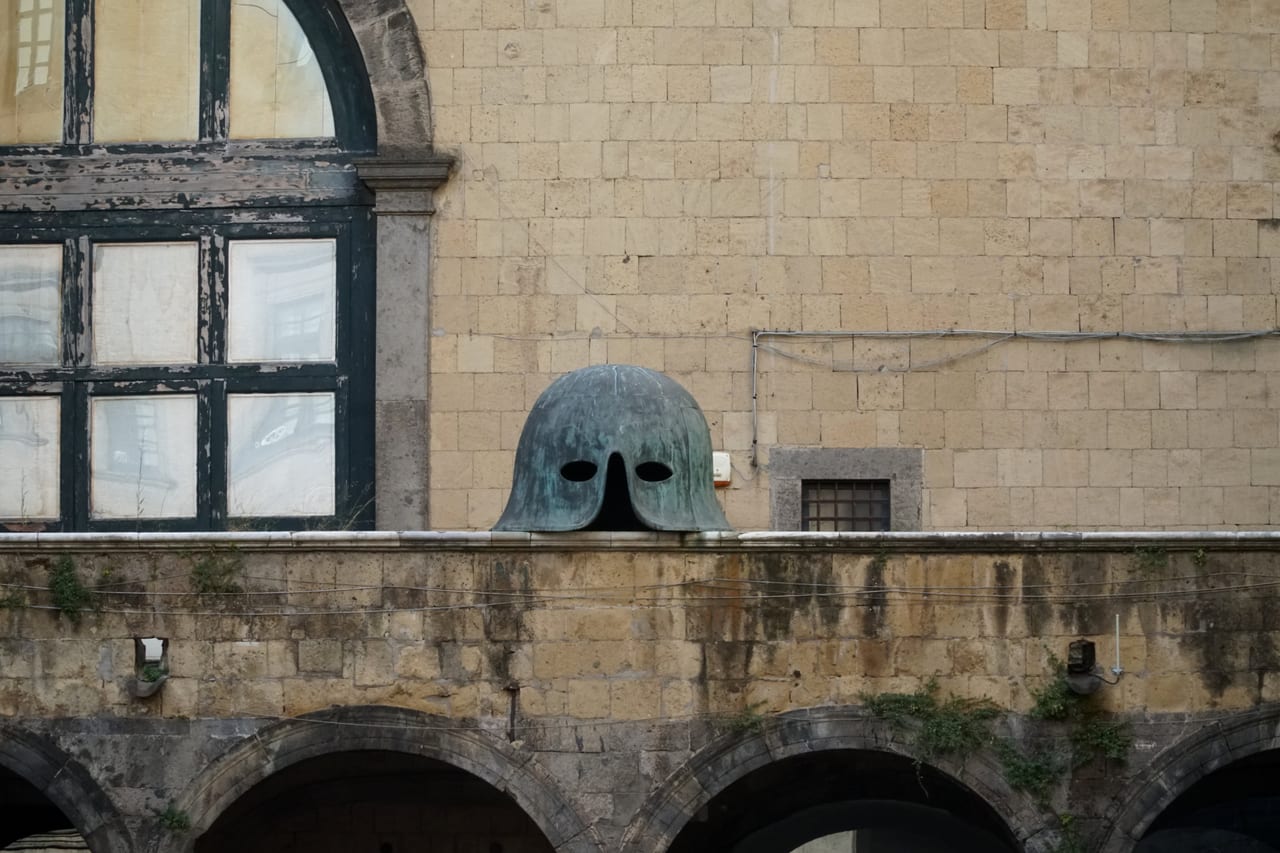
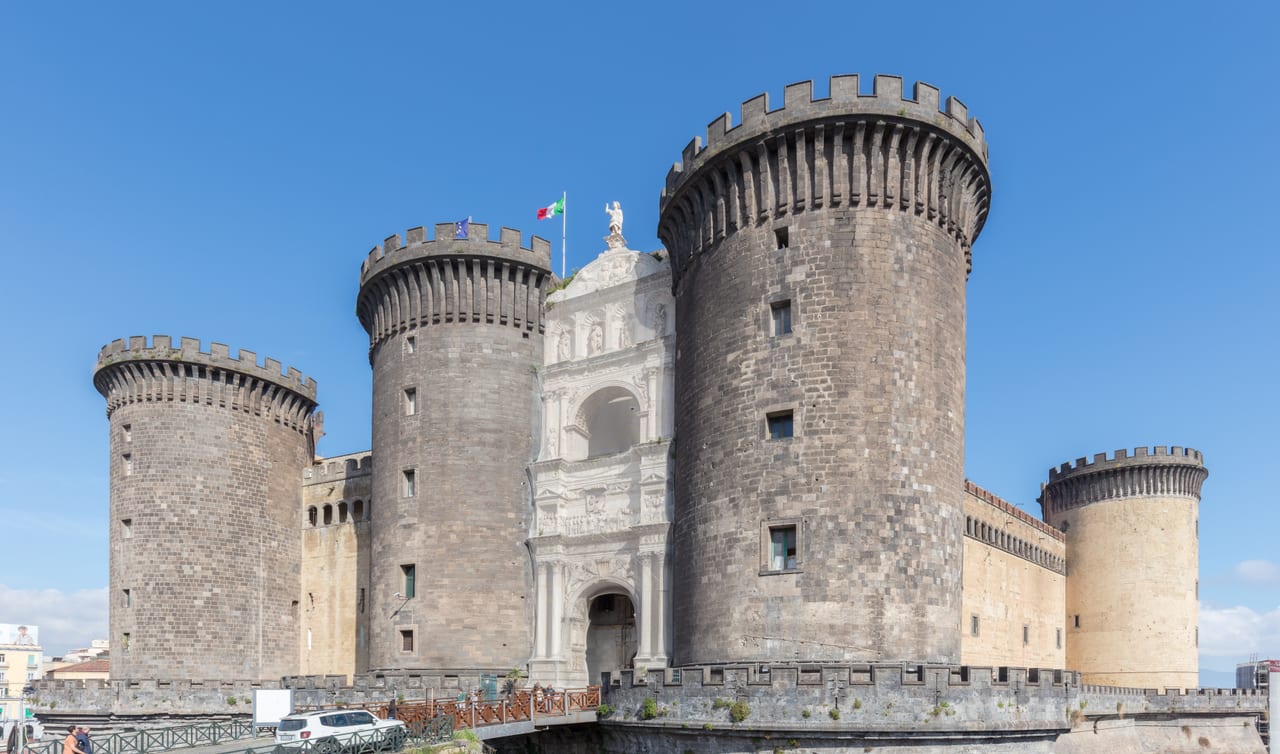
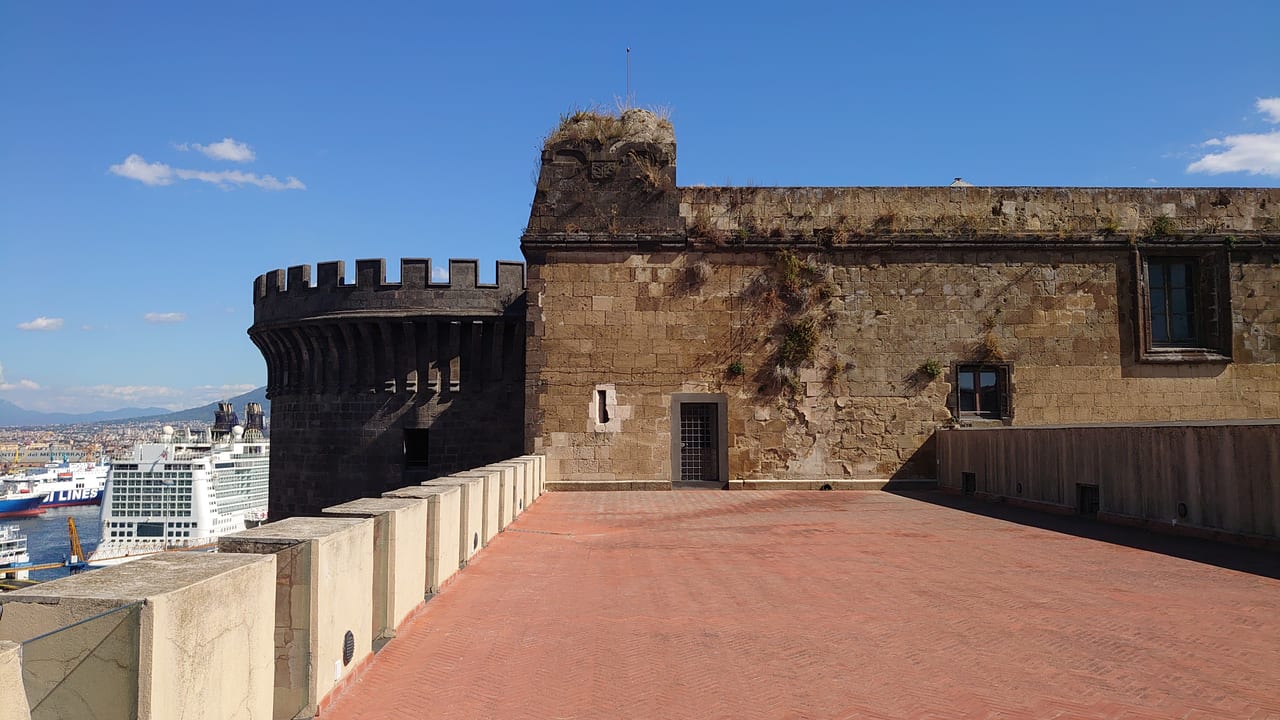
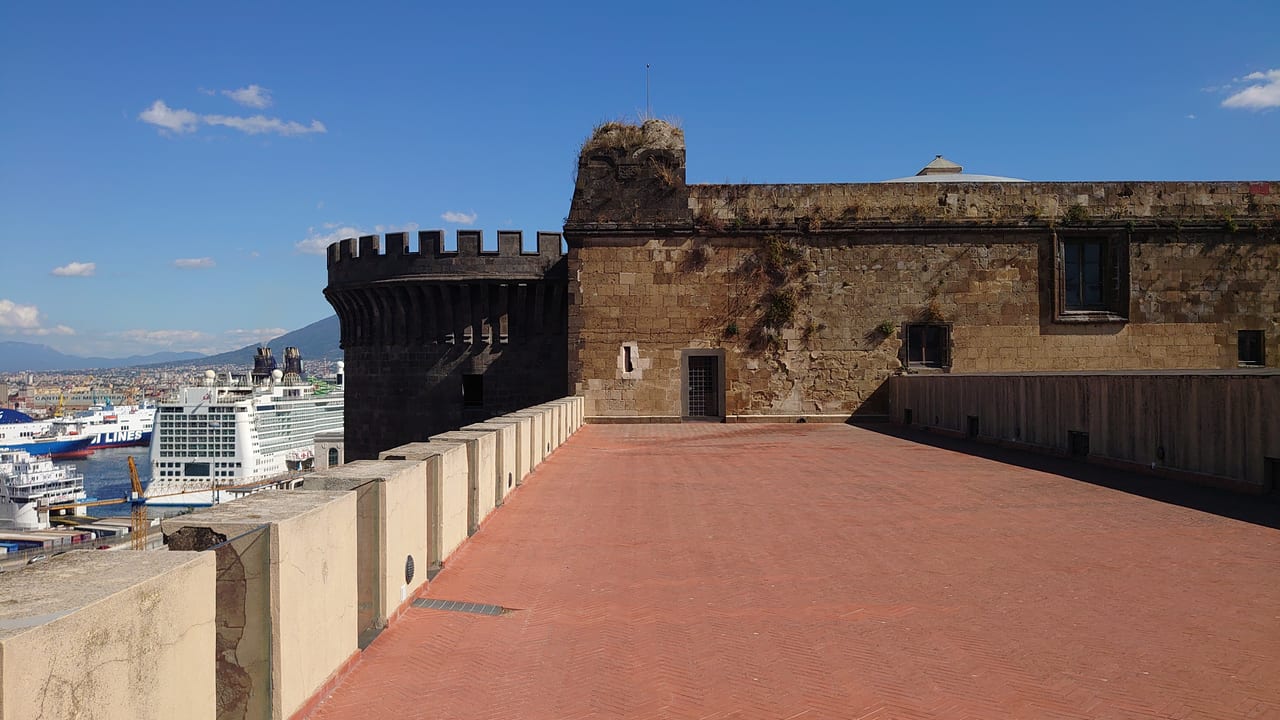
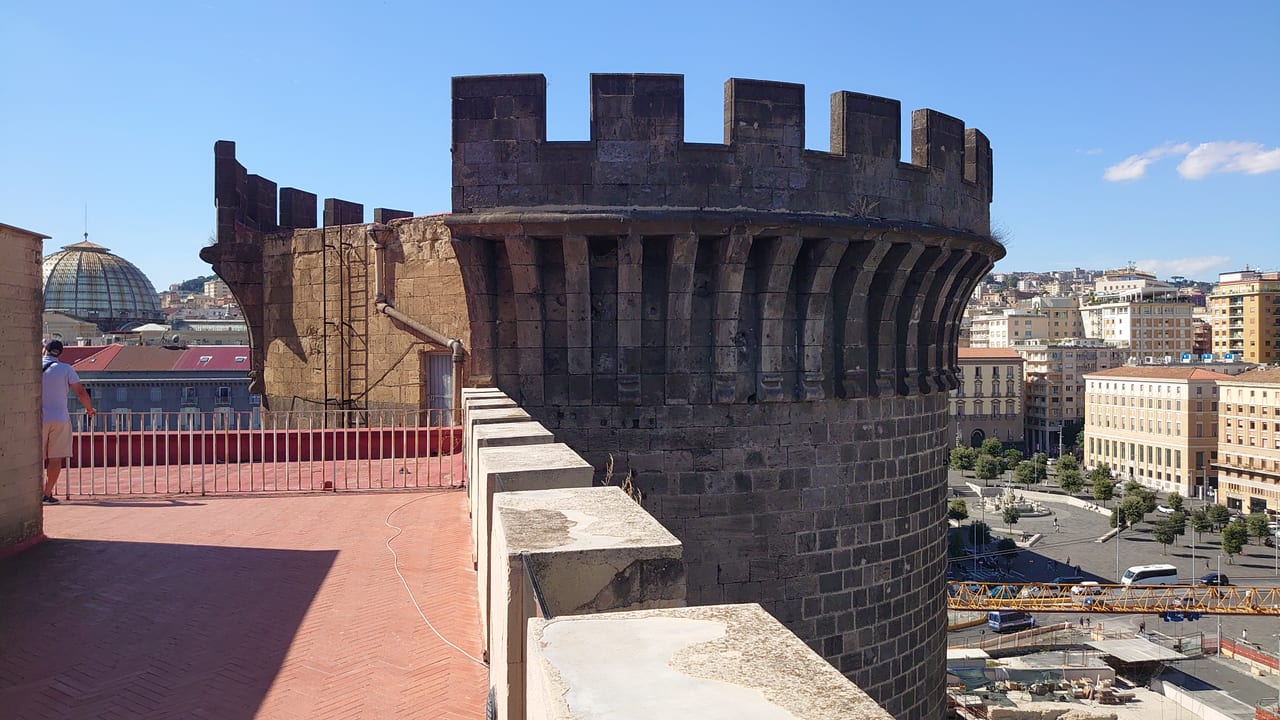
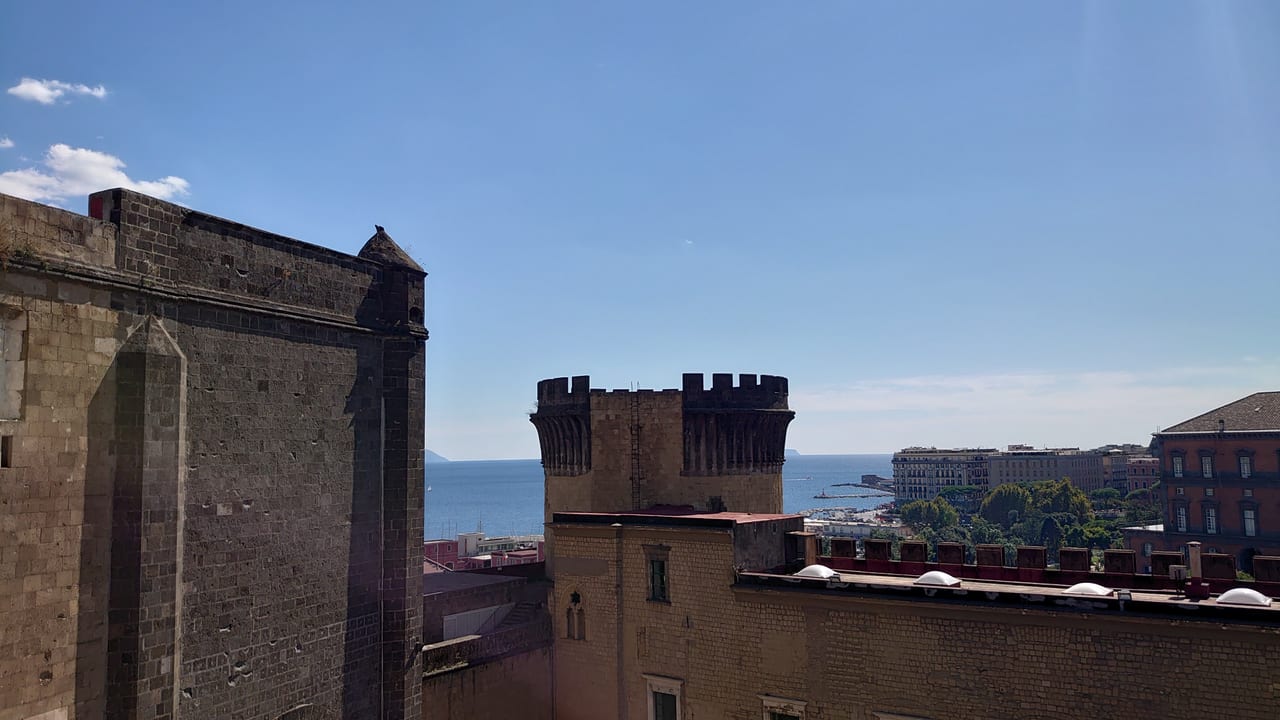

Photograph 1 of 34 of Castel Nuovo
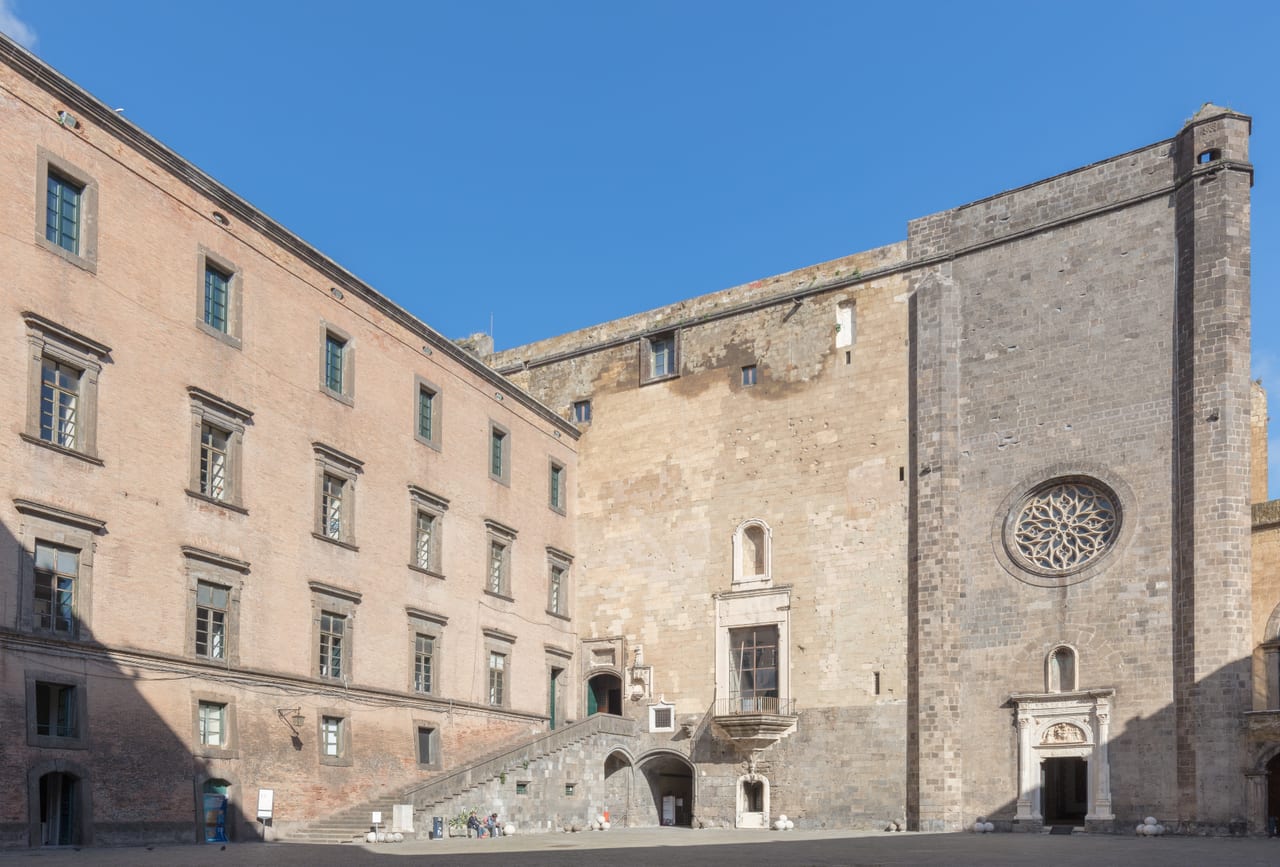
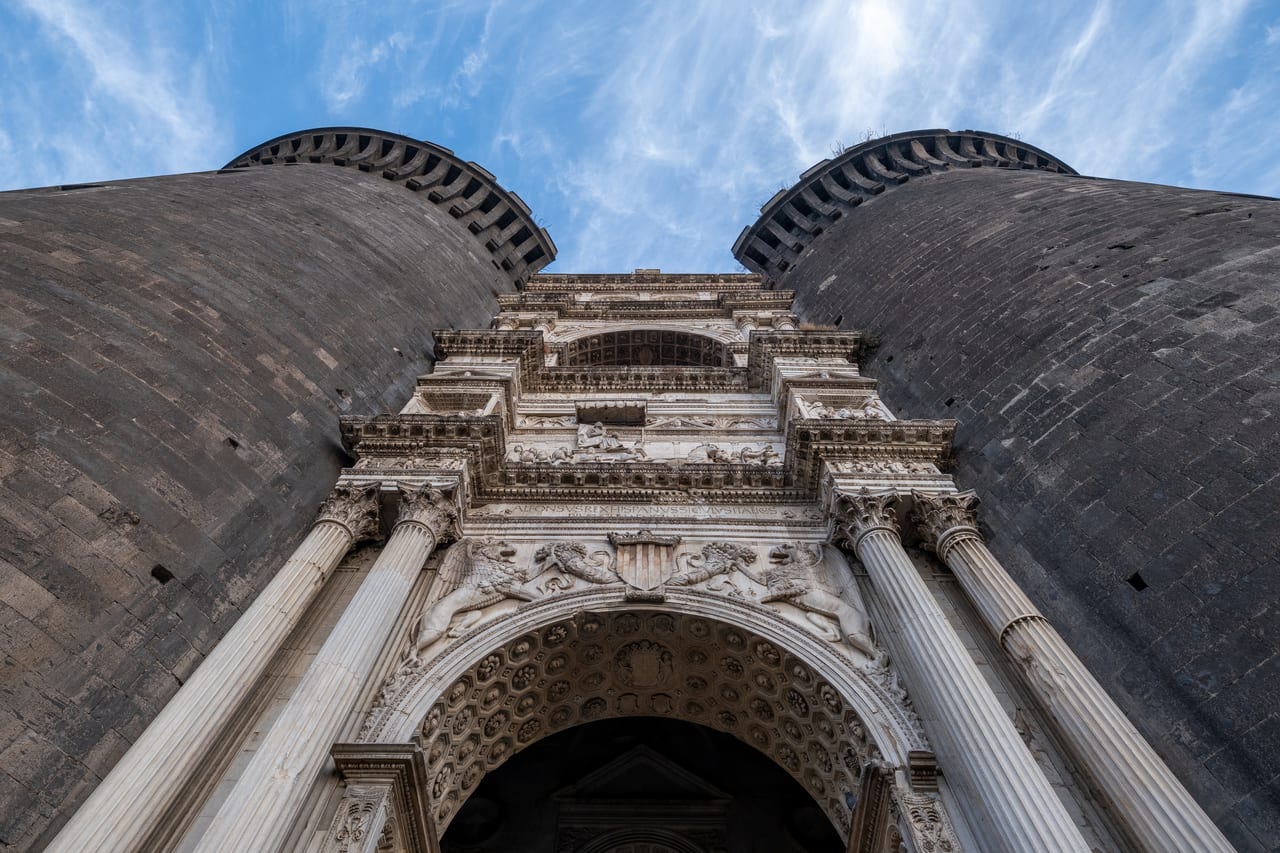
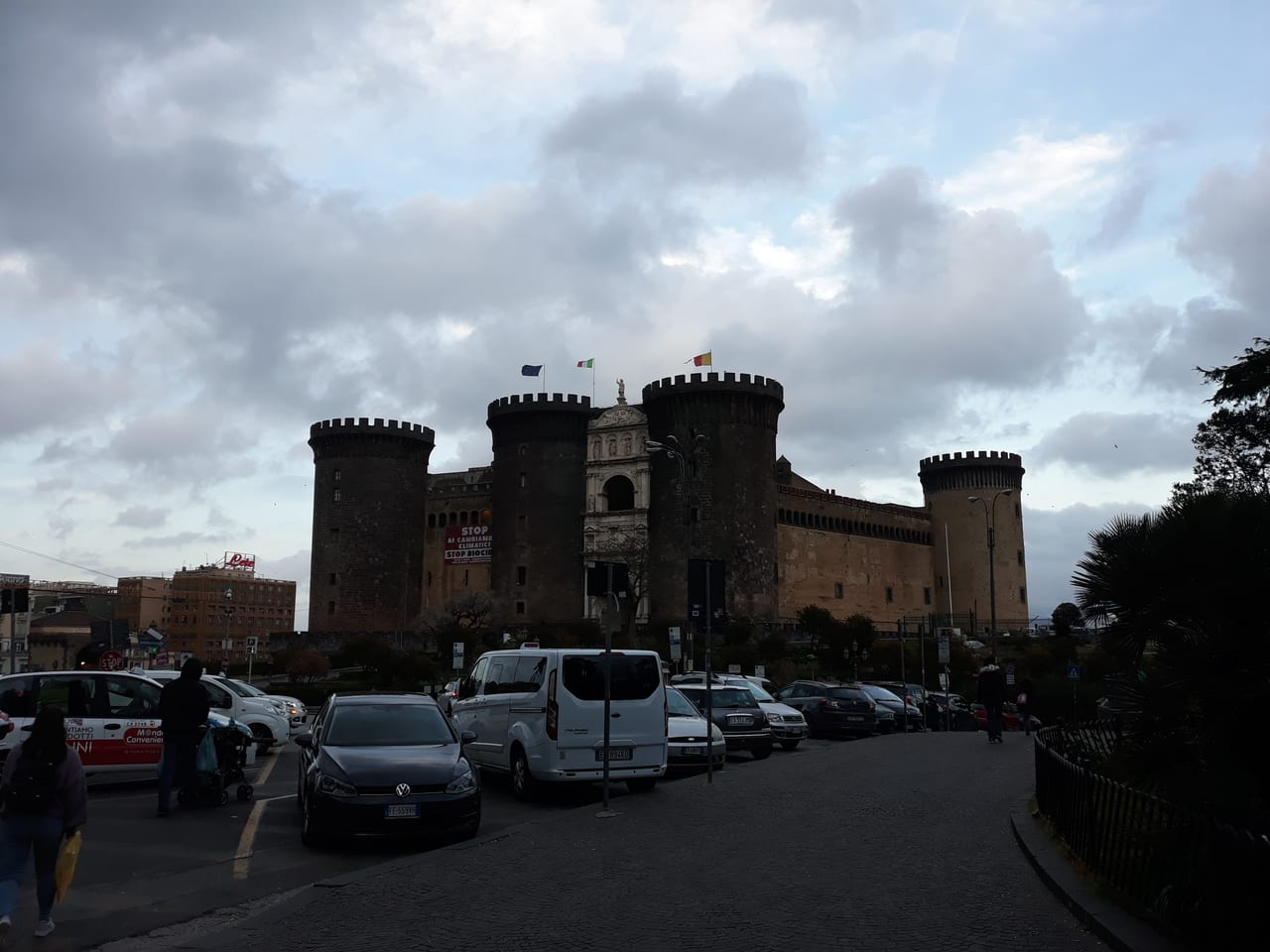
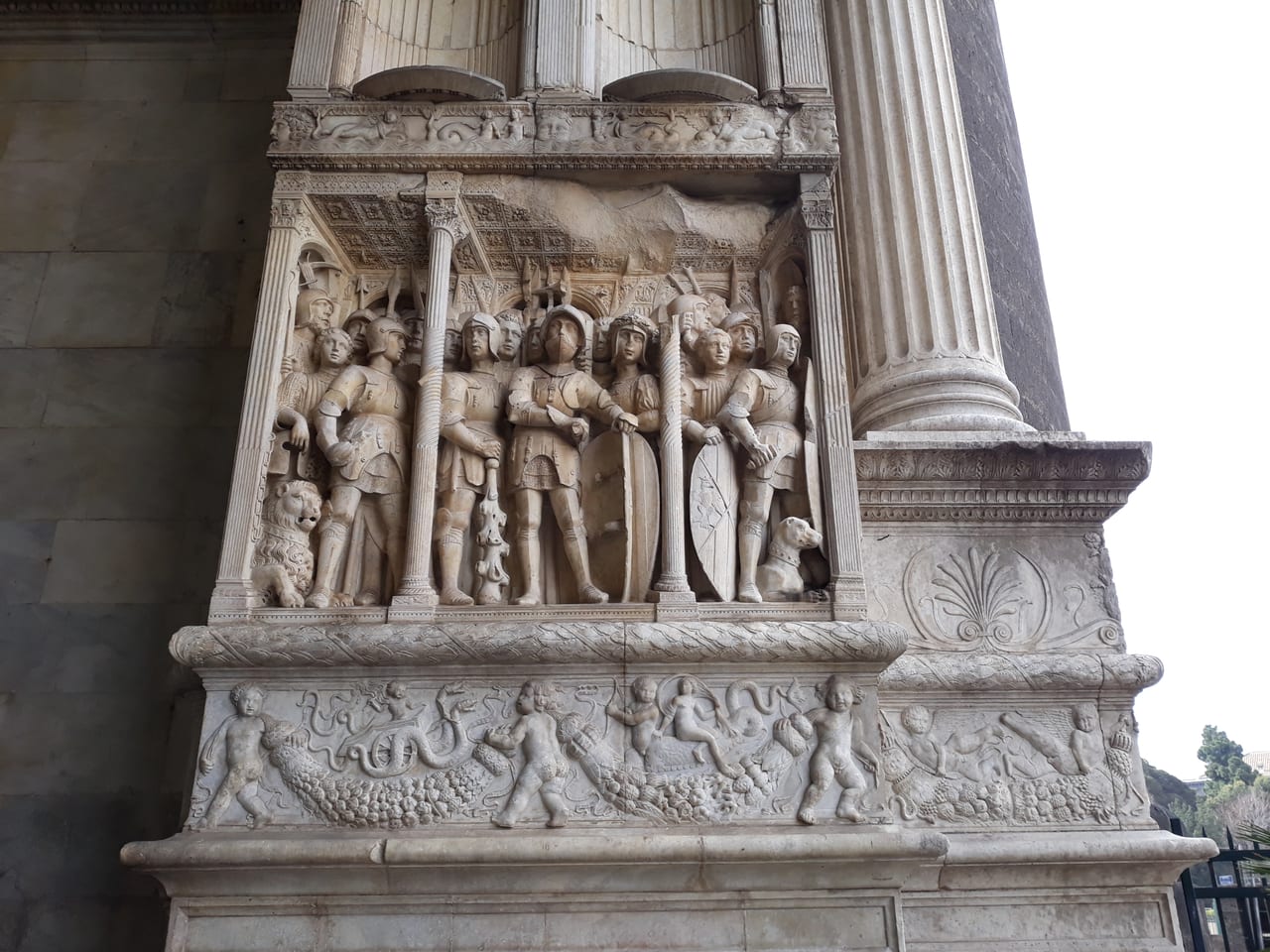
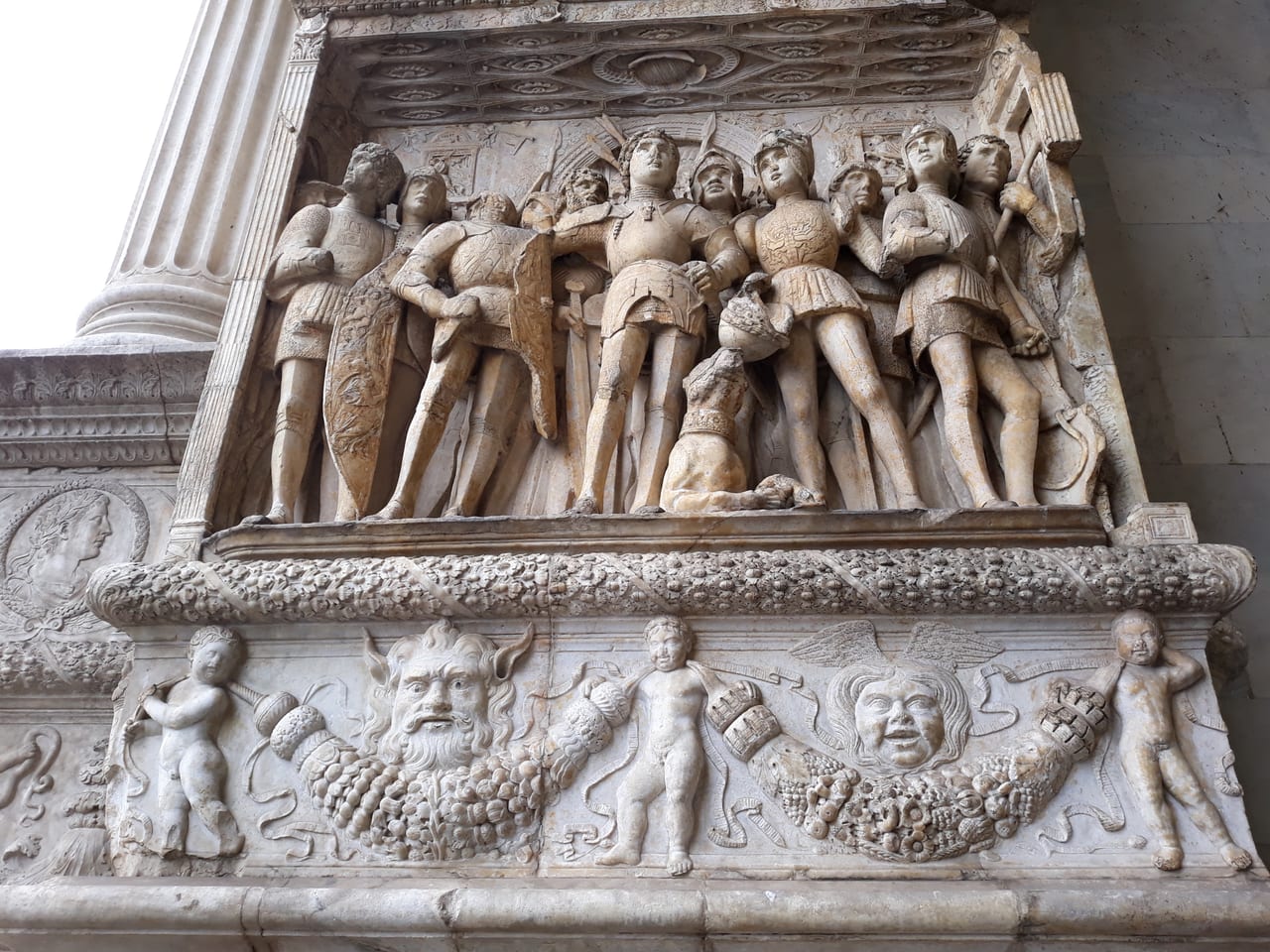
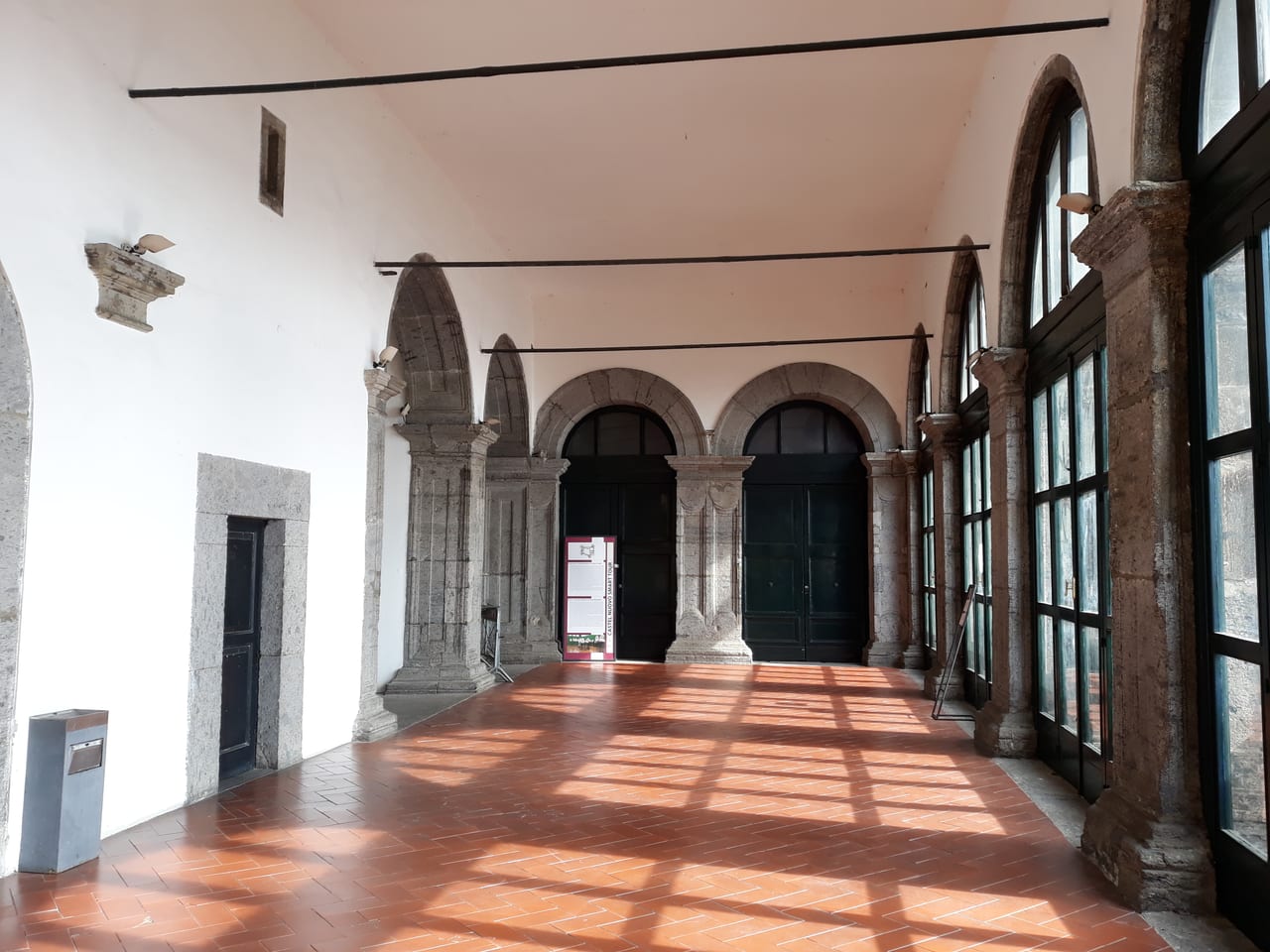
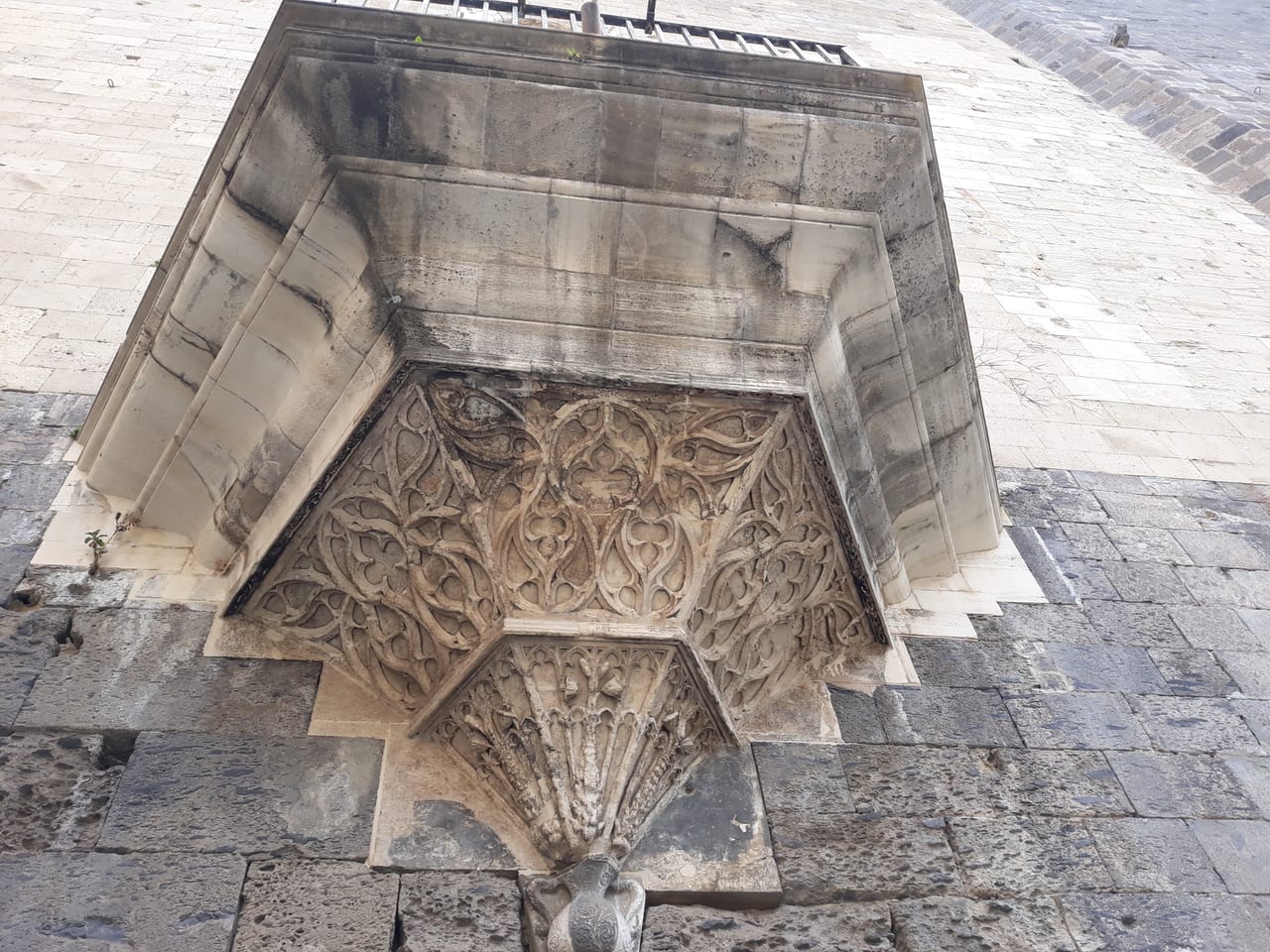
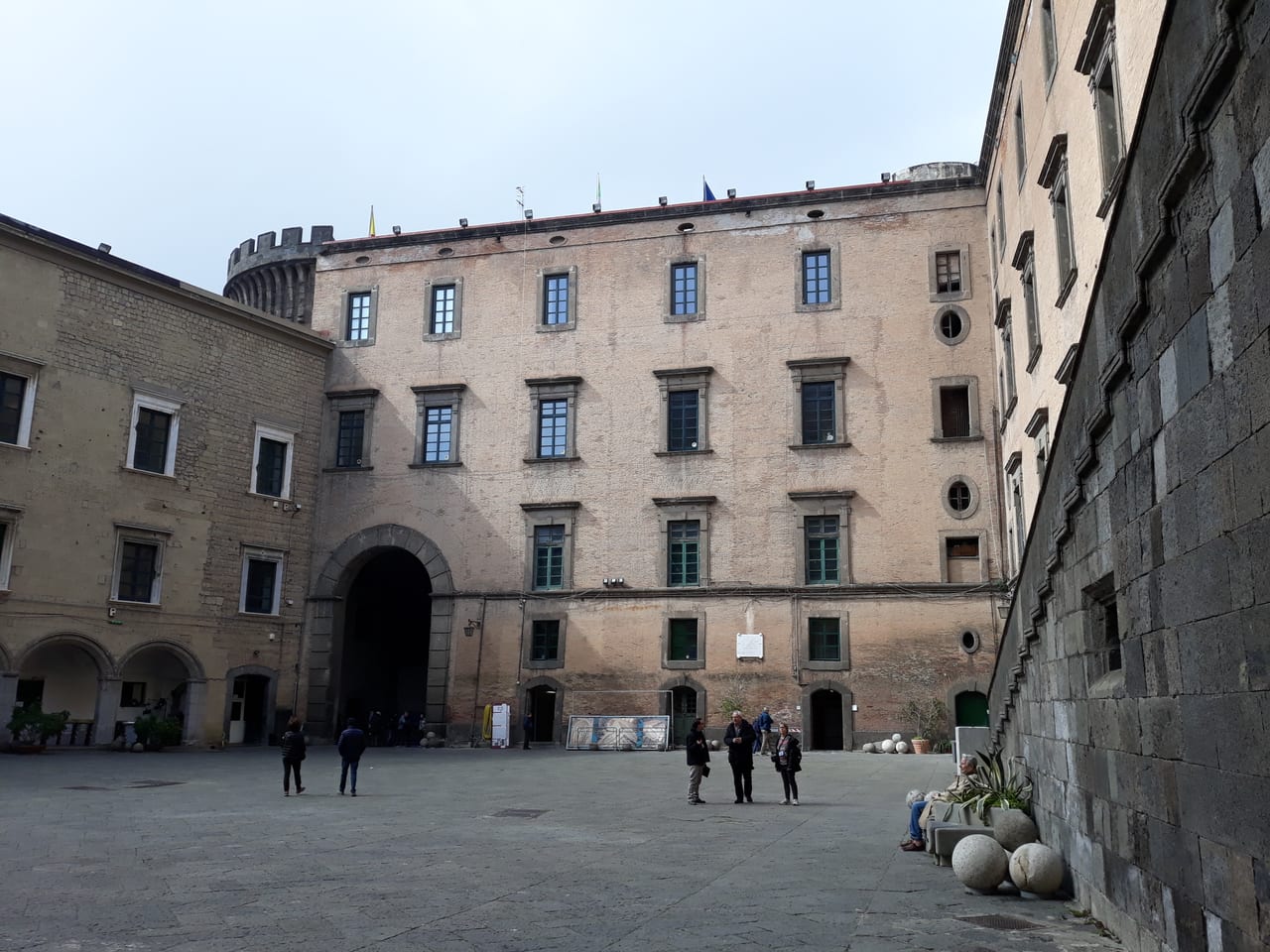
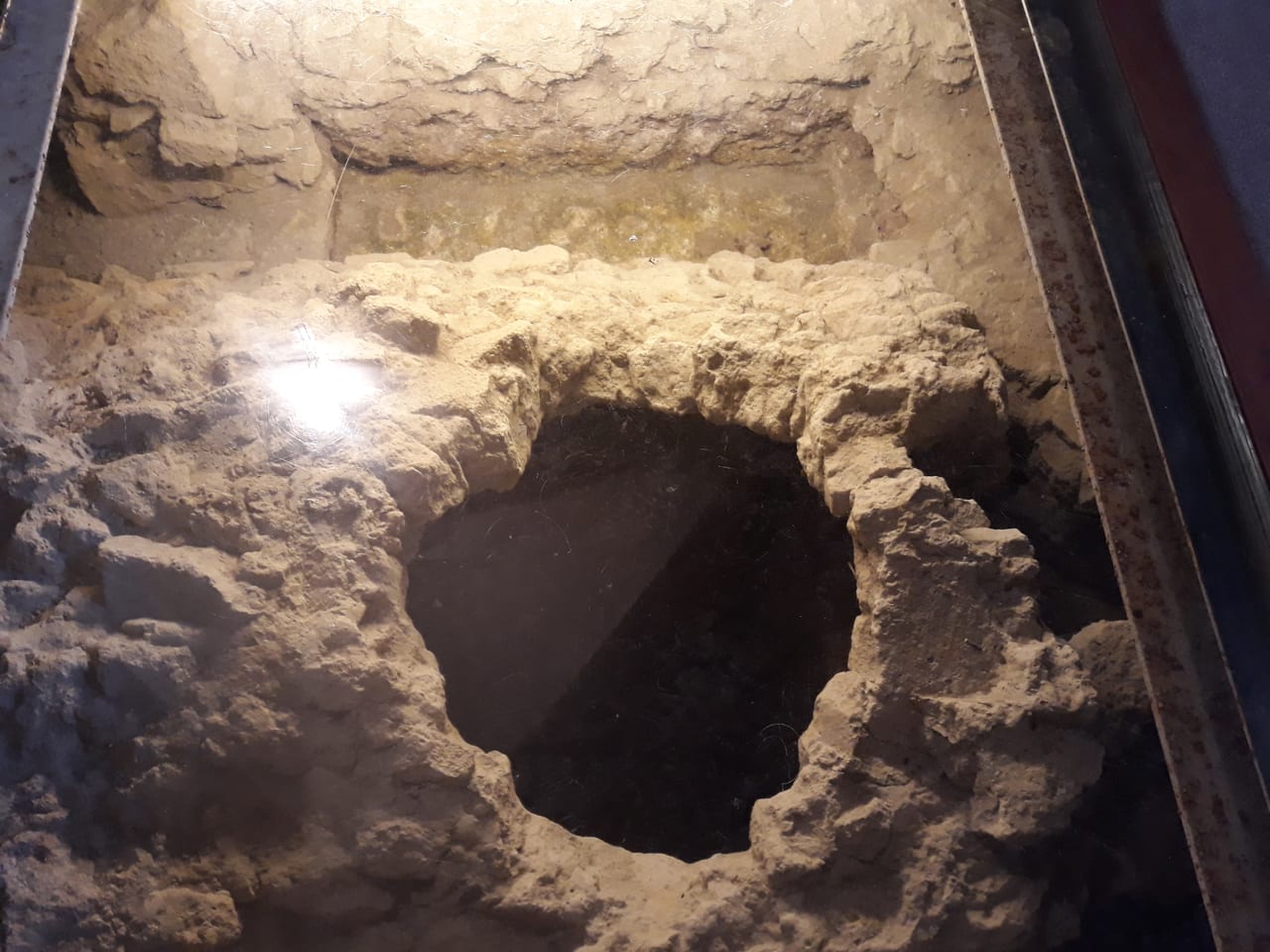
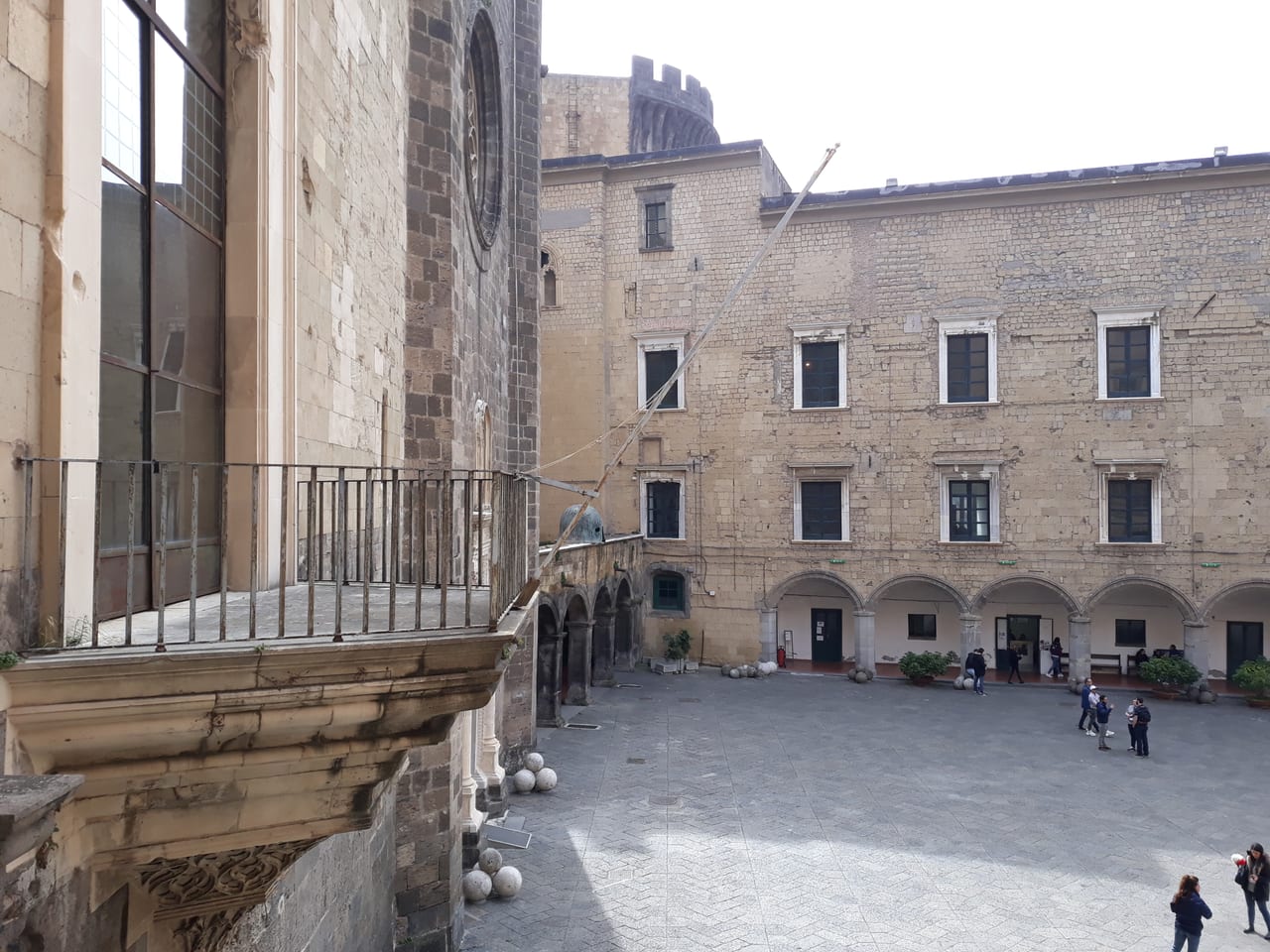
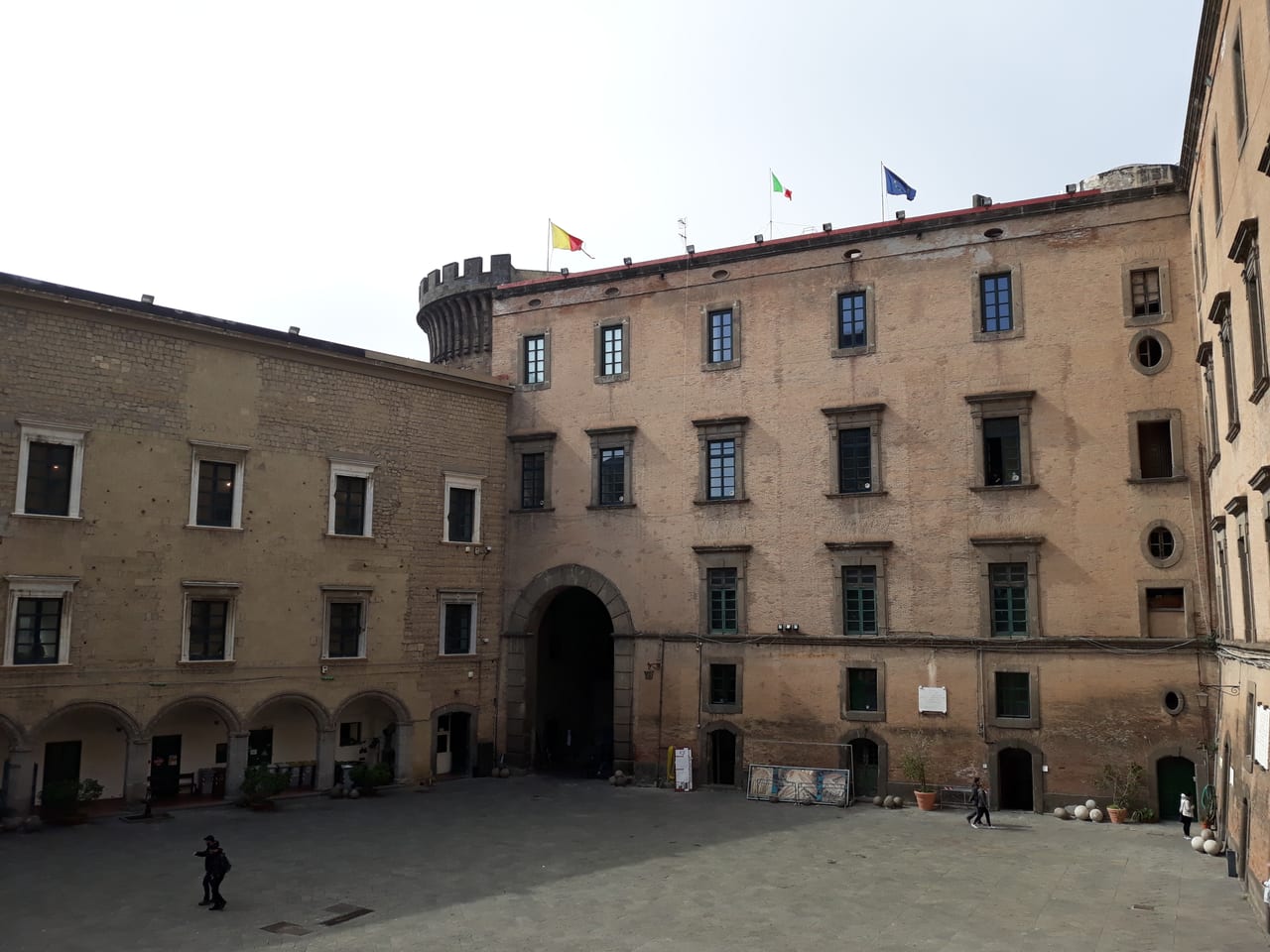
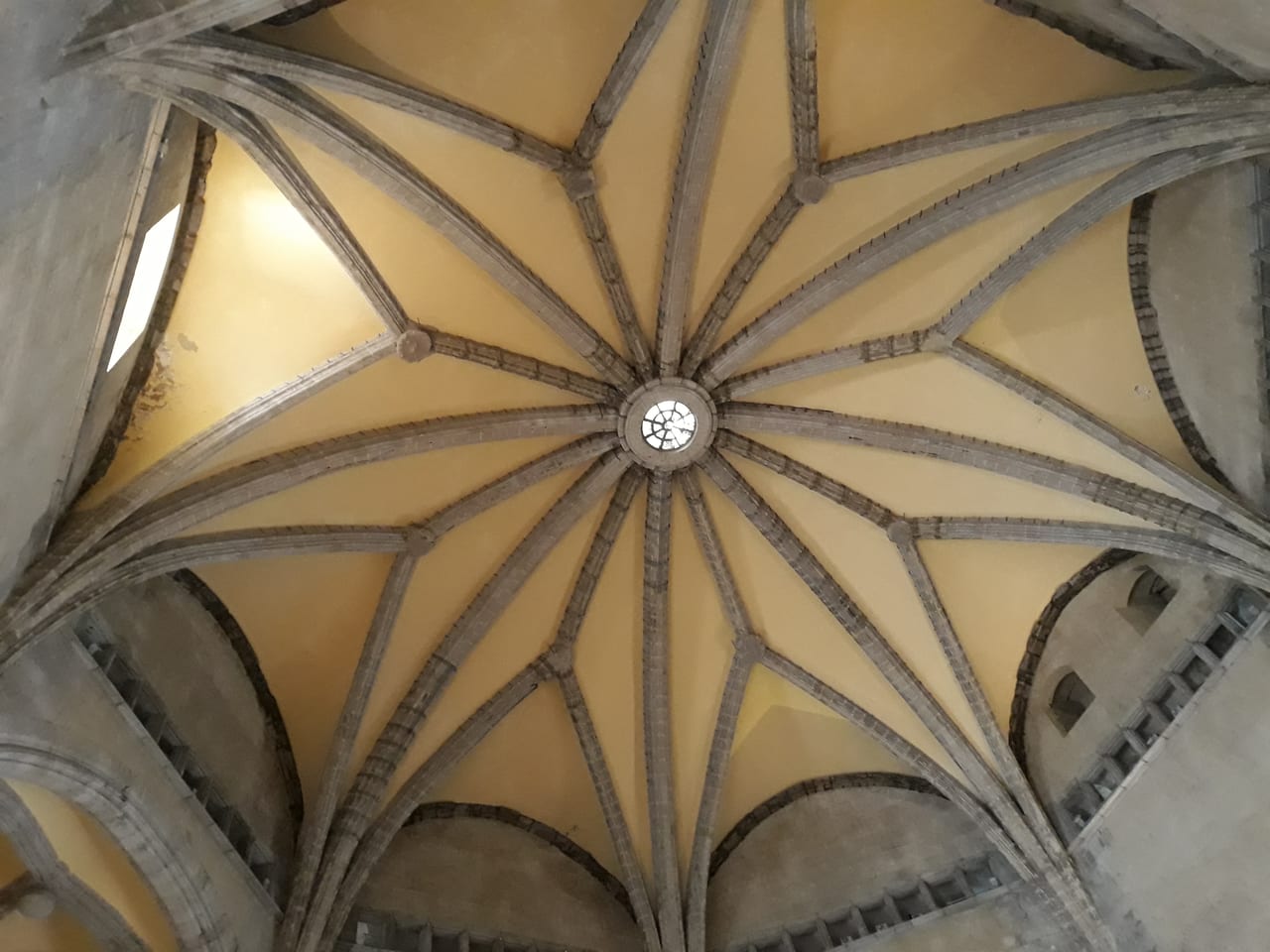
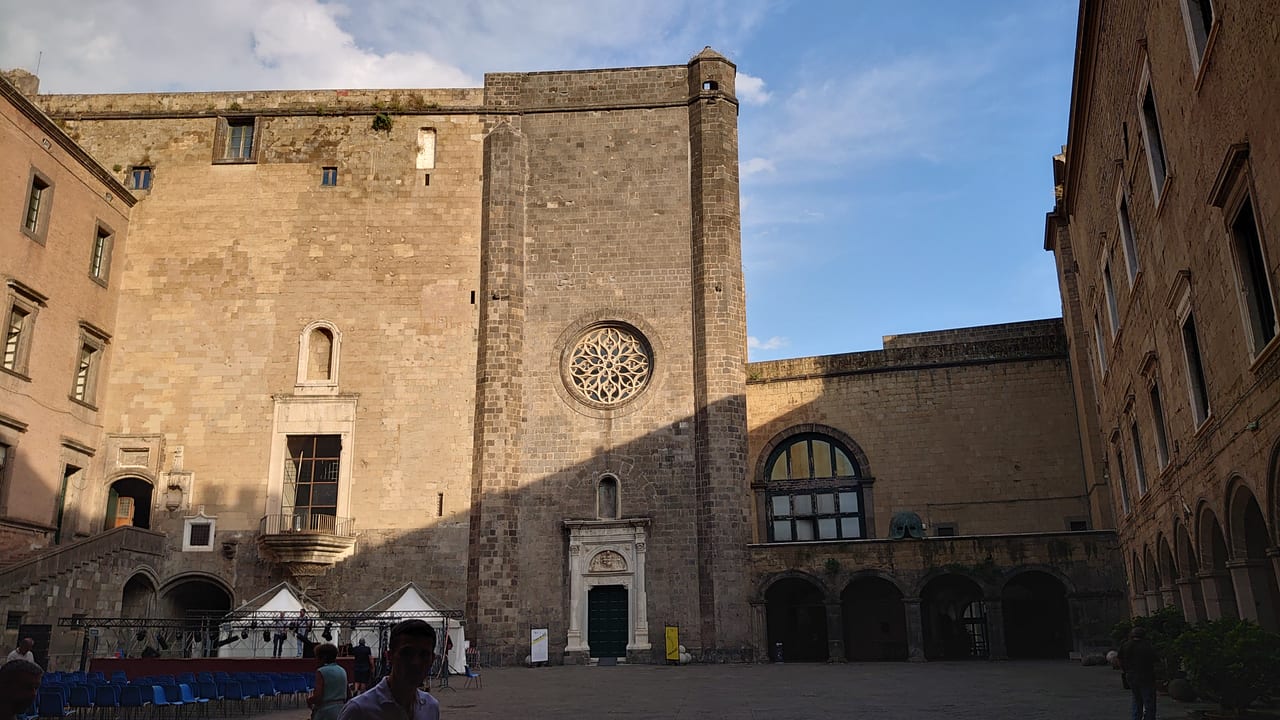
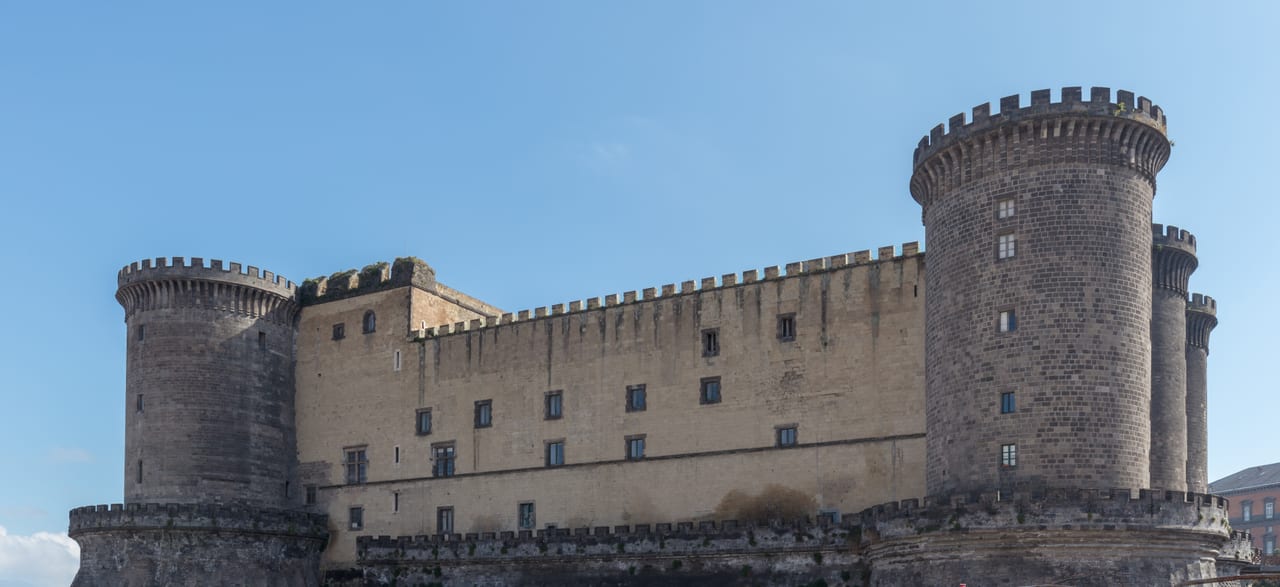
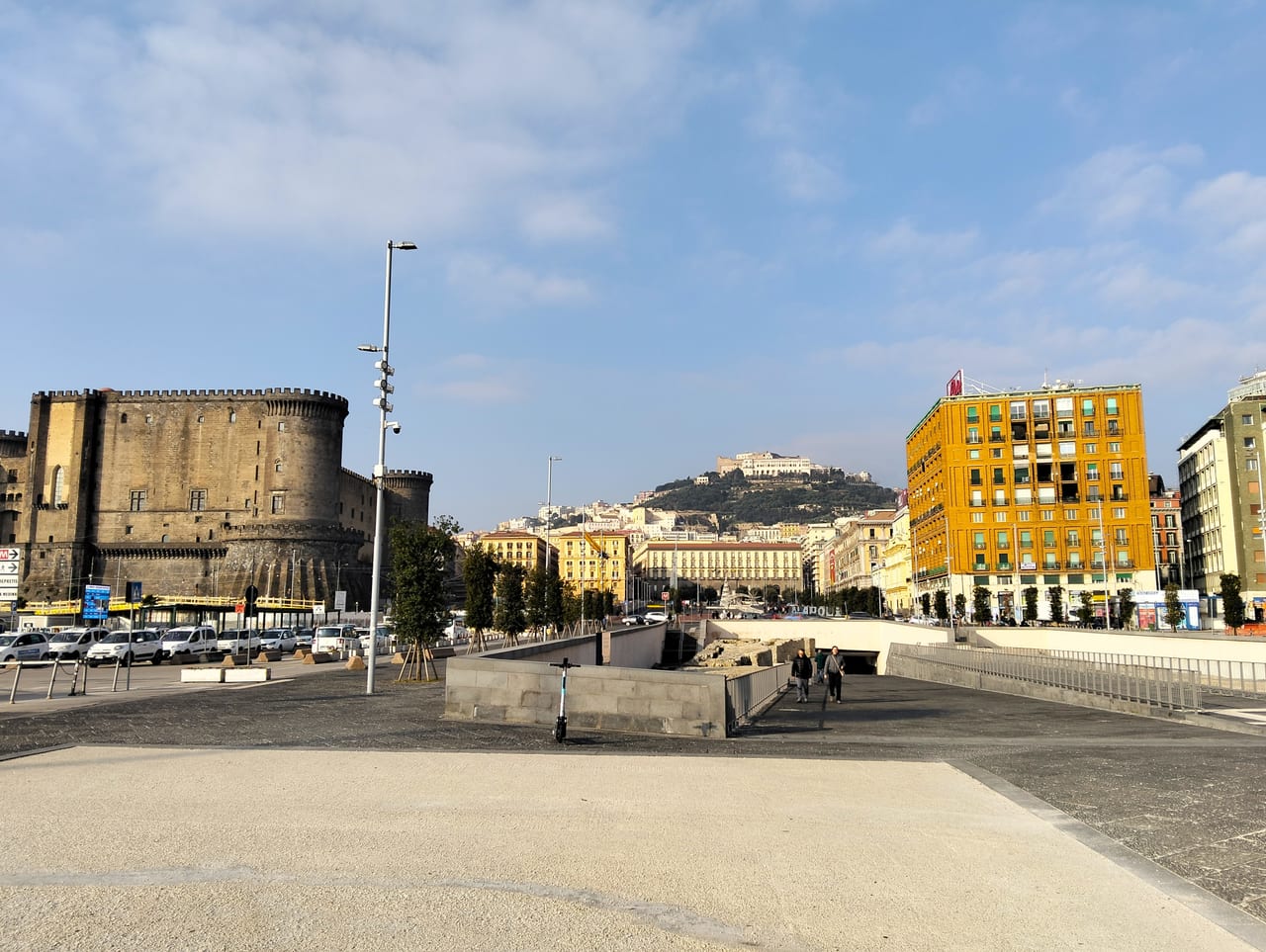
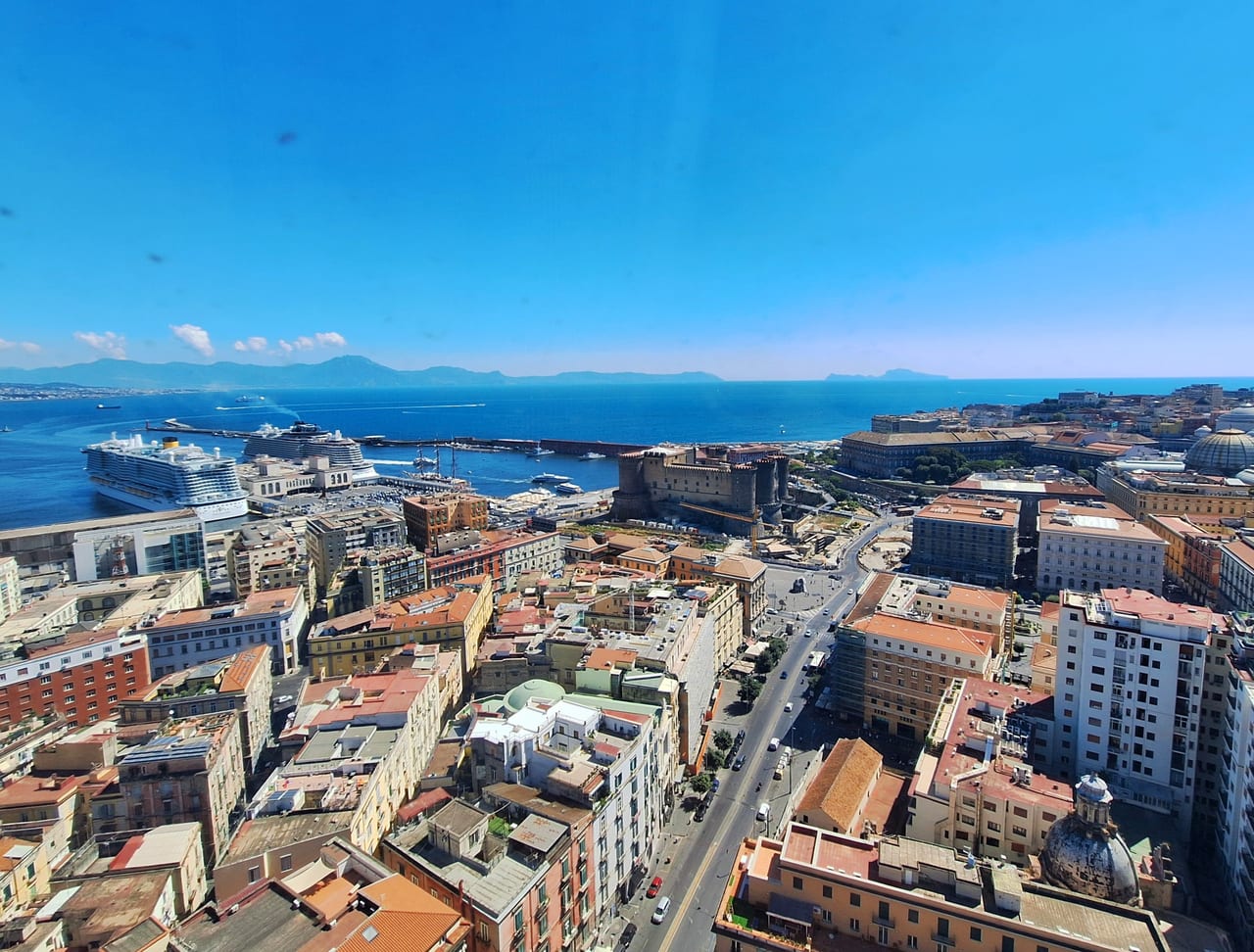
Castel Nuovo began as the Angevin answer to an inadequate royal residence after Charles I of Anjou moved the capital to Naples. Built near the sea and completed in 1282, it was conceived as both fortress and grand palace. Charles II enlarged it, while Robert the Wise turned it into a centre of courtly culture, welcoming Francesco Petrarca and Giovanni Boccaccio and commissioning artists including Giotto, Pietro Cavallini and Montano d’Arezzo. Under Alfonso of Aragon, from 1453 to 1479, the complex was rebuilt by Guillem Sagrera in a Gothic-Catalan manner. Five round towers replaced four Angevin square towers, while Francesco Laurana’s triumphal arch gave the entrance a Renaissance emphasis. The Sala dei Baroni, a late-Gothic masterpiece, later figured in the 1487 barons’ conspiracy. After the Spanish annexation of Naples, the castle became a military post and prison, losing much of its Angevin and Aragonese ornament. Bourbon alterations further changed its exterior. Twentieth-century demolitions and restoration, completed in 1939, reopened the medieval walls, though later maintenance remained incomplete. The complex now includes the Museo Civico, the Palatine Chapel and historical institutions.
At a glance
- Built
- 1282
- Architect
- Pierre d'Angicourt
- Style
- Gothic art
- Heritage
- Italian national heritage
Ways to explore Castel Nuovo
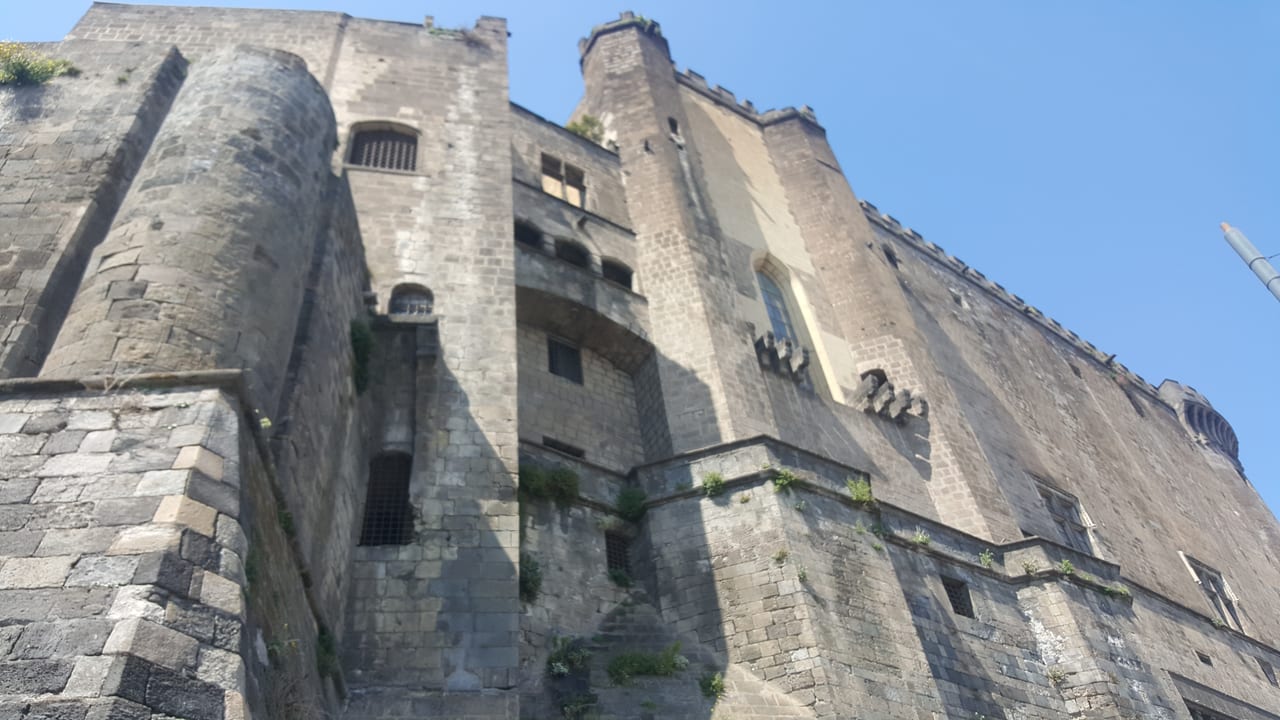
Start with the exterior, where the five massive round towers, piperno and tufa surfaces, battlements and surviving cross-shaped windows reveal the fortress’s layered construction. Inside, prioritise the Palatine Chapel, the Sala dei Baroni and the Museo Civico’s first- and second-floor routes. Look closely at the entrance triumphal arch and the courtyard’s mixture of Angevin, Aragonese and later façades. Access is uneven: several rooms and towers remain closed, and the bastioned parapets cannot be walked.
Places to stay near Castel Nuovo

Live availability and prices from Stay22's partners, refreshed periodically and subject to change. Booking through these links may earn us a commission at no extra cost to you. See our privacy policy.
Cafés near Castel Nuovo
Cafés near Castel Nuovo loads as you scroll.
Attractions nearby
Attractions near Castel Nuovo loads as you scroll.
Cities nearby
Cities nearby loads as you scroll.
More in Naples
See more of Naples.
Find great cafés, places to stay and other interesting places to visit in Naples.