Church · Milan
Santa Maria presso San Satiro
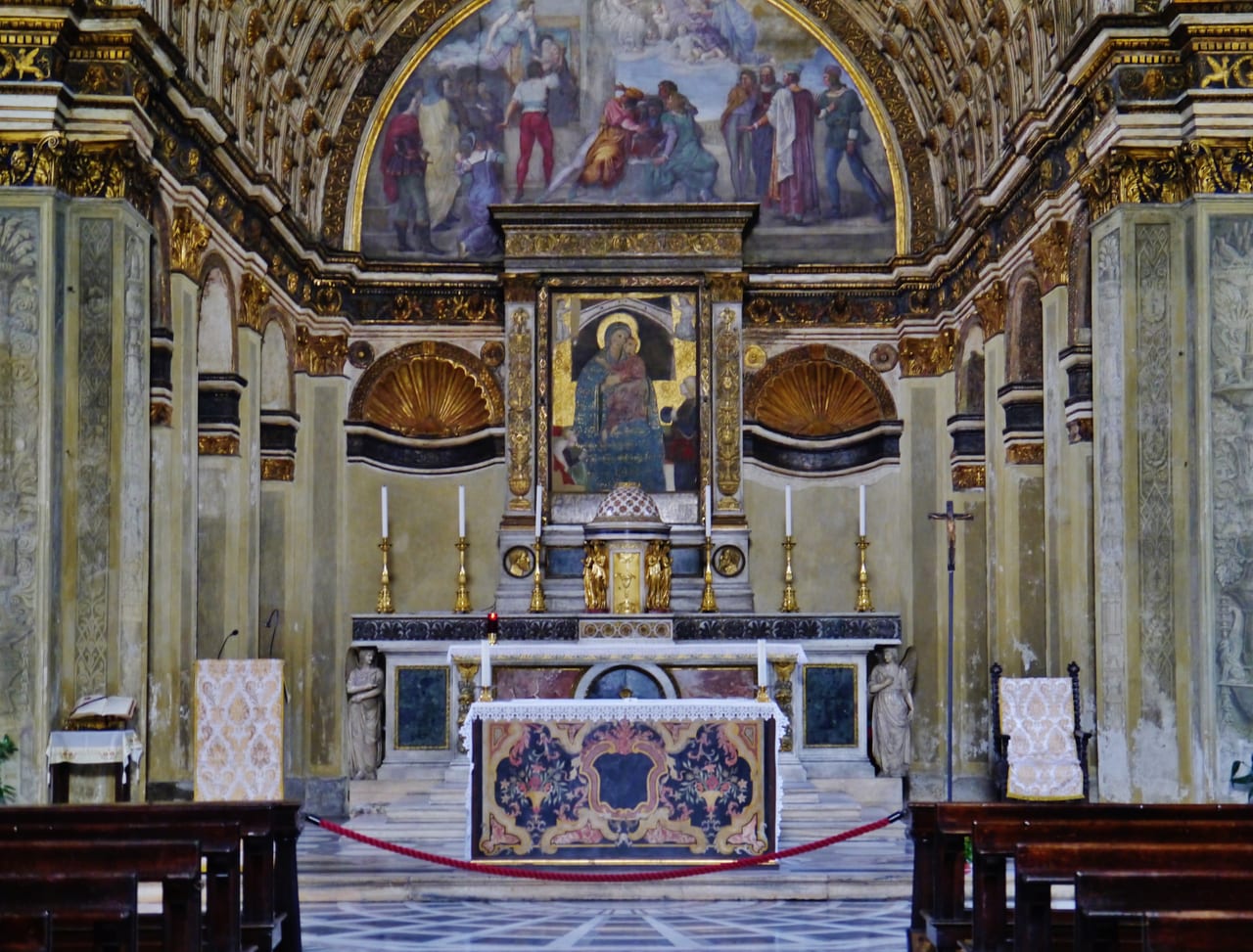
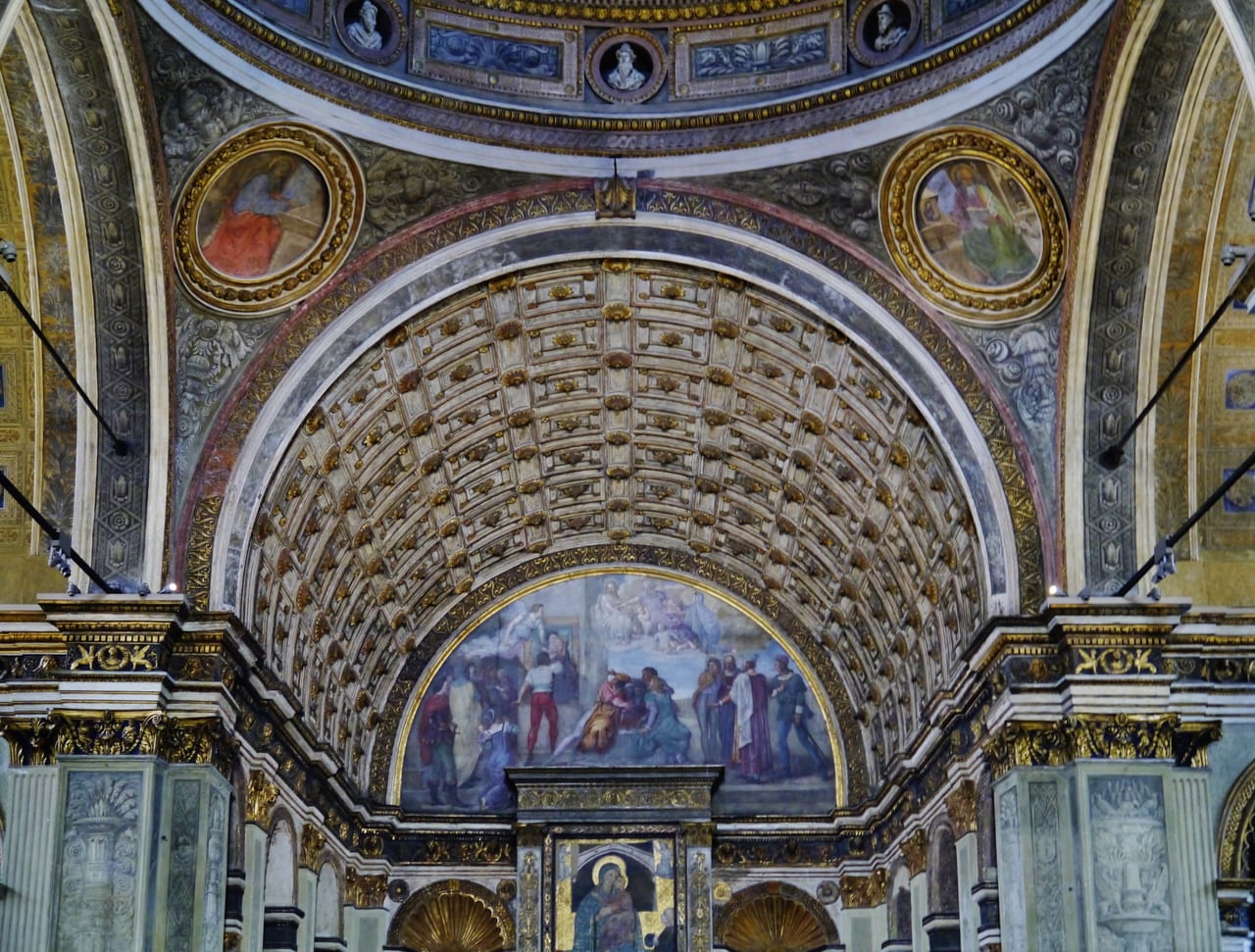
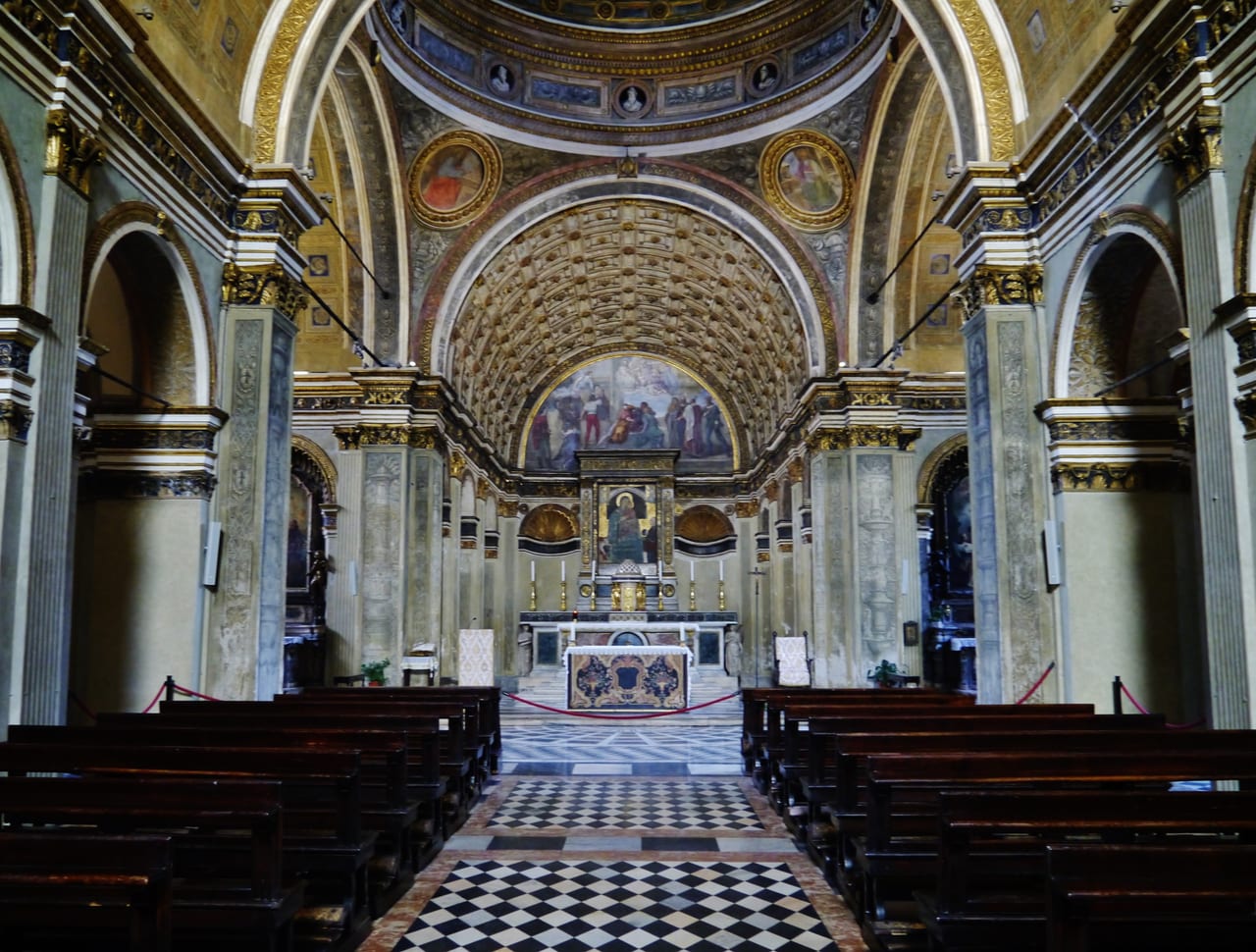
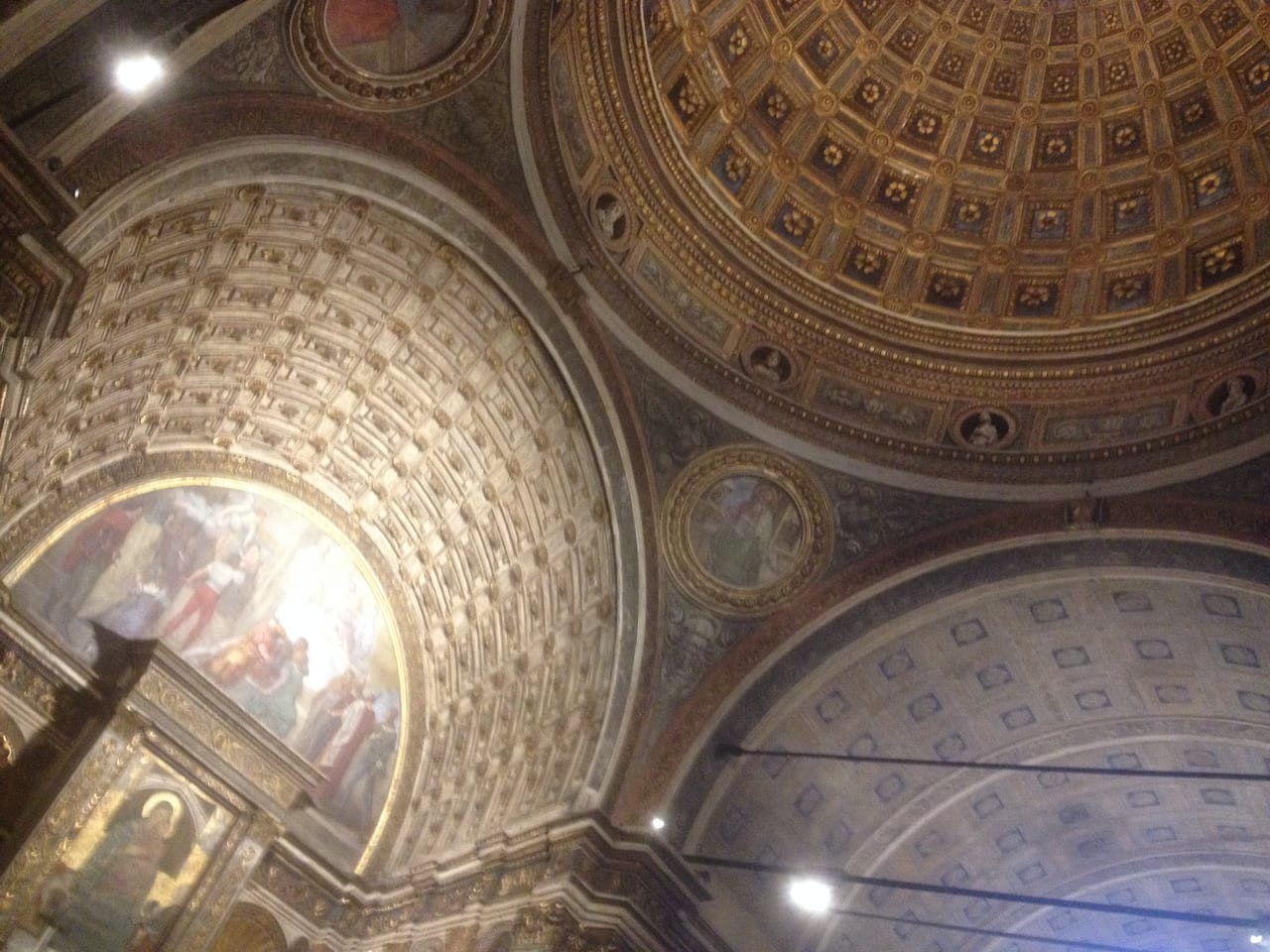
DirectionsIts choir is an extraordinary 90-centimetre-deep illusion: Bramante transformed a severe space constraint into one of art history’s earliest trompe-l’œil effects.
Photograph 1 of 23 of Santa Maria presso San Satiro
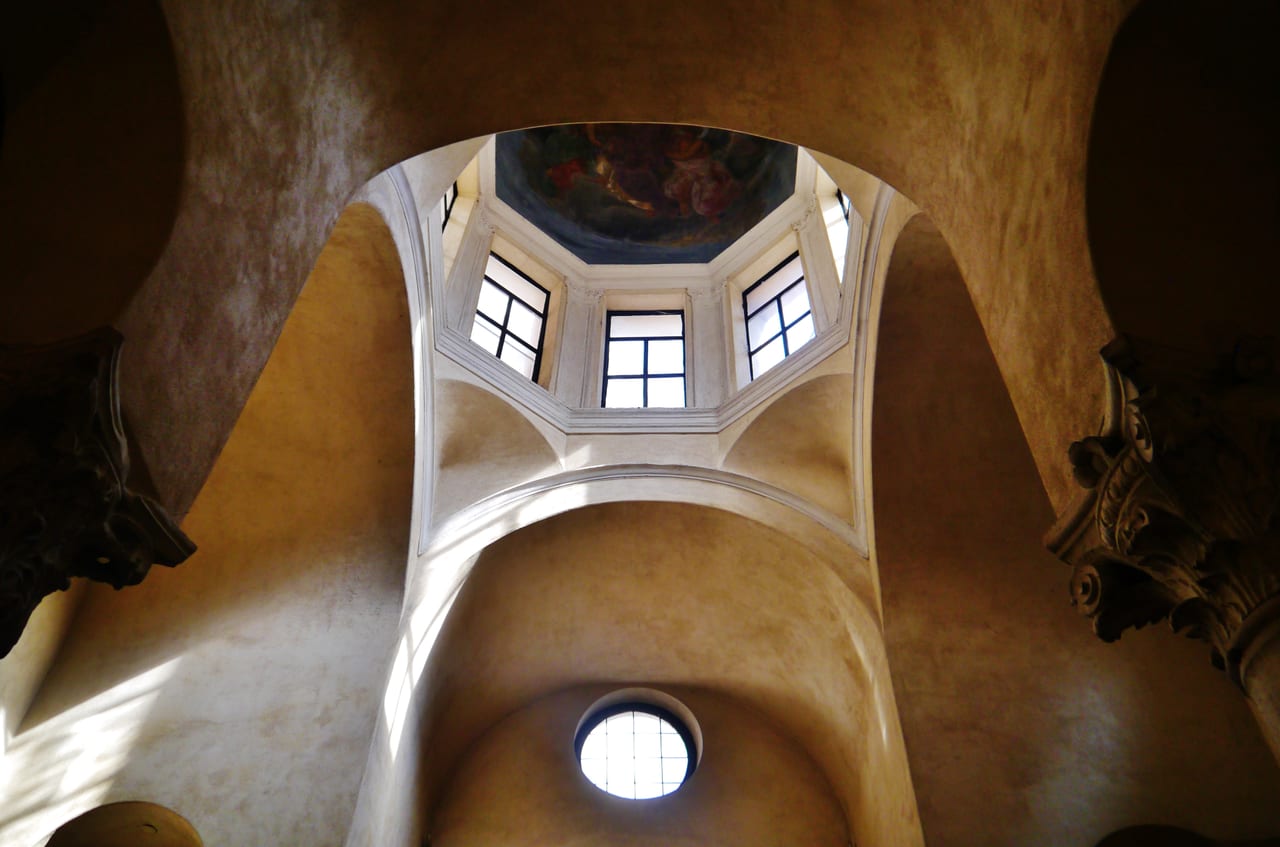
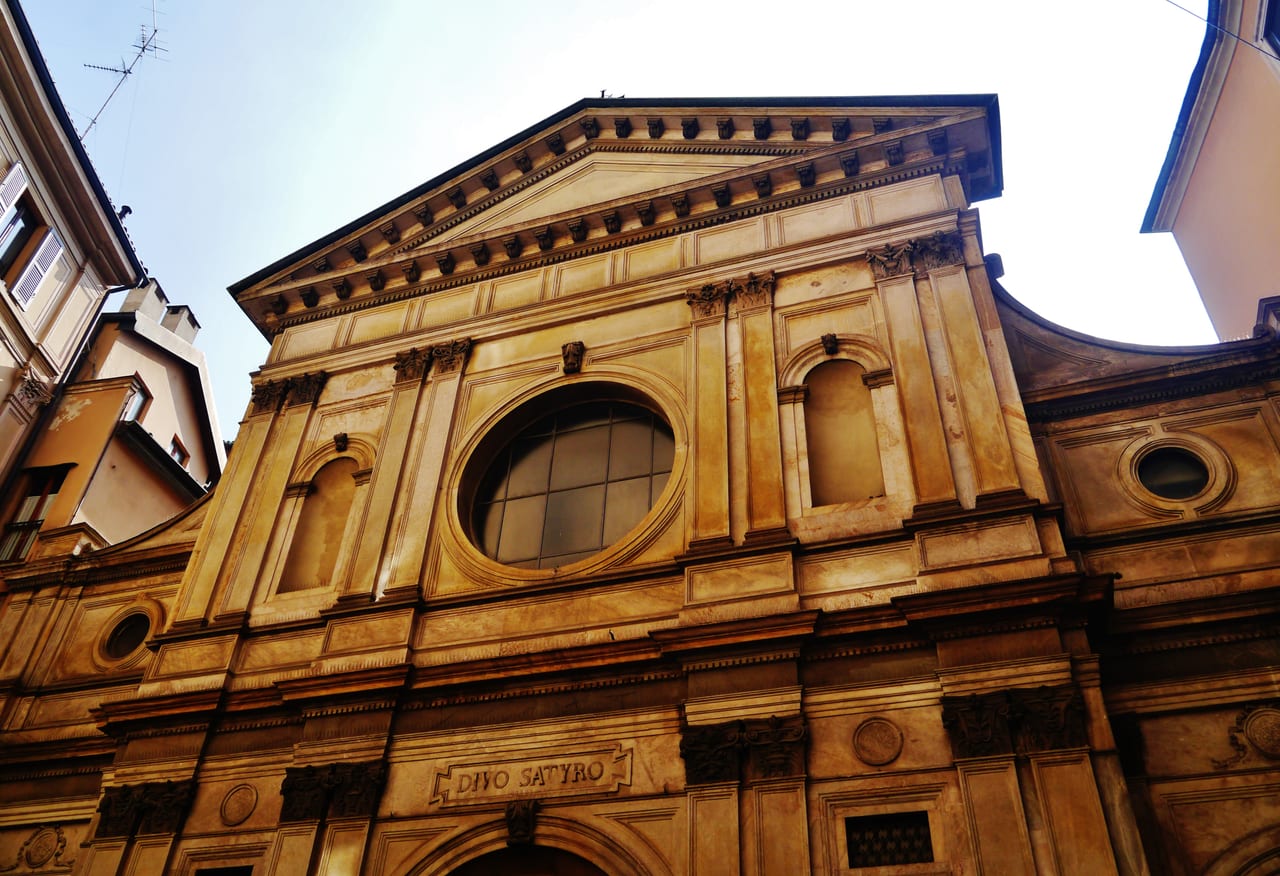
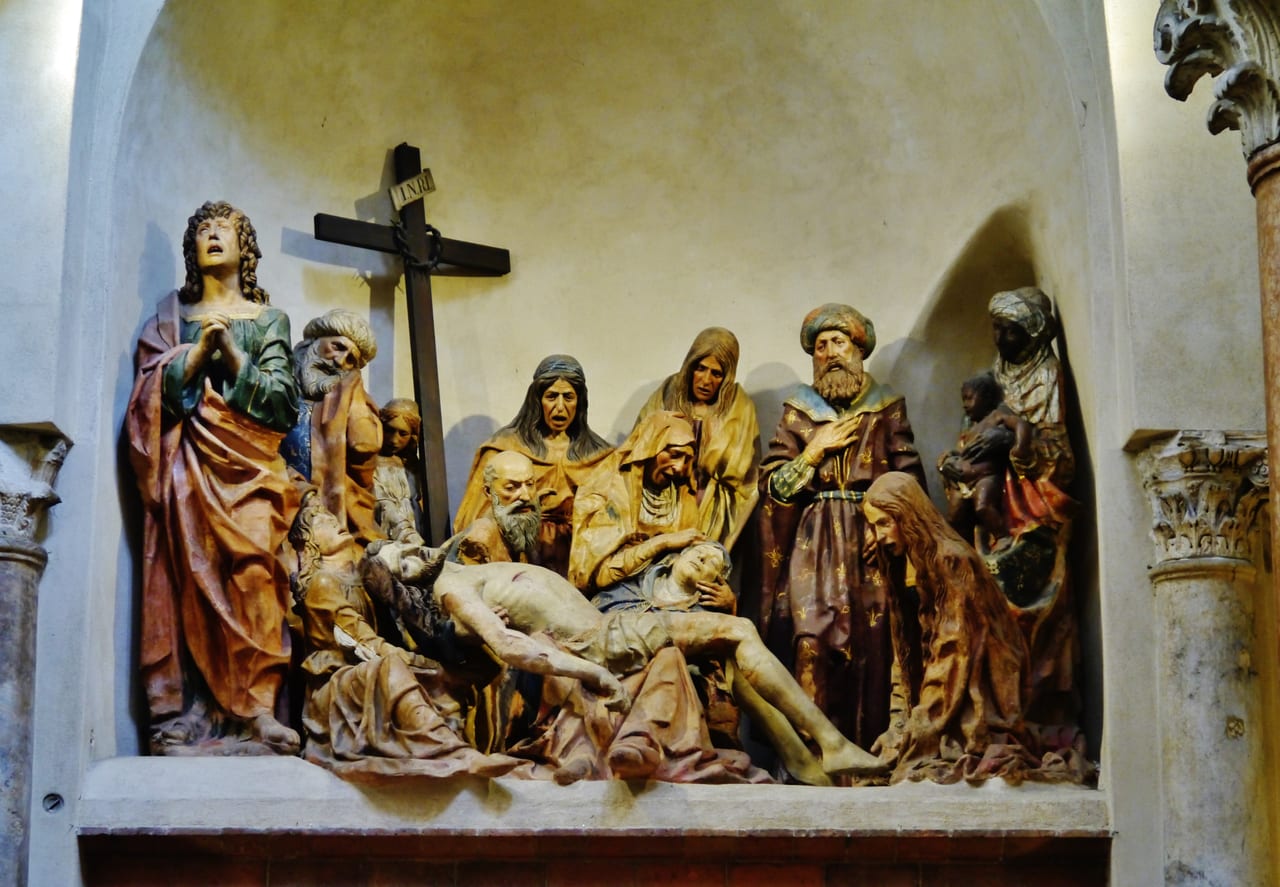
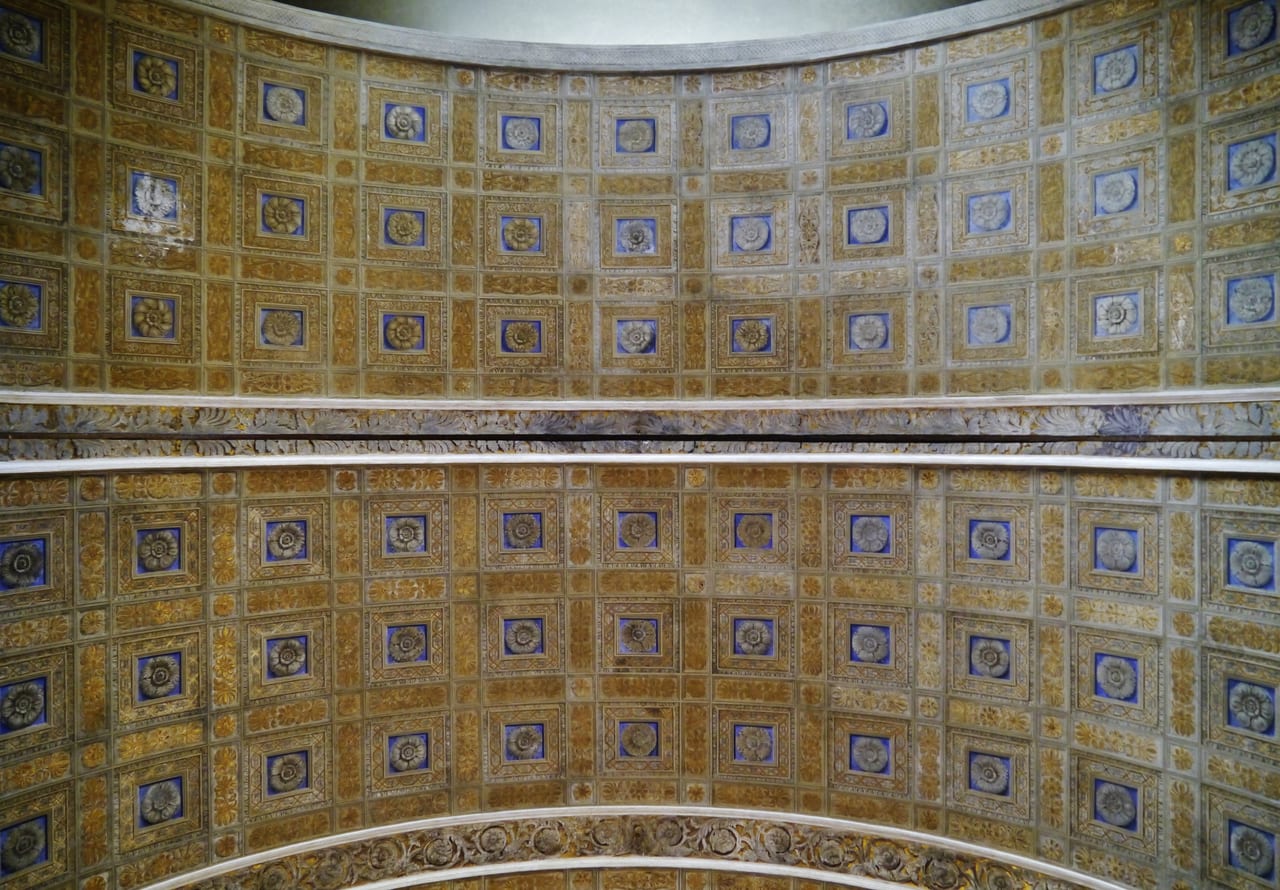
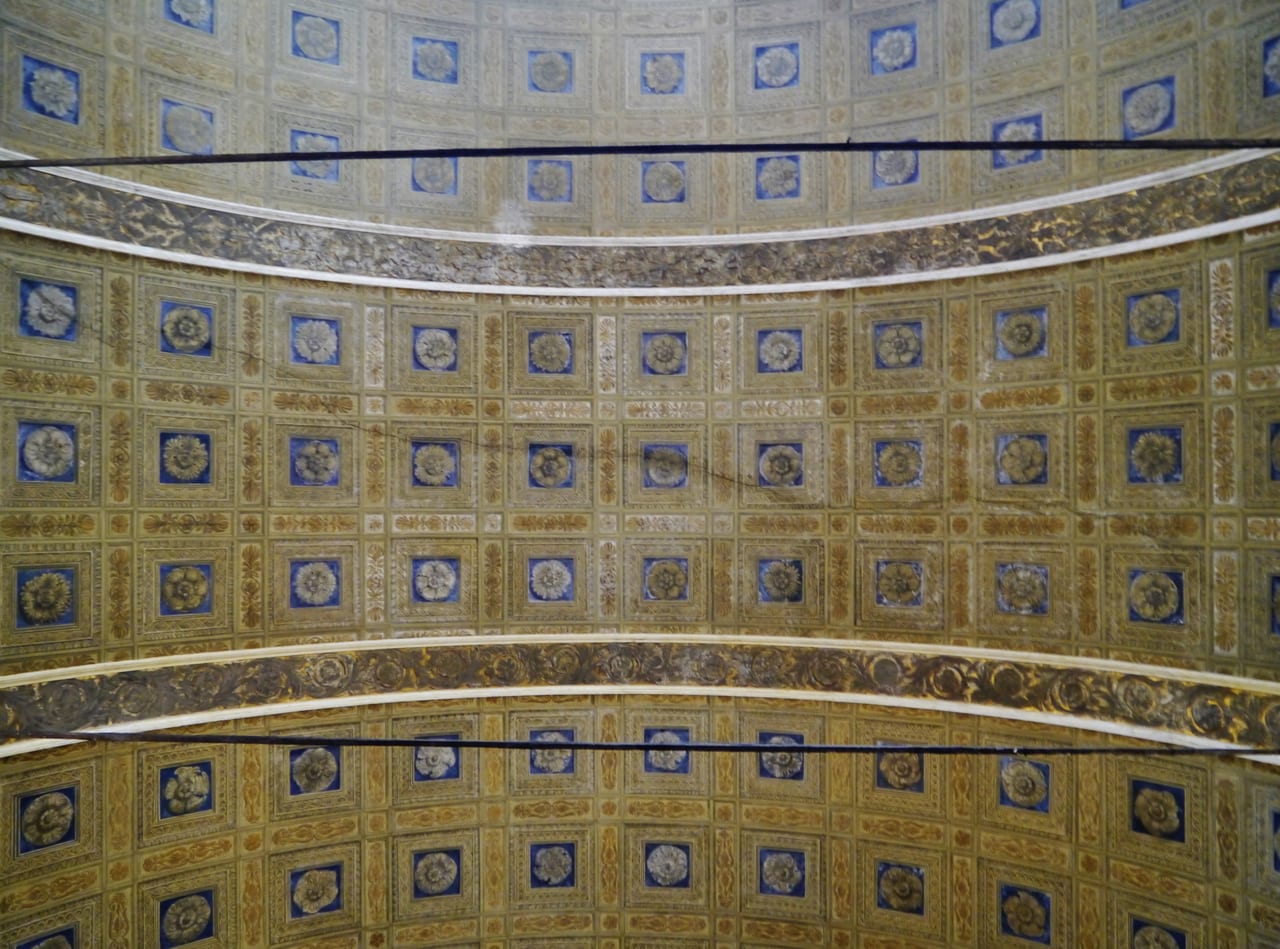
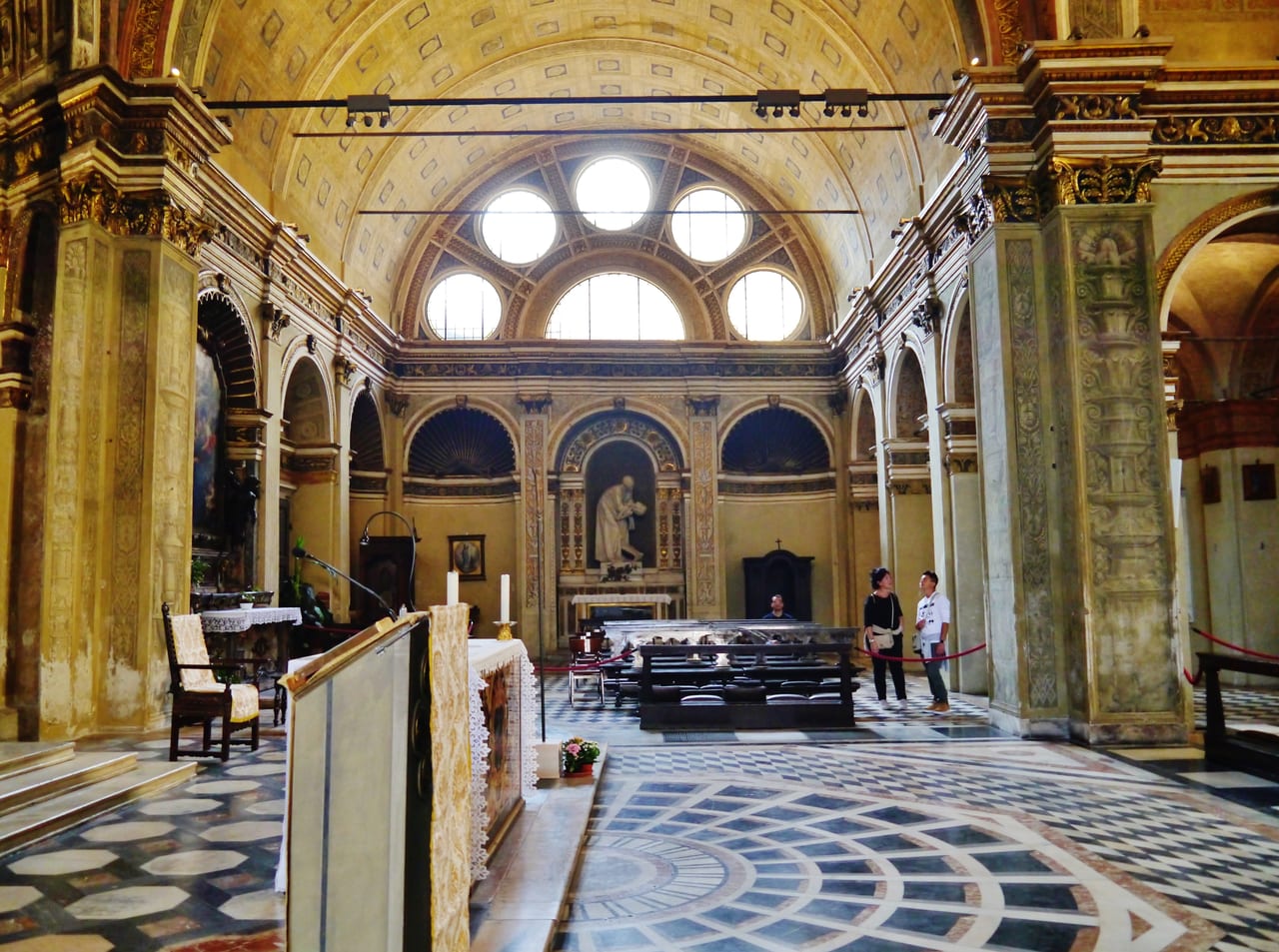
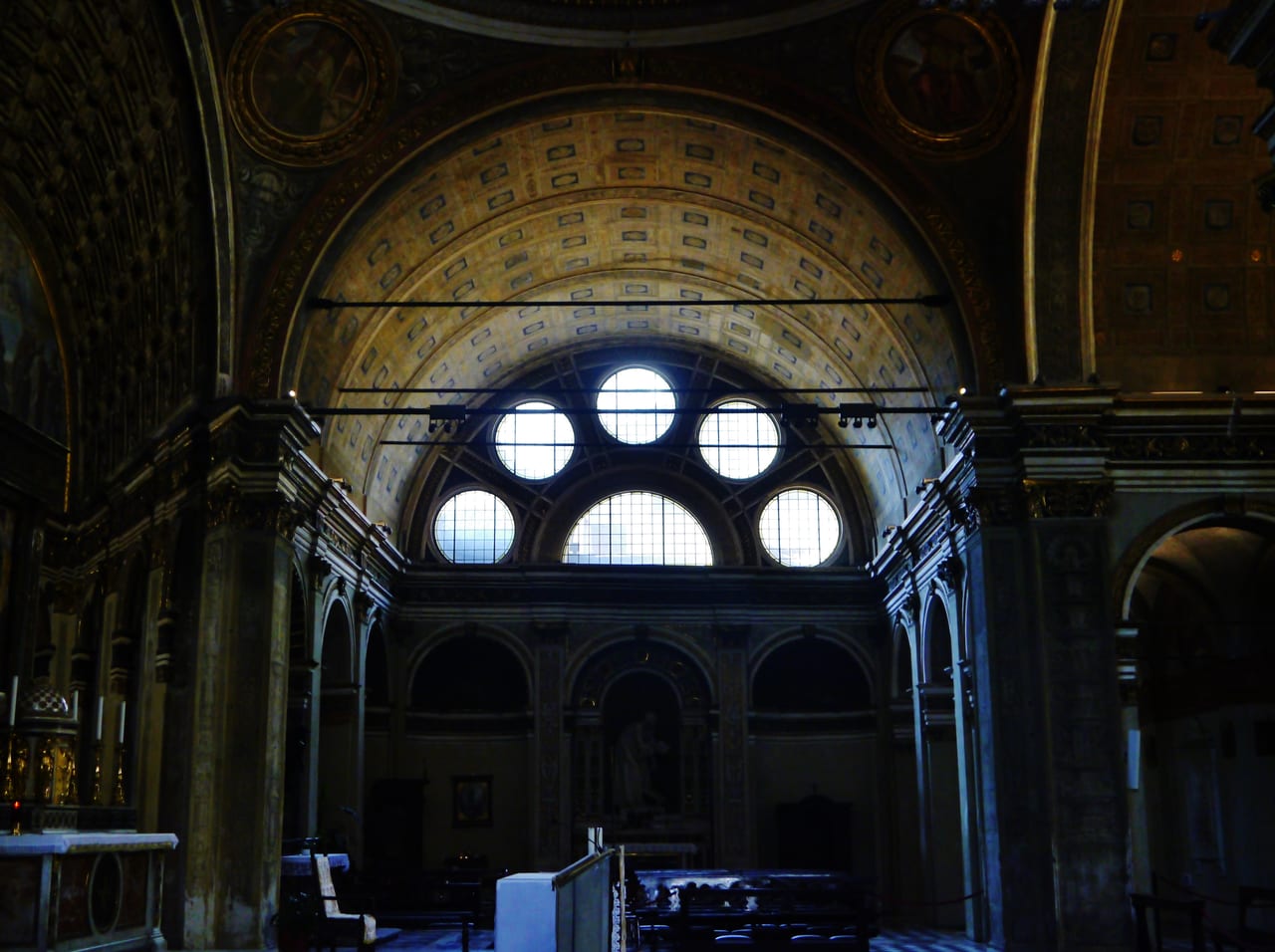
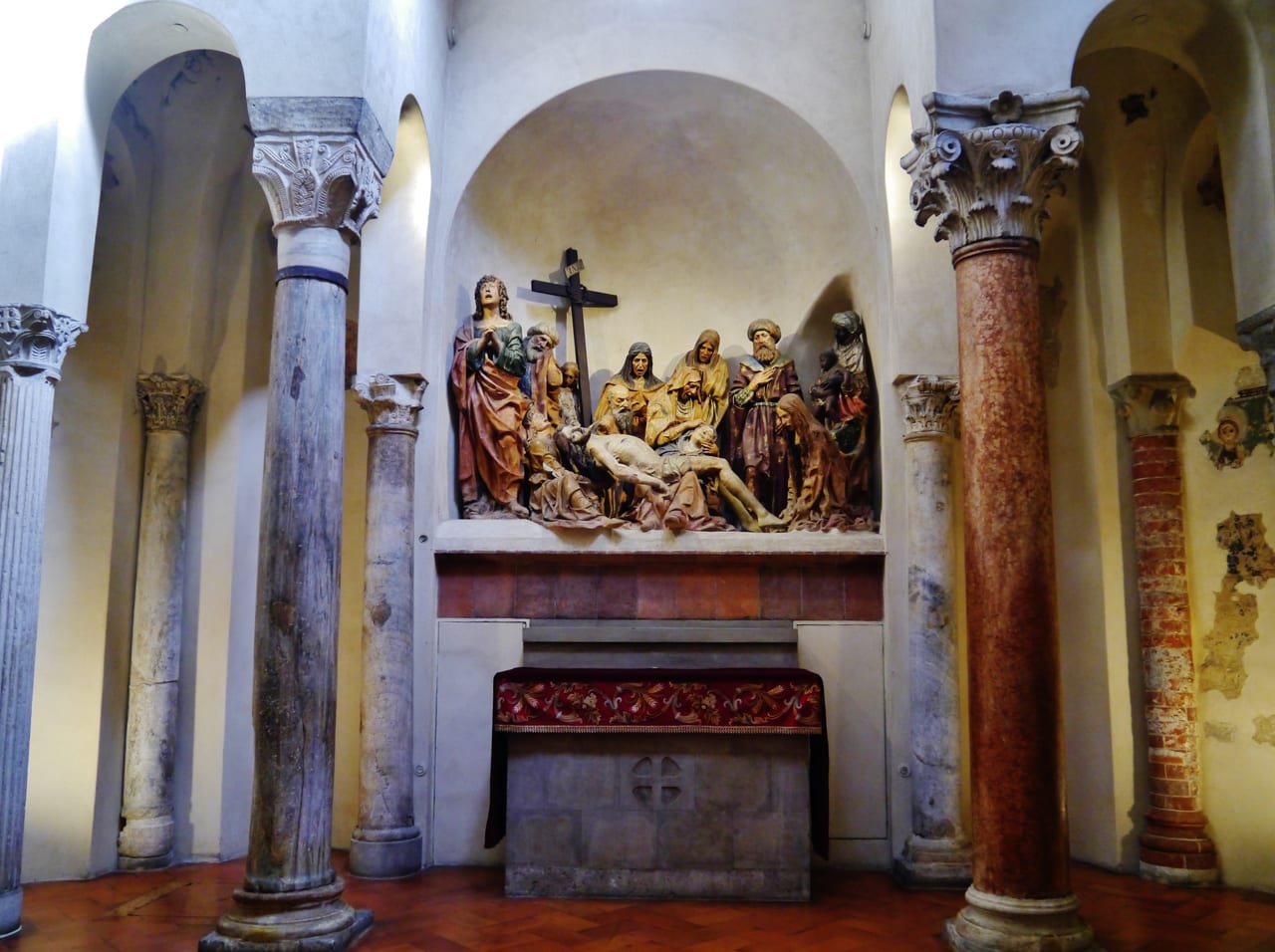
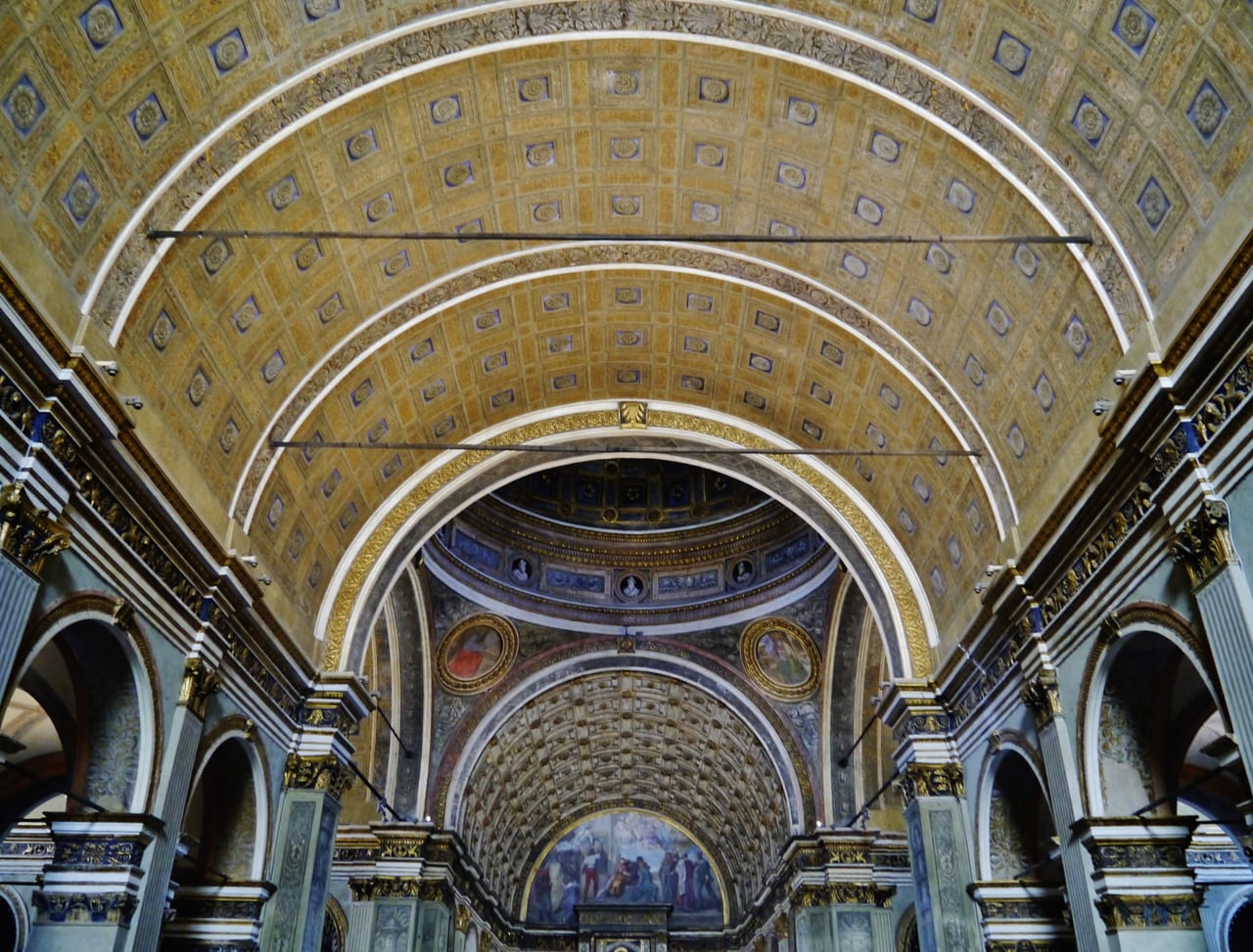
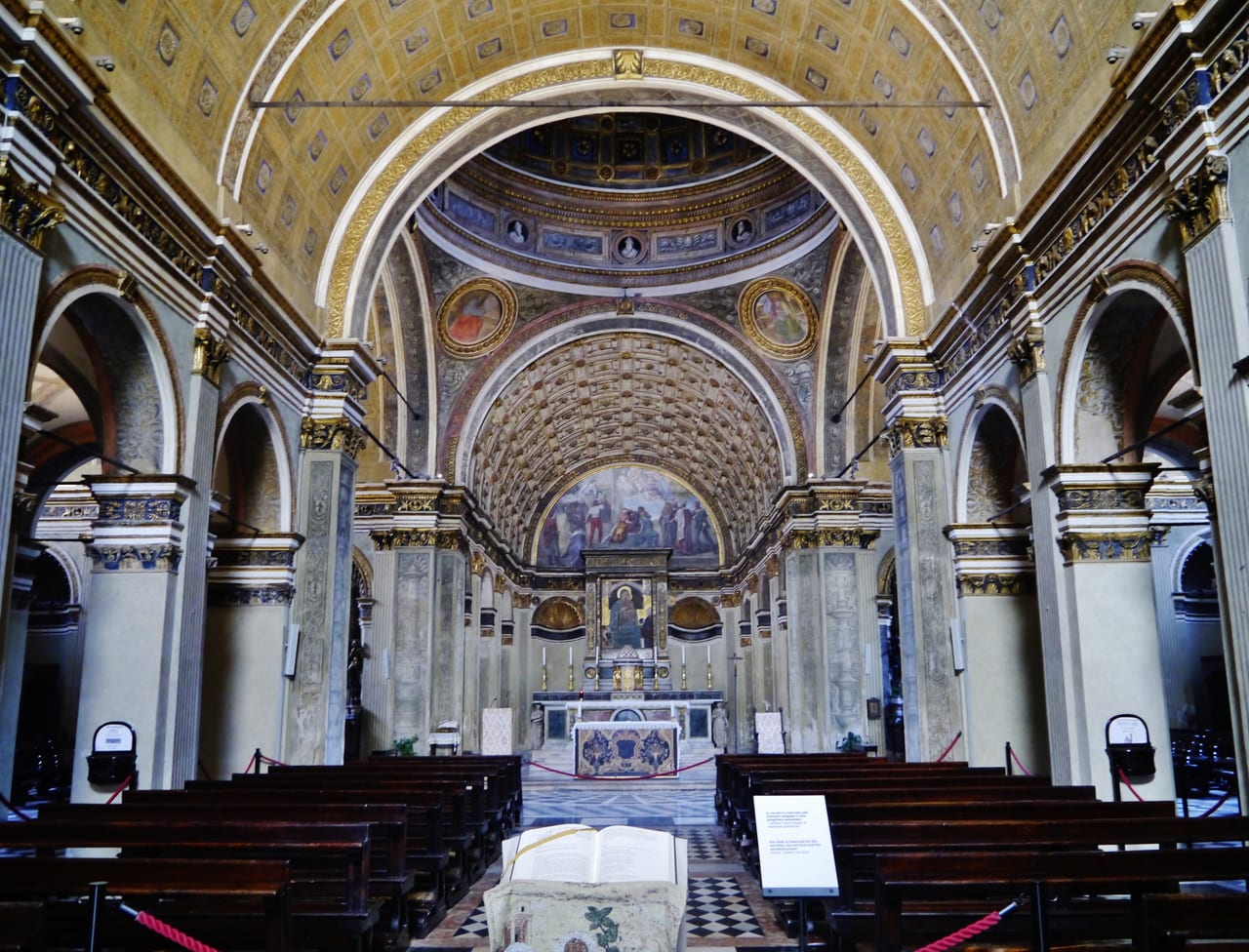
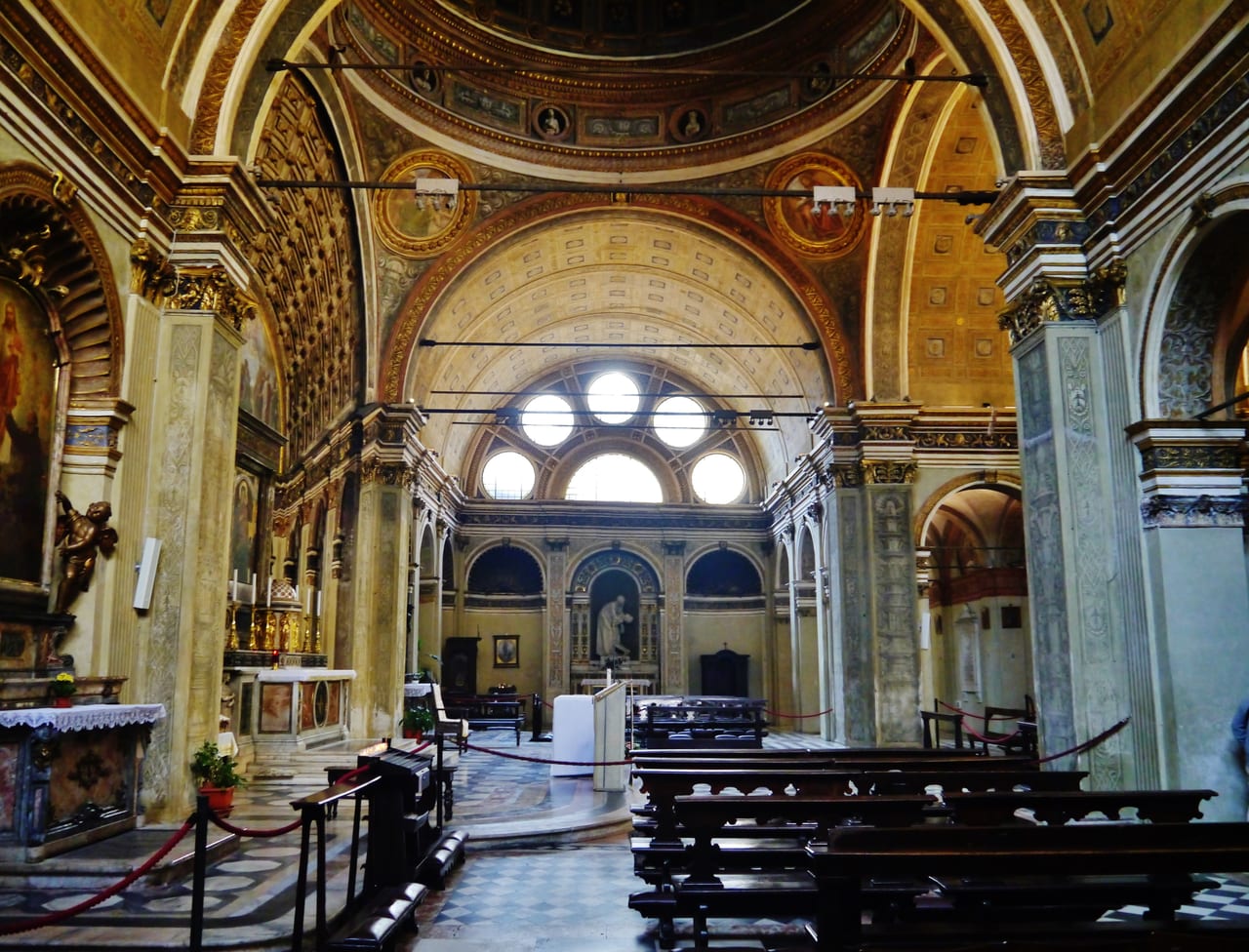
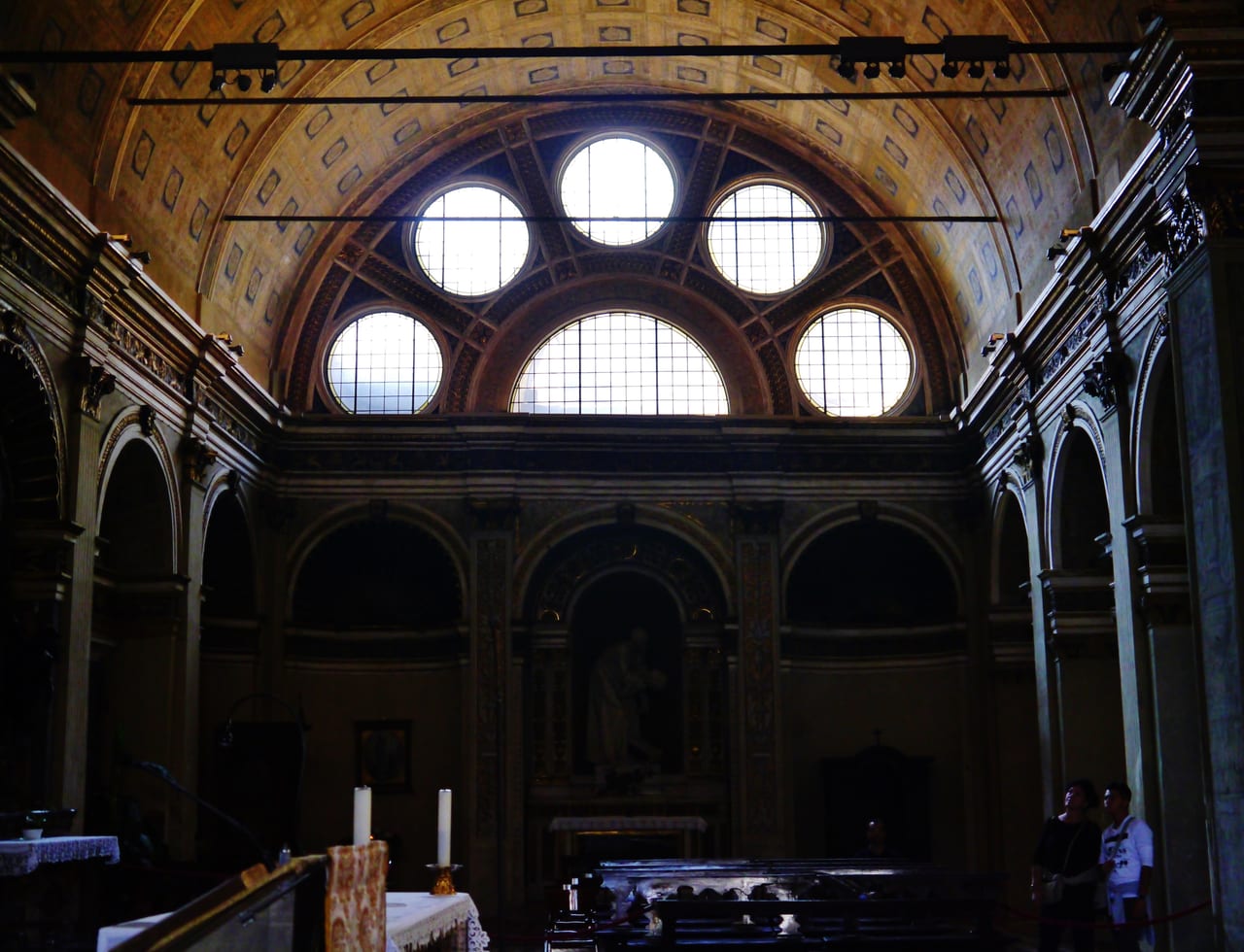
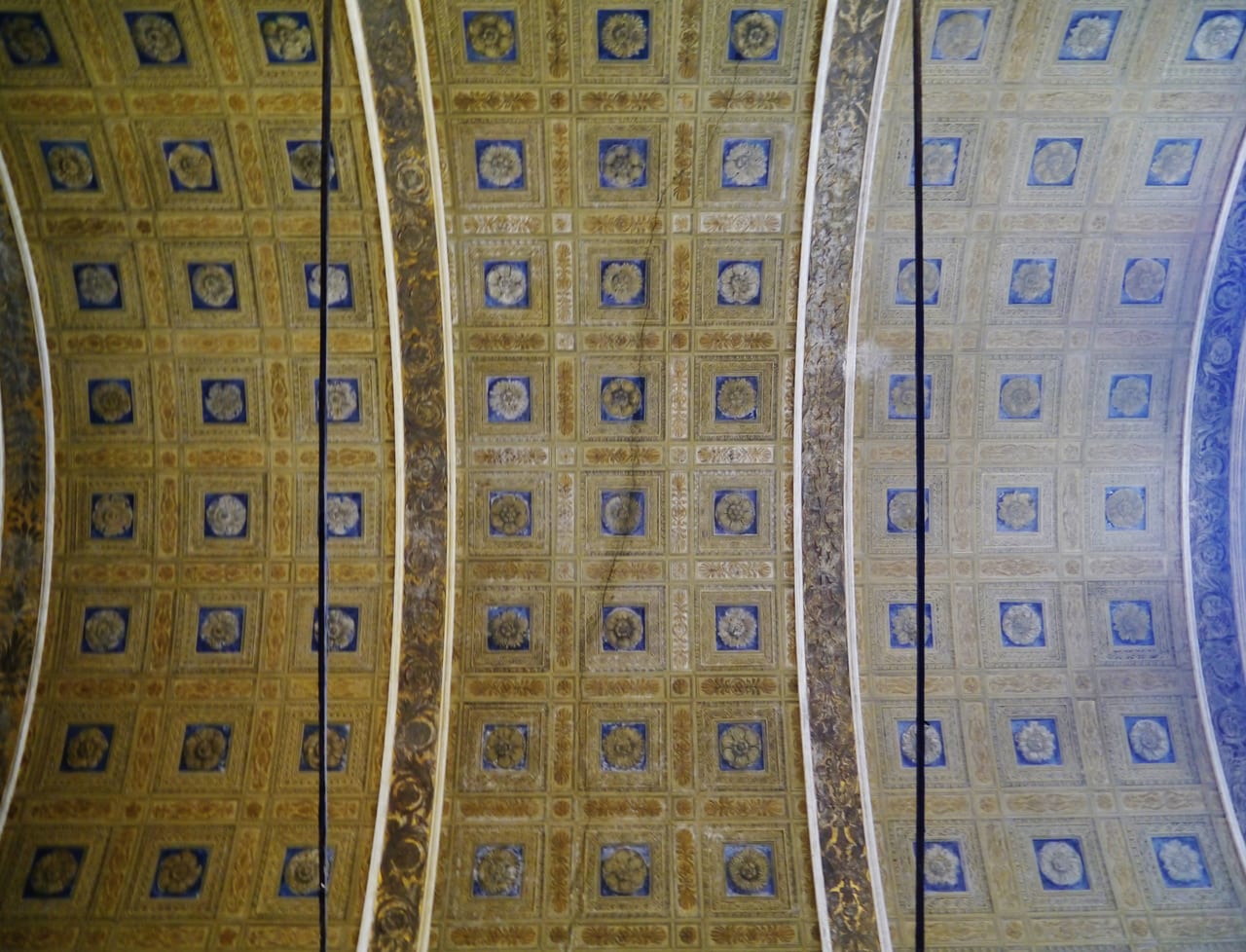
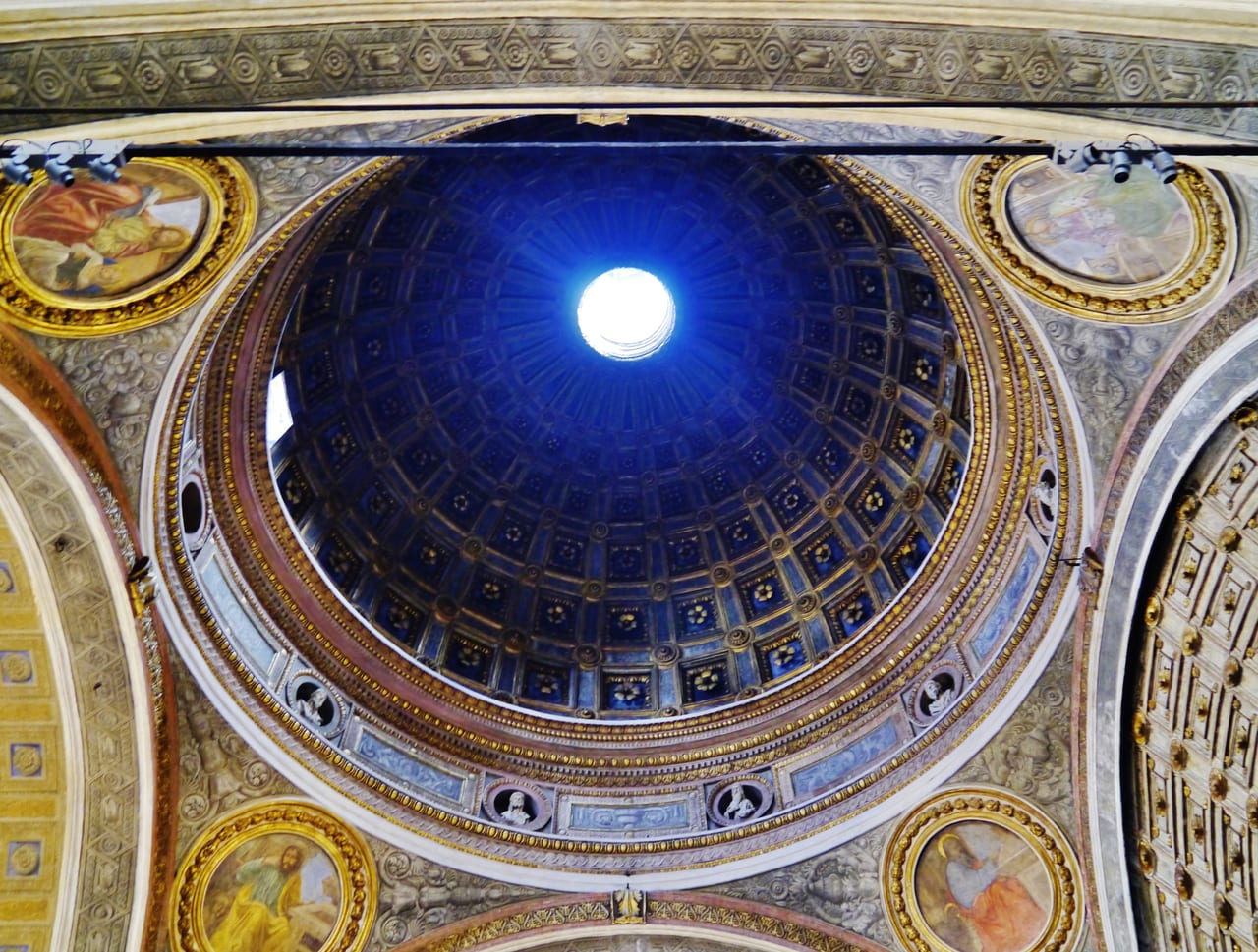
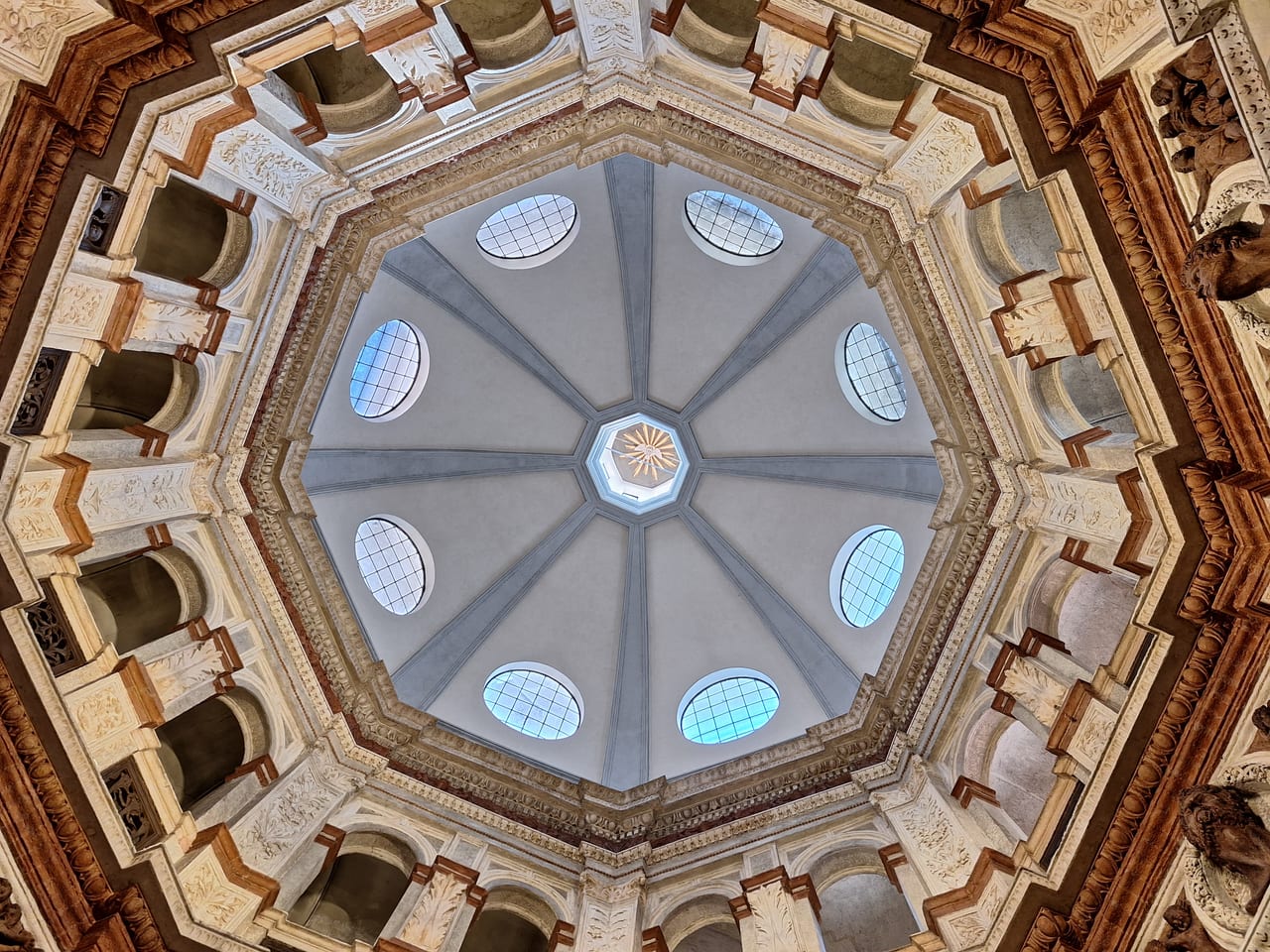
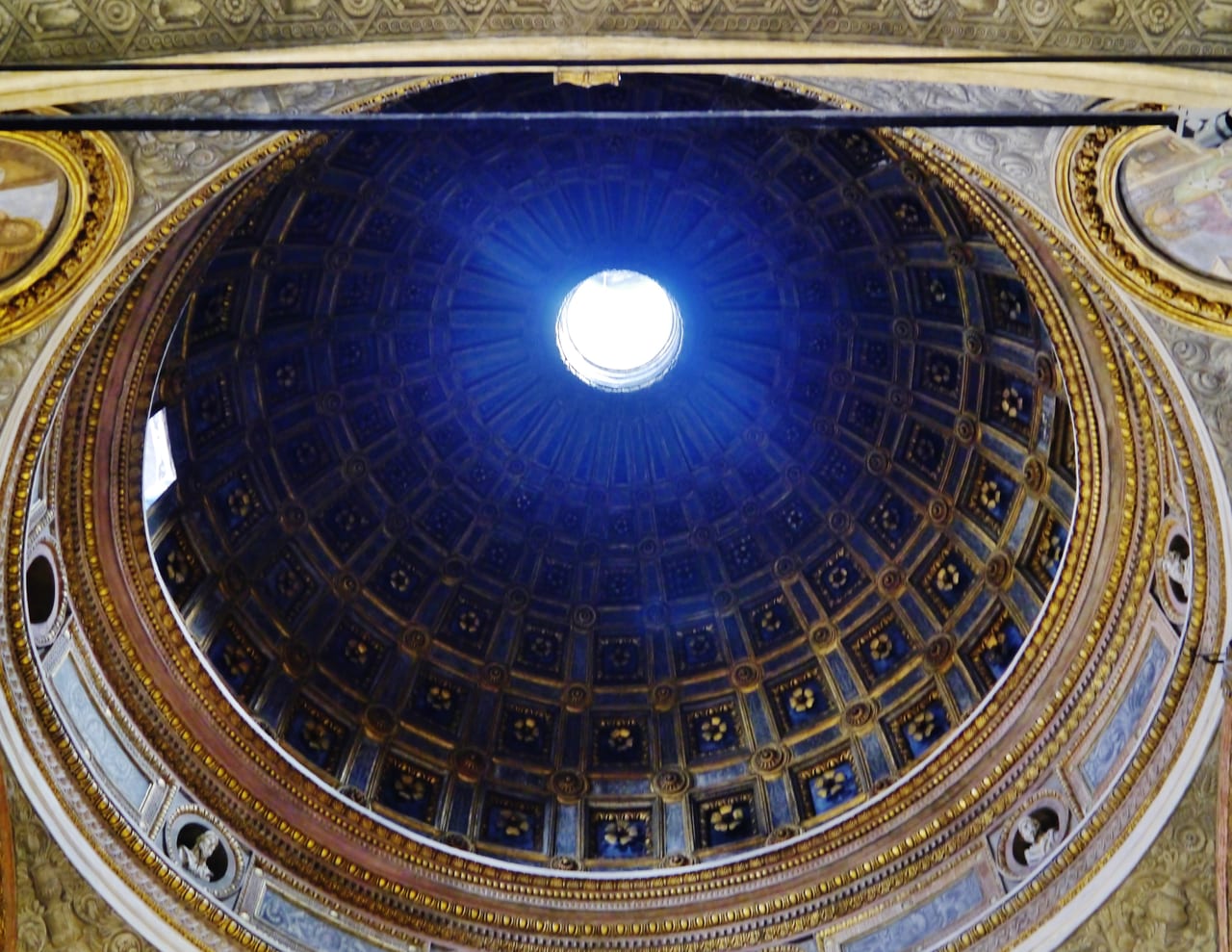
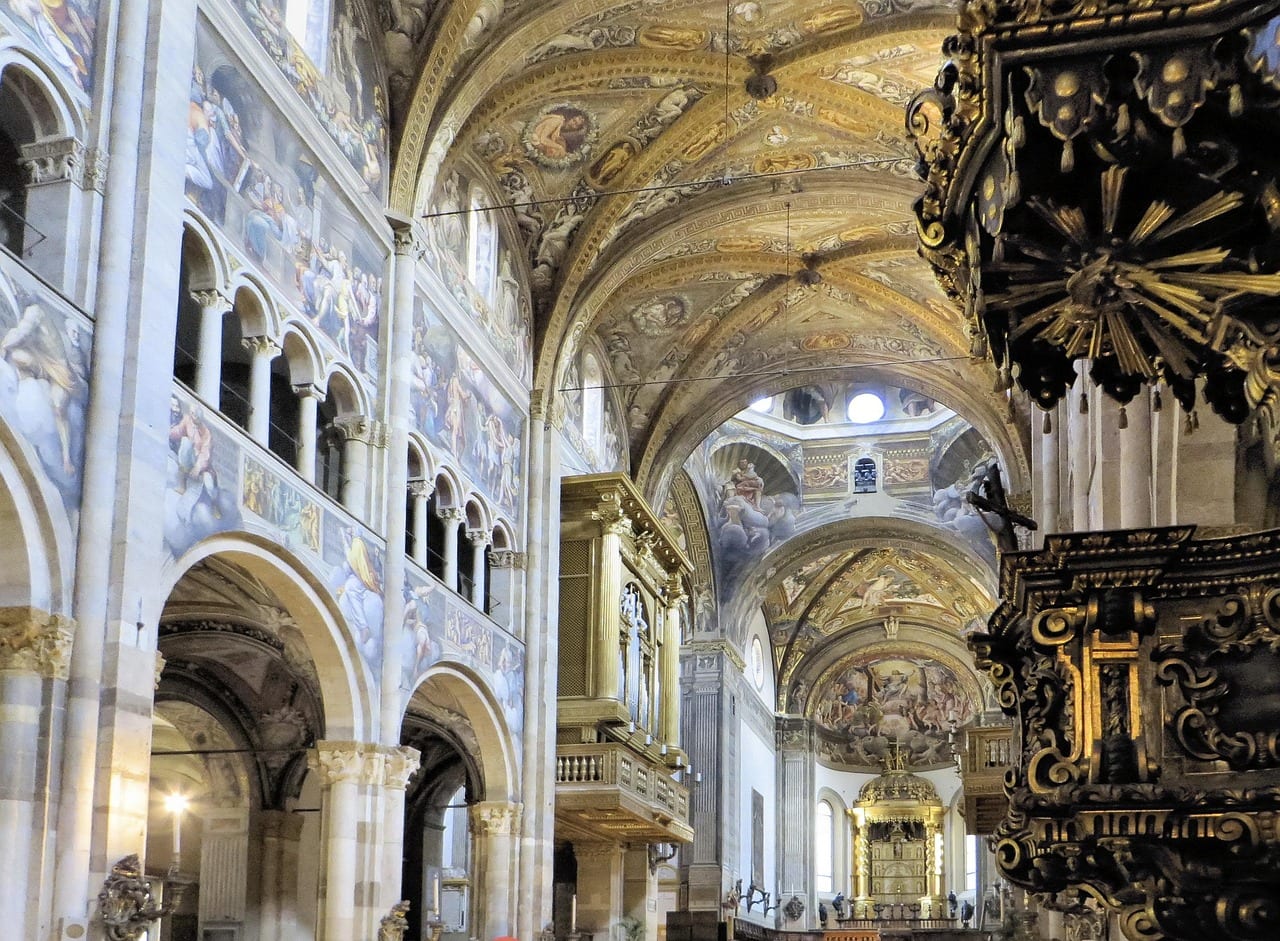
Santa Maria presso San Satiro stands on the site of a worship place established by Archbishop Anspertus in 879 and dedicated to Saint Satyrus, brother of Saints Ambrose and Marcellina. Donato Bramante was once credited with the entire design, but later documents assign most of the work to Giovanni Antonio Amadeo, including the façade; Bramante’s certain contribution is the sacristy perspective. The building has a nave and two aisles beneath barrel vaults, with a hemispherical dome over the transept crossing. Its Romanesque bell tower survived the fifteenth-century rebuilding, while the adjoining baptistry is also fifteenth-century. The interior was originally painted white and gold. Ambrogio Bergognone’s frescoes were later transferred to the Pinacoteca di Brera. Agostino de Fondulis contributed terracotta work, including a Dead Christ and sacristy busts.
At a glance
- Built
- 1600
- Architect
- Giovanni Antonio Amadeo
- Style
- Renaissance architecture
- Heritage
- Italian national heritage
Ways to explore Santa Maria presso San Satiro
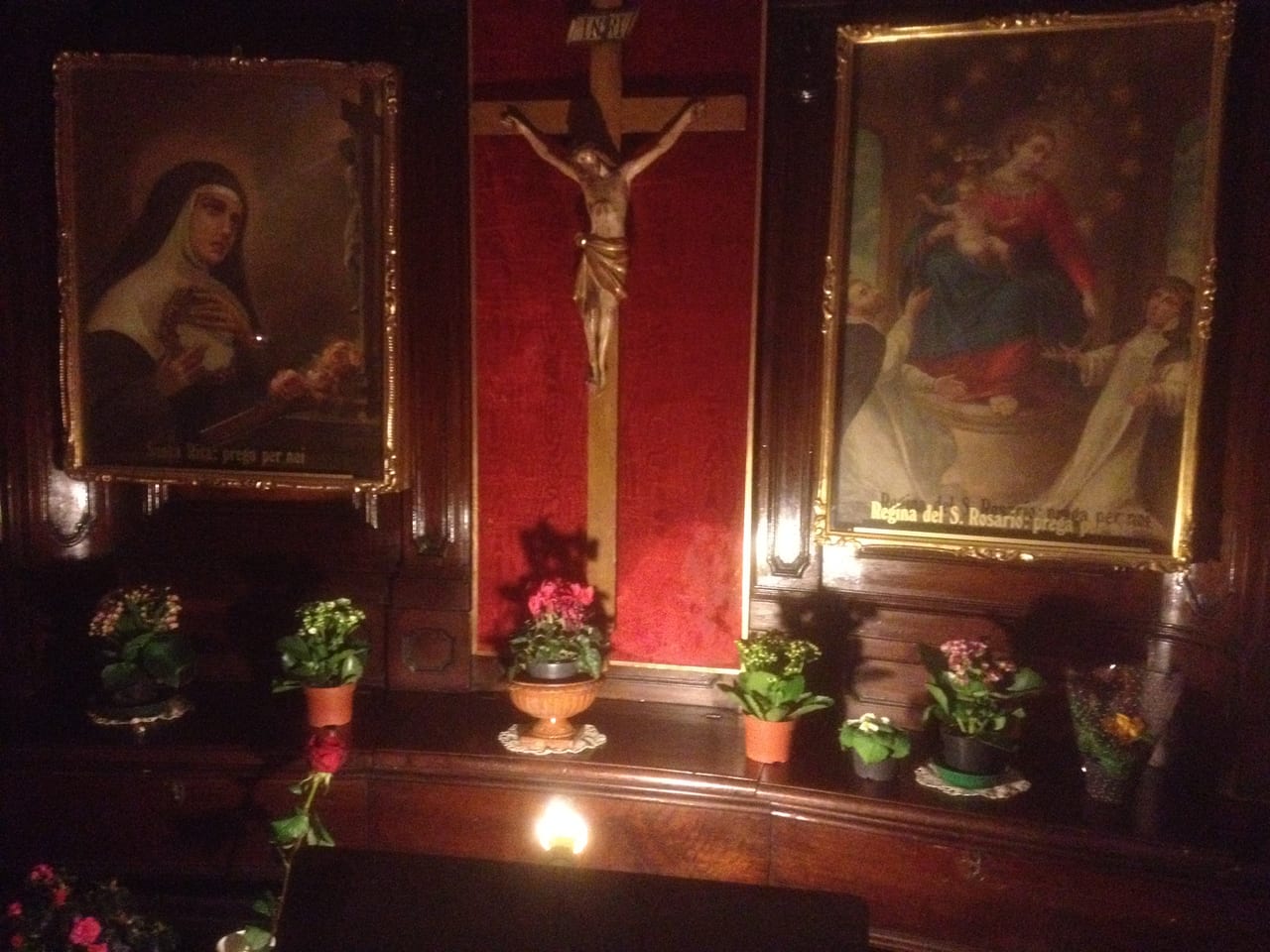
From the nave, appreciate how the painted choir extends the building visually, then compare that illusion with the church’s actual shallow rear space. Note the hemispherical dome, barrel-vaulted aisles and surviving Romanesque bell tower. The central-plan sacristy contains Agostino de Fondulis’s terracotta busts; the 1764 altarpiece by Giuseppe Peroni and the decoration of the ancient San Satiro shrine add further points of interest.
Places to stay near Santa Maria presso San Satiro

Live availability and prices from Stay22's partners, refreshed periodically and subject to change. Booking through these links may earn us a commission at no extra cost to you. See our privacy policy.
Cafés near Santa Maria presso San Satiro
Cafés near Santa Maria presso San Satiro loads as you scroll.
Attractions nearby
Attractions near Santa Maria presso San Satiro loads as you scroll.
Cities nearby
Cities nearby loads as you scroll.
More in Milan
See more of Milan.
Find great cafés, places to stay and other interesting places to visit in Milan.