Church · Milan
San Vittore al Corpo
DirectionsSan Vittore al Corpo stands on the site of a fourth-century Roman imperial mausoleum, linking Milan’s Christian, imperial and monastic pasts in one setting.
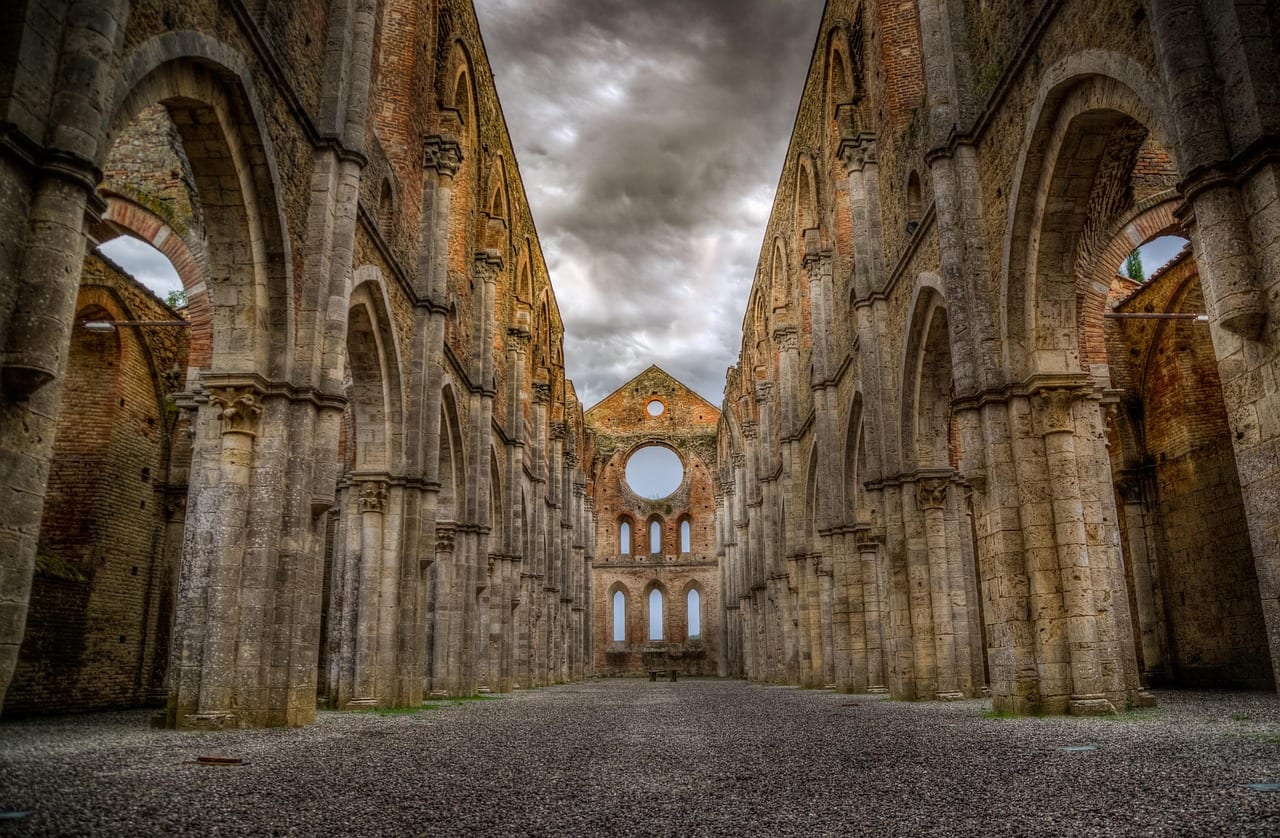
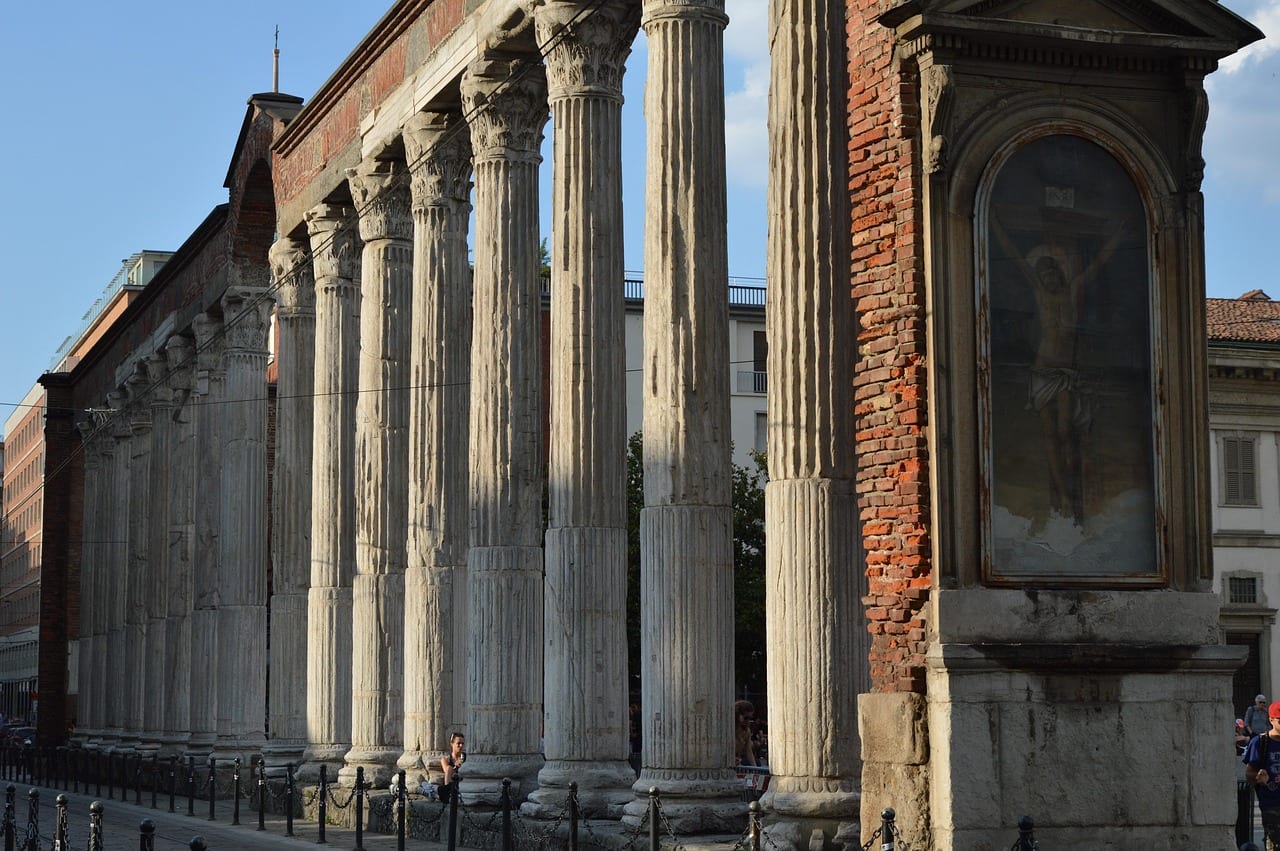
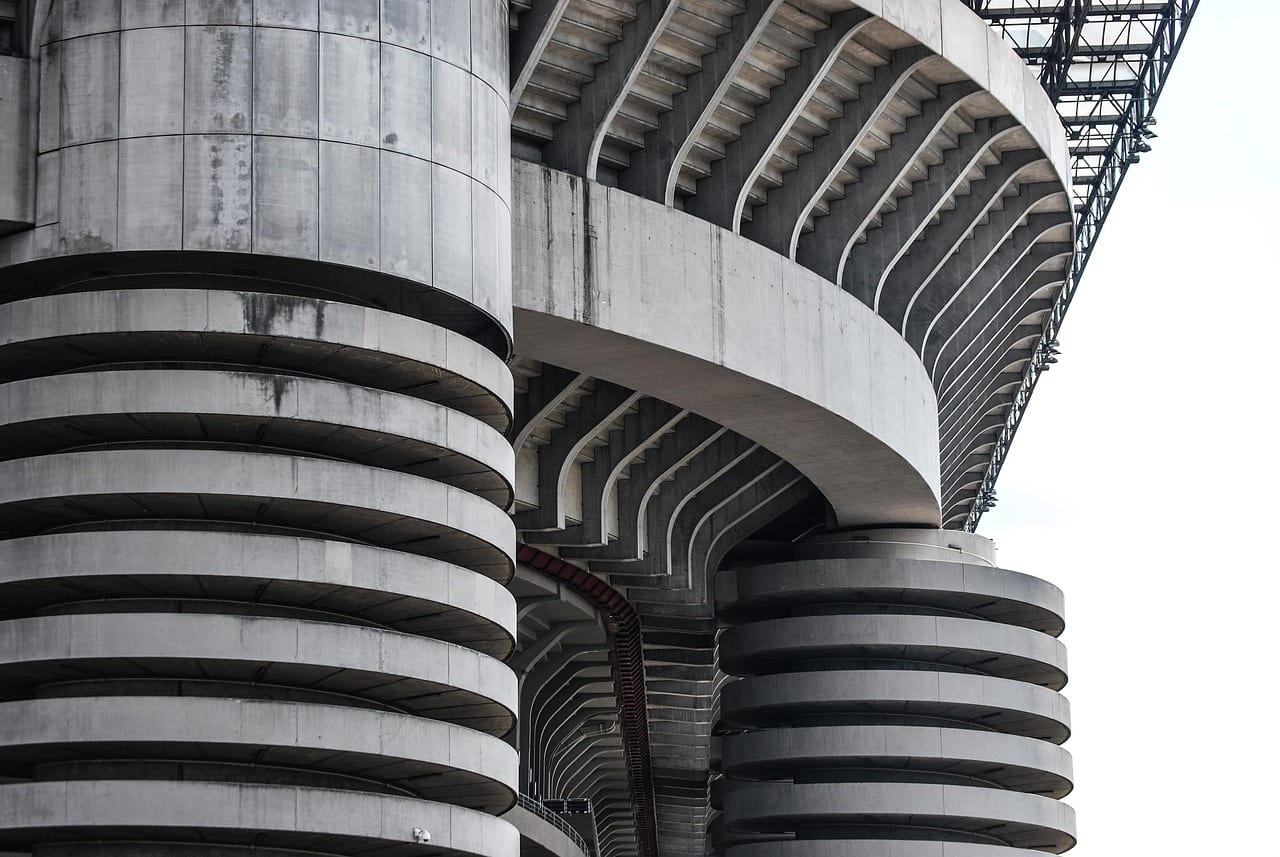
Photograph 1 of 3 of San Vittore al Corpo
The church and monastery began as an early sixteenth-century foundation of the Olivetan order, but their story reaches back much further. The church was enlarged in the eighth century to house the relics of Saints Vittore and Satiro, and a Benedictine monastery was attached soon afterwards. In 1507, the complex passed to the Olivetans, who initiated a major rebuilding campaign. Reconstruction began in 1533 under Vincenzo Seregni and was completed in 1568 by Pellegrino Tibaldi. The Mannerist design remains marked by an unfinished façade. The interior gained further distinction through Guglielmo Caccia’s dome fresco of 1617, Daniele Crespi’s 1619 Death of St Paul the Hermit in the Chapel of St Anthony, and Ambrogio Figino’s early seventeenth-century cycle of the Stories of San Benedetto in the left transept. Three altarpieces by Camillo Procaccini occupy the right transept. During the Napoleonic wars, the complex became a military hospital and later barracks. Bombardment in 1943 caused damage.
At a glance
- Style
- Mannerist architecture
- Heritage
- Italian national heritage
Ways to explore San Vittore al Corpo
Study the contrast between the incomplete façade and Tibaldi’s more resolved interior architecture. Look up at the dome fresco, then follow the painted narratives in the transepts: Figino’s Benedictine cycle on the left and Procaccini’s three altarpieces on the right. Pay particular attention to Crespi’s painting in the Chapel of St Anthony. The adjoining monastery can be paired with a visit to the Leonardo da Vinci science and technology museum.
Places to stay near San Vittore al Corpo

Live availability and prices from Stay22's partners, refreshed periodically and subject to change. Booking through these links may earn us a commission at no extra cost to you. See our privacy policy.
Cafés near San Vittore al Corpo
Cafés near San Vittore al Corpo loads as you scroll.
Attractions nearby
Attractions near San Vittore al Corpo loads as you scroll.
Cities nearby
Cities nearby loads as you scroll.
More in Milan
See more of Milan.
Find great cafés, places to stay and other interesting places to visit in Milan.