Church · Milan
San Babila Church
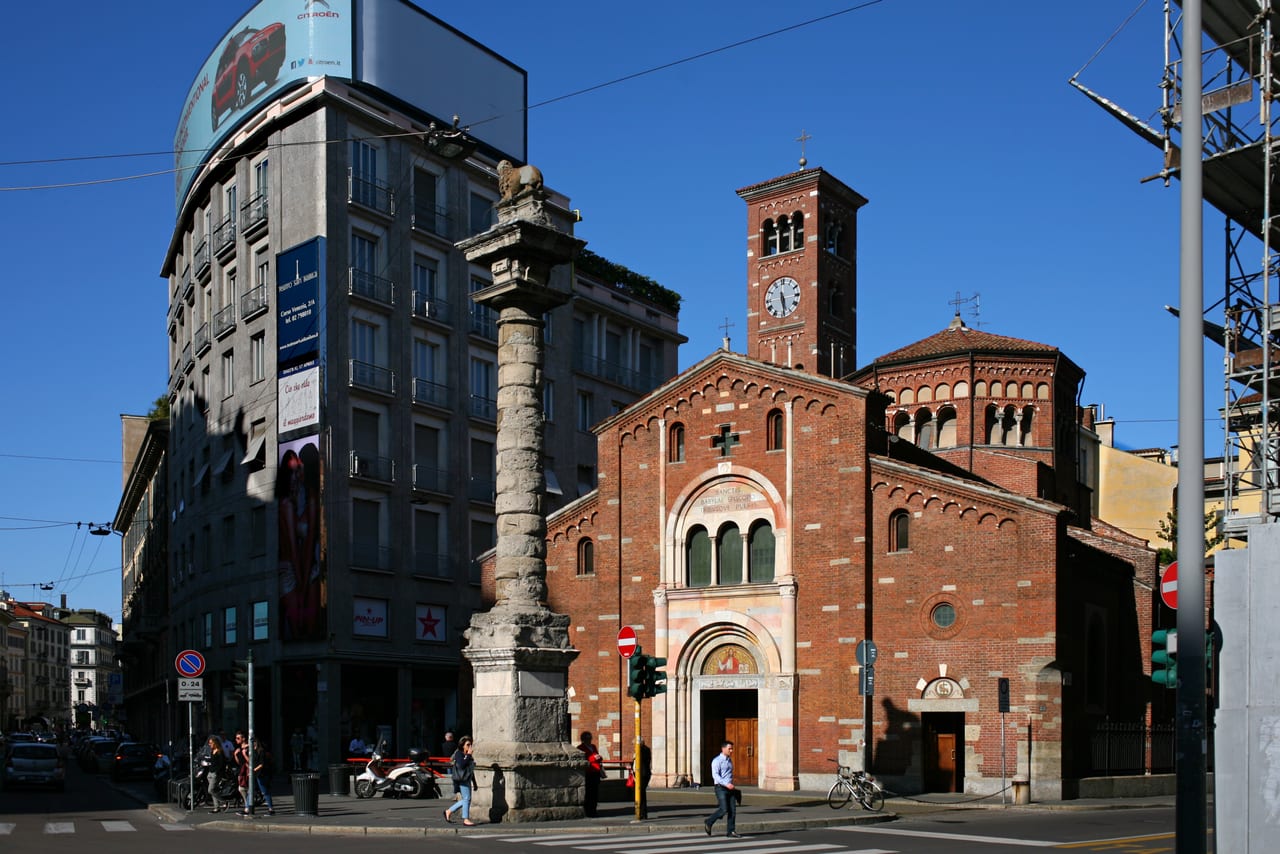
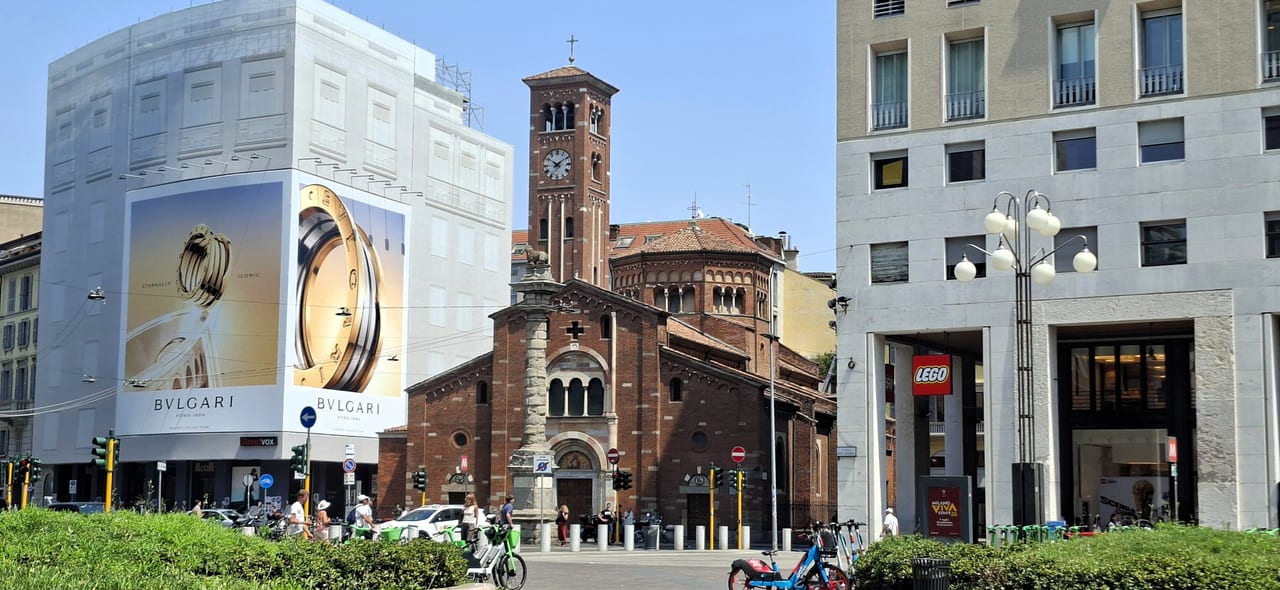
DirectionsIts forecourt column bears a damaged lion whose origins remain disputed; today, that ambiguous monument is the emblem of the surrounding neighbourhood.
Photograph 1 of 10 of San Babila Church
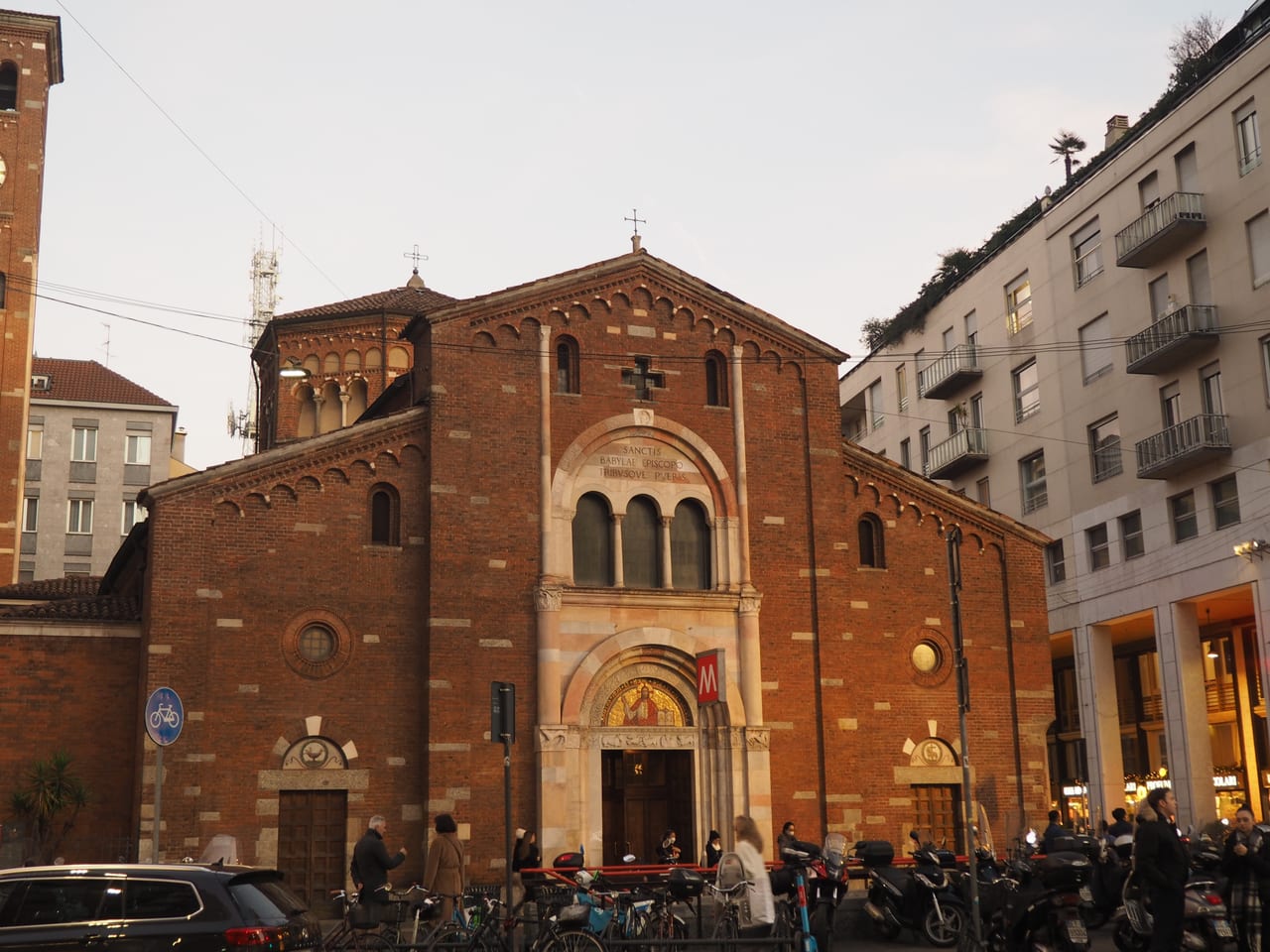
San Babila’s story reaches back to the beginning of the 5th century, when Marolus, bishop of Milan, brought relics of Babylas of Antioch and Romanus of Caesarea from Antioch. The present church rose on the same site around 1095 and bears the name of Saint Babylas. Once regarded as Milan’s third most important church after the Duomo and Sant’Ambrogio, it retains a medieval core despite substantial Baroque and modern alterations. A 16th-century extension added a new front and Baroque façade. Until 1927, a Mannerist façade featured pilasters, a projecting columned portal and spherical pinnacles with palm leaves. The present bell tower dates from 1920, replacing the original, which collapsed in the 16th century. The basilica is recognised as Italian national heritage.
At a glance
- Built
- 801
- Style
- Romanesque architecture
- Heritage
- Italian national heritage
Ways to explore San Babila Church
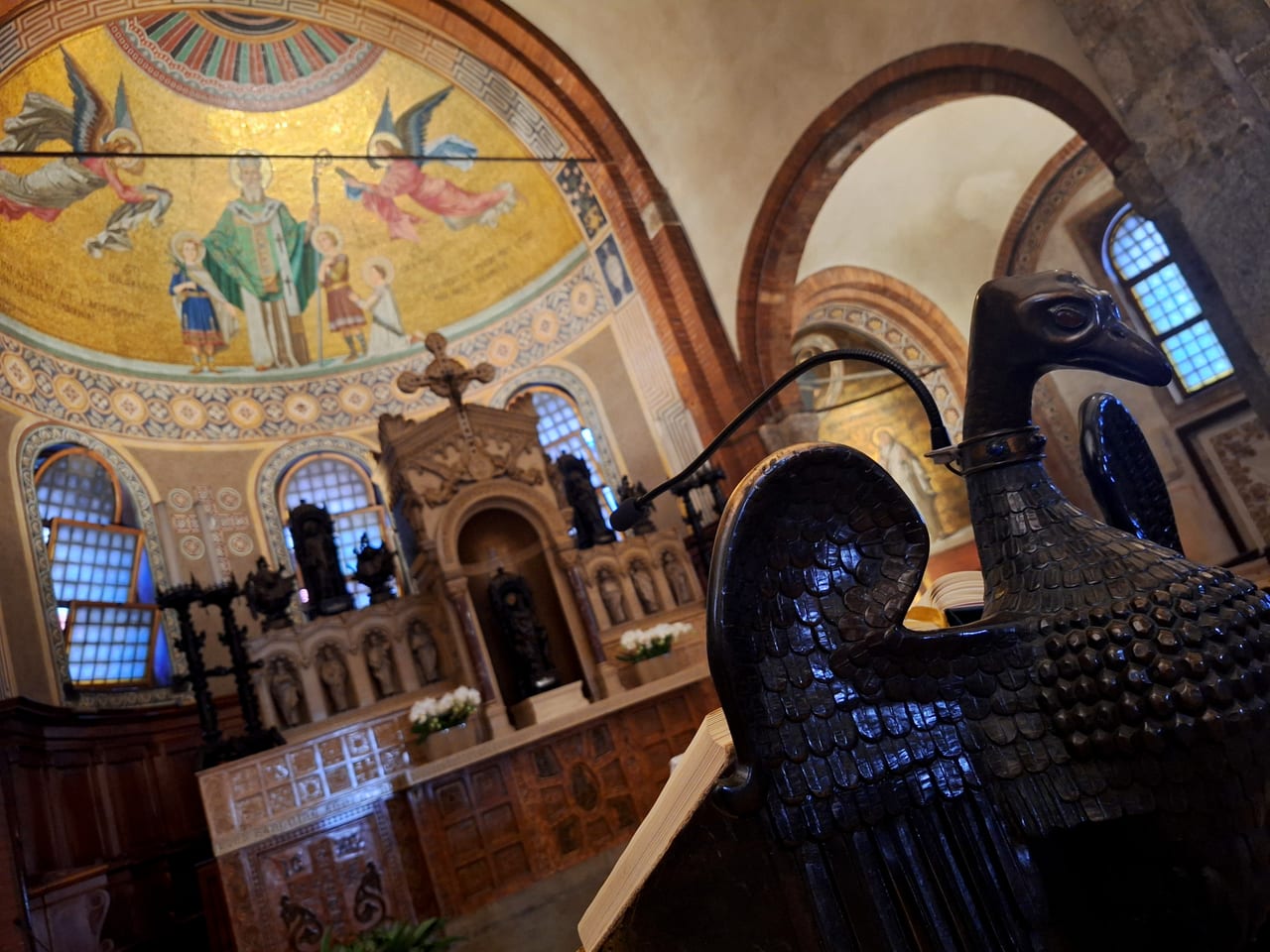
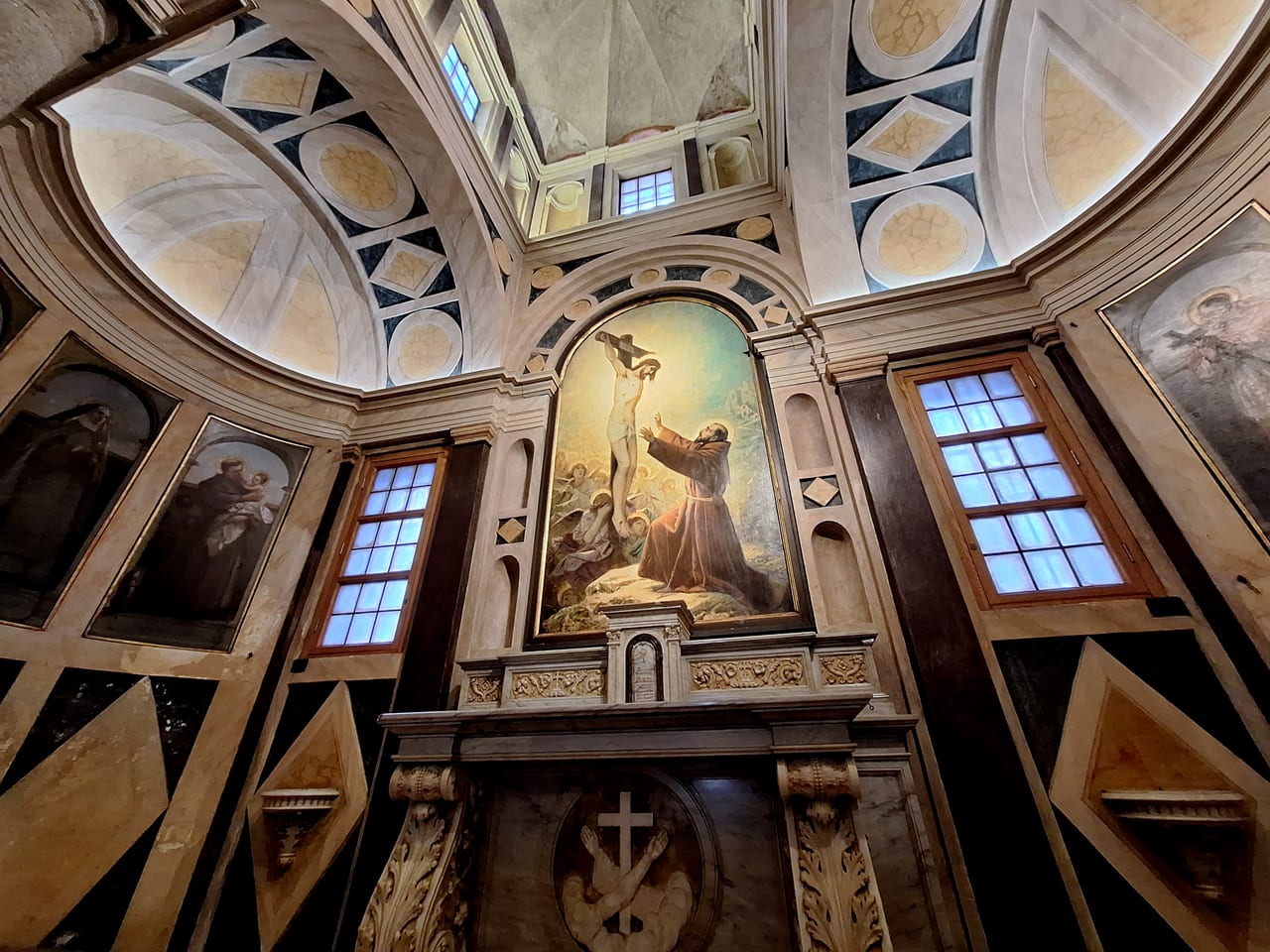
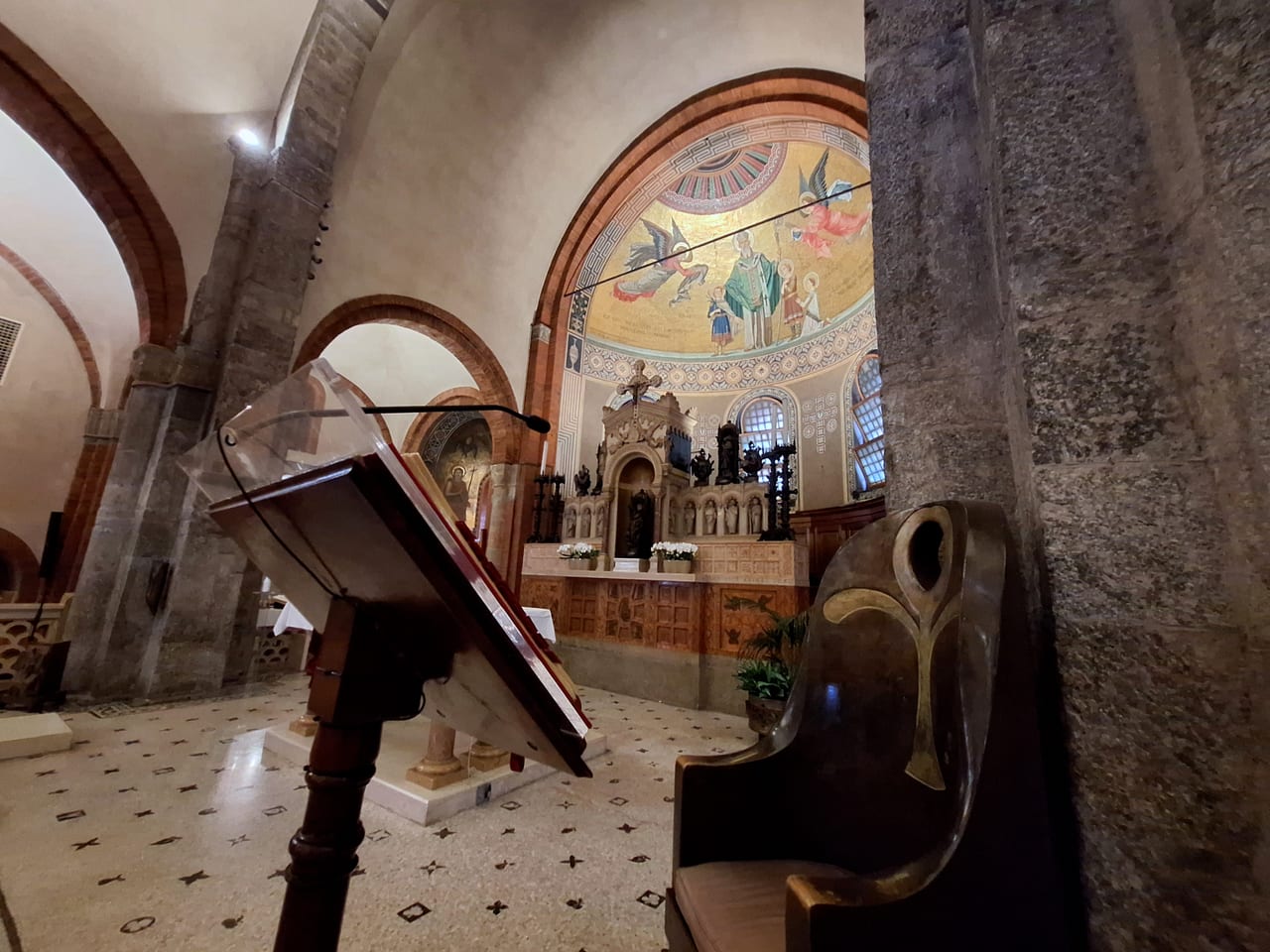
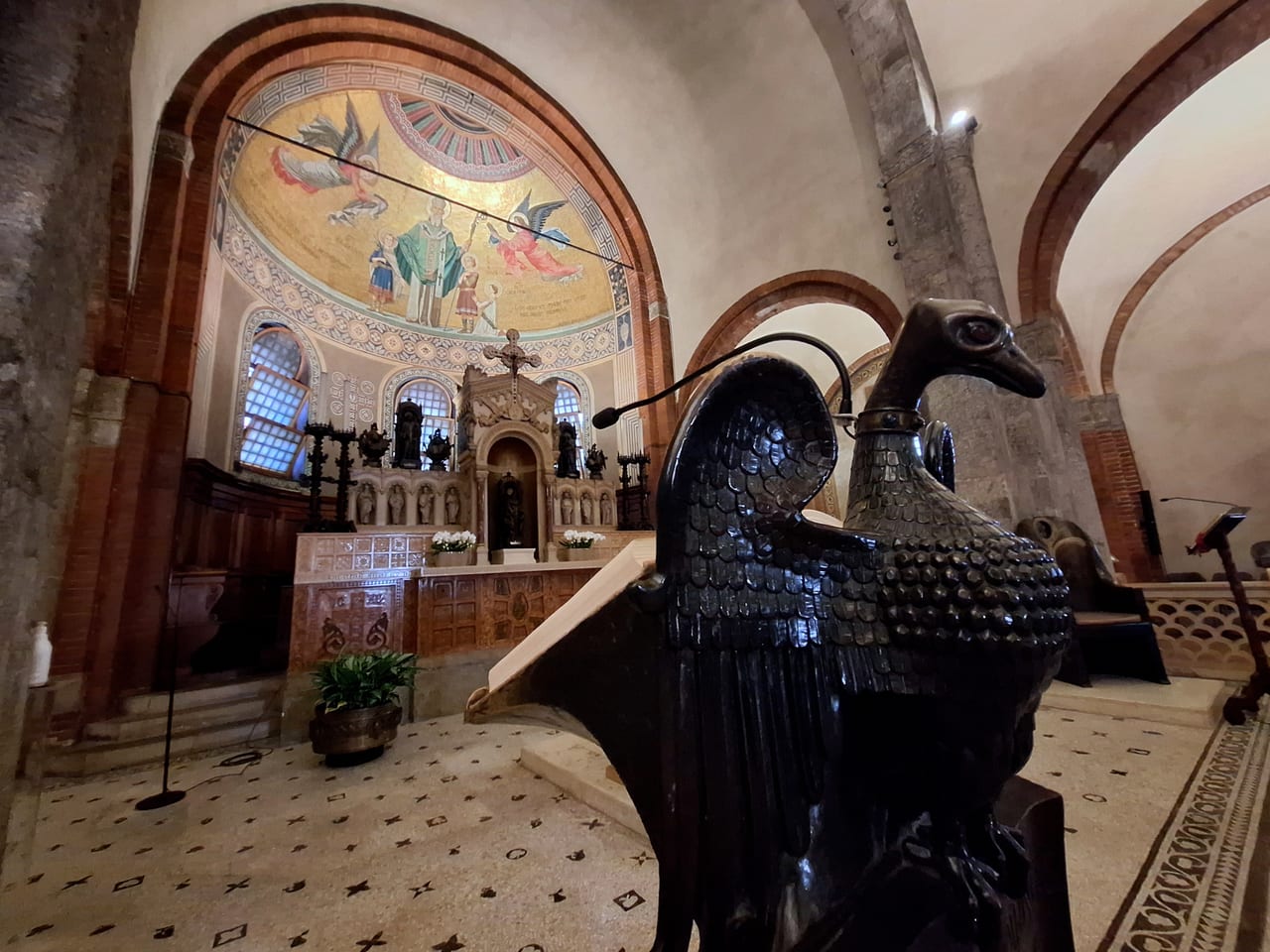
Examine the interior’s nave, two aisles and multilobular semicircular apses, then look into the two late-Renaissance side chapels. In the right aisle, pause before the Madonna image, which has particular importance for Milanese worshippers. The Zanin pipe organ, installed in 2008 with entirely mechanical transmission and inspired by German Baroque instruments, can be heard during liturgies and concerts; its titular organist is Michele Zanella.
Places to stay near San Babila Church

Live availability and prices from Stay22's partners, refreshed periodically and subject to change. Booking through these links may earn us a commission at no extra cost to you. See our privacy policy.
Cafés near San Babila Church
Cafés near San Babila Church loads as you scroll.
Attractions nearby
Attractions near San Babila Church loads as you scroll.
Cities nearby
Cities nearby loads as you scroll.
More in Milan
See more of Milan.
Find great cafés, places to stay and other interesting places to visit in Milan.