Castle & palace · Milan
Porta Venezia
DirectionsPorta Venezia stands where Milan’s Roman and medieval fortifications once met the road towards eastern Brianza and Bergamo, giving today’s city gate an unusually deep urban lineage.
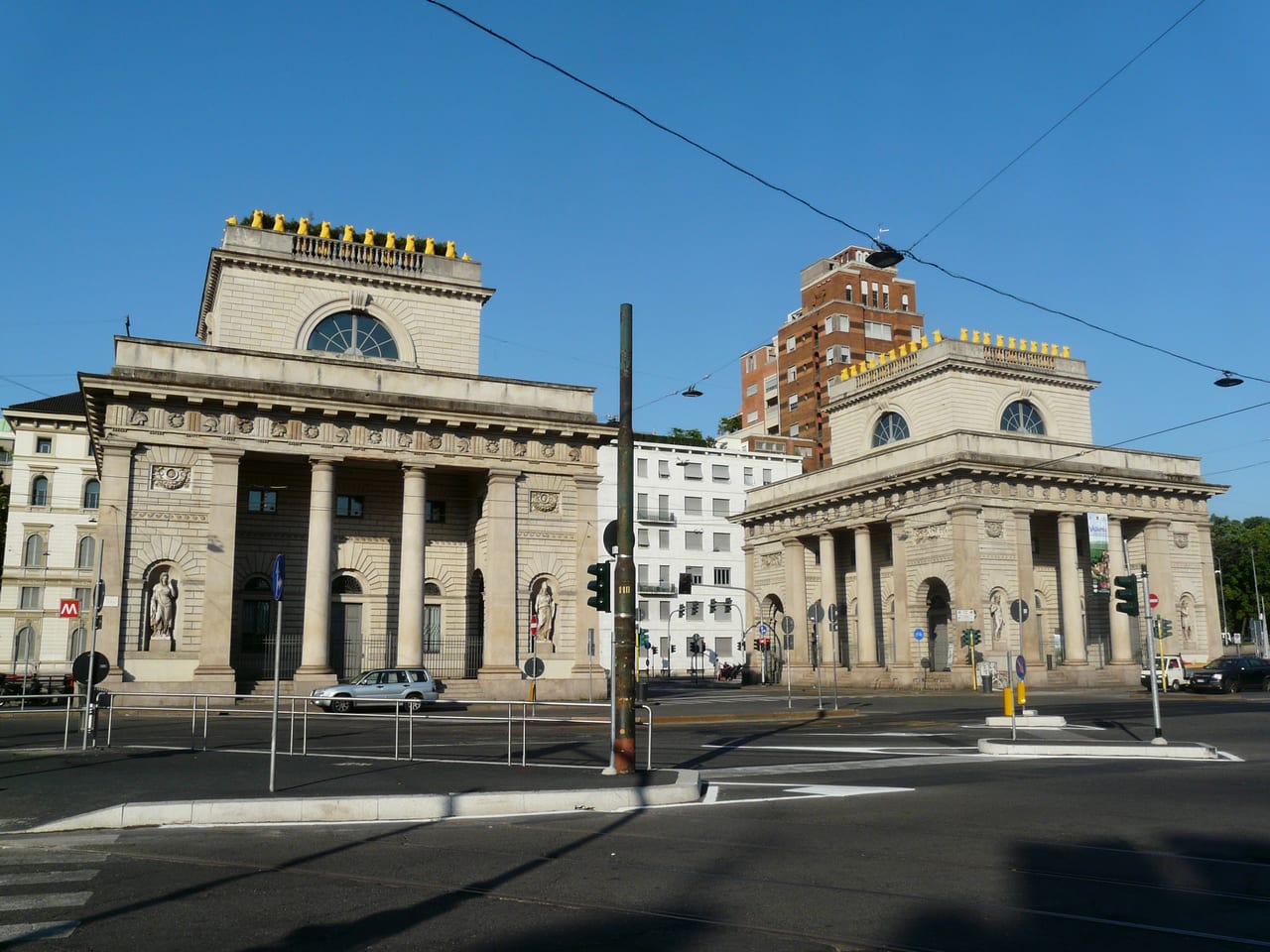
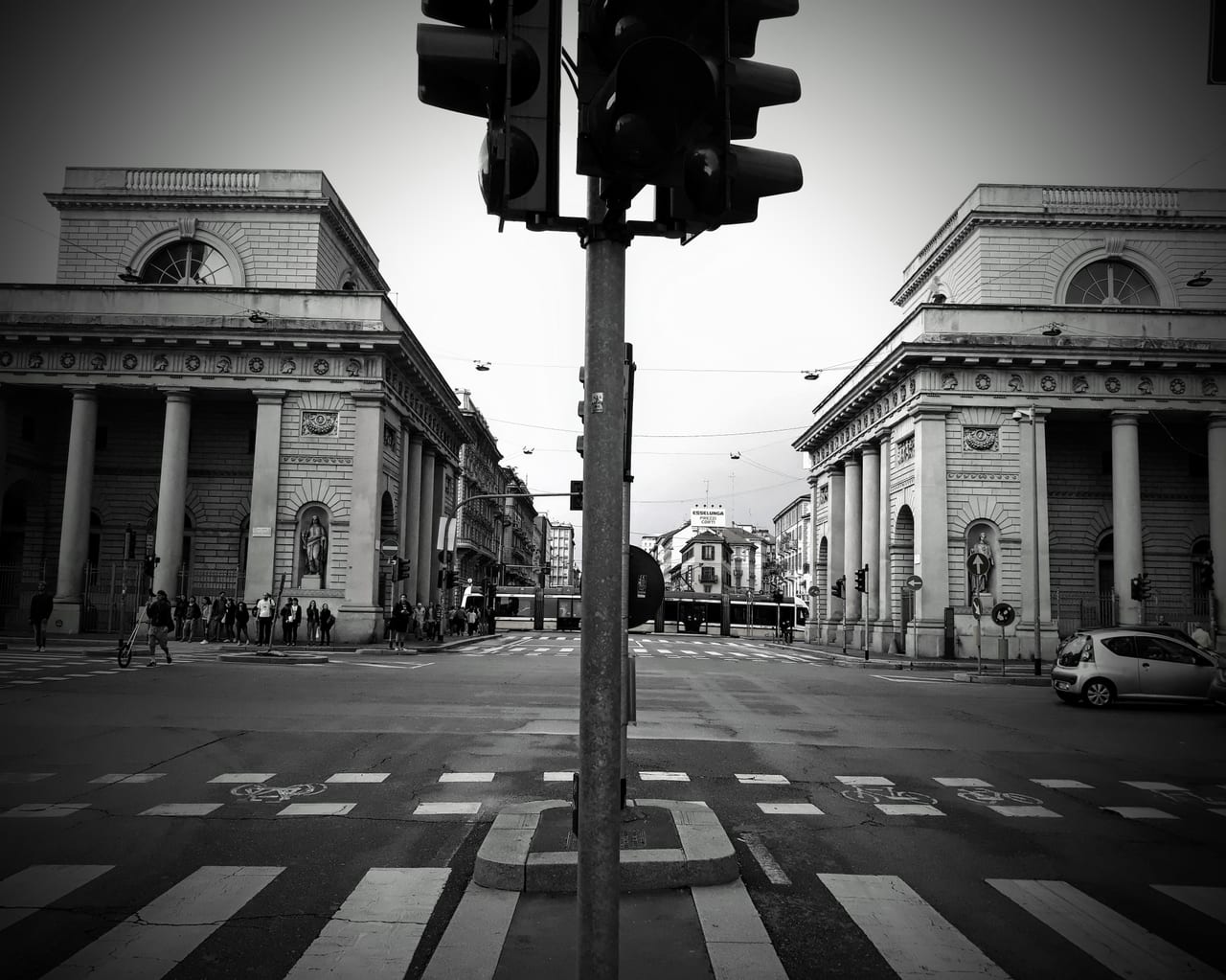
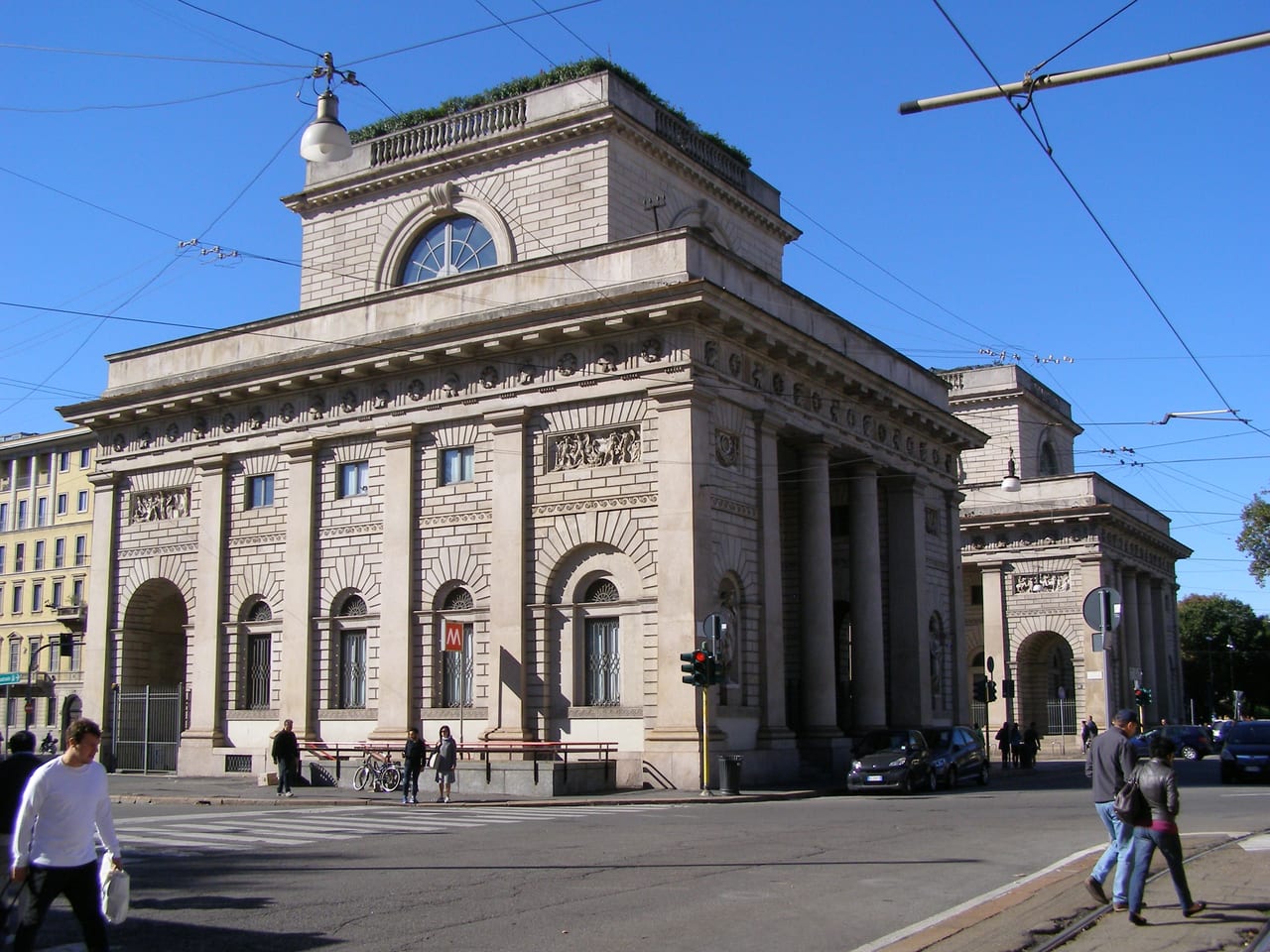
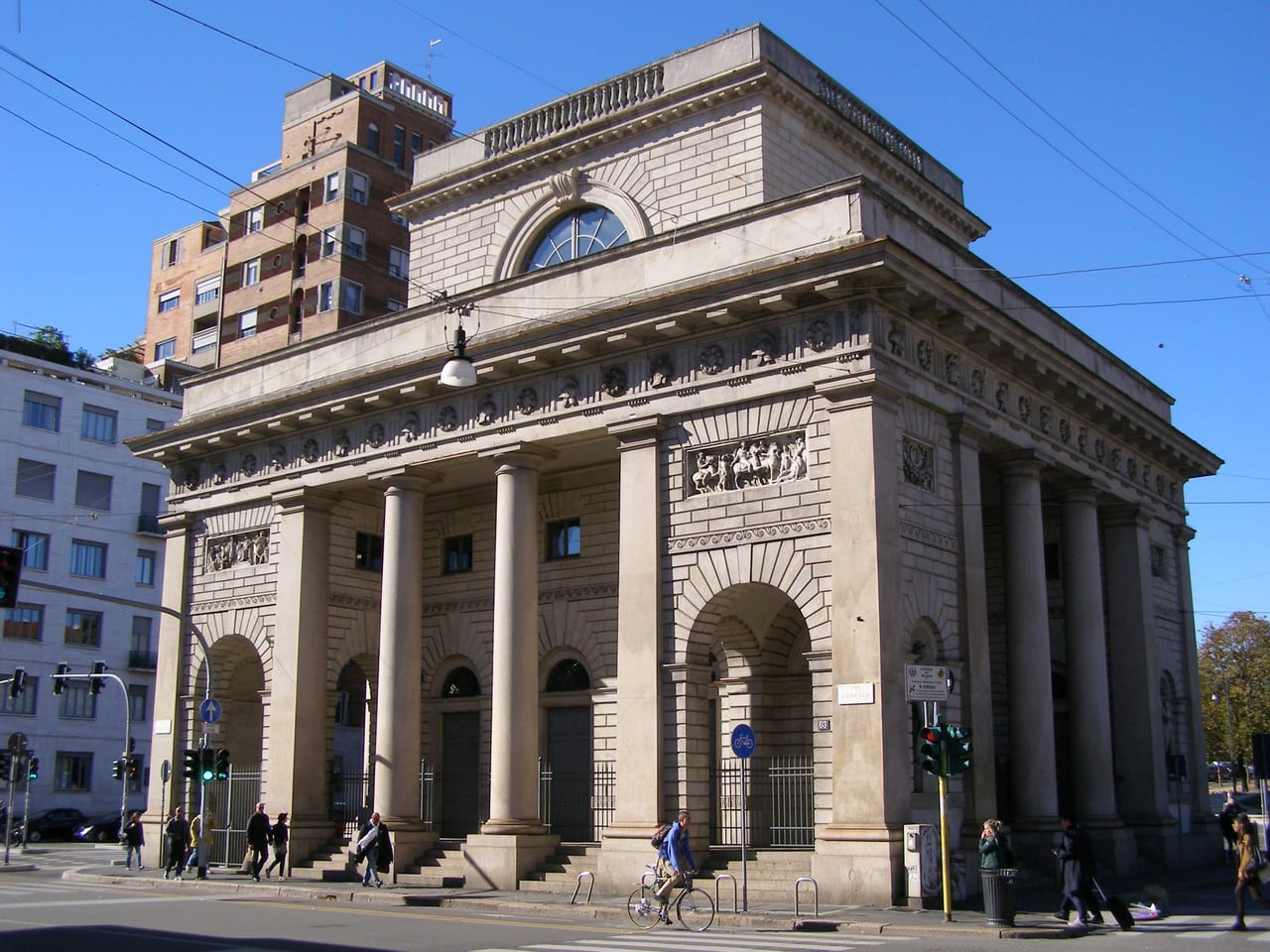
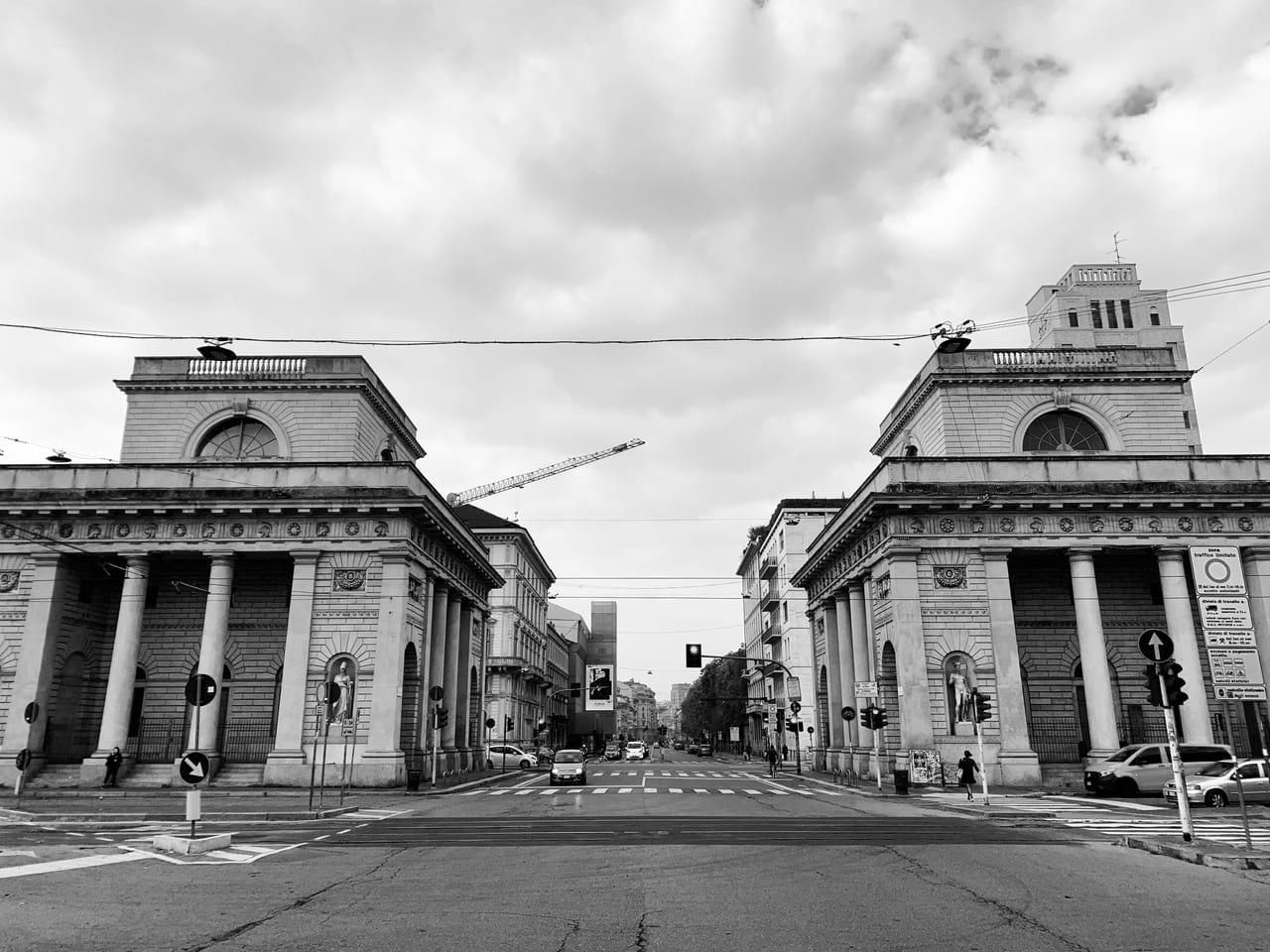
Photograph 1 of 33 of Porta Venezia
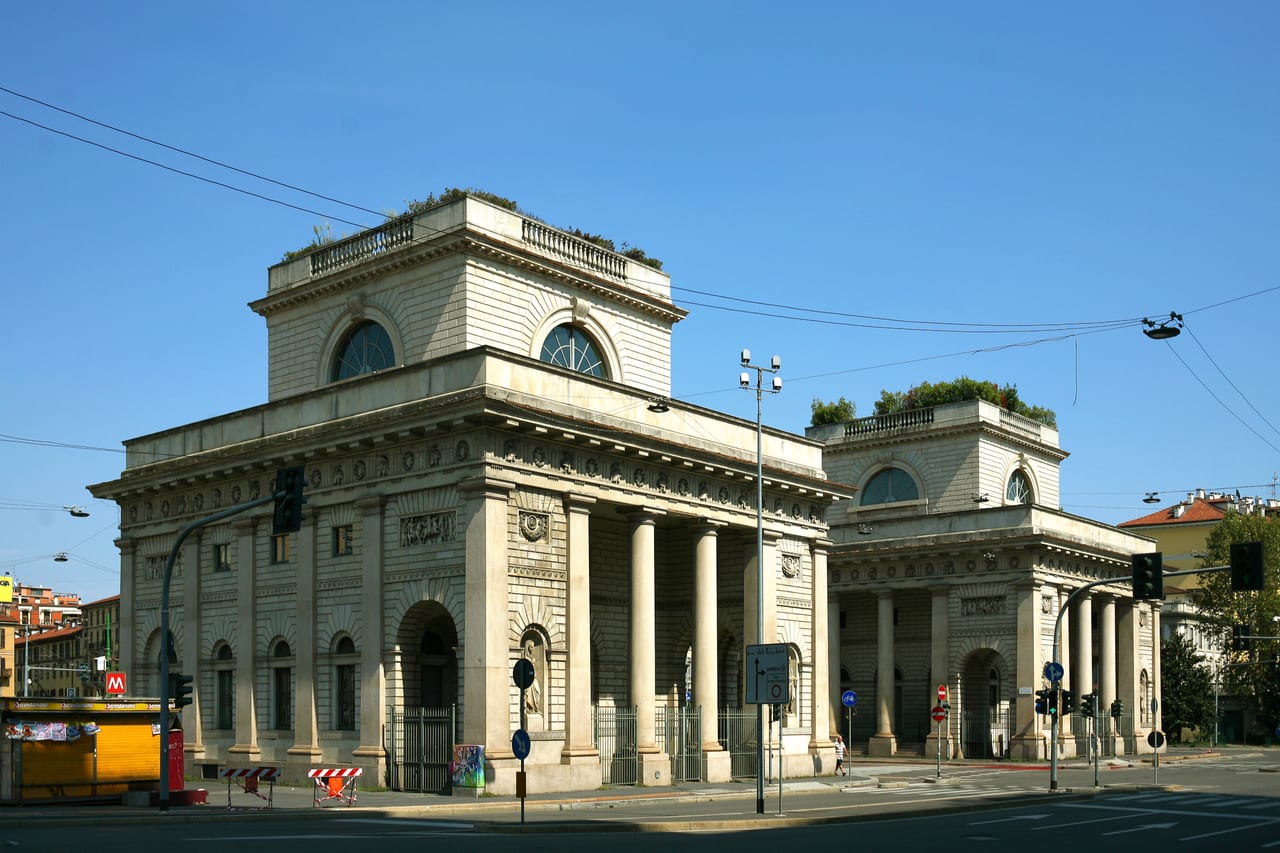
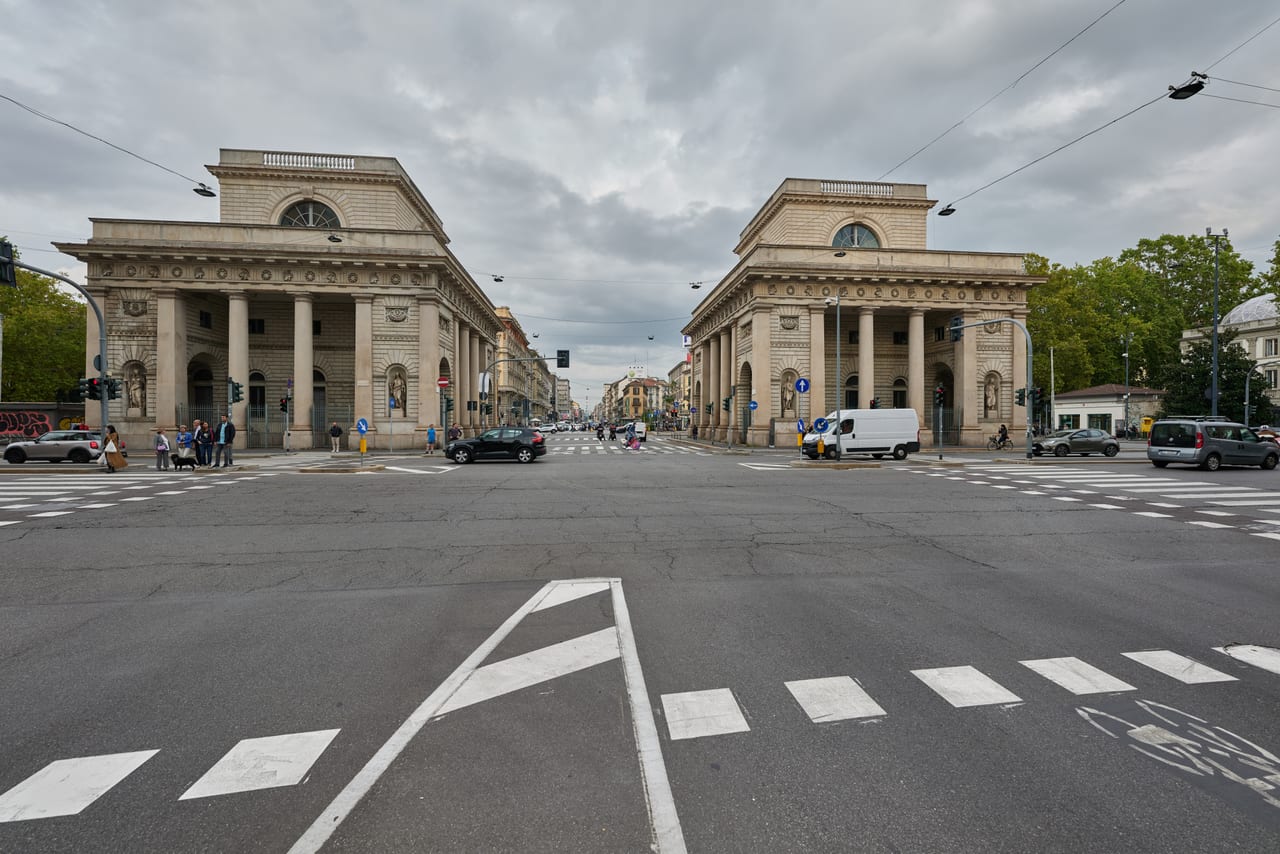
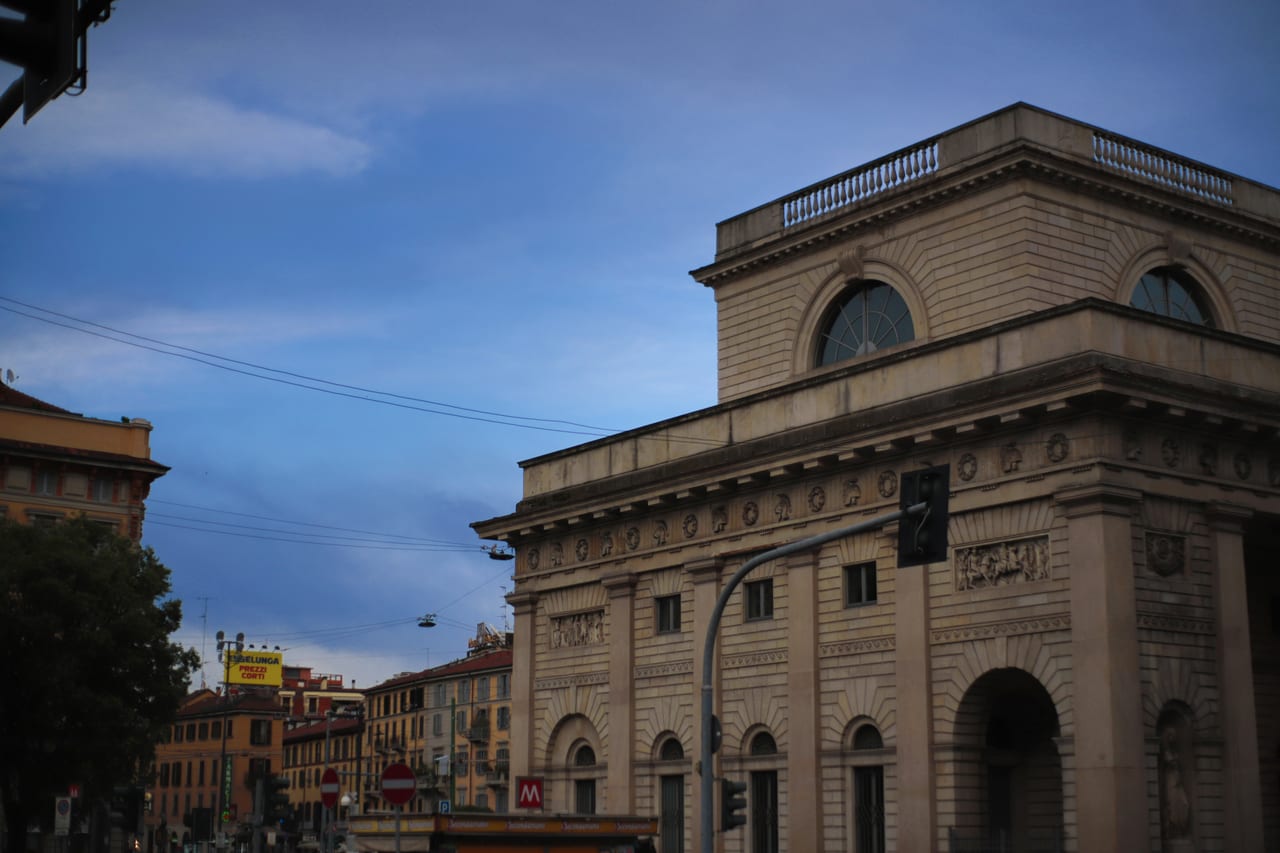
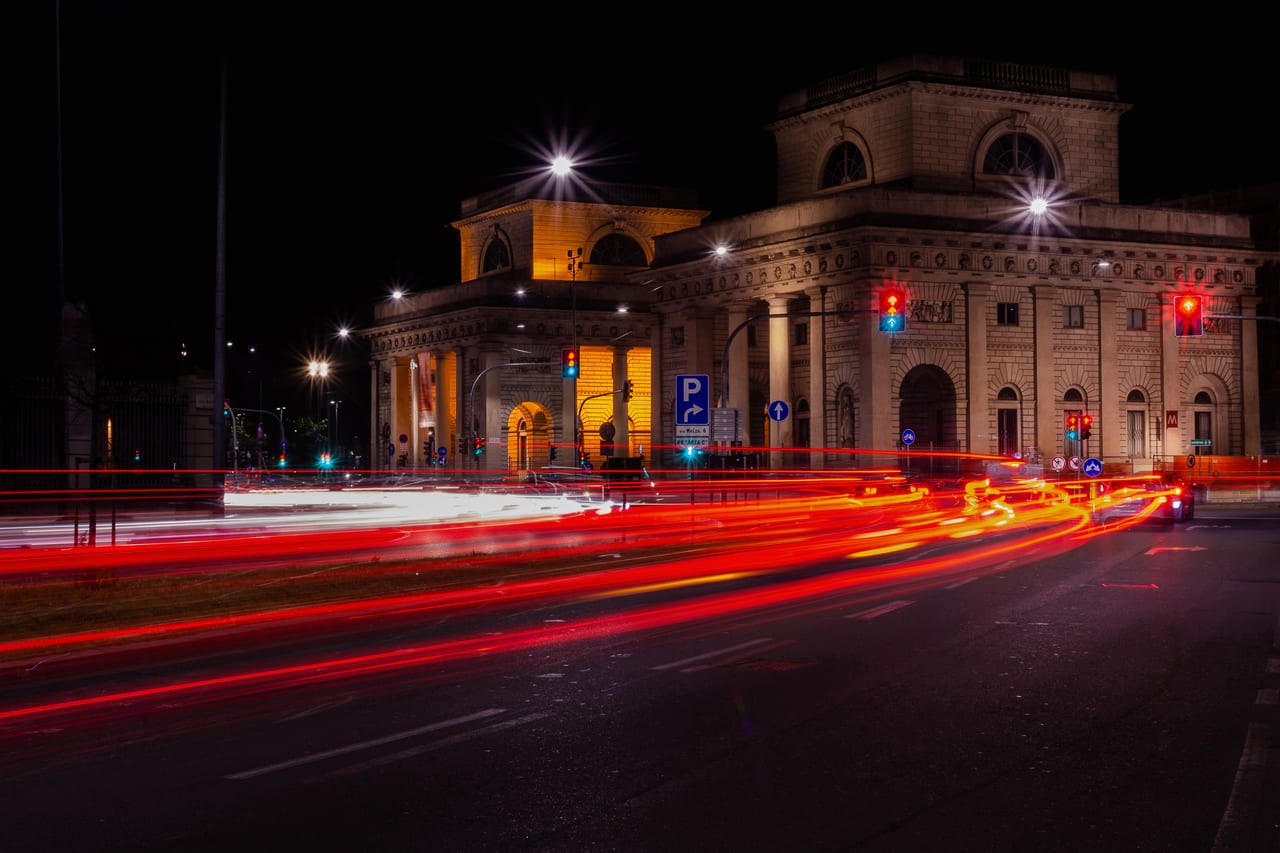
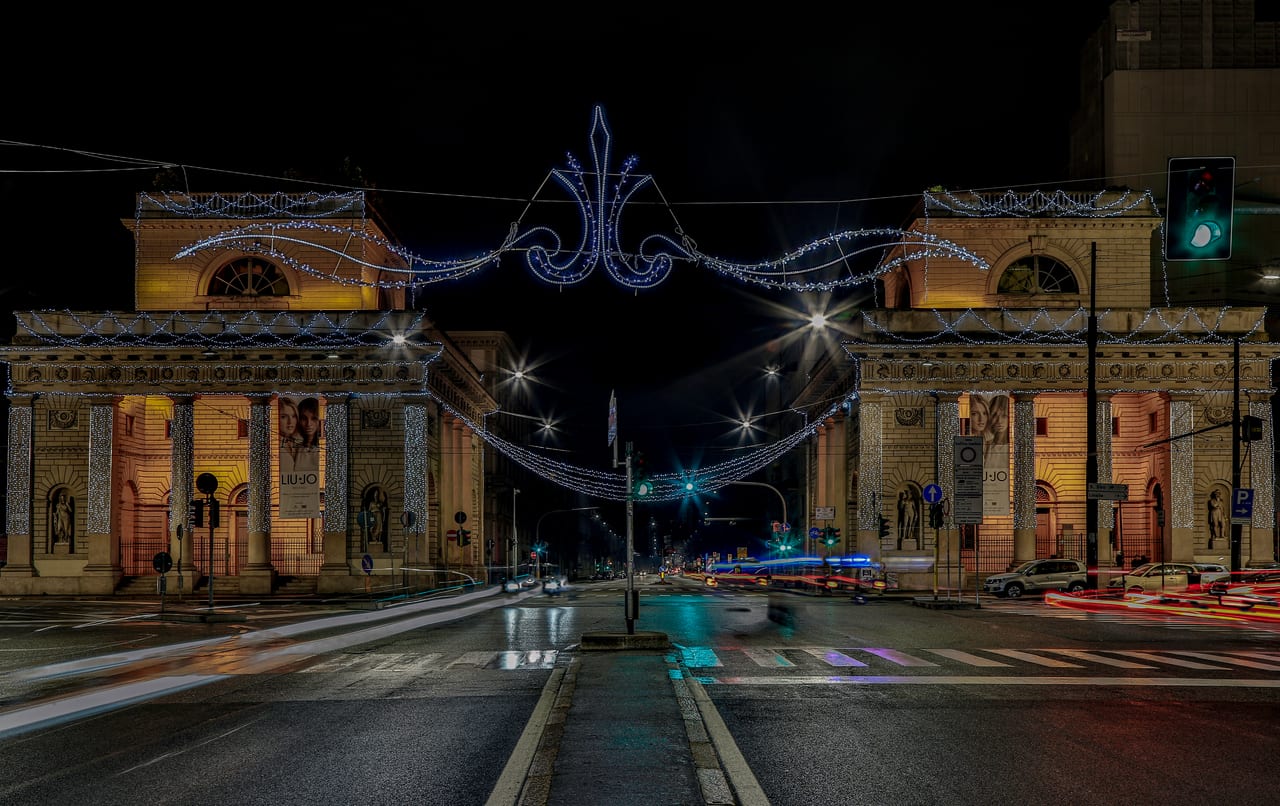
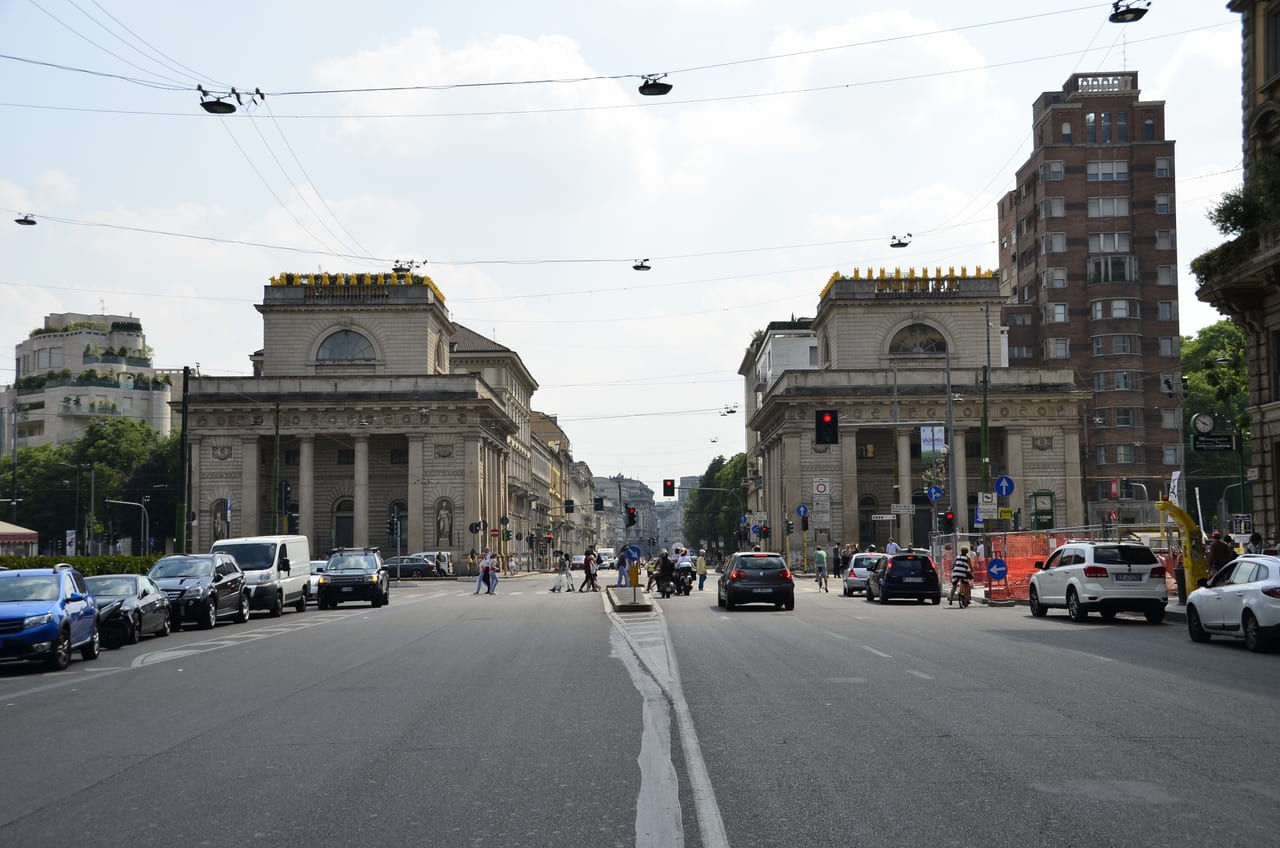
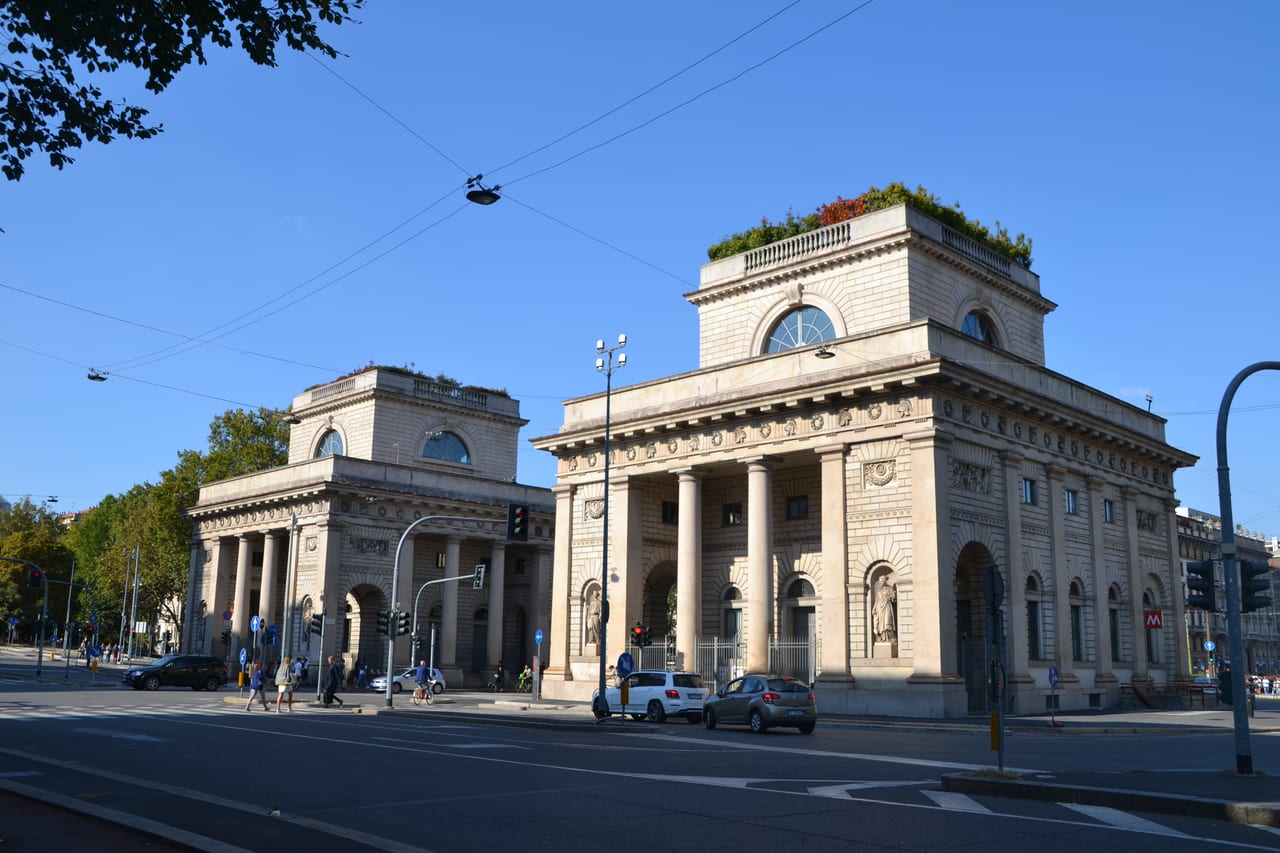
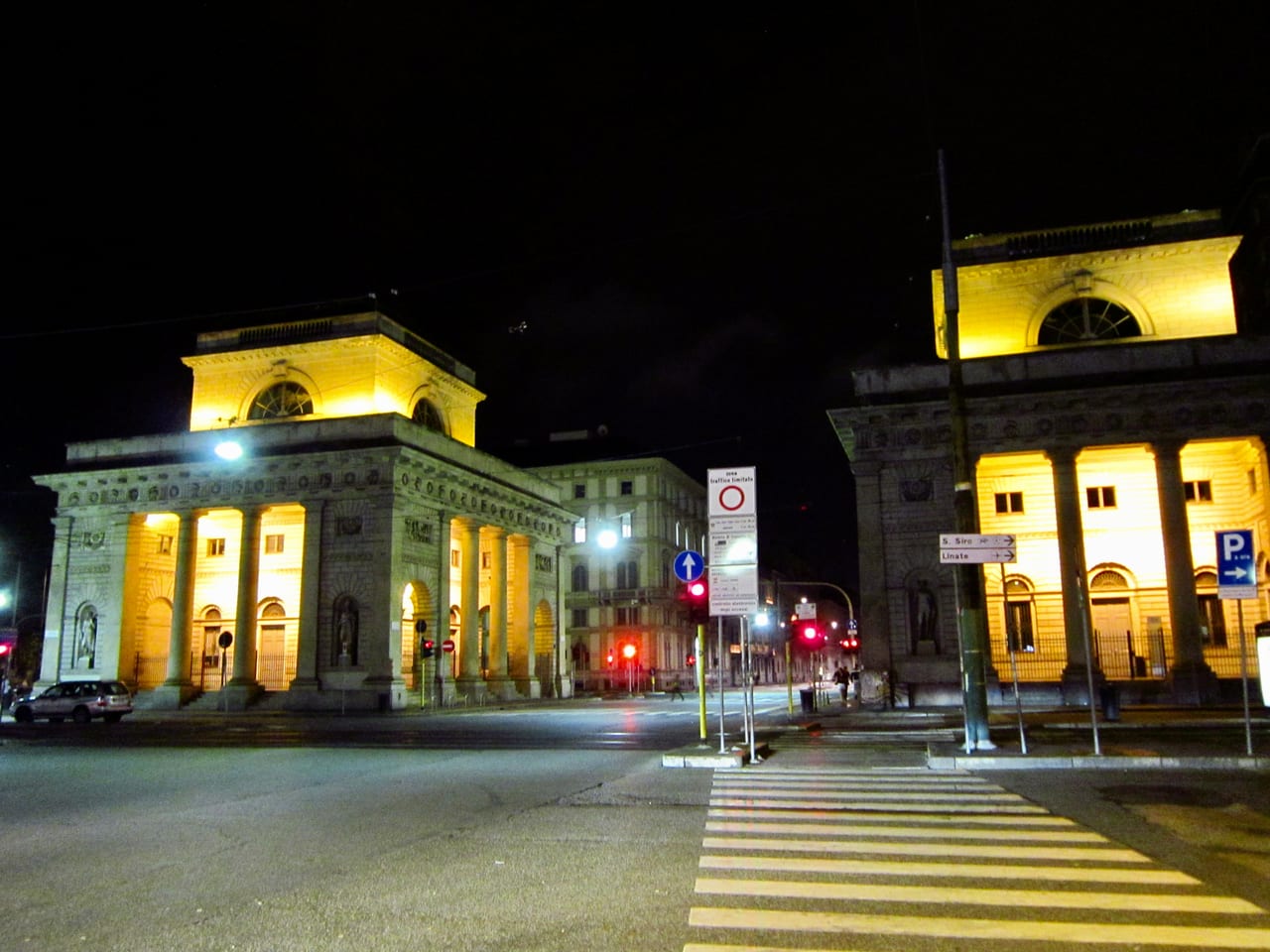
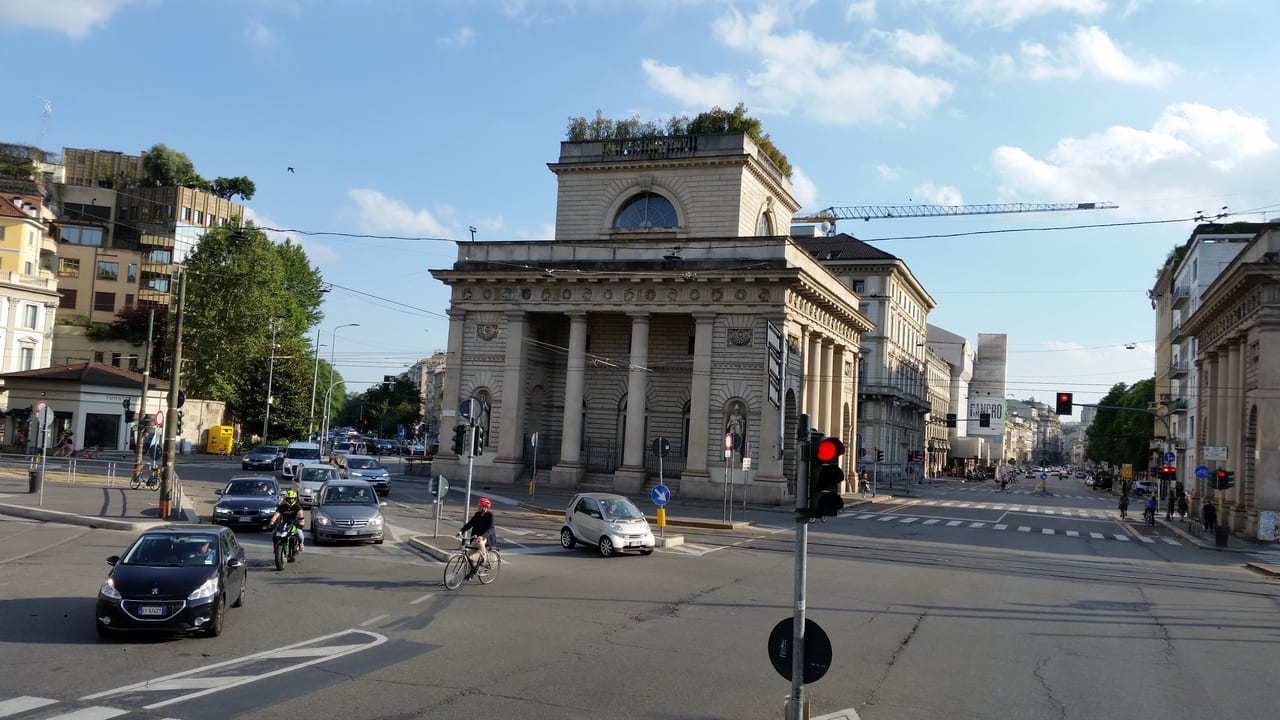
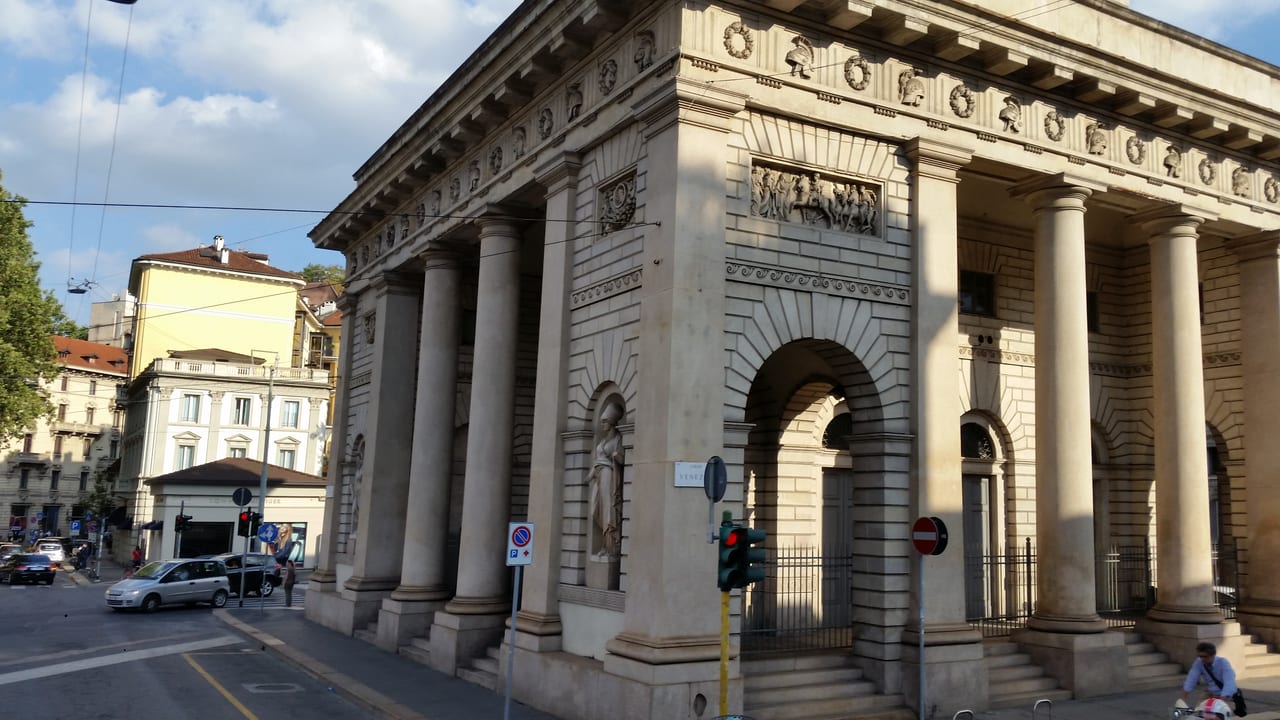
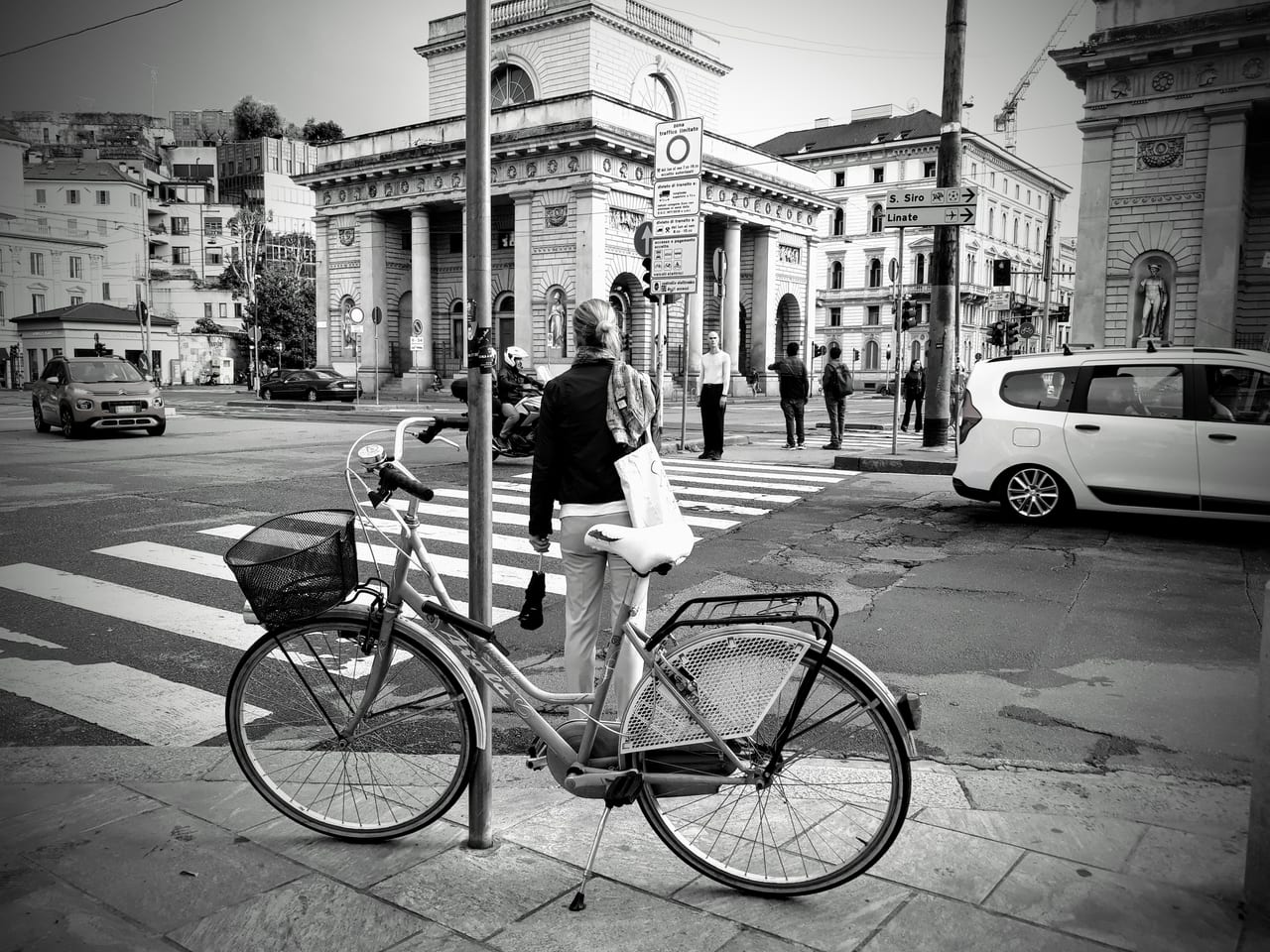
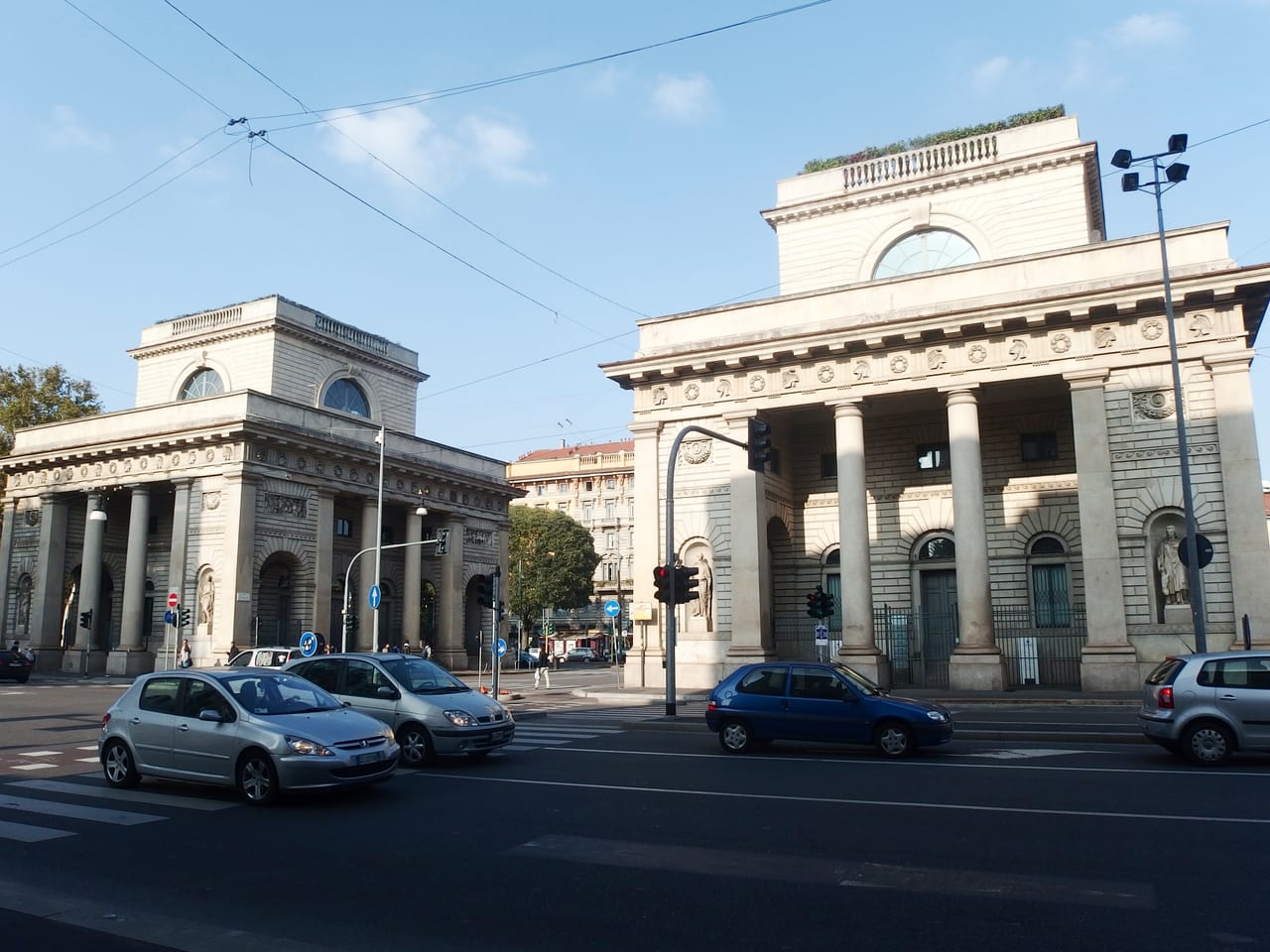
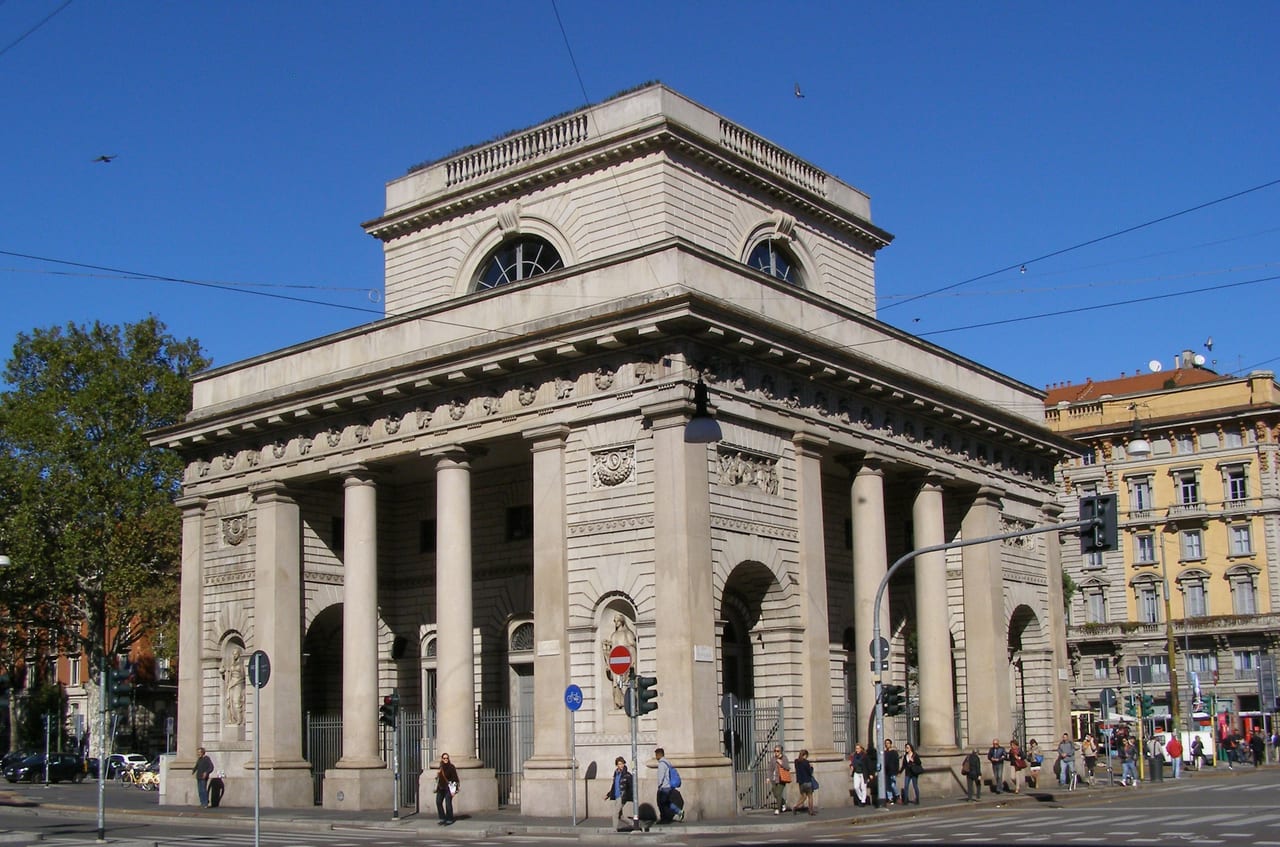
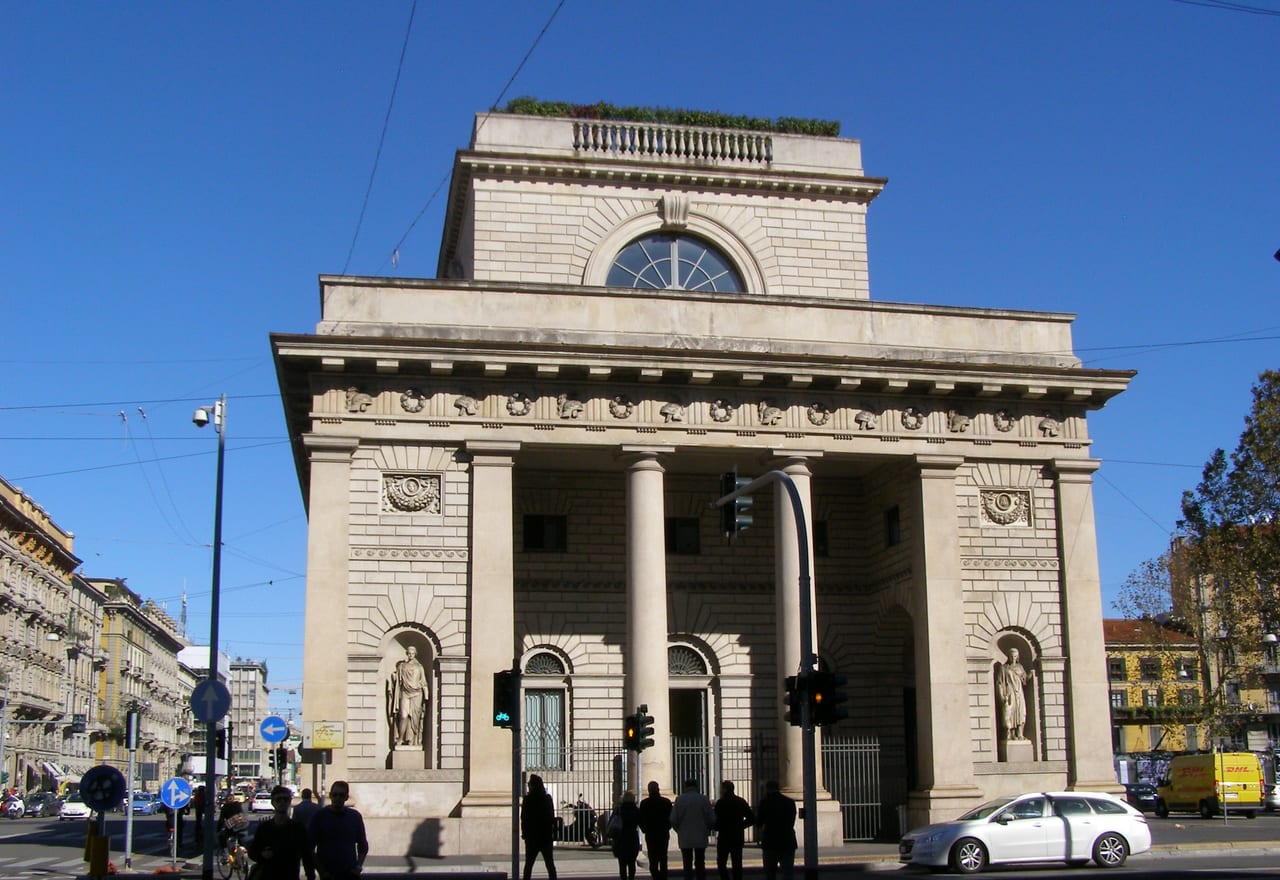
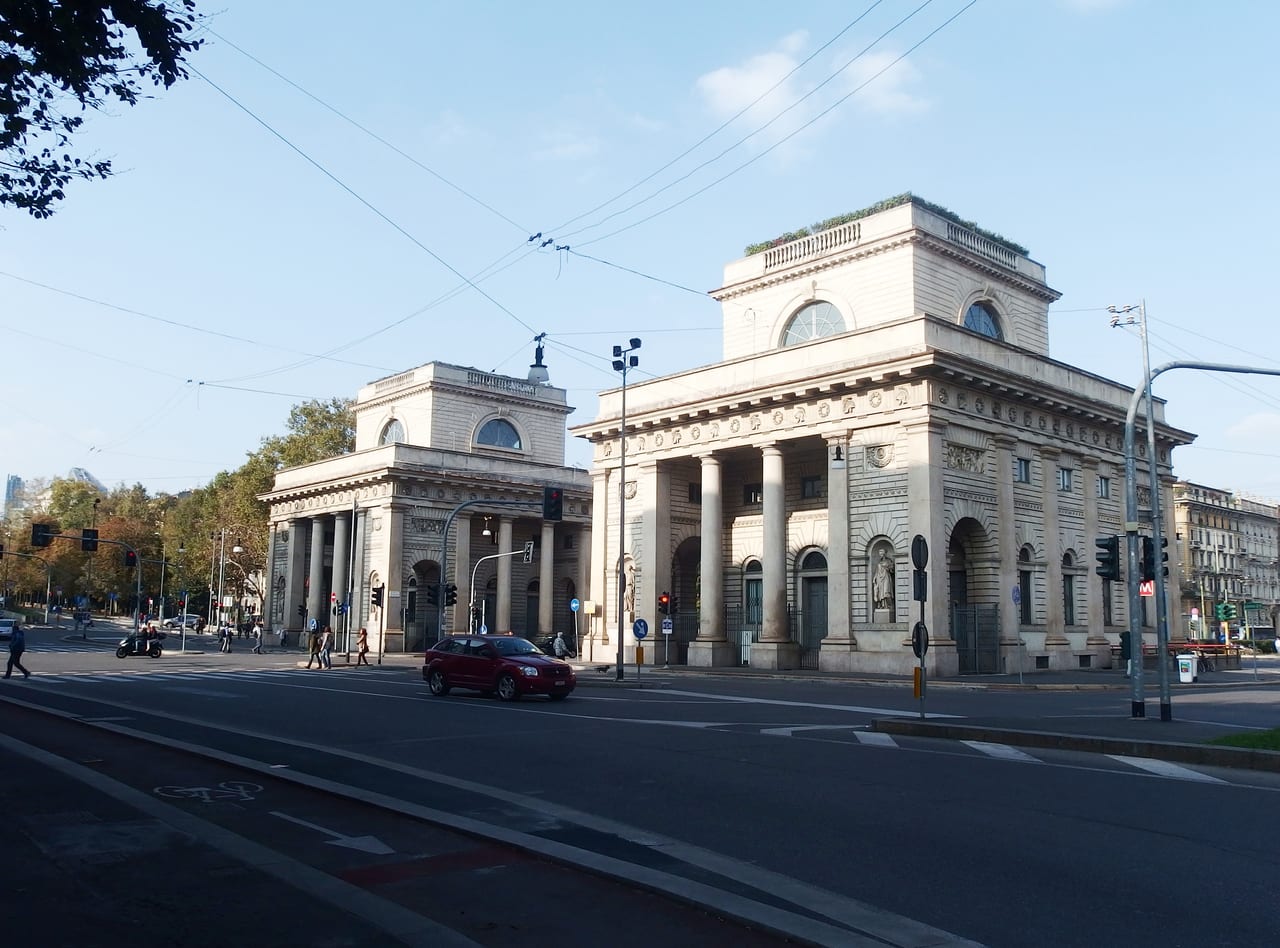
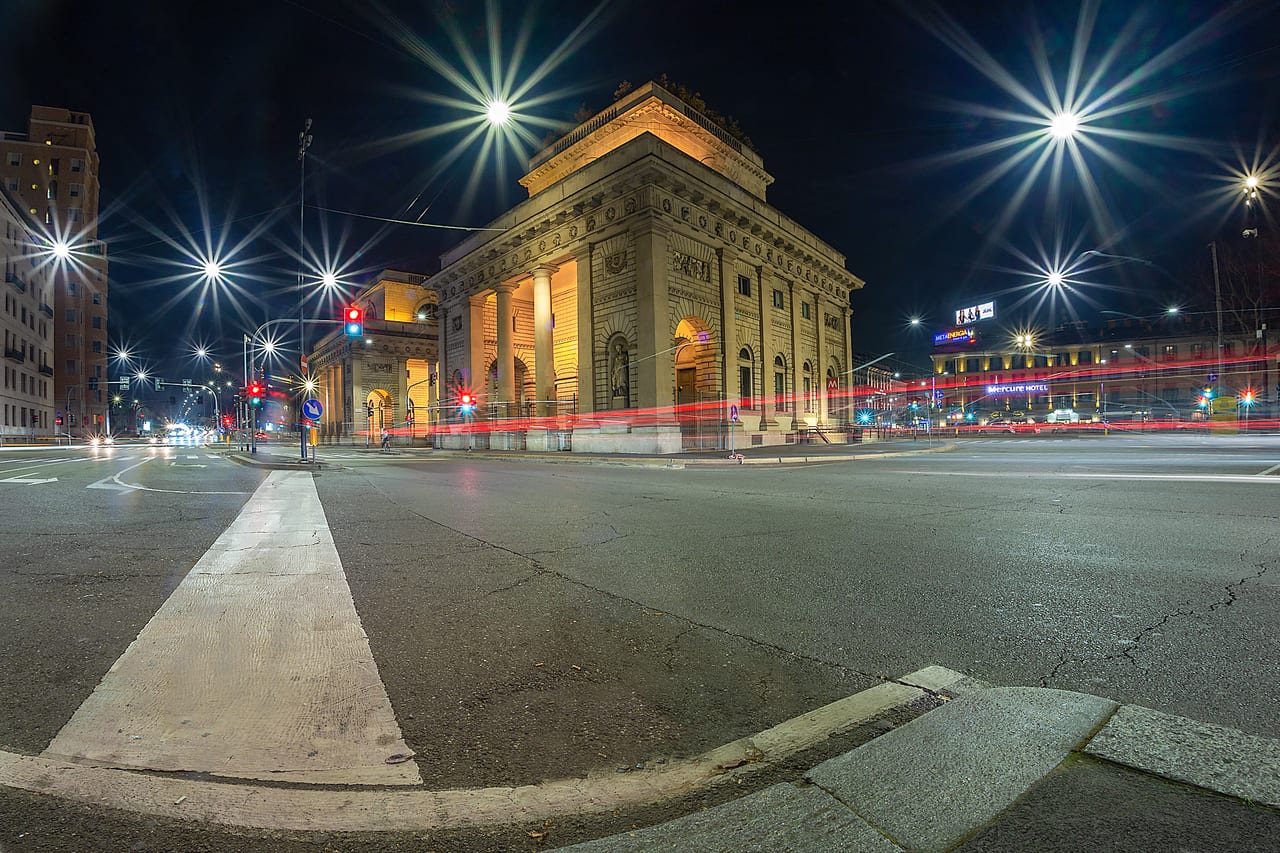
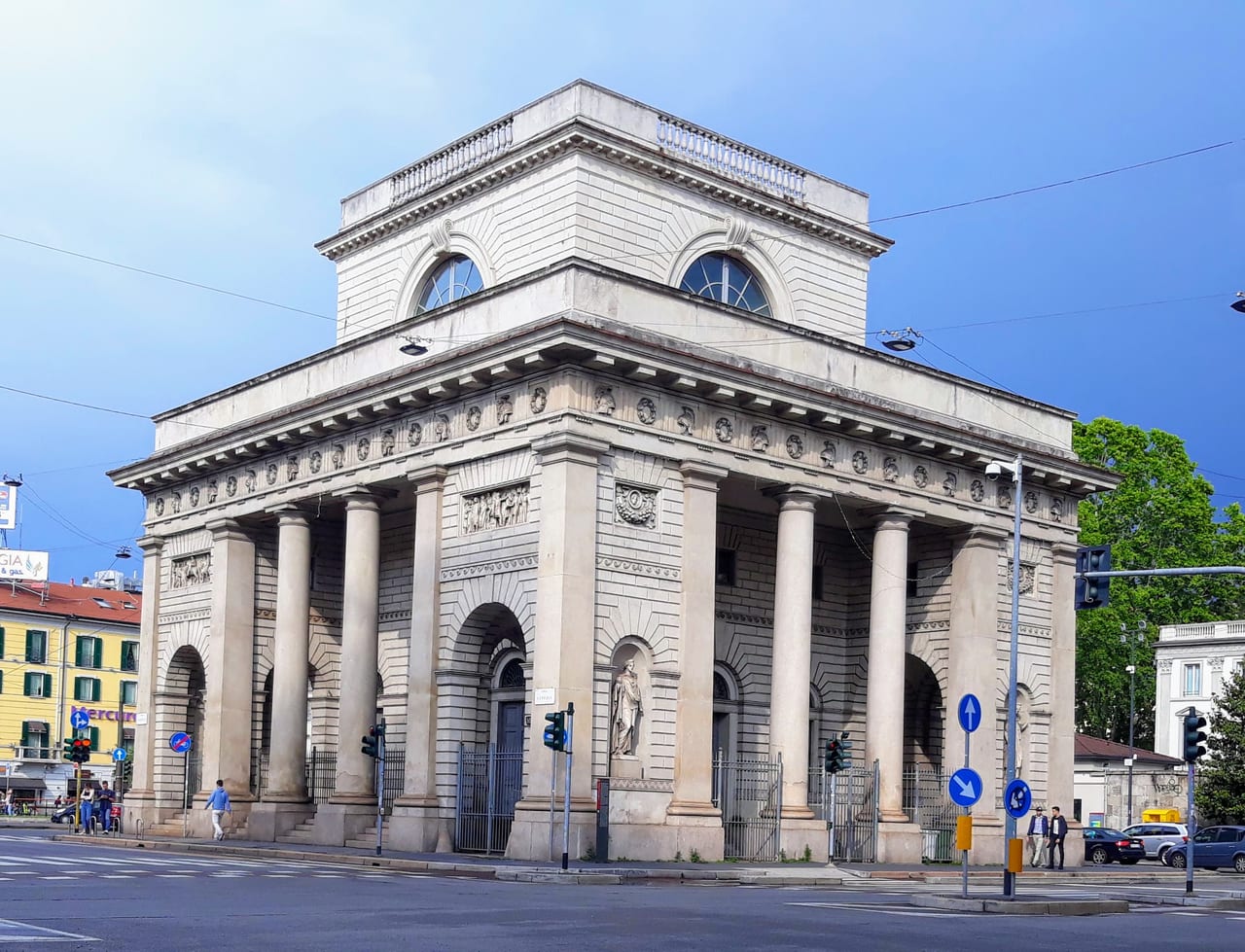
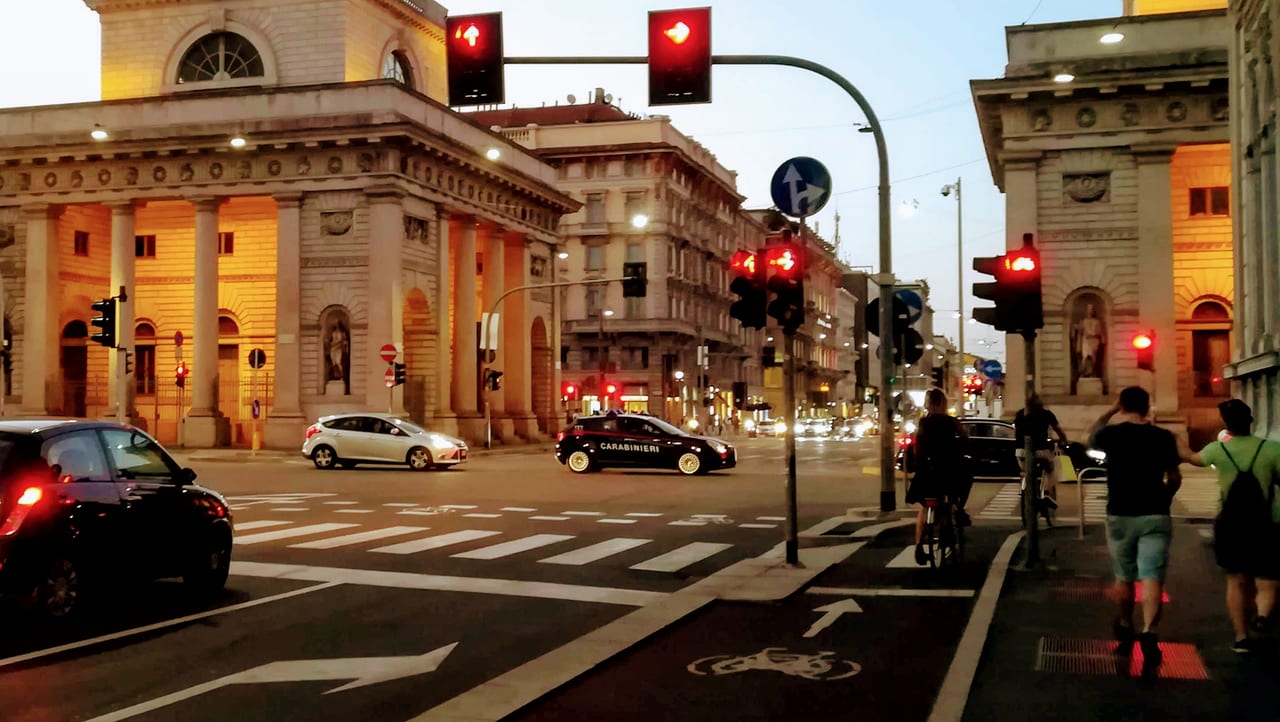
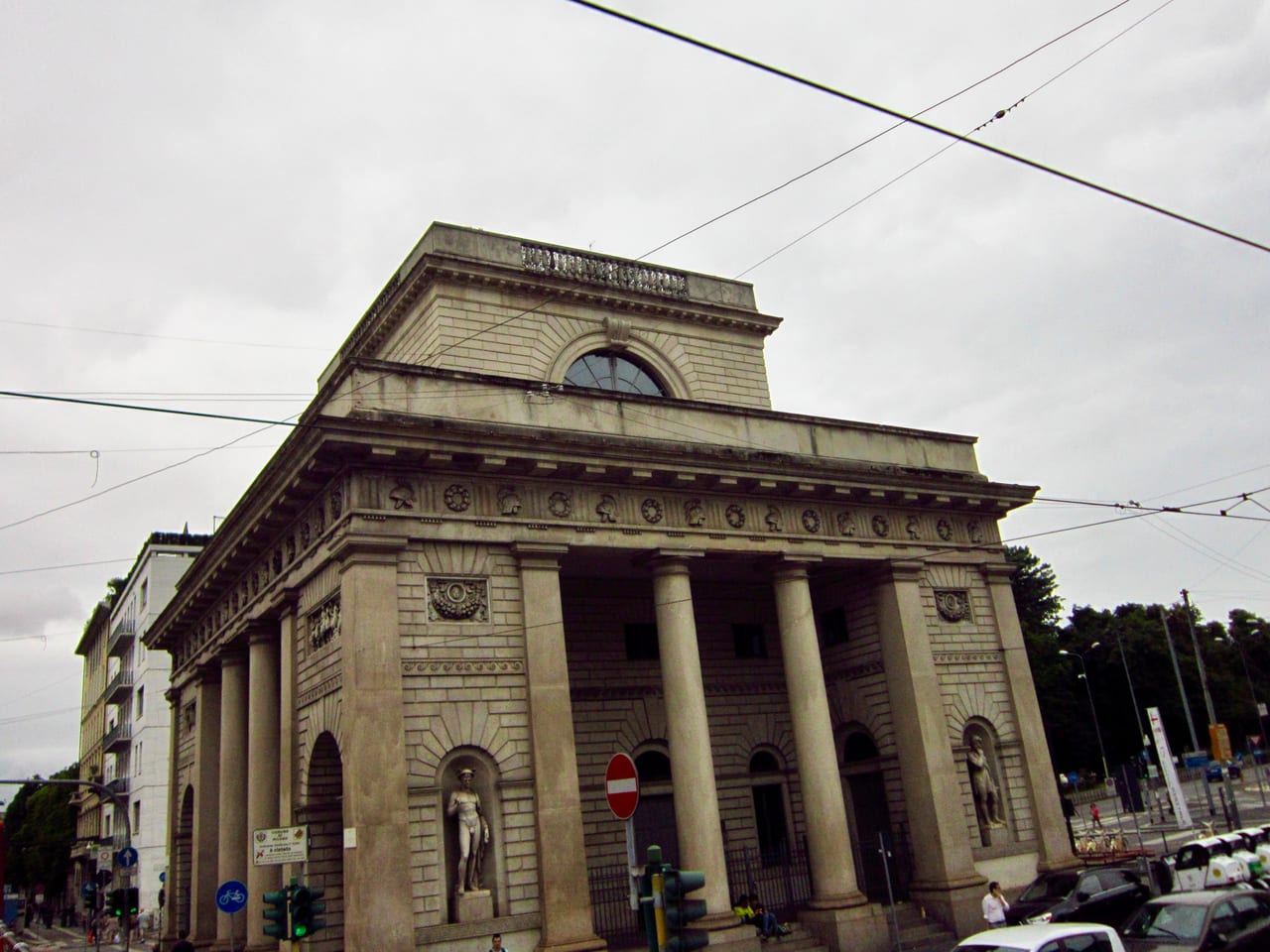
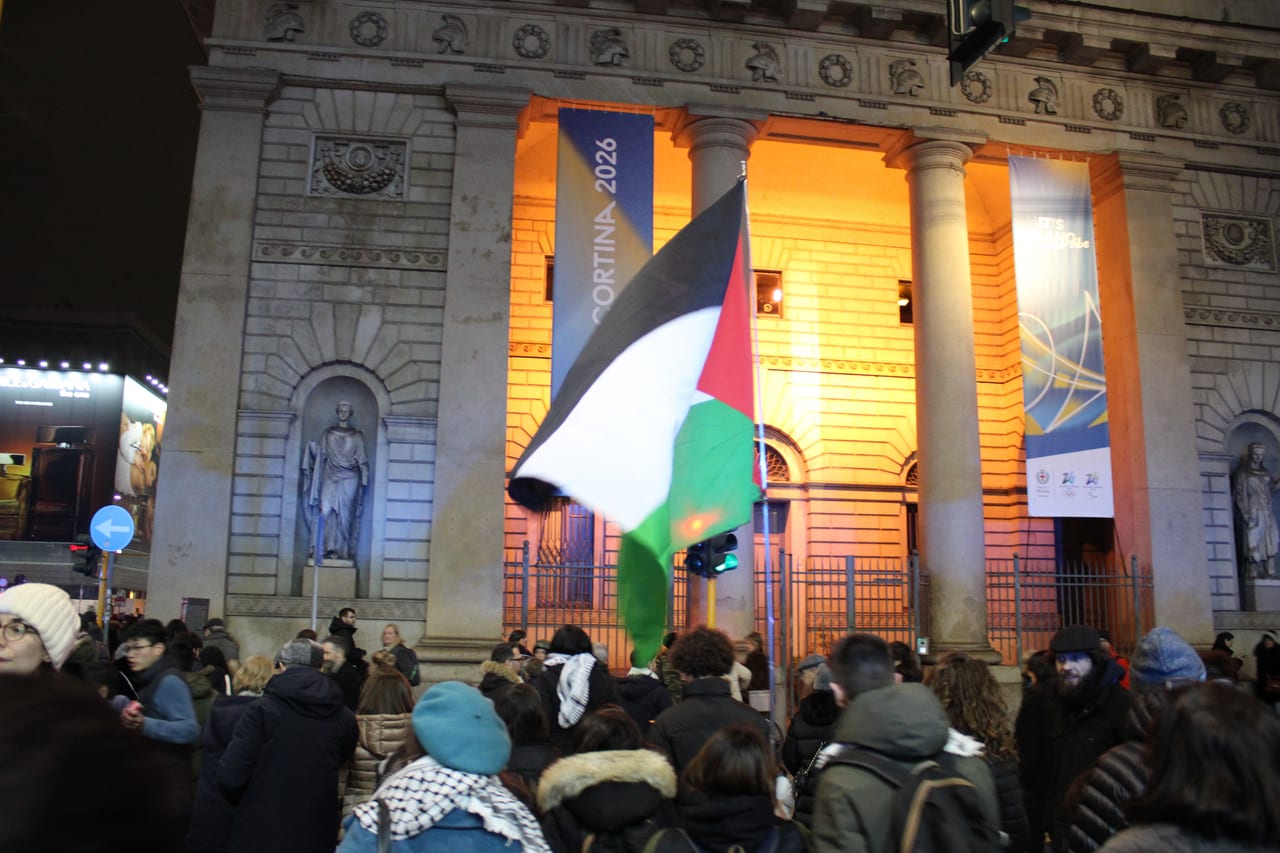
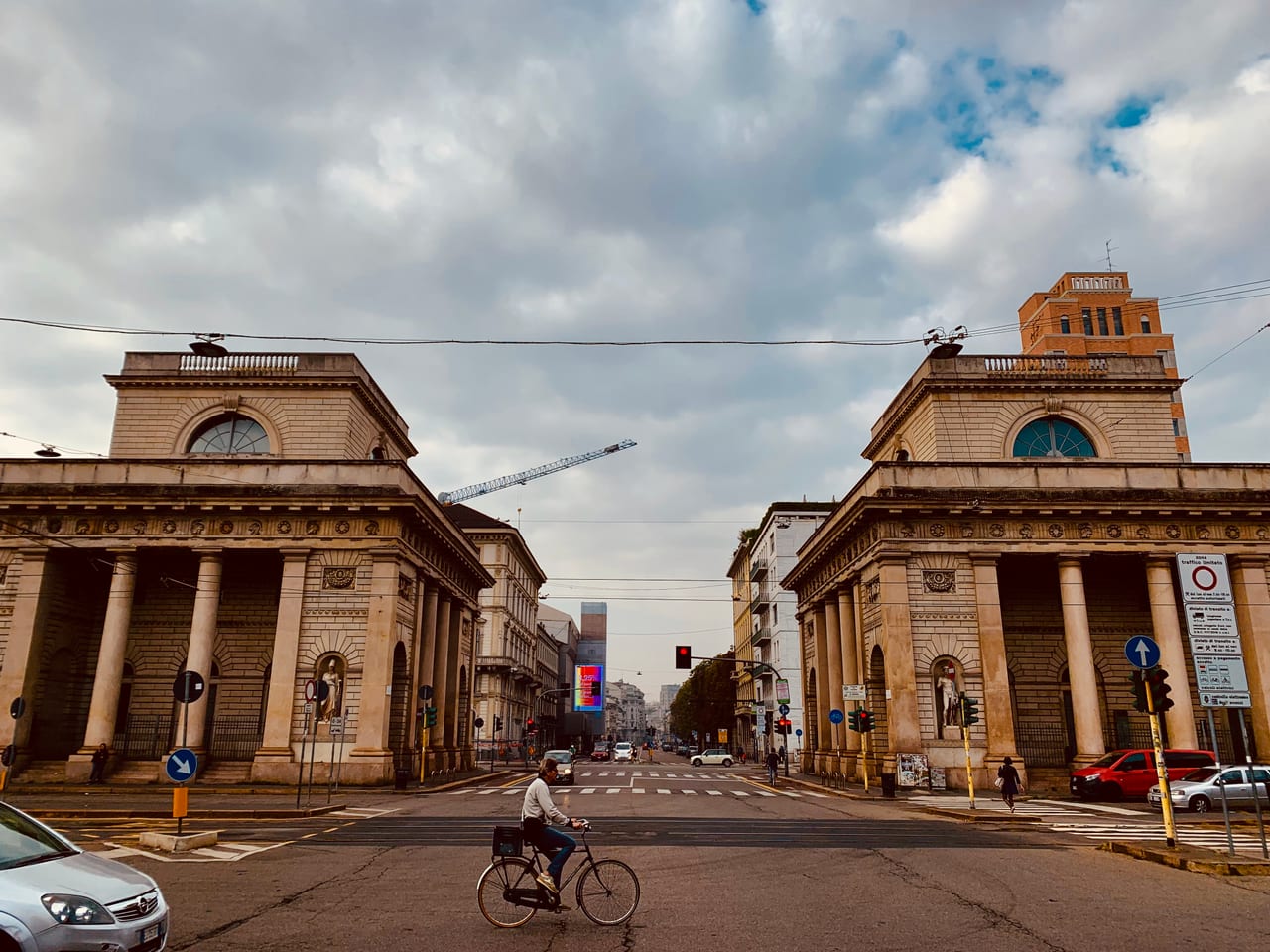
Formally named Porta Venezia in 1862, the gate was previously known chiefly as Porta Orientale and Porta Renza, names preserved in works by Francesco Guicciardini, Stendhal and Giovanni Verga. The popular link between Porta Renza and Renzo Tramaglino of Alessandro Manzoni’s The Betrothed is appealing but chronologically impossible: the name predates the novel. When Milan’s Spanish walls replaced the medieval fortifications in the 16th century, the route towards Bergamo was shifted to the gate’s present position. As defences became obsolete, the gates became customs stations. Under Austrian rule, the surrounding walls were redesigned between 1783 and 1786. Giuseppe Piermarini planned a neoclassical renewal, but after his death in 1805 Luigi Cagnola developed the design, first erecting a temporary triumphal arch for Eugène de Beauharnais. Rodolfo Vantini completed the customs offices in 1827–1828; statues and bas-reliefs followed in 1833. The composition consists of two sandstone buildings with Doric porticos, classical reliefs and eight statues representing figures including Minerva, Ceres, Mercury, Vulcan, Justice and Abundance.
At a glance
- Architect
- Rodolfo Vantini
- Style
- Italian Neoclassical architecture
- Heritage
- Italian national heritage
Ways to explore Porta Venezia
Begin in Piazza Oberdan and compare the two facing façades, whose porticos, architraves and niches reward close viewing. Pay attention to the Roman deities and allegorical figures, then follow the street alignment into Corso Venezia and Corso Buenos Aires. Continue to the Indro Montanelli Gardens for the Museum of Natural History and Planetarium. For the district’s contemporary character, explore Via Lecco’s LGBT-oriented bars and restaurants, or sample African, Asian and South American cooking among the area’s evening venues.
Places to stay near Porta Venezia

Live availability and prices from Stay22's partners, refreshed periodically and subject to change. Booking through these links may earn us a commission at no extra cost to you. See our privacy policy.
Cafés near Porta Venezia
Cafés near Porta Venezia loads as you scroll.
Attractions nearby
Attractions near Porta Venezia loads as you scroll.
Cities nearby
Cities nearby loads as you scroll.
More in Milan
See more of Milan.
Find great cafés, places to stay and other interesting places to visit in Milan.