Castle & palace · Milan
Porta Ticinese
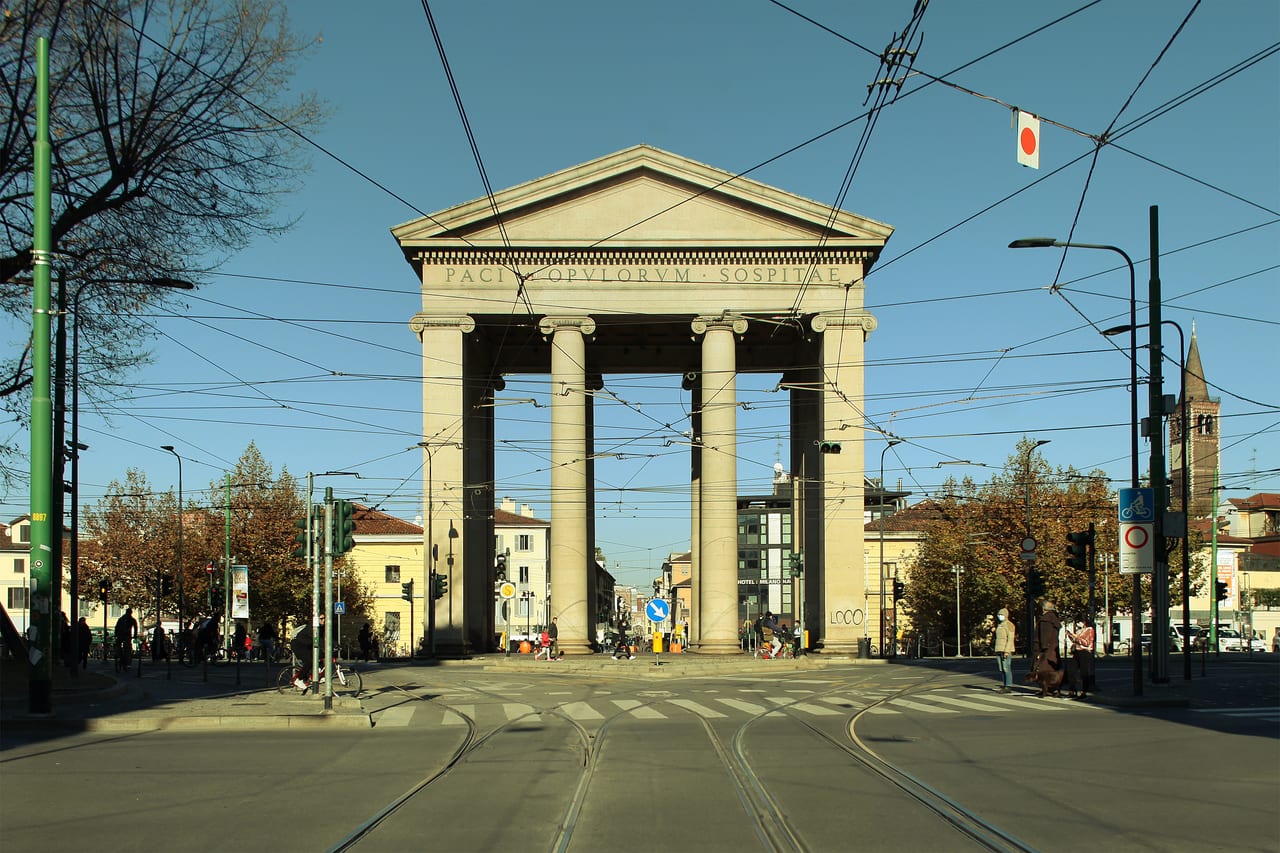
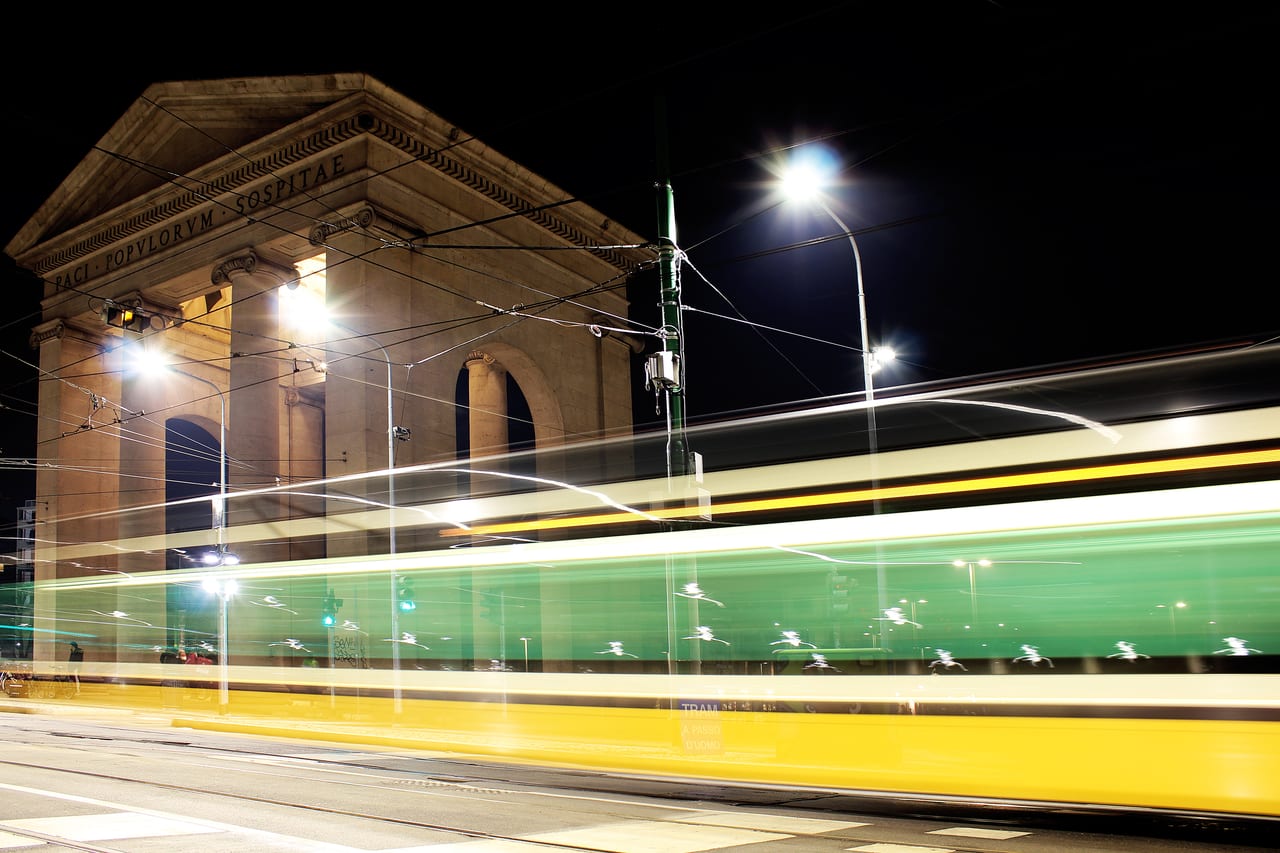
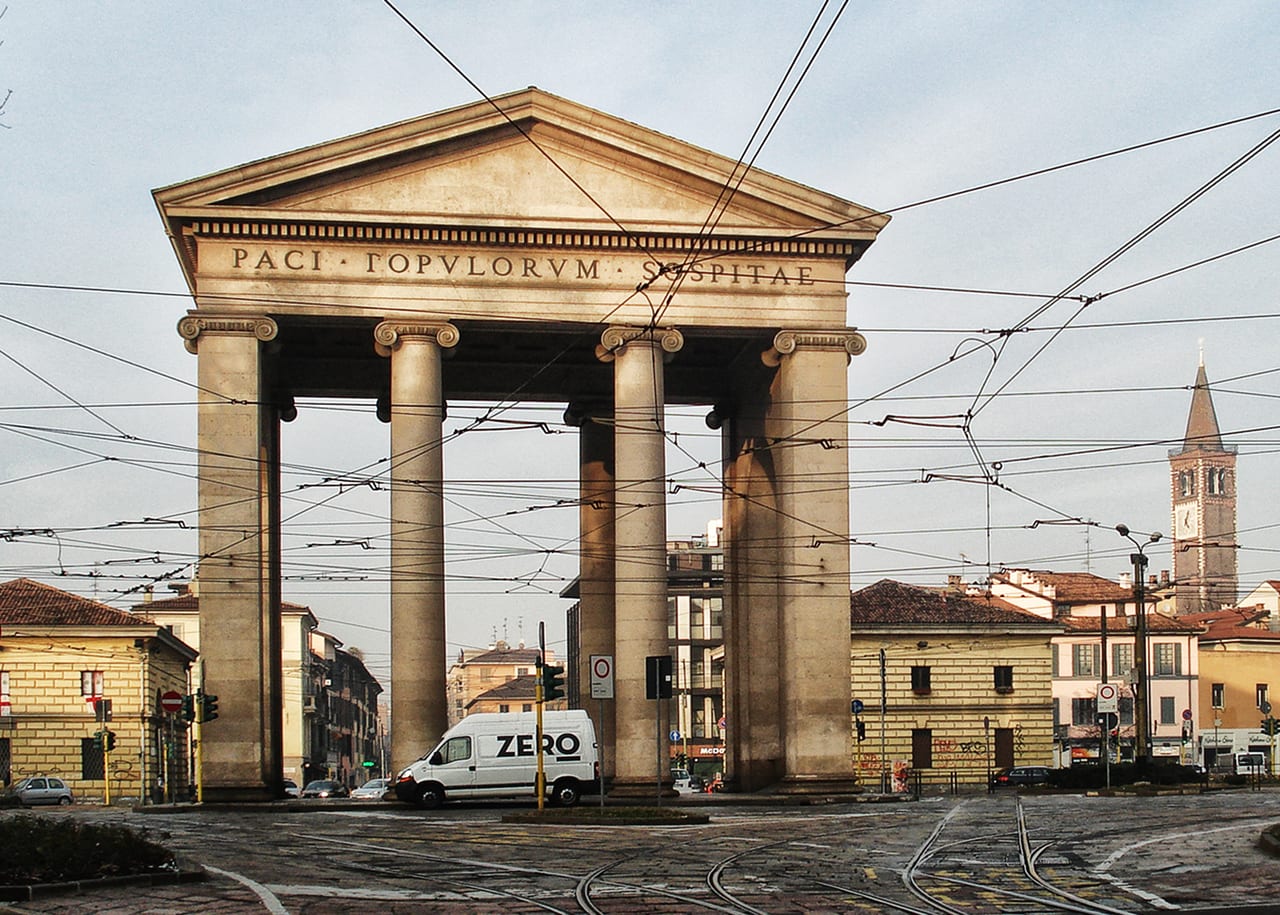
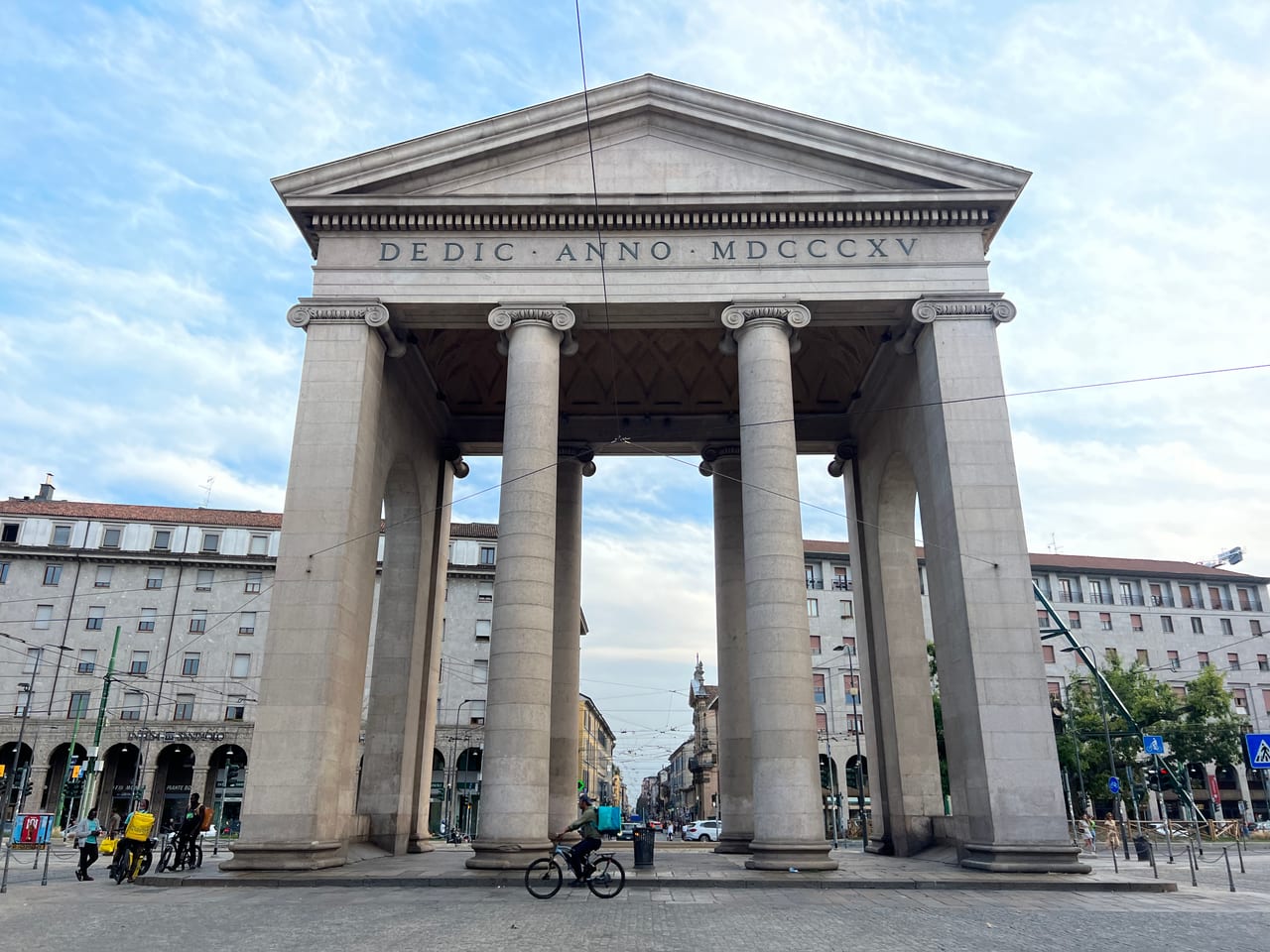
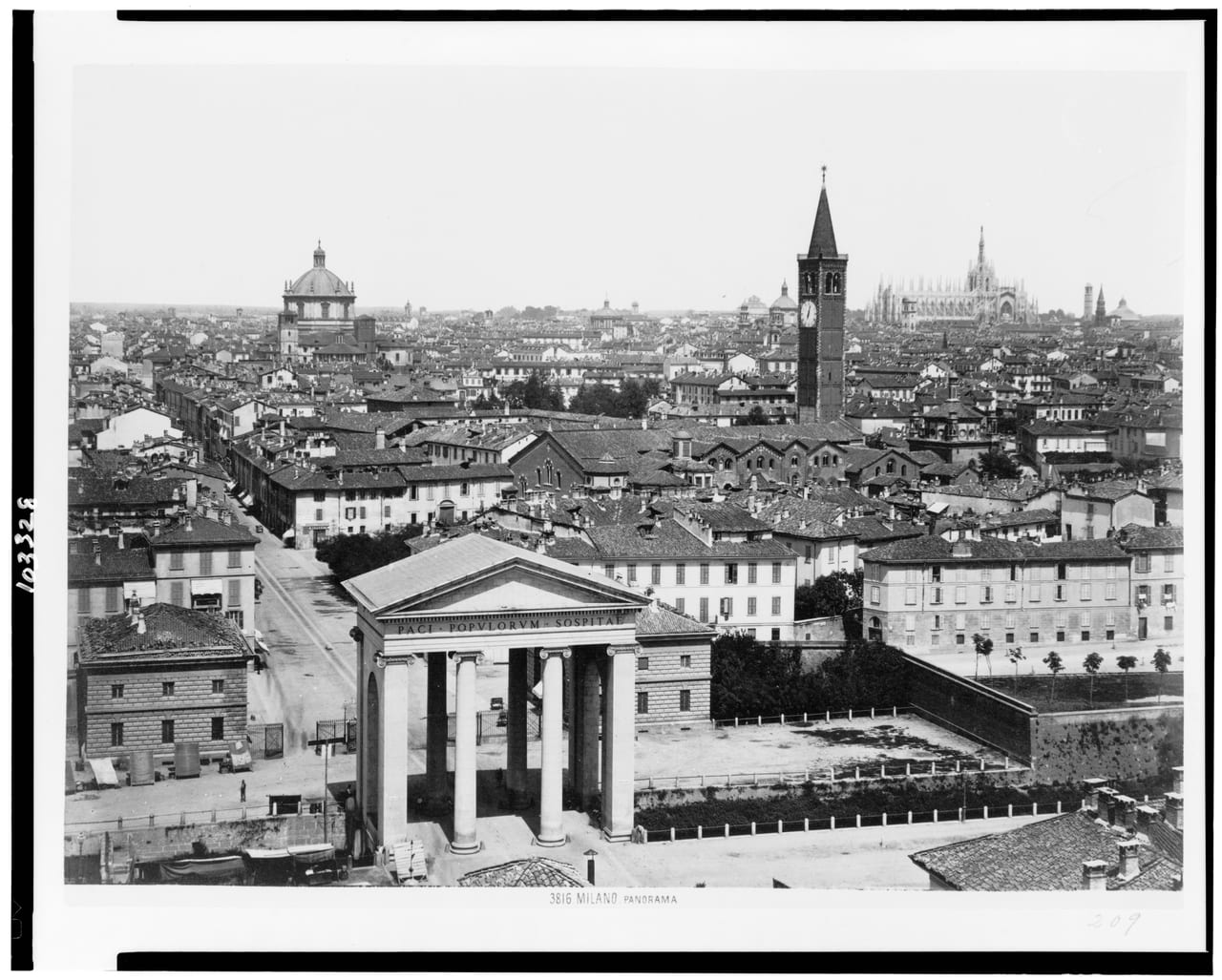
DirectionsIts post-Napoleonic tympanum carries “PACI POPVLORVM SOSPITAE,” a Latin appeal “to peace that frees peoples,” added in 1815—an unusually direct political signature.
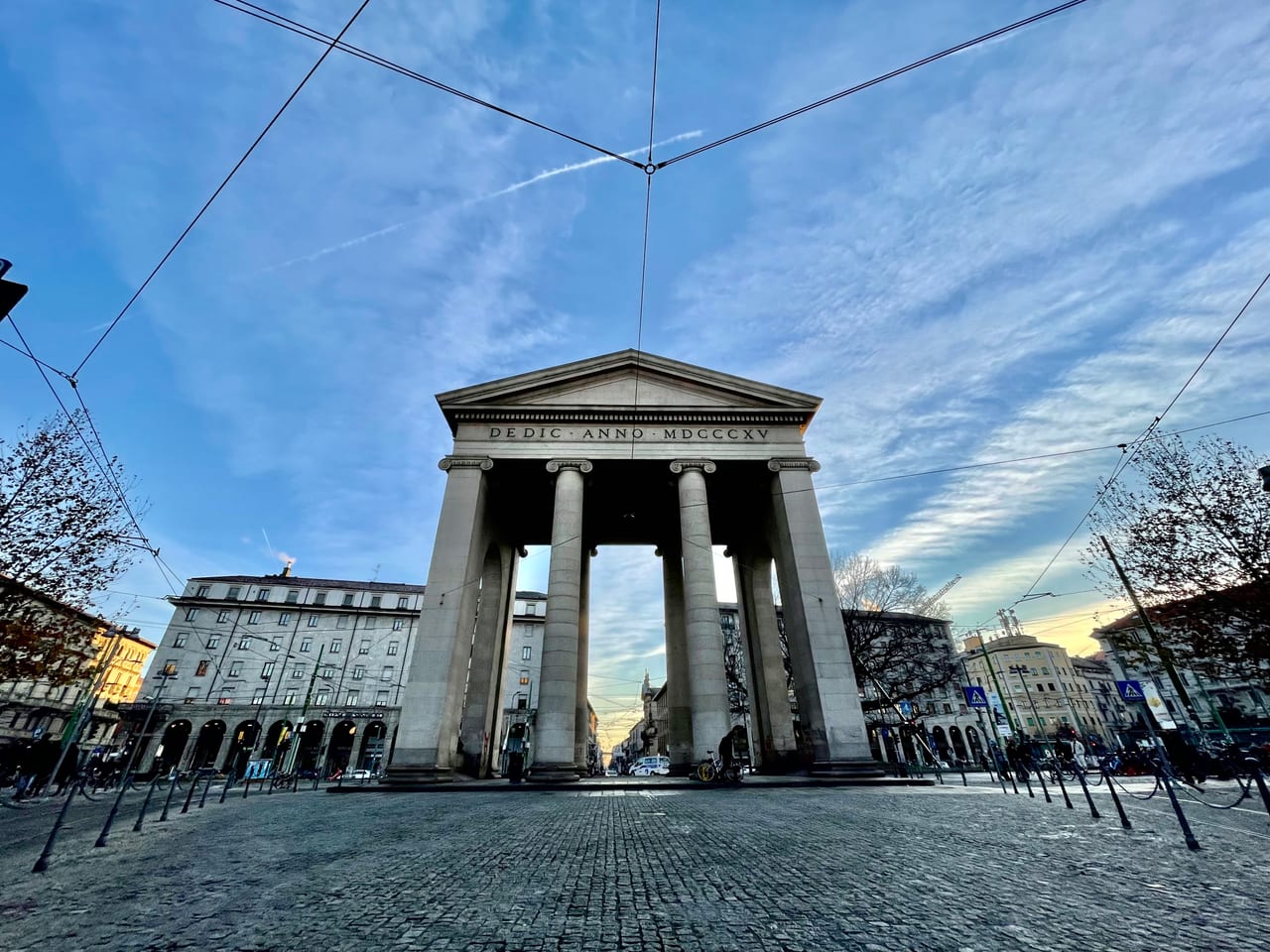
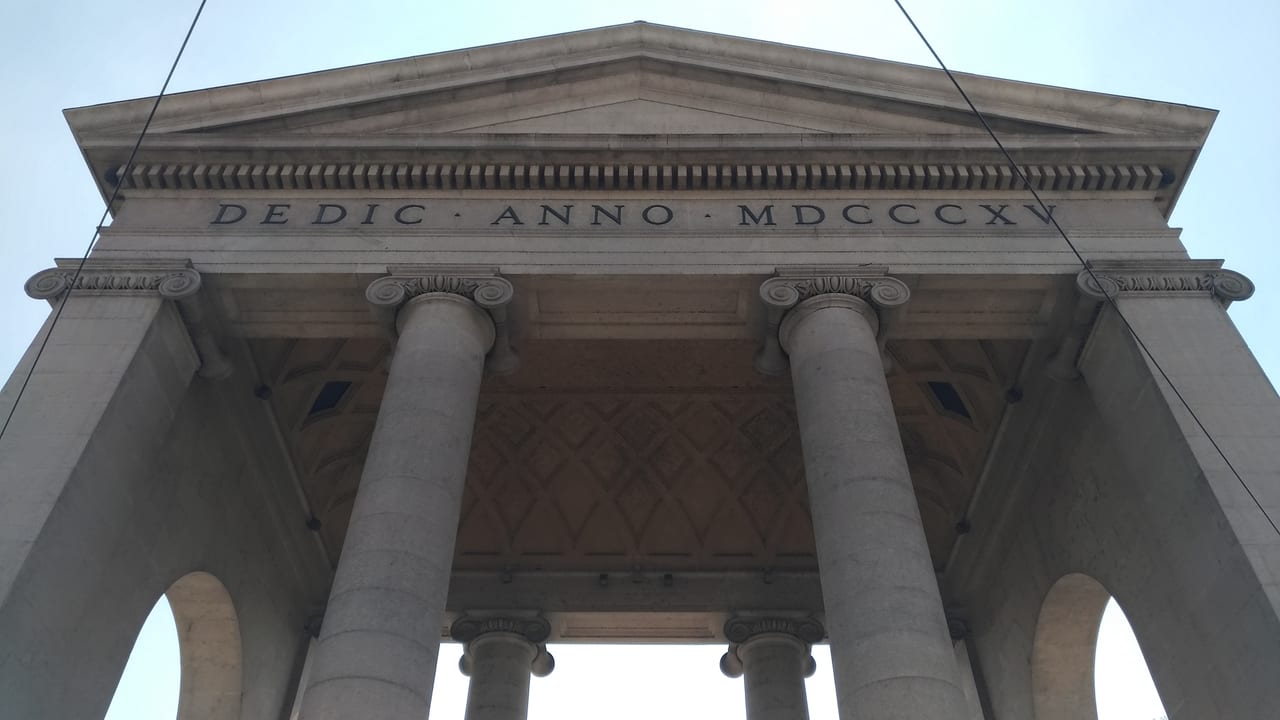
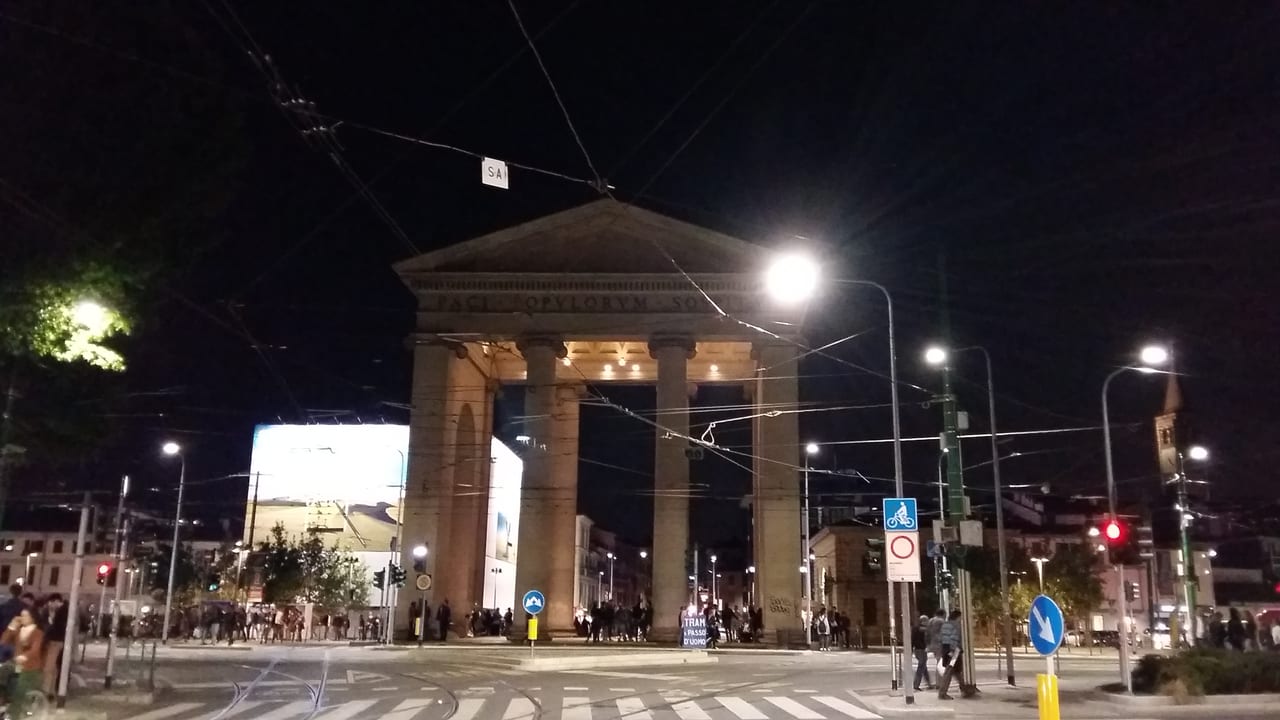
Photograph 1 of 20 of Porta Ticinese
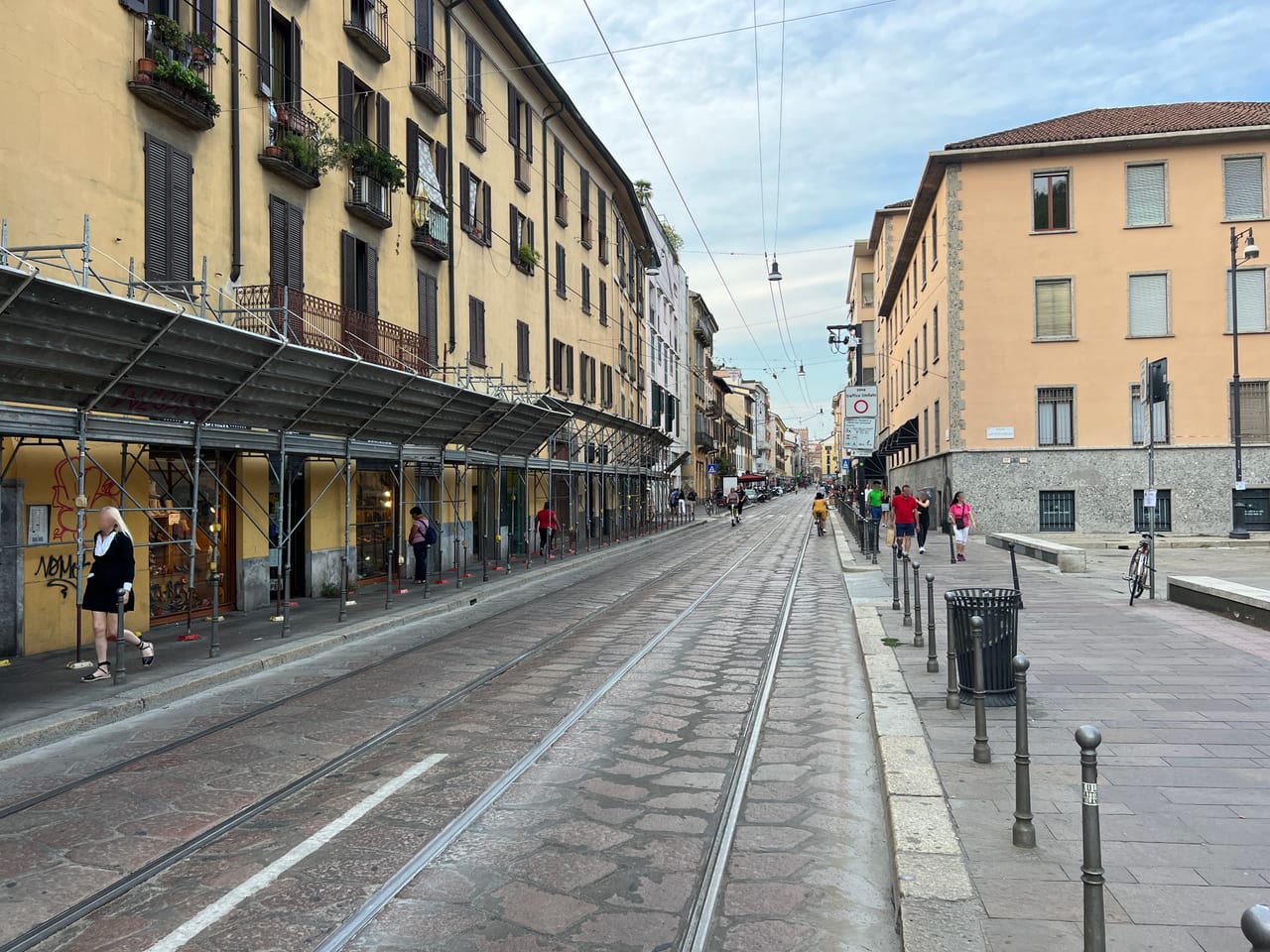
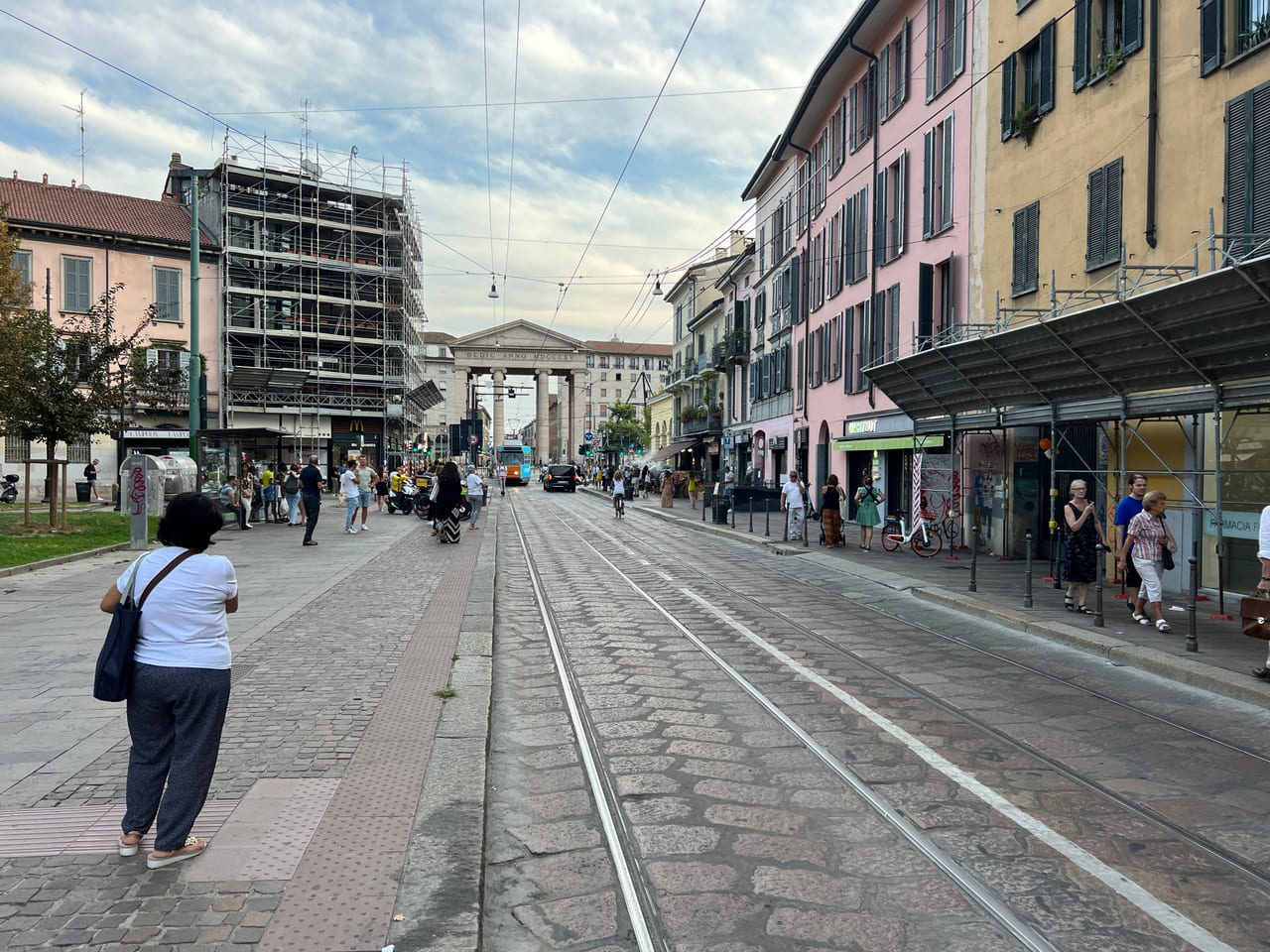
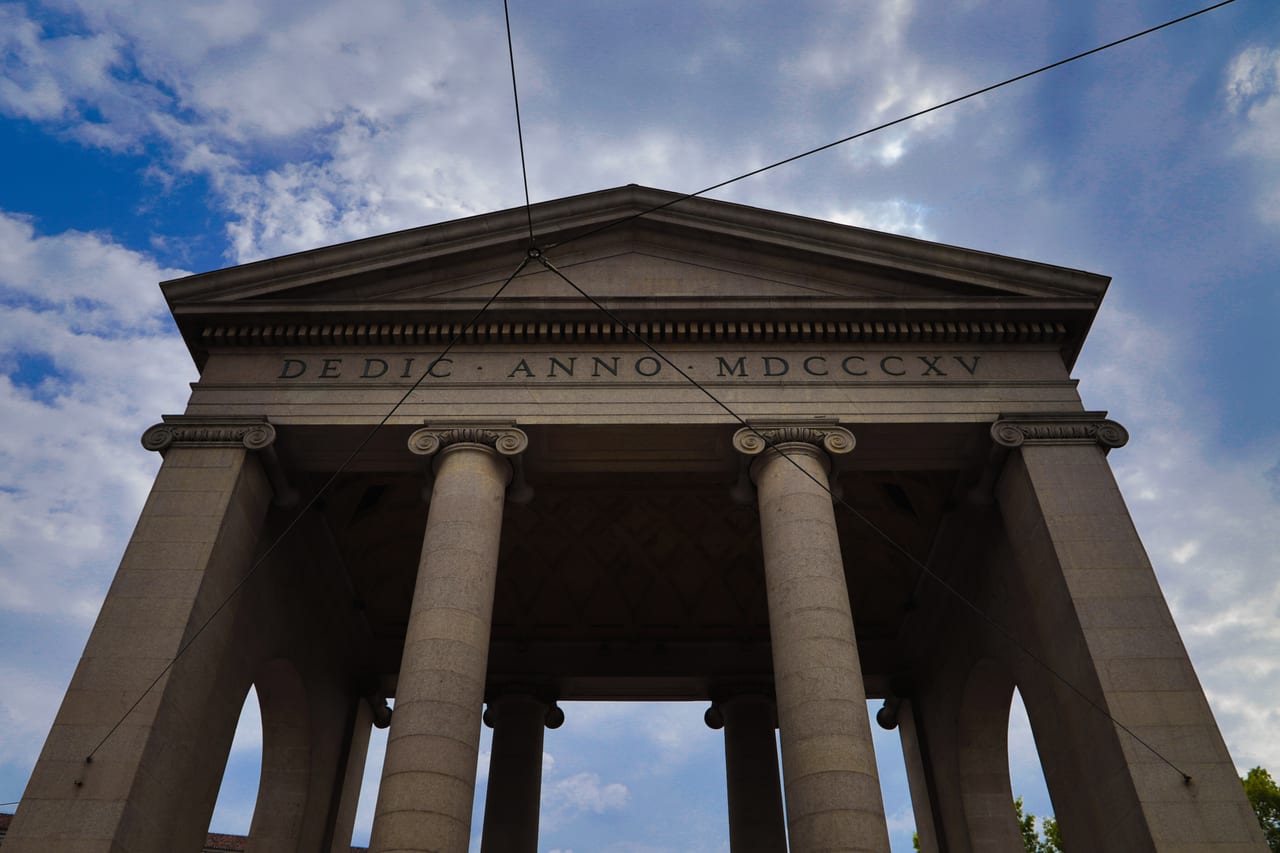
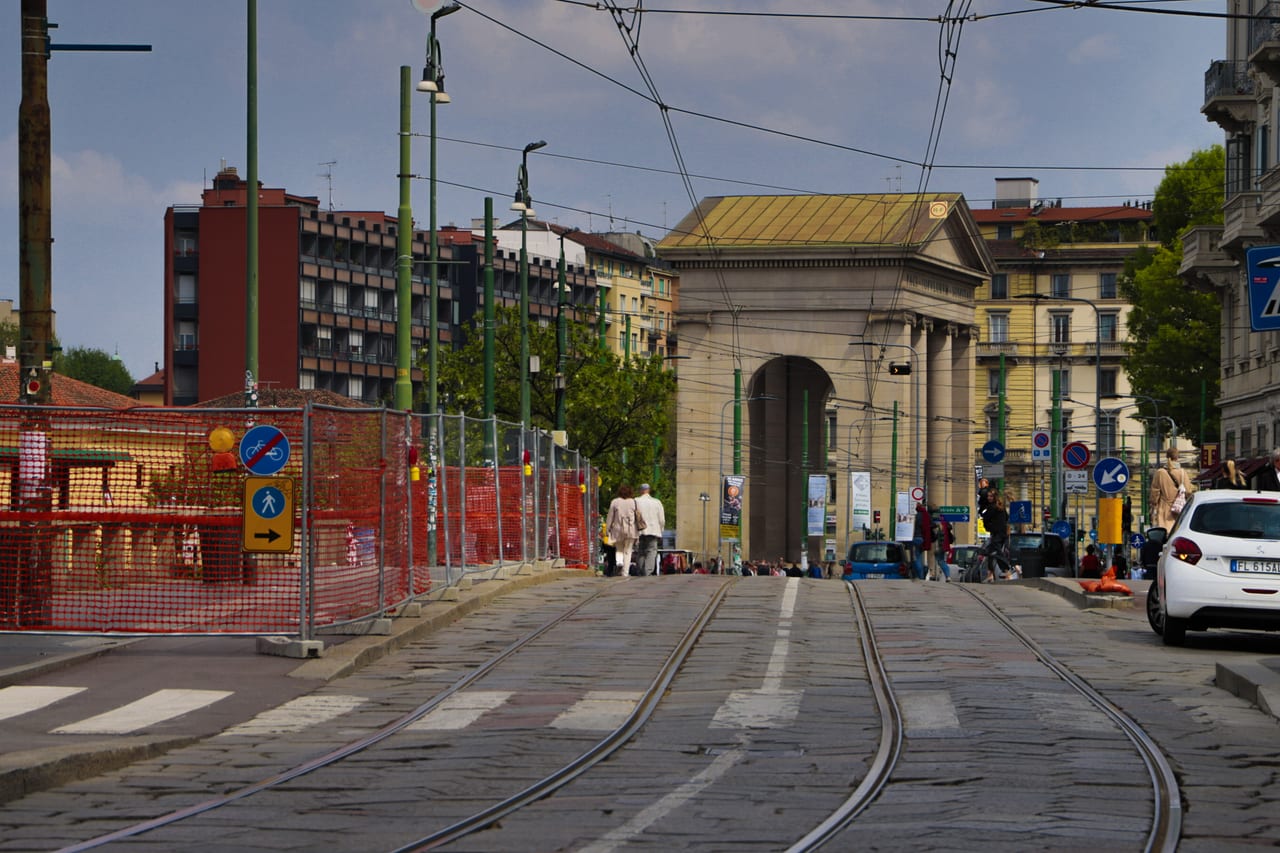
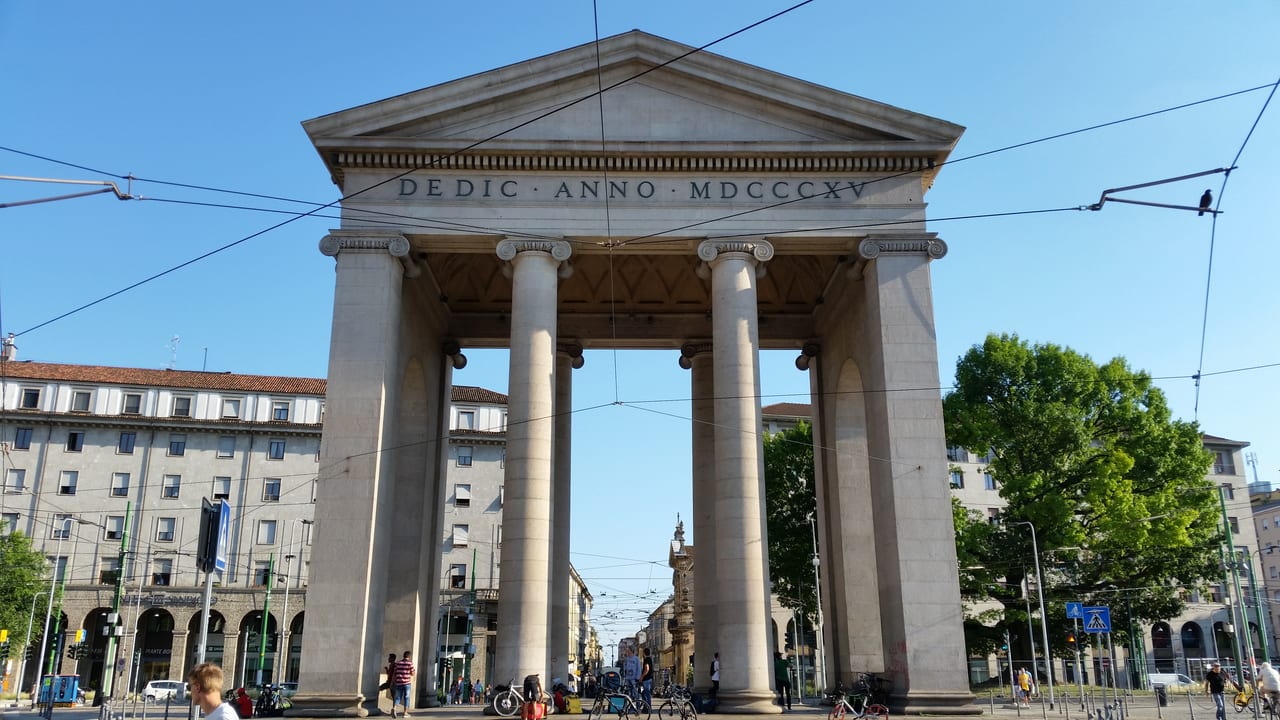
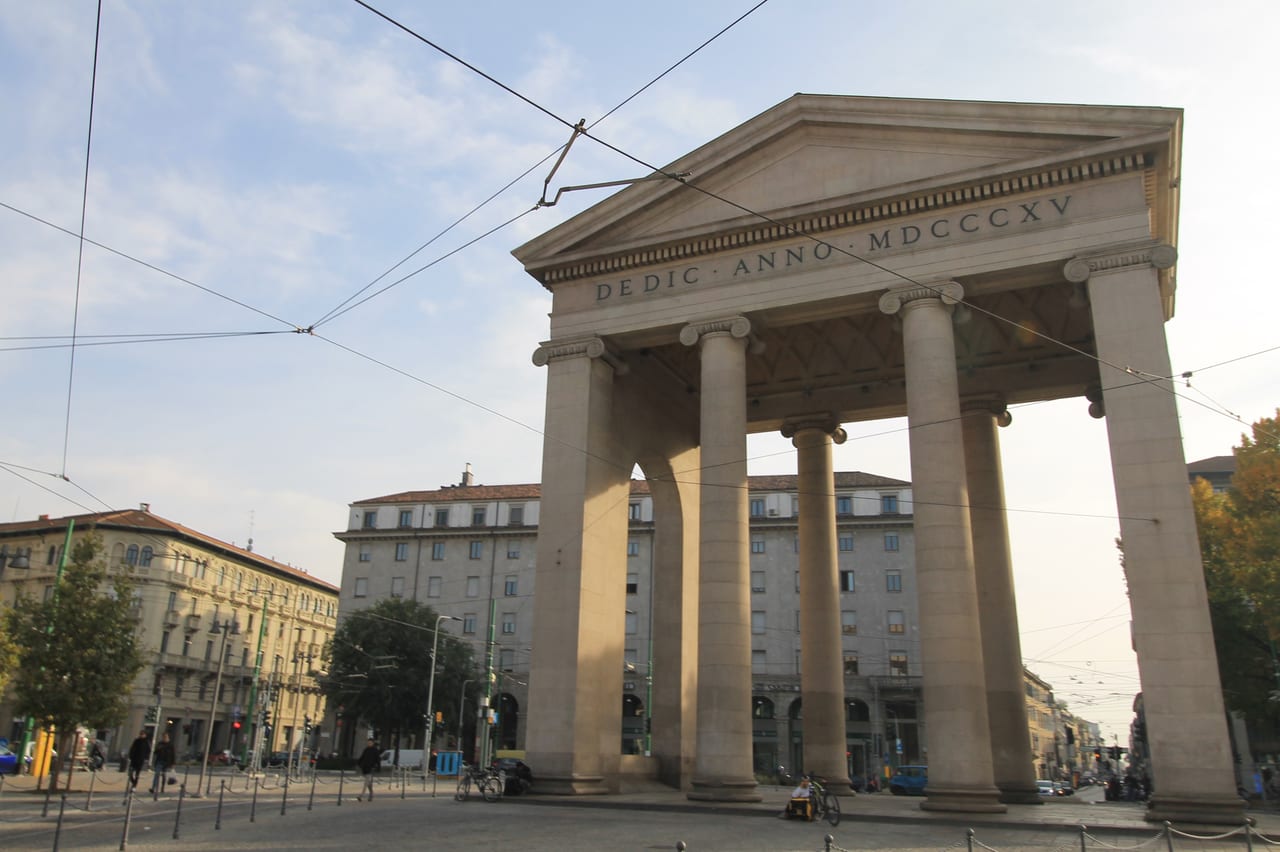
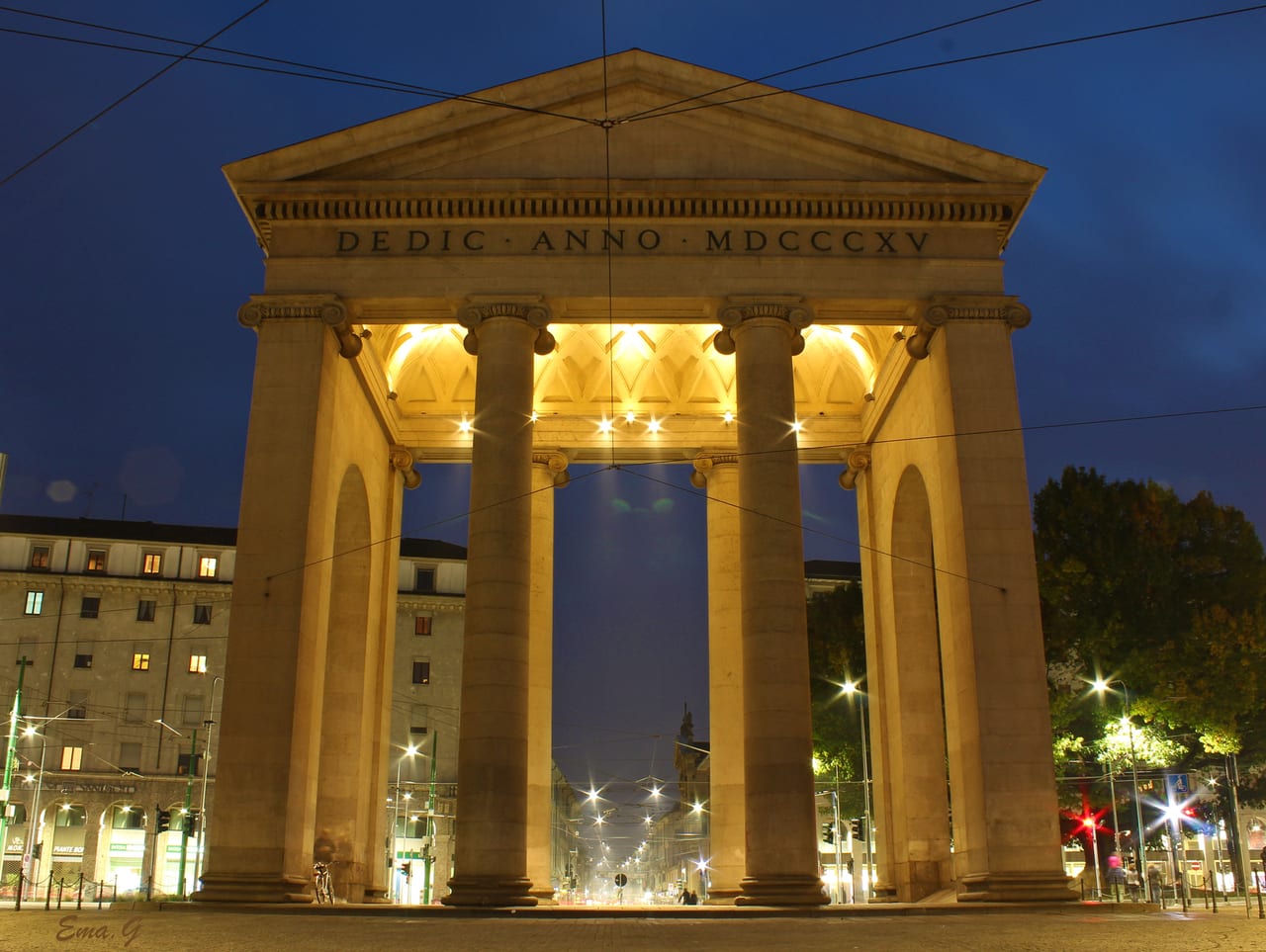
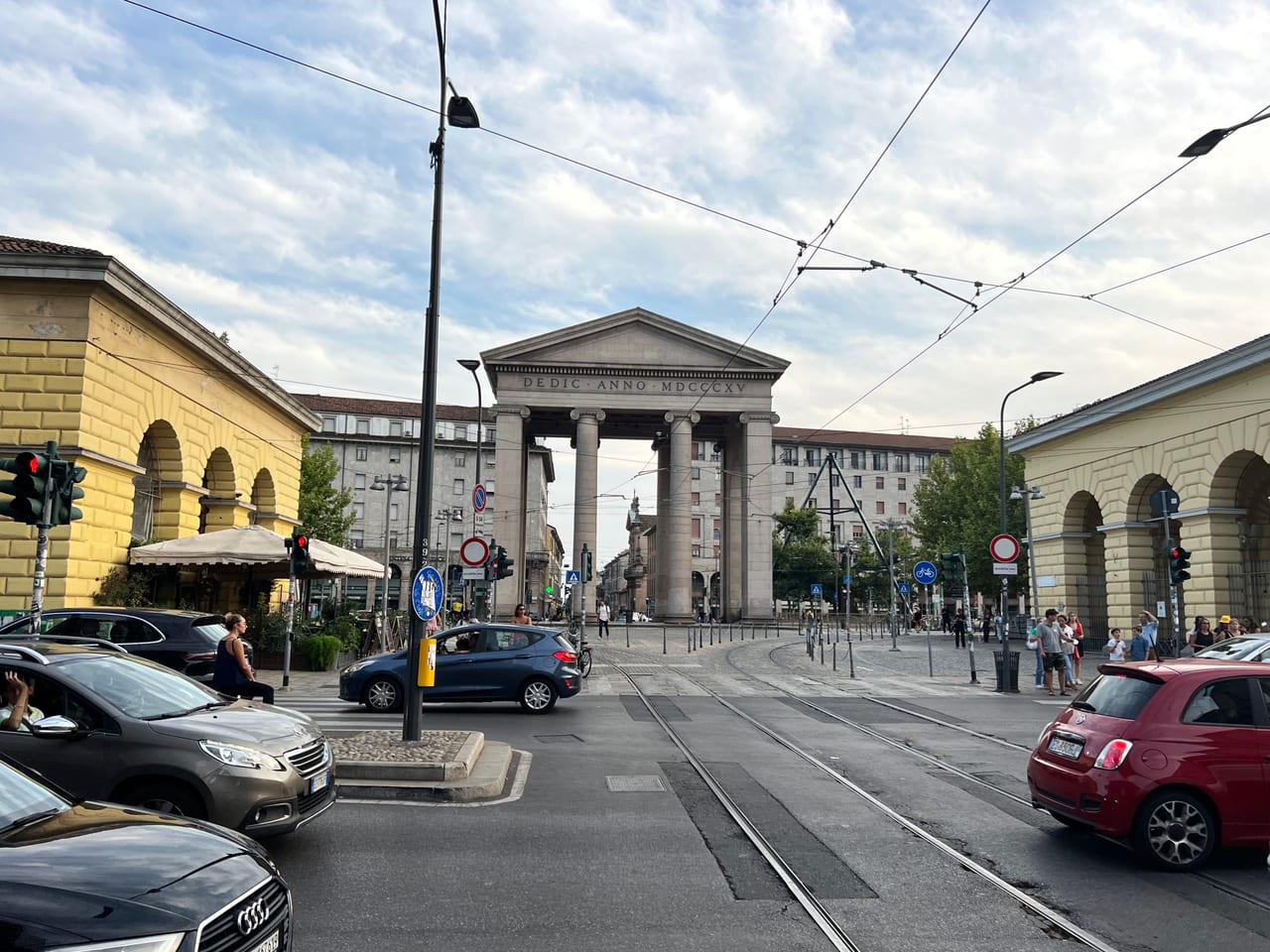
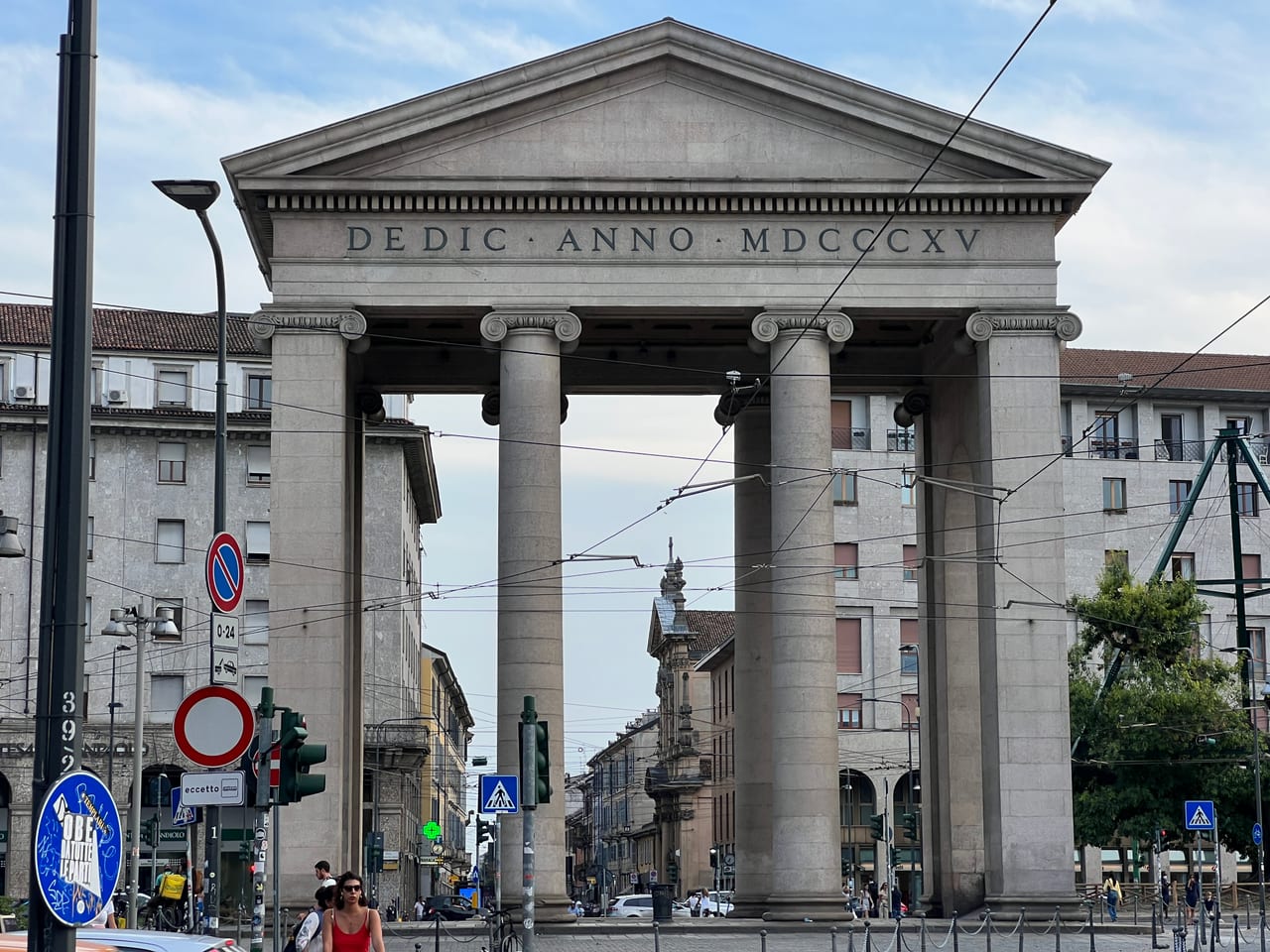
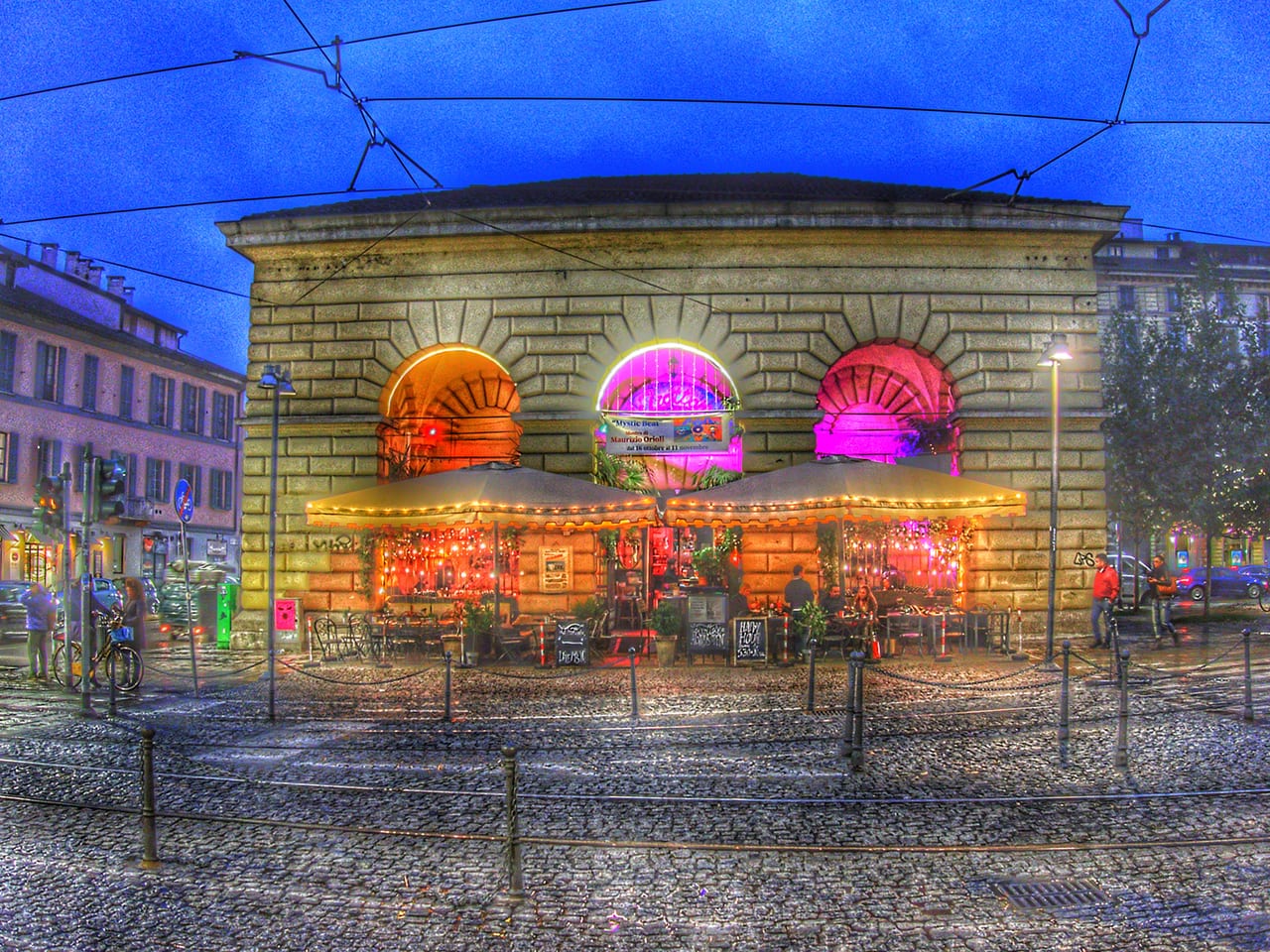
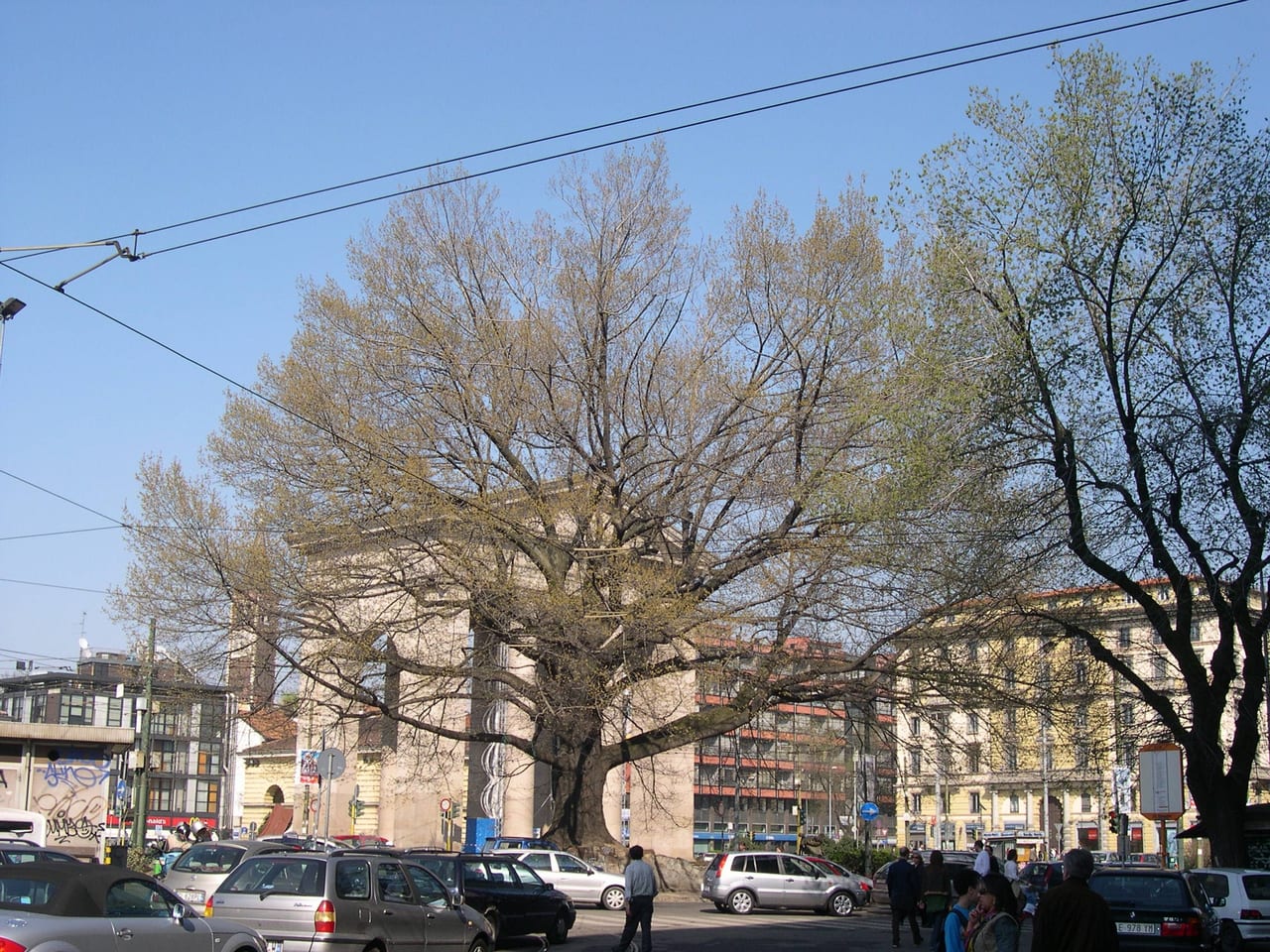
Porta Ticinese traces its identity through several layers of Milan’s defences. A medieval gate bearing the same name belonged to the 12th-century walls and survives nearer the historic centre. The present gate occupies the position established during Spanish rule in the 16th century, when it formed part of the larger Spanish walls. Its earlier structure was demolished as the city’s gates were redesigned as toll-gates in the early 19th century. Luigi Cagnola designed the replacement, built between 1801 and 1814 in Italian Neoclassical style. Massive pillars and Ionic-order columns support a broad tympanum, giving the composition a monumental, disciplined profile; it is regarded as one of Milan’s prominent Neoclassical works. The gate is protected as Italian national heritage. Porta Ticinese also lends its name to the surrounding historic quarter, whose coat of arms depicts a three-legged red stool on silver.
At a glance
- Architect
- Luigi Cagnola
- Style
- Italian Neoclassical architecture
- Heritage
- Italian national heritage
Ways to explore Porta Ticinese
Begin at Piazzale XIV Maggio and read the gate as a formal urban threshold, taking in the mass of the pillars, the Ionic columns and the tympanum from different angles. Walk towards the medieval gate, which stands closer to the centre, to compare the two surviving stages of the area’s defences. Visit Parco delle Basiliche, Sant’Eustorgio, San Lorenzo and the Colonne di San Lorenzo; the last of these stands beside one of the city’s principal evening gathering places.
Places to stay near Porta Ticinese

Live availability and prices from Stay22's partners, refreshed periodically and subject to change. Booking through these links may earn us a commission at no extra cost to you. See our privacy policy.
Cafés near Porta Ticinese
Cafés near Porta Ticinese loads as you scroll.
Attractions nearby
Attractions near Porta Ticinese loads as you scroll.
Cities nearby
Cities nearby loads as you scroll.
More in Milan
See more of Milan.
Find great cafés, places to stay and other interesting places to visit in Milan.